
















How Kochi Became One of the World’s Top Trending Destinations for 2026
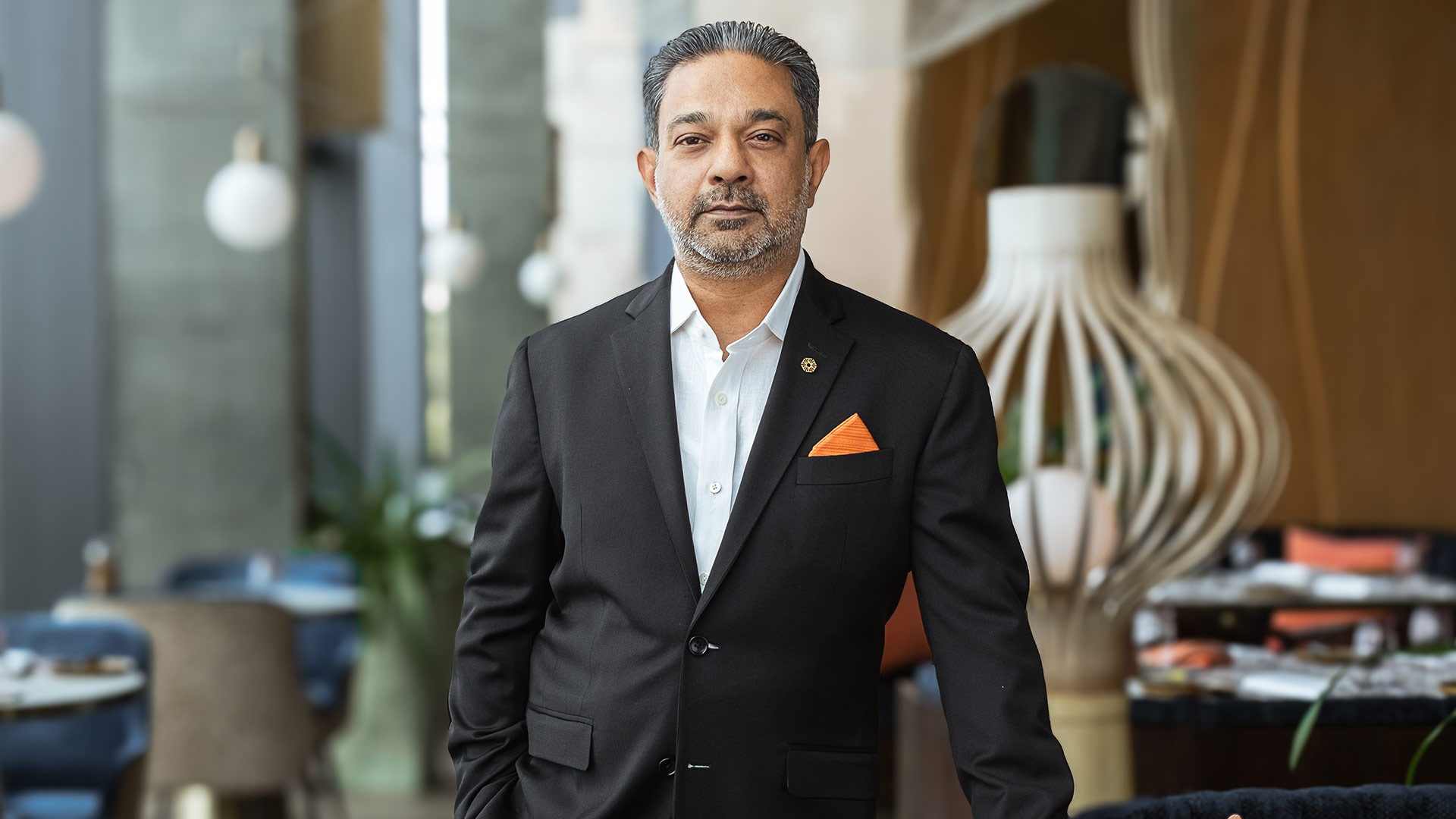
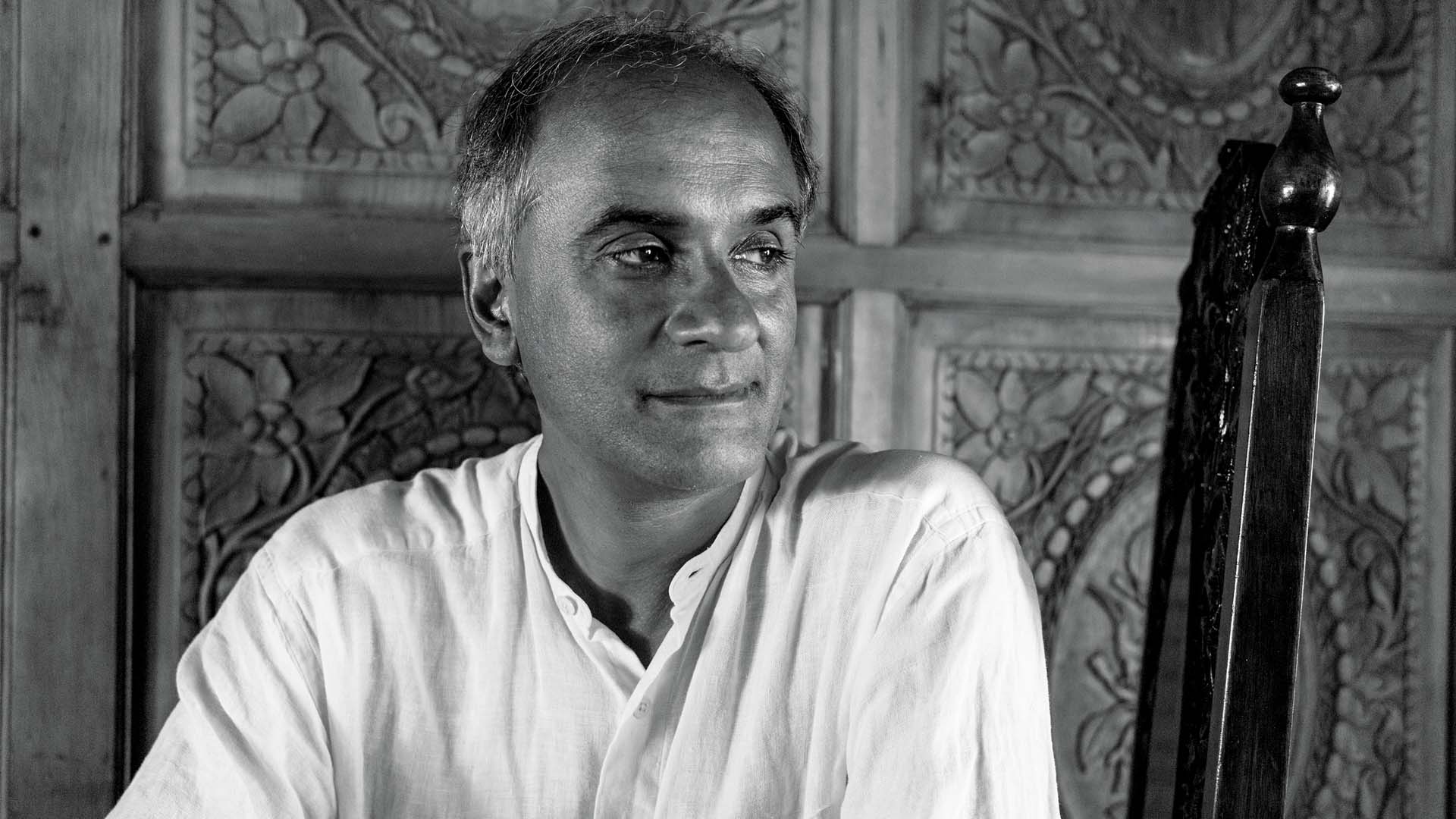
Santosh Kumar, Regional Head – South Asia, Booking.com, discusses why Kochi is one of the top trending destinations on the platform.


By Rachna Virdi
The vibrant and culturally rich port of Kochi positioned as the ‘Queen of the Arabian Sea’ is fast emerging as a global travel hotspot. The port city has been recognised as one of Booking.com’s Top Trending Global Destinations for 2026, based on insights from its latest Travel Predictions report, which draws on global booking data to identify the destinations set to define travel in the year ahead.
Data from the first half of 2025 (January–June) shows a 30% year-on-year increase in search interest for Kochi, reflecting growing global curiosity around its rich cultural heritage, distinctive cuisine, hidden gems, and deeply rooted spiritual experiences.
SOH speaks with Santosh Kumar, Regional Head–South Asia, Booking.com, to explore India’s rising profile as an international tourism hub and understand how cities like Kochi are claiming their place on the global travel map. Kumar plays a critical role in driving business growth, strategy and operations across one of the most dynamic regions of the company.
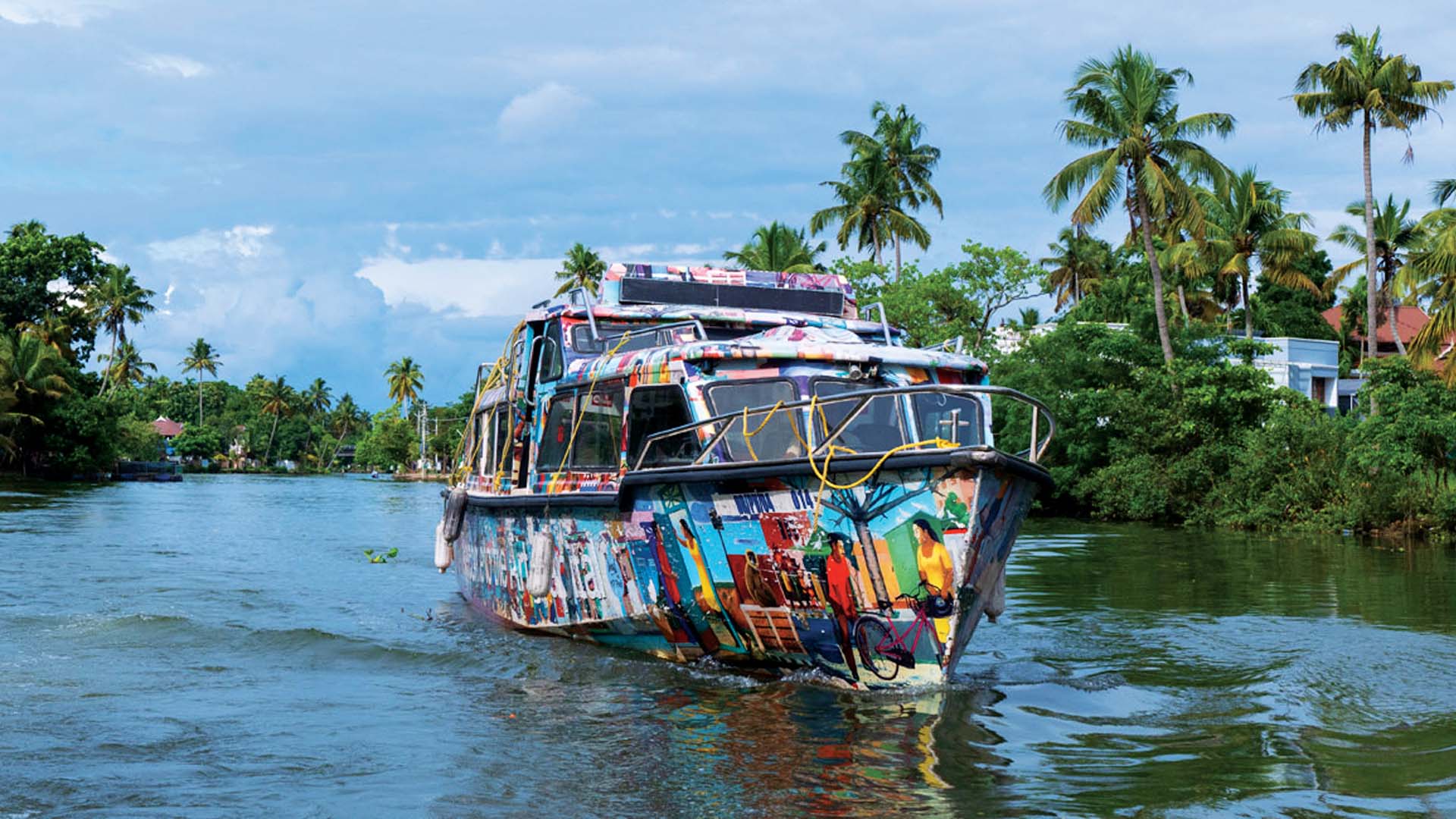
Kochi is fast emerging as a global travel hotspot, as per Booking.com Travel Predictions.

The iconic Chinese fishing nets sway gently against the horizon of the Arabian Sea.
Excerpts from the interview:
How is Booking.com reshaping travel on a domestic and global level?
As one of the world’s largest travel marketplaces, we connect travellers with memorable experiences, transport options, and incredible places to stay. At the heart of what we do is a global vision and mission: to make it easier for everyone to experience the world.
Reflecting on our own journey over the past 30 years as a global travel platform, we began as an accommodation-focused business. In recent years, however, we have evolved far beyond that. Traditionally, travellers start by booking flights, followed by accommodation—and our ambition has been to grow beyond being a pure accommodation platform to better support the entire travel journey. Our latest Travel Predictions report highlights this shift, revealing that in 2026 travellers are designing trips as unique as they are—curating journeys that reflect who they are, what they want, and what they love.
India is rising as a hub for international tourism, and Indian cities like Kochi are emerging as a fast-growing domestic travel destination on the global travel map.
2026 marks the rise of more individual, experimental travel that reflects who travellers truly are. Over the past decade—accelerated after the pandemic—travel has shifted toward experiential journeys, with people travelling more often not to tick off landmarks but because travel has become part of everyday life. Travellers increasingly want to immerse themselves in destinations and spend meaningful time in one place, as seen in patterns like first-time visitors to Indonesia skipping Bali for lesser-known islands focused on experiences such as diving. A similar trend is emerging in India, where travellers are choosing smaller, off-the-beaten-path destinations over the most popular spots to engage with local communities and experience places more authentically. In an age where everything is documented on our phones, travel is less about ticking boxes and more about genuine human connection—something we believe is contributing to the growing appeal of Kochi, as reflected in the data we’re seeing.
What are the key drivers that contributed to Kochi’s growth as a travel destination?
A number of factors have contributed to the rapid growth of Kochi. A waterfront city shaped by centuries of global trade and cultural exchange, it has long been a major port along the Malabar Coast of India. Today, Kochi stands out as a breathtaking destination defined by its rich culture, deep heritage, and distinctive flavours. From historic spice routes and colonial-era neighbourhoods to tranquil backwaters and an evolving culinary scene, the Kochi journey reflects a broader global shift toward slower, more meaningful, and culture-first travel.

A Kathakali performance by renowned local artists and a behind-the-scenes look at the intricate makeup and storytelling techniques that define this ancient art.
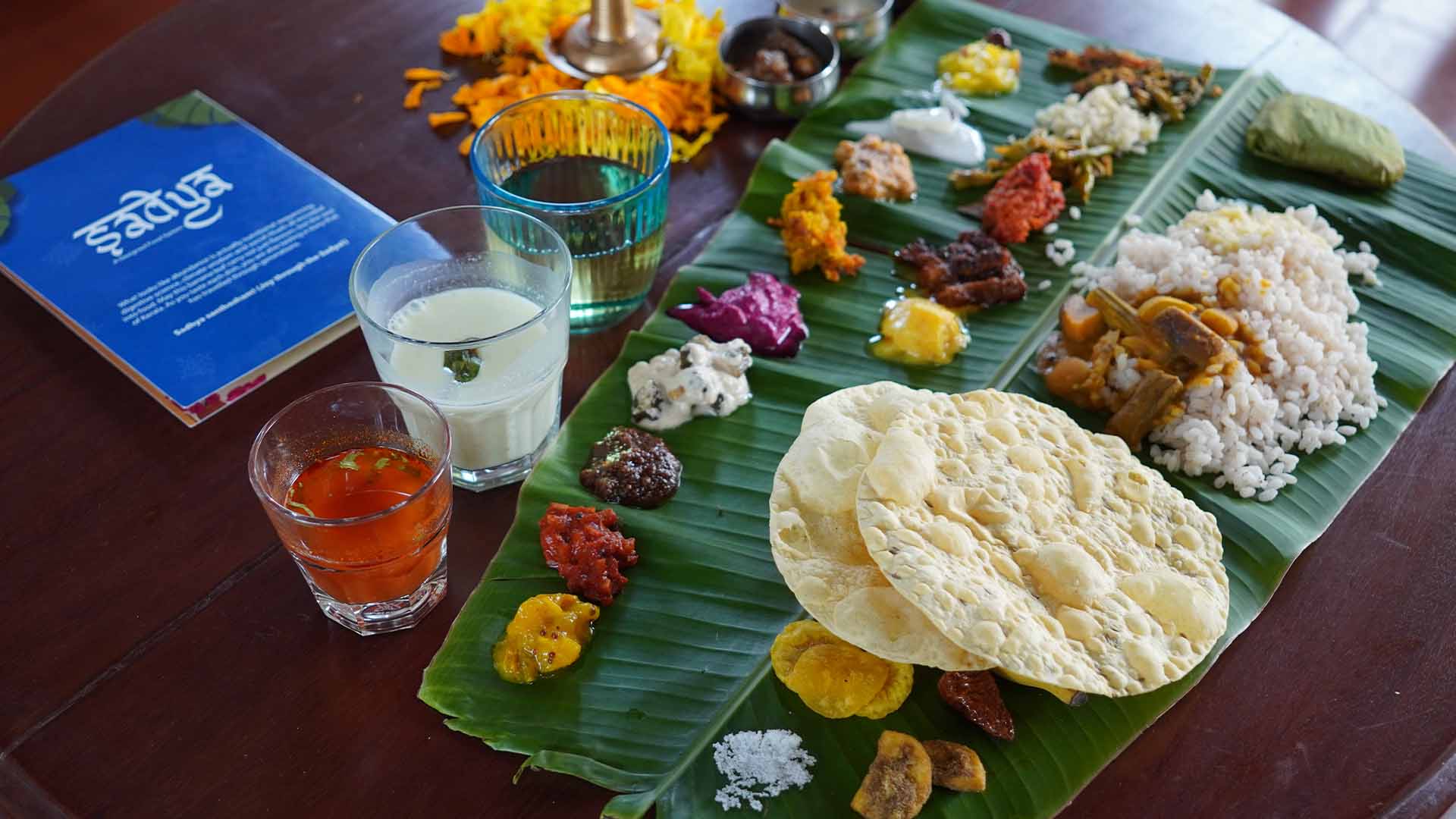
Traditional Sadhya, a multi-course feast served on a banana leaf—a true immersion into Kerala’s culinary soul.
2026 marks the rise of more individual, experimental travel that reflects who travellers truly are. Over the past decade—accelerated after the pandemic—travel has shifted toward experiential journeys, with people travelling more often not to tick off landmarks but because travel has become part of everyday life.
Santosh Kumar
Regional Head–South Asia, Booking.com

Is there a growing shift toward slower, meaningful, and culture-first travel?
Based on our travel predictions and trends, we’re seeing a slow but steady global shift in how people travel. While it varies by traveller type, journeys are increasingly moving away from checklist-based tourism toward more conscious, intentional travel. Overall, travellers want to be more mindful about how and why they travel—and that’s a clear pattern we’re observing.
How do cultural experiences, cuisine, and heritage influence travellers when choosing Kochi?
Kochi has much to offer travellers. With easy access via Cochin International Airport, it serves as a soulful gateway to southern India’s natural beauty and cultural riches. Wander the atmospheric lanes of Fort Kochi, where colourful heritage mansions sit alongside contemporary art cafés, and iconic Chinese fishing nets sway gently against the horizon of the Arabian Sea. The city comes especially alive during the Kochi–Muziris Biennale, when historic warehouses are transformed into cutting-edge art spaces. Culinary traditions run deep here too—from toddy shops serving fiery local seafood to refined plates of fish molee and coconut-rich thalis. Just beyond the city, diverse landscapes unfold: glide through the backwaters of Alleppey, trek the misty hills of Munnar, or unwind on the golden sands of Marari Beach.
What kind of traveller is Kochi attracting today—is it families, millennials, digital nomads, or luxury seekers?
Kochi attracts a diverse mix of travellers, spanning business travellers, MICE visitors, and a significant number of people arriving for medical tourism. We see strong demand particularly from the Middle East and Southeast Asia, driven by excellent connectivity and the affordability of high-quality healthcare. The city has also emerged as a key hub for Ayurveda, offering both traditional healing practices and scientifically guided treatments—an area that continues to see growing interest. Alongside this, Kochi experiences substantial leisure travel, reinforcing its position as a well-rounded destination that caters to multiple travel needs.
In what numbers do you expect travellers to Kochi in 2026?
It’s difficult for me to comment on overall destination numbers, as while there are projections, the government is better placed to speak to the official figures. From a platform perspective, however, we are seeing strong momentum. We’ve recorded a 30% year-on-year increase in searches from international travellers, as well as from travellers within India. We’ve also seen a clear rise in Kochi’s standing among domestic destinations, indicating growing preference and awareness. Taken together, this points to very robust demand, which we expect to continue, with no signs of a slowdown in the near term.

The vibrant culture of the port city has drawn travellers in recent years, says Kumar.
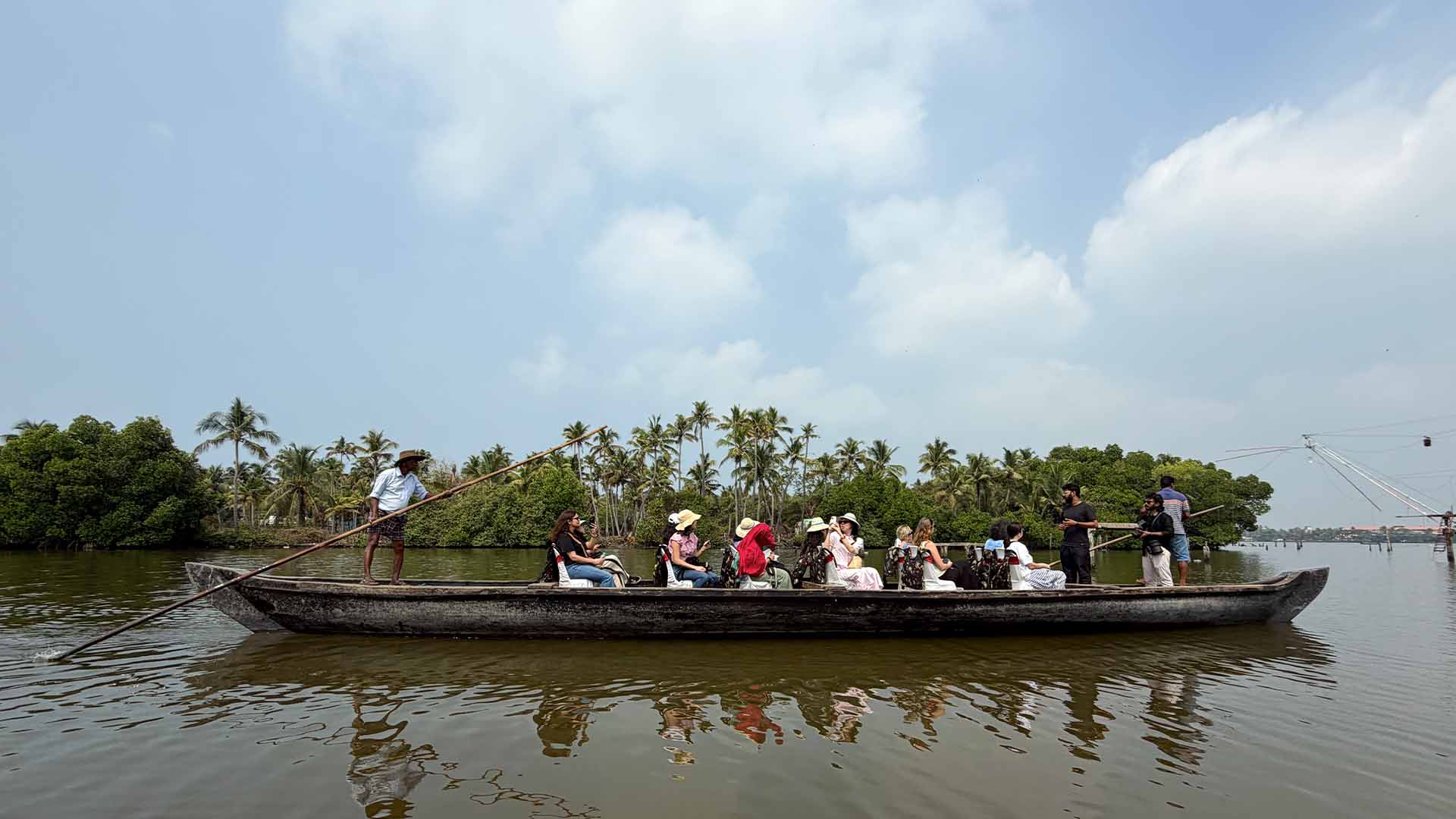
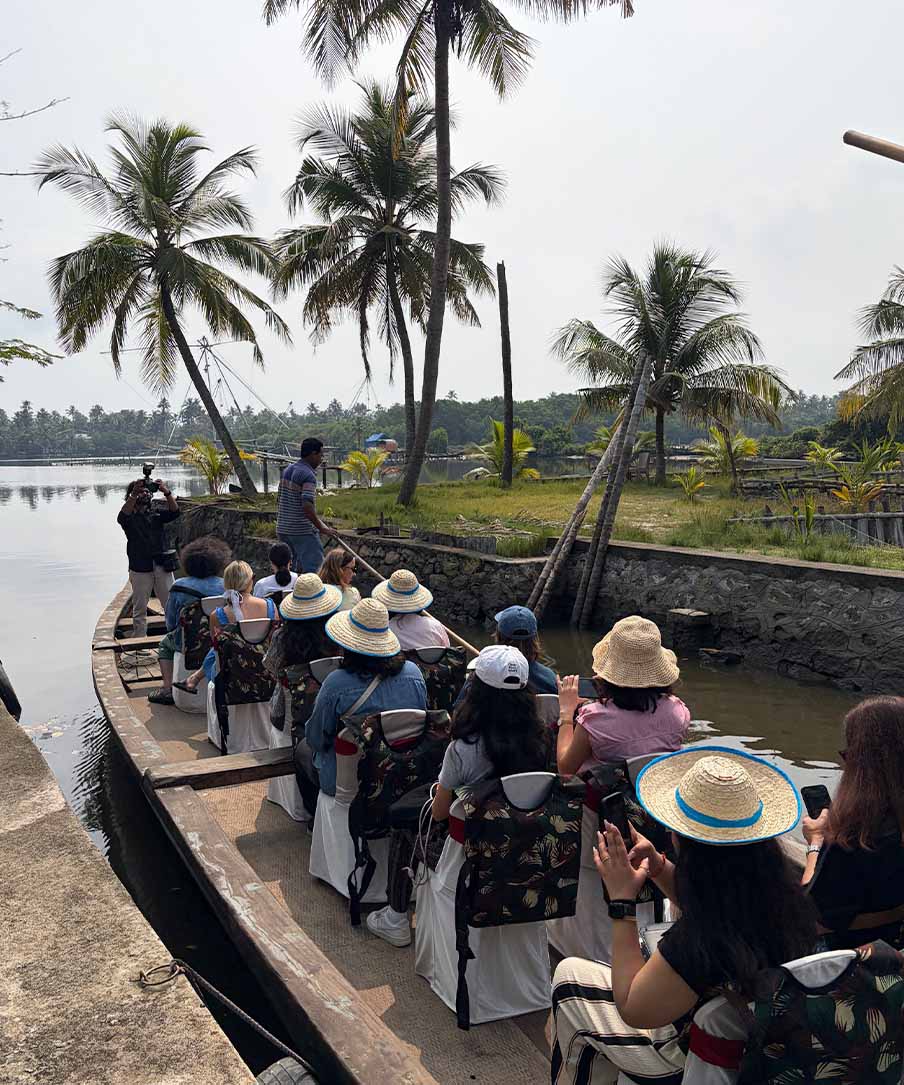
Gliding through the tranquil backwaters is the way to slow, meaningful travel.
What can local hotels, homestays, and tourism stakeholders do to strengthen Kochi’s appeal?
Kochi and Kerala already have strong fundamentals in place. The opportunity now lies in amplifying those strengths—and that’s where platforms like ours can add real value. We help destinations reach a broad mix of domestic and international audiences, going beyond traditional source markets and tapping into emerging traveller segments. With increasing direct connectivity between India and other regions, there is a clear opportunity to attract new source markets that may be visiting India for the first time—such as Central Asia, parts of Southeast Asia including the Philippines, Vietnam and Indonesia, as well as medium-haul markets in Europe. Another key opportunity is optimising digital storefronts—building strong content, imagery, and reviews so travellers can confidently choose these destinations. We also enable partners to invest in targeted marketing on our platform, whether destination-led or property-specific, and use our algorithms, filters, and ad tools to improve visibility and reach the right travellers at the right time.
Sustainability is a growing priority—how important is responsible tourism in promoting destinations like Kochi?
The key challenge today is discoverability. Many travellers want to travel more sustainably but don’t know where to find certified accommodations. That’s the problem we’re addressing. We support around 60 sustainability certifications, allowing properties certified by organisations such as the Global Sustainable Tourism Council (GSTC) or LEED to clearly showcase their credentials on our platform. This makes it easier for travellers to identify sustainable stays and make more informed choices. Beyond visibility, we also work closely with our partners by offering free tourism- and sustainability-focused training courses, developed in collaboration with the United Nations. These resources help partners strengthen and continuously improve their sustainability practices.
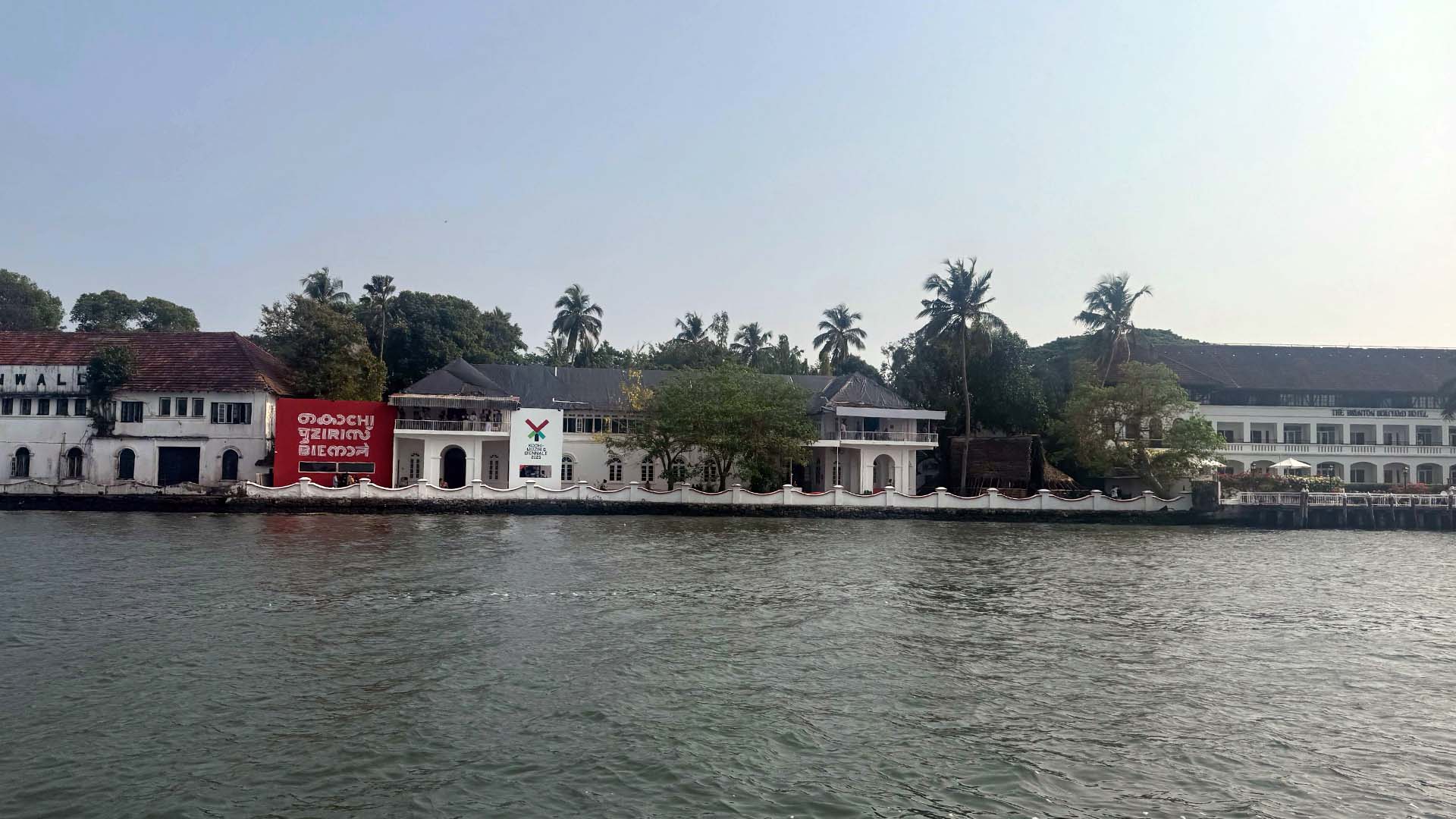
Travellers increasingly want to immerse themselves in destinations and spend meaningful time in one place.
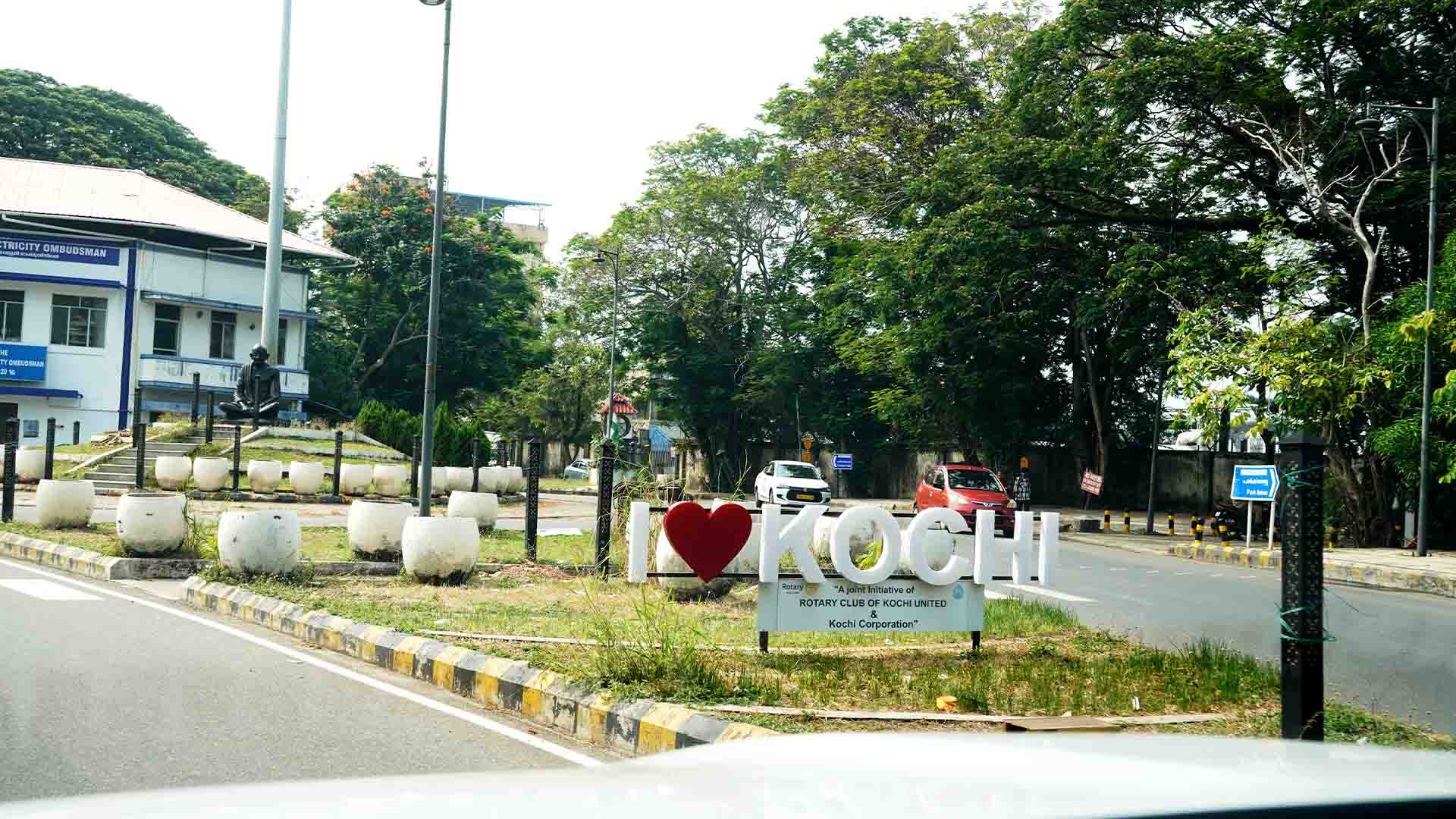
With easy access via Cochin International Airport, it serves as a soulful gateway to southern India’s natural beauty and cultural riches.
Domestic travel has surged post-pandemic—what emerging trends are shaping the industry today?
Travel trends continue to evolve each year, and our latest insights show that individuality now sits at the centre of how people travel. Many travellers today are motivated by what we call “modern milestones.” In the past, travel was tied to birthdays, anniversaries, or major life events, but today it may simply mark the end of a hectic month at work, a long weekend, or a spontaneous reunion with friends. Travel has become a natural part of everyday life rather than a reward people wait to earn. Greater accessibility has accelerated this shift: improved connectivity, simpler visa regimes, and a stronger Indian passport make spontaneous travel easier than ever. For example, travellers can decide on a Thursday morning to fly to Bangkok the same day without a visa, while destinations like Vietnam are seeing rapid growth as airlines expand routes and infrastructure improves through new air links, road networks, and faster rail services like the Vande Bharat Express.
Rising discretionary income and easier access to credit are also enabling people to travel more frequently. At the same time, social media, OTT platforms, and digital connectivity are broadening travellers’ exposure to destinations and experiences, fuelling the growth of event-led tourism. On our platform, we’ve seen sharp spikes in demand around global events—from concerts by Coldplay and BTS to upcoming performances by Shakira—as well as major sporting events that drive travel to host cities. Finally, supply has evolved beyond traditional hotels to include homestays, villas, bed-and-breakfasts, and other alternative accommodations, giving travellers more ways to experience destinations and reinforcing the broader shift toward personalised, flexible, and experience-led travel.
With AI coming in and with travellers becoming more digitally savvy, how is the idea of luxury evolving?
AI has long been part of our DNA at Booking.com. For over a decade, we’ve used AI and machine learning across the supply side of our marketplace, supporting areas like content moderation, translations, and review management across 46 languages while managing the scale of more than 29 million listings. AI also plays a key role in fraud prevention and maintaining listing quality. In recent years, its role has expanded to the demand side with more consumer-facing applications, including our AI Trip Planner—a conversational tool that lets travellers ask open-ended questions and receive personalised recommendations.
AI is also powering customer support and search experiences. It helps answer common traveller queries instantly—such as whether a property has parking—reducing friction for both customers and partners. We’ve also integrated AI into search, allowing travellers to use natural language instead of filters, for example asking for a property in Amsterdam with canal views, a gym, and a rooftop pool. While this is still early days, we see significant potential as AI evolves. India remains a priority market for us, and we’re actively localising our product for Indian travellers while remaining optimistic about the country’s strong travel growth.