










India’s New Restaurant Playbook
Inside the minds of the country's most influential restaurateurs.

By Deepali Nandwani
Is the Indian diner really becoming more adventurous, especially outside the metros?
The truth lies somewhere in between. It’s been wonderful to see how much more adventurous the Indian diner has become, seeking the international experiences he encounters while travelling, but now in his own city and neighbourhood. I’ve witnessed a real paradigm shift in what customers seek. Yet, compared to some of the strongest Asian F&B cities, we still have a way to go. If a restaurant begins with a clear understanding of what its customer is comfortable with, stays innovative and creative and—most importantly—communicates consistently before, during, and after launch, there’s tremendous scope here.
Brands: Olive Bar & Kitchen, Olive Beach, Olive Bistro & Bar, SodaBottleOpenerWala, Monkey Bar, The Fatty Bao, Ek Bar, Guppy, The Grammar Room, Olly, Olive Café & Bar, The Love Hotel, Cantan, Toast & Tonic, Siren, Serai, The Hoppery
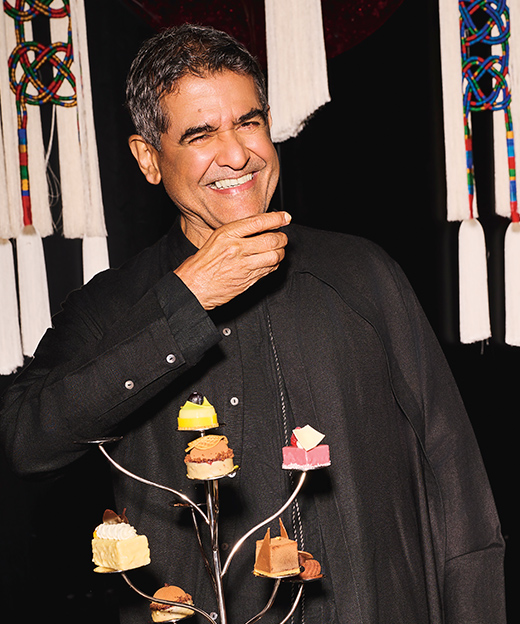
AD Singh, Founder and MD, Olive Group.
What has been your experience expanding your brands internationally?
We were the first casual Indian chain to go overseas. I opened a Masala Library in the world’s tallest hotel in Dubai. Farzi Café was the first brand in 2016 to expand there, and since then we’ve established a presence in England, New York, Seattle, and Doha. The biggest challenge in expanding is manpower, particularly finding high-quality chefs. Farzi Café demands nuance and sophistication, combining technical expertise with my scientific approach to Indian cuisine. Visa restrictions add another layer, as chefs must have established reputations.
Brands: Masala Library, Farzi Café, Pa Pa Ya, Made in Punjab, Bo-Tai, Louis Burger, Slyce, Swan
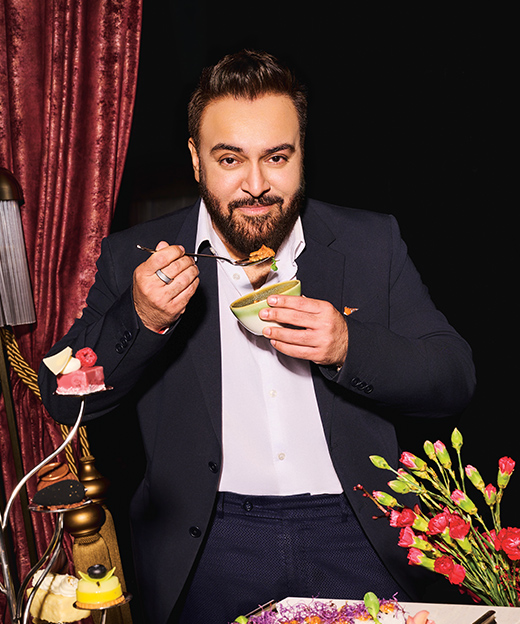
Zorawar Kalra, Co-founder, Massive Restaurants.
How do you navigate the wildly different expectations diners bring in, from globally travelled Indians to foreigners?
I love that people celebrate their 80th and 90th birthdays here. I love that a first date turns into a lifetime of visits. I love that corporates fly in their global CXOs and say, “You’ve had your biryani, now try this.” The Japanese— notoriously finicky—are regulars. So are other foreigners who say, “This is better than my mother makes in Italy.” Yet some desi who once changed planes in Frankfurt will still lecture me on Western food. I’ve grown thick-skinned. Put five olive oils in front of most ‘experts’ and they wouldn’t know which is which.
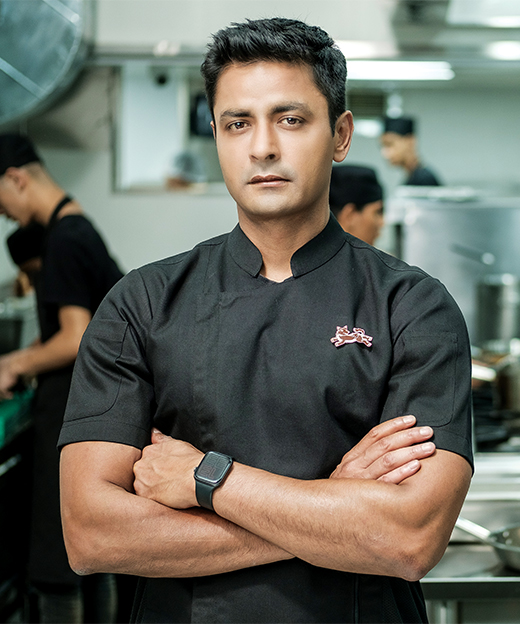
Chef Manu Chandra, Founder Lupa and Single Thread, Co-founder Begum Victoria Cheese.
How are you bringing Kerala’s food and drink culture to an international audience at Chatti New York?
For Chatti NYC, we drew inspiration from Kerala’s toddy shops, essentially taverns where food is served with toddy, creating a natural space for conversation. We aim to celebrate and elevate that culture because food reflects it, and people are always curious. Our offerings at Chatti stand alongside international cocktails, which guests love. We also serve toddy—the freshest possible—shipped from Malaysia via a strict cold chain, arriving as fresh as early-morning toddy back home.
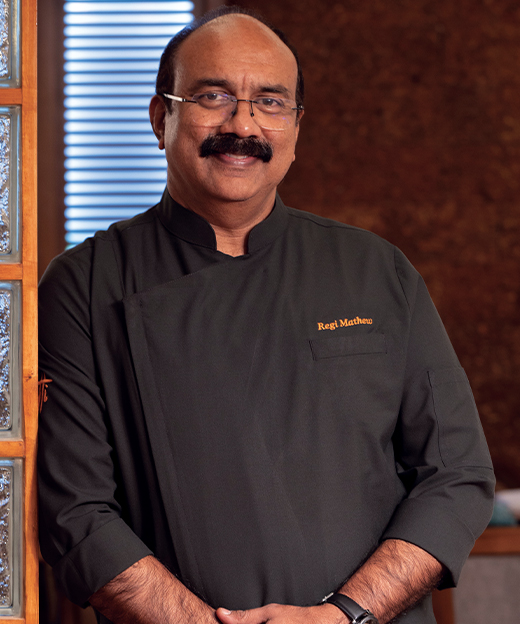
Chef Regi Mathew, Chef and co-founder KCK Foods, Founder and partner Chatti New York.
What is that one thing about Goan food which people most commonly get wrong?
People often think it’s just spicy, purely Indo-Portuguese, or entirely seafood-based. What they miss are the nuances. Goan cuisine is a kaleidoscope of cultures on a plate. Thalis tell the story: a Catholic family’s thali differs from a Hindu family’s, and even within Hindu households, a Brahmin thali differs from a tribal thali. A few years ago, I worked with Goa’s tribal communities, and the thali they brought was unlike any other in Goa. There is immense depth here, requiring patience and a keen eye to truly understand.
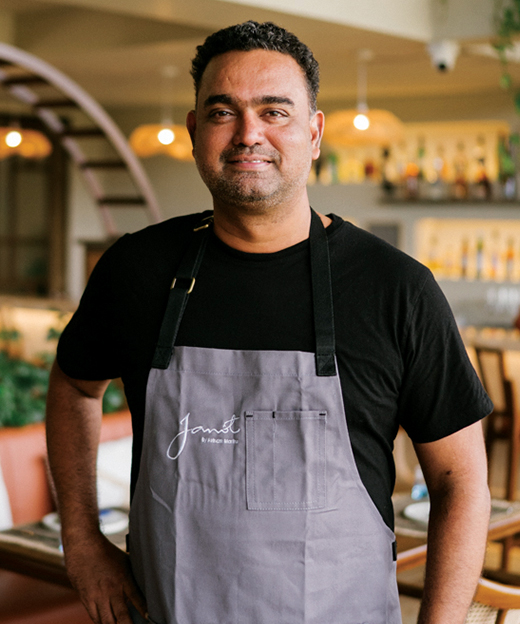
Chef Avinash Martins, Owner, Cavatina, Table in the Hills, Janôt.
How do you build an authentic community in an age where followers are mistaken for loyalists?
We often forget as restaurant owners that Instagram followers are not the community we’re trying to build. The word ‘community’ is thrown around so casually that we forget the difference between a true community and a database. In India, especially, we often mistake one for the other. We emphasise this with our team: our brands endure because we’ve built a real community, and that community is built on trust. Sameer and I still believe in the old-school way: true brands need emotion and feeling.
Brands: The Bombay Canteen, O Pedro, Bombay Sweet Shop, Veronica's, Papa’s
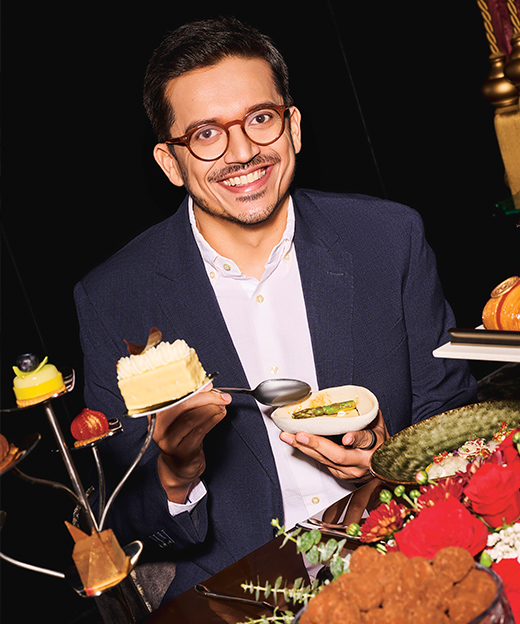
Yash Bhanage, Co-founder, Hunger Inc. Hospitality.
How do you build an authentic community in an age where followers are mistaken for loyalists?
It’s about having a clear POV. Whether it’s right or wrong is for the market to decide—but you must start by stating where you stand. We’ve never seen chefs as outsiders who merely follow instructions. It has always been a true thought partnership, whether with Floyd (Cardoz), Thomas (Zacharias), Hussain (Shahzad), Girish (Nayak), or Shraddha (Tayade), the senior sous chef at O Pedro. It requires multiple honest conversations about what’s working, what isn’t, and a constant dialogue about each brand’s core.
Brands: The Bombay Canteen, O Pedro, Bombay Sweet Shop, Veronica's, Papa’s
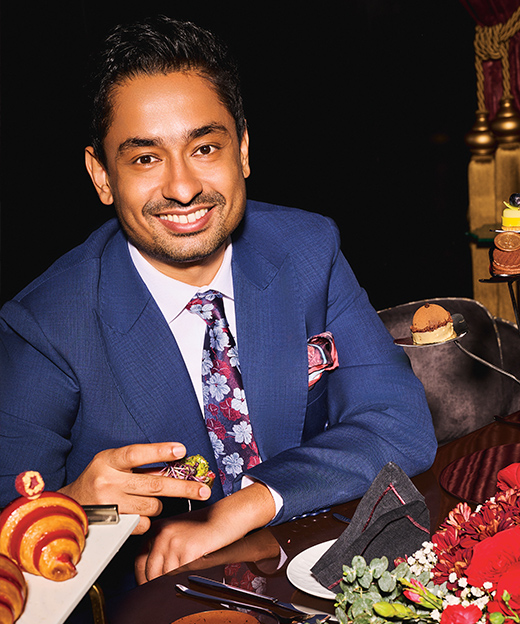
Sameer Seth, Co-founder Hunger Inc. Hospitality.
What were the challenges of introducing an izakaya-style dining concept to Mumbai?
When we first launched, people didn’t immediately understand what an izakaya was—fine dining, a bar, or a casual eatery? Japanese cuisine in India was mostly linked to high-end, polished restaurants. We wanted to introduce a format deeply rooted in Japanese culture yet approachable. It took time and education through experience. Once guests walked in, tasted the food, and felt the energy, it all clicked. Sourcing posed its own challenges. Quality Japanese ingredients aren’t easy to find, but over time we built strong relationships with trusted suppliers and discovered local producers who could meet our standards without compromise.
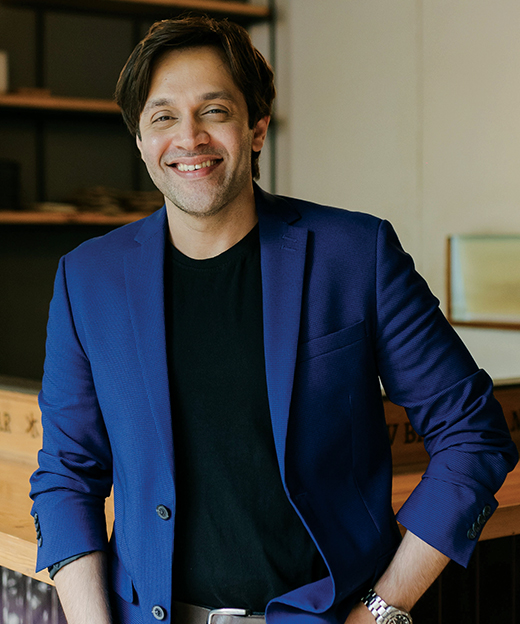
Vedant Malik, Co-founder and Director, Mizu Izakaya.
What does the word izakaya mean to you personally, and how did you interpret it for an Indian audience?
In Japan, izakayas are almost like second homes. You finish work, meet your friends, unwind with great food and sake, and share stories. That’s what we wanted to bring to India, a dining format built around warmth and familiarity. For Indian diners, we reinterpreted it with a balance of approachability and craft. Our menu is designed for sharing, lots of small plates, a lively cocktail program. It’s not about fine-dining theatrics; it’s about creating a space where good food and good energy co-exist naturally.
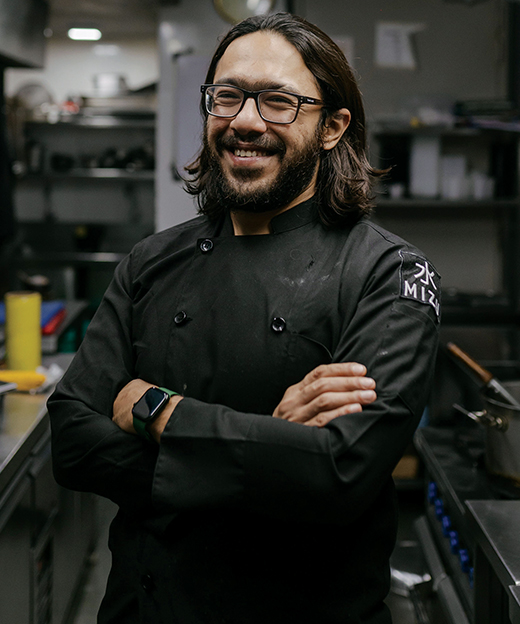
Chef Lakhan Jethani, Co-founder and Executive Chef, Mizu Izakaya.
What is at the heart of a great restaurant?
The trust that you’ll feel cared for every time you walk in, that you’ll be treated like the only guest in the room. This trust isn’t built in a day; it comes from the team, the culture, and the intuition developed over years of service. Guests may arrive for the food, but they return for how they were made to feel. A restaurant becomes an institution not through flashiness, but by creating a sense of belonging. When people celebrate their milestones with you repeatedly, you know you’re doing something right.
Brands: Masque, Paradox, Sage & Saffron, TwentySeven Bakehouse, Circle Sixty Nine
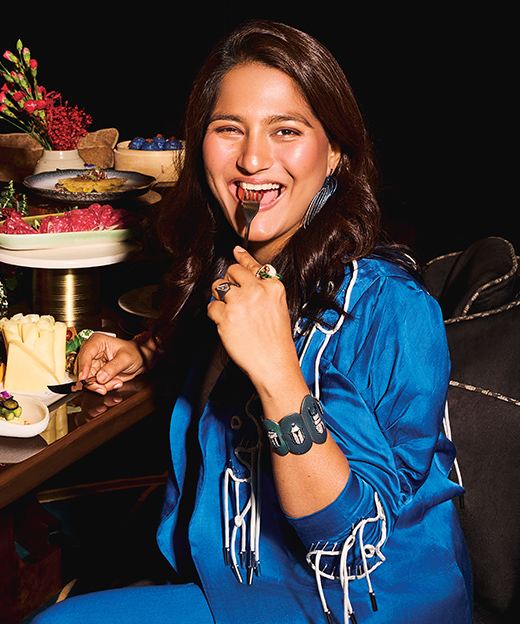
Aditi Dugar, Co-founder, Urban Gourmet India.
What keeps you up at night? And makes it all worth it?
The challenge is always people—nurturing talent, growing leaders, and keeping culture strong as you expand. And of course, the constant pressure to stay innovative without losing your grounding. That balance is delicate. But the joy is when a guest leaves beaming or a young cook gains confidence, or a farmer tells you a partnership changed their season. Those small, meaningful moments are why we do all of this. They make every late night worth it.
Brands: Masque, Bar Paradox, Sage & Saffron, TwentySeven Bakehouse, Circle Sixty Nine
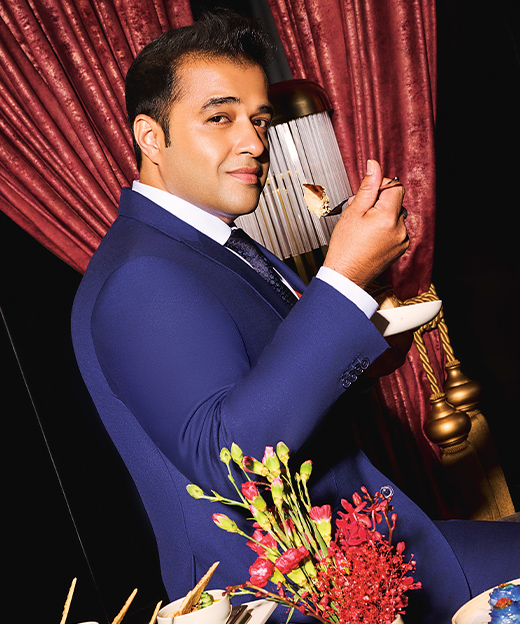
Aditya Dugar, Co-founder, Urban Gourmet India.
What first drew you to agave spirits and inspired the creation of Maya Pistola?
The idea for Maya Pistola came during Covid-19, when I noticed a high demand for agave spirits at my bars. India grows agave right here in the Deccan Plateau—hot, dry, and ideal—yet no one was making it locally. I wanted to create a 100% Indian agave spirit that was pure, additive-free, and reflective of our terroir. That’s how Maya Pistola was born from curiosity, opportunity, and a desire to give India its own voice in this category. It’s gratifying to see Pistola earn over 50 awards, most recently ‘Spirit of the Year – India’ at the USA Spirits Ratings 2025, the highest recognition for an Indian brand this year.
Brands: PCO, Jamun, Mister Merchant’s, Merchant & Me, Raki, Saz, Saz on the Beach, Ping’s Café Orient, Ping’s Bîa Hói, Maya Pistola Agavepura, Klarify, Director’s Room at PCO
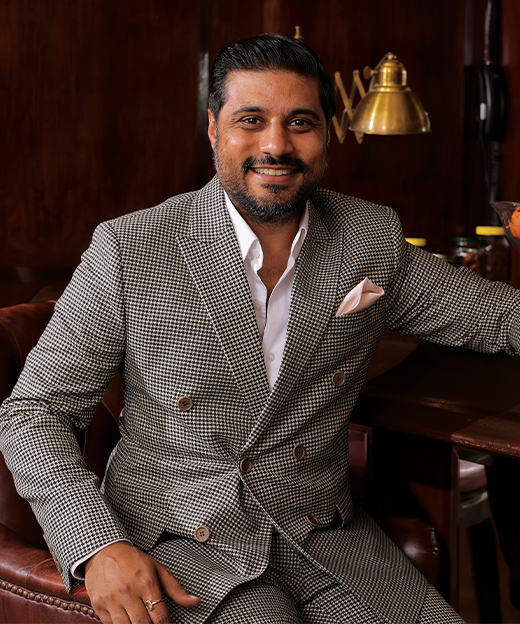
Rakshay Dhariwal, Founder, Pass Code Hospitality.
What defines a truly memorable guest experience?
Intention, warmth, and personalisation. Guests instinctively know when something is meaningful. They value authenticity over theatrics, and the sweet spot is personalisation without intrusion. Great food is expected; a great experience is earned.
Brands: Gigi Bombay, Scarlett House Bombay, Kaia Goa, Donna Deli Bombay, Shy Cafe and Bar
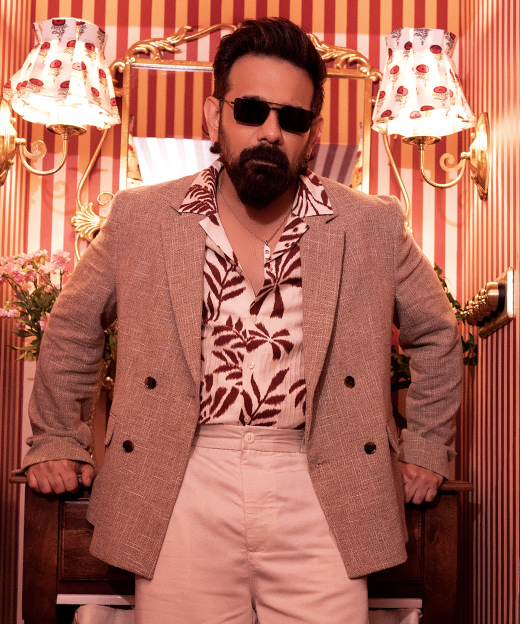
Dhaval Udeshi, Founder, DU Hospitality.
How do you refresh menus, spaces, or stories year after year?
I’m not sure we can speak of legacy restaurants in Indian fine dining as they’re very new. But take places like Madras Café or Swati: they may redo the space or add seasonal specials, yet people return because they stay true to their roots. That’s the testament. Globally, fine-dining institutions such as Balthazar, River Café, and St. John in London refurbish, but the core remains the same. Or Trishna in Mumbai: they may spruce it up, but the food has been consistent since I was a kid. One fundamental thing matters: creating a memory for the diner, a dish that leaves an impact. Weeks or months later, they still crave it.
Brands: The Table Colaba, Kaspers, Magazine St. Kitchen, Mag St. Bread Co, Mag St. Restaurant, Iktara Mumbai
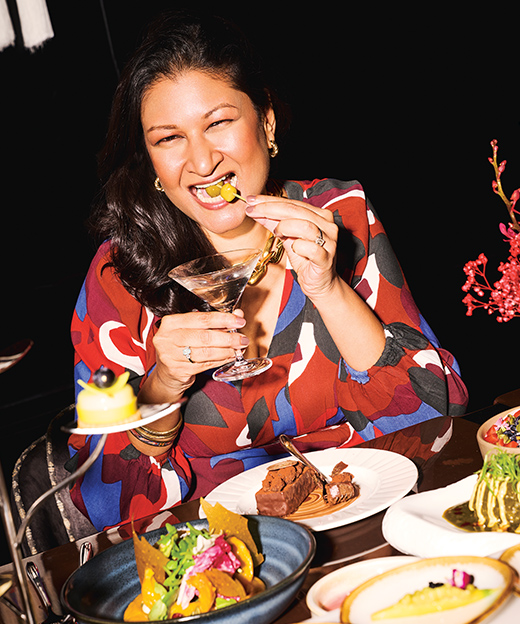
Gauri Devidayal, Co-founder, Food Matters Group.
How do you refresh menus, spaces, or stories year after year?
At The Table, we created a distinct look, which took 14 months to complete. The pressure was on: we were new, paying international-standard rents. What we achieved in those 14 months is now a classic, not just with the space but also the food. Even today, every new chef cooks the same cuisine, in the same style, with the same dishes, but adds their own take. When I lived in San Francisco, I used to visit a neighbourhood restaurant called Garibaldi. Twenty years later it’s still a local favourite. It went through 8–10 chefs, each adding a twist, but the menu stayed.
Brands: The Table Colaba, Kaspers, Magazine St. Kitchen, Mag St. Bread Co, Mag St. Restaurant, Iktara Mumbai
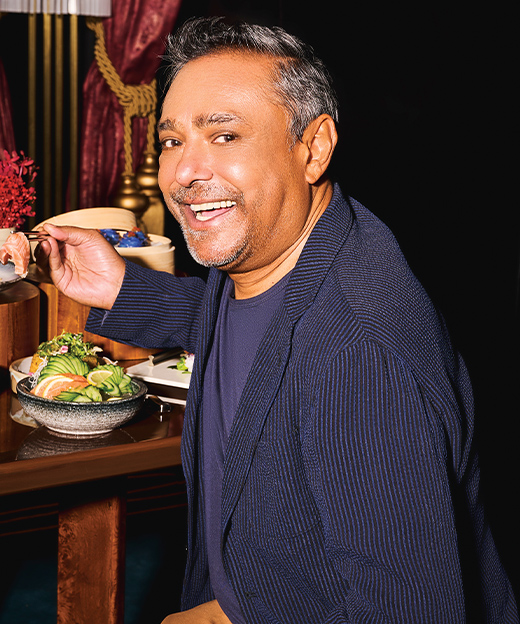
Jay Yousuf, Co-founder, Food Matters Group.
Are 20-seat speakeasies or members-only concepts smarter than 80-seaters?
Those are passion projects, not businesses. A 20-seater open four days a week is just 200 seats—and with rent, staff, and experience costs, it’s hard to make money. They won’t change eating habits. Every city may have a few, but the model isn’t scalable. Six-to-eight course meals for 15–20 guests are great to test concepts, events, or pop-ups. You get a solid sample of about 100 people from diverse backgrounds, helping determine if an idea will work.
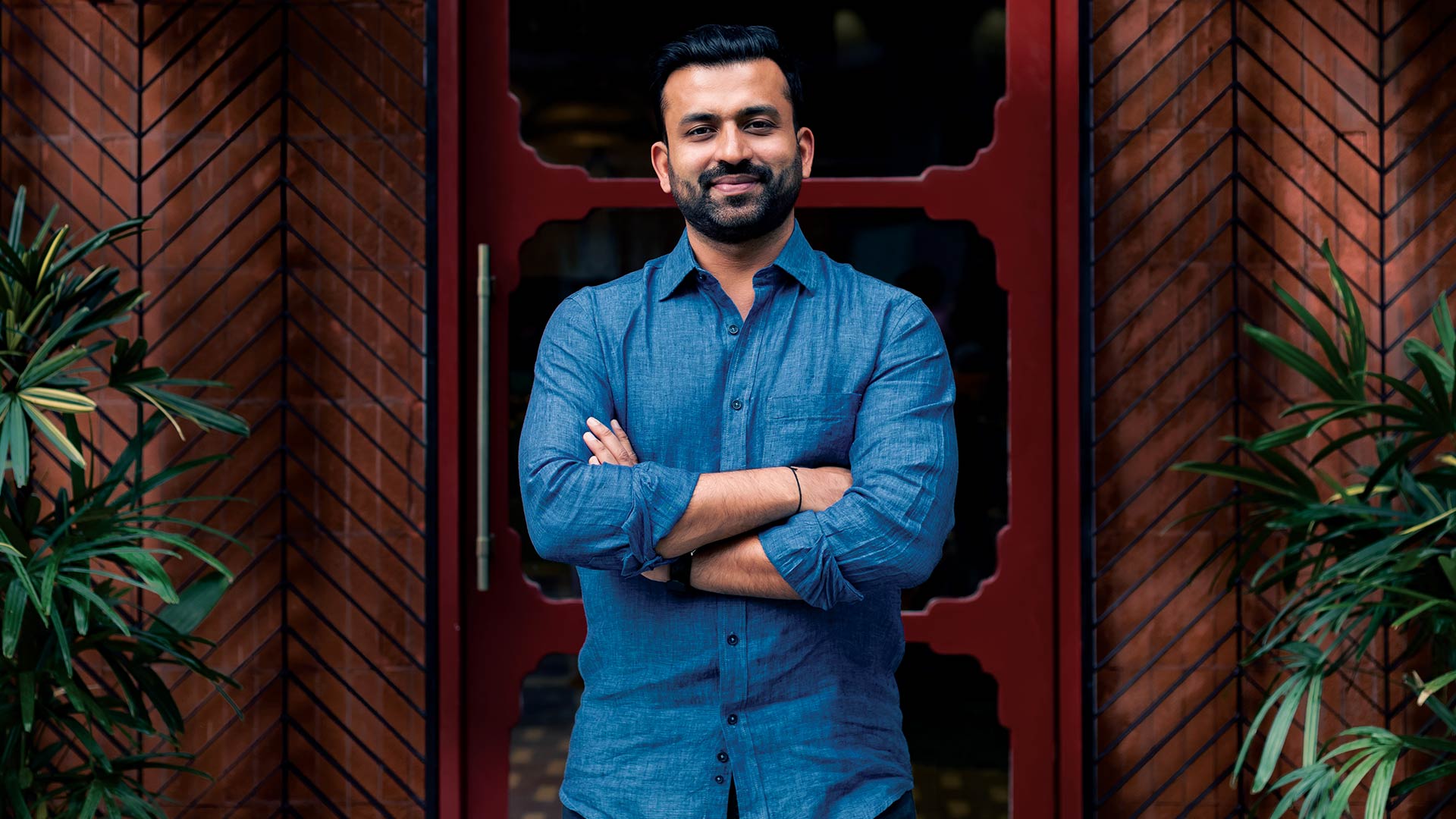
Ankit Gupta, Co-founder, Burma Burma.
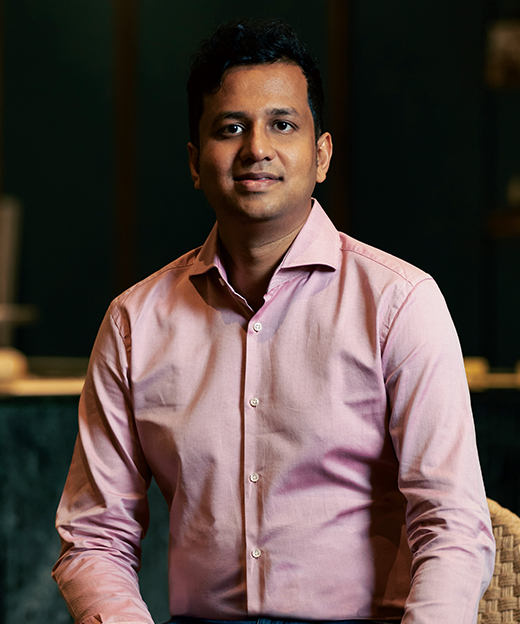
What is your approach to guest interaction and technology in the front-of-house experience?
We believe in being genuine and transparent. When it comes to the front of the house, we are very tech-averse. if I'm a guest going to a restaurant, I don't want to fill a feedback format or I don't want a QR code. I don't want these small menus that I have to strain to see. A menu should be traditional, old school—something I can touch, feel, talk to the server about, look them in the eye. Relationship building is important. We put the guest first and everything else second.
Chirag Chhajer, Co-founder, Burma Burma.
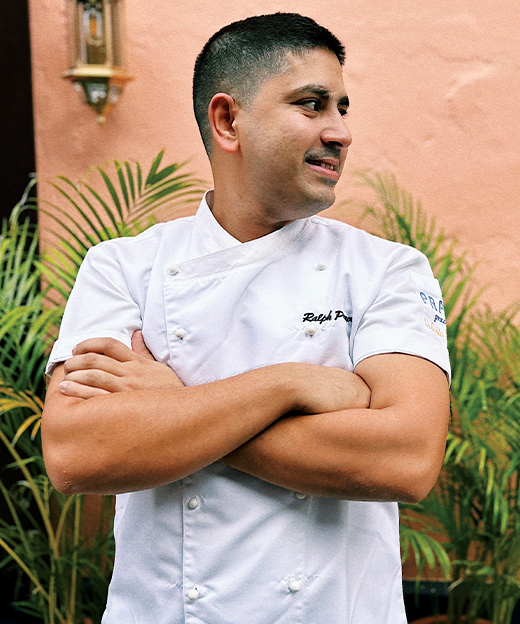
Do you think the Michelin guide is relevant in India’s current dining scene, or are there bigger challenges to address first?
Back in 2018–2019, Michelin was very different—no filters, no bias. If you delivered, you made the list, often without even knowing when anonymous inspectors visited. Recognition came from raw cooking. That’s no longer the case; there are now ways to play the system. Then there’s the question of why people don’t travel to India just for restaurants. The bigger issue is infrastructure. For example, if someone wants to eat at Praça Prazeres in Goa, how do they get there? There’s no aggregator. Before Michelin or foodie tourism becomes relevant, the basics need fixing.
Chef Ralph Prazeres, Founder, Padaria Prazeres, Praça Prazeres.
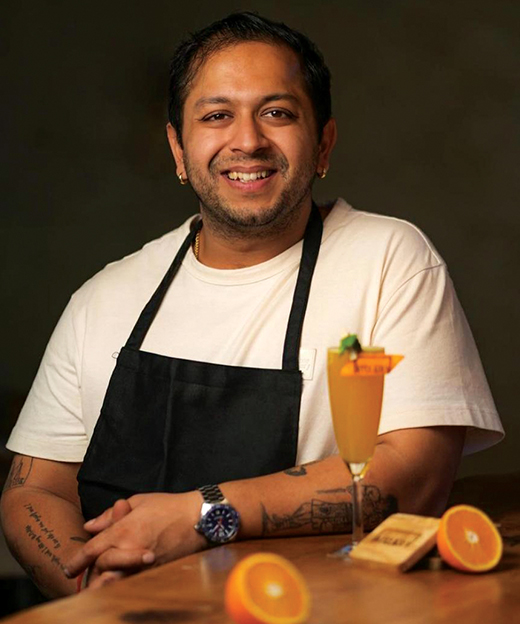
Are Indore residents adventurous when it comes to eating out?
In Indore, a large part of the audience still stays in its comfort zone and avoids experimenting. They don’t want their palate challenged. Guests often come to Atelier V expecting Indian food, having assumed from Google or Instagram that it’s an Indian restaurant. I explain, “We don’t do Indian food at all.” Some even ask, “Can you make a custom Indian dish with this ingredient?” I encourage them to try our food, and many enjoy it, but usually it’s a one-time experience. Most prefer chatpata, spicy dishes, or food with familiar Indian spices.
Chef Vedant Newatia, Founder and chef, Atelier V, Masala Code.