












Visakhapatnam East Coast’s New Crown Jewel
With new investments pouring into the largest city of Andhra Pradesh and an established industrial hub, Visakhapatnam, also known as Vizag, is poised for rapid growth, and hospitality majors are eager to be part of the process.

By Suman Tarafdar
Is there a new ‘jewel on the East Coast’?
Located midway between two of India’s largest eastern coastal cities, Visakhapatnam—better known as Vizag—is far more than a staging post between Kolkata and Chennai. As Andhra Pradesh’s largest city and de facto capital (there is no clarity yet on the simple question—what is the capital of Andhra Pradesh!), Visakhapatnam has a strong claim as the state’s growth driver. Current chief minister N. Chandrababu Naidu, credited with putting Hyderabad on the global map during his earlier tenure as CM of the pre-bifurcated state, is now expected to do the same for the truncated state and its largest city.
Already a major industrial hub, Visakhapatnam is one of India’s designated ‘smart cities’ and is witnessing rapid, multi-sectoral investment and growth. The city has been named at the top spot in LinkedIn’s inaugural Cities on the Rise report, which identifies India’s fastest-growing non-metro cities in terms of professional opportunities.
It is equally a regional tourism powerhouse. In 2023, the Visakhapatnam region accounted for about 24% of Andhra Pradesh’s total tourist inflow—nearly 61 million visitors, according to JLL. With its long coastline, pristine beaches, adventure tourism opportunities, rolling hills on three sides, and deep historic roots, the city only needs a stronger infrastructure push (already underway) and sharper branding to emerge as a leading destination nationally and internationally.
Growth is the best driver for hospitality. Major chains such as ITC, IHCL, Radisson, Accor, Marriott, and The Park are already present, while The Oberoi Group, Mayfair, and The Leela Hotels are reportedly in the pipeline. The Varun Group, the city’s largest hotel owner, has announced investments of ₹1,600 crore over the next three years, including laying the foundation stone for Varun Bay Sands (VBS), inspired by Singapore’s Marina Bay Sands. With the momentum building, Visakhapatnam is fast positioning itself as a vibrant coastal destination.
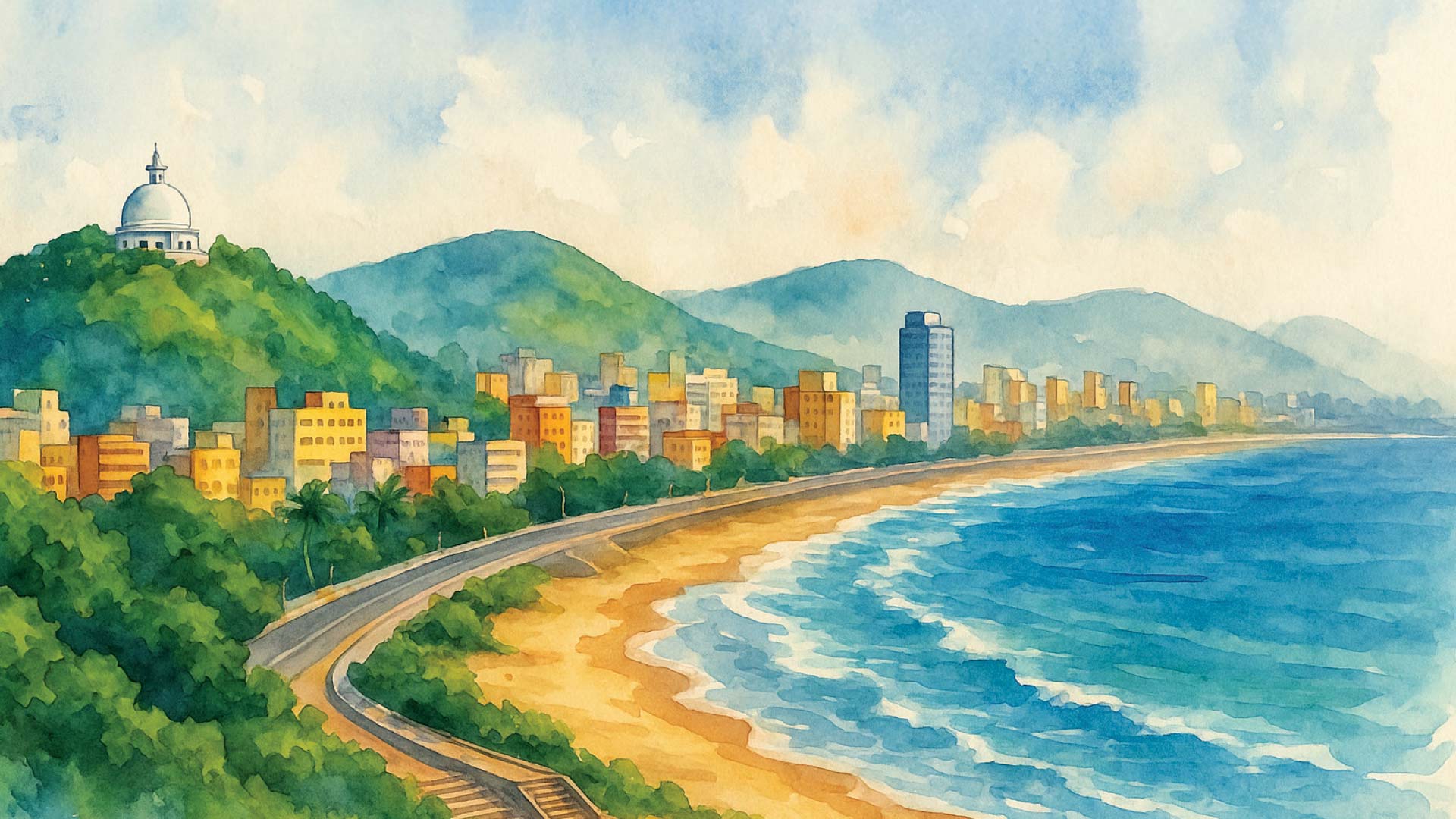
Rushikonda Beach has significant tourism potential, boosted by its Blue Flag certification and scenic natural beauty, including golden sands and surrounding hills.
Visakhapatnam: The Coastal Powerhouse
- Visakhapatnam, with an estimated population of over 2.5 million, is the largest and most populous metropolitan city of Andhra Pradesh, and the 17th most populous city in India.
- With a GDP of $43.5 billion, Visakhapatnam is the ninth richest city in India, according to a 2022 media report.
- The Visakhapatnam Economic Region contributes 27.88% of the state’s economy.
- It is the fourth largest city in southern India, next to Chennai, Bengaluru and Hyderabad.
- As the industrial and economic hub of Andhra Pradesh, the city hosts a diversified economy with the presence of heavy industries, ports, logistics, pharmaceuticals, med-tech, biotechnology, energy production, tourism, textiles, R&D, and a growing information technology and financial technology.
- Amongst the major public sector institutions based/ headquartered in the city are Hindustan Petroleum, Visakhapatnam Steel Plant, Hindustan Shipyard, Visakhapatnam Port Trust, National Thermal Power, Bharat Heavy Electricals, BARC, Naval Science and Technological Laboratory, Naval Dockyard, Dredging Corporation of India, Strategic Petroleum Reserve, NMDC and CONCOR.
- Leading private sector players include Coromandel International, Ferro Alloys Corporation, and Gangavaram Port.
- Visakhapatnam is popularly known as the shipbuilding capital of India due to the presence of multiple shipyards such as Hindustan Shipyard and Naval Dockyard. It serves as the headquarters for the Indian Navy's Eastern Naval Command.
- The Visakhapatnam Port is the fifth-busiest cargo port in India.
- Fisheries is a major sector, and the fishing harbour is a major exporter of fish such as tuna.
- A historic city, it is also home to the oldest shipyard and the only natural harbour on the east coast of India.
- In 2020, it was a finalist in the Living and Inclusion category of the World Smart City Awards.
Visakhapatnam has recently seen a rapid growth in the branded hospitality segment. What factors would you ascribe to this trend?
Rabindra Rai: Visakhapatnam is rapidly emerging as one of Andhra Pradesh’s most sought-after travel destinations. With its Blue Flag beach, ancient temples, and rich cultural heritage, the city offers a compelling mix of experiences. This rising appeal has fuelled demand for quality accommodations, attracting the entry and expansion of leading hotel brands. Development is being driven by its prime location and attractions, major infrastructure upgrades such as the Bhogapuram Airport and a cruise terminal, strong government support through tourism promotion and investment-friendly policies, and real estate growth with mixed-use projects in Bhogapuram and Rushikonda.
Abhishek Pani: Visakhapatnam’s transformation is driven by multiple factors. Its strategic coastal location, major port, and fast-growing airport (soon to be international) make it a natural magnet. Government initiatives such as the Smart City Mission, along with major investments in infrastructure and tourism, have built a strong foundation. Growth in IT, pharma, and industrial sectors has further boosted demand for quality hotel accommodations. Combining natural beauty, business opportunity, and improved connectivity, the city is firmly positioning itself as a hospitality hotspot.
Lakshmi Sridhar: Considerable investments in infrastructure and connectivity, including the upcoming airport (to open by June 2026) and the ongoing metro/beach corridor projects, have fuelled growth. There has been significant government & PPP support from Visakhapatnam Metropolitan Region Development Authority (VMRDA)—including a ₹500 crore PPP project in Madhurawada with hospitality land, signalling investor confidence. Strong domestic leisure travel, MICE activity, weddings, and revival post-COVID have spurred demand. Renewed interest in beachfront redevelopment and cruise terminal proposals further ignite branded hotel interest.
Hormuzdyr Gabba: Visakhapatnam, long known for its serene coastline and industrial strength, is now firmly on the radar of national and international hotel chains—underscoring its rising strategic and commercial importance. The upcoming airport, expansion of the Visakhapatnam–Chennai Industrial Corridor, and enhanced road and rail links are positioning the city as a gateway for both tourism and business.
Investor confidence is strong, with the Andhra Pradesh Tourism Policy 2024–29 driving hospitality growth through incentives, subsidies, and a focus on MICE infrastructure. Investor roadshows and policy dialogues have further accelerated interest from leading hospitality brands. Indian and global players are establishing hotels and mixed-use projects, raising the city’s profile. Meanwhile, the rise of the IT/ITES sector in Madhurawada, the presence of multinational corporations, and Visakhapatnam’s proposed role as the state's executive capital are fuelling demand for premium business accommodation and extended stays.
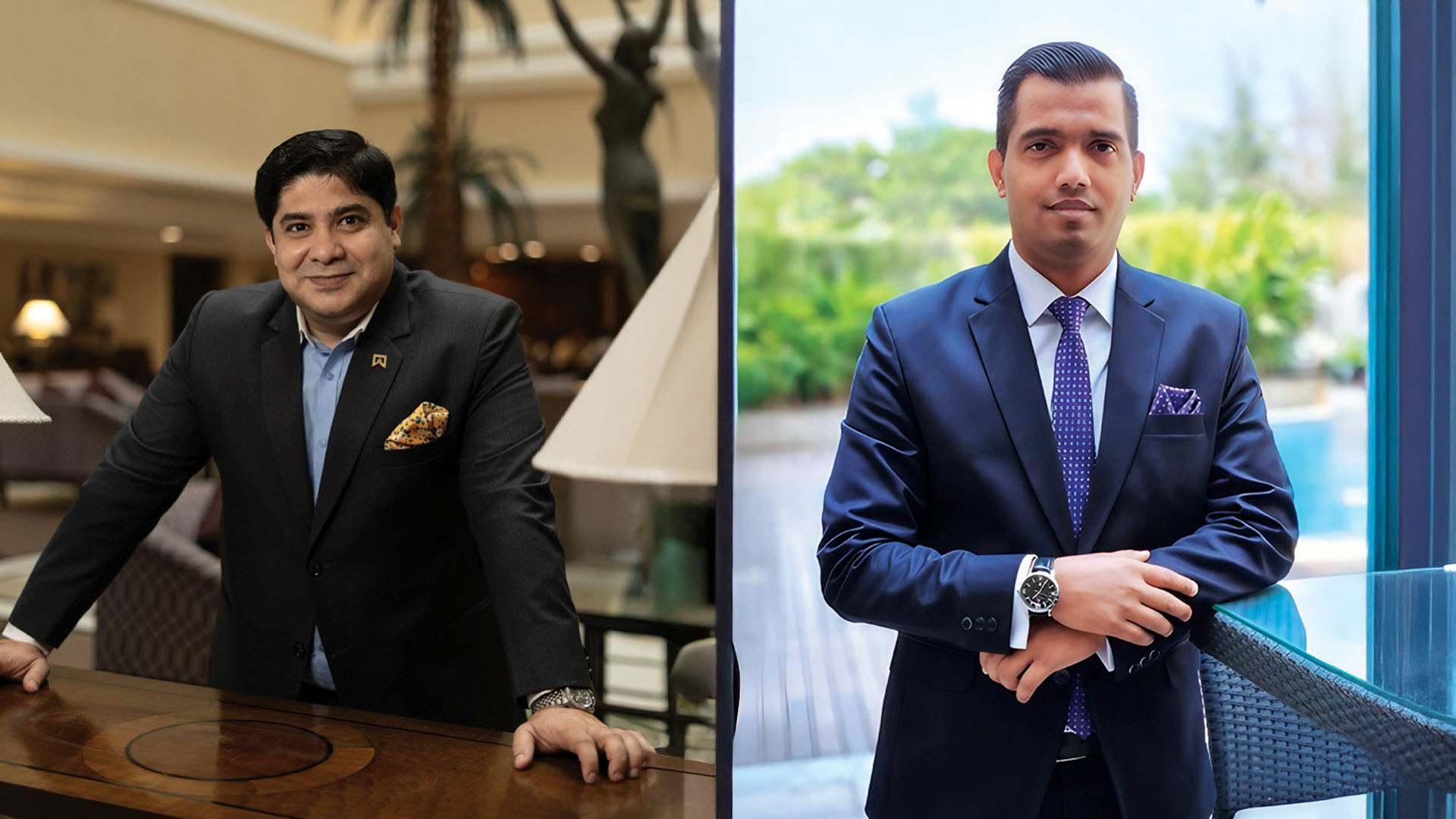
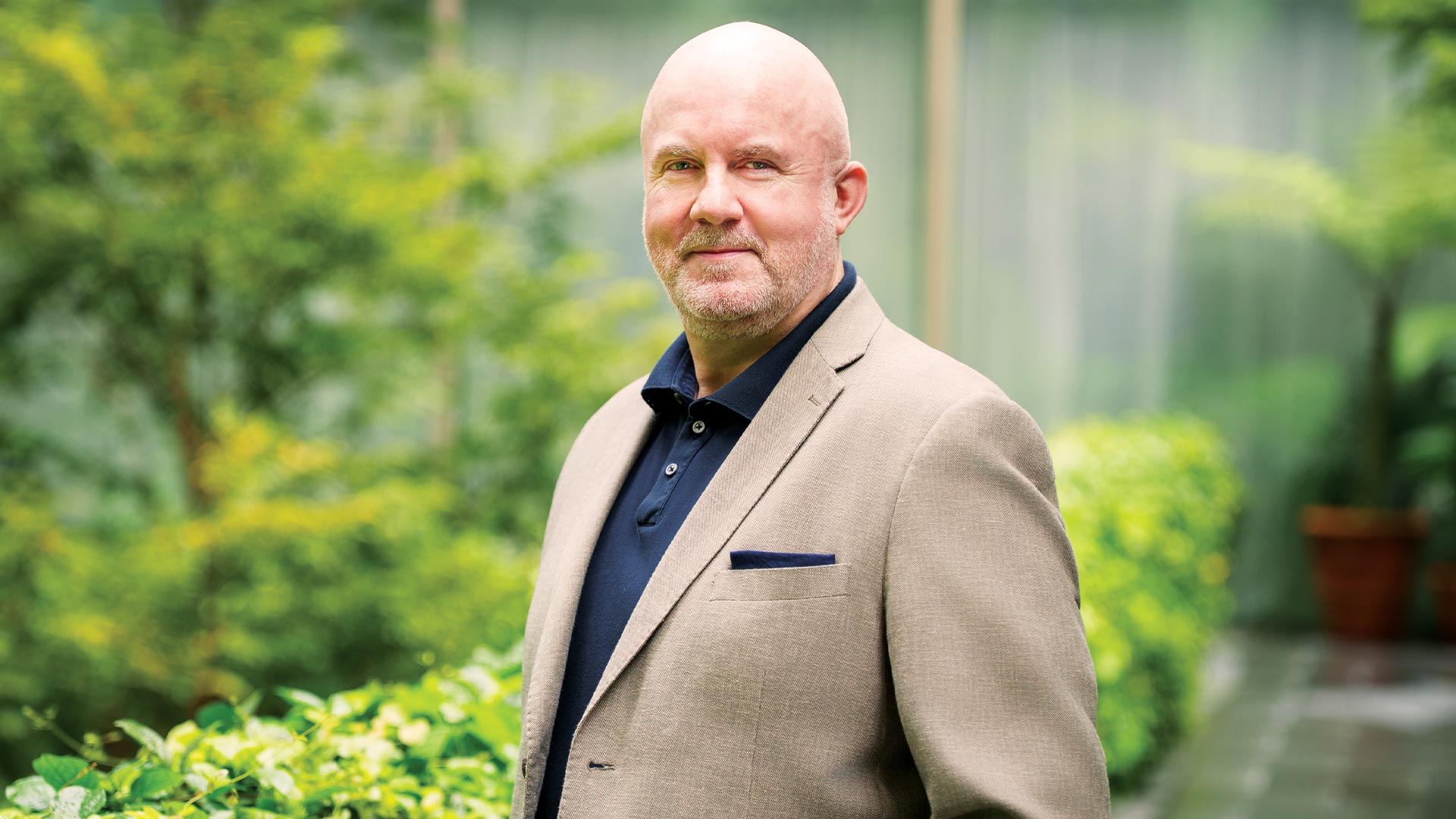
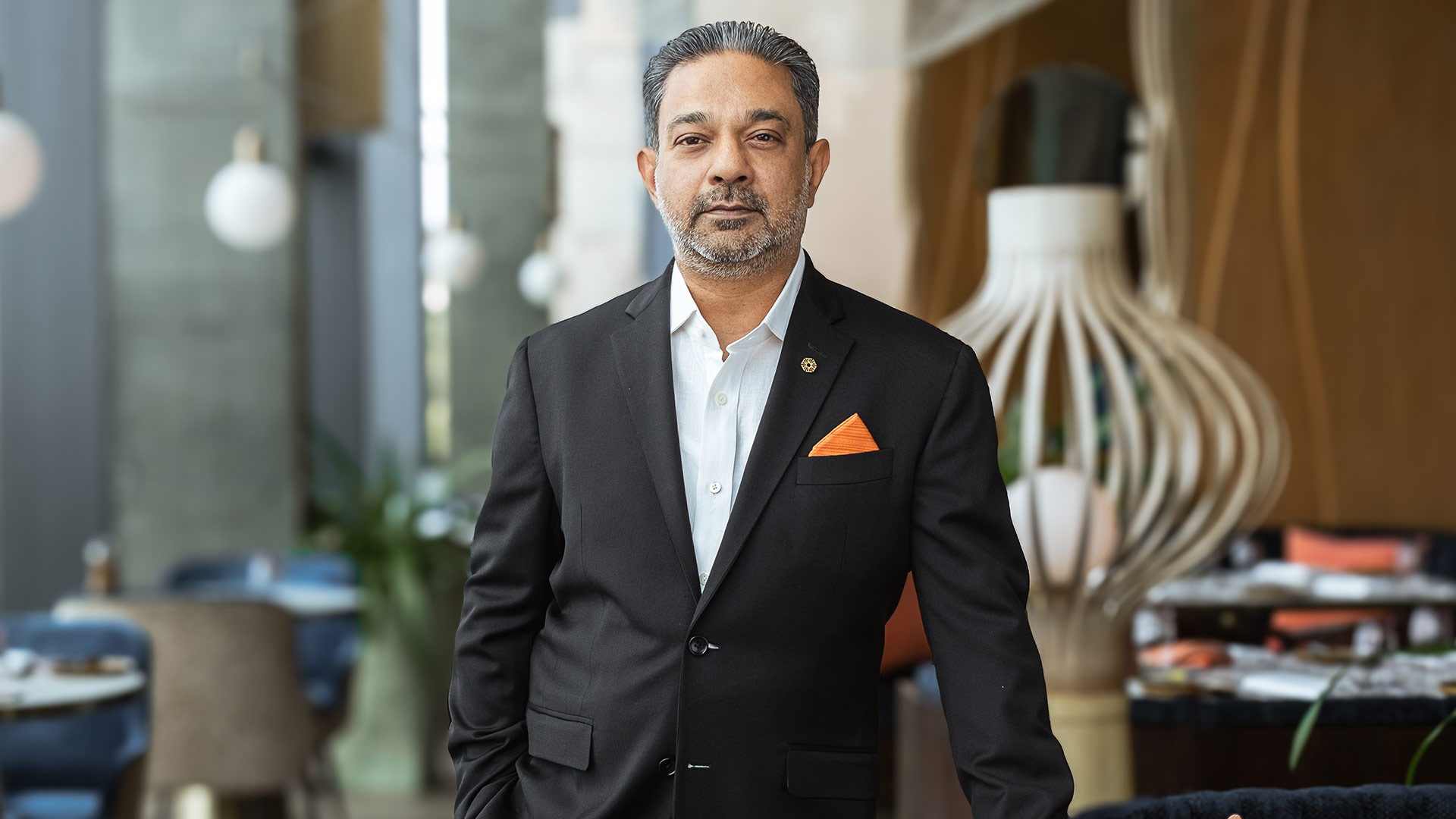
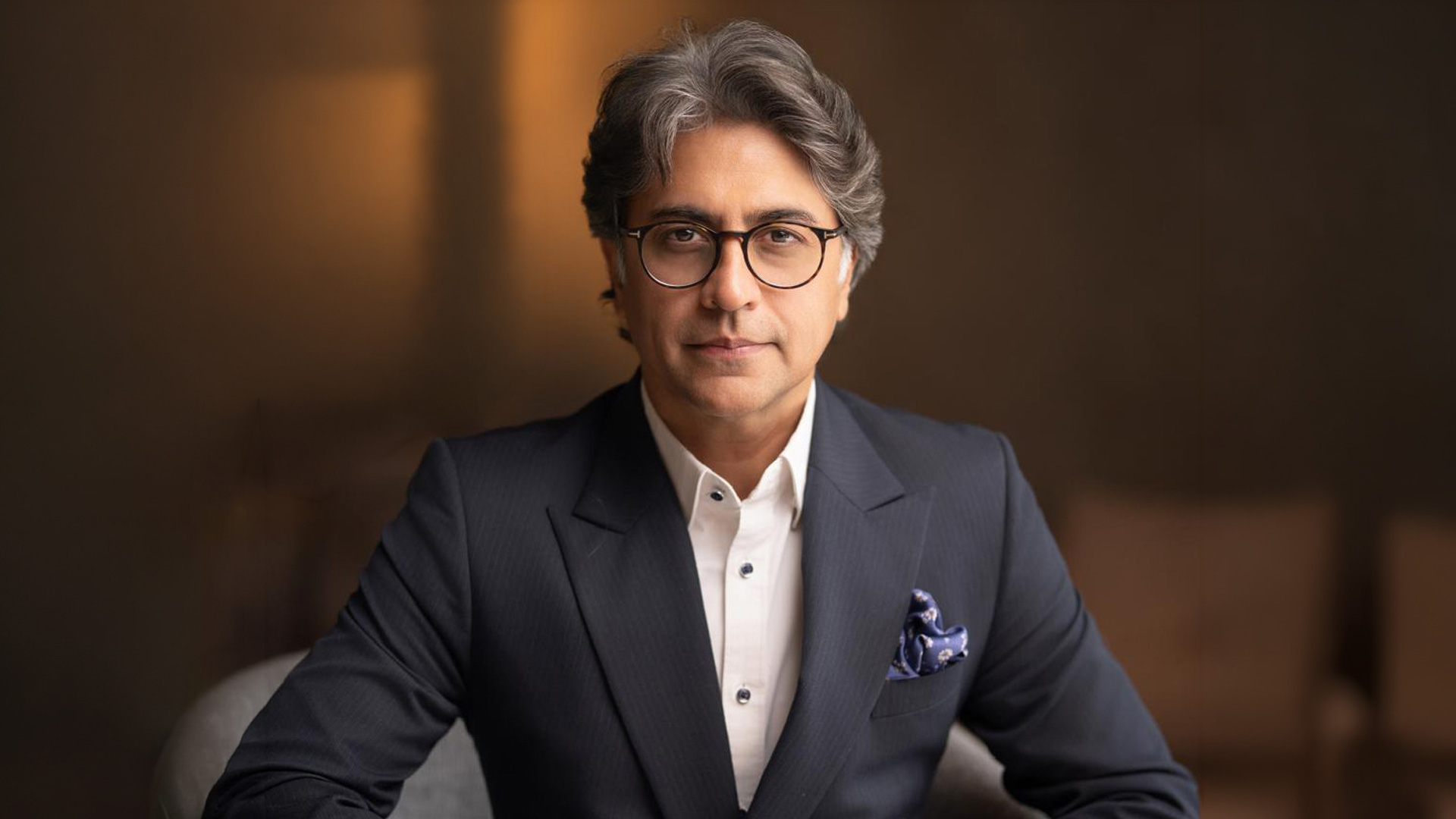
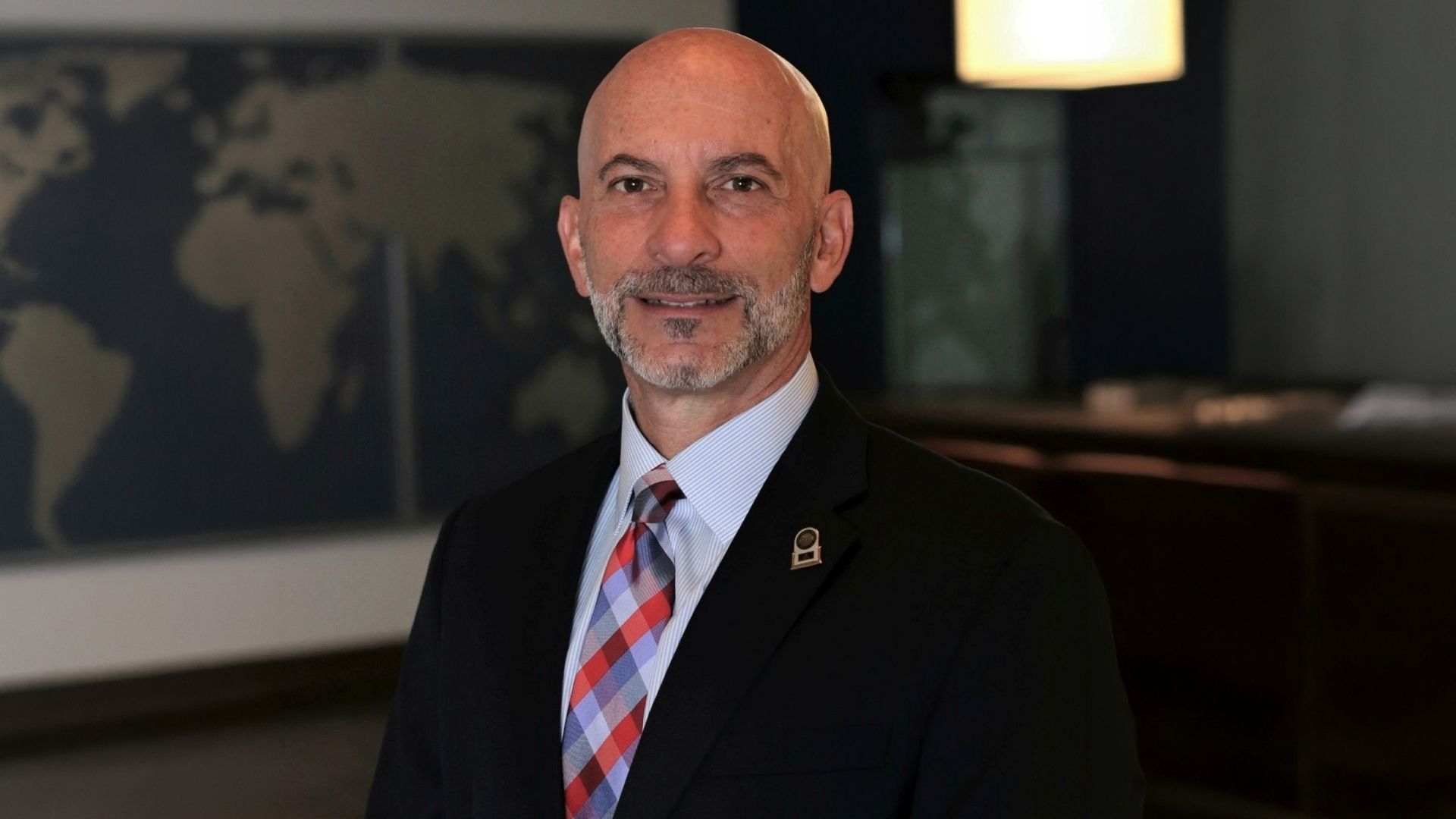
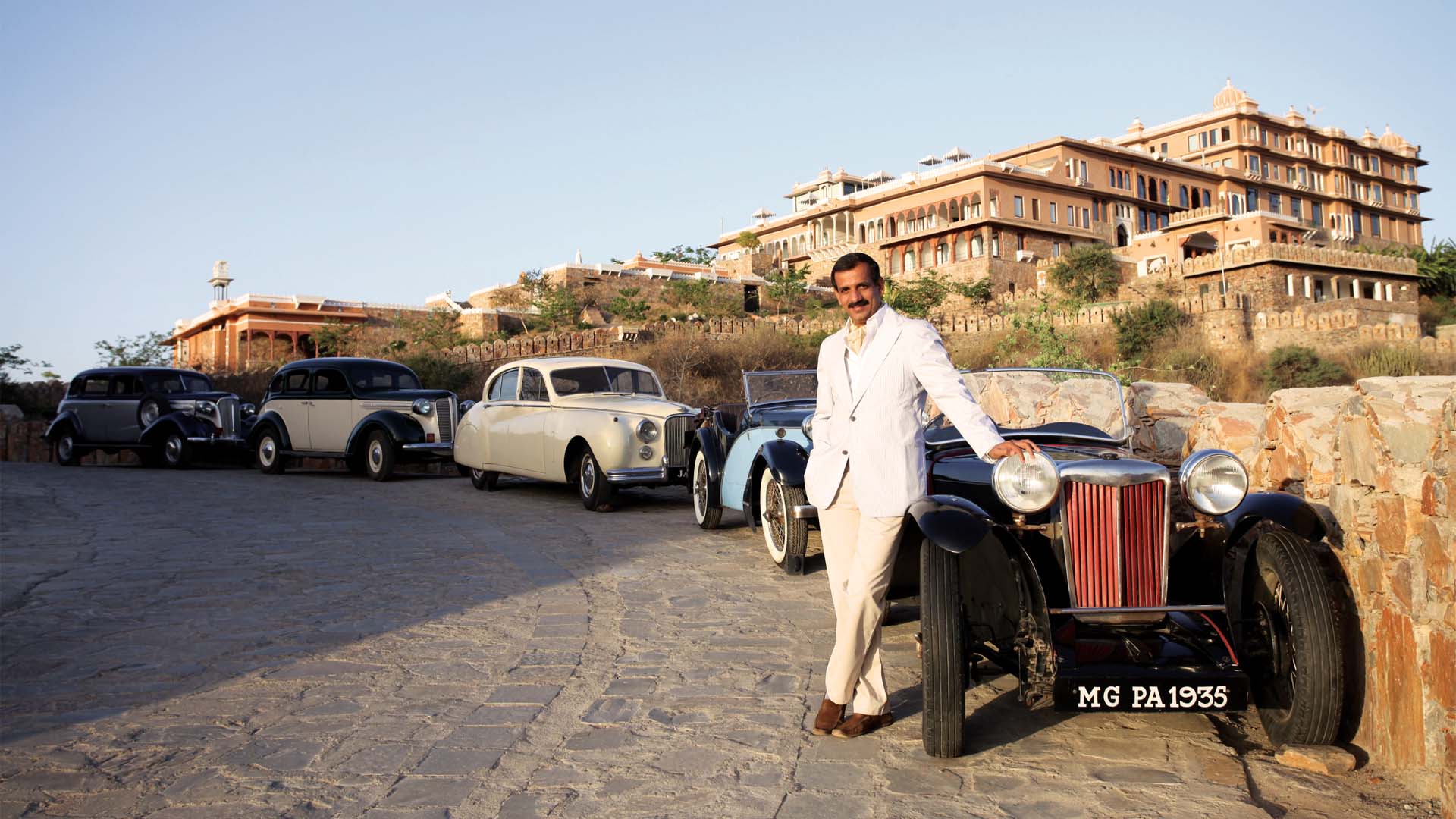
Hormuzdyr Gabba, General Manager, Welcomhotel By ITC Hotels; Rabindra Rai, Hotel Manager, Four Points by Sheraton Visakhapatnam.
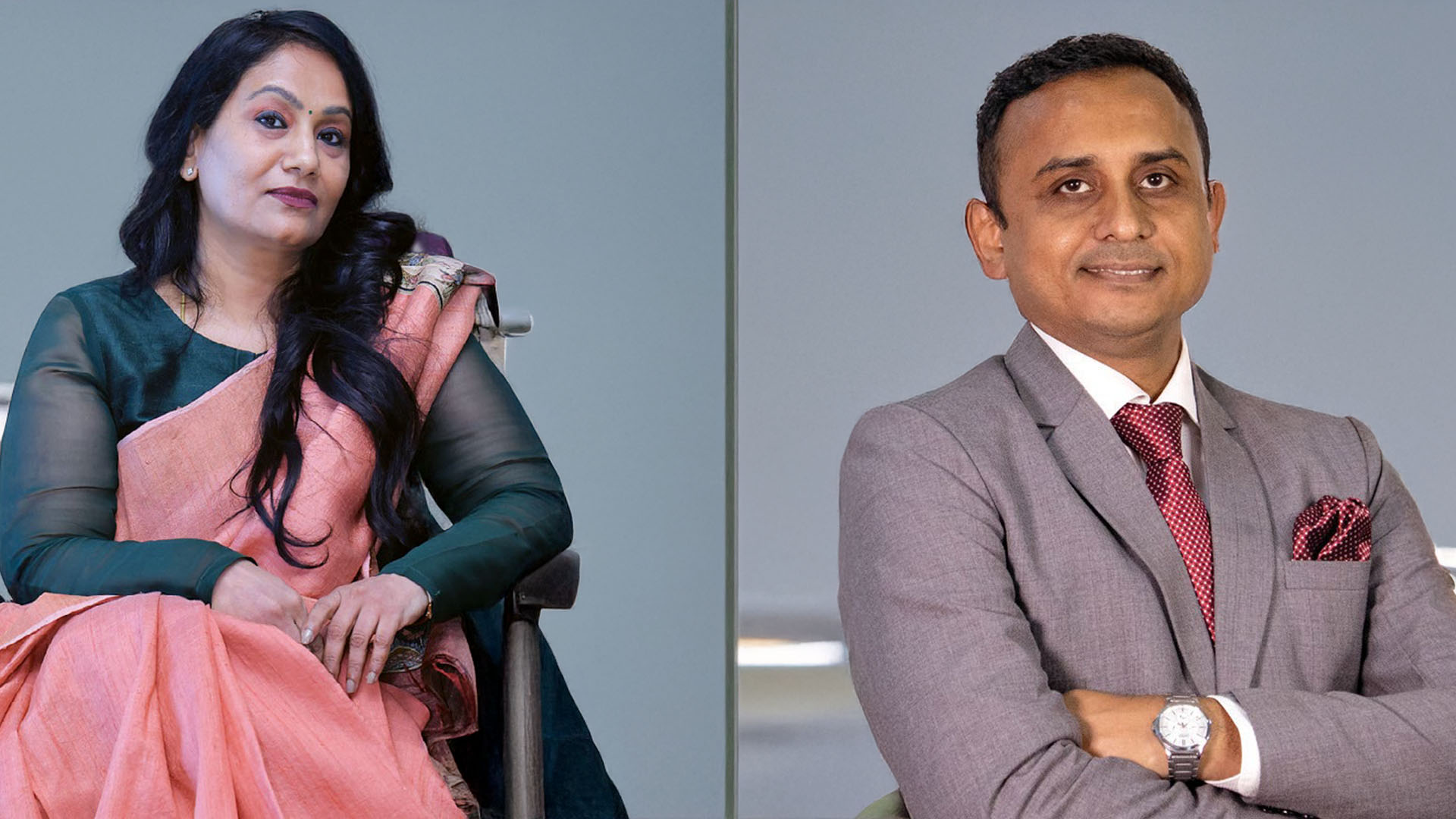
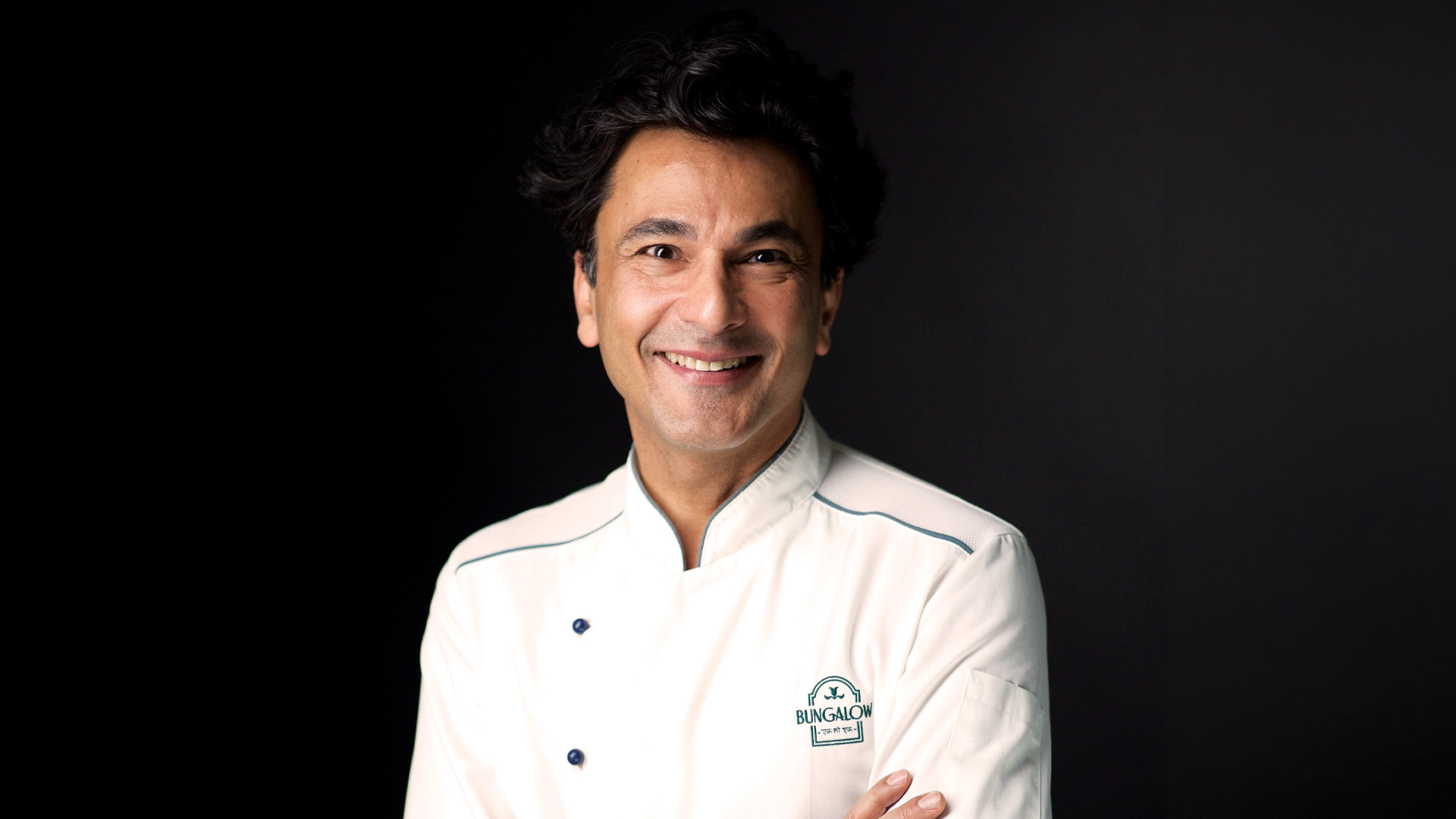
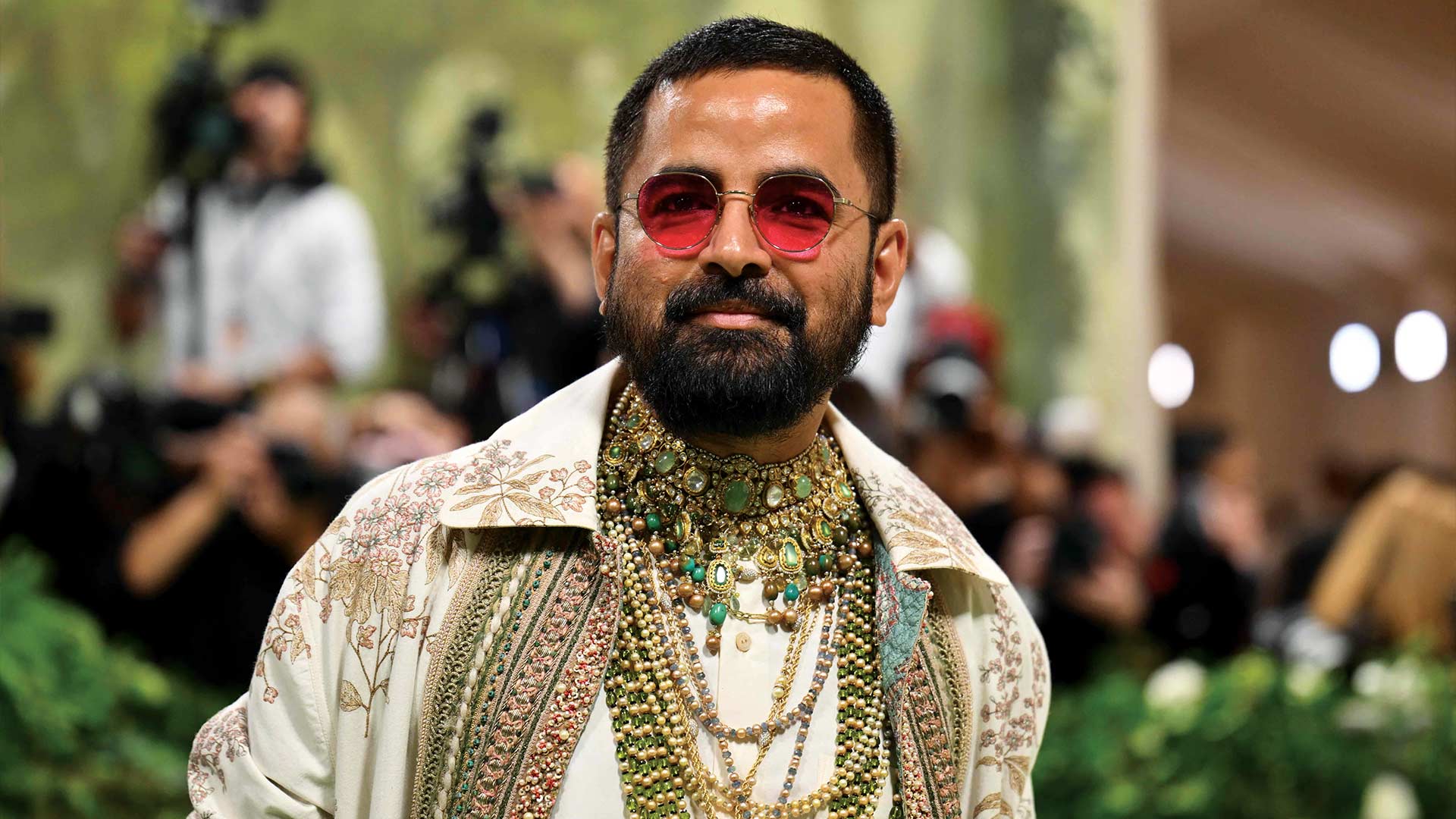
Lakshmi Sridhar, General Manager, Novotel Visakhapatnam Varun Beach and The Bheemili resort; Abhishek Pani, General Manager, Radisson Blu Resort Visakhapatnam.
What are the main opportunities for growth for the city’s hotels? What steps would you suggest to increase travel to the city?
Lakshmi Sridhar: As Visakhapatnam evolves into a business hub, demand for event spaces will rise. Untapped coastlines such as RK Beach and Bheemili present opportunities for upscale developments, while adventure and ecotourism—through water sports, trekking, and cruise tourism—remain largely untapped.
Growth also hinges on expanding air connectivity with new routes to attract international and Tier-2 intrastate markets. Policy reforms easing liquor and evening licensing could strengthen nightlife, MICE dinners, and destination weddings. Fast-tracking infrastructure projects like the beach corridor, cruise terminal, metro, and HOHO buses is essential. Leveraging eco-certifications, promoting homestays in Bheemili and Yarada, and branding Visakhapatnam as ‘East Coast Goa’ will enhance its appeal.
Rabindra Rai: The city is witnessing a surge in premium hotels and mixed-use developments, with hospitality giants anchoring projects along the beach corridor, which is set to become the next big hospitality zone. These are not just hotels but integrated spaces blending accommodation, retail, and business hubs. As Visakhapatnam grows into a regional IT and industrial hub, demand for business hotels and MICE facilities is rising. With the lush Araku Valley, mystical Borra Caves, and a 32-kilometre coastline nearby, the city is also a natural fit for eco and adventure tourism.
To unlock its full potential, Visakhapatnam must focus on three priorities: boosting connectivity, fast-tracking Bhogapuram International Airport, and improving last-mile access to tourist zones. Beyond offering just a room with a view, positioning the city as a clean, scenic, and affordable alternative to other beach destinations—amplified by strong digital campaigns and influencer partnerships—could be a game-changer.
Abhishek Pani: The key growth opportunities include MICE, as Visakhapatnam emerges as a business and conference hub; destination weddings, driven by its scenic beaches and resorts; and medical and wellness tourism, supported by top-tier hospitals and AYUSH centres. The city is also being developed as a cruise terminal under the Sagarmala project, while nearby Araku and Lambasingi present strong potential for eco and adventure tourism.
To boost travel, Visakhapatnam must launch aggressive marketing campaigns positioning it as a must-visit destination, fast-track and promote the international airport, and develop integrated tourism circuits linking beaches, tribal areas, and heritage sites. Offering more incentives for airlines and travel companies, along with hosting national and international events, will further attract both business and leisure travellers.
Hormuzdyr Gabba: There’s a rising appetite for lesser-known coastal destinations, positioning Visakhapatnam as a strong alternative to Goa or Kerala. Segments like wellness retreats, weekend getaways, and religious tourism at sites such as Simhachalam Temple remain largely untapped. The new cruise terminal at Visakhapatnam Port, along with water sports and marine tourism at beaches like Rushikonda, offers significant potential.
With relatively low regional competition, Visakhapatnam can emerge as a premier MICE destination for east and south India, supported by the growth of the Madhurawada IT corridor, SEZs, and Pharma City, which are fuelling demand for long-stay and business hotels.
To accelerate travel, the city needs strong branding and storytelling—ideally fronted by a brand ambassador—to position itself as a versatile destination. Developing beachfront hospitality zones with shacks, boutique resorts, and cultural festivals through public-private partnerships, alongside stronger last-mile infrastructure connecting key transport hubs to tourist sites, will be critical.
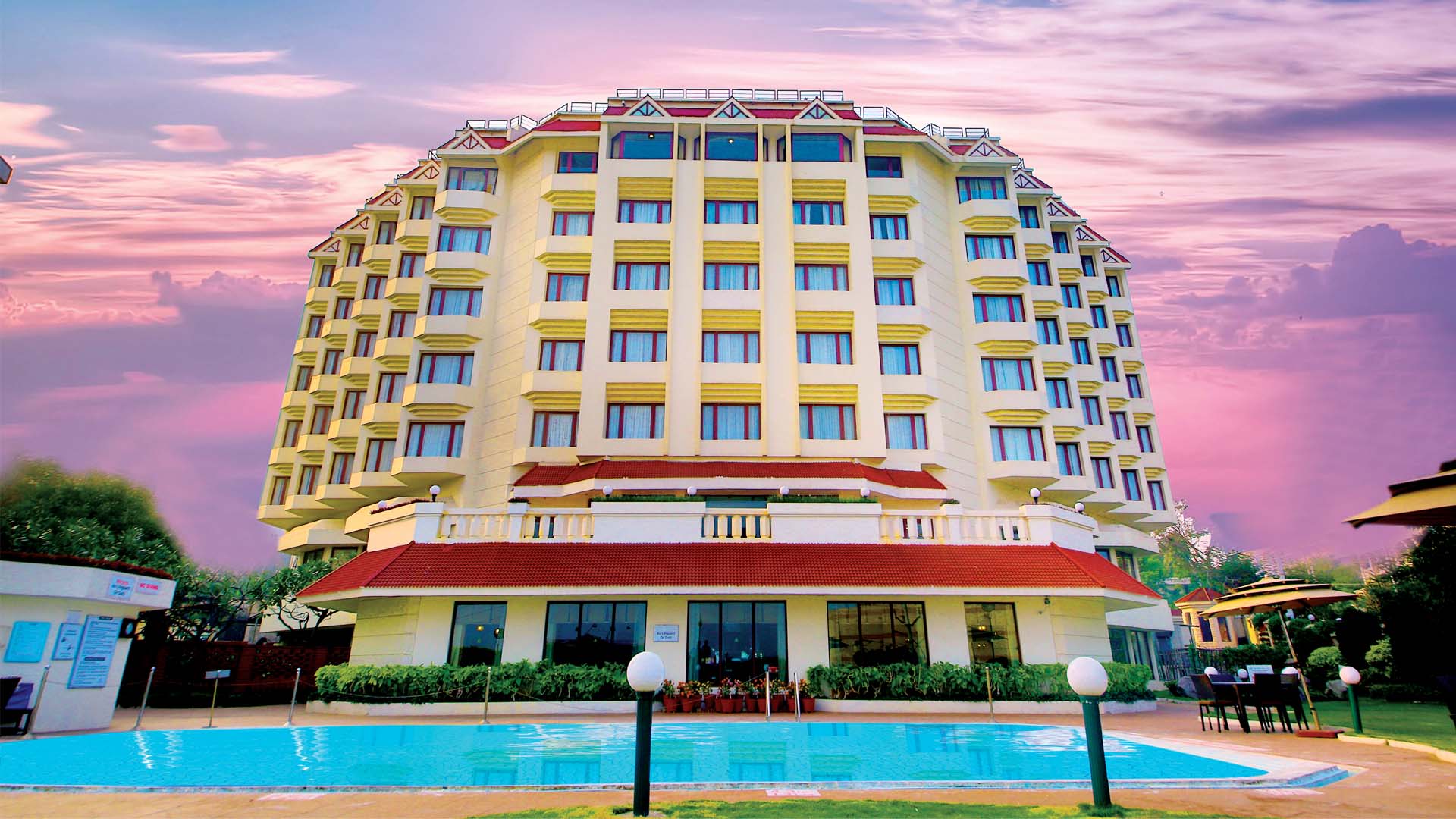
The seafront Welcomhotel Devee Grand Bay offers panoramic views of the Bay of Bengal
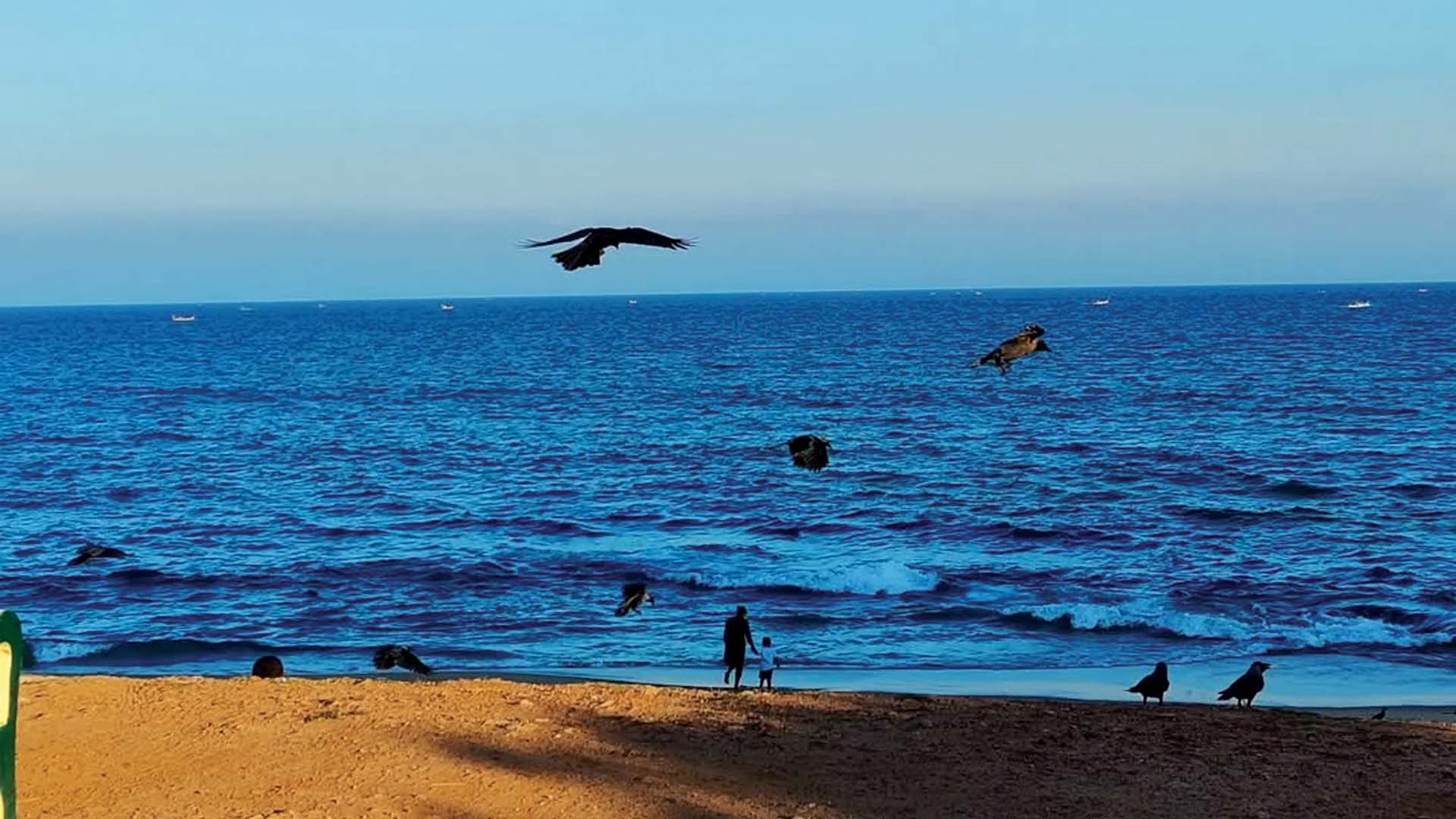
Rushikonda beach is known for wide stretch of golden sands, and crystal clear waters.
What are the top challenges to growth for the city?
Rabindra Rai: The city’s hospitality sector faces persistent hurdles, notably seasonal swings. Tourist traffic peaks in winter but dips sharply during summer and monsoon, making revenue unpredictable. Many domestic travellers remain budget-conscious, pushing hotels to compete on price while upholding service quality. Unlike metro cities, Visakhapatnam also lacks a steady calendar of corporate events, leading to fluctuating business demand.
Abhishek Pani: The major challenges include seasonal occupancy dips during extreme summers and heavy monsoons, under-marketing of Visakhapatnam compared to Goa or Kochi, and gaps in high-end infrastructure, particularly for large-scale MICE and international tourists. Limited international connectivity remains another issue, though the upcoming international airport is expected to address this.
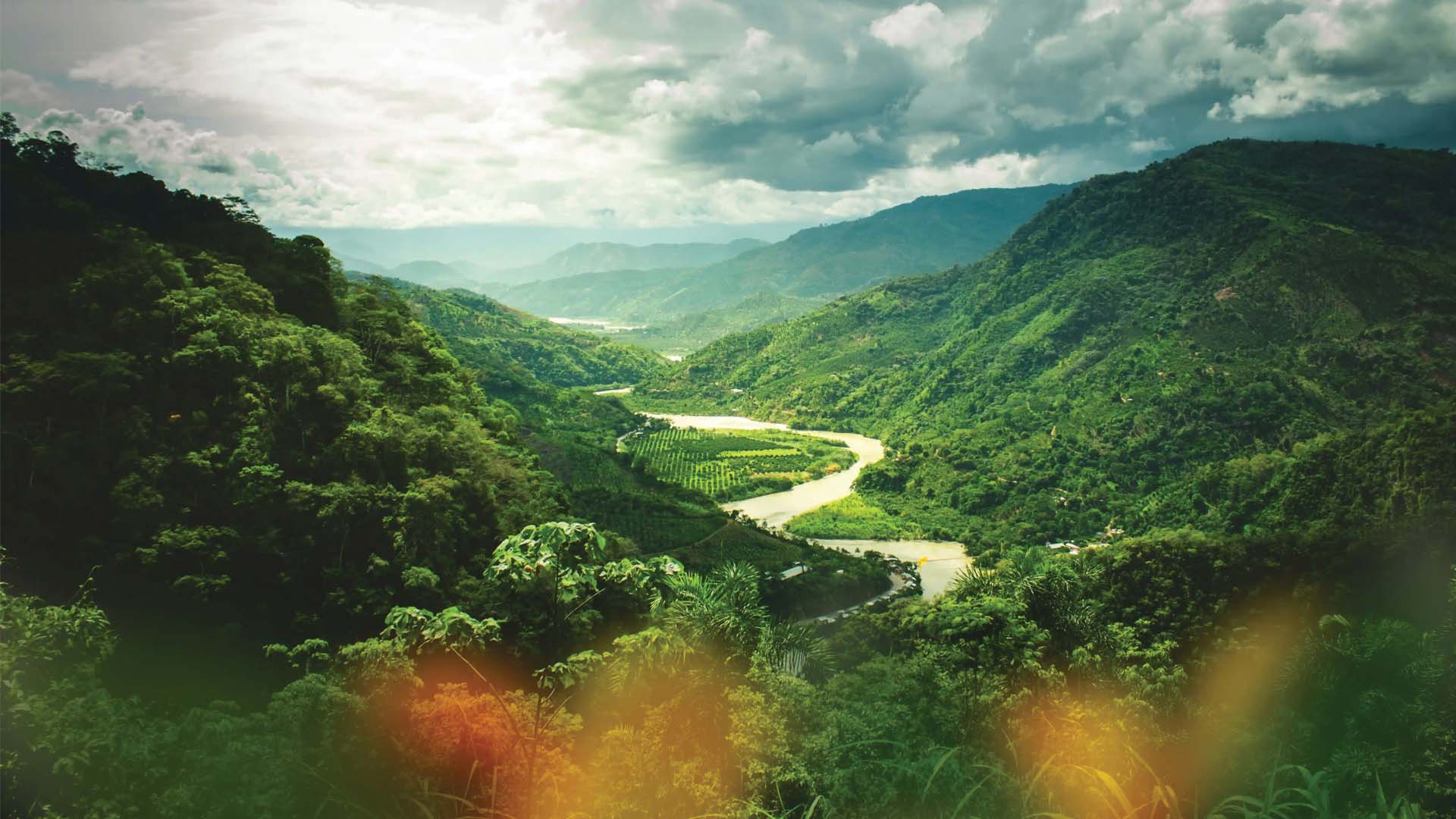
Araku Valley, about a 100kms. away, is a popular hill station, and centrally located.
What are your hotel’s top tourist sources by revenue? How does the split look between leisure/FIT/social events, business, and MICE guests—and between local and non-local visitors?
Abhishek Pani: Radisson Blu Resort Visakhapatnam has been awarded ‘Best 5-Star Deluxe Resort’ in Andhra Pradesh for the last three years by the state tourism department. The hotel has set benchmarks for high-profile weddings, international events, and government functions. Destination weddings from Raipur, Hyderabad, Kolkata, and Chennai contribute 30% of total business, while MICE accounts for 35%. The balance comes from leisure, FIT, and business travellers.
Hormuzdyr Gabba: We cater to a diverse mix—leisure travellers, families, corporate clients, and long-stay guests. With our new state-of-the-art banquet hall, we’ve strengthened offerings for weddings, milestone celebrations, and large-scale corporate events. Revenue reflects a balanced mix of leisure (FIT and families) and business travellers, with a growing share from social events and weddings, especially from Andhra Pradesh and neighbouring states. MICE and corporate events have shown steady growth post-pandemic. We draw both local residents—who see us as a go-to venue for celebrations—and non-local guests from across India and abroad, who value our service and culinary legacy.
Lakshmi Sridhar: At Novotel Varun Beach, revenue sources break down as domestic leisure (50–60%), weddings/social events (20–25%), and business/MICE (15–20%). Around 60–70% of guests are corporate travellers from metro cities, with the rest from local and regional markets. Post-COVID, leisure and event bookings have surged, alongside a gradual uptick in business travel and inbound/ cruise-linked tourism.
Rabindra Rai: Four Points by Sheraton Visakhapatnam sees a balanced mix of business and leisure, thanks to its central location near RK Beach, major corporate offices, and event venues. Business travellers—largely from IT, banking, shipping, and PSUs—drive weekday revenue, while leisure and FIT guests fuel weekends and holidays with staycations and family packages. Banquets, weddings, and group bookings add significant F&B revenue. The average split is leisure/FIT (45–50%), business travellers (30–35%), and MICE/social events (15–20%), shifting seasonally—leisure peaking in holidays, MICE/business during weekdays and fiscal quarters. Key source markets include Hyderabad, Kolkata, Raipur, Bhubaneswar, and Bengaluru, alongside local guests who frequent the hotel for social events, staycations, and dining.
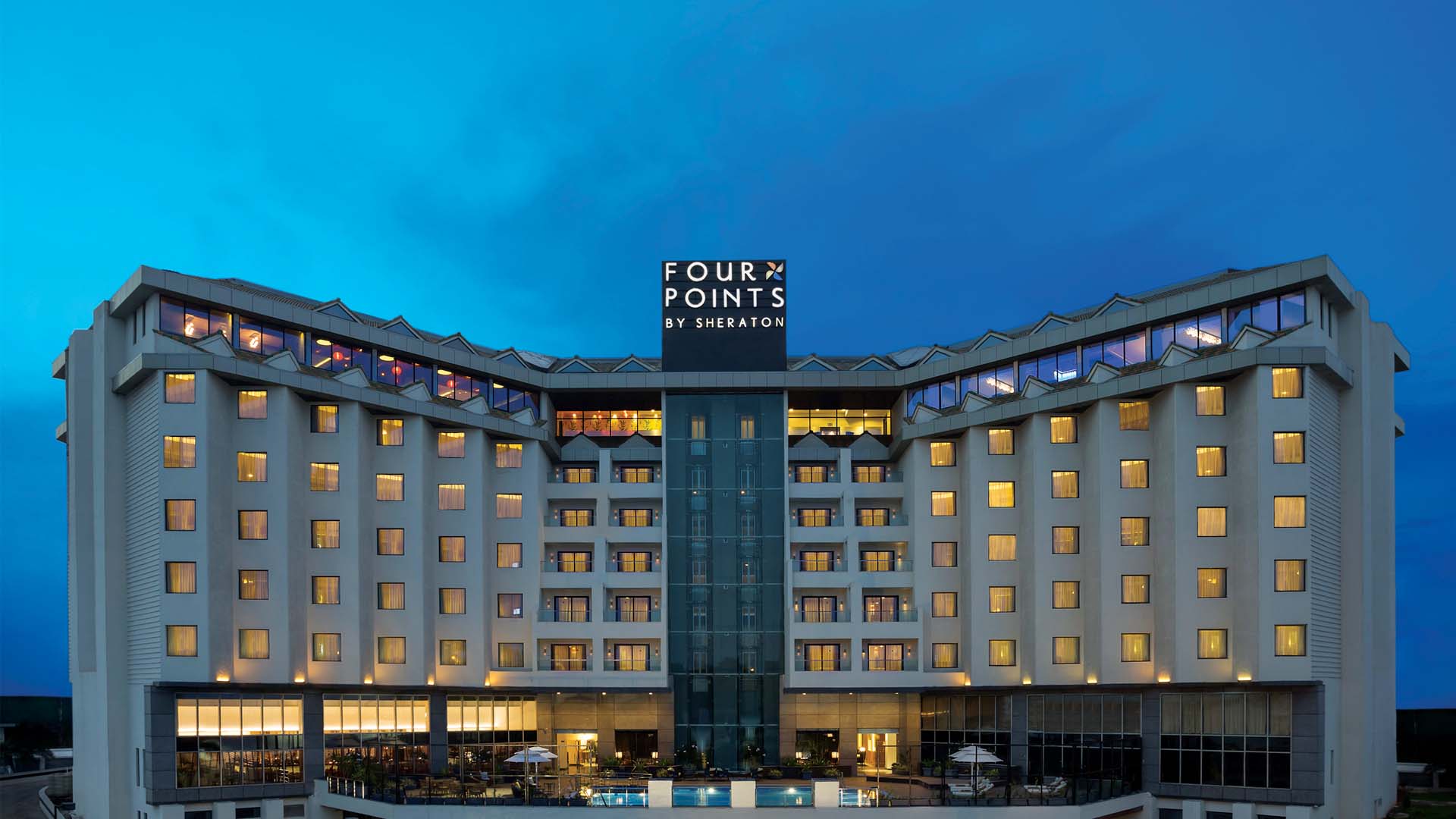
Four Points by Sheration is popular amongst tourists.
Could you give us an idea about the occupancy trends and ARRs in recent years—pre-COVID to post-COVID? By how much are ARRs up in 2025 compared to recent years?
Lakshmi Sridhar: In Visakhapatnam, our pre-COVID ARR was ₹6,000 with almost 66% occupancy. Post-COVID, occupancy has recovered to 68–70%. In 2025, we expect continued ARR growth, with Visakhapatnam benefiting from the national double-digit trend—likely +20–30% over 2019. Branded hotels in Tier 2 cities are now registering ARRs of ₹7,000–8,000+, with RevPAR rising.
Rabindra Rai: Market intel and hotel performance indicate that branded hotels in Visakhapatnam recorded 65–68% occupancy in
2019, which dropped to 30–40% in 2020–2021. In 2024–2025, occupancy has rebounded to 65–70%, with some hotels reaching 70–80% on weekends during festivals and citywide events. ARRs, which were ₹4,500–₹5,000 in 2019 for mid-scale and premium hotels, fell to ₹3,000–₹3,500 in 2020–2021. By 2025, they have risen 8–10% year-on-year, reaching ₹5,000–₹7,500.
Abhishek Pani: Radisson Blu Resort Visakhapatnam has seen steady growth in occupancy, revenue, and ARR. In 2024, occupancy stood at 65% with an ADR of ₹9,500. For 2025, we forecast 70% occupancy and ADR of ₹10,500++. This compares with citywide post-COVID levels (2022–2024), when occupancy surged to 75–80% in peak seasons and ARR reached ₹7,000–₹7,500. For 2025, ARR growth is 12–15% year-on-year.
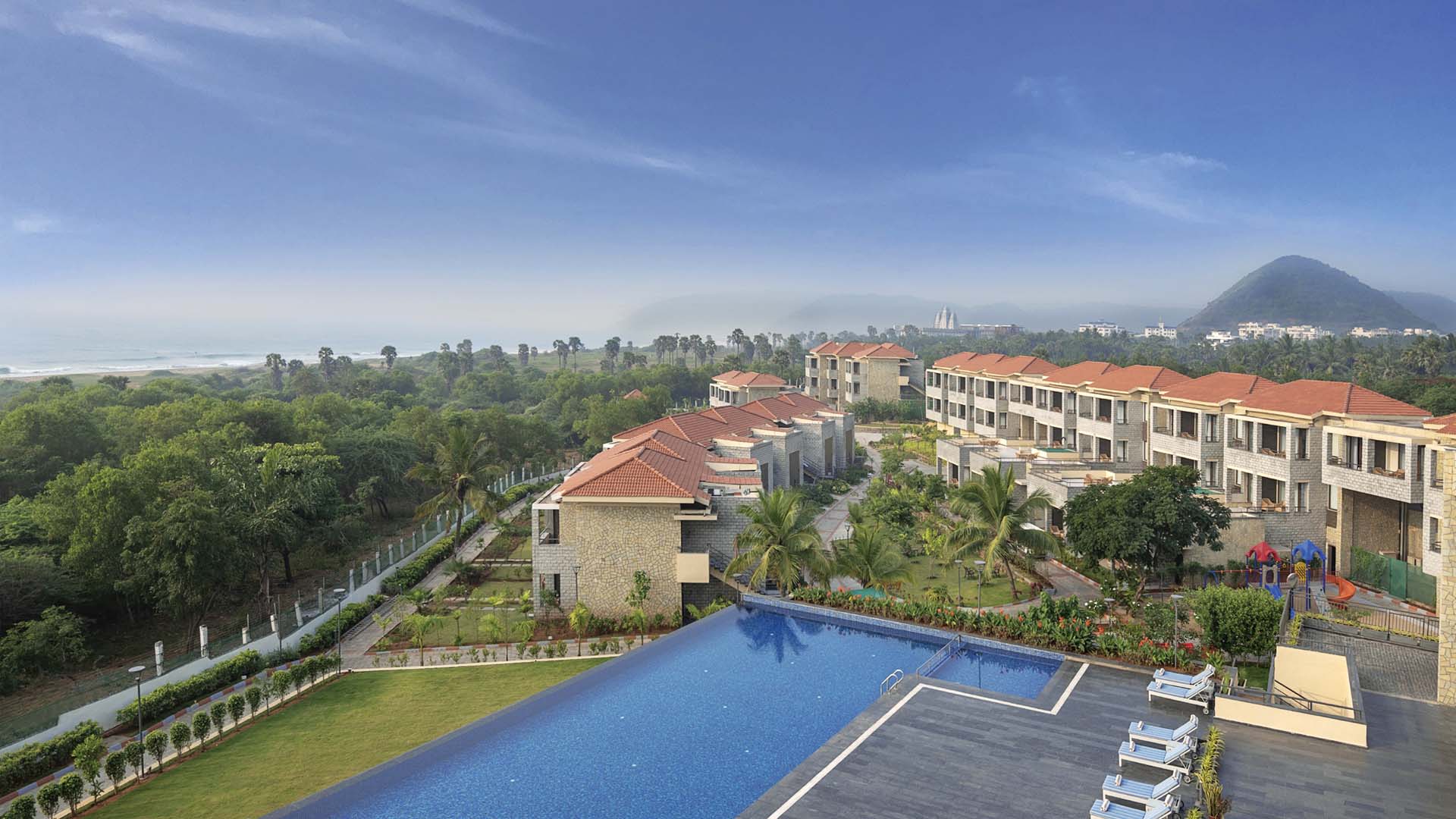
Radisson Blu is located close to Rushikonda Beach.
How do you see the evolution of Visakhapatnam’s tourism potential?
Hormuzdyr Gabba: Visakhapatnam’s tourism outlook is highly promising. With ambitious infrastructure projects, strategic policy support, and an expanding hospitality landscape, the city is poised for 20% growth in tourist arrivals over the next few years. Around 500–600 new hotel keys are expected across categories, meeting rising demand from both business and leisure travellers.
Lakshmi Sridhar: Tourism in Visakhapatnam is projected to grow 10–15% annually, driven by improved infrastructure, industrialisation, and diversified travel segments. Enhanced connectivity through Bhogapuram Airport, a cruise terminal, and metro/beach corridors, all set to launch by 2025–26, should further boost visitor numbers.
Rabindra Rai: With its rare mix of natural beauty, cultural depth, and modern amenities, Visakhapatnam is on track to become a premier destination for leisure and business travellers.
Abhishek Pani: The city is evolving into a tourism powerhouse, offering everything from pristine beaches and eco-tourism hotspots. Positioned to become a Tier-1 destination, Visakhapatnam’s potential is immense, supported by the upcoming international airport, enhanced infrastructure, and the growth of coastal tourism, eco-tourism, and industrial corridors.

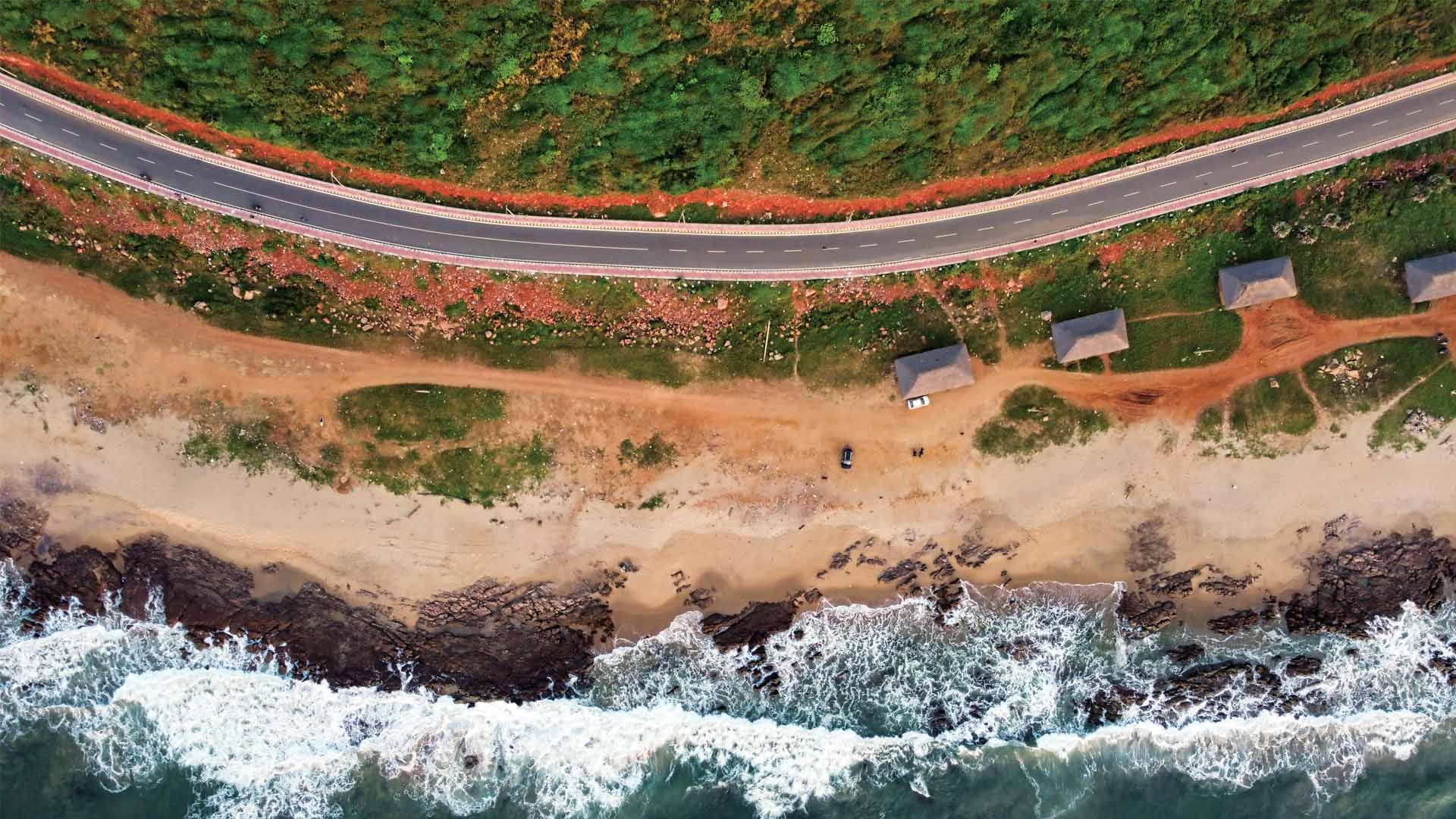
Sea waves on rocks at Yarada Beach.
Any other factor(s) that are crucial to understanding the current hospitality trends in Visakhapatnam?
Abhishek Pani: A major driver of hospitality growth is Visakhapatnam’s status as India’s 9th richest urban economy, with rapid urbanisation and lifestyle upgrades fuelling demand for branded hospitality. Its identity as the ‘Jewel of the East Coast’ adds strong emotional and branding value. Growth in hybrid hospitality models, experience-led stays, and sustainable tourism is also shaping the market in meaningful ways.
Rabindra Rai: Tourists are increasingly drawn to nature, clean beaches, and eco-friendly stays. Destinations like Araku Valley and Rushikonda are gaining popularity, while new offerings such as caravan tourism, tribal tourism, and spiritual circuits are being promoted. Interest in tribal art, food, and traditions—especially in Araku and Paderu—is boosting community-based tourism.
Lakshmi Sridhar: PPP-driven projects, including beachfront zones and hospitality clusters in Madhurwada, are underway. Online strategies to boost visibility—especially for boutique and local experiences—will help, alongside technological adoption such as mobile check-in, personalisation, contactless services, and guest analytics for competitiveness. Green certifications, beachside conservation, and local community engagement are adding momentum. With upscale brands entering the city, raising service standards and investing in labour training are becoming crucial.
Hormuzdyr Gabba: Rising disposable incomes are shifting demand from unbranded stays to branded, experience-driven hospitality. Guests now prefer aesthetic design, curated experiences, and digital conveniences, alongside weekend getaways, staycations, and short luxury breaks. Today’s travellers want more than accommodation—they seek memorable moments, social currency, and a sense of place, which branded hospitality is well-positioned to deliver.
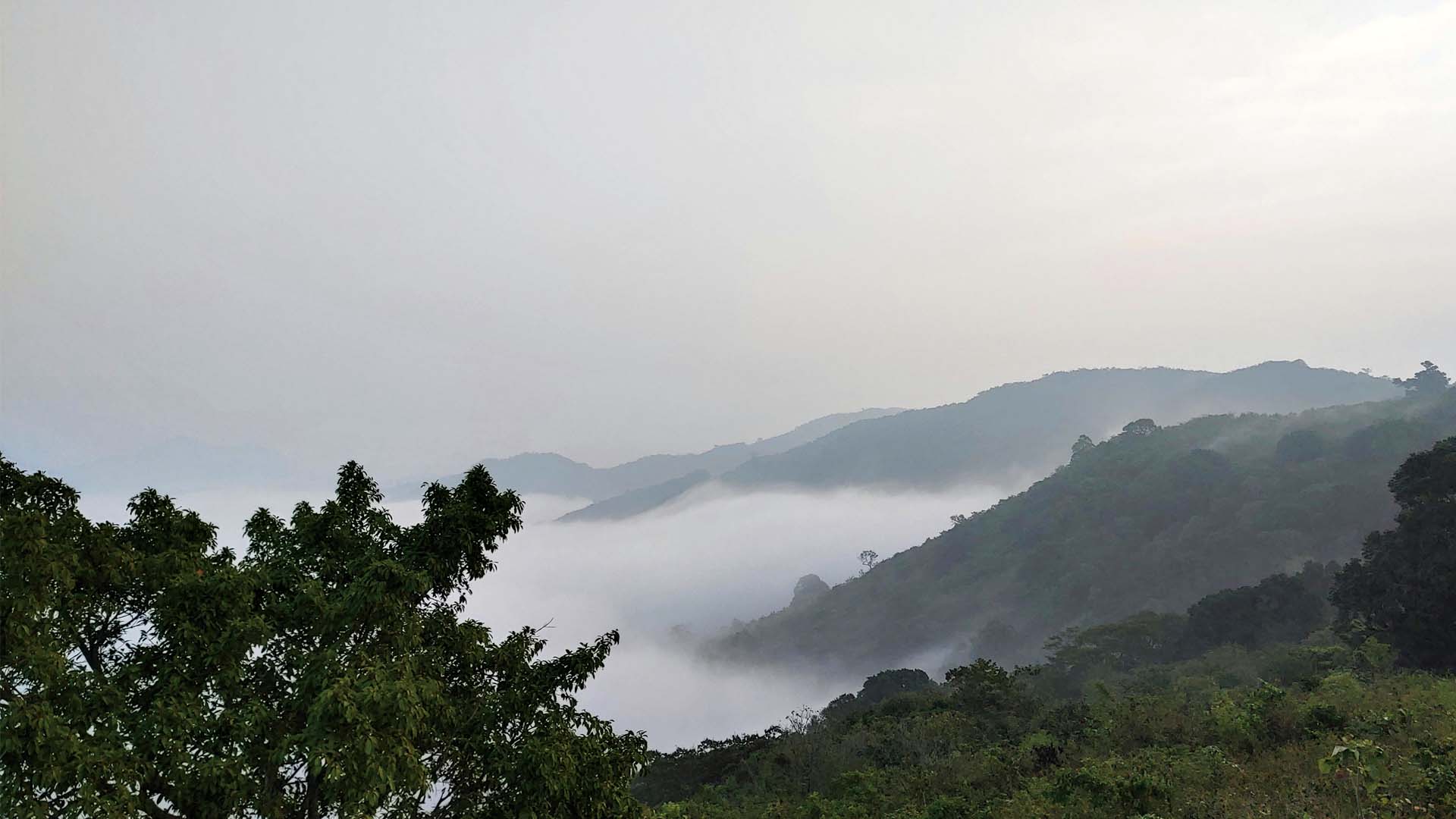
Lambasingi Hills, about a 100kms. from Visakhapatnam, are famous for being the only place in peninsular India to experience snowfall.