
















Running Hospitality Sustainably
Hotels are redefining investments in sustainability while remaining conscious about rising costs.

By Chandreyi Bandyopadhyay
In a climate-aware world, sustainability is an imperative need. Yet, for hoteliers, the pressure to go green often collides with the realities of revenue optimisation. As guest expectations evolve and ESG reporting becomes more transparent and non-negotiable, the industry is being forced to approach sustainability with both pragmatism and innovation. With the hotel sector responsible for around 1% of global carbon emissions (and increasingly contributing to it), the need for climate action in the industry is seen as urgent.
Climate change is already reshaping hospitality. With extreme weather events and environmental needs causing closures at overexploited tourist destinations, the challenges persist. Damage to infrastructure, rising costs, and shifting tourist flows are fast reshaping fates of destinations at the mercy of nature, while stricter environmental policies and penalties are becoming the norm across fragile ecosystems and environments.
To remain viable, hospitality businesses must embed climate strategy into core operations. This includes switching to renewable energy, designing climate-resilient buildings, reducing water and energy use, and adopting circular practices in waste and sourcing. Digital tools can further drive efficiency and engagement. From energy-smart design and low-waste F&B operations to data-driven room pricing that rewards green choices, their strategies reveal that profitability and planet-friendliness are now increasingly interlinked.
Crucially, sustainability must align with business goals. Done right, climate-smart operations cut costs, attract eco-conscious travellers, and build long-term brand value. The future of hospitality depends on it.
How do you save with sustainability?
Anuraag Bhatnagar: Our driving ethos at The Leela is rooted in the timeless Indian belief of Atithi Devo Bhava—Guest is God. But to truly honour our guests, we must also honour the world they come to experience. That includes the communities we are a part of, the associates who deliver our service promise, and the environment that sustains it all. Our sustainability goals are implemented not at the cost of performance but in service of it. By investing in efficient design, energy-saving infrastructure, and waste-to-value strategies, we have improved both our ecological impact and cost efficiency. Our circular initiatives, like repurposing underutilised spaces and upgrading infrastructure for water and energy savings, are factored into our asset management strategy to enhance profitability while staying true to our green commitments.
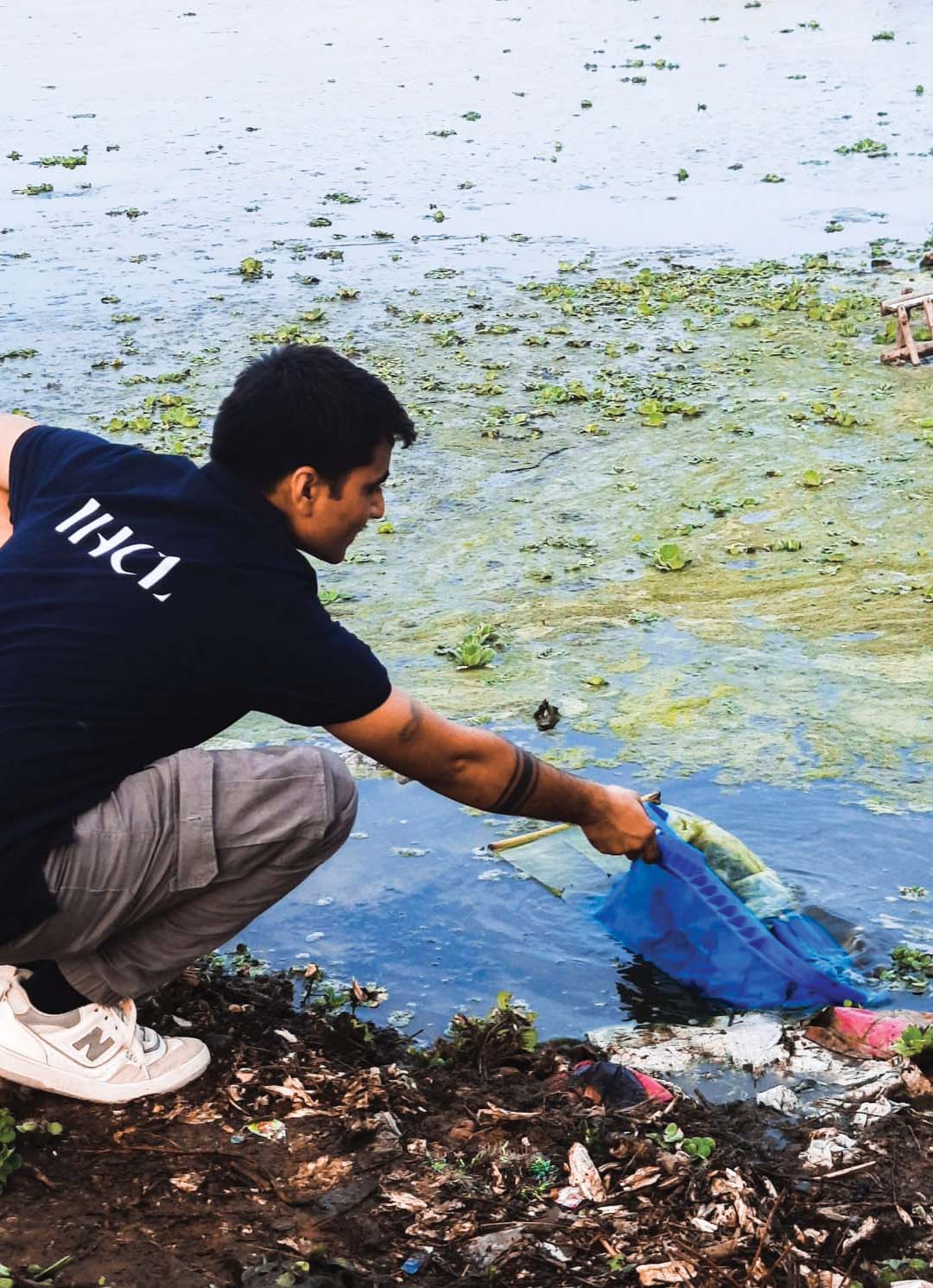
Pratima Badhwar: We actively partner with a diverse range of stakeholders and sustainability-focused suppliers to effectively implement and scale our initiatives. For instance, Andaz Delhi collaborates with NGOs to recycle used soap bars to be distributed within low-income communities. Ronil Goa partners with local brands like Tea Trunk and Hermit Coffee. Such collaborations are strategic because these brands utilise biodegradable packaging and actively support the local ecosystem.
Biswajit Chakraborty: The planet is in a state of flux— emissions, waste, and other environmental issues are affecting ecosystems, flora, and fauna. This is why we believe in giving back to the environment, with a focus on long-term sustainability and survival. We are focusing on getting the basics right and aligning with what is globally relevant to our industry. These measures are not evaluated on a day-to-day basis. They create a lasting impact on the environment in the medium to long term. By and large, all of them actually lead to cost savings in the long run and are inherently sustainable. Our focus is on the overall environmental impact, rather than the cost implications for a single business unit.
Gaurav Pokhariyal: As India’s leading hospitality company, IHCL is committed to embedding responsible practices into our businesses. Under our Accelerate 2030 strategy, we aim to expand our portfolio to over 700 hotels, deliver industry-leading margins, and double consolidated revenue while maintaining a steadfast commitment to sustainability. Sustainability goes beyond numbers—it’s about nurturing ecosystems, preserving heritage, and ensuring that growth uplifts all. With over 120 years of legacy, IHCL evolves with purpose. Paathya, our holistic ESG+ framework is our pledge to drive positive impact—on the environment, communities and the hospitality industry. This year, we took bold strides: 69 bottling plants installed, 49.3% of our water recycled, and 38.3% of our energy now procured from renewable sources. With 371 EV charging stations across 142 locations, we are enabling a cleaner tomorrow.
Bhagwan Balani: At ITC Hotels, sustainability is core to our philosophy of responsible luxury. Key measures include energy and water conservation, use of renewable energy, sustainable sourcing, zero-waste kitchens, and LEED® Platinum-certified green buildings. We are proud to be carbon-positive, water-positive, and solid waste-recycling positive for over a decade. Sustainability is built into our business model, not added on. By investing in efficient technologies and processes from the start, we’re able to optimise long-term operational costs. Many of these measures, such as waste reduction, energy efficiency, and local sourcing, lead to significant savings while enhancing guest trust and brand value.
Sabrina Dey: We embed sustainability into every facet of our operations—ensuring eco-conscious practices not only to protect the planet but also to safeguard the business. A notable initiative is Sunya Aqua—zero-mile water, purified and bottled in-house using atmospheric water generation. This eliminates plastic waste, slashes carbon emissions from transport, and aligns with domestic safety standards—all without inflating costs. Energy and water conservation measures deliver immediate savings on utility bills. Waste segregation and recycling systems further reduce disposal costs, while sourcing locally cuts logistics expenses. Each practice generates returns within the operational cycle, reinforcing both sustainability and profitability, enhances brand reputation among eco-aware guests—driving loyalty and repeat bookings without increasing expenditure. Complementing this, staff sustainability training sharpens operational processes, achieved through internal efficiencies rather than new cost centres. Our model proves that thoughtful sustainability strategies can reduce costs, enhance guest appeal, and fortify the bottomline—all while contributing to a greener future.
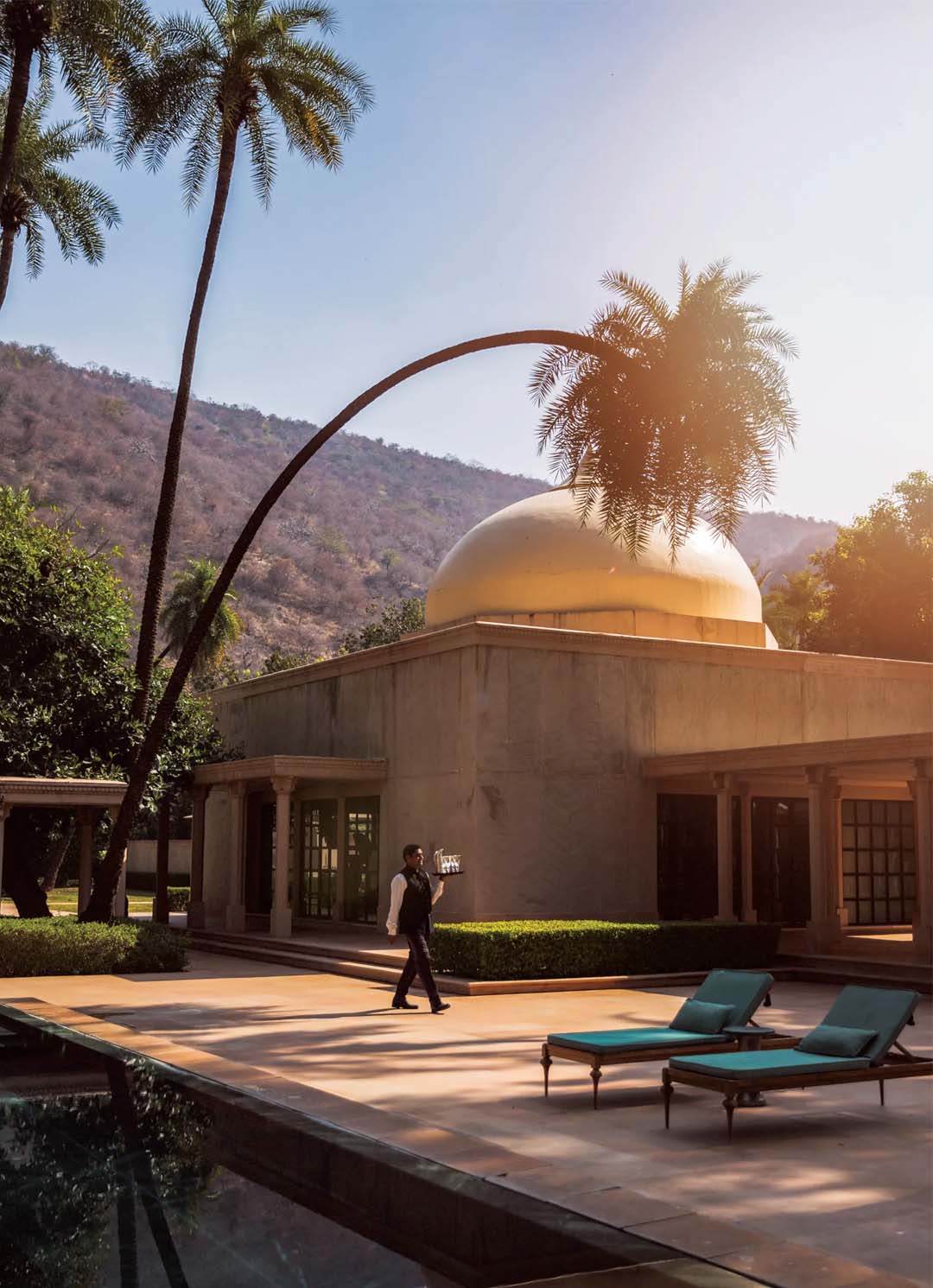
Harry Fernandes: Sustainability and communities have always been at the core of Aman-i-Khás and Amanbagh, the only two Aman hotels in the country. We integrate sustainability by aligning eco-conscious choices with operational efficiency and guest experience. On-site organic farming and ethical sourcing from local farms reduce transportation and packaging costs, improve ingredient freshness, and reinforce the farm-to-table narrative. Three-quarters of the produce is grown on-site by trained farmers, all poultry is custom-reared in a free-range setting and bathroom amenities come in refillable metal tumblers. Menus revolve around seasonal and locally sourced ingredients and pure flavours. At Aman-i-Khás, energy efficiency through installation of a solar power plant and the replacement of gas boilers with electric heat pumps have collectively reduced the camp’s energy expenses by approximately 40 percent. Meanwhile, culturally immersive experiences enrich the guest journey with authenticity while requiring minimal resources and leaving a light environmental footprint.
Lokesh Sabharwal: We firmly believe that sustainability and profitability are not mutually exclusive; rather, when incorporated smartly, can actually optimise costs in the long run. Moreover, guests increasingly value sustainable experiences, making it a key differentiator. Therefore, our approach has been to focus on smart investments that yield both environmental benefits and long-term financial savings. For instance, by transitioning to energy-efficient systems, utilising heat pumps and solar water heating panels, we significantly reduce energy consumption and, consequently, operational costs. Initiatives like on-site glass water bottling plants and organic composting at properties such as Grand Hyatt Mumbai not only minimise procurement expenses and waste management costs but also actively support our commitment to a circular economy.
Sukhbir Singh: Sustainability should be woven into everyday operations—not just as a responsibility, but as a way of doing things better at a hotel. Being a Green-Key Certified hotel we have taken meaningful steps to reduce our impact on the environment while ensuring guests continue to enjoy a high standard of hospitality. We have implemented plastic-free alternatives for guest amenities, packaging, and dining setups, wherever possible. Most of these efforts are designed with efficiency in mind. The idea is not to spend more, but to spend smarter. For example, installing aerators has helped lower water bills without affecting guest experience. The bottling plant, while an investment upfront, has significantly cut costs related to purchasing and disposing of plastic bottles. Our herb garden not only ensures fresh produce for the kitchen but also helps reduce procurement and transport expenses.
Robert Dallimore: We follow a comprehensive sustainable food sourcing approach that prioritises ethical and local procurement. This includes responsibly sourced seafood to protect endangered species, the use of cage-free eggs, and greens supplied by local farmers. We also grow a variety of fresh herbs in-house for hyperlocal, seasonal flavours. These choices not only reduce transport-related emissions but also supports the surrounding community. Beyond the kitchen, there is a fully operational rainwater harvesting plant, an in-house glass water bottling facility, and green energy utilisation through a dedicated windmill project. We’ve also replaced traditional plastic key cards with wooden alternatives, and installed an organic waste composting machine for converting food waste into nutrient-rich compost.
Mahesh MS: We are implementing Variable Frequency Drives (VFDs) for both cooling tower motors and chiller secondary pumps, which will significantly improve energy efficiency by allowing motors to operate at optimal speeds based on demand. The hotel has already implemented keycard-less sensor-based guestroom management systems that intelligently detect occupancy and automatically adjust lighting and HVAC systems accordingly, and supports 98% solar-powered electricity supply, reducing carbon footprint by 7,352 tonnes and recycles and reuses 100% of grey water. Our commitment to systematic environmental management is validated through our ISO 14001 certification, ensuring we maintain internationally recognised standards for environmental stewardship. We are upgrading the guest room management system to optimise energy usage through intelligent automation and are installing an automatic retractable swimming pool cover to reduce water evaporation and energy consumption.



How does one measure the value of sustainability?
Gaurav Pokhariyal: Through IHCL’s 52 skill centers across 20 states, we are empowering people from marginalised communities, equipping them with industry-ready skills for sustainable livelihoods. Celebrating heritage as a living legacy—IHCL preserves India’s cultural treasures to enrich the hospitality experience. Paathya is our pledge to drive positive impact—on the environment, communities and the hospitality industry.
Harry Fernandes: We measure the value through clear, quantifiable metrics that reflect both environmental impact and community engagement, including indicators that help us assess long-term impact. These are: a) percentage of ingredients and supplies sourced locally; b) reduction in utility and operational costs over time; c) decrease in overall carbon and environmental footprint; and d) Percentage of team members hired from surrounding communities and reduction in single-use plastic consumption.
Dilshan Gnanapragasam: Relais & Châteaux Resplendent Ceylon operates multiple conscious resorts across fragile ecosystems in Sri Lanka. We're driven by the enduring philosophy of our founder, Merrill J. Fernando—'Business is a matter of human service'. This powerful ethos is at the heart of Resplendent Ceylon, guiding every decision and fuelling our commitment to creating meaningful impact. A comprehensive monthly report focuses both on our environmental footprint and our social initiatives. These are crucial tools for strategic planning, identifying areas for improvement, and celebrating positive impact. Our environmental impact is measured through energy consumption, waste management and water consumption, and our social impact is measured through a number of beneficiaries, volunteer hours, and the areas we have covered.
Lokesh Sabharwal: Our World of Care platform guides our environmental efforts through four core pillars—climate and water, waste and circularity, responsible sourcing, and thriving destinations. We employ a two-pronged strategy to accurately measure the value and impact of our sustainability practices. First, we use our proprietary tool, Hyatt EcoTrack—a sophisticated, dashboard-driven platform, to collect, monitor, and analyse sustainability data across our global portfolio. This system allows properties to track consumption and emissions in real-time and provides project suggestions and best practices to guide continuous improvement. Secondly, we assess the qualitative value by evaluating the guest experience and overall brand impact. A notable example is the ‘Save Food, Share Food’ campaign at Andaz Delhi, started in March 2022, which successfully reduced restaurant food waste by 20% while simultaneously benefiting the local community.
Climate change is reshaping hospitality by mandating that climate- and environment-sensitive strategies be embedded into core operations.