











Ranjit Phillipose on the Future of Goa Tourism
For the man who runs IHCL’s largest hotel portfolio in the state, Goa’s evolution tells the larger story of Indian travel: more domestic, more discerning, more experiential, and increasingly year-round.

By Deepali Nandwani
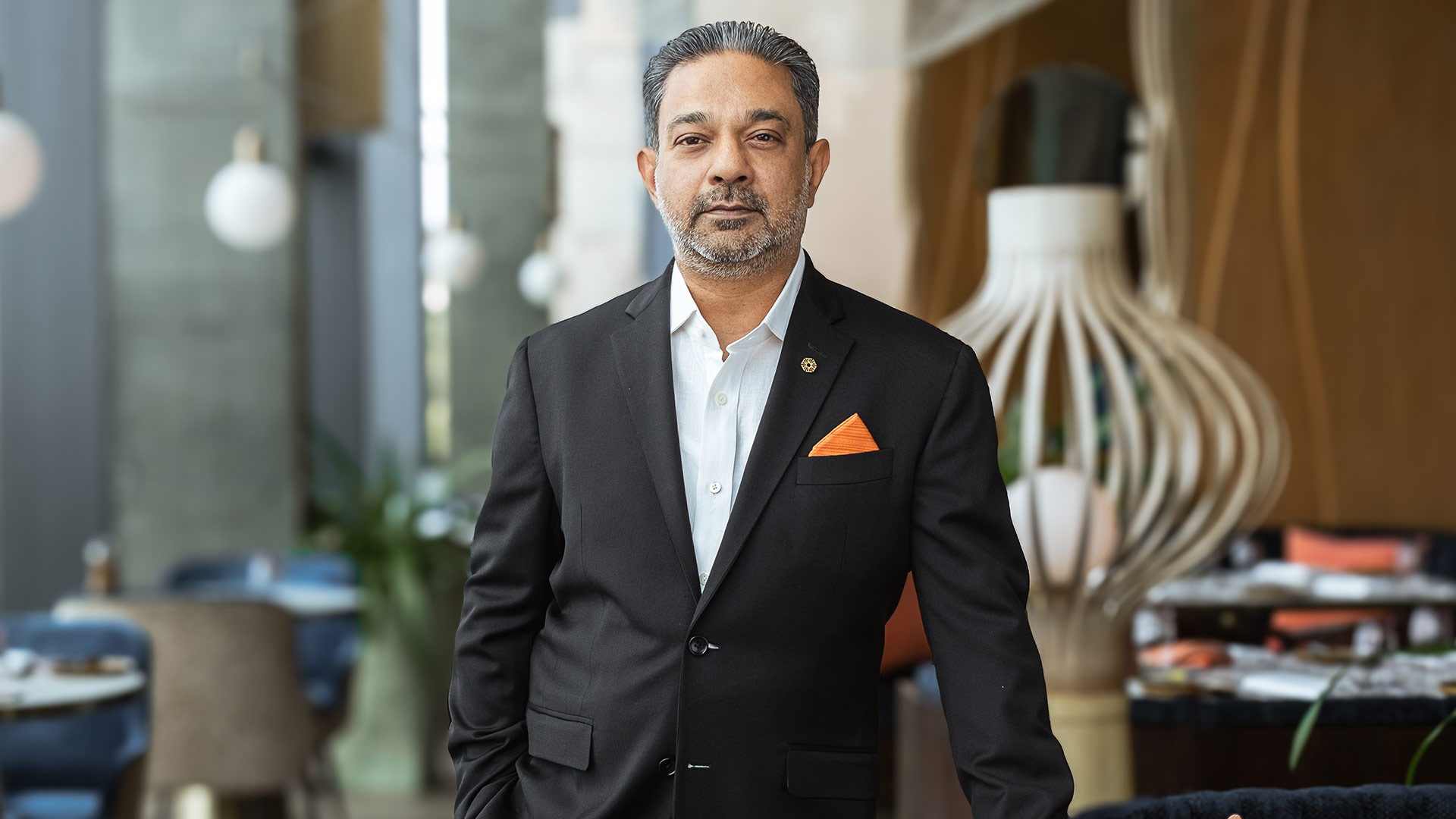
Fresh out of college, a young Ranjit Phillipose joined the Taj after one round of interview, “the only interview I have given in my life.” Six or seven years in India followed, then eight at London’s St. James Court, and openings in Mauritius and the Seychelles. Then came the Pierre in New York, a reflagged Boston property; and San Francisco.
After nearly 17 years across the world, IHCL called him back to Hyderabad’s Falaknuma Palace as the opening general manager. Built in the 1890s by Nawab Viqar-ul-Umra and later a Nizam residence, Falaknuma means ‘mirror of the sky’; IHCL restored and reopened it in 2010.
A stint in the Maldives followed, then his first Goa assignment as area director at Taj Exotica. “In those days we had only five or six hotels in our portfolio in Goa,” he says. A Dubai stint later, Phillipose is back in Goa as Senior Vice President, Operations, overseeing a portfolio worth over 1,000 crore, the largest in Goa, bigger than Kerala: almost 51 hotels, including amã Stays & Trails, with 28 more in the pipeline. “It's been quite a journey,” he says.
In this exclusive interview, Ranjit Phillipose speaks to SOH about Goa—from the future of tourism to the issues that need resolving to transform Goa into a world-class destination.
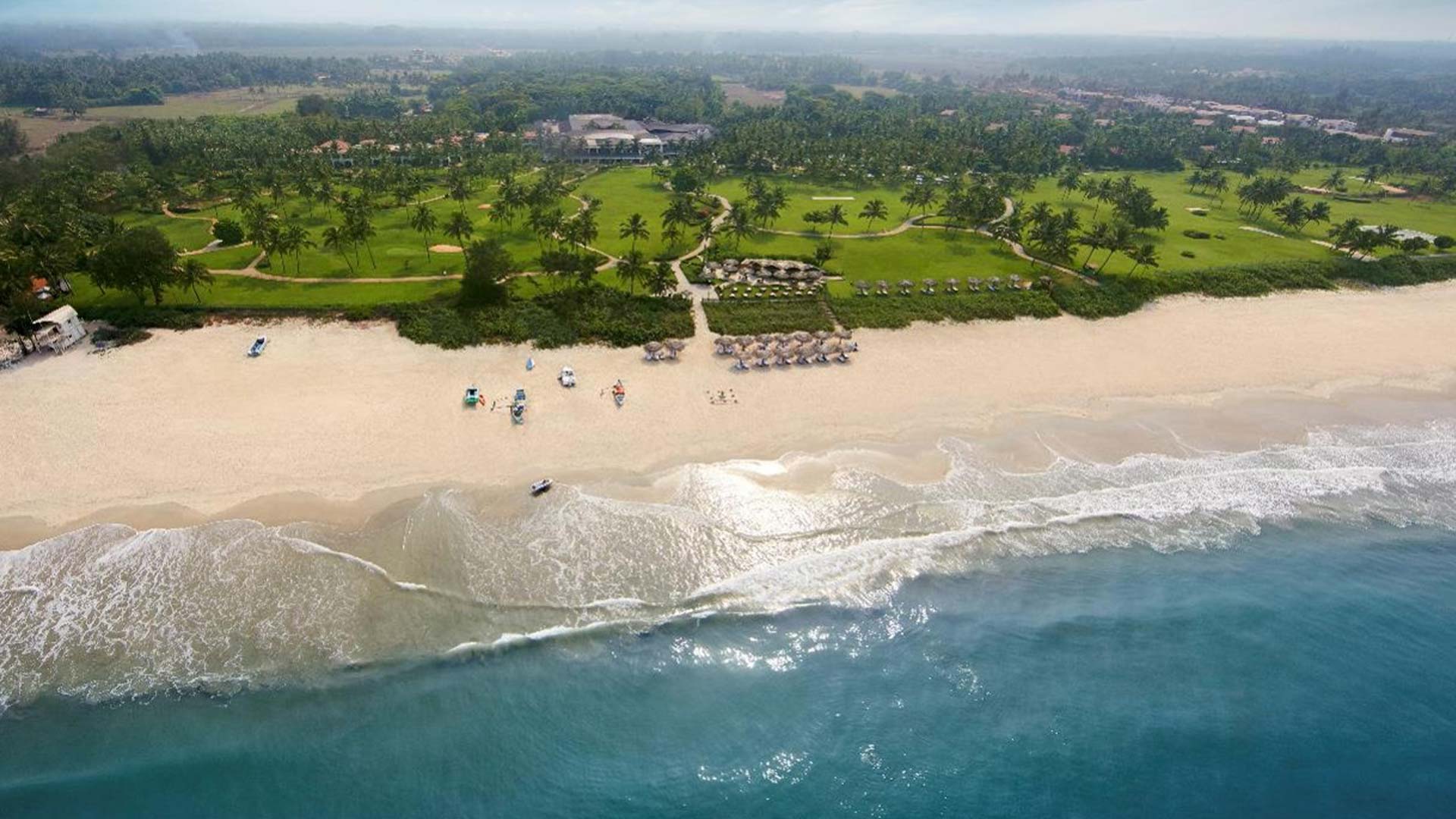
You may not want to be on the beach, but if you can stand on one leg and glimpse the ocean, you’re happy. That’s why you come to Goa, says Phillipose.
Before we get to Goa, how do Indian hotels perform internationally?
Good question. Take New York. We took over the first-ever Four Seasons after 22 years, on Fifth Avenue and 61st Street, the Peninsula and Plaza next door. How do you differentiate? Same in Dubai. The Oberoi was close to Business Bay, but within a year they left during COVID and never came back. How do you stand out where everything is bigger, shinier, and every conceivable brand exists? Those eight years taught me it was service, our biggest differentiator. The second was position. As Mr (Puneet) Chhatwal has said, it’s a no-brainer for us to be where the Indian diaspora travels, London, New York, Dubai. The moment I get even 30% of my business from Indians abroad, I have a base to build on. The Middle East has a strong connection with India; biryanis, Indian cuisine, are hugely popular there, drawing in locals. Across the brands, one Taj, one by the beach, one in the business hub, our service brought people to us. What we do is special, and I don’t mean only the Taj. I mean us as Indians.
You’ve worked in Goa before. What is different now?
Ten years ago, Goa was a sleepy town. In the monsoon, occupancy fell, everything shut down, the infrastructure was poor. We had one airport, Dabolim. But people still loved it.
People still loved it.
Then COVID happened, and post-COVID Goa took off.
Indians discovered it. I’m not sure whether that’s good or bad, but that’s personal.
A valid comment, one I hear constantly from the old-timers. The locals may complain, but they’ve all made a lot of money. Goa kept peaking, and about two years ago it started correcting. When I arrived, ARRs were at their peak; over the last year and a half, the rates have corrected. We charged ₹28,000 or ₹30,000 a night in that post-COVID era. Now it’s a more realistic ₹24,000 or ₹25,000. Goa has also become the epicentre of food and beverage. The standalone restaurants are fantastic, some I’d happily place in Dubai. Of the country’s top 50 restaurants and top 30 bars, a large number are in Goa, 12 or 13 if I remember right, built by young chefs. The third transformation is infrastructure. Ten years ago, getting from south Goa to the north was a nightmare. Today, with the flyovers, it’s easy.
Except that a world-class destination needs cabs or public transport, and there is none.
That hasn’t changed. I’m part of the CII, GCCI and TTAG, and we’ve raised this many times. They’re trying, we’re trying to get apps in, but it’ll take time. We can’t give up. The other thing Goa needs to work on is garbage.
I moved here four years ago and it was spotless. In four years, I’ve watched the garbage problem grow. Still not as bad as the rest of India, but those of us who’ve lived here notice.
We’re comparatively better, yes. But better cleanliness would make Goa far more attractive to the outside world. The other big change is international guests, which have dropped a lot. In the old days, October to March, we had plenty up north at Taj Fort Aguada and Taj Holiday Village. Today the majority are domestic. That’s the biggest change I’ve seen.
Why do you think that is?
A few things. Indians’ propensity to spend has gone up; they have the money now. The middle class has grown. And connectivity, air, road and rail, has improved dramatically. All of that has driven domestic tourism.
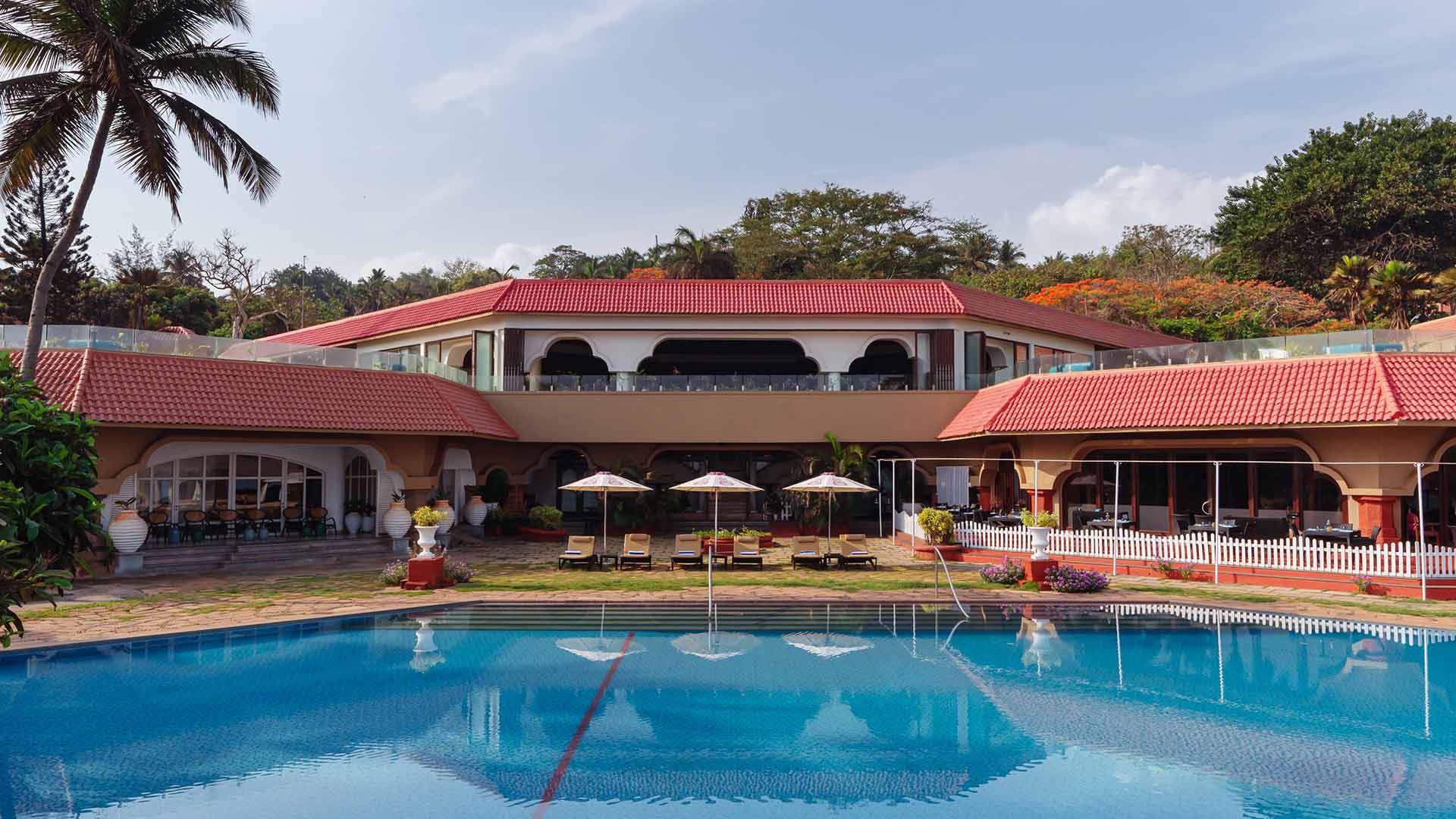
Taj Fort Aguada was the first luxury hotel in Goa, effectively bringing luxury tourists to the state.
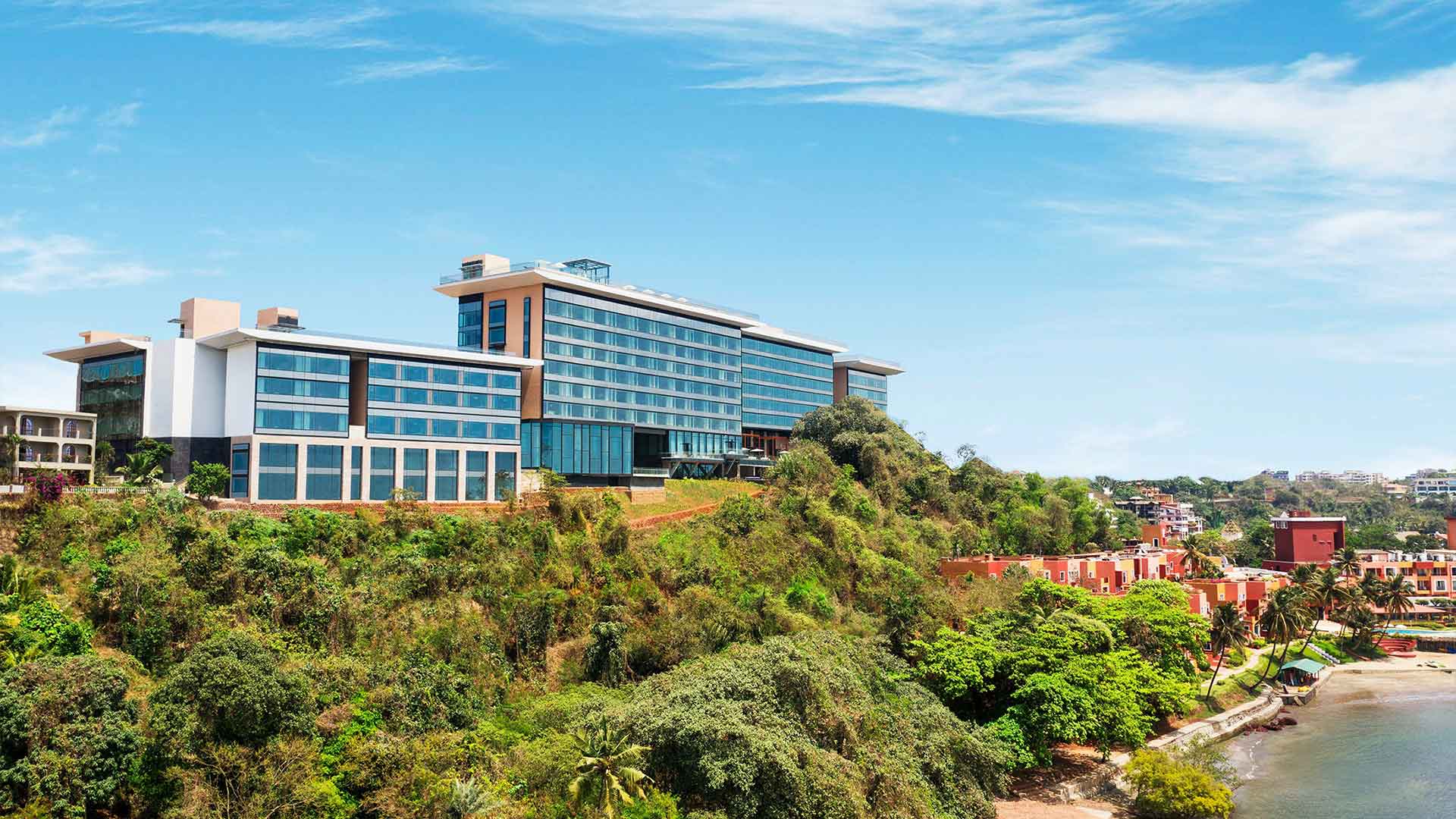
Taj Cidade de Goa Horizon hosts large MICE events and many weddings.
On social media, the middle-class narrative is that Goa has become too expensive. If the middle class has boomed and the money is there, why is that segment always complaining?
Social media is social media. Everyone’s an influencer, and that’s fine. My advantage is that my portfolio runs from the Taj to Ginger. Set the Taj aside, it’s in a league of its own; anyone who wants to stay at the Taj will come regardless. Below that I have Vivanta, Gateway, Selections and Ginger. Ginger averages about ₹4,000 a night, Vivanta up to ₹10,000, exactly the market you’re asking about. I take social media with a pinch of salt, but I keep an eye on it, and because I cover that exact segment, I can say we’re running 75 to 80% occupancy across every brand. People are travelling. And in context, it isn't that expensive.
The growth of domestic tourism shouldn’t drive foreign tourism away. Has the experience of Goa changed for foreign visitors?
Look at air connectivity first. Goa has plenty of domestic flights but few international ones. The day an Emirates flies directly in, the numbers will go off the charts. Right now, a guest from the Middle East has to fly to Mumbai, change to a domestic flight, then travel to Goa. For a certain kind of traveller, say business class, there simply aren't enough flights. Change that and the tourism scene changes completely. Kerala gets the foreign numbers because it has direct flights from all these destinations.
Is the era of charter flights to Goa over?
Not over, but much reduced. The cost of living in Europe has gone up. Given the state of the world, travellers from the Commonwealth of Independent States, the UK and Australia have dwindled.
Where do locals fit in? There’s a social-media narrative that Goans aren't friendly, and you do see locals abusing tourists online, if not in person. Is there real resentment on the ground, and how does it compare with ten years ago?
A couple of points. In the two or three years I’ve been back, not one guest complained across any of my hotels, at any price point, about a local being rude, apart from the taxi issue. Second, put yourself in a local’s shoes. You’re on your balcony in one of these heritage quarters with a cup of tea, and tourists walk into your home to shoot a reel. Wouldn’t you be upset? The Goans haven’t changed, they’re still hospitable. But circumstances have: people walking into their homes, driving big cars onto the beach and getting stuck, more accidents from drink-driving. None of that happened at this scale ten years ago. A lot comes down to educating our own travellers. In the Maldives, when China opened up, the Chinese arrived by the flight-load, many abroad for the first time. They didn’t understand water depth and would run into the sea and drown. You’d find crabs boiled in the guest-room kettle, a shark in a bathtub. So the government acted: anyone flying out of China got a booklet, dos and don’t handed over with the visa. India will eventually have to educate its travellers too.
How is tourism in Goa evolving? My theory is that the “don’t go to Goa” chatter may be good for it, pushing tourism towards a more discerning, experiential traveller, with all the experiences now available beyond the beach. Do you agree?
There’s far more to do in Goa today than beaches, and the government’s favourite line is “Goa beyond the beaches”. We work closely with groups like Soul Travelling and Make It Happen because of the experiences they create, which didn’t exist earlier, at every price point, luxury to budget. Look at the Aguada Jail; it wasn’t there before, and they’ve done a great job restoring it and creating experiences within. The first thing that’s changed is F&B. The second is these forgotten experiences. The third is wellness, now in the limelight; the government recently discussed incentives for proper Ayurveda centres. The fourth is MICE, coming in a big way, and it matters because you can’t depend entirely on individual travellers. Goa’s MICE offering today is fantastic and wasn’t there earlier. Now we can host big-ticket events. Take Taj Cidade de Goa Horizon and Heritage: 500 rooms across the two properties, plus banquet space, so we host large MICE events and many weddings. Weddings were always in Goa, but smaller. Today they run from ₹50 lakh to almost ₹4.5 crore for two days, depending on scale. The event companies have become far better; some setups rival the Middle East. New strands are reinvigorating Goa.
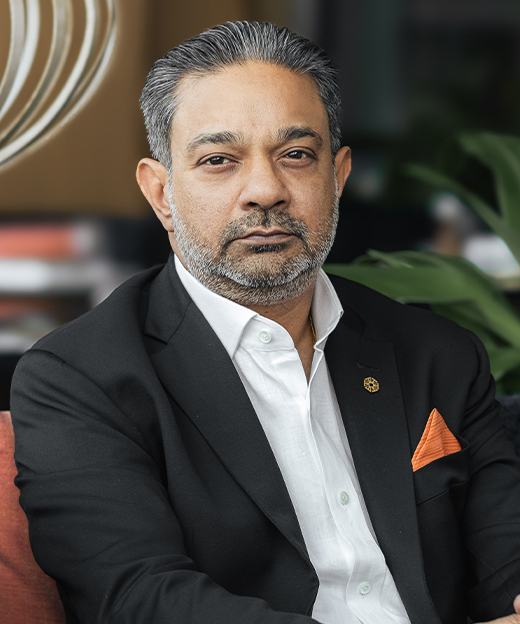
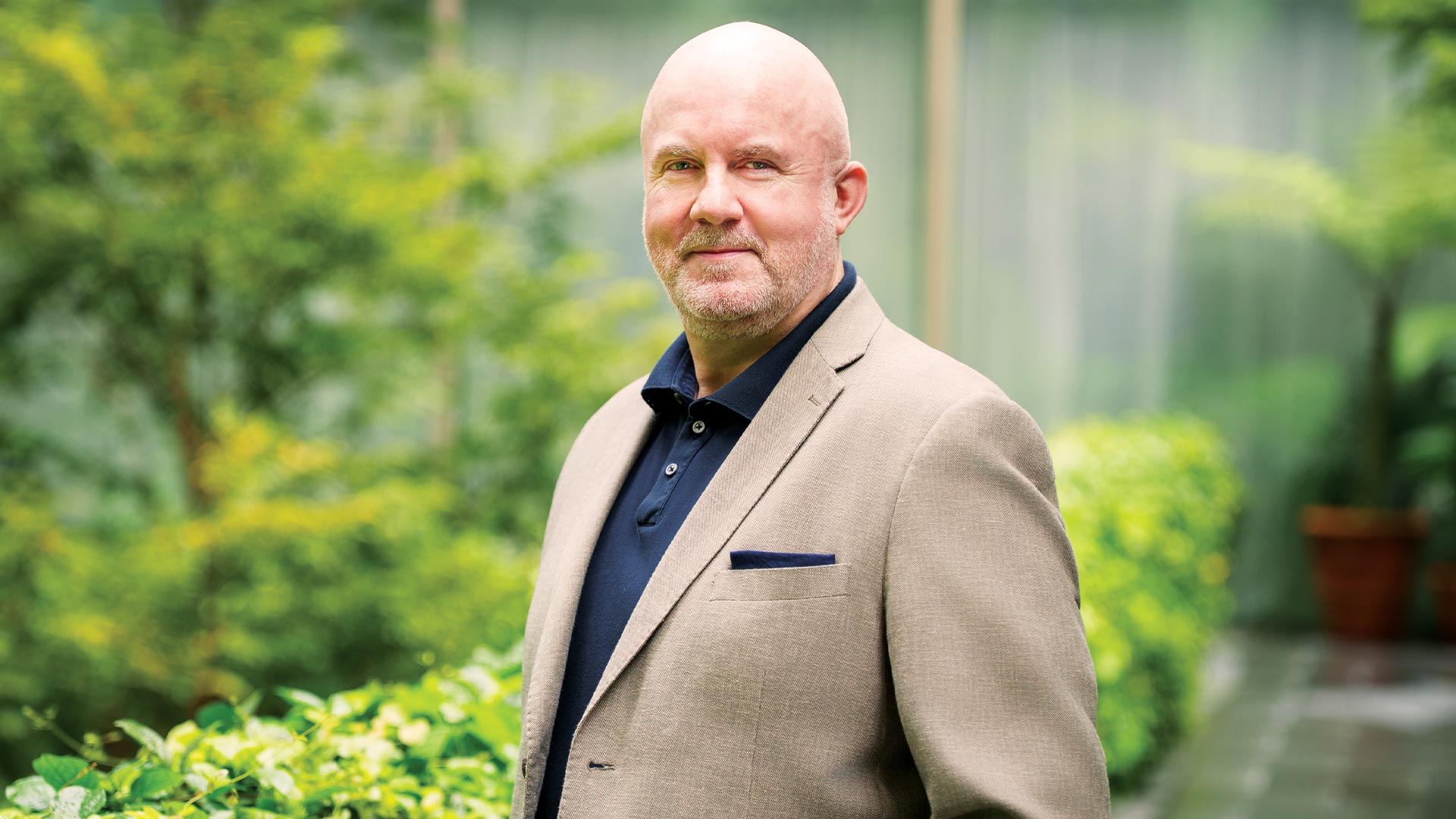
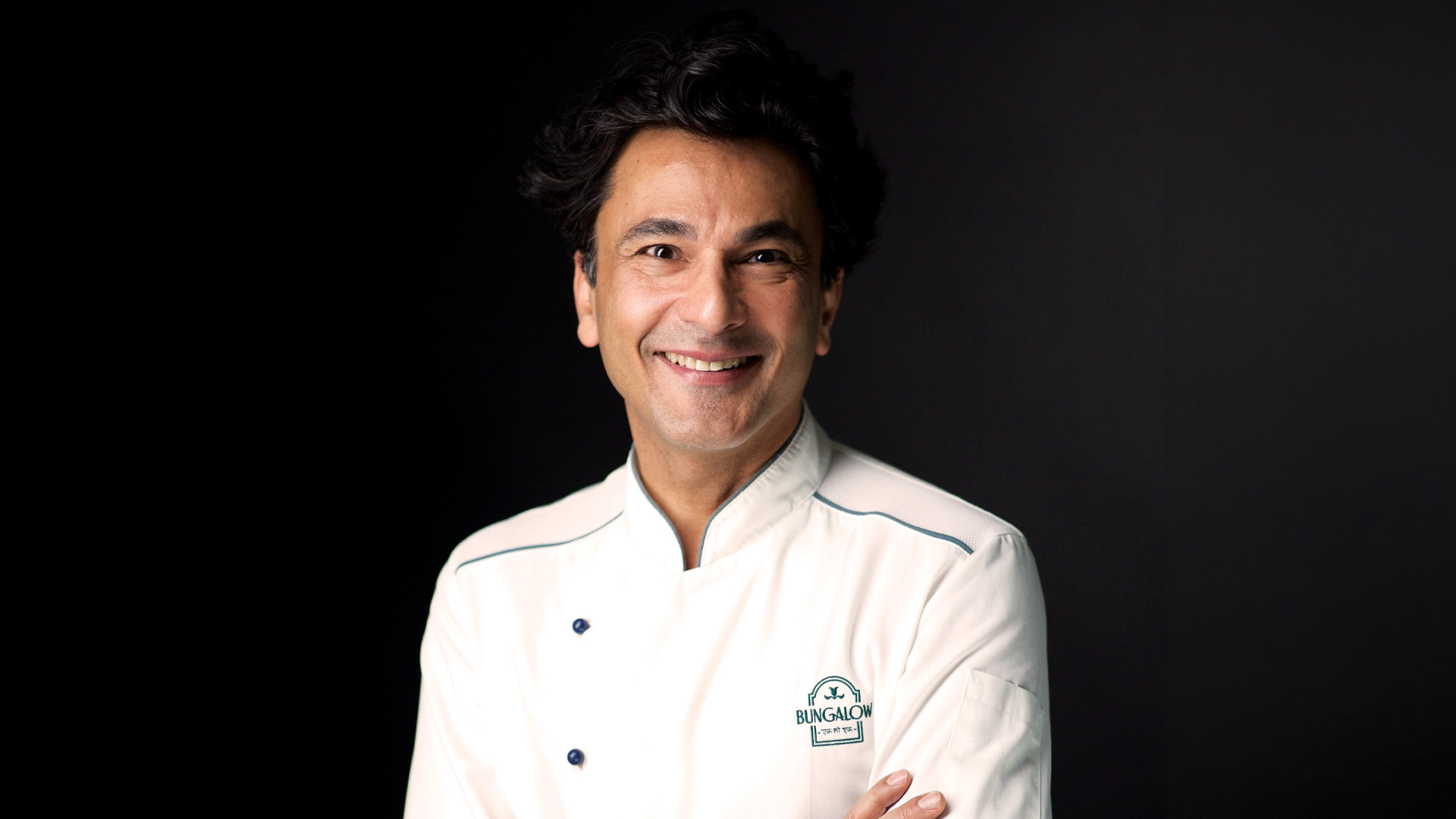
Ranjit Phillipose, Senior Vice President, Operations–Goa, IHCL, looks after the entire portfolio, which today is worth more than 1,000 crore across every brand.
The composition of travellers has changed too. Foreign tourists used to come for weeks; now domestic travellers come for two or three nights. What does that do to a full-service hotel like this one, or Aguada, and to Goa’s wider tourism economy?
Years ago, people took one holiday of 14 or 20 days. Nobody does that now; they break it into shorter trips. When you add it up, shorter breaks are actually more profitable for us. Someone who once took a single 14-day holiday now splits it across three visits, one in the monsoon, one in season, another later. More vacations, shorter durations. That’s the only difference.
Do you see Goa’s tourism moving towards the hinterland?
My entire amã range is in the hinterland. There’s no amã by the beach. You drive into the middle of a village and stay in luxury, with the best of Taj service and food, surrounded by a local community going about its day. There’s also development towards Mopa; like Aerocity in Delhi, I think that will become a hub. We don’t have big industries, so business is primarily MICE, a lot of Tata events and getaways. The beauty of Goa is you can do both, work and attend a conference by day, be out and about in the evening.
Where else can you get that? Does the hinterland lend itself more to boutique luxury than large-format hotels? Any large-format properties planned inland?
The hinterland still supports boutique. The one we’re doing on the hill at Anjuna is still coastline, not the interior. The demand inland isn’t there for big hotels. People want to be closer to the water. You may not want to be on the beach, but if you can stand on one leg and glimpse the ocean, you’re happy. That’s why you come to Goa, otherwise you might as well be in Delhi.
Is Goa a 365-day destination now? Do monsoon occupancies really match the season?
They do. Ten years ago, the monsoon was slow, occupancy fell to 50 or 60%. Today you still do 80%, a healthy 75% across the industry. In the monsoon we started the Goa Monsoon Feast. The thinking was: the monsoon comes, the shacks close, occupancies are still high, so where do people go? We opened seven of our signature restaurants, Paper Moon and others, at ₹850 for a two-course meal, ₹950 for three, ₹1,250 for four, only during the monsoon. Last year it tripled our revenue and brought in locals and non-residents who’d assumed the Taj was too expensive and discovered it wasn’t. We carried that momentum through the year; someone who came for the ₹850 offer returned for an anniversary or a birthday later. I’ve also said Goa should market the monsoon to the Middle East.
But Goa doesn’t market itself to the Middle East at all. We’re obsessed with Europeans.
It comes down to connectivity. Air India used to run a flight, but that's stopped; the only one left is Qatar. It’s to do with flight rights, reciprocal arrangements, and currently fuel prices. The moment you get a direct flight from Dubai, the business mix and the clientele change. We have a home in Dubai, and to get there I fly to Mumbai first; a flight that should take two hours takes me the whole day. That’ s our one real drawback.
Let’s come to IHCL in Goa. The company effectively brought luxury tourists to the state with Fort Aguada. Your portfolio now has real depth. How is each brand doing in a state this small, compared with, say, Rajasthan or Kerala?
The best part of Goa is that I have every brand at every price point for every kind of guest. The Taj is for the seasoned, less price-sensitive traveller. Vivanta, repositioned to be more vibrant, is for a younger, fun segment. Then the SeleQtions, small boutique hotels such as Yellow House and La Estoria, one with 122 rooms and the other with 50, each with its own charm and identity. Then Ginger, in Panjim and a large one in Candolim, and finally our Gateways and homestays. Across the portfolio, each hotel averages 75 to 80% occupancy, and their F&B is doing very well too. As we expand, adding one or two hotels per brand, I’m not worried, because the demand is there.
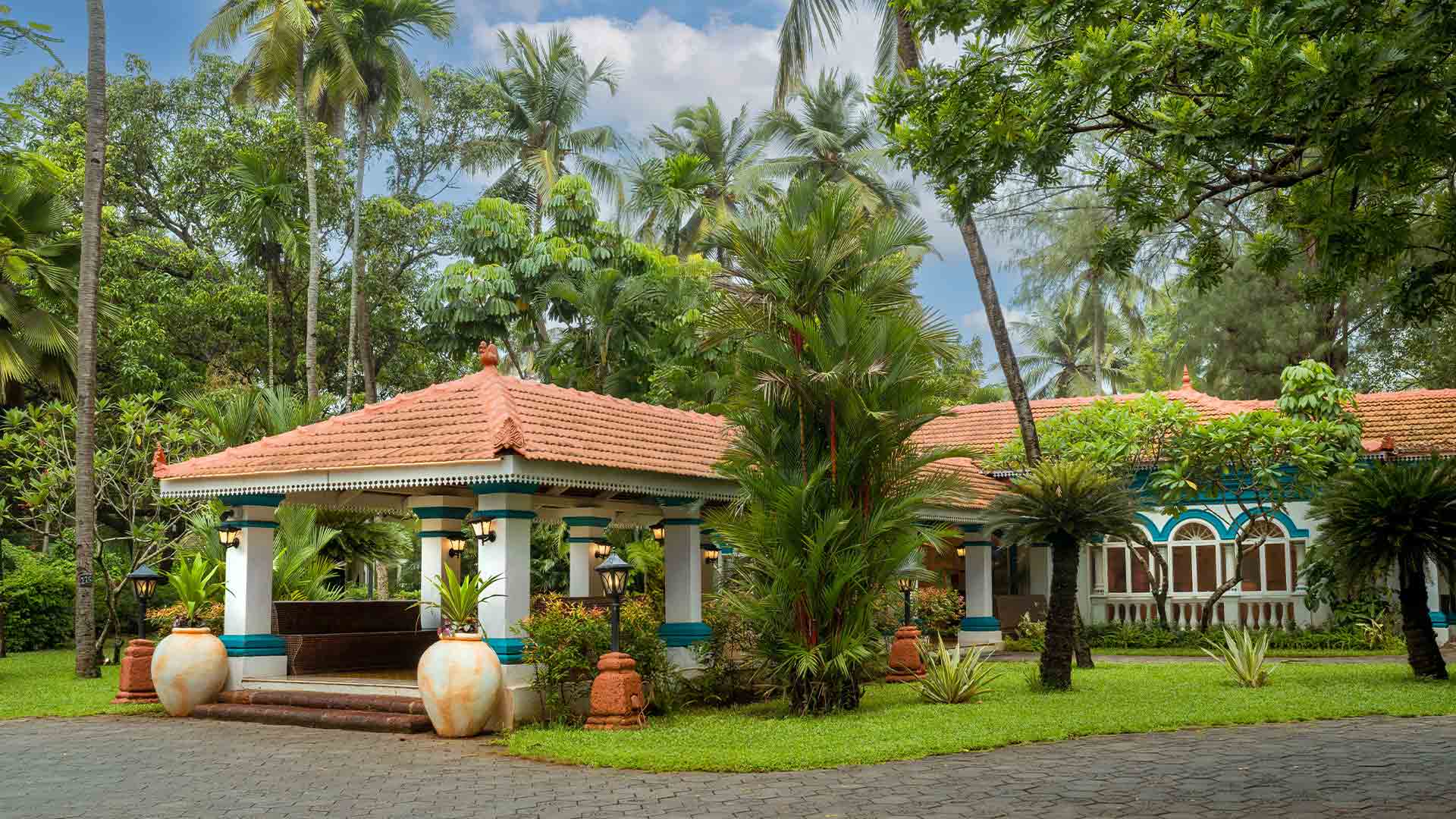
In the old days, October to March, there was plenty to do up north at Taj Fort Aguada and Taj Holiday Village.
What F&B innovations have been your standouts over the last year or two, and which has been the biggest success?
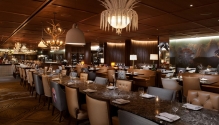
F&B is the biggest change I’ve seen in Goa, so we had to move with the trend. At Cidade de Goa Horizon we turned the roof into DPB, a rooftop lounge and bar, and it became the talk of the town, open through the monsoon with the best sunrise and sunset views. Restaurant-wise, our biggest success is Paper Moon, our Italian restaurant at Taj Fort Aguada, which took off with the Goa Monsoon Feast last July; we sent our chef to Italy to train for a month and a half, and because it worked we’re opening another at the Taj Mahal Palace in Mumbai. Our classics, Banyan Tree and Morisco, keep doing well.
We revamped Tamari at Vivanta Panjim by bringing in a teppanyaki chef, and our latest is Verre, a rooftop at Vivanta Miramar. One thing we did very differently: I was gifted a book about the forest in Goa, and asked a general manager and a chef what we could do with it. We collaborated with a local Goan, Assavari Kulkarnai, an accomplished photographer, who forages vegetables and roots in forests, and built a forest cuisine around them, the first of its kind. I served it at IHCL’s annual business conference, where 500 general managers and owners gather, and it was a roaring success.
We also hosted Malhar by the Sea at Taj Exotica, a musical extravaganza, where we showcased tribal food. On the bar side we run pop-ups from the world’s best bars, Bangkok, Dubai and elsewhere, and bring in our own brands: Miss Tess, a Taj Dubai concept, ran here two weeks and was a runaway success; Nizami food from Adaa at Falaknuma. People used to say hotel restaurants don’t make money. That was the past.
What role does amã Stays & Trails play in your portfolio, and what’s your USP against the private villas, the Postcards and standalone rentals?
amã Stays & Trails came up just after COVID, when people didn’t want crowds, wanted their own space, and there was multi-generational travel. The first came about when we were given a Tata Coffee estate. In Goa, our senior leadership was travelling from one part to another, saw the Braganza house in Candolim, and experimented with an amã there. We started with two of our own training bungalows, converted them to see what would happen, and it took off. We’re 33 amãs strong in Goa now, with 15 more on the anvil. They’ve changed, though; earlier they were single four- or five-bedroom bungalows, now the demand is for clusters, nine, 10, 15 rooms, for entire families, bachelorettes and school reunions. In a villa, you do everything yourself. With us, we cook for you, clean for you, do everything.
If you could get the Goa government to make one or two policy changes, what’s on your wish list?
First, resolve the taxi issue. Second, garbage. Third, a single-window clearance for events. Today, to hold an event or a wedding, you go to different departments for fire, police and pollution. One window would make things far more efficient. Those are my top three.
Beyond food, how does Goa perform on the wellness travel front?
Ayurveda is big right now. At Taj Exotica we still get international guests who come for a seven- or 14-day Ayurveda treatment, not as many as before, but they come. Wellness is more holistic now: sound healing, yoga, mindful eating. I don’t see the demand for cryo-chambers and red-light therapy that fill Dubai hotels. Here in Goa you just breathe fresh air and feel better. Whenever I come back from a big city, with its traffic and constant honking, the moment I land here it takes me into a zen zone. That’s Goa’s charm.
How is IHCL engaging with the local community?
We've hired at least 120 associates with disabilities across the portfolio. Last year we hosted the Bharat Ek Saath Walkathon, conceptualised in Goa, a simultaneous walk across India for our associates to raise funds for the Tata Trusts. We raised almost ₹65 lakh. One summer I was standing outside Taj Fort Aguada in killer heat and thought, there are so many people here, what can I do to give them water? So we put in a water cooler connected to our water lines, free water for everyone. Driving past one day, I saw a queue of people filling up and drinking. That’s not a grand initiative, it’s a basic need, and if we can contribute, why not?
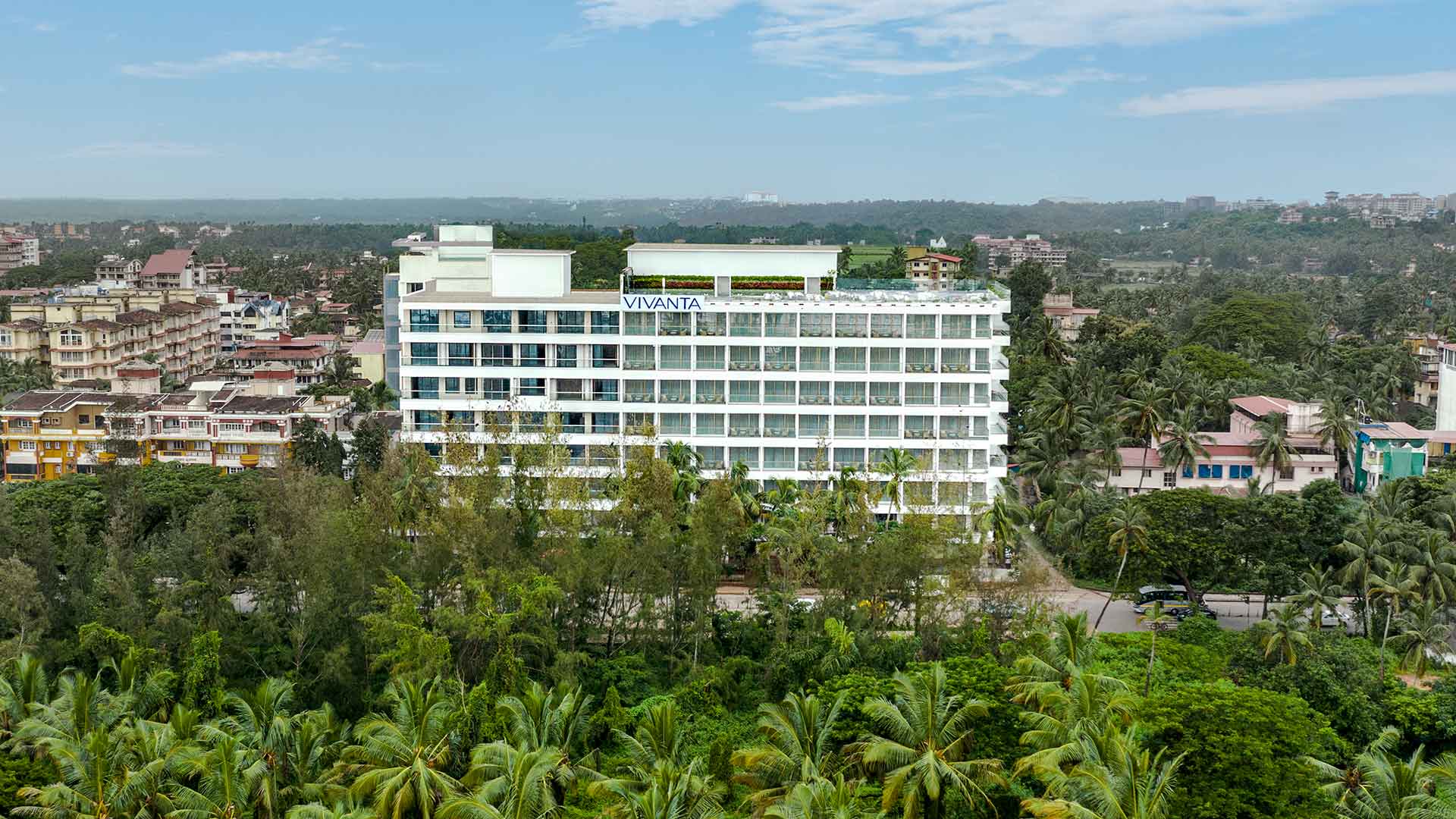
Vivanta Goa, Miramar, is repositioned as a vibrant hotel for a younger audience.
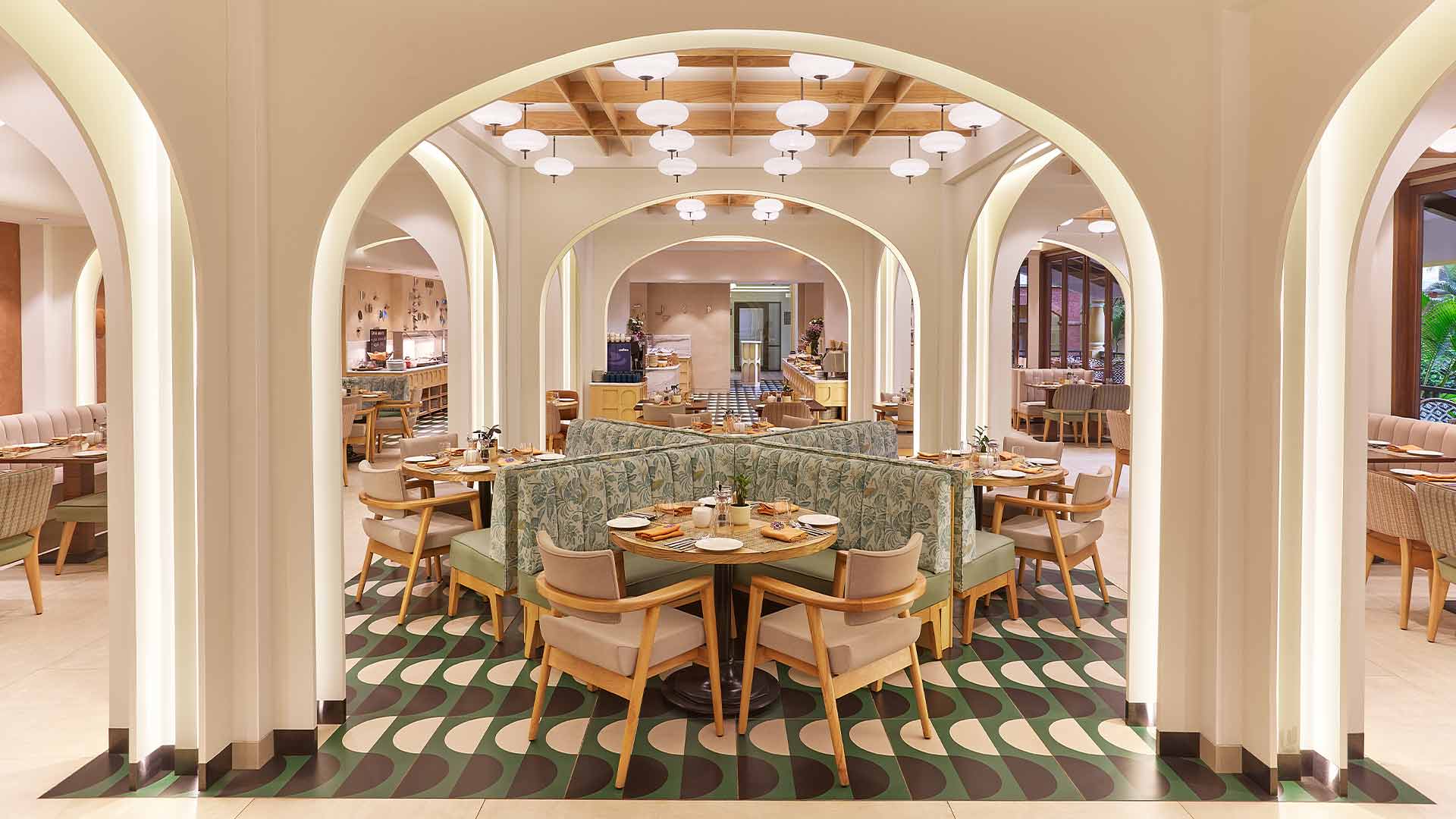
Trattoria at La Estoria, Candolim, is known for its exceptional Italian bites and elegant ambience.