











The Maldives: Beyond The Honeymoon
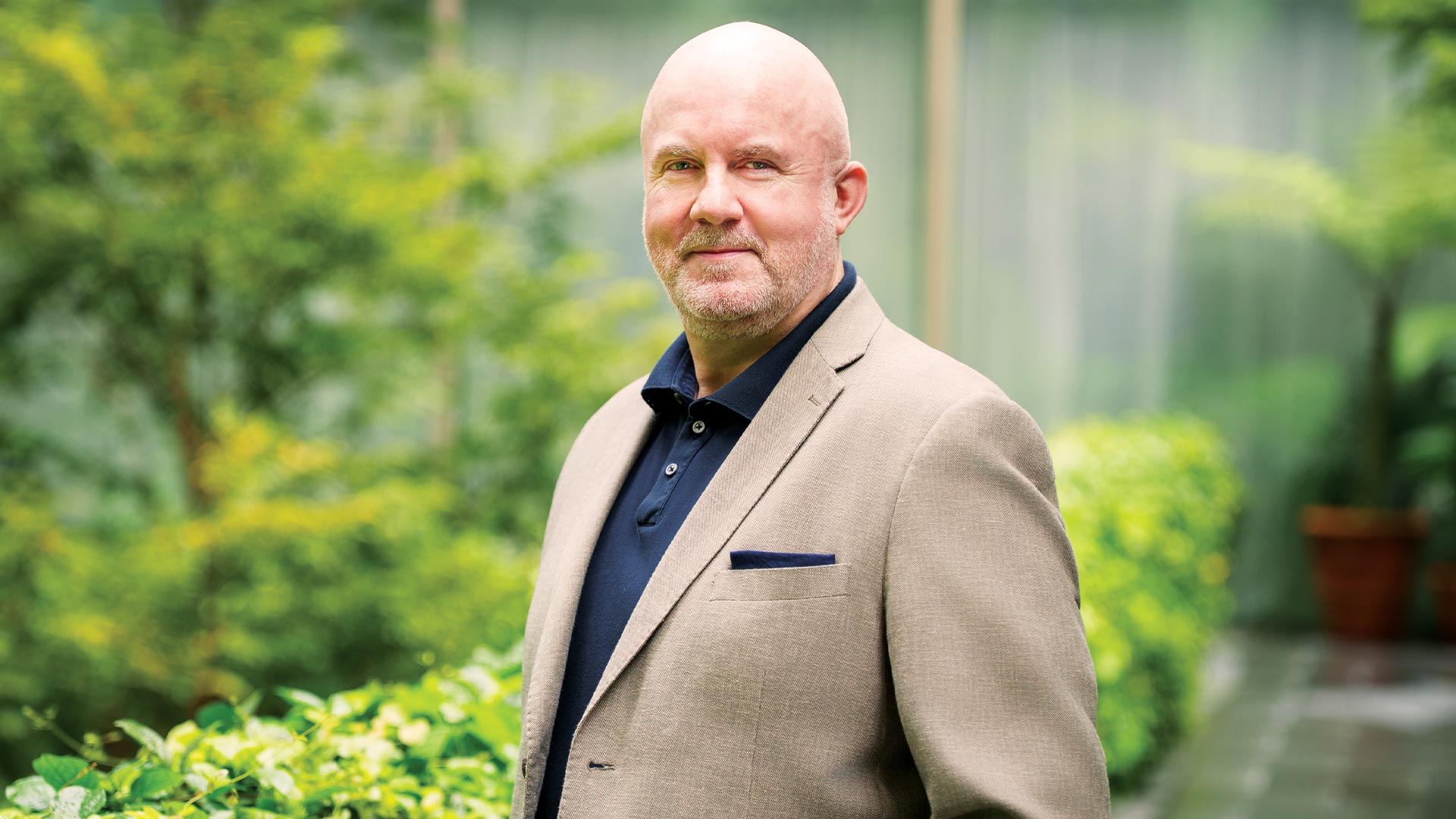
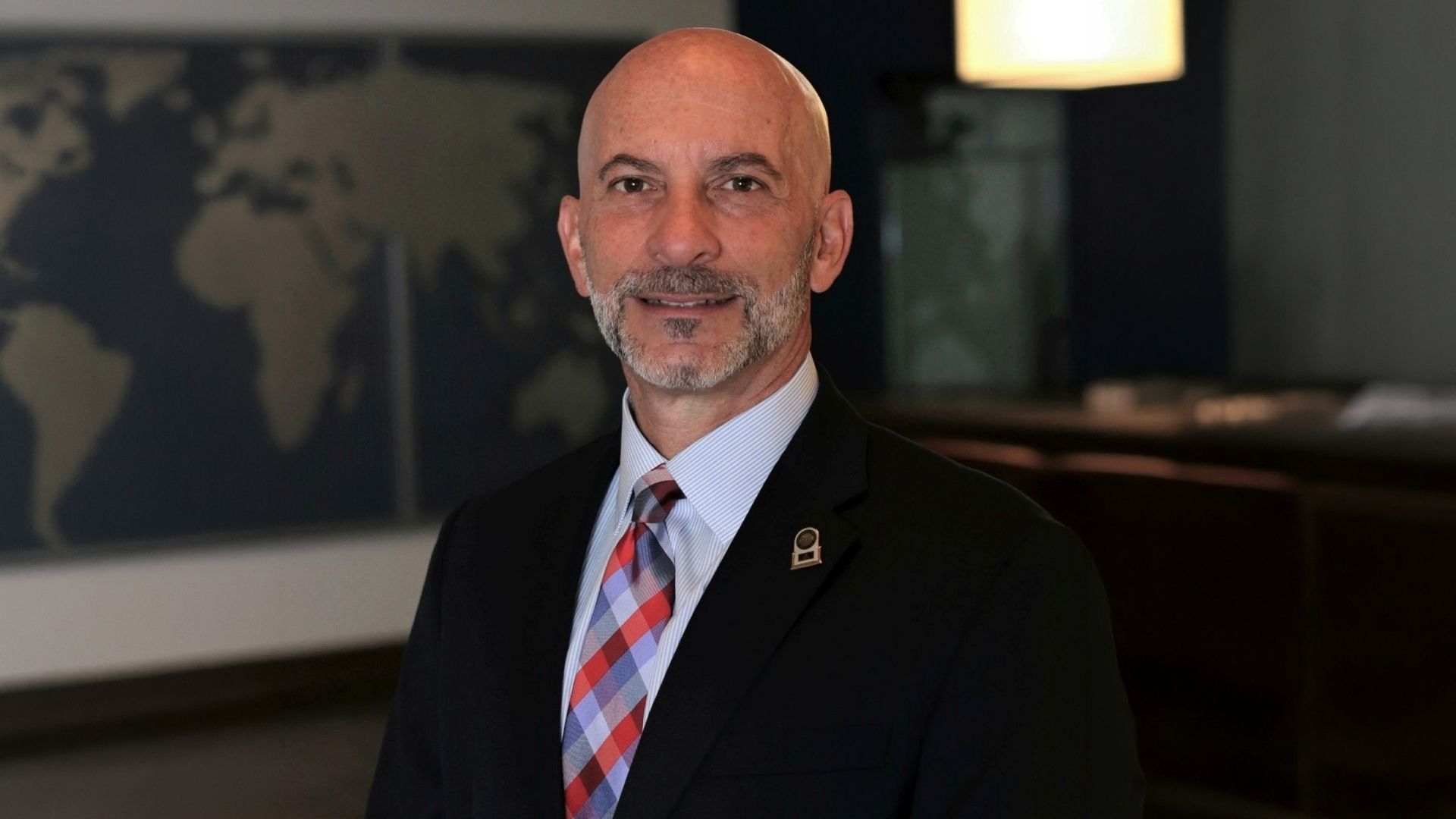
Silvio Rosenberger, Market Vice President, Maldives, Marriott International, on the changing face of island travel, the rise of multigenerational holidays, India’s growing importance and the new luxury of time.

By Rachna Virdi
The Maldives has long been the quintessential honeymoon destination. Today, its appeal extends well beyond couples, drawing families, multigenerational groups and wellness seekers looking for meaningful, experience-led escapes. As traveller expectations evolve, the destination is adapting to a new idea of the island escape.
For Silvio Rosenberger, Market Vice President – Maldives, Marriott International, the destination’s appeal lies in its ability to offer something that stays with you long after the holiday ends. He says, “The Maldives is trying to give as many positive stories as it can. It’s a place you have to experience yourself. You have to see it at least once in your lifetime, and you will be convinced to come again. There’s always something you take back. It’s an experience that you must have, and you get addicted.”
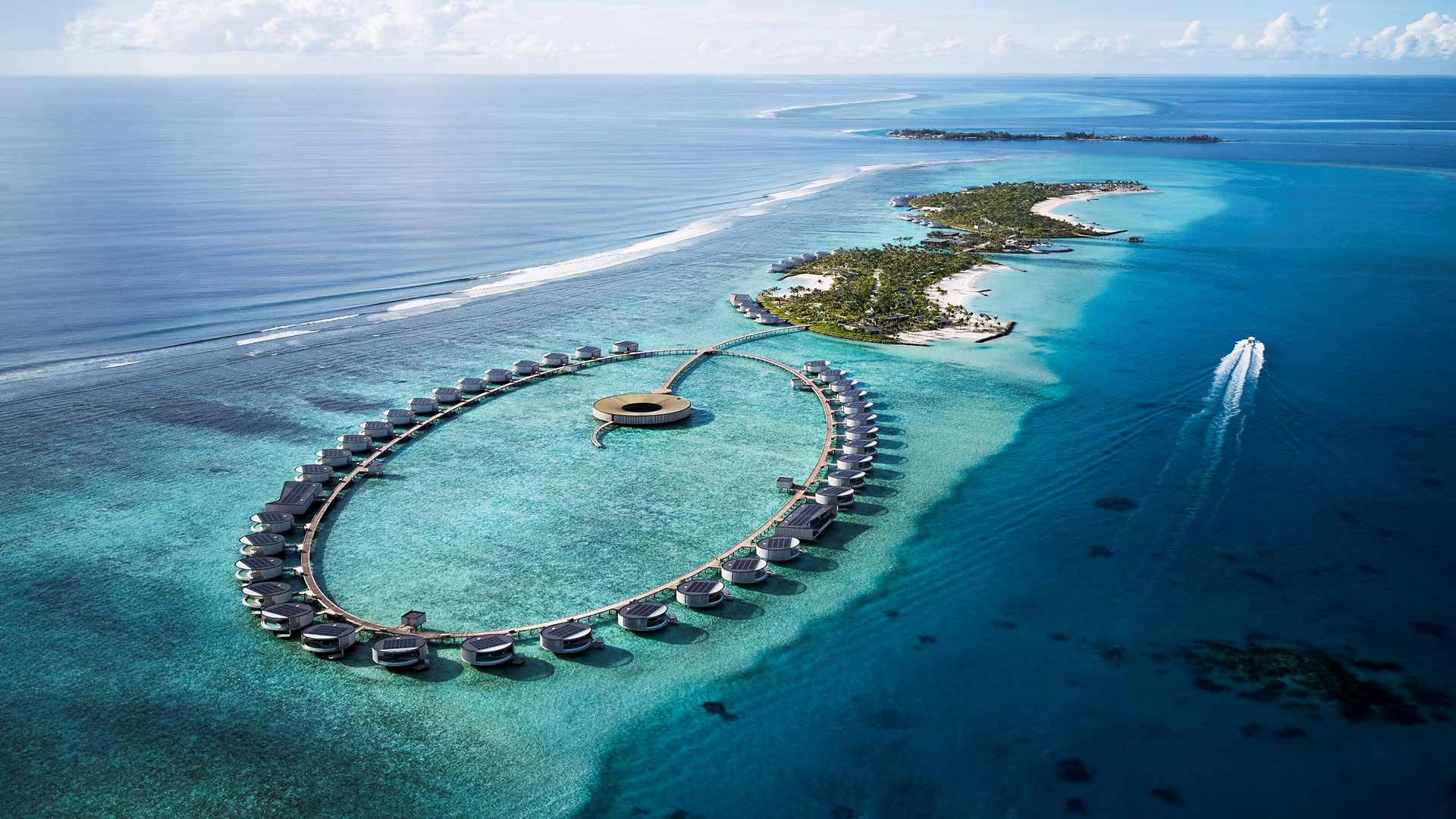
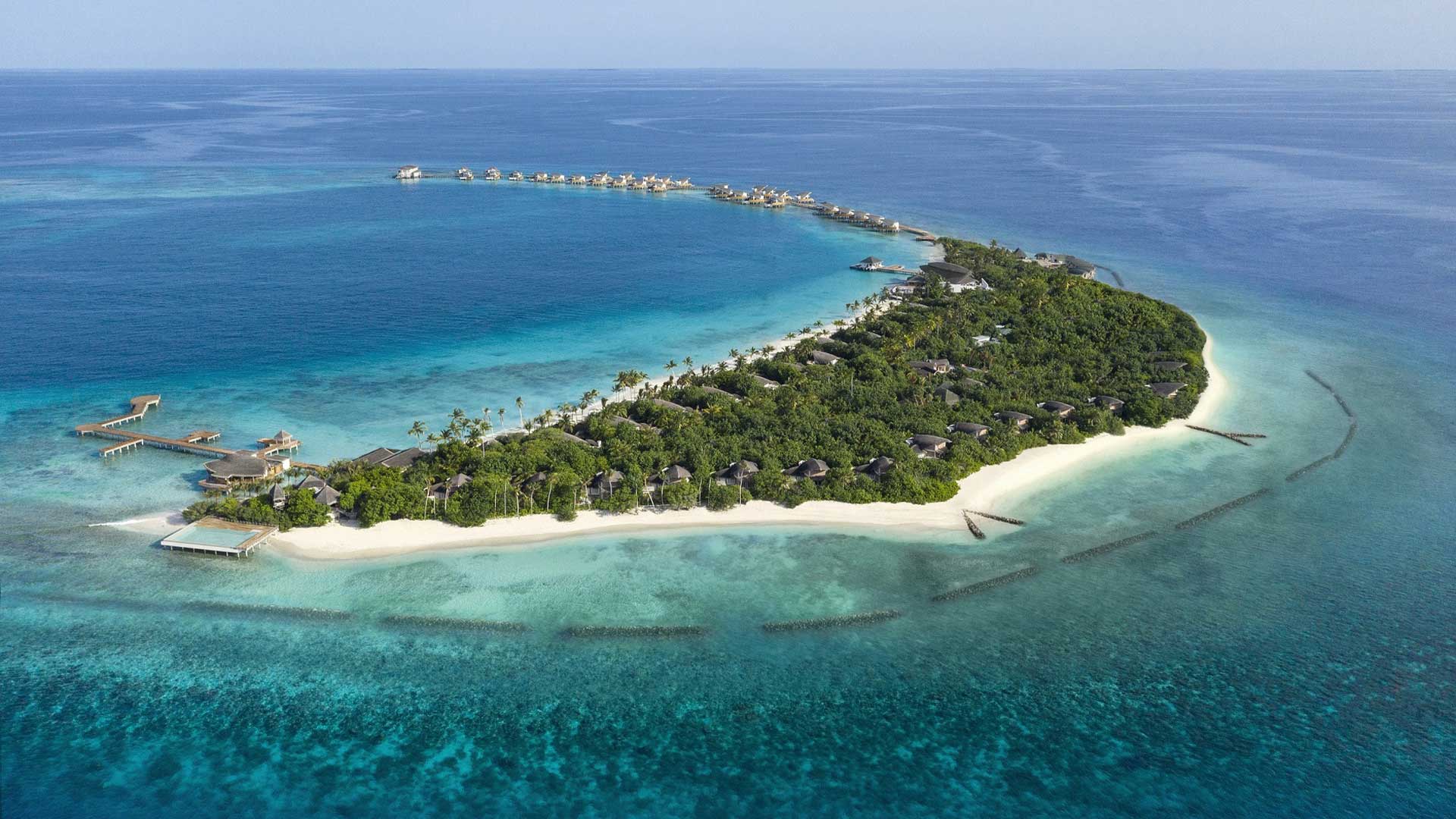
The Ritz-Carlton Maldives, Fari Islands provides thoughtful, personalised service to make every guest experience seamless and memorable.
Excerpts from the conversation
SOH: The Maldives was once synonymous with honeymoons. Who is it attracting now?
Silvio Rosenberger: We are seeing much more family and multigenerational travel, with three generations travelling together. That changes what resorts need to offer. Larger accommodation formats, such as multi-bedroom villas, allow families to stay together while retaining privacy. Every generation also needs activities, from snorkelling and water sports to tennis, paddle, fitness and wellness. We are seeing growing interest in longevity and more meaningful wellness experiences. Culinary experiences remain important too, particularly Indian cuisine. Our Indian offerings appeal not only to Indian travellers but to guests from around the world.
How do you bring three generations together without compromising individual space?
Family gatherings are becoming a major trend, creating traditions that people return to year after year. An older generation may bring children and grandchildren to an island, and that experience becomes something the family repeats. We have introduced larger two-bedroom villas that work well for two- and three-generation families. At the same time, we are exploring different concepts, including the possibility of adults-only islands, because different travellers want different experiences.
The key is creating enough choice within the portfolio while keeping the experience effortless. You can spend time together, but you can also have your own space. You slow down without feeling that you have to constantly fill your day.
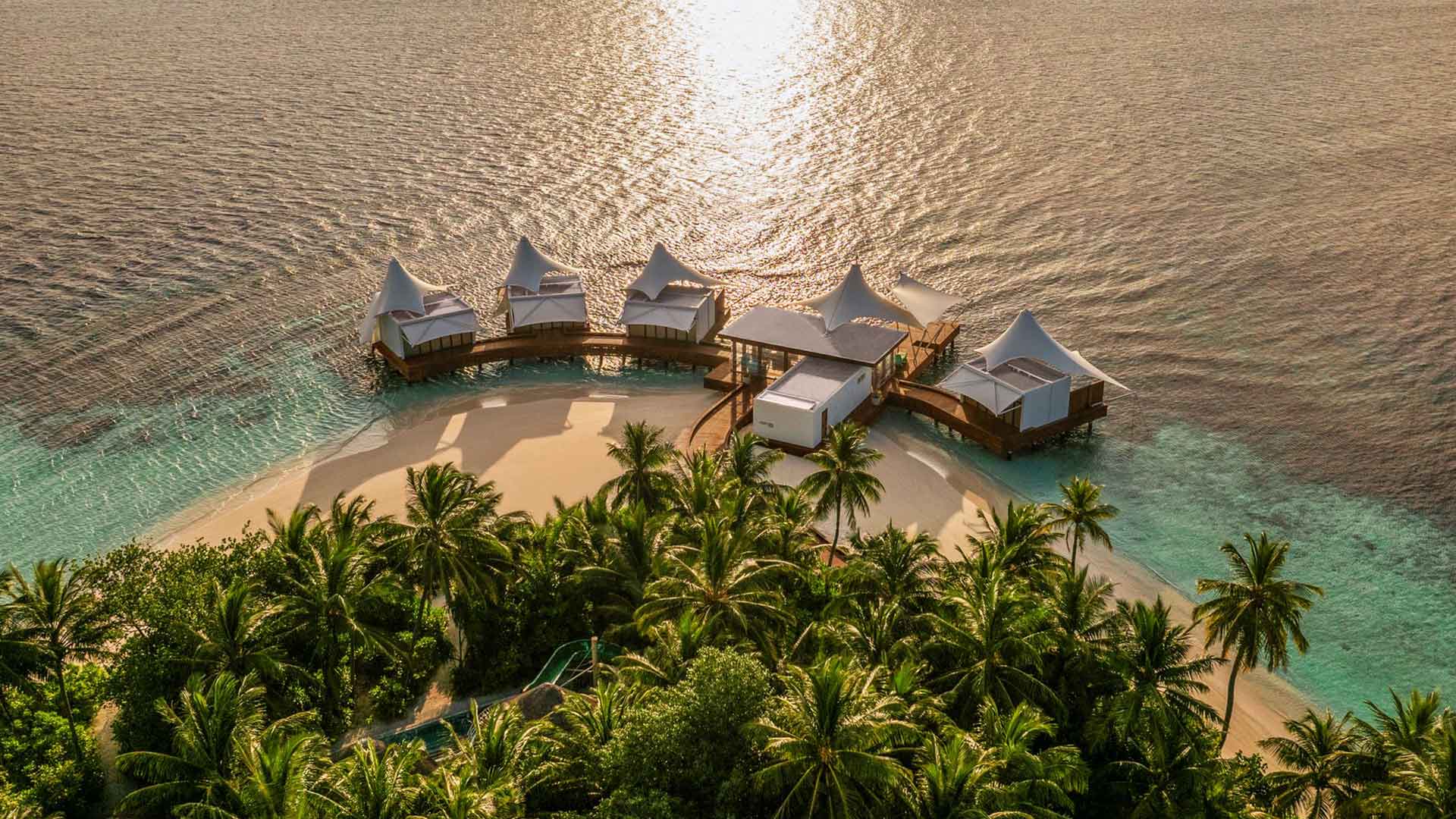
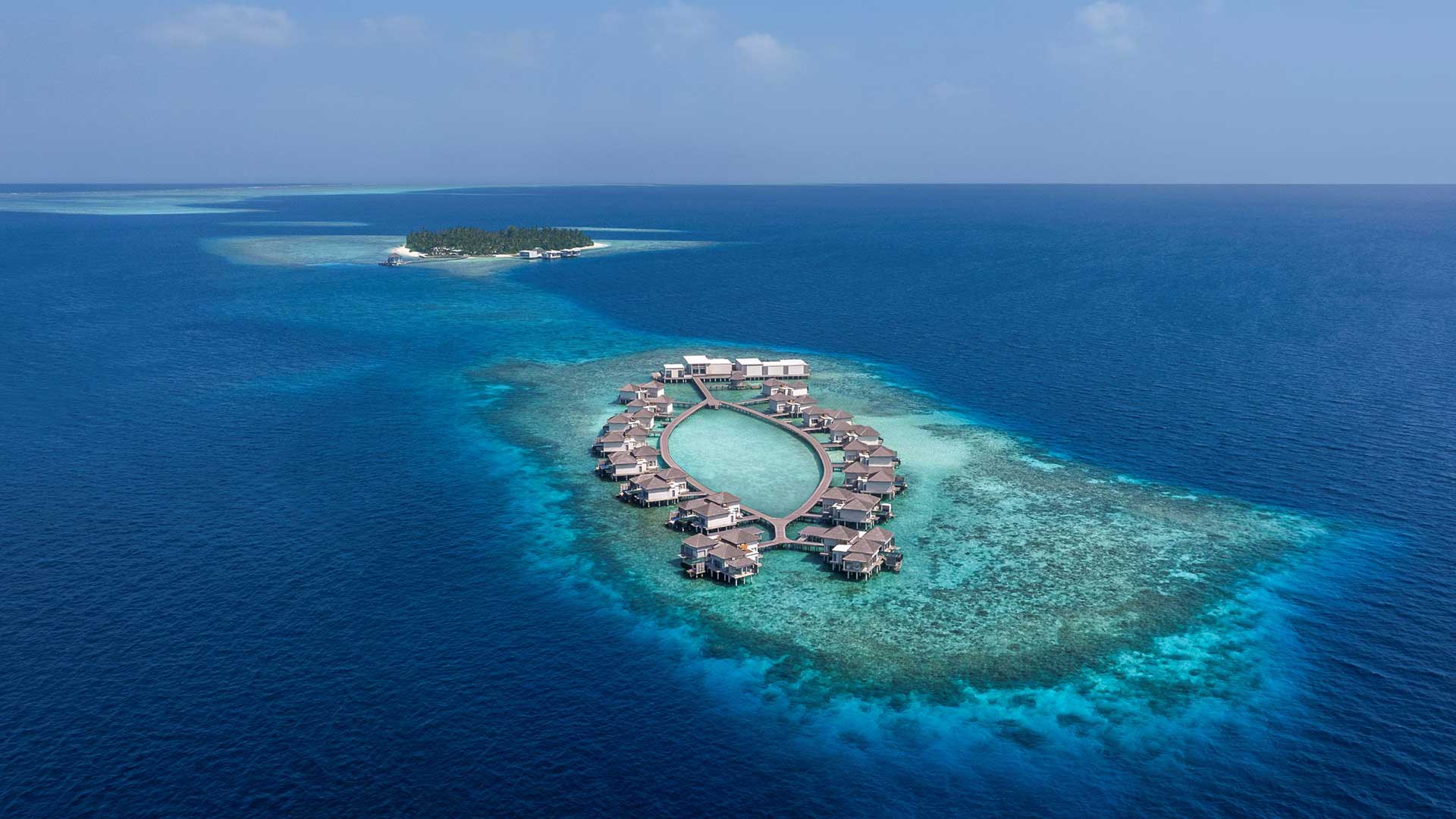
At W Maldives, guests can disconnect from the everyday and reconnect with what fuels them.
Is the real luxury today the chance to switch off?
We live such hectic lives and are constantly looking at our phones. When you arrive on an island, you almost detox. You may take your phone out to capture a photograph, but you become less interested in being connected to everything outside.
There is no traffic, very little noise and nothing to distract you from the people you are travelling with. Families can play games, snorkel, take boat rides or simply spend time together. These are things they may not normally do in their everyday lives, and that makes the time together more meaningful.
India is a short flight away. What are Indian travellers looking for in Maldives today?
India is an incredibly important source market for the Maldives, not only for weddings but in general. Connectivity is a major advantage. The Maldives is around two-and-a-half hours from Mumbai and approximately four-and-a-half hours from Delhi, with strong direct connectivity. It is an easy international getaway.
Indian travellers are very food-focused, so culinary experiences are important. Indian cuisine is popular across our islands, not only with Indian guests. It also gives us a strong ability to cater to vegetarian and vegan travellers.
Wellness and fitness are growing too. We see younger Indian travellers working out, running or playing tennis, and parents joining them. The holiday becomes an opportunity for families to develop shared habits.
Marriott Bonvoy also plays an important role. Travellers who collect points can redeem them for stays and bring their families, creating strong loyalty.
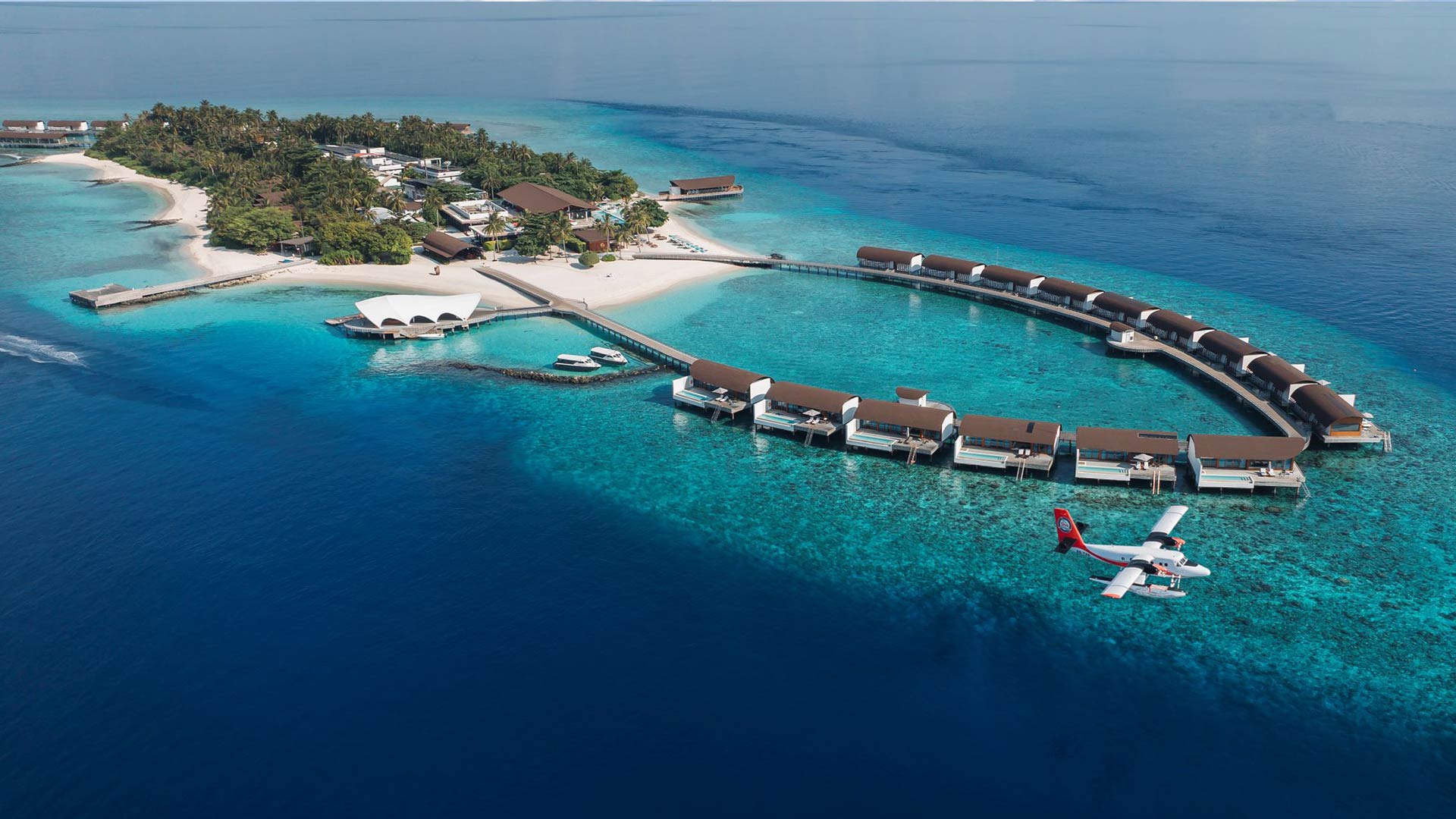
Sheraton Maldives Full Moon Resort & Spa offers a welcoming island escape for couples, families, and groups alike.
What growth are you seeing from India?
India ranks among Maldives top six source markets, with 62,900 arrivals in H1 2026 and a government target of 200,000 visitors for the year. Visa-free entry on arrival and 49 direct flights from seven Indian cities further strengthen accessibility. The Maldives is close, easy to reach and does not require long-haul travel. The market is also becoming more diverse as we are seeing different spending segments, from premium and luxury travellers to high-net-worth and ultra-high-net-worth guests. Marriott’s growing portfolio allows us to cater to different generations and traveller profiles.
Can luxury and sustainability coexist on a fragile island ecosystem?
Protecting the marine environment is particularly important in the Maldives. We are involved in coral restoration and rebuilding reefs, while solar power is another key focus. We are also looking at ways to make guests more aware of their environmental footprint, including energy and water consumption during their stay.
Education is just as important as technology. We conduct sessions with our associates, many of whom are local, to help them understand how everyday decisions can help preserve the island. We are also focusing on local sourcing. Some resorts have their own gardens where we grow produce, while sustainable fishing and seafood practices are becoming increasingly important.
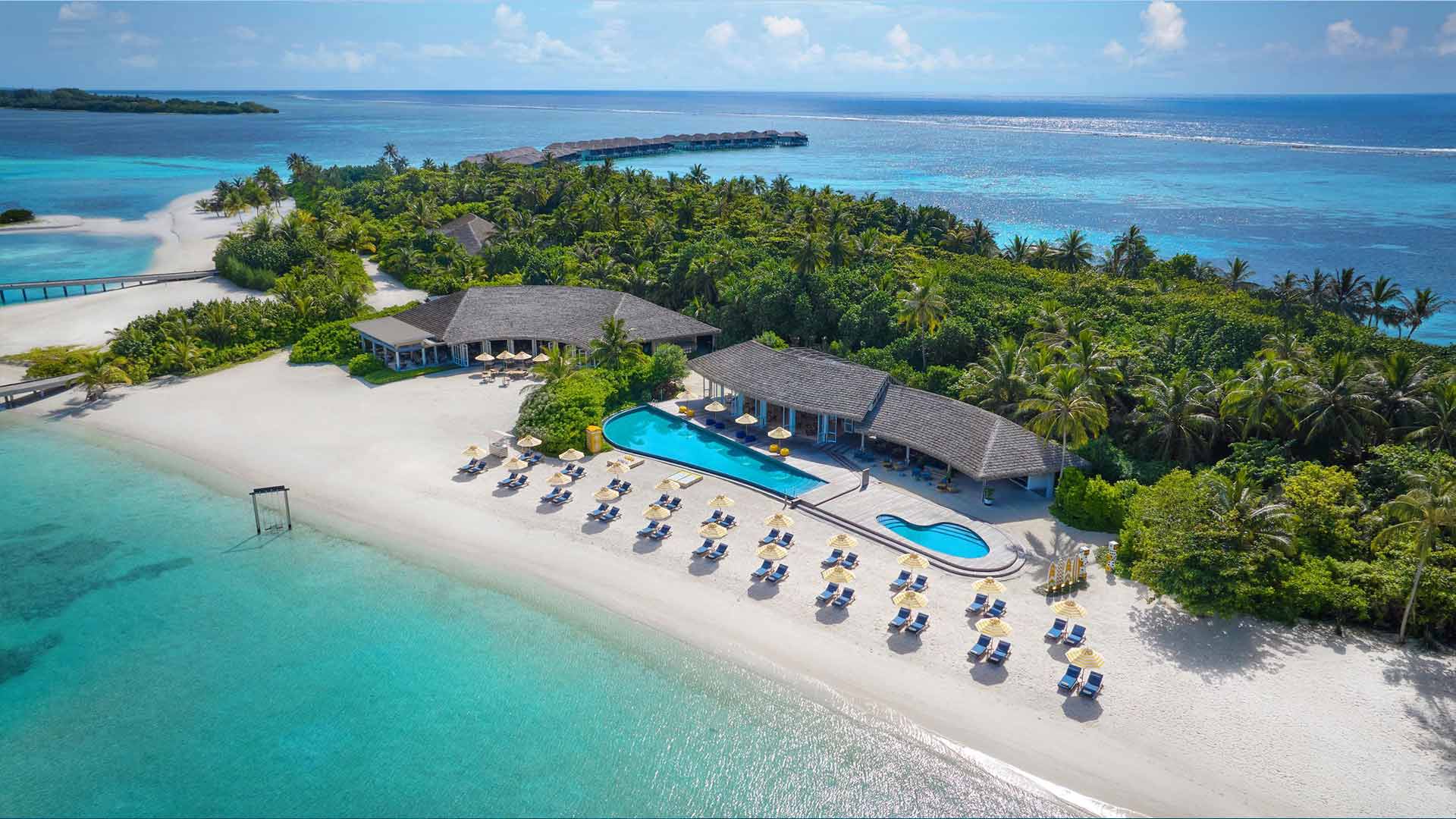
Le Méridien Maldives Resort & Spa is surrounded by a turquoise lagoon, vibrant house reef, and abundant marine biodiversity.
What will the next chapter of the Maldives look like?
Wellness, family and multigenerational travel will remain important areas of growth. We are also exploring longevity, with an upcoming island that will have a significant focus on wellbeing and longevity. At the same time, we will continue to develop concepts for specific traveller profiles.
The Maldives has a very strong foundation. The challenge now is to keep evolving the experience without losing what makes the destination special. For us, that means creating places where people can slow down, spend time together, discover something new and create memories they want to return to.