











Goa Tourism: At The Crossroads
Goa’s tourism faces uncertainty amidst the disappointment of the 2023 holiday season, deemed the ‘poorest’ in five years. However, there was a glimmer of revival at the end of the season. As Goa reaches this critical juncture, the question arises: Can it overcome challenges and chart a successful course?

By Deepali Nandwani
The signals from Goa are rather mixed. The 2023 holiday season fell short of expectations, and was labelled by stakeholders across the tourism spectrum as the ‘poorest’ in five years. Amidst the gloom, hopeful indicators suggest that Goa could regain its momentum within the next two years, provided it strategises effectively. The critical question remains: Will Goa play its cards right?
At the onset of the pandemic and the closure of global borders, Goa emerged as India’s prime tourism destination with minimal restrictions, attracting a surge in domestic tourists. In 2022, Goa welcomed 7 million vacationers, with 22,000 foreigners (Goa Department of Tourism Development). This influx drove the highest Average Daily Rate (ADR) increase in the country, soaring from ₹7,500 to ₹10,500, surpassing Mumbai’s rates (HVS Anarock). Upscale and luxury hotels witnessed a remarkable escalation in ADRs, reaching up to ₹60,000 per night, aligning with international standards. However, by December 2023, tourist numbers dwindled to 4 million (GTDC).
These could be some of the reasons for the slowdown.
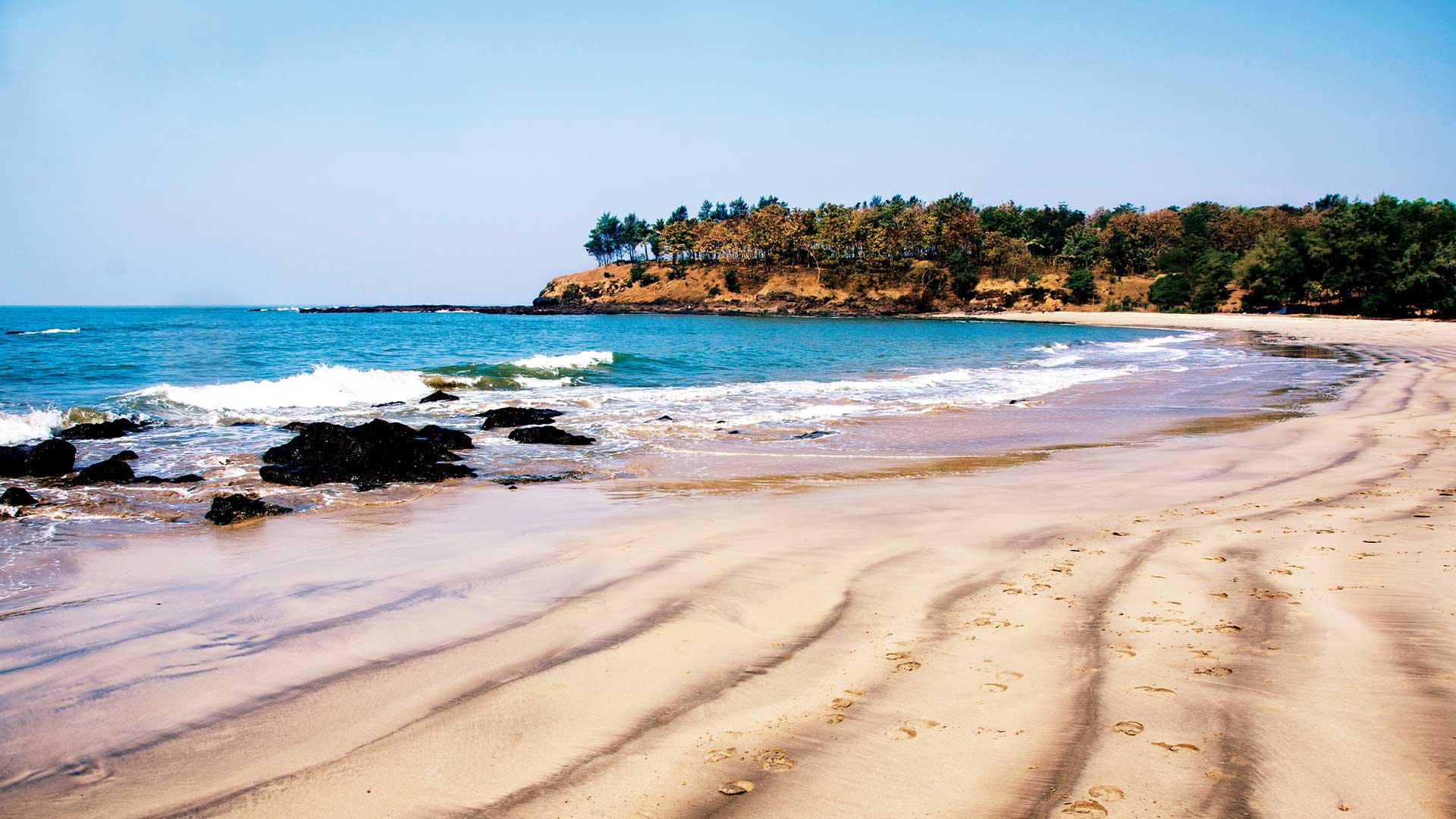
Goa’s core attractions—sun, sand, and sea—must be prioritised to regain its allure.
The slowdown in the 2023-2024 season
Expensive as a destination: Costs have escalated across the board, from accommodation and dining to transportation. Tourists, lacking public transport options, are compelled to rely on expensive cab services. For instance, a journey from the new MOPA airport to South Goa can set travellers back by ₹3,500 for just an hour-long drive.
Hotel room rents range from ₹6,000 to a staggering ₹60,000 per night. Dining out has become notably more expensive, with a meal for a family of four exceeding ₹1,800, and even a simple sandwich at a fancy café costing around ₹800. Tanveer Kwatra, General Manager, W Goa attributes these costs to the escalation in prices for quality ingredients and expensive labour.
During season, a business class round-trip ticket from Goa to Delhi can range from ₹85,000 to ₹100,000, surpassing the cost of a ticket to Bangkok, which stands at ₹60,000. Nilesh Shah, President of the Travel and Tourism Association of Goa (TTAG), expresses disappointment, stating, “Goa is not the preferred destination anymore.”
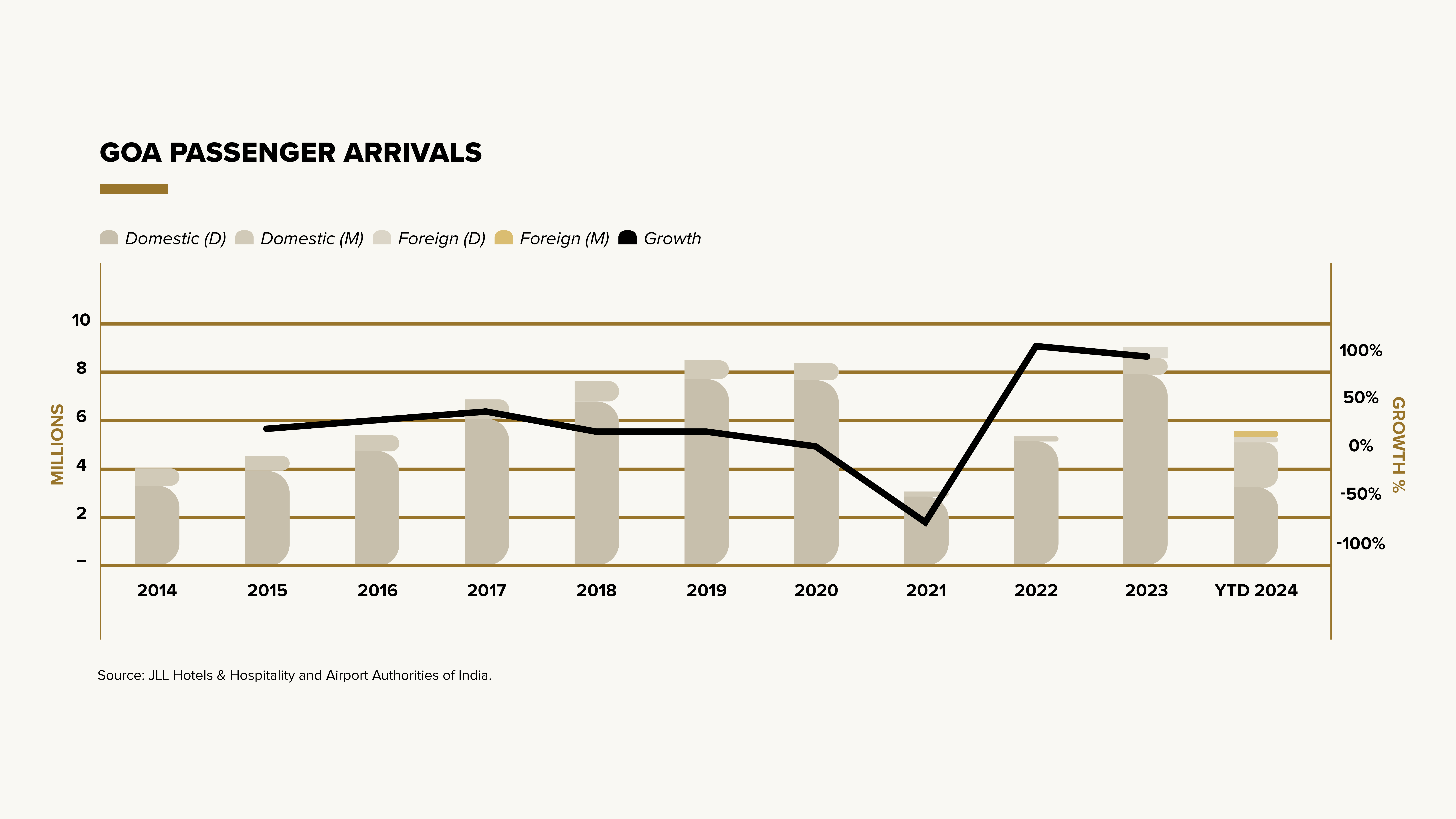
Goa passenger arrivals.
Luxury hotels in Goa manage to sustain decent business by adjusting their prices, but smaller establishments such as shacks and budget hotels struggle. Meanwhile, countries such as Vietnam, Sri Lanka, Thailand, and Indonesia are attracting Indian tourists with enticing deals, evident in the 225% surge in Indian arrivals to Vietnam during November-December 2023.
Kwatra acknowledges Goa’s reputation as an expensive destination, noting that luxury hotels face competition from villas. Despite a successful season with full occupancy, he recognises the need for a pricing adjustment in Goa over time. “It is not just about the accommodation cost. Activities in Goa can be expensive compared to other destinations. An evening out in Thailand can cost 2,500 baht for 2 people. In Goa, it will be comparatively higher.”
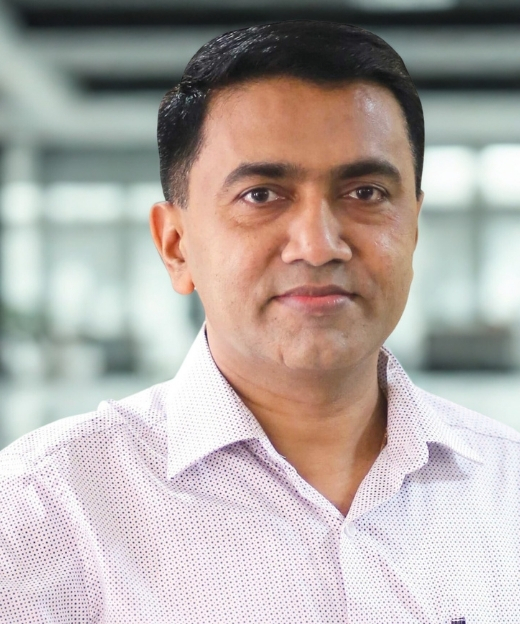
Pramod Sawant, Chief Minister, Goa.
Goa needs quality tourists; the focus cannot be on attracting a wide quantity of tourists. We have launched policies to promote homestays and caravan tourism in the remote corners of the state. Private investment is coming in for yoga wellness centres. We want to be known as Dakshin Kashi in the future.
Pramod Sawant
Chief Minister, Goa

The disappearance of charter business: The halt of charter flights during the Covid era has left a lasting impact, particularly on mid and low-tier hotels heavily reliant on longer stays by foreign tourists, says Shah. With Indian tourists typically staying for shorter durations, hoteliers have been compelled to adapt their offerings.
A struggling infrastructure: Goa grapples with multiple challenges, including mounting garbage issues, road disruptions from ongoing infrastructure projects, particularly in Panjim, and growing tensions with locals who often blame tourists for various problems. According to TTAG’s Shah, the sight of littered beaches deters quality tourists, questioning the attractiveness of Goa as a destination.
Shah highlights Goa’s struggle to maintain its appeal to foreign tourists due to the state of its beaches, which have become increasingly dirty and crowded. He emphasises that Goa’s core attractions—sun, sand, and sea—must be prioritised to regain its allure. The shift towards Goa’s inland tourism has considerably failed to resonate with the discerning foreign visitors.
Vijay Thacker, Partner and CEO, Crowe Advisory India LLP emphasises the potential of reviving FITs as a boon for upscale resorts such as St Regis Goa and Taj Exotica. Although there’s a slow but gradual increase in foreign tourist arrivals, the growth rate, especially compared to domestic tourists, remains sluggish, he says.
The recent conflicts in regions such as Russia-Ukraine and Israel-Palestine have further altered the profile of Goa’s foreign tourists. Russia and Israel, previously strong markets for attracting FITs, have seen a significant decline in tourist flow, impacting Goa’s tourism sector. Formerly, Russians comprised 40-60% of foreign tourists, but their numbers have also drastically reduced.
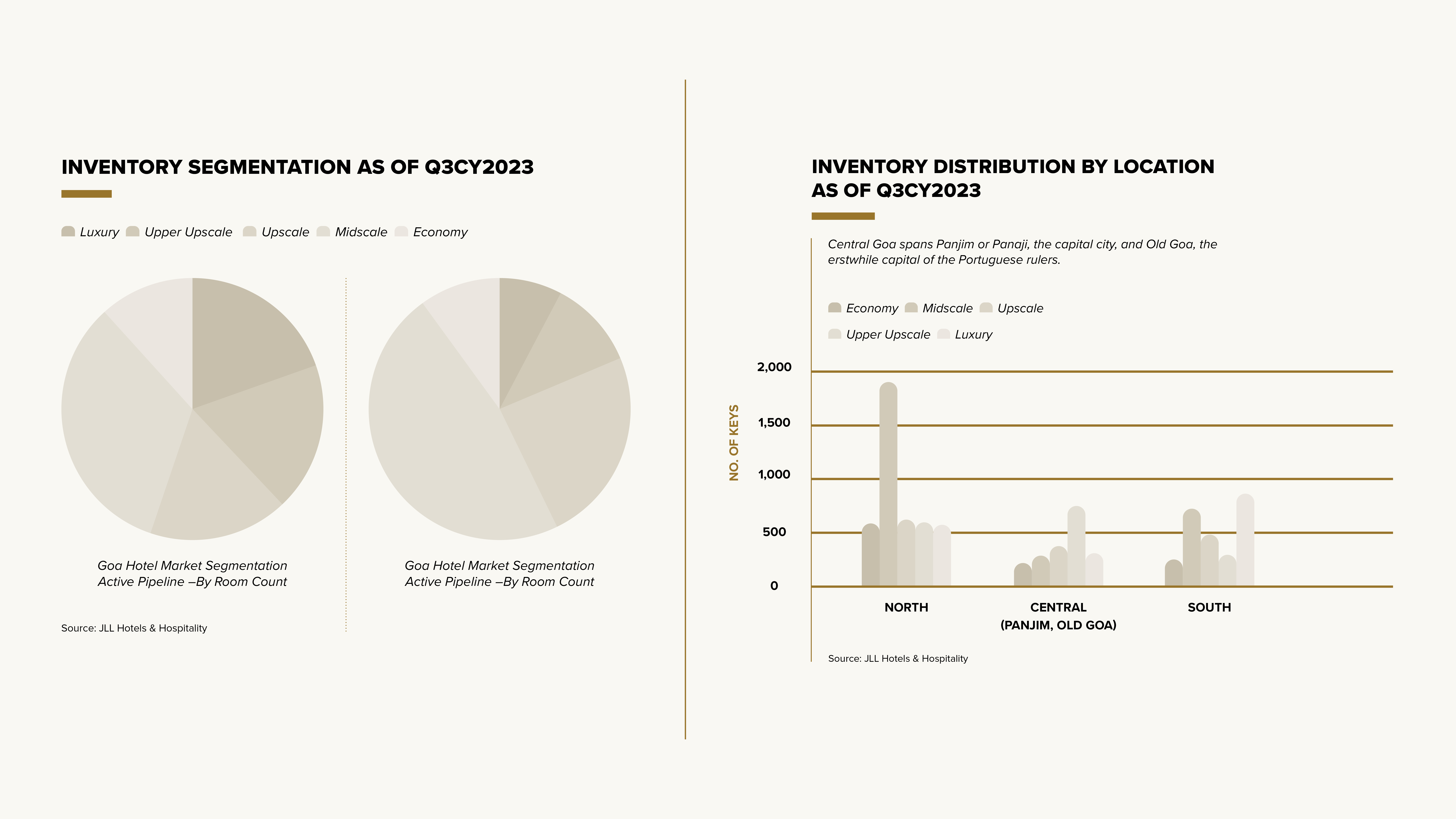
Inventory Segmentation as of Q3CY2023; Inventory Distribution by Location as of Q3CY2023.
The threat of overtourism: Experts believe Goa’s popularity among domestic tourists has not come at the “right value”. Thacker warns of the threat of overtourism, similar to what destinations such as Himachal Pradesh and Rishikesh are facing. “It is redefining the coastal state’s tourism—shifting it from exclusivity to volumes. Even the profile of tourists pouring in is transforming, compelling stakeholders to cater to their needs. The old is clashing with the new during this transformation, causing a slight disruption in the market.”
Tourist behaviour exacerbates the situation, with incidents such as driving rental cars into the sea and drunk driving leading to accidents. Cruz Cardozo, President, Shack Owners Welfare Society, highlights the disturbing trend of local tourists engaging in disruptive behaviour. “During Christmas and New Year 2023, we found local tourists indulging in open defecation on the beach. They came in big numbers but did not spend much. They would go to wholesale liquor shops, drink and sleep in their jeeps or cars.”
According to Kedar Borker, co-founder of Soul Travelling, a local experiential travel company, while tourism bolsters the economy, unchecked influx of visitors tarnish the fabric of communities, as witnessed in heritage areas such as Fontainhas or Latin Quarters, where tourists have been known to trespass into private property just for a few photographs. “Collaborative efforts with local authorities and community engagement, with villagers as equal participants, emerge as the key in fostering respect and sustainability tourism.”
Tensions also arise from the perception that the staff of several hotels and upscale restaurants are non-locals. Even restaurants are run by non-locals, in a way altering Goa’s traditional character. This shift away from the authentic Goan experience has led to a decline in foreign tourists, particularly charter flight travellers, thereby impacting high-value business for the resorts.
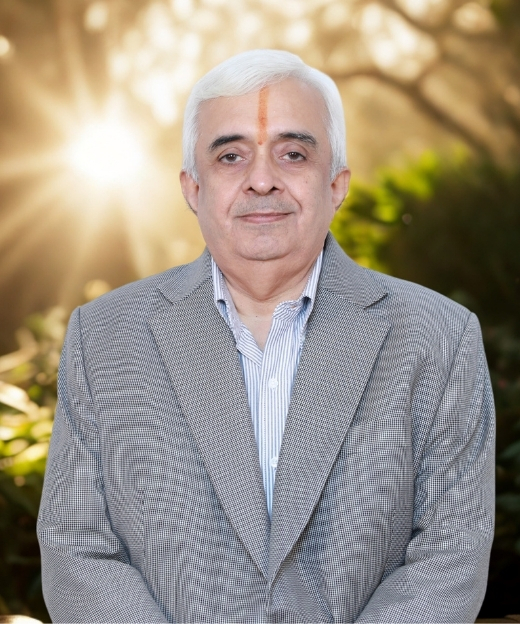
Vijay Thacker, Partner and CEO, Crowe Advisory India LLP.
Overtourism is redefining the coastal state’s tourism—shifting it from exclusivity to volumes. Even the profile of tourists is transforming, compelling stakeholders to cater to their needs. The old is clashing with the new during this transformation, causing a slight disruption in the market.
Vijay Thacker
Partner and CEO, Crowe Advisory India LLP
The signs of recovery
The season concluded on a positive note in April 2024, with approximately 3.8 million visitors to Goa between January and April, including 280,000 foreign travellers. Thacker observes Goa’s evolution from a destination primarily for seasonal leisure tourists to a bustling year-round hub offering homestays, second homes, casinos, lavish weddings, MICE events, festivals, and more. “Unlike in the past, when Goa took a break during the hot summers and unrelenting monsoons, the city does not rest anymore.”
Gurmeet Arora, Co-founder, YAZU Goa, a popular Japanese restaurant on the Candolim beachfront, notes a year-end surge in hotel occupancy, particularly during December’s peak tourist season, which often offsets earlier reports of lower arrivals. “This trend often counterbalances any reports of underwhelming tourist arrivals earlier in the season.”
The resurgence of tourism in the latter part of the 2024 season bodes well for Goa’s future, with multiple contributing factors.

The opening of the Mopa airport has been the biggest game-changer for Goa.
Mopa Airport: “The opening of the Mopa airport has been the biggest game-changer for Goa, introducing a new dynamic to the region. What was once a laid-back destination has experienced a significant increase in visitor volume in recent years,” says Thacker. Tourist influx is evident in the bustling activity at its airports.
According to JLL’s H&HG analysis of the Goa market, Mopa’s domestic flight operations commenced in January 2023, followed by select international routes in July 2023. From January to October 2023, domestic passenger arrivals in Goa surged by 35% compared to the same period in 2019, with the new terminal augmenting passenger volumes without displacing travellers from Dabolim.
Dabolim International Airport, operating at maximum capacity with 80 daily flights, contrasts with the Manohar International Airport (Mopa), which handles approximately 100 aircraft movements and 15,000 passengers daily.
The aviation landscape is further stirred by the debut of Fly91, a local airline linking Hyderabad and Bengaluru initially, with plans to expand to numerous Indian cities. With aspirations for a 30-32 aircraft fleet within five years, Fly91 envisions connecting up to 50 cities and establishing a new base annually to serve up to 10 additional cities.
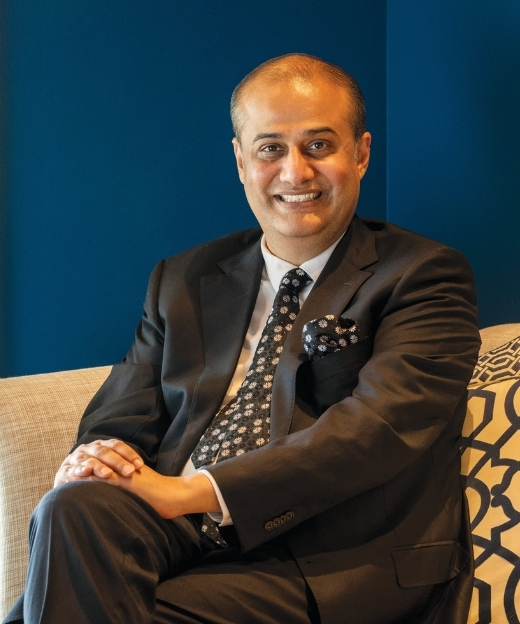
Anmol Ahluwalia, Area Director-Operations, Goa & Head of Center of Excellence (COE) - Accommodations, IHCL.
Itʼs important to view Goaʼs future with optimism. Challenges may arise, but we should focus on crafting a positive narrative for the state, highlighting its diverse offerings and unique appeal to travellers.
Anmol Ahluwalia
Area Director-Operations, Goa & Head of Center of Excellence (COE) - Accommodations, IHCL
The Brits are back: As the season wound down, Goa’s travel and hotel stakeholders rejoiced as their beloved tourists, the British, returned. They’re opting for stays in Candolim and Arambol in the north or along the beaches in south Goa. Orlando Nunes of Trail Blazers remarks, “After the hippies of the ‘70s and ‘80s, the British truly put Goa on the international tourism map. We anticipate a significant surge in British tourists for the 2024 tourism season.”
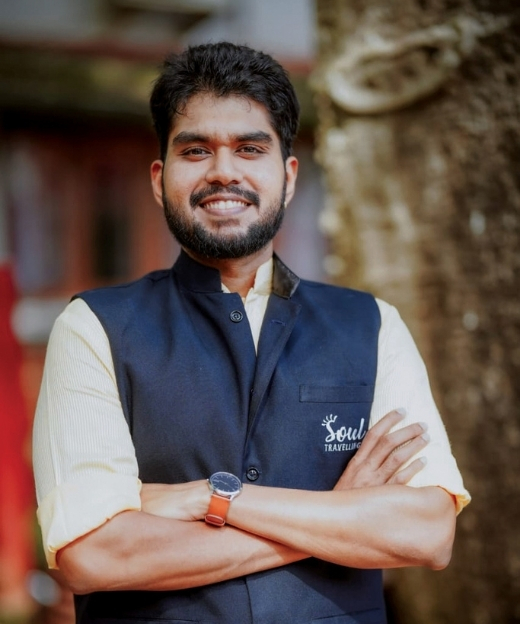
Kedar Borker, Co-Founder, Soul Travelling.
The spectre of overtourism looms over popular spots such as Vagator and Baga, underscoring the importance of targeted marketing tailored to discerning travellers. It's not merely about revenue but fostering responsible tourism—a narrative that invites visitors to immerse themselves in local communities, savour indigenous cuisine, and forge meaningful connections with nature.
Kedar Borker
Co-Founder, Soul Travelling
- Luxury segment holds its own: The December 2023 slowdown predominantly impacted mid-level and economy hotels, while luxury establishments fared relatively well. Kwatra notes, “Comparing pre-COVID and post-COVID data, the luxury hotel market has seen a 15% growth. Goa is increasingly appealing to discerning travellers seeking luxury experiences, driving the focus of hospitality in the region.”
Anmol Ahluwalia, Area Director of Operations for Goa and Head of the Center of Excellence for Accommodations at IHCL, argues that luxury travellers seek tranquility and serenity, which explains why legacy hotels such as Taj Fort Aguada and Taj Holiday Village, along with the entire IHCL group, have remained perennial favourites. He emphasises, “What we provide is an experience of the authentic, untouched Goa. Tourism in Goa encompasses diverse aspects and facets that can harmoniously coexist.” IHCL just recently signed a sixth Taj hotel in Goa, strengthening its inventory in this crucial destination. Spread across 17 acres, the 170-key resort boasts an enviable beachfront with unobstructed views of the Arabian Sea.
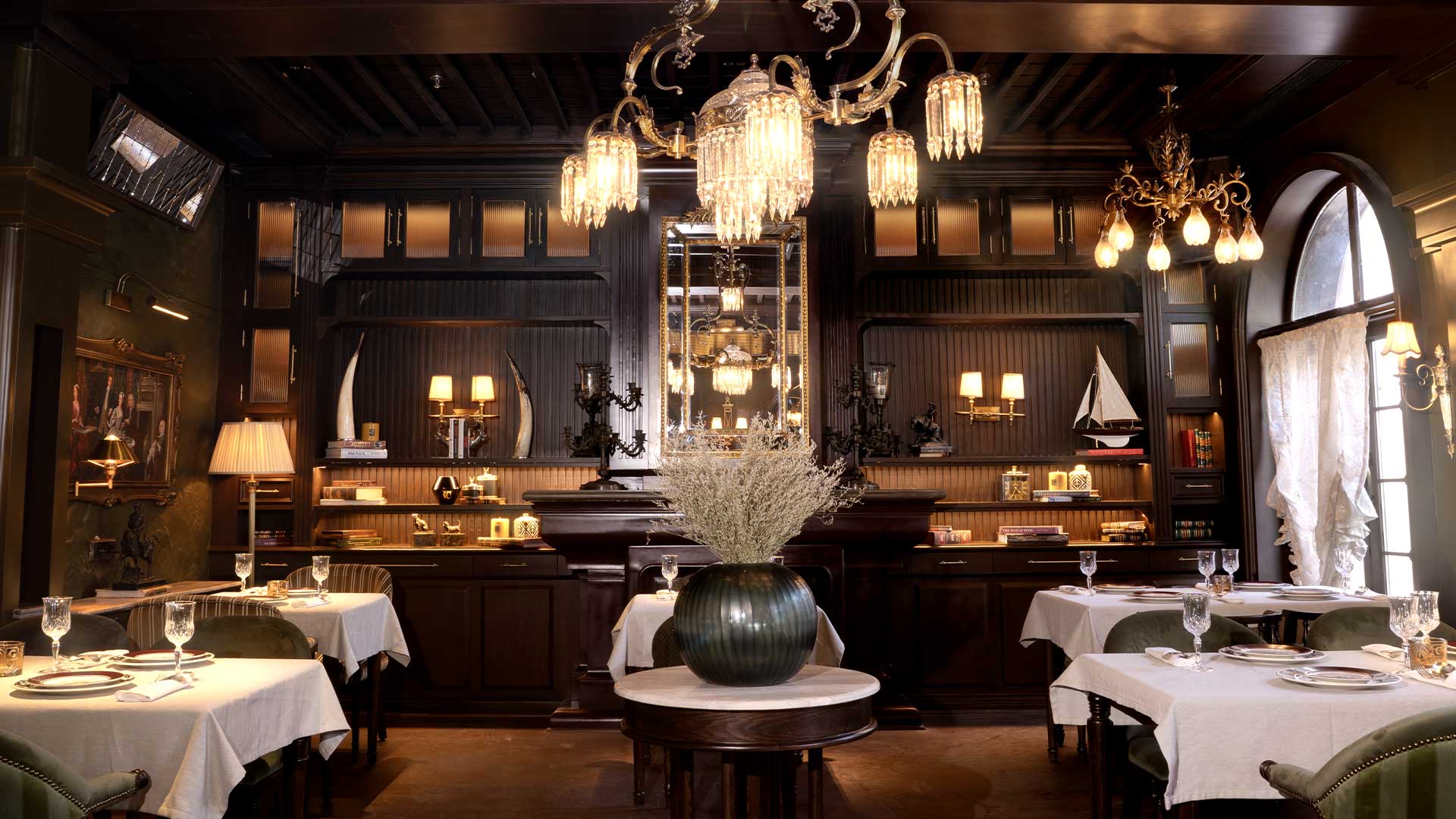
The restaurant renaissance: The restaurant scene in Goa has undergone a remarkable renaissance, attracting some of India's top chefs to offer a diverse range of cuisines across various settings, from beachside cafes to villa restaurants. With over 2,500 dining establishments in Goa, including approximately 40 in Assagao alone, known as Goa’s unofficial Restaurant Mile, the culinary landscape is thriving. Chefs such as Ashwin Martins who craft a modern Goan dining experience rooted in tradition, and eateries such as Hosa and Tanjore Tiffin deliver globally acclaimed dining experiences.
Goa as a wedding and MICE destination: Goa’s reputation as a luxury destination extends to its appeal for MICE events and weddings. The expansive Taj Cidade de Goa complex, boasting 500 rooms and suites, 10 diverse bars and restaurants, and other amenities spread across 30 acres of tropical landscape along Vainguinim Beach, effectively leverages its two properties: Taj Cidade de Heritage and Taj Cidade de Horizon. Over the past year, these properties have experienced a notable 30% increase in weddings and MICE events.
Reverse migration: JLL India’s Hotels & Hospitality division, in its analysis on the Goa market, notes the evolution of the state from its traditional role as an idyllic holiday spot to a preferred destination for India’s passive reverse migration trend. This shift has fuelled the rise of villas, residential developments, and international concepts such as branded residences, alongside a flourishing food and beverage industry catering to both tourists and residents. The influx of new migrants has spurred the growth of chic restaurants, cafes, and bars in the region.
Casinos draw in tourists: Ricardo D’souza, owner of the popular Tito’s nightclub says Goa is being transformed into India’s Macau and the rise in domestic tourism has been influenced by the presence of casinos. Hotels near these gambling establishments experience high occupancy rates due to bookings made by casino visitors. Although casinos were initially impacted by the 28% GST imposed on them, experts anticipate that this new levy will not have a lasting effect as casino tourists tend to adjust to the added cost.
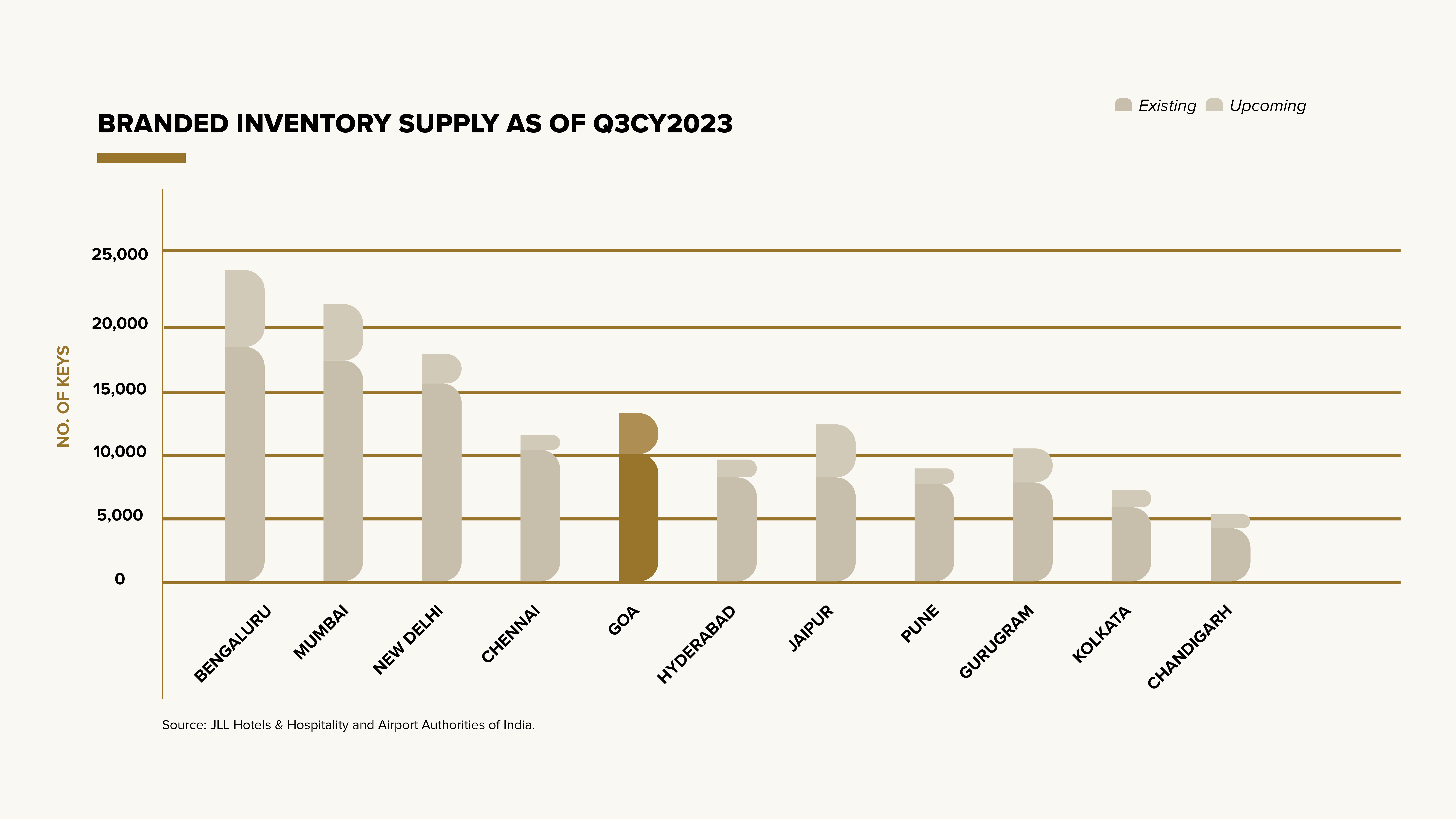
Branded Inventory Supply as of Q3CY2023.
The inventory: Over the past year, Goa has witnessed a flurry of hotel openings, ranging from small boutique properties to major luxury establishments. Notable among them is JW Marriott's inaugural venture in Vagator and the grand opening of St. Regis Goa, located at the former site of The Leela Goa on Mobor Beach in Cavelossim. Additionally, several new hotels are scheduled to open across various categories in the next five years. (See box on Goa Hotel Openings for details). According to JLL Hotels & Hospitality’s Goa market analysis, the state has the fifth largest inventory of branded hotel rooms across the top 10 hospitality markets in India. Goa currently has 1,500+ more keys in comparison to other popular leisure destinations in the country. In the recent years, north Goa has witnessed inventory growth in the premium segment which was marked by the opening of W Goa in 2017, followed by Hilton Saipem Hills (2020), Westin Anjuna (2021), and JW Marriott Vagator (May 2023). “Historically, hotels in north Goa witnessed higher occupancy levels than hotels in south Goa. However, premium hotels in south Goa enjoyed higher Average Daily Rates (ADRs). Now, with new premium hotels opening in north Goa, this market is also achieving high ADRs comparable with south Goa’s premium hotels,” mentions JLL's report.
Hotels with a difference: JLL’s analysis of the Goa market underscores the rising demand for vacation rentals, shedding light on the spending habits and refined preferences of a segment of travellers to the region. This surge has catalysed the emergence of boutique hotels, blending the allure of luxury vacation rentals with the assurance of hotel-level service and quality. Various sub-brands of major hospitality groups, such as Storii by ITC and amã Stays & Trails by IHCL, alongside independent operators such as The Postcard Hotels and a range of boutique establishments such as The Astor, have significantly energised the market. “While Goa has long been home to boutique gems such as Casa Britona and Siolim House, spearheaded by passionate independent proprietors, the entry of branded hotel groups has injected a new dynamism into this niche,” observes hotel consultant Carlos Santana, who collaborates with numerous independent boutique hotels in establishing their presence in the state.
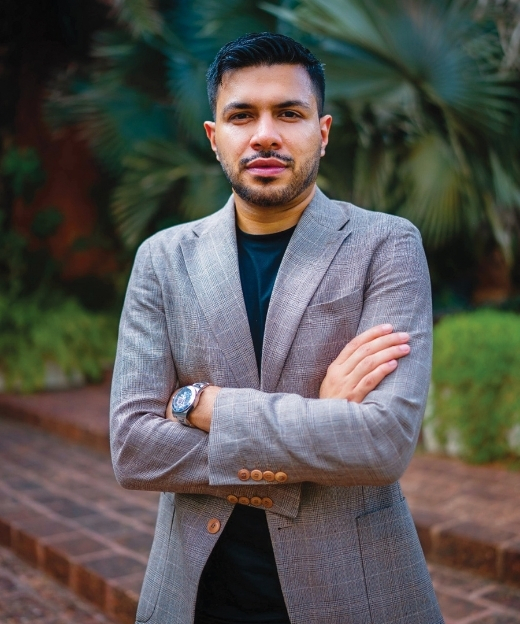
Tanveer Kwatra, General Manager, W Goa.
Thereʼs a lucrative market in the Middle East waiting to be tapped. With a penchant for Indian cuisine, sun-kissed beaches, rejuvenating spas, and Ayurvedic therapies, Goa has immense potential to attract Middle Eastern tourists, including expatriates seeking familiar comforts in a new setting.
Tanveer Kwatra
General Manager, W Goa
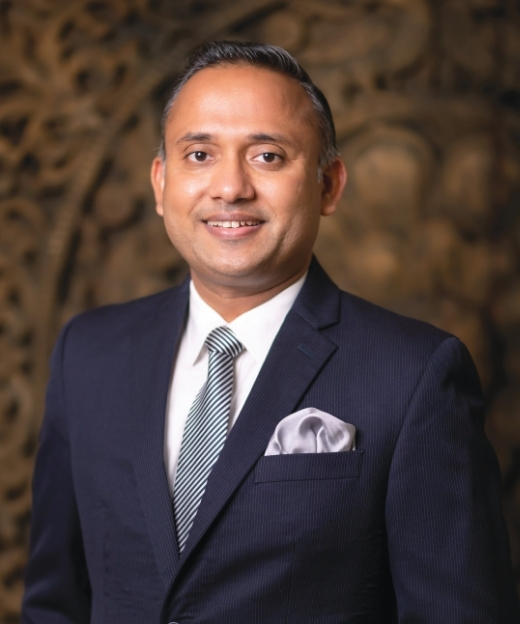
Satish Kumar, General Manager, The St Regis Goa.
Goaʼs rich cultural heritage presents opportunities for promotion through cultural events and niche tourism markets. Initiatives such as guided walks showcase Goaʼs cultural aspects effectively.
Satish Kumar
General Manager, The St Regis Goa
What will keep Goa’s tourism afloat?
Kwatra acknowledges some challenges but remains optimistic about Goa’s future. “I read a new survey with tourists travelling to Goa, and almost 62% were interested in exploring local tourism, which is good for a destination. There is a need for forward-thinking strategies, catering to the evolving preferences of Gen Z.” Among the beyond the beaches attractions Goa offers, Ahluwalia of IHCL highlights assets such as Ayurveda, hinterland tourism, and spice plantations. He praises government initiatives such as the Goa Miles cab app and the reconstruction of Panjim as a Smart City. Ahluwalia also mentions discussions about implementing seaway and electric bus transportation via ferries and boats, along with the potential launch of a helicopter service. “Goa is home to ancient temples, estuaries, mangroves, rivers, forests, and has a culinary heritage that is comparable to the more popular cuisines in India.”
Arora suggests a multi-faceted approach to reviving the hotel market, including flexible booking policies, and domestic and regional travel promotions. “We need to tailor experiences for specific markets such as wellness retreats or remote work getaways, and collaborate with local communities to create sustainable experiences.” He suggests judicious approval of commercial ventures and responsible tourist behaviour policing to address these challenges.
Satish Kumar, General Manager of The St Regis Goa Resort highlights licensing regulations and contends that the “the government needs to address licensing policies and enhance intra-city transport. Improved transportation and connectivity can greatly influence the travel market. As other destinations in India rise in prominence, Goa must enhance its tourism experience to maintain its preferred status”.
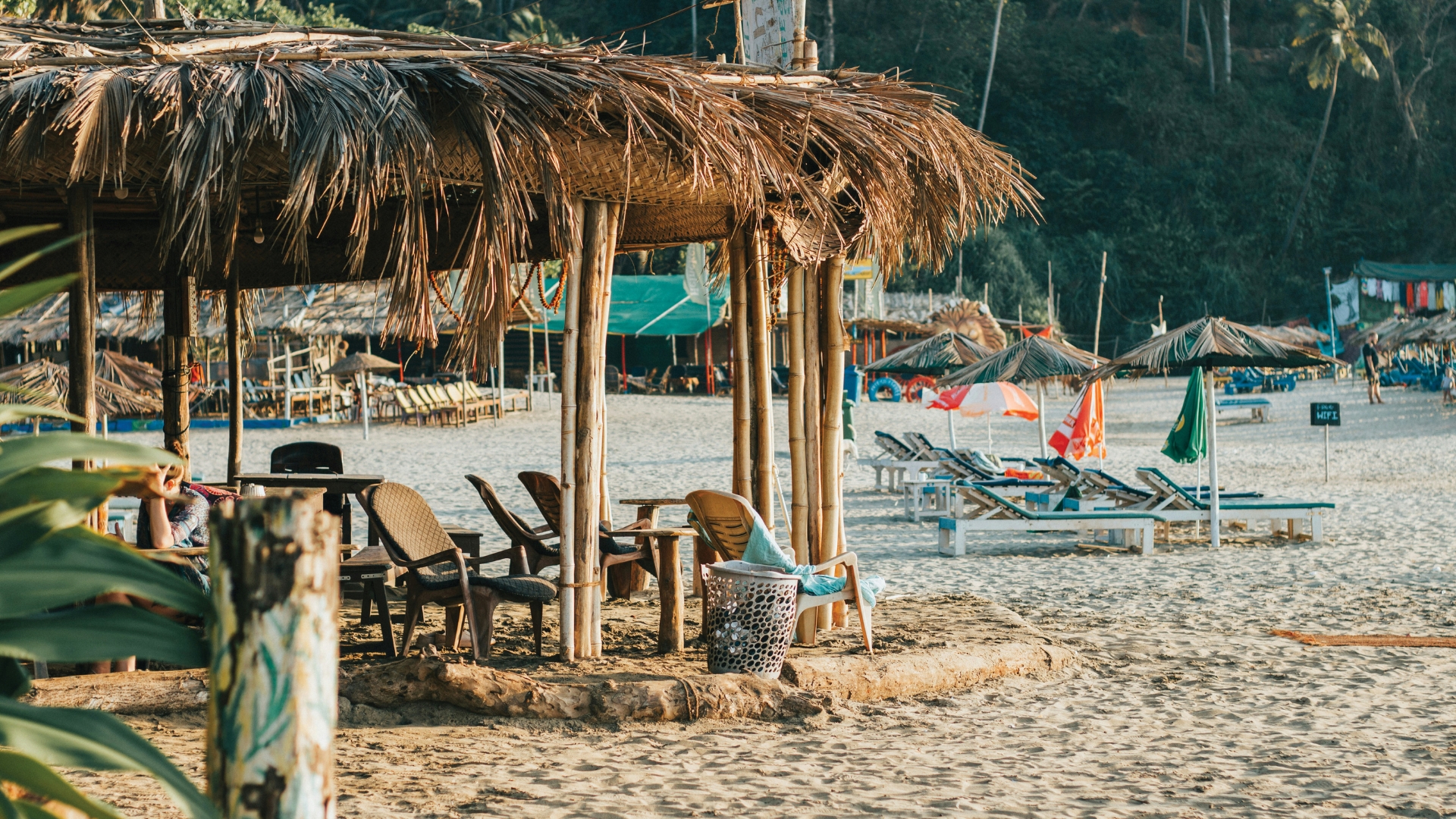
Shacks, iconic structures synonymous with Goa's beach culture, face an uncertain future amidst market upheaval.
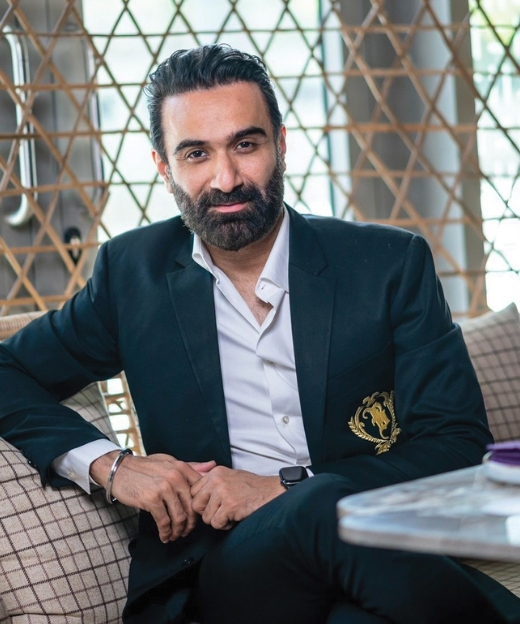
Gurmeet Arora, Co-Founder, YAZU Goa.
The Goa government has taken commendable steps to boost tourism, investing in enhanced infrastructure, sustainability initiatives, and skill development programmes. These efforts have attracted eco-conscious travellers, empowered the local workforce, and streamlined bureaucratic processes for new businesses, fostering healthy competition.
Gurmeet Arora
Co-Founder, YAZU Goa
Reviving Brand Goa
Ensuring an authentic experience is crucial for Goa’s tourism revival. Travellers seek genuine experiences and are discerning about where to stay and dine. Legacy eateries set up over three decades ago, such as Bomra’s, Le Reverie, and Pousada by the Beach embody the quintessential Goan experience and resonate with tourists.
Chief Minister Pramod Sawant acknowledges that Goa needs a better tourist, who wants to experience the state beyond the beaches. “We are promoting the digital nomad concept in Goa. Every village in Goa is digitally connected. ‘Har Ghar Fibre’ is being completed in the capital city of Panjim to ensure that internet reaches every corner. We are promoting ‘Work from the beach’. Under this, people can come to Goa to relax and also work.
“We have launched policies to promote homestays and caravan tourism in the remote corners of the state. We are also working on promoting Goa as a spiritual tourism destination. There are so many temples in the state. Private investment is coming in for yoga wellness centres. We want to be known as Dakshin Kashi in the future.”
Kwatra advocates for a balanced approach to tourism. “There’s fallow land and abandoned monuments lying unused. They can be used to create innovative tourism experiences. Behind W Goa is the Chapora Fort, which is falling to pieces. It can be given to a private party and developed so that it can be conserved.”
Expanding into markets such as Middle East with upscale Ayurveda spas and centres could attract a new segment of tourists. “Arabs and expats living in the Middle East love the sun, sand and Ayurveda. There is a huge captive market there, from Saudi Arabia to Qatar. Goa is just 2.5 hours from Oman.” He also suggests developing designated areas with late-night restaurants and nightclubs to cater to India’s need for a party destination while preserving the state’s character.
Ultimately, Ahluwalia believes that the stakeholders must try and market the destination better. “We need to set a positive narrative as an industry, government and policy makers. Narratives and storytelling are very strong tools and we need to develop that.”
The stratification of Goa’s tourism, with quieter options in the south and bustling scenes in the north, is a growing trend. Goa is on the cusp of transition and how the tourism market develops from here will define its destiny as India’s premier destination.
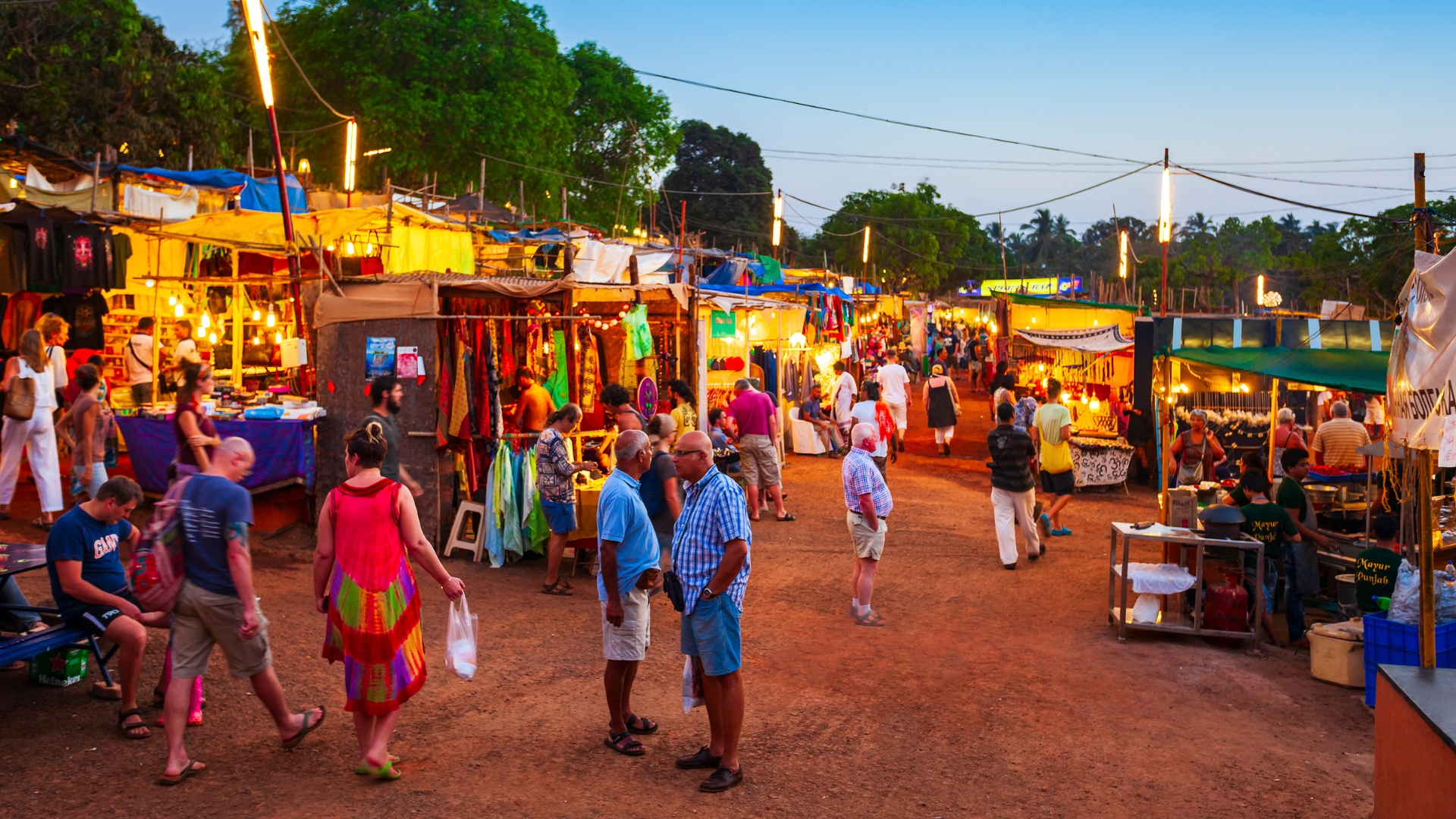
Chief Minister Pramod Sawant acknowledges that Goa needs a better tourist, who wants to experience the state beyond the beaches.