












Why India Remains the Ultimate Timeless Destination
Amid the chatter of neighbouring countries stealing the tourism spotlight, India stands resilient with its kaleidoscope of cultural, spiritual, and culinary treasures. From royal palaces to spiritual sanctuaries, and ancient traditions to modern innovations, the country continues to captivate travellers with its unparalleled diversity and hospitality. The question is: are we ready to leverage its full potential?

By Deepali Nandwani
Why India, you ask?
Increasingly, the narrative, particularly among Indian travellers, has veered around how our neighbours—from Sri Lanka to Vietnam—have got their tourism game on fleek and how the country lags when it comes to tourism infrastructure and experiences.
How do you break through this chatter, particularly on social media platforms? By not treating the chatter with disdain, instead, listing out all the charms that continue to make India the timeless destination it is.
There is a lot about India that makes it unreal. It is a destination that exists in some kind of technicolour tint—flamboyant and spiritual at the same time, a kaleidoscope of experiences—cultural, spiritual, culinary, heritage, and nature. India, a land of astonishing diversity, has everything to captivate travellers with its blend of ancient traditions and unparalleled hospitality.
The narrative unfolds with India’s cultural depth—its historic architecture and spiritual traditions that draw seekers. Each state offers immersive experiences that feel both timeless and contemporary. Culinary tourism emerges as a defining factor in India’s appeal. The country’s regional cuisines, rooted in centuries of history, invite travellers on a sensory journey.
India’s travel industry, enriched by experiential tourism and luxury offerings, can play a pivotal role in shaping the global narrative around cultural and culinary exploration. The ability, but are we ready to leverage the entire potential that this country, which is like an entire subcontinent, has to offer?
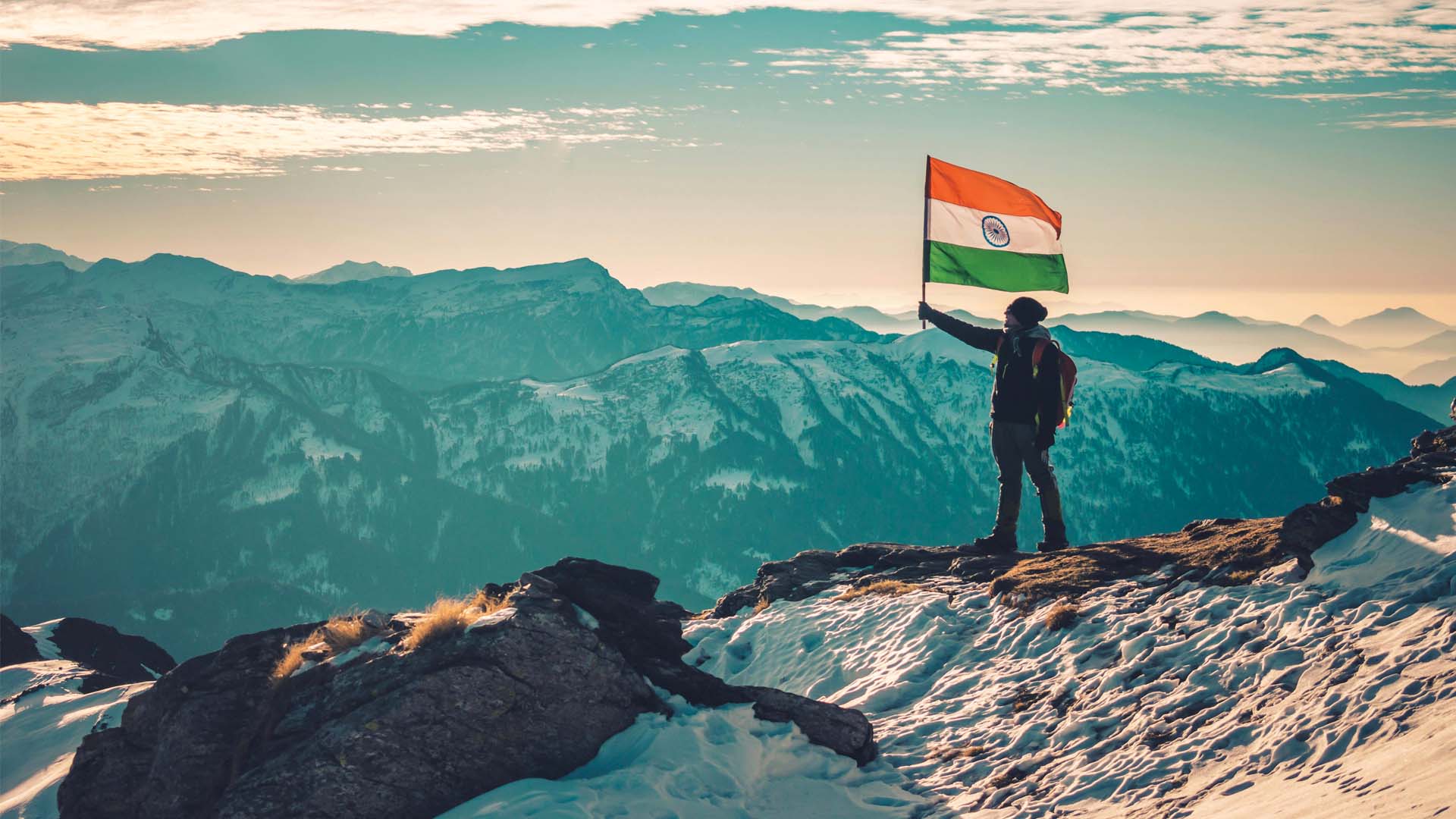
Born from the Tethys Sea over 40 million years ago, the Himalayas are the world's youngest mountain range.
Palaces and Royalty
The institution of monarchy in India is as old as the Rigveda, which dates back to at least 1500 BCE. Clearer historical records emerged around the 3rd century BCE with the rise of the Maurya empire. Subsequent centuries witnessed the rise and fall of many dynasties: the Kingdom of Cochin and the Travancore Royal Family, Kerala; Tamil Nadu’s Chola Dynasty, the Pallava Dynasty, and Padukkottai Kingdom; the Marathas, who ruled parts of Maharashtra and Baroda; Mewar, Jaipur, Jodhpur, and Bikaner dynasties of Rajasthan, along with smaller confederacies; the Manikya Dynasty of Tripura; the Nawabs of Hyderabad as well as the Holkars of Maheshwar and Scindias of Gwalior. Their stories and tales of splendour, bravery and regality find resonance in the palaces and the monuments they built.
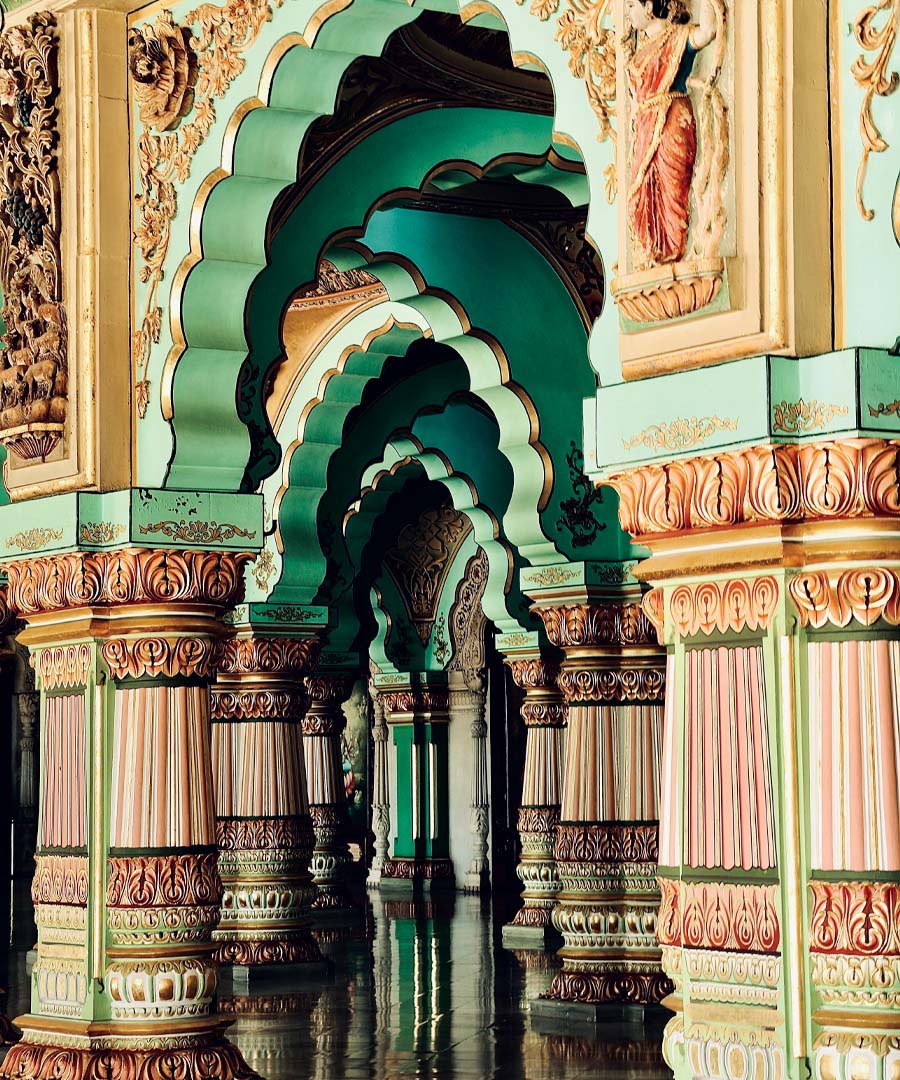
Palace and fort hotels: Across India, restored palaces and forts like Gwalior Fort in Madhya Pradesh, City Palace and Amer Fort in Jaipur in Rajasthan, Golconda Fort in Hyderabad, Jaisalmer Fort, Kangra Fort in Himachal Pradesh, Mysore Palace in Karnataka, Laxmi Vilas Palace in Vadodara, and Cooch Behar Palace in West Bengal, welcome travellers.
Offering a far more immersive experience infused with the magic of the royal era are the palace and fort hotels synonymous with royalty like Jaipur's Rambagh Palace with Rajasthan-Mughal architecture and gardens. Umaid Bhavan Palace in Jodhpur once housed the royal family, while Taj Lake Palace in Udaipur sits on an island in Lake Pichola. Neemrana Fort Palace, a 15th-century fort, and Bhopal’s Jehan Numa Palace, once home to the Begums, offer historical allure. Maheshwar’s Ahilya Fort was ruled by Queen Ahilyabai Holkar, while Kolkata’s Rajbari Bawali, a 19th-century zamindari palace, has been beautifully restored. The LaLiT Grand Palace in Srinagar was the residence of Maharaja Pratap Singh, and Sawantwadi Palace was built by the Bhonsale dynasty of Maharashtra and Goa. Varanasi’s Nadesar Palace sits at India’s spiritual heart, and Stok Palace Heritage, former home of the Ladakhi royals, offers views of Stok Kangri mountain.
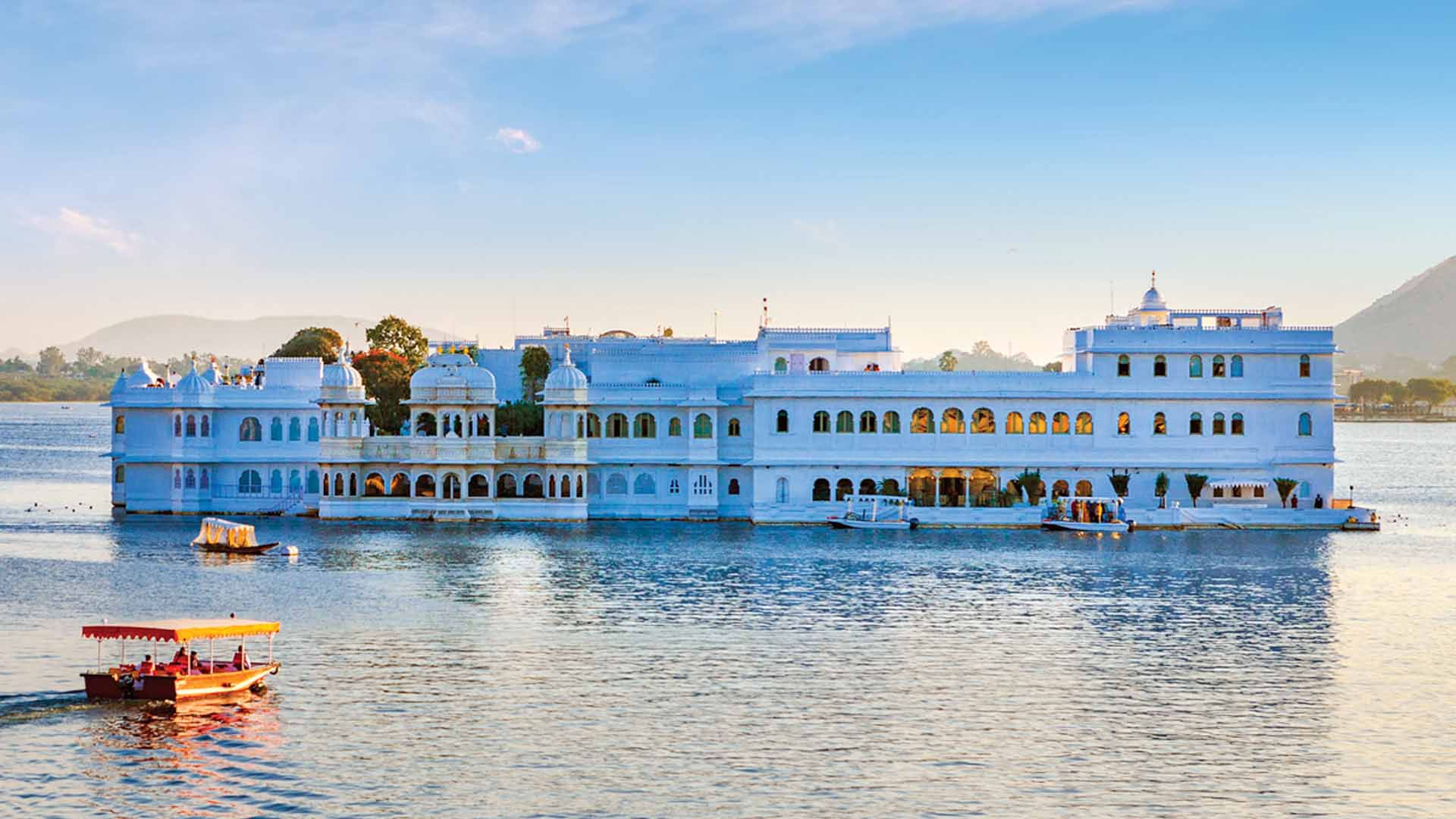
Taj Lake Palace in Udaipur, a white marble marvel appearing to float on Lake Pichola, is a celebrated heritage hotel.
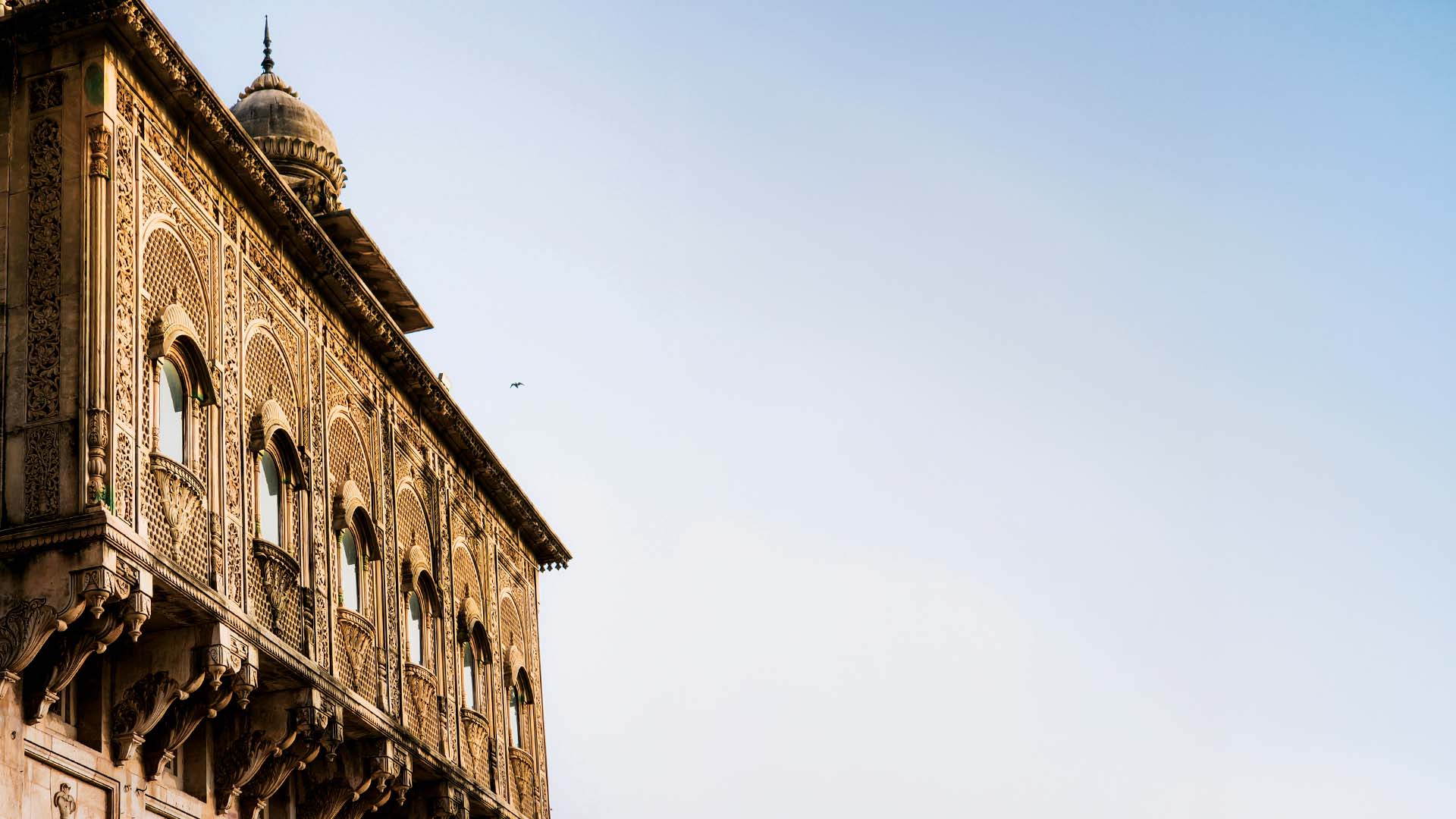
Laxmi Vilas Palace in Vadodara, Gujarat is one of the largest private residences in the world, four times the size of Buckingham Palace.
Spiritual India
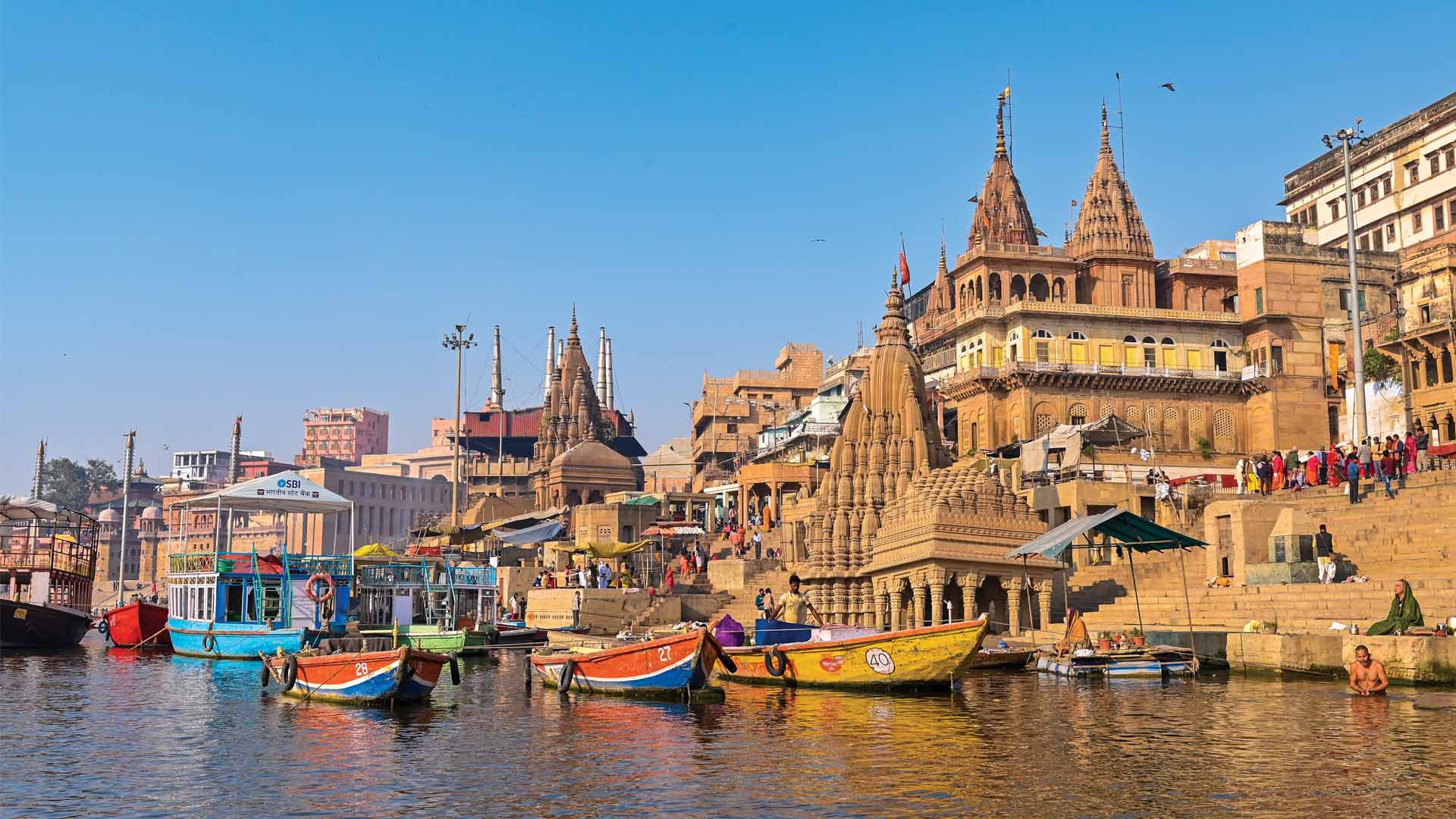
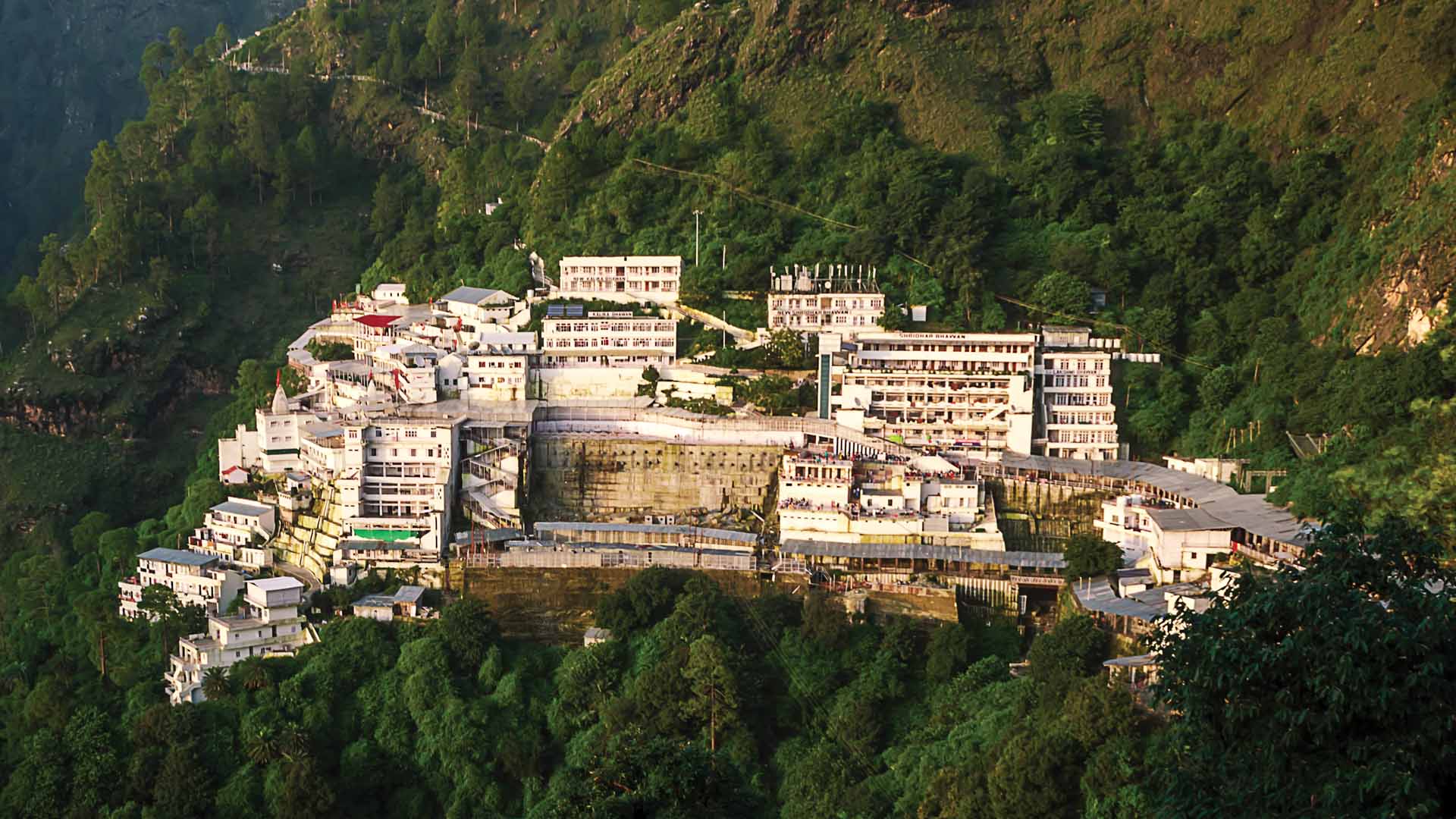
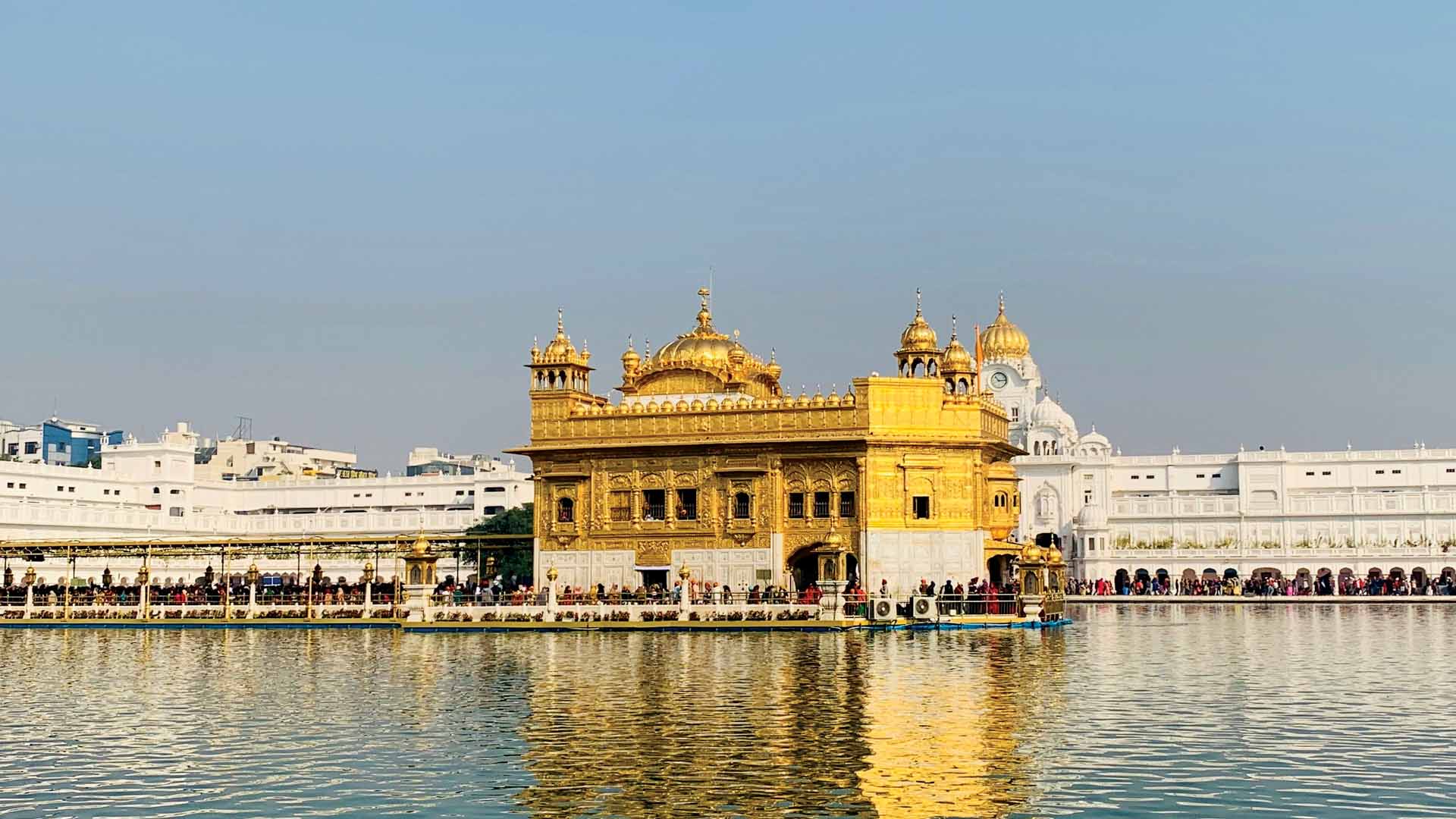
India is not just the land of the Vedas and Upanishads, of Ramayana and Mahabharata. It is also where the great Mahavira once walked the earth, setting up Jain viharas, and where Buddha attained nirvana. Indian festivals reflect centuries-old spiritual and religious heritage. Varanasi and Ayodhya in northern India, sacred rivers such as Ganga and Narmada, on the ghats of which is set the temple town of Maheshwar; Madurai’s ancient temple allure in the south, to Bodh Gaya, where Buddha achieved nirvana; the exquisite Mahabalipuram shore temples; Amritsar’s Golden Temple, considered Sikhism’s mecca, to Somnath’s Lord Shiva temple, which was been demolished countless times by invading armies, and rebuilt; Haridwar and Rishikesh’s sacred Ganga river, temples and yoga ashrams; and now Ayodhyas’ Ram Temple, India’s spiritual and religious travel space is waiting to be explored to its highest potential.
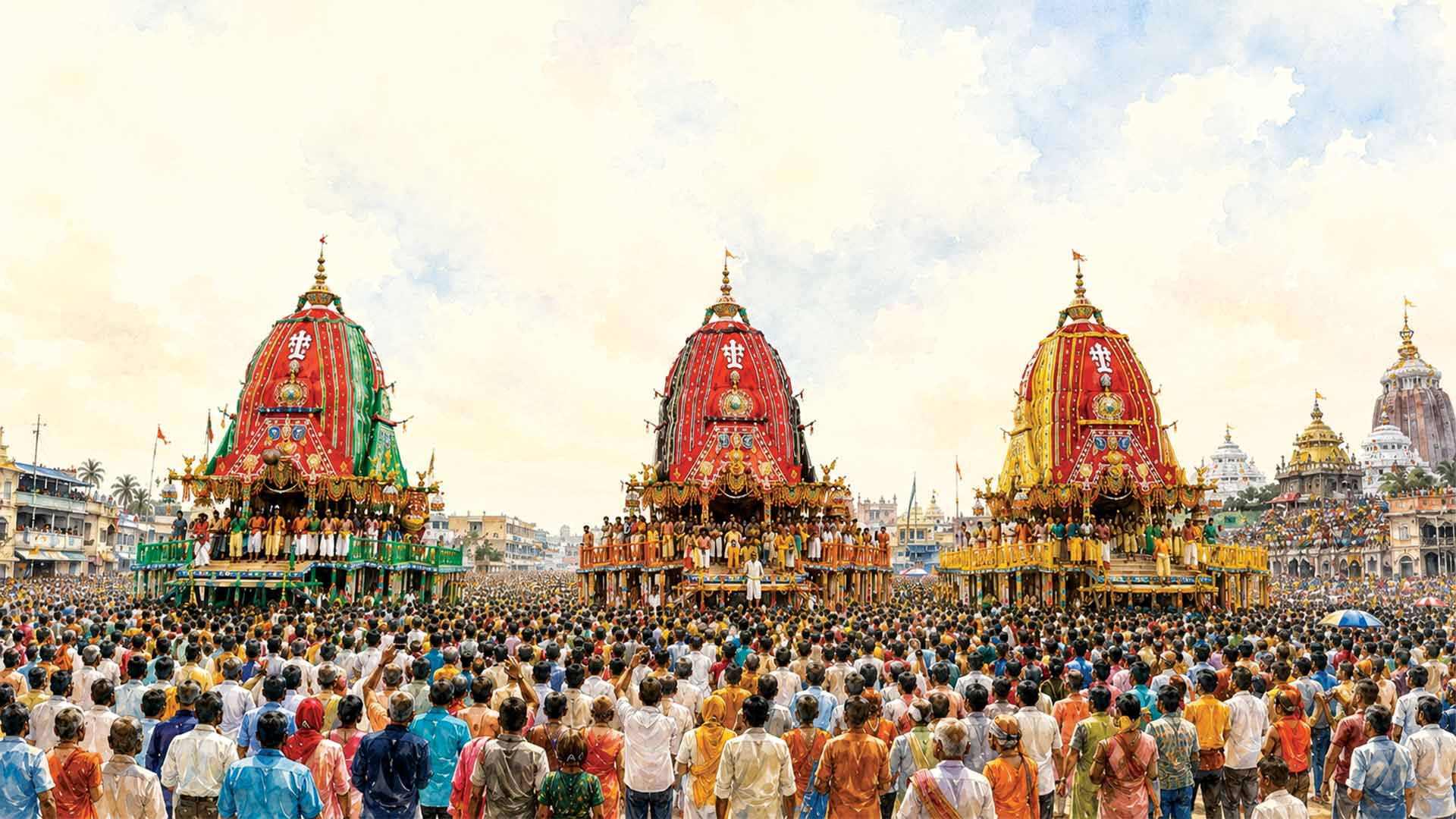
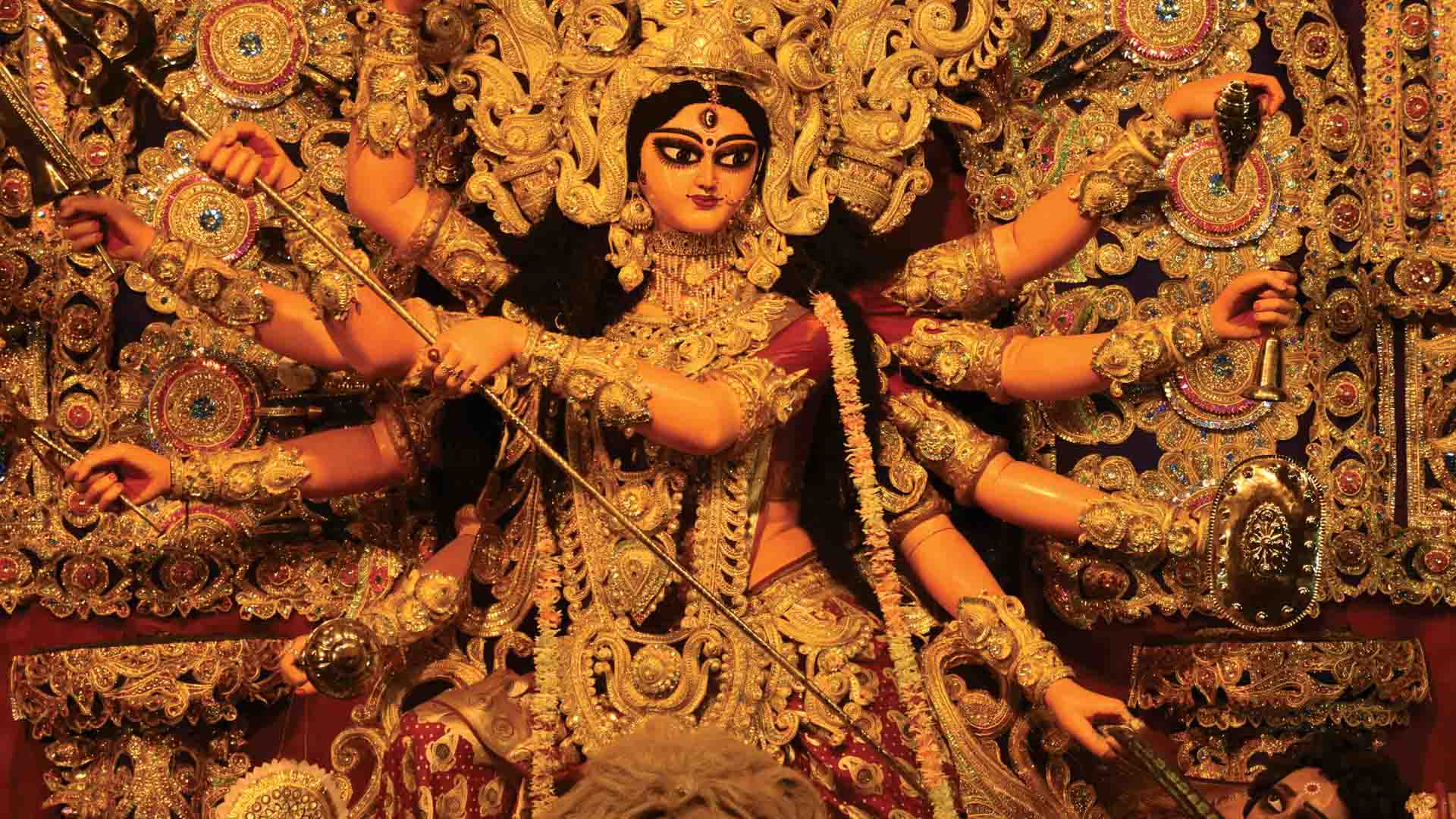
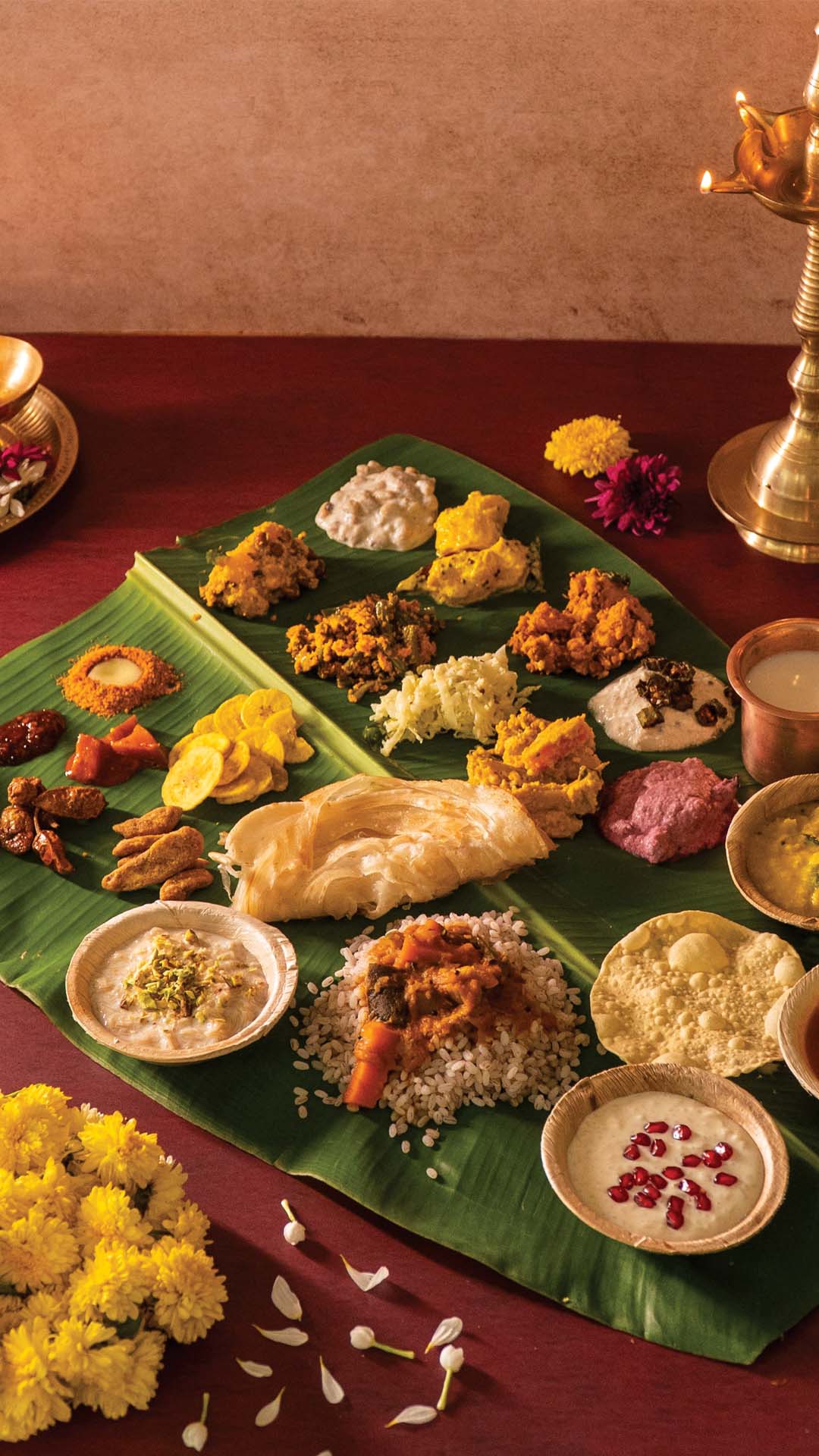
Spiritual and religious festivals: Prayagraj (Allahabad), where the Ganga, Yamuna, and mythical Saraswati rivers converge at the Triveni Sangam, hosts the Maha Kumbh Mela every 12 years. This massive gathering, with a temporary city built for the occasion, will occur in 2025. Witness the spectacle of Dev Diwali in Varanasi and Ayodhya, where millions of diyas illuminate the ghats and alleyways. Maharashtra's Ganesh Chaturthi celebrates Lord Ganesh with elaborate idols, singing, dancing, and feasting. Kolkata and Bengal come alive during Durga Pujo, as families unite to venerate the mother goddess in artistic pandals. Kerala's Onam harvest festival features snake boat races and grand feasts, while the Hemis Festival in Ladakh showcases masked monks performing Cham dances.
Culinary Culture
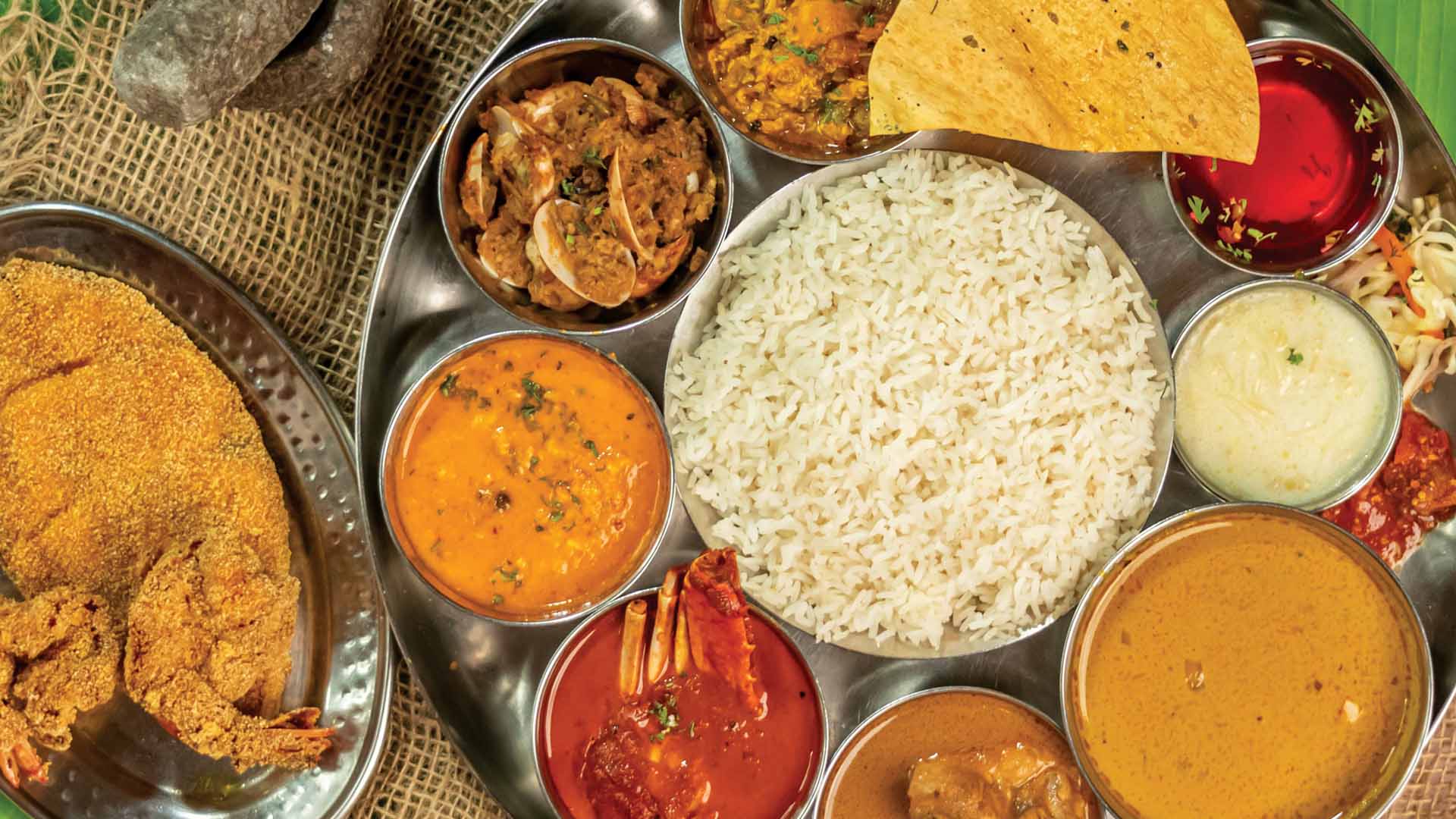
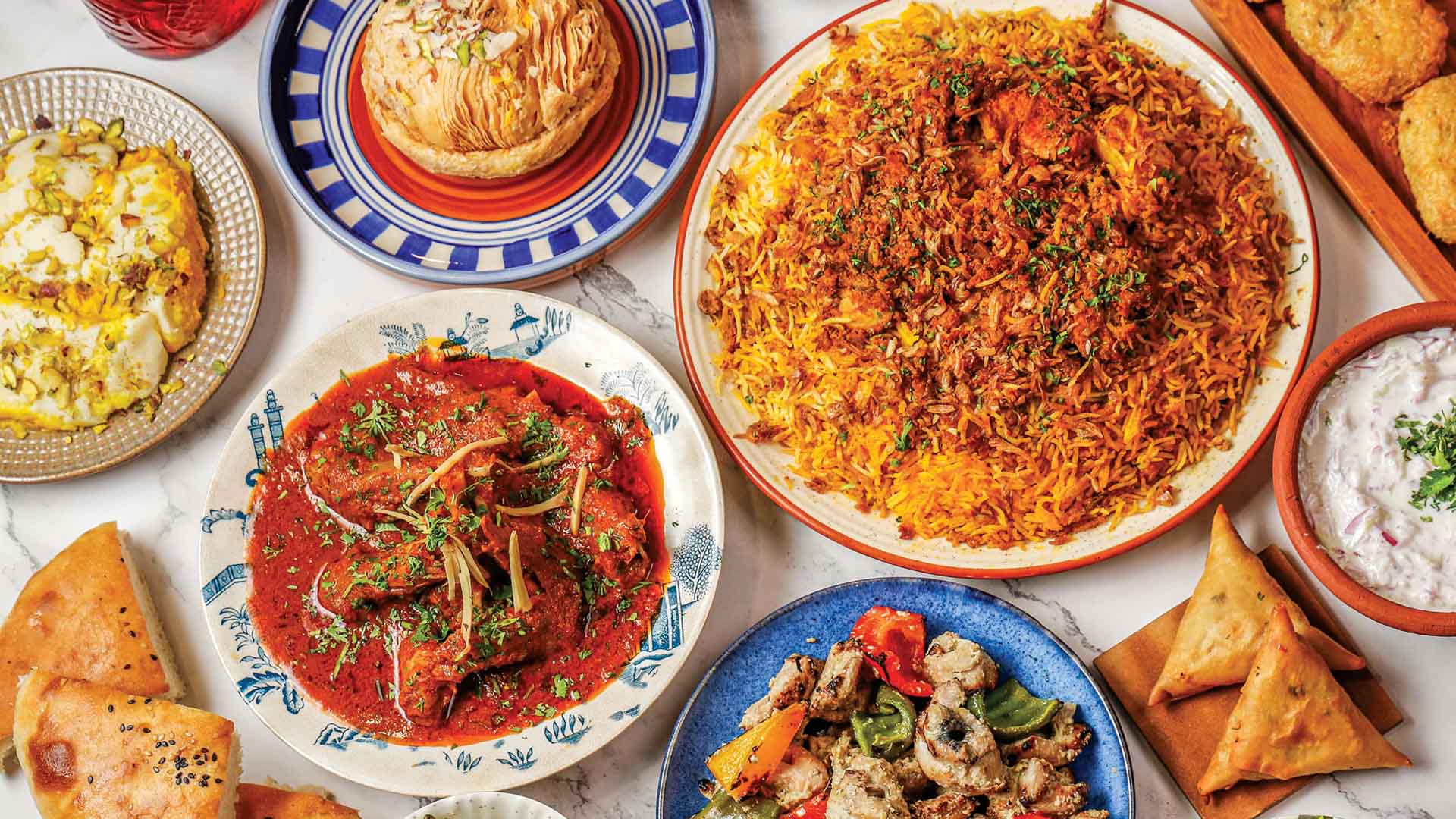
India’s incredibly diverse cuisine: reflects its geography, climate, culture, religion, and historical trade. Northern Indian cuisine, particularly Punjab and Rajasthan, features wheat, dairy, and spice-laden dishes, while Lucknow (ancient Awadh) excels in meat preparations. Southern India favours rice, coconut, tamarind, and mustard seeds in vegetarian and meat dishes. Western India, especially the coastal areas, highlights rice and seafood, while the east enjoys rice, fish, and mustard. Northeastern cuisine incorporates rice, bamboo shoots, fermented fish, pork, and wild greens. From the smoky flavours of Kashmiri Wazwan to the intricate spices of Goan coastal fare and Kolkata's decadent sweets, India offers a gastronomic adventure for every palate.
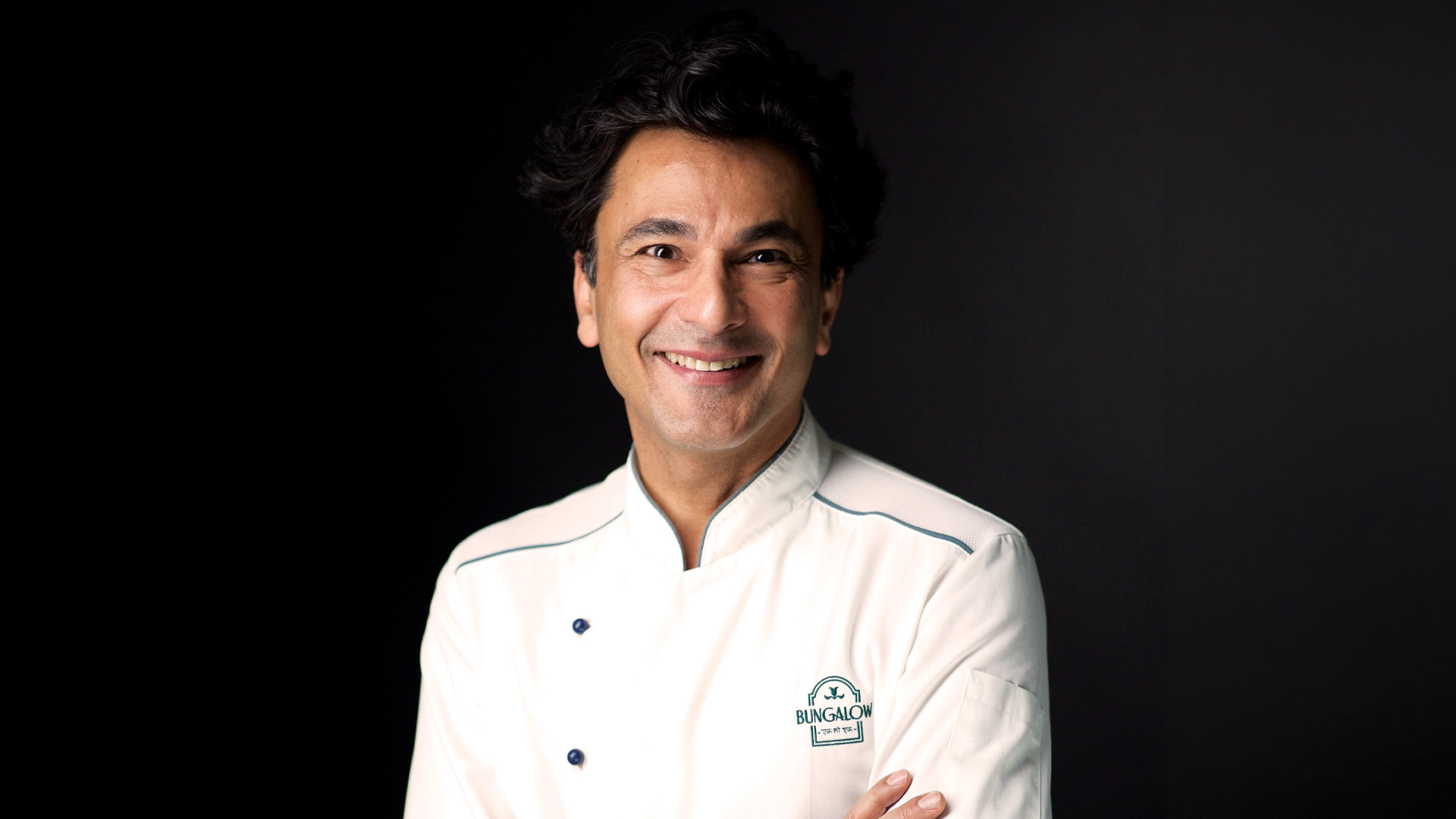
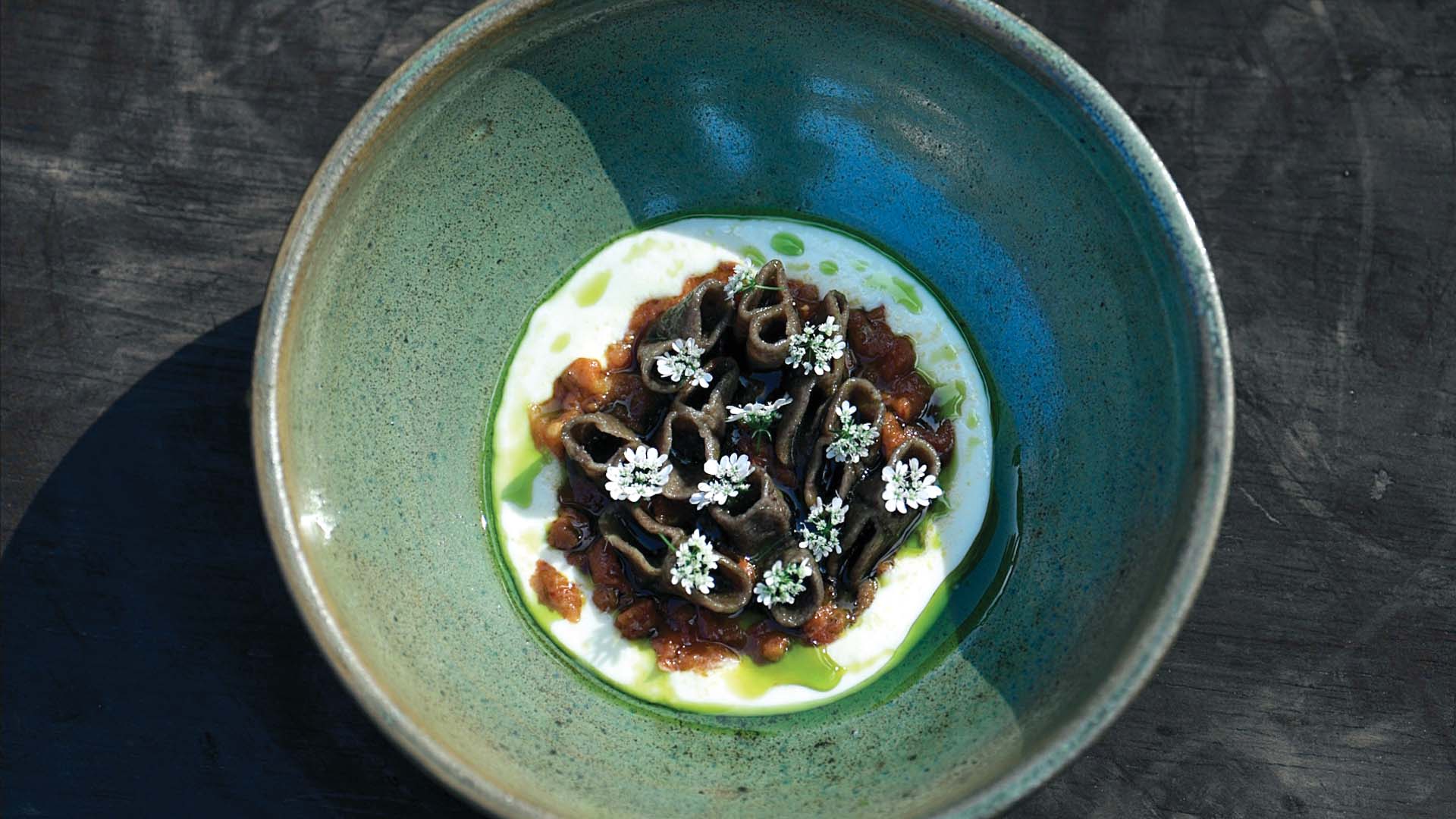
Specialised culinary experiences: With farm-to-table initiatives, curated food trails, and modern chefs innovating with traditional flavours, India’s culinary scene is more dynamic than ever. Chef Anjali Ganapathy showcases Coorgi cuisine through pop-ups at her picturesque home and luxury hotels. Chef Shubhra Shankhwalker preserves Goan Saraswat cuisine, highlighting lesser-known recipes and seasonal ingredients in dishes like Khatkhate and Hog Plum Curry. The Bohri Kitchen, led by Munaf Kapadia, popularises traditional Bohri thaal, a multi-course feast with savoury and sweet delicacies. Chef Prateek Sadhu's restaurant Naar offers a modern take on Himalayan cuisine, featuring dishes like Sunderkala (hand-pulled noodles with yak blood sausage) and Masala Carrots, blending flavours from Ladakh, Uttarakhand, and Kashmir.

The Mountains
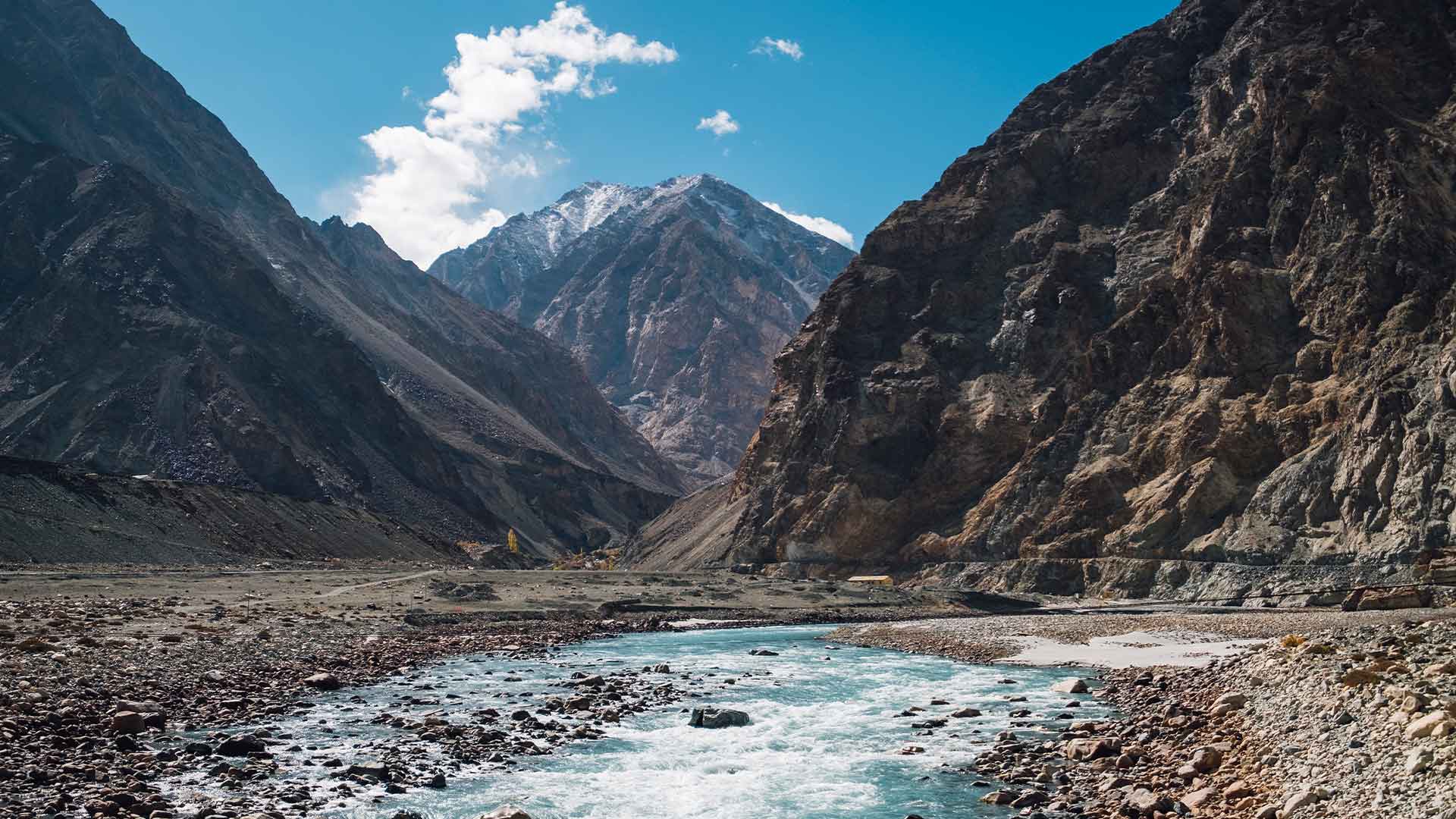
Born from the Tethys Sea over 40 million years ago, the Himalayas are the world's youngest mountain range. Their name, meaning ‘Belonging to Shiva’ in Sanskrit, evokes the Hindu god's power and spirituality. The Shivalik hills (900-1,500mtrs.) are forested, with river valleys and hill stations like Mussoorie and Shimla. The Lesser Himalayas (1,500-3,000mtrs.) offer trekking destinations in valleys like Kullu and peaks like Kangchenjunga. The rugged section boasts Mount Everest (in Nepal), Kangchenjunga, and Nanda Devi, exceeding 8,000mtrs., with glaciers and cliffs. Beyond lies the Trans-Himalayan region of Ladakh, a cold desert with valleys like Zanskar and Spiti.
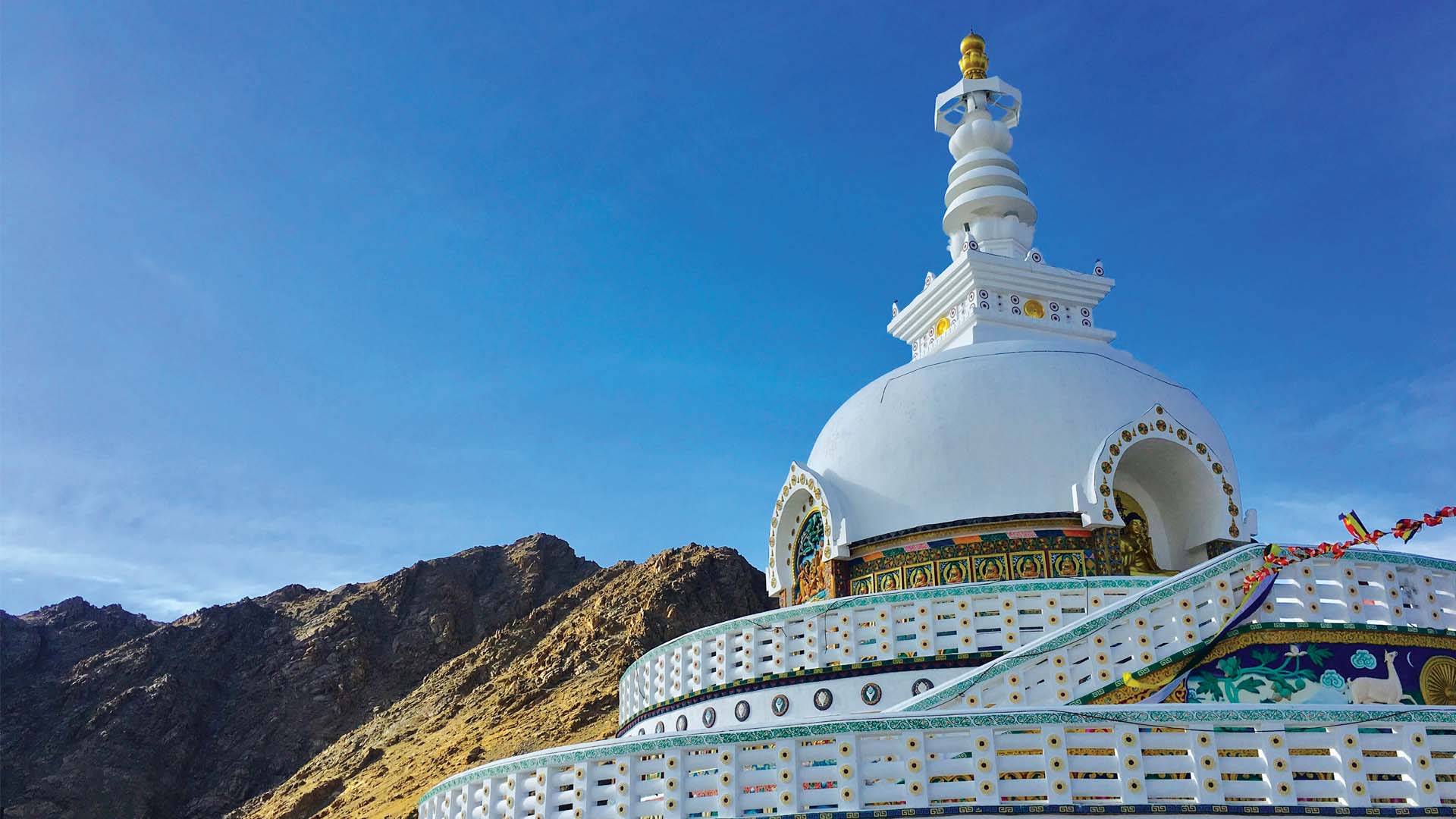
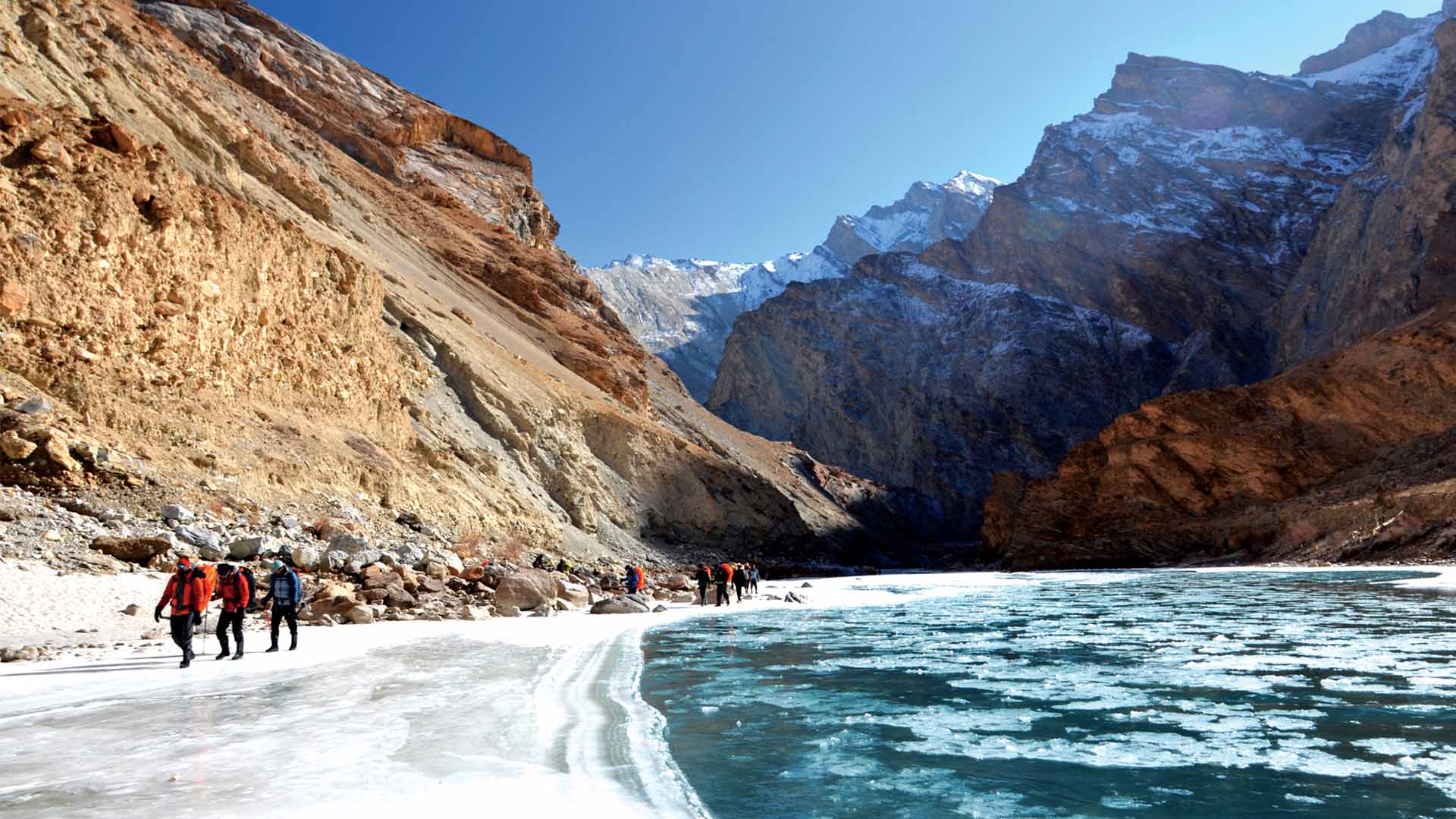
Himalayan adventure: Across the Himalayas are easy and tough trekking routes, among them the Chadar Trek in Ladakh, where you walk on the frozen Zanskar River, the Valley of Flower in Uttarakhand, famous for vast meadows of wildflowers, and the Roopkund trek. Manali, Gulmarg, and Auli are India’s paragliding and skiing destinations. The Himalayas are home to Buddhist monasteries and Hindu temples such as Hemis Monastery in Ladakh and the Kedarnath and Badrinath temples of Uttarakhand. Across the Himalayas are hotels and premium homestays that offer a glimpse into the lifestyle and cuisine of the mountain people, including the Tibetans who sought refuge in India after China took over their homeland, besides unbeatable views. Hemis National Park in Ladakh is India’s mountain sanctuary and home to the snow leopard.
Did you know?
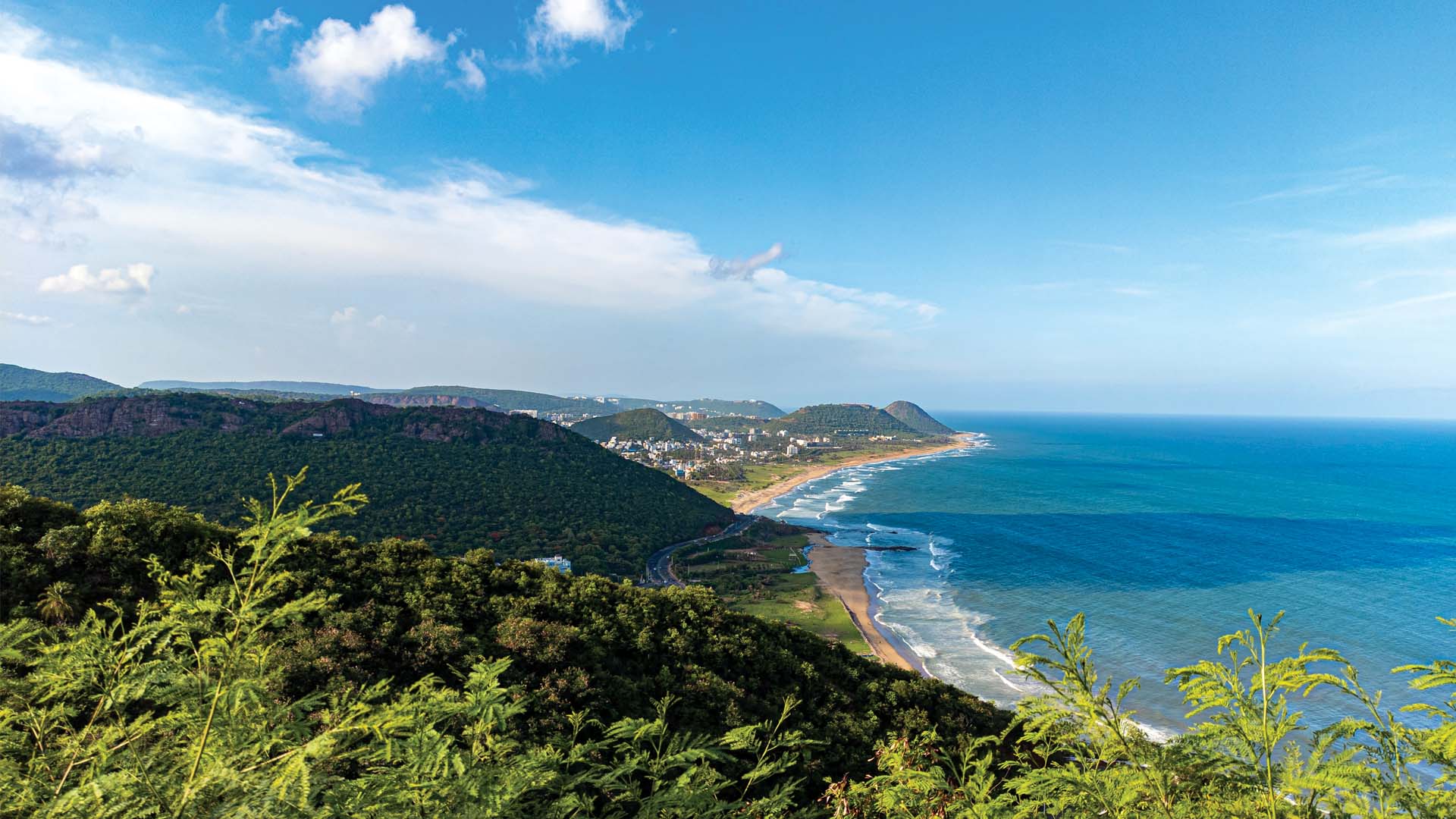
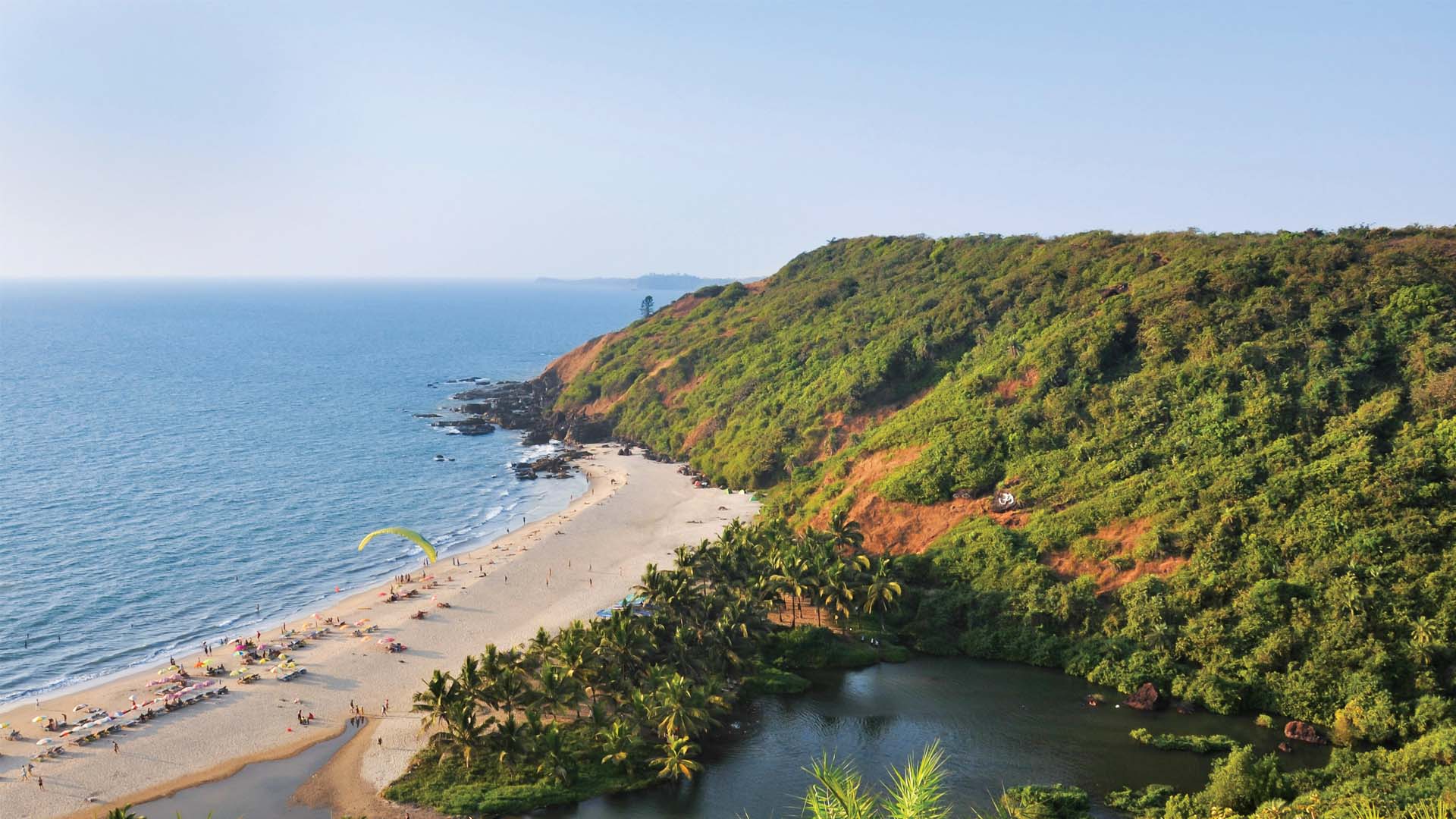
That India's coastline stretches for approximately 7,516kms? About 4,700 miles, making it one of the longest in the world? And that there is more to it than the beaches of Goa and Mumbai? The Malabar Coast is home to backwaters, tranquil beaches, and lush greenery; Kerala offers a variety of coastal experiences, from the famous Alleppey Backwaters to the beaches of Varkala and Kovalam. The Karnataka coast offers less-crowded beaches like Gokarna and Kudle Beach, as well as the historic port city of Mangalore. It’s also home to a serene Udupi city. The Coromandel Coast has pristine beaches and rich temple culture, with Tamil Nadu’s coastline offering attractions such as Marina Beach (Chennai), peaceful Mahabalipuram beaches, and the coastal town of Kanyakumari where three seas meet, besides Pondicherry, famous for its French town.
Maharashtra’s Konkan Coast is a blend of bustling cities and peaceful beaches. Alibaug, Ganapatipule, and Diveagar are serene coastal escapes, while Harihareshwar and Murud offer a secluded experience. Goa is a blend of nightlife, beaches, culture and natural getaways. Odisha’s Utkal Coast has a long stretch of beaches and temples, such as Puri beach town, which is home to the heritage Puri temple and endangered turtles. West Bengal’s coastline is rugged and turbulent, with beach towns like Shankarpur and Digha.
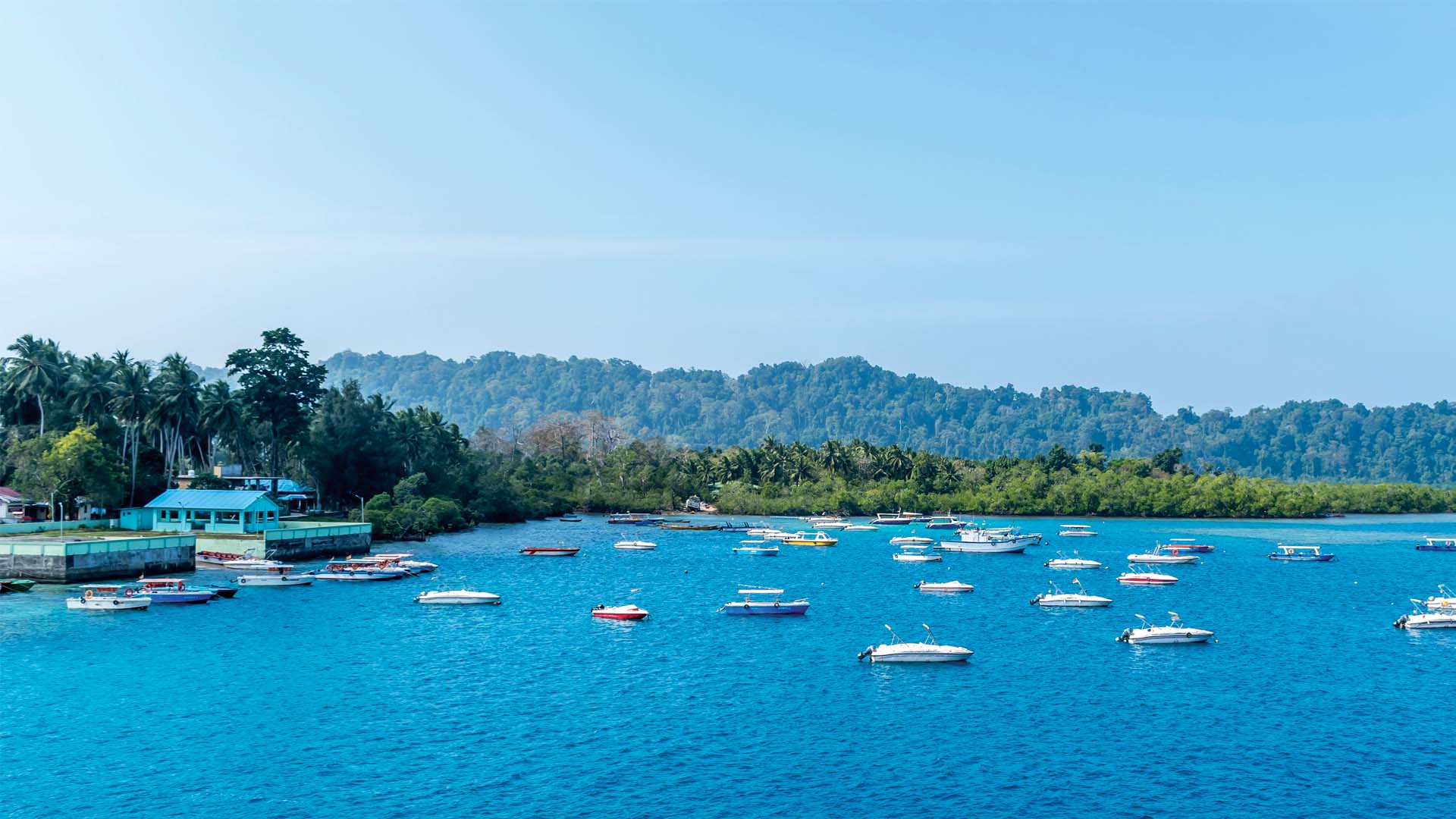
Island adventure: India's islands are tropical havens brimming with laid-back charm. Andaman and Nicobar, with crystal-clear waters and scuba diving adventures, also holds history in Port Blair's Cellular Jail.
Lakshadweep, sharing an archipelago with the Maldives, offers a tropical ecosystem and adventure sports. Daman and Diu narrate tales of Portuguese rule, while Kochi's islands unveil the Malabar region's historical trade routes. Sunderbans, the world's largest mangrove forest in the Bay of Bengal's Ganges Delta, beckons with wildlife safaris. Majuli Island in Assam, home to monastic institutions and river cruises, faces the looming threat of climate change.
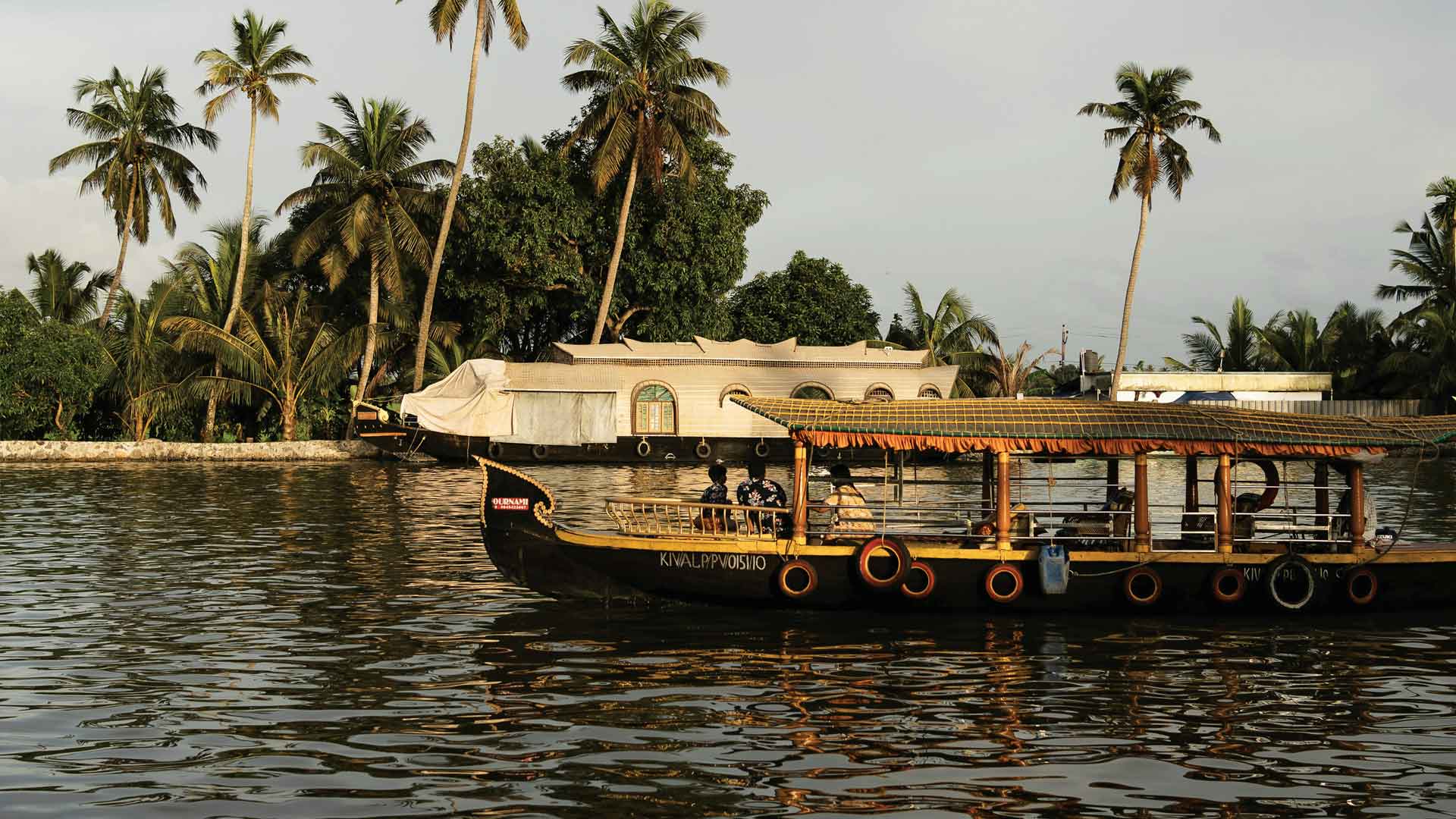
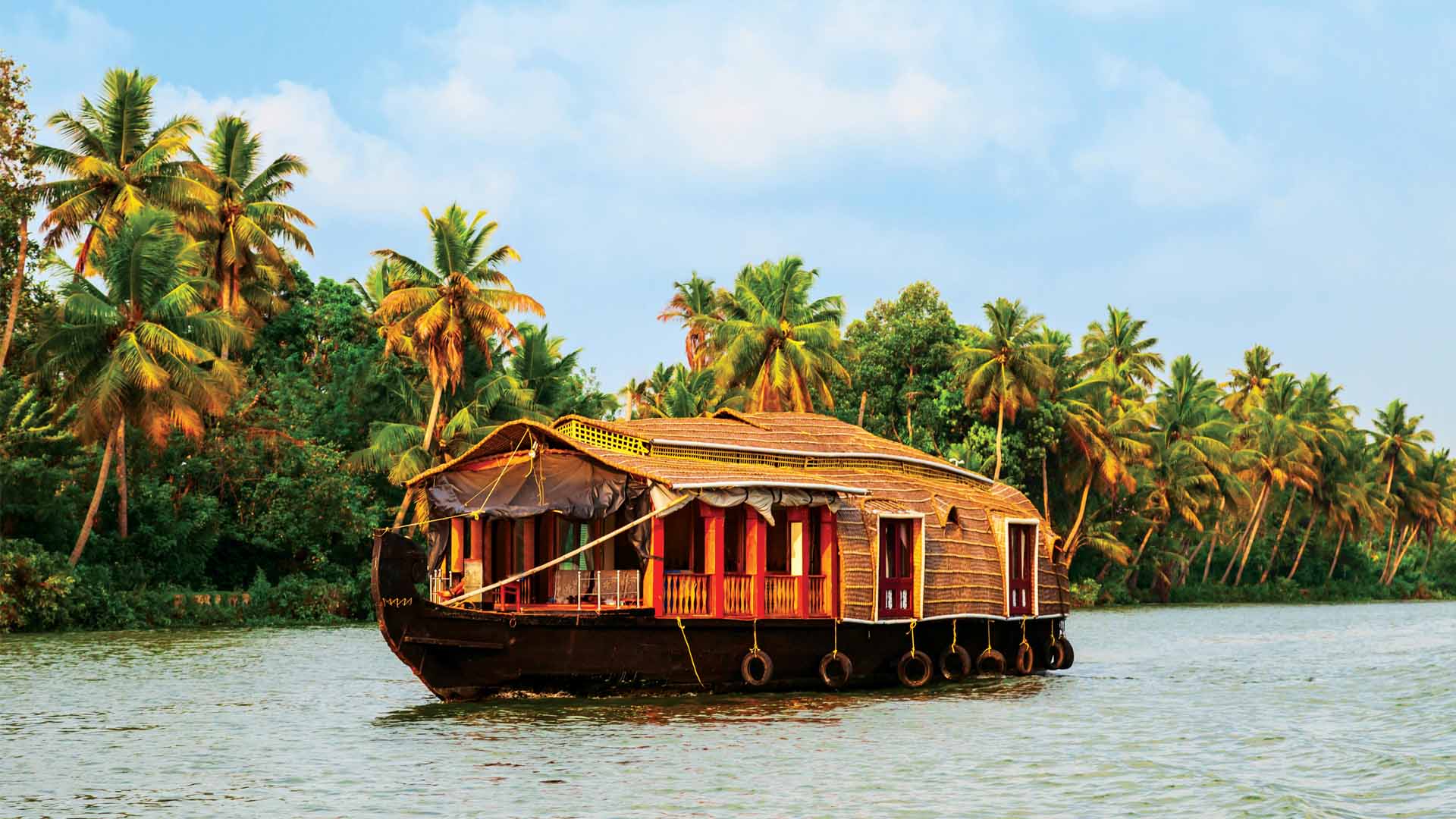
Kerala houseboats, known as 'kettuvallams,' offer a floating experience through the tranquil backwaters, providing a serene escape amidst lush landscapes.
Ancient Heritage
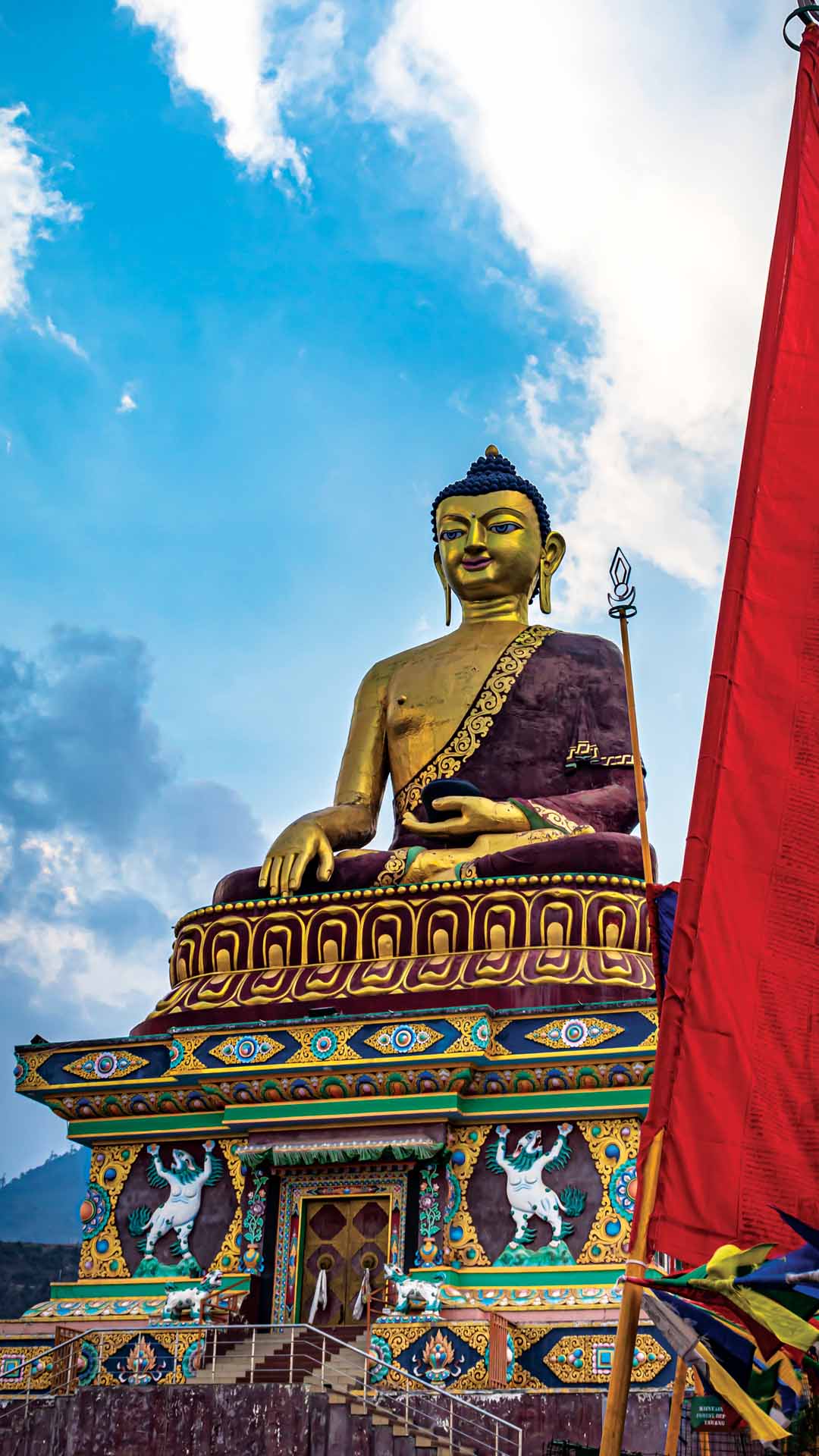
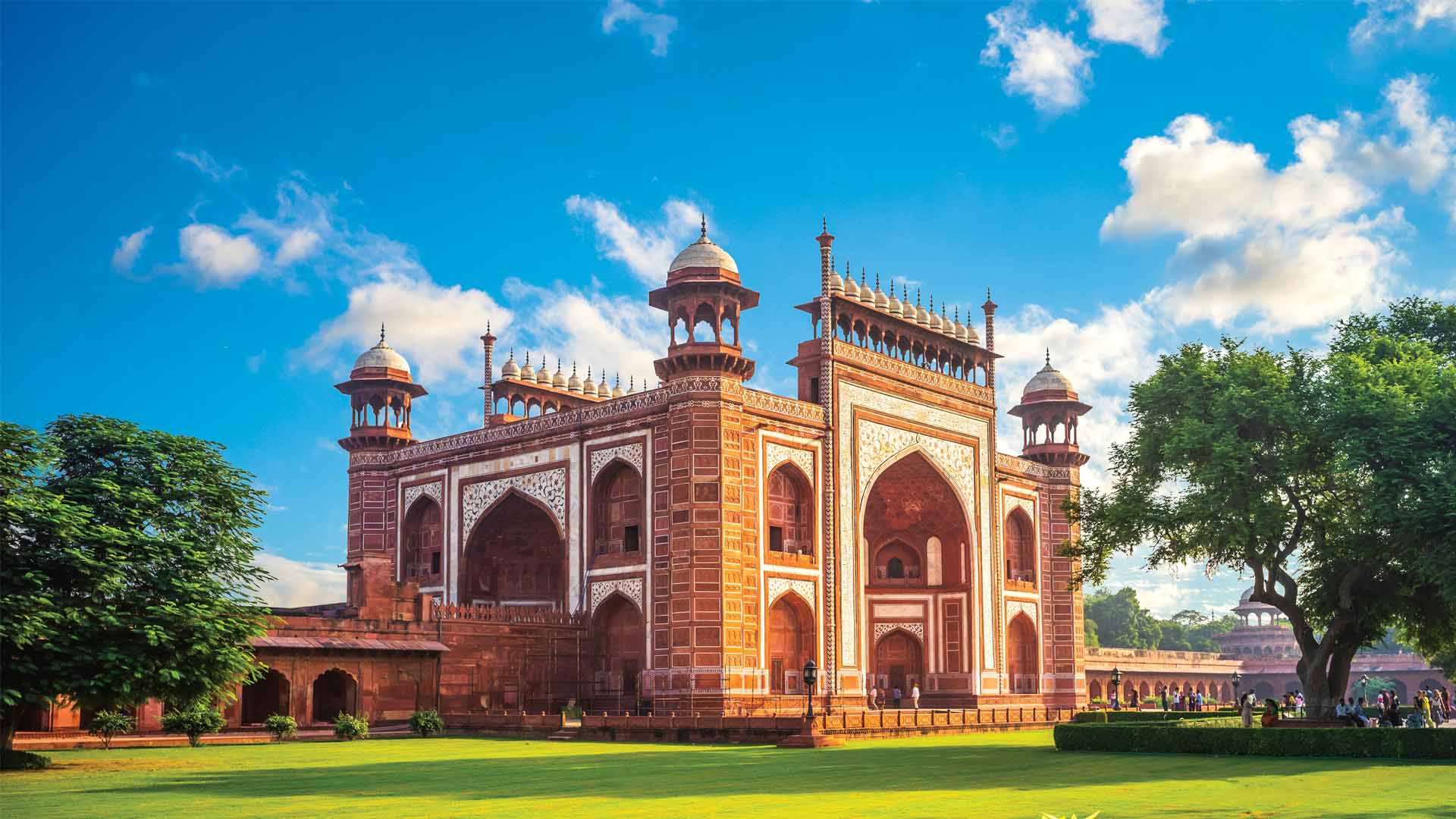
Sure, there is the Taj Mahal, a UNESCO World Heritage Site and the labour of love that has stood the test of time. But there is so much more that is yet under-leveraged or underrated. About 40kms. from Agra is Fatehpur Sikri, a sprawling city built by Emperor Akbar, which remains a magnificent Mughal relic despite being abandoned due to water scarcity. Tawang Monastery in Arunachal Pradesh, the second largest in the world, stands at 10,000ft. abive sea level, housing 65 residential buildings and a 28-foot-tall gilded Buddha statue.
Dholavira, the Indus Valley Civilization ruins in Gujarat, reveals advanced urban planning and water systems. The rock-cut caves of Badami in Karnataka, showcase intricate carvings and sculptures celebrating Hindu, Jain, and Buddhist traditions. Maharashtra's Aurangabad region boasts rock-cut caves featuring Buddhist viharas and Hindu temples with Ajanta and Ellora complexes. Odisha's Sun Temple at Konark, a 13th-century marvel, is designed as a colossal chariot of the sun god.
Chola Temples, built during the reign of the Chola dynasty (circa 9th to 13th century CE), are the finest examples of Dravidian architecture and Tamil culture. These UNESCO World Heritage Sites under the collective name ‘Great Living Chola Temples’ are celebrated for their architectural brilliance and intricate sculptures.
Must-explore ‘Big’ Temple: Raja Raja Chola’s Brihadeeswarar Temple in Thanjavur, dedicated to Lord Shiva. Highlights include a 216-foot vimana (the temple tower), a massive Nandi statue carved from a single stone, and intricate frescoes and sculptures.
Beyond grand monuments, the Indo-Portuguese mansions of Goa, the painted havelis of Shekhawati, and the atmospheric Rajbadas of Kolkata and Bengal are evocative of life as it once was. Some have been transformed into holiday homes, while others are part of India’s living heritage. The Shekhawati region of Rajasthan enjoys the moniker ‘Open art gallery’ because of its intricately painted havelis (mansions), temples, and frescoes. While the havelis dominate the landscape, the temples of Shekhawati are equally fascinating for their art, architecture, and cultural significance. Goa’s mansions are a fusion of Portuguese, Indian and Baroque architectural styles, and feature wide verandahs and ornate balustrades. Figueiredo Mansion in Loutolim dates back 400 years and now hosts Portuguese-style high tea and Mando evenings, a 19th-century musical form of the Goan Christians. Palácio do Deão in Quepem was constructed in 1787 by a Portuguese nobleman and overlooks the Kushavati River. The Rajbaris (or Rajbaras, meaning ‘royal palace’) of Bengal refers
to the grand ancestral homes of the zamindars (landowners) and royalty of undivided Bengal, reflecting the opulence and cultural richness of an era that will never return. These estates, scattered across West Bengal and parts of Bangladesh, are repositories of history, art, and traditions. The Cooch Behar Palace, modelled after Buckingham Palace, is a magnificent example of classical Western architecture. Sovabazar Rajbari in Kolkata is famous for its Durga Puja celebrations and dates to the 18th century. Rajbari Bawali in Kolkata is a restored 250-year-old mansion blending rural Bengal charm with opulence.
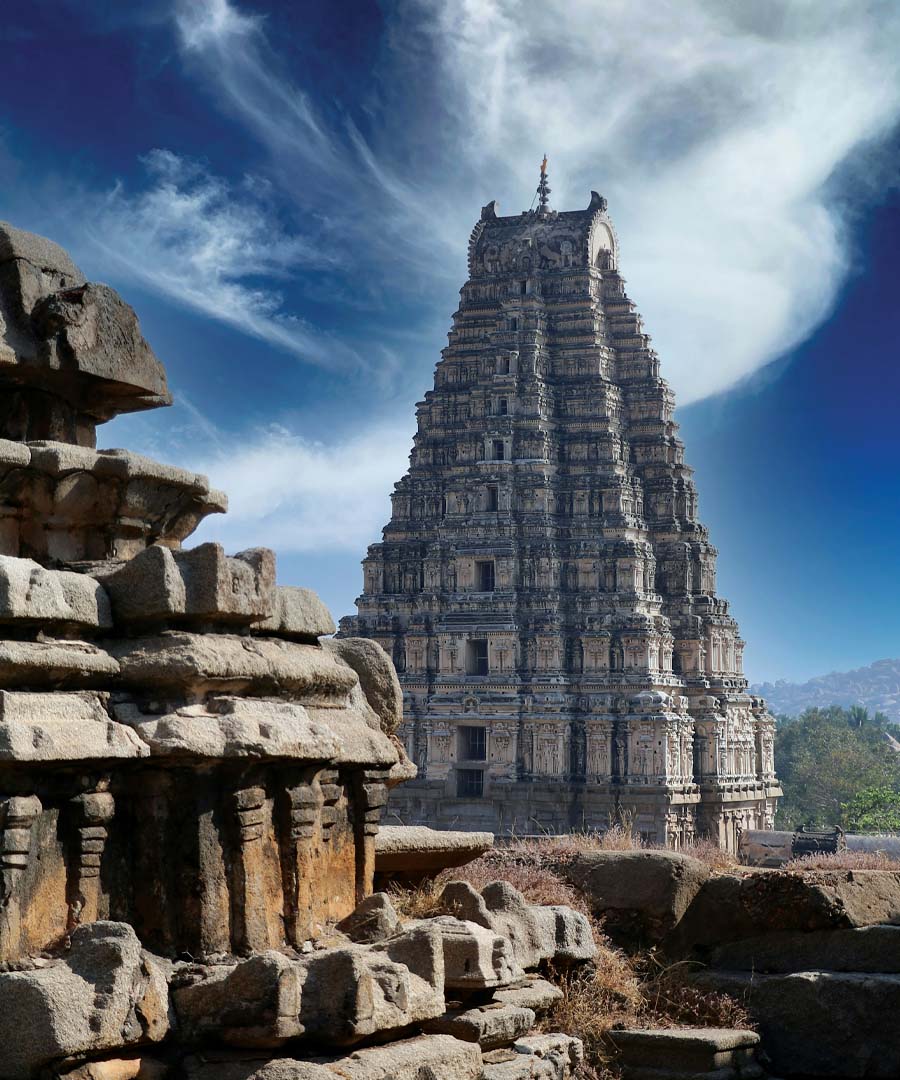
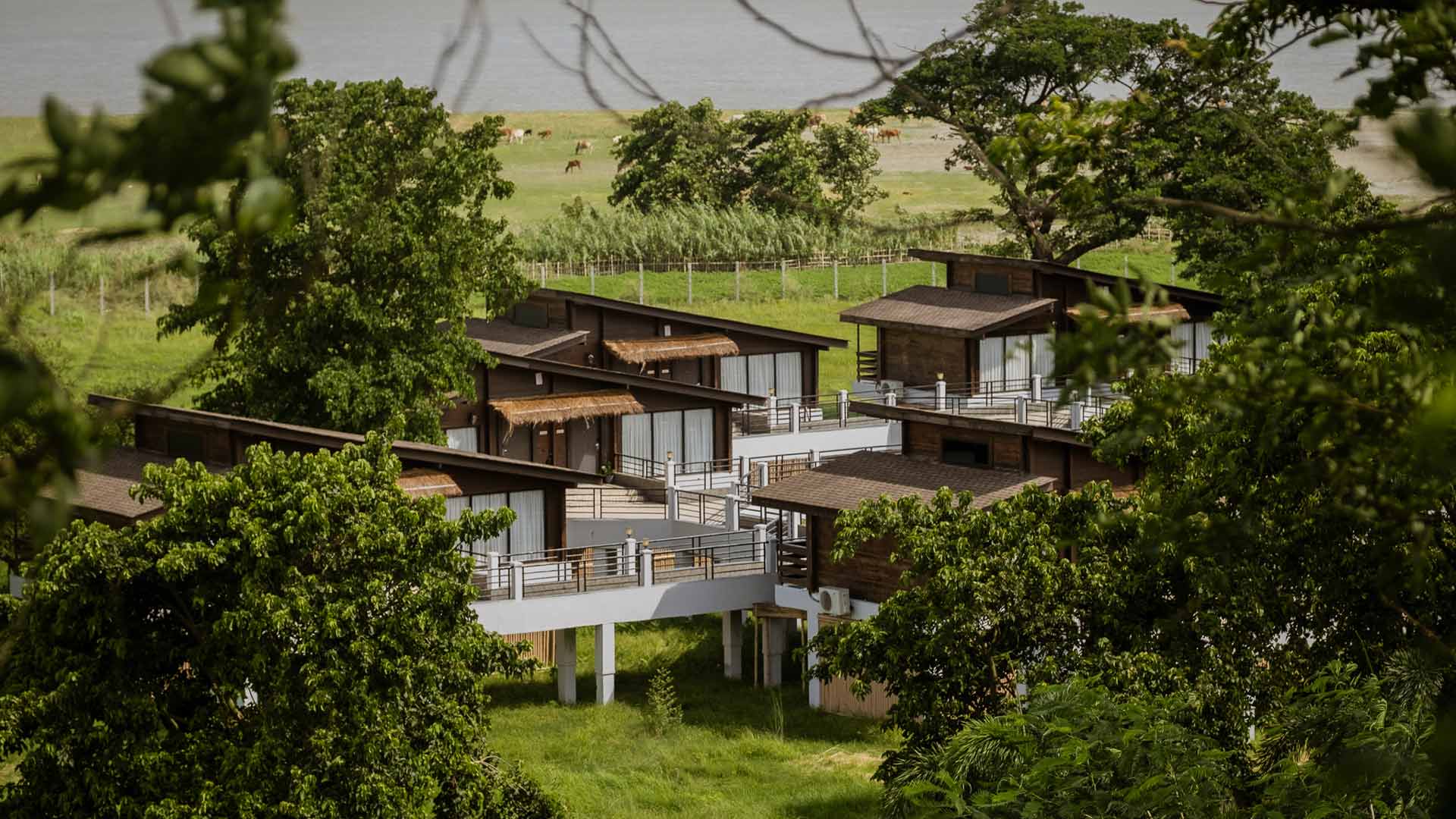
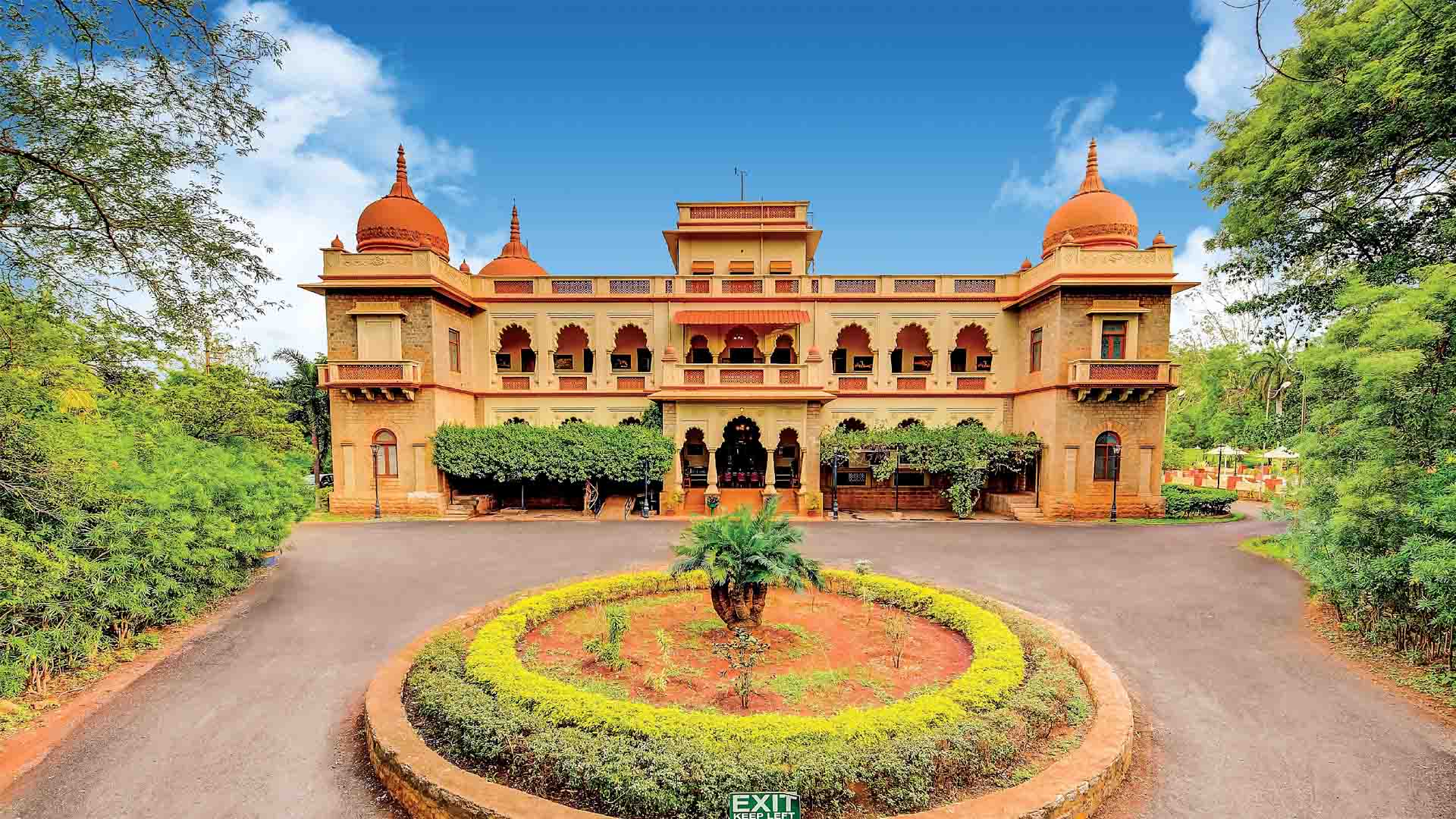
Heritage home stays: Many Rajbaris, like Rajbari Bawali and Itachuna Rajbari, have been converted into boutique hotels and offer a royal experience. Rawla Narlai in Pali is an off-the-grid gem and blends rustic charm and royal luxury amidst the Aravallis. Chittoor Kottaram in Kochi is a serene palace retreat on the banks of the backwaters. Woodville Palace in Shimla is a colonial-era residence with Art Deco interiors. Shivavilas Palace in Sandur is a luxurious gateway to the ancient Vijayanagara Empire in Hampi. Chettinad Mansions in Karaikudi has opulent mansions with traditional culinary experiences. Rokeby Manor in Mussoorie is a colonial bungalow turned luxury boutique hotel with mountain views.
The Wellness Paradigm
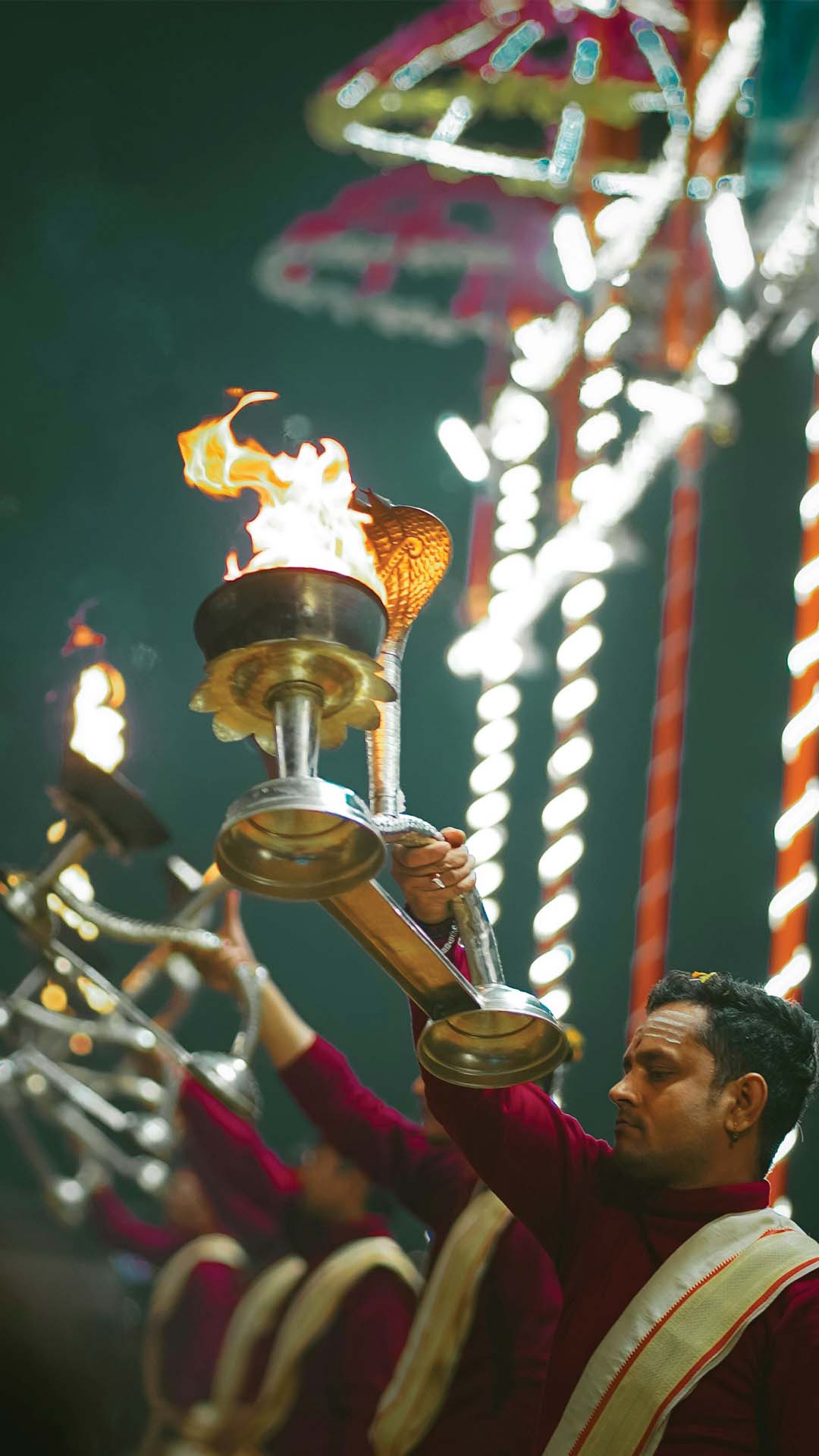
India's wellness journey is a transformative narrative, with each region offering a unique path to rejuvenation: the serene backwaters of Kerala is home to Ayurveda, while the spiritual heights of the Himalayas host yoga ashrams. The Himalayas, with retreats in Dharamshala and Ladakh, offer mindfulness practices, sound healing, and traditional Tibetan medicine, creating a deeply spiritual and restorative experience. India's rich spiritual legacy is deeply interwoven with its wellness offerings. At sacred cities like Varanasi and Haridwar travellers can participate in soul-stirring rituals such as the Ganga aarti, while ashrams provide tranquil spaces for introspection and meditation. Nature retreats in Wayanad and Silent Valley harness the healing power of the wilderness through immersive experiences like forest bathing and eco-therapy.
Ayurveda and yoga: Kerala, the birthplace of Ayurveda, invites travellers to immerse themselves in centuries-old therapies amidst lush greenery. Iconic retreats like Somatheeram and Carnoustie Ayurveda and Wellness Retreat offer transformative Panchakarma detox programs; the tranquil backwaters are an ideal setting for healing and relaxation. Further north, Ananda in the Himalayas, nestled near Haridwar, blends Ayurvedic wisdom with luxury, offering personalised wellness journeys. Rishikesh, the 'Yoga Capital of the World,' is a cornerstone of India's wellness offerings. Along the sacred Ganga River, travellers can deepen their practice at renowned ashrams like Parmarth Niketan or find solace in meditation. For a more contemporary yoga experience, Goa and Mysore offer tranquil settings that blend tradition with modern approaches.
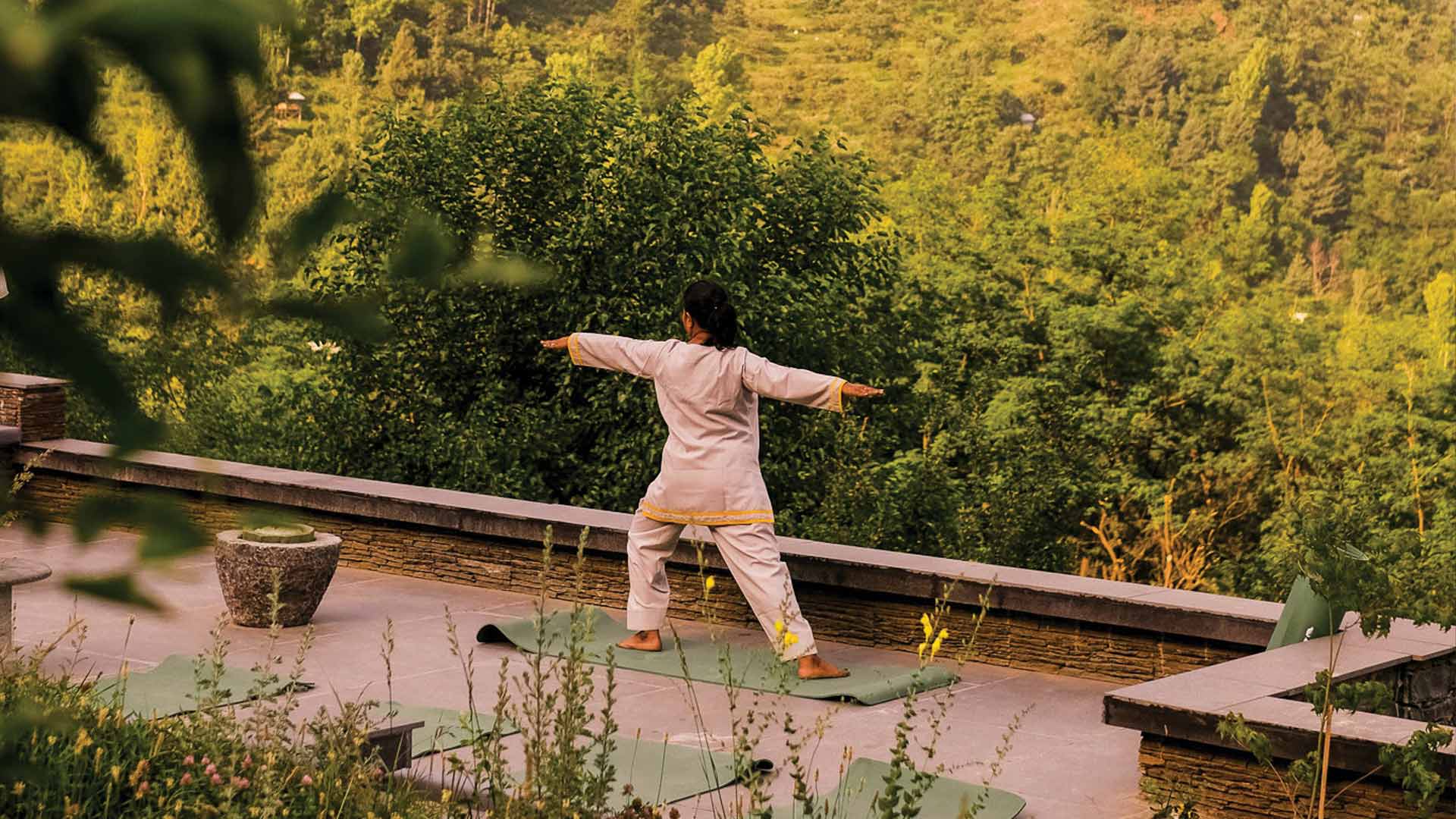
The Himalayas host a number of yoga ashrams that provide serene settings for contemplation and practice.
Tea Tourism
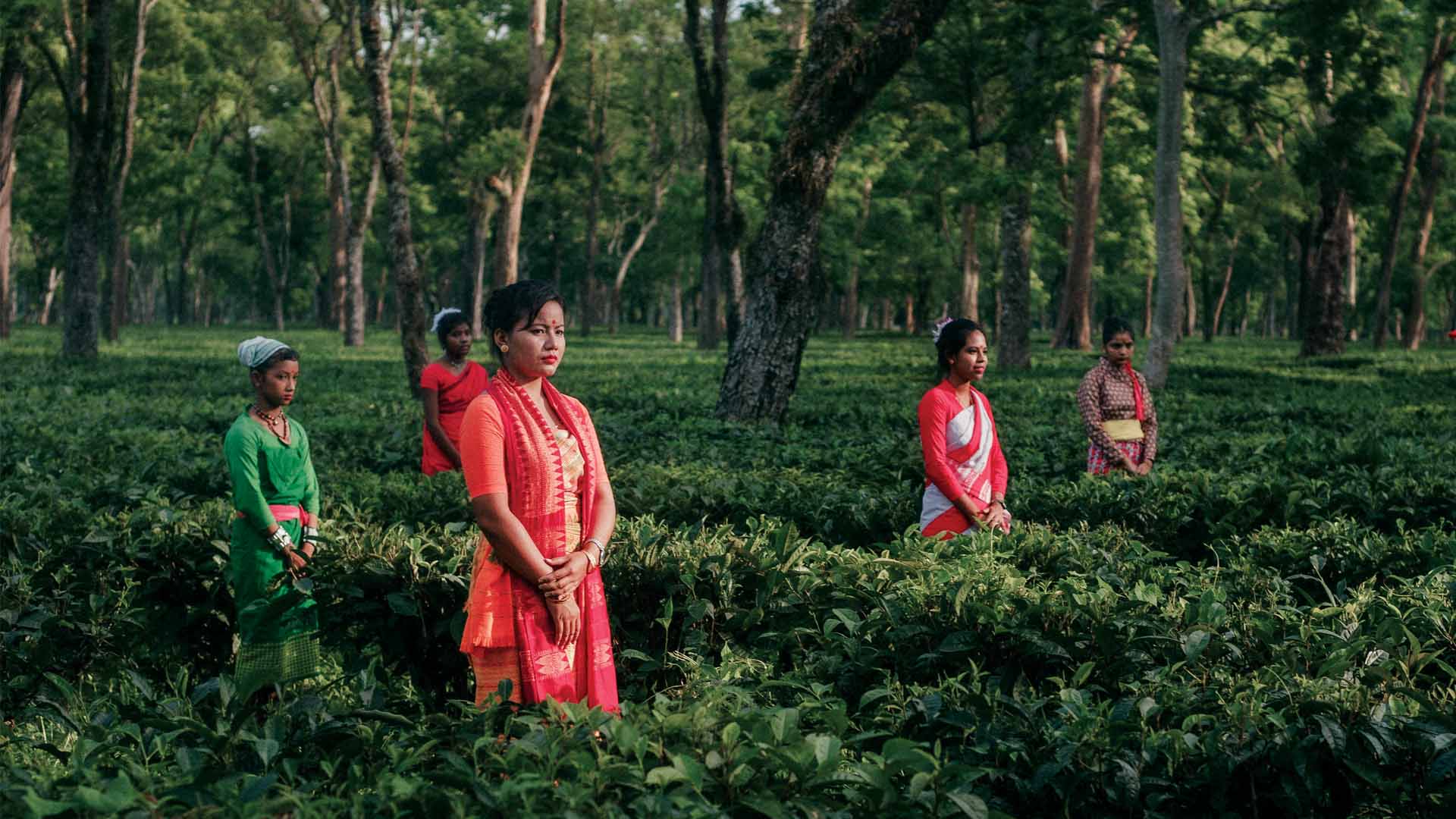
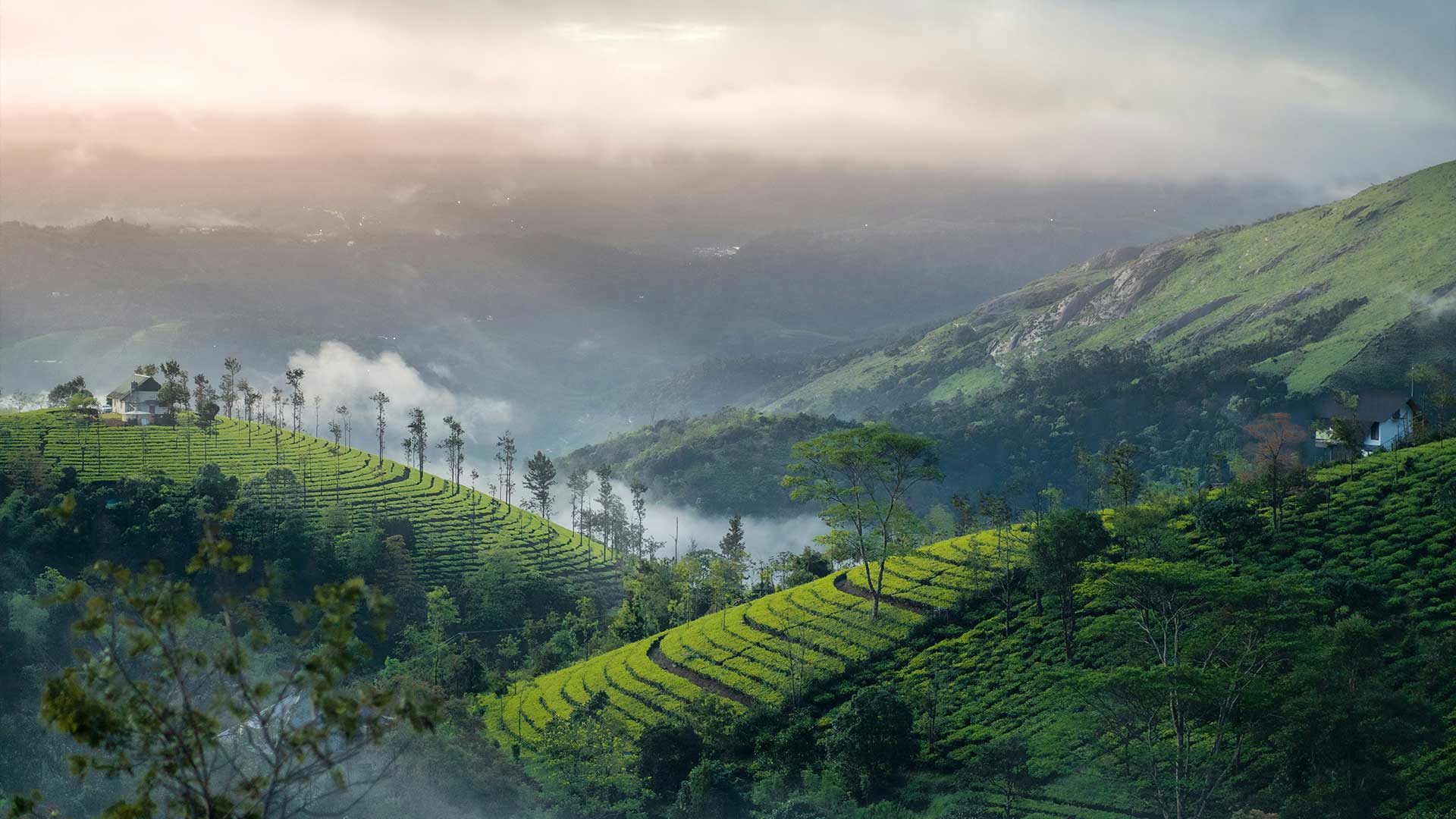
The British who traded with China in tea and opium, and used India as a conduit for both, introduced this miracle beverage to the country in 1837, when the British East India Company established the first tea garden in Assam. In over two centuries, Indians, who had never sipped tea before, adopted the beverage with a passion rarely seen. Today, India is a leading tea producer, with varieties like Manohari Gold Tea fetching astronomical prices. Vast tea estates dot the landscapes of Assam, Darjeeling, Dooars, Nilgiris, Kangra, Munnar, and Tripura, offering a glimpse into the colonial past. Experience the legacy of tea with stays in elegant bungalows, plantation tours, factory visits, and breathtaking views.
The tea estate experience: Glenburn in Darjeeling is a luxurious retreat with stunning views of the Kanchenjunga. The Makabari Tea Estate, again in Darjeeling, offers eco-friendly stays and organic tea experiences. Wild Masheer in Assam has colonial-era bungalows in lush plantation settings and experiences of the bucolic villages, while Munnar’s Kolukkumalai Tea Estate is a high-altitude tea experience, and Banasura Hill Tea Retreat in Wayanad combines tea with natural Kerala forests around.
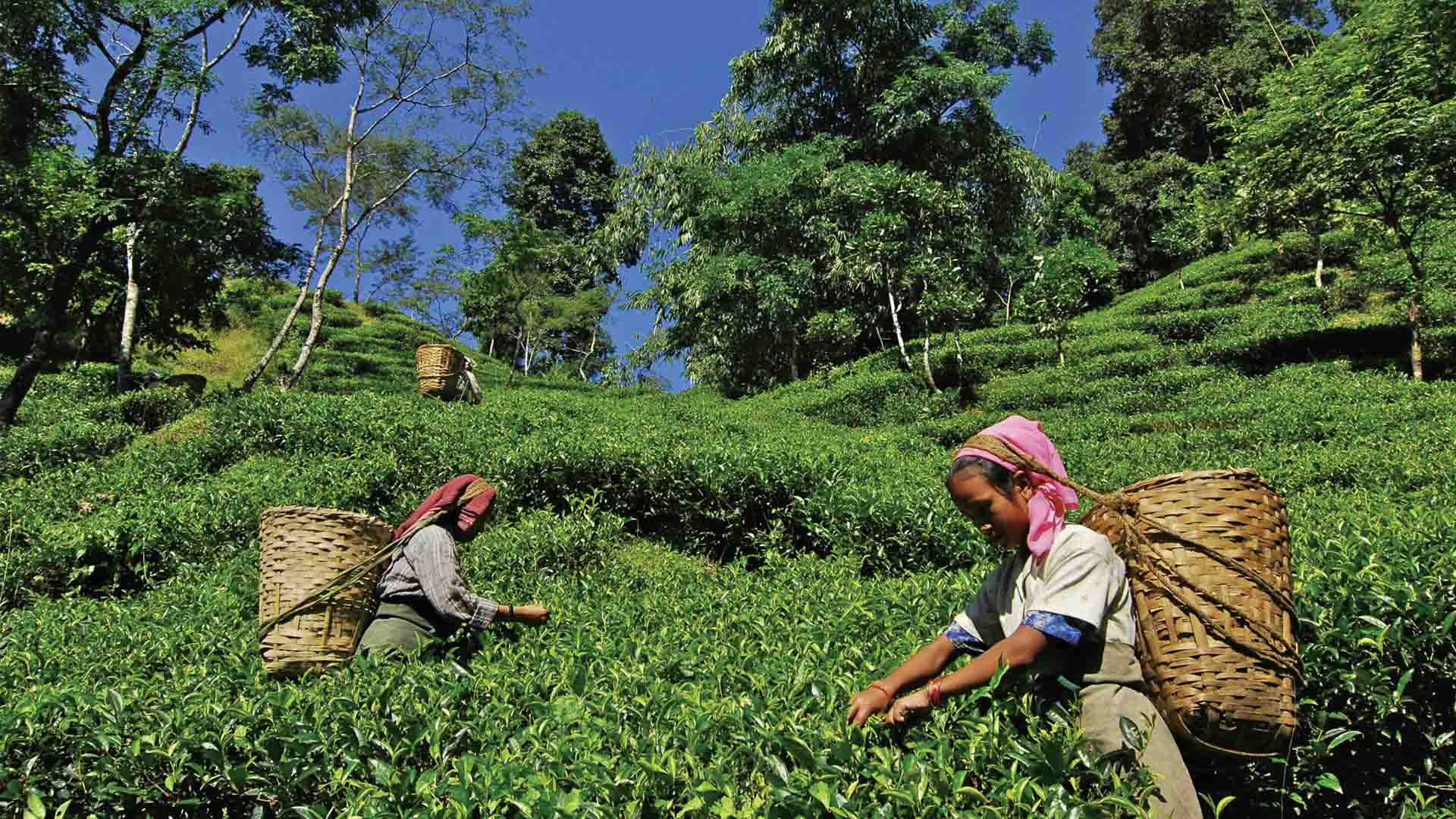
The 165-year-old Makaibari Tea Estate offers organic tea experiences.
Wildlife Tourism
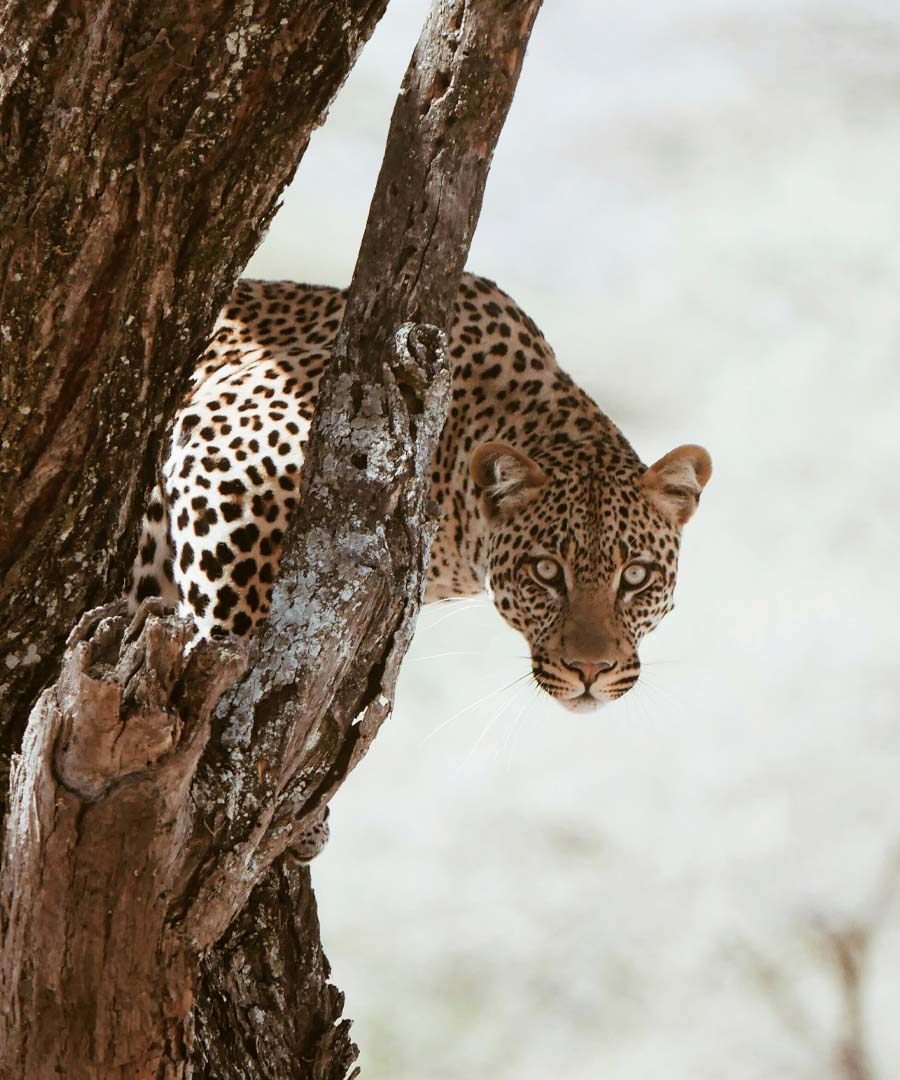
Africa has aced the wildlife game, while India continues to flounder, despite its vast offerings—lush rain forests to deciduous jungles, tropical forests to the Himalayan jungles, mangrove forests to riverine ones. And an incomparable biodiversity, except maybe in wild Africa, and that’s because of the way the African continent has nurtured its wild world (except for the times when hunting has been allowed in return for dollars). India boasts unique species like the Bengal tiger, Asiatic lion, elephants, rhinos, the Great Indian Bustard, the elusive snow leopard, and the Malabar Squirrel. Tribes like the Bishnois, Rabaris and Mirs, and projects like Project Tiger champion conservation, but habitat encroachment remains a threat. It was a British tourist who opened my eyes to our richness: “Back home in Britain, we celebrate when we see a kingfisher. Here, you spot them everywhere in Kerala or Goa.” Over the years, wild India has come under threat by a growing population encroaching on their land, and yet, there is enough for us to still preserve and nurture. Many hotels have leveraged wild India by offering safaris and excursions into the jungles.
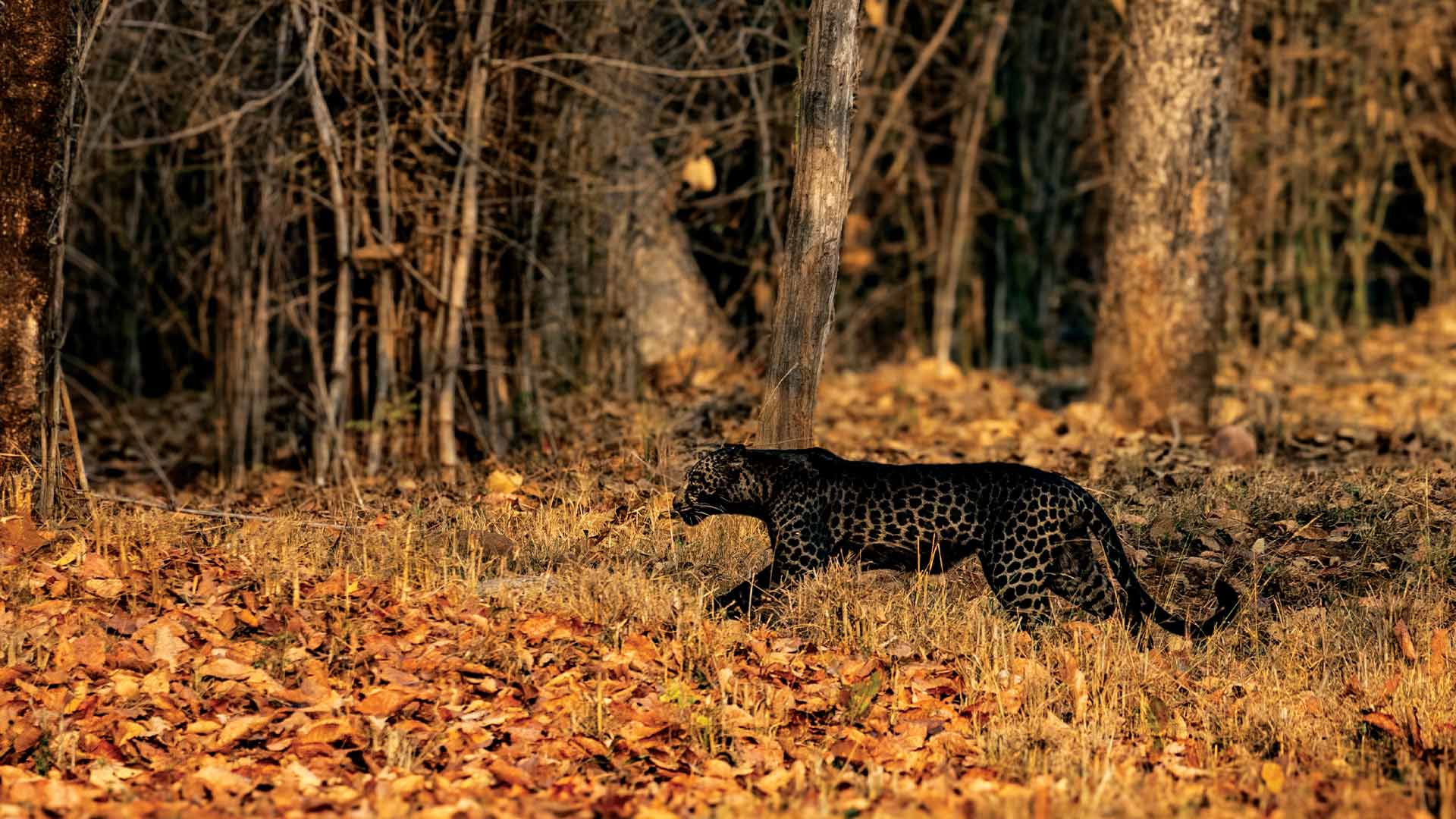
The sanctuaries: India's diverse sanctuaries offer incredible wildlife encounters. Explore Ranthambore with its historic ruins, Tadoba and Bandhavgarh where tigers reign supreme, or Gir, home to the Asiatic lion. Witness one-horned rhinos in Kaziranga, elephants in Periyar, and migratory birds in Keoladeo National Park. Venture to Nagarhole for tigers, leopards, and elephants, Hemis National Park for high-altitude wildlife, and Wayanad for elephants and gaurs. Cruise through the Sundarbans, the world's largest mangrove forest, to encounter swimming tigers, Irrawaddy dolphins, and crocodiles. Keoladeo National Park in Rajasthan is home to migratory birds, particularly the Siberian crane. There are smaller and equally important sanctuaries where India’s wild citizens walk the dense jungles. Among species that are indigenous to India are the freshwater dolphins in the Ganga. Well-known photographer and conservationist Shaaz Jung offers immersive wildlife photography experiences in the jungles of India, particularly Kabini in Karnataka, where he has photographed a black panther.
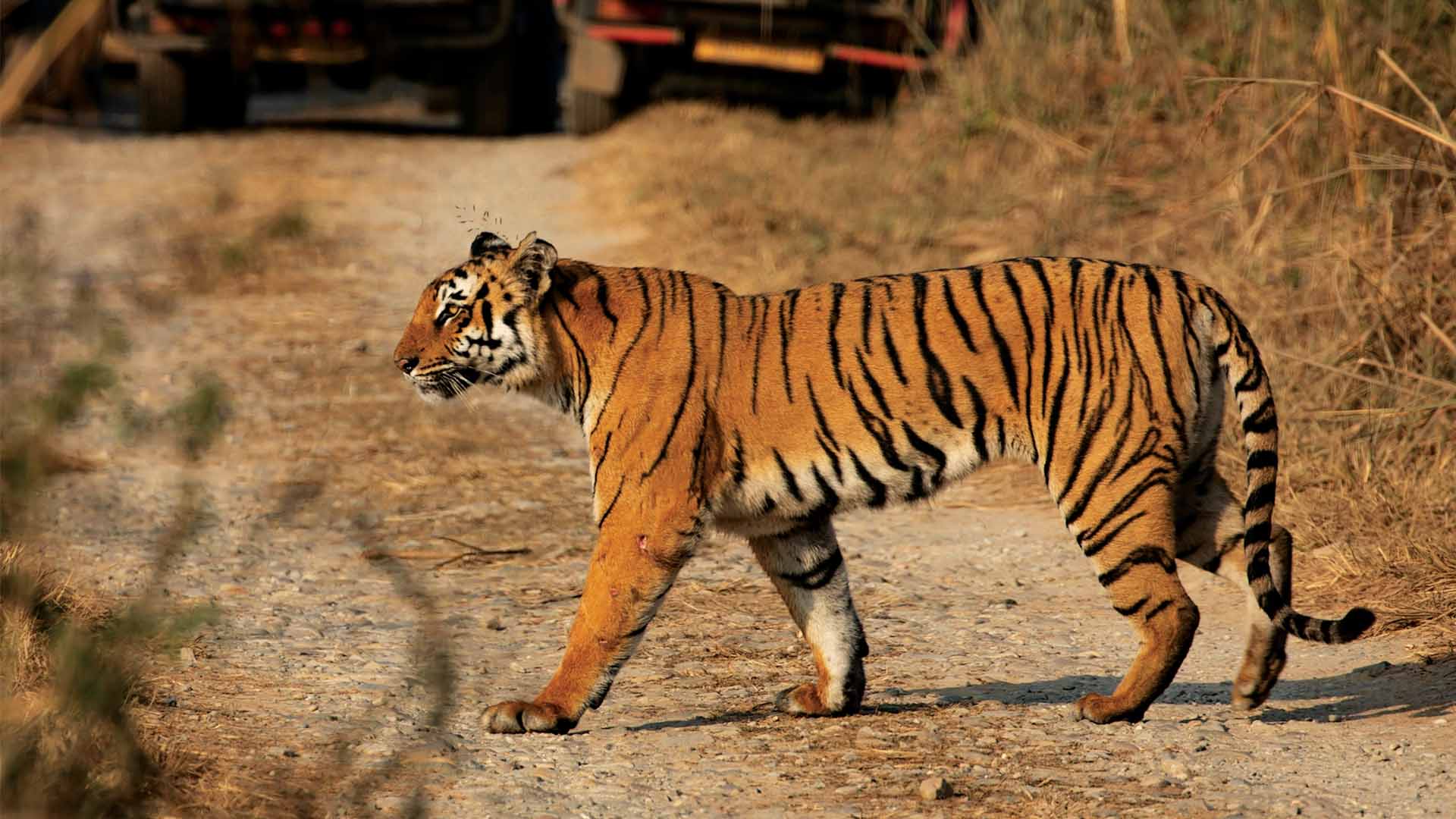
Ranthambore, located in Rajasthan, is home to a thriving population of tigers, and offers an unforgettable safari experience.
The Desert Safari
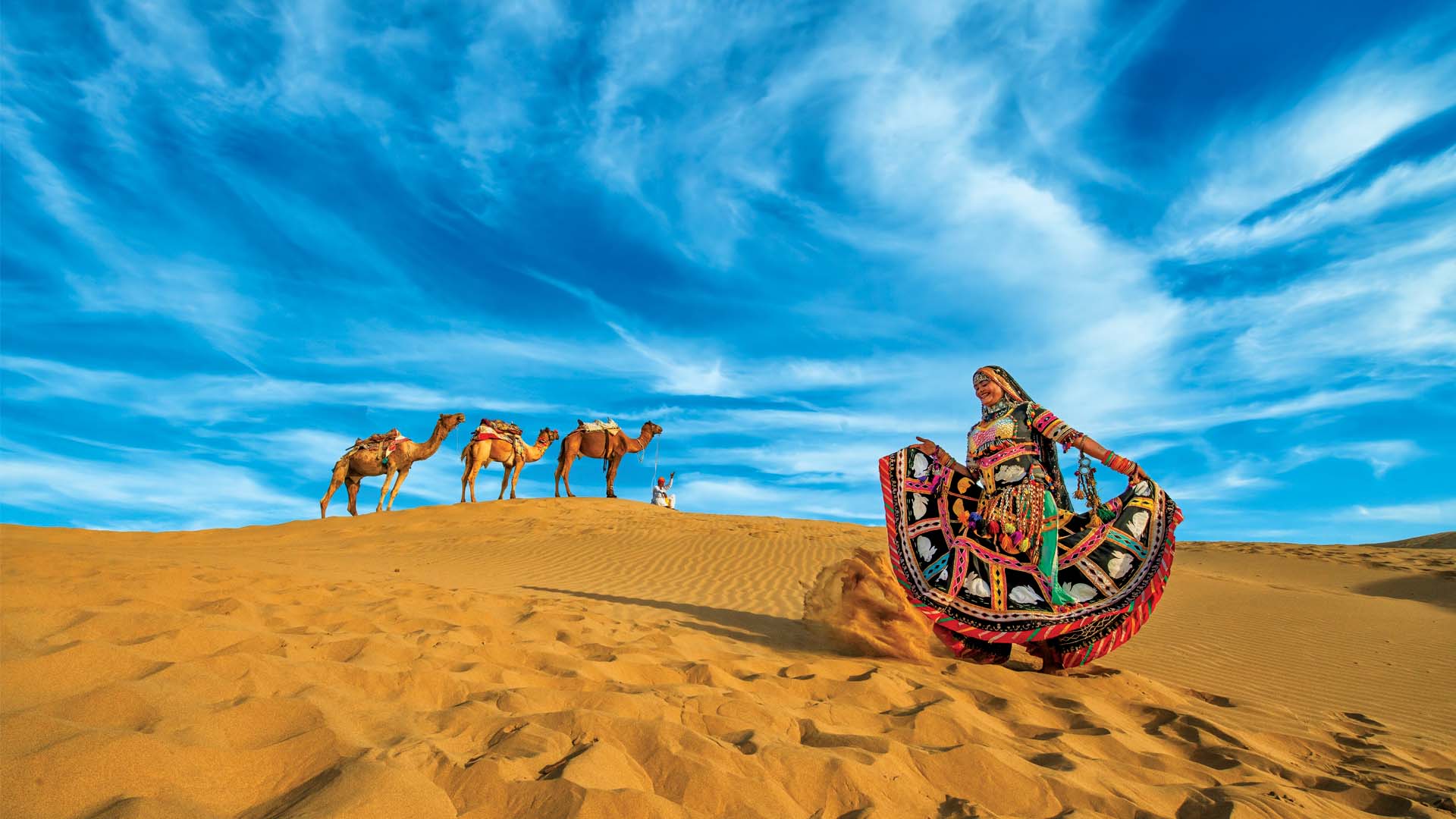
From mountains to the desert….there isn’t one topography that defines a desert in India. There is the Thar desert stretching over 200,000sq.kms., which very few people have crossed successfully; there is the white desert of Rann of Kutch, with its vast salt pans and interesting moonscapes; and there is the cold desert of Ladakh, kilometres on kilometres of never-ending desert region.
A landscape of sand and mountains: The Thar Desert spans parts of Rajasthan, Punjab, Haryana, and Gujarat, extending into Pakistan. Experience its magic with a desert safari from Jaisalmer, a city known for its golden-hued architecture reflecting the surrounding landscape. Rann of Kutch, a salt marsh with a vast, barren beauty, is home to the Kutchi people, renowned for their exquisite textiles. It also hosts the Rann Utsav, a vibrant cultural festival. Ladakh's cold desert encompasses the Zanskar Valley, Nubra Valley, and Pangong Lake, featuring barren mountains, salt flats, and elusive wildlife like the snow leopard.
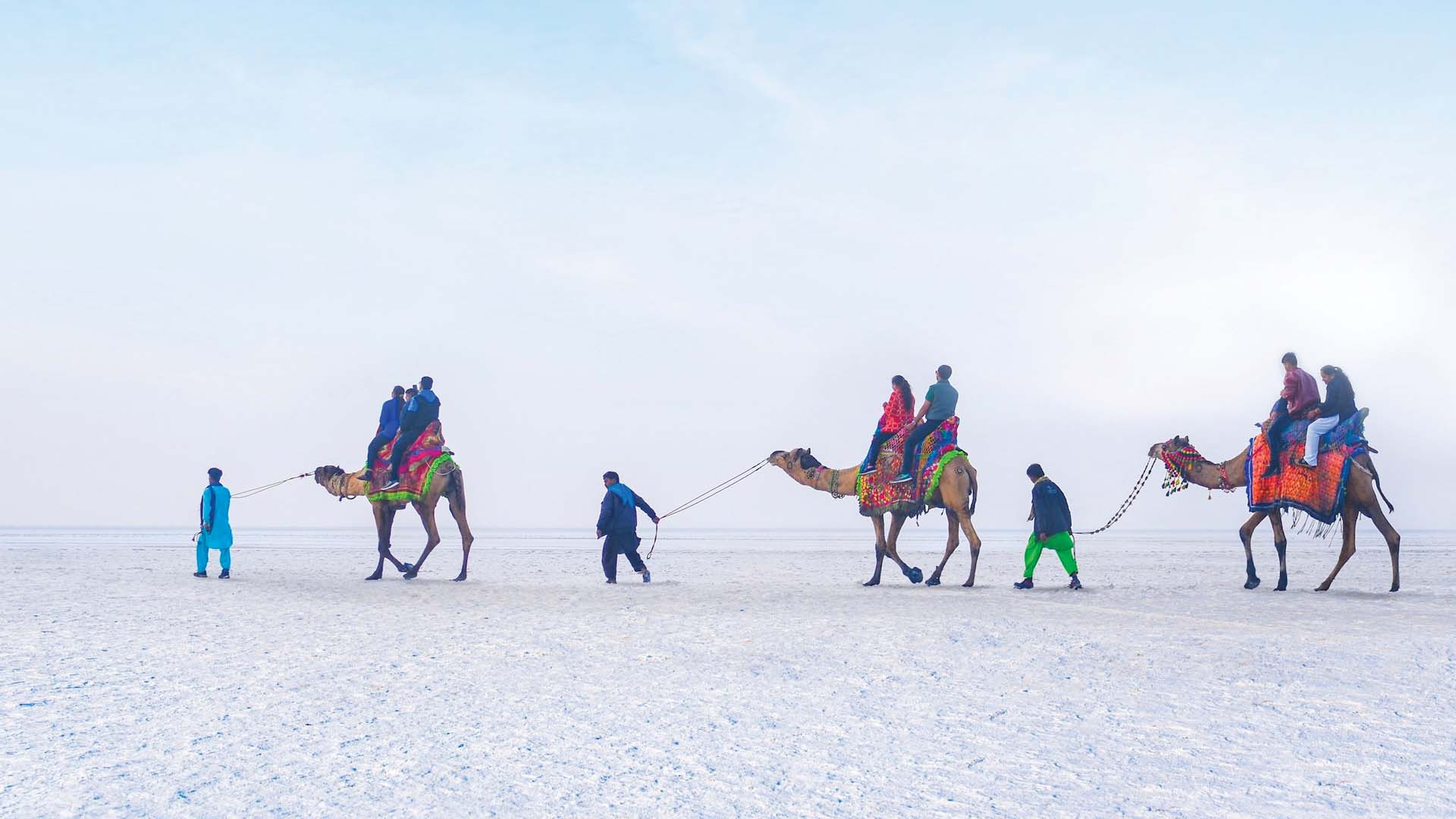
The Rann of Kutch, a vast salt desert in Gujarat, is famous for its surreal landscapes and a vibrant Rann Utsav festival.
Handmade in India
India has over 400 million artisans and thousands of handmade traditions, some of which are slipping into oblivion. From textile traditions to metalwork, and Pashmina to wood carvings from Rajasthan, there are over 2,000 years of handcrafted traditions that make the country a great shopping destination. These objects and textiles not only offer insights into India's diverse cultural heritage but also make for unique, meaningful souvenirs for travellers interested in more than surface interaction.
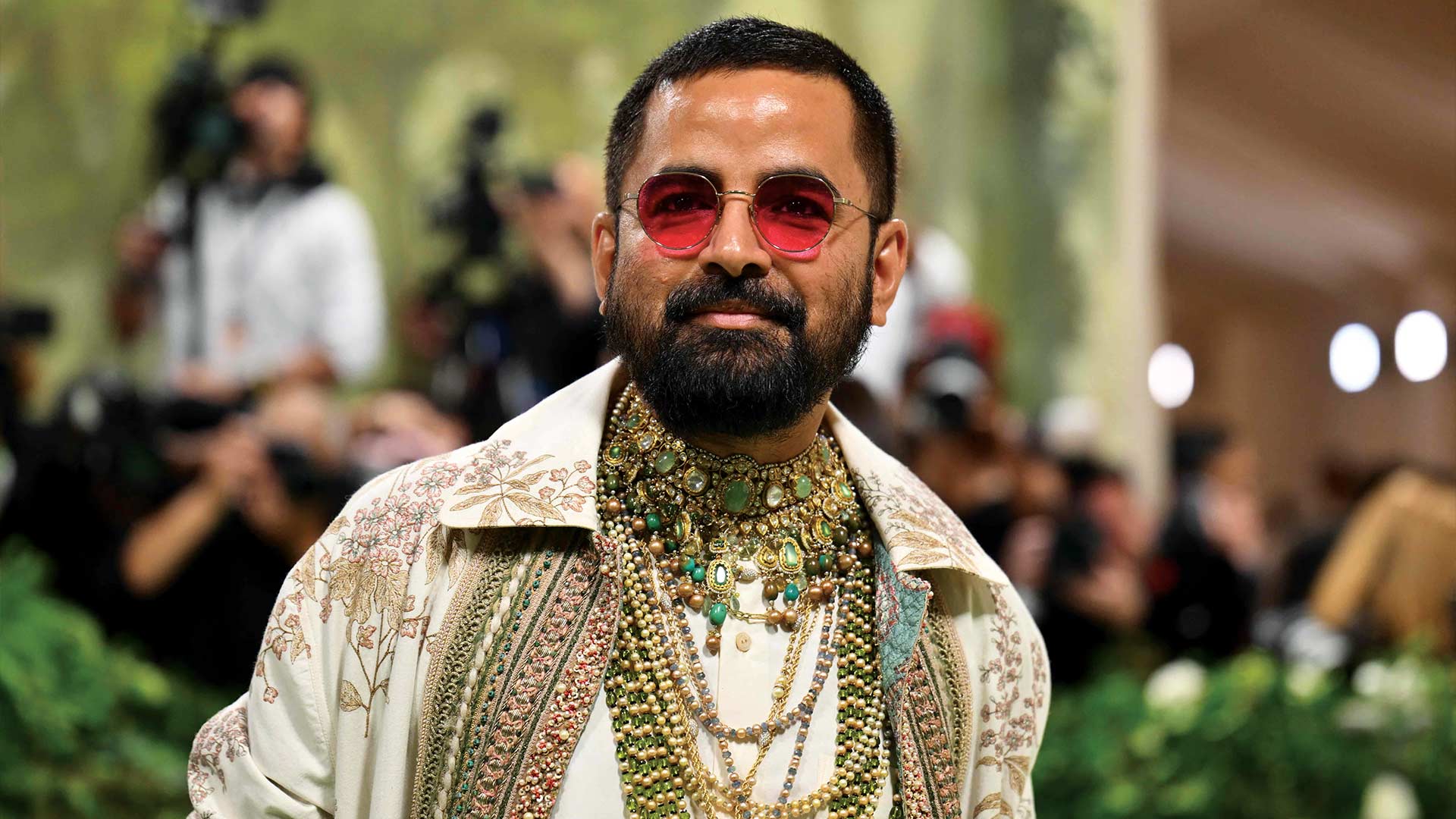
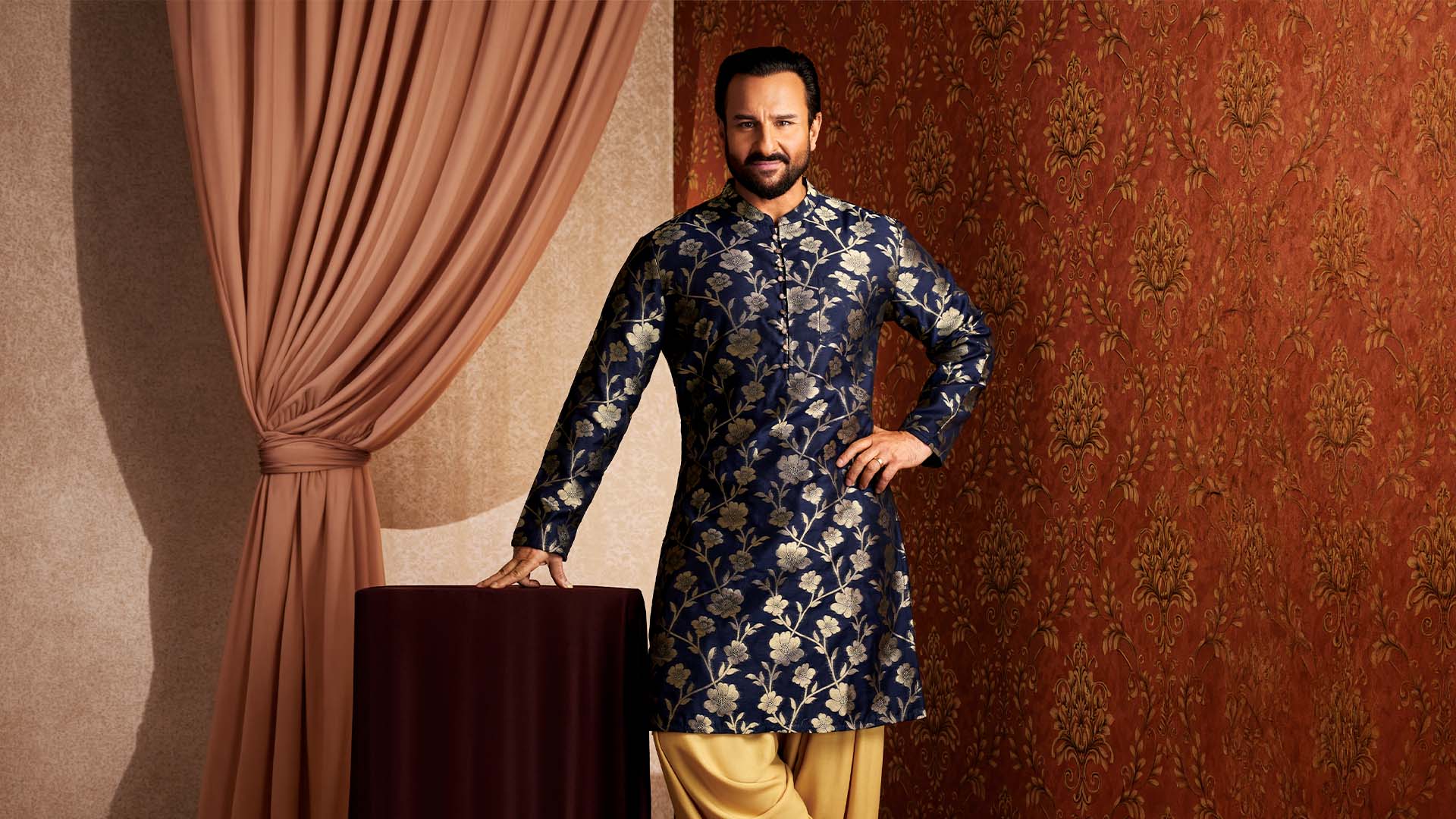
Handmade traditions: Moradabad's brassware showcases traditional craftsmanship in decorative items like lamps and vases. Ladakh and Kashmir's Pashmina shawls embody the nomadic shepherds who raise Pashm sheep and the Kashmiri artisans who weave these luxurious textiles. Varanasi's terracotta pottery reflects local mythology and daily life, while its Banarasi silk sarees, woven with gold and silver threads, are coveted by brides. Revived from near extinction, Chanderi from Madhya Pradesh and Maheshwari from Maheshwar are known for their cloud-like lightness. Though West Bengal's Jamdani may no longer pass through a ring, its softness and ancient weaving technique endure. Contemporary designers and brands like Forest Essentials, Kama Ayurveda, Sabyasachi, Rahul Mishra, Buna, Raw Mango, Nappa Dori, and Okhai champion traditional textiles and craftsmanship, offering modern interpretations of these ancient handmade traditions.

Sabyasachi Mukherjee and Raw Mango's work reflect India's heritage of intricate craftsmanship, rich fabrics, and blending of traditional and contemporary styles.
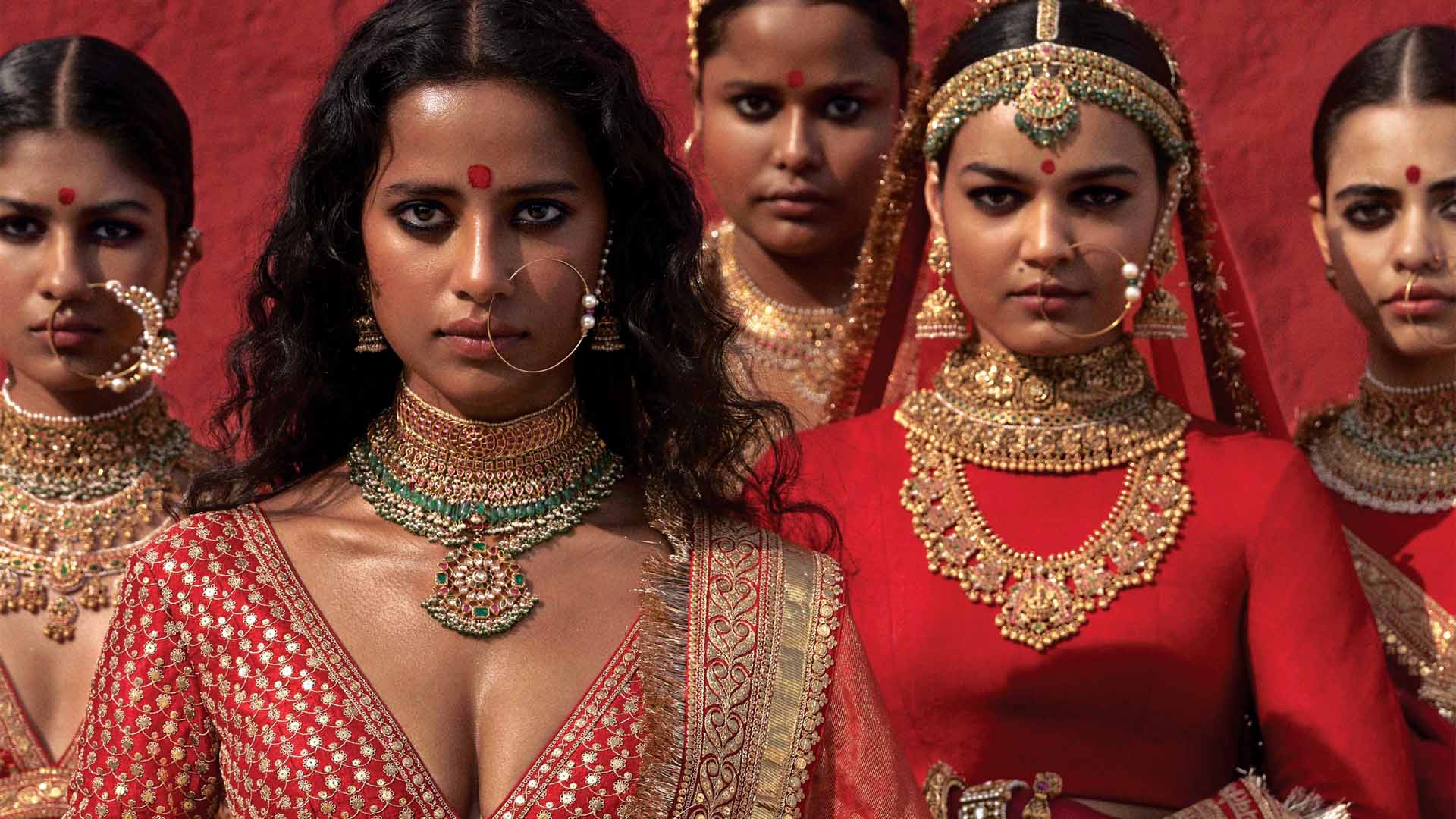
Sabyasachi Mukherjee and Raw Mango's work reflect India's heritage of intricate craftsmanship, rich fabrics, and blending of traditional and contemporary styles.