













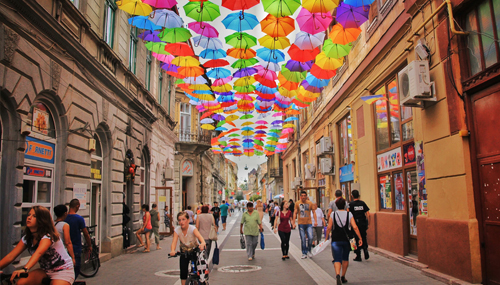

Colored by Travel
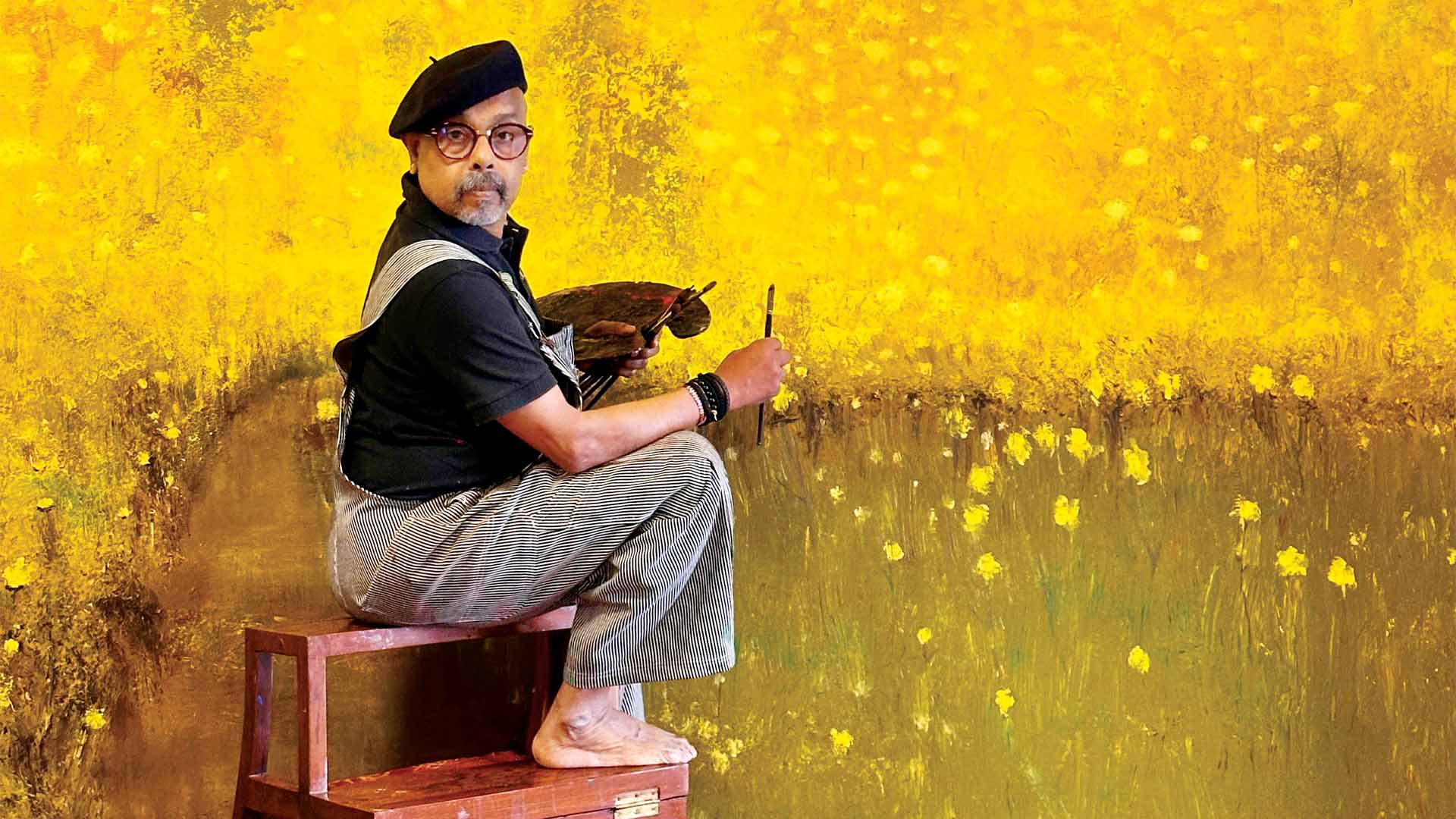
Bose Krishnamachari has come a long way from walking almost seven kilometres twice a day through paddy fields with his knapsack of school-books on his back. Join the artist and creator-curator of the Kochi Muziris Biennale (among other pioneering forays in the realm of art) on his meandering stroll down memory lane, as he muses about where his life’s journey has taken him and how travel has left an indelible imprint on his spirit.
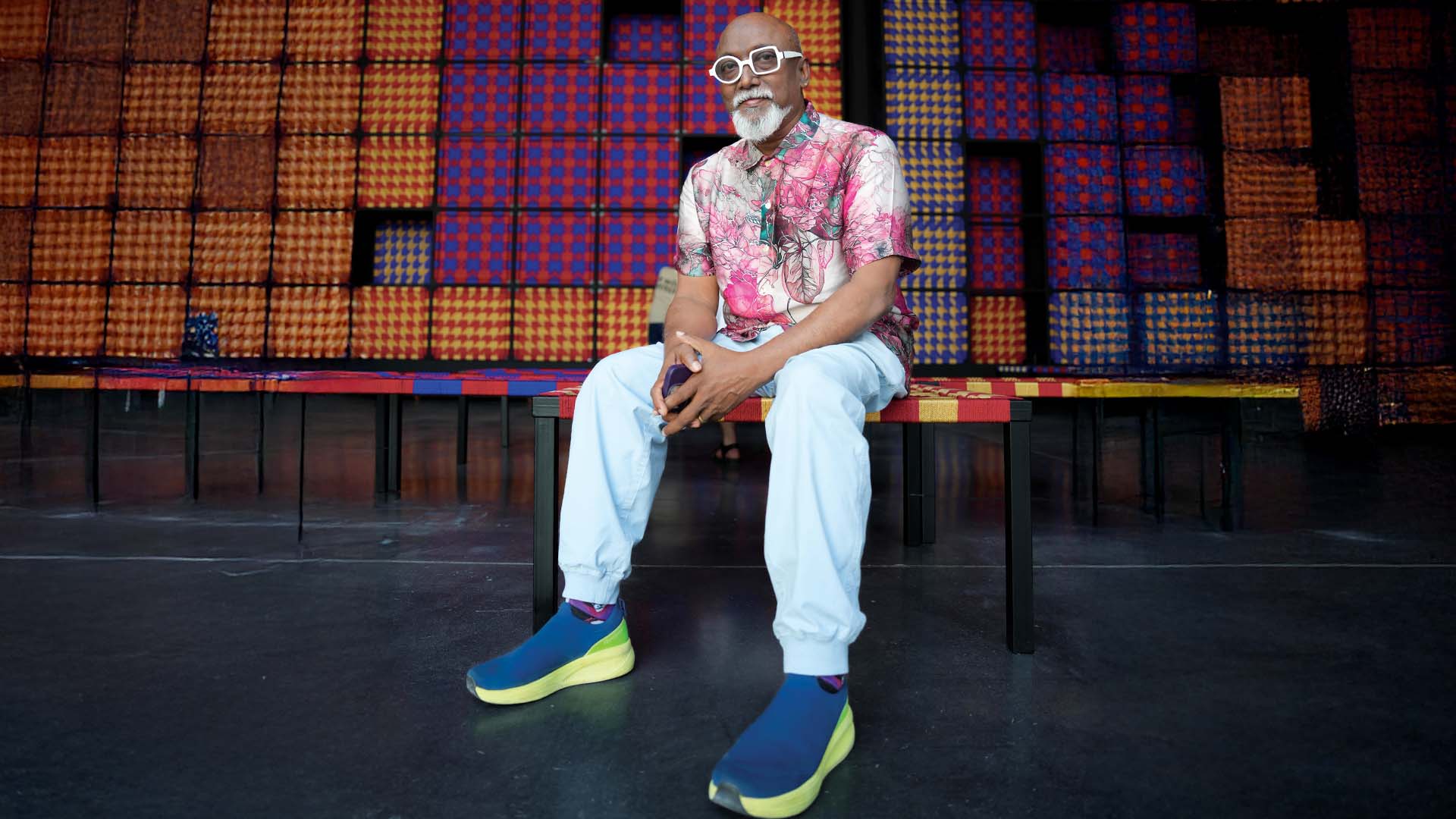

By Maria Louis
I became aware of the concept of travel as a child in my village, Mangattukara, Angamaly, in Kerala. For us, distance was first measured by the sound and sight of an Ambassador car—it was like an alien visiting our world! We would reach out just to touch it. Then, there was the train—Jayanti Janata—that passed right next to my home. I remember waving at the travellers, fascinated by the speed, the sound and the rhythm, the goods trains with a seemingly endless number of bogies, and the idea that people were going somewhere far beyond what I could imagine.
I come from a middle-class family in rural Kerala.
My earliest memories of travel were not of trains or planes… but of walking. Every day, I would walk six to seven kilometres, carrying school-books, through narrow paths that divided paddy fields, across small creeks, and over muddy, waterlogged ground. The terrain was clay-like and slippery during the monsoons. That journey—both beautiful and difficult—was my first relationship with movement and distance.
Those early travels were about access to education.
To reach my upper primary school, and later college, I relied on unreliable and rashly-driven private transport. Getting to SreeSankara College in Kalady meant navigating not just geography, but the unpredictability of roads and vehicles. But those journeys shaped my resilience. They taught me to observe, to adapt, and to dream beyond the horizon of my village.
My professional voyage began with a long train ride from my village.
In Kerala to Mumbai—a journey that didn’t just cover distance, but transported me into an entirely new world. Mumbai gave me everything. I worked in a restaurant called Mela in Worli, and my late-night commutes on the local train became a part of life’s rhythm. This local train is not just transport—it’s a theatre of life and, for me, it was a space of observation and reflection. The freedom I felt seeing people, especially women, returning safely at night, shaped my sense of the city’s modernity and openness.
Later, I received a British Council award that took me to London.
That first trip abroad was unforgettable. I had read about artists, galleries and institutions; but to see them in person—to stand before the works—was transformative. I visited Anish Kapoor’s studio in 1993, where the scale of ambition overwhelmed me. Cranes, assistants, books, pigments, scribbled notes on walls—it was a world of its own.
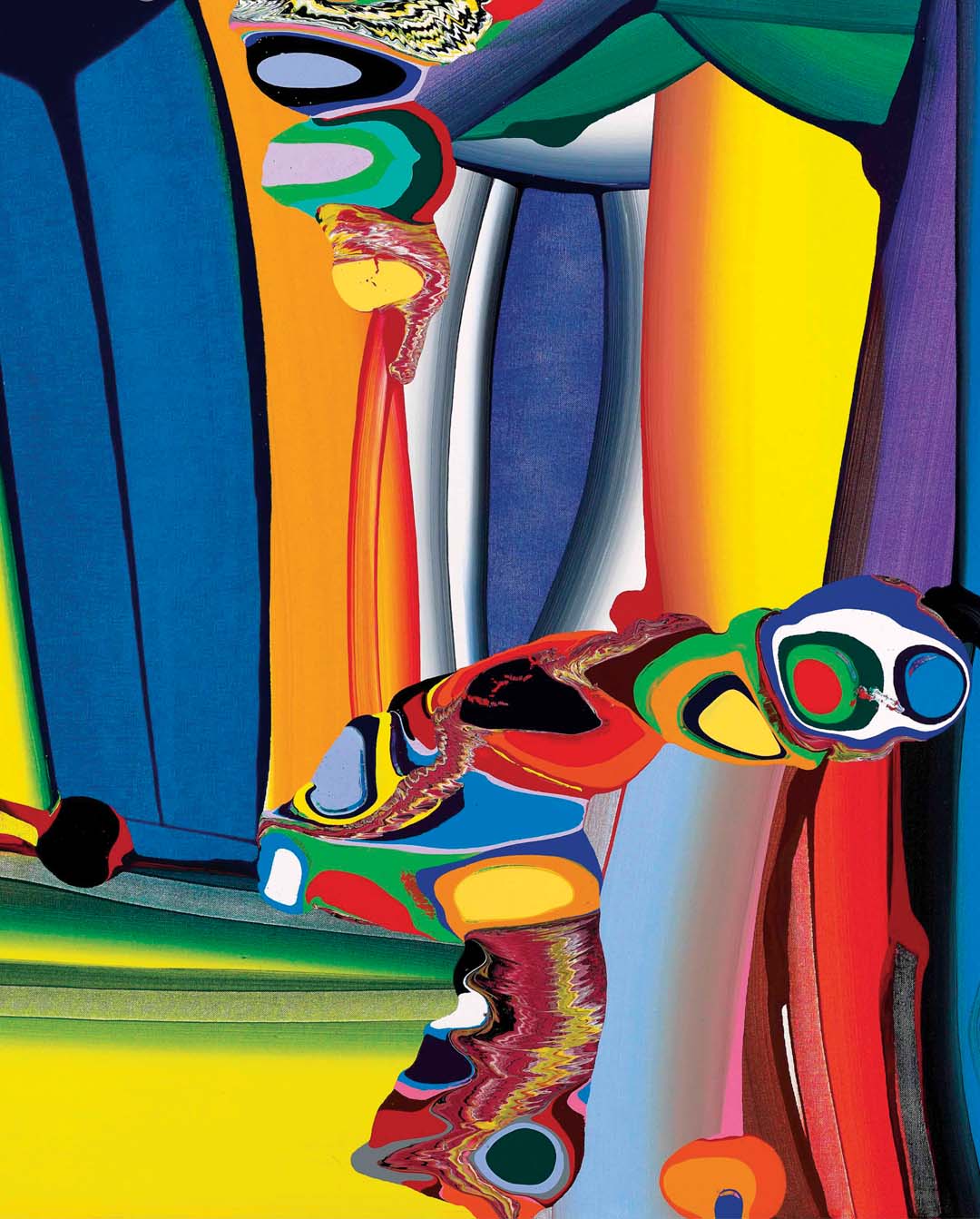
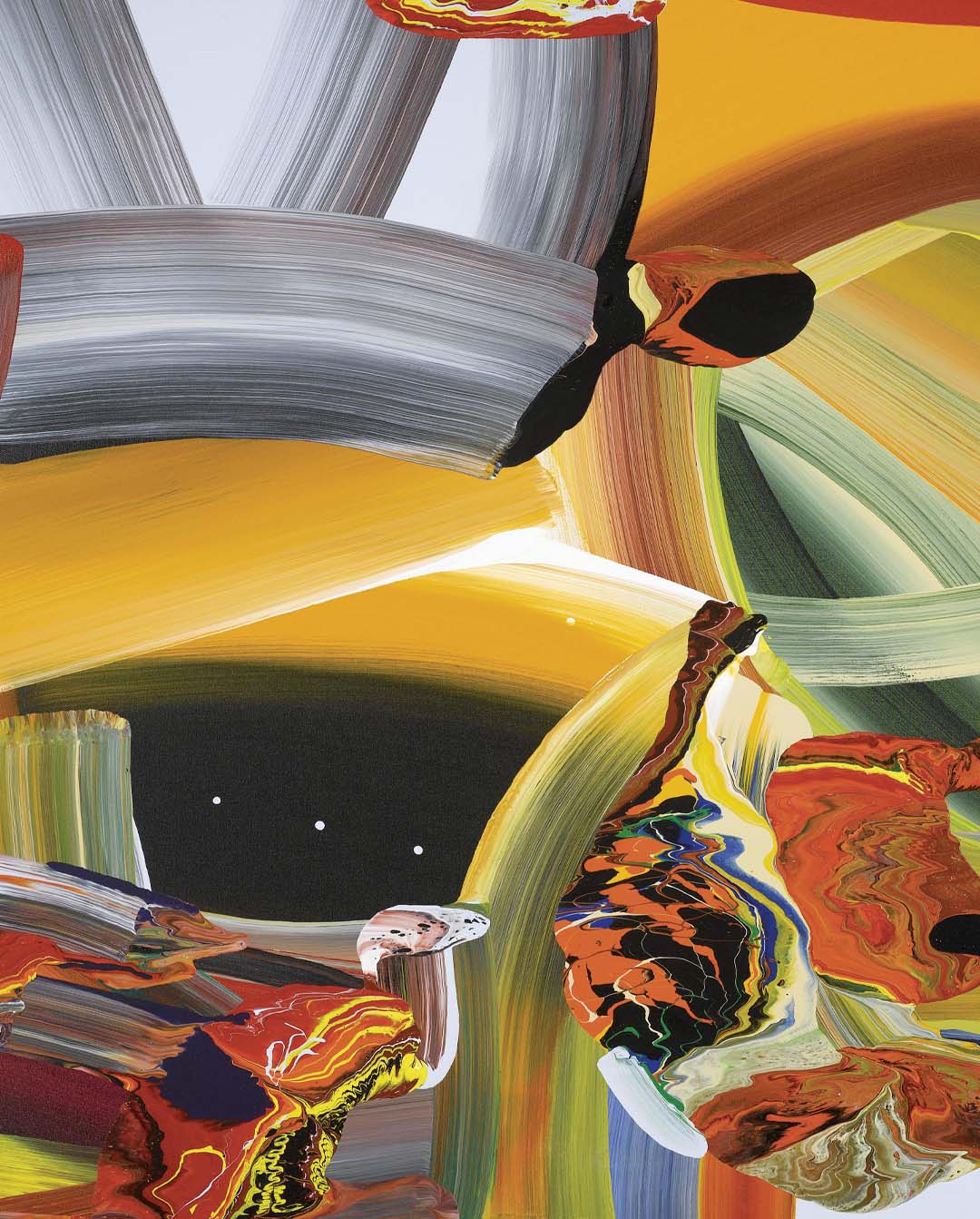
An artwork from Stretched Bodies, Bose Krishnamachari’s longest ongoing series.
In 1996, I received the Mid-America Arts.
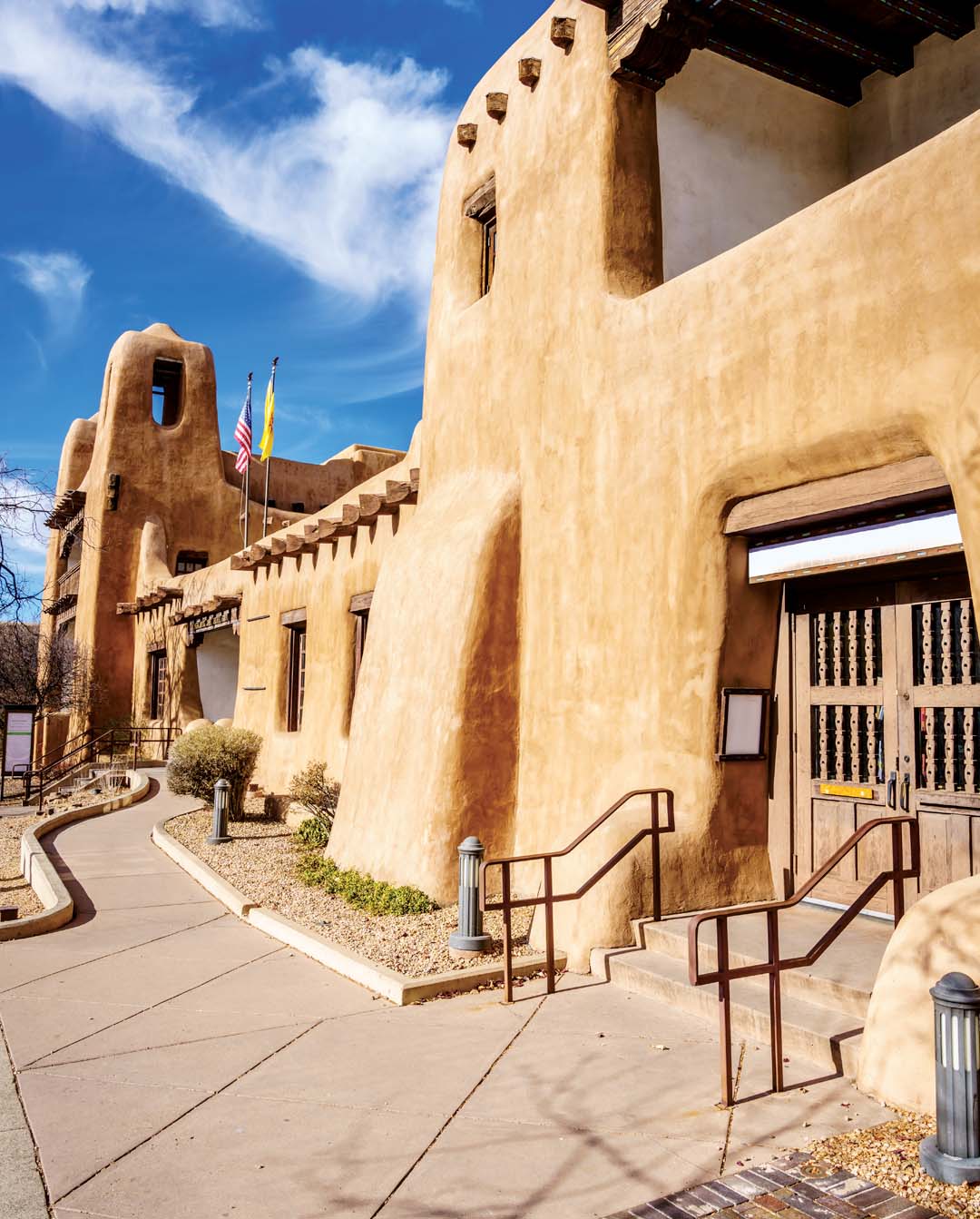
Alliance Award from the USIS, which allowed me to travel extensively across the United States—from Washington to Chicago, Atlanta, Santa Fe, LA, San Francisco and New York. I met legendary artists, architects and writers. Frank Gehry in Santa Monica. Linda Benglis in her Santa Fe studio. I stood inside Frank Lloyd Wright’s home in Chicago. I experienced Frank Stella’s vast material and physical studio and Joseph Kosuth’s conceptual-based practice.
Every space revealed a different language of creativity.
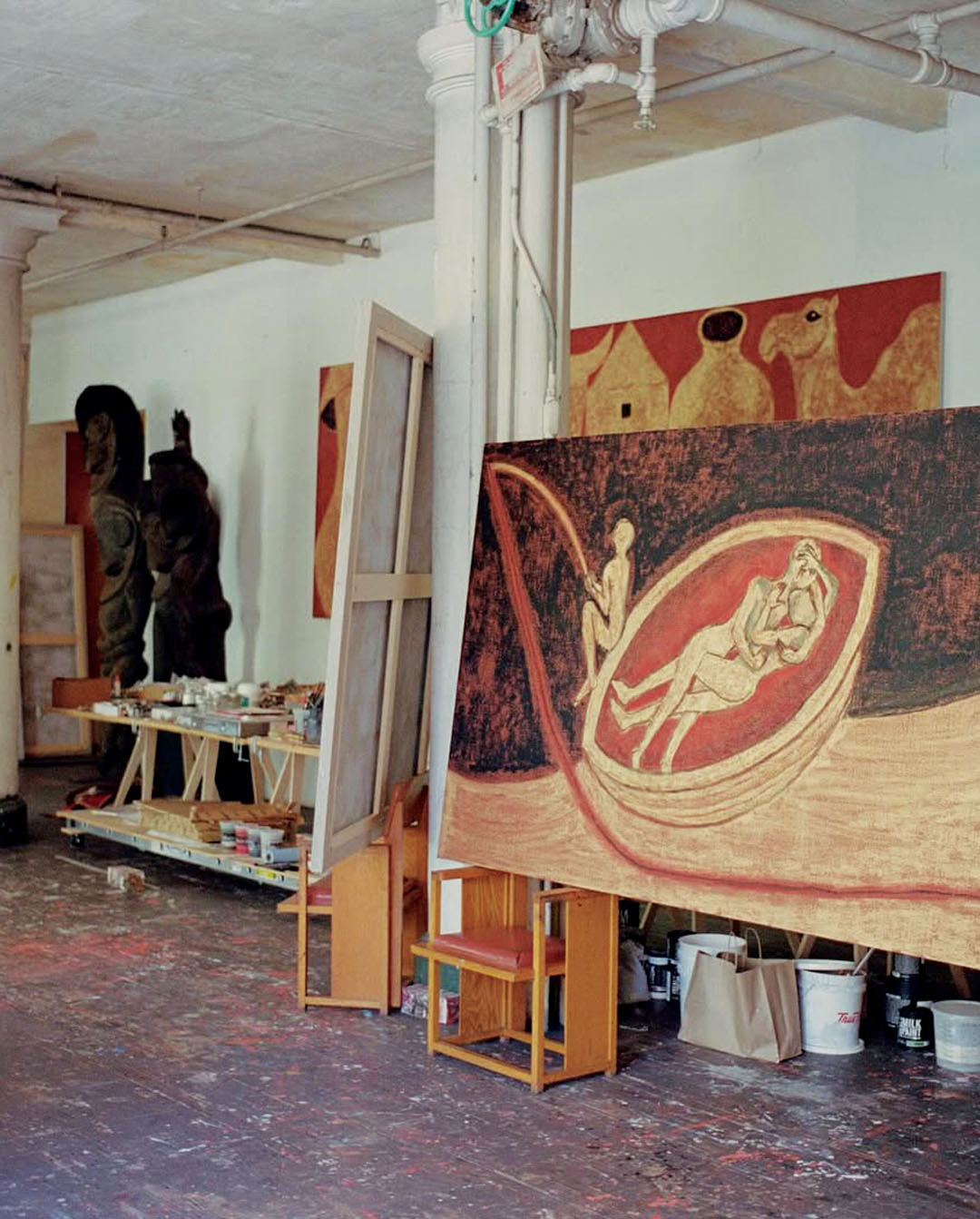
But one of the most consistent and profound inspirations have been Francesco Clemente. I’ve visited his New York studio many times, and each visit has been an experience of wonder—hundreds of drawings spread out like a visual diary of the mind.
I still remember my first extraordinary night in New York.
Francesco took me into the heart of the art world. We went to a Damien Hirst opening, and I found myself in the company of artists like David Hockney, Roy Lichtenstein—icons whose works I had only known from books. The room flashed with camera lights, media buzzed, and the sheer glamour and scale of it all made one thing clear: this world of art was bigger than Bollywood, bigger than cinema—it was global, intellectual, and full of possibilities.
Travel, for me today, is no longer just about movement.
It’s about exploration, learning, and deep seeing. As an artist and curator, I travel not to escape, but to immerse myself in new ways of perceiving the world, to encounter different ways of thinking.
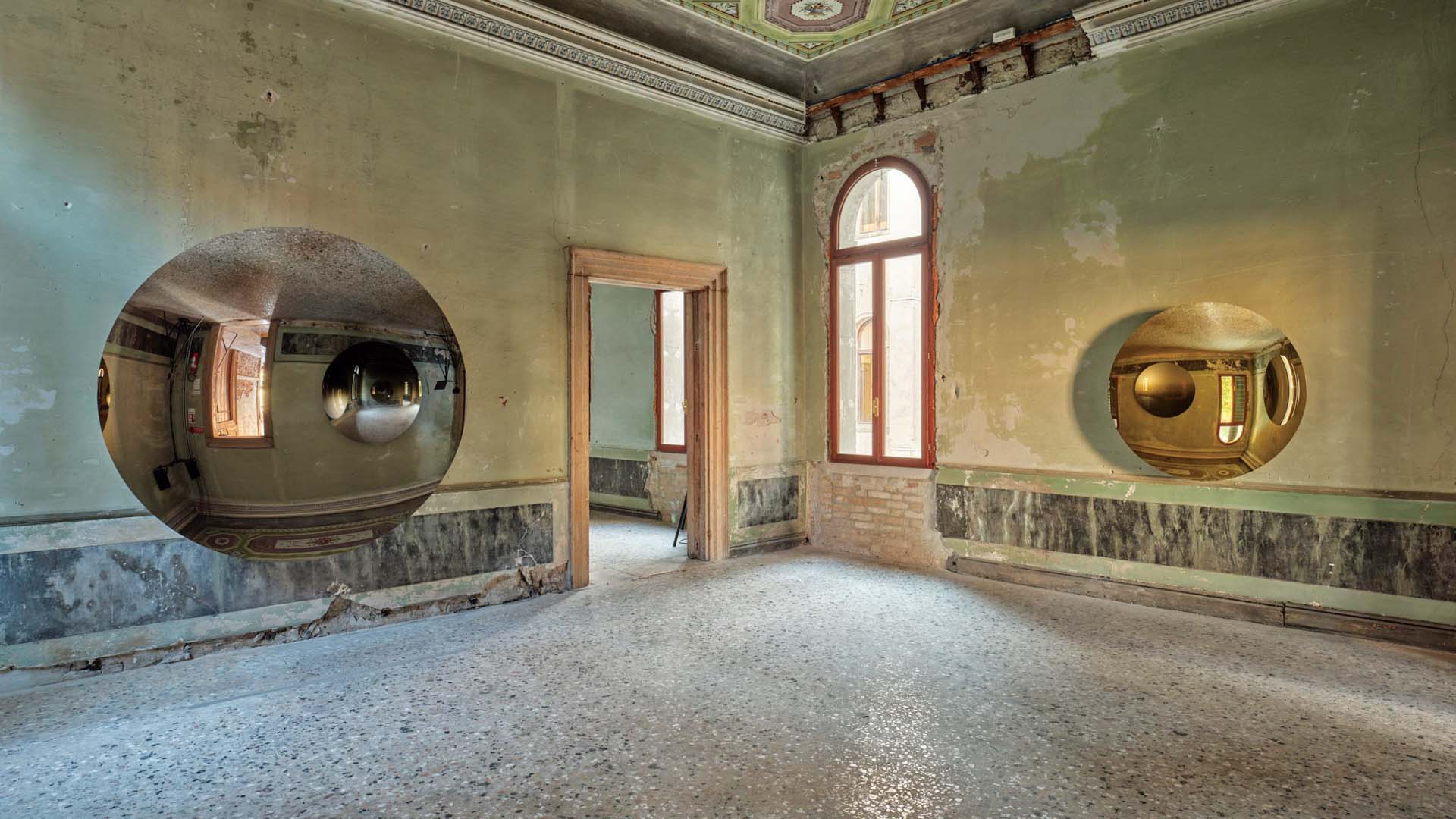
There are places that have completely transformed.
My understanding of art and life. One such is Naoshima, a small island in Japan. It’s home to the Benesse Art House and other museums whose architecture, designed by Tadao Ando, is a revelation in itself—minimal, meditative, in harmony with land, light and sea. There, I encountered Claude Monet’s water lilies like never before—enveloped by natural light in a space that seemed to breathe with the paintings. I experienced James Turrell’s work, where light becomes a material, a presence, a spiritual offering. Naoshima is a place where art and nature don’t just coexist, they converse. It made me realise that travel is not about ticking places off a list, but about being open—to transformation, to silence, to wonder.
Travel has been my teacher.
Deeply shaping my way of seeing, thinking and making. One important aspect I’ve learned through travel is how space is handled in galleries and museums internationally. I began to observe not only the artworks on display, but the entire scenography—lighting, placement, architectural design, circulation and atmosphere. How a sculpture is lit, how a painting breathes in its surroundings, how an installation interacts with the viewer—all these elements became crucial to my practice.
Architecture has been a curious and compelling space for me.
During my travels, I was often more interested in the spatial choreography of a museum than the objects. Be it a Tadao Ando-designed museum in Japan or a contemporary space in the USA, I paid close attention to how form, light and material informed the experience of art.
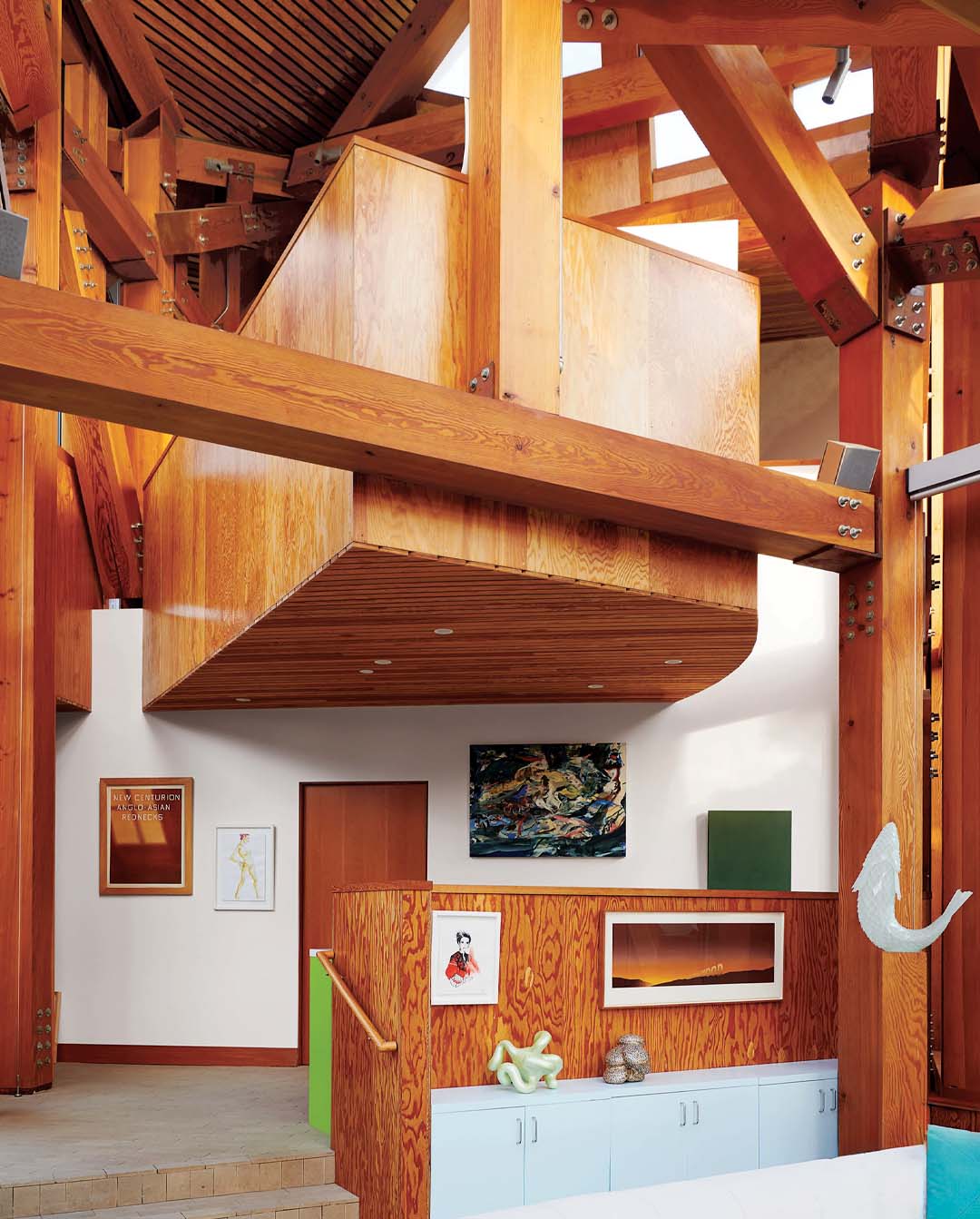
Iconic architect Frank Gehry's Santa Monica residence.
Another powerful influence is the people I travel with.
At times, I travel with fellow artists, and those journeys are filled with critical conversations and mutual learning. At other times, with collectors or architects, which adds layers of insight into art and design. Family travels—with my children, especially from a young age—brought another kind of learning: seeing through their eyes, encountering wonder without filters.
One of the most extraordinary archaeological sites I’ve seen is the Terracotta Army.
In Xi’an, China. Housed within the Emperor Qinshihuang’s Mausoleum Site Museum, this vast underground formation of life-sized terracotta soldiers, horses and chariots was created to guard the first Emperor of China in the afterlife. Its scale, detail and vision are astonishing. You feel like you are standing inside a living archive of power and legacy.
Ultimately, travel has taught me that art doesn’t live in isolation.
It lives in dialogue—with architecture, with people, with place, and with the world.
What unsettles me while travelling, is the impatience.
And loudness of human behaviour in public spaces—what I sometimes call ‘noise-making human traffic’. It’s not about sound alone, but about a disregard for others. It’s especially disheartening when you’re in a space meant for reflection. I often feel embarrassed, particularly when I see such behaviour in international contexts where it reflects poorly on where we come from.
What I like most about travel is people of the region, their culture, rhythms, stories.
Art exists in people before it exists in objects. So, every journey becomes a chance to encounter not just new places, but new ways of being, thinking and creating.
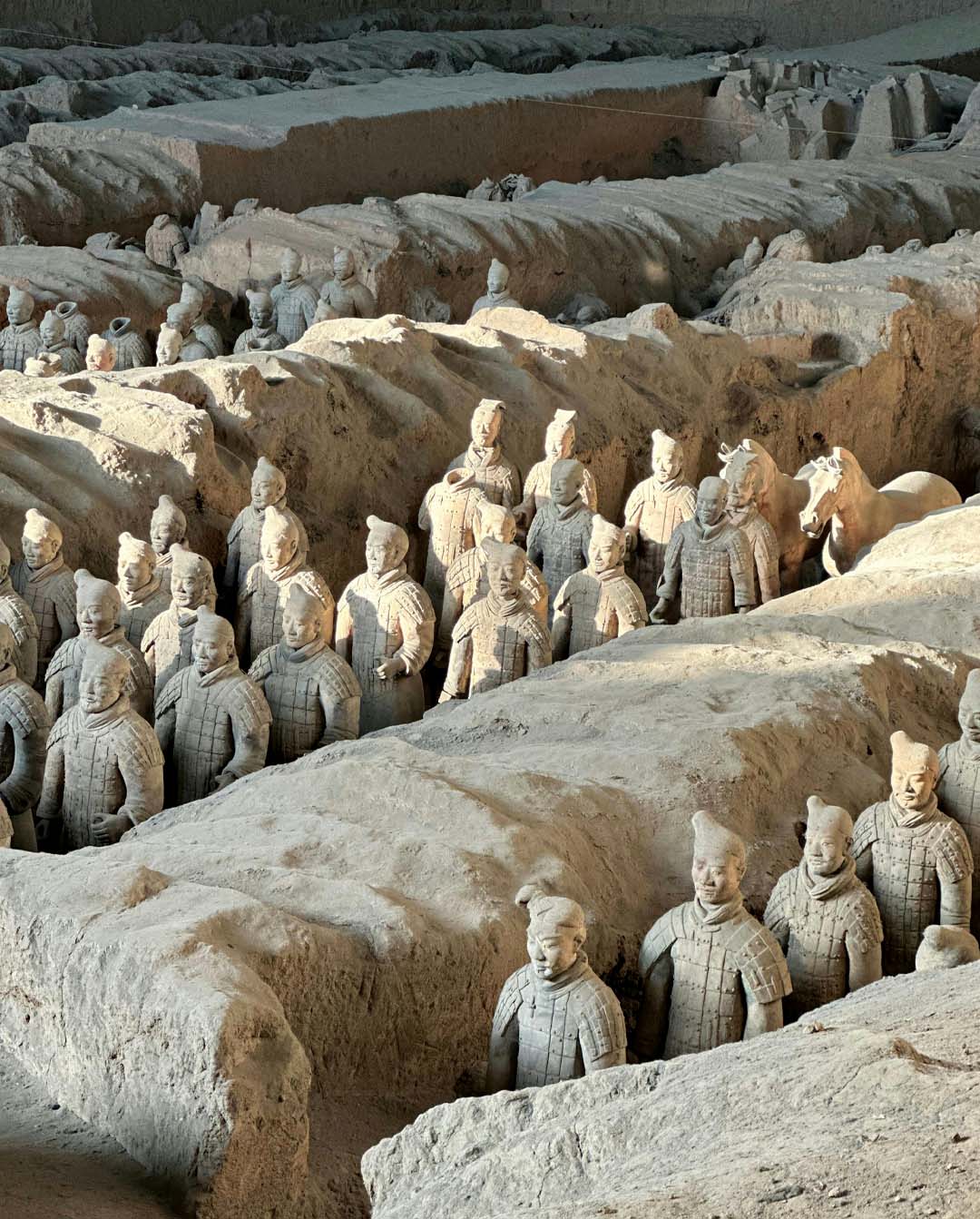
The Terracotta Army in Xi’an, China which Bose admires for its scale, detail and vision.
I also live for those moments of surprise.
Those quiet Eurekas that arrive when you’re least expecting them. Every unknown space has something to reveal. That sense of not knowing what next—it’s incredibly beautiful. Whether it’s stumbling into a local festival, discovering an artist’s studio tucked away in a corner of a city, or sharing a conversation over tea with someone I’ve never met before—it’s what makes travel magical.
One of my most unexpected experiences was…
Being the guest curator at ARCO 2009 in Madrid. I hadn’t anticipated the sheer vitality of the city during the fair—it was more than an art event; it was a full-bodied celebration of life, culture and creativity. What stood out was the energy of the people—the way the Spanish and Latin American communities come together with such spirit and passion. The conversations spilled out into the streets, into the evenings, into shared meals and spontaneous performances.
I’ve loved many countries, cities and rural landscapes.
Each for different reasons. But the one that stands out is the Naoshima Island in Japan. There’s a profound serenity there, shaped by a rare harmony of art, architecture and life—curated through the vision of Soichiro Fukutake and his foundation. The placement of artworks, like Yayoi Kusama’s piece reaching toward the sea, remains unforgettable.
Japan feels like a land of beautiful contradictions.
Deep-rooted traditions coexist with radical contemporary design—in fashion, in architecture, in everyday life. There’s maximalism in its aesthetic language, yet its living spaces are often deeply minimalist. That tension, that balance, fascinates me. I find a similar spirit in parts of Kerala.
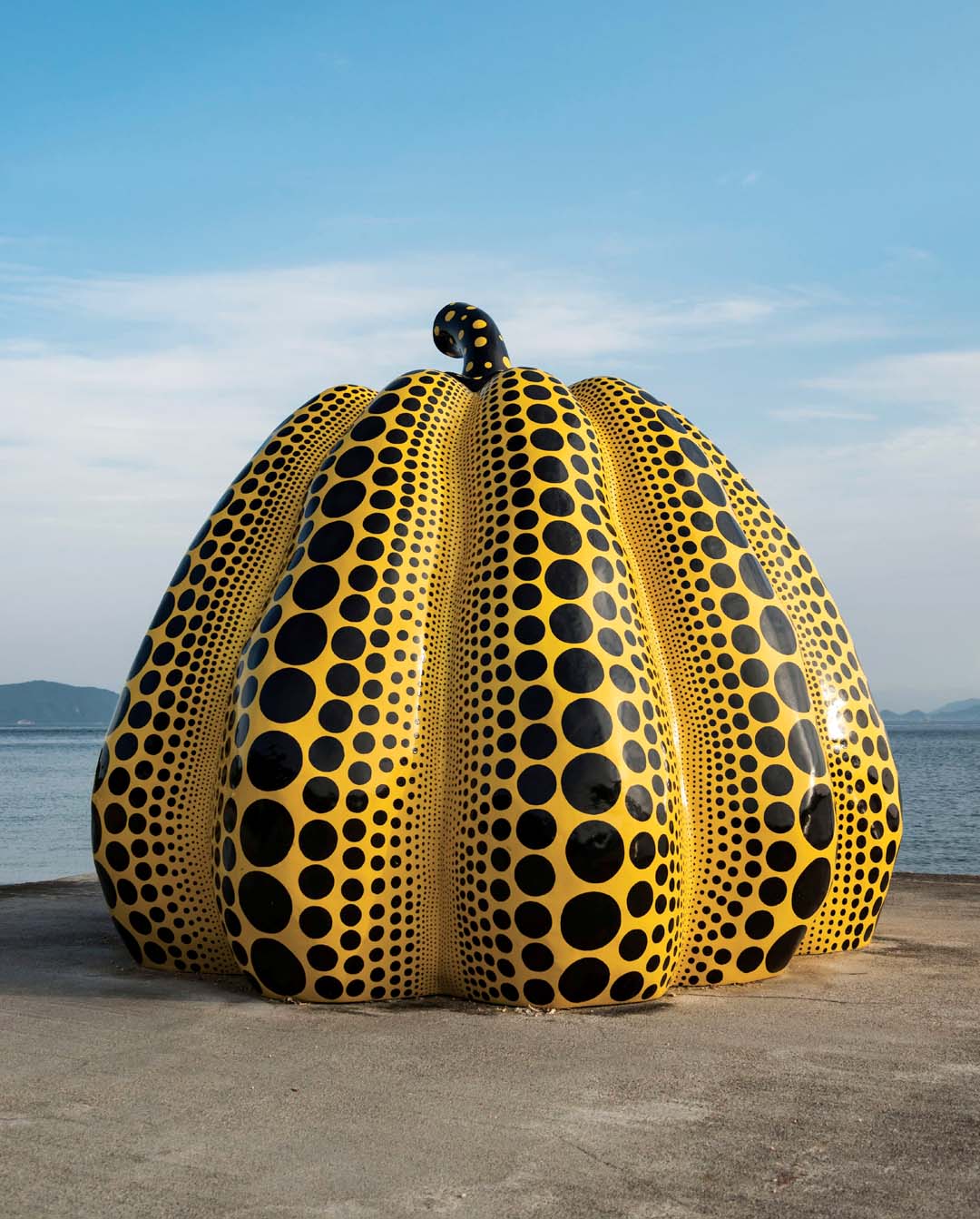
Yayoi Kusama's Yellow Pumpkin sculpture at Naoshima Island, Japan.
Another place close to my heart is the home of Frida Kahlo.
In Mexico. That small, vibrant space—washed in blue and pink, surrounded by nature—still holds her presence. It’s not just a house, but a living memory of the artist herself.
The home Le Corbusier designed for the Sarabhai family in
Ahmedabad is another space I return to in thought. That house became a haven for greatness—where artists, musicians, thinkers lived, created and shared ideas. That atmosphere still resonates.
There are so many places I hold close.
For me, it’s never just about geography—it’s about memory, emotion, and the way certain spaces seem to breathe.
I’ve travelled several times for academic and professional reasons.
Whether studying in London, or through scholarship and travel awards in the US and elsewhere. But the most meaningful journeys have been those shared with friends and family. It’s in those travels that memories are made—through conversations, laughter, unexpected incidents, small accidents. That shared experience becomes a kind of living archive.
I’m deeply drawn to places that are rich in natural beauty and cultural heritage.
Places that feel untouched yet profoundly soulful. The Andaman and Nicobar Islands, with their crystal-clear waters, coral reefs and quiet beaches, offer a kind of elemental solitude that’s hard to find elsewhere. Bhutan, on the other hand, is a country that breathes philosophy—with its monasteries perched on cliffs, traditional architecture, and a people deeply rooted in values of happiness and harmony. In both places, I find the kind of simplicity and grace that stays with you long after you’ve left.
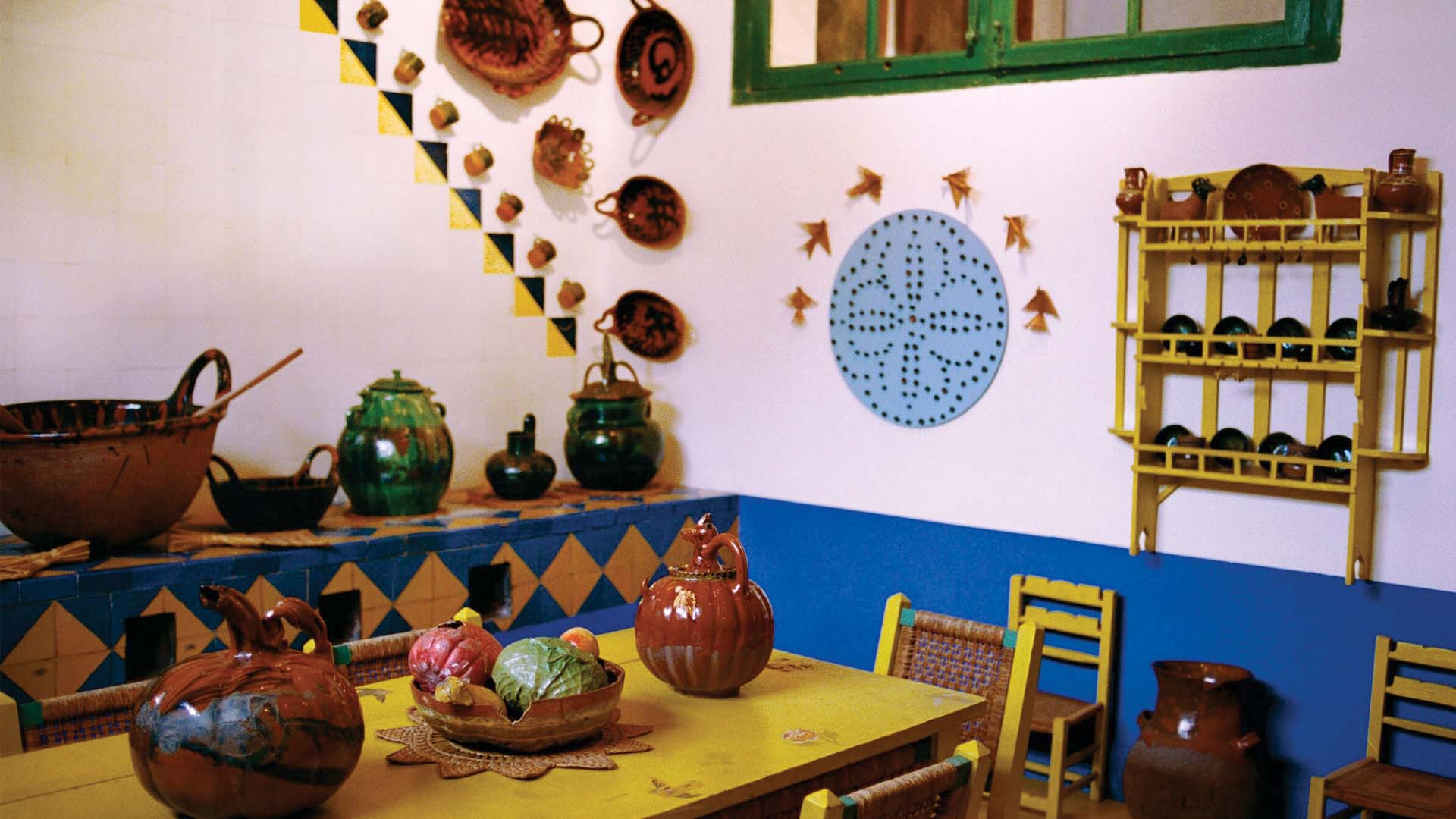
Frida Kahlo's small, vibrant home is close to Bose's heart.
Lunuganga, Geoffrey Bawa’s country estate in Sri Lanka, remains one of the most enchanting places I’ve visited.
It’s an atmosphere, a philosophy made tangible. Nestled atop a hill and unfolding gently toward serene waters, the estate is a masterclass in architectural storytelling. The experience is heightened by the open veranda restaurant—simple, elegant, and deeply connected to its surroundings. Every perspective—across land, water and sky—feels intentional yet effortlessly poetic. Being there is like stepping into Bawa’s mind: a space where architecture dissolves into landscape. For anyone who loves architecture, it’s a pilgrimage worth making.
If you want a heightened experience of art…
Head to Japan for the Sakura or cherry blossom season from late March to early April, to Basel during Art Basel in June, to London and Paris in October, to Miami Basel in December and, finally, don’t forget the Kochi-Muziris Biennale (from mid-December) until March 2026. See you there!
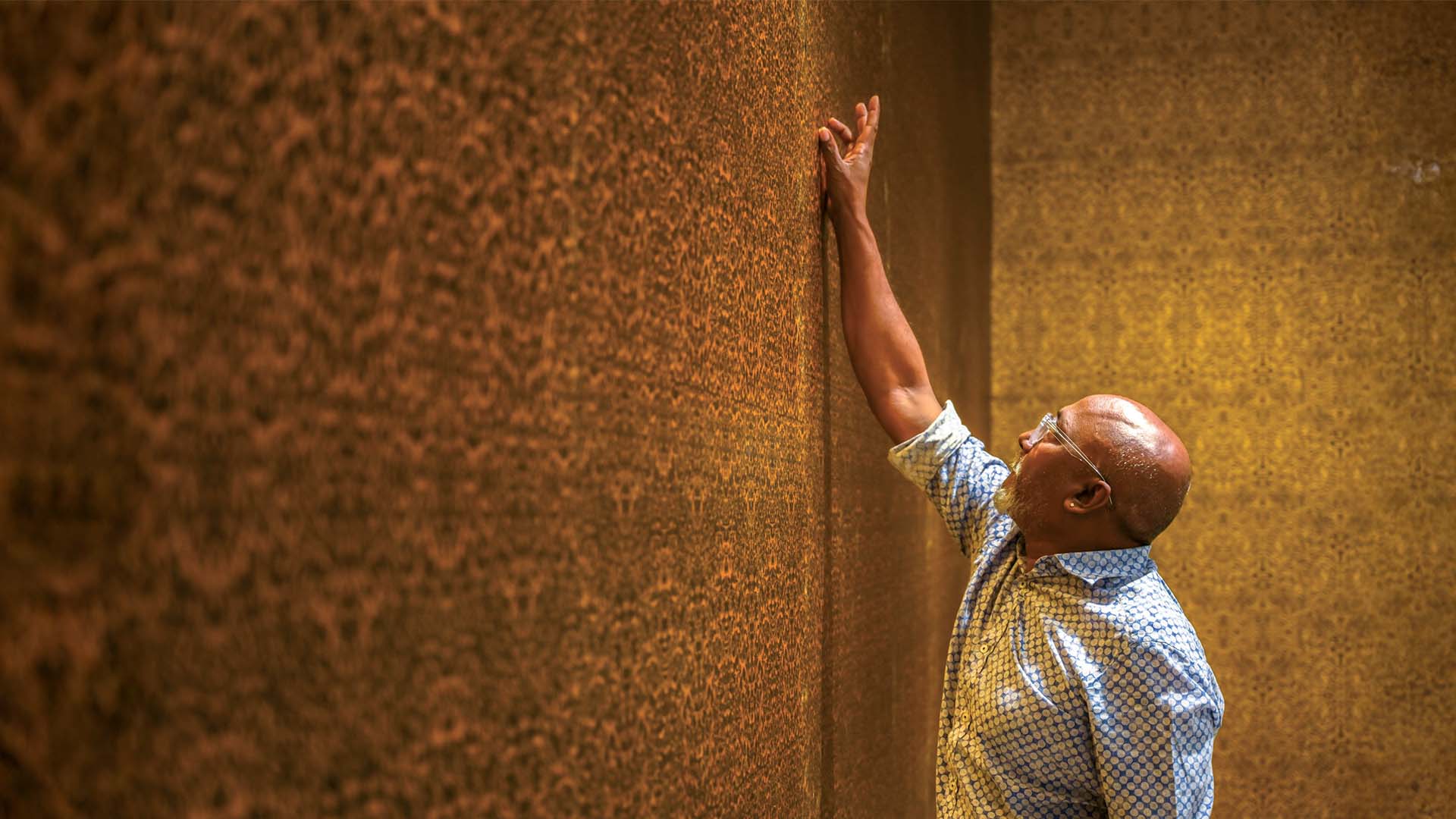
Travel has taught Bose how space is handled in galleries and museums internationally.
Memorable Museums
- You must visit Basel, Switzerland, during its Basel Art Fair; but even otherwise, the city’s cultural fabric is extraordinary. The Fondation Beyeler, designed by Renzo Piano, is an exceptional space—where art, architecture and landscape are in perfect dialogue. The Kunsthalle Basel, along with numerous smaller museums and institutions, makes Basel one of the most culturally vibrant cities in Europe.
- In Paris, the Centre Pompidou remains a long-standing favourite—for its radical architecture and the way it democratises access to contemporary art. The Palais de Tokyo stands out for its openness to experimentation and scale, while Lafayette Anticipations offers a bold, forward-thinking curatorial program in the heart of the city.
- I have a deep admiration for architectural museums. The Vitra Campus in Germany is a pilgrimage site in this regard. The Vitra Design Museum, designed by Frank Gehry, and other buildings on the campus—including those by Herzog & de Meuron—are as inspiring as the exhibitions they host.
- In Japan, the Chichu Art Museum on Naoshima Island, designed by Tadao Ando, is unforgettable. It’s a spiritual space. The use of natural light and geometry, the presence of works by Monet, James Turrell and Walter De Maria, create a profound experience.
- In Madrid, I was moved by the Museo Reina Sofía—especially by the presence of Picasso’s Guernica, which stands as both an artwork and a political statement.
- The Louisiana Museum of Modern Art in Denmark holds a special place in my heart for how beautifully it blends art; most part is underground galleries, architecture, and nature, sea shore—creating a contemplative environment that stays with you.
- Closer to home, I greatly value the Kiran Nadar Museum of Art. In Delhi for its dedication to Indian modern and contemporary art, and Calico Museum of Textiles in Ahmedabad, which is quietly building an important presence in the Indian art ecosystem.
- Then there is Museo Frida Kahlo in Mexico City—an extension of the artist herself. Every corner of the house still pulses with her memory, her colours, and her life force. These are not just institutions. They are spaces of memory, imagination and deep resonance—each one continuing to live with you long after you leave.
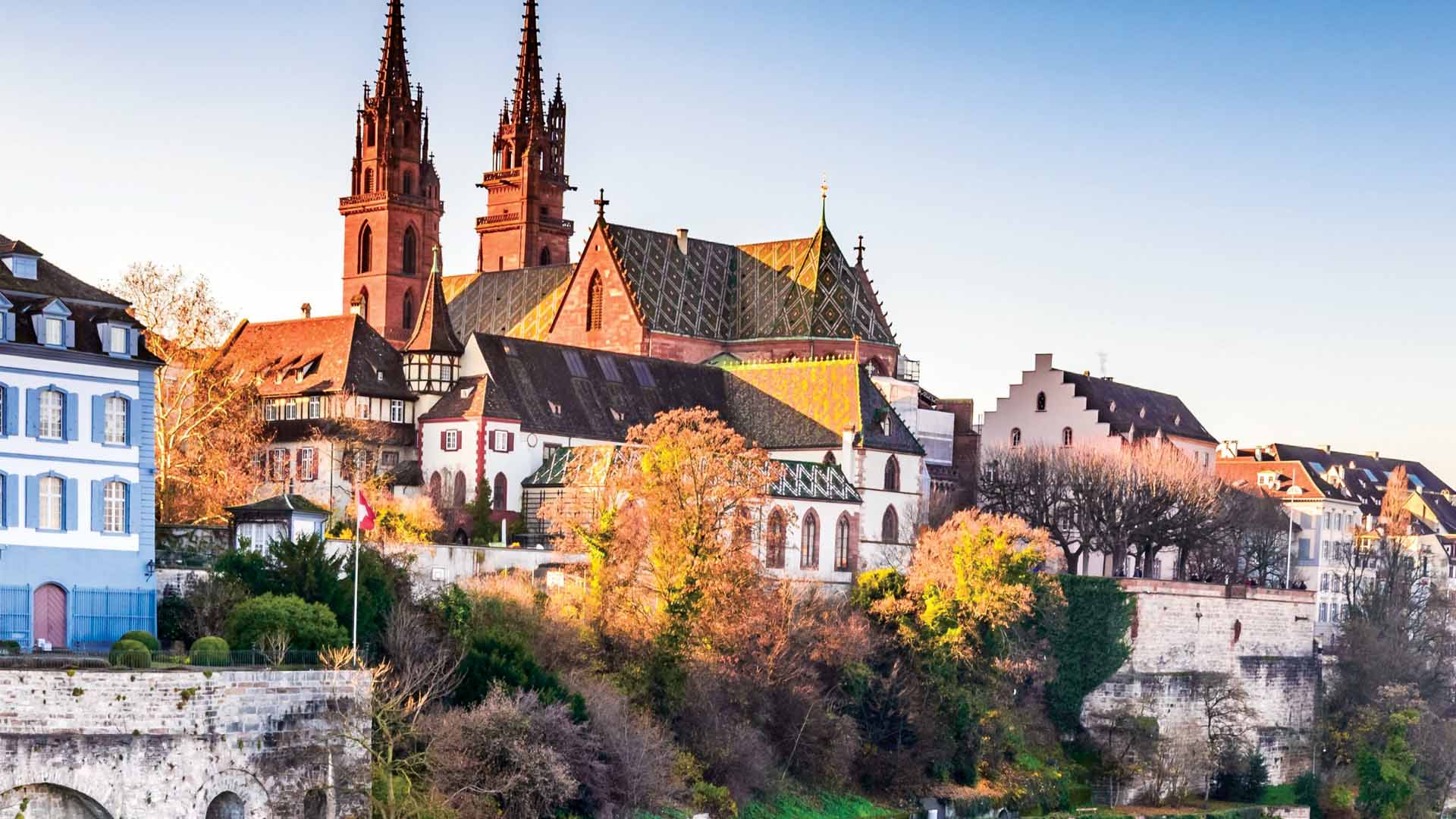
The artist recommends visiting Basel, Switzerland, during the Basel Art Fair.
Memorable Stays
I personally love staying in Boutique hotels.
I love staying in boutique hotels — whether I’m travelling solo or with friends. There’s usually an intimacy to the space and, often, a quiet area where conversations can naturally unfold. Boutique hotels tend to reflect the spirit of the place—they’re designed with thought and a sense of place, which I appreciate.
That said, I don’t mind staying in small, simple accommodations.
Especially when the destination is the main focus. Take Venice, for example: when you’re immersed in art, gondolas, architecture, parties and events, you don’t need a luxurious stay. The city itself offers the richness. But often, gatherings do happen in luxury hotels—those spaces become social hubs, which also have their charm.
One of the most luxurious experiences I’ve had was in Turkey.
Four unforgettable days and three nights during a friend’s wedding celebration. We stayed in a palace hotel in Istanbul overlooking the Bosphorus, where each room felt like a chapter from a different story. The days were filled with music, dance, conversations, and a kind of international camaraderie that’s rare. On the last night, we were on a yacht, gently gliding along the strait, watching minarets glow under moonlight. It felt timeless, a blur of history, emotion and joy. True luxury, for me, is not just comfort—it’s emotional resonance and freedom.
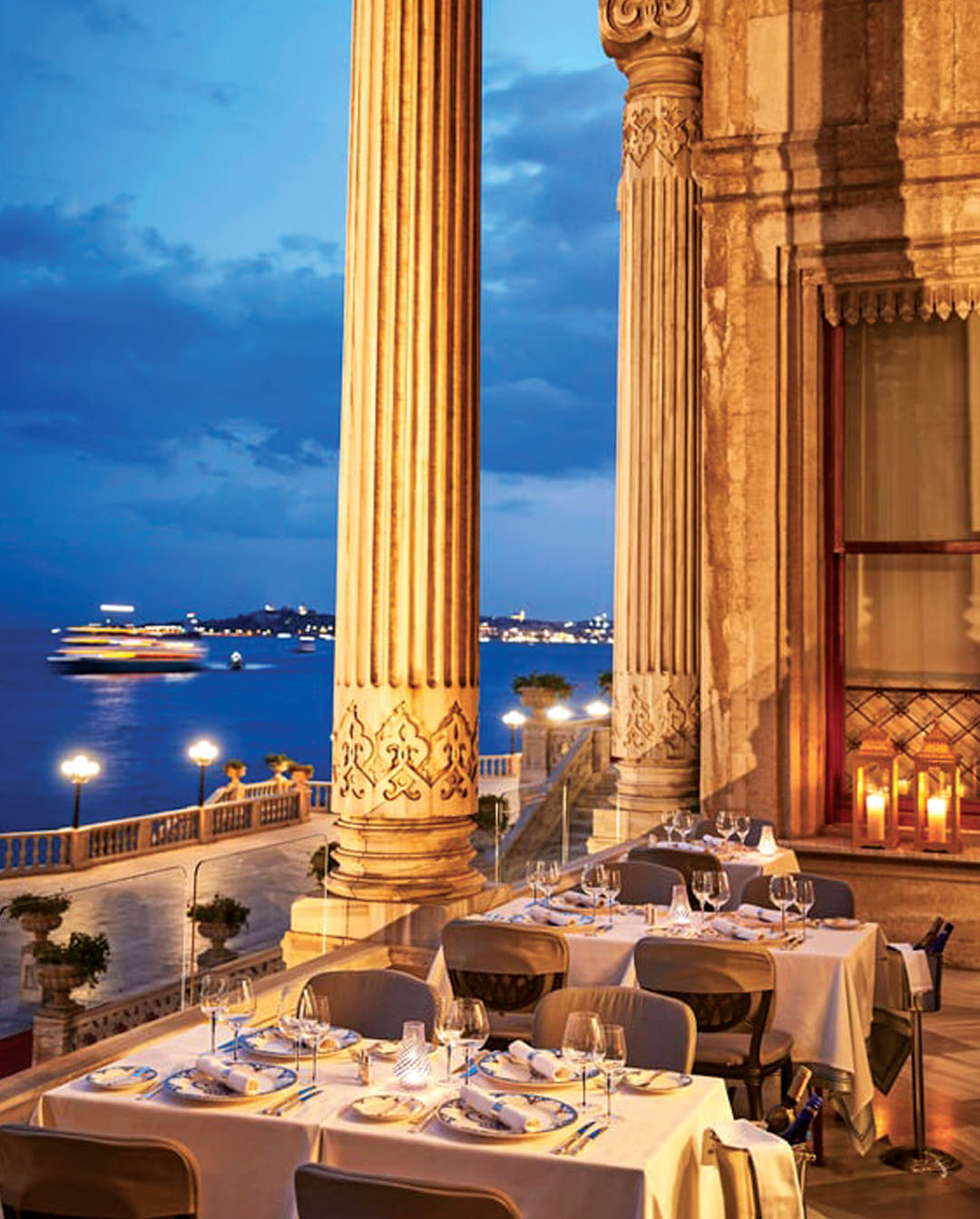
Staying in a palace hotel in Istanbul overlooking the Bosphorus, was one of the most luxurious experiences Bose has had.
Memorable meals
While I enjoy experiencing the local cuisine wherever I go, it’s not the deciding factor for choosing a destination.
I find the most comfort in simple, home-cooked meals. That said, I do appreciate the artistry of food. I often take photographs of beautifully crafted dishes—especially when chefs treat the plate like a canvas. Aesthetics matter to me, even in food. But the real joy is in sharing meals at home—with my wife, with family.
One of the most unforgettable meals I’ve had while travelling, was in Oaxaca, Mexico.
It wasn’t in a high-end restaurant, but in a humble courtyard where local women were preparing tamales, wrapped in banana leaves, over open firewood. The fragrance of maize, the texture of the masa, and the warmth of the community around the table—it was unlike anything I had ever experienced. It wasn’t just about taste—it was about a moment, about generosity, about place. I remember how time seemed to slow down, and every bite felt like a connection to something ancient and alive.
Another memorable meal was in Kerala.
At a toddy shop near Alappuzha, Kerala I had freshly caught karimeen (pearl spot fish), spiced and wrapped in banana leaf, with tapioca and fiery red chutney. It reminded me that luxury can be deeply local—found in memory, in tradition, and in the hands of those who cook with soul.

Beautifully presented dishes are photographic fodder for Bose.