










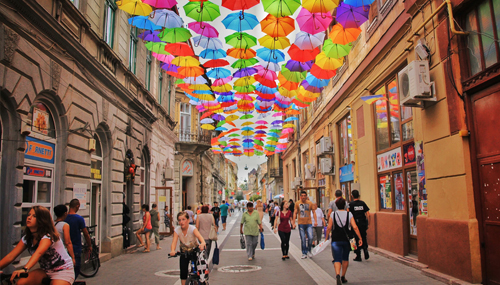

From Lucknow to Lapland
The taste of laal maas in Rajasthan, the joy of a simple laddoo shared with a village elder, and the unique flavours of a Tuscan trattoria are souvenirs Chef Ranveer Brar collects on his travels. Join him as he explores how food connects us to people, places, and cultures.
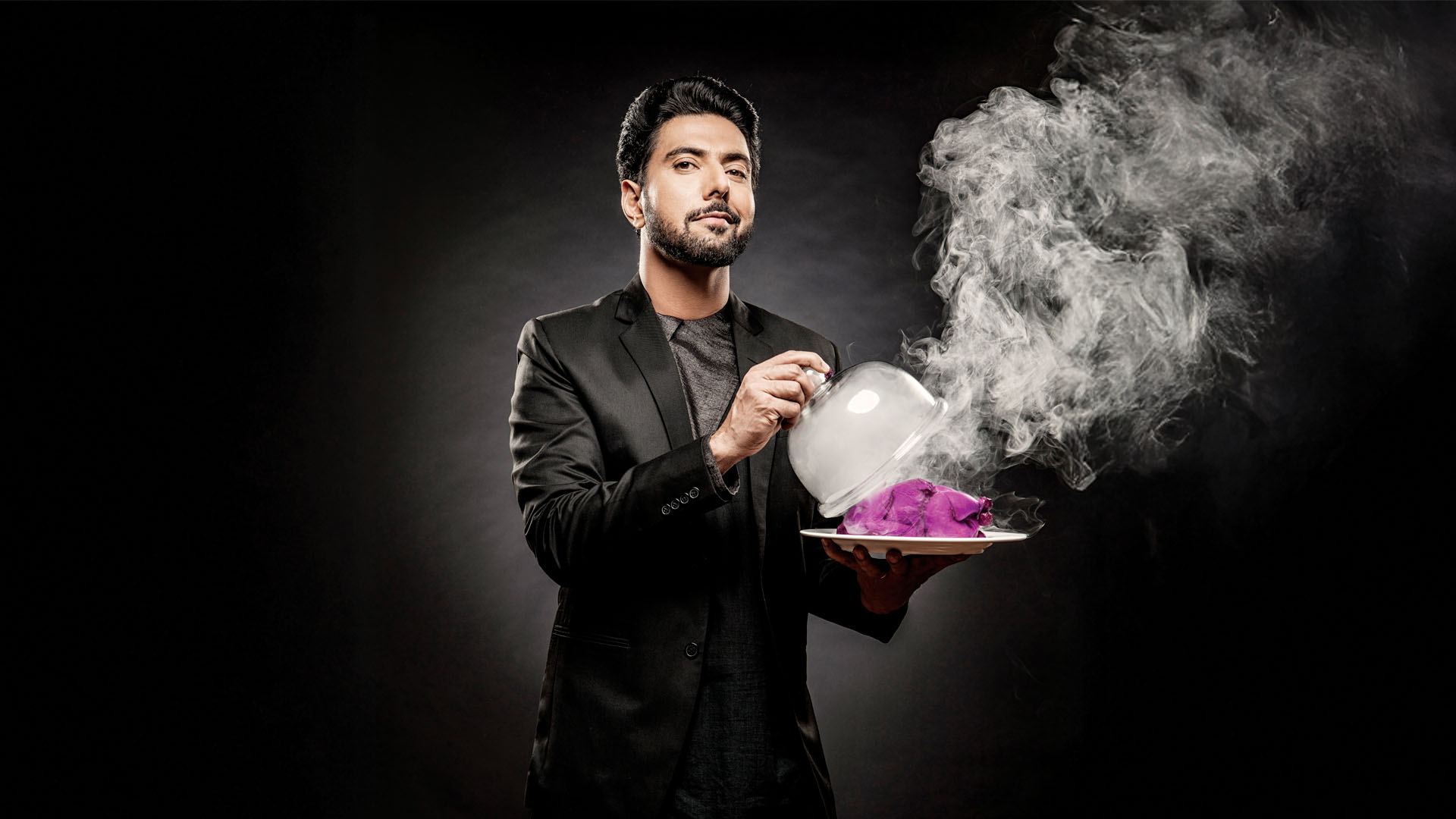

By Pooja Bhulla
How Travel Flavours Chef Ranveer Brar's Life and Cuisine
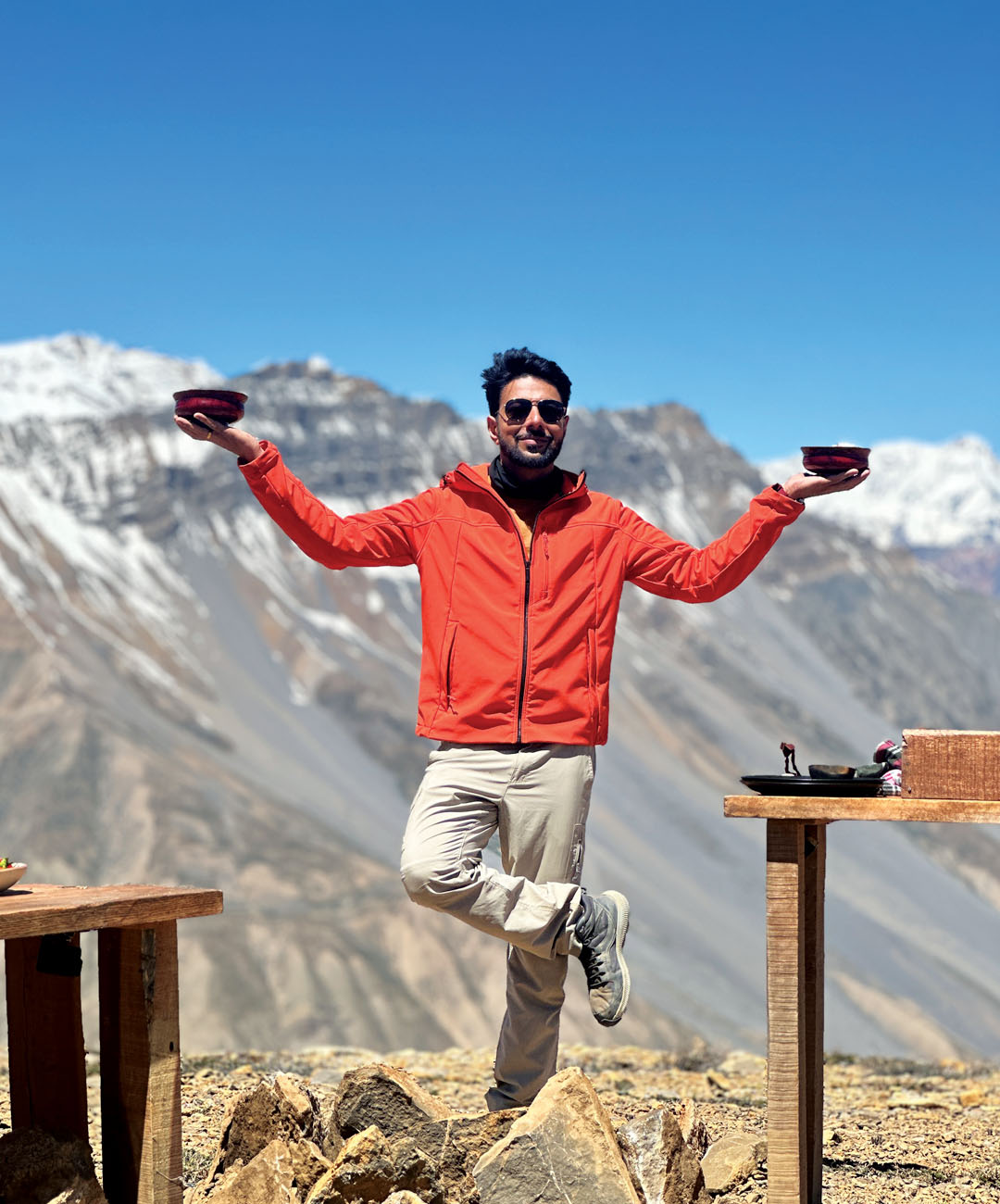
Ranveer Brar in the Himalayas.
I remember the travel itself as an early experience.
The train journey, rhythm, changing views with fields and bridges, people we’d meet, food we’d share, food at different stations and the charm of getting back before the train moves. I'd feel alive, present. Every summer we’d go to Punjab to harvest wheat. After a point, you get fed up. So Dad’s travel allowance was good news, and every alternate year we would travel to different parts of the country. I vividly recall the trip down south with dad and his friends. We spent time in Hyderabad, Chennai, and Kochi…travelling all the way to Kanyakumari from Lucknow, like a hop-on, hop-off trip. It was also special being together as a family. Otherwise, in middle-class families, dad’s always working, and you hardly see him.
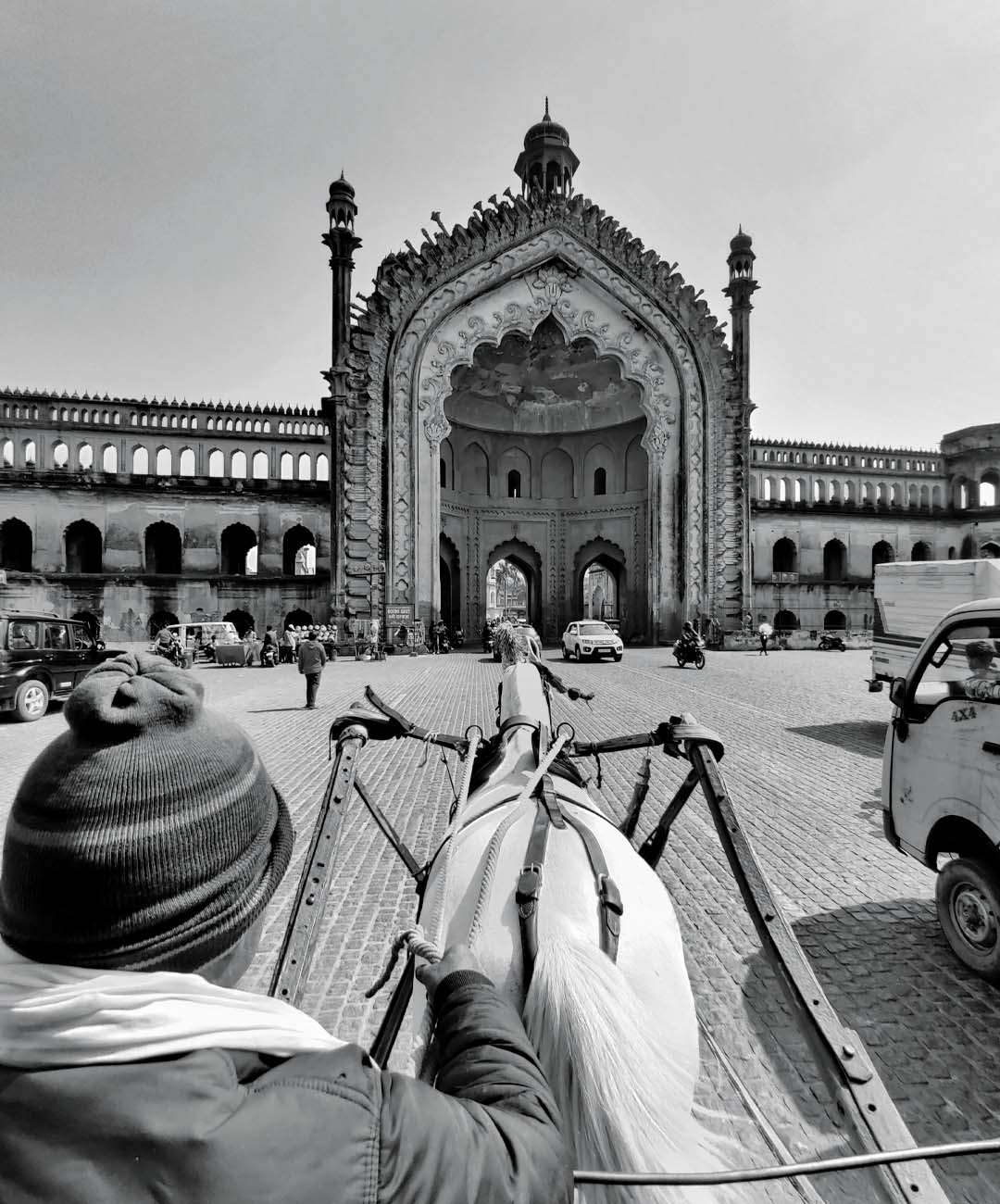
Lucknow's gentle culture is seen in the softer flavours.
I had a semi-fauji upbringing.
From age three to 10, I lived with my uncle, who was in the army. My parents considered it better for education. I'd go wherever he got transferred——to Jhansi, Devariya, Shamli, Dehradun, etc. I had a great time. It shaped me. Libraries, squash courts, physical activities...I had access to resources for self-development that a regular middle-class kid wouldn’t normally have access to. Staying in different places also makes you fearless. I wasn't a people's person. I'm still an introvert, though it doesn't seem like that. Travelling made me appreciate people, develop empathy, and see the world differently. You’re more aware. Your friends, teachers, surroundings, weather, dialect, how people interact, everything changes...so you learn to adapt. I loved adapting.
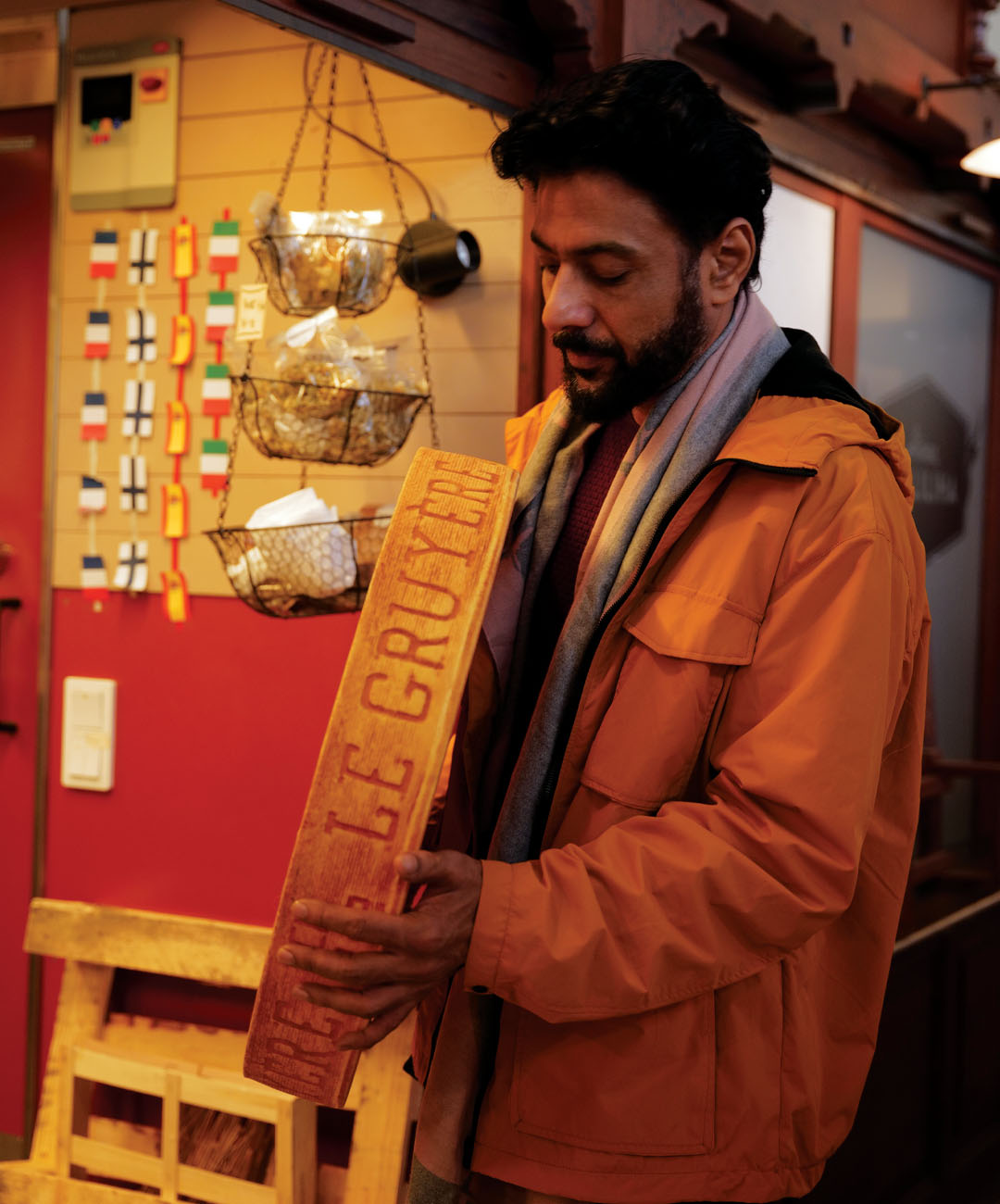
Ranveer Brar in the markets of Finland.
Growing up in different places
I saw a connection between people’s nature and what they eat. Now, it’s up for debate whether the food shapes them or vice versa. In Lucknow, people are softer, say aap. The finesse is immediately visible in the softer flavours, biryani, double-minced kebabs, everything. Then come to Devariya near Bihar’s border. Primarily farmers, people there are good-hearted, but the culture is to say things as they are, and that reflects in the rawness of the original chokha cooked using mustard oil. The soft, ghee litti-chokha is a sheheri (city) thing. Many Indian cities and towns are deeply rooted in their culture, which reflect in their cuisines. Even in the little Tuscan village of Barbarino, slow-cooked roasts mirror the time people spend speaking to you. In contrast, global cities such as New York are so multicultural, that it's difficult to pinpoint what the city is. It’s a lot of things, a lot of times. So with every precinct, the vibe, hoardings, grocery shops and restaurants change; two blocks down, you may feel you’re in mini Greece.
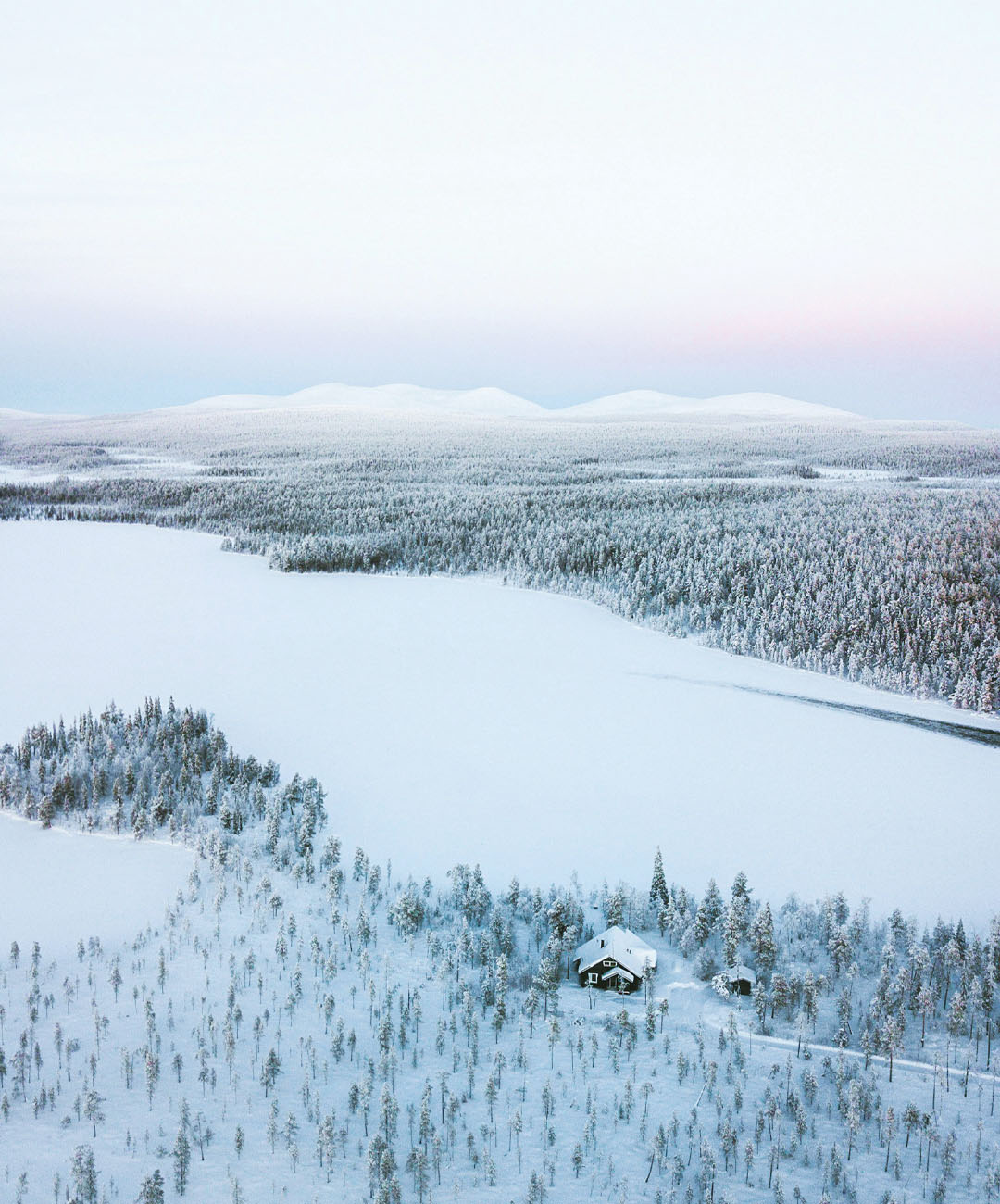
A serene lapland landscape.
What I pick up from New York and Paris
Live in New York once, but leave before it makes you hard. Live in Paris, but leave before it makes you a hopeless romantic. I merely did vocational courses to upgrade myself while living in Boston, but my three-year hospitality diploma is from Lucknow. When you’re out there making a living, (you meet) so many people fighting to make ends meet and stories of how people made it big, so your sphere of inspiration broadens. That makes you a better person.
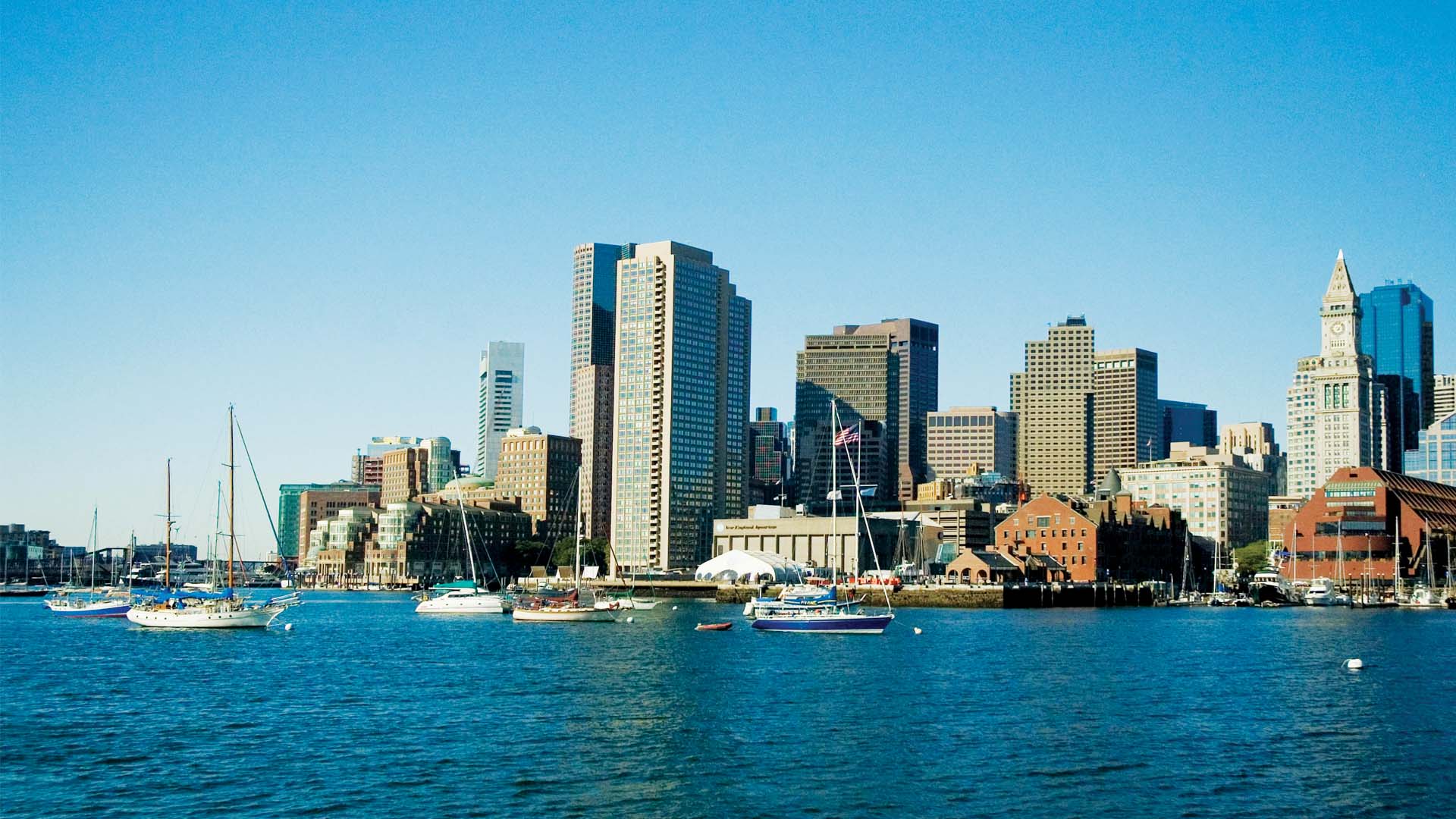
Ranveer Brar loves the waterfront at Boston, where in lived for five years.
Travelling for TV shows was difficult initially: You’re on a schedule, two days in Ahmedabad, then Hyderabad, and so on, whereas travelling for me meant soaking things in. But I started seeing it from a different lens. The same research, stories, people, conversations, eateries, and dishes I’d otherwise stumble upon gradually, were all coming to me easier, in a very concise way. I also realised that many people you meet during travel shows, you’ll definitely meet again and pick up from where you left off.
Some memories just get stamped: Like that of Shanti Devi, a widow we met outside Jodhpur in a Bishnoi village. She raised three kids to be doctors and lawyers just by cooking at an Anganwadi. When I asked her about her favourite thing to eat, she said the laddoos you get on 15th August and 26th January in school. She’s 68! Her joy and gratitude for something so simple was a very fulfilling thought. Another is Surendraji of Vishala, an outdoor, vegetarian restaurant built around a temple on the outskirts of Ahmedabad. Meals are offered as prasad first. The setting and his spiritual outlook towards food are inspiring and helped me re-establish that relationship with food as a kid. Making meethe chawal at the Gurdwara for langars was my introduction to cooking. Sometimes you lose this when it becomes a profession; you get into the economics.
I’d never thought I’d settle in Bombay, I’d never worked here: Having lived largely in Lucknow and Delhi, I found Bombay (or Mumbai) cold and unnerving. Too ‘what’s in it for me’, and hence had reservations about how long I’d stay. I wanted to return to Delhi in the first six months. But the city just grew on me, and there’s no other place I’d rather be. Mumbai looks at people differently—at who they are and not what they have, getting work done and moving to the next thing. I hadn’t realised, I too had become businesslike and focused. Ten years in the US had changed me and readied me for Mumbai. Eventually, as they say, if you stay here for three monsoons, the city won’t let you go. That’s basically what happened.
How travelling influences my work as a chef: Eventually, chefmanship is expression. Al Pacino once said the most important thing in acting is learning your words. You learn them again, and again, so you can forget them. Cooking’s similar—you keep doing it till it’s an extension, an expression of you. So the richer my experiences and broader my sphere of thought and travel became, the better, and more thought-provoking my cooking became. These days, most of my menus, also Kashkan specials, are purely based on my travel memories—the black chicken I had in Meghalaya, the laal maas in Rajasthan, etc. Food in a restaurant, you realise, is very different from the original ecosystem. And that’s how it’s supposed to be. So I try to recreate that moment, memory, and feeling of eating there. I also want to promote great artisans and single-dish, multi-generational, legacy eateries I find on my travels. We’re trying to do that—with unique concepts, mostly hyperlocal, sustainable and artisan-first—at Bengaluru International Airport, where I’m helping to set up restaurants and lounges for T2 airport.
Feeding the NRIs: I understand the NRI’s perspective, emotions and void they feel, and how food can fill them. That’s an exciting space I’ve tried working in the last few years. When it comes to working in other countries, every country comes with policy and regulation challenges. 80% are the same, 20% vary based on demographics, population, country or city. For me, it’s slightly easy because I cook Indian food and have lived abroad for 10-plus years.
Travelling for movies is my escape from being Ranveer: For travel shows, I’m just Ranveer when the camera rolls. Being Ranveer all the time can be overwhelming. The challenging yet fun part of working in films is that you have to be somebody else. In Buckingham Murders, I'm Daljeet Kohli. So I see movies as an escape and travel to reset, and get into character. Before this movie, I went to Auroville for seven days—did my calorie part, ate local, and walked around in shorts all day. Nobody recognised me. It allows me to stop and observe, which has been key to my acting because it’s mostly people you observe that you translate on screen. My years of cooking for people and observing them has really helped me as an actor. During shoots, I like staying in character, so I don't go out to chill and prefer the shoots to be outside Mumbai as I don't have to return home and be Ranveer again.
What type of traveller am I? An experienced eating traveller! It’s important for me to understand what grows where and how it is cooked. I like travelling to meet and talk to people, understand places, the vox-pop scenario, cultural genesis and the contemporary pulse. Visiting museums is second on my list. The usual touristy stuff comes third.
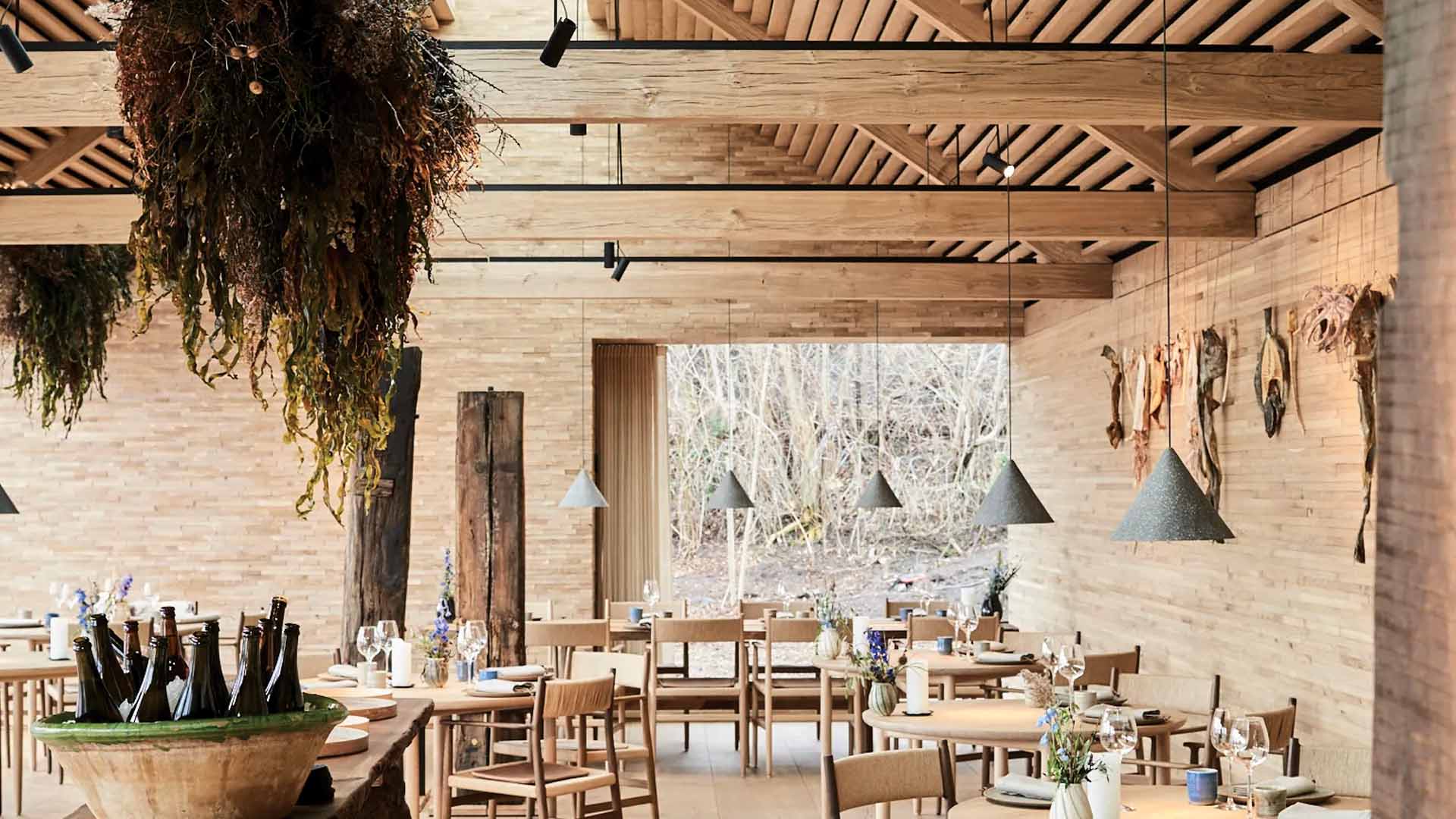
Noma, Copenhagen, the world's best restaurant will take its last bow in 2025.
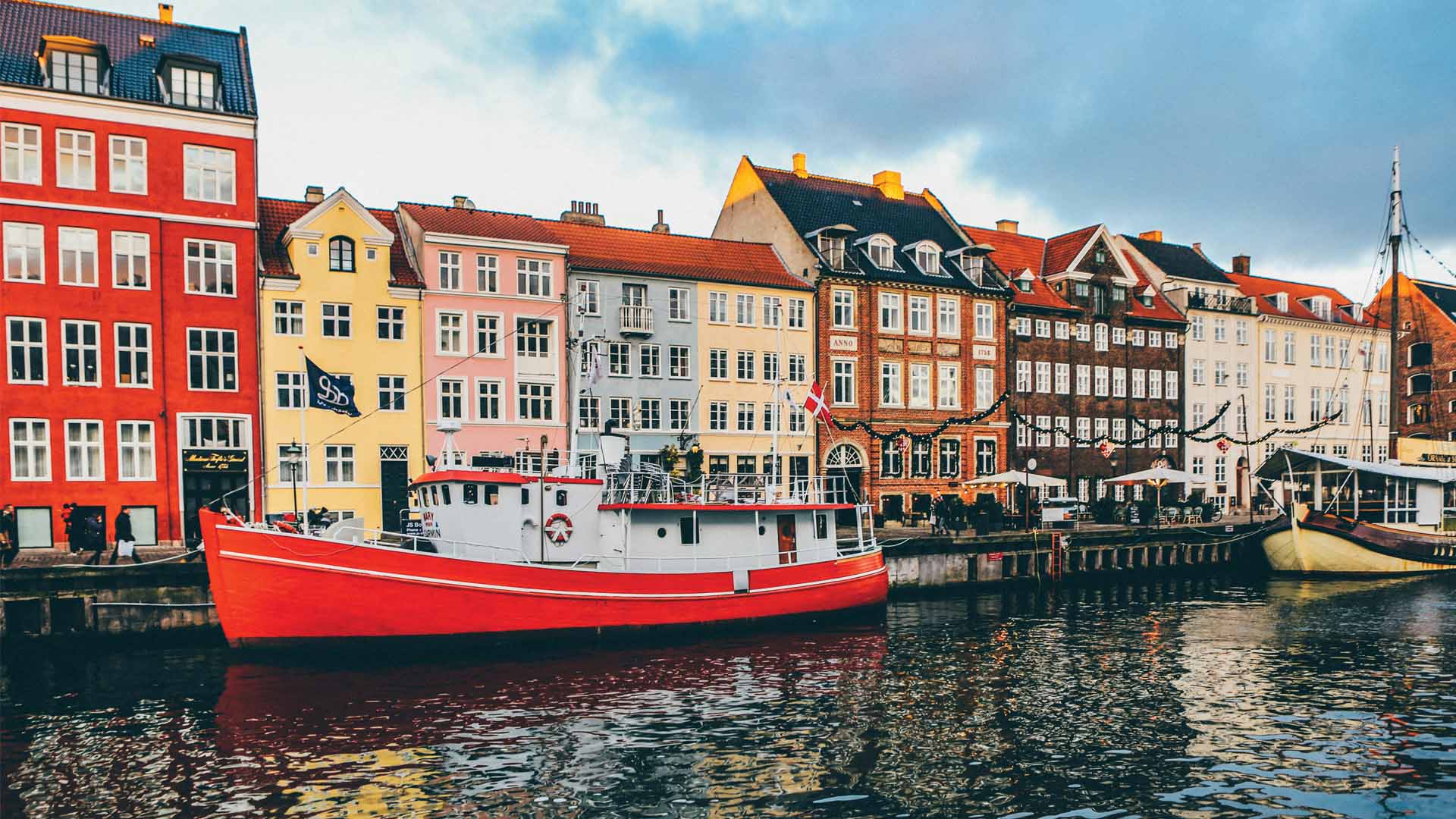
The peace and pace of Nordic countries such as Denmark resonates with the intrepid chef.
Destinations I love returning to
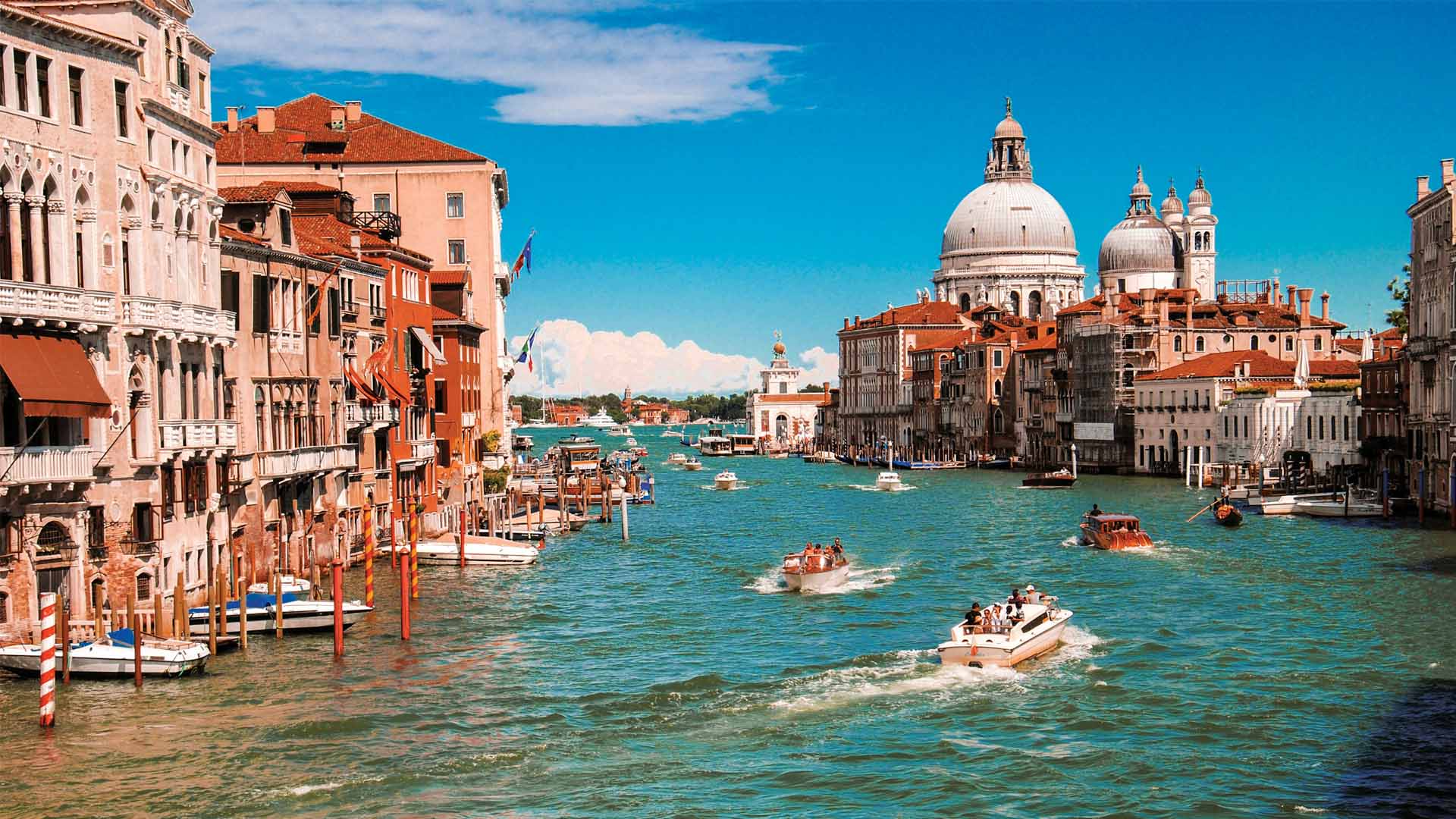
Italy: Not many know this, but for the longest, I trained in Italian food. I’ve trained under Antonio Carluccio (called the godfather of Italian gastronomy) and opened Italian restaurants. So I have a great affinity for the cuisine and culture. Italy’s very much me. In Tuscany, I’ve spent a lot of time amidst olive groves. Tuscany and Sicily are more about small trattorias, vineyards and wine houses, where they do small tasting menus. Barbarino’s La Campagna is a favourite. Go to any mom-and-pop restaurant, you’ll love it.
Boston: I was there so long, it’s very me. I always say go to the North End, go to the waterfront.
Nordic countries: Denmark, Finland, Sweden…I love Nordic countries for the peace and pace, the joy on people’s faces, and the detox that the aura and environment brings you. In Finland, Rovaniemi, the Laplands, Arctic area are where the fun lies. Even in Sweden, go to the Laplands. Copenhagen is more about restaurants for me; a lot of Nordic restaurants are favourites. Helsinki has one of the most underrated restaurant scenes—Savoy is fantastic, Nolla has outstanding sustainable cuisine. I highly recommend Gustav's in Rovaniemi.
Villages of Bengal: I am a big fan of Pather Panchali and all of Satyajit Ray's movies. I love how they come to life in rural Bengal—Bankura, its outskirts, villages bordering Bangladesh—that seems frozen in time. Having grown up in a village, I hold village life dear.
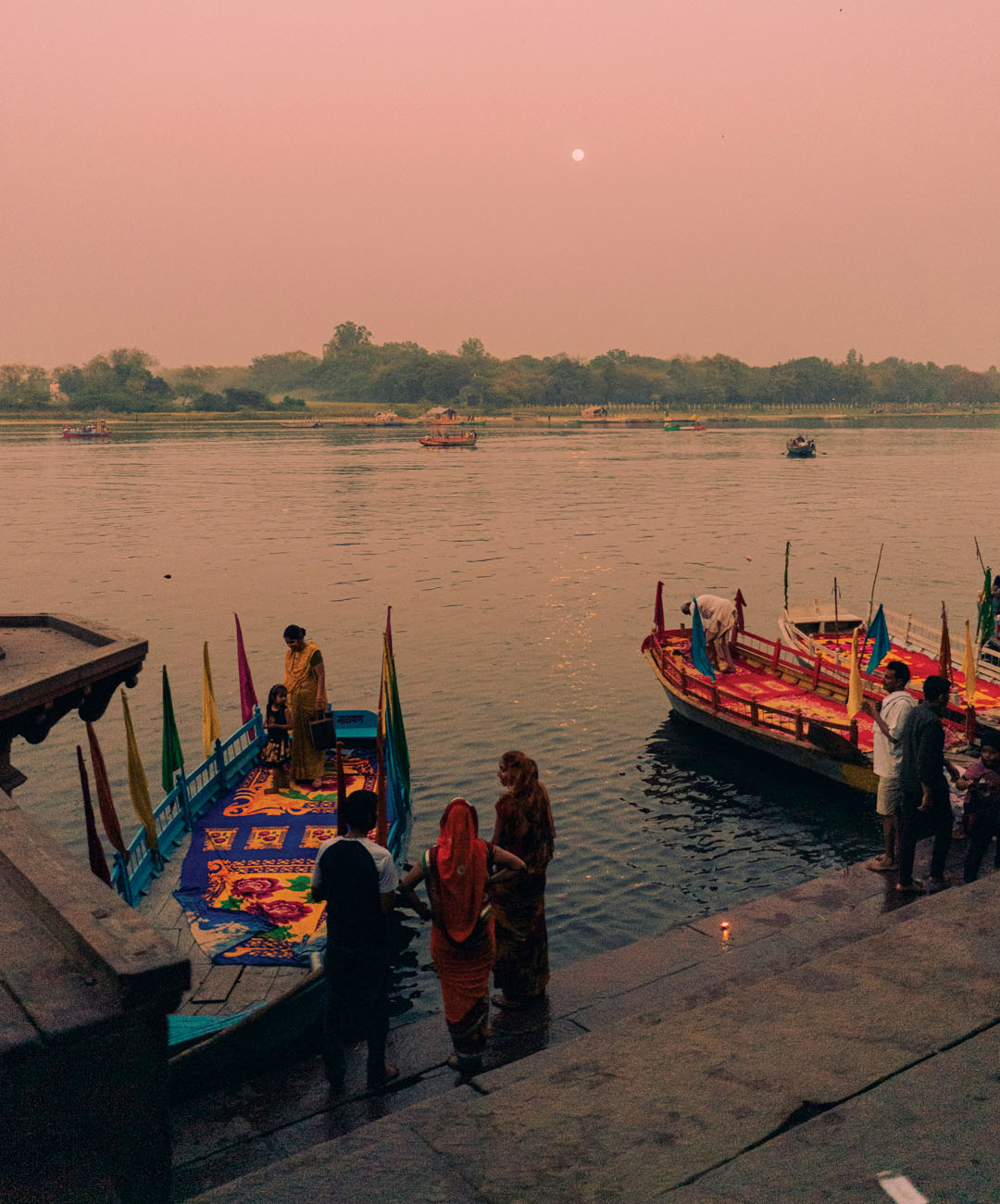
Benaras and Mathura: There’s something magical about them. The age, character, and energy clearly present in these two cities are very calming for me.
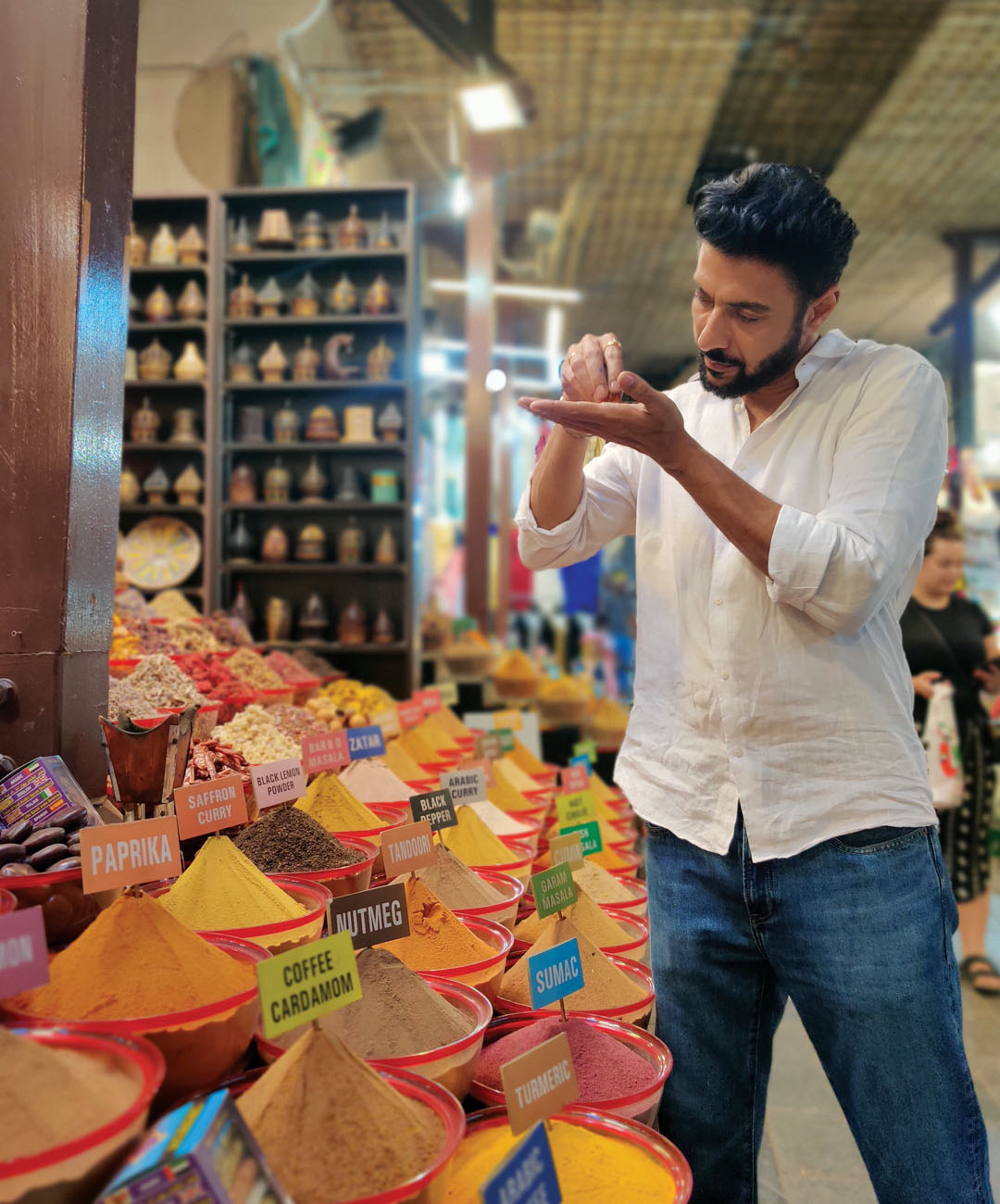
Eat Around The World: Ranveer Brar’s Restaurant Guide
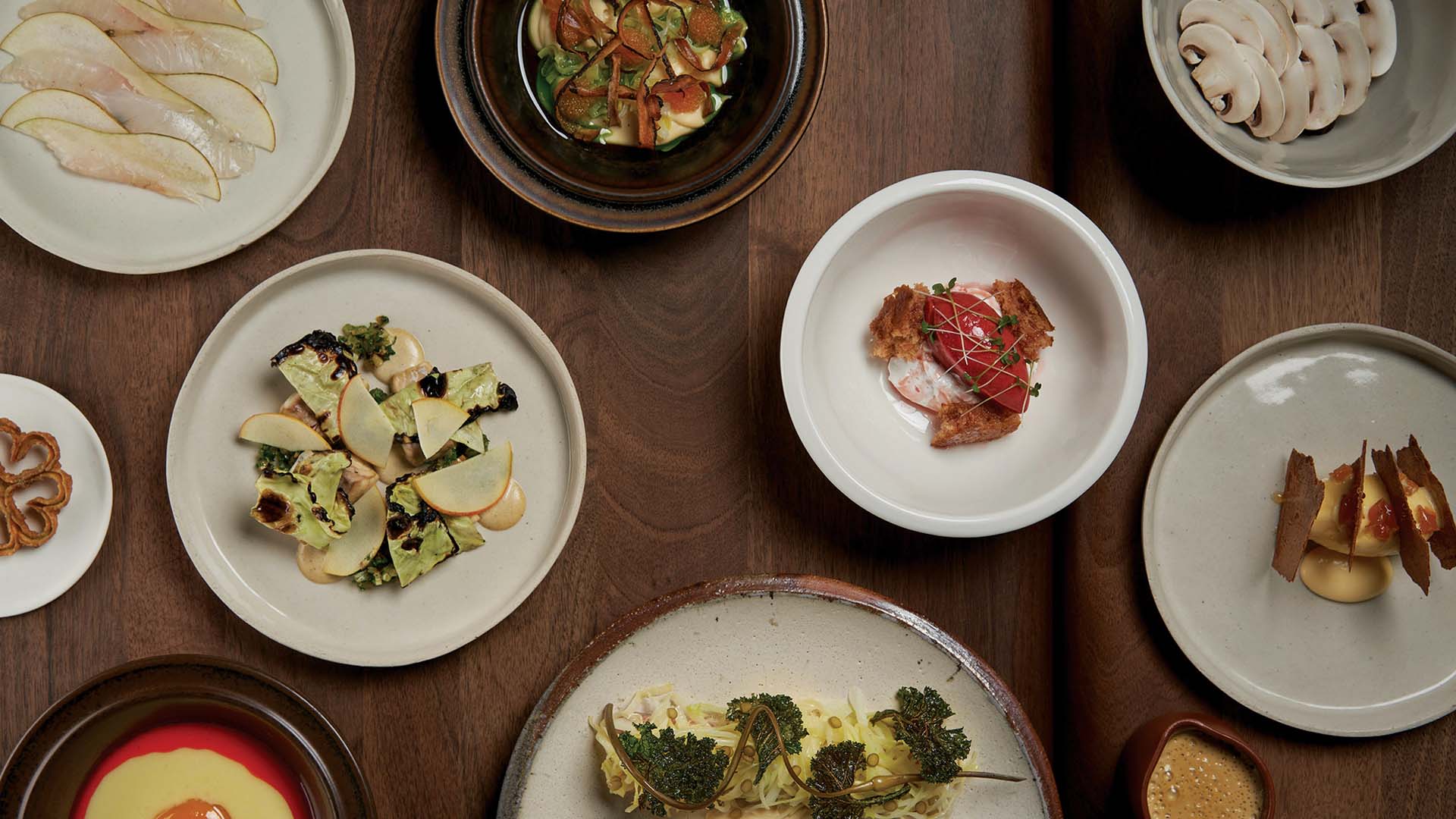
Nolla, Helsinki: Zero-waste, seasonal flavours and local, organic products are this restaurant's hallmarks.
Noma, Copenhagen: The five-time no.1 winner of the World’s 50 Best Restaurant list, Rene Redzepi's Noma previously set to close in 2033 to now live on till spring 2025.
Attica, Melbourne: This innovative depiction of Australia's unique ingredients and culinary diversity, including 'the First People' is the jewel in the city's crown.
The Bombay Canteen, Mumbai: is celebrated not just for the food, but also its homage to India’s rich culinary heritage.
Indian Accent, Delhi: Chef Manish Mehrotra might have hung up his apron at the Indian Accent, but his legacy lives on.
Sonar Tori, Kolkata: Known for genuine Bengali cuisine, it offers diners a blend of lost, aristocratic recipes and rustic rural classics.
Le Procope, Paris: A living witness to Parisian history, this small cafe is where the likes of Voltaire and Rousseau frequented, and Napoleon made plans. Napoleon's hat's still there.
Dishoom, London: What they’ve done with Indian food is outstanding and inspiring. Dhishoom pays homage to Bombay’s Irani cafes and classic Bombay dishes.
Bungalow, New York: Chef Vikas Khanna's diner takes you through India’s 28 states, Indian clubhouses and other reimagined classics.