
















A Journey of Many Truths
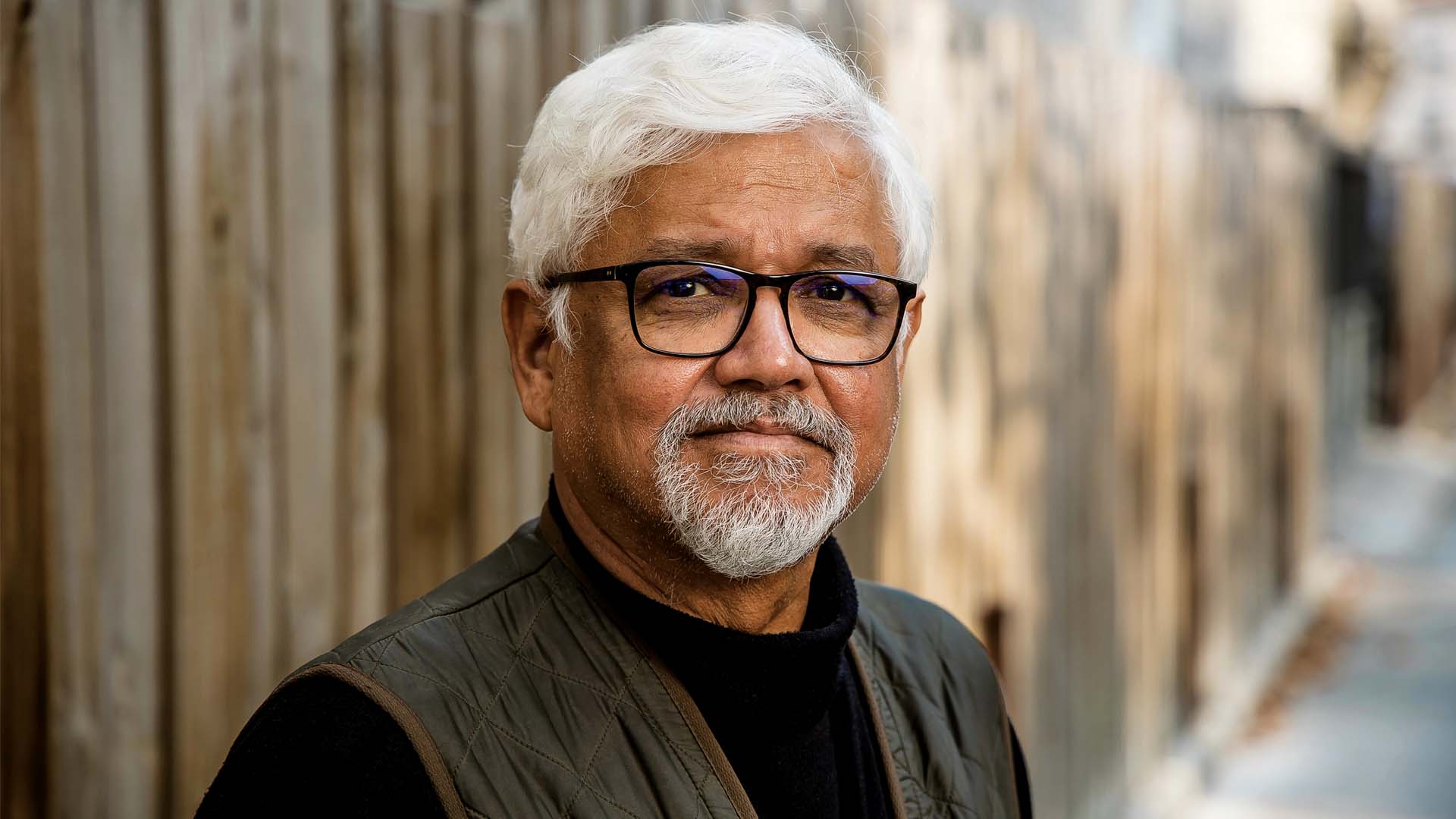
Author Amish Tripathi’s journeys have shaped his intuitive understanding of liberalism—rooted in the appreciation of multiple truths.


By Pooja Bhulla
Author Amish Tripathi’s earliest travels were to relatives' homes and sacred sites, laying the foundation for a deep connection with India's diverse traditions. From a small company town in Odisha to a boarding school in Ooty, and eventually to international travels, each journey has shaped his intuitive understanding of liberalism—rooted in the appreciation of multiple truths.
There was no question of foreign trips when we were children. We weren’t wealthy. We spent our holidays at our relatives' homes like most middle or lower-middle-class folks in that era. Also pilgrimages—my family’s originally from Varanasi, and my grandfather was a pandit at Vishwanathji temple. So, if we travelled to Jagannath Puri, we’d go to the nearby beach, too.
I’ve lived in different cities and states. I was born in Mumbai but spent my early years in Odisha as my father—an engineer with L&T—was posted in Kansbahal. In a small company town, schools weren’t that great, so when I was in the fourth standard, my parents sent us to a boarding school in Ooty. When they returned to Mumbai, we four siblings also moved, and were schooled at Cathedral and John Connon School. I graduated with B.Sc. Maths from St Xavier’s, and went to IIM Calcutta to study MBA.
Travelling has helped me develop an intuitively liberal outlook. Rather than the elite, Lutyens' version that’s often cut off from the realities of India. Steeped deep into scriptures and traditions, our parents would tell us stories. In North India, Lord Kartik is a bachelor, and Lord Ganesh is younger. So on our first holiday back from boarding, we asked Ma—what is this? You don’t enter Lord Kartik’s temple because he’s a bachelor, but in the south he has two wives and Lord Ganesh is older. Ma and Papa explained—that's the beauty of the Indian way; we have multiple truths. They have a right to theirs, and we to ours. We’ll respect their truth, they’ll respect ours.
Ma would enter Lord Kartik’s temple in the south because it’s not against their tradition. Indian liberalism is not about being leftist or Marxist but appreciating different truths. There isn’t one true God... silly concepts for which millions have been killed historically. That’s why in India, Muslims also go to the Venkateshwara temple, and Christians to Haji Ali Dargah. Many modern, western liberals aren’t really liberal. Everyone must fit into their paradigm or they’ll destroy our societies to prove how liberal they are —as they’ve done with many countries in the Middle East. That isn’t liberalism. When you traverse through different parts of India, liberalism becomes intuitive because you see different truths.
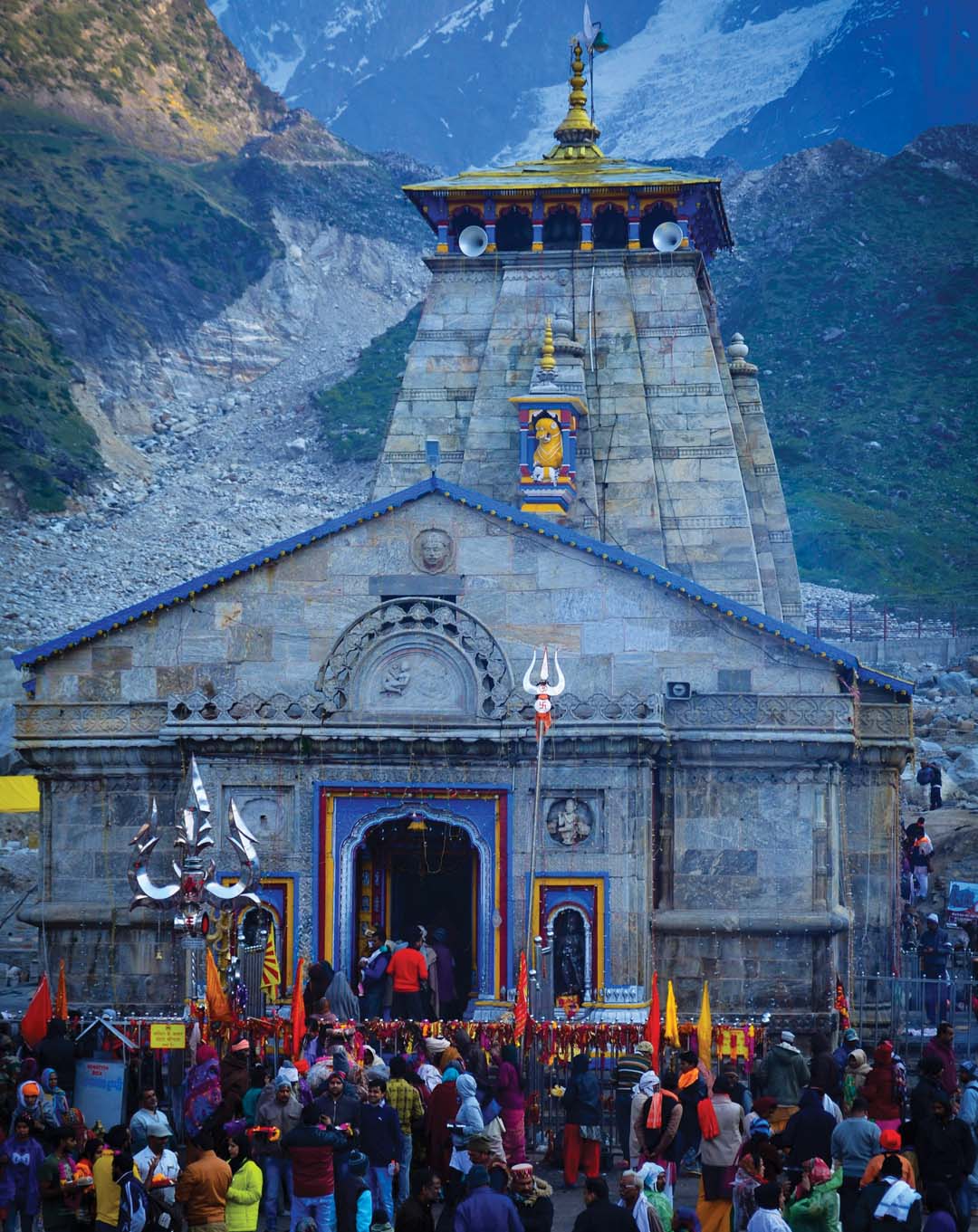
At Kedarnath, Lord Shiva is supposed to have first communicated the secrets of yoga to the saptarishis (seven sages).
Two, while travelling, I realised Indians are special in many ways.
Travelling to small towns and villages I’ve found that on an average, Indians across communities, wherever you go, are welcoming and nice. We’re not perfect, but there’s no perfection anywhere, right? And despite the variety, you see a thread of unity cutting across this wonderful land of ours that’s been there for thousands of years. I’ve developed a deep love for India—not a theoretical love, sitting in a big city, trying to read and discover…
All this is reflected in my books. In Ram Scion of Ikshvaku, a lady was raped and killed. The perpetrator was a minor. The law was that minors can’t be given the death penalty, even if everything in your bone says the criminal deserves it. Lord Ram's approach lays down following the law because if you break it for what you feel is justice, you’ll have vigilantism and chaos in society. If you’re unhappy, change the law. Lord Bharat's approach revolves around serving the cause of justice; if it doesn’t, break it. Now, which approach is right? I don't know. I explore both through the debate between them. To have this kind of debate and still have mutual respect is true liberalism.
Often, the worst crimes in humanity have been committed by those filled with moral arrogance. Our traditions have been open to such debates because our ancestors were aware that human beings are complicated. Understanding that every choice involves positives and negatives is maturity. I try exploring this dichotomy through conversations in my books. The attitude is shaped by all I’ve learnt from my brilliant parents, travelling around India, and what I’ve read.

Tripathi started going on safari holidays—Tanzania, Kenya, and several other African countries—because of his son.
Travelling has helped me develop an intuitively liberal outlook, rather than the elite, Lutyens' version that's often cut off from the realities of India.

I’m a history buff! Museums, palaces, monuments, admin buildings…places of historical significance excite me. It could also be travelling to explore ruins in the middle of a jungle. I like meeting local guides—locals always have different interpretations, offering you insights about what makes a culture tick.
We started going on safari holidays—Tanzania, Kenya, and several other African countries—because of my son. I remember one incident when the jeep’s roof was raised, and a cheetah climbed to the top. What an experience! I’ve never taken tour packages or just ticked things off a list—I prefer travelling like a local, trying the cuisine, meeting people, and experiencing the destination. I always carry a book; tabs have only made it easier.
Have my preferences changed? For the first five to 10 years of international travel, I was obsessed with travelling to a new country every time. My first trip abroad was in 1996, to visit my twin Ashish, who was studying in Australia. The airports, trams, and the overall infrastructure felt wow! Everything was an experience—even the play Beauty and the Beast was a Broadway kind of production. I’d never seen anything so grand!
I’d feel bad that India was still struggling on the development paradigm. Now, airports in Europe and the US are terrible. In just 30 years after liberalisation, we’ve surged ahead of so many countries. Even China and Southeast Asia are fantastic, because it’s all new.
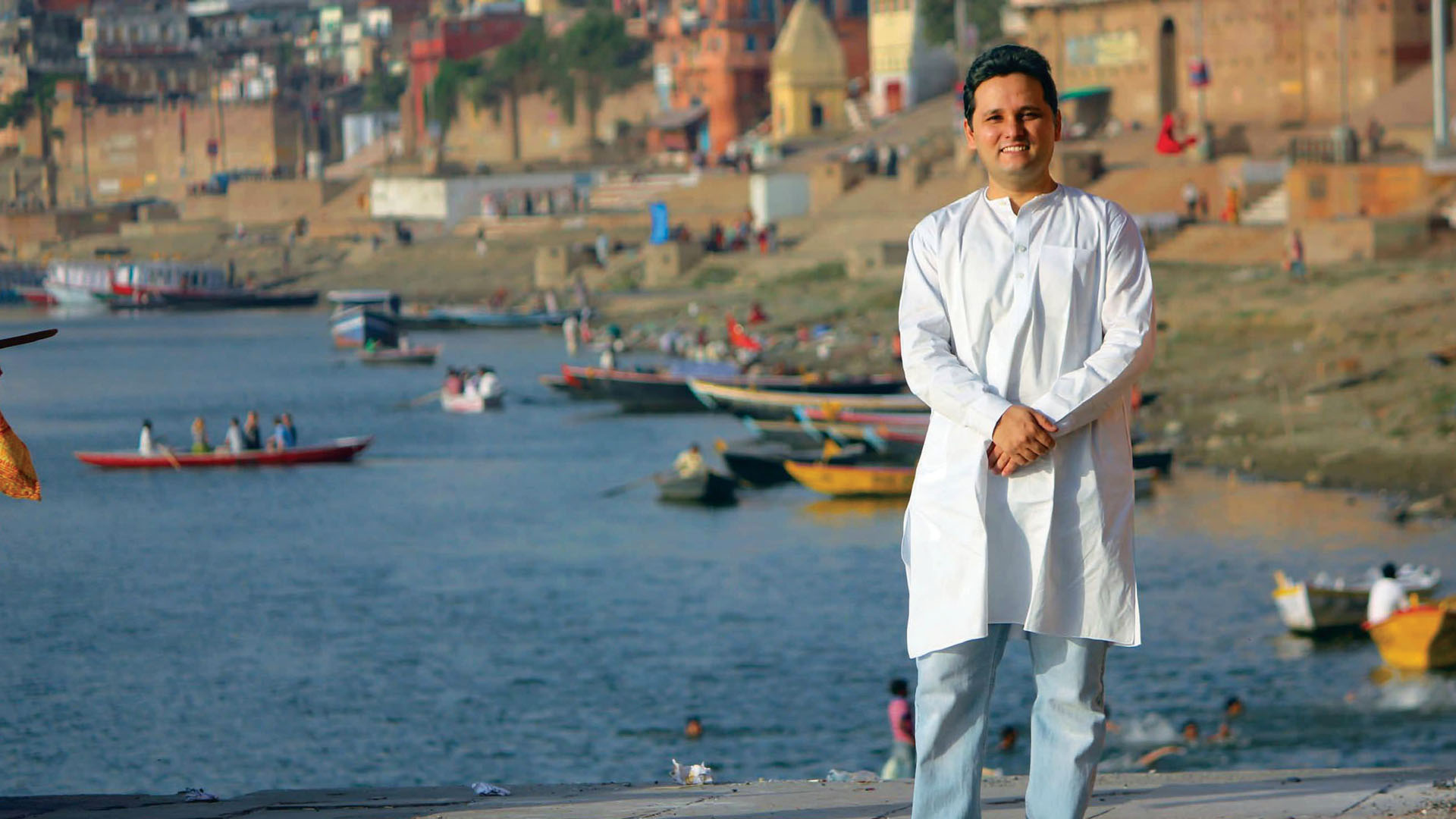
He prefers travelling like a local, trying the cuisine, meeting people, and experiencing the destination.
My favourite destinations in India and abroad
Hampi: It's the only destination today where you get a sense of what our ancient cities looked like because most have been destroyed by invasions over the last thousand years. Even Hampi was invaded, sacked and abandoned. But it's still beautiful to see.
Kedarnath: My wife and I trekked up to Kedarnath recently. It takes 12 hours; you have to start early to make it before nightfall. It’s tough, many die, so you have to be fit. Oxygen levels are also low. Kedarnath is higher than Leh Ladakh, but people don’t realise it because it’s lush. The destination and the shivling are truly special. Lord Shiva is supposed to have first communicated the secrets of yoga to the saptarishis (seven sages) here. I was very emotional when I saw the temple.
Santorini, Greece: A caldera (depression formed after a volcano erupts and collapses) that’s half in the sea is a rare sight; that’s Santorini island! After a massive volcanic eruption, the caldera formed and the sea moved it. Now, the volcanic mountain is shaped like a horseshoe, like the cliff’s sharply slit, cut down inside. Different layers of the mountain can be seen in various colours. It’s surreal. I’ve never seen anything like it. There’s a black sand beach and, a red sand beach and the habitation, villages are all around the tips of the horseshoe. It's stunning beyond measure.
Siem Reap, Cambodia: Here you get a sense of what the entire city would’ve been like in ancient times because it was abandoned. It didn't get built over and was never invaded. As an Indian, you’ll find the temples familiar, though Lord Vishnu’s murti reflects their physical appearance. Initially Shaivite, Cambodia later became Vaishnav and then Buddhist. Cambodians can be called both Buddhist and Hindu, and worship both gods.
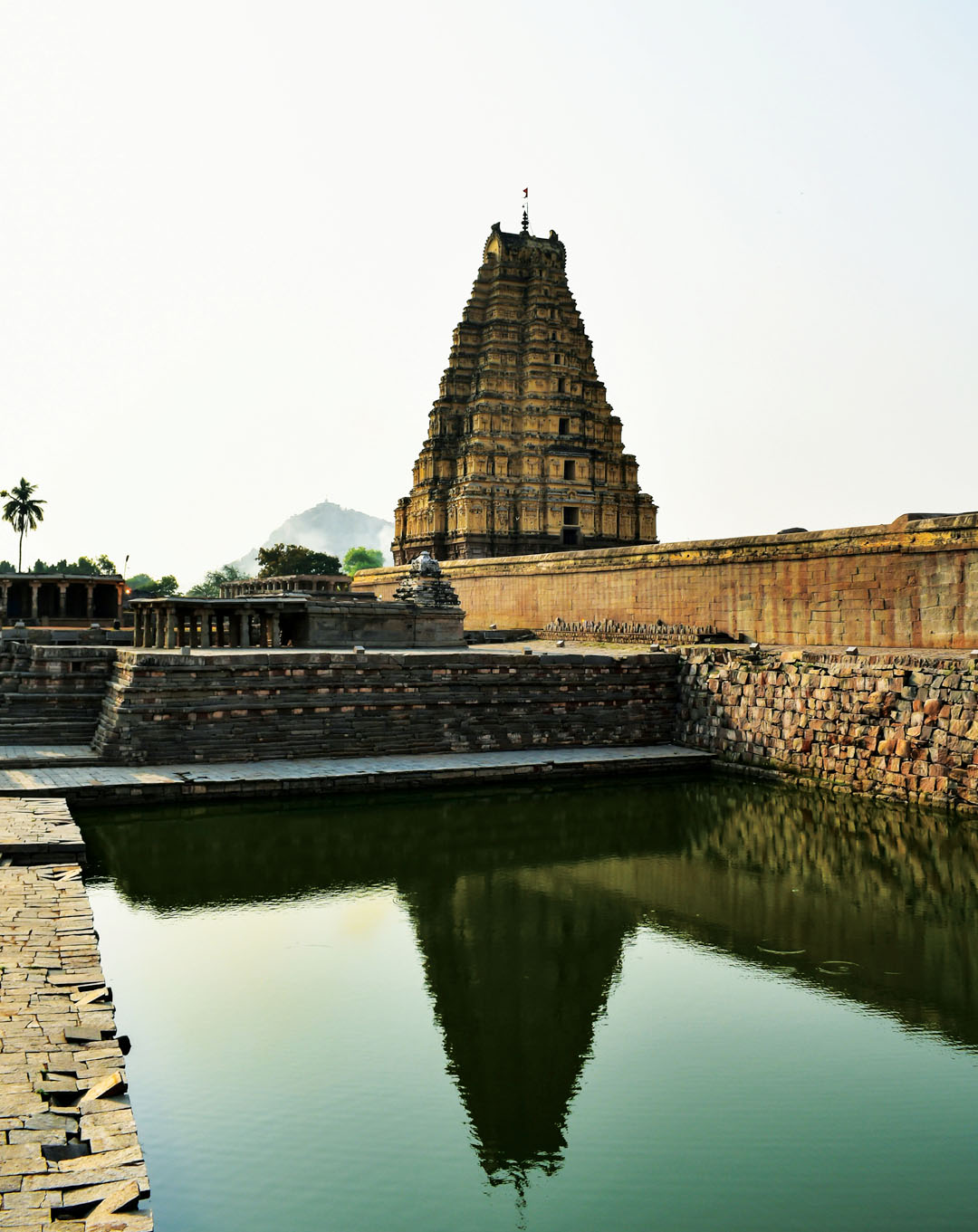
Hampi is the only destination where you get a sense of what our ancient cities looked like because most have been destroyed by invasions over the last thousand years.
The UK sojourn
Living abroad for a few years expands your mind. It’s a good experience. Most European countries are smaller than Indian states, so you think it’s one race, one religion, and one language. But I realised how different South East England—the accent, approach to life—is from the rest of the UK. The Welsh and Scots have their languages. It’s such a small country and yet, there is so much variety. And I’m talking about natives, not recent immigrants. The UK has so much history, I love that.
As they’re Westerners, you think it’ll be a far more equal society, but it’s extremely hierarchical. You have to mention titles while addressing people. Visit the House of Lords with a Lord, and the waiter addresses him as ‘My Lord’. As an Indian, you wonder, ‘What’s going on?’ But it’s normal there. The city of London—different from the rest of London—has its systems. Theoretically, even the king can’t enter it without the Lord Mayor’s permission, who must receive him.
Much like Europeans suffer terribly while experiencing Indian summers, we do so in the cold. My first winter there, I’d sleep for 14-15 hours and still wake up groggy, be in a bad mood all day, until months later someone told me, “There’s no sun, as an Indian you’re used to vitamin D—take supplements.”
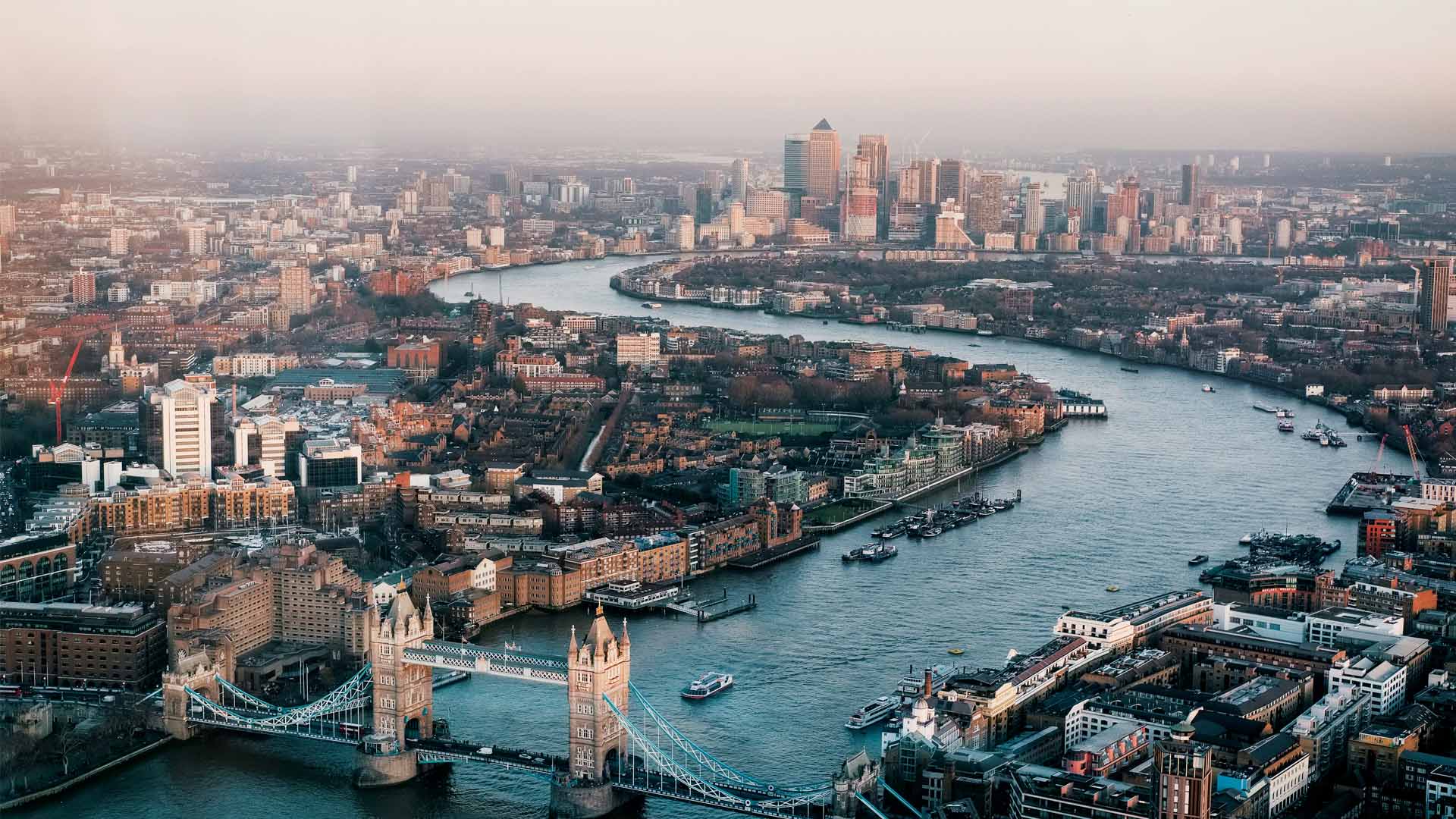
The city of London—different from the rest of London—has its systems.
In Santorini Islands, different layers of mountains can be seen in various colours. It's surreal. There's a black sand beach and a red sand beach... It's stunning beyond measure.
My UK Guide - Favourites & Recommendations
- Parks: London has so many! We should too. Hyde Park is massive, green, with lots of grass—so you can walk barefoot. I loved walking and cycling there.
- Places: The Central London area—especially Buckingham Palace, Big Ben, the Parliament, and the lovely Indian High Commission building.
- Outside London—Stonehenge. And Oxford and Cambridge for the universities, history, and student life; Oxford Union, which I recently participated in, is among the world’s most prestigious debating forums.
- Certainly visit Edinburgh, Scotland’s capital, particularly the old town and Royal Mile.
- Plays: The Book of Mormon and Jersey Boys.
- Bookstore: Heywood Hill, on London’s Curzon Street, has ancient books —old manuscripts and old collector's editions—and is lovely to hang out at. I’d sit there for hours and read.