










A Royal Revival in Bhopal
The resurrection of Bhopal’s Sadar Manzil as Atmosphere Core’s Indian debut in luxury hospitality is a restoration shaped by memory, material, and deep reverence for the past.

By Rupali Sebastian
At the heart of Bhopal
standing as a silent witness to history, Sadar Manzil has long been an architectural jewel of the city. Originally built in 1898 as a royal durbar hall, this grand structure once hosted courtly gatherings, dignitaries, and cultural celebrations. Over the years, however, time took its toll. The once-imposing arches bore the weight of neglect, the intricately carved columns gathered dust, and the echoes of history faded into silence.
That silence was broken when RDB Group took on the monumental task of restoring and repurposing Sadar Manzil into a heritage hotel—a project that required an exquisite balance between preservation and intervention. Designed by Architectonic Services and operated by Atmosphere Core, Sadar Manzil Heritage by Atmosphere Bhopal marks the brand’s first venture into India—and it does so with a property that is as much a cultural revival as it is a luxury retreat.
Tasked with restoring and adapting Sadar Manzil into a luxury heritage hotel, architects Aditya Goswami and Runa Dasgupta Goswami of Architectonic Services knew that this wasn’t merely a design challenge—it was a test of historical sensitivity, technical precision, and architectural restraint. “This project was about unlearning,” they say. “You can’t approach a structure like Sadar Manzil with a modern architectural mindset. You have to listen to what the building wants. That’s what heritage is all about.”
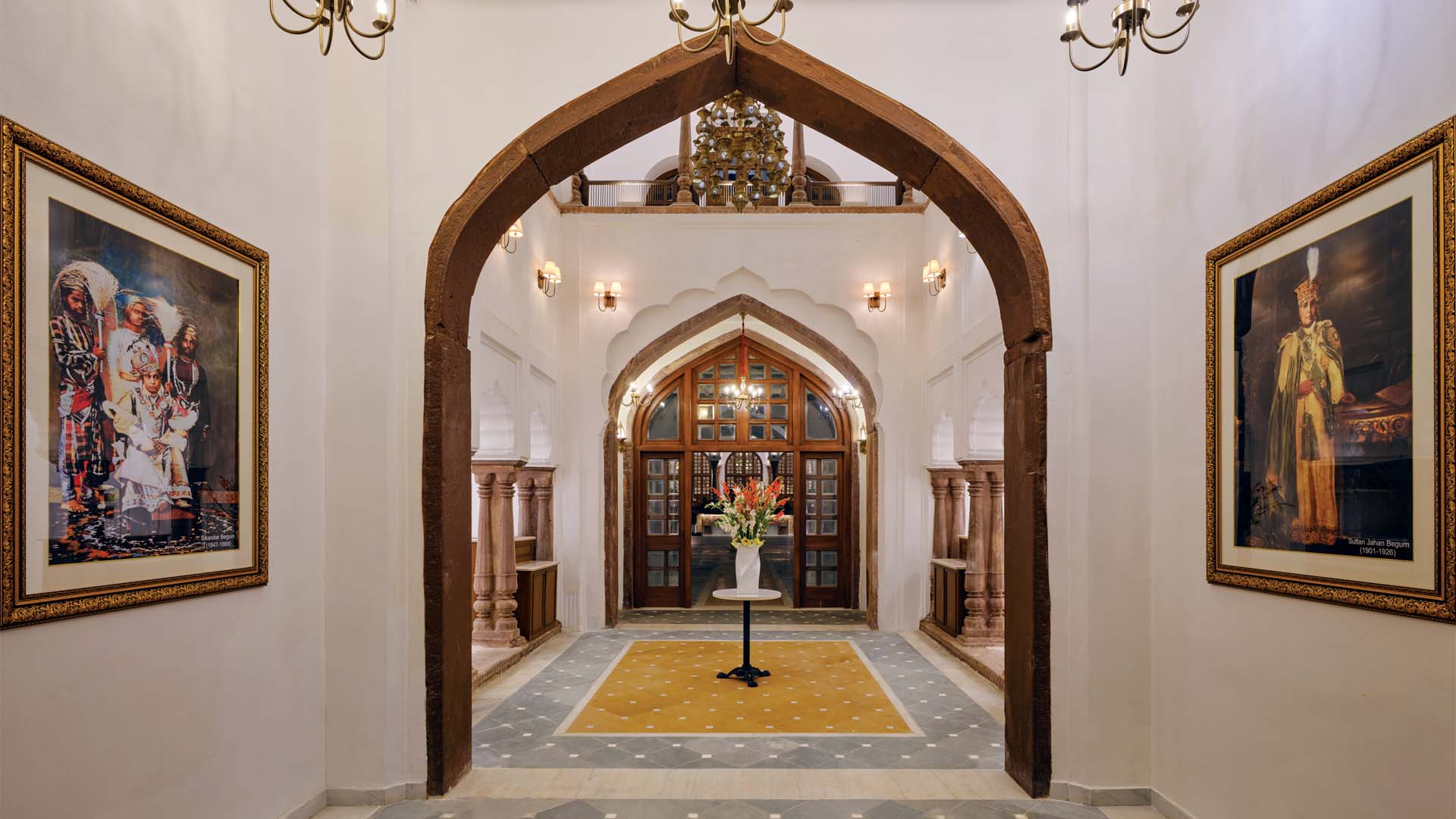
The lobby, adorned with paintings of the Begums, pays homage to Bhopal’s regal past.
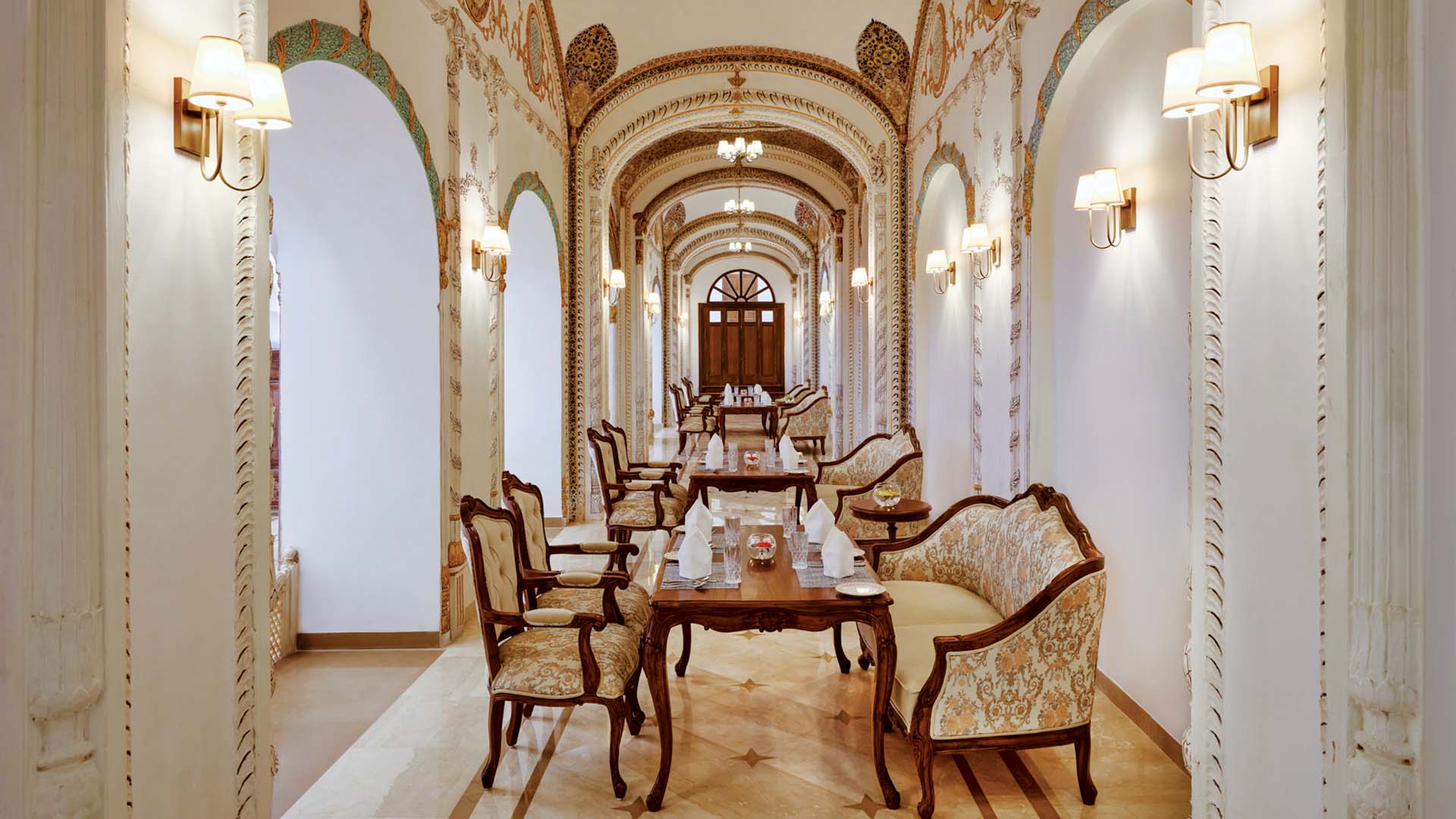
Diwan-i-Khas, the restaurant which occupies the erstwhile durbar hall, celebrates craftsmanship of the spatial and culinary varieties.
A layout already aligned for luxury
Most heritage restoration projects face the challenge of adapting historical layouts to modern hospitality needs. But Sadar Manzil had a surprise in store—its original spatial programme was already aligned with the workings of a luxury hotel.
“The way royal palaces functioned—segregation of private and public areas, discreet service routes, grand central gathering spaces—is exactly how a premium hotel operates,” explains Runa. “In that sense, the building was already prepared for this transformation.”
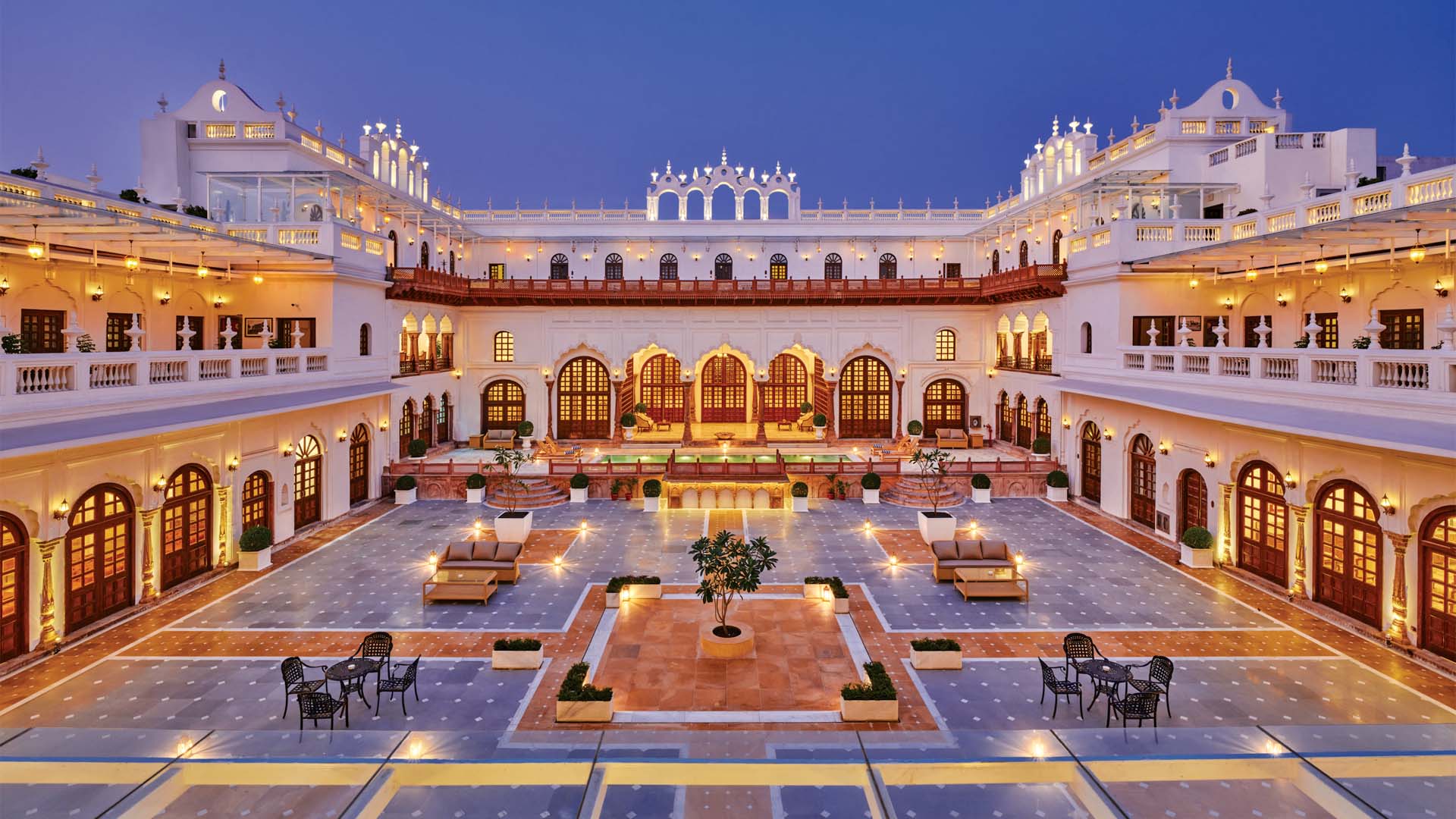
The upper floors, originally housing the royal family, were converted into guest rooms and suites, while the lower levels, once used for courtly functions, now accommodate common areas and restaurants. The grand entrance, located near the the Sadar Darwaza (part of the walled city), naturally lent itself to becoming the hotel reception, and the courtyard, once a space for royal gatherings, seamlessly transformed into an alfresco dining and event venue. “So, each part of the building has been utilised in the same spirit as it was originally intended,” states Runa.
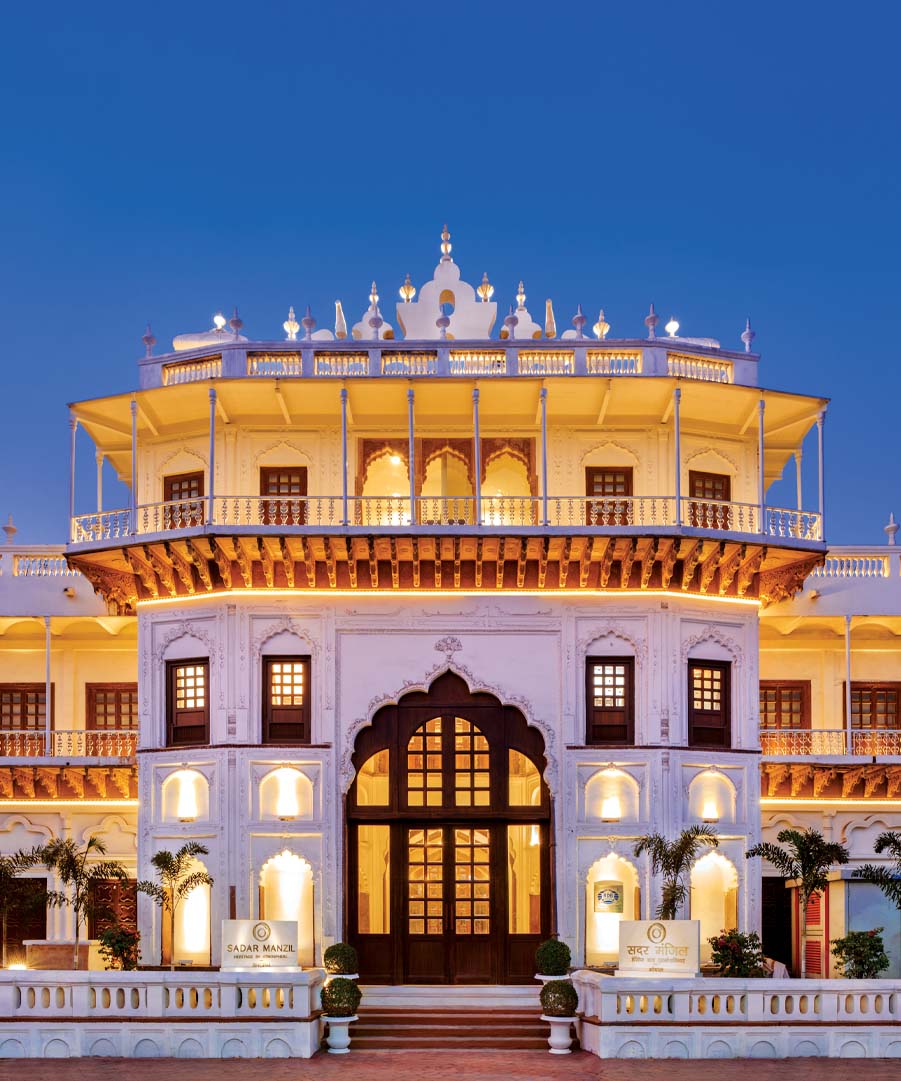
Built by Shah Jahan Begum, an ardent patron of architecture, Sadar Manzil reflects the authentic Bhopali Mughal style, blending oriental and occidental influences.
Restoration as a delicate surgery
Reviving a 127-year-old building naturally did not involve designing from scratch. Instead, every addition and intervention undertaken during the two-year restoration process had to be minimal, strategic, and invisible. “We weren’t just architects—we became surgeons,” says Aditya. “You can’t treat a structure like this with broad strokes. You have to work microscopically, ensuring that every repair is done with the lightest touch.”
Rather than carving out new spaces for modern mechanical, electrical, and plumbing systems (MEP), the team worked surgically—“zipping through” walls with precision, creating slots and sleeves instead of disruptive shafts and ducts to integrate modern comforts without taking away from the heritage. The only element that is apparent to the eye is the elevator. “But even this,” says Runa, “was designed in steel and glass to blend seamlessly and minimise visual disruption.”
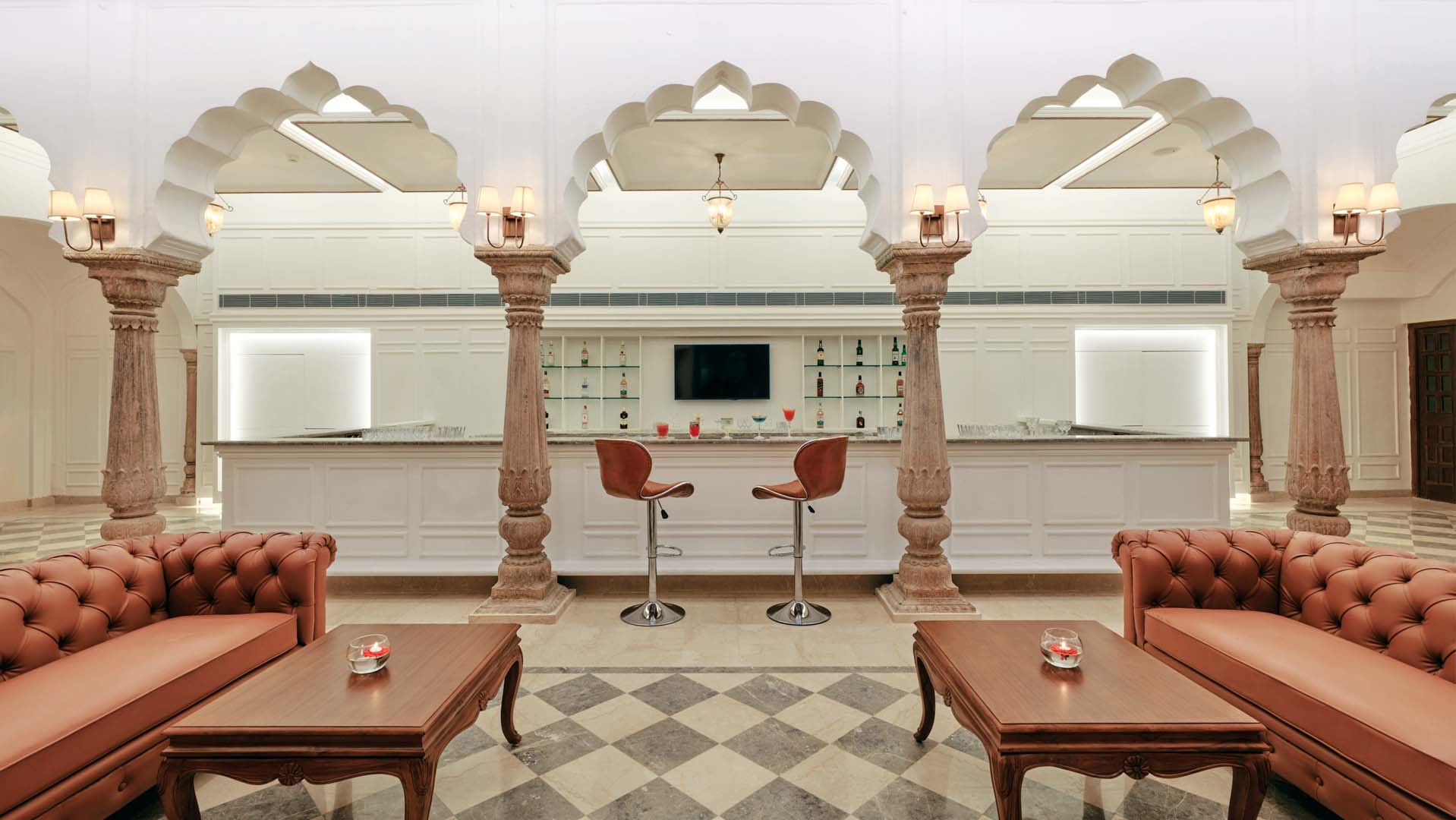
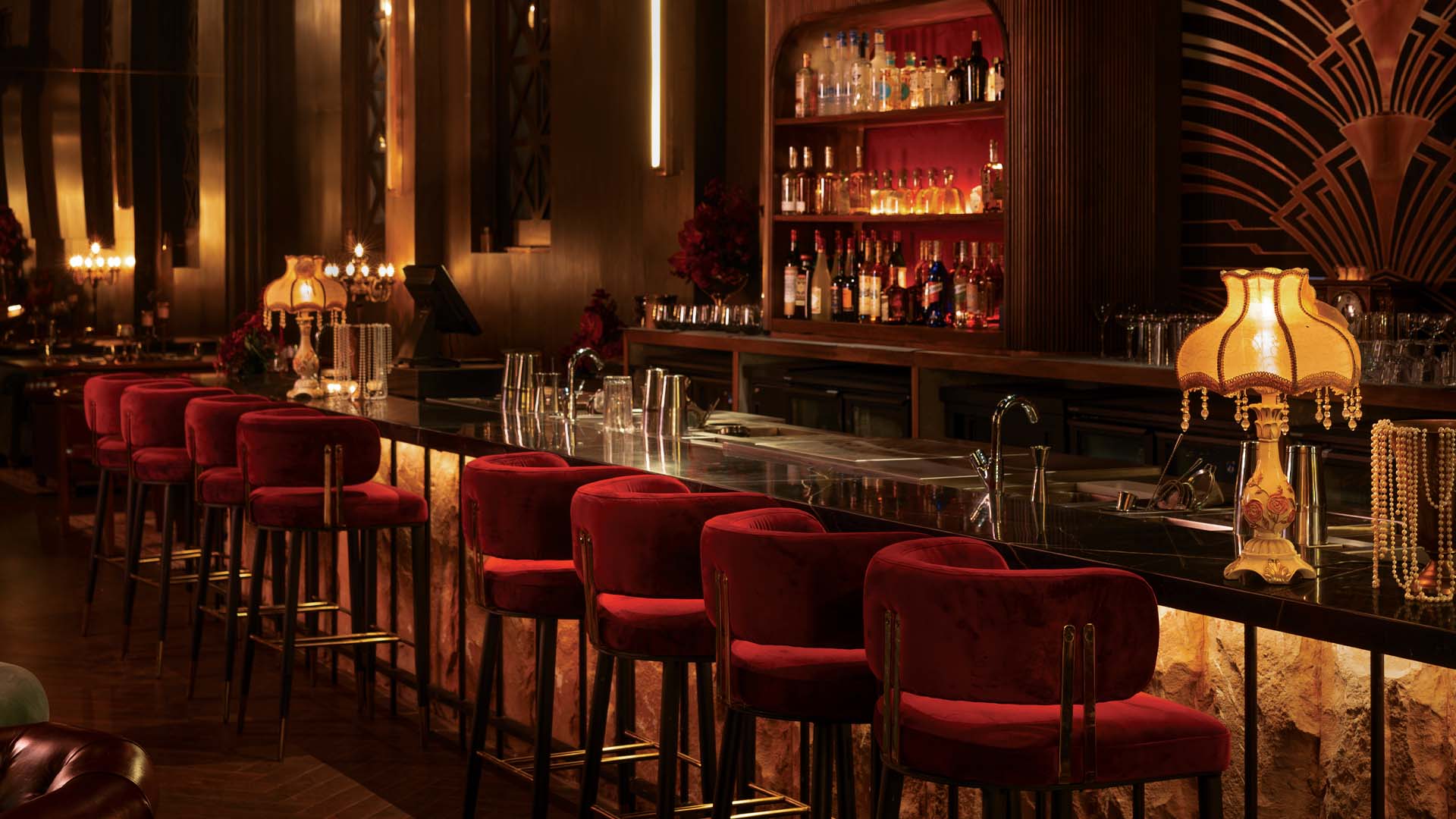
Chesterfield sofas in neutral tones settle beneath arched ceilings and carved columns, offering a refined setting for the bar.
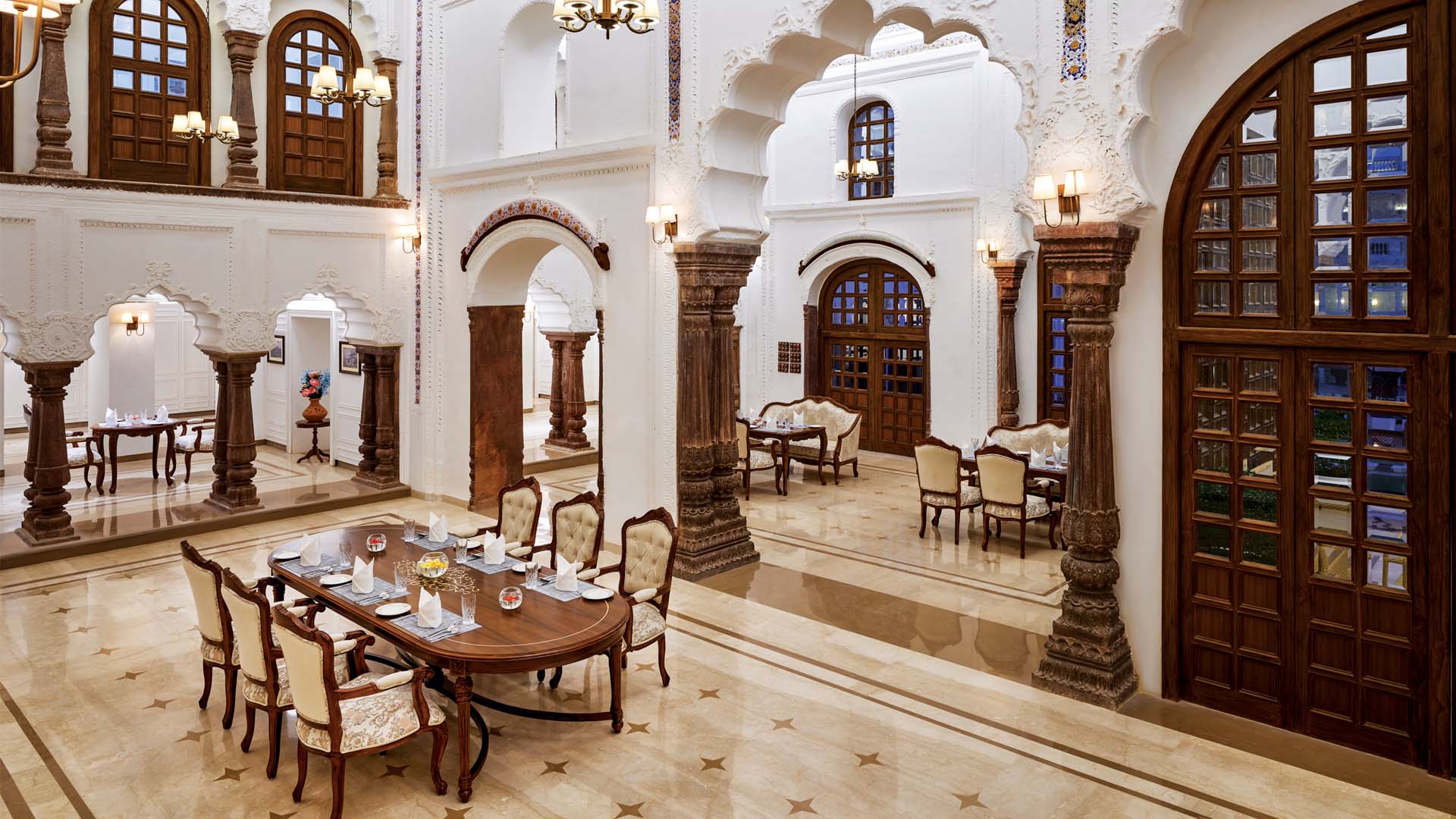
Diwan-i-Khas, where frescoed friezes, multifoil arches, carved columns, and intricate wall details immerse guests in an atmosphere steeped in history.
Material memory
The success of any restoration lies in staying true to its materiality. At Sadar Manzil, this meant rejecting modern materials in favour of traditional construction techniques. Cement was out; limewash was in.
Lime plaster, a staple in historic buildings, was reintroduced to let the walls breathe, ensuring that the restoration preserved not just the façade, but also the palace’s natural ability to regulate temperature and humidity.
'Modern' materials like glass and steel were used sparingly and purposefully—glass for visual continuity and steel for minimal structural intrusion, ensuring that every intervention remained as unobtrusive as possible.
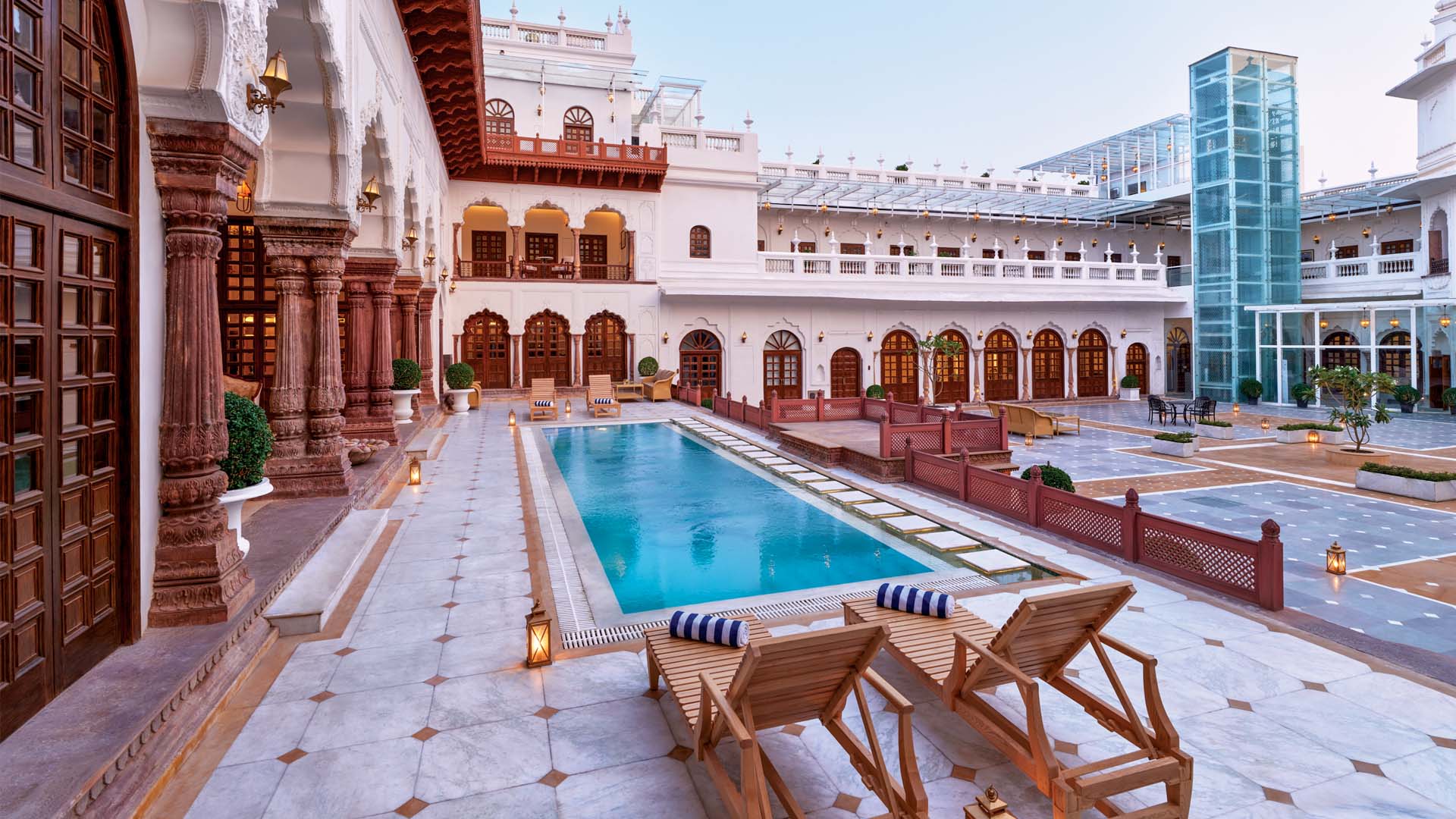
The grand podium that seated royalty has been reimagined as a serene pool area, blending heritage with relaxation.
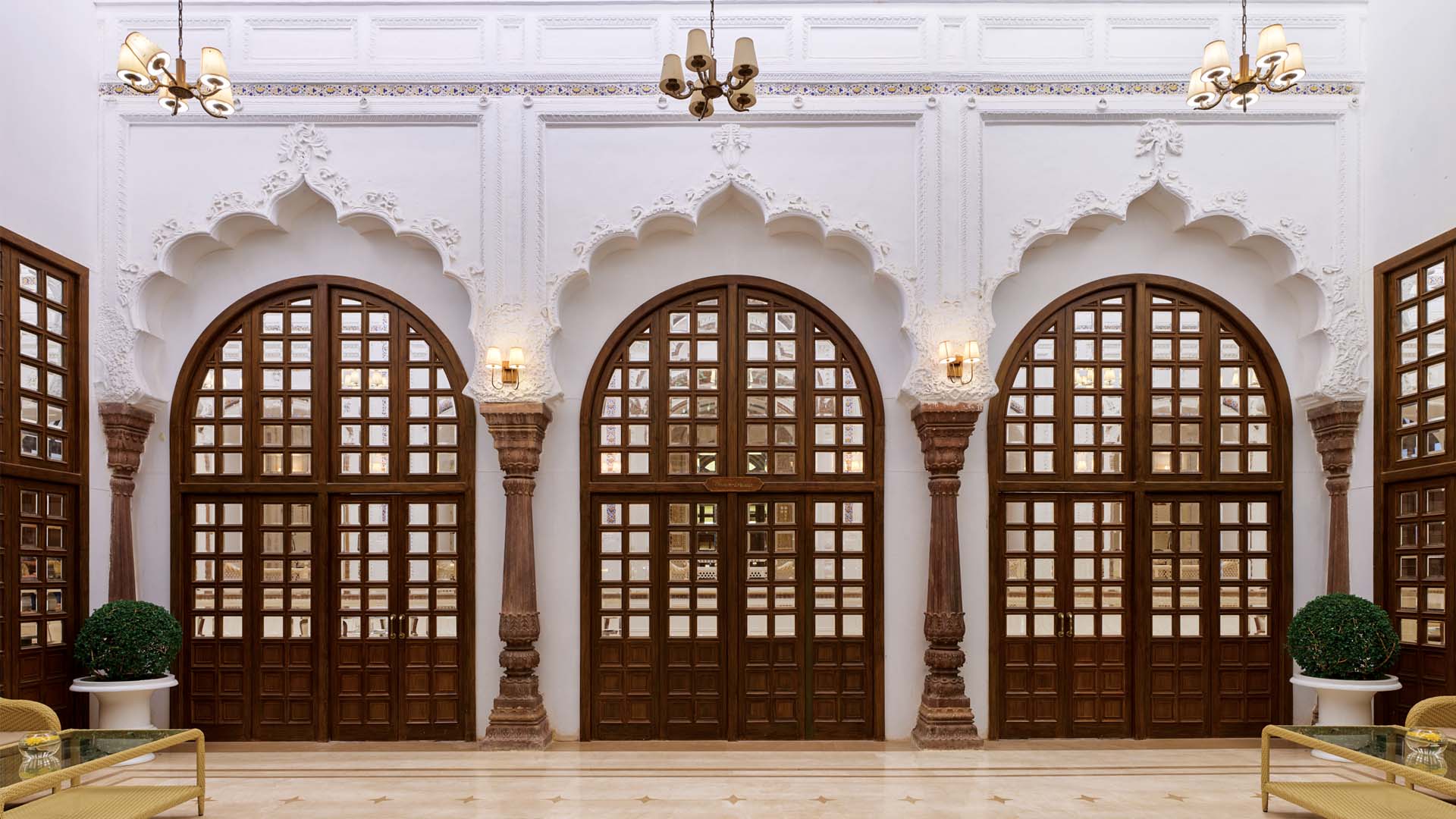
The entrance to the restaurant.
A technology-driven resurrection
One of the biggest challenges was dealing with lost architectural details—carvings that had worn away, frescoes that had faded, and structural elements that had crumbled. Here, technology played a crucial role. The team used Augmented Reality (AR) to reconstruct gaps, creating digital projections of what elements would have originally looked like using partial details.
“In India, heritage buildings often have details that get plastered over or eroded with time,” explains Aditya. “With AR, we could visualise what was once there and restore it with accuracy. Also, these buildings had several diverse influences spatially. These reconstructed details were then meticulously crafted by artisans, ensuring that every element remained faithful to the building’s original architectural language.
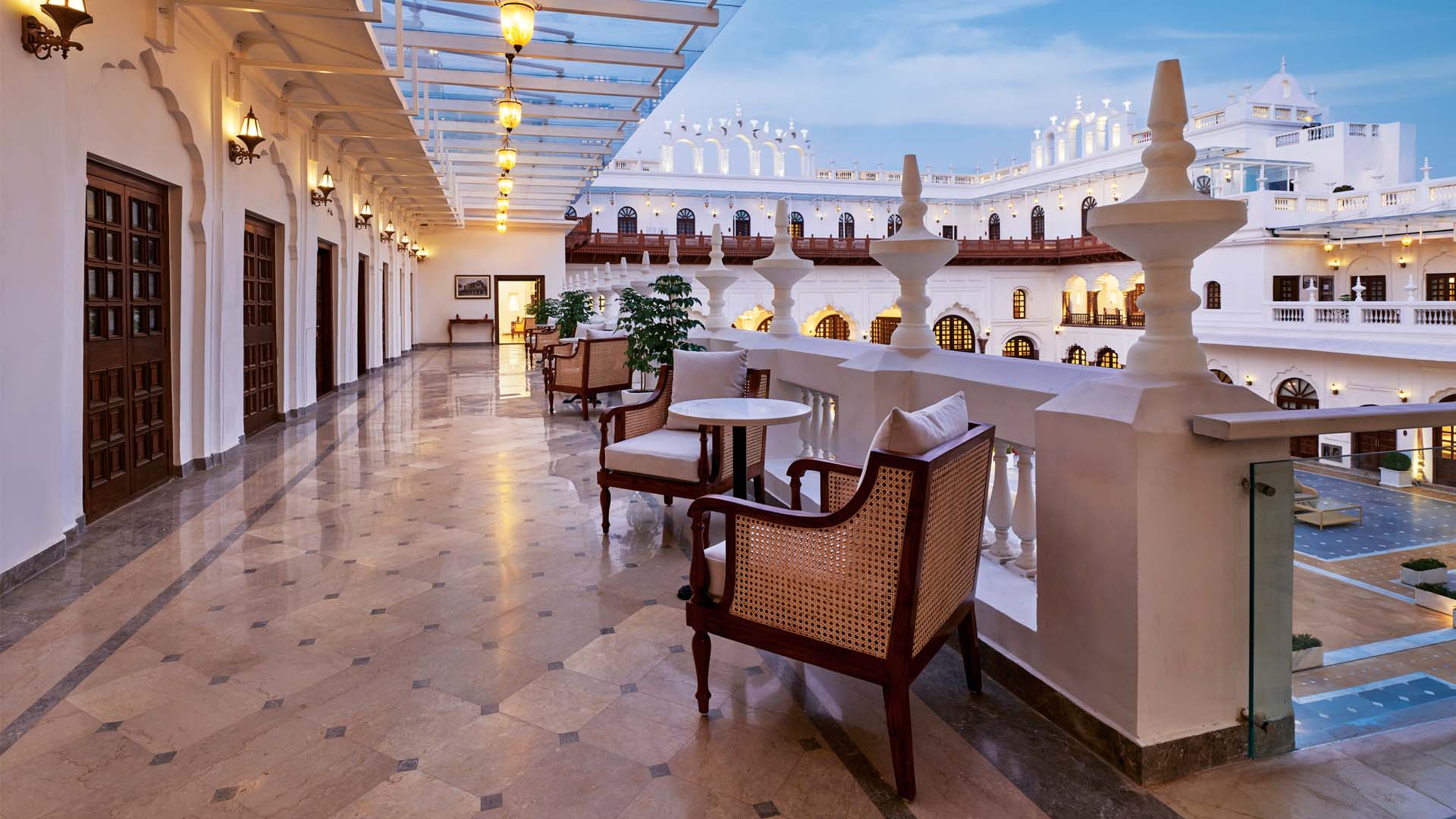
The upper gallery now enjoys subtle protection from an unobtrusive glass canopy, ensuring comfort without disrupting its historic integrity.
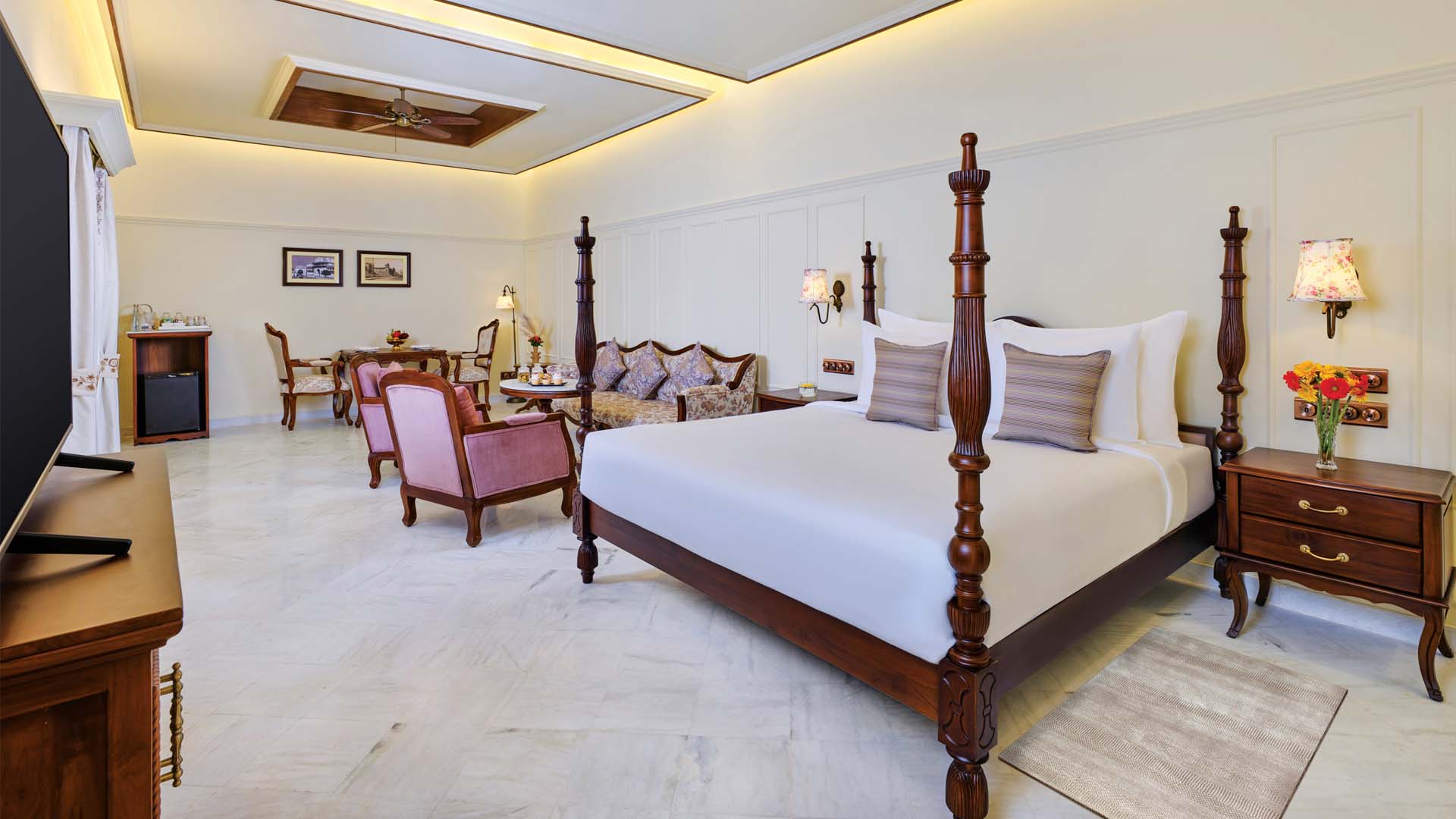
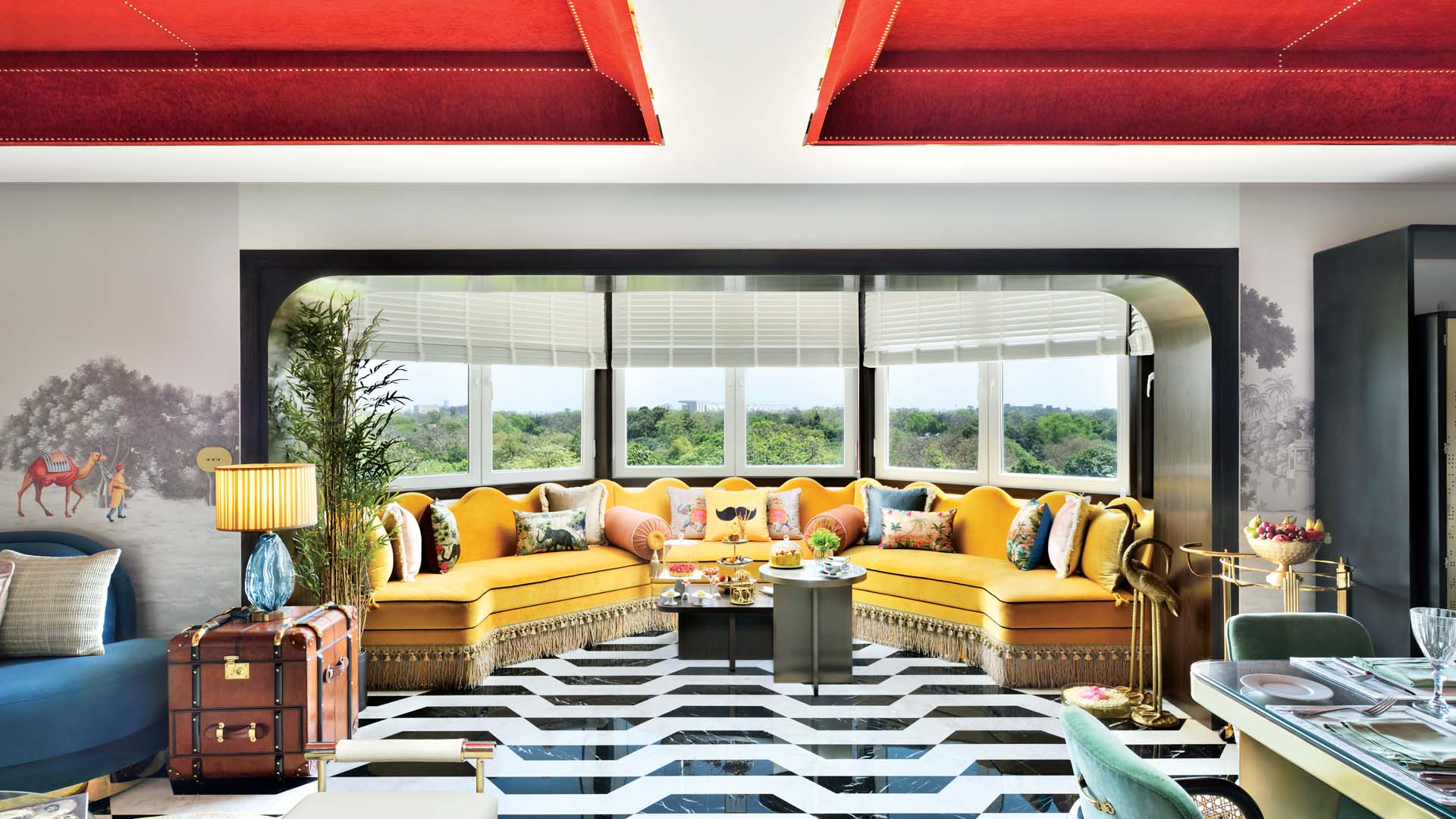
Period-style furniture infuses the rooms with timeless grace, offering an ambiance that echoes the elegance of a bygone era.
Mohallawalas: the real historians
For all the technology, research, and architectural expertise that went into the restoration, some of the most valuable insights came not from books, but from the people of Bhopal. “The mohalla historians, the neighbourhood elders, and local artisans knew more about this building than any document ever could,” says Aditya.
Walking through the site, speaking to people whose families had lived near Sadar Manzil for generations, the team uncovered forgotten stories, details about lost elements, and narratives that helped shape the restoration process. “If you just listen to the sound of the neighbourhood, heritage reveals itself,” he says. “Buildings don’t exist in isolation. They belong to the people.”
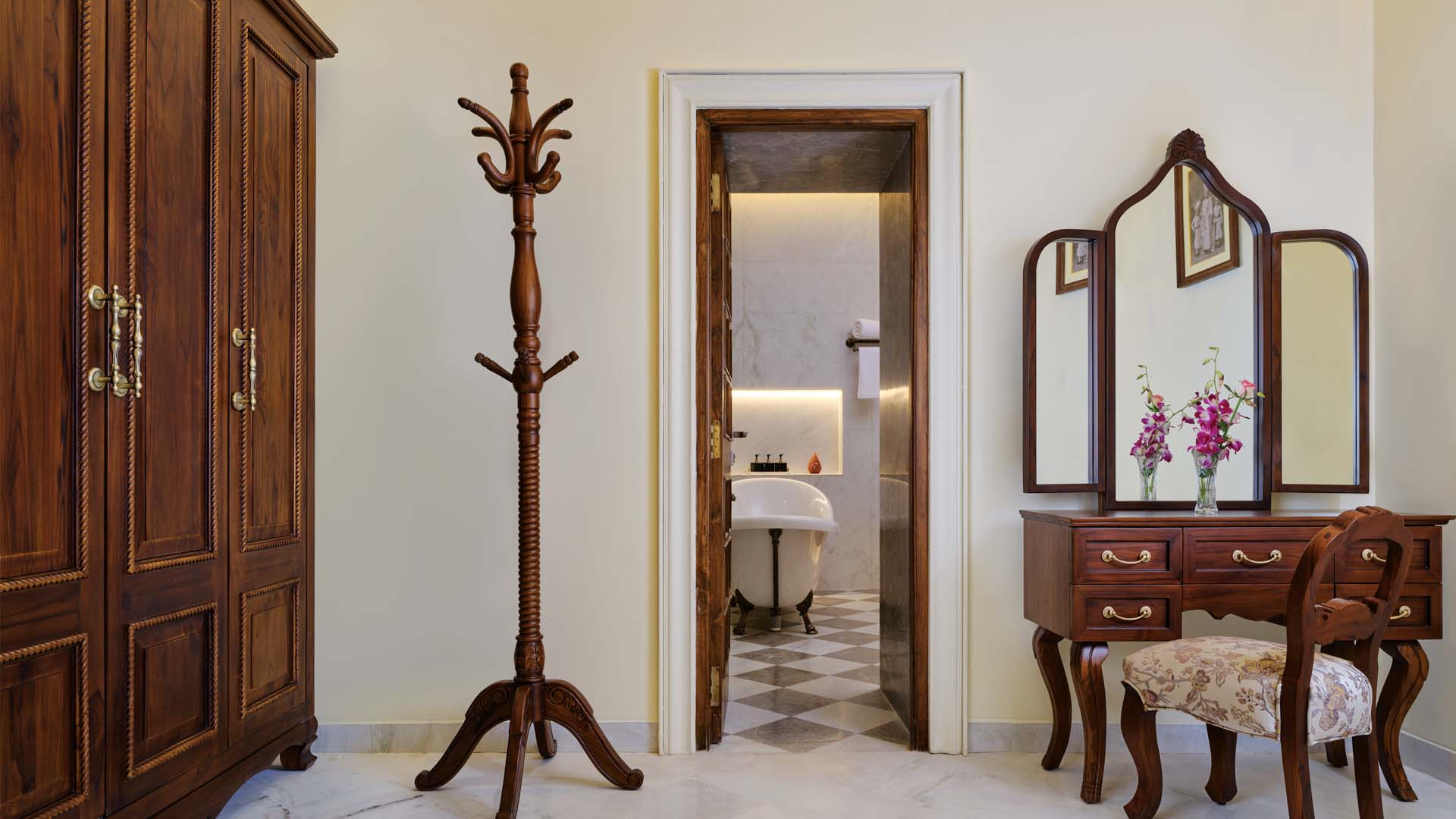
Period-style furniture infuses the rooms with timeless grace, offering an ambiance that echoes the elegance of a bygone era.
The art of controlling darkness
Lighting is not just about illumination—it is about storytelling. In historic structures, where textures, reliefs, and intricate details define the architecture, light plays a crucial role in revealing their character. The right lighting enhances depth, form, and materiality, bringing spaces to life while preserving their timeless aura.
At Sadar Manzil, lighting was designed to celebrate the shadows rather than erase them. Strategic placement of lights ensured that architectural details were highlighted rather than washed out, allowing the play of light and shadow to accentuate the historic materials. The effect is most striking at twilight, when the soft glow enhances the architectural depth without overpowering its charm. “I always envisioned this project in twilight,” Aditya adds, “where the contours of history become visible in the way light touches them.”
An intrinsically green building
“What is more sustainable than has already stood a building that for over 100 years? And now, with adaptive reuse, it continues to thrive,” reflects Runa. As a luxury hospitality space, modern comforts like active cooling were essential.
However, these additions do not diminish the fact that Sadar Manzil was inherently sustainable long before sustainability became a buzzword. Its courtyards and material choices naturally regulate temperature, creating a passive cooling system that has functioned for over a century. “Sustainability isn’t about adding new tech,” says Aditya. “It’s about recognising the intelligence of the past and ensuring that it continues to function.”
Sadar Manzil Heritage by Atmosphere Bhopal is not just a restored audience hall of the nawabs—it is a story of preservation, of architectural humility, and of a city reclaiming its history. “For us, the most rewarding part was seeing how the neighbourhood changed,” say the architects. “When a neglected structure is reborn, it doesn’t just change the skyline—it changes the way people feel about their heritage. That’s the true power of restoration. It creates pride.”
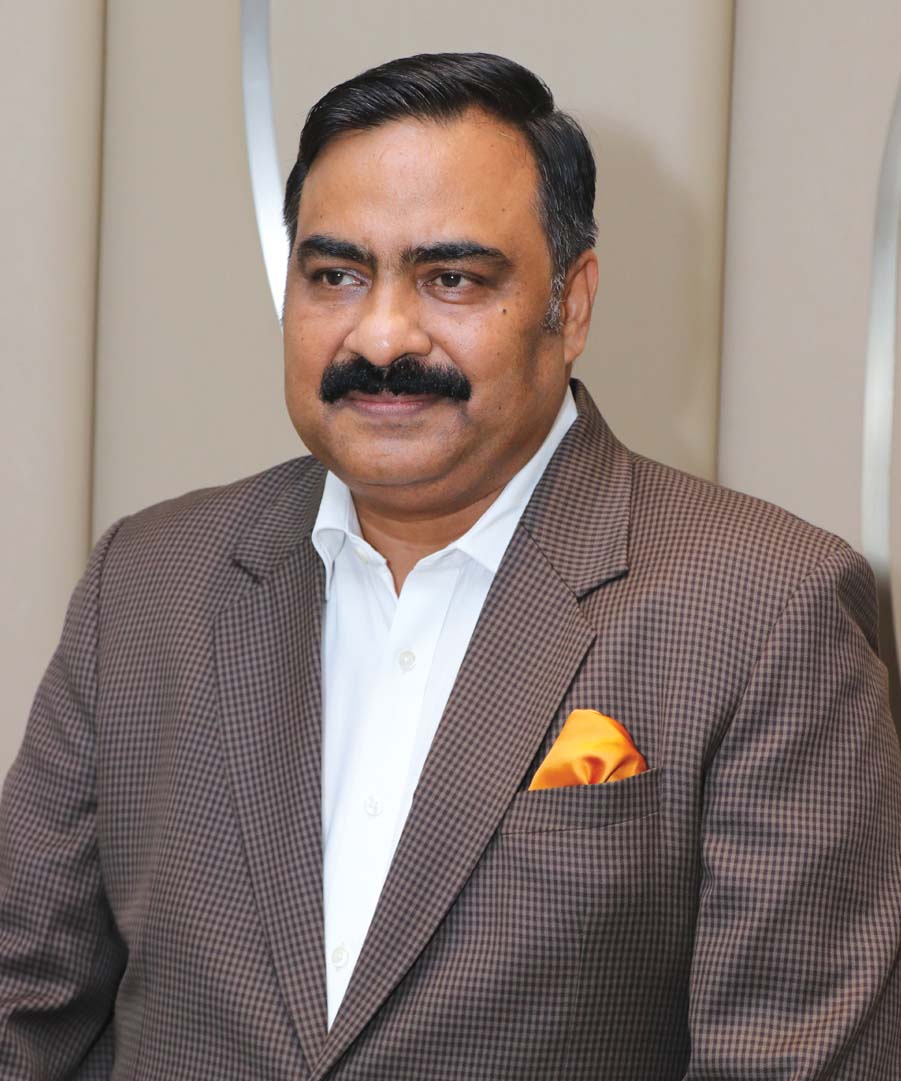
Souvagya Mohapatra, MD (India, Nepal, Bhutan, Sri Lanka), Atmosphere Core.
Today’s discerning travellers are seeking unique, culturally rich experiences. Our chefs have crafted a global vegetarian menu, blending innovation with heritage, ensuring that dining here is a true culinary indulgence.
Souvagya Mohapatra
MD (India, Nepal, Bhutan, Sri Lanka), Atmosphere Core

Reviving Sadar Manzil for a New Era
For Akshat Jain, CEO, RDB Bhopal Hospitality, the revival of Sadar Manzil was more than just a business venture—it was an opportunity to bring a historic landmark back to life.
"Bhopal, with its rich Mughal heritage and incredible connectivity, has always fascinated us," says Jain. "When the Government of Madhya Pradesh launched a leasing initiative for heritage restoration through Smart City, we knew this was the perfect opportunity. Sadar Manzil was a jewel waiting to be polished.”
For its management, the team sought a global name with a deep understanding of heritage hospitality. Atmosphere Core, known for its exceptional resorts in the Maldives, was a natural choice. "Atmosphere Core’s expertise in women-staffed, couples-only resorts made them the ideal fit for India’s first couples-only heritage hotel. Partnering with them under the ‘Heritage By Atmosphere’ sub-brand was a seamless decision,” says Jain.

Akshat Jain, CEO, RDB Bhopal Hospitality.
Bhopal, with its rich Mughal heritage and incredible connectivity, has always fascinated us. Sadar Manzil was a jewel waiting to be polished.
Akshat Jain
CEO, RDB Bhopal Hospitality
Honouring History Through Hospitality
One of the most unique aspects of Sadar Manzil Heritage by Atmosphere Bhopal is its all-women guest-facing team—a nod to the city's remarkable history of female leadership.
Between 1844 and 1926, Bhopal was ruled by four successive Begums, making it one of the few princely states governed by women for nearly a century. The decision to have a women-led front-of-house team is a continuation of that legacy.
Beyond symbolism, this approach also reflects a shift in luxury hospitality, where a deeply personal, refined, and warm service model is prioritised over rigid formality. Guests are welcomed into Sadar Manzil with a level of care and grace that mirrors the hospitality of Bhopal’s
royal courts.

Runa Dasgupta Goswami, Principal & Co Founder, Architectonic Services.
The way royal palaces functioned is exactly how a premium hotel operates. So, each part of the building has been utilised in the same spirit as it was originally intended.
Runa Dasgupta Goswami
Principal & Co Founder, Architectonic Services
A Palace Reimagined for Today
For Souvagya Mohapatra, MD (India, Nepal, Bhutan, Sri Lanka) at Atmosphere Core, Sadar Manzil Heritage by Atmosphere Bhopal is more than just a hotel—it is a timeless tribute to Bhopal’s regal past.
“Bhopal is a breathtaking city, celebrated for its lakes and rich heritage,” says Mohapatra. “We are proud to manage this iconic 127-year-old property, which has been meticulously restored by RDB Group and now infused with a world-class touch under our ‘Heritage by Atmosphere’ sub-brand.”
The property’s exclusivity sets it apart—just 22 luxurious rooms and suites, designed for couples seeking an immersive heritage experience. “From the moment our guests arrive, they are treated like royalty, with warm welcomes, enchanting evening entertainment, and personalized touches that create an unforgettable stay,” Mohapatra explains.
A bold move in the hospitality landscape, Sadar Manzil is India’s first couples-only, vegetarian heritage hotel. The decision, Mohapatra notes, was strategic: “Today’s discerning travellers are seeking unique, culturally rich experiences. Our chefs have crafted a global vegetarian menu, blending innovation with heritage, ensuring that dining here is a true culinary indulgence.”