


















Hotels Are Transforming Sustainability into the New Experience
World Earth Day underscores a new reality for hospitality: sustainability is no longer optional—it’s expected. Here’s how hotels are redefining the guest experience through greener practices.


By Rachna Virdi
World Earth Day (April 22) is no longer just a symbolic moment for the hospitality industry—it’s a reality check. “Going green” has evolved from a marketing message into a baseline expectation, driven by travellers who increasingly weigh environmental impact alongside comfort and cost.
Global data underscores this shift. With more than 90% of Indian travellers expressing an intent to make more sustainable choices, according to Booking.com, eco-consciousness is reshaping how and where people stay. In response, hotels across urban hubs and nature-led destinations are rethinking their role—not just as places to stay, but as stewards of the environments they inhabit.
Sustainability today is no longer a side initiative. It is embedded into design, operations, and brand identity, transforming the very nature of the guest experience. Travellers aren’t just looking for luxury—they’re looking for responsibility.
Earth Day offers a timely lens to examine this transformation: how far the industry has come, and what meaningful progress still demands.
SOH looks at how green hotels are shaping the future of hospitality.
IHCL: A Commitment To Responsible Tourism
Indian Hotels Company (IHCL) reaffirms its commitment to responsible resource management across its portfolio. Guided by Paathya, its ESG+ framework, IHCL continues to embed sustainability at the core of its operations—strengthening environmental stewardship while building long-term resilience.
Gaurav Pokhariyal, Executive Vice President – Human Resources, IHCL, said, “Sustainability today has evolved from a set of initiatives into a core operating discipline that shapes how the industry creates long-term value. As our portfolio expands across geographies, integrating sustainable practices into everyday operations becomes critical to responsible growth. In line with Paathya, IHCL remains focused on enhancing energy efficiency, water stewardship, and waste management, ensuring that environmental responsibility is intrinsic to the way we operate.”
Since 2016, IHCL has achieved significant progress, reducing energy intensity by 18%, emissions intensity by 35%, potable water intensity by 34%, and waste-to-landfill intensity by 46%. These milestones underscore the company’s sustained focus on improving resource efficiency across its operations. The achievement of 100 EarthCheck-certified hotels further reflects the consistency and scale of these efforts.
IHCL’s initiatives—including the increased adoption of renewable energy, deployment of advanced energy management and chiller optimisation systems, transition to efficient and fossil fuel-free laundry operations, strengthened organic waste processing and composting practices, in-house water bottling to reduce reliance on packaged water, and the elimination of single-use plastics—collectively reinforce its commitment to responsible tourism.

IHCL continues to prioritise improvements in energy efficiency, water stewardship, and waste management, embedding environmental responsibility at the core of its operations.
ITC Hotels: Sustainability is a Philosophy
At ITC Hotels, sustainability is intrinsic to its ethos of Responsible Luxury—where exceptional hospitality is delivered in harmony with the environment. This philosophy reflects how resilient hospitality is built: by anticipating uncertainty and translating long-term intent into operational reality.
Anil Chaddha, Managing Director, ITC Hotels, said, “Responsible Luxury—our commitment to sustainability—was never an afterthought or a response to trends; it has been a core business philosophy for over two decades. We chose the road less travelled. At a time when luxury and sustainability were seen as opposing ideals, we demonstrated that they could become enduring partners. We define this as Responsible Luxury—‘luxury without compromising the earth and sustainability without compromising luxury.’”
With the launch of ITC Gardenia in 2009, ITC Hotels institutionalised Responsible Luxury, establishing a new paradigm in hospitality. “We were clear that this was a future-forward approach. Inspired by age-old traditions that emphasise mindful resource use, we have consistently invested in sustainable practices. For instance, not a drop of water at our hotels is wasted. We adopted the use of glass bottles well before it became mainstream and have long championed seasonal produce, with over 50% now sourced locally,” Chaddha added.
Over time, this philosophy has been embedded across operations—from kitchens and laundry services to boilers, hot water systems, and grid power sourcing. A growing share of these systems is aligned with renewable energy, alongside a progressive shift toward fuel switching and decarbonisation. Today, several properties operate predominantly on renewable energy, significantly reducing dependence on fossil fuels. Sustainability considerations are integrated into infrastructure planning, asset upgrades, and new developments, ensuring they are designed into the operating model rather than added later.
Beyond efficiency and emissions reduction, the objective has been to build systems capable of sustaining service excellence in the face of uncertainty. This systems-led approach is reflected in ITC Hotels’ leadership in green buildings, with 23 LEED Platinum-certified hotels, including 12 LEED Zero Carbon and 12 LEED Zero Water properties—demonstrating the ability to implement resilient energy and resource systems at scale.
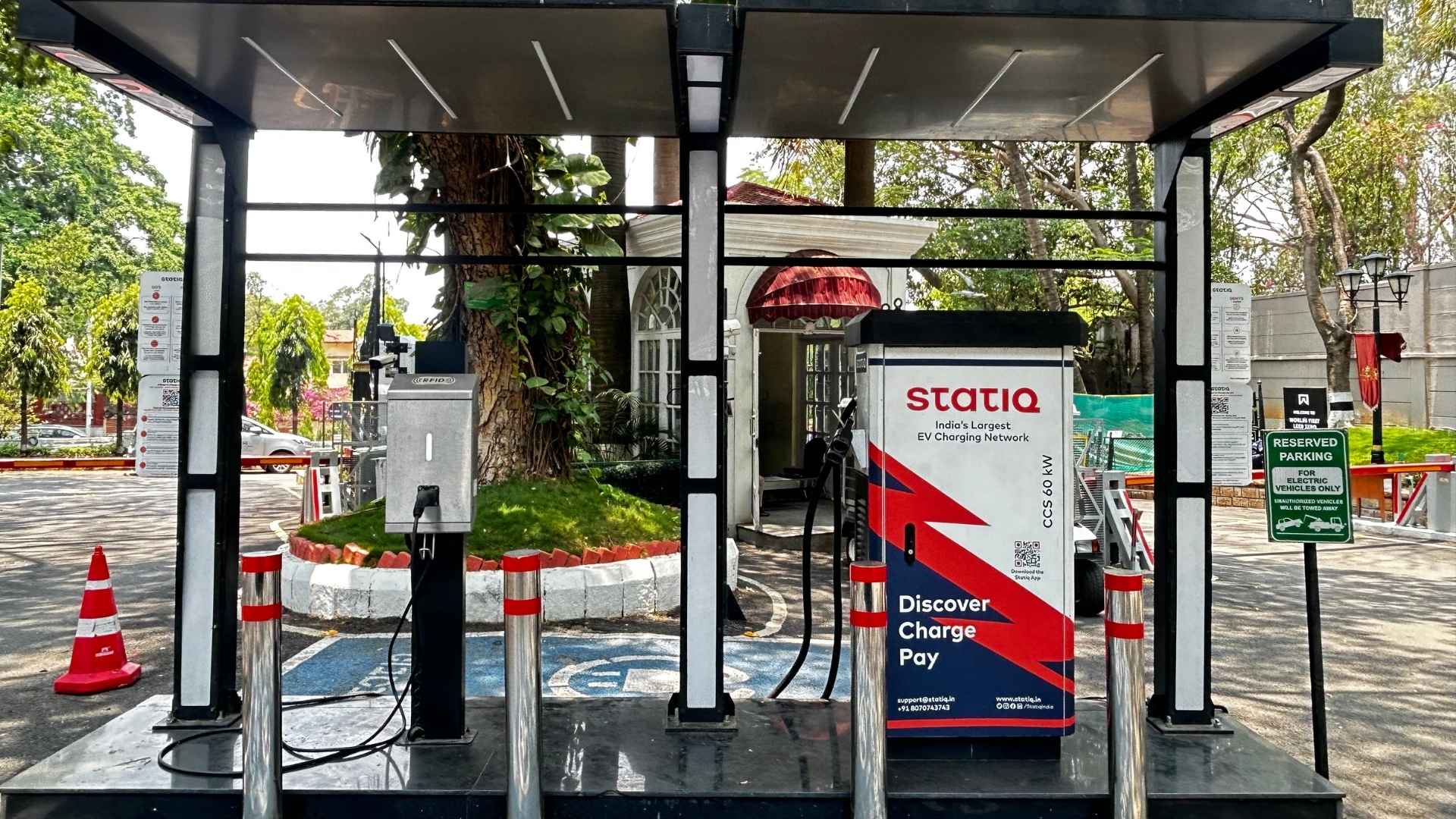
ITC Hotels' have consistently invested in sustainable practices.
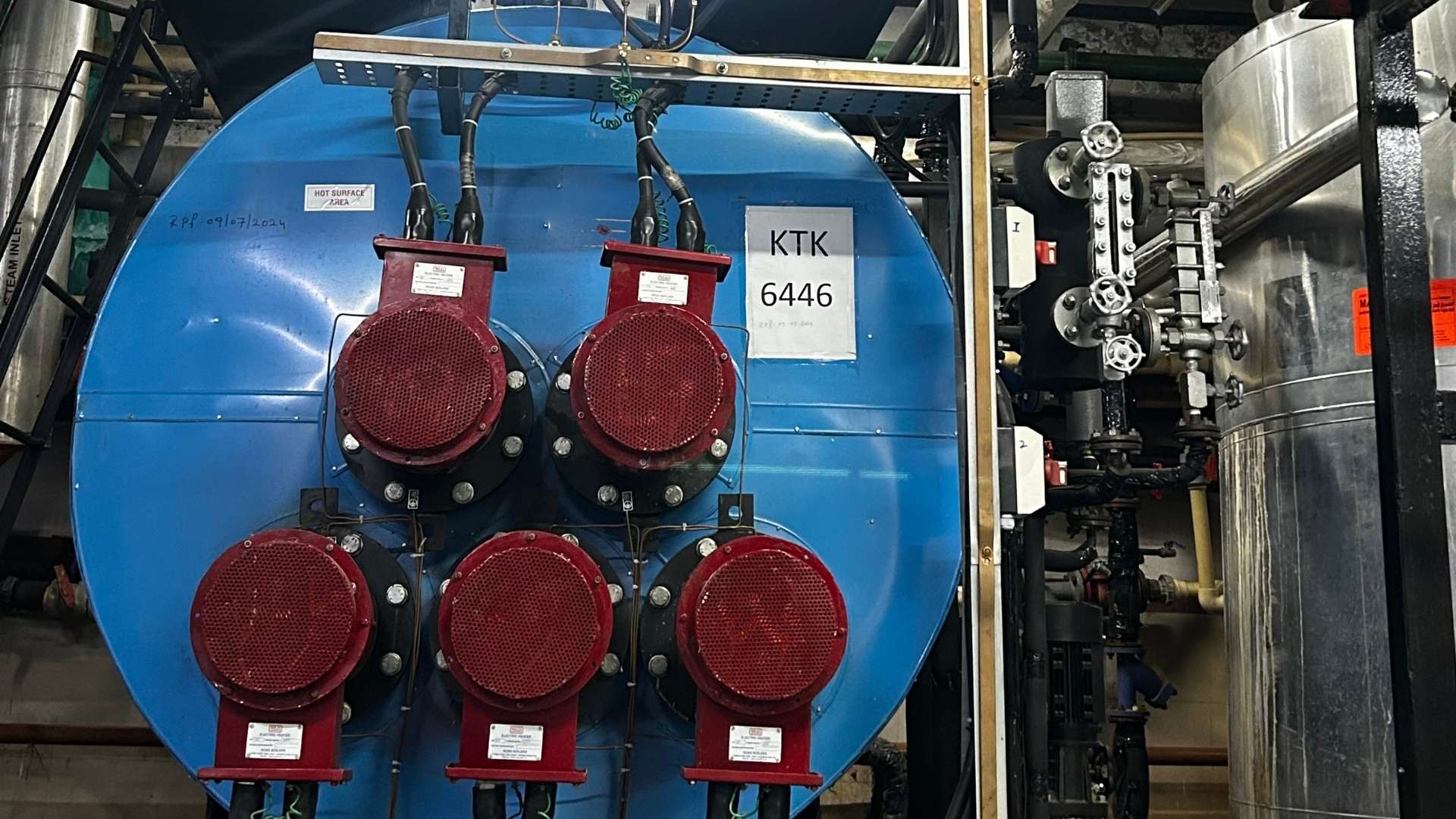
The sustainability philosophy is embedded across operations—from boilers, hot water systems to grid power sourcing.
The Oberoi Group: A Holistic Sustainability Framework
The Oberoi Group reaffirms its commitment to shaping a future rooted in sustainability. Elements by Oberoi, the Group’s holistic environmental and social responsibility framework, reflects a philosophy that has long guided its ethos and now takes centre stage as the company continues to scale new heights. In an era where conscious travel is redefining global conversations, Elements by Oberoi embodies the Group’s evolved sustainability vision—one that is deeply embedded in its operations and continually advancing to serve the needs of the planet, its people, and future generations.
At the heart of this approach lies a comprehensive framework inspired by the life-sustaining elements—Earth, Water, and Air. The Earth pillar focuses on organic farming, waste-to-compost initiatives, sustainable landscaping, and the use of locally sourced ingredients. It also emphasises waste reduction through eco-friendly amenities, the elimination of plastic water bottles across all properties, and material reuse, fostering a circular model of sustainability.
The Water pillar integrates circular practices into water stewardship through advanced rainwater harvesting, zero liquid discharge systems, and sustainable laundry operations. It also extends to supporting marine conservation and promoting responsible water usage within surrounding communities.
The Air pillar is dedicated to reducing carbon emissions through the adoption of clean energy, intelligent systems, and air purification technologies. Initiatives include solar- and wind-powered operations, electric vehicle charging infrastructure, and automated energy management systems—all contributing to a more sustainable future.
Arjun Oberoi, Executive Chairman – The Oberoi Group, said, “Sustainability is not just a value—it is a way of life that shapes how we build, serve, and lead. With Elements by Oberoi, we reaffirm our commitment to responsible growth, where every decision is guided by care for our planet and our communities.”
Vikram Oberoi, Chief Executive Officer – The Oberoi Group, added, “Sustainability is seamlessly woven into the guest journey and into how we engage with our people, surrounding communities, and the environment. Our commitment is to create experiences that are both meaningful and mindful.”
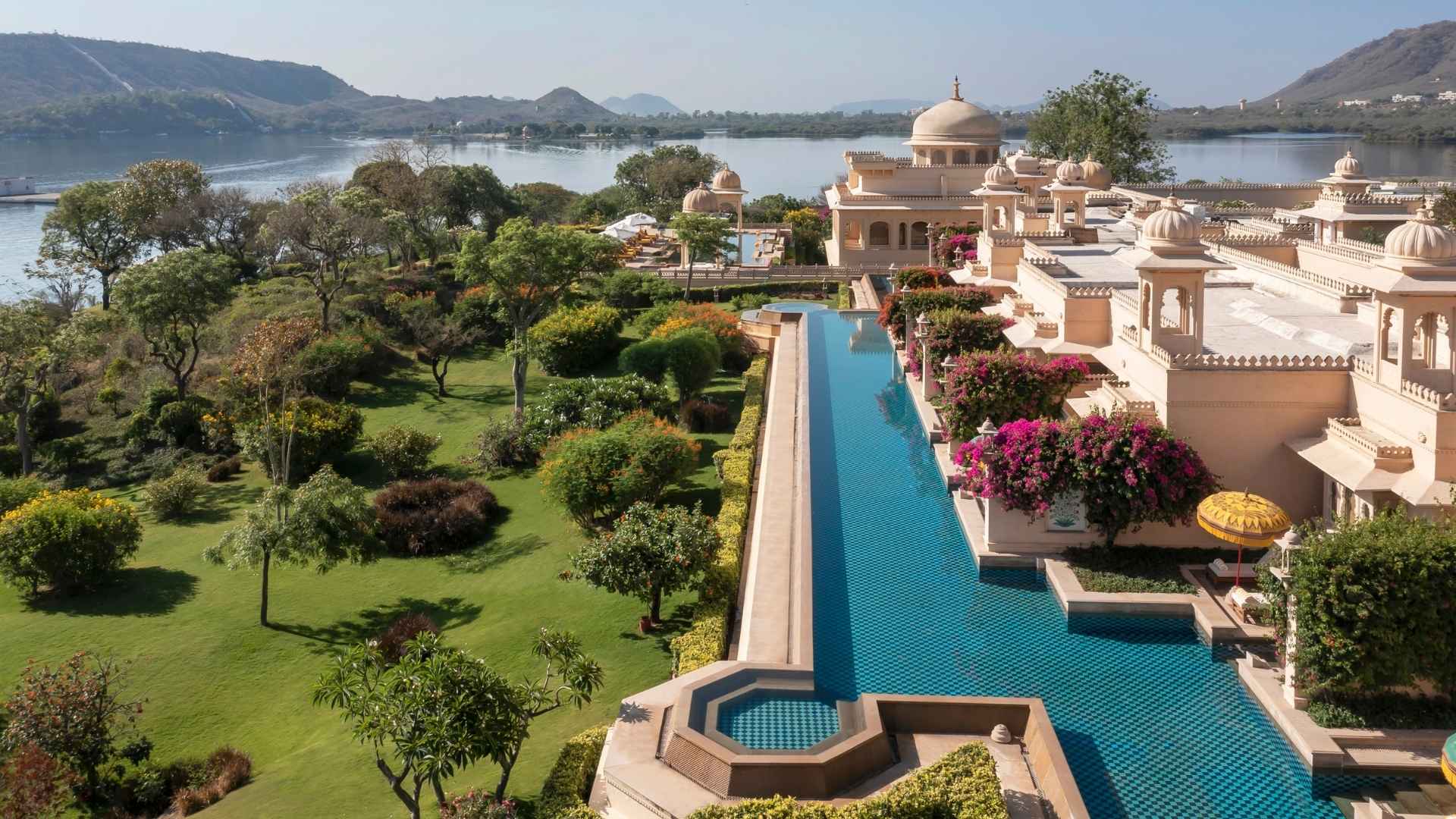
With Elements by Oberoi, the hotel reaffirms its commitment to responsible growth, where every decision is guided by care for the planet and communities.
Marriott Hotels: A Holistic Approach Across Destinations
Marriott’s sustainability philosophy, reflected across its diverse properties, is rooted in embedding responsible practices into both guest experiences and daily operations.
At JW Marriott Mussoorie Walnut Grove Resort & Spa, sustainability takes a deeply experiential and community-driven approach. Initiatives like the Implant Nature sapling plantation programme connect guests with local ecosystems, encouraging long-term environmental stewardship while preserving the fragile Himalayan landscape. This is complemented by farm-to-table dining through on-site greenhouses, extensive waste segregation, reduced single-use plastics, EV infrastructure, and carbon offsetting options—ensuring that sustainability is both immersive and measurable.
At The Westin Resort & Spa, Himalayas, sustainability is integrated through infrastructure and design. Advanced waste and water management systems, on-site bottling plants, and elimination of single-use plastics reflect a strong operational backbone. Energy efficiency is prioritised through LED lighting, high-performance appliances and preventive maintenance, while biophilic design principles—native landscaping, natural daylight, and ecosystem preservation—create a built environment that harmonises with nature. The focus extends to responsible sourcing and clean mobility, reinforcing their commitment to reducing environmental impact while supporting local communities.
At The Westin Goa, sustainability is seamlessly woven into the guest journey through smart technology and mindful resource use. Energy-saving systems, water recycling processes, and comprehensive waste management practices ensure minimal environmental footprint. Dining emphasises ethical sourcing and plant-forward menus, while initiatives like linen reuse, digital documentation, and plastic reduction empower guests to make conscious choices effortlessly.
Across all these properties, Marriott’s Serve 360 framework comes to life as a unified yet locally adapted strategy—balancing environmental responsibility, operational efficiency, and meaningful guest engagement.

At Marriott Hotels, sustainability is seamlessly woven into the guest journey through smart technology and mindful resource use.