












India’s Branded Residences Boom: Three Lessons for the Road Ahead
As India’s ₹92,000-crore branded residences market gathers momentum, TBRS 2.0 brought one question into focus: what will sustain the value of a branded home long after it is sold?

By SOH Edit Team
ndia’s branded residences market is growing rapidly, but the conversation is beginning to mature. The appeal of a prestigious name is well established. What matters now is whether that promise translates into a sound investment, a well-managed property and a lasting residential experience.
This was the larger conversation at The Branded Residences Summit 2026 (TBRS 2.0), presented by Amavi by Clarks and curated by NOESIS Hotel Advisors, that brought together 250 developers, 28 Indian and international brands, and representatives from banks and financial companies.
Nandivardhan Jain, Founder and CEO of NOESIS Hotel Advisors, unveiled the third edition of The Landscape of Branded Residences in India, offering a closer look at how the category has evolved from a niche luxury proposition into an increasingly significant real estate segment.
A Market Coming of Age
The numbers tell a compelling story. India's branded residences market is now valued at approximately ₹92,000 crore (USD 9.7 billion), making it the largest in Asia-Pacific by value. The country accounts for 21 percent of the region's branded residential value despite representing just 15 percent of its units.
According to NOESIS, India has 38 operational or launched projects comprising 10,452 residences. Supply grew 3.1 times in 2025, while the 5,156 homes launched since January 2025 exceed twice the supply introduced over the preceding seven years combined.
The market has also demonstrated considerable pricing power. Branded residences command an average 32 percent premium over comparable developments, reaching 44 percent in Pune and 42 percent in Kolkata.
With 47 confirmed projects in the pipeline and NOESIS projecting 85 by 2028, the category is moving beyond traditional metros into destinations such as Goa, Alibaug, Rishikesh and Mohali.

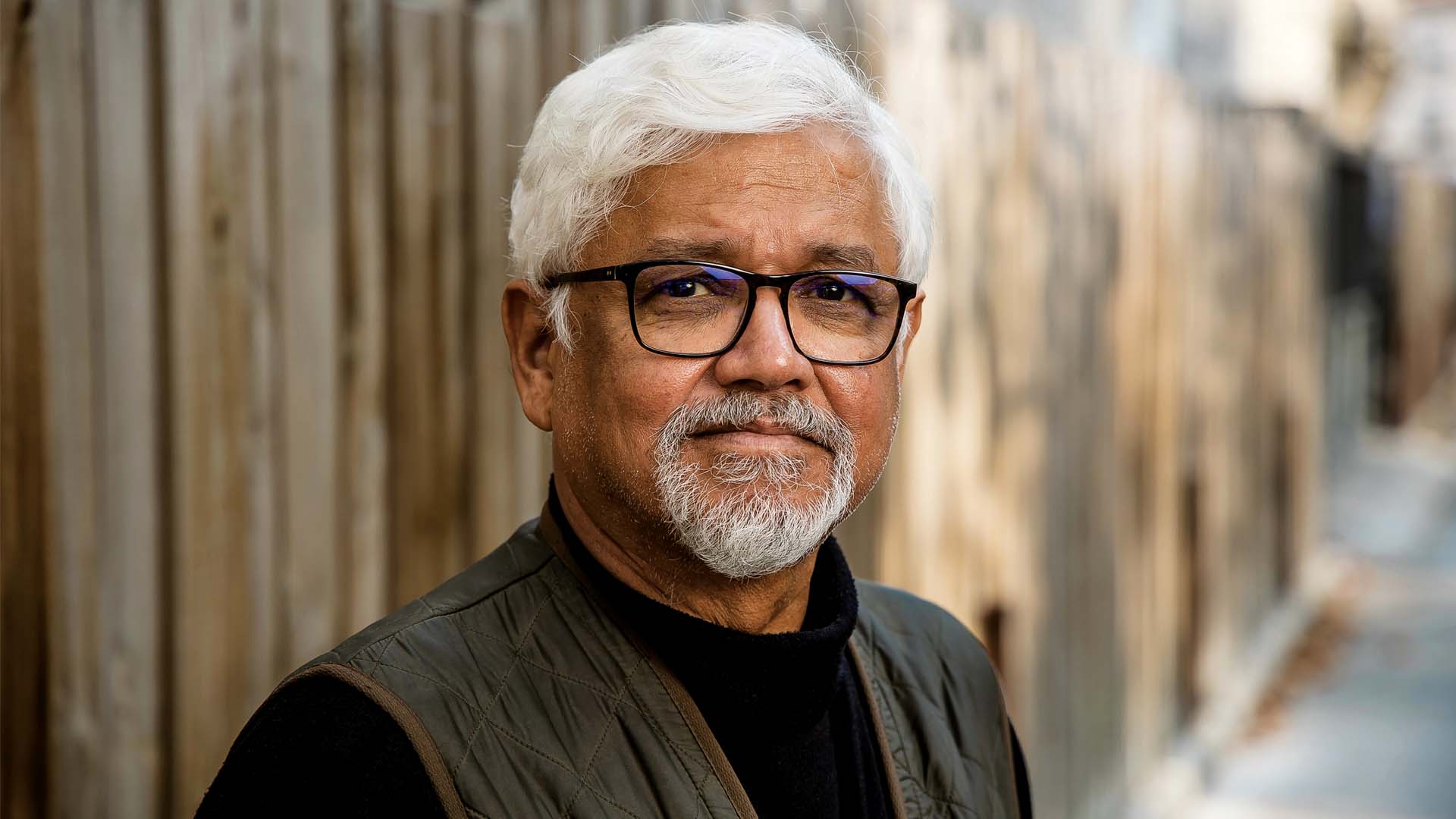
Nandivardhan Jain, Founder and CEO of NOESIS Hotel Advisors.
Three Takeaways in Focus
1. The right brand matters more than the biggest name: A recognisable logo can attract buyers, but it cannot rescue a poorly conceived development. One of the summit's strongest messages was the importance of getting the fundamentals right before choosing a brand. Location, buyer profile, product positioning and realistic pricing must guide the decision, rather than the other way around.
A brand influences far more than marketing. It shapes the architecture, amenities, construction specifications and ultimately the cost of delivering the project. The 32 percent average premium demonstrates the commercial potential, but the real advantage also lies in faster sales, healthier cash flows and reduced financing exposure.
For developers, the lesson is straightforward: brand equity creates value only when it is backed by sound feasibility and the right operating partner.
2. Capital cannot be an afterthought: The presence of banks and investment funds at TBRS 2.0 reflected another important shift: branded residences are increasingly being evaluated through the lens of financial performance, not just luxury positioning. Brand fees, construction costs, sales projections and financing structures are closely connected. A higher selling price may improve returns, but only when supported by realistic demand and disciplined project economics.
Equally important is what happens after possession. Maintenance charges, service commitments and owners' association structures determine whether the experience promised to buyers remains financially sustainable. For lenders, developers and operators, these decisions need to be made together, and early.
The takeaway is that a successful branded residence must work as a financial asset as convincingly as it works as a lifestyle proposition.
3. Hospitality brands have a bigger role to play: The most interesting opportunity lies in the changing role of hotel operators. In India, non-hospitality brands account for 73 percent of branded residential units, compared with approximately 20 percent globally. NOESIS expects hotel brands to narrow this gap significantly over the next two years. And the opportunity makes sense.
Hospitality brands bring something particularly valuable to residential real estate: the ability to deliver an experience consistently. From concierge services and property management to maintenance and personalised attention, their expertise extends well beyond the initial sale. But this also raises expectations. A hotel-branded residence is not simply a luxury apartment carrying a familiar name. It is a promise of service that must hold up over decades.
For developers, choosing the right hospitality partner will be as important as choosing the right location. For hotel groups, the opportunity comes with a responsibility to deliver the standards their names represent.
Ultimately, the true test of a branded residence begins when its residents move in.
The Road Ahead
With India's ultra-high-net-worth population reaching 19,877, and branded residential development expanding into emerging markets, the opportunity is substantial. But growth brings its own challenges. A luxury residence in Mumbai and a second home in Rishikesh cannot rely on identical positioning, services or operating economics. Understanding these distinctions will become increasingly important as the sector scales.
Jain observed: “The projects that take India to 85 by 2028 will be judged on what comes after the logo. Feasibility done before the brand is chosen. A partner picked for fit, not fame. The service run well for thirty years. That is the move from logo to lifetime value.”
India’s branded residences market has demonstrated that buyers are willing to pay for a name. The next chapter will be about proving that the experience behind that name is worth paying for, year after year.