











Marriott’s New Luxury Playbook: Four Gen Z Mindsets Are Reshaping Travel
Marriott International's study of 2,800 affluent APAC travellers reveals that luxury is no longer defined by demographics—but by intention, identity and experience.

By SOH Edit Team
For years, luxury travel brands have treated Gen Z as a single consumer segment. Marriott International's latest research suggests that assumption no longer holds.
Based on insights from 2,800 affluent travellers across eight Asia Pacific markets, including 1,200 Gen Z respondents, the report identifies four distinct luxury mindsets, each with its own expectations, motivations and definition of value.
The takeaway for hospitality brands is significant: the future of luxury lies in understanding mindsets, not demographics.
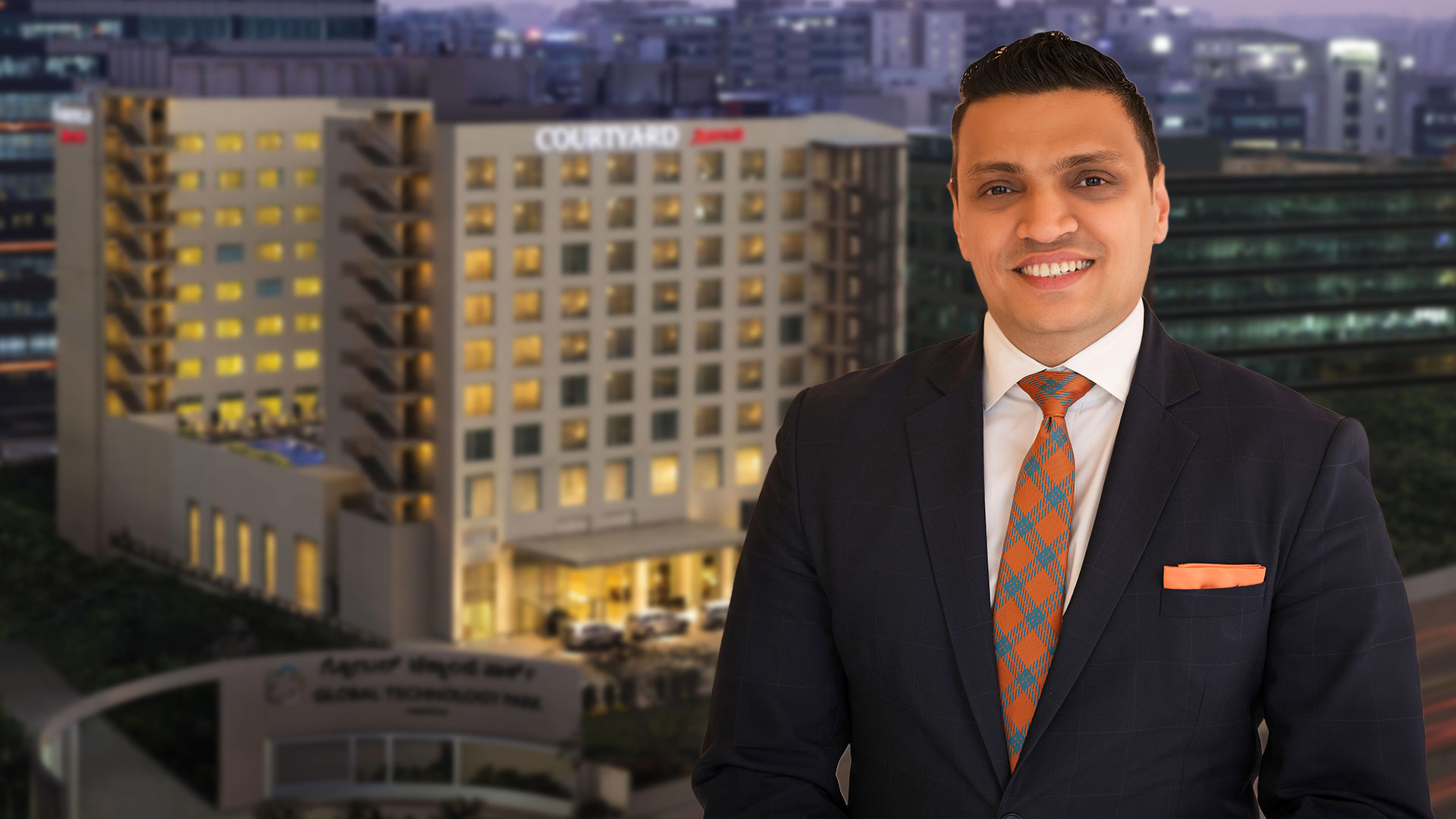
Oriol Montal, Regional Vice President Luxury, Marriott International Asia Pacific (excluding China), notes, “Luxury today is no longer defined by a singular standard. It is deeply personal. Our research reveals that affluent Gen Z travellers are not just participating in luxury travel. They are reshaping it, driven by a desire for meaning, wellbeing, and authentic connection. As the definition of luxury continues to fragment and evolve, understanding these emerging perspectives will be critical for shaping the next generation of travel experiences.”
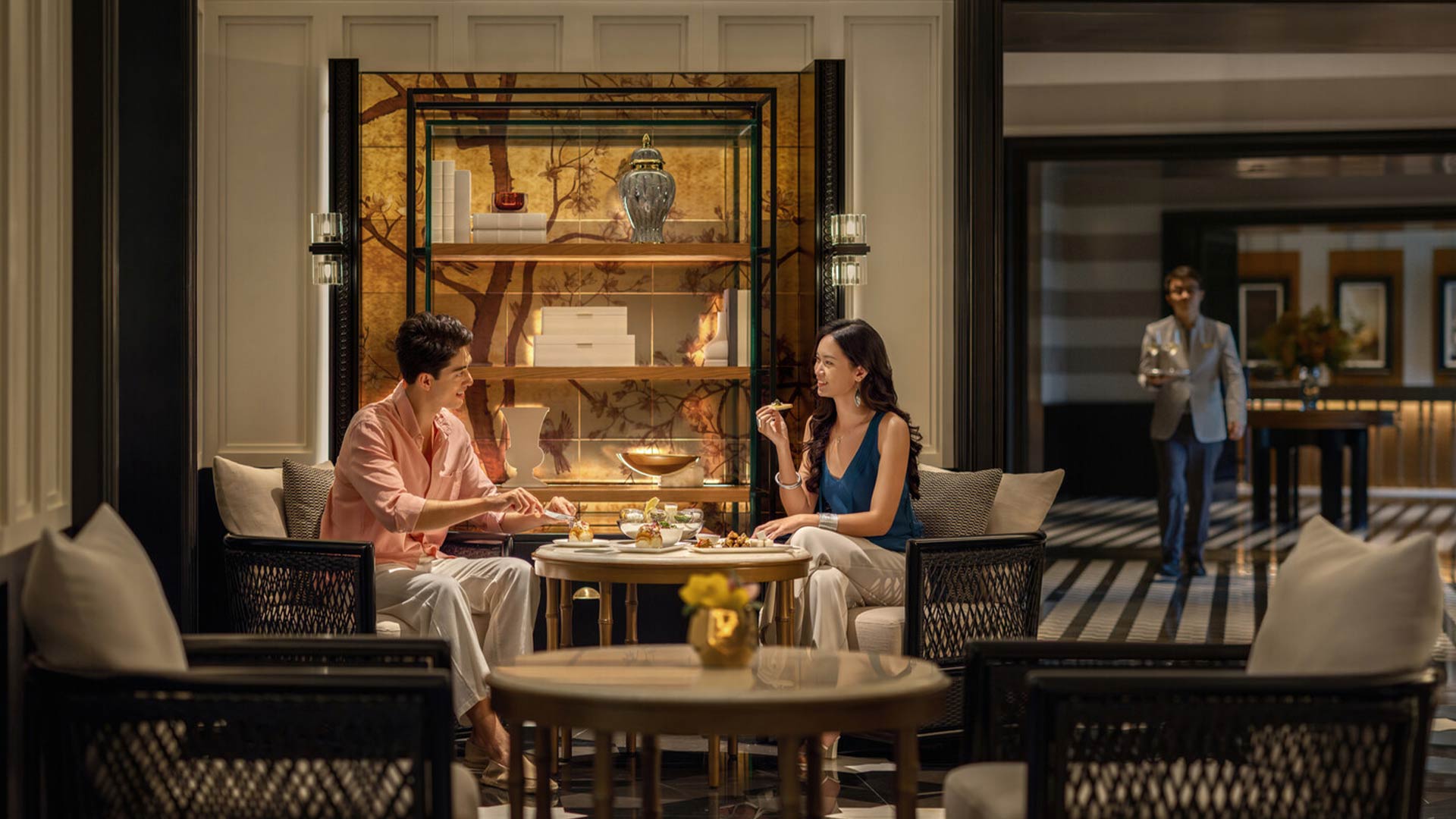
Gen Z is leading a structural shift
Affluent Gen Z travellers are no longer passive consumers—they're curating every aspect of their journeys.
More than half finance their own travel, while nearly half independently plan their itineraries. Their priorities extend beyond premium accommodation: 87% seek cultural immersion, 86% prioritise culinary experiences and nature, while 85% consider wellness a key decision factor.
They're equally redefining service expectations. Frictionless experiences, seamless communication and digital convenience are becoming non-negotiable, with 23% already using AI tools to plan travel.

Four luxury mindsets
The Connoisseur Traditionalist (34%)
Luxury remains rooted in heritage, reputation and impeccable service. Brand trust, loyalty recognition and timeless hospitality continue to influence booking decisions.
The Future Proofer (30%)
Travel is viewed as an investment in long-term wellbeing. Wellness facilities, preventive health and nature-led experiences are central to their definition of luxury.
The Quiet Luxurist (20%)
For this segment, exclusivity means privacy. Digital detoxes, secluded destinations and boutique experiences outweigh visibility and social validation.
The Cultural Reclaimer (16%)
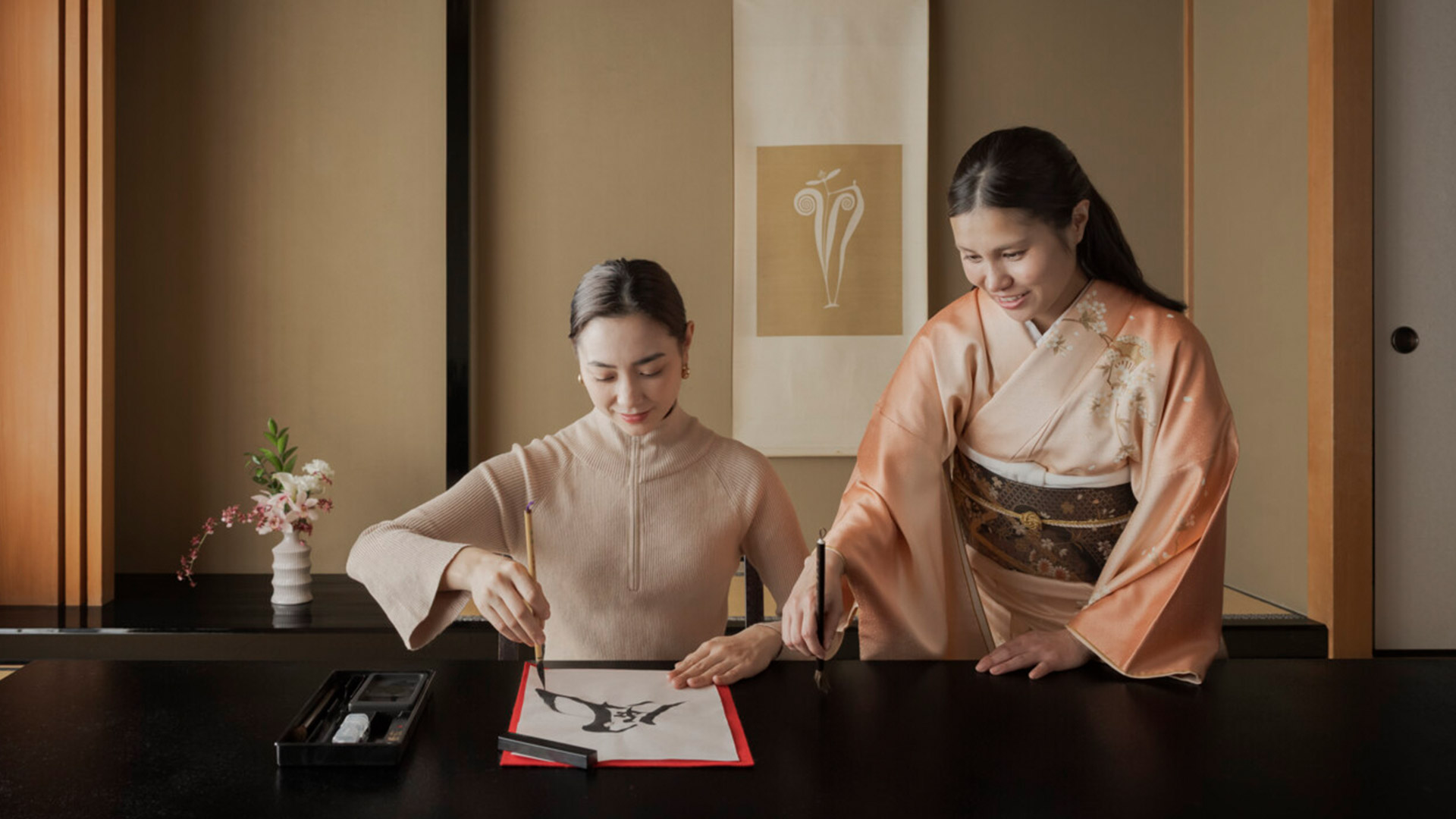
Luxury is defined by identity and belonging. These travellers seek heritage-driven journeys, immersive cultural experiences and stronger intergenerational connections.
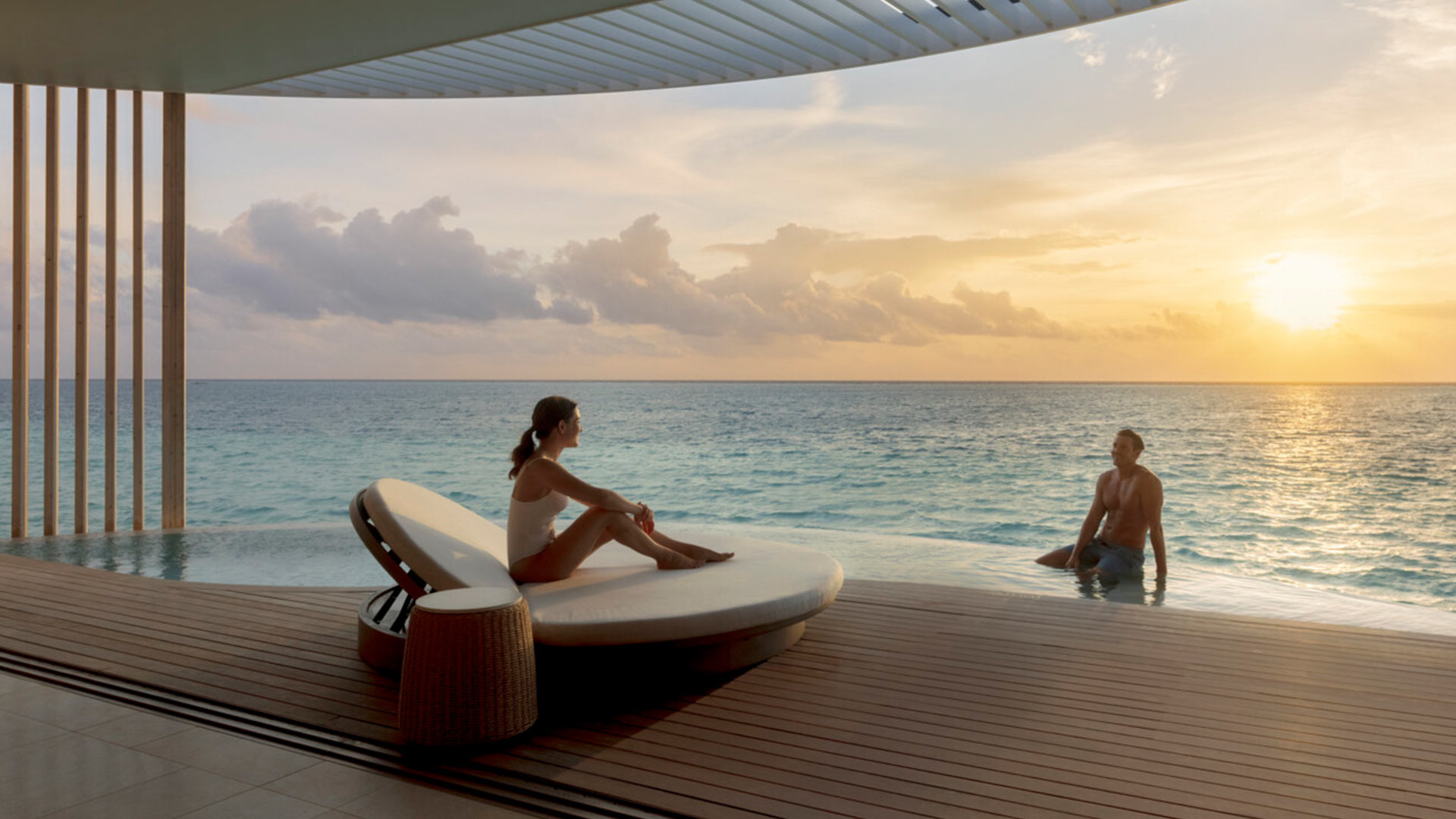
What it means for business
The report signals a broader recalibration of luxury travel across Asia Pacific. Affluent travellers are taking fewer but longer international trips, with average leisure stays expected to increase from seven to nine nights. As travel becomes more intentional, expectations around personalisation, seamless service and meaningful engagement continue to rise.
For hospitality brands, the competitive advantage is no longer simply delivering luxury—it's understanding the different ways consumers define it. The next era of luxury won't be built around a single aspiration. It will be shaped by a spectrum of values, with Gen Z setting the pace.