











From New Delhi to the White House
Rasika, Washington D.C’s pioneering Indian restaurant, turns 20. Restaurateur Ashok Bajaj and Chef Vikram Sunderam reflect on the menus and mindset that took Indian cuisine to powerful tables.

By Nainaa Rajpaal
Washington D.C. has no shortage of power lunches
and diplomatic dinners, but few restaurants have become as synonymous with global leadership as Rasika. It was founded in 2005 by restaurateur Ashok Bajaj, a native of New Delhi who sought to transform perceptions of Indian cuisine in the United States. The restaurant’s name—Rasika—comes from Sanskrit and loosely means “one who appreciates flavour,” reflecting its focus on rich, layered tastes.
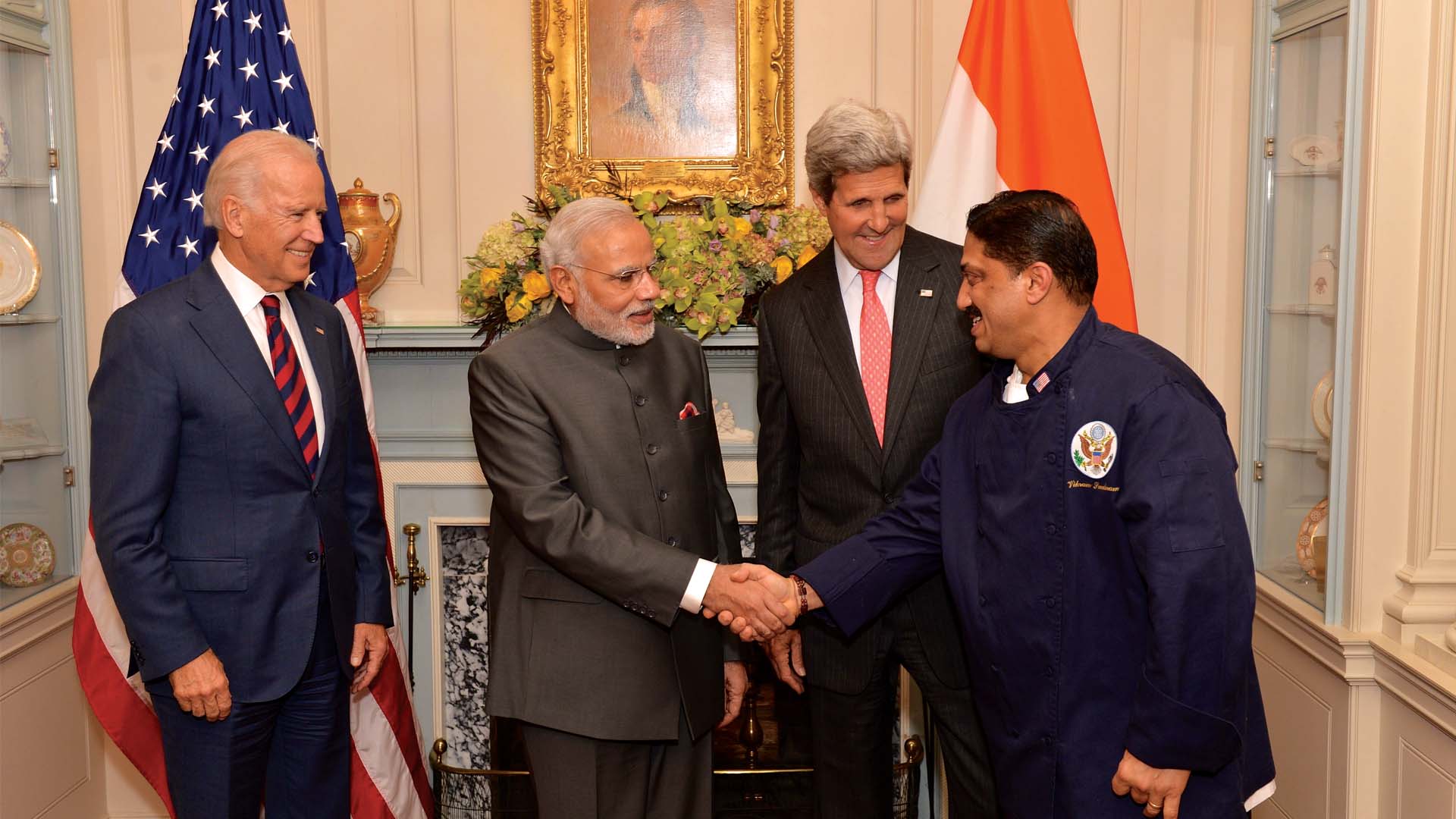
The restaurant has played host to the likes of Indian Prime Minister Narendra Modi and the Obama couple, won a James Beard award for its chef, and has featured in the Michelin guide as one of the best Indian restaurants in the city. As the iconic restaurant celebrates 20 years this year, SOH sat down with restaurateur Ashok Bajaj and Chef Vikram Sunderam to trace the decisions that took Indian fine dining from India to the U.S.
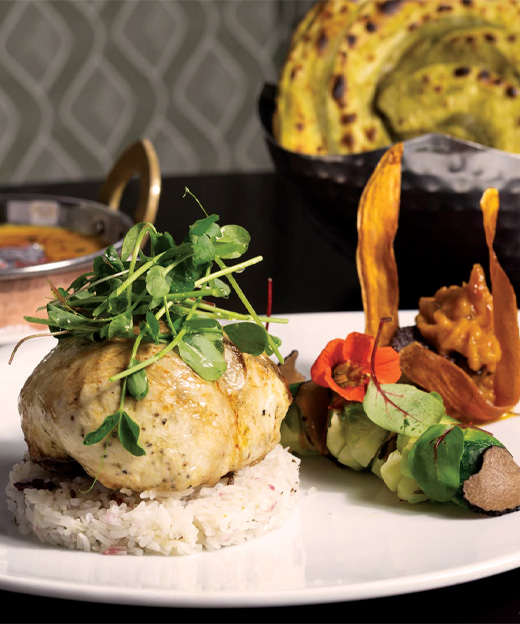
Turkey Dum Potli.
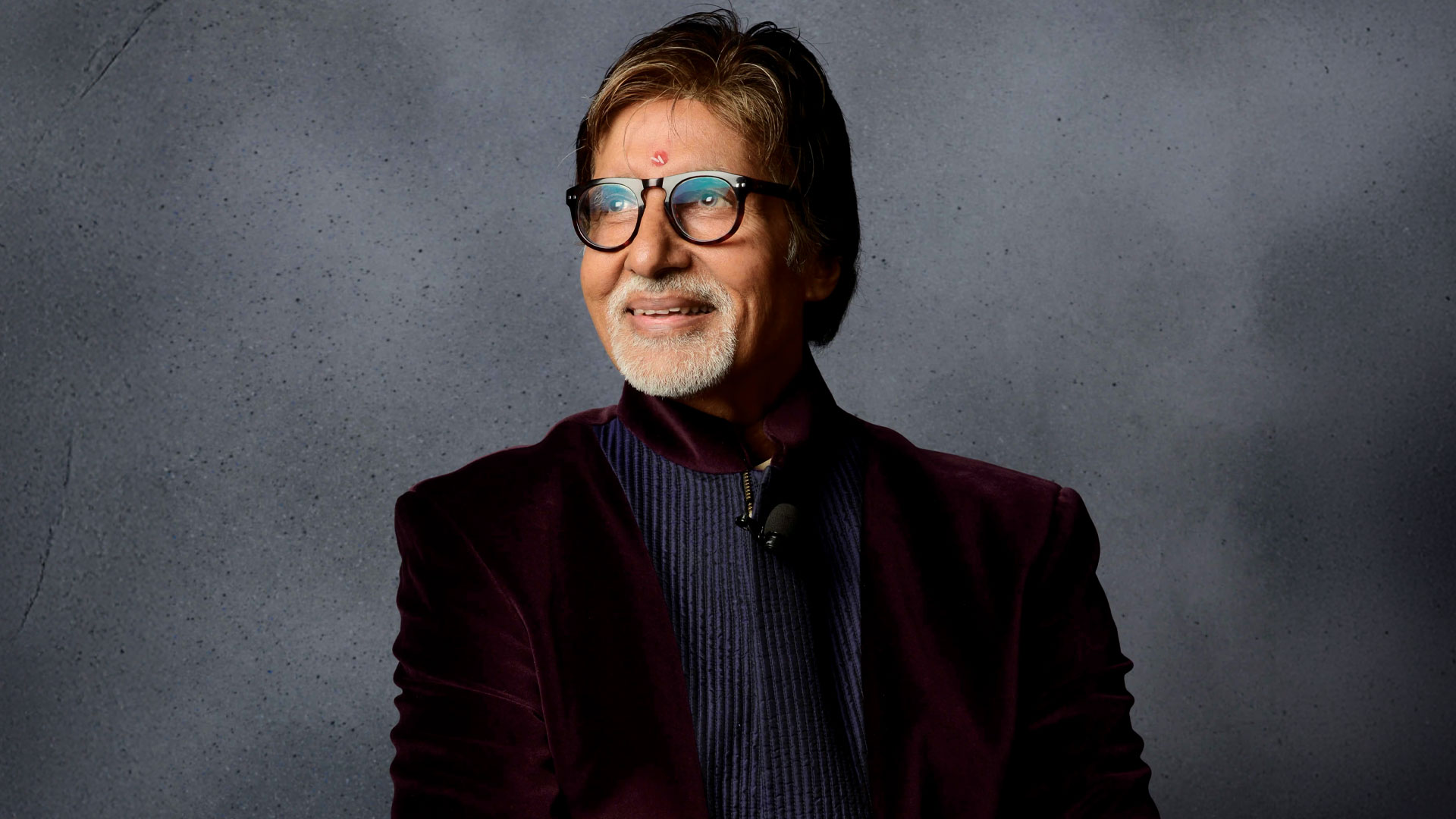
Chef Sunderam, you are described as an ambassador for Indian cuisine, especially after winning the James Beard Award. How do you view that role?
It is not something one could realistically aspire to. Growing up in Mumbai, I watched my mother whip up dishes in a jiffy. I was fascinated, and that’s when I realised Indian cuisine has one of the widest palates to play with—the flavours and ingredients from every corner of the country, every state and city come with a unique taste. I take pride in presenting these Indian flavours to the world.
Rasika’s menu eschews regional labels around food. How do you decide which Indian flavours translate best for an international audience?
Ashok Bajaj: Rather than leading with geography, we lead with flavour and technique. For example, Dal Rasika doesn’t announce itself as a northern Indian dish, even though that’s where you’d commonly find it.
Chef Sunderam: Yes, it’s slow-cooked and deeply spiced, but restrained enough to feel familiar even as a European comfort food or soup. This approach allows guests to experience Indian cuisine instinctively, without needing to decode where a dish comes from.
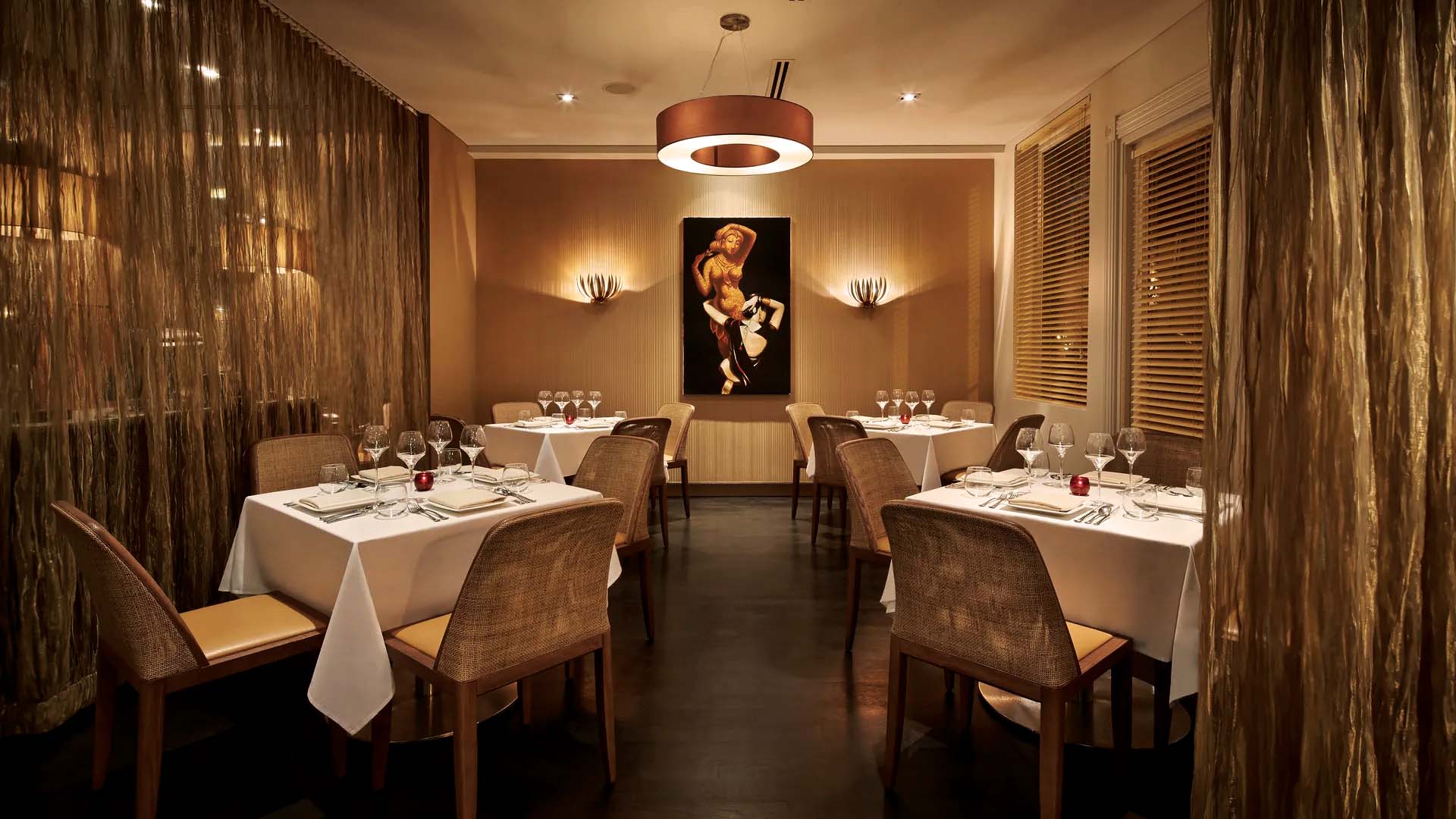
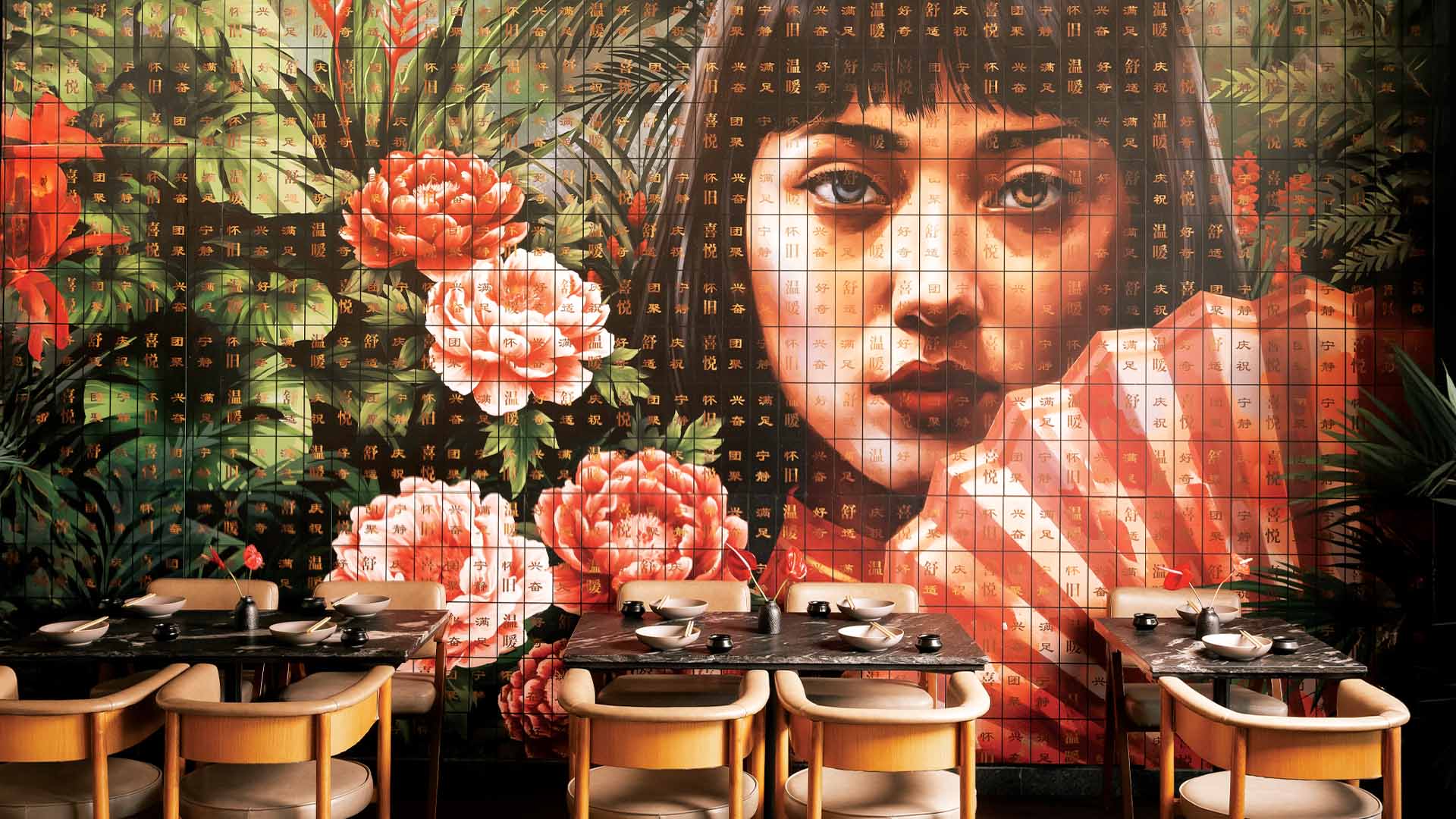
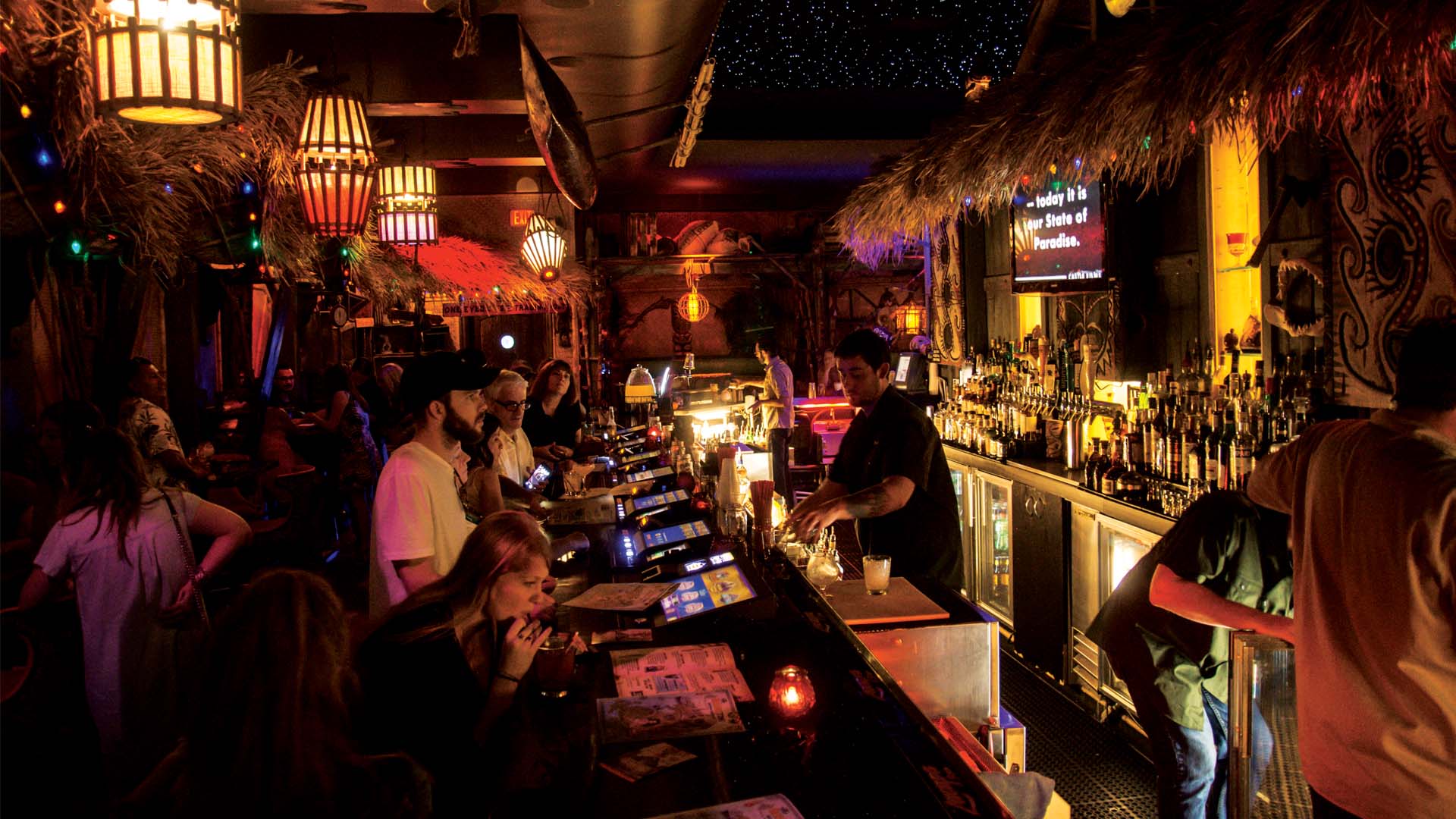
Rasika's contemporary interior.
Rasika has hosted several distinguished guests. How does that change the way you approach a menu?
Ashok Bajaj: There is, of course, a more stringent protocol to follow. There are discussions with the team, understanding their likes, dislikes, and allergens, of course.
Chef Sunderam: Honestly, we cook for every person like they are a VIP. When an order is placed at the restaurant, the kitchen gets genuinely excited to put its best foot forward. We love hearing feedback from anyone who comes to the restaurant.
Barack and Michelle Obama marked the former President’s birthday with a special meal from Rasika. Can you tell us more about the experience?
Chef Sunderam: We made the Palak Chaat, Crisp Spinach, cooling yoghurt, all matched with the gentle sweetness of chutneys that are easy on the palate and appeal to seasoned Indian-food lovers and first-time diners alike—which is why they have remained on the menu for so long.
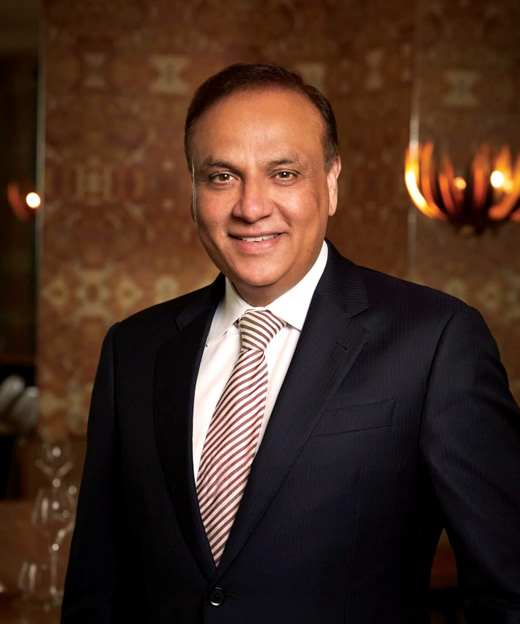
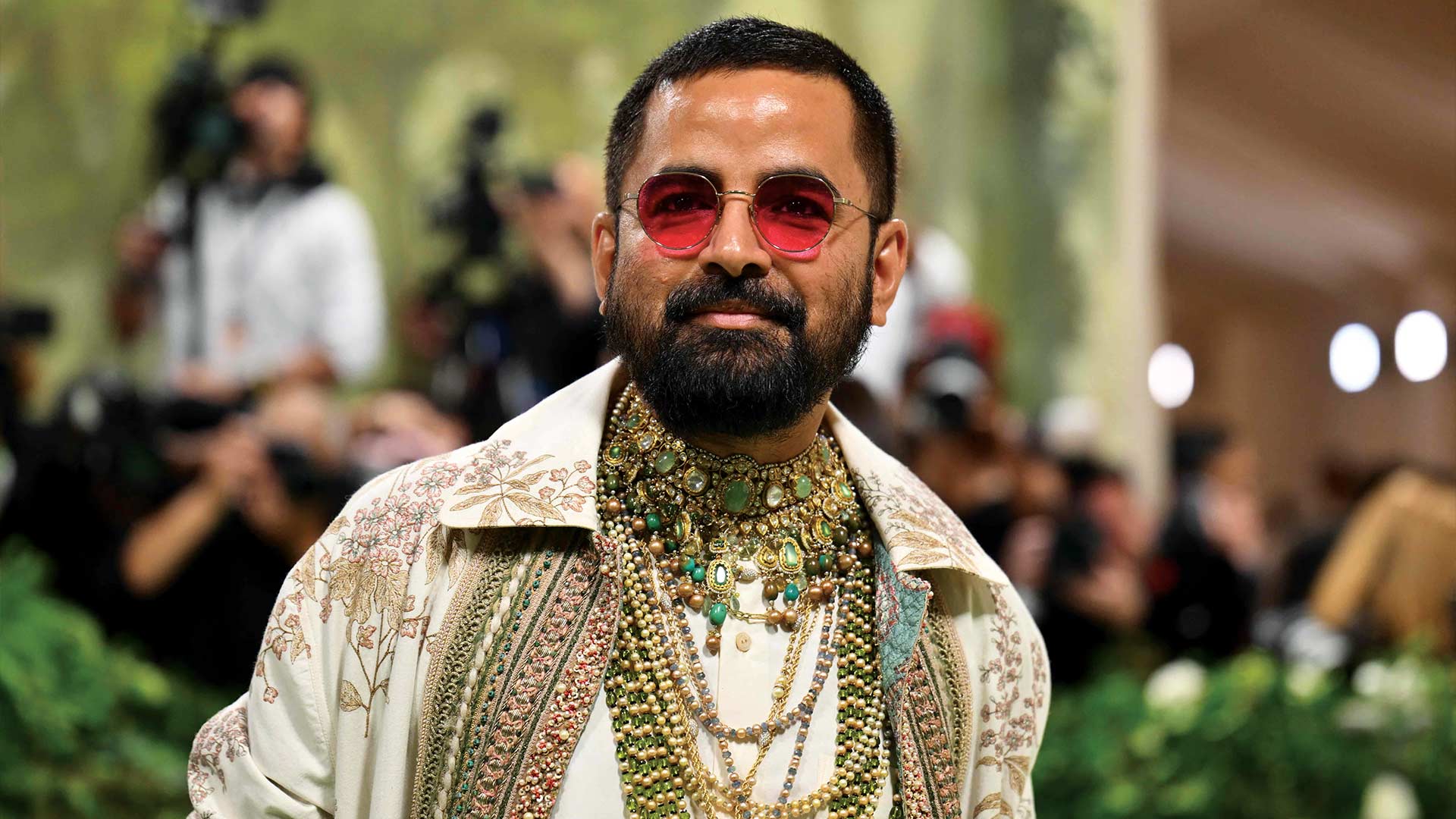
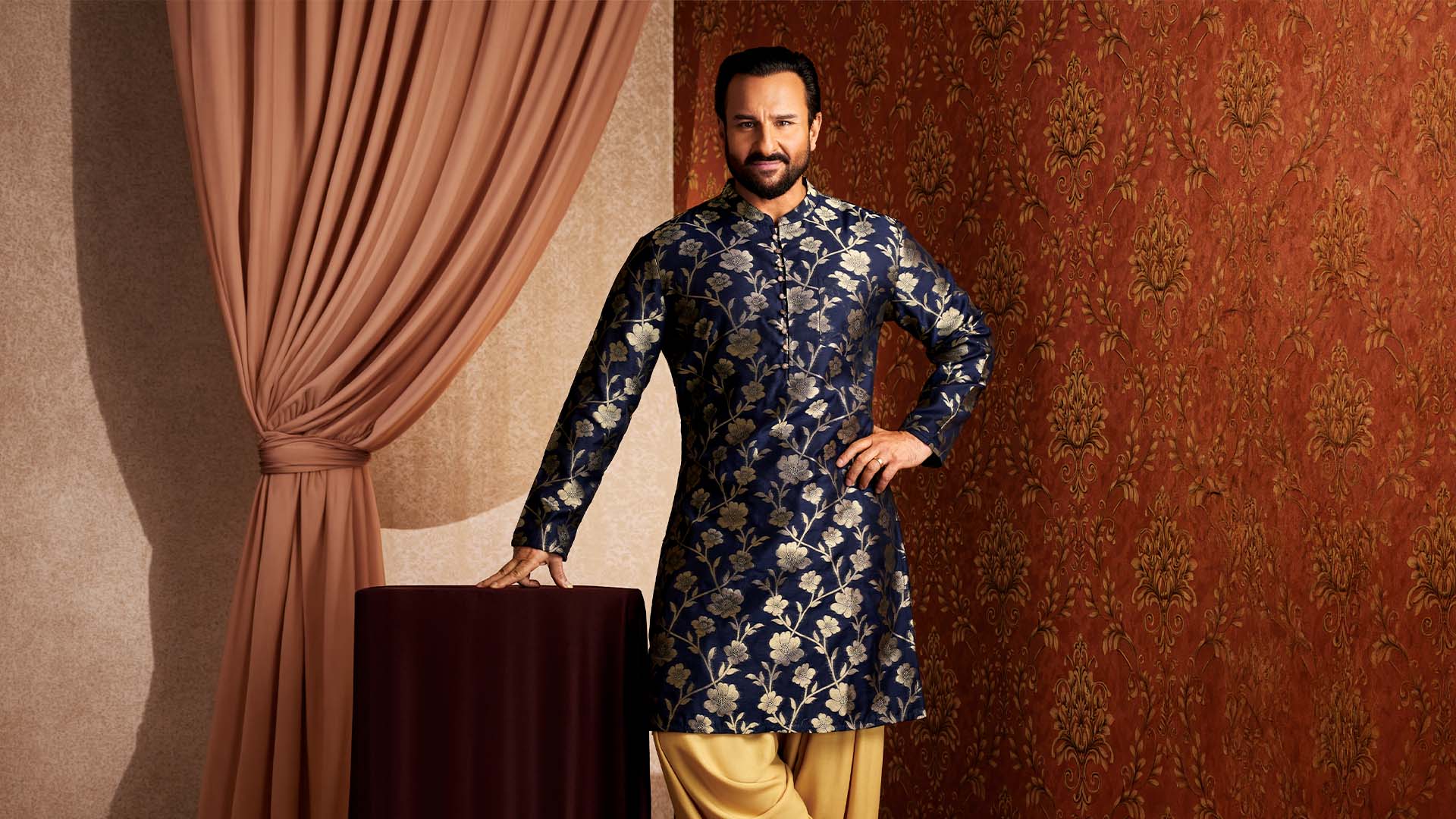
New Delhi-born restaurateur Ashok Bajaj.
One of Rasika's most talked-about moments was the creation of Gujarati Lasagna for Prime Minister Narendra Modi. How did that dish come together?
Chef Sunderam: We wanted to honour Prime Minister Modi’s love for Gujarat. The Gujarati Lasagna is a modern dish with flavours familiar to him. It features Khandvi (thin rolls of gram flour, buttermilk, and turmeric) filled with a tomato sauce made with eggplant and zucchini, and topped with a sauce of mustard, fenugreek, and other spices. It is served on circular portions rather than traditional slices, along with Kadhi, a spiced gravy of chickpea flour
and yoghurt.
After two decades, what defines Rasika beyond awards and high-profile diners?
Ashok Bajaj: Consistency, or the ability to deliver the same level of experience every day. That is what builds trust, longevity, and might we say nostalgia? We believe Indian cuisine will rise to the same level of popularity in the U.S. as Italian and Mexican cuisines.
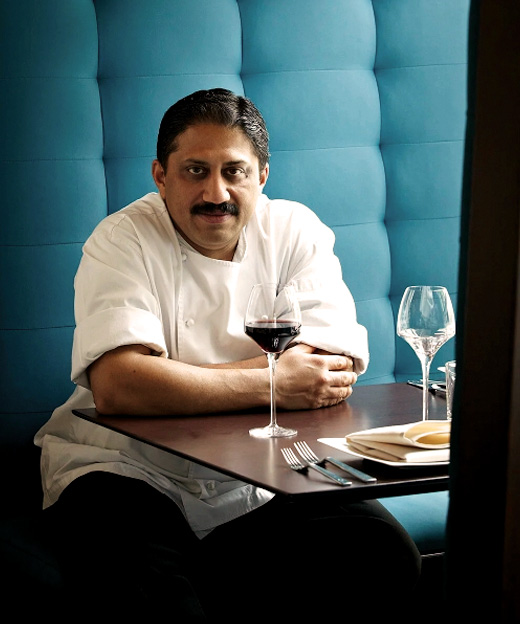
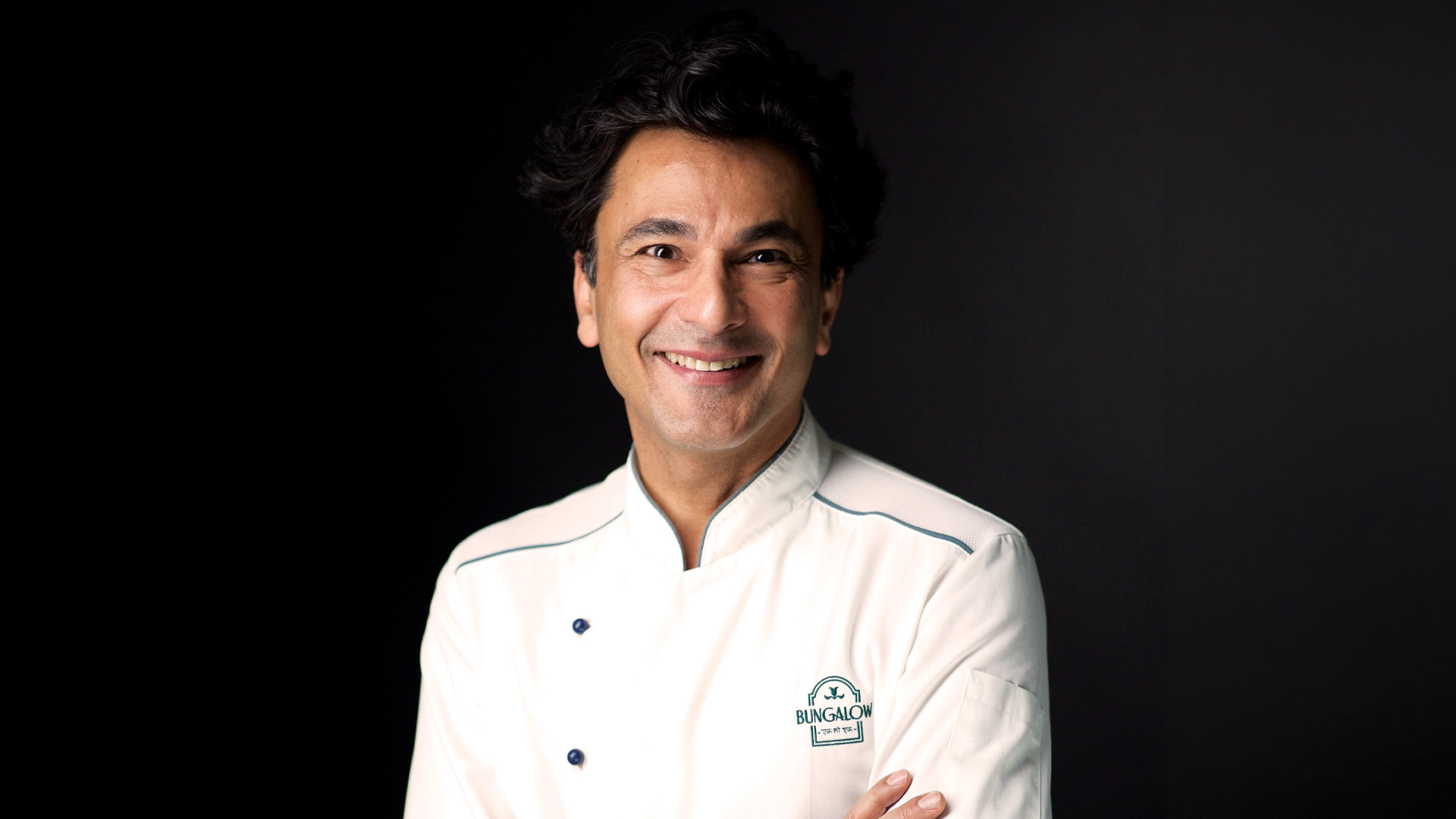
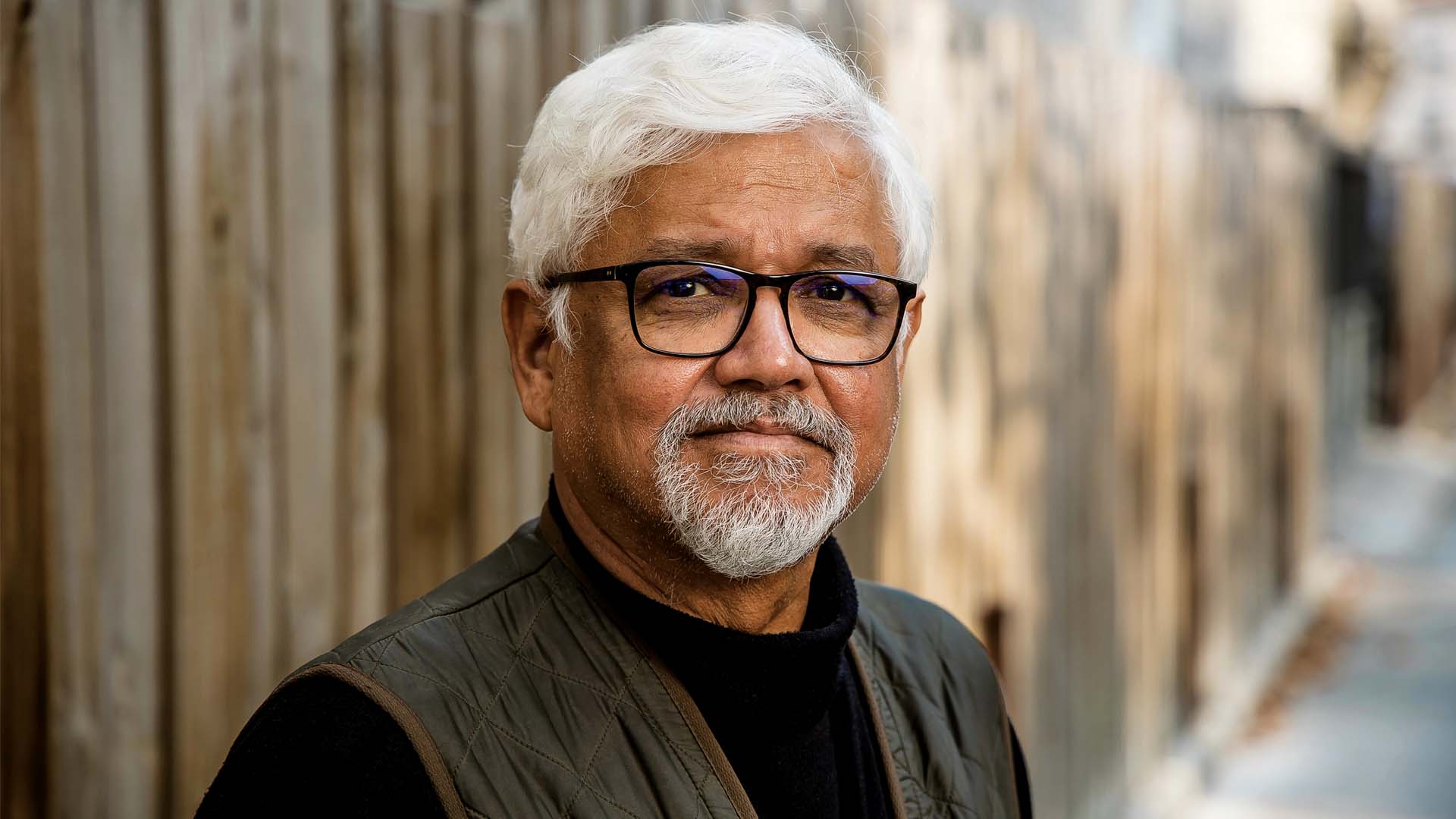
Chef Vikram Sunderam.