










The Last Great Drinking Market
As moderation reshapes the West, India is still embracing the ritual, status, and experience of drinking.

By Deepali Nandwani
11 pm, Bengaluru. One of the city's newest watering holes Bar Spirit Forward, is packed to the gills. There are those winding down after a long workday, friends celebrating, old acquaintances catching up, and one patron introducing a visiting friend to Bengaluru's fabled nightlife. And it isn't even Saturday. It's Thursday.
10 pm, Goa. On what was meant to be a quiet Monday, local nightclub Cohiba—popular with natives and tourists alike—is rocking to a live gig. Alcohol is flowing freely, and the drink of choice, after beer, is tequila.
The scene is repeating itself across India. While there is no single consolidated database tracking every new label in a market fragmented by state regulations, the numbers tell a vivid story. In 2024–25 alone, well over 100 new brands and variants entered the market, spanning everything from mass-market blends and collector-grade single malts to spirit categories that barely existed in India three years ago.
The headline figure comes from the 2025 What India Is Drinking report, which surveyed 125 bars across 17 cities and tracked more than 550 brands across 21 alcoholic and non-alcoholic categories. Its most striking finding: Indian single malts now command 53% of the national single malt market, overtaking Scotch for the first time.
But the story is about more than volume. It's about the extraordinary breadth of what's available, and who's drinking it.
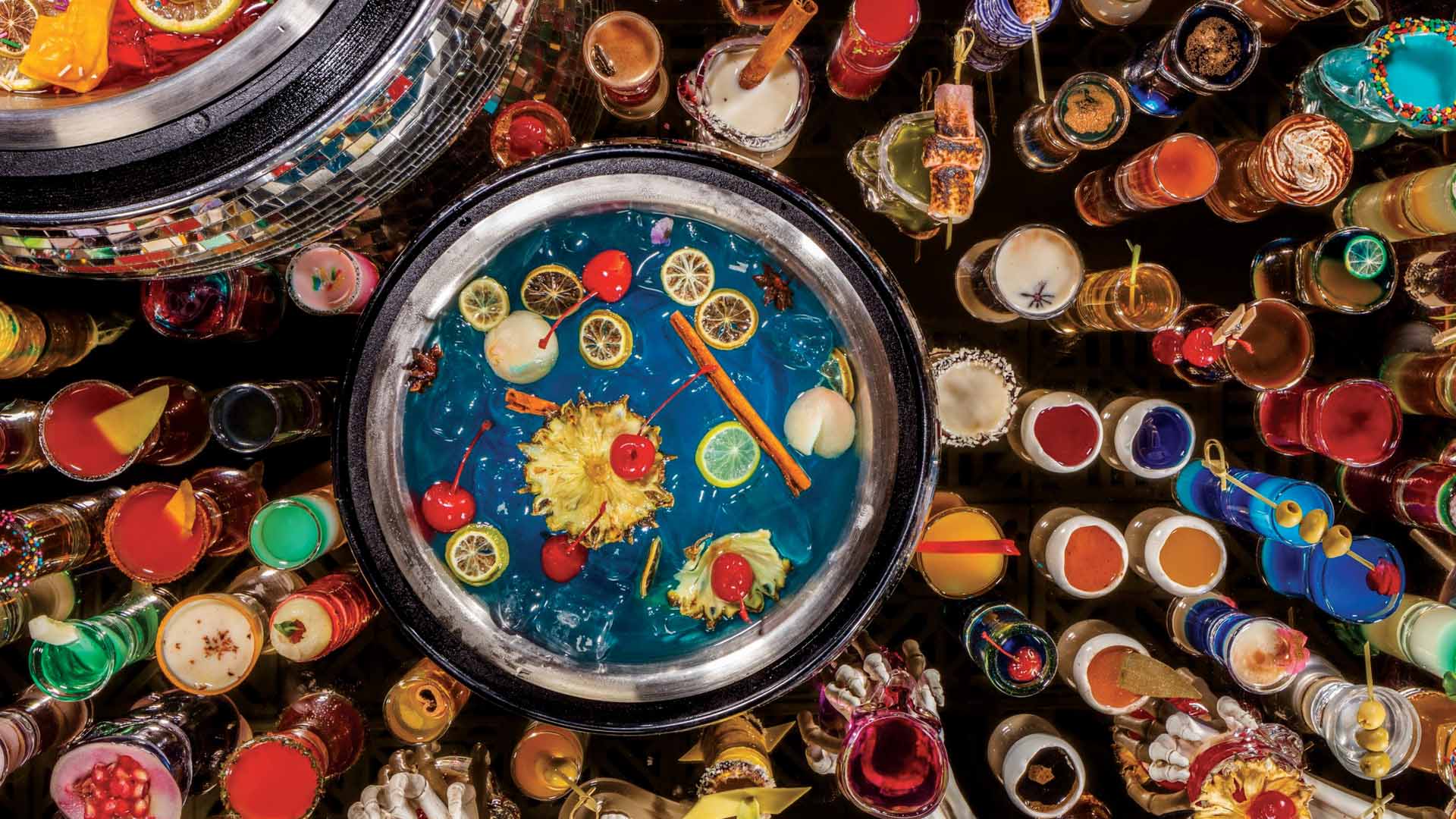
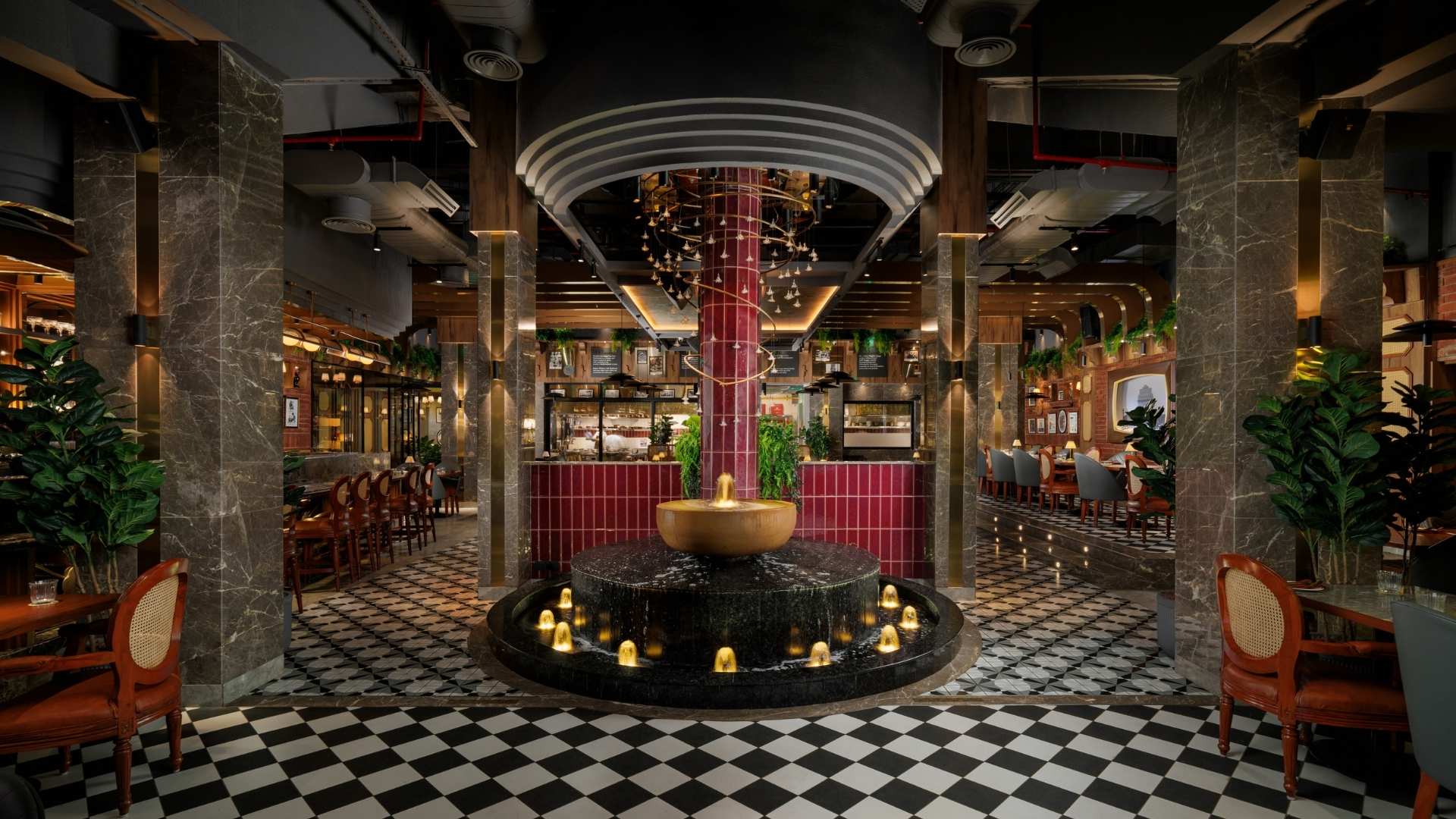
Choice has never been broader, with new labels, categories and styles entering the market each year.
While the world abstains, we get high
The dichotomy is stark. As the world sobers up, India is flying high, or at least, experimenting with its spirits and cocktails. US alcohol consumption has hit a 90-year low, according to Gallup data. Nearly half of Americans (49% in 2025, up from 34% in 2023) are planning to reduce their drinking. Dry January is now mainstream: 30% of Americans participated in 2025, a 36% jump from the year before. Nearly two in three Gen Zers plan to drink less, and 39% plan to go dry not just in January, but for the entire year.
The structural global decline is real. IWSR's No/Low Alcohol Strategic Study reports that per capita consumption of pure alcohol has fallen 20% since 2000 across ten key markets. Wine consumption dropped 4% globally in 2024, while beer and spirits fell 3.5% and 3%, respectively. Eventbrite, a specialised events company, saw a 92% increase in sober-curious events between 2023 and 2024.
Interestingly, India is swimming against the current. Per IWSR's data, India recorded the highest alcohol consumption growth among major global markets in 2025, and is expected to become the world's fourth-largest alcohol market by 2027, overtaking Japan. India's total beverage alcohol volume grew 6% in 2024, and rose 7% in the first half of 2025. Imported spirits are surging at a CAGR of 16% between 2019 and 2024. India's whisky market is projected to grow from USD 19.16 billion in 2024 to USD 48.65 billion by 2030.
The global drinks industry has, in effect, pivoted to India to compensate for Western losses, focusing on premium products and emerging markets like India and Brazil, where consumption is still rising, to offset declines in the West.
So, what's driving India's great Uno Reverse on global drinking trends? We asked the people who know best.
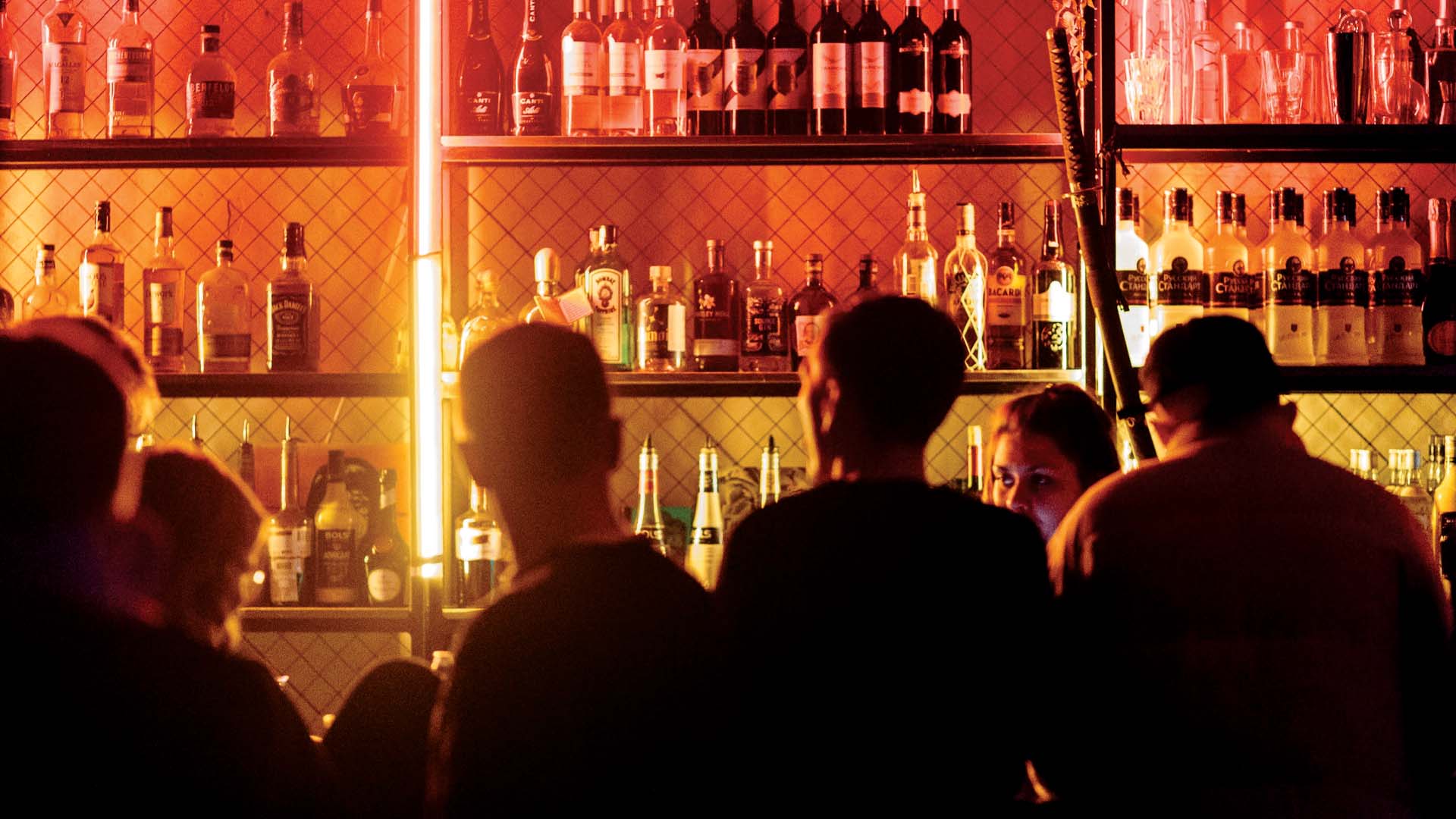
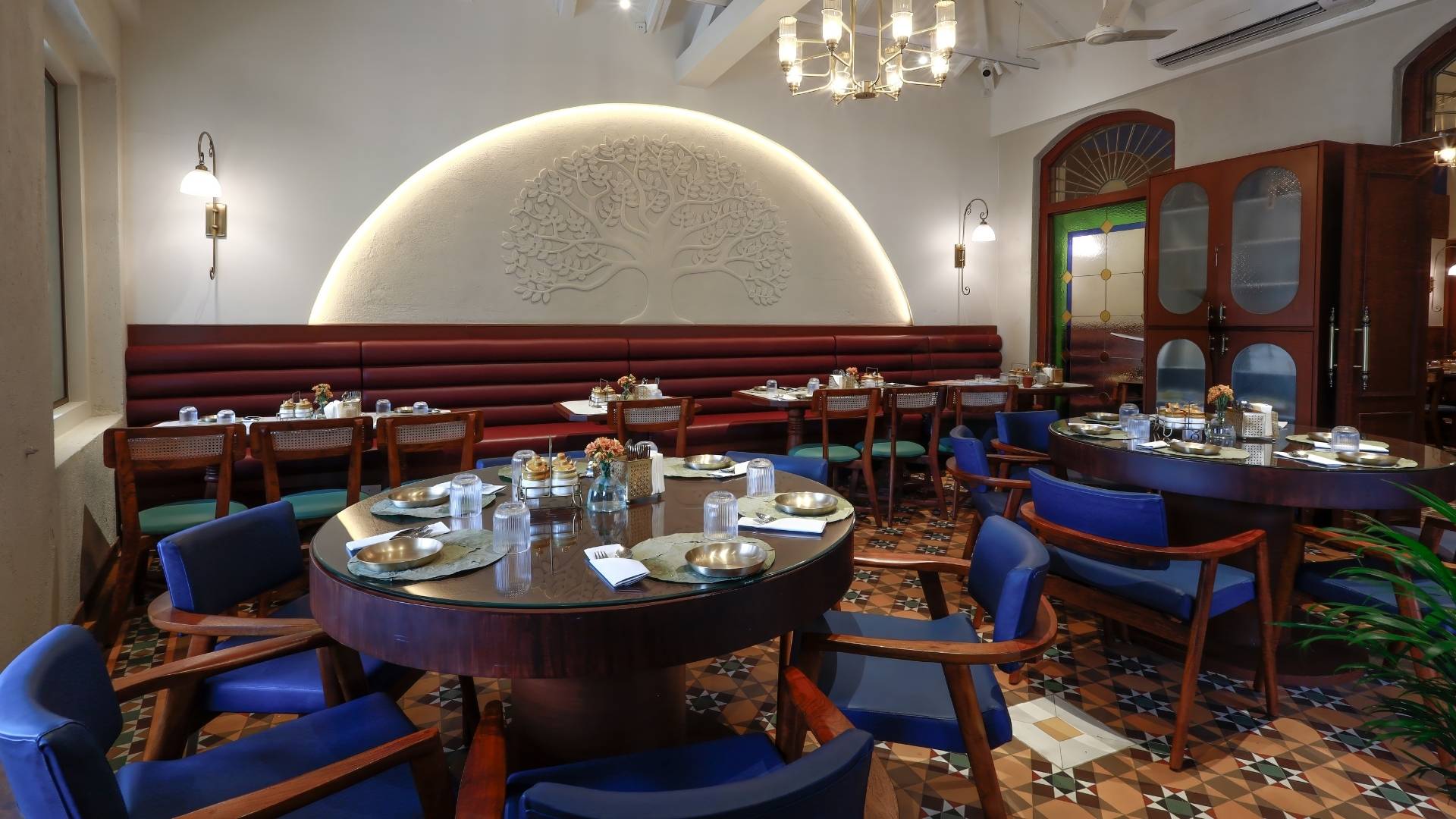
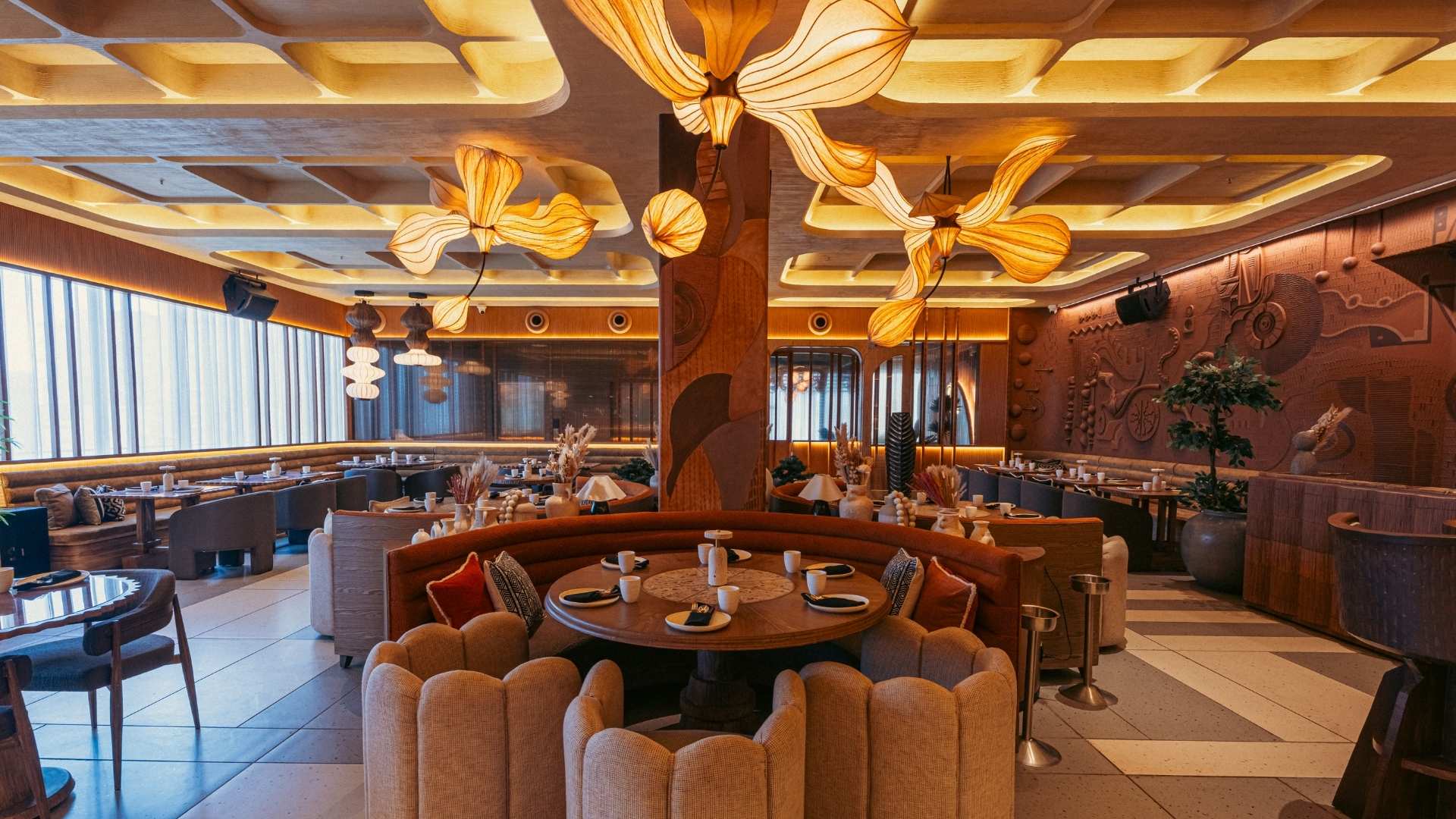
Bars are emerging as cultural spaces, not merely places to order a drink.
The manifold reasons
The most straightforward explanation is structural: India is simply at an earlier point on the consumption curve. Millions of people reach legal drinking age every year. Tier 2 cities are growing. Bars and restaurants are opening at a staggering pace. And for the first time, awareness of cocktails, spirits, and wine is accessible to anyone who wants it.
Nikhil Agarwal, Founder, All Things Nice, points to another catalyst: India is signing Free Trade Agreements with major wine- and spirit-producing countries, ensuring they are more accessible in the years ahead. "Assuming our consumption will remain the same over the next 5–10 years is an obvious error."
But demographics alone do not explain the shift. Rehan Guha, Founder, Oxymorons, a premium speakeasy bar in Hyderabad, sees a move from alcohol as a transaction to alcohol as an experience. "For the longest time, drinking here wasn't about the experience. It was more about availability. Limited choice, restrictive regulations, and fairly transactional consumption defined the market. What's changed now is that India is finally discovering drinking as a social and cultural experience. Bars are no longer just places to consume alcohol; they're spaces to gather and engage with storytelling and craft."
Rakshay Dhariwal, Founder, Maya Pistola Agavepura, sees it as a matter of timing rather than divergence. While Western markets are moving from maturity into moderation, India remains in a phase of expansion and acceptance. A decade ago, alcohol carried a social stigma. Urbanisation and a younger population have changed that, making drinking a more integrated part of lifestyle.
Evgenia, Drinks Director, Nao Spirits & Beverages, brings economics into the picture. "India is experiencing an economic boom; consumers are earning more and spending more on leisure. India is a young country with a huge number of millennials, a generation that enjoys their drink. While Gen Z opts for mindful drinking, millennials continue to party hard. It's especially enjoyable when you can financially afford high-quality leisure."
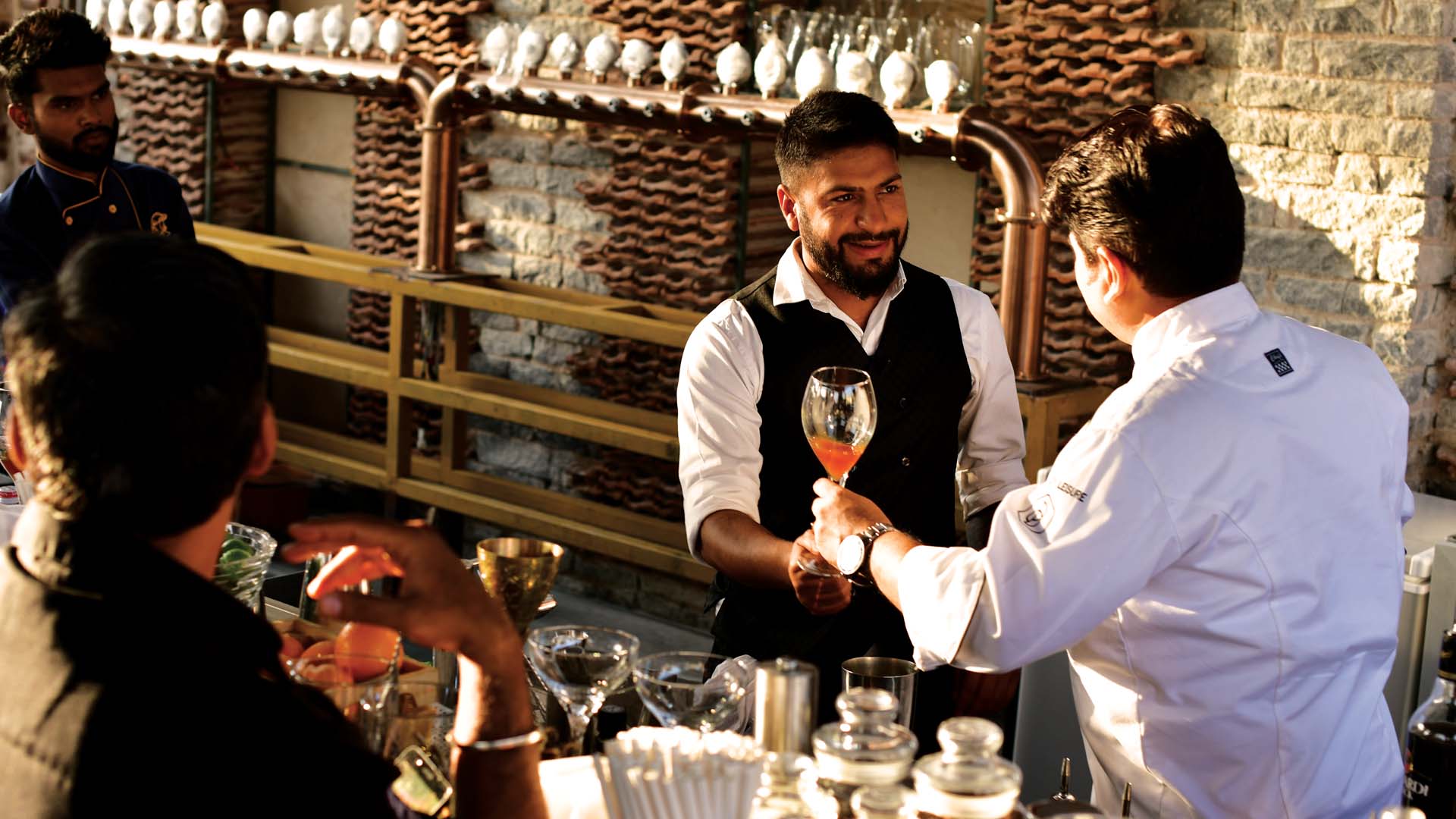
India is finally discovering drinking as a social experience rather than a mere transaction.
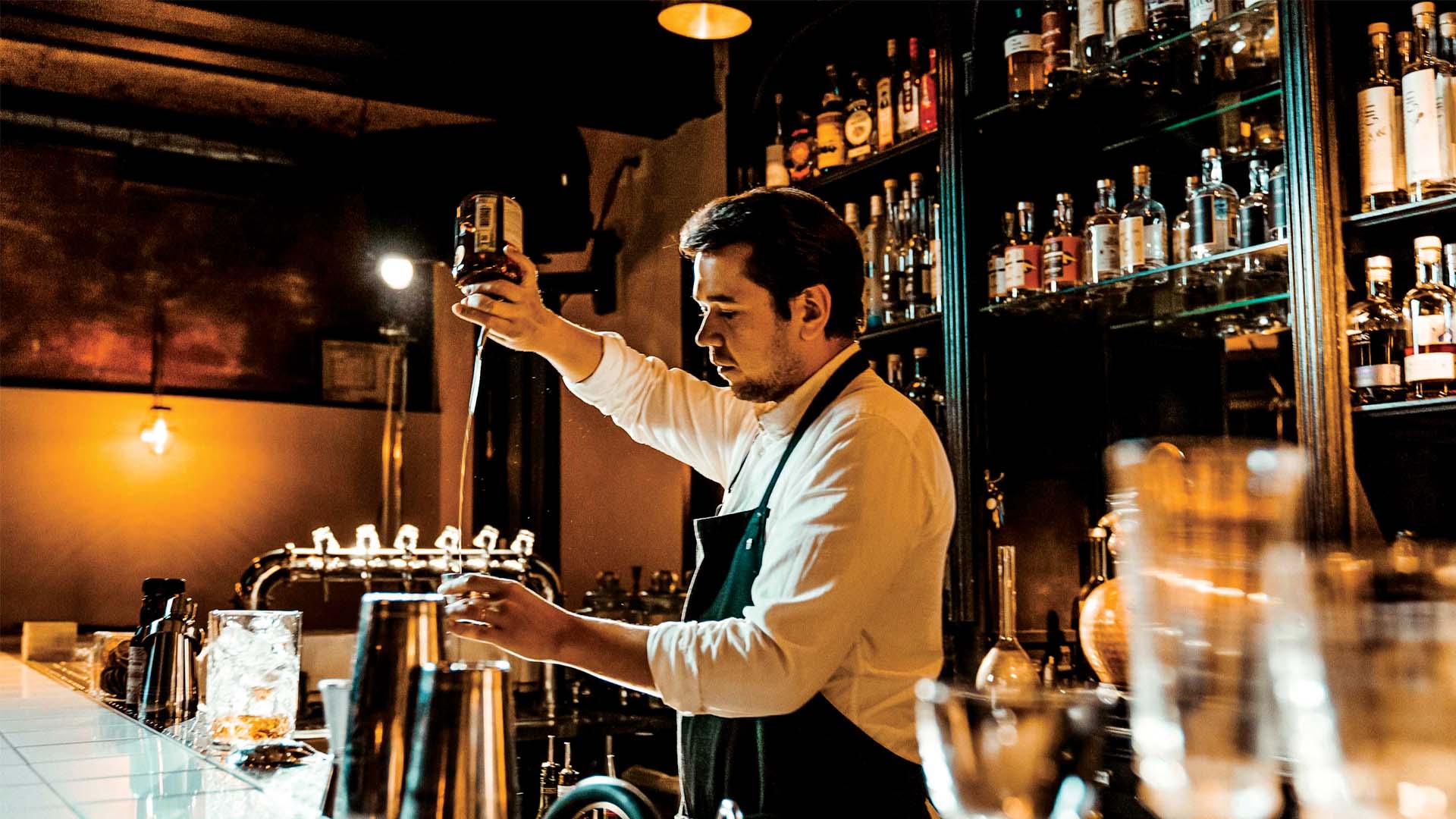
Knowledge, technique and storytelling are becoming as important as the bottle itself.
More, better, or both?
The more interesting question is whether Indians are drinking better. The answer, almost unanimously from those in the trade, is yes, but not evenly across the market.
Divashri Sinha, Founder, Bar Sogo in Goa, captures the divide with characteristic precision. "In Tier 1 cities, the shift toward premiumisation is very real. Guests are more curious, Indian single malts are being taken seriously, and spending per drink has gone up even if people are choosing to drink fewer rounds. But the picture changes completely when you zoom out. Tier 1 India is drinking better. The rest of the country is still largely drinking more."
For Varun Jain, Founder, Smoke Lab Vodka, the shift is being driven not just by taste, but by a growing curiosity about what's in the glass. "Consumers are increasingly interested in quality, ingredients, and the story behind the product. Volume growth exists, but the real momentum is in value growth." Sanaya Dahanukar, Marketing Manager, Tilaknagar Industries, sees both forces at work simultaneously: new consumers are entering the market even as existing drinkers are upgrading their choices. “Greater awareness of flavour, quality, and production methods is increasingly shaping decisions across price points.”
At the restaurant level, Chef Vishesh Jawarani, Founder and Executive Chef, JSan in Goa, sees that shift reflected in ordering behaviour. “Guests are far more willing to spend on a well-crafted cocktail or a premium spirit than order multiple basic drinks. What stands out is that this choice is increasingly informed. Guests are responding not just to brands, but to balance, ingredients, technique, and the overall drinking experience.”
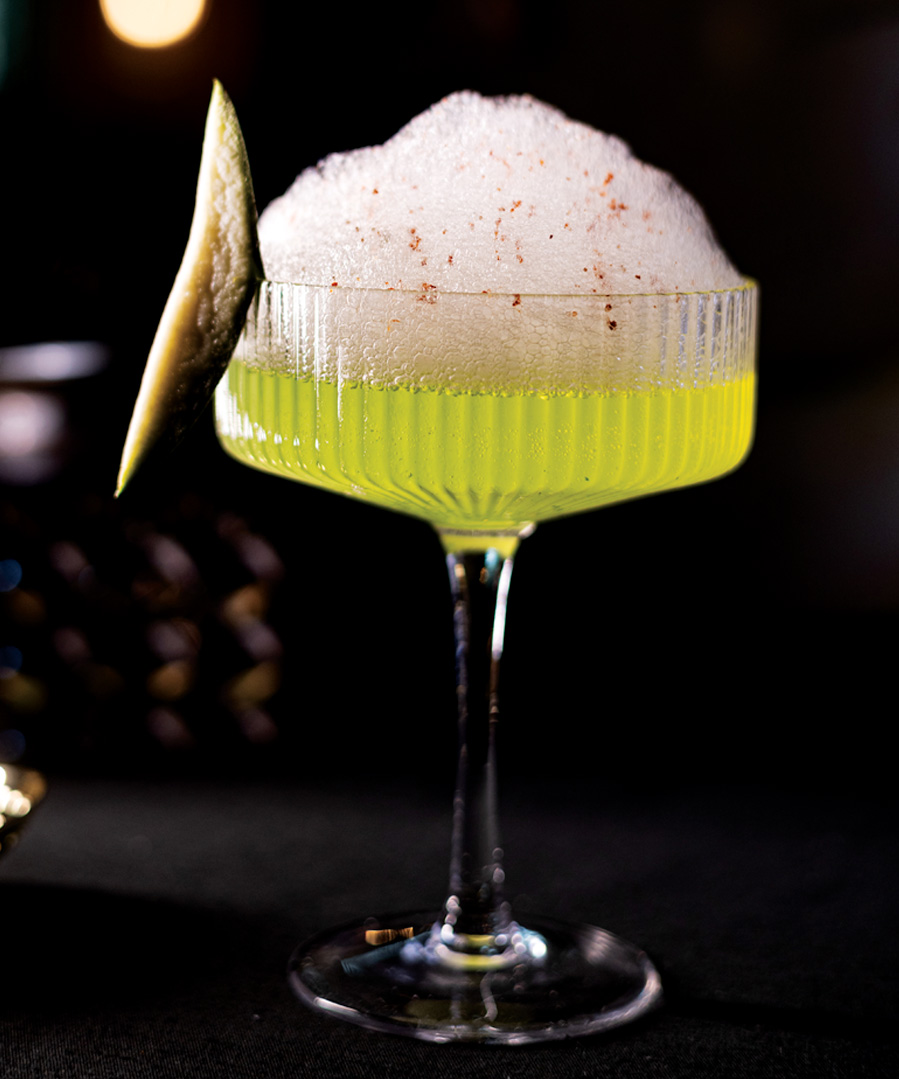
Premiumisation is reshaping the market, one drink at a time.
Tokyo, London, Mexico City, then back home
Ask anyone in the industry what accelerated the shift, and global exposure comes up almost immediately. Travel, fine dining, international bar culture, and social media have dramatically raised what Indian consumers expect when they walk into a bar. Vaniitha Jaiin, Co-founder, Revelry Distillery and Vanaha Gin, points to how quickly that exposure now translates into behaviour. "Ten years ago, international trends felt aspirational and distant. Today, they're being adopted, adapted, and sometimes even reinterpreted locally. That's why you're seeing a far more confident consumer who isn't intimidated by unfamiliar categories."
Sinha has seen the change from behind the bar. Five years ago, bartenders were explaining drinks. Today, they're keeping up with guests who reference bars in Tokyo, London, and Mexico City, asking about vermouth, debating Negroni ratios, and sending a cocktail back if it feels off.
But the more interesting development is what India is doing with that knowledge, filtering it through something distinctly local. At Bar Sogo, the cocktail programme draws from classic structures but interprets them through Goa's ingredients, history, and flavour memory: guava, cashew, cherry tomato, spice, and local produce worked through house-made ferments, cordials, and bitters. Sinha says, "When a guest arrives with global references, the exchange becomes more interesting, not more difficult. They may recognise the form of the drink, but what stays with them is the way it has been translated through Bar Sogo's lens."
Evgenia believes that India's openness is part of what makes it such fertile ground. International brands are eager to establish themselves here because the market is enormous. Famous mixologists have been running masterclasses and guest shifts across Indian cities for years. It's increasingly difficult to surprise consumers with the arrival of yet another industry master.
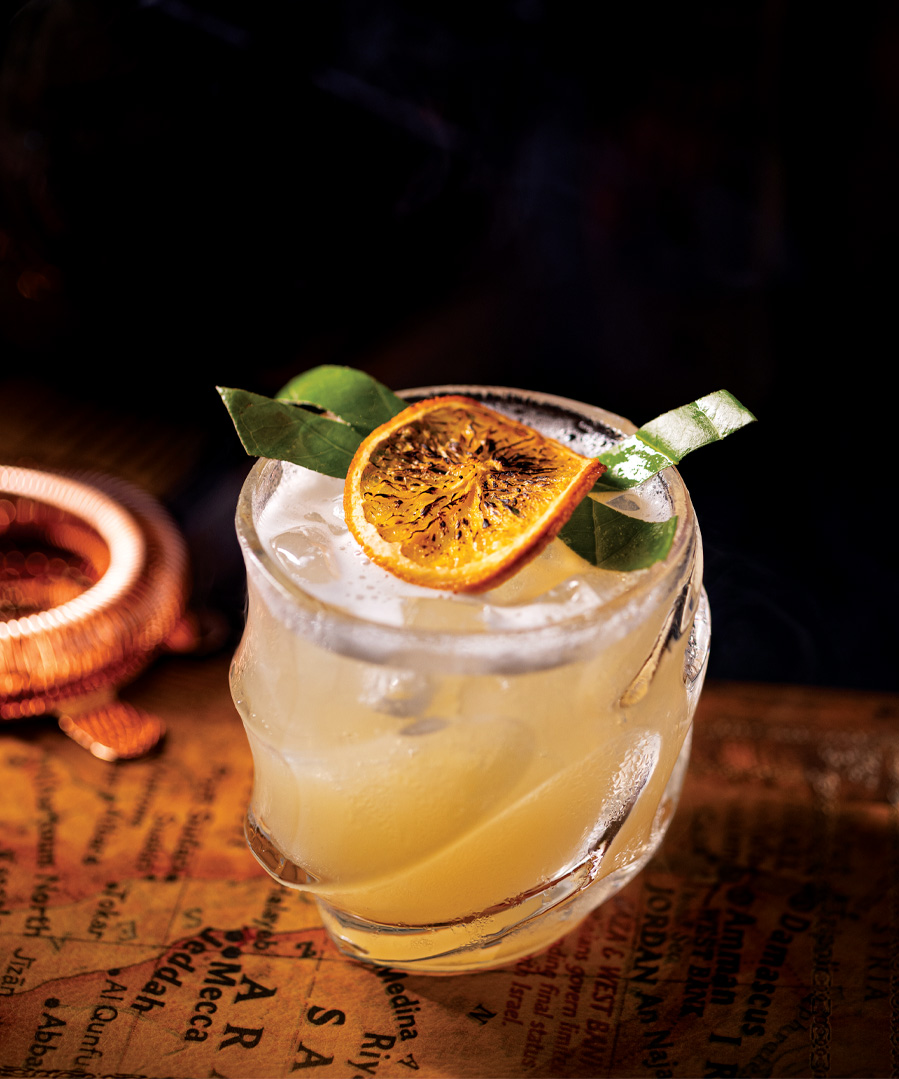
Drinking is now part of a lifestyle, and does not carry a stigma it once did.
Status, signals, and shifting codes
In mature markets, what you drink has largely decoupled from what you're worth. In India, that link is still alive, but becoming more sophisticated. The old status symbol was simple: the most recognisable expensive bottle on the table. Today, particularly in metro markets, the signal is more coded. As Sinha observes, it's less about ordering the costliest label and more about demonstrating that you understand what you're drinking, a newer, more informed form of performance. "Not everyone loves the music, but they have to show they were there. You have no idea how many people tell me what great bottle of wine they've opened," says Agarwal.
Dahanukar sees a similar shift in how consumers define aspiration. Today, consumers are placing greater value on the overall experience, the spirit's origin, how it is made, and the story behind it. Craft, authenticity, and narrative are increasingly shaping perception, creating space for strong homegrown brands to be seen as equally aspirational.
That evolution extends beyond the bottle itself. "Among younger, urban consumers, the focus is shifting from 'what you're drinking' to 'where you're drinking and what the experience is.' A well-crafted cocktail in a thoughtfully designed space often holds more value today than just ordering a premium label," says Guha.
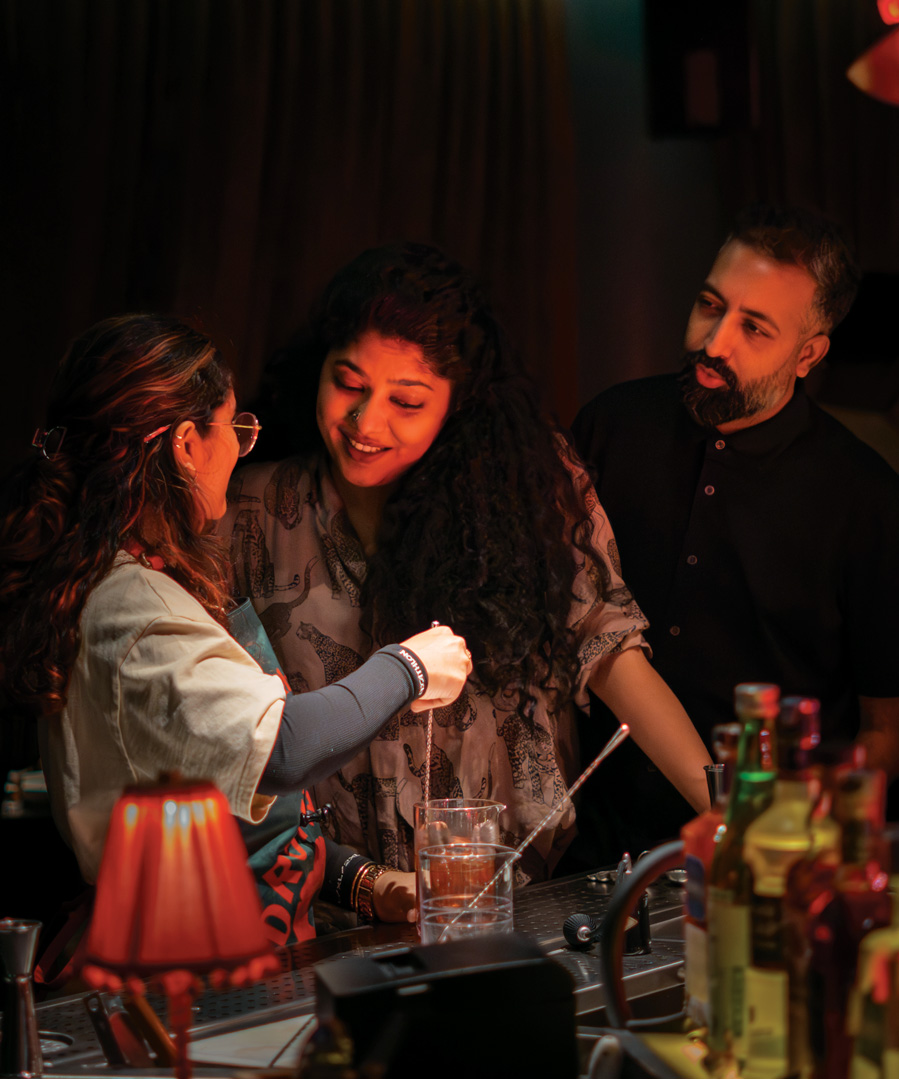
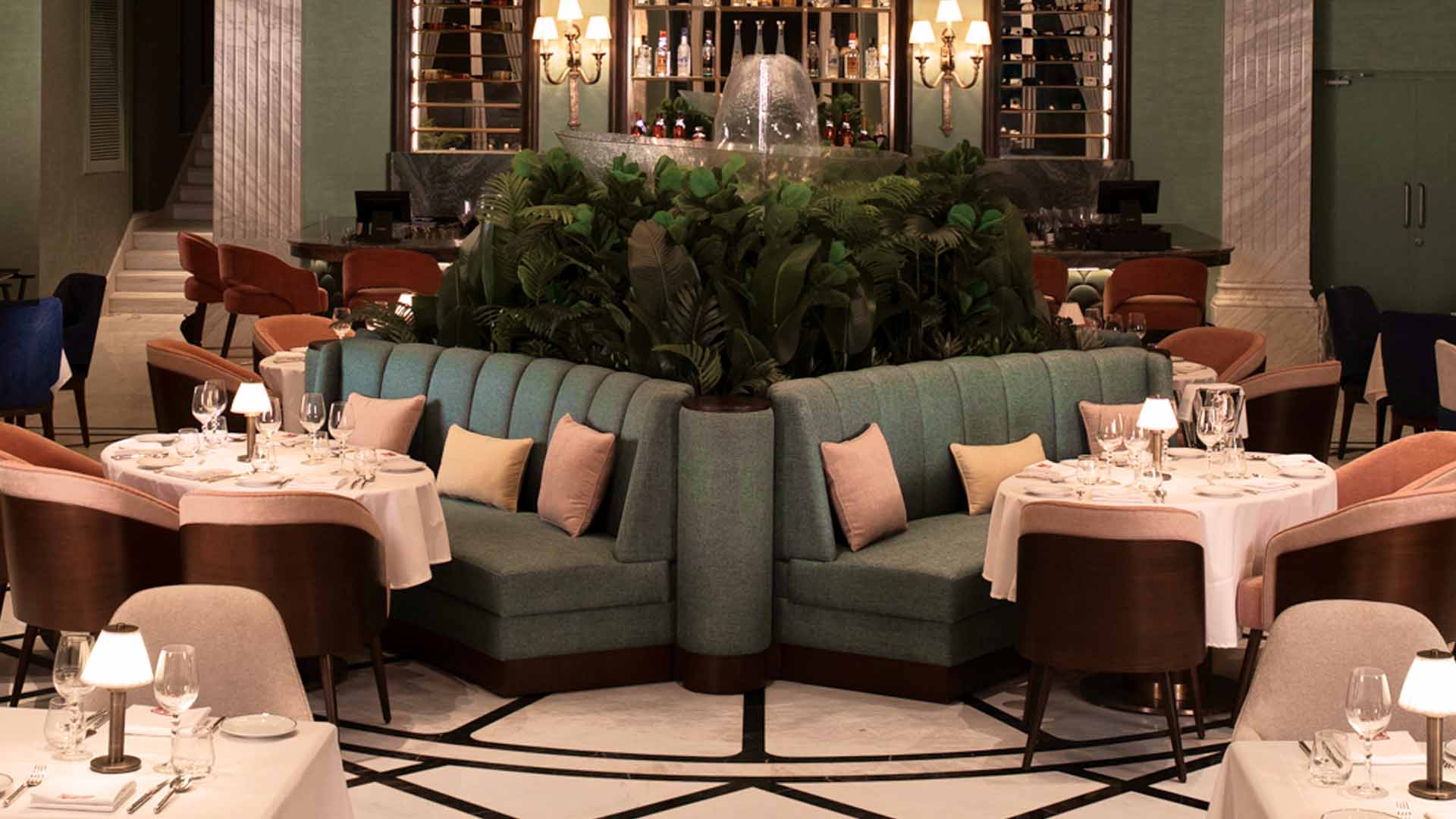
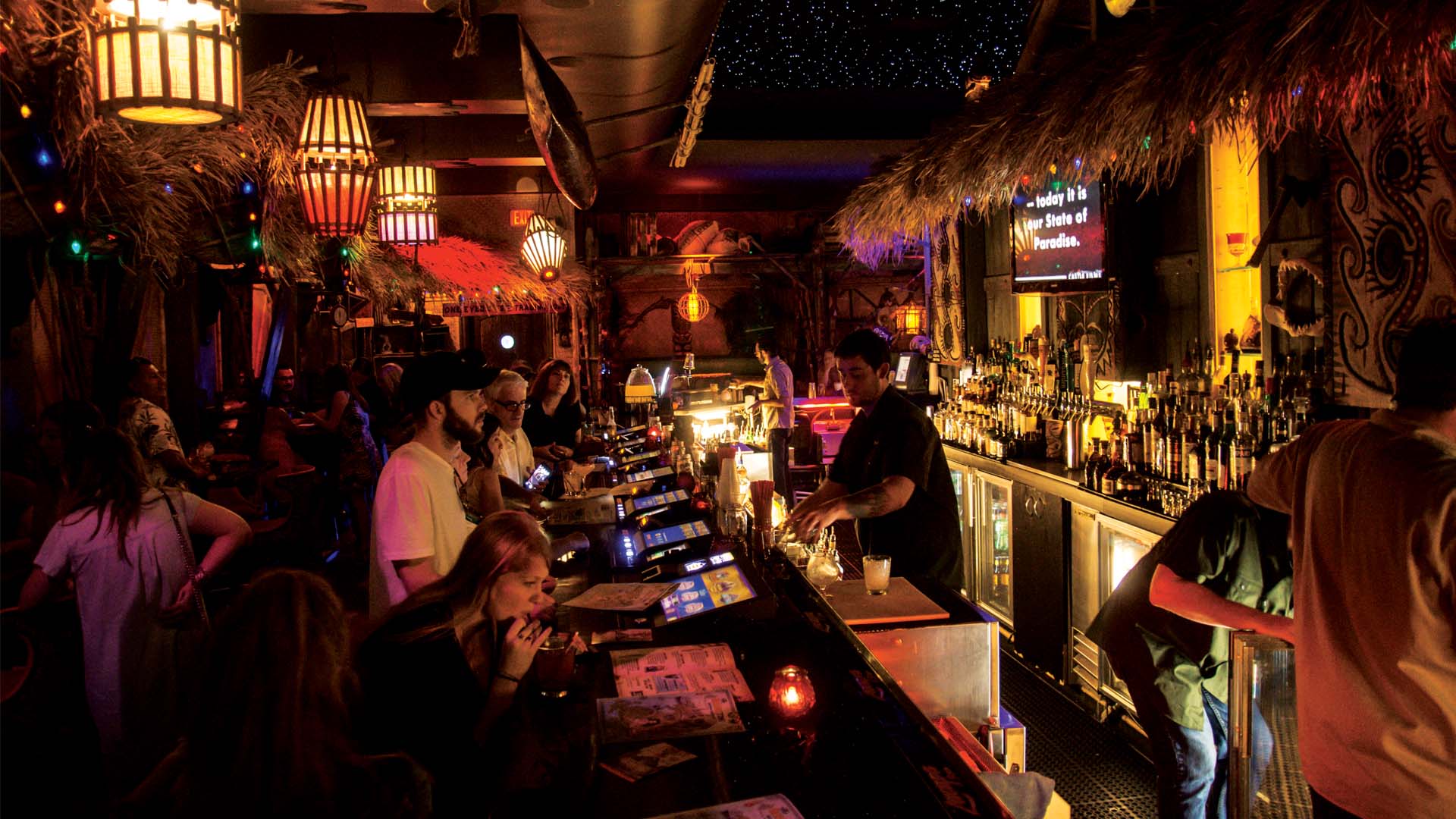
Social rituals remain central to why Indians gather around a drink as seen here at Naked & Famous, Bengaluru.
Will India eventually sober up?
The short answer: eventually, probably—but not like the West, and not for a while.
Dhariwal sees early signs in affluent, globally exposed circles. But India remains firmly in a growth phase, supported by a rapidly expanding middle class and rising disposable incomes. Any convergence with Western moderation trends, he believes, will come much later and unfold unevenly across consumer segments.
Evgenia offers a simple framework: to reach moderation, you first need to fully indulge. That's true for everything, including alcohol. In her view, demand will continue to grow over the next decade.
Sinha is perhaps the most measured voice on the subject, and the most candid about the limits of prediction. "A significant share of India's future drinkers has not even entered the market yet, and the regulatory environment shifts constantly from state to state. What is clear is that the sober-curious conversation is already emerging in Tier 1 cities. You can see it in the way menus are being designed and in the growing expectation that non-drinkers should not be treated as an afterthought. But India rarely adopts drinking trends in a direct or linear way. It tends to absorb them, reinterpret them, and turn them into something more local. Moderation will come, but it is unlikely to arrive as an imported idea."
Jawarani frames it as a question of intent rather than volume. Guests may drink less over time, but they will choose better and savour more. The future, he says, is not about drinking less or more; it's about drinking with intention. And Agarwal, who has watched the market evolve for decades, simply refuses to bet against it. "India has a distinct culture; its growth, decline, speed, or manner of evolving—whether toward greater consumption or moderation—will be its own unique story. We must stop comparing. I, for one, will bet on India's rise."
Back at Bar Spirit Forward on that packed Thursday in Bengaluru, somebody orders a Negroni and asks the bartender what they're doing with their vermouth. The bartender answers without missing a beat. The global drinks industry has been watching this moment arrive for years. India, it turns out, isn't following anyone else's playbook. It's writing its own.
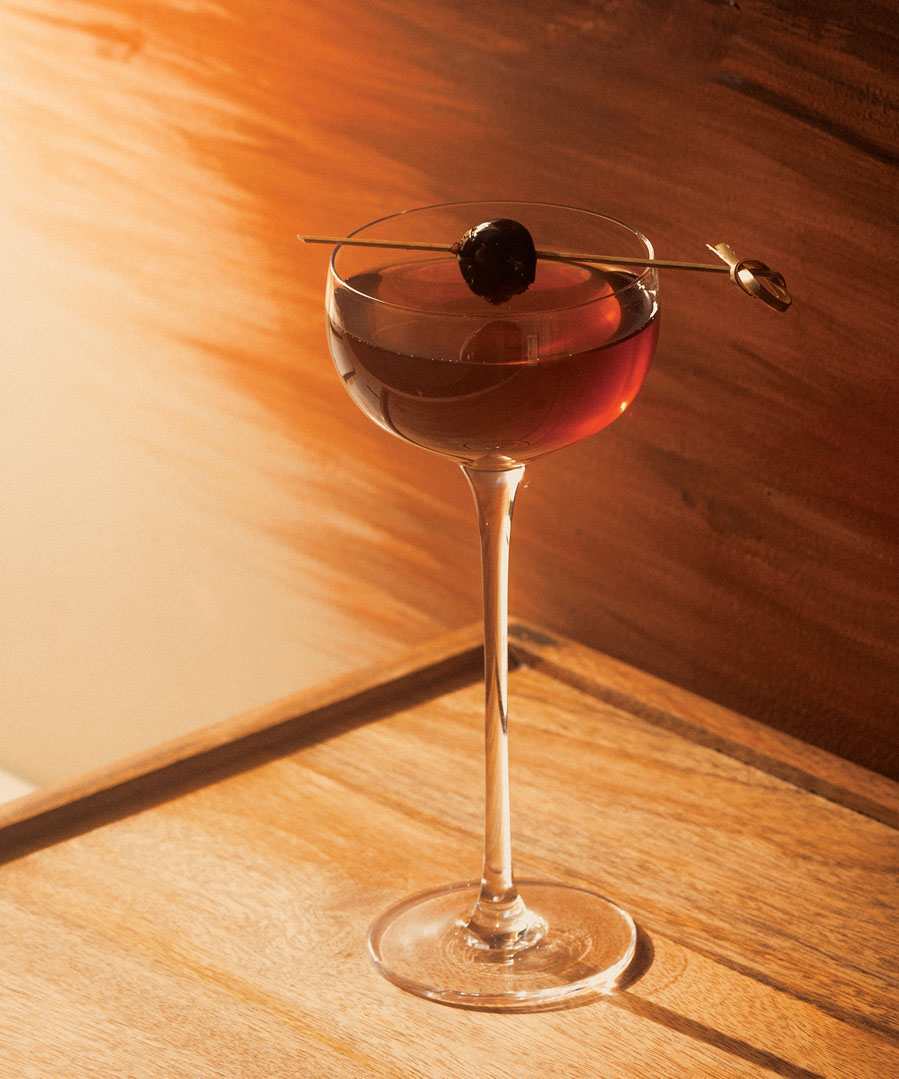
Global influences increasingly arrive in the glass, but are often reinterpreted through local tastes.