












Varsoo Brings a Soulful Dining Experience Steeped in Nostalgia
Step into Varsoo, a refined dining destination rooted in memory, heritage, and meaning.

By Rachna Virdi
After the enduring success of Soam, Mumbai’s beloved restaurant that has served diners for over two decades, restaurateur Pinky Chandan Dixit felt it was time to take the next significant step in her culinary journey. The result is Varsoo—a more elevated dining concept and a refined destination deeply rooted in memory and meaning.
Nestled within a charming 200-year-old heritage building in South Mumbai, the 60-seater restaurant offers an authentic culinary experience centred around heritage Gujarati recipes that have never been formally documented. Passed down through generations, these treasured family recipes evoke the warmth and nostalgia of a home kitchen, where traditions are preserved through stories, memories, and shared meals.
Alongside Soam, which is celebrated for its homestyle Indian comfort food, Dixit also runs Aamchee, a café inspired by the flavours of Bombay, located on the ground floor of the same building. The idea of establishing Varsoo within the same premises emerged naturally.
“Over the years, Soam has grown into a much-loved and bustling restaurant. While we are grateful for its success, we noticed that guests seeking a slower, more intimate dining experience—whether for family gatherings or special celebrations—didn't always find the setting they were looking for. Since we were already operating the restaurant downstairs, we began exploring the potential of the upper floor. But the more we thought about it, the more we felt the space deserved a concept that reflected what we value most: food that brings people together,” says Dixit, who is known for her deeply personal approach to Indian cuisine rooted in homestyle cooking.
That realisation led to the creation of something entirely new. Drawing from decades of learning, traditions, and values that shaped Soam, Dixit envisioned a restaurant that would carry forward its spirit while offering a more relaxed and refined dining experience.
Why Varsoo? “In many ways, it became an inheritance of everything Soam has taught us. And since the Gujarati word for inheritance is ‘Waarso’, naming the restaurant Varsoo felt both meaningful and natural,” she explains.
Having served countless loyal patrons over the years, Dixit hopes to continue nurturing those relationships for many more. She describes Varsoo as a deeply personal expression—one that brings together years of lived experiences, shared meals, and inherited recipes within a space that has itself witnessed many lives and stories.
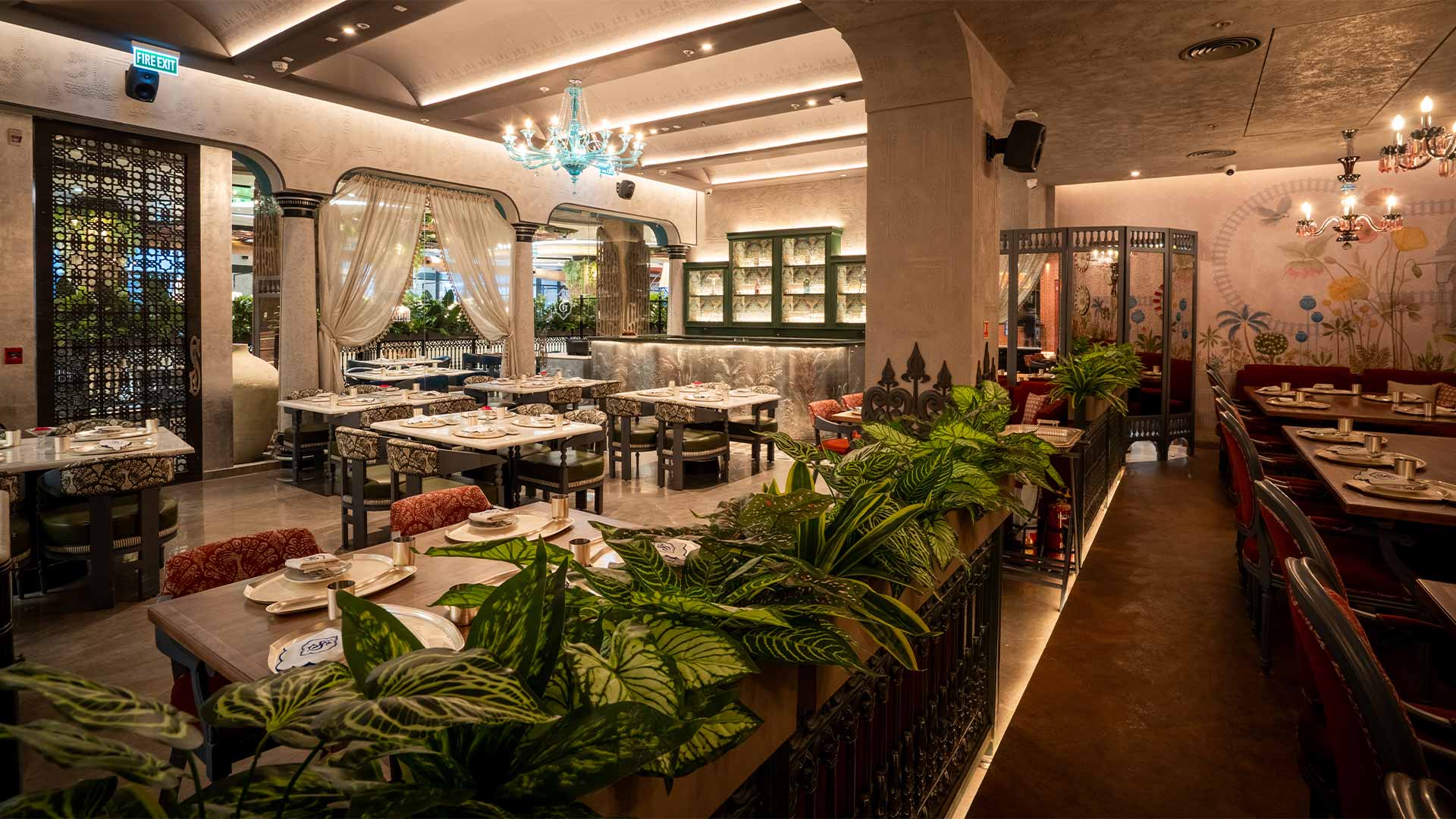
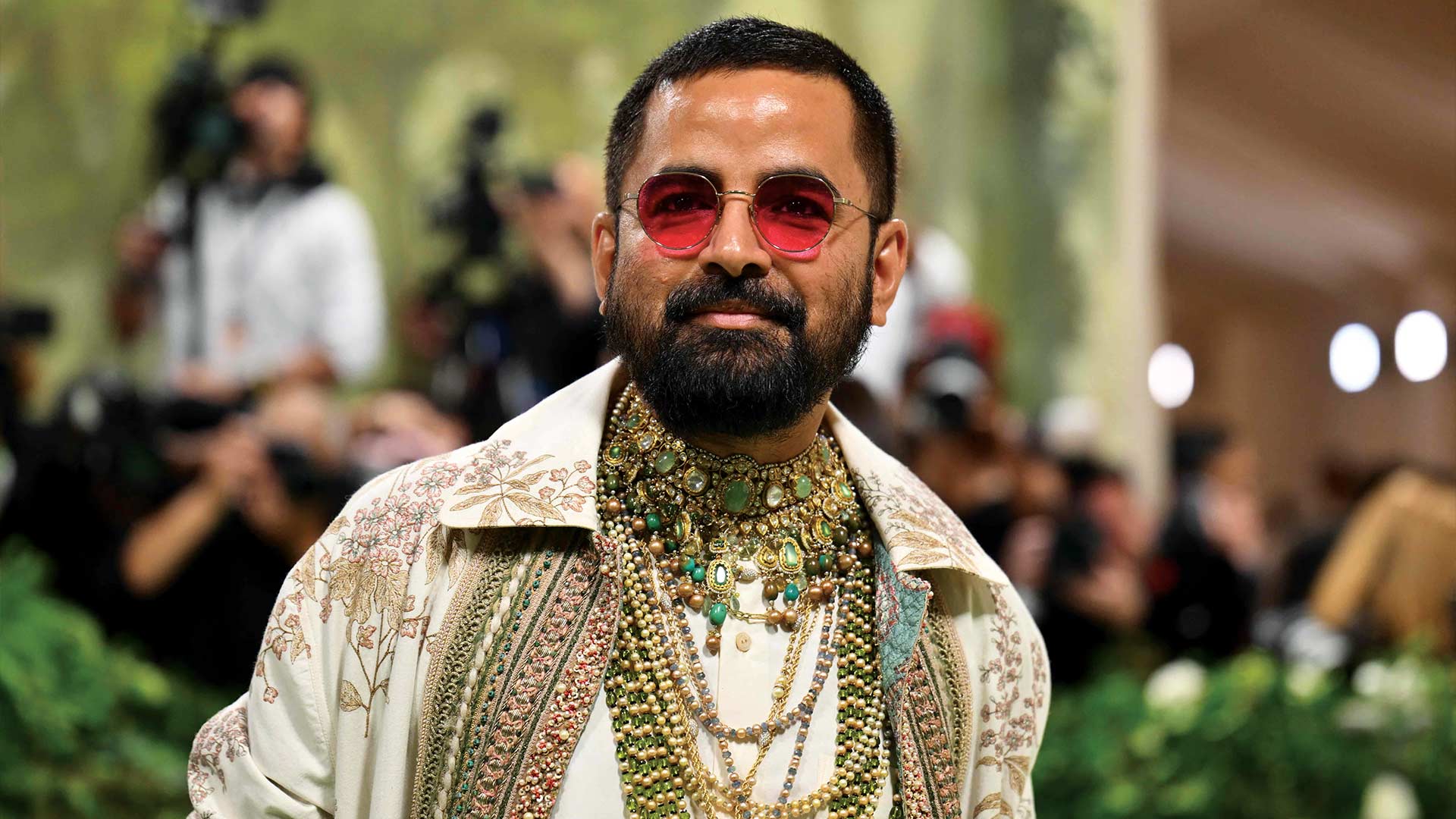
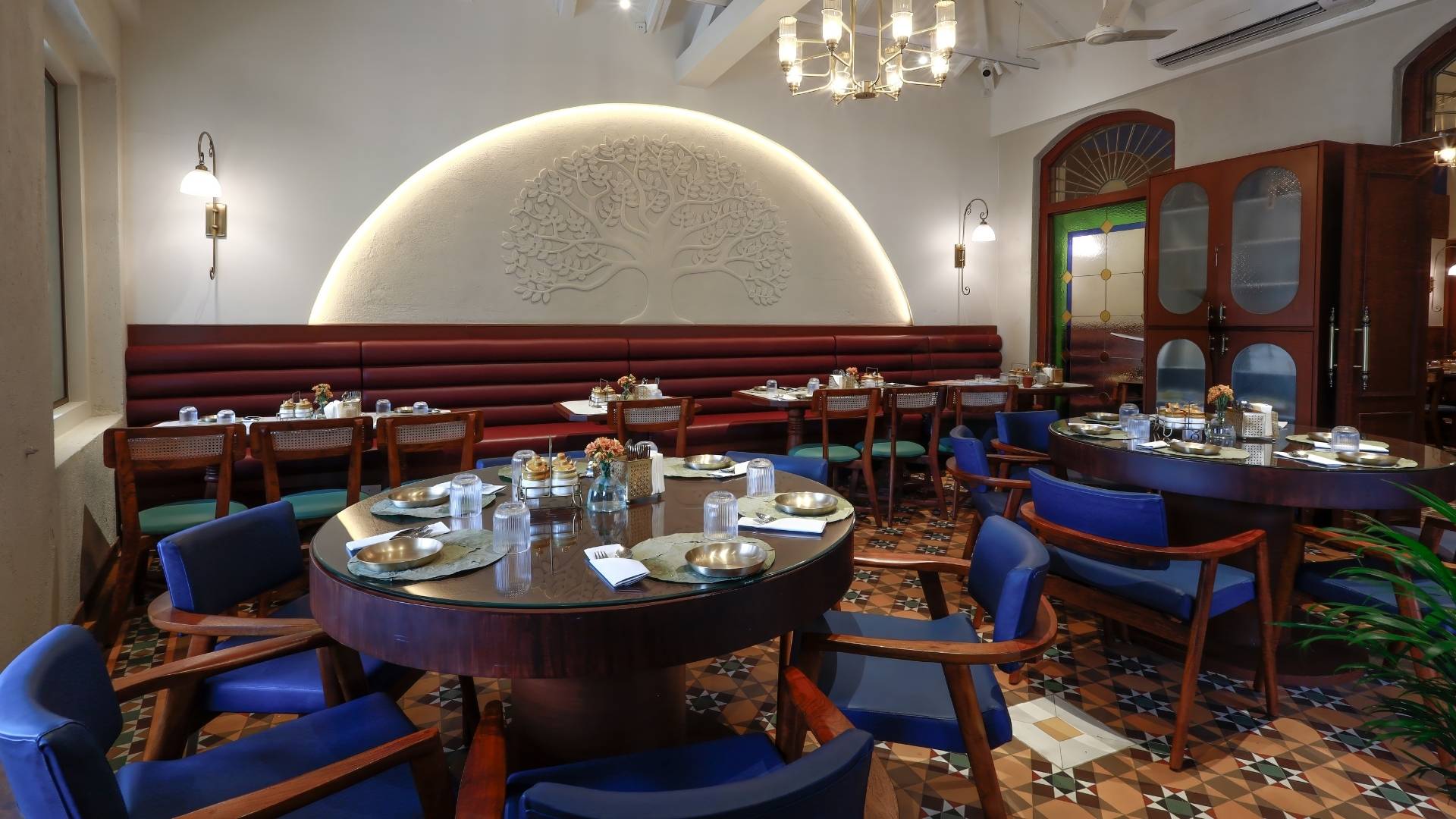
Designed by Saloni Kothari of Studio SKO for the modern, discerning guest, the restaurant beautifully preserves the building’s original character. Arched doorways, soaring ceilings, original windows, and grand wooden doors create a timeless setting, while natural light moves gracefully through the space. Varsoo unfolds across three distinct dining zones: two elegant indoor spaces and an intimate outdoor nook designed for quieter moments, secluded conversations, and intimate gatherings.
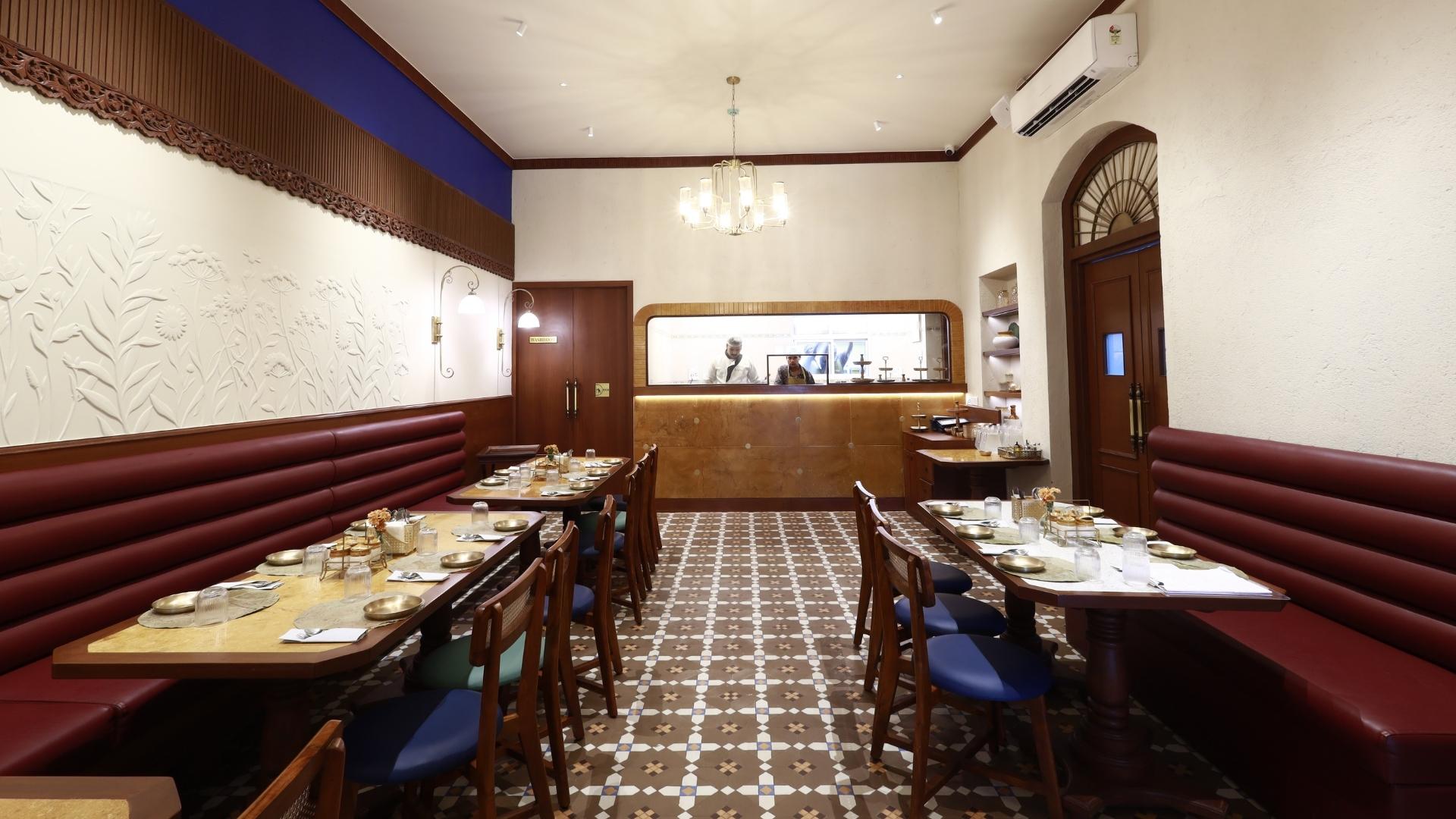
The 60-seater embraces the charm of its 200-year-old heritage, a space that has lived many lives, with natural light moving through the space.
Simplicity on the table
At Varsoo, the menu strikes a thoughtful balance between everyday comfort and culinary rediscovery, celebrating traditional Gujarati fare alongside select regional Indian favourites. Dishes that once formed the backbone of family meals across generations find their way back to the table, inviting diners to reconnect with familiar flavours and forgotten classics.
The journey begins with a range of thoughtfully crafted small plates, including Cucumber-Peanut Salad, Peru Ananas Ki Chaat, Makai Ki Raab, Samosa-Kadhi, Khichu, Dhokla, Muthiya, Handvo, and more. Signature offerings showcase the restaurant’s commitment to preserving culinary heritage through dishes such as Moong Dal Khichdi, Ravioli Dal Dhokli, Moong Ka Pani, Makai Ki Raab, Kela Methi Nu Shaak, and Rassa Wali Moong Panoli, alongside beloved Soam classics like Pachadi and Junagadhi Dal.
For those seeking hearty one-dish meals, the menu offers options such as Layered Dal Baati Churma and Kathiyawadi Chapda Tavo. Other highlights include Ker Sangar served with Khoba Roti and Panchmel Dal, Paneer Jodhpuri paired with soft parathas, and Turiya Patra accompanied by Biscuit Bhakhri and Kadhi.
The beverage selection is equally refreshing, drawing on flavours that feel both nostalgic and familiar. Guests can sip on Mango Ginger, Jamun Panha, Fresh Sugarcane Juice with Ginger and Lemon, Kokum Chaas, Saffron Lemonade, and other seasonal refreshments.
Adding an element of theatre to the dining experience is the live kitchen and chaat counter, where guests can witness traditional preparations unfold before them. Favourites such as Panki bring diners closer to the craft, aromas, and comforting familiarity of home-style cooking.
Desserts offer indulgence in every spoonful. The menu features creations such as Mango Sandesh Ravioli, Jalebi with Rabdi, Mohanthaal, and a Ghewar Shrikhand Tart that reimagines a beloved classic. Equally comforting are the Akhrot Halwa paired with Kulfi and refreshing Mini Fruit Chuskies.
The defining characteristic of Varsoo’s cuisine is its simplicity. “The focus is on honest Indian cooking that respects ingredients, seasonality, and traditional methods rather than relying on excessive richness or elaborate presentation. The menu celebrates regional Indian flavours while remaining approachable and comforting,” says Dixit.
The restaurant’s cooking philosophy is rooted in the way food has traditionally been prepared in Indian homes. “We keep refrigeration and over-processing to a minimum, prepare food fresh every day, and cook in small batches to preserve flavour and texture. We don't believe in masking ingredients with excessive oil, spice, or heavy gravies. Instead, we rely on slow cooking, careful tempering, freshly ground spices, and techniques that allow the natural character of each ingredient to shine through. The result is food that feels familiar, wholesome, and deeply satisfying,” she explains.
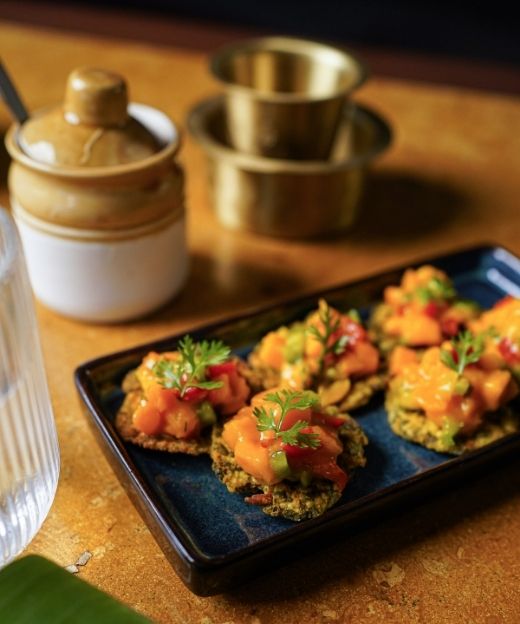
Mango papdi chaat.
A story in every recipe
At Varsoo, every recipe tells a story—one rooted in the food many of us have grown up eating and sharing around family tables. The menu is not built around recreations of royal feasts or rediscovered culinary relics. Instead, it celebrates dishes that have long been part of everyday life, family gatherings, and cherished celebrations.
“These aren't recreations of royal dishes or forgotten recipes; they're the kind of meals that have always been part of our homes, family gatherings, and everyday celebrations. Over the decades, through Soam, we've collected countless memories around food—seasonal favourites, regional specialities, and dishes that guests would return for time and again,” says Dixit.
What resonates most with guests, she believes, is the sense of nostalgia and familiarity woven throughout the menu. “There is comfort in recognising flavours that remind you of home, while experiencing them in a setting that feels contemporary and welcoming. The food isn't trying to surprise you with complexity; it's trying to make you feel good. Whether it's a simple khichdi, a seasonal vegetable preparation, or a beloved regional dish, guests connect with the honesty of the food and the memories it evokes.”
That philosophy lies at the heart of Varsoo—a restaurant where food is as much about emotion and memory as it is about flavour.
As for Dixit's personal favourite from the menu, she doesn't hesitate. “The Bajra Methi Dhebra with Kela Methi Nu Shaak. It has an identity of its own, yet is beautifully complemented by the dish it is paired with,” she says.
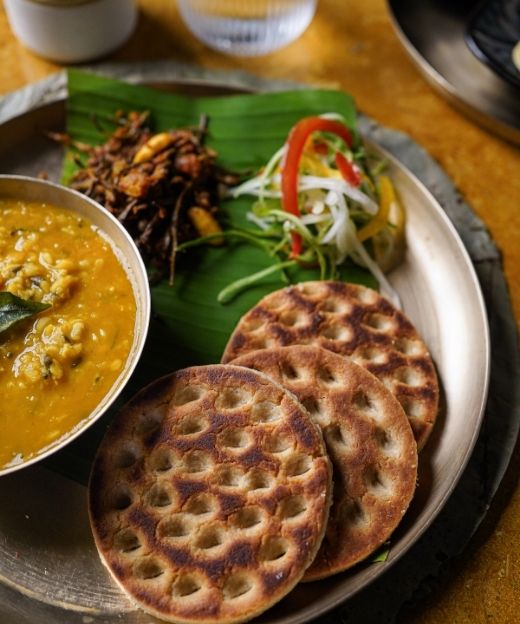
Khoba Roti with Panchmel Dal and Kersangar.
A journey shaped by heritage and heart
A Hotel Management graduate and a diploma holder from Le Cordon Bleu, London, Pinky Chandan Dixit's culinary journey has been shaped by a deep appreciation for India's rich food traditions. Early in her career, she spent over eight years working on cookbook research with renowned culinary expert Tarla Dalal, an experience that significantly influenced her understanding of traditional Indian comfort food and its enduring appeal.
Over the years, Dixit has built a reputation for championing simplicity, authenticity, and honest cooking. Her work is guided by a commitment to preserving traditional flavours while presenting them in a way that resonates with contemporary diners. As her ventures have grown in scale and popularity, that philosophy has remained unchanged.
Dixit attributes much of her success to her enduring love for traditional Indian cuisine. “As much as I love traditional Indian food, I wanted people to enjoy just one dish at a time—complete in itself, without feeling overwhelmed. Food, for me, has always been about comfort, familiarity, and the little details that make a meal feel whole,” she says.
That belief continues to shape both Soam and Varsoo, where every meal is designed to evoke a sense of warmth, connection, and belonging. Looking ahead, Dixit hopes more guests will discover the joy of slowing down, gathering around a table, sharing a meal, and lingering a little longer in the company of good food and meaningful conversations.
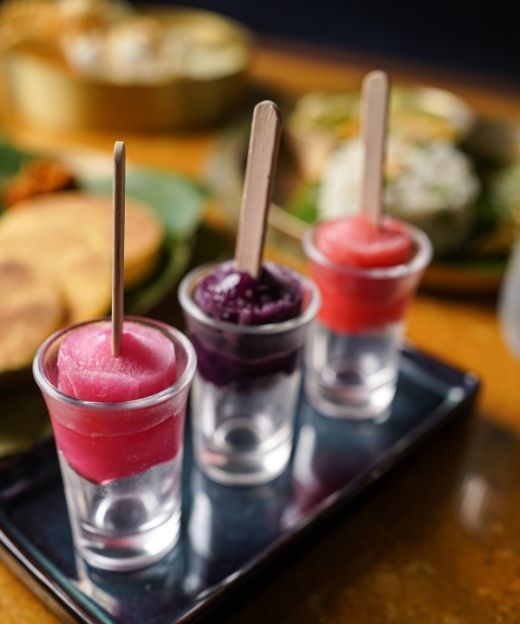
Mini fruit chuskies.