













I Happen To Be A Man Who Loves Men: Chef Suvir Saran
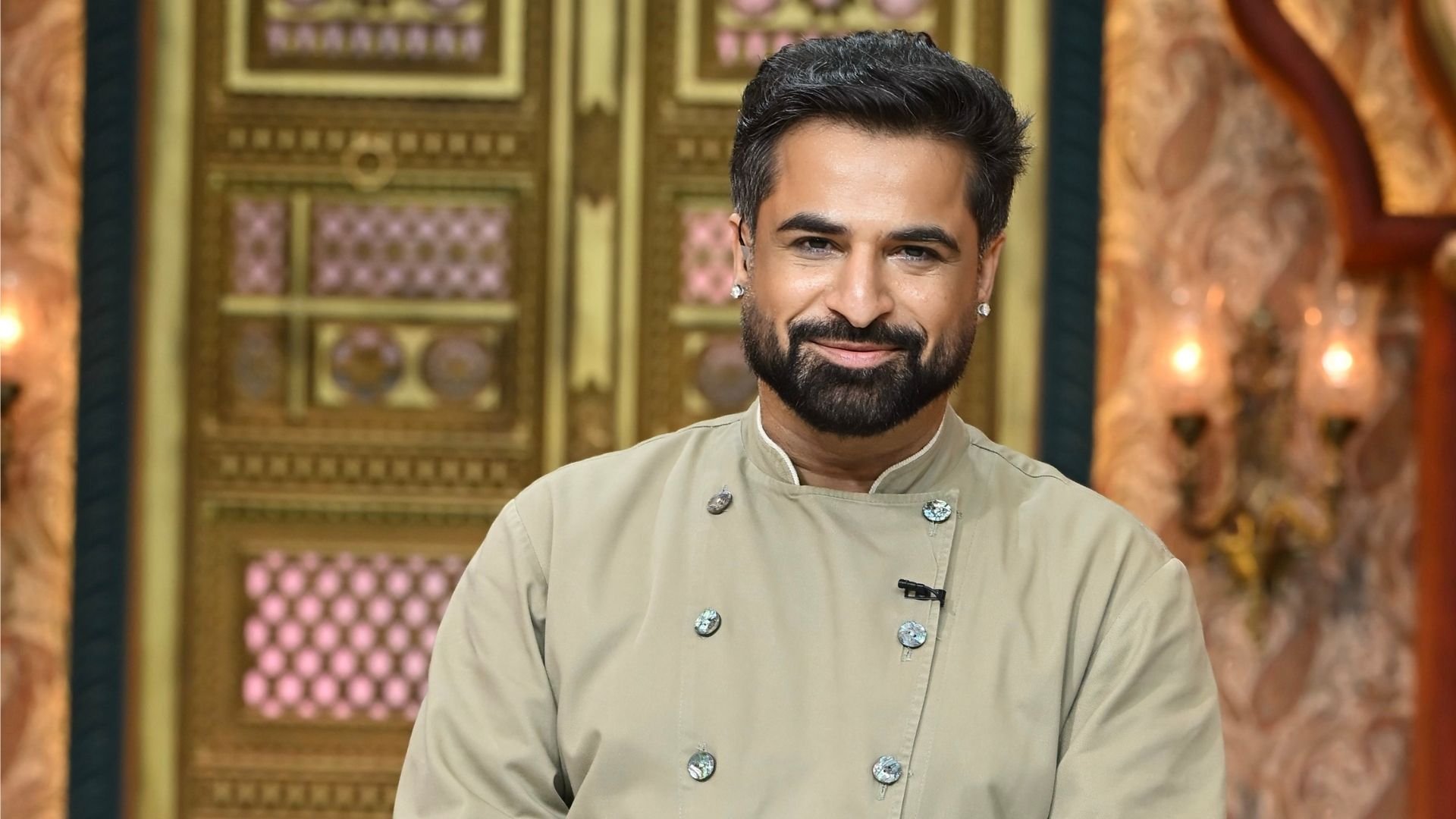
This Pride Month, SOH exclusively interacts with Michelin-starred chef and culinary icon Suvir Saran on his latest book Tell My Mother I like Boys, a personal memoir of love, life, loss, lessons and learnings.

By Rachna Virdi
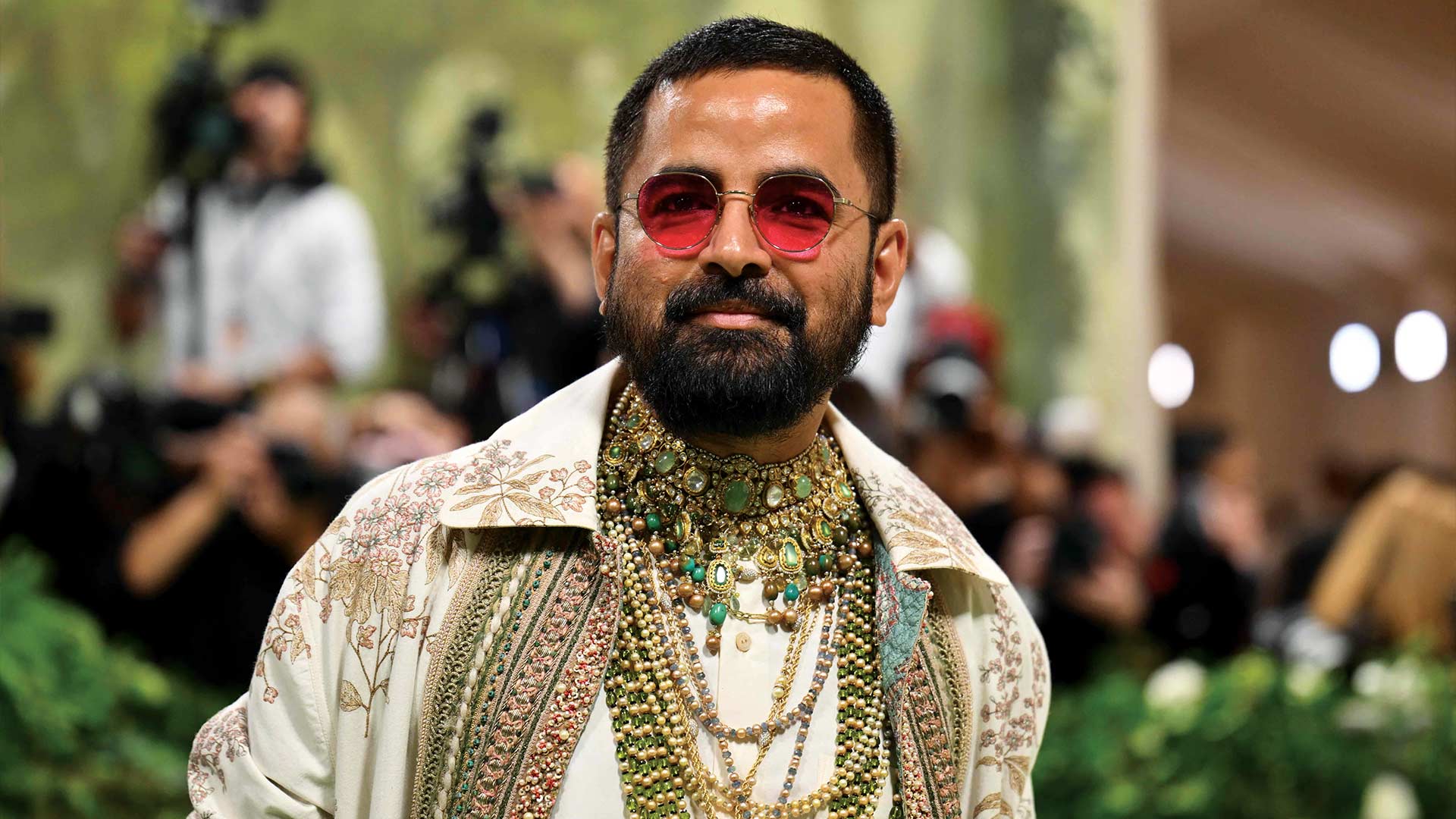
Celebrated chef Suvir Saran began his journey in hospitality in 1993, in New York City, at the age of 21. He didn’t have a kitchen job or a formal setup—just a tiny student apartment where his roommate and he threw wild dinner parties, cooked, cleaned. Being queer back then was still a complex thing, even in Manhattan. The gay community was coming of age, but Saran was still seen as “the other”. “I looked foreign, I looked Arab. People didn’t quite know what to make of me. Was I closeted? Not really. In America, I didn’t feel I had to hide—I lived alone, away from family, and the people around me were strangers who quickly became friends. I had the freedom to just be,” says Saran who wasn’t hiding, but he wasn’t fully out either—not to his family. And that weighed on him.
The turning point came in 1994. He and his partner had been living together for months. He’d call his boyfriend “roommate” when speaking to his grandparents. That duplicity felt corrosive. One day his boyfriend said, ‘Either you acknowledge me fully, or let’s rethink this. If we’re living together, and we’re real, then you owe it to yourself, to be honest.’ That moment pushed Saran to come out to his family—over the phone. It wasn’t easy, but it was honest. And it freed him. Professionally, being open didn’t hurt him—at least not in any obvious ways. What helped was that he was offering something radically new: home-style Indian food that America hadn’t tasted before. And people respected that.
“I created inclusive spaces because I craved inclusion myself,” says the acclaimed chef who recently launched his personal memoir of love, loss and learnings in the form of a book "Tell My Mother I like Boys”, that was published by Penguin Random House.
The book was presented at the Jaipur Literature Festival, where SOH had the opportunity to to exclusively interact with the chef and author about the idea behind the book and his experience of writing the memoir. Some excerpts.
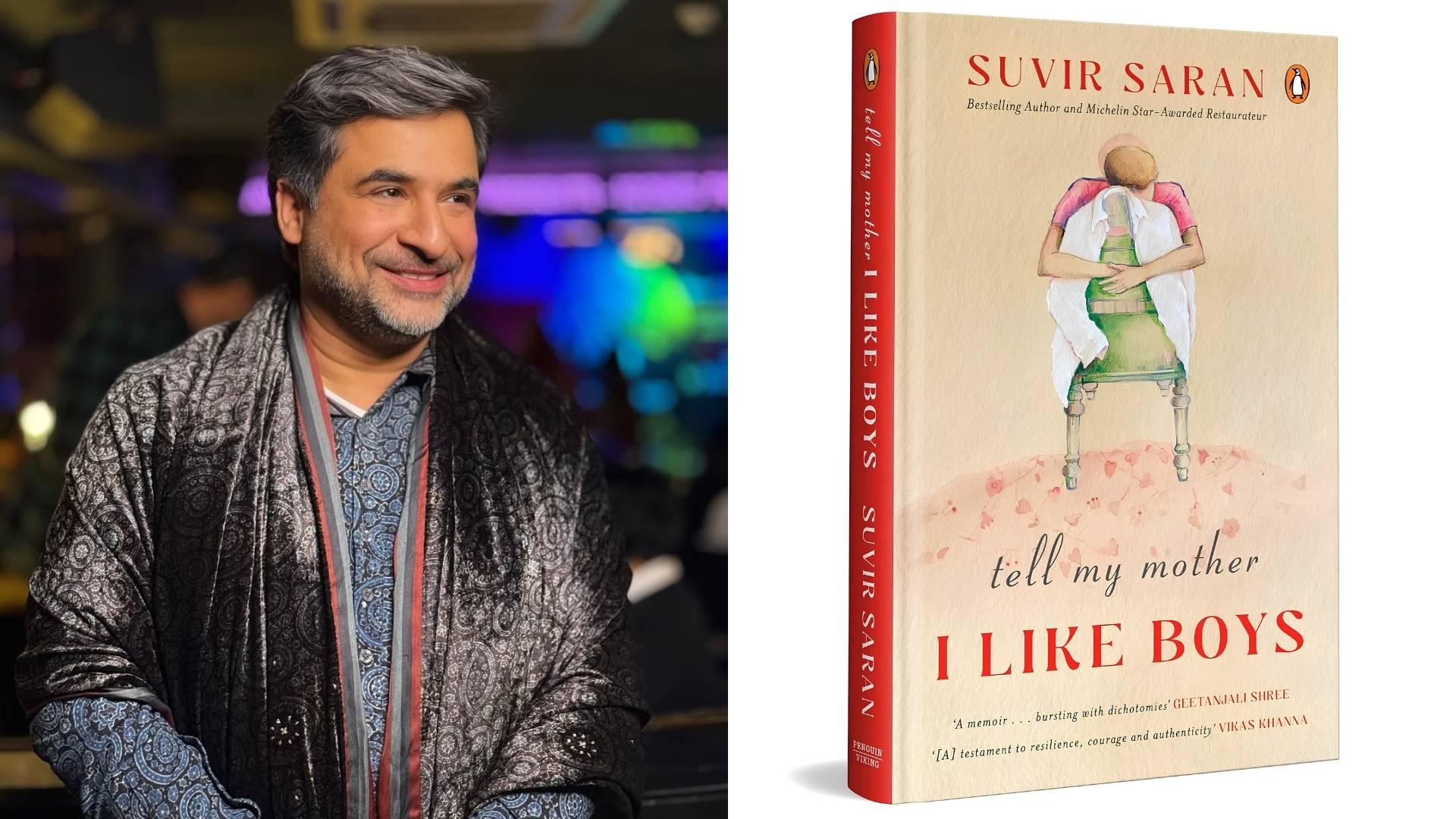
The recently launched book paints a vivid picture of Michelin-starred chef and culinary icon Suvir Saran.
What sparked the idea of coming up with the memoir ‘Tell My Mother I Like Boys’?
People thought my life was interesting. I lived in New York for 32 years. I left India when I was a kid, and I’ve come back as an adult. I’m living in India for the first time as a man who thinks. India has changed. My life’s journey was about making a home in America, where I was the ‘other’ because I spoke differently. I happen to be gay. I happen to be a man who loves men, who came out at the age of 20. But in America, it wasn’t the gay part that made me different. They thought I was an idolatrous Hindu. I was a fucking terrorist because I looked Muslim, or I was some effing spic, a Spanish household help. So I was always the ‘other’. I came of age as a sick man who had been given hospice care in America. My mother brought me to India. When I came back, I saw young kids being mistreated and treated differently.
Publishers thought my life story was about reaching the pinnacles of success as a chef, becoming the first Michelin-starred chef in North America who was not Northern European. They said, “You’ve achieved so much.” But I said, inside, I’m a hollow human being. I’m still questioning why I exist in a world that doesn’t understand me and others like me. So the memoir is that journey. It’s the story of almost dying. I feel as if I lived to tell the tale. These people thought it was a fascinating story for a book or a movie. I said, if I write a memoir, it has to be honest. It has to be gut-wrenching because I had to spill my beans.
How have you portrayed your identity through the memoir?
Through the memoir, I’ve told the good, the bad, and the ugly so that people, when they look at their own lives, aren’t suicidal as I once was. They’re not sleepless, as I often was, because they see another human being who has gone through it all. I always had a ray of hope, a light shining somewhere, and I chased that. I didn’t choose suicide. So the book will give them all of that—the darkness, the struggle, but also the hope that kept me going.
How was your experience of penning the book and reliving the process?
The process of writing regurgitated a lot of pain. It was cathartic, and I think I’ll be happier for it. The inspiration was to make sure that no other child has to go through this. Even if three children in India don’t have sleepless nights after reading my book, I’ll be happier for it. In the end, I’ve made peace with my skeletons, and I’m in a much better place now.
The book will give readers the hope that kept him going, says Saran.
From being a chef to now being an author. What was your journey like?
I was the editor of the school magazine at Modern School, Vasant Vihar. I used to write a blog before people even knew what a blog was. I had a website in 1993 called suvir.com. I had one of the first blogs on the planet. So I’ve always written. I’ve written all my life. I’ve written three cookbooks and sold over half a million copies of my books. So writing itself wasn’t difficult. But writing a memoir—a book this personal—was. At the same time, it was also a relief and a joy. I hope the book brings some peace and comfort to others on this planet.
You launched the book at the Jaipur Literature Festival. How was the experience?
The Jaipur Literature Festival, created by Namita Gokhale, William Dalrymple, and Sanjoy Roy, has given the planet a place where books, words, emotions, and humanity can all shine in their disparate forms. There’s a line in the NCC anthem: “Bikhre bikhre taare hain hum, lekin jhilmil ek hai; hum sab Bharatiya hain.” We are scattered stars, but together we shine as one.
At the Literature Festival, you see the many different stars of the planet—people with different viewpoints, thoughts, emotions, and identities. Yet we all come together as people who are ready to share, grow, listen, and talk to one another. This platform gives us that space, and that is its greatest gift.
Your message to the hospitality industry out there?
I just want people to know that if you’re not hospitable to yourself—to your own humanity and to the humanity in the person sitting next to you—you’ll never be good at hospitality. Hospitality begins at home. Be kind to yourself. Be kind to other human beings, no matter who they pray to, what they wear, or what language they speak.
When we look at one another first as human beings, we learn how to live as human beings. And when we learn to live as human beings, we become far more hospitable, clever, and talented. So chase your humanity. You’ll be better at whatever you do.
The personal memoir of love, loss and learnings will bring some peace and comfort to many others, says the chef.