















The Fine Art of Balance
Shrikant Wakharkar, Area Vice President - South and Central India, and General Manager, Park Hyatt Hyderabad, on what it takes to be a GM in an evolving world and the right way of balancing the aspirations of the owner and the brand.
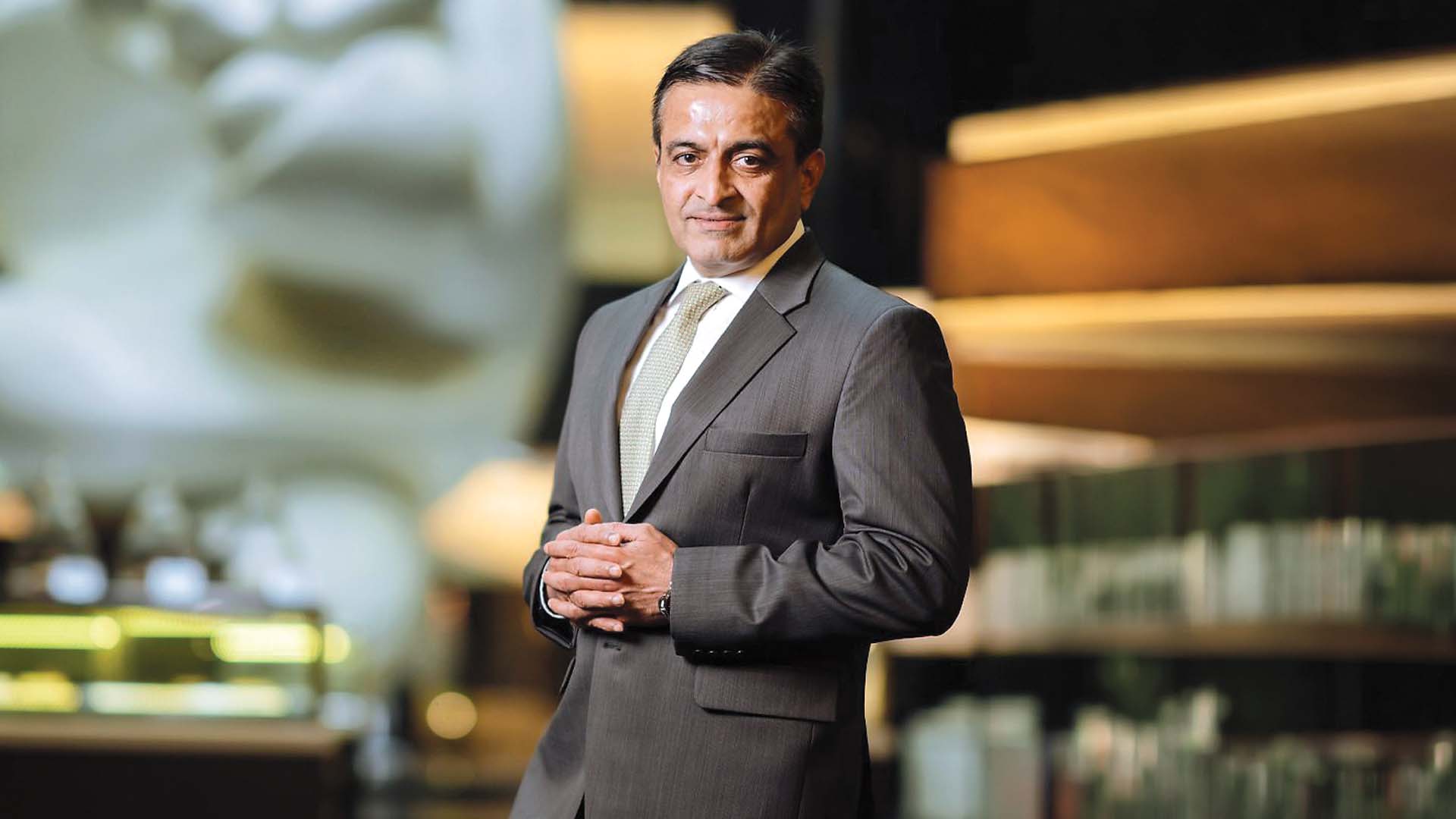

By Suman Tarafdar
A veteran leader of the hospitality sector with over three decades of experience, Shrikant Wakharkar, Area Vice President - South and Central India, and General Manager of Park Hyatt Hyderabad, brings a wealth of experience and expertise, especially in leadership roles.
From crafting interesting dining experiences as a young restaurant manager to overseeing a symphony of luxury hotels, Wakharkar's career has spanned a variety of roles. His resume lists out stints at properties such as The Westin Chennai, InterContinental Goa, and Marriott Hyderabad before he ascended to the helm of Hyatt's regional operations. This wealth of experience has offered him a unique vantage point to understand the nuances of the Indian market, from the booming domestic travel scene to the challenges of balancing brand standards.
In an exclusive interview with SOH, Wakharkar opens up about the evolving role of a general manager, the importance of technology and sustainability, and the key trends shaping the future of hospitality in India. His insights offer a behind-the-scenes look at what it takes to run a modern hotel and provide a roadmap for aspiring hoteliers looking to make their mark in this dynamic industry. Excerpts.
Can you shed light on how the south and central India markets are different? How do you see the hospitality market evolving in India in the near term?
The outlook for the hospitality sector in south and central India over the next six to nine months appears promising, buoyed by several positive trends and strategic shifts. The key factors expected to shape the industry:
- Steady demand and supply dynamics: The demand for hotel accommodations is projected to remain steady, although an increase in supply may put pressure on pricing.
- Domestic travel and corporate travel: Domestic travel continues to be a strong driver, complemented by the resurgence in corporate travel. This is expected to bolster overall demand, particularly in micro markets and major urban areas.
- Inbound tourism: With the revival of inbound tourism, the hospitality sector anticipates
improved growth.
- Event-driven boosts: Although significant events such as the G20 summit and the Cricket World Cup 2023 provided a substantial boost, the sector remains optimistic about sustaining growth through continued domestic demand and smaller-scale events.
- Revenue management and technology: Integration of advanced revenue management tools and technology will be crucial for maintaining profitability in the face of rising costs. It spans leveraging AI and data analytics to optimise pricing and operational efficiency.
- Challenges: The industry faces several challenges such as high GST rates, talent acquisition, and the need for sustainable business practices. Addressing these issues will be crucial for long-term growth.
Overall, the sector can see a conservative yet promising growth in both room occupancy and average daily rates, driven by strategic investments and a focus on emerging travel trends. The industry is poised to capitalise on opportunities, particularly in smaller towns and cities.
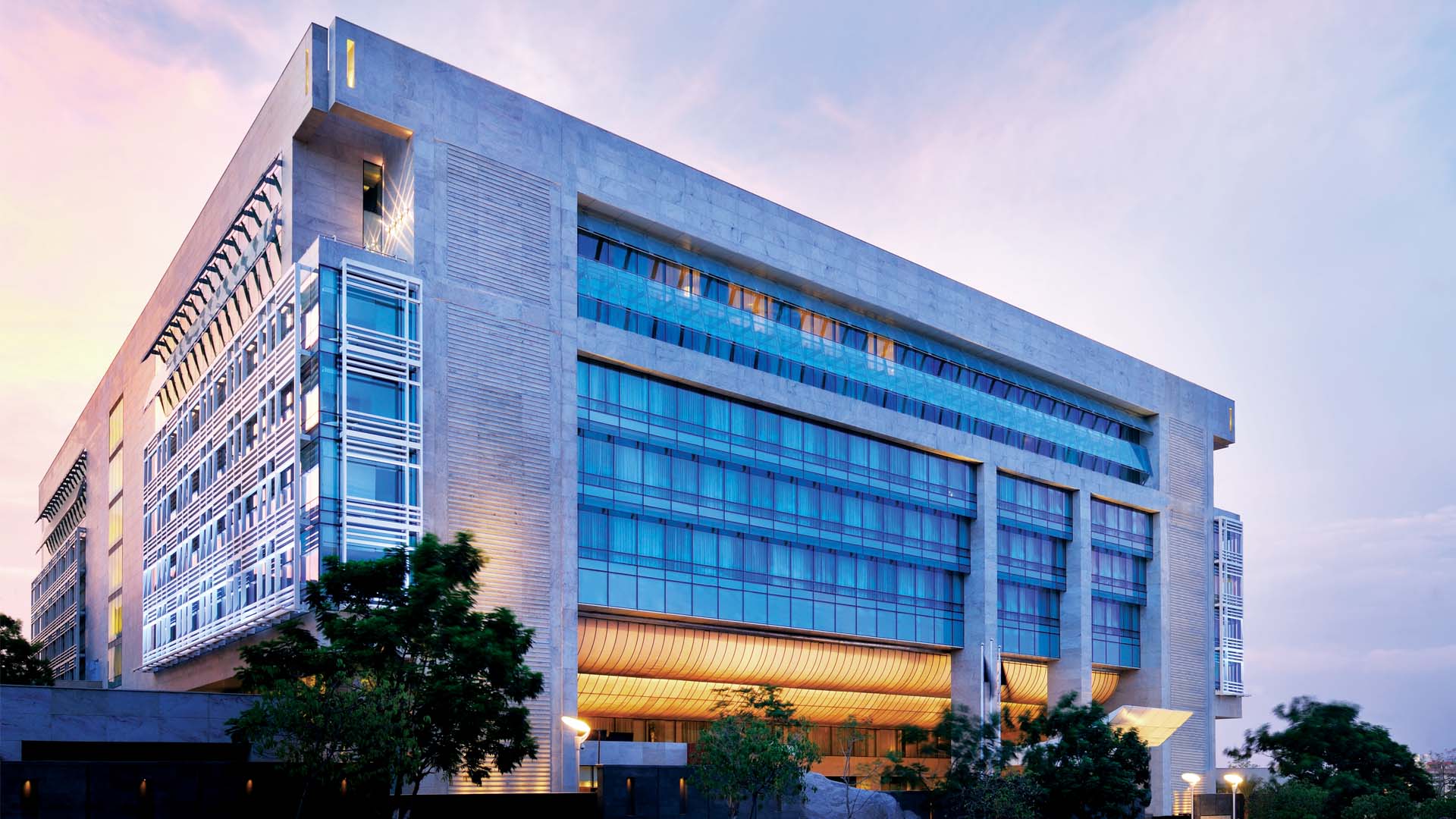
An exterior view of Park Hyatt Hyderabad, located in tony Banjara HIlls.
What is the core of being a hotel general manager in today’s transforming hospitality scenario?
In a rapidly transforming hospitality scenario, the focus is on building customer and colleague experience. With new technologies, there is an equal shift in guest expectations and a greater emphasis on sustainability and wellness too. A successful general manager must be agile, innovative and committed to delivering exceptional service while embracing these changes and ensuring that our values of empathy, integrity, and respect are at the heart of every interaction.
Does the role demand any focus areas/tweaks in India when compared to global postings?
In India, the hospitality landscape is unique due to its diverse cultural and regional variations. A general manager in India must possess a deep understanding of local customs and preferences to tailor guest experiences effectively. Also, there is a greater emphasis on fostering strong community relationships and contributing to local economic development, aligning with Hyatt’s value of caring for communities. Balancing these elements would be a key focus, incorporating regional hospitality nuances while maintaining global standards.

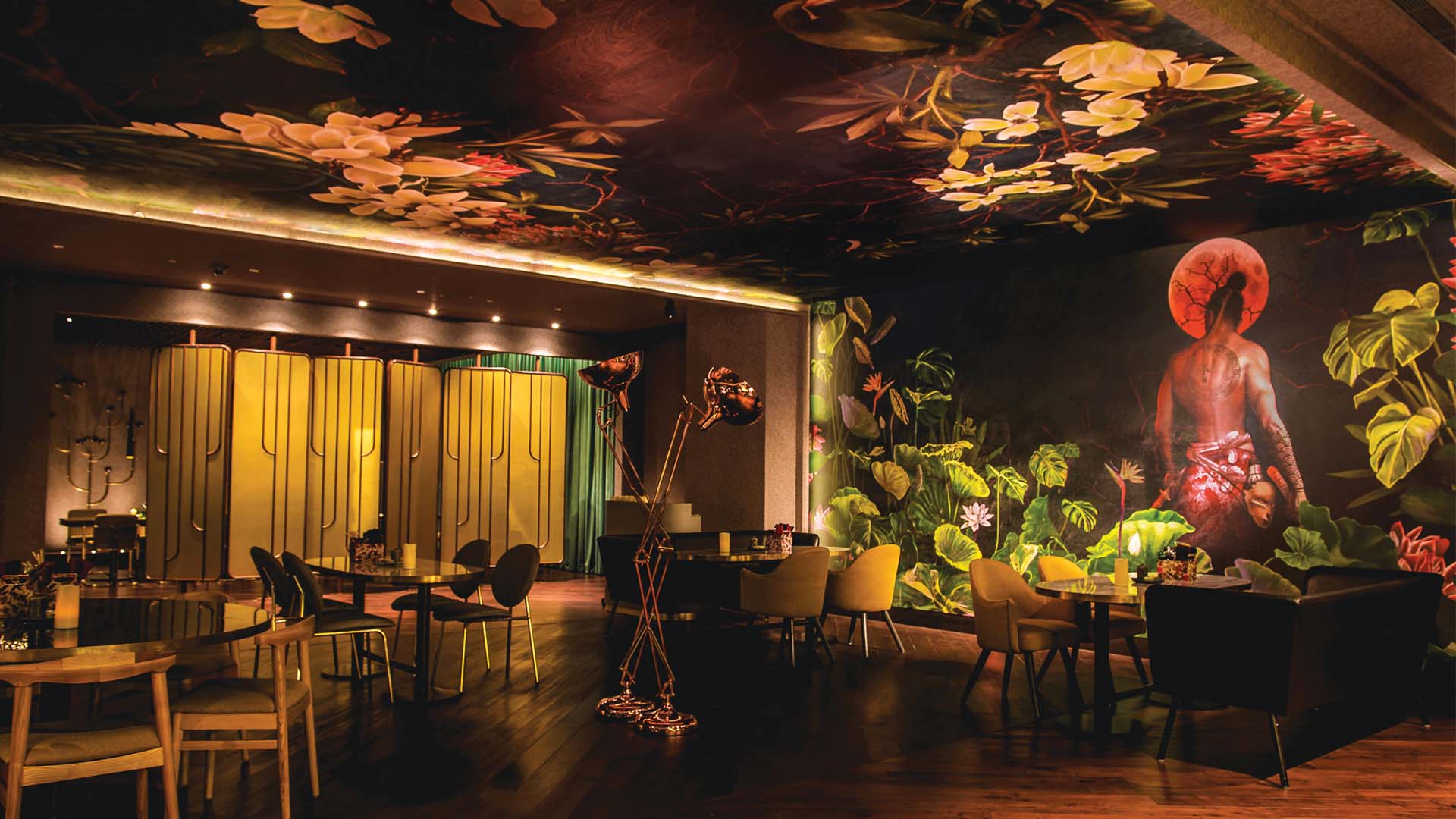
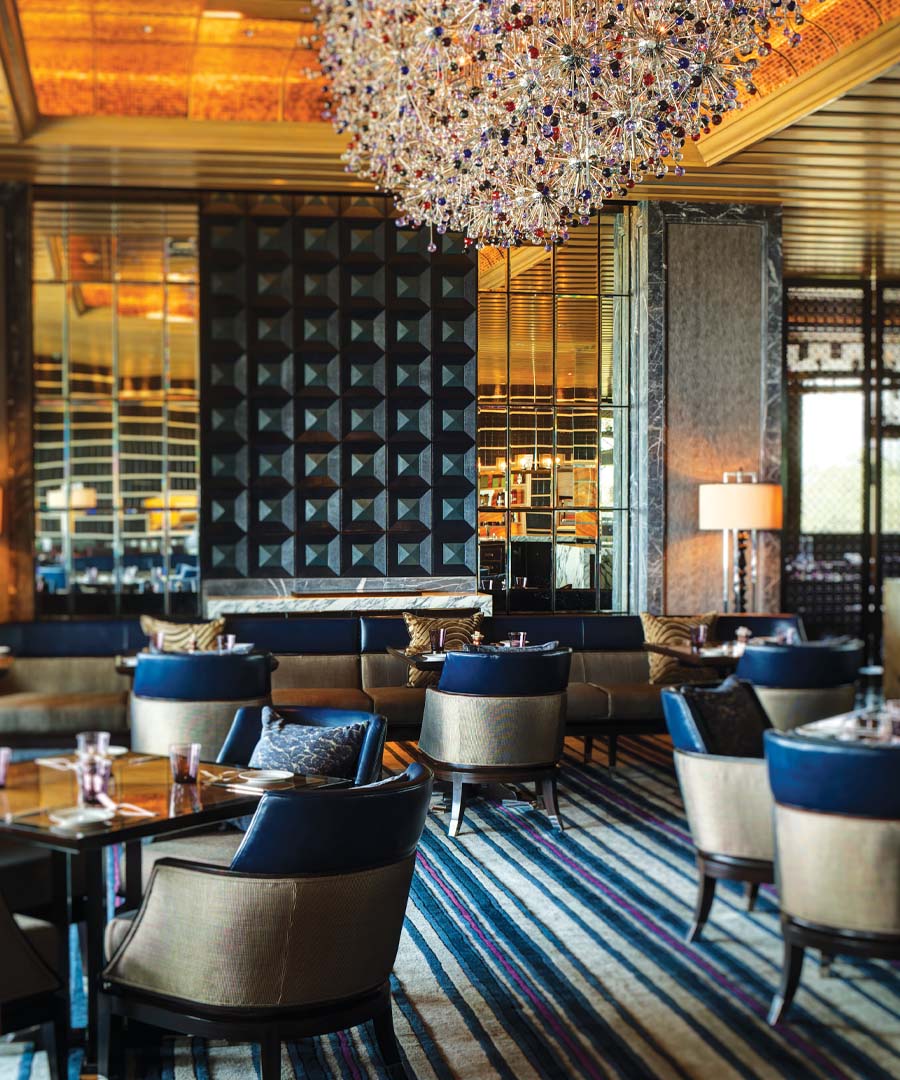
RIKA curates modern Asian dishes under the umbrella of chillies based on their scoville units.
The scope of a general manager’s role has expanded beyond traditional management to include strategic planning, digital transformation, and sustainability initiatives.

How challenging is it to balance the demand of the brand and the aspiration of the owners of a hotel property?
Balancing the demands of the brand and the owners is one of the most intricate aspects of the role. It requires clear communication, transparency, and a deep understanding of both parties' goals. The brand focuses on maintaining its standards and reputation, while owners are often more concerned with financial performance and return on investment. Navigating these priorities requires a general manager to be a skilled negotiator and strategist.
What is the scope of your role, and how has it been evolving? How does it change from managing a single hotel to being an area director?
The scope of a general manager’s role has expanded beyond traditional management to include strategic planning, digital transformation, and sustainability initiatives. As Area Vice President, the role involves overseeing multiple properties, ensuring consistency in service quality and aligning each hotel’s objectives with Hyatt’s overall brand strategy. It also requires a broader perspective and the ability to mentor and guide multiple management teams.

The scope of a general manager’s role has expanded beyond traditional management to include strategic planning, digital transformation, and sustainability initiatives.
What is the most challenging aspect of the job? Could you give examples of where the role of a general manager becomes crucial in addressing challenges or unforeseen situations?
The most challenging aspect of the job is managing crises, such as the COVID-19 pandemic, which drastically affected the hospitality industry. During such times, the general manager’s role is crucial in ensuring the safety of guests and staff, maintaining operational continuity, and implementing recovery strategies. Effective crisis management and clear communication are vital to navigating these challenges successfully.
What are the top attributes necessary to be an effective general manager?
The key attributes must include strong leadership, effective communication skills, adaptability, a keen eye for detail, and a passion for service excellence. An effective general manager must be a visionary, able to foresee trends and adopt strategies accordingly. Building and nurturing relationships with guests, staff, and stakeholders is equally important.
What have been the highlights of your career as a general manager?
Throughout my career, I have led some of the finest hotels and delivered memorable experiences to guests. A significant highlight has been overseeing a property's successful transformation and rebranding, enhancing guest satisfaction, and driving operational excellence. One memorable achievement was spearheading a sustainability project that reduced our environmental footprint and won community recognition, reflecting Hyatt’s commitment to responsible business practices.
Additionally, I take great pride in fostering a culture of teamwork and professional growth among my colleagues, which has consistently resulted in higher engagement and satisfaction.
What would be your top tips for a new general manager?
I would recommend understanding the unique culture and dynamics of the property, building a strong team, and fostering an environment of open communication and continuous improvement. Stay adaptable, be proactive in problem-solving, and always prioritise the guest experience. It is important to also recognise the importance of community engagement and corporate social responsibility.
A general manager must lead initiatives that contribute positively to the local community and environment, aligning with the broader values of the brand and making a meaningful impact. The role of a hotel general manager is dynamic and multifaceted, requiring a balance of strategic vision, operational expertise, and interpersonal skills.