












Reimagining The East
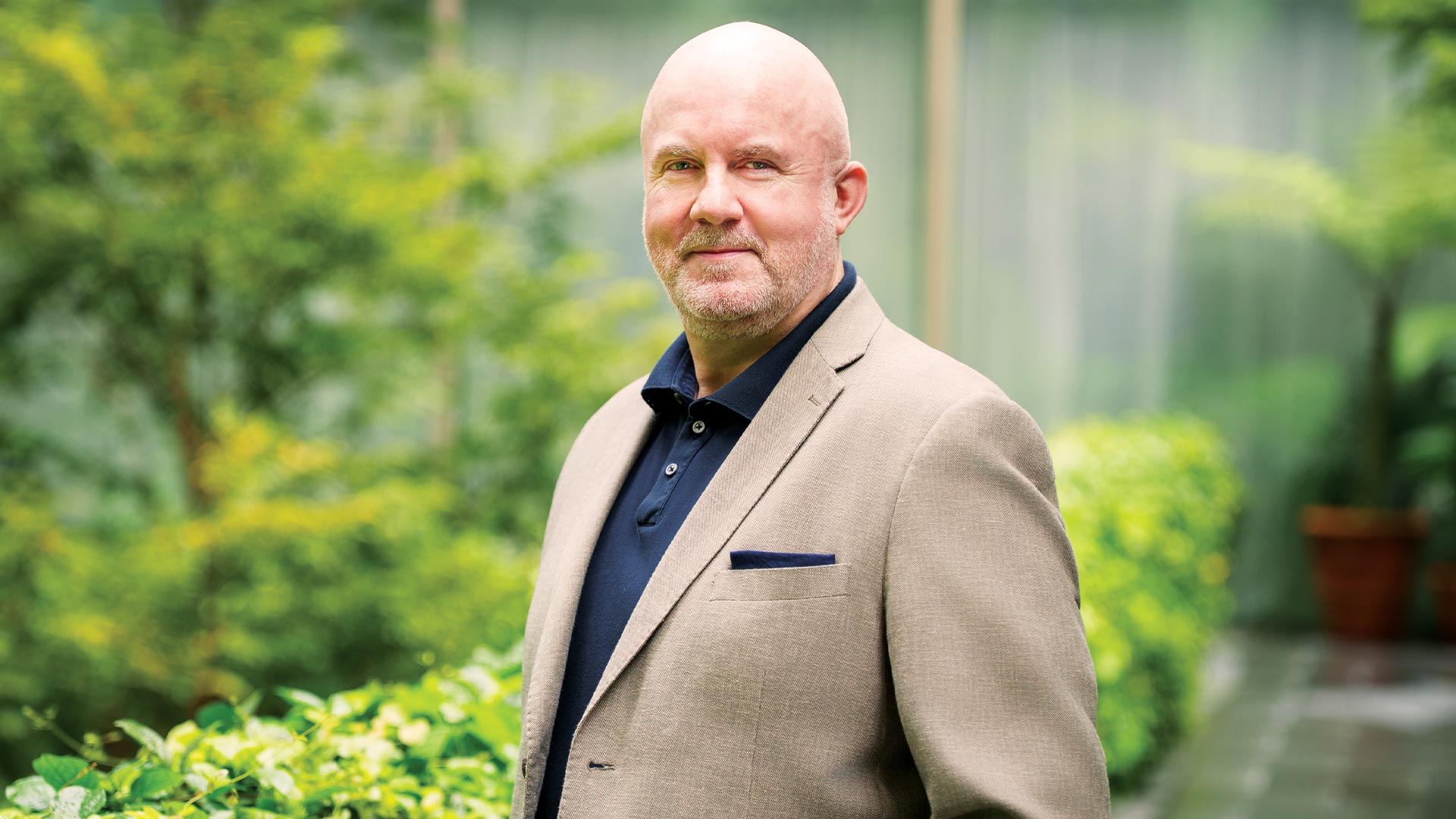
In the tranquil eastern Himalayas or amidst the cultural grandeur of Kolkata, the Kutir hotels by Ambuja Neotia Group redefine luxury through an exquisite blend of art, heritage, and nature. At the heart of this vision is Harshavardhan Neotia, Chairman, Ambuja Neotia whose deep-rooted sensibilities, entrepreneurial zeal, and passion for aesthetics have shaped eastern India’s luxury hospitality segment. In an exclusive chat with SOH, Harshavardhan Neotia explains how art and architecture combine to make his hotels distinctive.
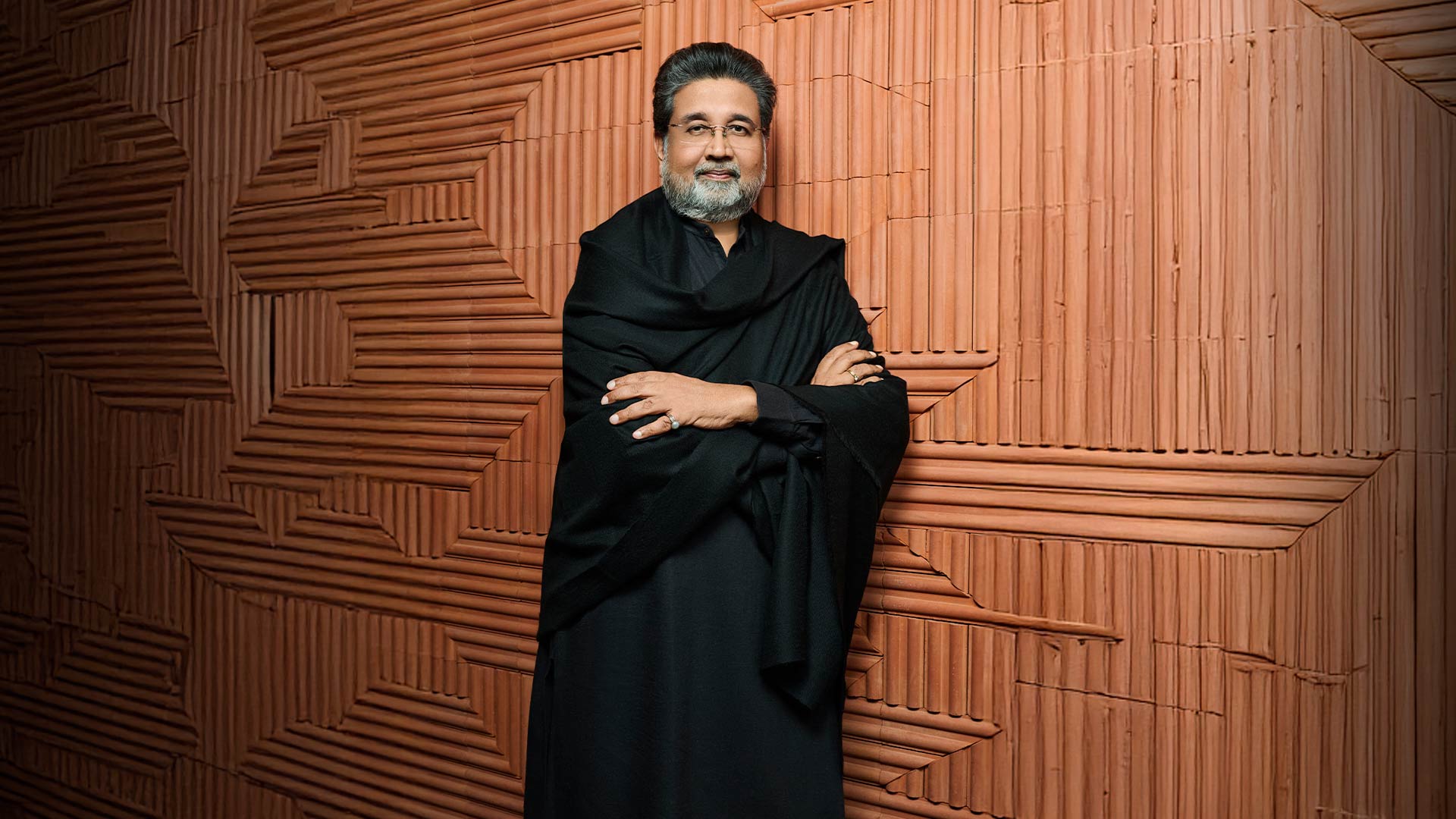

By Suman Tarafdar
A visit to any of the ‘Kutir’ hotels is indelible. Whether it is the interplay of bamboo, timber, and stones at Taj Chia Kutir, Darjeeling, or rhododendrons and design-centric hubs at Taj Guras Kutir, the urban resort that is Taj Taal Kutir, or even Raajkutir Kolkata – IHCL SeleQtions, homage to the grandeur of palaces of Kolkata that allows you stay in a modern rajbari. All are operating as IHCL hotels, and a stay in each is unforgettable and exceptional.
And this is not by accident. The sensibilities and passions of Harshavardhan Neotia, Chairman, Ambuja Neotia have coincided with his entrepreneurship and values to create these extraordinary getaways. And happily, for enthusiasts of heritage and art reflecting in hospitality, there are more ‘kutirs’ in the offing, including the Vanya Kutir in Lataguri, in the Dooars, home to the Gorumara National Park and a verdant landscape by the Teesta river; Sagar Kutir in Digha, an unexplored seaside destination; Himal Kutir in Darjeeling; Sunder Kutir in Sunderbans; and the under-renovation Taj Ganga Kutir at Raichak.
Today the Kolkata-based ₹10,000 crore Ambuja Neotia Group is spread over four major verticals. While real estate forms the largest segment in terms of revenue, the group is also growing rapidly in health, education and, of course, hospitality. Heir to the Ambuja Cement empire, 1961-born Neotia’s journey, too, forayed through the traditional family business, till the family exited the cement space in 2005-06. Though he had done an odd early project in real estate, he almost had to start afresh. “When I was 21 years old, I started (my real estate journey with) a small residential building. It just so happened that a father's friend had a small property and he was not able to sell it. And, in one of our conversations, he mentioned that if we make apartments on the land, we might be able to monetise it. Serendipitously, I happened to be sitting there, so my father said, ‘Why don't you do it?’ That, somehow, started me on this journey.”
A significant stint in cement later, the return to an arena he was more comfortable with was, perhaps, fated.
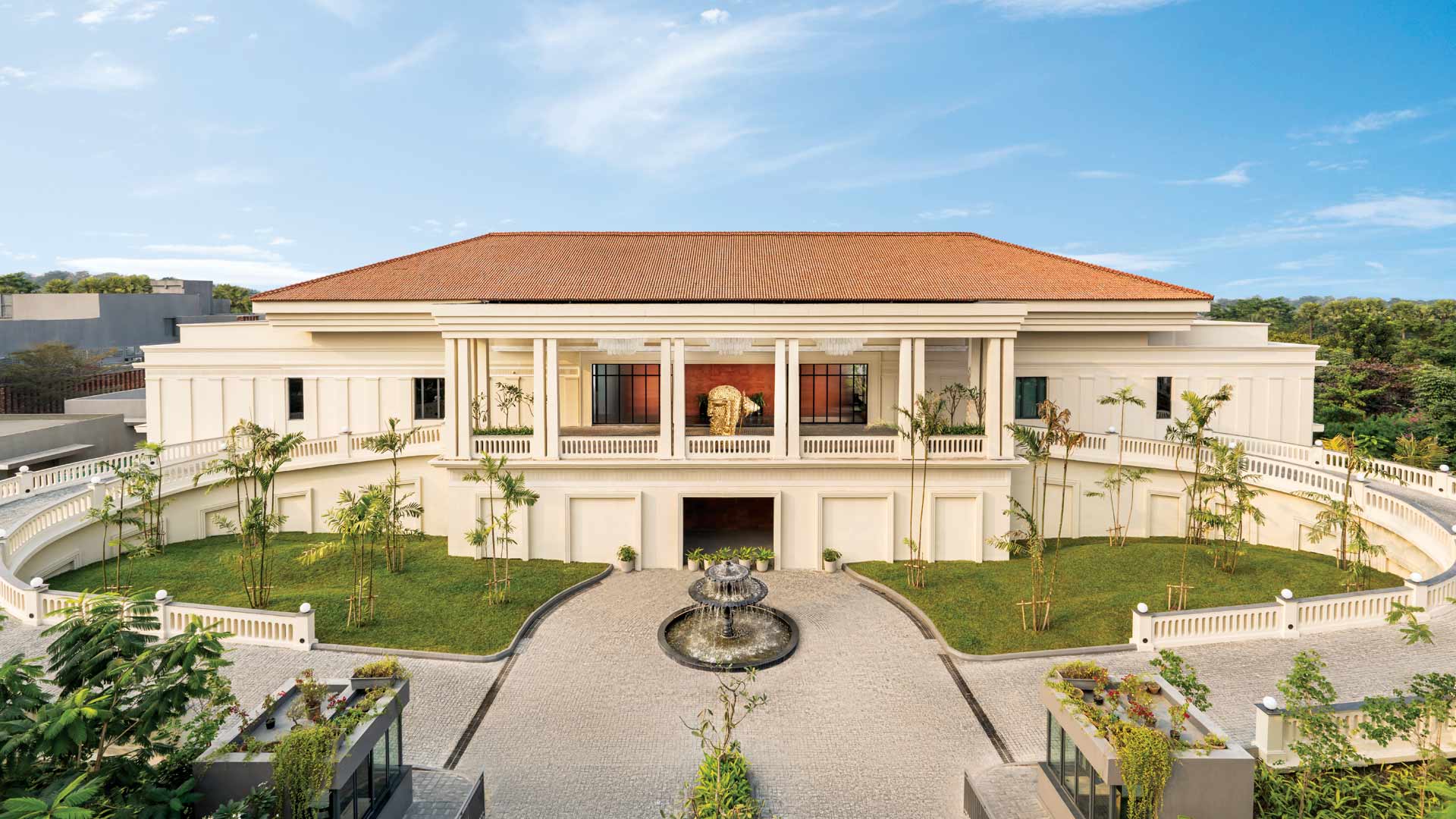
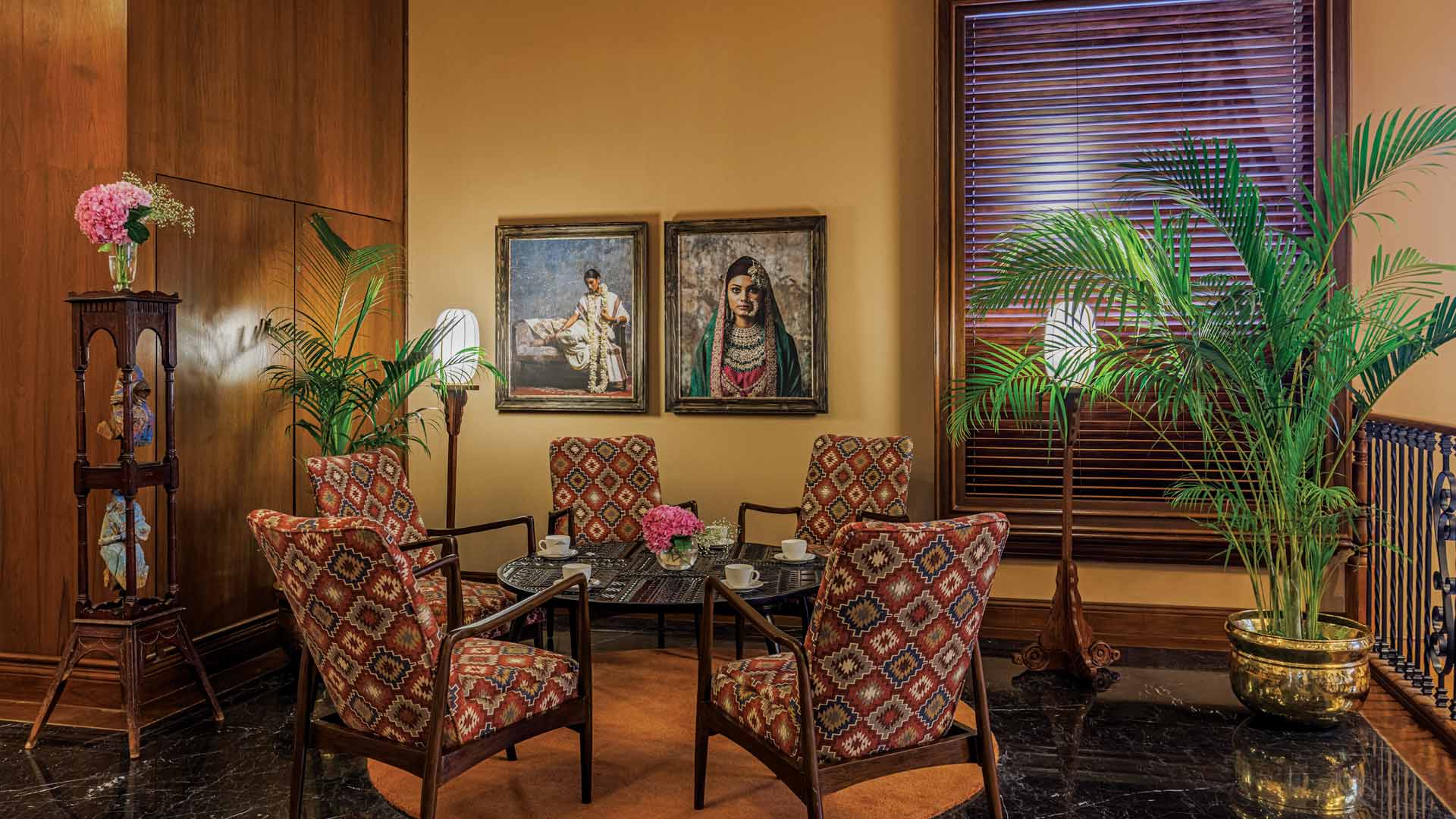
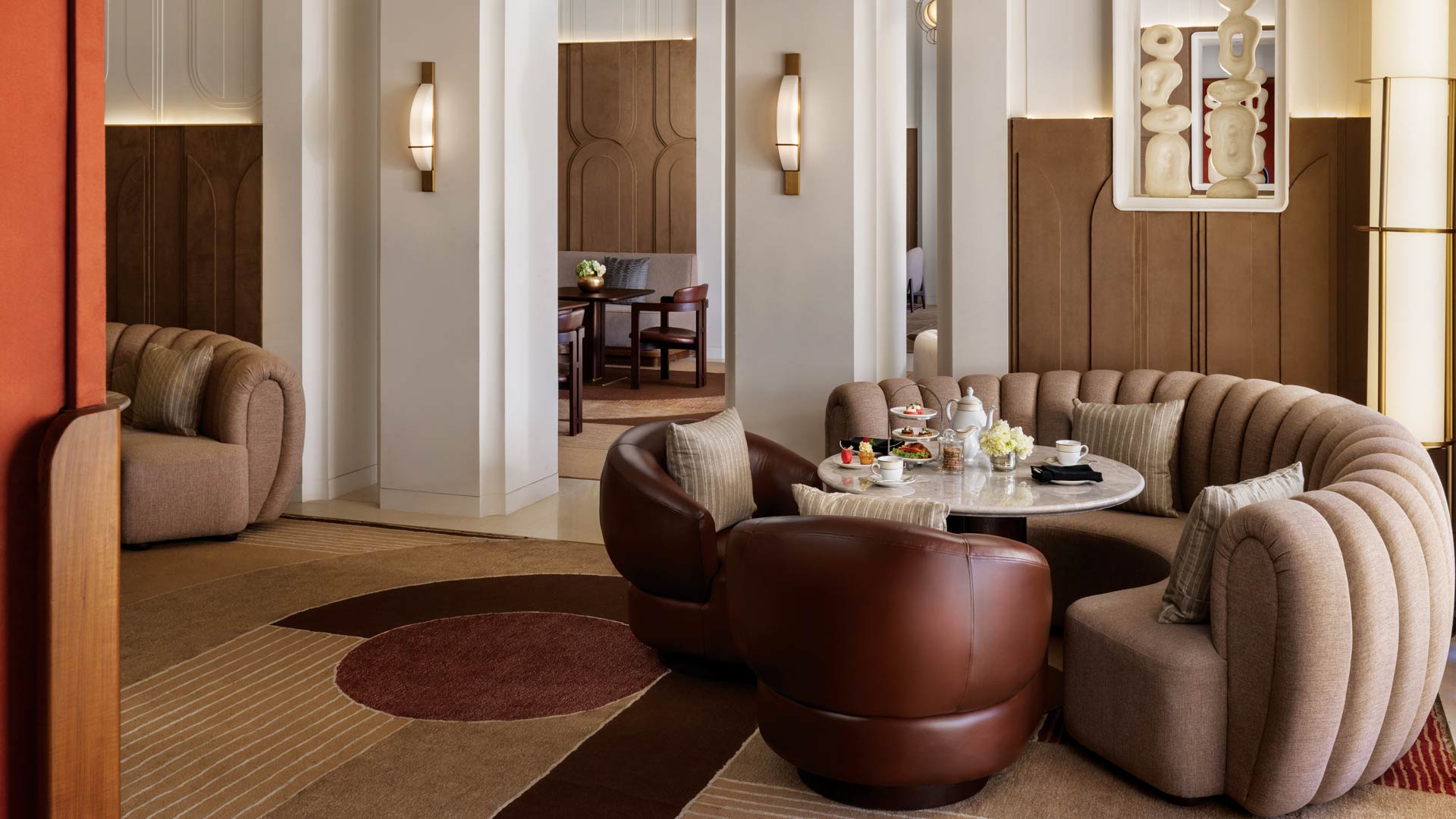
Art Deco theme entwines with the vibrance of a modern city at Taj Taal Kutir, New Town, Kolkata.
The foray into hospitality
“When the family decided to divest our cement business in 2006, I had an opportunity to focus back on real estate,” recollects Neotia. “At the time I thought, let’s also do hospitality. Before that, I had built one hotel, which is at Raichak, and it brought (me) great pleasure and excitement. It didn’t do so well financially, because I think we overbuilt and over-invested.
“Nevertheless, the creative experience that I had was very rewarding. It kind of kindled an interest to look at hospitality more seriously. So, in my second innings, I refocused on real estate and hospitality. I was familiar with the eastern part of India since I lived in Calcutta (Kolkata), and I was fascinated by the mountains, especially the eastern Himalayas. So we went around scouting for property there.”
The first hotel opened in 2020 and it has been a long journey. “It was many, many years of thinking, planning, buying the land, getting the documentation done. In these remote locations, the regulatory issues were quite challenging. Initially, we wanted to focus on boutique luxury hospitality, but we couldn't find the right operating partner to join us.”
The partnership with IHCL can be attributed to serendipity again. “We were able to catch IHCL’s attention and get them interested in our development. It has been a great partnership, something that we respect and cherish. Not just because they are incredible as a hospitality brand, but the House of Tatas has a legacy of trust and ethical business practices, all of which we deeply resonate with. We have now seven hotels with them and god willing, a lot more are to follow.”
Of course, the eastern region has lagged behind most other parts of the country economically, and that is reflected in the hospitality sector as well. Kolkata, Bengal and pretty much the entire eastern region are currently not at par with the rest of the country in terms of ARRs or RevPar, admits Neotia. “There was probably a period when the supply was high. The demand is picking up. International traffic has generally been low. We did receive a lot of guests from Bangladesh, but not from the Western world. I think that's gradually changing. So, we should soon get to the point where the other cities are right now. Of course, Kolkata is a cheaper city than Mumbai and Delhi. Sure, the prices will be a lot lower than those in the other metros, but I think the gap is narrowing. Kolkata may be reasonably well served by many brands, but if you look at West Bengal in general, and particularly the tourist destinations, there are very few branded hotels outside the city.”
Neotia believes that India has barely scratched the surface of the vast potential of the hospitality sector in India. “Looking at our geographical spread, our ancient history, and the archaeological sites we have, the flora and fauna, the beauty, the culture, the diversity, I think there is a lot of built and natural heritage that speaks for us. Yet, India has not attracted that many travellers.”
Just to look at his hospitality arm: The Ambuja Neotia Group owns more than 750 keys across its portfolio, and another 500 keys are being added on. In a bid to expand their portfolio, last year, the Ambuja Neotia Group acquired the luxury boutique Tree of Life hotels for an undisclosed amount. This year, IHCL acquired a majority stake in the Tree of Life business.
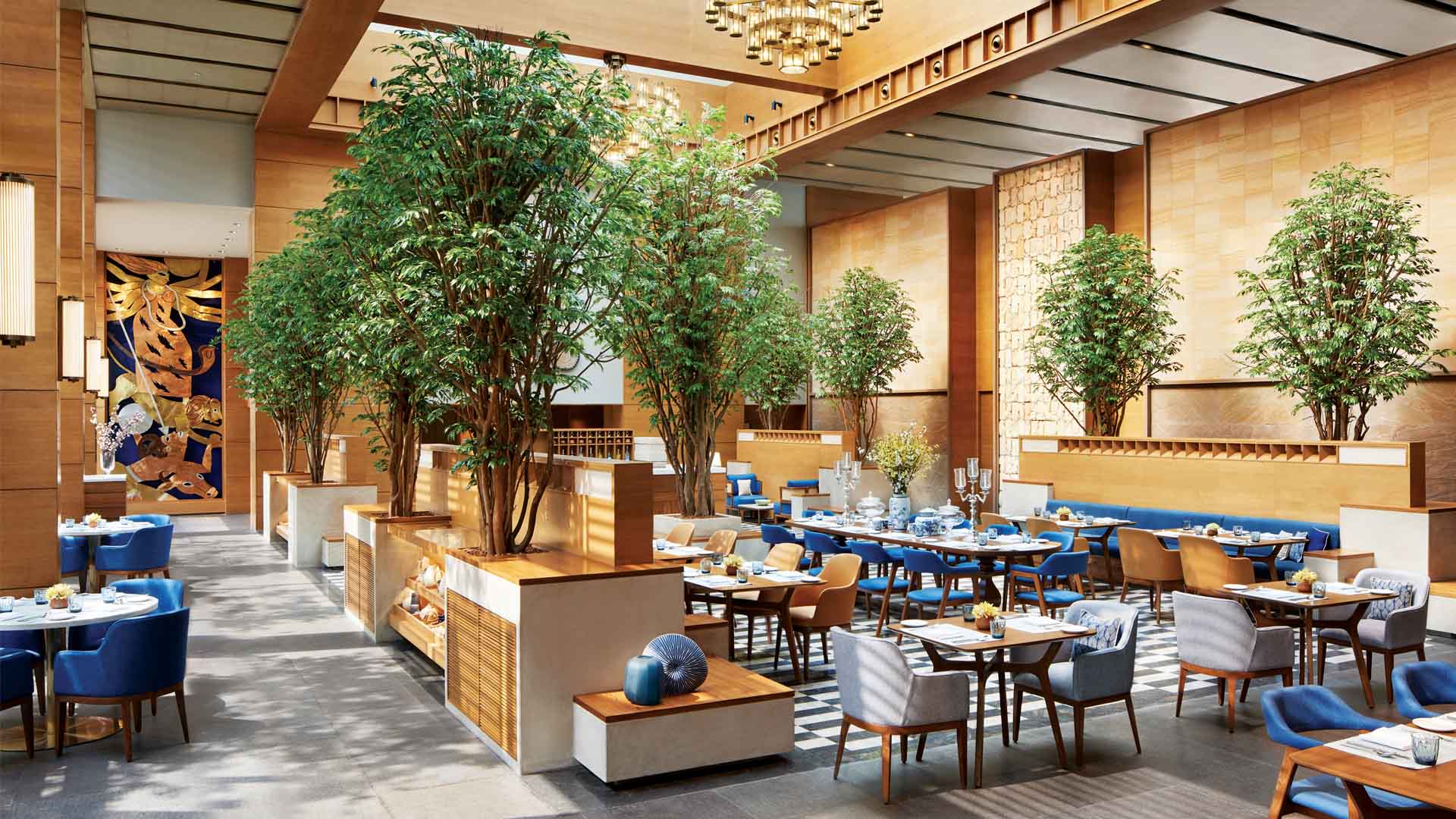
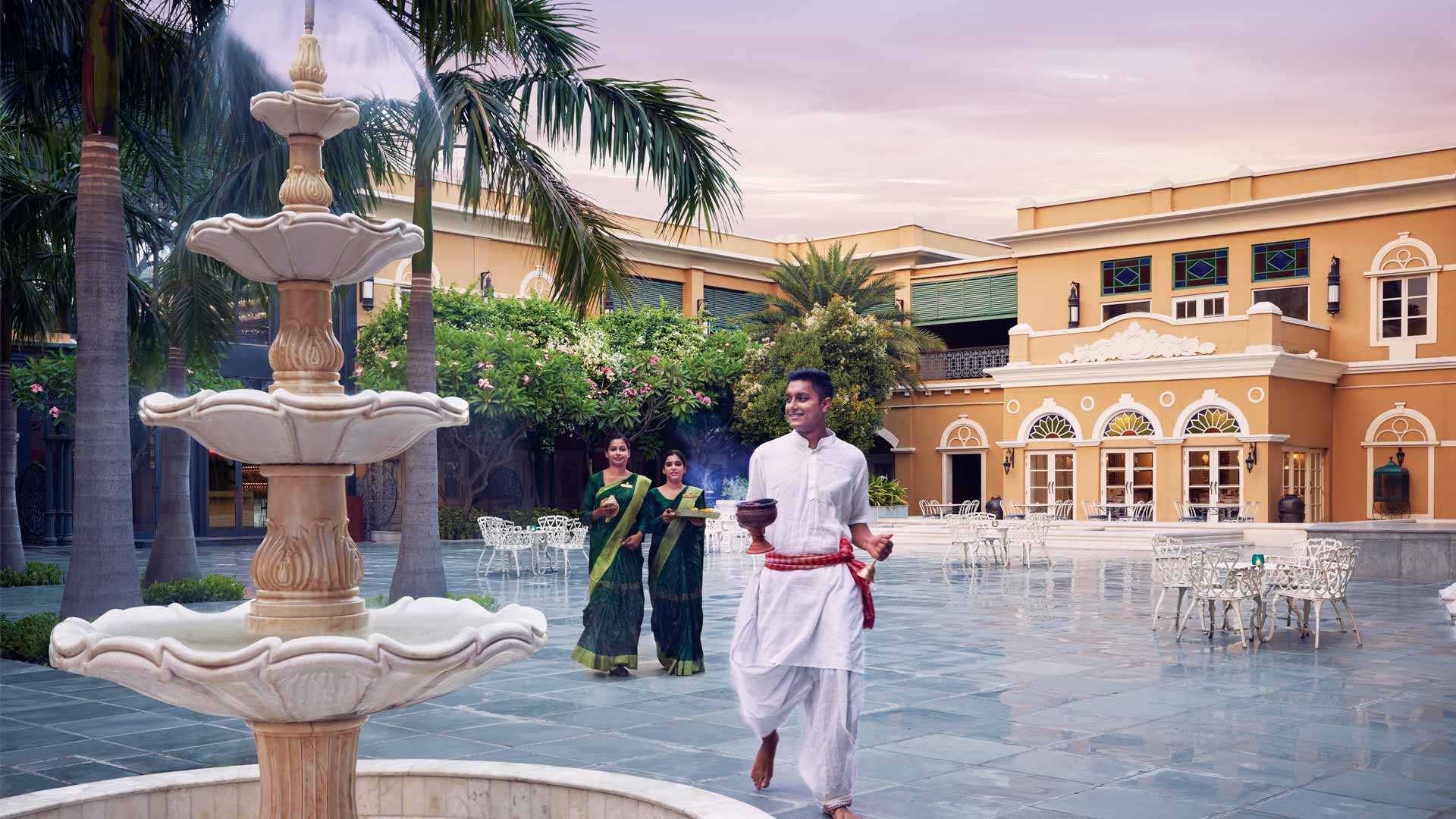
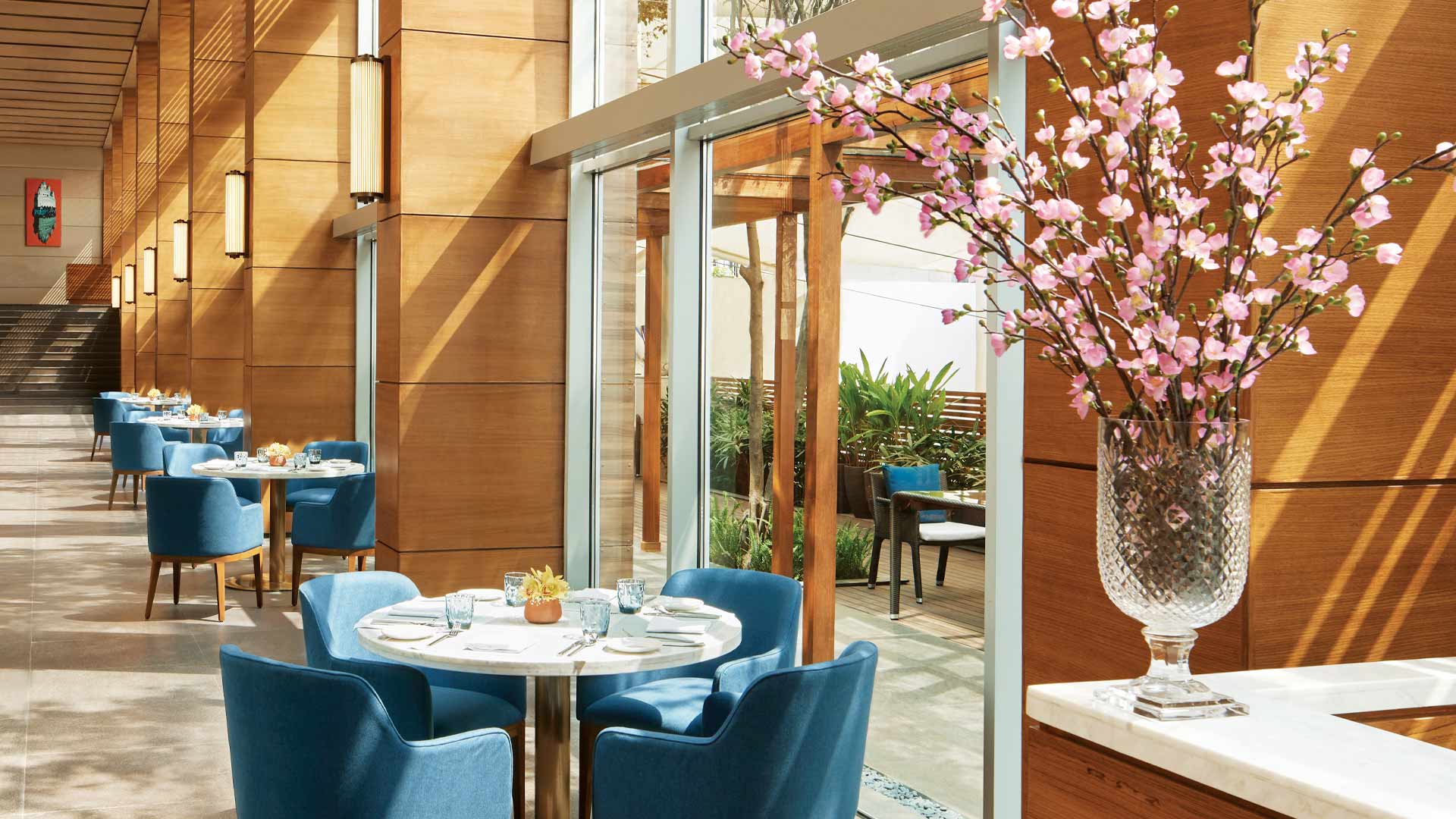
Taj City Centre New Town showcases an excellent collection of art.
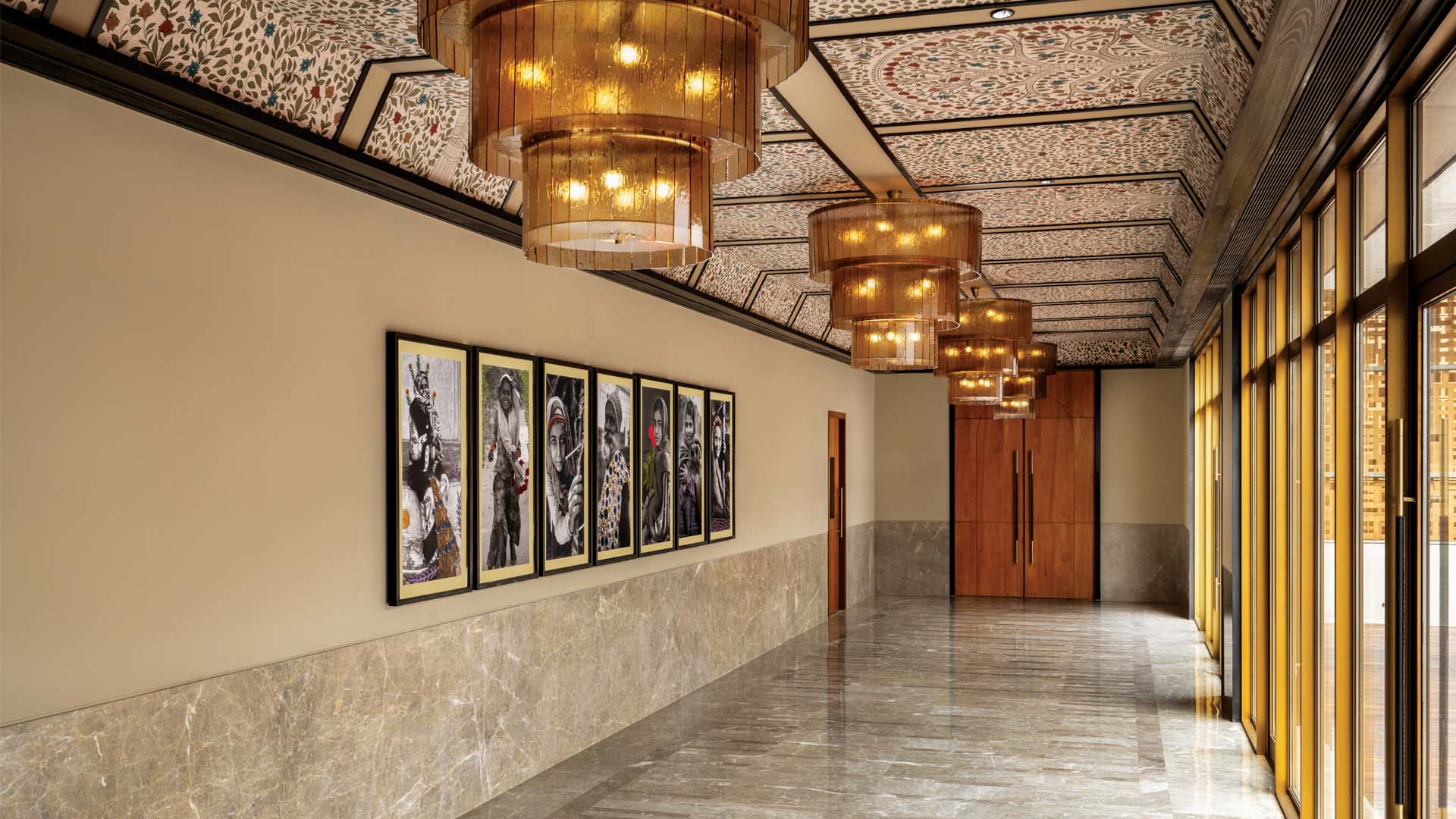
Art and the artisanal touch at the banquet area of Taj City Centre Patna.
The many convergences
When it comes to the macro picture, many stars have aligned to ensure that we may be living in the golden era of hospitality and tourism in India.
The Indian government has been building a road and highway network at a speed never seen before, one of its major achievements, which has helped the hospitality and tourism industries. “The government's focus on infrastructure has made several remote locations more accessible. It’s not just roadways, but also new airports and trains,” says Neotia.
The government’s renewed focus on hospitality and tourism sectors has also played a crucial role. The other significant reason, in Neotia’s narrative, is the elevated global standing that India enjoys today. “That has significantly added to the allure of the country, the fact that people want to visit us.” The third, he says, is the rise in disposable income of many of our countrymen, particularly in the upper or upper-middle-class segments. “Their willingness to spend on travel has increased.
“So many of these factors have aided us (in the hospitality sector), and we are really grateful for it. Tourism and hospitality industries are great employment generators not just for the people who are well educated, but even for those who have not had the opportunity to study much. This employment is crucial when it comes to India’s economic development.”
Future tidings
At the moment, the growth of the Ambuja Neotia Group’s ₹1,500 crore hospitality vertical, Neotia affirms, is focussed around the eastern region for the time being, though the recent purchase of the Tree of Life has ensured presence in north and west India. “In future, we may add opportunities in the religious and spiritual segment, as well as high tourist footfall-tourist regions such as Goa, Pondicherry and Coorg,” says Neotia.
When it comes to owned properties and developing new greenfield properties, the Ambuja Neotia group is presently focused mostly in the east. There are eight projects under construction and there are eight more at various stages of planning/signing/designing. The total investment would be in the range of ₹1,600 to ₹1,800 crore. “We have seven projects signed up with IHCL, but we have another five under development. As and when they are ready to be presented to our preferred partners, IHCL, we will be doing so. For any reason a particular project doesn't fit their scheme of things or the property is next to another IHCL property, we would opt for some other brand.”
Neotia reveals that the share of the company’s revenues from hospitality was in the range of 10% till 2020, and has moved up to 25% of the group’s revenue in 2024. Ambuja Neotia’s hospitality arm is involved in a joint development with the Apeejay Group, led by the indomitable Priya Paul, to construct a Park hotel as well as apartments. This is a collaboration worth watching out for. Paul and Neotia are equally rooted in Kolkata’s culture and art but have a very different design sensibility. While Neotia’s is luxurious and art-infused, Paul’s is contemporary and restrained.
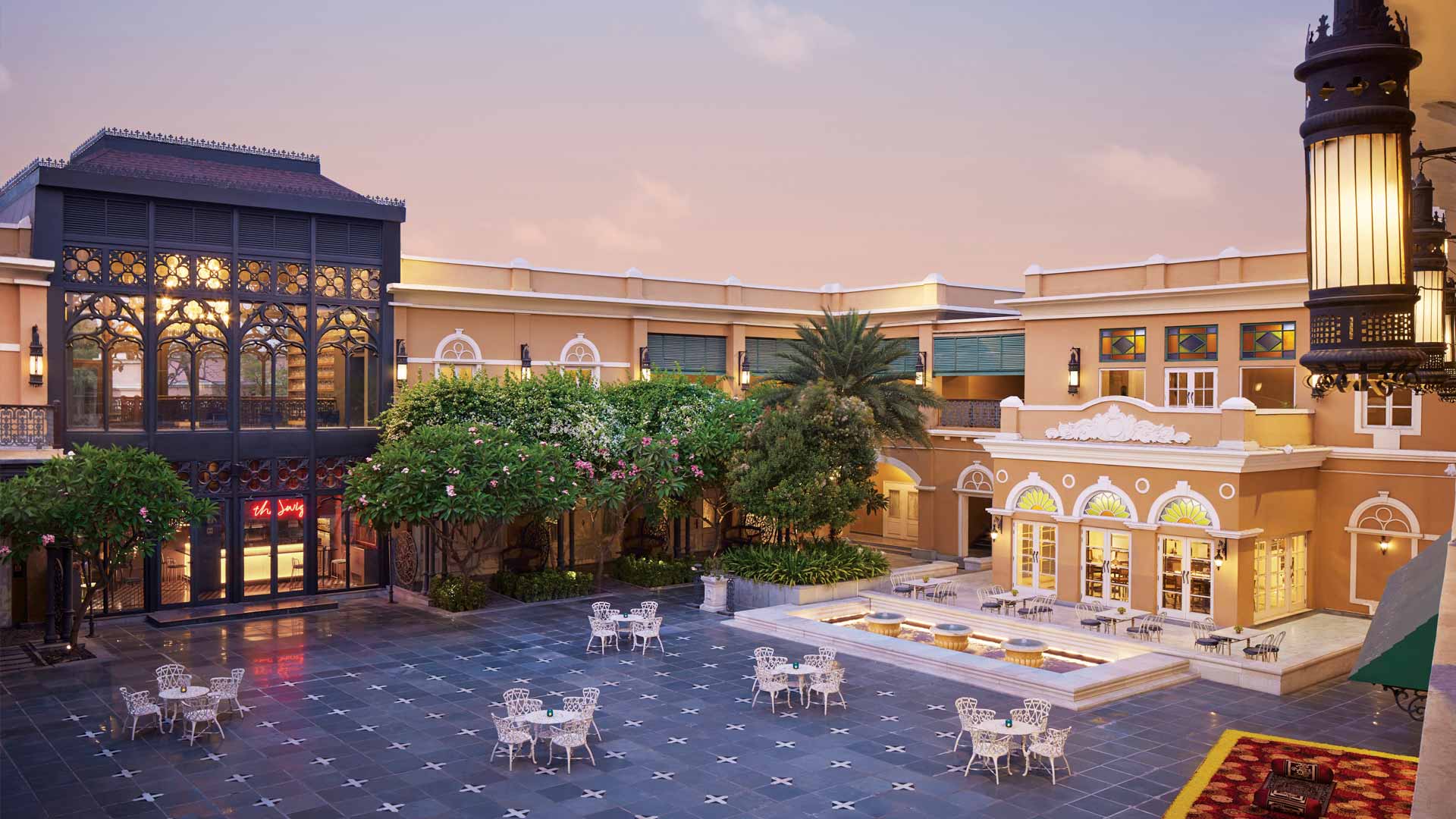
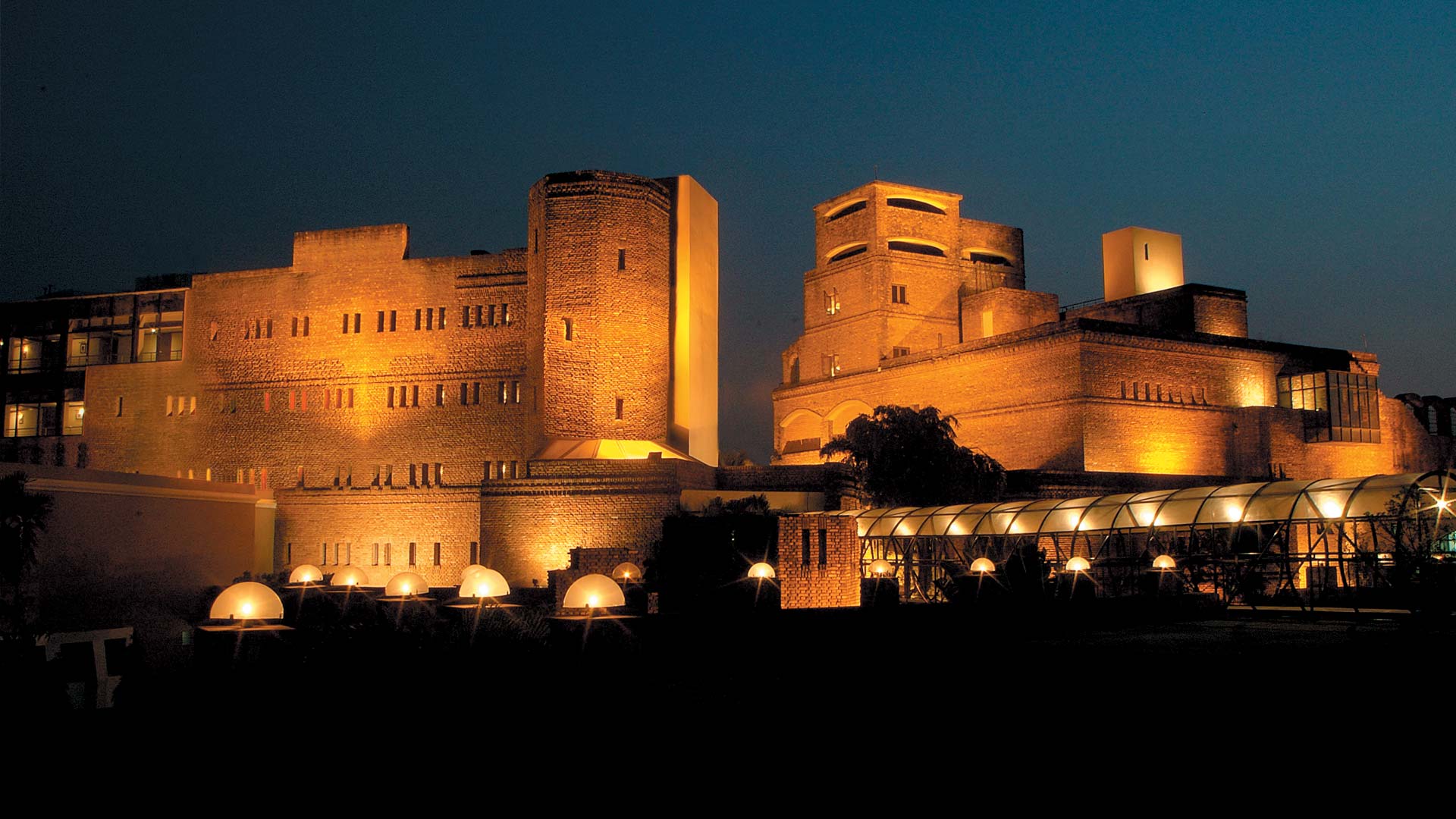
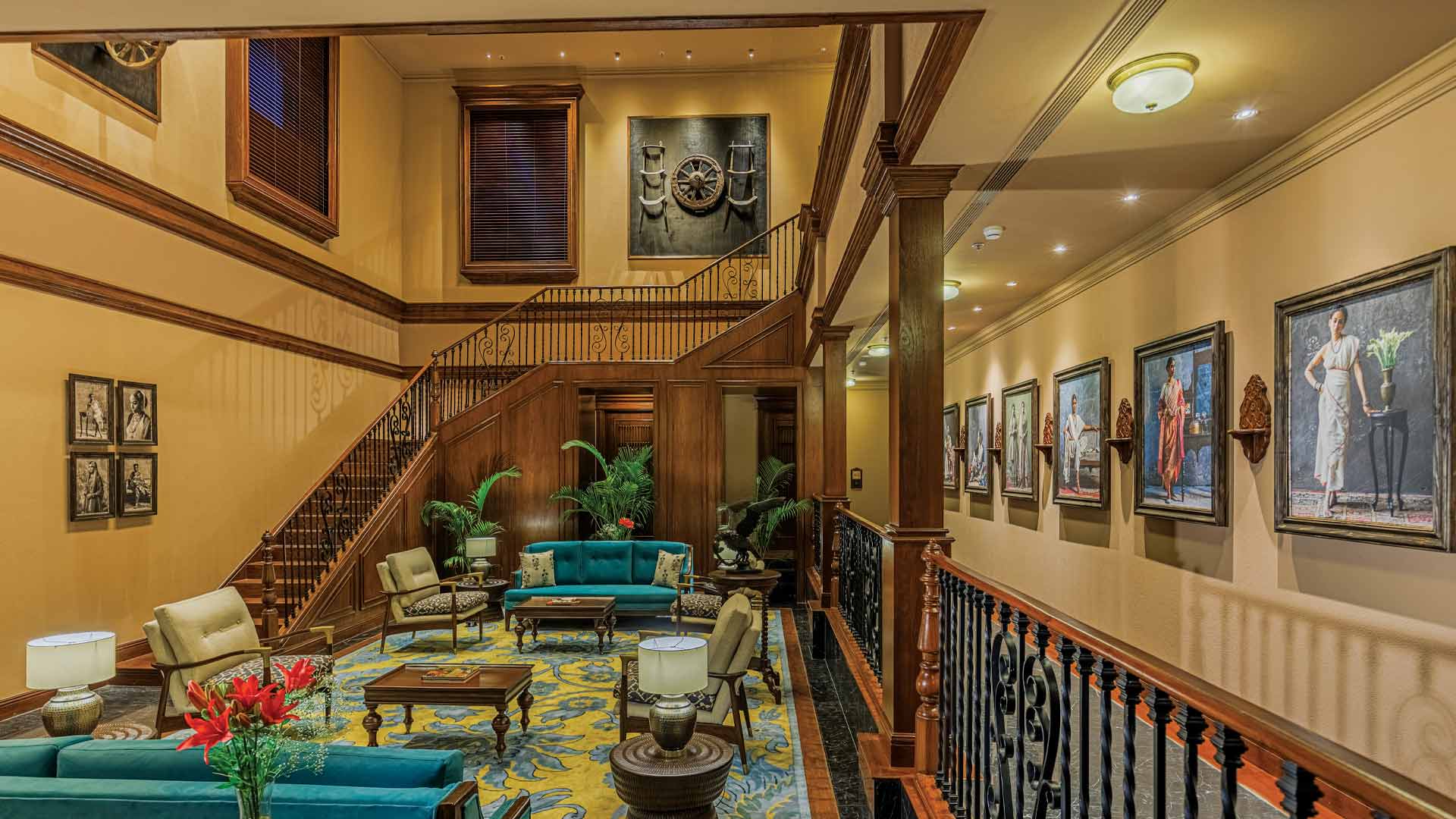
Taj Raajkutir brings alive the grandeur of Kolkata's raj baris.
My artistic sensibility is intrinsically part of my nature and my hotels are an expression of that sensibility. A lot of that sensibility developed through my experiences as a child being brought up in a family that loved art.
Harshavardhan Neotia
Chairman, Ambuja Neotia

Eye on art
Neotia’s aforementioned leisure hotels are steeped in art, and it is worth budgeting extra hours just to take in the architecture and design during a stay. His hotels are resonant with constant references to the Bengal’s vibrant culture and aesthetics and reflect his sensibilities.
“This artistic sensibility is intrinsically part of my nature and my hotels are an expression of that sensibility,” muses Neotia, almost reluctant about praising his inputs in the hotels. “A lot of that sensibility developed through my experiences as a child being brought up in a family that loved art. I don't think I have done much except express those childhood impressions by choosing (the right kind of) art and presenting it in a particular manner. Of course, we are conscious that there’s a context and place and are careful about how we can incorporate some of that into the experience.
Every one of his hotels is set into the cultural and geographical context of the destination, “particularly those in destination that enjoy bountiful nature…mountains, rivers, and jungles. Our attempt is always to do a silent hotel or a hotel that isn’t in conflict with the outside world. We are conscious that luxury travel needs a certain level of creature comforts. We also try to make the interior somewhat pleasant and nice though understated, because we want people to focus on the outside. I often say that when we make these hotels, the deity is outside, whether it's the mountain, river or jungle. We are sitting in our sort of safe cocoon, amidst the beauty of nature. So, we need this space to be comfortable but silent, not distracting us from enjoying the beauty outside that God has created.”
From an entrepreneurial perspective, art has been more of a passion than an aspect to be monetised, he says. “I may, at best, have a developed eye for aesthetics that lets me discern what art would look good in which location. We want to offer opportunities to young artists. Except for iconic one or two art pieces, most of the artists we buy are younger, aspiring ones. We just pick up works that seem aesthetically nice.”
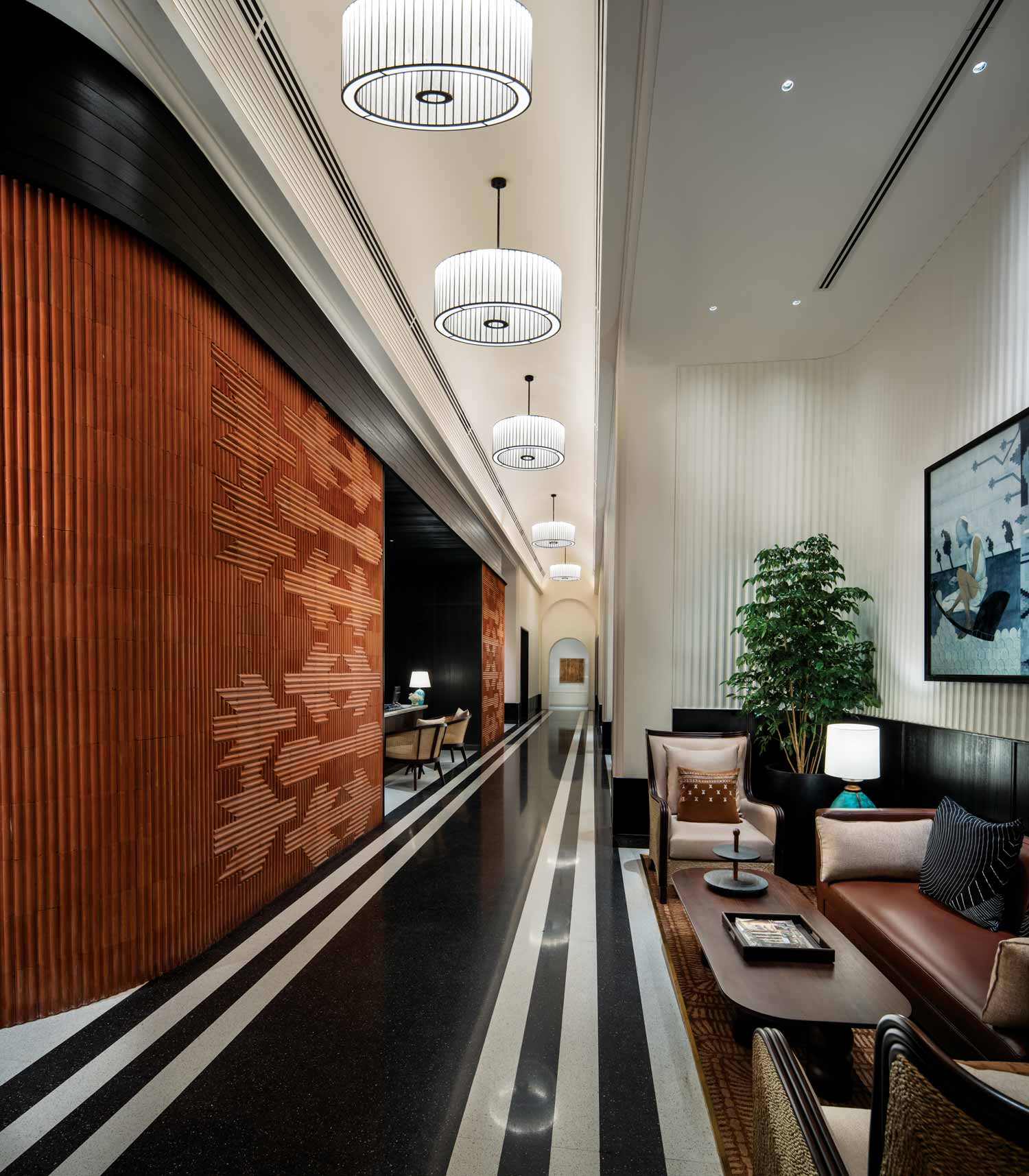
Spaces at Taj Taal Kutir capture the glamour and sophistication reminiscent of the 1930s golden age.
Fortunately, my city gave me some opportunities early in life, and I was able to build on that and live here. I love living here as I love the people in this city.
Harshavardhan Neotia
Ancestral influences
A lot of his sensibilities towards various cultural aspects, art and nature stems from his upbringing. The Neotias migrated to Kolkata more than a century ago but ensured that their roots in the local culture go deeper than that of an average migrant. “If I look back, when I was being exposed to all these experiences and interactions as a young man, I resisted it because I was more interested in spending time with my friends. But I was the only son in a joint family with three sets of parents (my father had two older brothers, and we all stayed together). So, I had to be around when guests visited our home. Most times, I would be annoyed at the idea of being pulled away from my friends. But, in those days, you could never say no to your parents.”
These childhood impressions, experiences, learnings, and interactions have helped engender a rich imagination and create a tapestry of ideas. “They occasionally find expression in some way. I don’t make a conscious attempt to be different. My attempt is to leverage these early life experiences to create what naturally feels right at a given point in time. Of course, like everybody else, I have made enough mistakes, which I regret. Thankfully, the mistakes are fewer than the things I got right.”
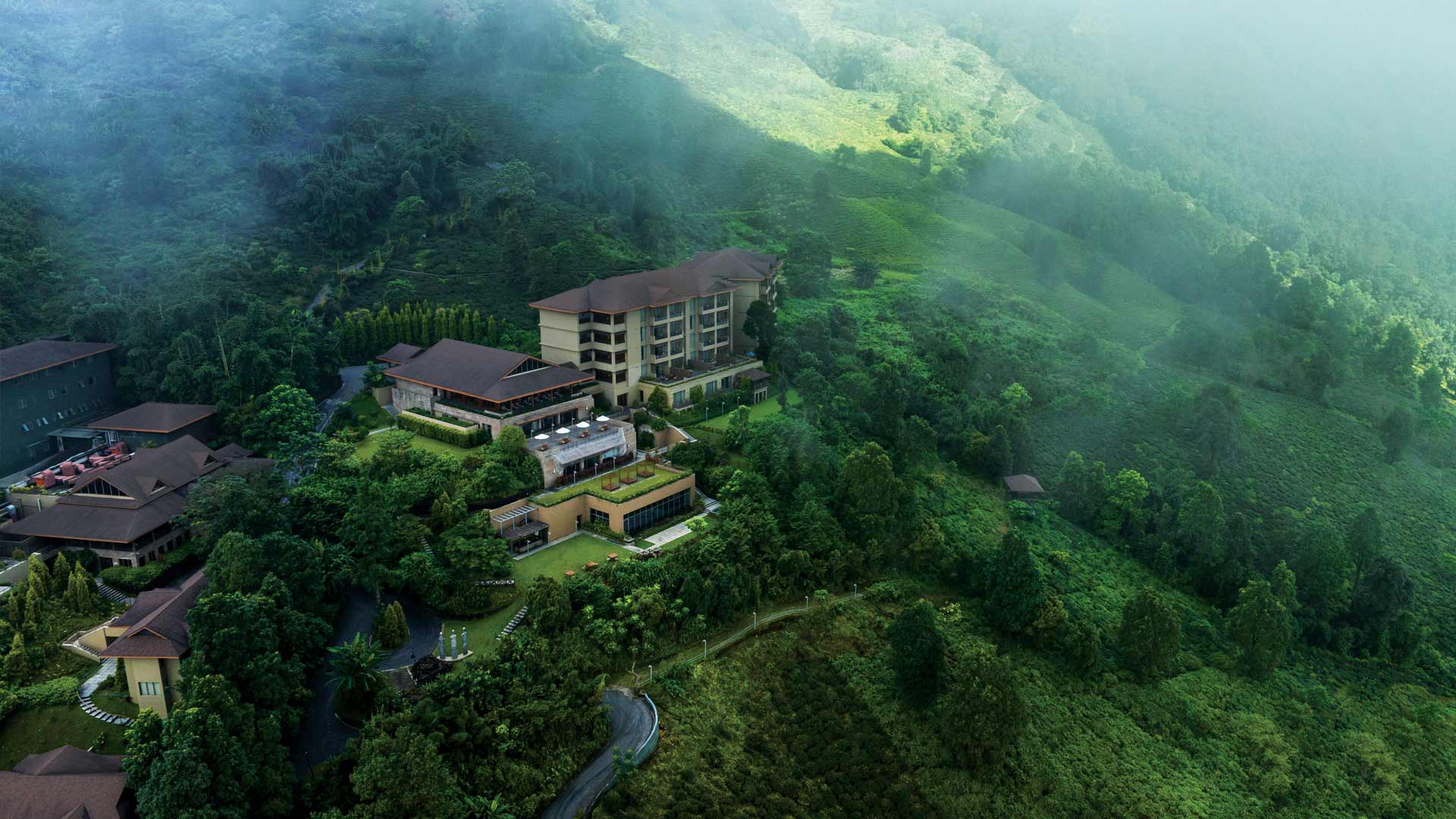
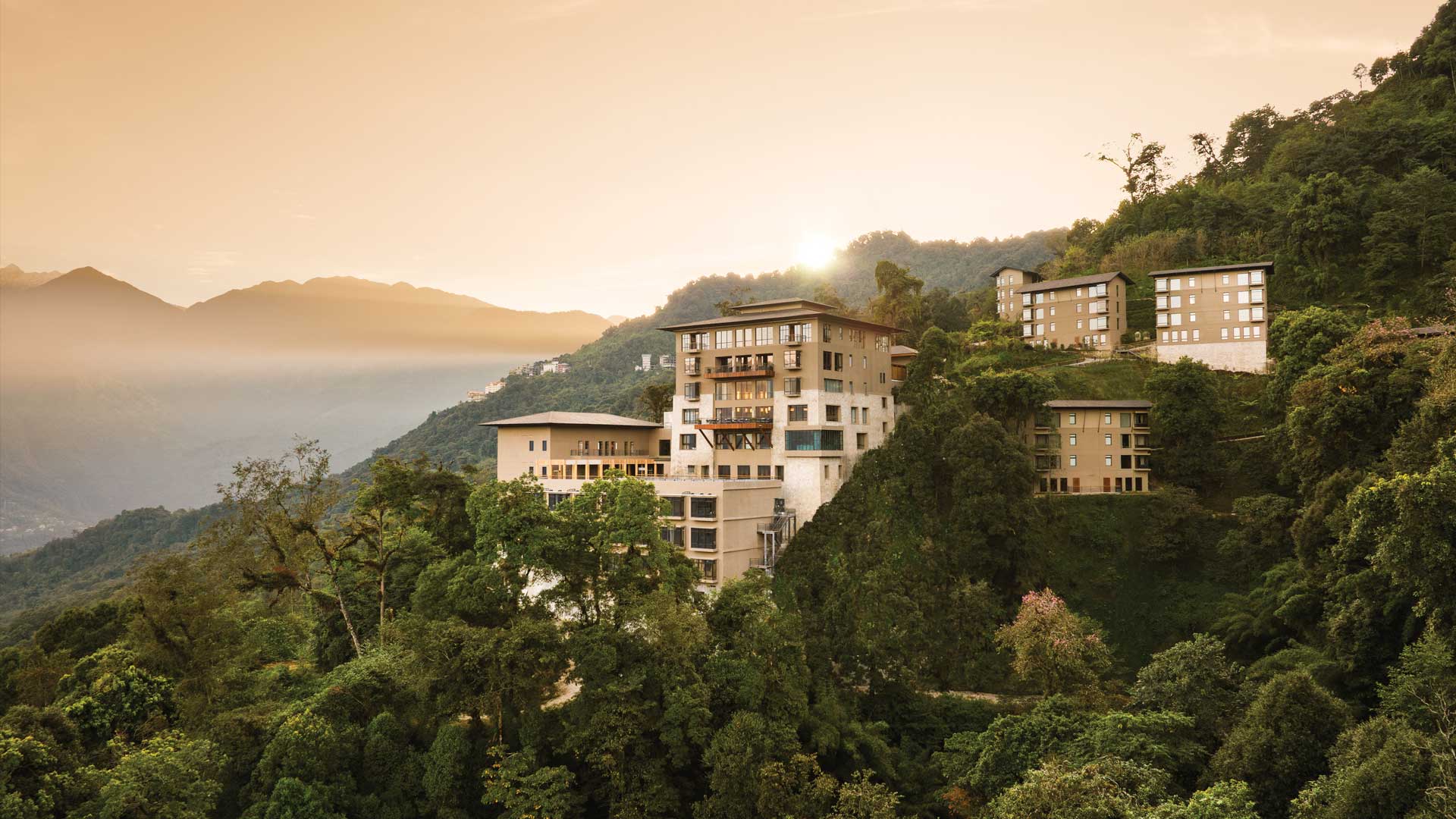
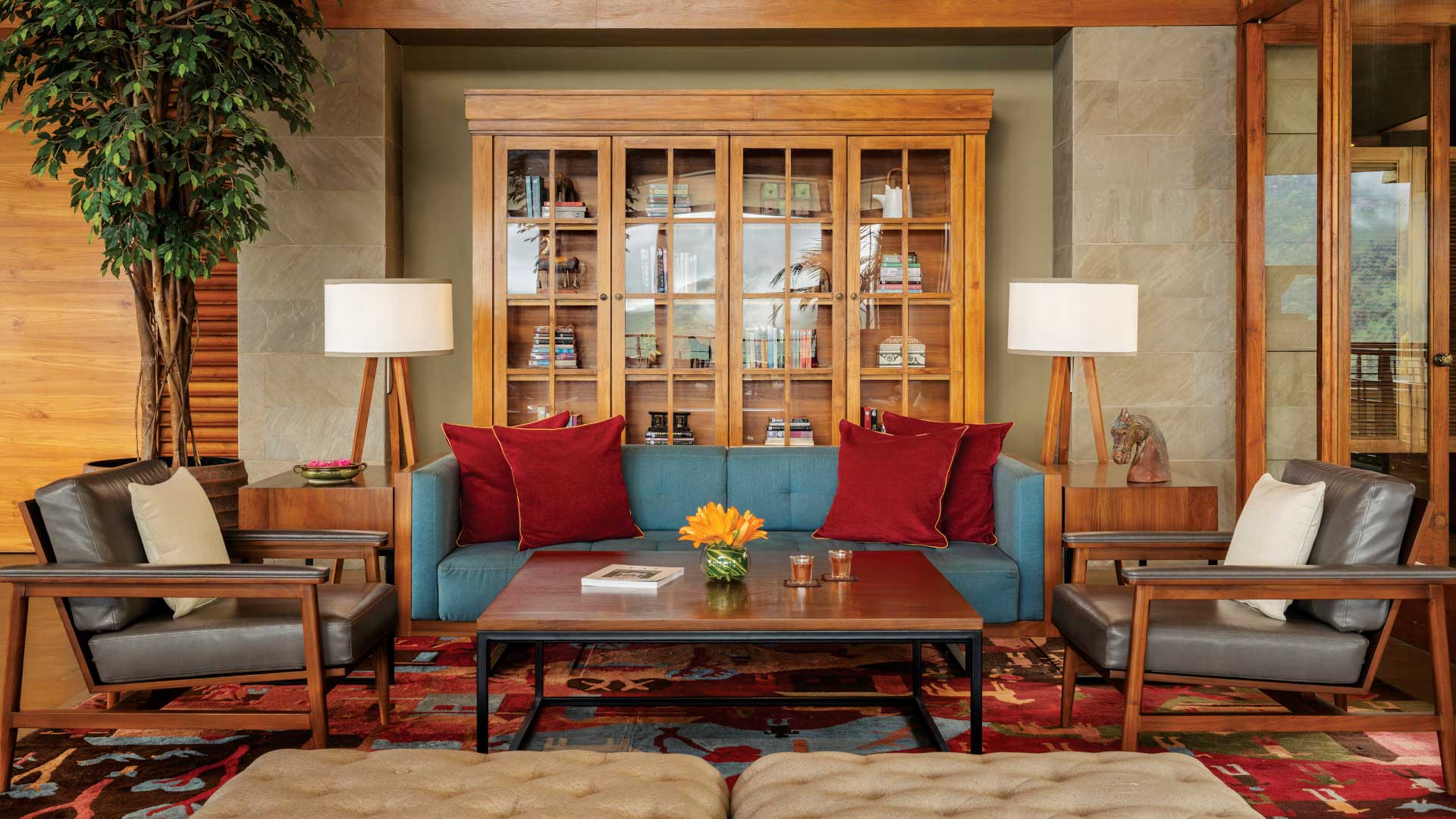
Taj Chia Kutir: a haven of breathtaking views, nestled within the historic Makaibari Tea Estate.
Values and influences
His greatest influence, Neotia says, is his family. “When I say my family, I include my wife and children. They may not have influenced me like the people we consider icons would, but they think differently. We are an argumentative family,” he wryly smiles. “My parents have been a very important (influence). Not just my immediate parents, but my uncles and the larger family, particularly my grandparents. Early in life, I was quite drawn to spirituality thanks to my great grandfather who influenced me in my teen years. My exposure to the writings of Gurudev Rabindranath Tagore, Swami Vivekananda, Sri Aurobindo and Mahatma Gandhi has played a role, too. I had the chance to extensively read their writings when I was in my early 20s, and I continue to read them today. They have shaped my perspective about life and the world.”
Then there are influences of the business success stories. Walt Disney, for instance, has inspired Neotia. “I admired the way he created his company. Back home, the legendary success of the Tata group, the Birlas, and the Ambanis have helped shape my thinking.” He notes the outpouring of grief from Indians on Ratan Tata’s death. “It was because of the legacy of trust that he built. Not so much necessarily for all the various products that he produced, but for the way he ran that institution. That code of ethics stands as an inspiration to all of us.”
Neotia’s interest in real estate has led him to work with several legendary architects. “Among the first architects I worked with was a relatively unknown Shri Ashok Nayak. He was instrumental in holding my hand and teaching me the basics of architecture. Prabir Mitra, a celebrated architect from Kolkata, was a very important influence in my life. He loved me like a son and taught me a lot. And then I had the chance to work with Balkrishna Doshi (popularly referred to as B.V Doshi), who became a lifelong mentor and father figure. He remained one of the greatest influences on my life till the last days. I had a fantastic opportunity to work with Charles Correa. I saw the genius at work from close quarters. The younger architects I work with now are all fantastic people, and I learn from them too. We have a lot of fights on projects that we do together, but I think it's important to have that kind of intense dialogue. From those dialogues, hopefully, emerge better products.”
Unsurprisingly, the values Neotia prioritises most are integrity and trust. “You can be somewhat lazy and manage life, but you can't really get away from having success without having integrity. People must trust you, whether it's your colleagues, your family, your customers, or your shareholders. At the end of the day, that's the currency that is most difficult to create, easy to destroy and very important to nurture.”
Unsurprisingly also, Neotia is a voracious reader and has been one his entire life. “I'm a bibliophile. My eyesight is causing some stress if I read too long, and it bothers me. It is disappointing that I can't read as much as I want to. Fortunately, you have a lot of content available digitally in audio. So my content consumption is not less than two to three hours a day, sometimes on YouTube or podcasts. Getting serious content every day is an important part of my life. Maybe a part of it is news. A lot of it includes chats and talks.”
Neotia’s rare combination of values and leadership has ensured that his group is not just eastern India’s leading real estate player, but is setting benchmarks in the hospitality market. His might yet be the most transformative role in raising the profile of Kolkata and the eastern region.