













Celebrating Sukoon
A unique cultural event, The Sacred Amritsar celebrates India’s legendary mystic poets through diverse mediums in a city known for its religious tourism.

By Suman Tarafdar
Masta Bhaya Man, Phir Kya Bole Re, Magna Bhaya Man, Phir Kya Bole Re…
Approximately translated, it would mean: ‘A person who is enlightened from within, has attained nirvana, eternal peace, has no need to talk further.’
The immortal words of the 15th-century mystic Kabir, brought to life magically by a contemporary band, Kabir Café, seemed to capture the essence of the unique festival that is The Sacred Amritsar.
Indeed, Amir Khusrau, Begum Akhtar, Ustad Nusrat Fateh Ali Khan, Kumar Gandharva, Amrita Pritam and many more legends of Indian music seemed to descend on Amritsar, at least in spirit, during this unique three-day medley of music and spirituality, which seems to address the soul as few events do.
The Sacred Amritsar Festival is a unique cultural event that celebrates the rich tapestry of Amritsar's spiritual heritage through music, poetry, and art. Held annually, the festival brings together renowned artists, thinkers, and performers to honour the city's indomitable spirit and diverse cultural legacy.
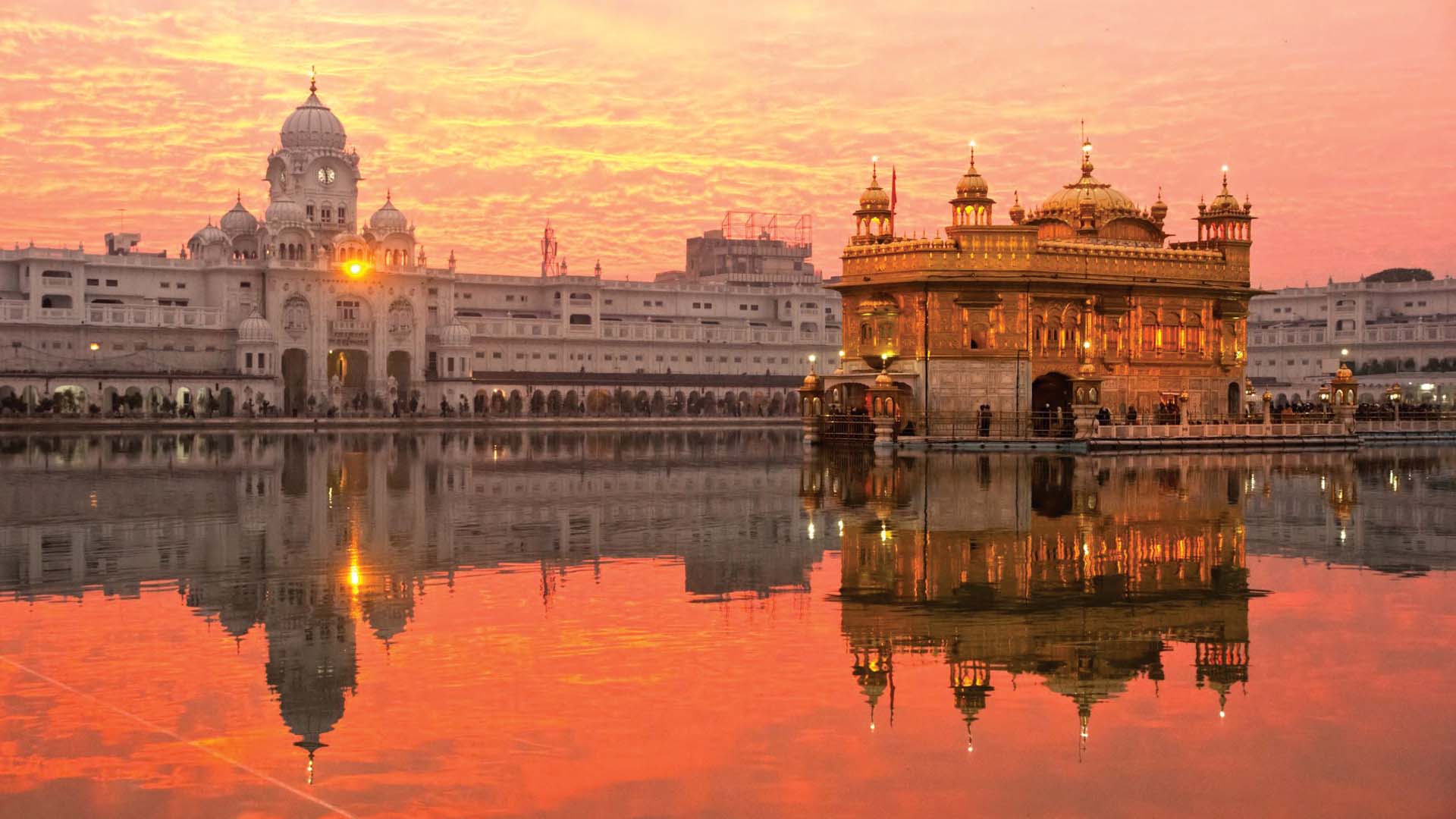
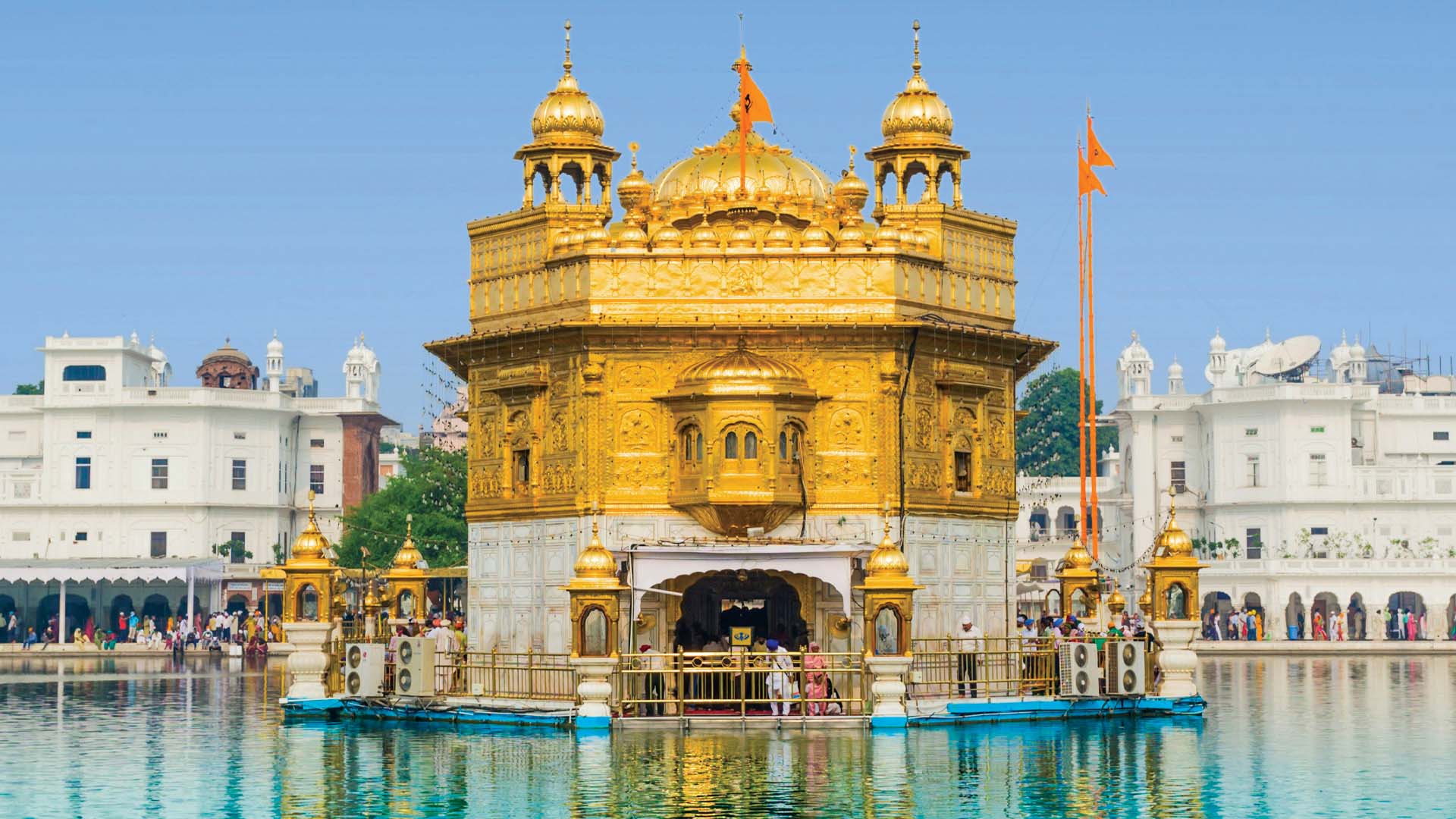
Amritsar is characterised by its high volume of religious tourism, primarily to the city’s top landmark, the Golden Temple, a central religious place of the Sikhs and a symbol of human brotherhood and equality.
Also called Sri Harmandir Sahib, the temple’s shimmering gold façade, the sacred Amrit Sarovar (holy pool) surrounding it, and the continuous kirtan (devotional singing) create an atmosphere of deep devotion. The temple attracts 30-35 million visitors (3-3.5 crore) annually, making it one of the most visited religious sites in the world
Beyond the Golden Temple, Amritsar is also significant for its langar (community kitchen), where thousands of people from all walks of life are served free meals daily, embodying the Sikh principles of seva (selfless service) and equality.
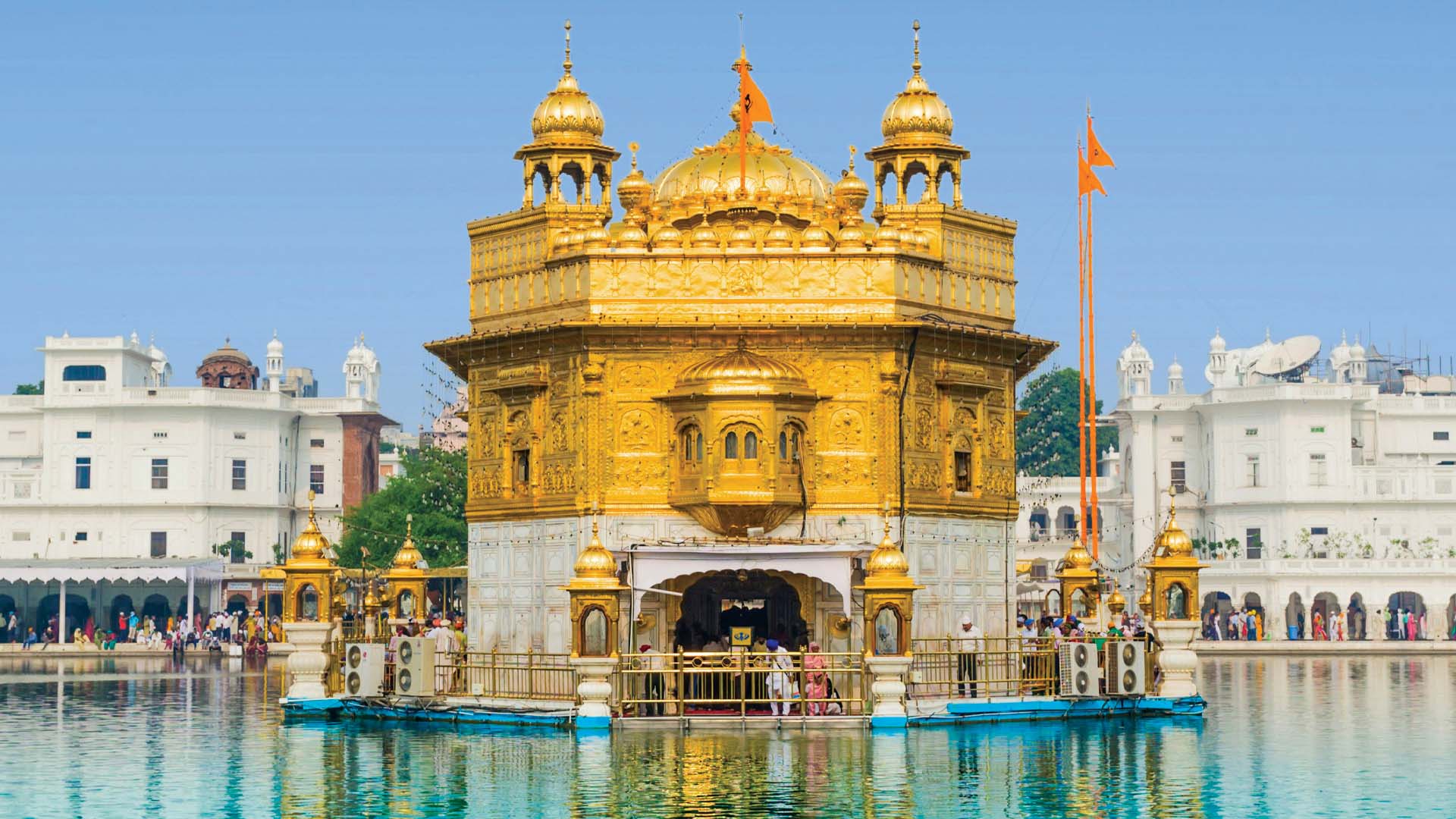
Unlike many religious structures that are elevated, the Golden Temple is built lower than the surrounding areas, inviting people to step down into the sacred space.
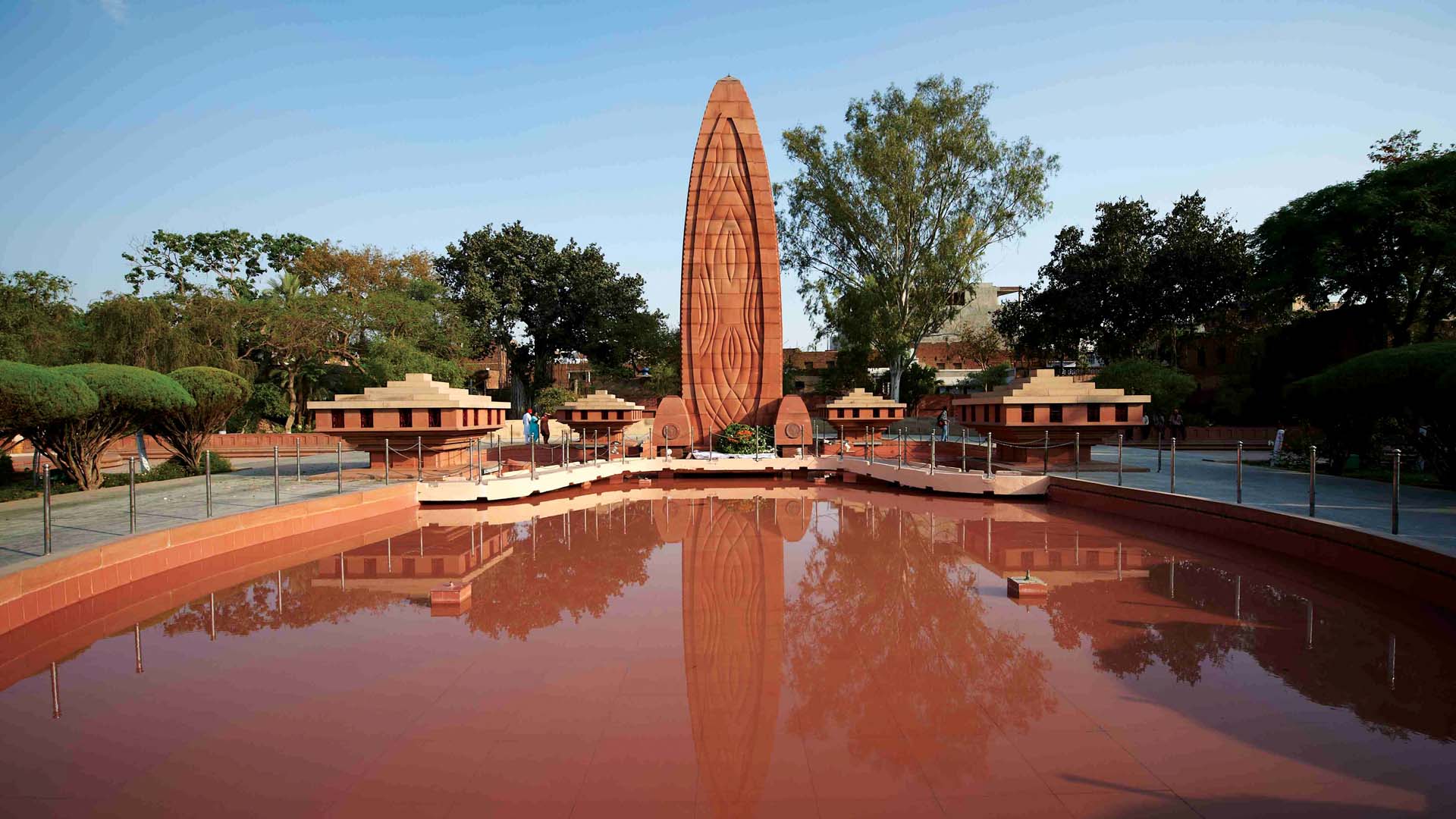
Four new museum galleries have been built at Jallianwala Bagh, showcasing rare documents, photographs, and interactive exhibits about the massacre and India’s freedom struggle.
The city also holds importance due to sites such as Akal Takht, the highest seat of Sikh temporal authority; Durgiana Temple, an important Hindu pilgrimage site; Jallianwala Bagh, a memorial site that stands as a reminder of India's struggle for freedom; not to mention the Partition Museum. Amritsar is also a part of the heritage circuit developed by the Ministry of Tourism under Swadesh Darshan 1.0, which includes the circuit of Anandpur Sahib, Fatehgarh Sahib, Chamkaur Sahib, Ferozpur, Khatkar Kalan, Kalanour and Patiala, as per details from the Ministry of Tourism Swadesh Darshan 1.0 data.
Amritsar’s deeply spiritual energy, combined with its history, warm hospitality, and rich culinary heritage, makes it a city that nourishes the soul, whether you are a pilgrim, a traveller, or someone seeking solace. "Amritsar is steeped in history and spirituality, home to the Golden Temple and a rich legacy of Sufi and Sikh traditions," says Sanjoy Roy, Managing Director, Teamwork Arts, which produces the festival. "The city’s deep-rooted cultural and musical heritage aligns perfectly with the festival’s ethos of celebrating sacred and poetic traditions. Venues like Gobindgarh Fort and the Partition Museum provide an immersive, historically resonant setting."
Namita Gautam, Director, Sheela Group of Companies, whose brand Sleepwell is the presenting partner of the festival, points out: "When you talk of Amritsar, you feel sacred. The congregation of people of different ages from all over the country and outside is a very good chance for bonding, especially with great music."
For the 2025 edition, delegates had come from as far afield as Singapore, the UK and the US expressly to attend the festival, which is building a new level of awareness for the city across the world. As Narayan Singh, owner of a phulkari store close to the Partition Museum, one of the multiple venues for the festival, said, the festival adds a new dimension to the city’s tourism landscape by bringing in audiences who may not come to Amritsar otherwise.
The Sacred Amritsar designs its programming to capture this ethereal essence of the city during a three-day celebration. Steeped in the music of many bygone mystics, largely through modern renditions, the festival has a range of sublime offerings that instil a feeling of ‘sukoon’, peace/contentment.
Now in its third edition, the festival has expanded its offerings, refining its balance of music, literature, and heritage experiences. "This year sees an enhanced focus on immersive heritage walks and a richer dialogue on cultural memory, with more literature sessions at the Partition Museum," says Roy. "The Delegate Package has been introduced to offer exclusive experiences like reserved seating, curated walks, and Amritsari cuisine."
The festival curates a diverse lineup of artists whose work embodies the spirit of mysticism, poetry, and cultural heritage. Featuring a blend of legendary performers and contemporary voices, the programme offers artistic depth while ensuring meaningful audience engagement. "Each year, we carefully select acts that showcase the universality of sacred traditions across regions, genres, and generations," says Roy. "We also strive to introduce fresh and unique performances, bringing new artistic flavours to Amritsar while staying true to the festival’s theme and ethos."
For hoteliers, collaborating with the festival adds another dimension to their offerings. The festival's official website indicates that partner hotels like Taj Swarna and Welcomhotel ITC Amritsar were sold out during the event, even at room rates as high as ₹56,000/night.
The Sacred Amritsar is not just a festival but a journey through time, music, and storytelling, elaborates Roy. "The festival creates moments of ‘sukoon’ through a carefully crafted programme that honours the past while resonating with the present."
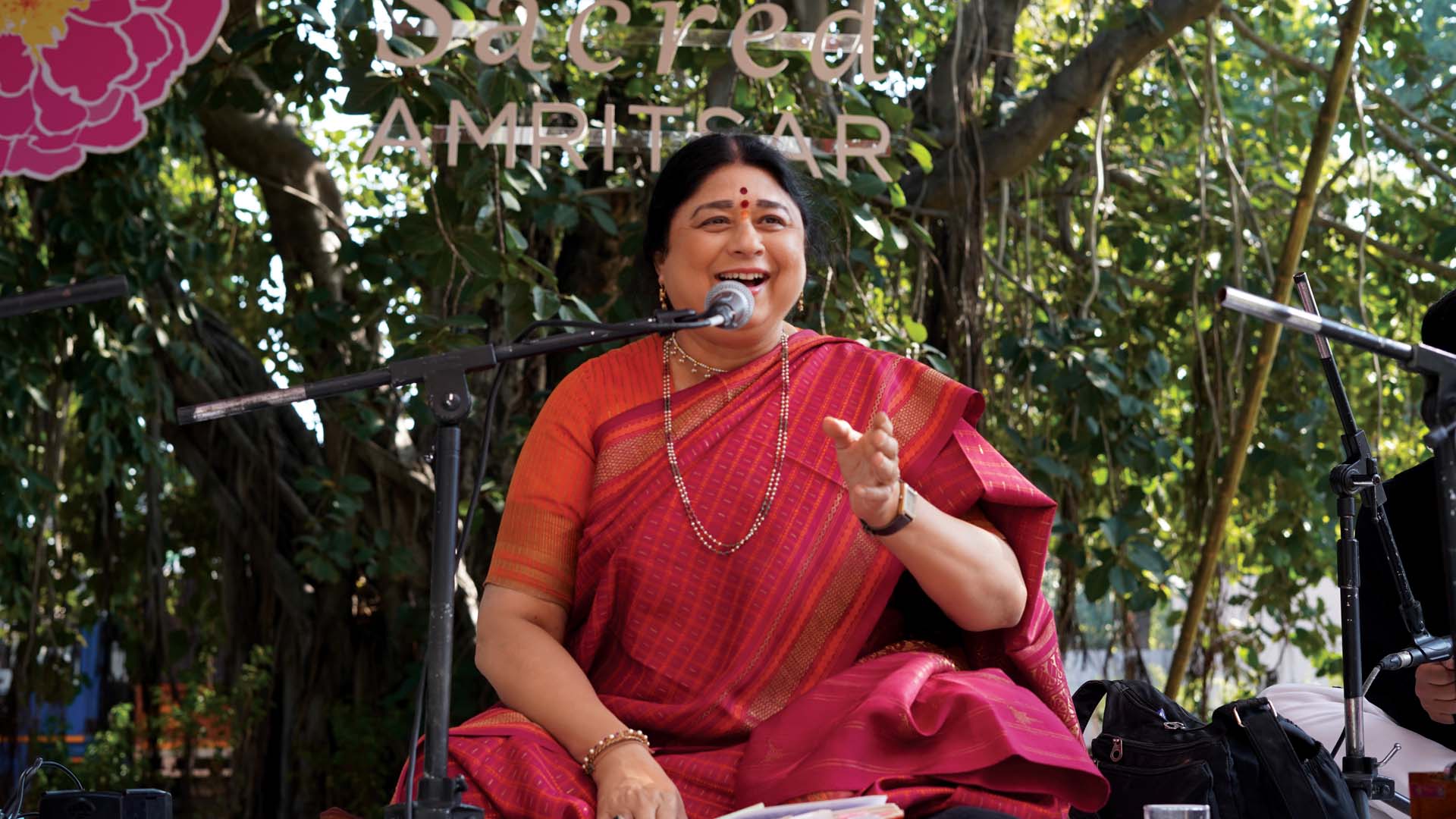
Kalapini Komkali, daughter of Pandit Kumar Gandharva and Vidushi Vasundhara Komkali, honours her father at the festival.
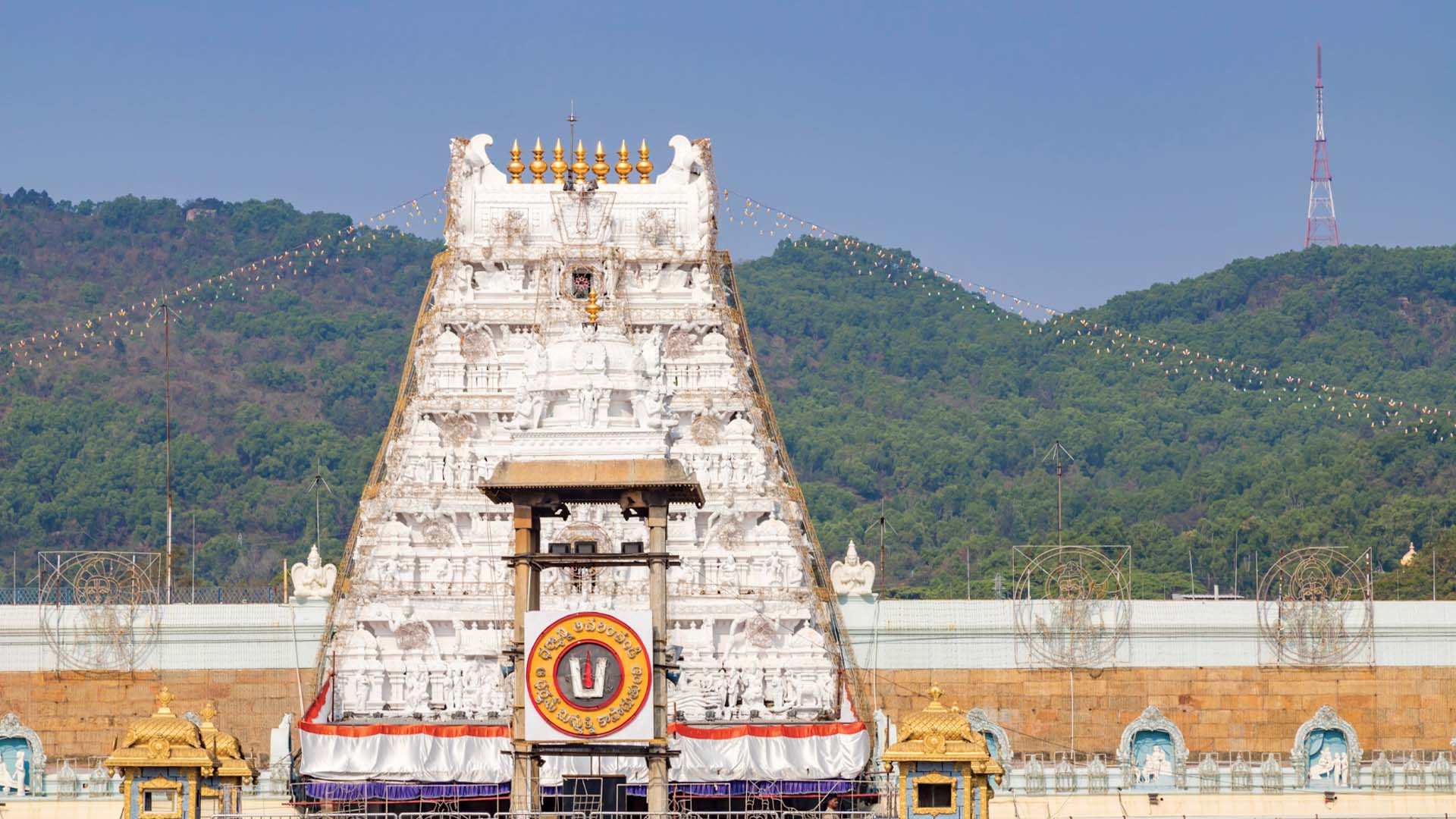

Amritsar vs. Other Major Religious Tourism Destinations
Annual visitors (million/crore)
- Amritsar: Golden Temple 30-35M (3-3.5 crore)
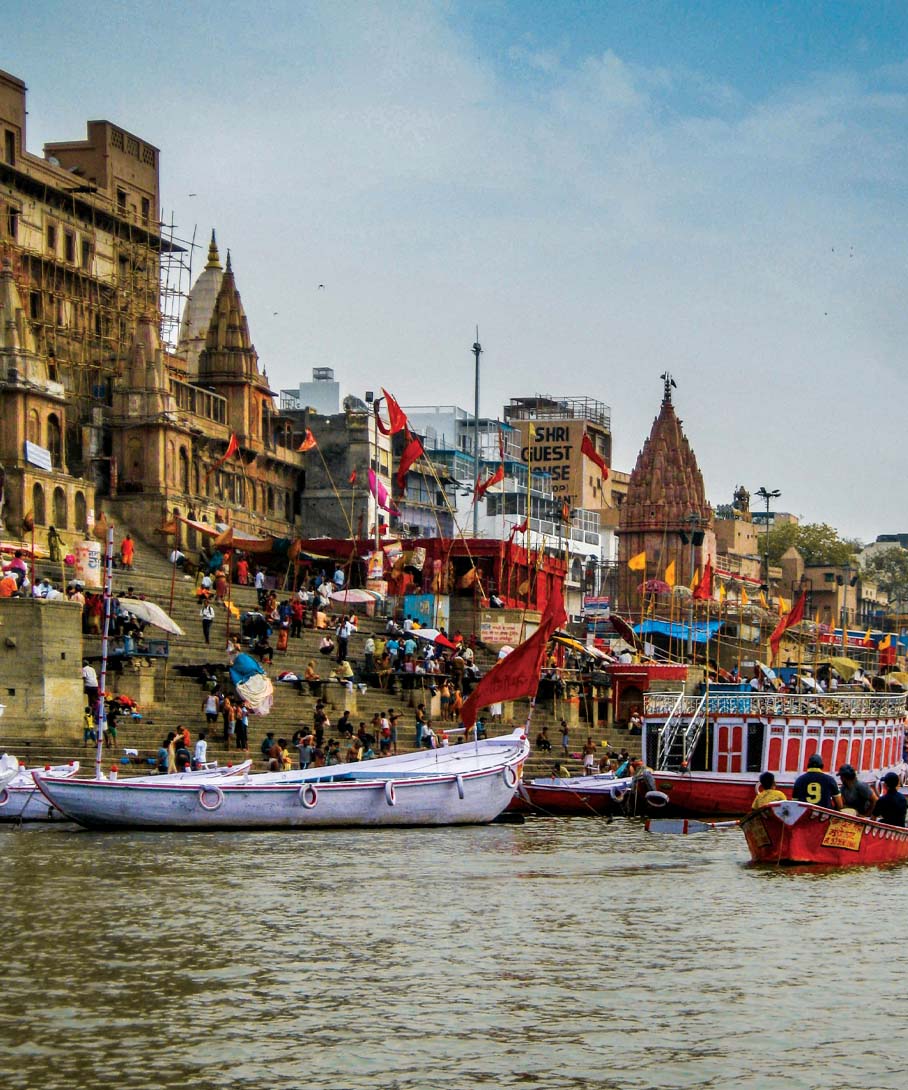
- Varanasi: Kashi Vishwanath Temple 20-25M (2-2.5 crore)
- Tirupati: Tirumala Venkateswara Temple 35-40M (3.5 to 4 crore)
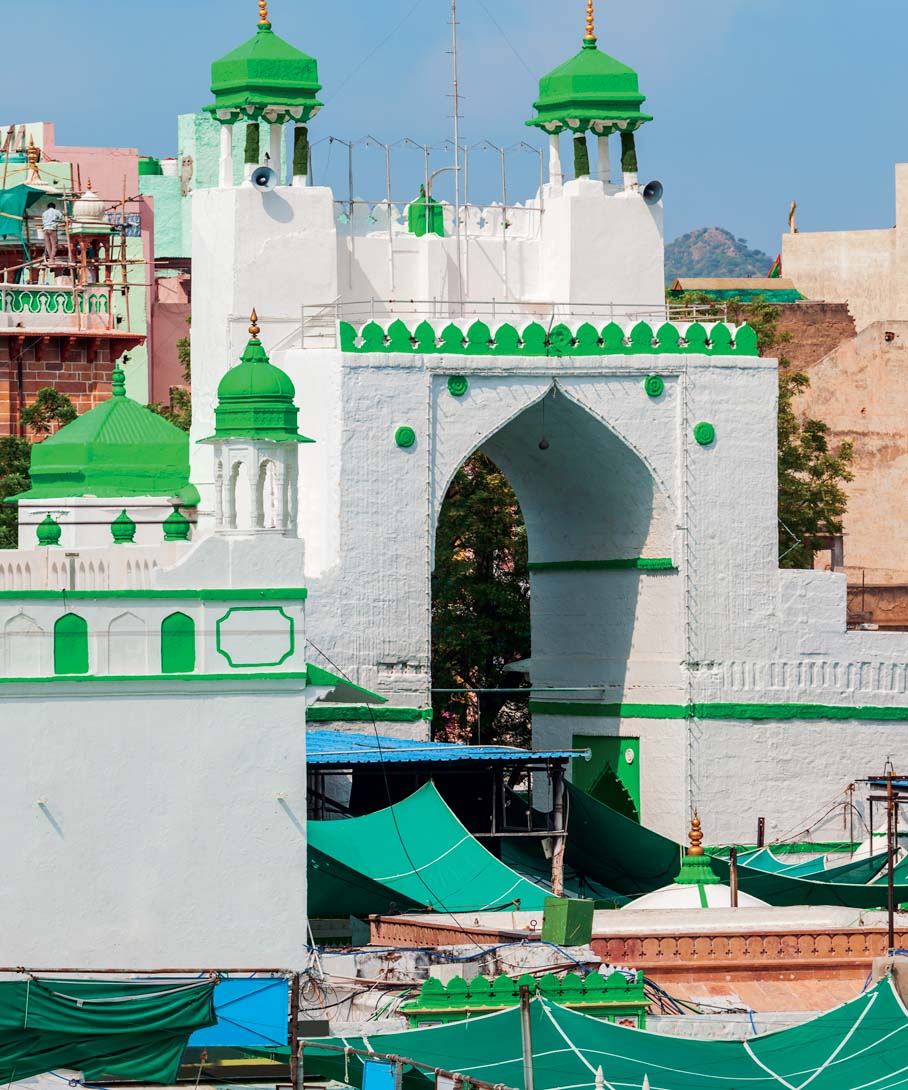
- Ajmer: Ajmer Sharif Dargah 10-15M (1-1.5 crore)
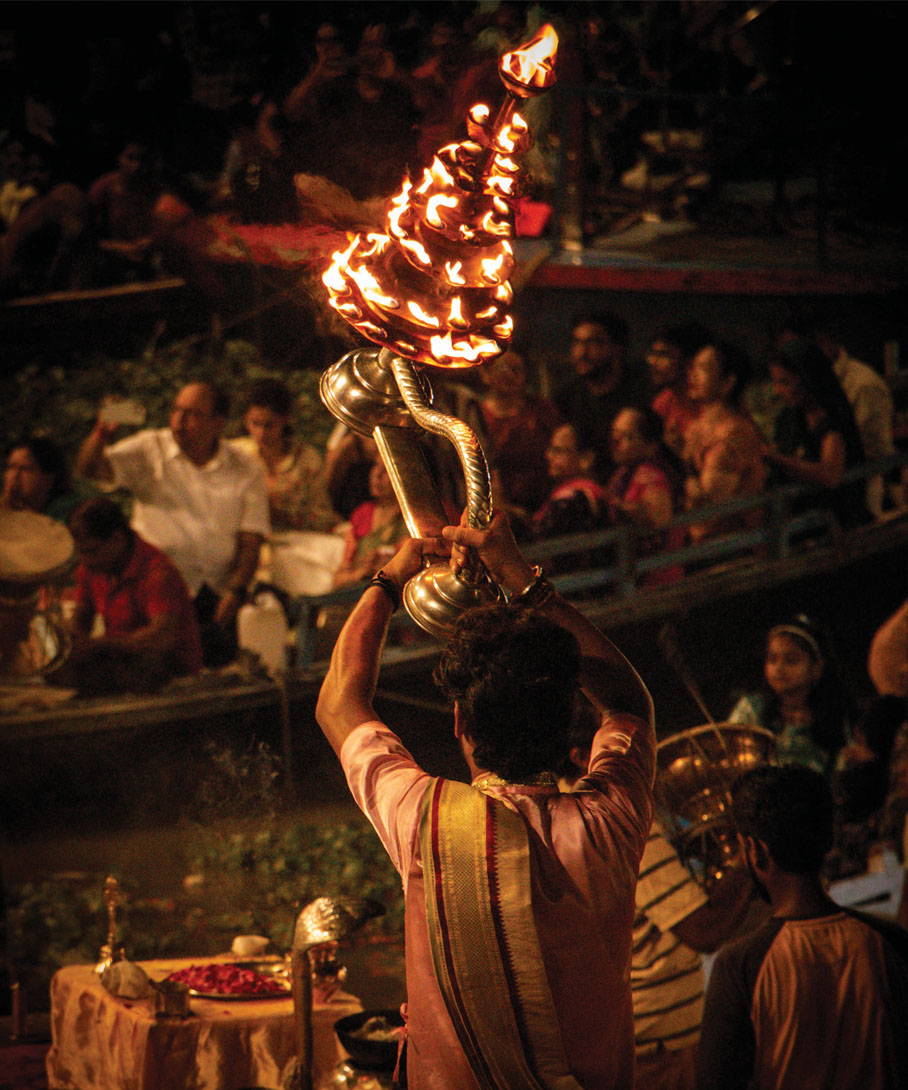
- Rishikesh-Haridwar: Ganga Aarti & Spiritual Ashrams 15-20M (1.5-2 crore)