

















Highway Havens
India's expressway resorts and highway hotels are emerging as hotspots for road trippers, wedding parties, and corporate conferences seeking off-the-grid destinations and unconventional venues.

By Deepali Nandwani
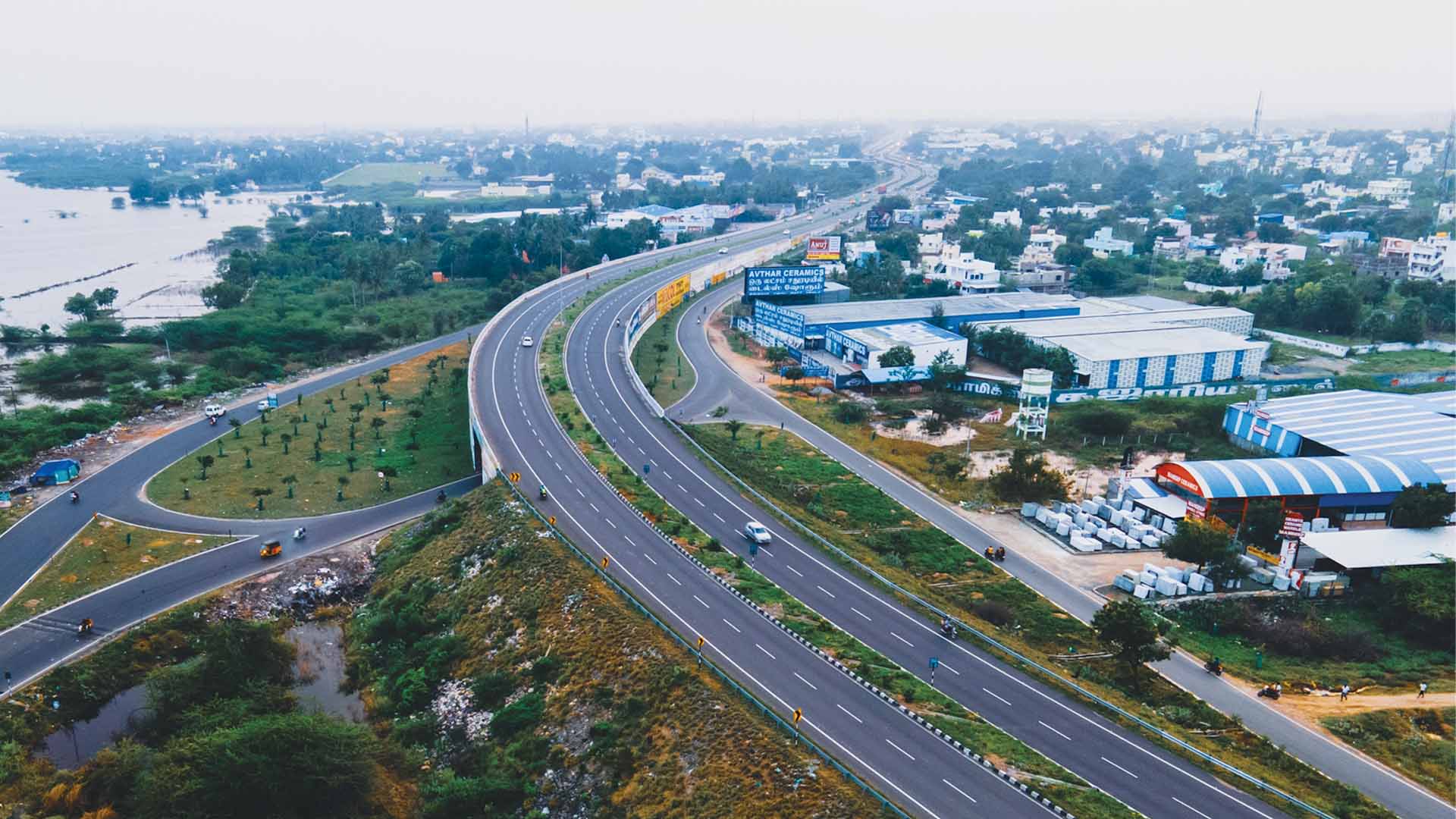
India's ambitious highway expansion
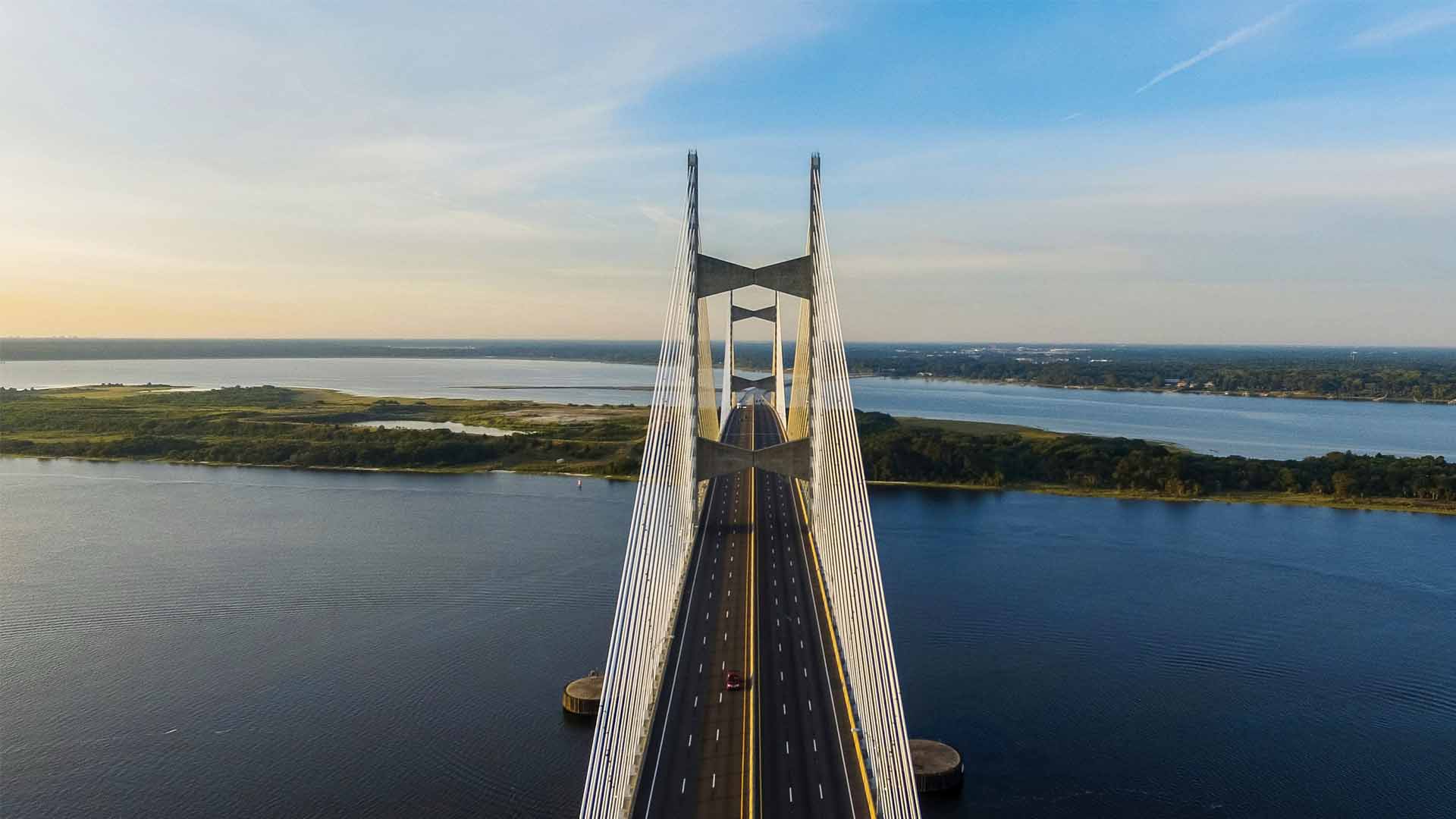
Back in 1986, when destination resorts weren’t really a thing, Neemrana, founded by the very innovative and audacious hoteliers Aman Nath and Francis Wacziarg, bought a dilapidated 15th-century fort palace about 10kms. from the Delhi-Jaipur highway, restored it painstakingly, and created what is considered India’s first resort within driving distance of two cities. It has taken almost 38 years for Indian hoteliers to realise the inherent potential offered by India's ambitious highway expansion, which is not only connecting the country but also giving rise to a new breed of hospitality experience: the highway hotels and leisure resorts.
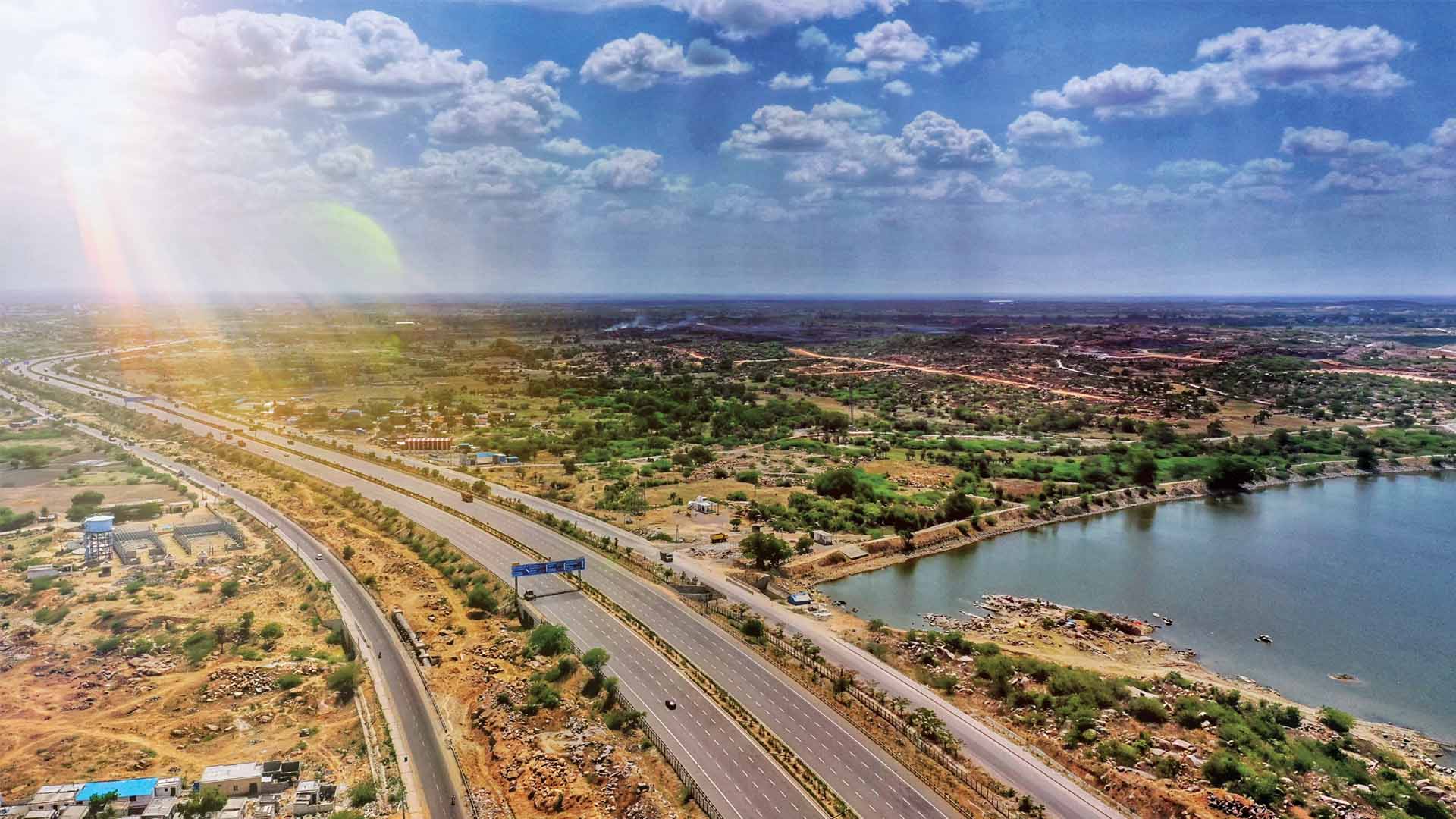
Redefining the highway hotel and expressway resorts
For travellers, this is good news as they can soon hope to find luxurious and premium accommodations, diverse amenities, and offbeat experiences just off the tarmac. “The expressway networks have linked many cities, from Delhi to Hyderabad, Chennai to Bengaluru, with beautiful locations nearby. You don’t need to catch a flight, which anyway has become very expensive due to rising fossil fuel costs. Put your kids and dog into a car, and drive down to any of these resorts. It is convenient because you are still close to home, and yet not in town,” says Ajay Bakaya, Managing Director, Sarovar Hotels & Resorts, who has been championing the cause of highway hotels for over 20 years.
India continues to construct about 1,000 to 2,000kms. of road network every month, which amounts to 12,000 to 15,000kms. every year. Manav Thadani, Founder-Chairman, Hotelivate, says they have been observing a shift in demand for hotels along highways, a segment once associated with basic amenities and convenience rather than sophistication. “Out of the 100 feasibility studies we typically conduct in a year, around 15-20% now fall into what we might term ‘highway hotels.’ A decade ago, we saw three to four feasibility studies for hotels on what are now regarded as highways; today, that figure has grown to 15 to 20.”
Major hotel groups seem keen on exploring these locations, though they often avoid the term ‘highway hotel,’ which traditionally evokes images of basic roadside stops like dhabas. “Many hospitality groups are already leveraging the potential offered by the Sohana Elevated Corridor and the Dwarka Expressway. Taj has just signed up a property there, and so has Marriott and Hilton,” he adds. With improved connectivity and ongoing infrastructure projects—such as the Dehradun Expressway that will reduce travel time to Delhi to just 2.5 hours—road travel is becoming more appealing.
Thadani talks about a young hotelier developing a unique sports resort near Neemrana on the Delhi-Jaipur highway. “It will be a vibrant, youth-oriented hotel featuring an array of sporting activities, designed to appeal to a younger, active crowd. In addition to these recreational offerings, the resort will also serve as a venue for weddings, blending adventure with celebration,” he says.
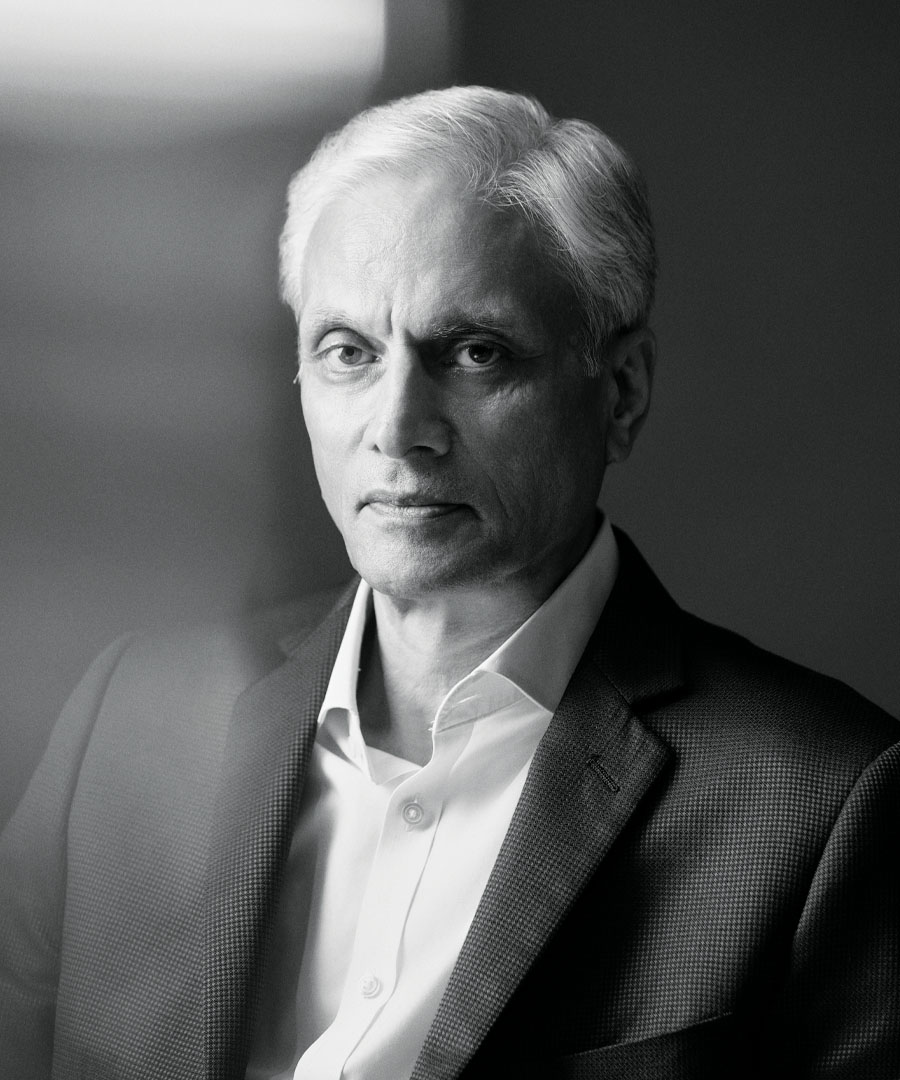
Ajay Bakaya Managing Director, Sarovar Hotels & Resorts.
The highway and road network presents a massive opportunity in two very distinct segments: the luxury resorts targeted towards leisure-seeking destination vacationers and road trippers, as well as destination weddings, and the functional highway hotels and motels, catering to road trippers who want a clean, hygienic, safe hotel to stop over in the night while on a road journey.
Ajay Bakaya Managing Director
Sarovar Hotels & Resorts

Two distinct segments
Bakaya says that the highway and road network presents a massive opportunity in two very distinct segments: the luxury resorts targeted towards leisure-seeking destination vacationers and road trippers, as well as destination weddings, and the functional highway hotels and motels, catering to road trippers who want a clean, hygienic, safe hotel to stop over in the night while on a road journey.
Highway hotels: A more sophisticated version of traditional properties, they cater to guests seeking affordable, efficient accommodations without compromising on comfort. The target audience: either business travellers on a cross-country, or those journeying long distances who need convenient, reliable places to stay, besides destination weddings and MICE events.
Bakaya contends, “City hotels are expensive, and will continue to get more expensive as the economy grows. If someone, for example, lives in Jaipur and is travelling to Gurgaon for work, he or she may opt to stay at a premium highway hotel a little distance from Gurgaon at much cheaper rates, than in the city itself. The only criteria they would have: the presence of essential amenities such as clean rooms, good dining options, and quick service at a reasonable price point.”
He remembers how Reliance's foray into highway motels, a concept with much potential in India, had to be abandoned a few years ago, as the idea was far ahead of its time. SOH’s research throws up quite a few reasons why this ambitious project seems to have stalled: acquiring suitable land parcels along highways in India was a complex and lengthy process, often involving multiple stakeholders and regulatory hurdles. And the highways were few and far in between, and often of bad quality.
That’s the story of the past as India rapidly creates a national highway and expressway network of higher quality, and states continue to ease land acquisition processes. TreeHouse Hotels & Resorts has already announced the setting up of a new vertical, hi-way MOTELS, to offer conveniently located, modular-built properties along highways and expressways. These ground-plus-one structures will feature comfortable rooms with modern accommodations, EV charging stations, highway dhaba restaurants, retail partnerships, ATMs, paid parking, car wash facilities, and banquet spaces.
Luxury leisure and destination resorts: Historically, the term ‘highway hotel’ has evoked images of bare-bones roadside stops meant primarily for short overnight stays. Yet, India’s new leisure resorts are breaking away from this stereotype. Modern establishments such as Fairmont Jaipur and The Leela Palace Jaipur, located along the bustling Delhi-Jaipur highway, epitomise this change.
As brands seize these opportunities, Thadani underscores the importance of clear terminology in defining the leisure market’s appeal. “Instead of ‘highway hotels,’ a term like ‘expressway resorts’ better reflects the modern, upscale nature of these properties and their ability to offer a full spectrum of hospitality experiences."
Leisure destination resorts along the expressways are at the other end of the spectrum from functional highway hotels. “They offer luxury accommodations, sophisticated dining, and curated experiences, rivalling premium hotels within city limits and making expressway resorts a destination in their own right,” says Bakaya. “Such resorts appeal to families, corporate groups, and wedding parties looking for immersive, extended stays and a range of experiences.”
He believes that there is higher potential in the leisure resorts segment than the functional highway hotels one. “It is a very low-risk segment. Land costs are cheaper, particularly if you are five or 10kms. away from the highway, in a country or village atmosphere.” His advice to developers: look at a 100-key property (not more), spread out over a large acreage, with an abundance of natural beauty to attract the discerning, elite traveller.
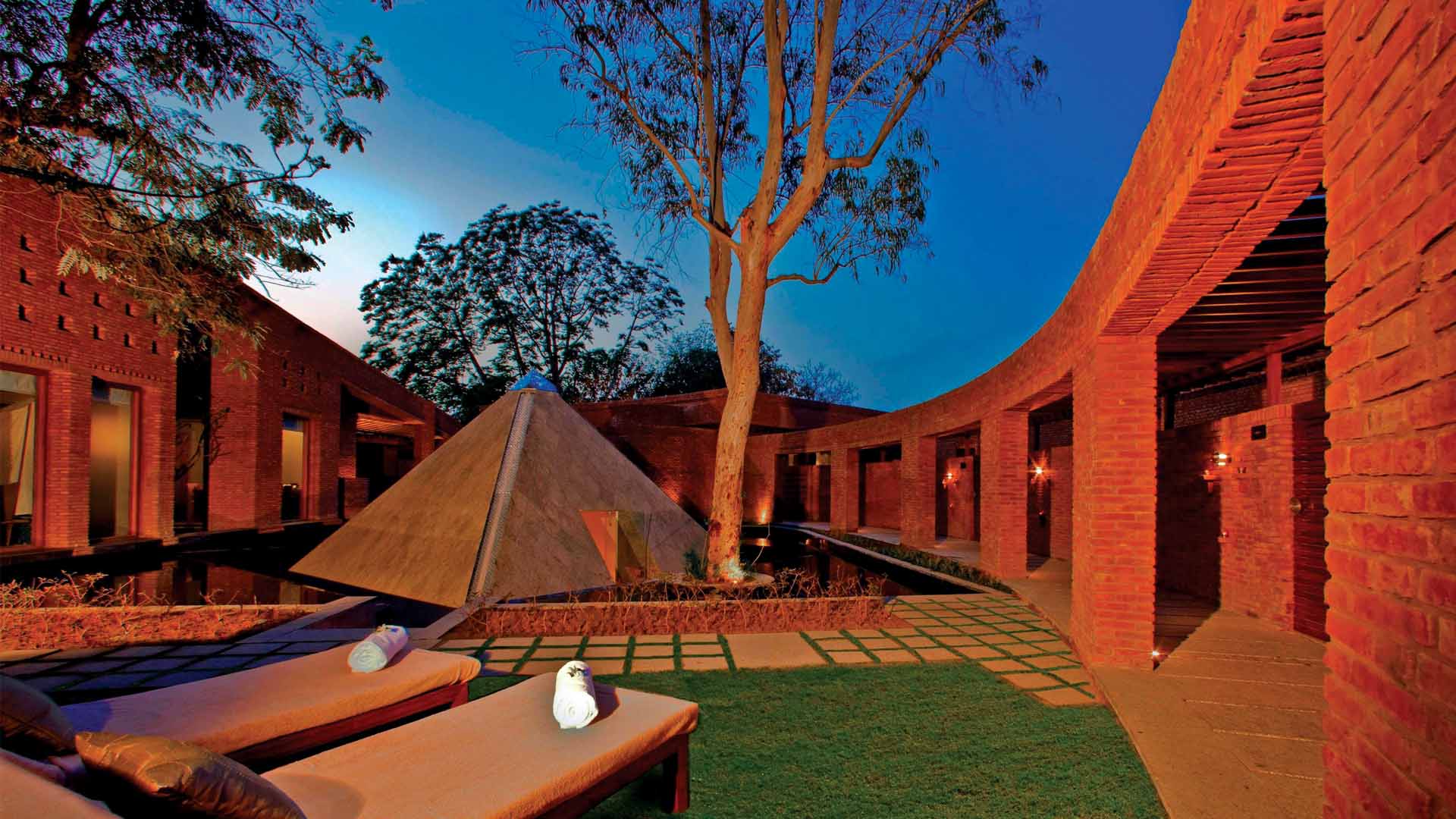
The Westin Sohna Resort & Spa Veer off the Gurgaon-Sohna Road in Haryana, and you stumble across this spa oasis with a countryside ambience. It offers a spa, wellness programs, and lush surroundings.
Navigating the challenges
Creating successful expressway resorts entails overcoming several challenges:
Location is Key: Easy accessibility, proximity to attractions, and scenic landscapes are crucial for attracting guests.
Amenities Matter: Developers must tailor amenities to their target audience, whether it's family-friendly facilities, business centres, or adventure activities.
Safety and Security: Bakaya says the biggest challenge would be ensuring the safety of guests, especially solo travellers and families in more isolated locations. “The fire and safety measures created would have to be of top-notch quality,” he contends. “Also, resorts and hotels will have to shut their gates after a particular time, say by 9 at night, and allow only guests who have pre-booked.”
Land Acquisition: This could continue to be a challenge, particularly since land acquisition is a state subject and cannot be governed by a central policy. “A lot of the land in the countryside comes under agricultural land categorisation and the process to convert it into non-agricultural land is a lengthy process,” says Bakaya.
Consistent Quality: Providing consistent service and amenities across properties that may be remote or far from urban centres requires a rigorous approach to quality control and operational efficiency, believes Thadani.
Talent Retention: Hiring and retaining skilled staff in less populated regions can be difficult. “To attract talent, leisure and luxury resorts will have to offer competitive wages, housing, and additional benefits,” says Bakaya.
A Bit of Romance: While functional hotels can operate in any safe and secure destination along the expressways and highways, a destination resort requires the location wrapped in a bit of romance and nostalgia. “The location for such a resort has to be chosen carefully so you can build a narrative and story around it. It should also abound in natural resources. Just having good amenities within the resort will not work,” says Bakaya.
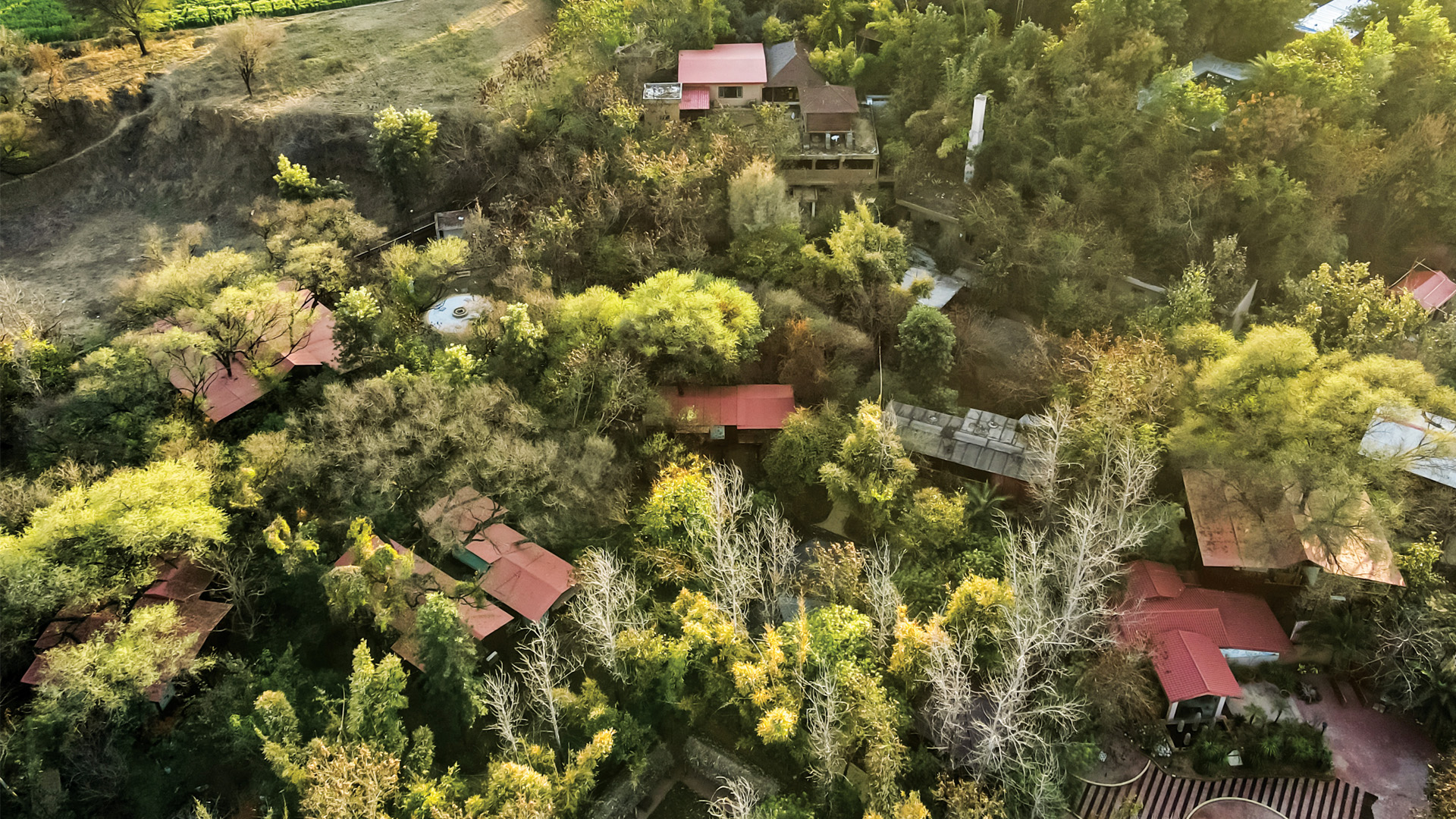
Treehouse Resort, Jaipur A two-hour drive from Jaipur brings you to Treehouse Resort, which integrates treehouses or wooden cottages with luxury comforts, surrounded by views of the Aravalli Mountains.
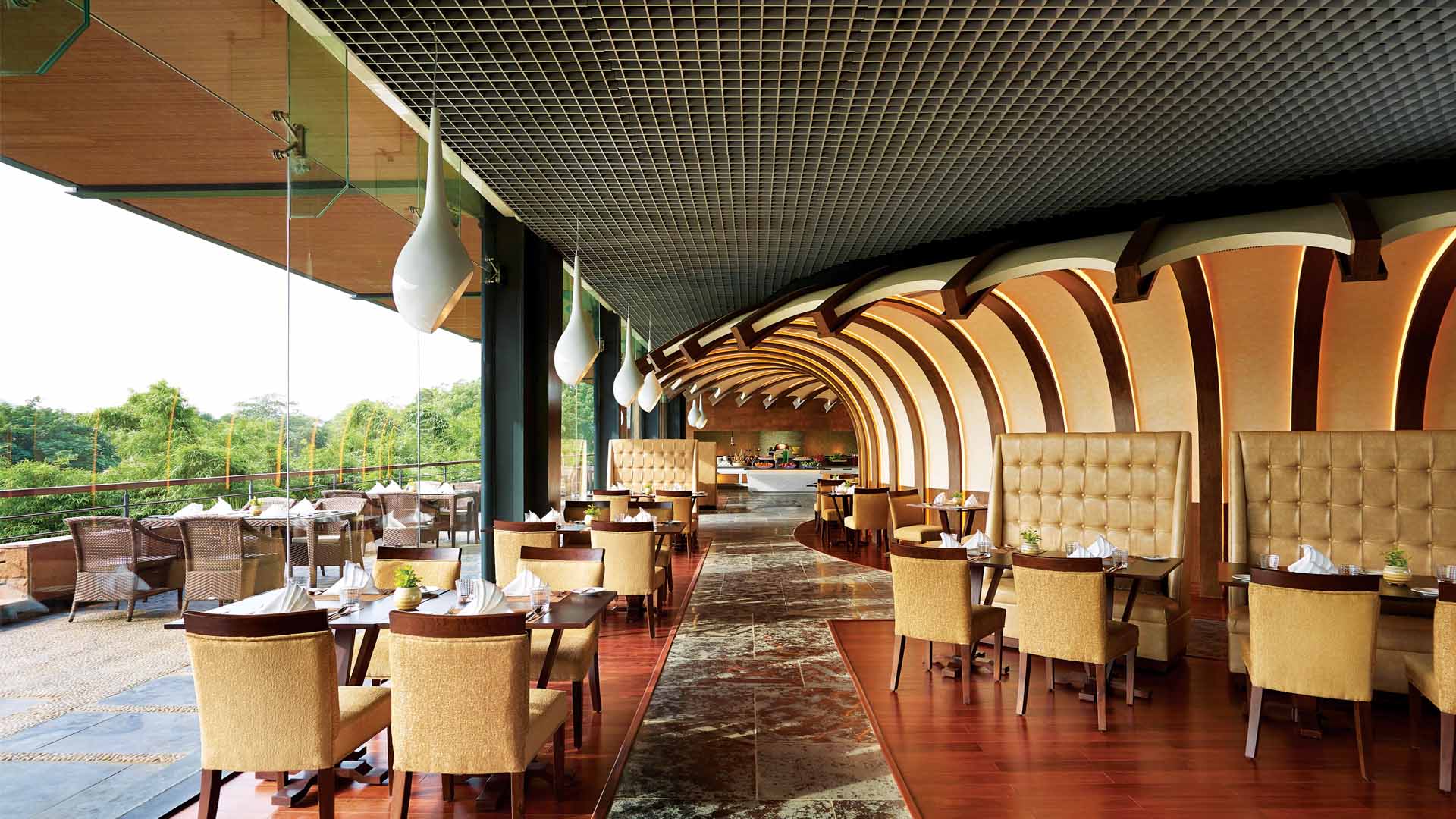
The Gateway Resort Damdama Lake, Gurgaon Also close to the Gurgaon-Sohna road, this IHCL resort offers lakeside views and adventure activities, making it ideal for families and groups seeking an active yet relaxing weekend retreat close to Delhi.
As brands seize these opportunities, it is important to understand the right terminology to use in defining the leisure market’s appeal. Instead of ‘highway hotels,’ a term like ‘expressway resorts’ better reflects the modern, upscale nature of these properties and their ability to offer a full spectrum of hospitality experiences.
Manav Thadani
Founder-Chairman, Hotelivate
How the government can help
Although tourism and land acquisition are primarily governed at the state level, government policies play a crucial role in supporting the expressway resort market. “Streamlined approval processes, incentives for developers, and improvements in the surrounding infrastructure are vital to encouraging investment and the sustainable growth of this sector,” contends Bakaya.
From an investor's perspective, securing swift and efficient approvals for projects is paramount. Unfortunately, the current reality in many places is a bureaucratic labyrinth where approvals languish, entangled in red tape and questionable practices. This ‘pain point’ significantly hinders investment. Many states boast of single-window clearance systems, but the reality often falls short of the promise. To address this, a streamlined, transparent, and time-bound approval process is crucial, says Bakaya.
He proposes:
Centralised Digital Portal: Establish a government agency portal where investors can submit all necessary documentation online. This portal should provide clear guidelines on required documents and offer a standardised format for submission.
Time-Bound Approvals: Implement a strict timeline for processing applications. “If no response is received within a specified period (e.g., two to four weeks), the application should be automatically deemed approved. This would inject much-needed efficiency and predictability into the process,” he says.
Financial Incentives: States such as Odisha and Tamil Nadu are leading the way with attractive financial incentives. Odisha offers up to a 30% capital subsidy, while Tamil Nadu provides capital subsidies and even covers employment costs for two years. “Such incentives can be powerful catalysts for attracting investment, especially in new and innovative sectors.”
Sector-Specific Incentives: Rajasthan's offer of industrial electricity rates is a good example of a sector-specific incentive. “Tailoring incentives to the needs of specific industries can further encourage investment in those sectors,” says Bakaya.
By adopting these measures, states can create a more investor-friendly environment, attract significant capital, and foster economic growth. The proactive approach of states like Odisha, Tamil Nadu, and Rajasthan demonstrates the potential benefits of such policies. As more states witness the positive impact, others are likely to follow suit, creating a competitive and conducive investment landscape across the country.
The Indian Ministry of Tourism, from its end, has introduced a voluntary scheme to support and elevate motel projects, which sets standards for facilities and services, and brings consistency across the growing motel sector in India. Under this scheme, motels can seek approval from the Hotel & Restaurant Approval & Classification Committee (HRACC), which evaluates projects against a set of established criteria. The approval process offers flexibility: motels may apply at the project stage—based on plans and documentation—or once they are operational if they meet the committee’s standards.
Once approved at the project stage, motels receive a five-year validity on their certification, though it ends either three months before expiration or when the motel opens for business, whichever comes first. Applications must include information on key areas such as motel amenities, the background of promoters, site details, project specifications (like room features, accessibility, and eco-friendly initiatives), and architectural designs. With this scheme, the Ministry aims to foster a higher standard of service and infrastructure in motels nationwide, ultimately enhancing the experience for India’s road-travelling public.
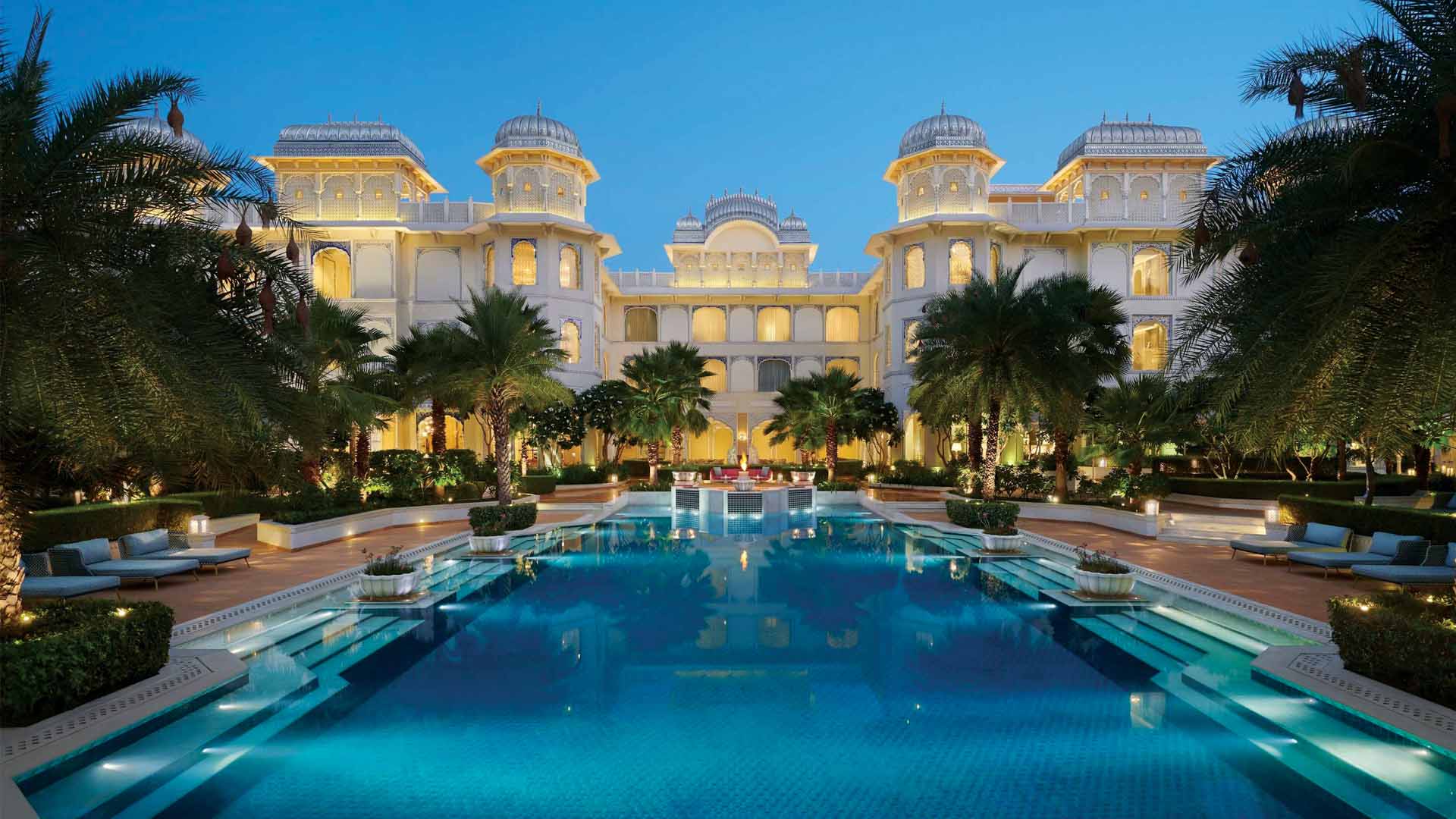
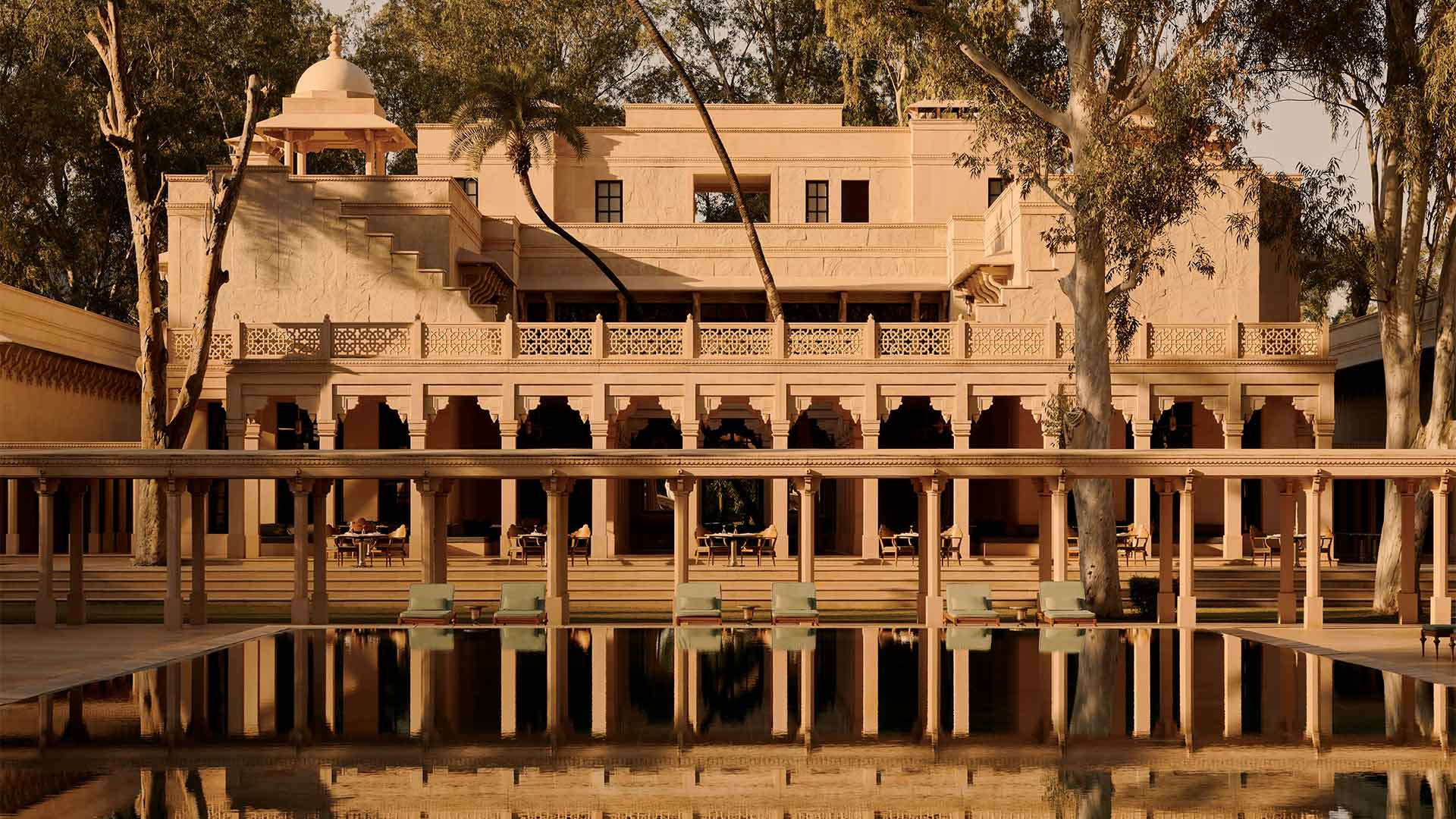
The Leela Palace Jaipur Evocative of Jaipur’s regal design language, with chattris, domes and arches, The Leela Palace Jaipur is 11 miles or 18km. from the City Palace, and is known as a stellar destination resort close to NH52. It's designed to resemble a traditional royal mahal (palace), with grand courtyards, intricate details, and sprawling gardens.
Navigating the future
As India’s highway network continues to grow and traveller preferences evolve, highway hotels and leisure resorts are poised for significant expansion. The expansion of road infrastructure in regions like the Himalayas and the Northeast signals future growth, transforming once remote locations into accessible destinations, says Thadani. “While wellness tourism has seen moderate growth post-COVID, weddings remain a consistent demand driver, filling hotels for up to 100 days annually.” By understanding the unique needs of road travellers, destination seekers, and the wedding market, and crafting memorable experiences around these, expressway resorts and highway hotels can redefine hospitality along India’s highways.