

















From Battlefields to Tourist Trails
India's new frontier in heritage tourism lies high in the icy expanse of Drass, Kargil, and Demchok, where history was carved in conflict. India is unlocking its most guarded battlegrounds for civilian visitors.

By Deepali Nandwani
In the thin air surrounding the snowy mountains
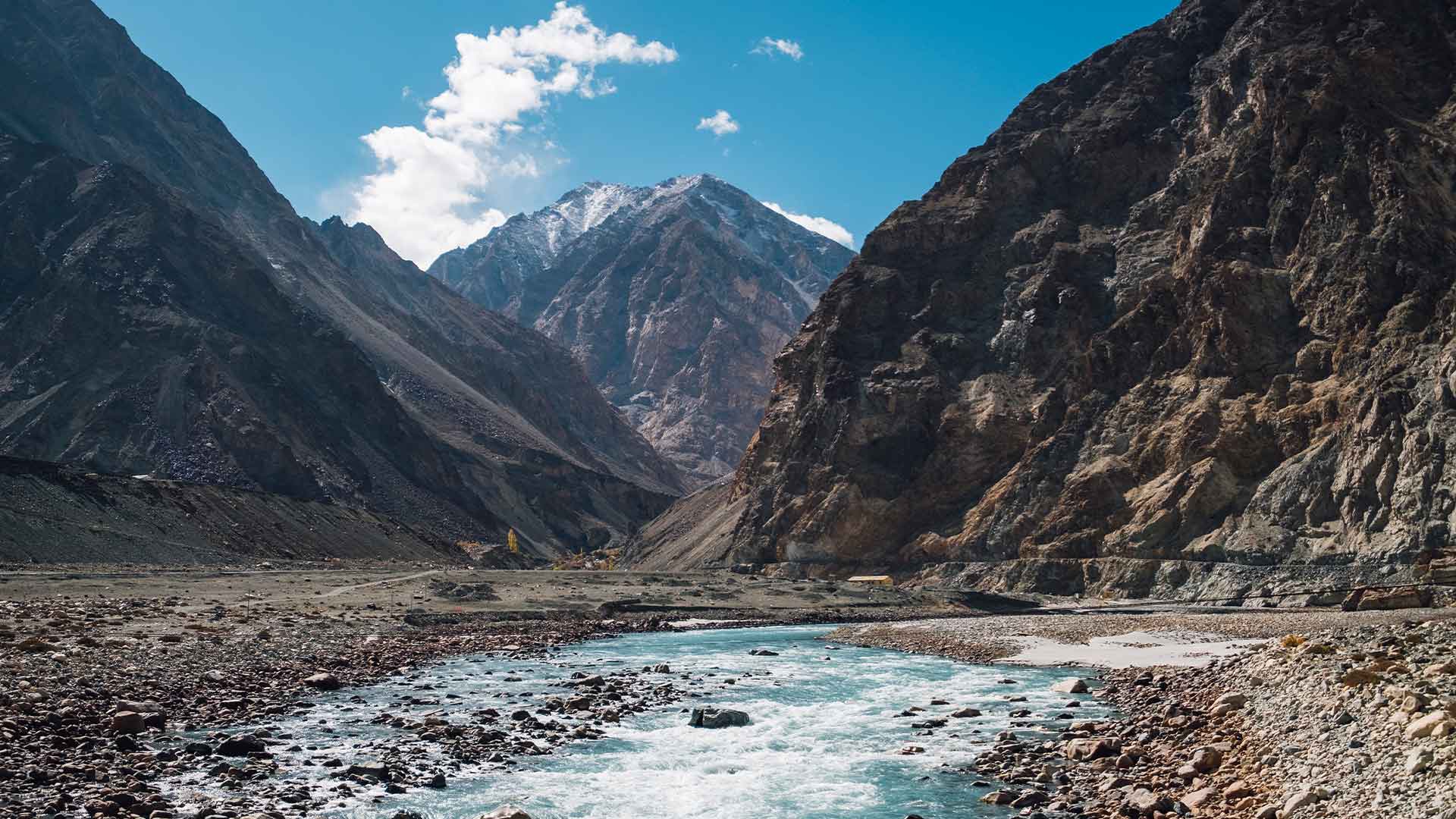
In the thin air surrounding the snowy mountains of the Drass-Kargil sector, even sturdy helicopters strain to stay aloft. The mountains of Drass, Batalik and Kargil are a sheet of ice—an uninhabited, barren, glacial world. Much like the Siachen glacier, located in the eastern Karakoram range in the Himalayas, near the Indo-Pak and China-Pak borders, which holds immense strategic and geopolitical significance for India.
Not many Indians may know about the high, ice-sheathed battlegrounds, but Kargil, and more recently Demchok in Ladakh, which witnessed a stand-off with China, are emblazoned in many memories.
The Indian government has now decided to open some parts of 77 historically significant battlefields for tourism under its Bharat Ranbhoomi Darshan, with 21 in Arunachal Pradesh, 14 in Ladakh, 11 in Jammu and Kashmir, and seven in Sikkim to civilian visitors. This initiative, led by the Ministries of Defence and Tourism, aims to boost border region economies and foster patriotism. Many are stark, breathtaking landscapes where history was forged in conflict.
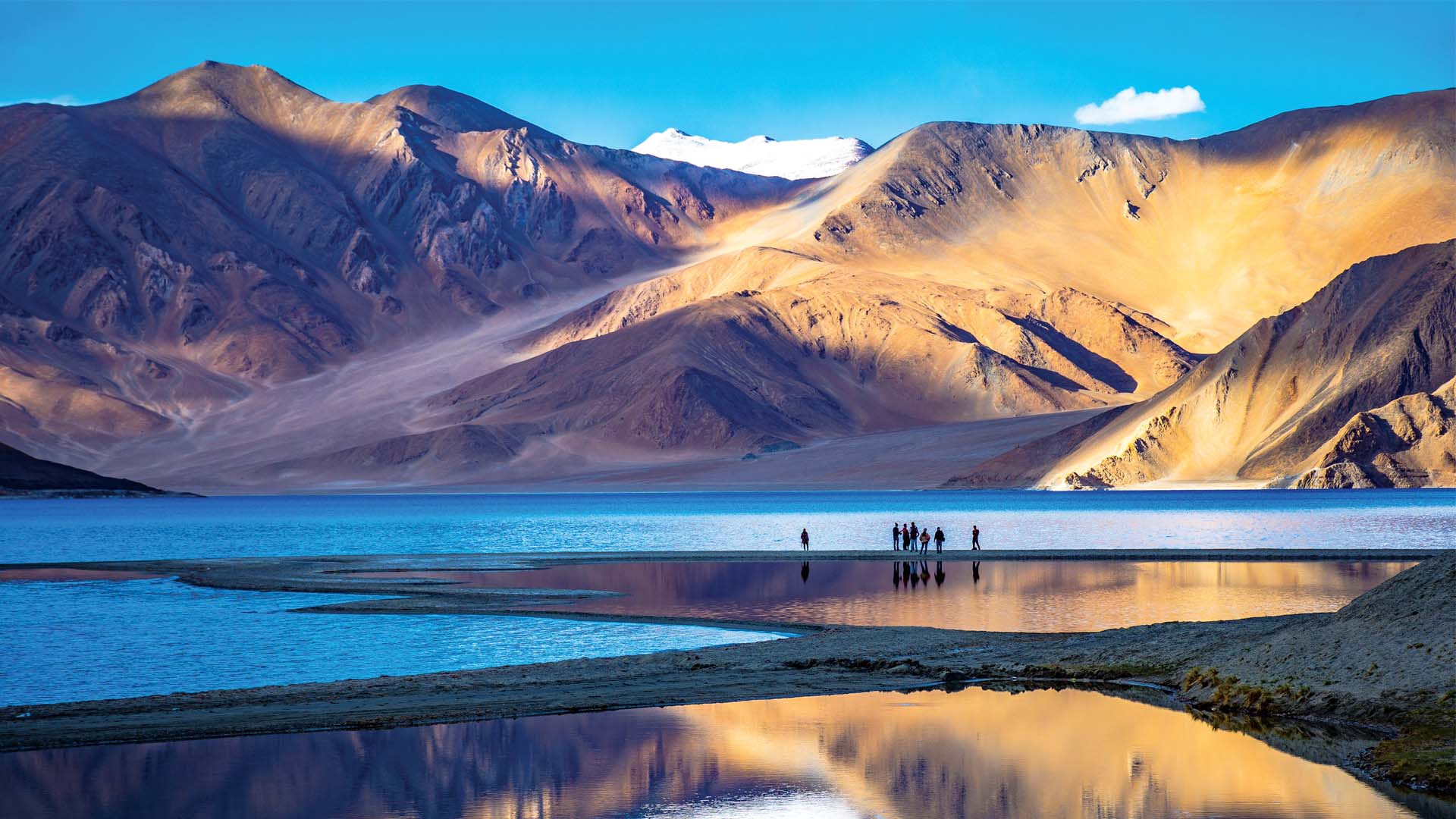
Once-forbidden zones are now accessible, though with careful regulation. Among the newly accessible sites are key locations in Arunachal Pradesh, such as Tawang, Bum La, Gorsam, Lohit, Kameng, and Walong. Ladakh’s Demchok and Galwan—where violent clashes occurred in 2020—are also on the list, along with Pangong Tso, a site of multiple military standoffs since 1962.
The initiative recognises that these sites hold more than just strategic importance; they are living testaments to the sacrifices made by India's armed forces.
To make this journey possible, a digital gateway has been created. The Bharat Ranbhoomi Darshan app acts as a guide, offering historical context, virtual tours, and the crucial ability to obtain permits for these sensitive areas. It's a blend of technology and history, designed to bring these remote locations closer to the hearts of the people.
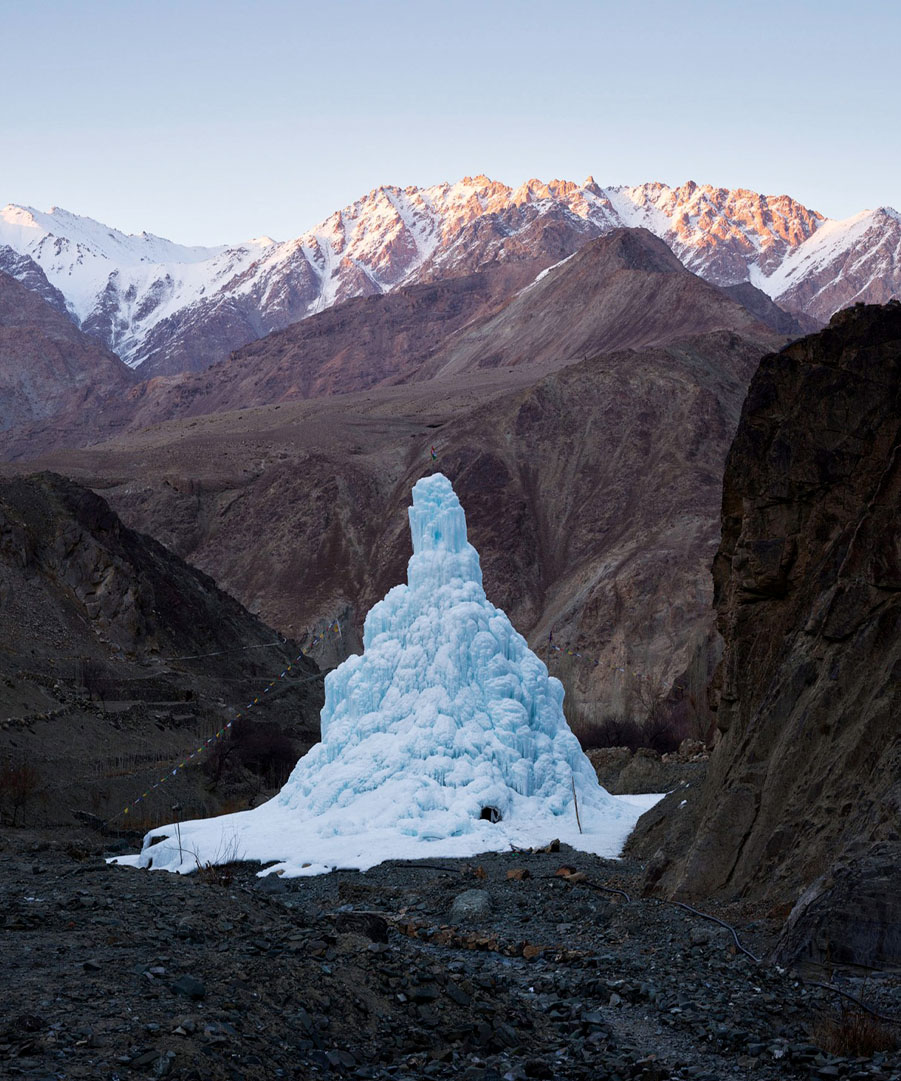
An ice stupa is an artificial glacier that stores winter water for use in the summer.
Connecting the infrastructure dots
Recent infrastructure development, particularly along the Line of Actual Control, has enabled battlefield tourism. The government has significantly expanded road networks and constructed new bridges and tunnels since the Galwan incident. Plans for increased rail infrastructure are underway. This initiative builds on improved border infrastructure, encompassing sites from the 1962 and 1967 conflicts with China, to the 1971 Battle of Longewala with Pakistan.
The Centre, along with the Rajasthan government, has developed and curated the Longewala border, and its associated history—the Tanot Mata temple, Kishangarh Fort, and Longewala War Memorial along with the picturesque villages within the vast desert landscape—have become major tourist attractions in the area.
General Upendra Dwivedi, Chief of Army Staff, has said that the battlefield tourism initiative is part of a "holistic development of border areas," providing a "one-stop solution" for travel information via its website.
He outlined four key pillars: infrastructure, communication, tourism, and education. As the Additional Directorate General of Public Information, Indian Army, posted on X: "The Indian Army is transforming border areas and historic battlefields into tourist destinations, offering citizens a chance to witness valour up close. Explore the hallowed grounds where gallant soldiers fought and serve the motherland, even today."
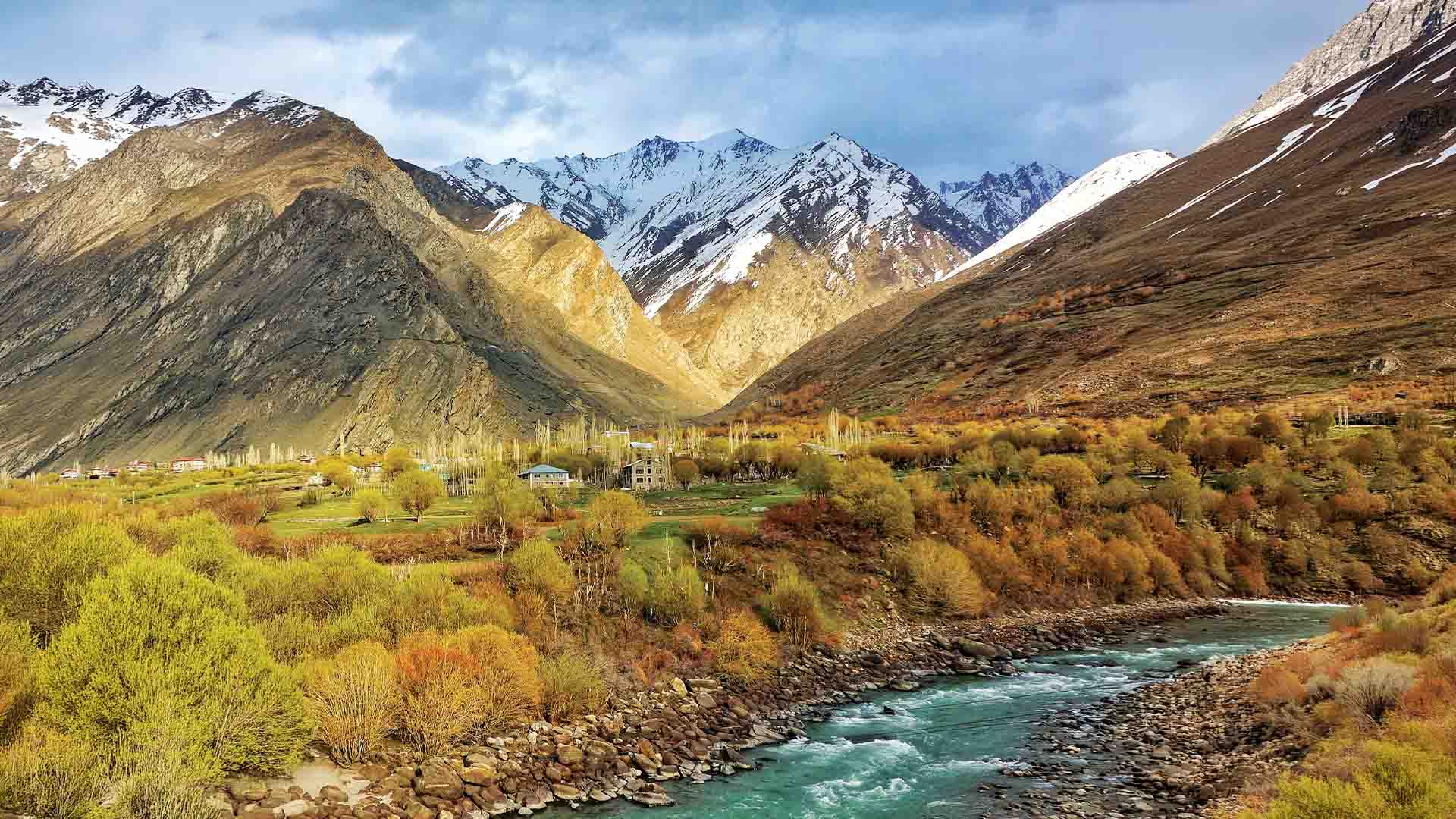
Entry to certain high-altitude locations will be regulated and special permits can be issued for security purposes.
Safety protocols
The Indian Army plays a vital role in ensuring visitor well-being, especially in high-risk zones, and clear protocols are in place. While core operational areas remain off-limits, the aim is to provide a meaningful experience, allowing citizens to understand the challenges and triumphs of those who defend the nation's borders.
Union Tourism Minister Gajendra Shekhawat, in a written reply to Lok Sabha, has said, “In high-risk border zones, visitors are required to coordinate with army units for safety and clearances, facilitated via a single window, while in high-altitude areas, precautions have to be adopted and acclimatisation protocols are also being advised.”
However, entry to certain high-altitude locations will be regulated and special permits can be issued for security purposes. Emergency evacuation protocols by the army are in place to provide immediate medical assistance, officials said, adding that weather advisories are issued to prevent mishaps in extreme conditions.
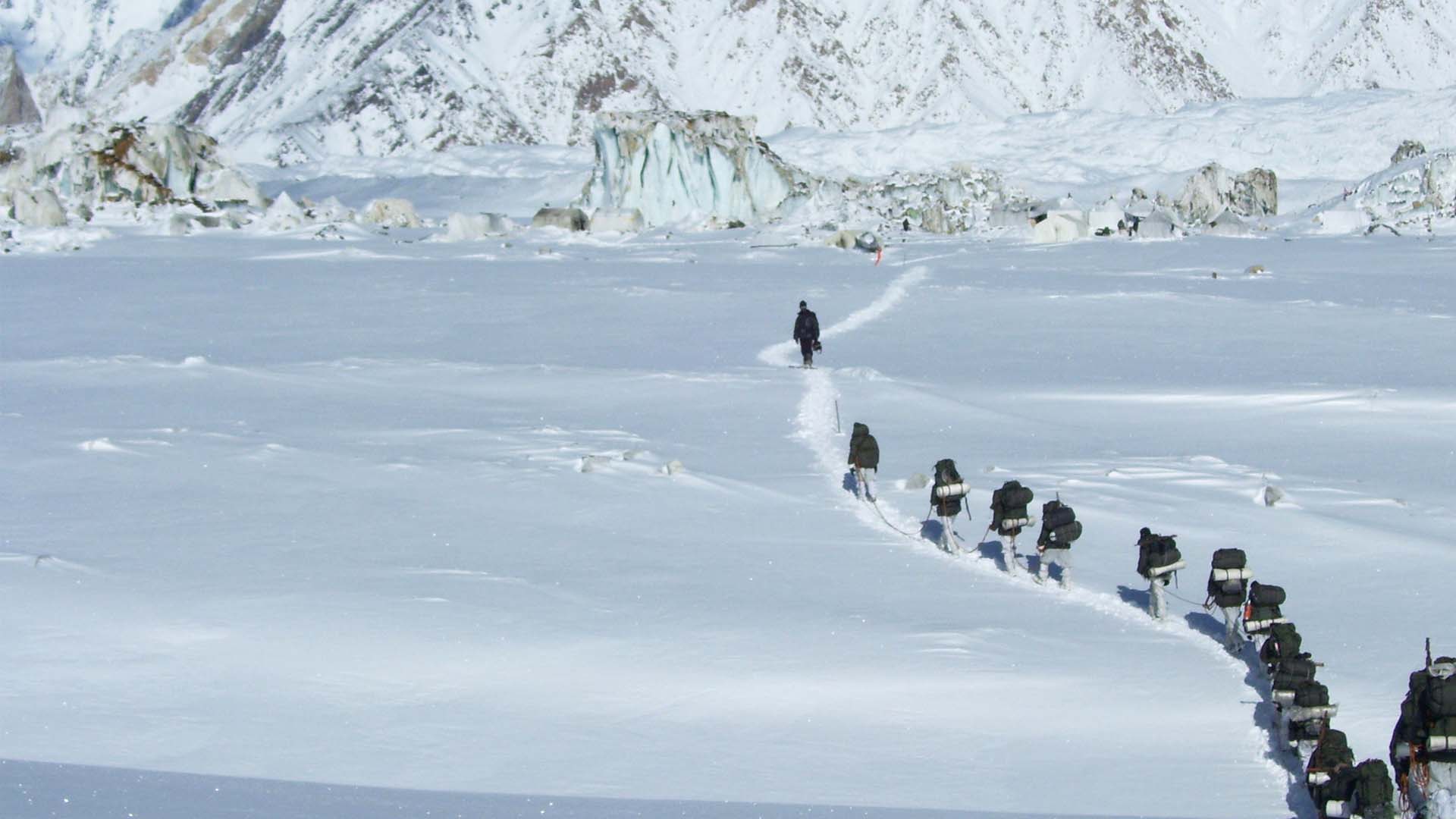
Drass was in the line of fire of Pakistani soldiers in 1999.
The local impact
The impact extends beyond mere sightseeing. Local economies are expected to thrive, as tourism brings new opportunities to these often-isolated regions. Small businesses will emerge, and communities will find renewed purpose. With the improvement of infrastructure, these areas will become better connected, fostering a greater sense of national integration. India, clearly, is writing a new chapter in its relationship with its military history. By opening these battlegrounds, it's not just promoting tourism; it's fostering a deeper understanding of national identity and the enduring spirit of its soldiers.
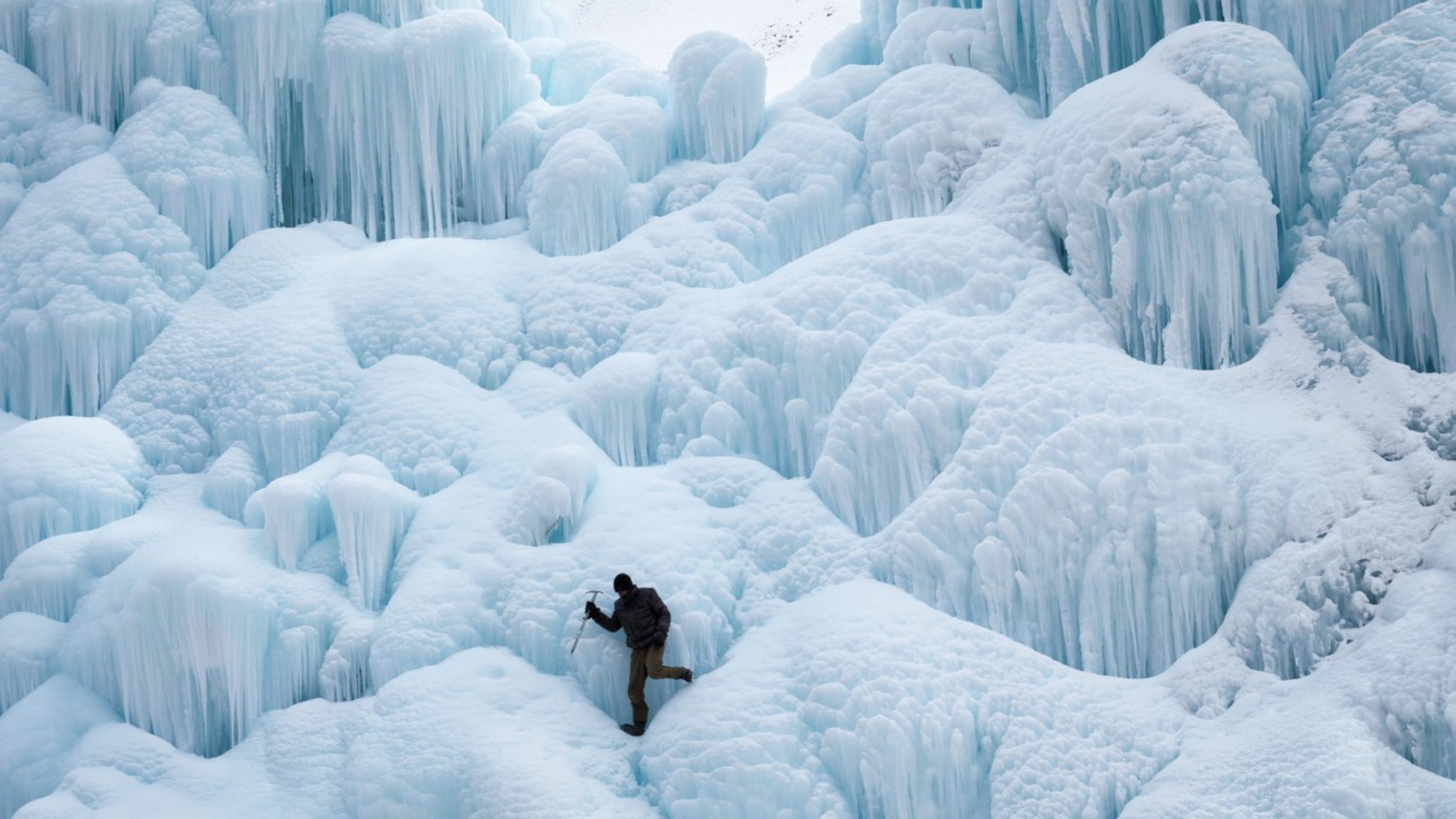
The rugged, icy landscapes of Siachen.