











The New Maharajas of Travel
From microcations to sustainable stays, Millennials are reshaping the travel industry with their thirst for authentic and Instagrammable experiences. They're ditching the checklist and embracing slow travel. Discover how hotels and restaurants are adapting to the demands of the experience-hungry Millennial traveller.


By Praveena Sharma
When the booking for tickets to the British rock band Coldplay’s Mumbai concert opened in September 2024, its prices swiftly ratcheted up. A LinkedIn post by Rizwan Khan, co-founder of Trip and Trails, claimed a ₹4,500 ticket zoomed up 234 times to over ₹10 lakh. On ticket exchange platform Viagogo, resellers pushed up the price for a single seat to ₹3.36 lakh, a freakish price surge.
Khan went on to explain the phenomenon: “This signifies a mega-shift in the agenda behind spending (in India) today as people of this generation (read Millennials and Gen Z) are willing to shell out substantial sums of money on real experiences.”
Twenty-seven-year-old Rakshandha Mayekar, accounts manager at Detales Brand Communication—who typifies an Indian millennial—endorsed Khan’s view by claiming that if a concert experience justified the cost, she would be ready to spend any amount on it.
Unlike the Boomer or Gen X generation, Millennials (also known as Gen and, to an extent, Gen Z) place a high premium on experiences and not so much on material things or physical assets. Their huge appetite for experience makes them avid travellers, scouting every corner of the country and globe to get the tiniest morsel of it.
A recent global study, the 2024 Travel Benefits and Customer Engagement Report, published by the UK’s travel company Collinson International, reveals that in India, Millennial travellers are the highest spenders, with an average annual travel spending of $6,031 (around ₹5 lakh) compared to other generations. In comparison, the average annual spending of Boomers, Gen X and Gen Z are $2,600 (₹2.18 lakh), $3,059 (₹2.6 lakh), and $2,622 (₹2.2 lakh), respectively. Further, the study revealed that travel constitutes the largest expenditure by Millennials, at a third or 34% of their total annual expenditure. They are rapidly emerging as significant contributors to the travel industry, generating an estimated 20% of the global tourism market. Their significant spending power has made them the king of the travel market, with every industry player trying to crack the code of how to tap this high travel spender.
For Patu Keswani, Managing Director, Lemon Tree Hotels, if it means “hiring and dealing with young hotel managers who wear ponytails”, he would relent. The one thing the industry has come to terms with is that ‘experience’ is the operative word when it comes to young travellers.
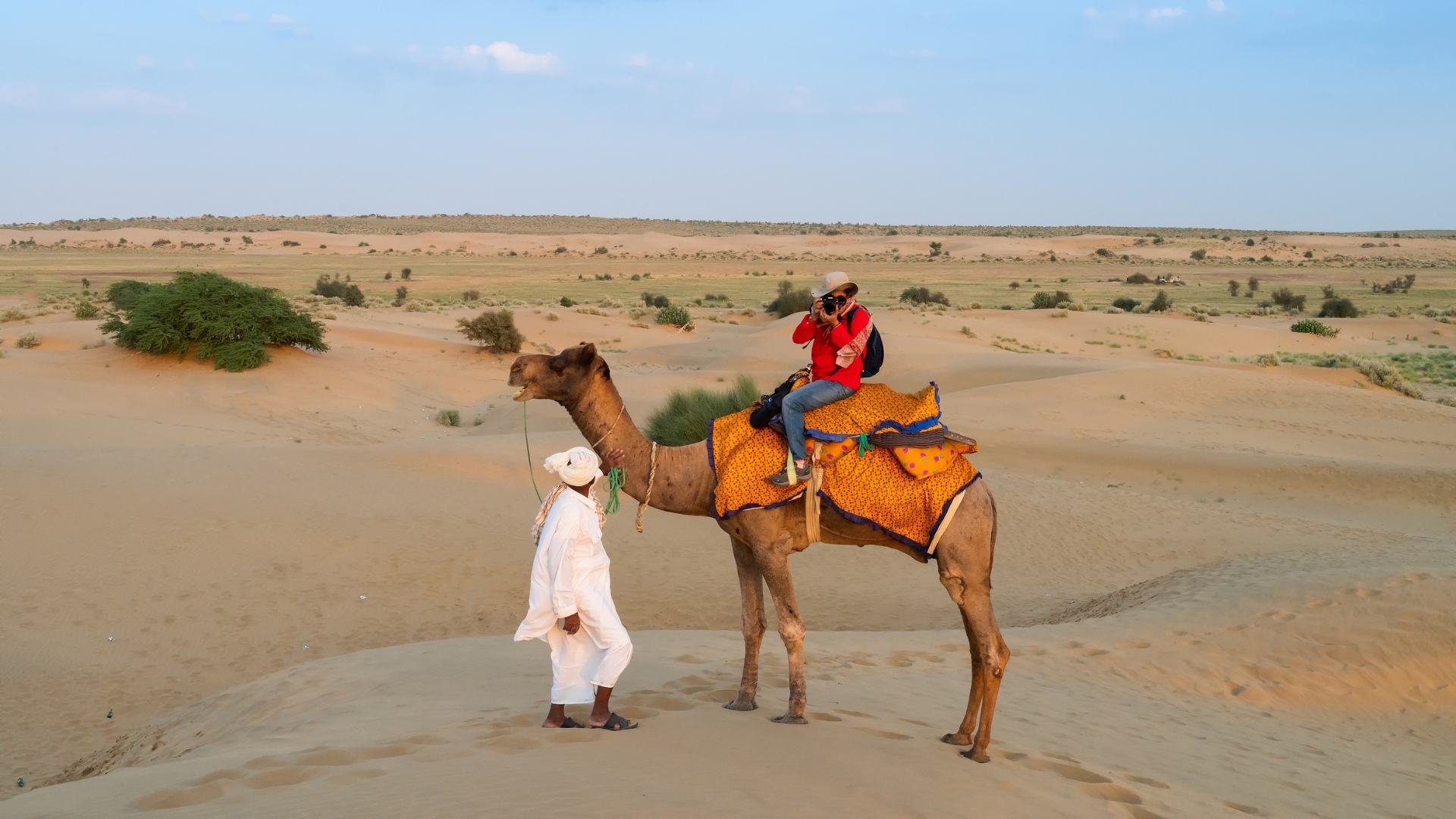
Hotels are integrating local experiences such as camel safaris in a bid to create culturally-resonant stays.
What do Millennials want?
“Younger consumers are looking for great experiences even in hotels,” noted Keswani at the FHRAI Conference in 2024. “One way to understand how to brand a hotel so that it appeals to a younger generation is to ask ourselves: what is timeless? Timeless is good service, hot water, good air conditioning, you know, the basic stuff. Experiences, however, can appeal to a generation for whom luxury is all about experiences”.
Shweta Jain, Chief Marketing and Sales Officer at The Leela Palaces, Hotels and Resorts, has also deciphered that today’s young and affluent travellers are seeking more than just opulence. “They are drawn to brands that embody a larger cultural perspective. Millennial travellers prioritise sustainability, wellness, and the 'local for global' ethos, which speaks to a deeper desire for authenticity and purpose-driven luxury,” she reveals.
This aspect of evolution in luxury travel, driven largely by young travellers, has also been underscored in a recent report by consulting firm McKinsey, which points to the growing demand for meaningful, culturally rich experiences that resonate with the personal values of
this demographic.
And so, when this generation books a hotel, the things topmost in its mind are sustainability, wellness, and personalised experiences. They readily loosen their purse strings if these criteria are met.
Pradeep Shetty, President, Federation of Hotel and Restaurant Associations of India (FHRAI), has discovered that Millennials are big on sustainability and get drawn to hotels mindful of replacing plastic straws with ones made from sustainable material, no bathtubs, and other such environmentally friendly initiatives.
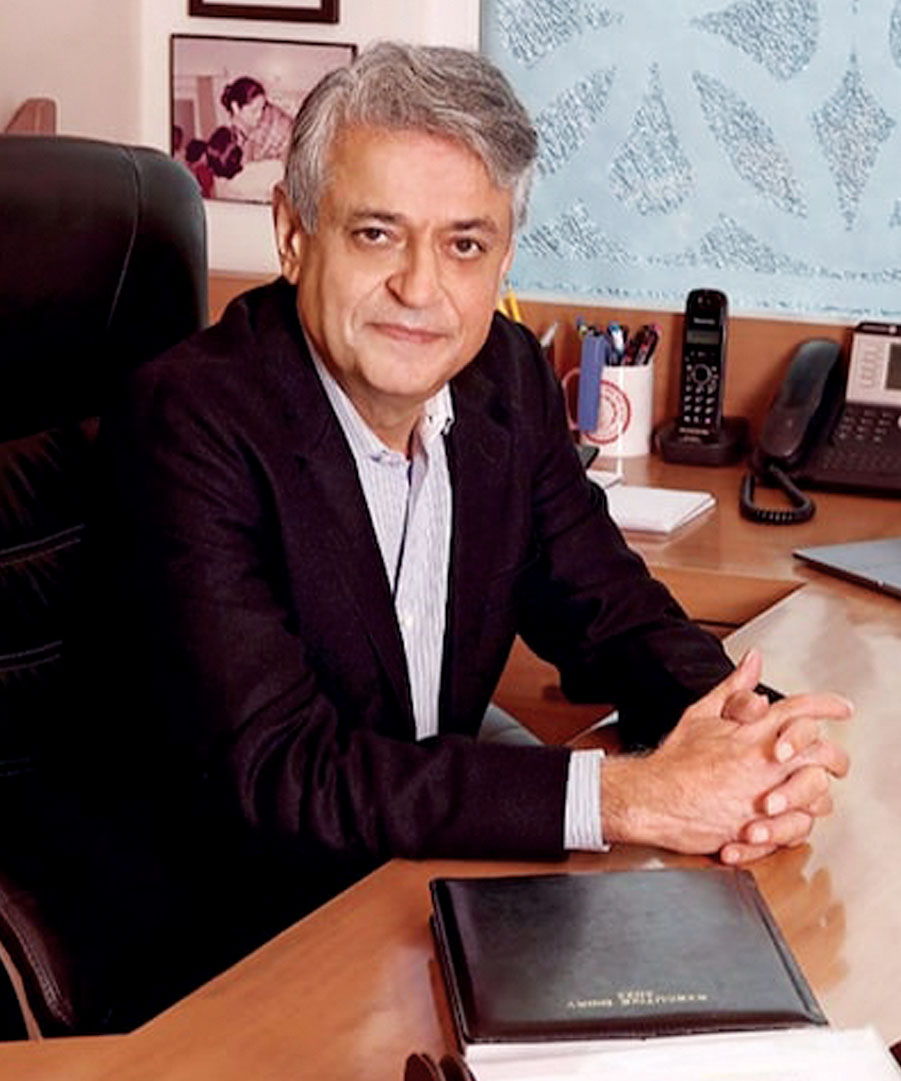
Patu Keswani, Managing Director, Lemon Tree Hotels.
The one thing the industry has to come to terms with is that 'experience' is the operative word when it comes to young travellers.
Patu Keswani Managing Director
Lemon Tree Hotels

The rise of microcations
The FHRAI chief attributes their higher spending to most Millennials being couples with double incomes and higher disposable incomes compared to their counterparts in other generations. He also sees a cultural shift in travel behaviour or habits across the younger generation. For instance, younger tourists undertake frequent travel breaks of shorter duration, he says, claiming that they, in general, are travelling more than the older generation. “In the earlier years, people would travel far less. Today, Millennials want to travel more often,” he observes. “They are taking a lot more sabbaticals to create a work-life balance. All these trends show Millennials have higher disposable income. They are yearning for more than just work and, therefore, they are out there travelling more often than the older generation.”
Narendra Prabhu, General Manager, Signature Club Resort (SCR) in Bengaluru, calls the intensive travel pattern of Millennials ‘microcation’—a break or vacation of not more than three to four nights on weekdays. “Microcation allows people the possibility to take multiple short vacations and experience several travel destinations due to limiting vacation time. They need to make the most of it and Millennials believe that experience is the ultimate luxury when it comes to travel. For many, microcation is a better fit for their busy lives as it is easier to adapt these vacations to their contemporary work and lifestyle demands,” informs Prabhu.
Millennial Rakshandha Mayekar confirms such frequent "buzz-offs" from the workplace for an energy refuel. She routinely takes off to Oleander Farms in Karjat in Maharashtra’s Raigad district, an hour-and-a-half drive from Mumbai, to experience farm life. Her work-life is punctuated with many such short breaks or microcations to Kasauli, Kerala, Goa, Maldives, Pondicherry, Bengaluru and other such destinations—sometimes to try a recipe by her favourite chef, sometimes to check out restaurants and bars at a destination, and sometimes just to put her feet up.
These microcations bookend her ‘megacation’—a long and immersive vacation—for which Mayekar plans extensively. She is already planning a megacation to Seoul in South Korea with her friends early this year. “We want to go there (Seoul) because we are very done with beaches. We love Korean food and culture. We want to check out the kind of life they live and what is the destination like, in terms of food. Food and bars are a very big part of my experience. I also love skincare and South Korea is the hub of skincare brands,” the 27-year-old Millennial excitedly lets out.
This category of travel spender is an explorer when it comes to culinary preferences and is altering the food landscape. A D Singh, restaurateur and Managing Director of Olive Group of Restaurants, is explicitly aware of this fact. “They do not want to eat where their parents did, which is why I see even the biggest restaurant giants struggling. They're not interested in the same brands, restaurants, or experiences. To survive, we need to adapt,” he introspected at the FHRAI meet.
One of the ways in which Millennials differ from Boomers or Gen X is their desire to check out bars or pubs whenever and wherever they travel. Pankaj Balachandran, Founder, Countertop, and Co-owner, Boilermaker, says that the spending habit of today’s generation while travelling is “more reflective of a lifestyle choice than just consumption” as they value experiences and social connection more than materialism.
“Millennials are spending more on drinking while travelling compared to Boomers. They often prioritise experiences, which includes a unique wine tasting, or visiting Michelin star restaurants and 50 best bars on their travel schedules,” the cocktail and bar consultant shares.
He informs bars across India are attracting a significant number of Millennials, and their spending patterns reflect a willingness to pay for unique experiences. Elaborating on his view, he adds, “They (Millennials) often opt for craft cocktails, local brews, and premium spirits, favouring quality over quantity.”
According to Balachandran, today’s youth are driven by social media influences in their choices as they seek Instagram-worthy drinks and trendy venues. “Openness to travel has also impacted this trend”.
For Maria Victor, Founder and CEO of Goa-based experiential company Make It Happen (which collaborates with Goa’s Department of Tourism to organise heritage walks in the capital city of Panaji), the Millennial obsession with experiences is reaping huge dividends. Notably, she says, this generation does not travel with a checklist of sightseeing places. Instead, it looks for meaningful connections with places and people while travelling. Victor says travellers joining her heritage walks are always interested in exploring different facets of Goa and, therefore, keep coming back for more experiences. “Culinary is one. Then, there is also heritage and village life, besides the beaches and the parties,” she enumerates.
Since Millennials view the experience as a luxury, they are ready to pay a premium for it. So, an opulent room with expensive interiors and furnishing may not seem as appealing to them as a room profusely packed with cultural and experiential elements. Some of them are even booking a room with lower rentals so that they can spend more on experiences. Another narrative that resonates with them is sustainability. Victor makes sure to include sustainability stories in the 30 experiential tours she has crafted over the years. “On one of our walks, we gave maka-naka-plastic (I don’t want plastic) bags made from upcycled textiles as gifts. Such narratives resonate with them because of their mindset of minimising negative impact on the environment,” she shares.
Victor notes that close to 35% of participants in her experiential tours are Millennials. This figure rises higher to 65% on her company’s Instagram page. Another interesting trait of Millennial tourists is their unhurried pace of exploration. They prefer slow-paced moments during their travels. “They do not mind spending hours in one place. Their mindset is to slow down while travelling because usually, their life is fast-paced—corporate life, work-life, when meeting targets, when chasing achievements—and so when they travel, they want to relax and chill,” she says.
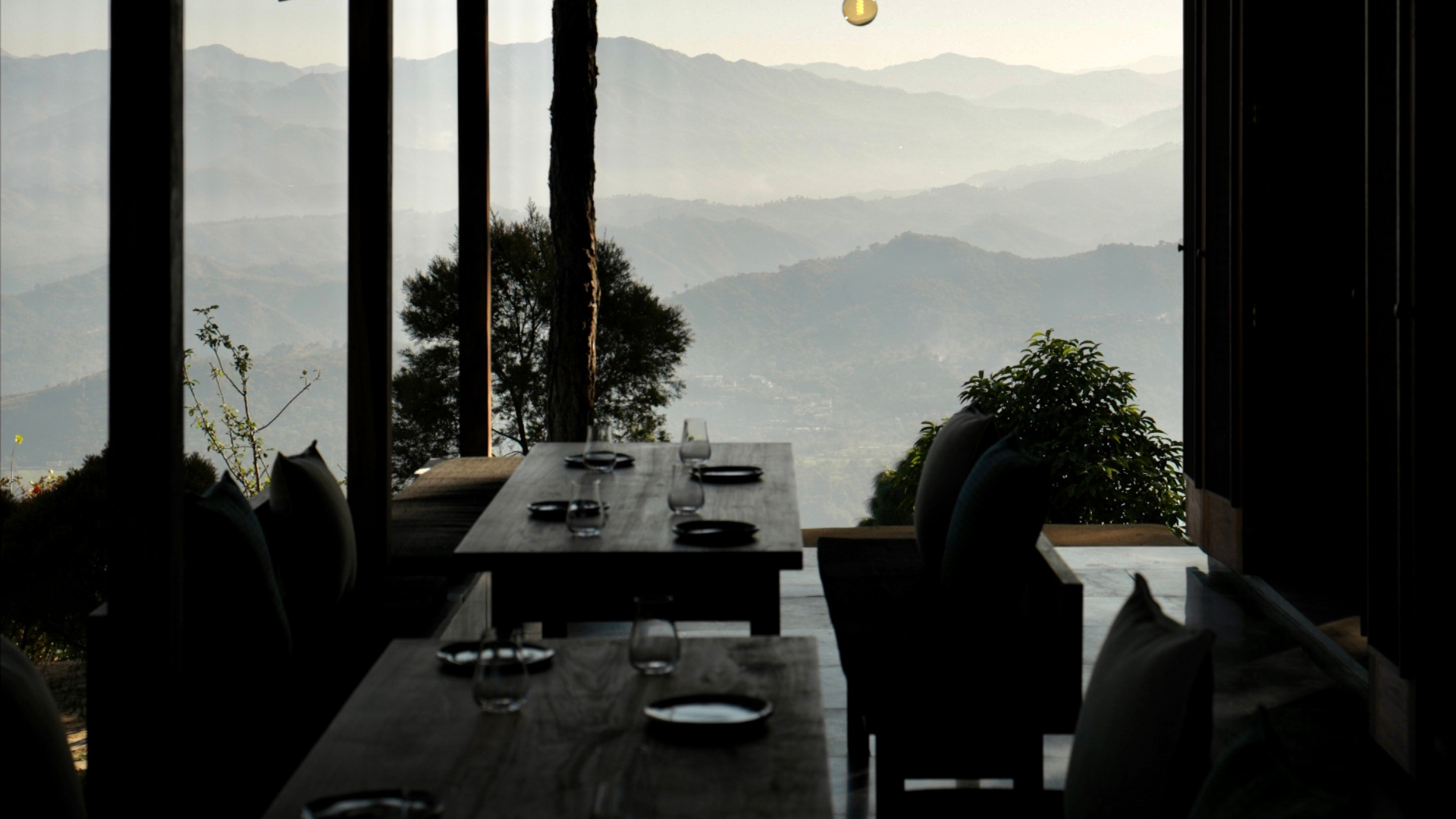
To engage meaningfully with the new breed of consumers, The Leela has collaborated with Chef Prateek Sadhu for a four-city culinary tour that highlights Himalayan cuisine. Seen here is NAAR, his restaurant set amidst Himachal's pine forest.
How hotels and restaurants are responding
“Younger consumers are looking for great experiences even in hotels,” noted Keswani at the FHRAI Conference in 2024. “One way to understand how to brand a hotel so that it appeals to a younger generation is to ask ourselves: what is timeless? Timeless is good service, hot water, good air conditioning, you know, the basic stuff. Experiences, however, can appeal to a generation for whom luxury is all about experiences”.
Shweta Jain, Chief Marketing and Sales Officer at The Leela Palaces, Hotels and Resorts, has also deciphered that today’s young and affluent travellers are seeking more than just opulence. “They are drawn to brands that embody a larger cultural perspective. Millennial travellers prioritise sustainability, wellness, and the 'local for global' ethos, which speaks to a deeper desire for authenticity and purpose-driven luxury,” she reveals.
This aspect of evolution in luxury travel, driven largely by young travellers, has also been underscored in a recent report by consulting firm McKinsey, which points to the growing demand for meaningful, culturally rich experiences that resonate with the personal values of this demographic.
And so, when this generation books a hotel, the things topmost in its mind are sustainability, wellness, and personalised experiences. They readily loosen their purse strings if these criteria are met.
Pradeep Shetty, President, Federation of Hotel and Restaurant Associations of India (FHRAI), has discovered that Millennials are big on sustainability and get drawn to hotels mindful of replacing plastic straws with ones made from sustainable material, no bathtubs, and other such environmentally friendly initiatives.
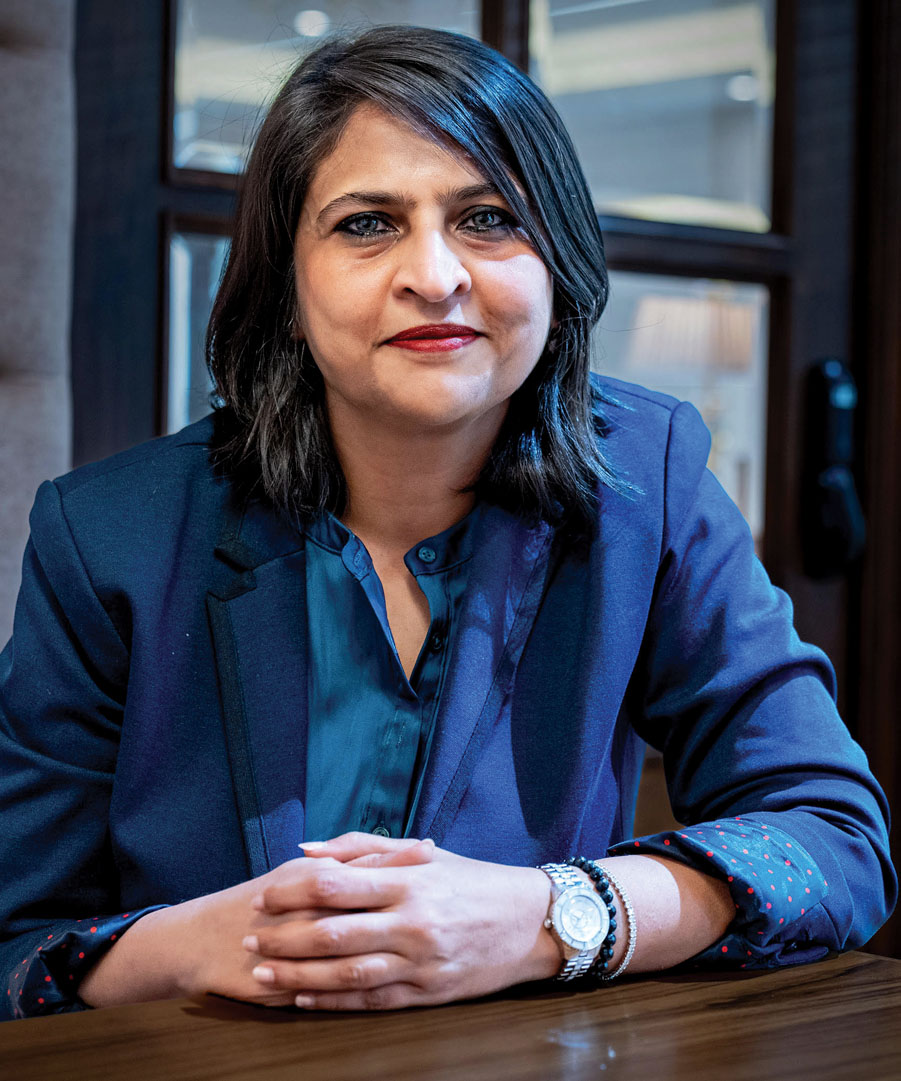
Shweta Jain,
Chief Marketing and Sales Officer, The Leela Palaces, Hotels and Resorts.
Millennial travellers prioritise sustainability, wellness, and the 'local for global' ethos, and are drawn to brands that embody a larger cultural perspective.
Shweta Jain
Chief Marketing and Sales Officer, The Leela Palaces, Hotels and Resorts
How hotels and restaurants are responding
Ajay K Bakaya, Managing Director, Sarovar Hotels and Director, Louvre Hotels India, reveals that the younger generation is increasingly opting for branded hotels because of the quality and standards they offer, or staying in independent hotels with the same exacting standards. “Many passionate hoteliers are running independent hotels, and running them as well, and in some cases, even better, than branded hotels. The younger travellers and younger generations have travelled the world, they are people who have the vision, have seen the world, and have expectations that hoteliers need to fulfil,” he said during the FHRAI conference last year.
Hotels are referencing this trend and implementing policies that appeal to the young. Jain says that The Leela has strategically curated its offerings to appeal to this “new wave of young luxury travellers. We recently launched Arq by The Leela which sheds the notions of traditional luxury. Every experience is refined, elevated and tailored to offer the purest essence of immersive indulgence. Arq by The Leela becomes an intimate yet expansive symphony of experiences”.
To engage more meaningfully with this emerging breed of consumers, the luxury hotel is working on experiential dining and storytelling. For this, it has collaborated with Chef Prateek Sadhu of NAAR—a destination dining experience amid a pine forest in Himachal Pradesh—for a four-city culinary tour that highlights Himalayan cuisine. “This initiative not only preserves and celebrates local legacies but also connects with a global audience, aligning perfectly with the cultural affinities of our younger guests,” she shares.
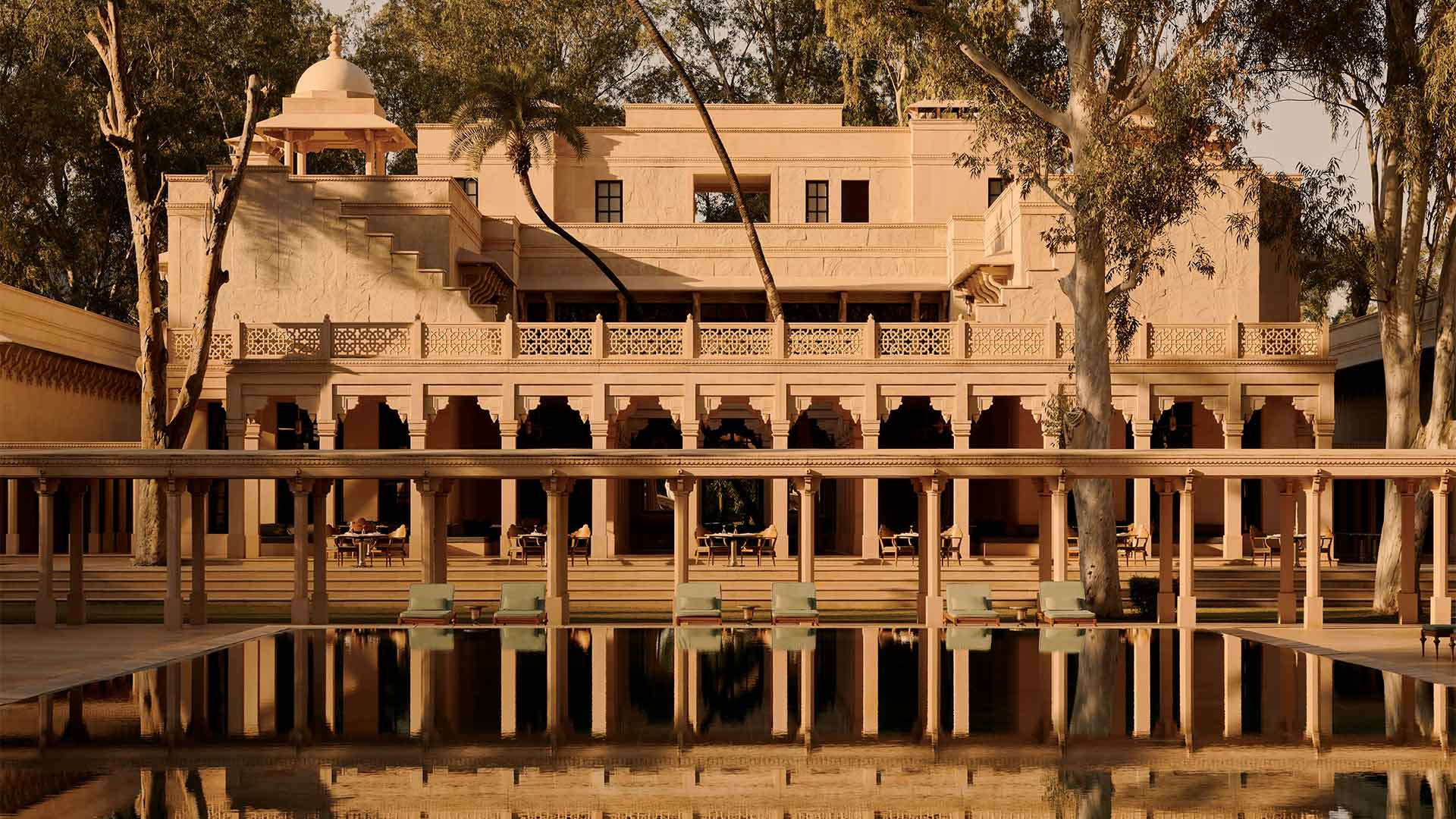
Evolve Back Resorts in Coorg, Hampi and Kabini offer curated experiences such as coracle rides, plantation tours, and cultural performances that immerse guests in the local environment. The RAAS Hotels at Jodhpur, Udaipur and Devigarh combine heritage architecture with activities like heritage walks, village safaris, and artisanal workshops.
Tech-enabled convenience is another top draw for Millennials. IHCL’s Qmin App, for instance, allows them to seamlessly order food. OYO Rooms leverages technology for instant bookings, digital check-ins, and personalised stay experiences, catering to the budget-conscious among the demographic.
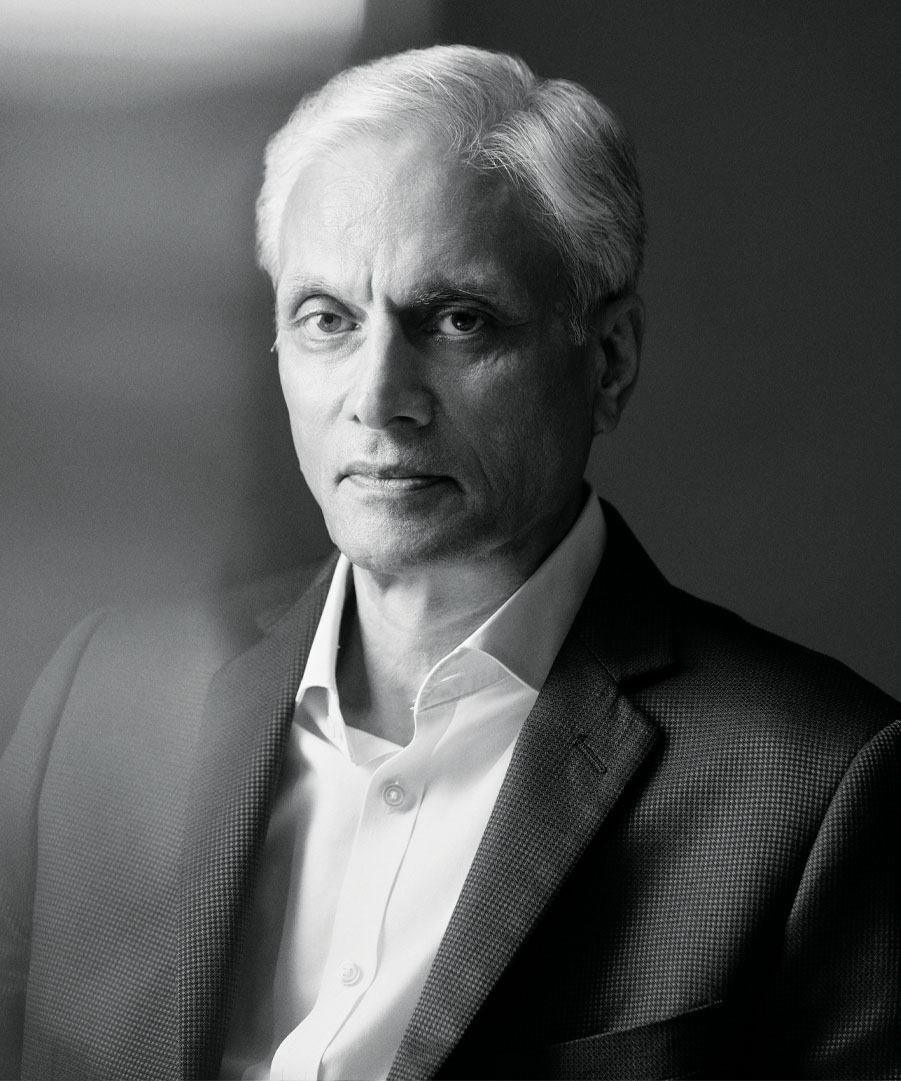
Ajay K Bakaya, Managing Director, Sarovar Hotels and Director, Louvre Hotels India.
The younger travellers and younger generations who have travelled the world, they are people who have the vision, have seen the world, and have expectations that hoteliers need to fulfill.
Ajay K Bakaya
Managing Director, Sarovar Hotels & Resorts and Director, Louvre Hotels India
Millennials As Consumers
- Millennials constitute 27% of the global population, and 34% of the Indian population.
- Close to 60% of those who book accommodations through Airbnb are Millennials.
- Approximately 70% of Indian travellers prefer nearby destinations, indicating a tendency towards regional travel.
- Indian Millennials allocate a substantial portion of their income to travel, with an average annual expenditure of $6,031 (approximately ₹5.04 lakh). This accounts for 34% of their yearly spending, surpassing other generations.
- Thailand has become a favoured destination among Indian tourists, with 1.6 million Indian visitors recorded in 2023.
- Over 70% of Indian Millennials actively seek eco-friendly travel options, reflecting a strong inclination towards sustainable tourism.
- A significant 86% of Indian Millennials prioritise immersive experiences and cultural engagement over material possessions when travelling.
- The number of Indian tourists visiting the U.S. has seen a notable increase, with nearly 1.9 million Indians visiting in the first ten months of 2024, marking a rise of almost 48% from 2019.
- Approximately 80% of urban Indian Millennials plan to travel during the festive season (September to December), indicating a strong inclination towards holiday travel during these months.
- Around 82% of Indian Millennials prefer to relax while on vacation, highlighting a tendency towards leisure-focused travel experiences.
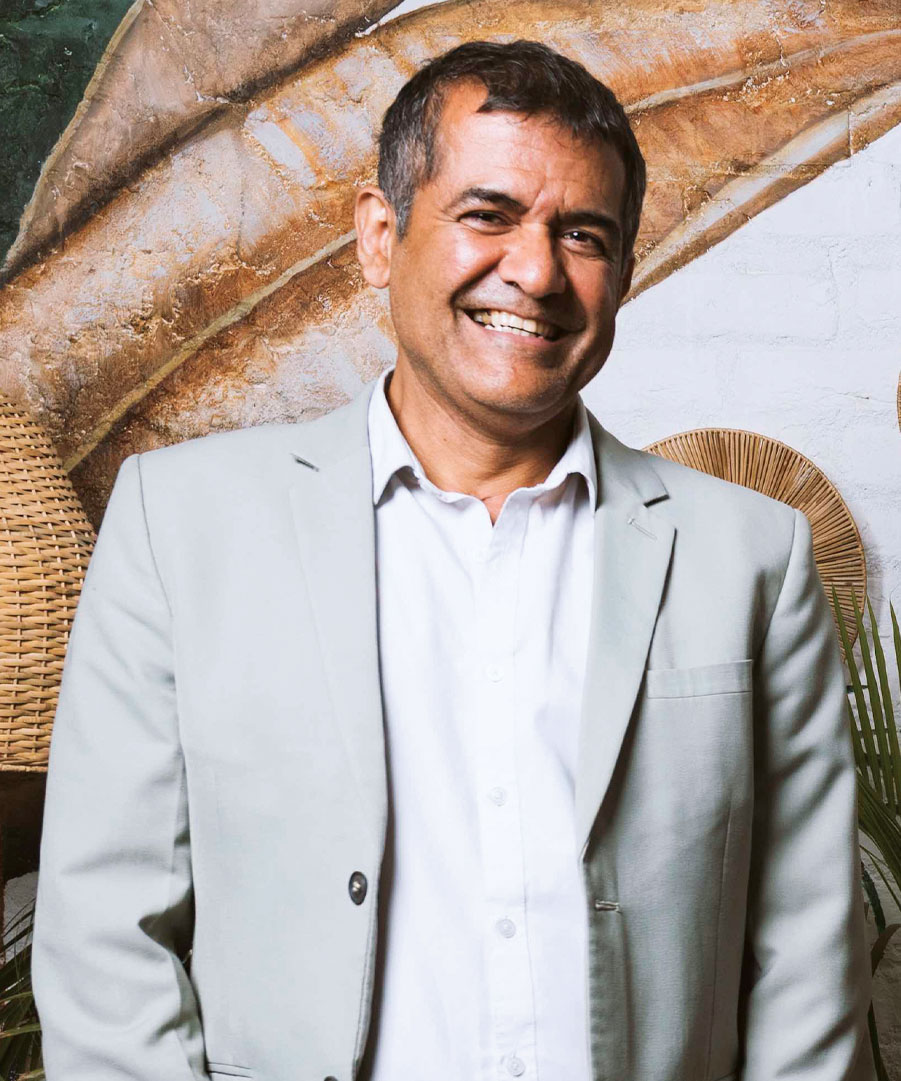
AD Singh, Restaurateur & MD, Olive Group of Restaurants.
Millennials do not want to eat where their parents did; they're not interested in the same brands, restaurants, or experiences. To survive, we need to adapt.
AD Singh
Restaurateur & MD, Olive Group of Restaurants
Even restaurants aren’t far behind
AD Singh’s playbook for surviving the metamorphosing dining scene includes enlisting younger people on his team to bring in a fresh perspective, and customise products and services to Millennial preferences and aspirations. “This generational shift is a major trend. We must all focus on understanding and embracing it to thrive in this evolving landscape,” he says. Singh and his team have put a strategy in place, and here's what they're doing:
Engage the youth: Include young people in your teams. They bring fresh perspectives and understand their generation's preferences. They do things differently.
Targeted marketing: Speak their language. Reimagine your menus and marketing materials to resonate with a younger audience. For example, use current slang and trends to make your offerings more appealing.
New products: Develop products and services specifically designed for younger demographics, catering to their unique sensibilities and desires.
Iconic brands which have been several decades in the business are also responding to this evolving landscape brought on by a behavioural shift. Namit Gulati, director of 65-year-old Gulati Restaurant in New Delhi, is adapting to a Millennial-dominated market by increasing his dining outlet’s online and social media presence, digitising menus and service offerings, and introducing an element of surprise—in terms of taste and presentation—each time a guest visits his restaurant.
Based on his understanding of younger customers, Gulati is offering customisation of orders with options that take into consideration allergens, and preference for vegan and gluten-free meals. In a bid to woo this class of spenders, the Delhi-based second-generation restaurateur has opened a new branch in New Delhi’s suburban area of Gurgaon. “The youth prefer modern interiors and presentation that is classy, yet sustainable. This is why, when we opened our Gurgaon branch, we gave it more modern interiors. For them, the place has to be Instagram-worthy."
From skyrocketing concert ticket prices to the rise of microcations and purpose-driven luxury, Millennials are redefining the experience economy. With higher disposable incomes and a penchant for sustainability and cultural immersion, they prioritise meaningful, Instagram-worthy, and authentic experiences over material possessions, pushing brands to evolve rapidly to meet their expectations.
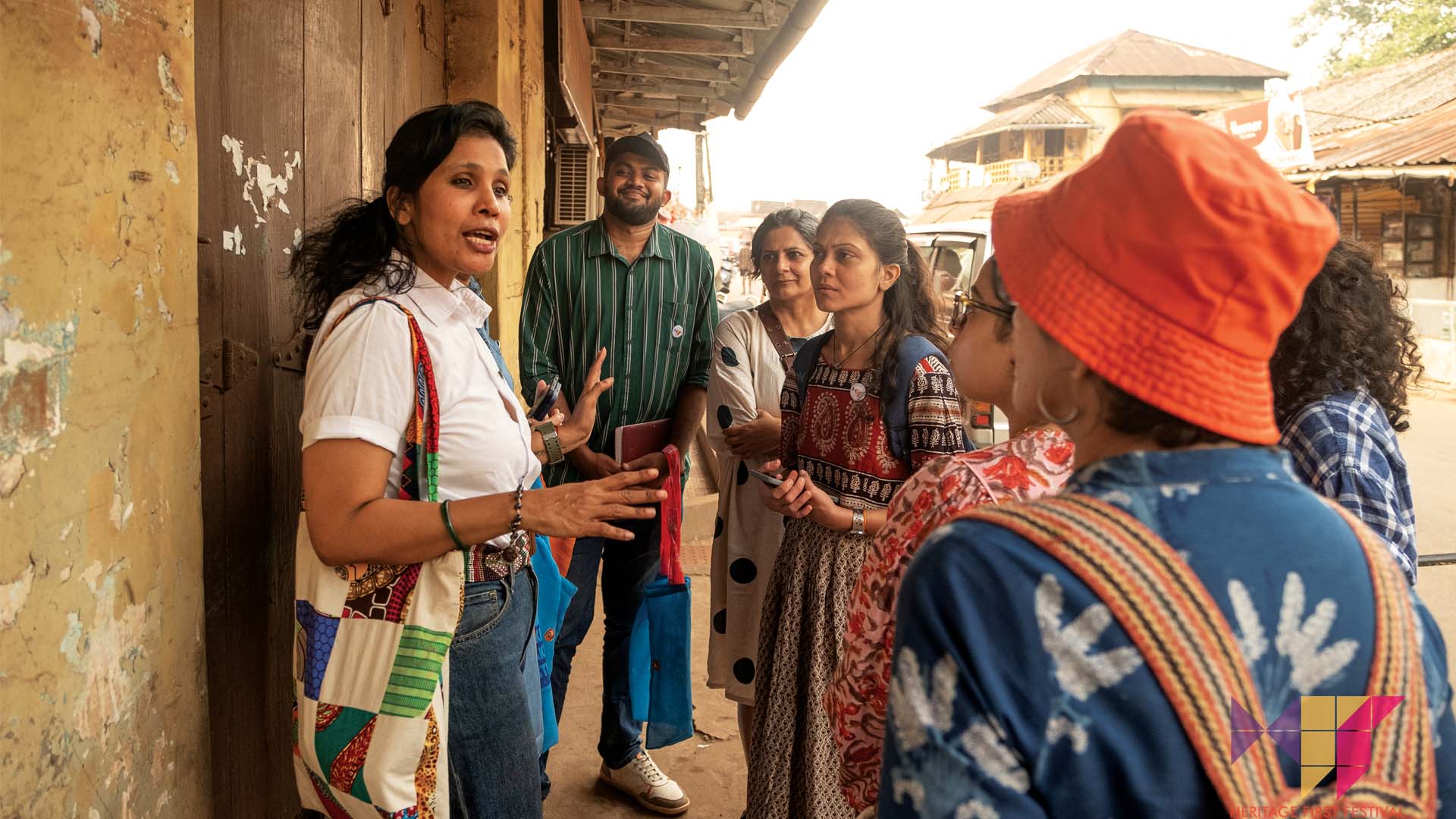
Heritage walks immerse travellers in a rich tapestry of history, culture and architecture.
The spending habit of today’s generation while travelling is more reflective of a lifestyle choice than just consumption.
Pankaj BalAchandran
Founder, Countertop, and co-owner, Boilermaker
Among the experiences that millennials look for are:
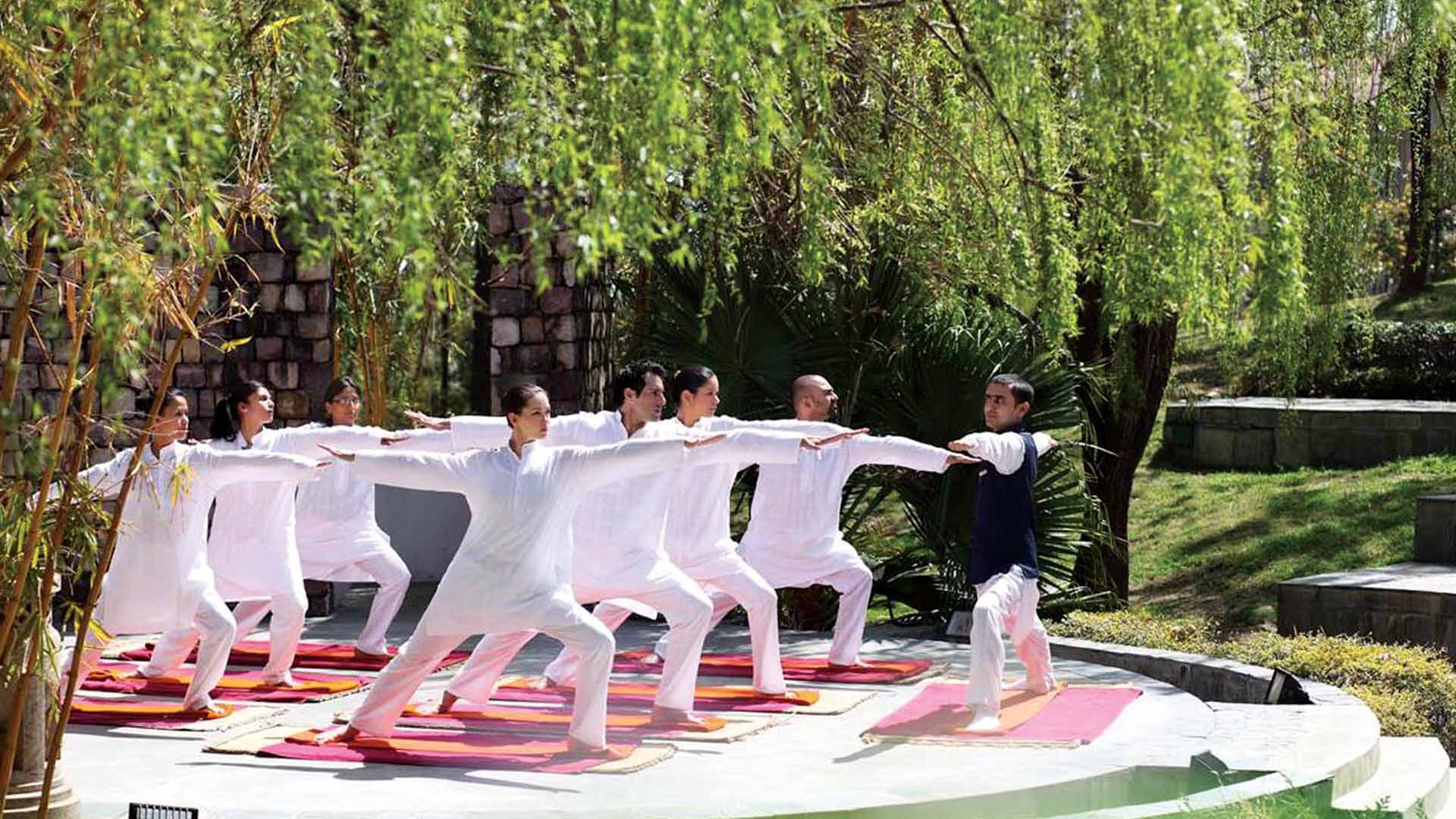
Wellness and self-care: Ananda in the Himalayas offers wellness retreats focusing on yoga, Ayurveda, and detox programs, perfect for millennials seeking holistic rejuvenation. Hilton Shillim Estate Retreat and Spa in Pune specialises in wellness-focused stays with spa therapies, meditation sessions, and sustainable dining options.
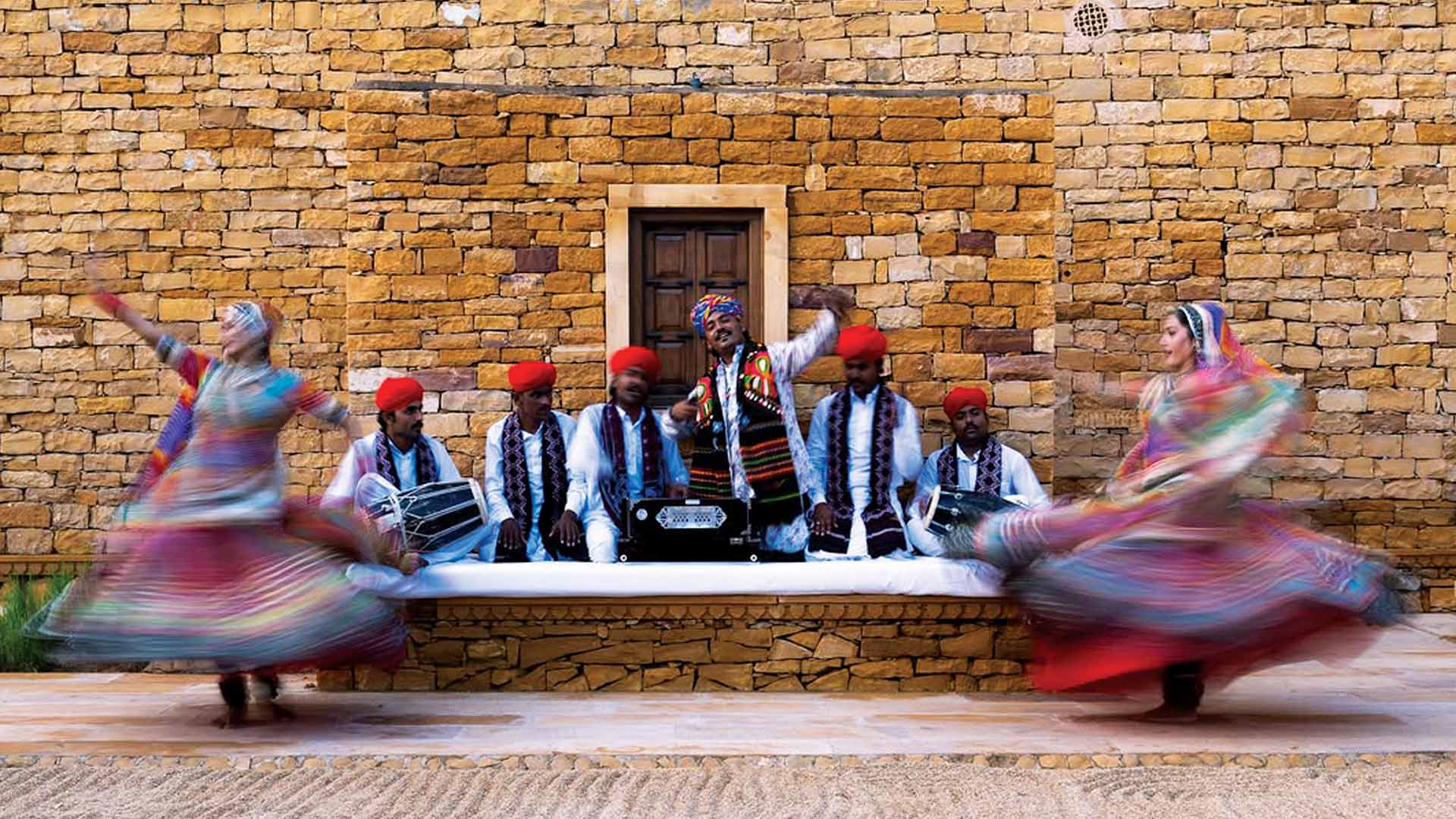
Community engagement: Suryagarh Jaisalmer partners with local musicians and dancers to bring alive the spirit of Rajasthan through in-house cultural performances and festivals. Neemrana Hotels revives heritage properties and integrates local experiences like camel safaris and traditional folk entertainment.
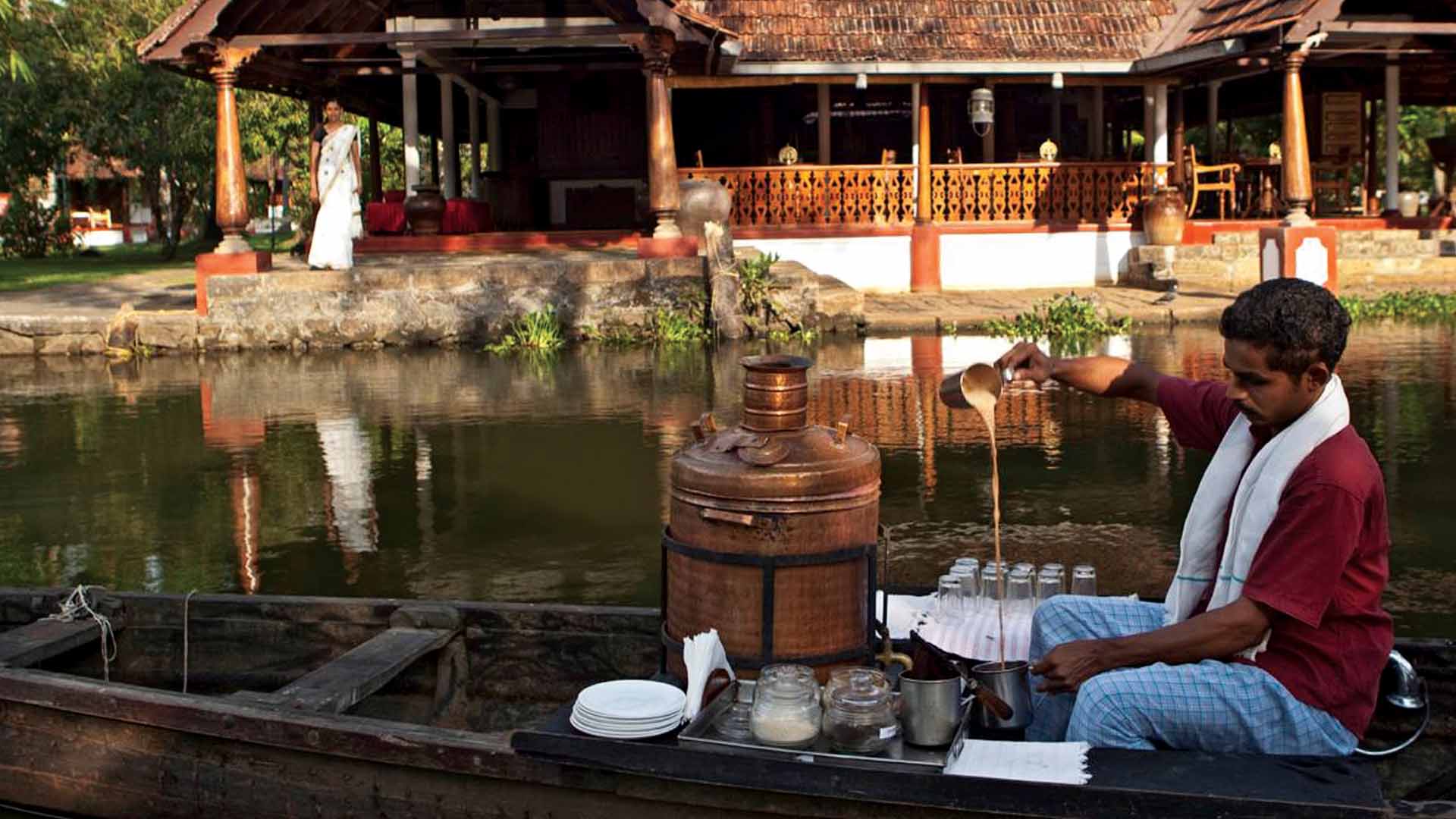
Sustainability is a major deciding factor: CGH Earth in Kerala implements sustainable practices such as solar energy, rainwater harvesting, and eco-friendly architecture, paired with authentic local experiences like culinary lessons and spice tours. ITC Hotels promotes sustainability with its ‘Responsible Luxury’ program, which includes water conservation, green building standards, and zero single-use plastics.
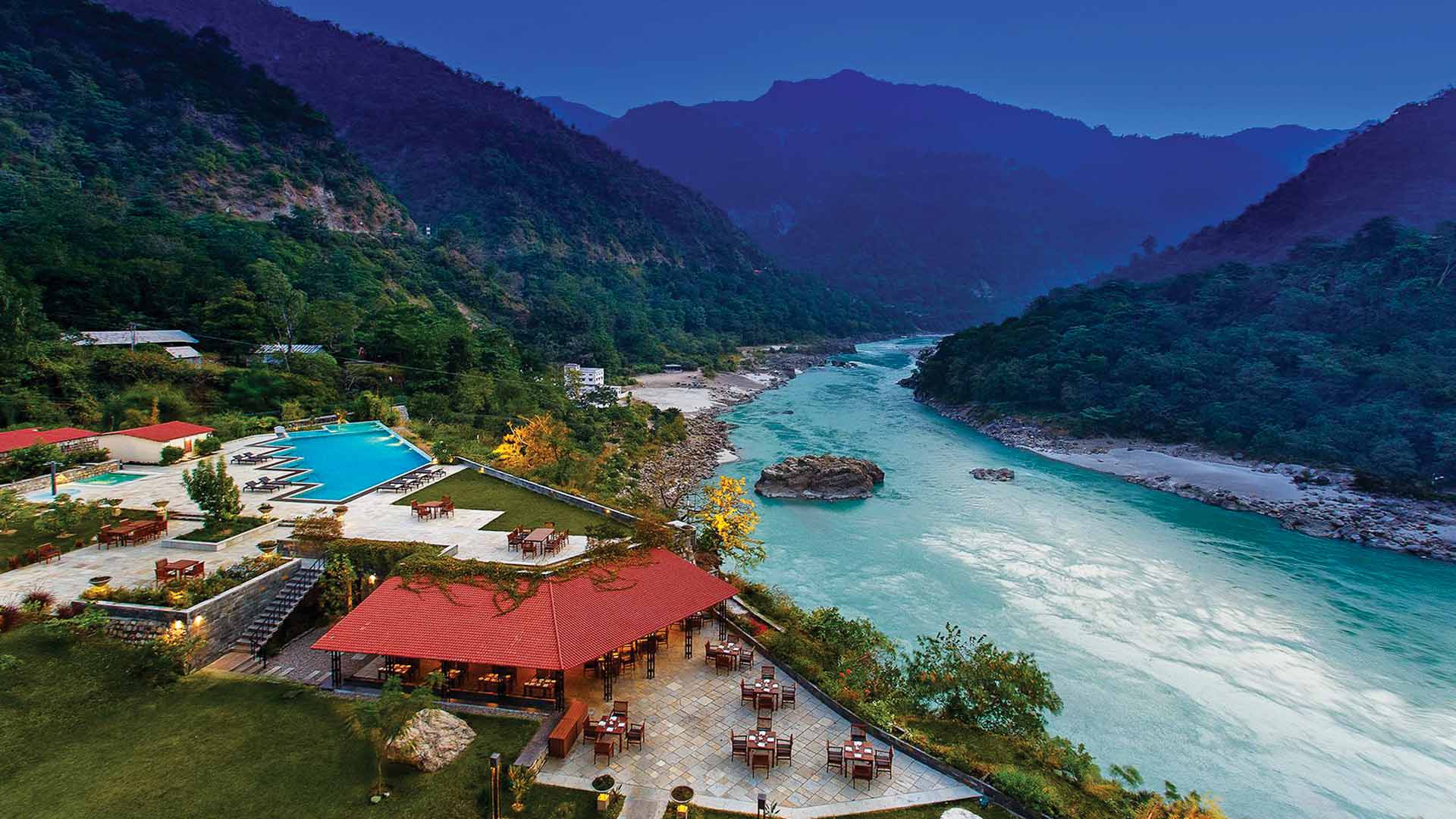
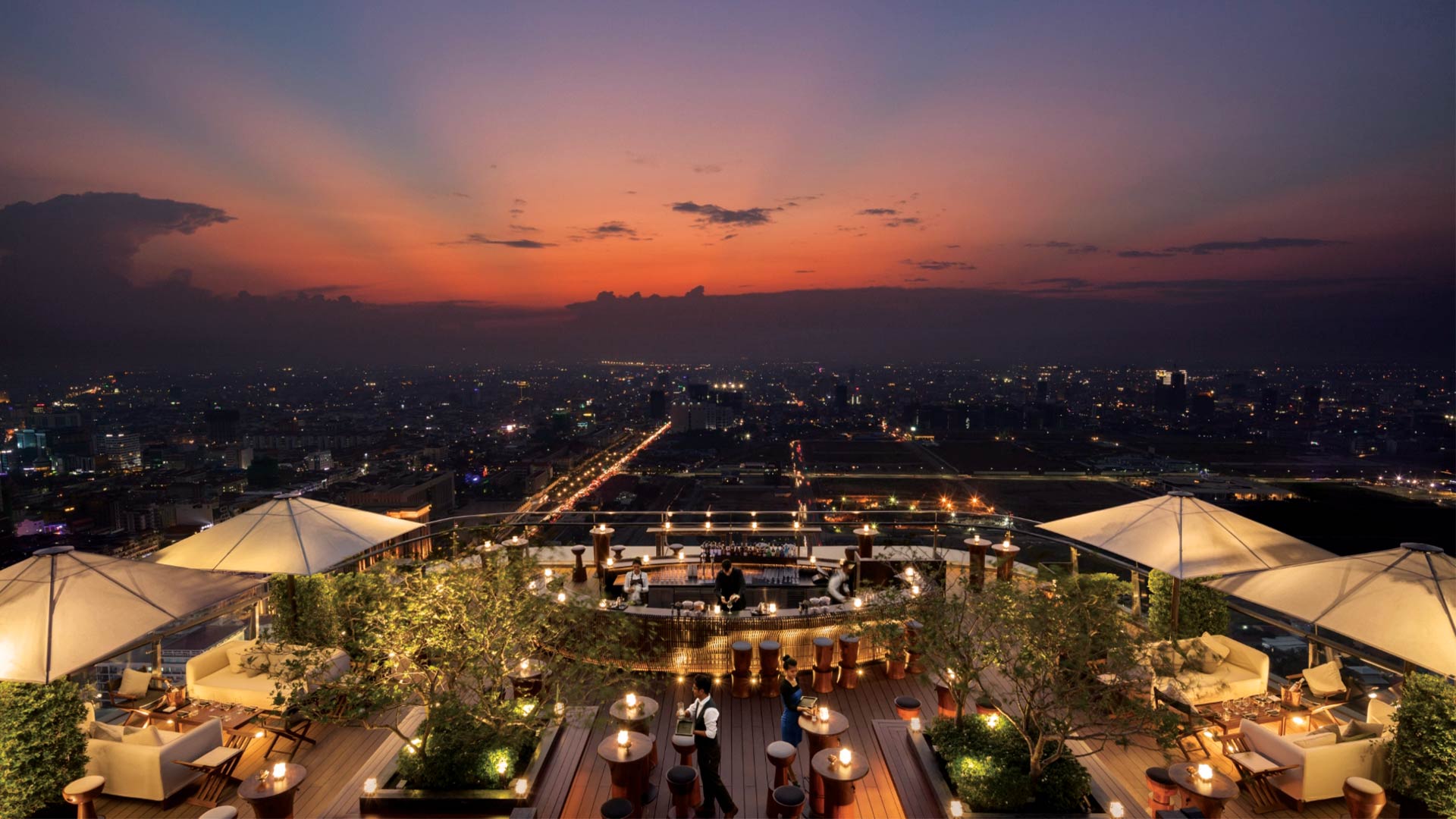
Instagram-worthy spaces are also high on the millennial agenda: The Roseate (Delhi and Rishikesh), known for its striking architecture, infinity pools, and picturesque settings, attracts Instagram-loving travellers. Havelock Island Beach Resort in Andaman features stunning beach views and water activities, offering picture-perfect moments for Millennial travellers.
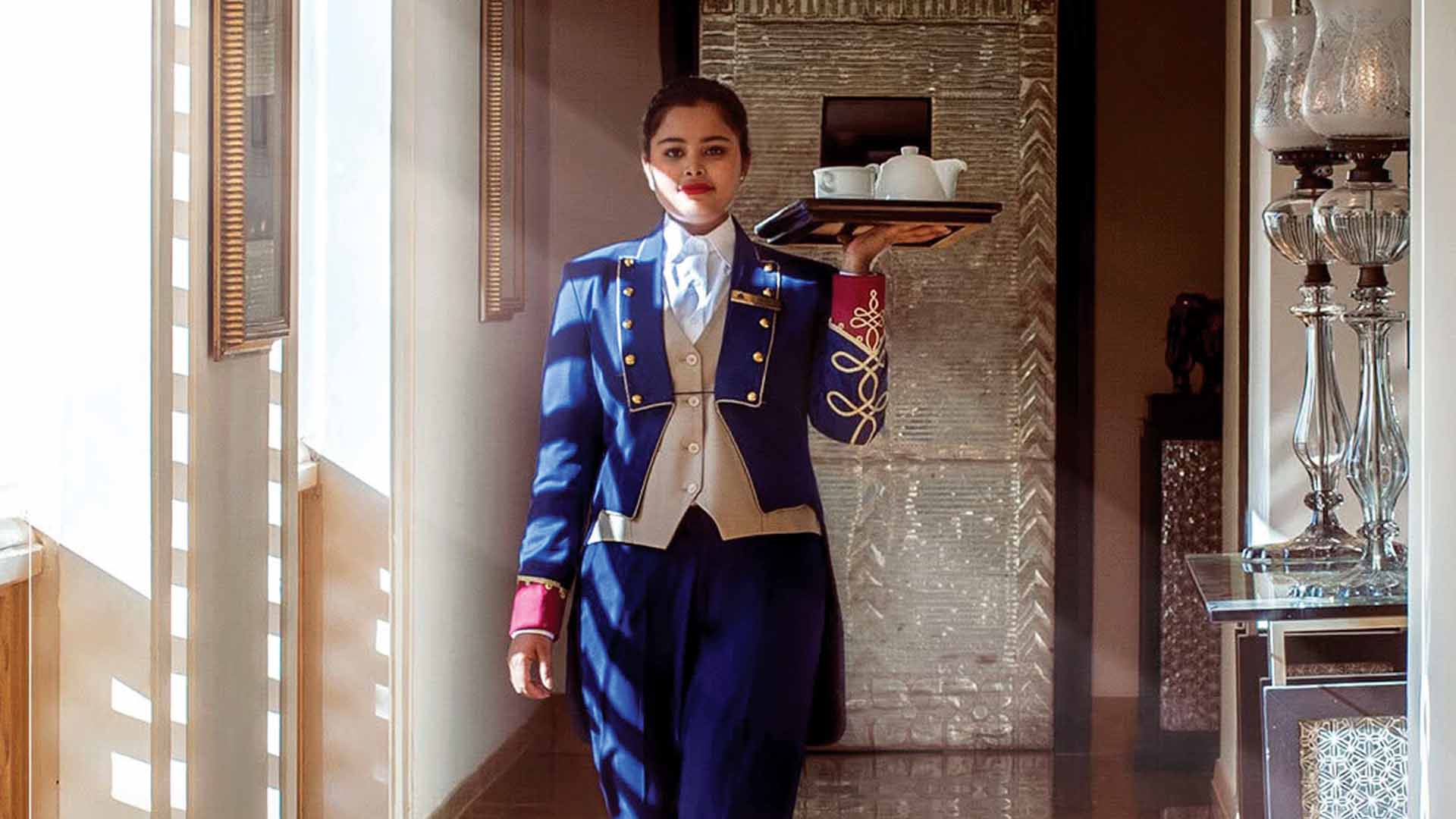
Personalisation through data: The Oberoi Group uses advanced CRM systems to remember guest preferences, such as pillow types or dining choices, creating highly personalised stays. The Leela Palaces, Hotels and Resorts has a bespoke butler service to cater to millennial luxury travellers who value attention to detail and customisation.