












Sindhudurg’s Slow Bloom
India’s quietest coastline is becoming its most compelling escape. Once a secret known only to locals and divers, Sindhudurg is now drawing boutique hotels, thoughtful luxury, and curious travellers.

By Deepali Nandwani
As the car rolls into Sindhudurg, the landscape transforms from the lush paddy fields of Goa to the hills that slide down onto a virgin sea coastline, a glistening expanse of teal giving way to azure, yielding to blue, colours you only see along the Konkan coast in the western part of India. The tree-sheltered roads lead deep into villages existing in a state of zen, homes which speak about the beauty of a culture that shares more with the sussegad lifestyle of the neighbouring villages of South Goa, rather than with adrenaline-inducing coastal areas of North Goa.
The craggy, rocky slopes rise and fall in every direction, with teal-azure pools interwoven between them, and eagles swoop down into these pools, looking for their catch of the day. On a particularly fierce monsoon day, the sea churns to the south-westerly winds that flow through these lands, which can be heard for miles. The landscape is a patina of sea, surf, hills, mango and coconut groves, homes with red Mangalore tiles and courtyards, crisscrossed by sea-hewn paths that only local guides know how to navigate, and hidden waterfalls deep within forests.
As Devendra Parulekar, Founder, SaffronStays, says, “The landscape is raw and dramatic, with untouched beaches, laterite forts rising from the sea, dense greenery, and villages that still follow traditional rhythms of life.”
If this sounds more like a poetic homage to one of Maharashtra’s rarely explored districts rather than a market story, it could perhaps be because the dramatic landscape lends itself to this kind of narrative.
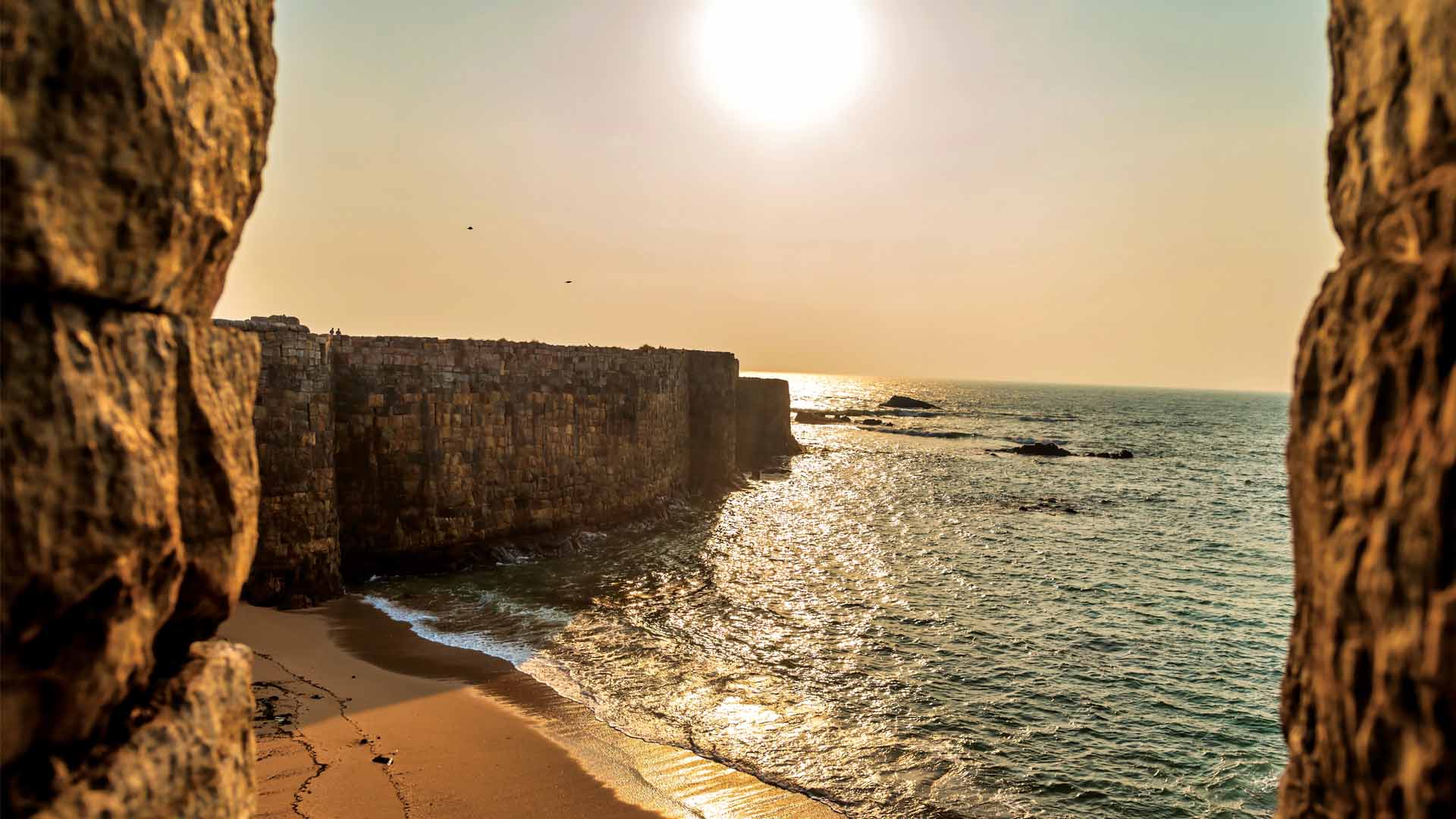
Rising directly from the Arabian Sea, Sindhudurg Fort anchors the district’s coastline—an enduring reminder of how history and geography continue to shape the region’s identity.
Rise of Coastal Tourism
Carved out of the larger Ratnagiri district in May 1981, Sindhudurg, for years, was known more to holidaymakers in neighbouring cities within Maharashtra, or those who wanted to scuba dive off its pristine coast.
By mid-1990s, tourism had already begun gaining momentum in the district, as the Maharashtra government pitched it as a greener, calmer alternative to neighbouring Goa, leveraging its unexplored terrains, unspoiled beaches, its quaint mix of history and adventure, and its eco-friendly options. A pivotal moment came on April 30, 1997, when the Government of Maharashtra (with support from central authorities) declared Sindhudurg as India's first ‘Tourism District,’ aiming to harness its natural, cultural, and historical potential for economic growth.
This designation unlocked funding for infrastructure development, including roads, accommodations, and promotional campaigns to compete with Goa's established tourism scene. By 1998, efforts intensified to brand Sindhudurg as a sustainable destination, focusing on its natural treasures, adventure activities such as snorkelling and jet skiing, and cultural richness—Ganeshotsav here is simpler and true-to-the-roots, with several locals making their way back home; the fantastic Malvan cuisine has attracted many a seafood lover; and its tropical forts and virgin forests have found mention in most articles written about Sindhudurg.
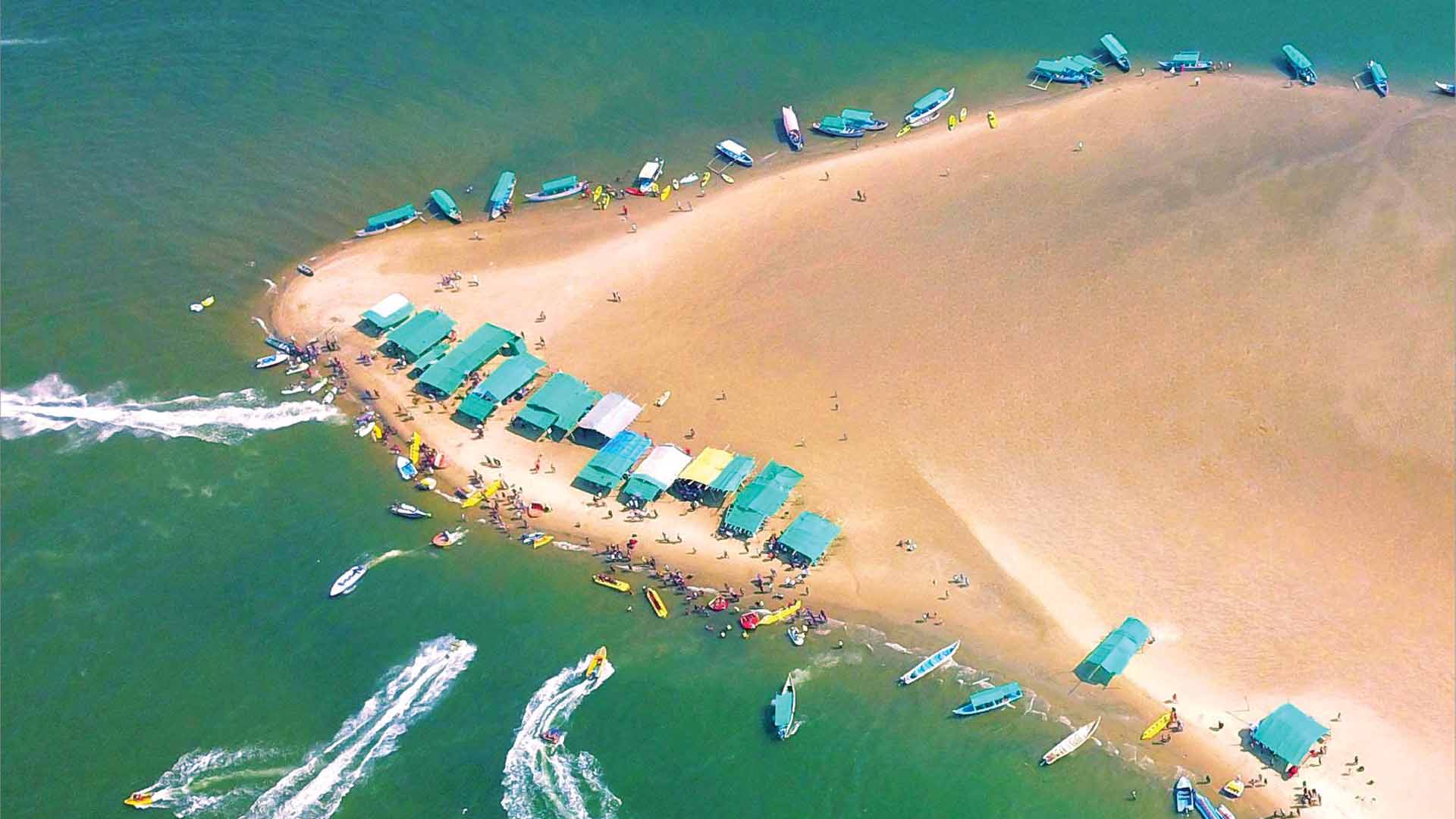
Tucked into the Karli river backwaters at Devbag, Tsunami Island offers a softer, inland rhythm.
Hoteliers come calling
And yet, it is only now that adventurous and ambitious hoteliers have begun cutting a chic swathe across the length and breadth of this coastal land. Maharashtra Tourism Minister Shambhuraj Desai, who is prioritising the development of Sindhudurg as a premier coastal tourism hub focusing on luxury, infrastructure, and job creation, says, “Initiatives taken by us include pushing for the district's first five-star Taj hotel at Shiroda-Velaghar and promoting Sindhudurg under the Swadesh Darshan 2.0 scheme for sustainable, responsible tourism. We are focusing on the coastal circuit (Sagareshwar, Tarkarli, Vijaydurg).” Maharashtra is also setting up India’s first submarine tourism project.
IHCL has secured about 138 acres of land in Shiroda under a long-term lease from the Government of Maharashtra to develop a world-class luxury beach resort. Spread across the acreage, the resort will host 46 villas and 150 rooms, conference and event facilities, as well as a Jiva Spa Wellness Centre.
But much before IHCL had even drawn up its plans, there was another hotel that changed the way Indians experienced Sindhudurg. Coco Shambhala (a place of peace) is a boutique hotel in Parule Village, Bhogwe, with a series of luxury villas that overlook the most beautiful bay along a secluded beach stretch. From each part of the villas the sea looks cerulean blue, almost making you believe you are in Thailand or even Greece—except this is Sindhudurg.
Coco Shambhala was once in Goa, till its founder-director Giles Knapton shut that and moved the resort, lock, stock and barrel, to Sindhudurg. His first visit left a strong impression. “The untouched beaches, cashew orchards, and the warmth of its people reminded me of Goa in its earliest days, before it became synonymous with mass tourism. I wanted to create something that celebrated this authenticity while giving back to the community. The biggest challenge has been awareness—many people didn’t even know Sindhudurg existed as a destination. Building that narrative, while ensuring we protect its soul through sustainable practices, has been both a challenge and a responsibility.”
The micro-boutique resort has four uniquely named villas, each with its own meaning. Every two-bedroom villa is designed to open to nature, with floor-to-ceiling glass partitions that slide away to reveal a private swimming pool and interrupted views of the vast ocean beyond. The villas, with their wooden slat doors, Mangalore tile roofs, and open layouts, sit in complete harmony with the local landscape and cultural milieu to offer discerning travellers a space of seclusion and peace.
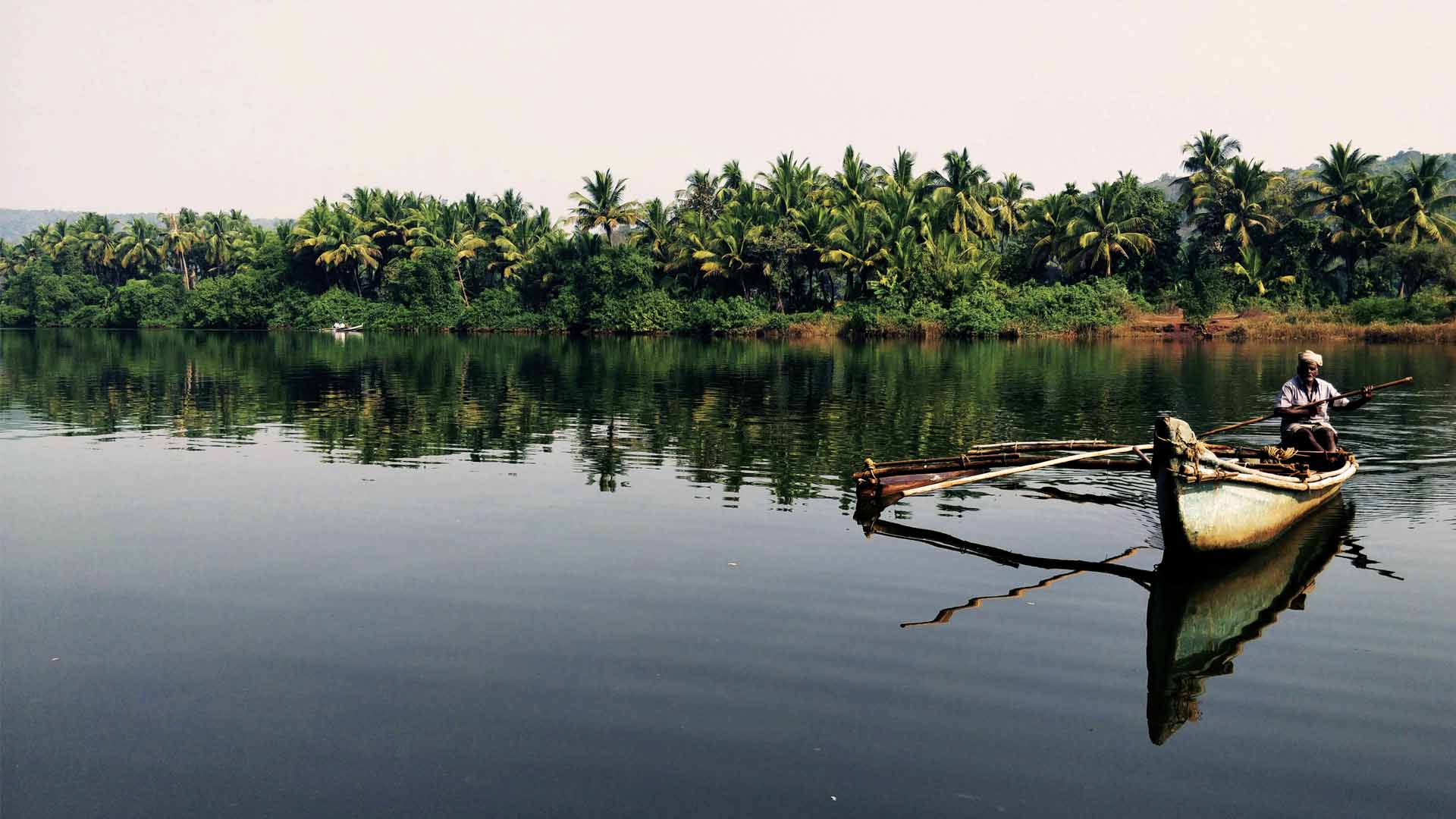
Sindhudurg’s inland waters reveal a slower counterpoint to the sea—backwaters edged by coconut groves and small settlements.
Suhas Malewadkar, a key member of the management team, says, “We have guests who have stayed with us for months, and then come back and stayed almost an entire year. They become like family members. We spend evenings in conversations and watching movies. It is that kind of travel, the slow, soulful kind we encourage.” Somewhat of an F&B whiz, Malewadkar gets in touch with guests to understand their food habits and meal preferences, and then customises food—much of it local cuisine, but also global cuisine—cooked in the resort kitchen by local women and served in various courses in the villas.
Experiences are the lifeblood of hotels like Coco Shambhala in destinations such as Sindhudurg. Malewadkar and his team accompany you everywhere: to a local lady’s house for a gorgeous meal that could include ajwain bhajiyas and modak during Ganeshotsav; for a trek to a secret waterfall hidden within a forest; to a local artisan’s home who sculpts beautiful Lord Ganesh statues using shadu mitti, the most eco-friendly way to shape the lord; on village walks and strolls along the wind-swept promenade of Bhogwe beach, where you can stop to examine the catch brought in by local fishermen or someone simply looking to catch a few fish for dinner; or further up to Tarkali for a backwater boat ride, dolphin tours, snorkelling, and trips to Malvan. Within the villas are pottery classes by a local potter, puppetry shows, and learning how to cook from the lovely ladies.
At Coco Shambhala, if you like, you won’t meet another guest—not even at the spa, because every massage is by appointment. There is no restaurant. Instead, customised meals are served as per guest preference in the villa. The villa resort is built with the community at its heart. “Our entire team comes from nearby villages—we’ve invested in training, skill-building, and long-term career growth. Over the years, our chefs have not only mastered global cuisines but also reintroduced guests to elevated versions of Malvani classics. We also actively work with artisans, whether it’s Chitrakathi art, traditional pottery, or local music and storytelling. It’s not just about creating jobs; it’s about building pride and a cultural bridge between our guests and the local community,” says Knapton.
Other hotels have also found their footing in this coastal paradise.
Sarovar Hotels opened Highland Sarovar Portico in Sindhudurg, Maharashtra, in February 2025, in partnership with Highland Constructions. Strategically located 12kms. from Chipi Airport and a two-hour-drive from Goa Airport, the hotel features 50 rooms, including deluxe ones with balconies overhanging the Konkan coast. Akshay Thusoo, Sr. VP – Commercial, Sarovar Hotels says, “Sindhudurg appealed to us as an emerging leisure destination that is still relatively underexplored. Its natural landscape and gradual improvement in connectivity indicated long-term potential rather than immediate scale.”
Sindhudurg primarily attracts urban families, young couples, large groups, solo travellers, and experiential tourists looking for tranquility, beaches, and authentic local culture, he says. “Unlike travellers to established markets who often seek structured itineraries and extensive entertainment options, guests in Sindhudurg expect immersive, nature-led, and relaxed experiences. They value well-designed stays, curated activities, and genuine local interactions over mass tourism. Sustainability, privacy, and personalised service also matter more in these emerging markets, as guests view the destination as an escape rather than a conventional holiday spot.”
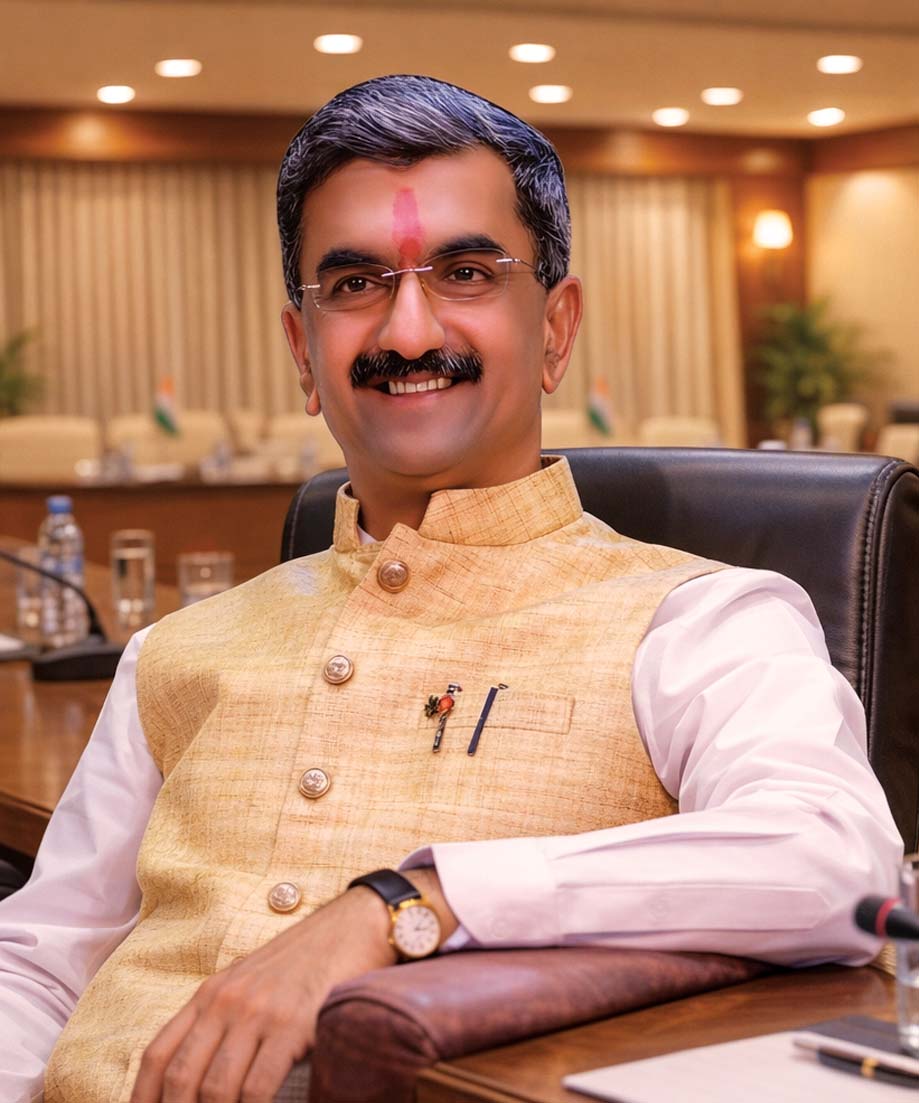
Shambhuraj Desai, Minister of Tourism, Mining, Ex-Servicemen Welfare Department, Maharashtra State.
The initiatives we have taken include promoting Sindhudurg under the Swadesh Darshan 2.0 scheme for sustainable, responsible tourism. We are focusing on the coastal circuit (Sagareshwar, Tarkarli, Vijaydurg).
Shambhuraj Desai
Minister of Tourism, Mining, Ex-Servicemen Welfare Department, Maharashtra State

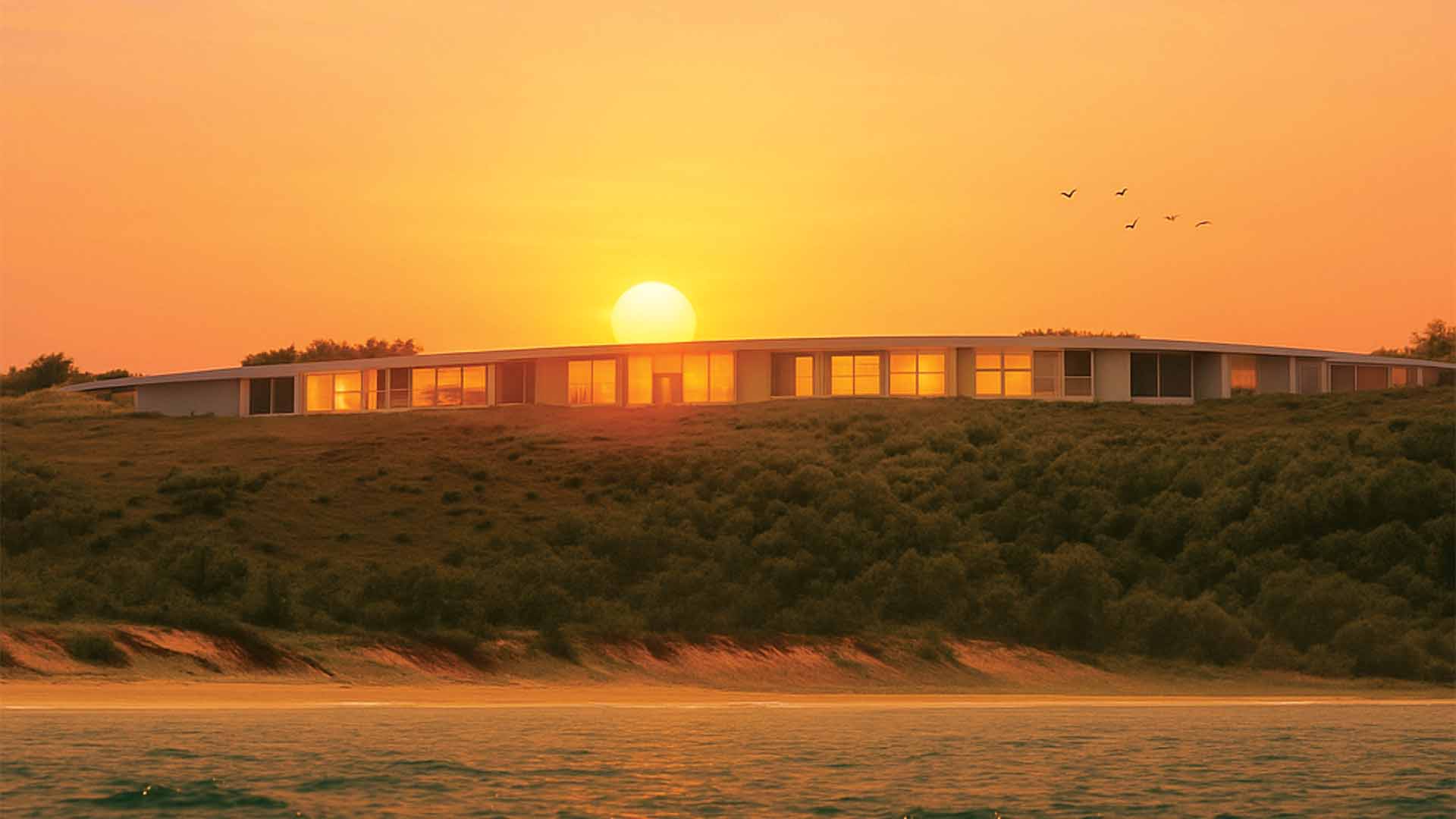
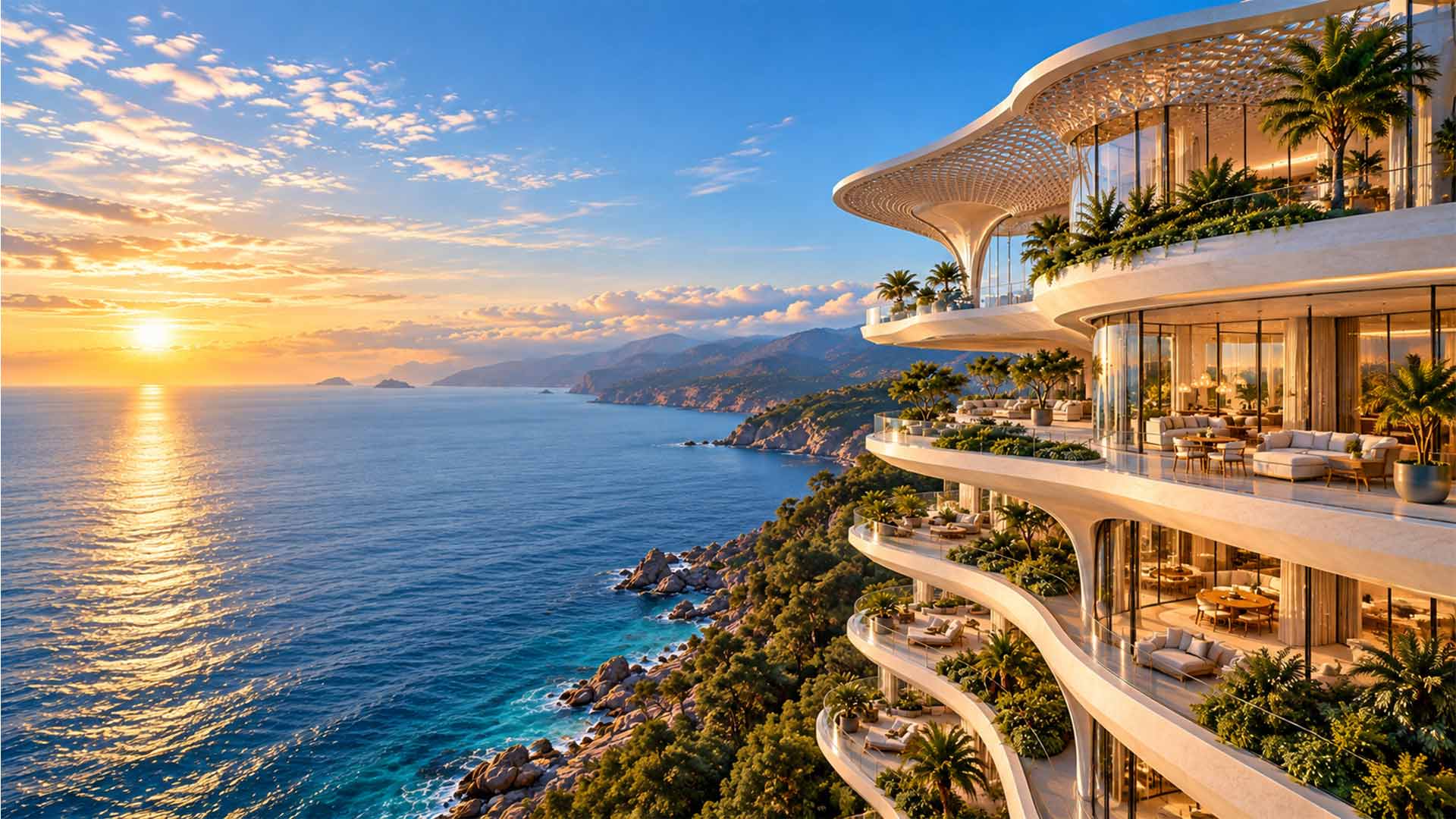
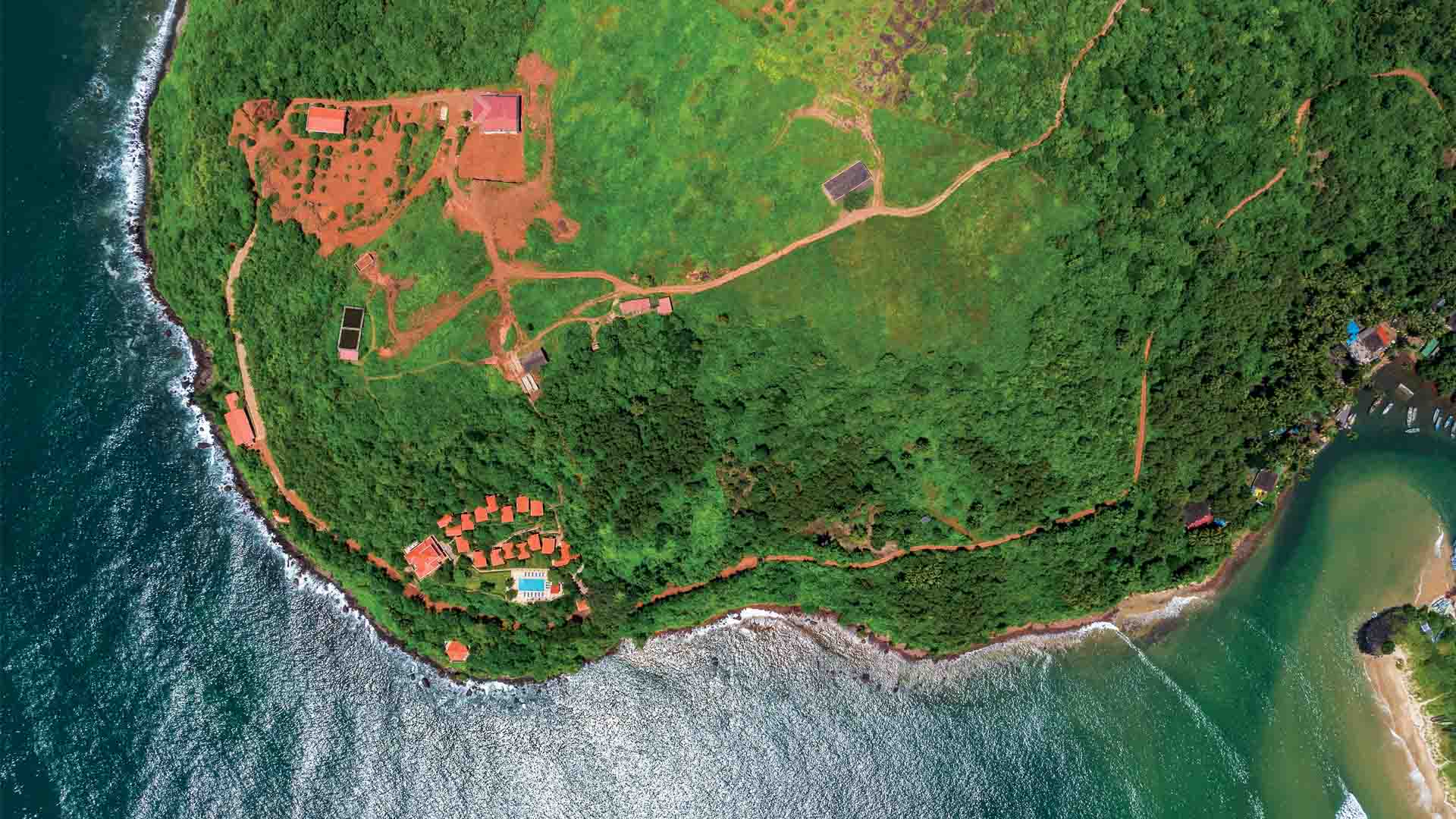
Araqila, Sindhudurg, by SaffronStays, ‘a modern-day coastal fortress’ hotel (as they define it) opened right after, in July 2025. The retreat sits on the edge of one of the many cliffs that lead down to the coast, and marks the brand’s foray into the boutique luxury space. With 25 sea-facing suites set across 55 acres, Araqila draws architectural and culture cues from Konkan’s historical forts, with winding walkways, an open-air amphitheatre, breathtaking sea views, and minimal intervention into the surroundings.
Parulekar of SaffronStays says, “Over the past few years, the Konkan belt has quietly come into its own, and Sindhudurg sits right at the heart of that shift. For a long time, this coast was known mainly to locals and those willing to take the long road journey. Today, travellers are rediscovering it for exactly what it is. Sindhudurg offers a very different coastal experience from the more commercialised beach destinations. What truly sets the region apart is its strong cultural identity, from Malvani food rich with coconut, kokum, and fresh seafood, to local temples, festivals, and crafts that are still part of everyday life rather than tourist showcases.”
He contends their presence in Sindhudurg is rooted in respect for its identity, from its coastline and forts to its food traditions and community life. “The intent has always been to create stays that feel honest and connected to the land, rather than driven by trends or excess. Our approach is deeply rooted in the local community of Arawali, where the people, traditions, and stories are integral to the experience. Guests are introduced to traditions such as the Dashavatar cultural performances, temple visits, and regional sightseeing. These are not scripted experiences, but ones shared with lived knowledge, context, and pride.”
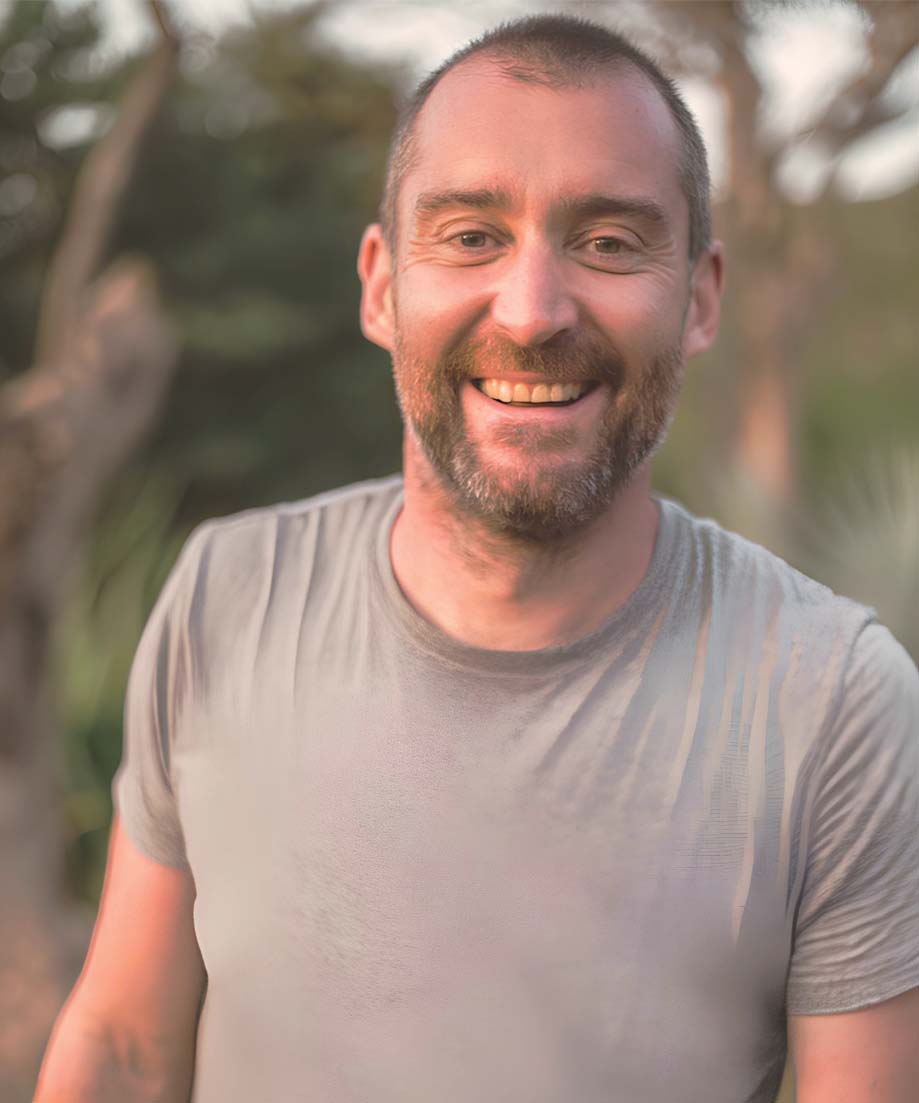
Giles Knapton, Founder/Director, Coco Shambhala.
What makes Sindhudurg stand apart is that it still feels raw and unspoilt. The kind of traveller who comes here is not looking for crowded parties—they’re looking for slow, mindful living, but without compromising on comfort or luxury.
Giles Knapton
Founder/Director, Coco Shambhala
So, who travels to Sindhudurg?
- The luxury traveller, for sure. As Giles Knapton, Founder/Director, Coco Shambhala says, “We see guests who are very intentional about their journeys. They want privacy, sustainability, and authentic engagement with the community. Unlike traditional markets where convenience often drives choices, here the draw is depth—learning pottery with a village artisan, foraging for seafood with fishermen, or watching a Chitrakathi performance. These travellers want a story to take back, not just a holiday snapshot.”
- The destination also attracts those travelling for leisure and VFR (visiting friends and relatives). “Business travellers and students are on the rise. We are confident that with time, traveller interest will see an upswing,” says Manoj Chacko, MD and CEO, FLY91. “We are taking measures to place the Sindhudurg airport in the public eye too. For example, we have been a catalyst in the airport, starting a daily complimentary coach service from the Sindhudurg Airport to Panaji to ease last-mile access for passengers connecting to popular destinations such as Goa, which is a short drive from, in collaboration with the Sindhudurg Airport authorities.”
- Privacy and authenticity are at top of the traveller’s list. “Increasingly, the destination is attracting guests planning intimate weddings, celebrations, and corporate off-sites. They are drawn to settings that allow them to slow down and spend meaningful time together,” says Devendra Parulekar, Founder, SaffronStays. “Their expectations are not centred on nightlife or packed itineraries. They look for comfort, warm hospitality, local flavours, and experiences rooted in the destination.”
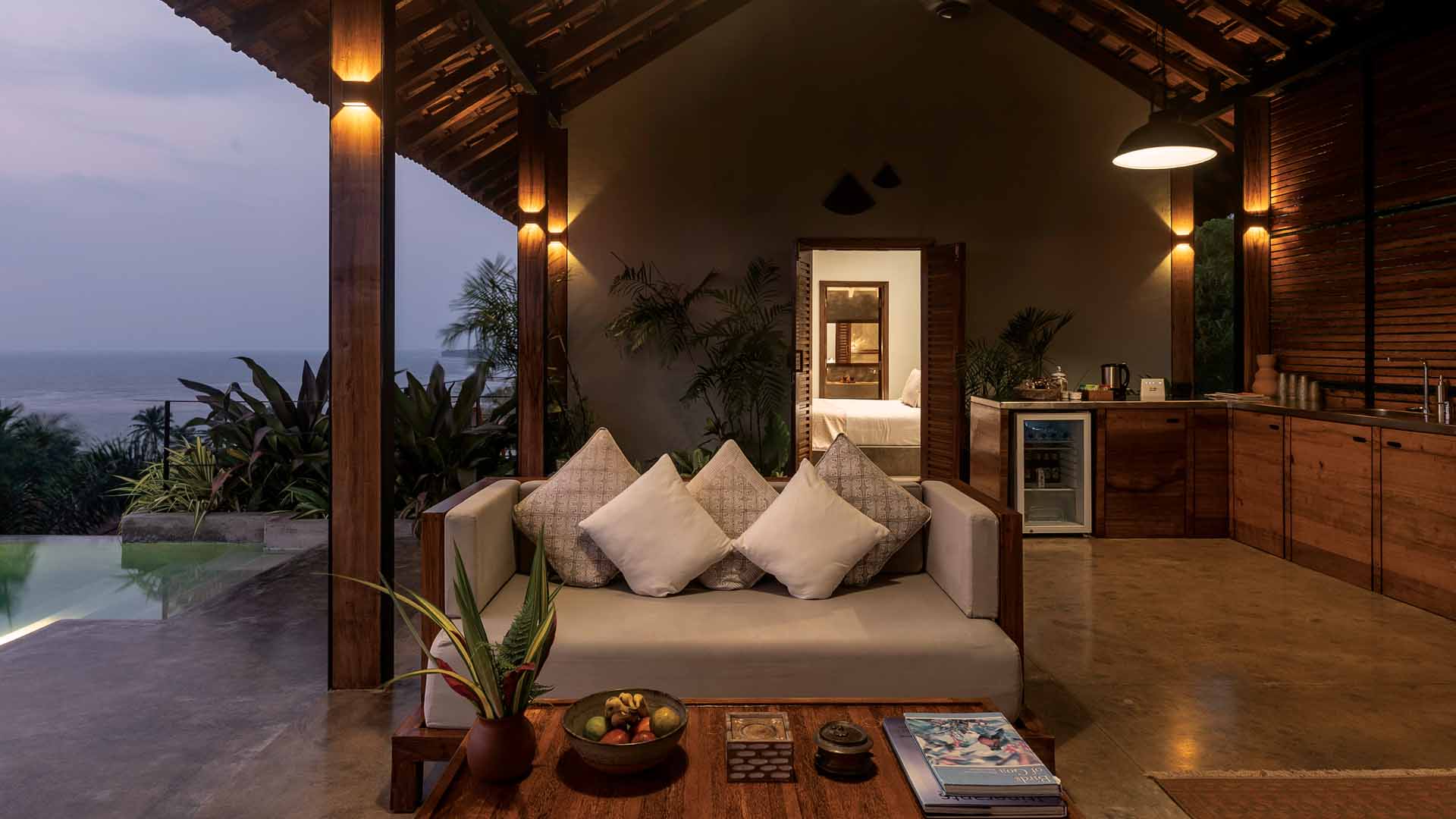
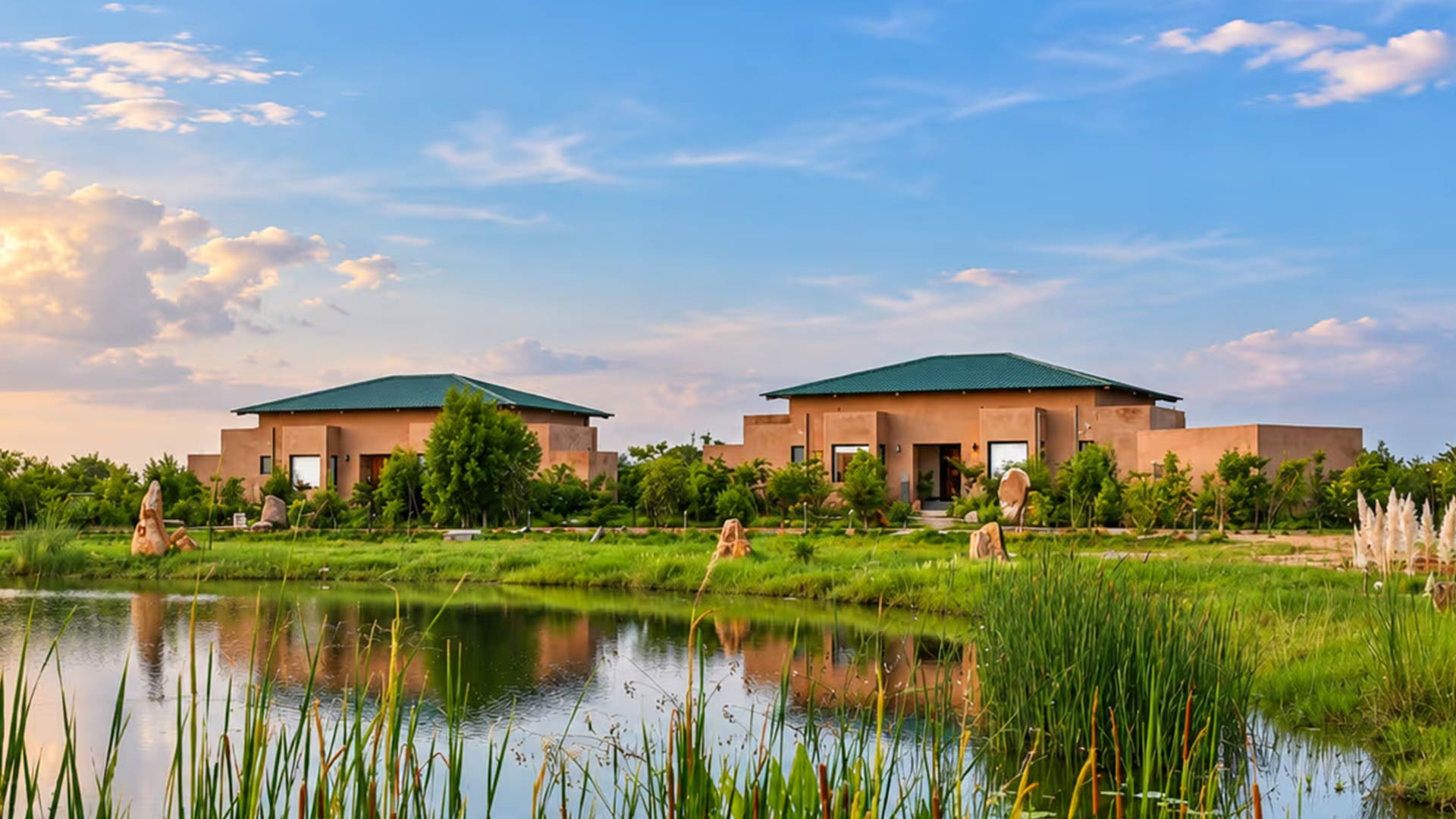
Coco Shambhala is shaped around seclusion and slowness, where open villas, in-villa dining, and local experiences replace the conventions of resort living.
The infrastructure push
Konkan Railway, one of the toughest to build in India due to the terrain—particularly the Mumbai to Sindhudurg stretch which was laid down in 1998— boosted visitor numbers. In the 2000s, central and state government schemes provided funds (over ₹10 crore between 1999 and 2004) for developing sites such as beaches, forts, and the Malvan Marine Sanctuary (established in 1987 for coral and marine life protection). Tourism saw further growth with the 2013-2033 District Tourism Master Plan, emphasising sustainable practices to balance economic benefits with environmental conservation.
However, it was the Chipi Airport, which opened in 2019, that offered easy access to this coastal destination, leading to increased tourist arrivals interested in scuba diving, whale watching, and heritage. If we go by numbers offered by Maharashtra Tourism Development Corporation, the figure stands at 4,15,131, and it is rising steadily.
Says Parulekar, “One of the biggest drivers is infrastructure. As roads improve, new highways come up, and rail connectivity expands through services such as Vande Bharat, large parts of India that were once considered remote are becoming accessible. This is unlocking hinterlands that are incredibly scenic and rich in character. As accessibility improves, homeowners and hosts are discovering land parcels by lakes, mountains, and coastlines and choosing to build homes that reflect personal aspirations rather than commercial templates. Many of these begin as family homes and naturally evolve into homestays, offering guests something far more intimate and rooted in place.”
However, the quiet revolution may be taking place right now, as the government announced a 24x7 operations at the Sindhudurg airport. The move to round-the-clock airport operations will greatly enhance accessibility to Sindhudurg. Improved flight connectivity, flexible landing schedules, and better integration with major cities will make the region far more attractive for tourists and premium hospitality operators, and support year-round tourism rather than seasonal footfall.
Increased visibility through social media, and rising interest in offbeat, nature-driven travel have contributed to Sindhudurg's growth. The region’s pristine coastline, marine life, heritage forts, and clean environment have placed it firmly on the tourism map.
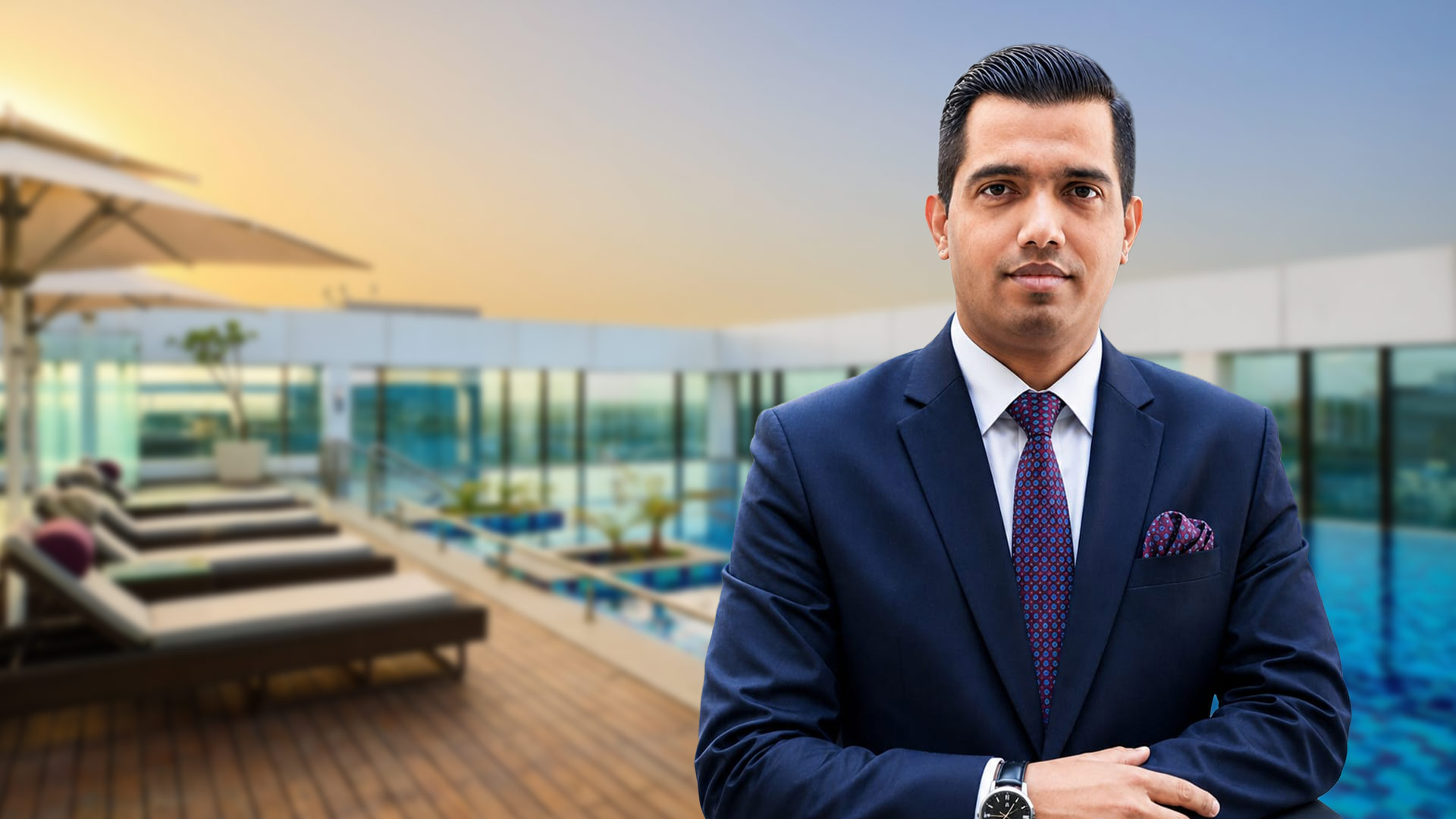
Akshay Thusoo
Sr. VP – Commercial, Sarovar Hotels
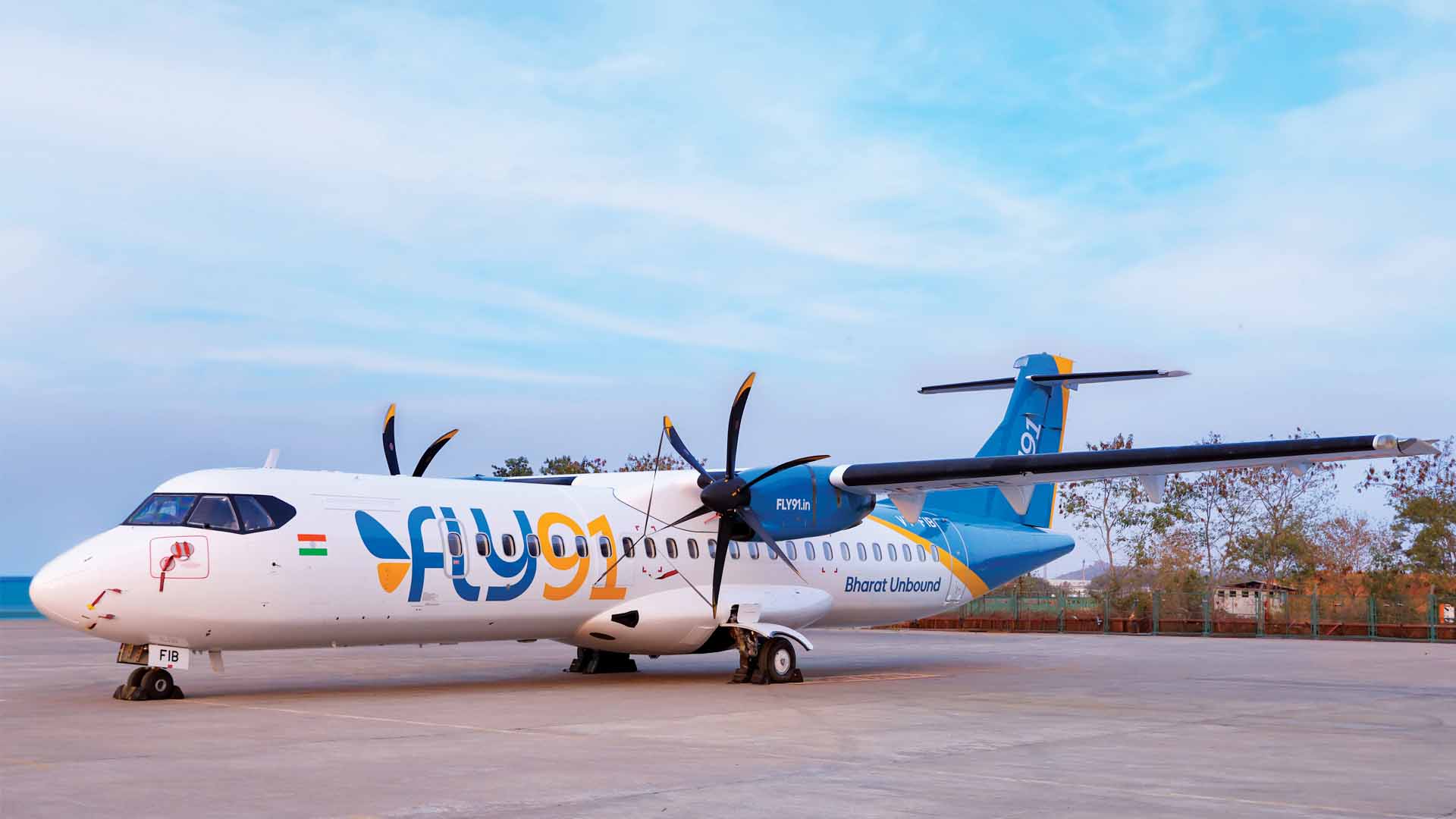
Manoj Chacko, Co-founder and Managing Director, Fly91, the airline that connects offbeat destinations to major cities, says, “Sindhudurg is strategically close to Goa and has its own independent tourism appeal and potential. The airport at Chipi is a gateway for two coastal districts of Maharashtra—Sindhudurg and Ratnagiri, as well as parts of Kolhapur district. With an upwardly mobile population in the entire catchment area, it was a logical choice given its proximity to our first base, the Manohar International Airport (MIA). Beyond geography, Sindhudurg represents an emerging coastal market that is still underserved by direct air connectivity. The region’s growing hospitality footprint, unspoilt coastline and increasing interest from domestic travellers make it well suited for point-to-point regional flying. By connecting Sindhudurg directly to Bengaluru, Hyderabad and Pune, FLY91 is linking an under-discovered destination to key demand centres, while also enabling residents of the region to access major aviation hubs without the friction of surface travel to Goa or Mumbai.”
According to Chacko, since the time the airline has started operations, they have witnessed exponential growth in the traffic in these sectors. “For a destination with natural beauty, a growing resort scene, and a recognised coastal identity, regular air service helps bring it out of the periphery to the radar of leisure travellers who might otherwise default to established hubs. At the same time, resident populations gain hassle-free access to major markets without long road journeys. From an airline perspective, this is not only about moving passengers; it’s about integrating destinations into broader travel and hospitality ecosystems, making it easier for hospitality businesses to plan, for tour operators to package, and for local economies to feel the ripple effects of connectivity.”
For destinations such as Sindhudurg, this shift has been transformative. “Better connectivity has allowed travellers to look beyond traditional markets and explore regions that feel fresher and more authentic. Homestays are well-suited to this change, as they grow alongside infrastructure while preserving the landscape, culture, and slower pace that make these destinations worth discovering in the first place.”
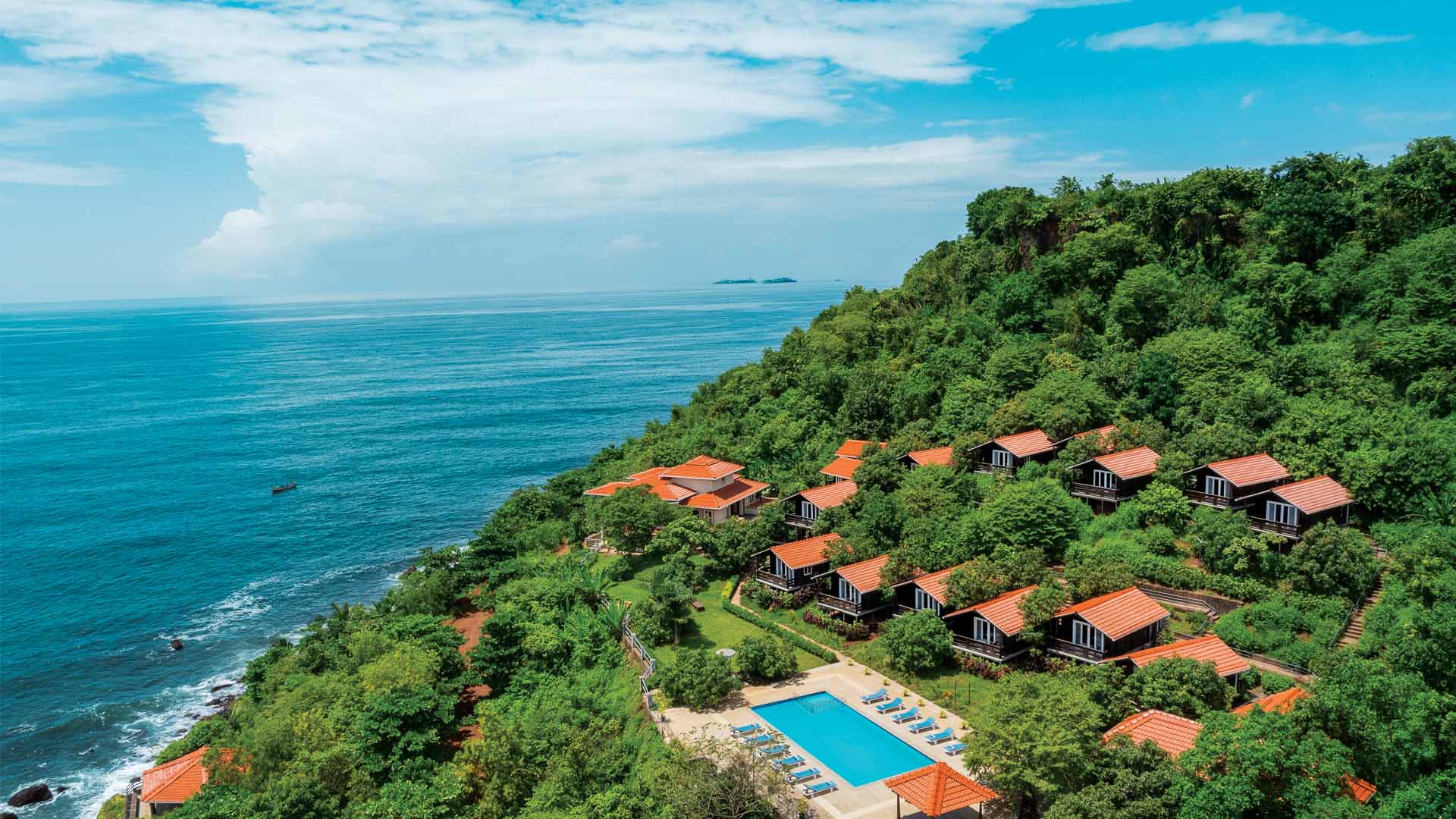
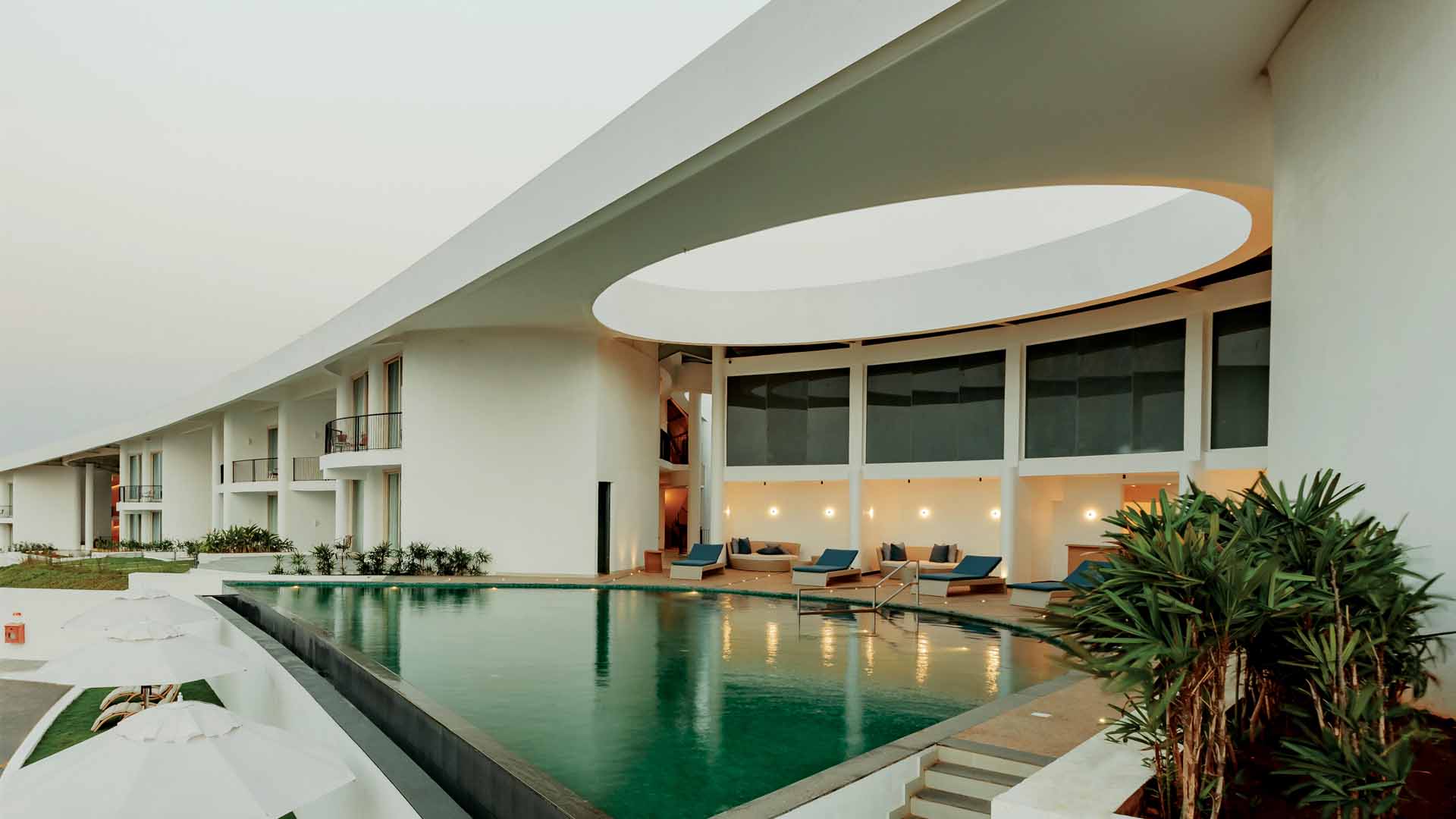
Highland Sarovar Portico Sindhudurg is well-connected, unfussy, and suited to travellers discovering the region beyond its better-known shores.
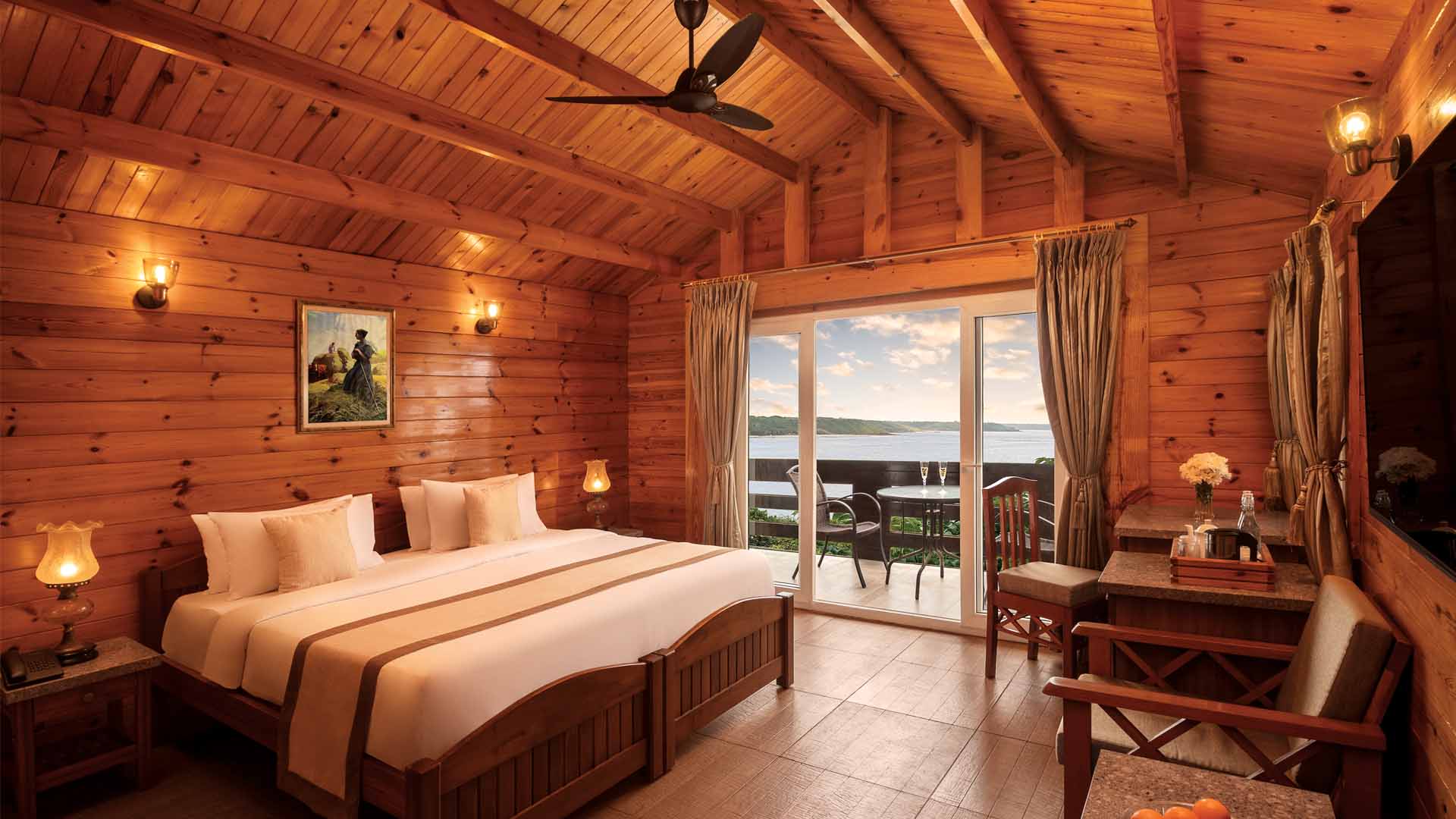
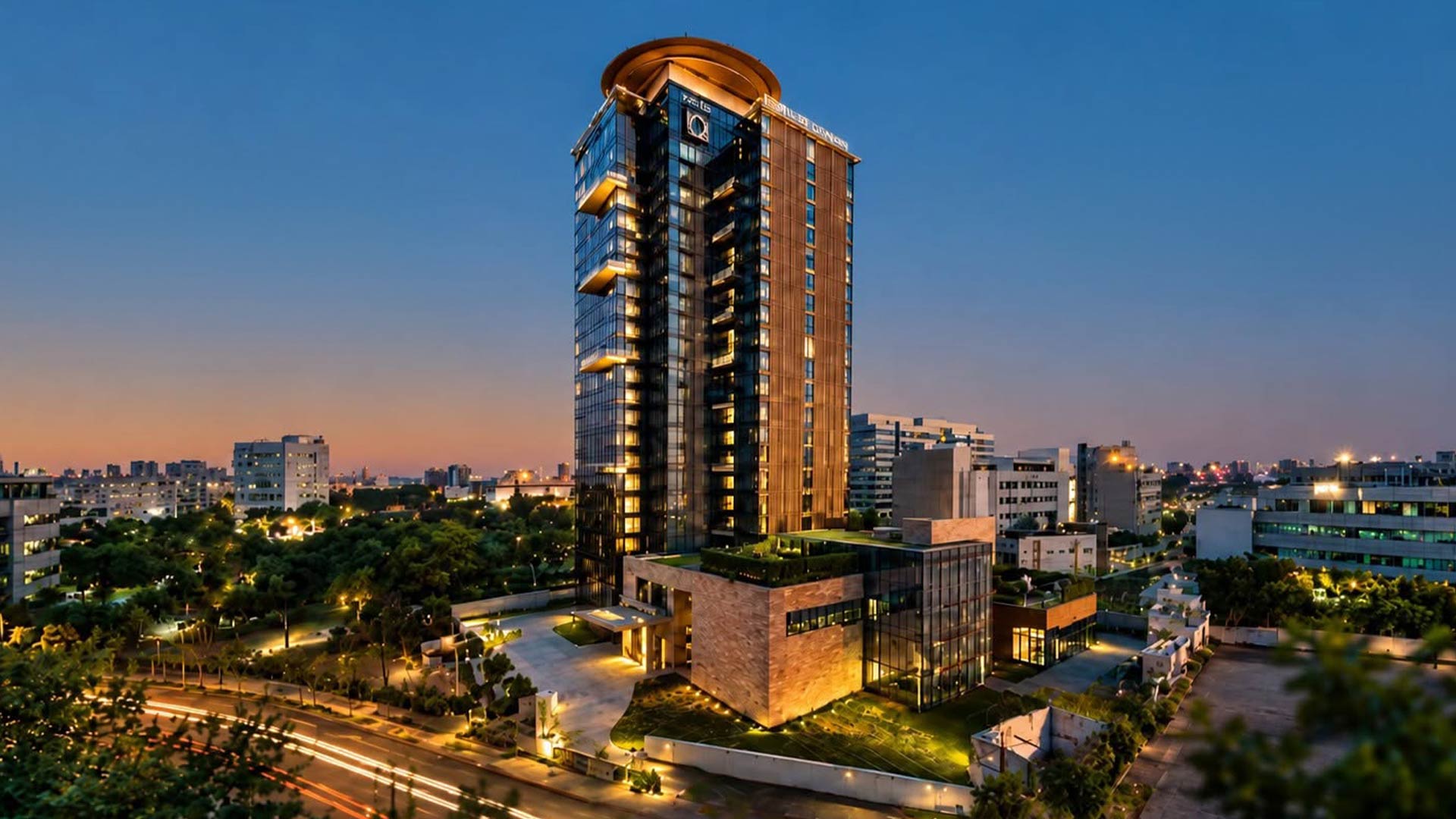
Highland Sarovar Portico Sindhudurg positions itself as a contemporary coastal stay.
The biggest challenge has been building consistent operations in an emerging destination. Infrastructure, staffing, and logistics require greater patience and long-term commitment. However, investing in local teams and systems is essential to ensuring that growth here is sustainable, meaningful, and beneficial to both guests and the region itself.
Devendra Parulekar
Founder, SaffronStays
Gaps and challenges
“Operating from a relatively new airport like Sindhudurg’s Chipi Airport presents both promise and practical, teething challenges,” Chacko points out. “Limited ATC manpower currently restricts operational timings, while the absence of night-landing facilities narrows scheduling flexibility. Additionally, the lack of adequate, good-quality hotels for crew layovers and night parking poses logistical challenges.” These, he adds, are typical of emerging regional airports and are expected to ease as traffic and supporting infrastructure build up.
On the hospitality side, creating a strong operational foundation in a relatively nascent market has been equally important. Thusoo notes, “The primary challenge has been building operational depth in a new market, particularly around talent availability and local infrastructure.” His team has adopted a phased approach, combining local hiring with training and support from experienced professionals. Looking ahead, he emphasises that “further improvement in last-mile connectivity, organised transport, and destination infrastructure will be essential,” alongside better state and national marketing and a stronger push for eco-friendly tourism practices.
Awareness, however, remains the region’s biggest hurdle. Parulekar explains, “Destinations such as Sindhudurg do not yet have the same visibility as Goa or more established coastal markets, even though the region offers exceptional natural beauty and cultural richness.” This will hopefully change, thanks to better highways, rail connectivity, and government initiatives. Importantly, he stresses the value of authentic positioning: “By highlighting Sindhudurg’s calm, authenticity, and depth rather than positioning it as a substitute for Goa, we attract guests who resonate with what the region truly offers.”
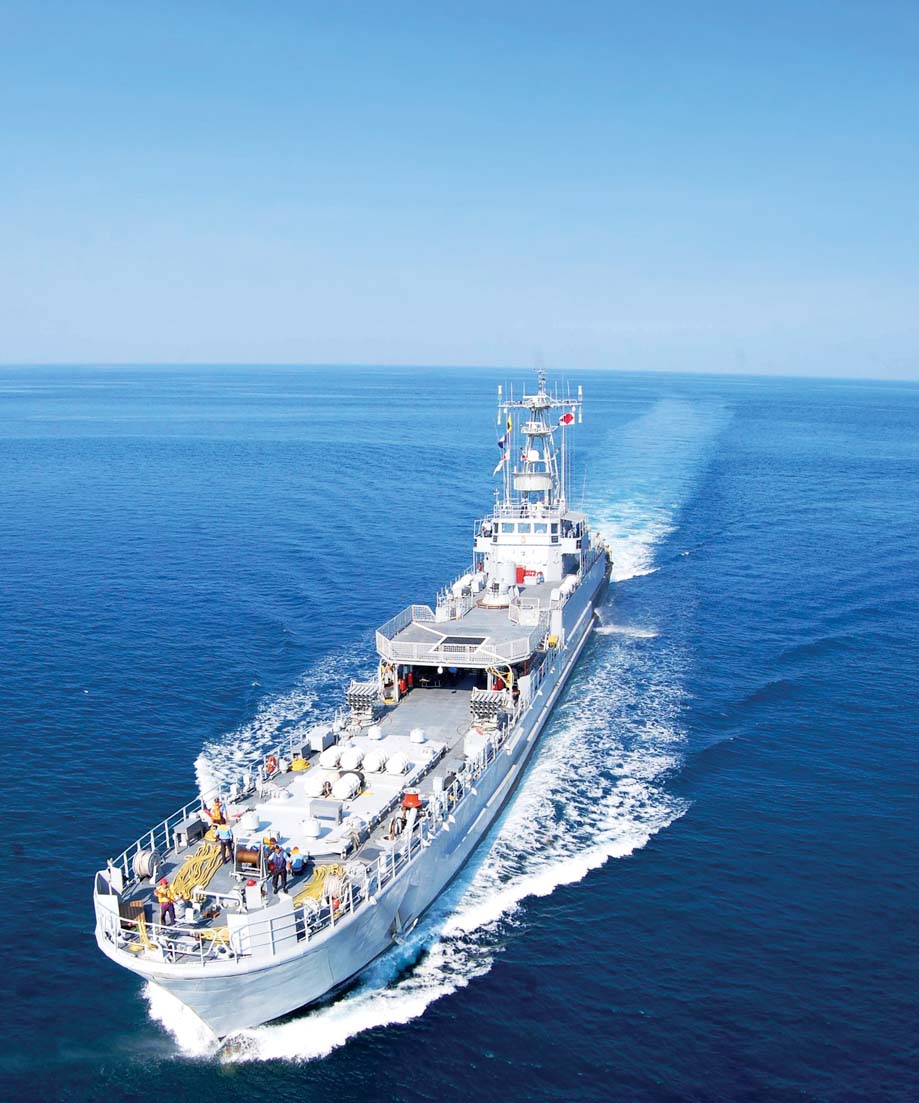
Knapton echoes the need for responsible storytelling and collaboration. “We need stronger partnerships between private players, state tourism boards, and local communities to tell Sindhudurg’s story responsibly.” He also flags the urgency of sustainable planning: “Infrastructure around waste management and sustainable tourism needs attention—if we don’t plan now, the growth could easily tip into overdevelopment.” For him, initiatives like the Ro-Ro service are game-changers. “If we can expand and streamline such initiatives, and fix last-mile connectivity from ports and airports, it will accelerate growth in a sustainable way.”
Despite challenges such as seasonality and infrastructure gaps, tourism is already becoming a powerful economic driver for Sindhudurg, creating local employment, encouraging skill development, and helping preserve cultural heritage.
What sets Sindhudurg apart is its balance: It offers authenticity without austerity, comfort without excess. For many travellers, the destination represents a gentler version of coastal India—one where history, nature, and everyday life coexist, and where the luxury lies in space, silence, and a strong sense of place. If guided thoughtfully, the region has the opportunity to establish itself not as a crowded hotspot, but as a serene, less-commercialised coastal gem with a strong, sustainable future.
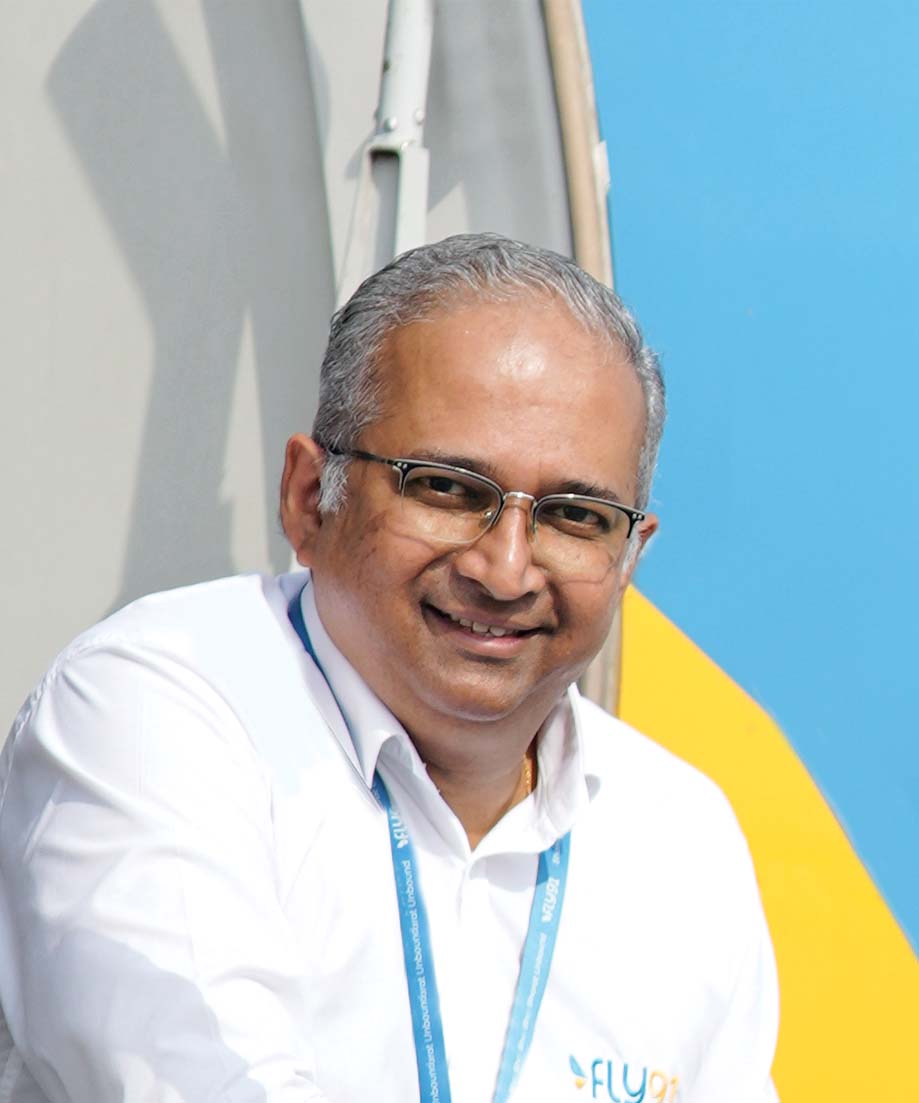
Manoj Chacko, MD & CEO, Fly91.
For a destination with natural beauty, regular air service helps bring it out of the periphery to the radar of leisure travellers who might otherwise default to established hubs. At the same time, resident populations gain hassle-free access to major markets.
Manoj Chacko
MD & CEO, Fly91