





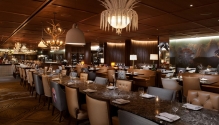







Master Chef Raymond Wong on the Global Rise of Cantonese Cuisine
Malaysian culinary talent and a leading voice in contemporary Cantonese cuisine, Master Chef Raymond Wong believes Cantonese cuisine is gaining global recognition as a sophisticated culinary art form.

By Rachna Virdi
When Master Chef Raymond Wong began his career three decades ago, Western markets largely viewed Chinese food through the narrow lens of quick, inexpensive takeout. Today, the global conversation around Chinese cuisine has changed significantly, he points out. “Today, global diners recognise Chinese and specifically Cantonese cooking as a sophisticated, highly technical culinary art form on par with French or Japanese fine dining,” says the talented chef, whose illustrious career spans several culinary positions across some of the world’s leading hospitality brands.
Born in Malaysia and trained under his father’s guidance, Wong has built a distinguished career rooted in authentic Cantonese cuisine and shaped by global culinary experience. Having worked across more than 10 countries, his journey has seen him lead kitchens at renowned hotels, restaurants and cruise lines, including InterContinental Phnom Penh in Cambodia, Pan Pacific Hotel Kuala Lumpur, Resorts World Genting, Radisson Hotel, and Star Cruises’ SuperStar Libra and SuperStar Virgo. Along the way, he has earned key awards and accolades and also served as a judge on Iron Chef Thailand.
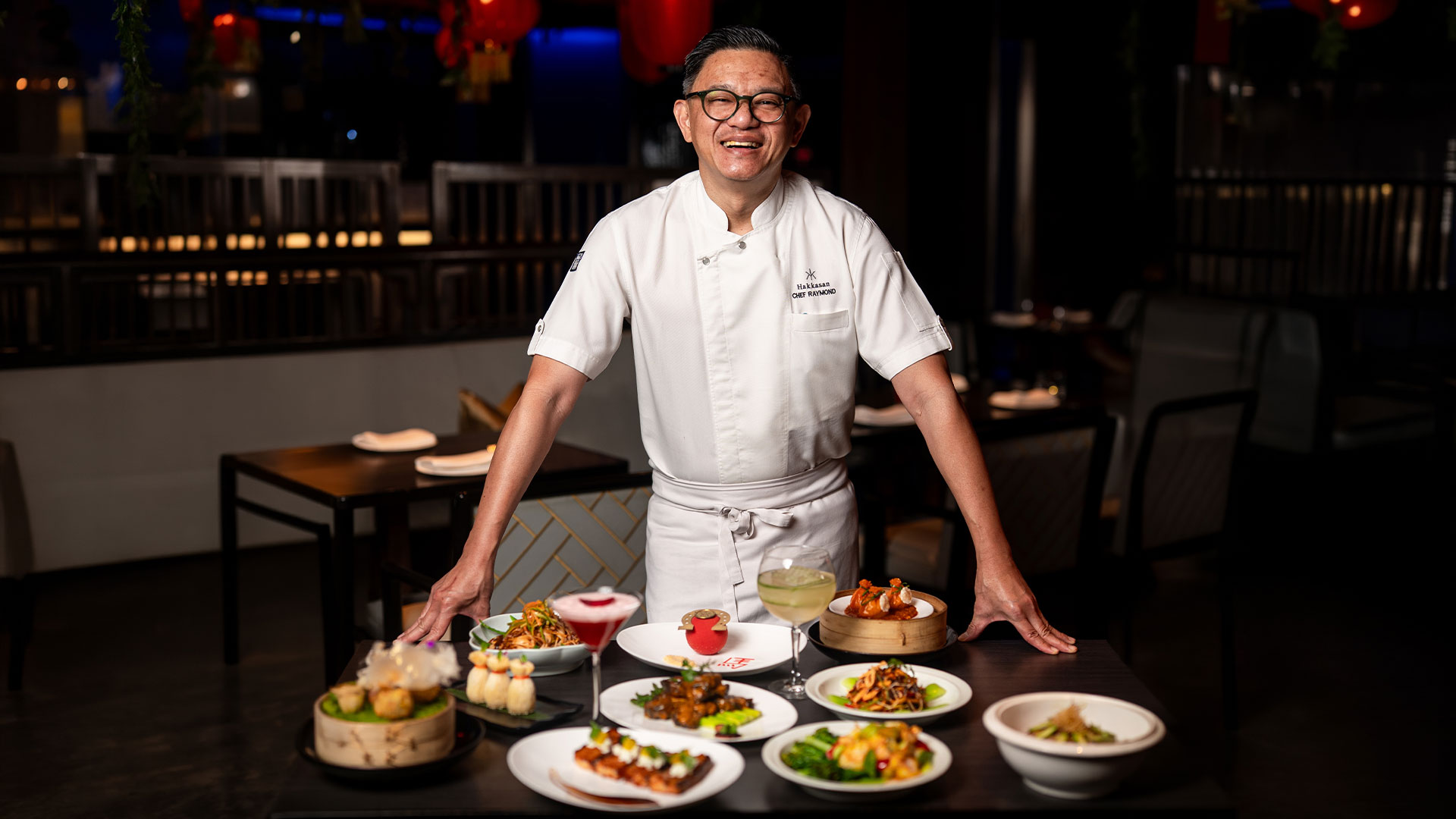
Today, Wong brings his deep love for Cantonese cuisine and decades of international experience to Hakkasan and Yauatcha India. His dishes strike a delicate balance between refinement and boldness, offering guests a dining experience that feels rooted yet evolved. Through innovation, authenticity and the thoughtful use of fresh local ingredients, he continues to champion an evolving approach to contemporary Cantonese dining.
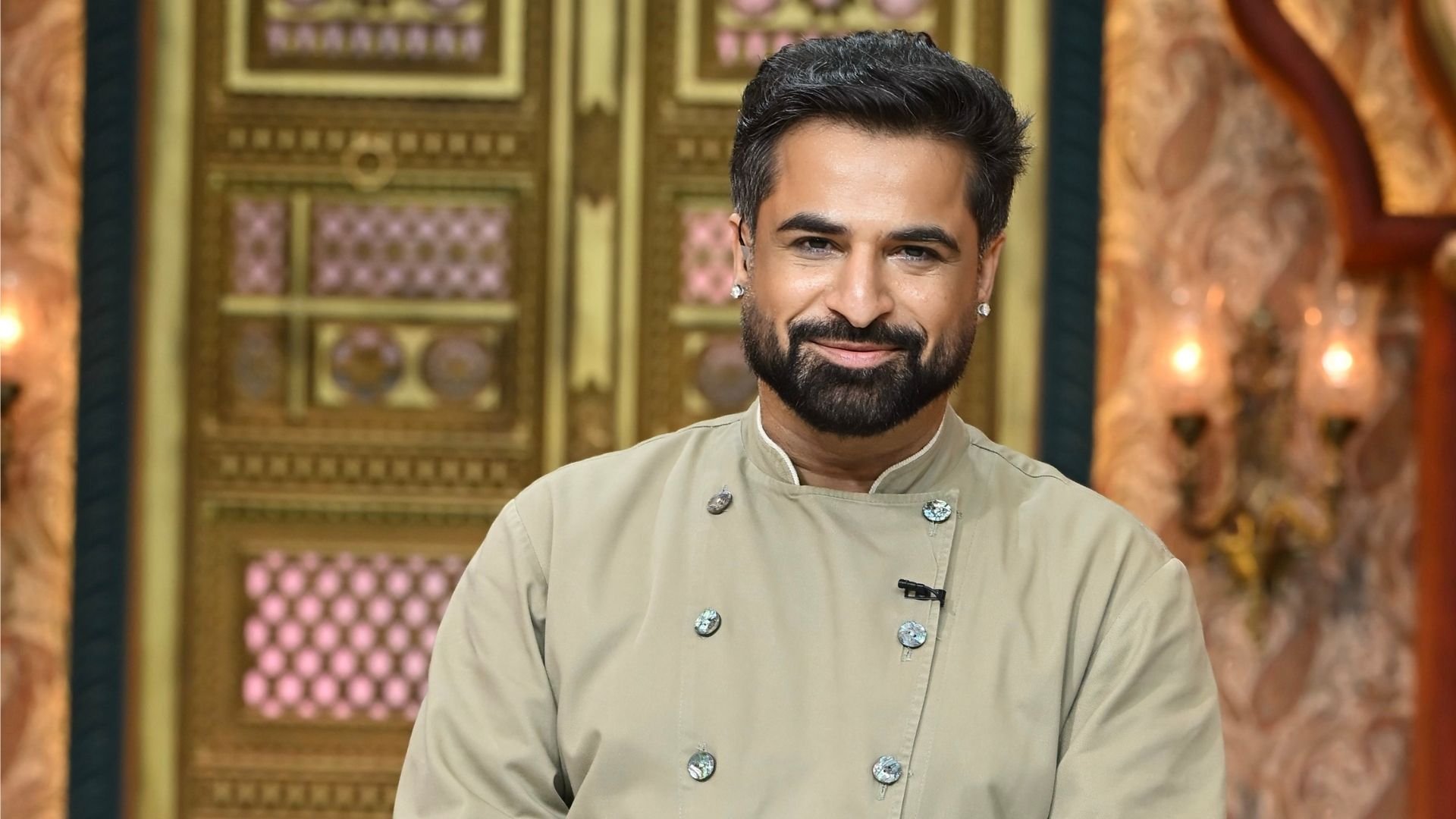
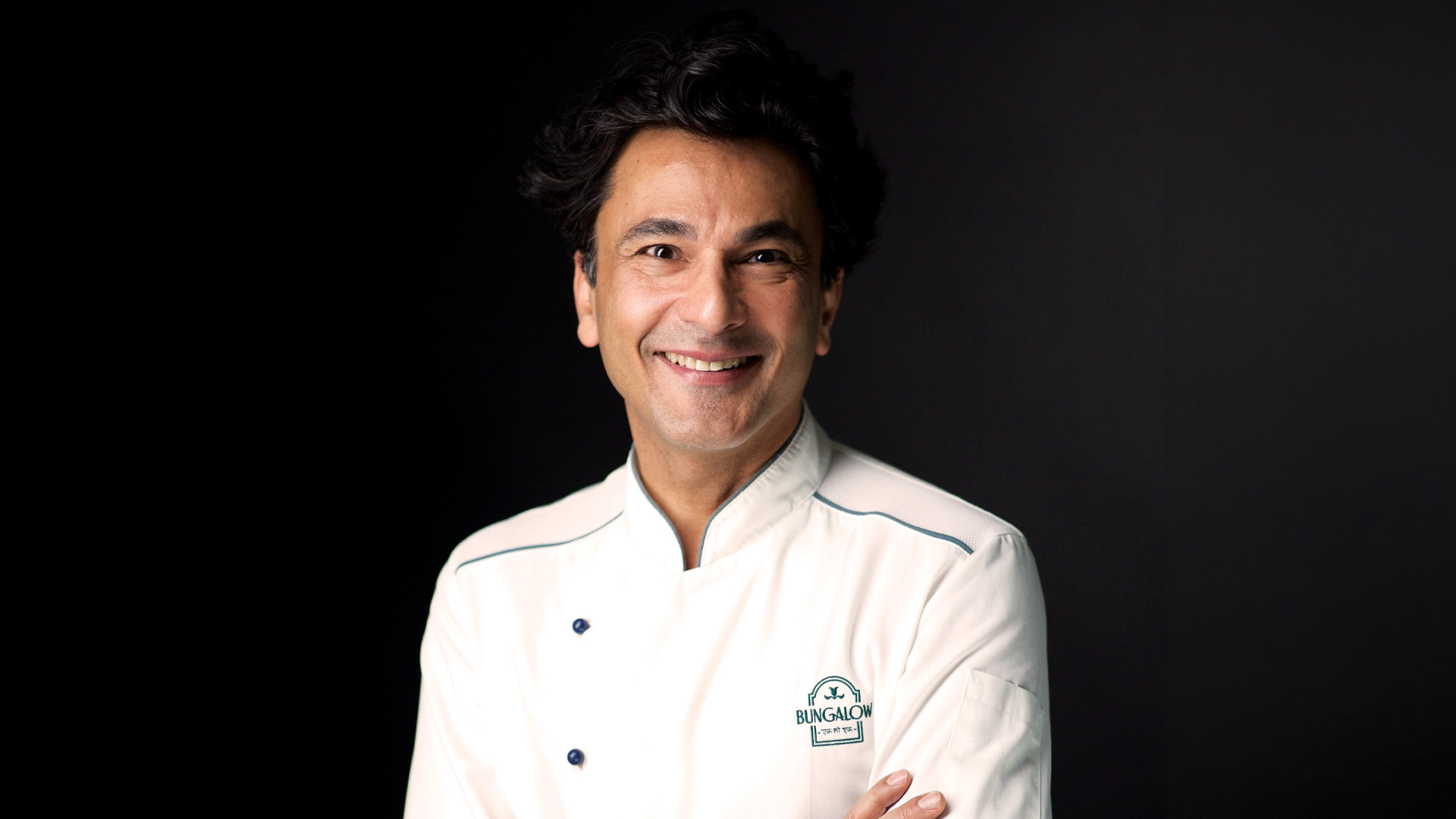
Wong brings his deep love for Cantonese cuisine and decades of international experience to his restaurants.
Passion for Cantonese cuisine
Passionate about discovering new cultures, Wong takes great pleasure in creating Cantonese dishes with a modern perspective. His approach is innovative yet rooted in authenticity, with a focus on appearance, fragrance and taste. By incorporating fresh local ingredients into thoughtfully crafted menus, he presents an evolved Cantonese dining experience while staying true to its foundations. For Wong, the soul of Cantonese cuisine rests on three non-negotiable principles: respect for ingredient purity, mastery of heat and wok hei, and balance and harmony.
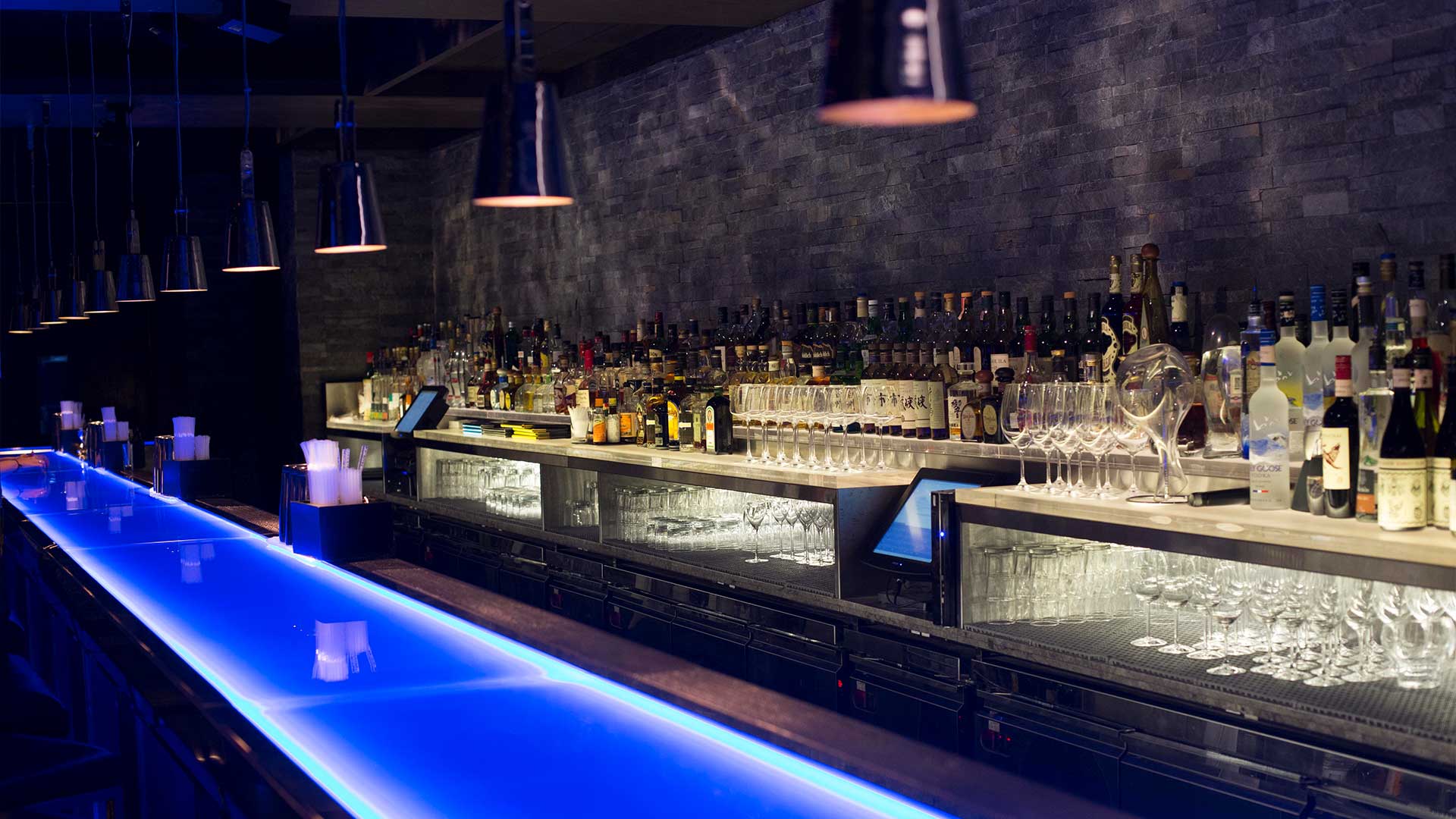
Yauatcha and Hakkasan have brought a distinctly contemporary sensibility to Cantonese cuisine. Across both restaurants, Wong’s vision has been to transform Cantonese dining into a complete sensory lifestyle experience rather than simply a traditional meal. “At Yauatcha, our focus was on elevating the classic Hong Kong tea house culture (Yum Cha) into an all-day, refined social ritual. At Hakkasan, it was to create a glamorous global standard for modern Asian fine dining. The atmosphere, design, music and service were intended to be as memorable as the cuisine itself. We wanted guests to feel immersed in a carefully curated experience from the moment they arrived. This holistic approach helped redefine perceptions of contemporary Cantonese dining around the world,” he notes.
Wong strikes a fine balance between preserving tradition and pushing the boundaries of innovation. “The key lies in treating heritage as the foundation, not a constraint. So, while we focus on innovation the aim is to always elevate a dish without losing its identity. Before introducing something new, we ensure we fully understand the tradition behind it. Innovation should enhance flavour, technique or presentation rather than exist for novelty alone. When done thoughtfully, it allows a cuisine to remain relevant while honouring its history,” he explains.
The international success of the restaurants is also testament to how traditional techniques can thrive on the global fine-dining stage without compromising their identity. “It has also created greater appreciation for the diversity and regional richness within Chinese cuisine. Diners are increasingly interested in understanding the stories, techniques and traditions behind each dish. That growing respect is one of the most encouraging developments I have witnessed in my career,” he adds.
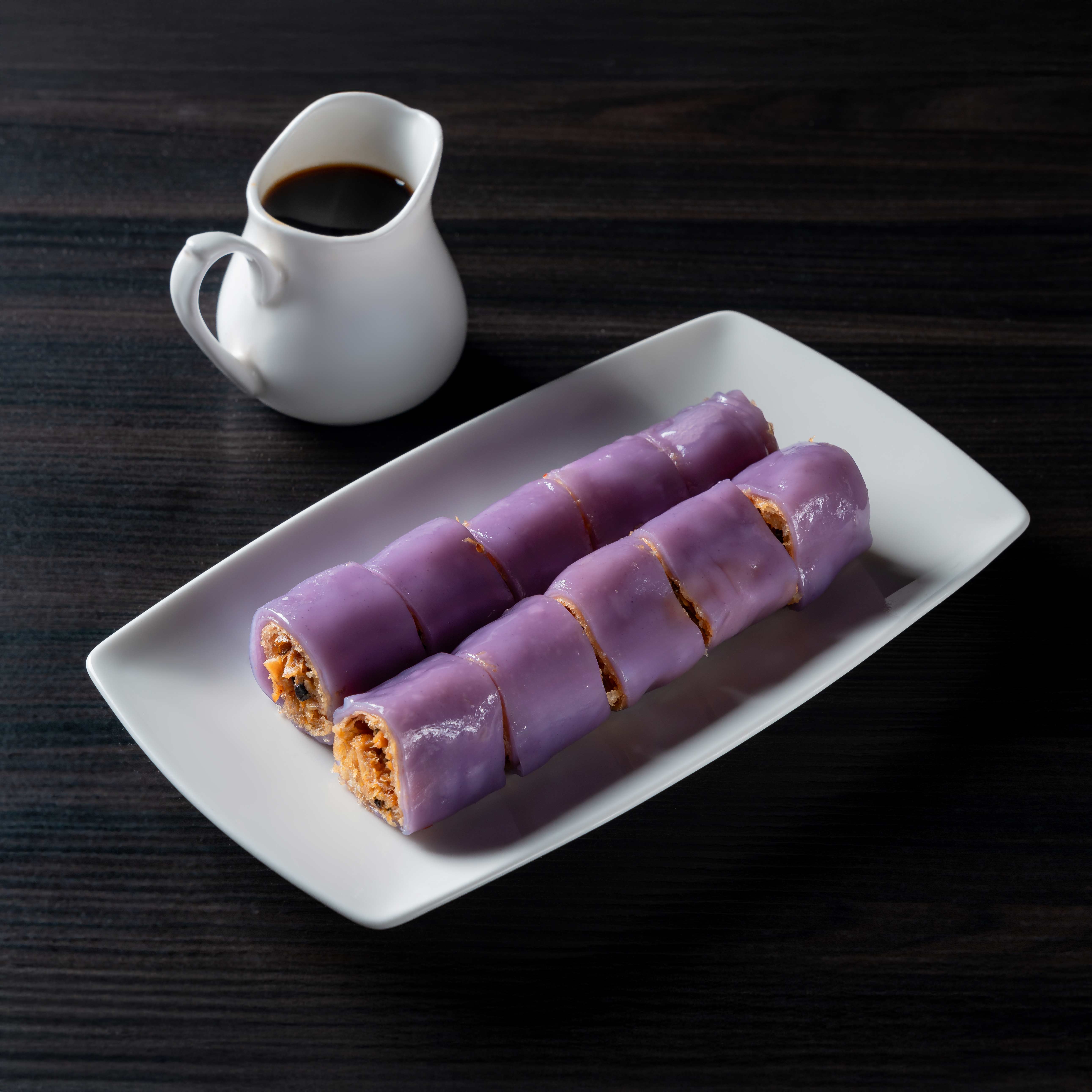
Blue Pea Crispy Chicken Cheung Fun is a signature dim sum dish featuring silky, blue pea flower–infused rice noodle rolls encasing a crispy, golden-fried chicken filling.
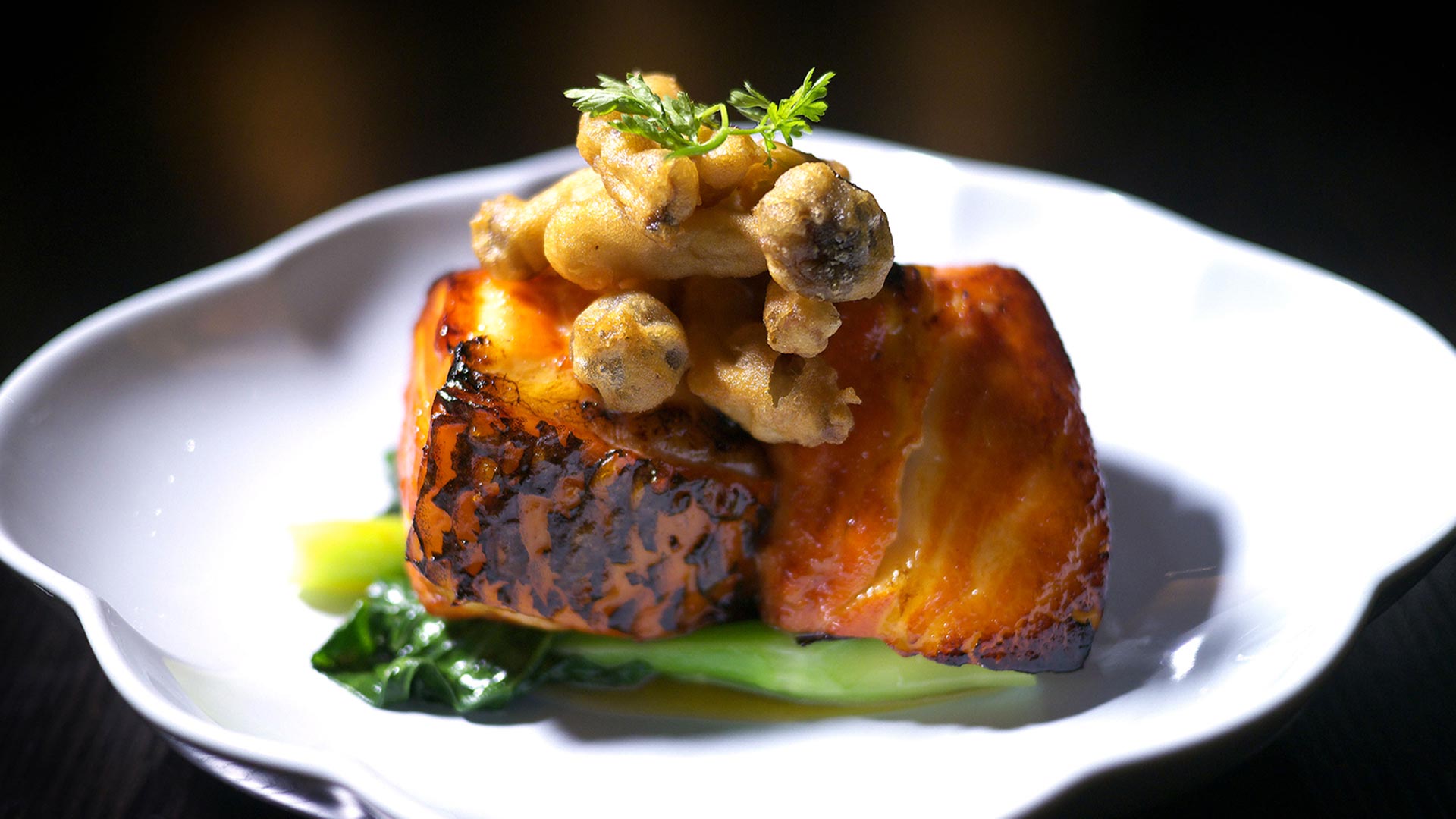
Grilled Chilean seabass in honey with honey glaze is a rich, buttery dish with a sweet and savory crust.
Food is a universal language
Working across kitchens in different culinary destinations has shaped Wong’s understanding of food and hospitality. “It taught me that food is a universal language. While local tastes and ingredients vary, the appreciation for authenticity, precision and passion remains constant. Today, global diners are far more educated and adventurous. They don’t just consume a meal; they seek the story and soul behind every dish,” he elaborates.
Travelling and working internationally also taught Wong the value of adaptability without compromising authenticity. “Exposure to different culinary traditions broadened my perspective and encouraged creative thinking. It reminded me that while techniques may differ, great hospitality is understood and appreciated everywhere.”
Wong’s menus reflect this evolved approach to contemporary dining, where authenticity meets creativity and refinement. Explaining the inspiration behind developing a new dish, he says, “For me a new creation usually starts with a single standout seasonal ingredient. From there, I draw on classic flavour memories and use modern culinary tools and refined presentation to honour this flavour while giving guests a fresh, unexpected experience. Inspiration often comes from travel, architecture, nature and even everyday conversations. I pay close attention to how people interact with food and what creates an emotional connection for them. Sometimes the most compelling ideas emerge from experiences completely unrelated to cooking.”
Some of the most interesting culinary experiences, however, come from watching diners encounter a cuisine or concept for the first time. Wong recalls some memorable and unexpected reactions from guests. “Especially when diners experience the Yauatcha all-day tea house concept for the first time, they are often captivated by how dim sum fosters connection. They expect a formal, rigid course-by-course meal, but instead discover a vibrant, sharing-based social celebration centered around tea and bite-sized craftsmanship.”
He has also encountered guests who are surprised by the depth, delicacy and technical precision of Cantonese cuisine. Many arrive with certain expectations and leave with a completely different understanding of the food. For Wong, these moments of discovery are among the most rewarding aspects of being a chef.
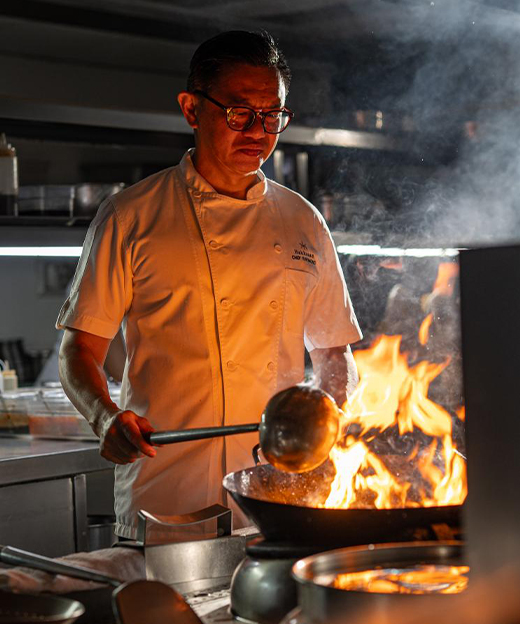
Exposure to different culinary traditions broadened his perspective and encouraged creative thinking, says Wong.
Today, global diners recognise Chinese and specifically Cantonese cooking as a sophisticated, highly technical culinary art form on par with French or Japanese fine dining.
Raymond Wong
Master Chef & a leading voice in contemporary Cantonese cuisine

The culinary inspiration
Wong drew inspiration from his father and began his culinary journey at the age of 16. Reflecting on four decades in the kitchen, he compares his journey to seasoning a wok. “It takes time, heat and patience. Starting at 16 under my father taught me discipline and respect for the craft. Today, as I showcase modern Cantonese cuisine, my aim is to also protect its soul, especially Wok Hei, while reinterpreting classic flavours through a contemporary lens for today’s diners.” Every stage of his career, he says, has reinforced the importance of continuous learning and humility.
As India’s luxury hospitality and dining landscape has evolved over the years, Wong’s own definition of luxury dining has changed with it. “Thirty years ago, luxury dining was defined by opulent white tablecloths, silver service and exclusive, rare ingredients. Today, my definition of luxury has shifted from formal grandeur to authenticity, intentionality and emotional connection. Discerning guests no longer just ask what is on the plate; they care about where it came from, who harvested it and the philosophy behind its preparation. They also value transparency, sustainability and a genuine sense of purpose. Personalisation and meaningful hospitality have become just as important as culinary excellence. Luxury today is less about excess and more about thoughtful, memorable experiences.”
As he looks ahead to the next chapter, Wong’s focus is increasingly on mentorship, preserving technique and refining kitchen leadership. “I want to pass on the core principles of Cantonese craftsmanship to the next generation while exploring how modern technology can support culinary precision without losing the soul of the craft. India’s luxury dining scene is entering an exciting phase, driven by increasingly informed and curious guests. There is a growing appreciation for authenticity, quality and world-class experiences that celebrate both global and local influences. I believe India will continue to emerge as one of the most dynamic and influential culinary destinations in the world.”
While the industry has evolved tremendously over the course of his career, Wong believes the fundamentals of great cooking remain unchanged. Looking back on the journey so far, he says, “Looking back, I feel fortunate to have contributed to Cantonese cuisine’s ongoing evolution while staying true to its roots.”
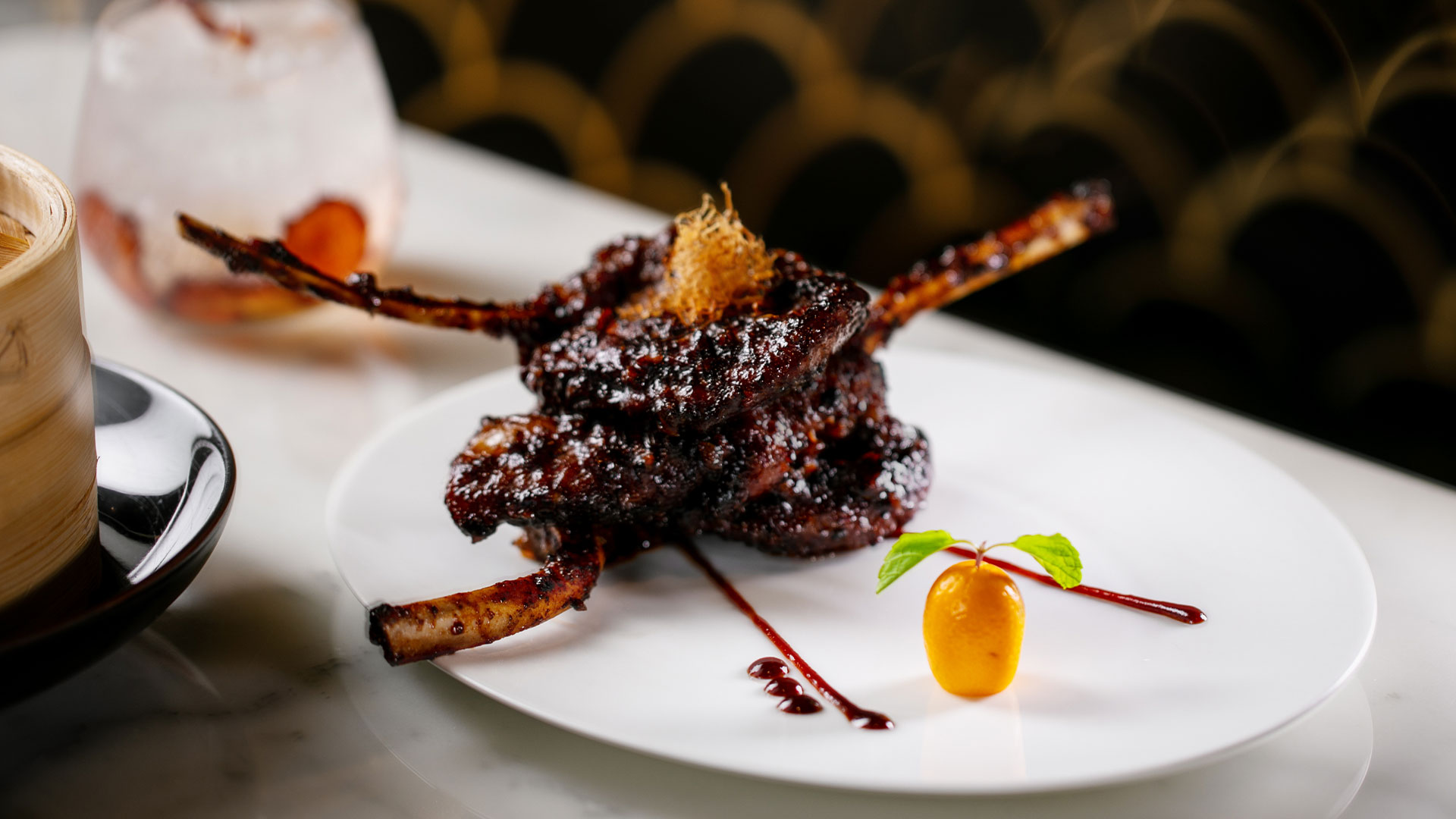
Wok-fried New Zealand lamb chop with sesame hoisin sauce is a sticky, savoury signature dish featured at Hakkasan Mumbai.
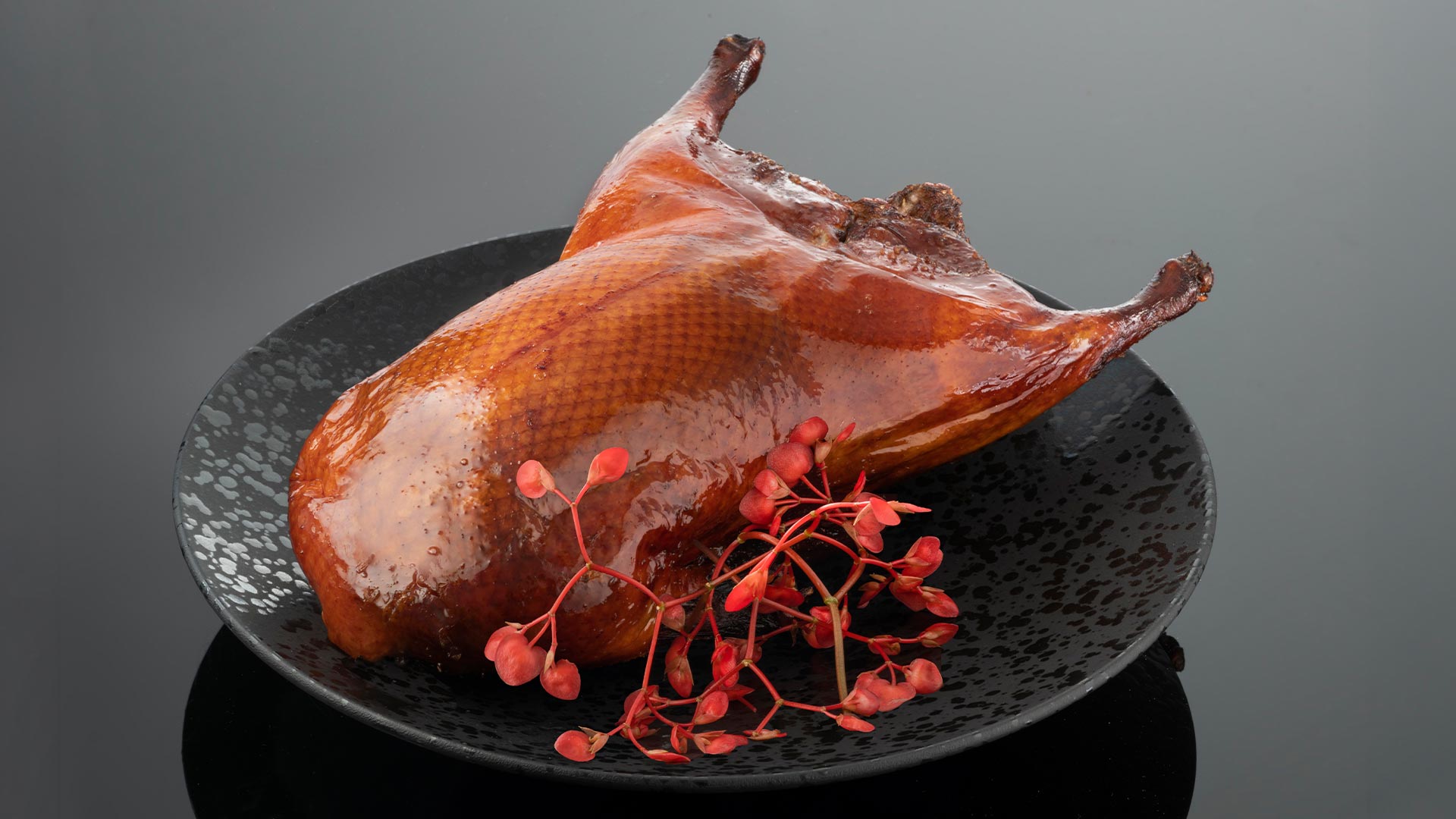
Peking Duck, a Chinese roasted duck dish from Beijing, is known for its thin, crisp skin and tender meat.