











Rachel Goenka Believes Every Restaurant Needs a Reason to Exist
For Rachel Goenka, Founder and CEO of TCSC Hospitality, building restaurants goes beyond creating distinct concepts. Each one, she believes, needs its own personality, a clear purpose and an emotional connection with its guests.

By Rachna Virdi
Some people enter hospitality for the love of food; Rachel Goenka has built a career around the art of creating an experience. As the Founder and CEO of TCSC Hospitality Pvt Ltd., she has spent years bringing food, hospitality and people together under one roof. But behind the restaurants and the business is a more personal story—that of ambition, risk, reinvention and a belief in creating experiences that stay with people.
From growing up in an entrepreneurial family to becoming a chef, restaurateur and author, her journey shaped the way she approaches the restaurant business today. She elaborates, “I think growing up in an entrepreneurial family gave me a very realistic understanding of business quite early on. I knew that building something was never just about having a great idea, it was about resilience, people, numbers, timing and being willing to make difficult decisions when something wasn’t working.”
Goenka studied Journalism and English and was determined to carve out a path completely independent of the family business. But food was always the obsession in the background. She says, “I eventually gave in to it, went to Ballymaloe and then Le Cordon Bleu, and opened The Sassy Spoon when I was 24. In hindsight, it was probably the perfect age because I had enough conviction to do it and not enough experience to be terrified!”
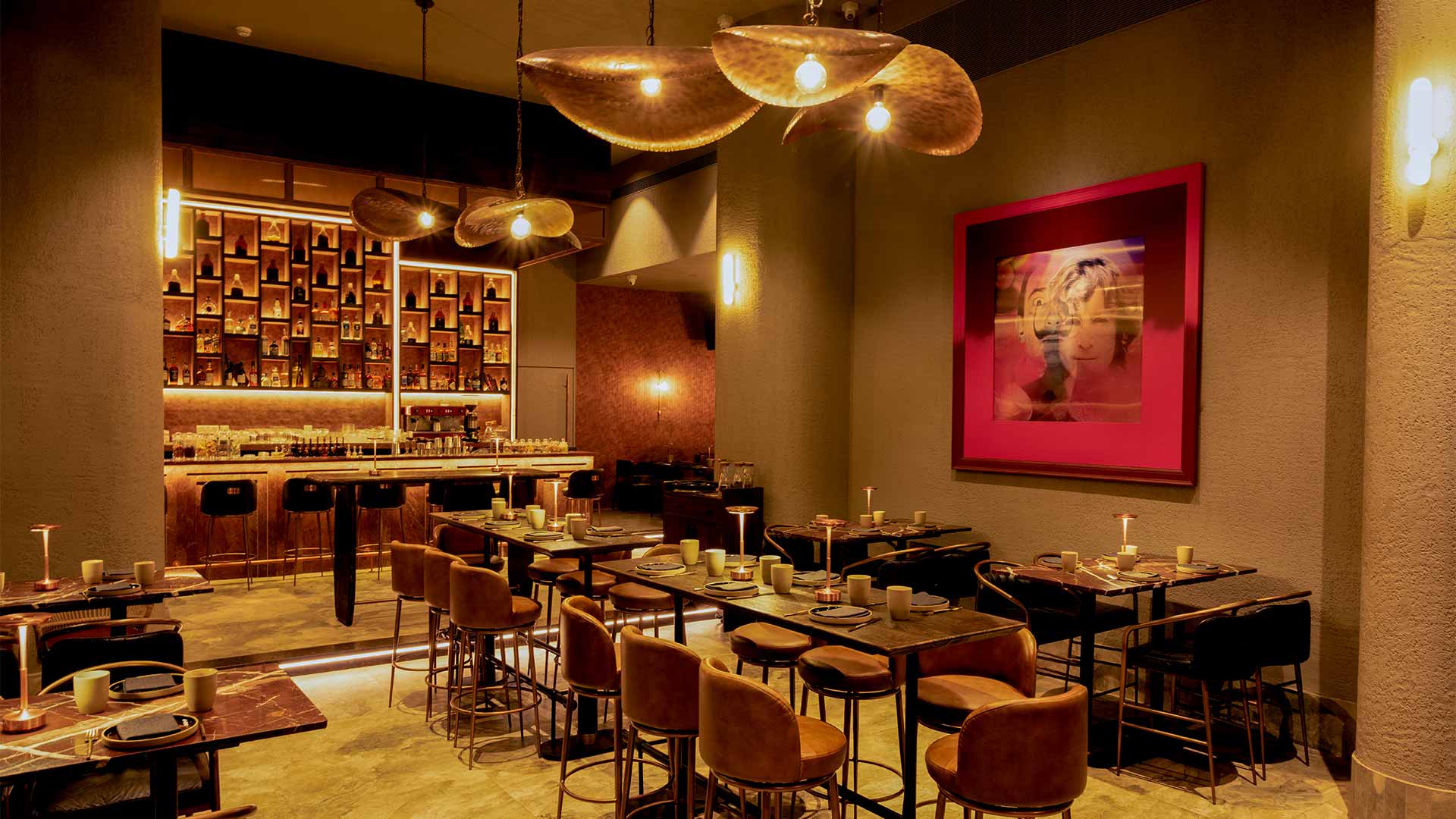
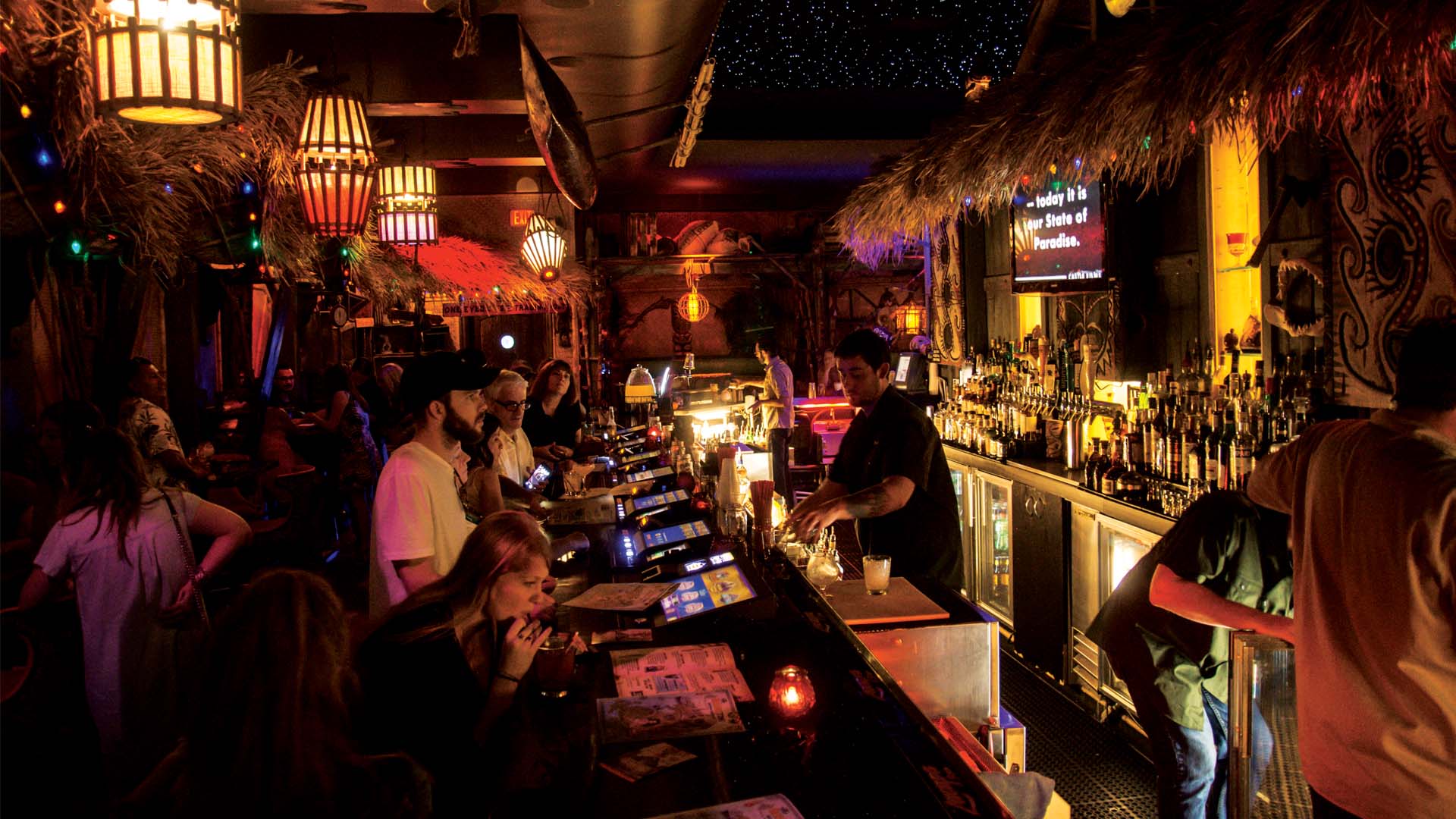
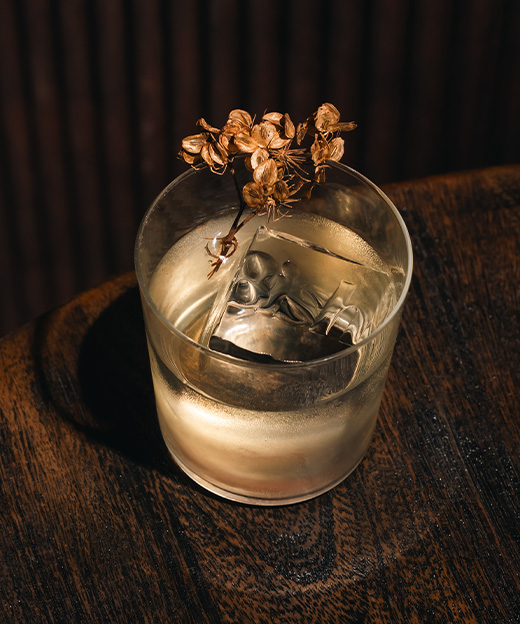
8ish is a SoBo cocktail bar launched by the restaurateur in 2025.
In 2012, Goenka launched The Chocolate Spoon Company. What followed was a growing portfolio of restaurants and concepts—House of Mandarin, Baraza, 8ish, Asian Bistro by HOM, and Sassy Teaspoon—besides heading the Mumbai chapter of the National Restaurant Association of India and authoring the book Adventures with Mithai: Indian Sweets Get a Modern Makeover.
Looking back, Goenka points out some defining points through this journey. “Opening Sassy taught me how to build a restaurant; growing into multiple brands taught me how to build a business. The pandemic taught me that nothing is sacred and adaptability is a survival skill. And 8ish has perhaps been another turning point because after more than a decade in restaurants, I deliberately stepped outside what I knew and built a bar. Today I’m far less interested in opening restaurants simply for the sake of growth. I want to build concepts that have a reason to exist and hopefully enough personality to still matter ten years later,” she says.
More recently, it was a very different kind of culinary journey that caught Goenka’s attention. Her 8ish team travelled to Radhanagari in the Western Ghats and spent several days in the forests, eating with local families, foraging and learning from a community whose food traditions have existed largely outside the spotlight. The experience eventually found its way onto a menu called Local-ish, that draws from the ingredients found, tasted or discovered along the way. “Radhanagari was the first stop. There will be others,” she says. And perhaps that is the most telling thing about her approach to hospitality: there is always another place to discover, and another story to bring to the table.
SOH interacted with her about the trip translated into a menu, her idea of building concepts, the shift in consumer preferences, her travel experiences, and more.
Excerpts:

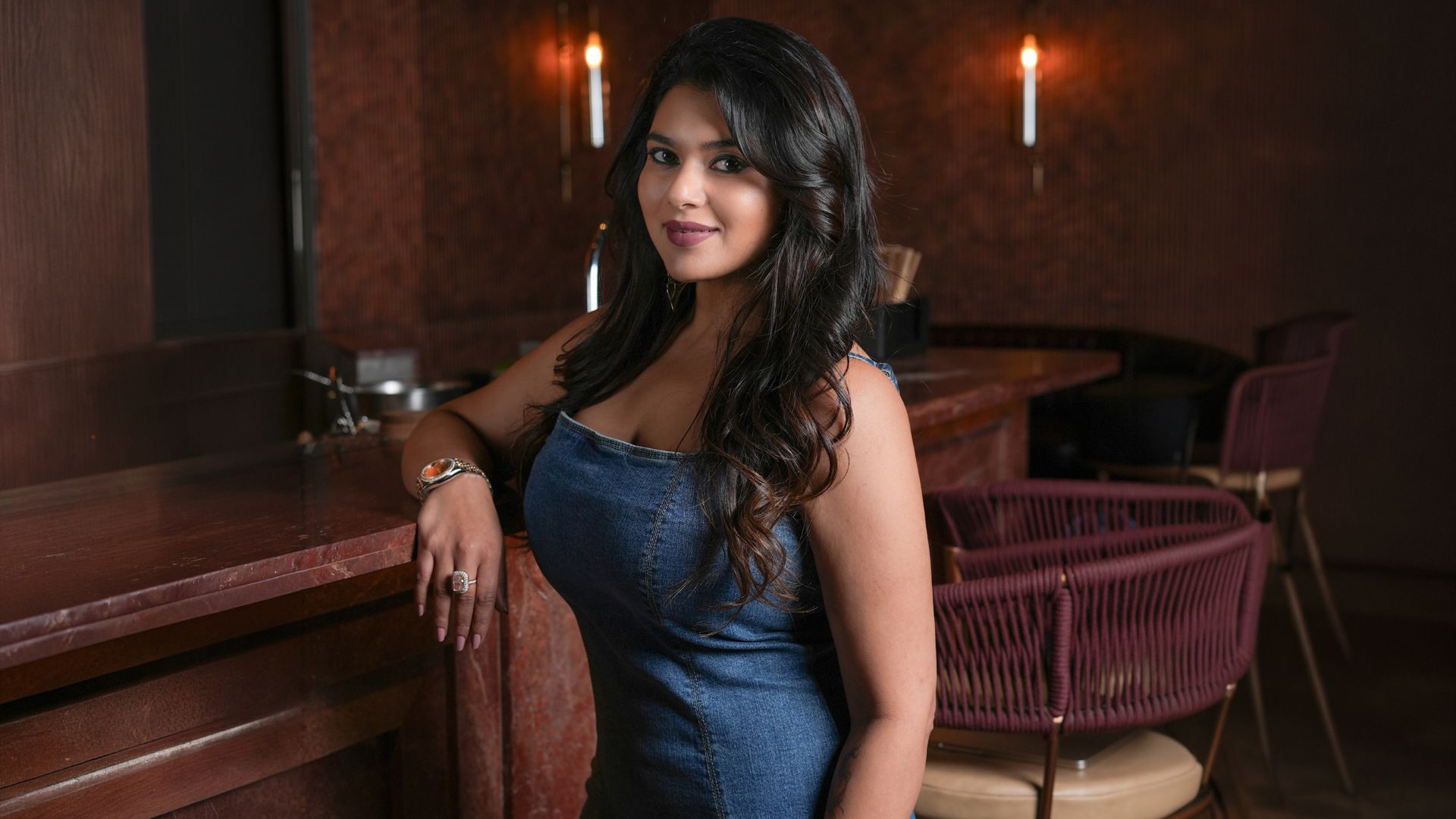
Rachel Goenka, Indian restaurateur, chef, author and the founder and CEO of TCSC Hospitality.
A trip to Radhanagari inspired the new Local-ish menu at 8ish. What did you discover there that made you think it could translate into a restaurant menu?
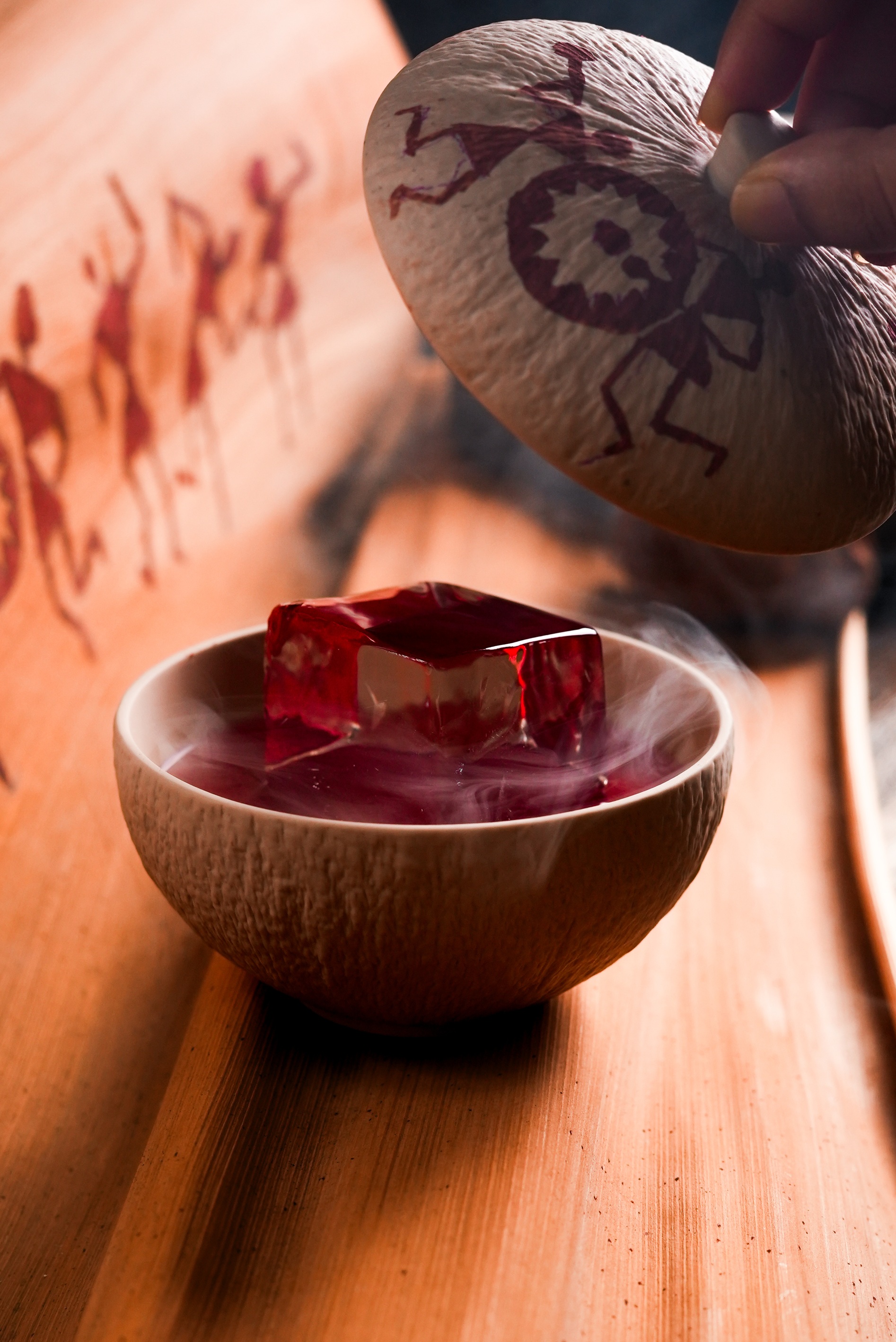
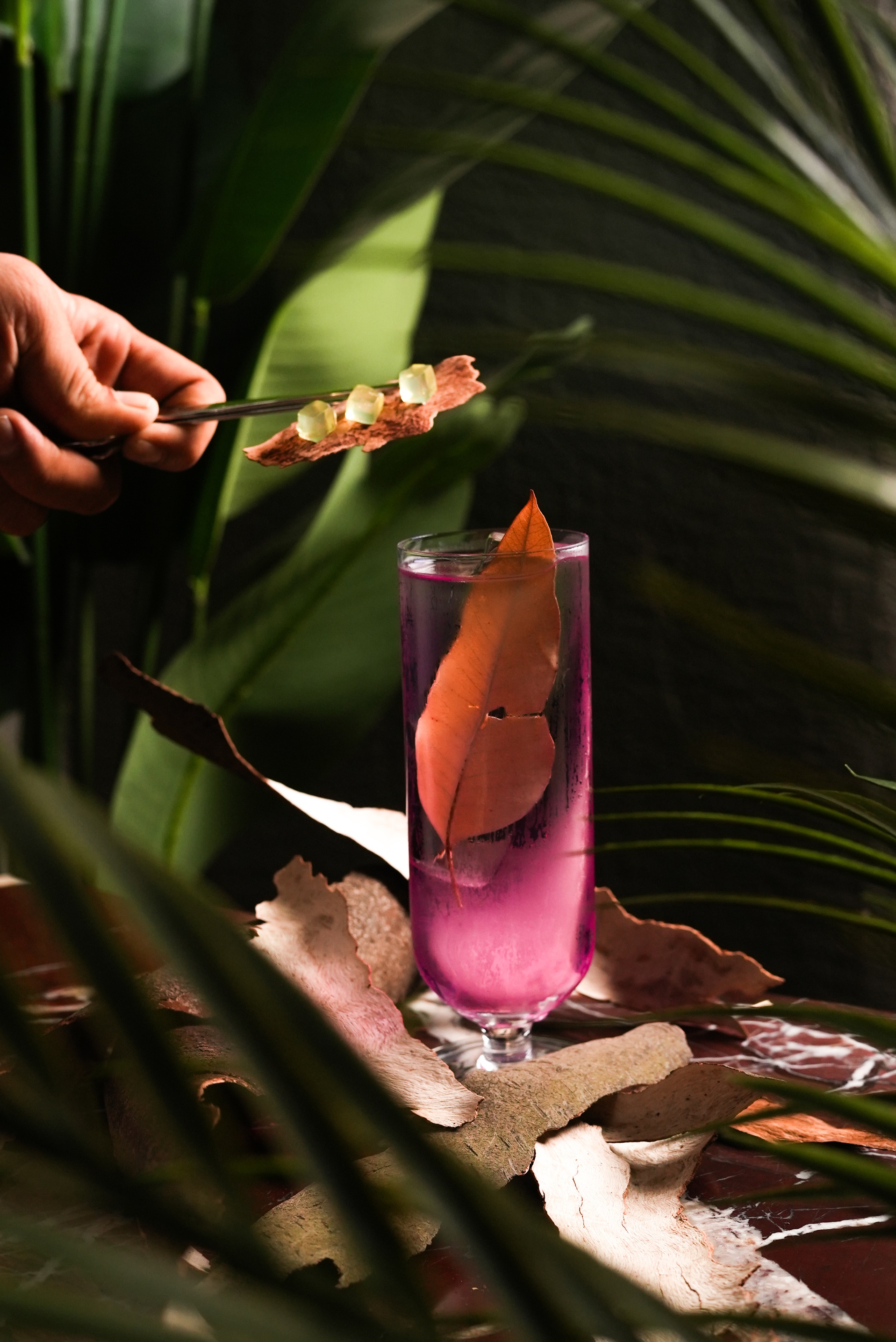
Radhanagari reminded us how much flavour exists outside the conventional restaurant pantry. We weren’t travelling there with a shopping list of exotic ingredients. We were looking, tasting, talking to people and understanding how ingredients were actually being used in their environment. Things like karvandh, bael and even eucalyptus became interesting not because they were unusual, but because of the stories, techniques and landscape around them.
That’s really what Local-ish is about. It’s not ingredient tourism. We don’t want to go somewhere, pick up three interesting things, put them into cocktails and congratulate ourselves for discovering them. The idea is to understand a place first, its produce, preservation techniques, food culture and people and then ask what our interpretation of that could be at 8ish.
How did you reinterpret the local flavours and ingredients without losing their character?
The key was not trying to make the ingredients behave like something they’re not. Our bar and kitchen teams approached Radhanagari together, but through their own disciplines. Karvandh, for example, was preserved as a sweet pickle before finding its way into a cocktail. With bael, the fruit became a concentrated saccharum while even the shell was used to infuse the gin. Eucalyptus was distilled and layered into a Scotch-based drink.
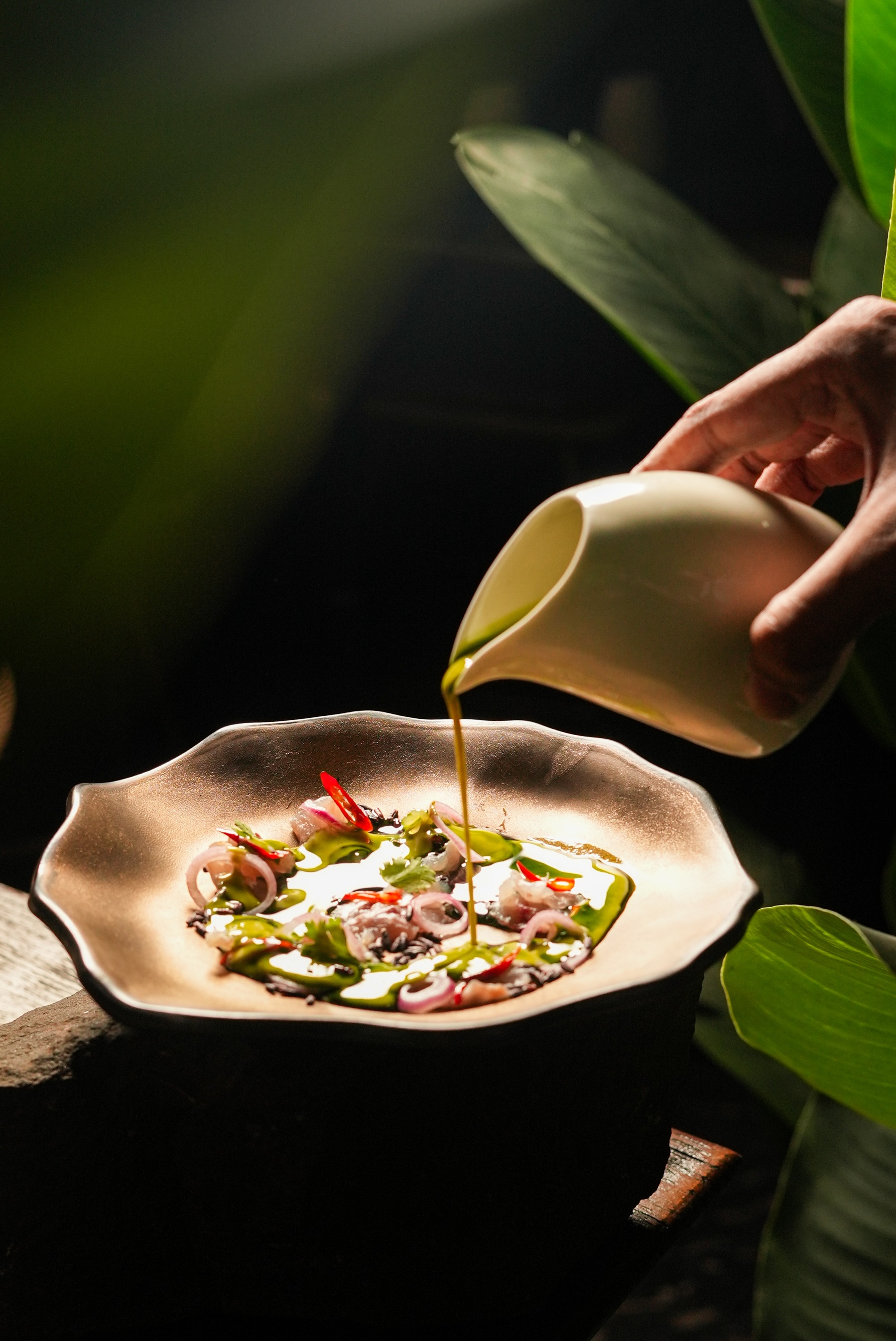
The food followed the same philosophy: understand the flavour memory first and then reinterpret it through our own vocabulary. I think respect for an ingredient doesn't necessarily mean serving it exactly as it has always been served. Sometimes respect is understanding why something tastes the way it does before you start playing with it. And we do like to play.
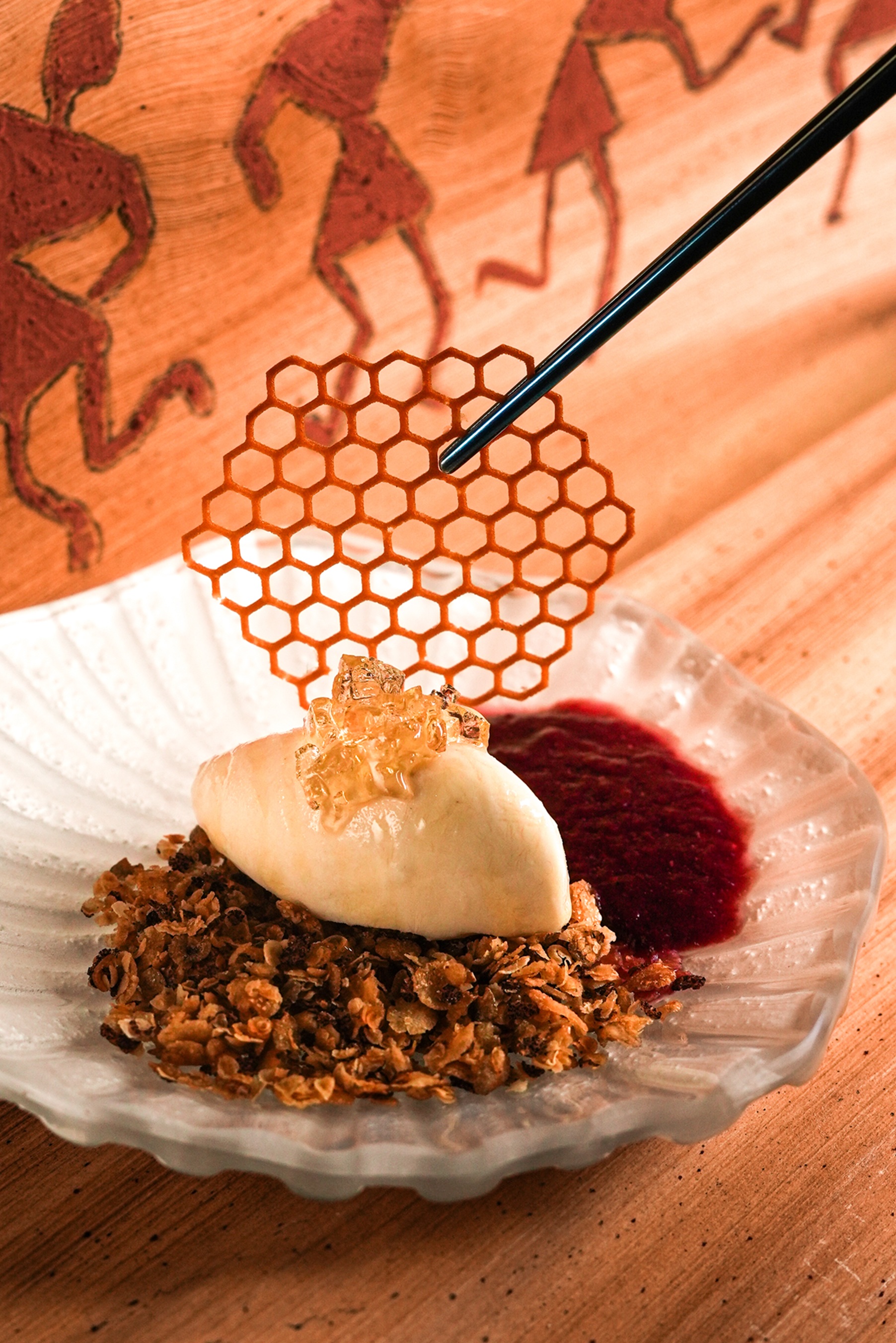
You’ve built distinctly different concepts—from The Sassy Spoon and House of Mandarin to Sassy Teaspoon and now 8-ish. How do you ensure each one has its own identity?
I usually start with a gap rather than a trend. Sometimes it’s a gap in the market and sometimes it’s simply a gap in my own dining life. Why doesn’t this exist, or why doesn’t it exist like this? Sassy, House of Mandarin, Sassy Teaspoon and 8ish were never intended to be variations of each other. They have different personalities, different reasons for existing and, importantly, different emotional relationships with their customers.
For me, a concept needs to be explainable without a 40-slide presentation. If I can’t tell you in a sentence why you should come, we probably haven’t figured it out yet. Once that core is clear, everything has to speak the same language, food, drinks, music, design, service and even the way the brand talks. That’s when a restaurant stops being a collection of good things and starts becoming a brand.
What was the idea behind creating 8ish as a friendly neighbourhood cocktail bar. In a city where diners have choices, what makes a restaurant become someone’s neighbourhood favourite?
8ish came from a very simple observation: cocktail bars had become destinations. I wanted to see if one could become a habit. I love technically brilliant bars, but sometimes you don’t want an occasion. You want to finish work, walk somewhere familiar, order your usual, run into someone you know and accidentally stay two hours longer than intended.
That was the idea behind 8ish. Serious cocktails without taking ourselves too seriously. And I think that distinction matters. You can get someone through the door once with beautiful interiors, a viral dish or a clever cocktail. Getting them back three times a week is a completely different skill. That comes down to warmth, consistency, recognition and the feeling that the space somehow belongs to you too.
My favourite compliment isn’t “8ish is amazing.” It’s when someone says, “See you at 8ish?” Because then we’ve become part of their vocabulary and hopefully their routine.
Goenka opened The Sassy Spoon at the age of 24.
Are diners looking for experiences that connect them with the stories behind what they’re eating? What shifts do you see in consumer preferences right now?
Absolutely, but I think diners have also become very good at detecting when the story is doing more work than the food. There is tremendous curiosity around regional India right now, which is exciting. Diners want to know where ingredients come from, they are more open to unfamiliar flavours and they are increasingly interested in provenance, seasonality and technique. But ultimately, delicious food still wins.
You can tell me the most extraordinary story about an ingredient that was foraged at sunrise from a mountain accessible only by mule but if the drink isn’t good, I’m probably not ordering a second one. So I think the shift isn’t simply towards storytelling. It’s towards substance. People want discovery, but they also want pleasure. The best experiences give them both.
How do you balance what consumers currently want with something they may not yet know they want? How much do trends influence a menu?
I think listening to consumers is important. Obeying them blindly is dangerous. If restaurants only gave people what they already knew they wanted, nothing interesting would ever get created. Part of our job is to introduce people to flavours, formats and experiences they may not have thought to ask for — but to do it in a way that still feels accessible.
Trends are useful information; they shouldn’t be a creative direction. I watch them because they tell you something about how people are eating and drinking, but I don’t think every restaurant needs to suddenly put the same ingredient on the menu because the internet has decided it’s having a moment. I’d rather understand why a trend is happening than copy what is trending. Longevity comes from knowing the difference.
Travel seems to find its way into your food and ideas. What kind of traveller are you, and what do you bring back from your travels—that eventually find their way into your restaurants?
I travel largely through food. My itinerary tends to be organised around where I’m eating, with sightseeing and shopping fitted very efficiently between reservations! But what I bring home has changed over the years. Earlier, I would notice dishes and ingredients. Now I notice behaviour. Why did a tiny neighbourhood restaurant make me feel more welcome than somewhere with three Michelin stars? Why was a bar packed on a Tuesday? Why did everyone seem to know the bartender? Why did I want to stay for one more drink?
Those questions are often more valuable to me than bringing back a specific flavour. Of course, flavours inevitably come home too — that’s probably unavoidable when you’re a chef. But I don’t want to recreate restaurants I’ve visited. I want to understand what made me feel something in them, and then translate that feeling into something that makes sense in Mumbai.
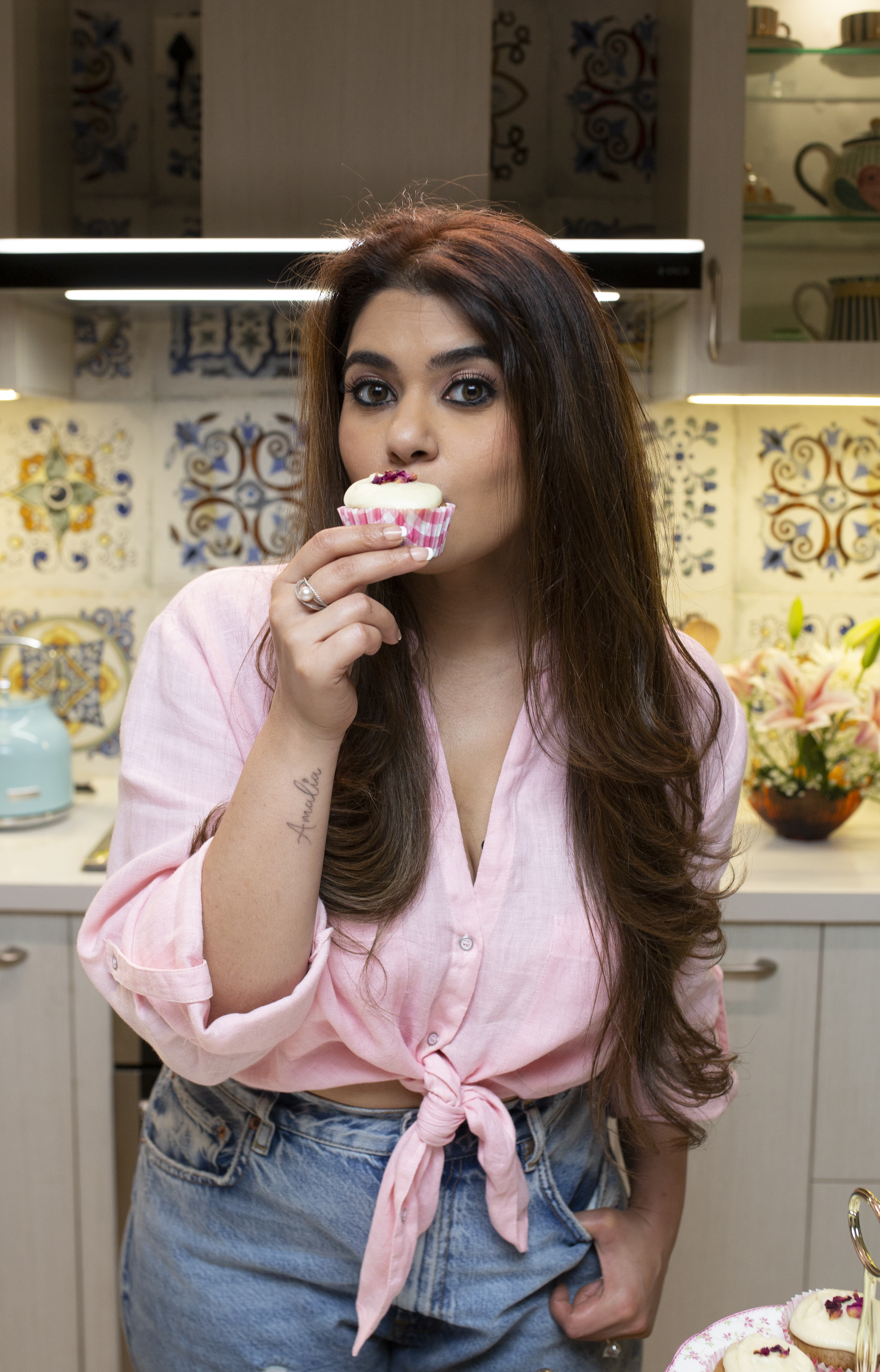
"I think listening to consumers is important, but obeying them blindly is dangerous," says Goenka.
Quick 5 With Rachel Goenka
Where would you fly just for a meal?
Tokyo. You could give me 48 hours, eight reservations and no sightseeing and I’d consider it a perfectly successful holiday.
A restaurant you wish you had created?
Honestly? The one I haven’t eaten at yet. The minute I wish I’d created someone else’s restaurant, I’m probably spending too much time looking sideways.
The most underrated Indian ingredient?
Kokum. Acidic, fruity, beautifully complex — and somehow still far too often reduced to “that thing in sol kadhi”.
One trend you’d happily retire?
Anything designed primarily to be photographed rather than eaten. If I need a ring light before I need a fork, we’ve gone too far.
A great restaurant should always leave you…
…wanting one more bite, one more drink and absolutely no idea how it got so late.
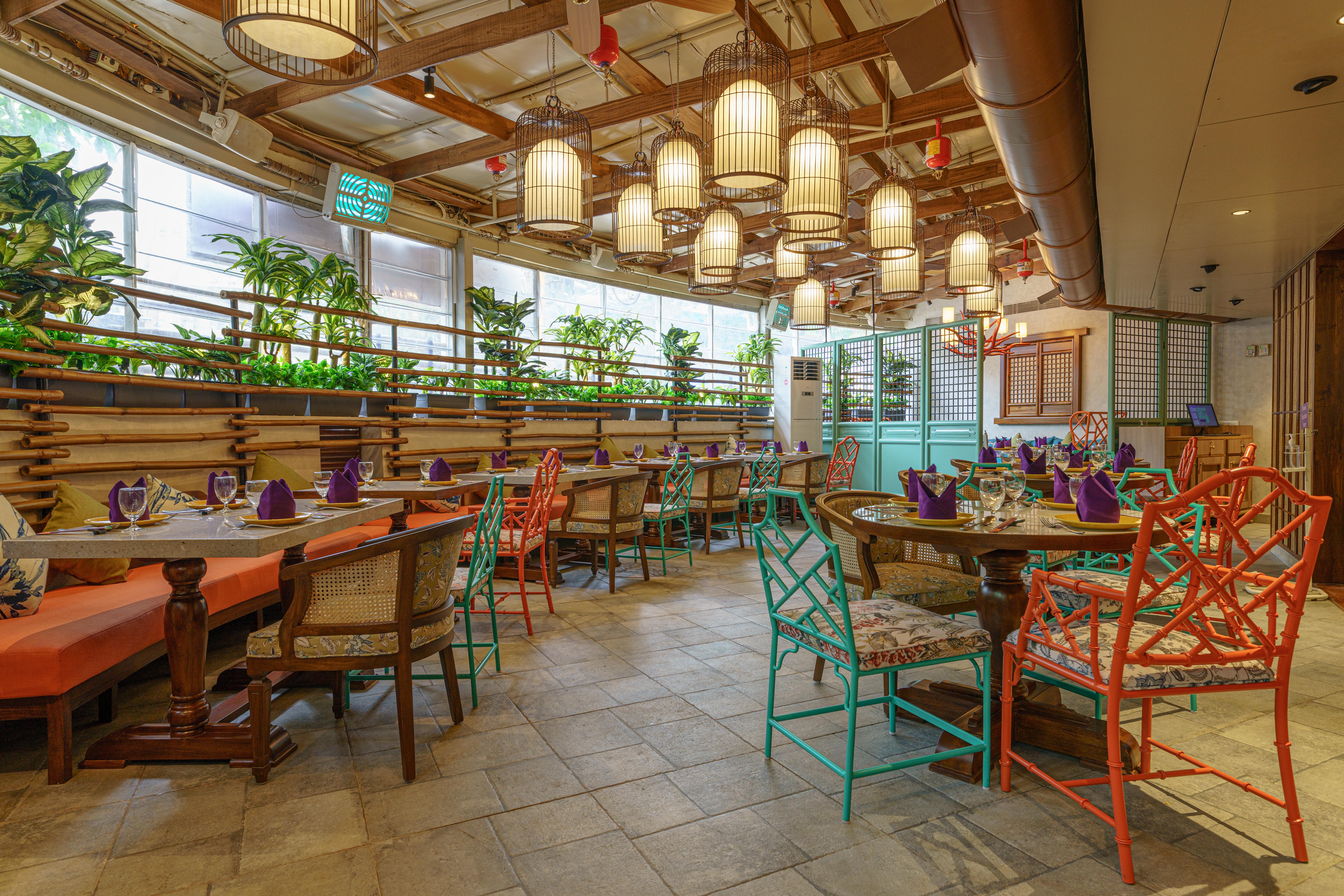
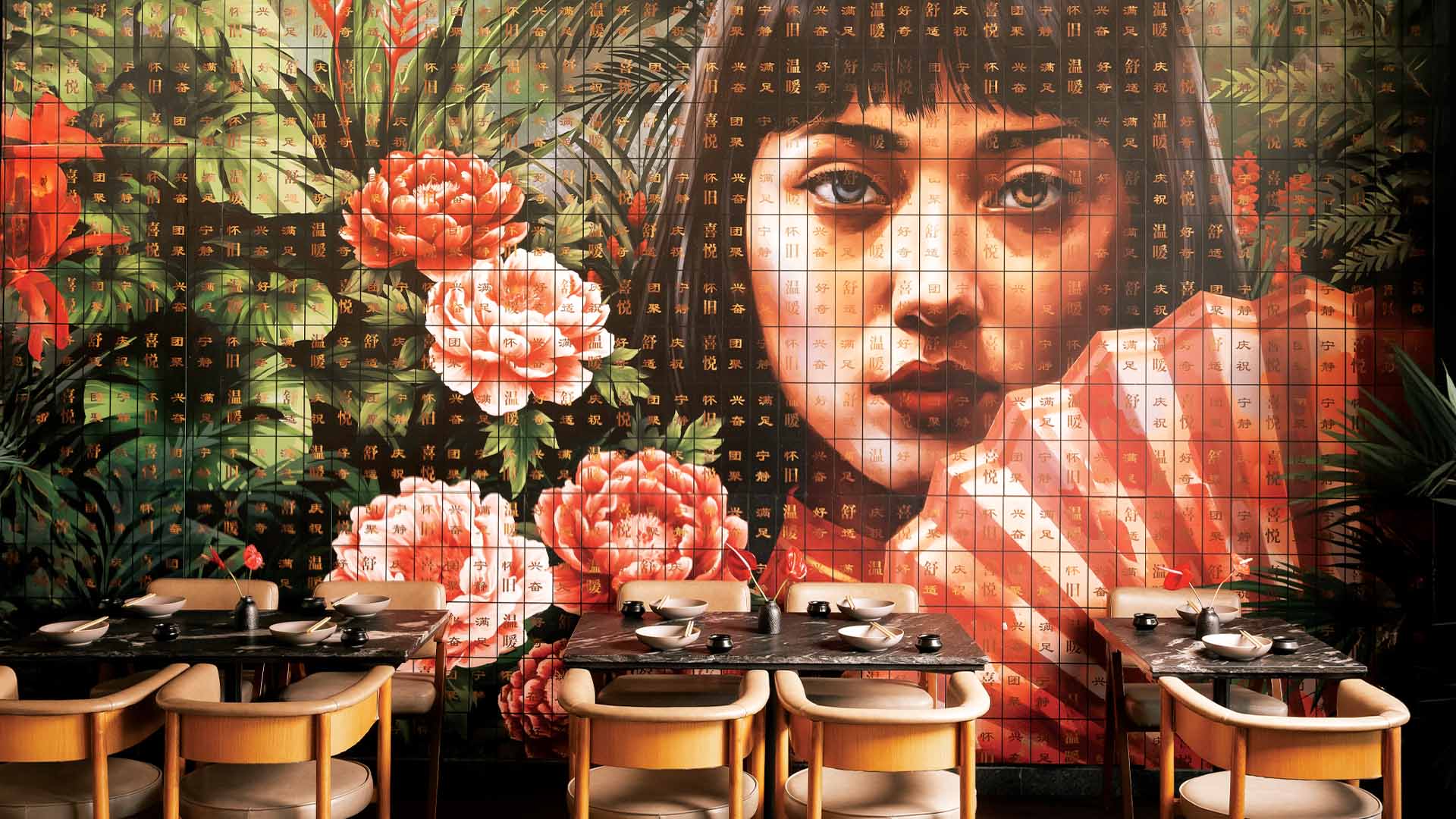
House of Mandarin pays an ode to Chinese cuisine.