










A Seat At The Royal Table
From Patiala’s jewel-like chicken to Emperor Jehangir’s garlic kheer, The Silver Train serves up the recipes—and extraordinary stories—of India’s palace kitchens in an urban mall space in Mumbai.

By Deepali Nandwani
Think of royal dining. Long tables, beautifully laid, laden with the choicest dishes. Many are recipes that have stayed within one royal family for generations, handed down through its khansamas. Others found their way into another kingdom's kitchens, adapted after a daughter of the house married in and travelled with her personal cook.
Sometimes, a restaurant mines India's royal cuisine for recipes not just delicious but lush with historical reference. The Silver Train does so with a different wager: a research-heavy, narrative-first restaurant inside a luxury mall in India's most competitive dining city. "What convinced you that palace kitchens could work in Lower Parel?" I ask founder and CEO Shravan Juvvadi. "Palaces were never just home to royals; they were homes to diverse cultures, where different regions, ingredients, influences, and traditions converged and inspired exceptional recipes."
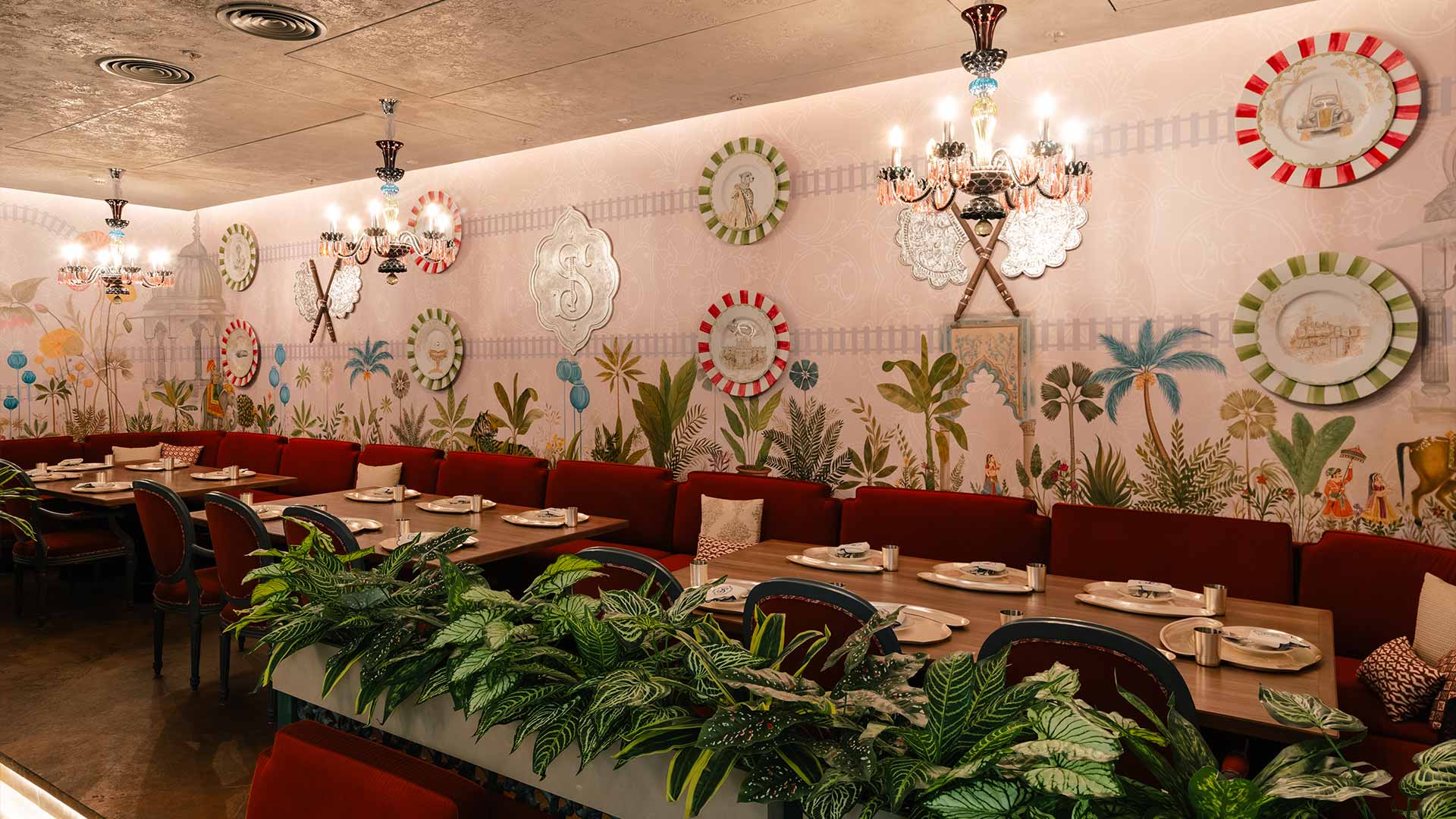
The Silver Train's menu journeys through 26 palace kitchens across India.
Stories that shape the space
The name references the miniature silver train that sat on a dining table in Gwalior's Jai Vilas Palace. In 1906, Maharaja Madho Rao Scindia, who loved luxury trains, commissioned one cast in pure silver to ferry wine, liqueur and cigars to his guests along a conveyor belt.
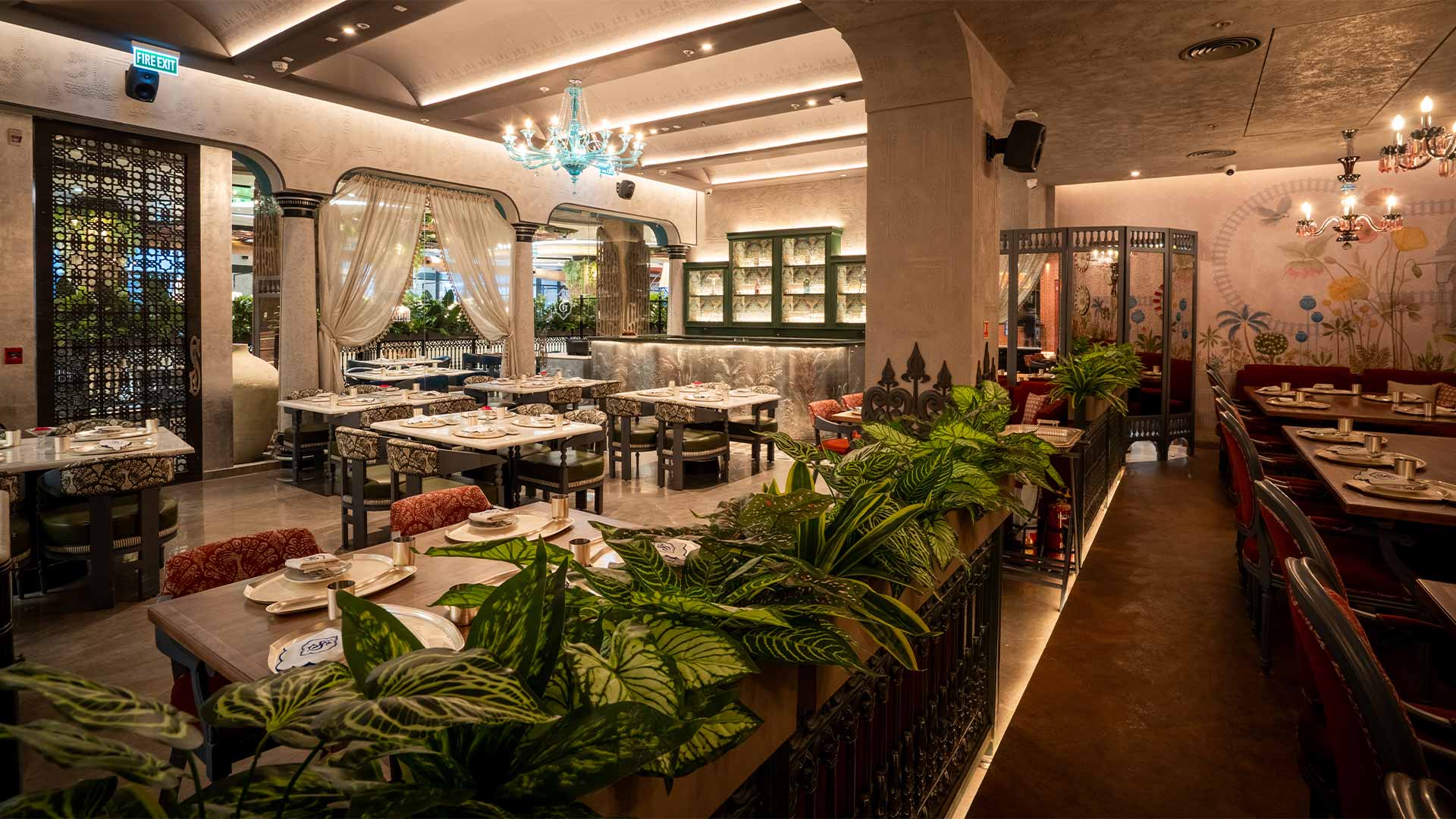
The Mumbai restaurant eschews any silver train in its interiors as a gimmick, focusing instead on the purity of the heirloom recipes. On one wall hang eight painted plates, each scene wilder than the last. The one titled Roshnara weds Bobby evokes Junagadh's grandest royal wedding: the king spent two crores, declared a state holiday, and sent an invitation to the viceroy of India. A silver palanquin carried the bedecked bride, with 25 groomsmen. The newlyweds were the Nawab's beloved dogs.
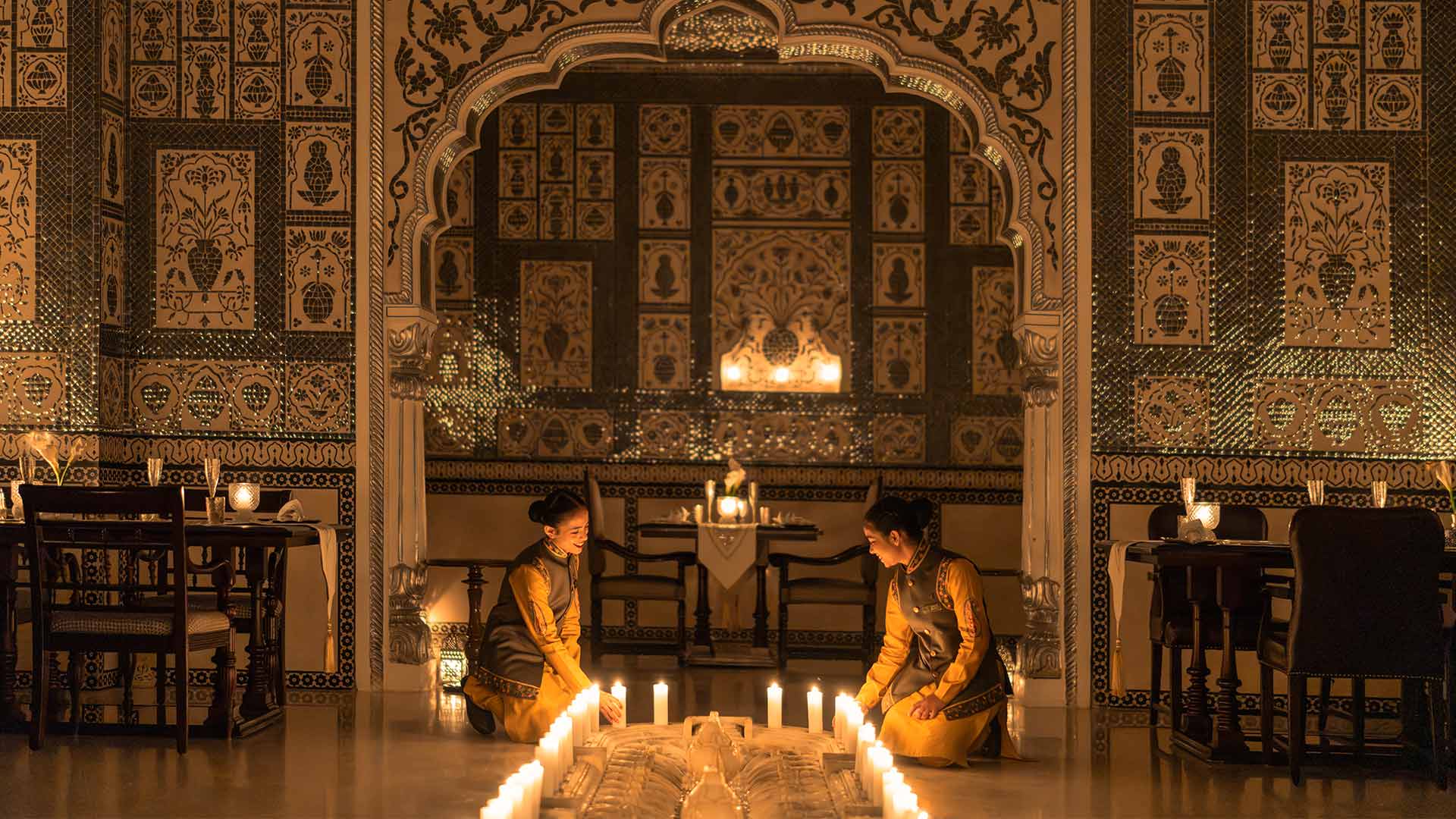
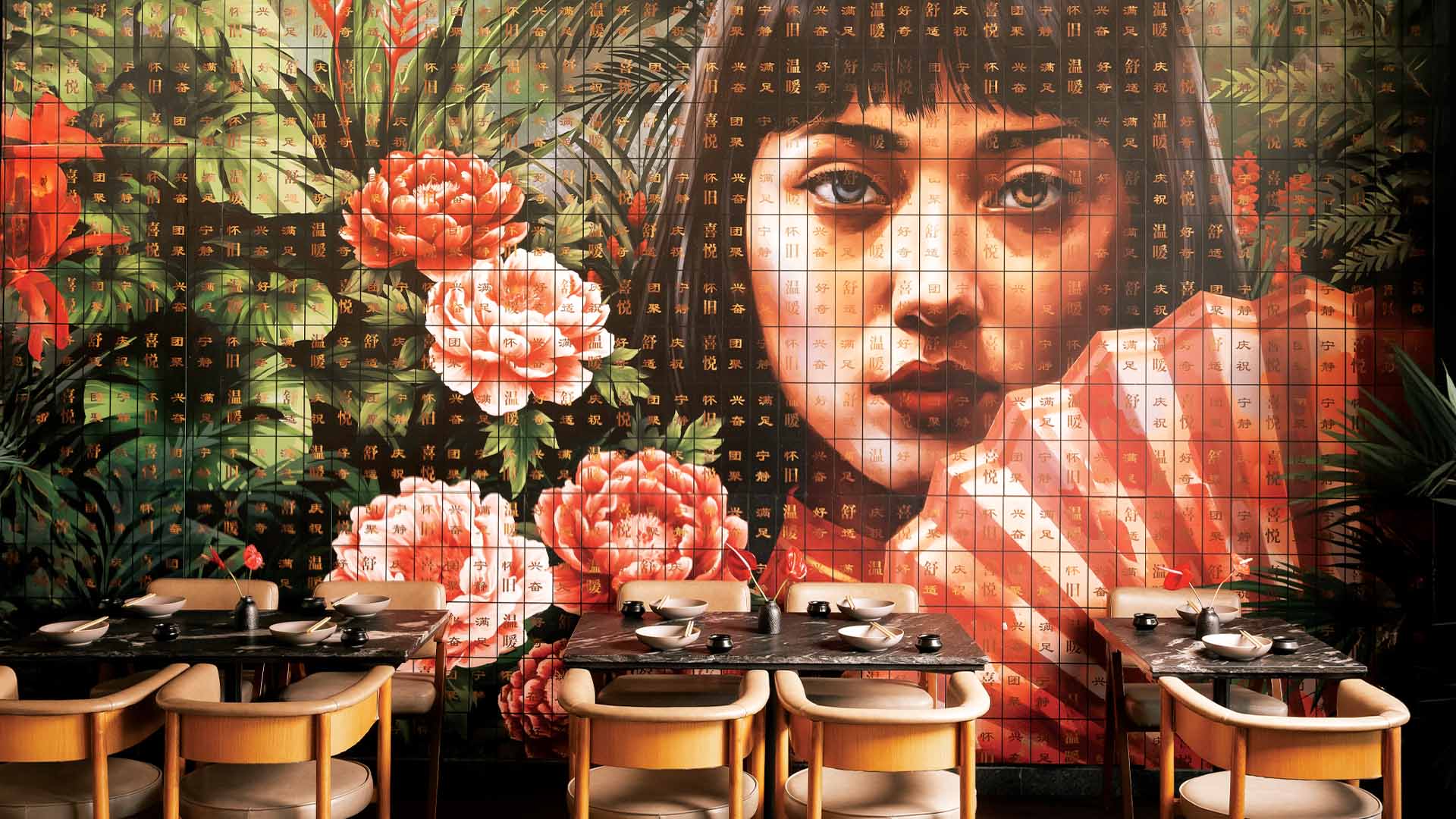
Juvvadi's brief to designer Sumessh Menon was to make it feel like "the cool wing of a palace", and Menon has delivered, with an engraved silver bar, Sabyasachi wallpaper, South Indian-style pillars and embossed grey-cobalt walls painted by artists, not painters.
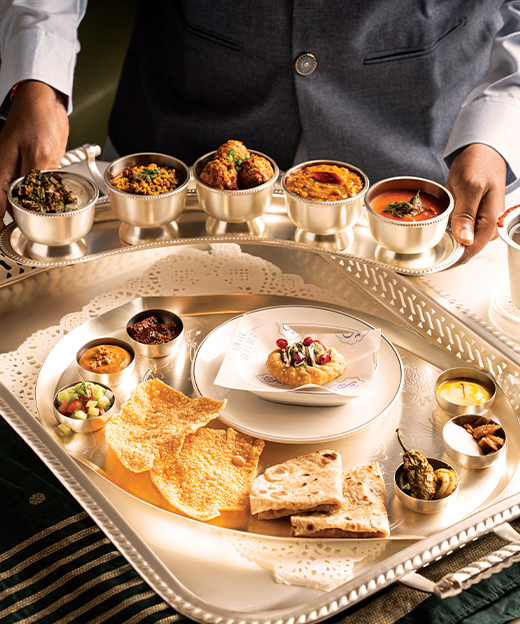
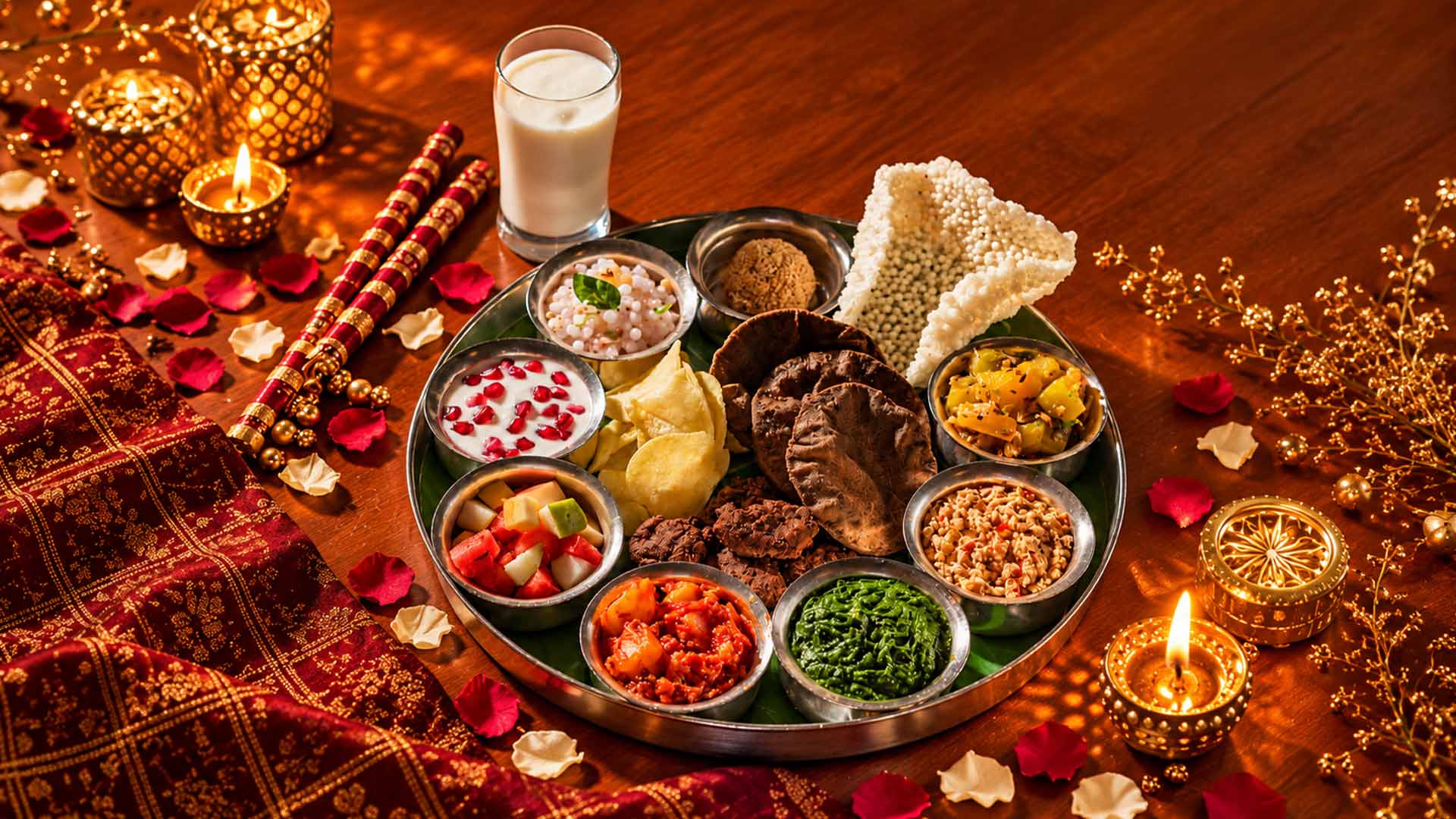
The Silver Train brings the palace thali into an urban space.
Stories on the menu
The blue-and-white menu, foliage and peacocks etched across its pages, is a romp through 26 palace kitchens. Take Maharaja Bhupinder Singh of Patiala, fabled for his feasts, who once wanted something 'extraordinary'. The stumped khansama glazed the chicken in cloves, cardamom and honey "until it gleamed like a jewel", and the enchanted Maharaja made it a banquet staple. Another tells of a ruler left heartbroken after he lost his khansama, a culinary genius, in a game of dice.
The menu describes royal cuisine as one of 'boundless imagination'. "The Silver Train is an ode to those extraordinary celebrations," says Juvvadi.
A common misconception is that royal Indian cuisine begins and ends in Rajasthan, all of it rich and ghee-laden. India's royal tables were far more diverse, shaped by geography, climate and trade.
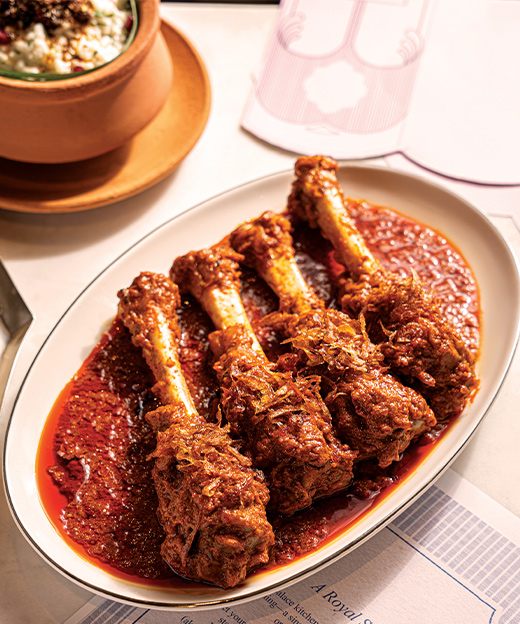
Among the meats, Lal Maas is a loved one.
The Dahi Kebab is attributed to Jodha Bai; the Chanar Paturi, chenna in grated coconut slow-grilled in banana leaf, comes from the Murshidabadi zamindars. Among the meats, Maharaja Bubbles' Shami Kebab from Jaipur is tender pan-fried minced mutton; Thanjavur sends Mutton Kola Urandai, crisp golden spheres with a note of pepper. Two unusual finds: the Prince of Wales Fish Curry, a mildly spiced bhetki in coconut broth, beloved of a British royal on an India tour; and the rustic Maratha Kala Mutton in a dark, smoky masala. Even dessert carries a story: the Bennami Kheer, born when Emperor Jahangir's hakims prescribed garlic, boiled thrice in milk until the cloves melted into a silken kheer.
The Silver Train also brings the palace thali into an urban space. Every dish arrives single-serve, so you keep adding to your main silver thali one katori at a time. That is the idea behind the Ek, Do, Chaar format, drawn from courtly dining. "Mall goers in Mumbai often seek quick, independent meals," Juvvadi says. "Mumbai diners are mindful and value control over portion sizes, especially since Indian food is sometimes perceived as heavy." A seven-day rotating thali keeps it from settling into sameness.
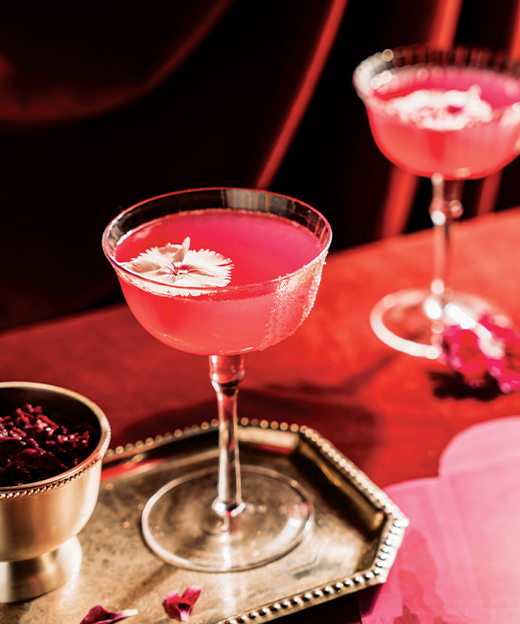
Jamun Royale is a popular beverage among the zero-ABV pours.
At the bar, the programme comes from Elevenses Hospitality by food writer Nikhil Merchant and F&B veteran Zamir Khan. There is a Jadi-booti Negroni scented with vetiver and betel leaf, and a faintly tropical milk punch nodding to the drink's colonial-India roots. Among the zero-ABV pours is the Chameli Bagh, a sharbat that conjures orchards laden with jasmine, jamun and lime. Wine, too, is poured "ek, do, chaar".
Juvvadi says concept rests on more than one team's memory, its culinary authorship held by a creative team of 15-year veterans. He sees it as scalable; this Mumbai flagship is the first of several planned verticals. "Experiential dining moments pass," he says, "but a concept rooted in India's own diverse, living heritage has lasting power."
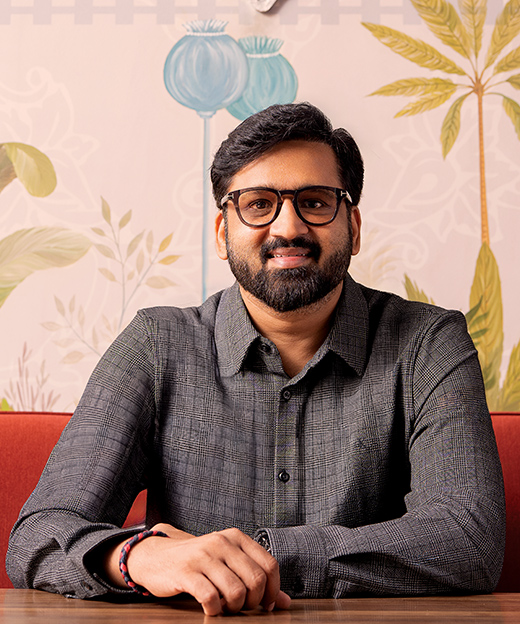
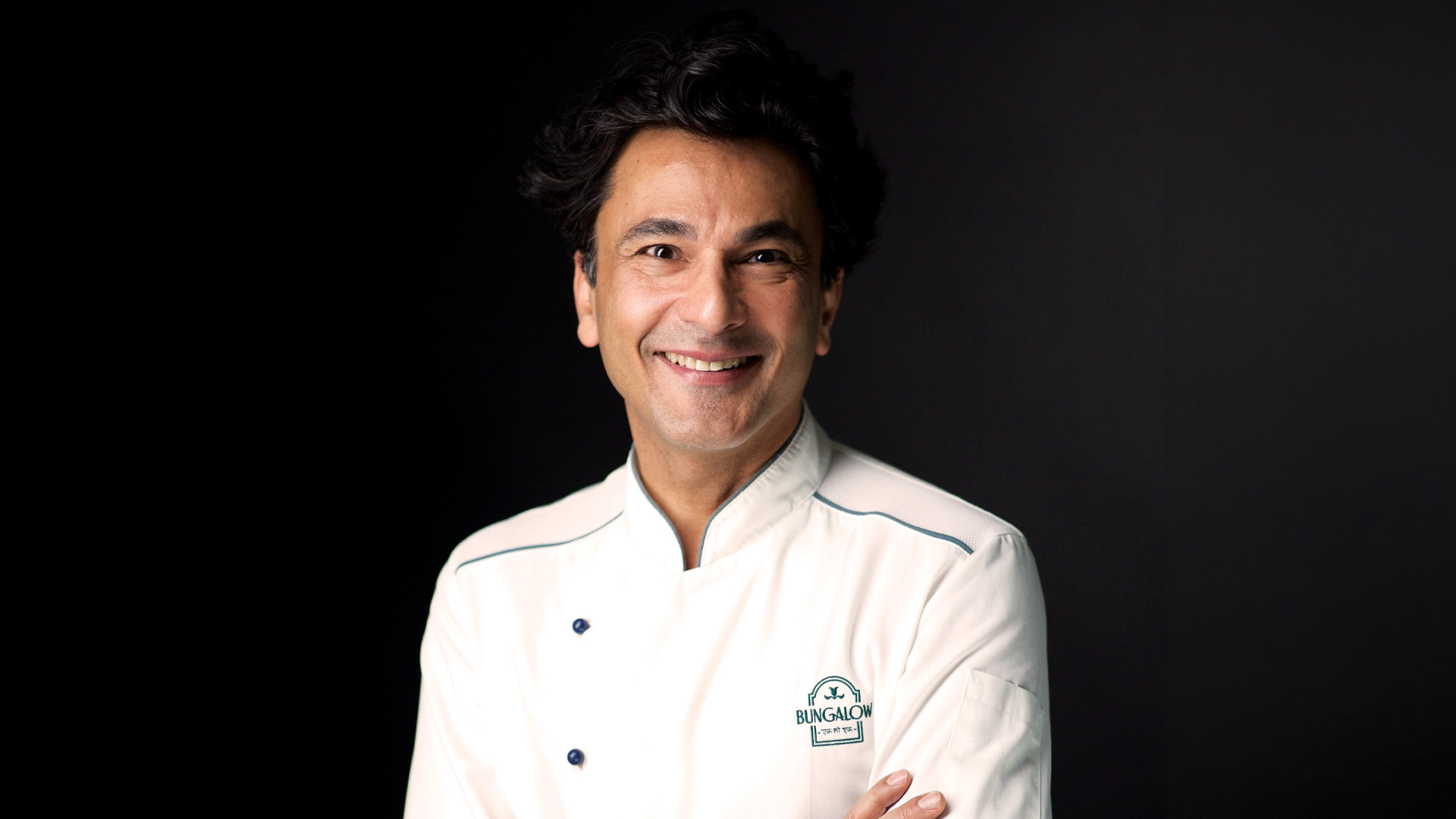
Shravan Juvvadi says The Silver Train is an ode to extraordinary celebrations.