












At PCO’s Mumbai Outpost, Cocktails Take Inspiration from Indian Textiles
PCO Mumbai’s textile-inspired cocktail menu blends traditional craftsmanship, inventive mixology and sensory storytelling to create a distinctive drinking experience.

By Rachna Virdi
Ever imagined sipping on a Kanchipuram Silk, savouring a Pashmina or discovering the flavours of a Kalamkari or Bandhani? At PCO Mumbai, these iconic Indian textiles have found an entirely new expression—not in fashion, but in cocktails.
Drawing inspiration from the building’s history and India’s rich handloom heritage, the bar’s intriguing menu, An Ode to Textiles, transforms the textures, craftsmanship and character of traditional fabrics into flavours. But what does a Pashmina taste like, or how does a Kanchipuram Silk find its way into a glass? Let’s find out.
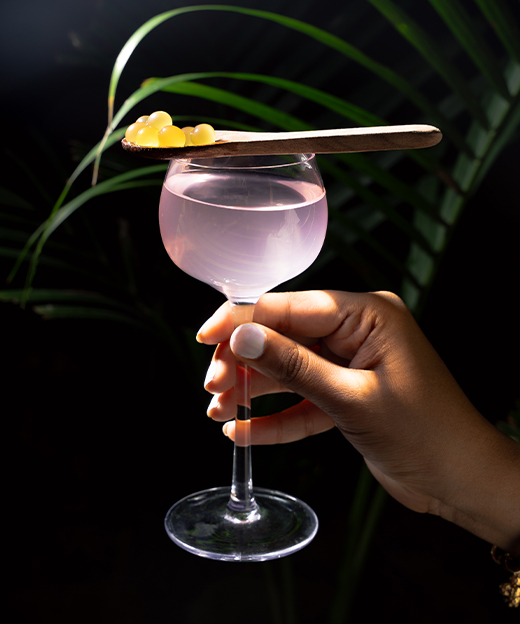
Kalamkari is spiced with ginger and raw mango
brine, ingredients that warm the heart and fill the soul.
An Intimate Space
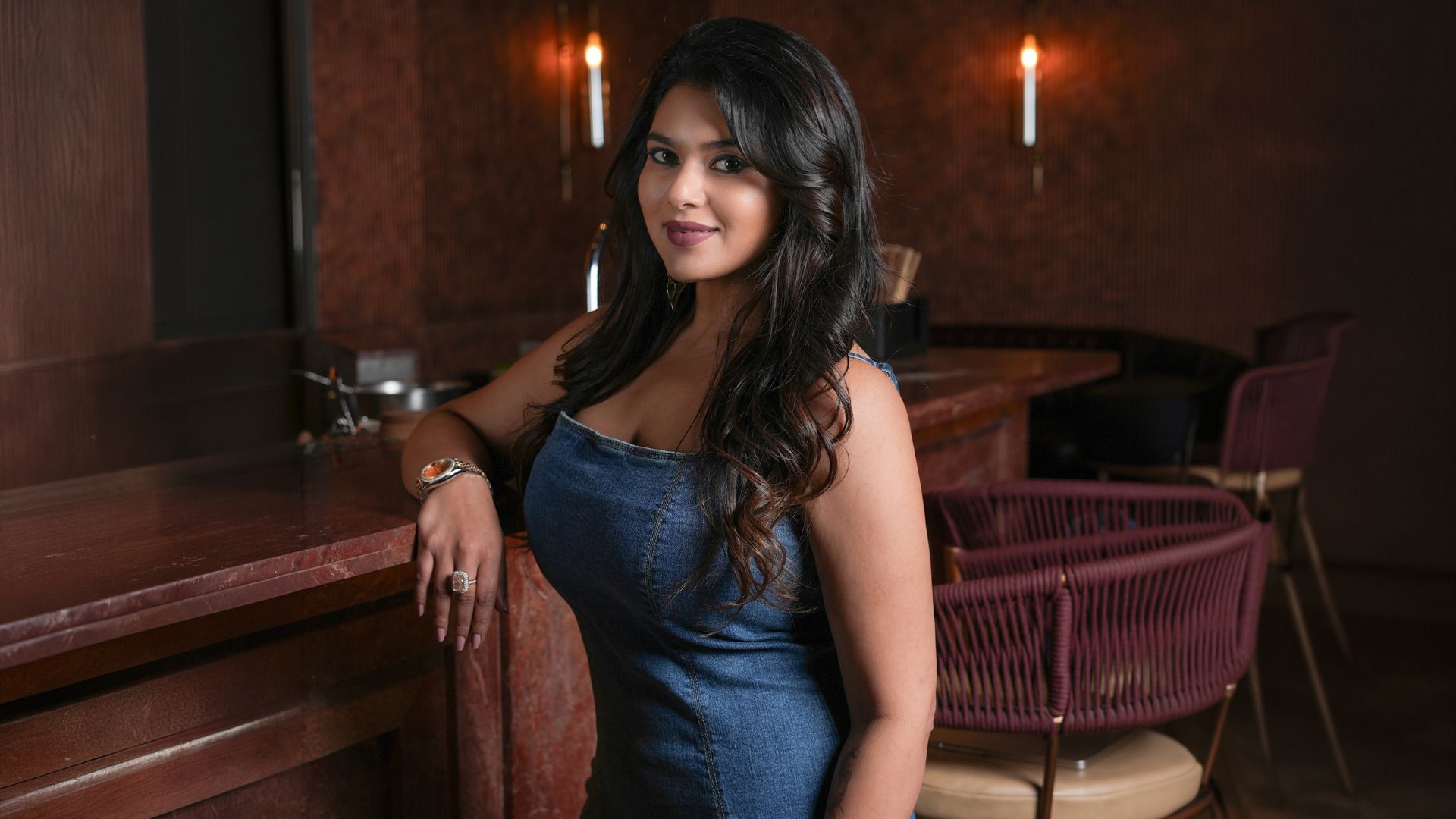
Founded by siblings Rakshay and Radhika Dhariwal, Pass Code Only (PCO) made its debut in Delhi in 2012 as India’s first speakeasy. Today, its bars in Delhi and Mumbai have distinct identities while staying true to the spirit of discovery and inventive cocktails.
PCO Bombay celebrates the history of NRK House, once a garment house during Mumbai’s mill era. Having first opened in 2021, the bar has returned to Kamala Mills with the founders’ vision of bringing together the city’s heritage and contemporary cocktail culture.
Each cocktail on the menu takes inspiration from a fabric connected to this heritage. Guests are even invited to touch and feel the textiles before sipping the drinks inspired by them, adding an intriguing sensory dimension to the experience.
Rakshay Dhariwal, Founder & Managing Director, PCO, says the bar draws inspiration from the building’s history and India’s traditional handlooms. “Returning to NRK House felt like coming back to where our story began. We combine heritage with contemporary cocktail culture.”
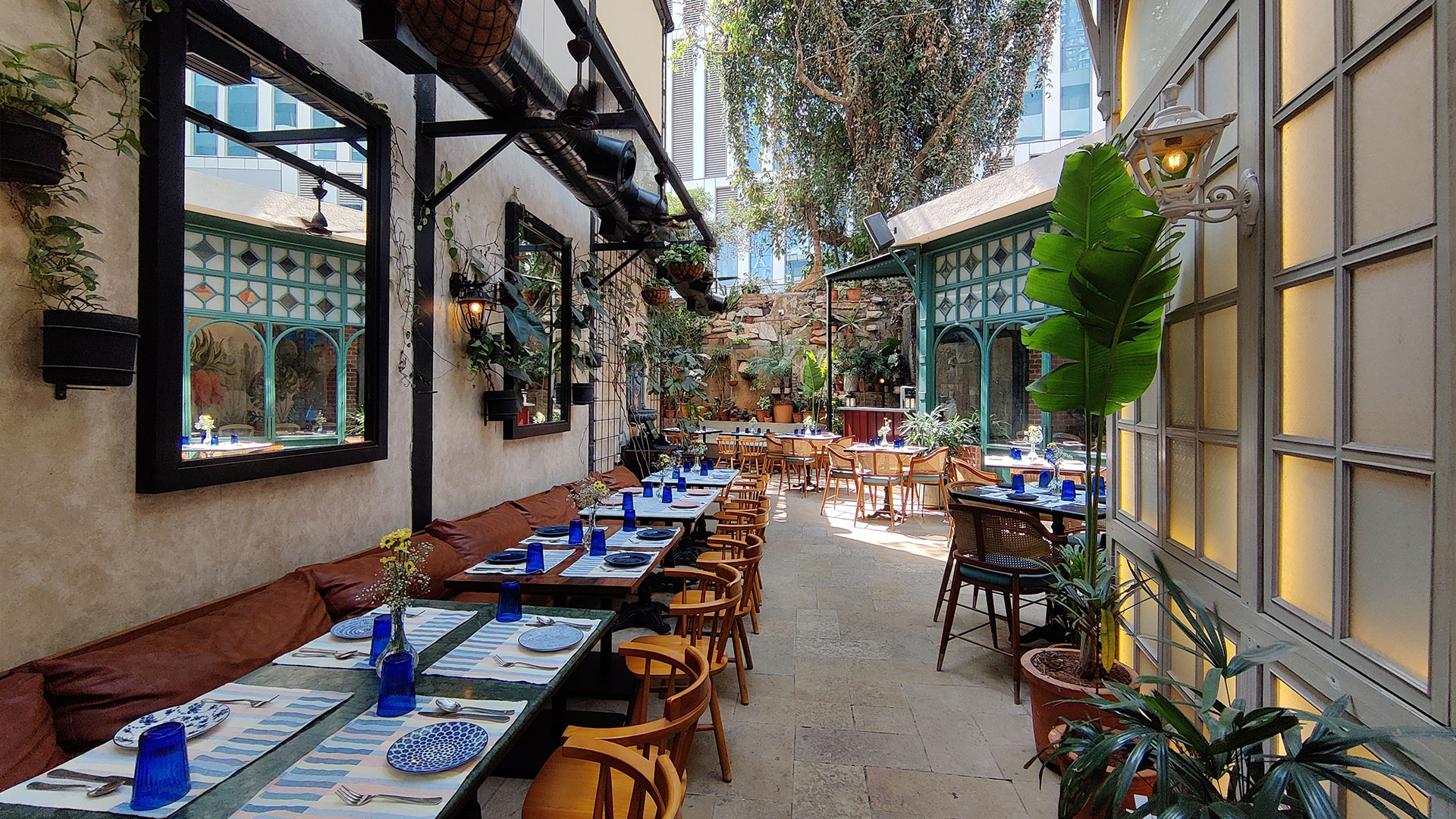
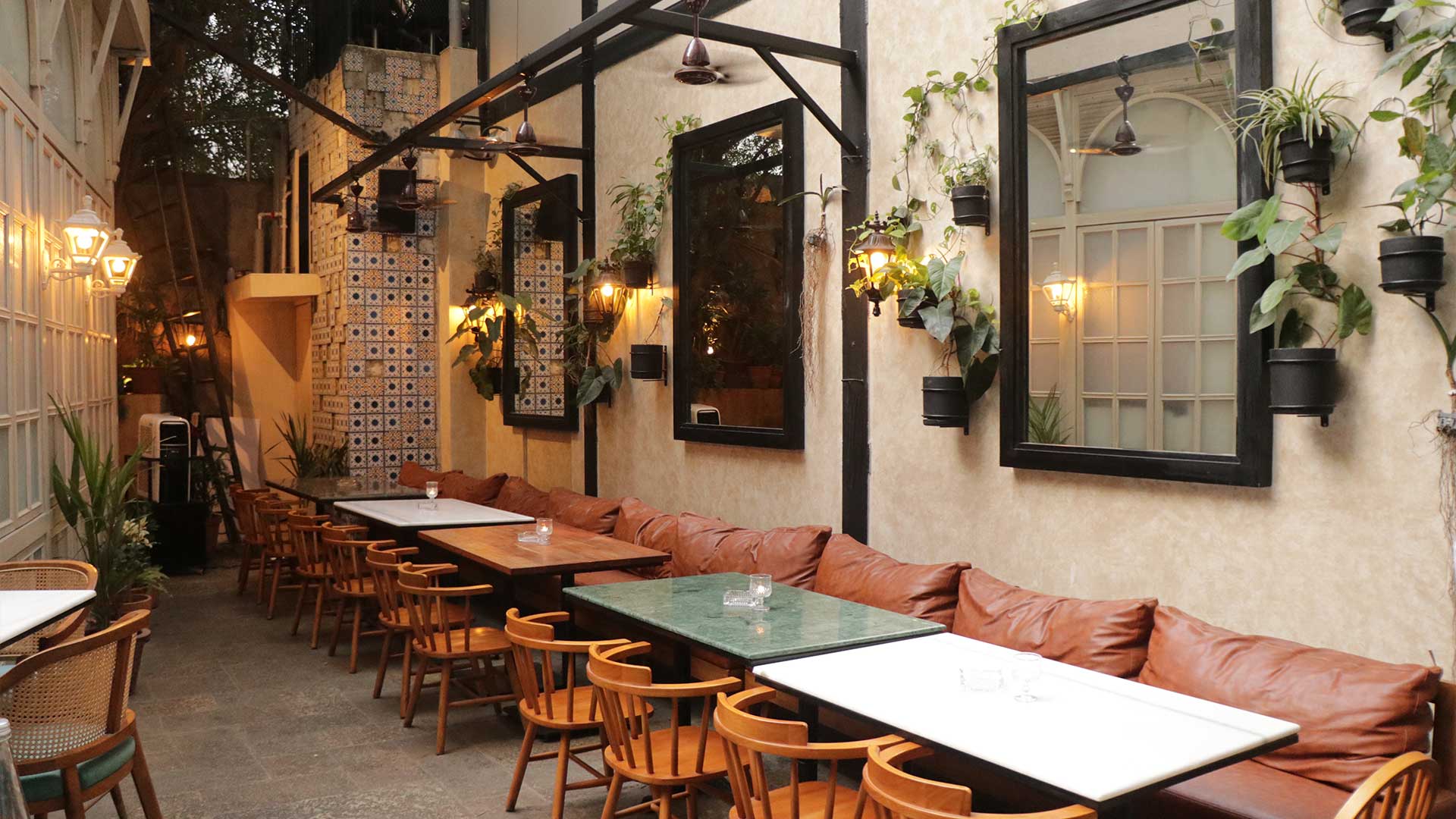
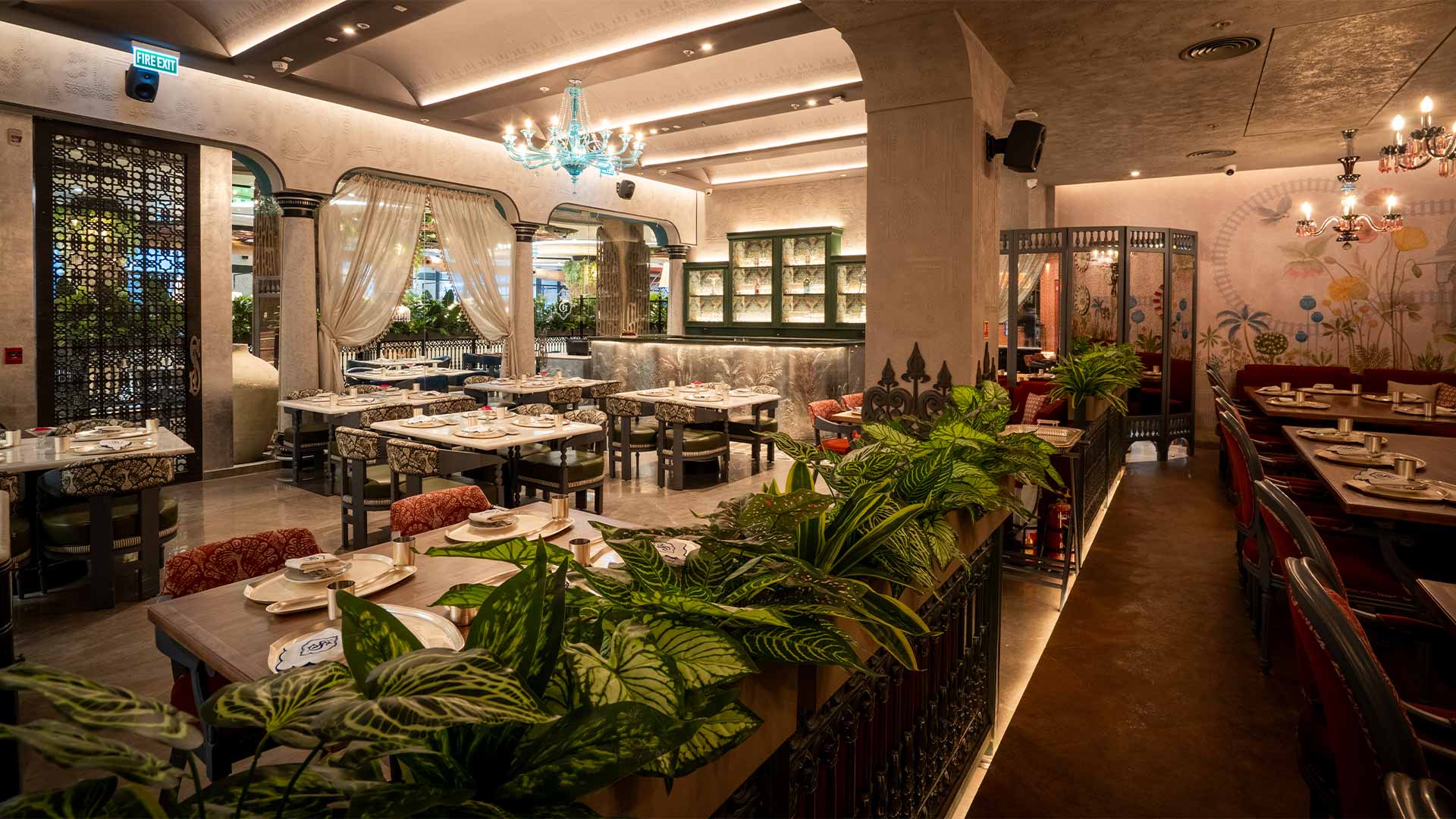
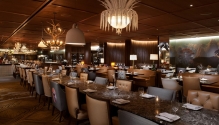
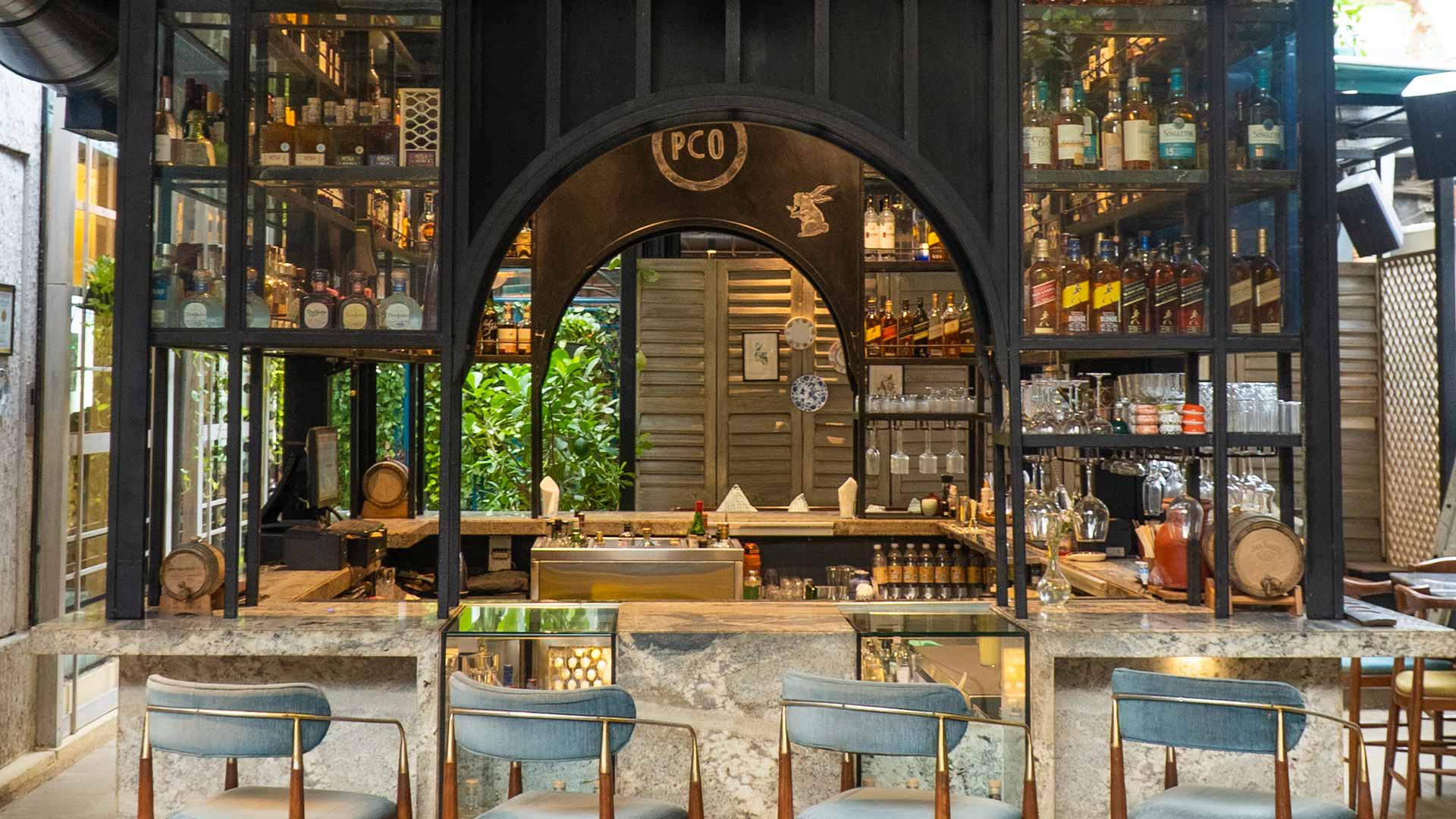
The 80-seat alfresco garden bar blends Art Deco influences with the industrial character of the old mills. Weathered textures, lush greenery and an open sky lend the space a relaxed yet distinctive character.
“The open-air setting gives PCO Mumbai a more relaxed character. The goal is for guests to feel the history of Kamala Mills in a space that is very much of today. The building gives us the narrative, and techniques like milk clarification, ghee-washing and infusions give it a modern voice. The space carries the same idea,” says Rakshay.
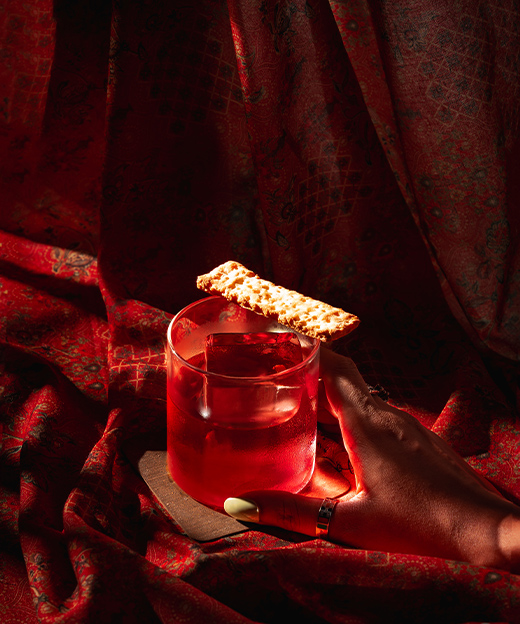
Muslin is made with parmesan for roundedness of flavour and strawberry for sweetness and citrus for zing.
The Making of the Menu
At PCO Mumbai, traditional Indian fabrics do more than lend their names to cocktails. Their textures, craftsmanship and cultural identities are translated into flavours, aromas and techniques, creating a drinking experience that goes beyond the glass.
The menu is as much about the story behind the fabric as it is about what goes into the glass.
Shelton Fernandes, Head of Mixology, PCO Mumbai, tells us, “Unlike a conventional cocktail programme that starts with a spirit or an ingredient, An Ode to Textiles begins with the fabric. We visited markets and picked textiles that personally inspired them, then examined what made each one unique, from its weave and construction to its texture, craftsmanship, and cultural associations, before asking how those qualities could translate into a drink.”
The strongest concepts then went through an internal competition before making it to the final menu, with each cocktail credited to the mixologist who created it.

Rakshay Dhariwal, Founder and Managing Director of Pass Code Hospitality.
The interpretations are as interesting as the textiles themselves. ‘Pashmina’ draws on the fabric’s Himalayan origins with a goji berry and peach vodka highball. ‘Kanchipuram Silk’ captures the richness of the textile through ghee-washed whisky, cashew foam and edible gold glitter. ‘Banarasi’ echoes the fabric’s four-thread weave with a four-ingredient gin cocktail featuring betel leaf and rose, while ‘Chiffon’ uses milk clarification to reflect the fabric’s delicate structure.
Even the zero-ABV creations follow the same philosophy. ‘Leheriya’ takes inspiration from the wave-like patterns of the Rajasthani textile, while ‘Kani’ draws from the intricate Kashmiri shawl-making technique of weaving thread by thread.
What makes the experience particularly interesting is that each cocktail is accompanied by a swatch of the fabric that inspired it. Guests can see and feel the textile before discovering how its character has been interpreted in a drink.
Perhaps it’s time to feel and experience them one sip at a time.