












Where India’s Liquid Past Is Distilled for the Future
Tucked away in an unlikely corner of Bengaluru, The Flavour Lab by The Good Craft Co. is where India’s ancient relationship with spirits meets modern science, storytelling and sensory exploration.

By Deepali Nandwani
Within the Vydehi Institute of Medical Sciences and Research Centre in Whitefield, Bengaluru, stands a centre dedicated to craftsmanship, innovation and experience in the world of spirits. The Flavour Lab by The Good Craft Co. is Diageo’s sensorial experience home, where a group of alchemists—from fermenters and chemists to bartenders—think up new ways to make spirits and ferment just about every ingredient. The location within a medical sciences research facility is mandated by government regulations, since the centre handles high volumes of spirit. Here, centuries-old traditions of spirit making and experimentation come together to create new expressions of Indian craft spirit.
The Good Craft Co. and the Flavour Lab is where those deeply interested in the world of spirits and fermentation are offered experiences, workshops and talks by the passionate team that leads the venture.
As Vikram Damodaran, Chief Innovation Officer, Diageo India, says, “The idea for The Good Craft Co. came from a simple question—what does ‘good craft’ really mean in the Indian context? India has a 4,000-year-old relationship with spirits and fermentation, yet much of that legacy has stayed hidden or undocumented. We wanted to celebrate that history while creating space for the new wave of Indian makers redefining what craft can be today. There was no dedicated space where people could see or experience the process behind the bottle or learn about our liquid heritage.”
Yet, TGCC is more than just an experience centre. It works to put India’s rich spirits traditions on the map through storytelling of Indian spirits craftsmanship, bringing together R&D, craft stories, ideas and experiences under one roof to create a unique direct-to-consumer experiential ecosystem. Rich stories of sourcing, ingredients, provenance, indigenous craft distillation, and maturation and finishing processes are narrated.
The centre also collaborates with homegrown players across spirit segments, offering R&D facilities to create new tipples and access to advanced equipment, technology and controlled environments for small-batch experimentation. “Our goal is to strengthen India’s craft ecosystem in every sense, from research and education to innovation and entrepreneurship,” says Damodaran. “For the industry and start-ups looking to create new products, the Lab provides the tools and expertise needed to experiment with ageing, fermentation and flavour development.” Among the new iterations The Flavour Lab has helped nurture is Nao Spirits’ limited-edition Punk Gin, which used real Mahabaleshwar strawberries instead of flavour substitutes.
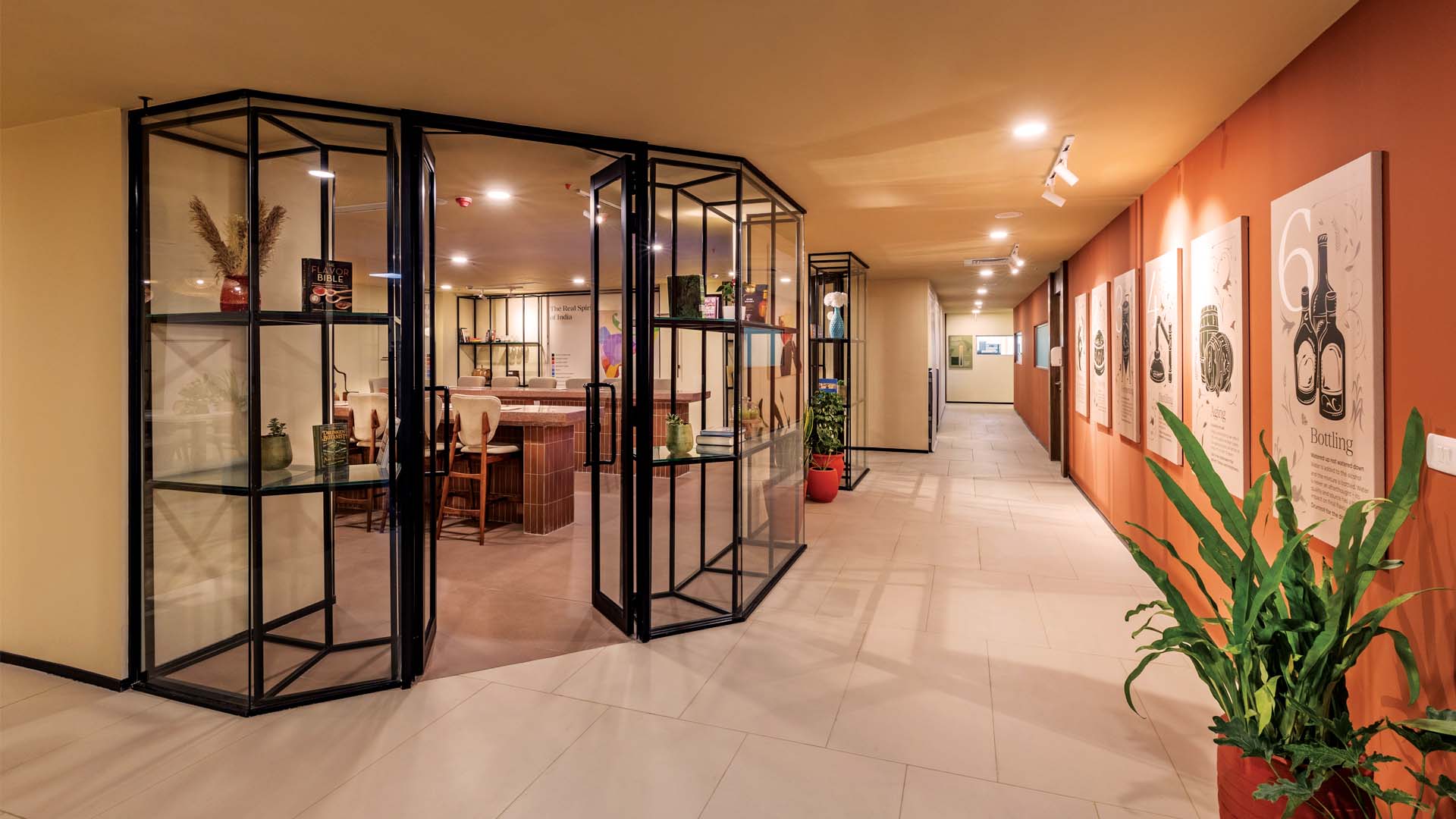
On a balmy Bengaluru day, I explored this fascinating world where science meets spirits meets tradition. The sprawling space is divided into four zones, each with a different function and character, one segueing into another. The Entry Zone is where we are welcomed with a glass of refreshing sugarcane juice with lemon, fermented and aged by Payal Shah, Shepherd of Microbes and founder of Kobo Fermentary. From here, the experience moves through The Academy, The Walkthrough and the Bar and Fermentary, each zone building on the last to reveal the science, craft and flavour behind Indian spirits.
“When consumers walk through the Lab, they see every stage of the process from grain to glass. If it’s a gin session, for instance, they are introduced to botanicals like juniper and gondhoraj that they can touch, smell, or taste to understand how each ingredient contributes to the final spirit,” says Damodaran.
The world of flavours and spirits I am introduced to finds resonance across the five-hour-long experience. It is present in the ingredients we sniff and understand during the whisky workshop; in the scents we encounter during the walkthrough, when we are asked to sniff and identify them; and in the fermentary, where Shah takes us through the wildly fascinating world of fermentation and flavours.
The Academy grounds the experience in history and context, anchoring whisky within India’s long and layered relationship with spirits. From there, the journey moves seamlessly into The Walkthrough zone, shifting the focus from storytelling to science, and from the past to the present.
The segment is visually engaging, with ingredients used in various whiskies being passed around, along with an audio-visual element. Mugdha Gupta, Senior Manager, Innovations speaks about how whisky historically came to India through the British, much like the railways. “Scotch was imported for British officers via the East India Company. Over time, Indians working alongside the British were exposed to these spirits and began to aspire to them. Imports were limited and expensive, so people began experimenting with what they had access to. That’s where the early story of Indian whisky begins.”
The evolution from then to now has been startling. Today, “Indian single malts are unique. They’re different because of our microclimates, our ingredients, and the curiosity of people who want to try new things,” she adds.
Right behind where we sat was The Real Spirits Map of India and, for a spirit nerd who likes to tuck away little bites of information, it introduced you to everything from fishtail palm toddy to Rohi from the northeast, Kesar Kasturi from Rajasthan, and Chhang from the Himalayan belt.
Gupta reveals that they work with a historian for heritage spirits—the most niche of niches—founded and studied in universities. His role involves travelling across the country to understand what spirits are being made and served in different regions, going beyond recipes to trace their connection to land, people and memory. “Somewhere along the way, we realised that India has a very rich and very old history of spirits and distillation,” she says. Traces of distillation have been found in places like Mohenjo-daro, pointing to a legacy that stretches back thousands of years and remains deeply embedded in local cultures.
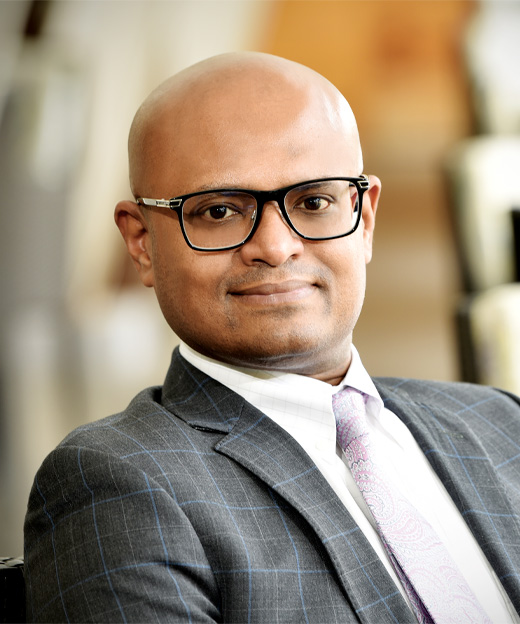
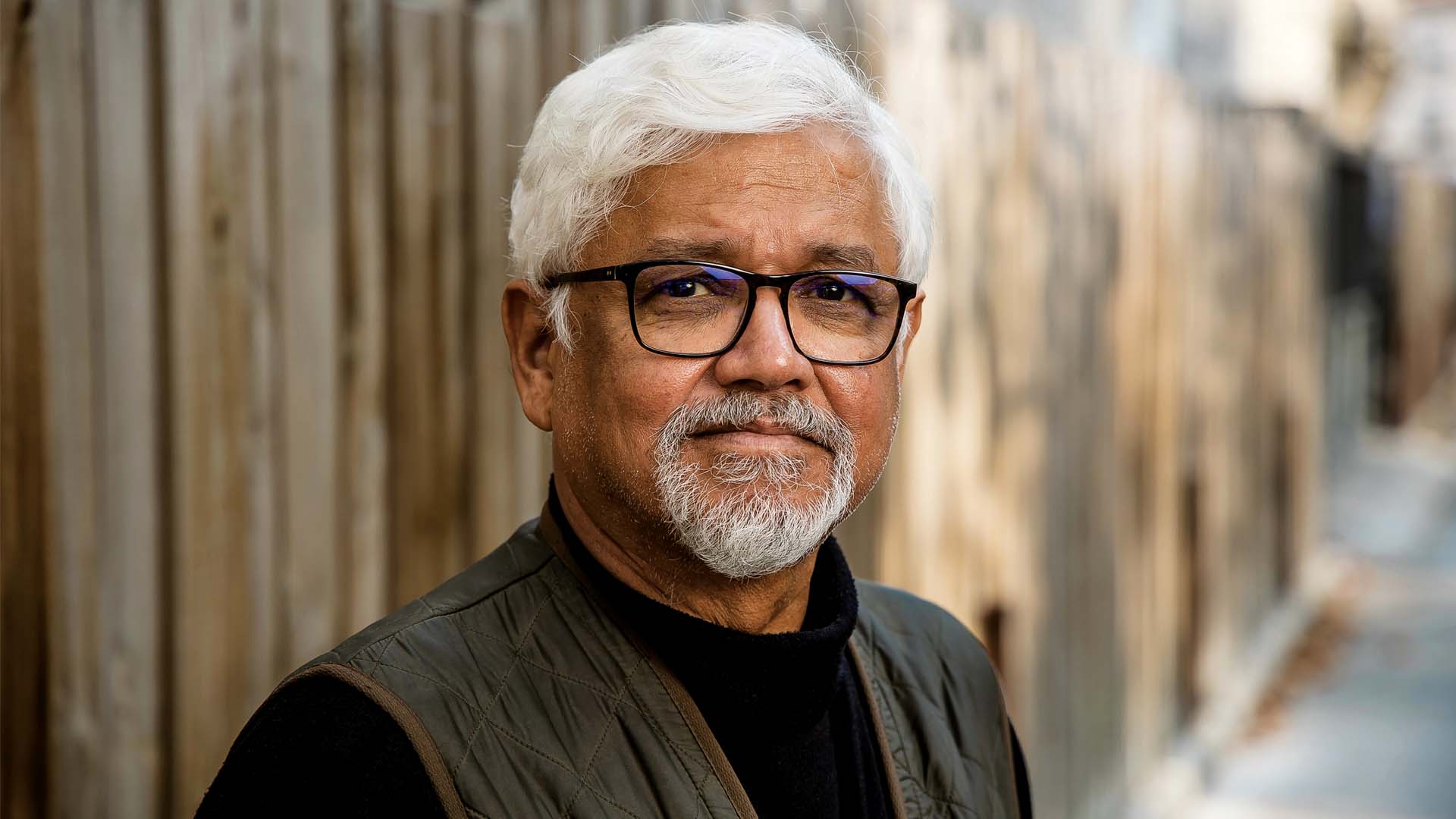
Vikram Damodaran, Chief Innovation Officer, Diageo India, whose vision anchors The Good Craft Co.
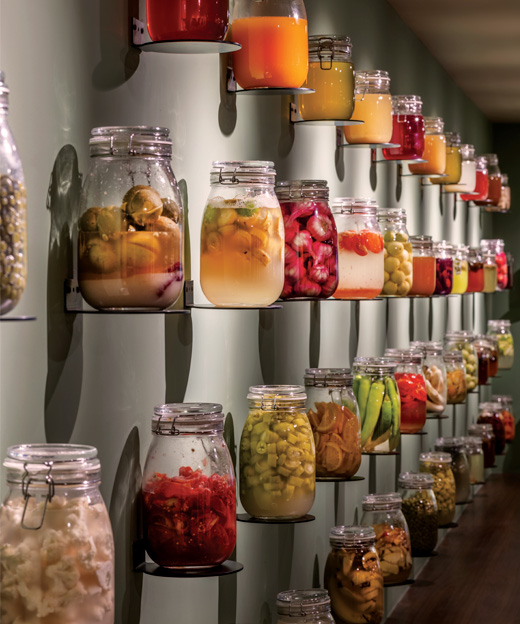
The wall of alchemy
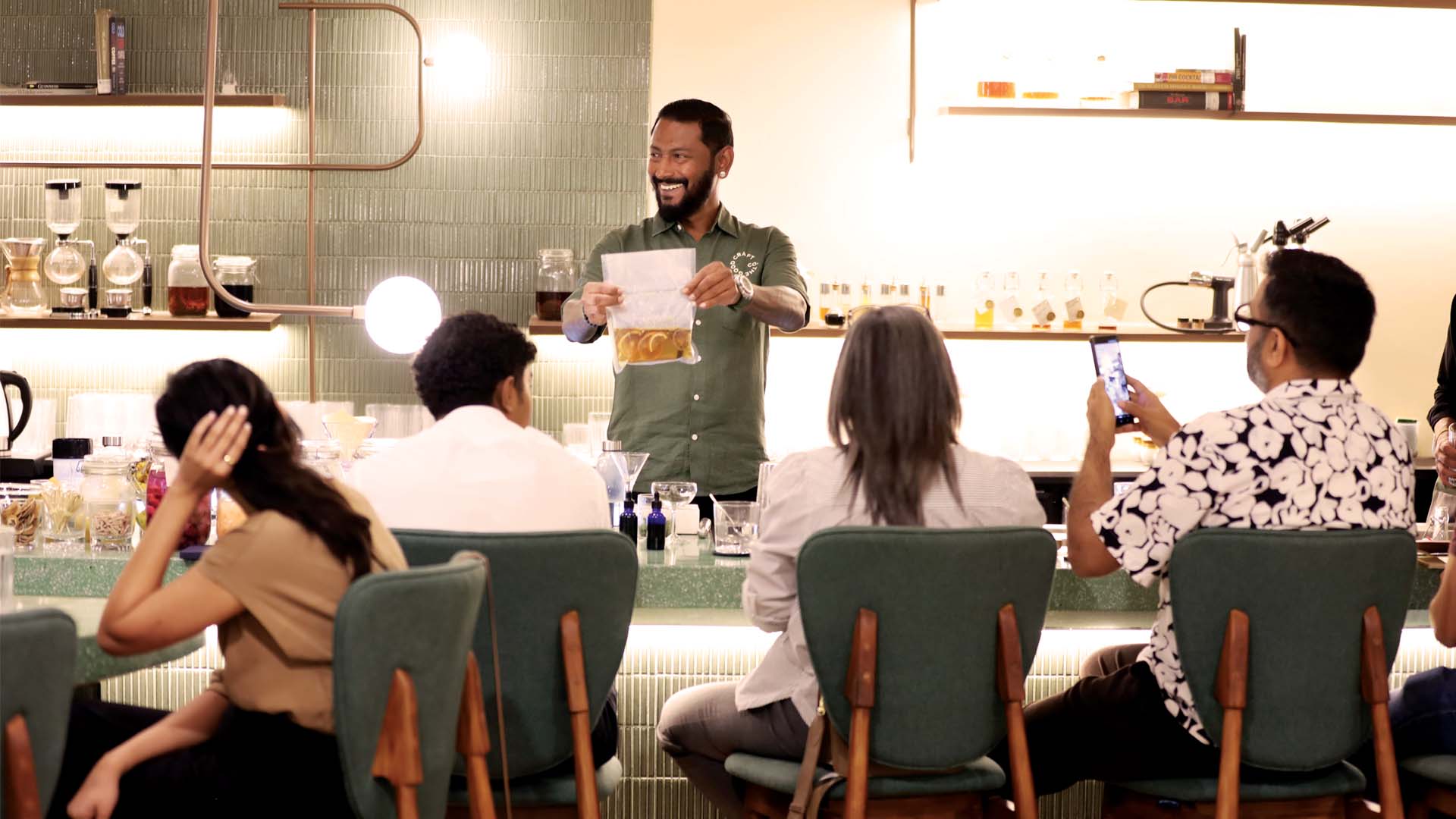
An arresting stops on this journey is the Fermentary, where Shah ferments and matures a host of ingredients into sauces and pickles—some destined to find their way into the drinks you taste later at the bar.
A vibrant wall lined with jars, some a week old and others several months into their transformation, reads like a living gallery of flavour. The air is thick with scent, pulling you into a world of aromas you didn’t know existed. Shah has worked with ingredients ranging from banana peel and citrus fruits to chillies, mangoes and grapes, a universe she has built alongside her friend and chef Candice Lock of Chinita. When I visited, more than 50 ferments were stacked along the wall like layered artworks, each jar alive with microbes doing their quiet magic under her watchful eye.
A few ferments are set out for tasting—mango and chillies among the standouts—offering a glimpse into how microbes shape flavour over time. “Microbes are in every one of these, doing fun things and making flavour,” Shah explains, referencing a spectrum that spans kombuchas, lacto-ferments, wines and vinegars, including experiments such as an old-style tonic made with cinchona bark. Here, fermentation is less about finish and more about exploration—ingredients tested, understood and, eventually, translated into the drinks served at the bar.
Anchoring this zone is the interactive Wheel of Fortune, positioned between the Fermentary and the Bar, inviting a playful deep dive into Indian flavours—some scarcely documented. Spin it to pair sweet with tropical or herbal with masala; the outer wheel lists 36 ingredients, such as gondhoraj lemon and green peppercorns, offering a glimpse of what might soon be steeped in your glass.
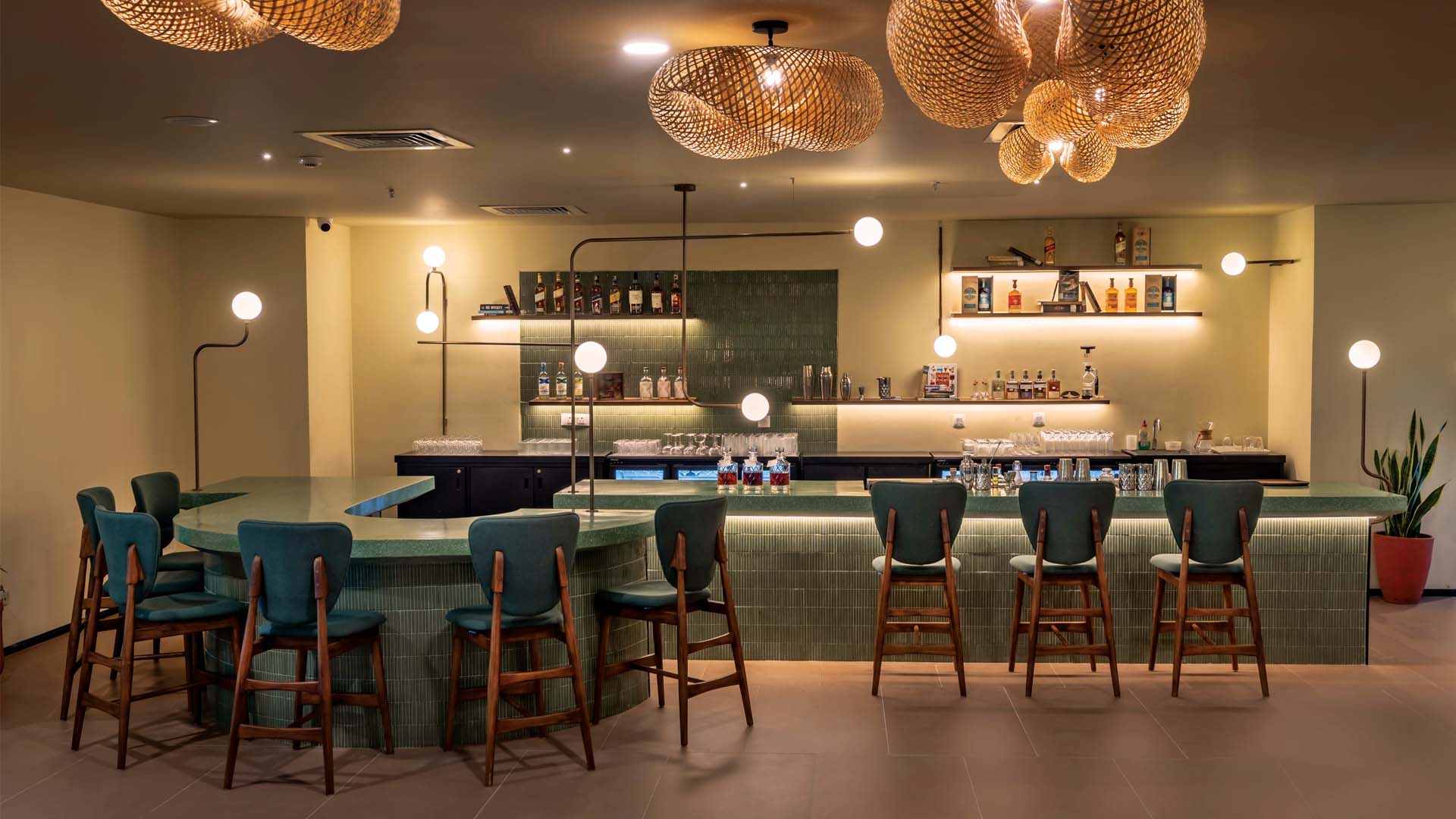
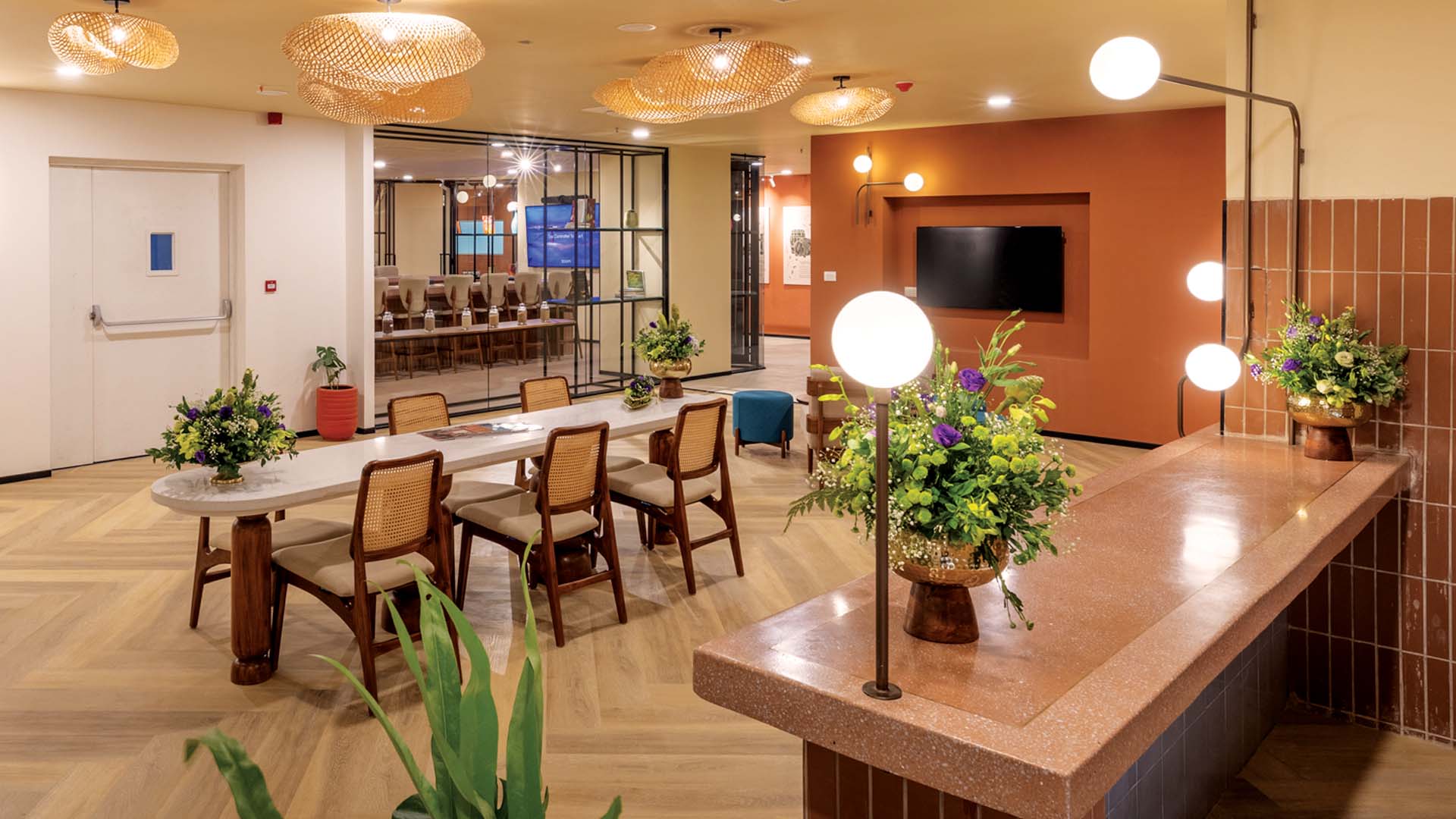
Warm materials and controlled lighting soften the technical nature of the space.
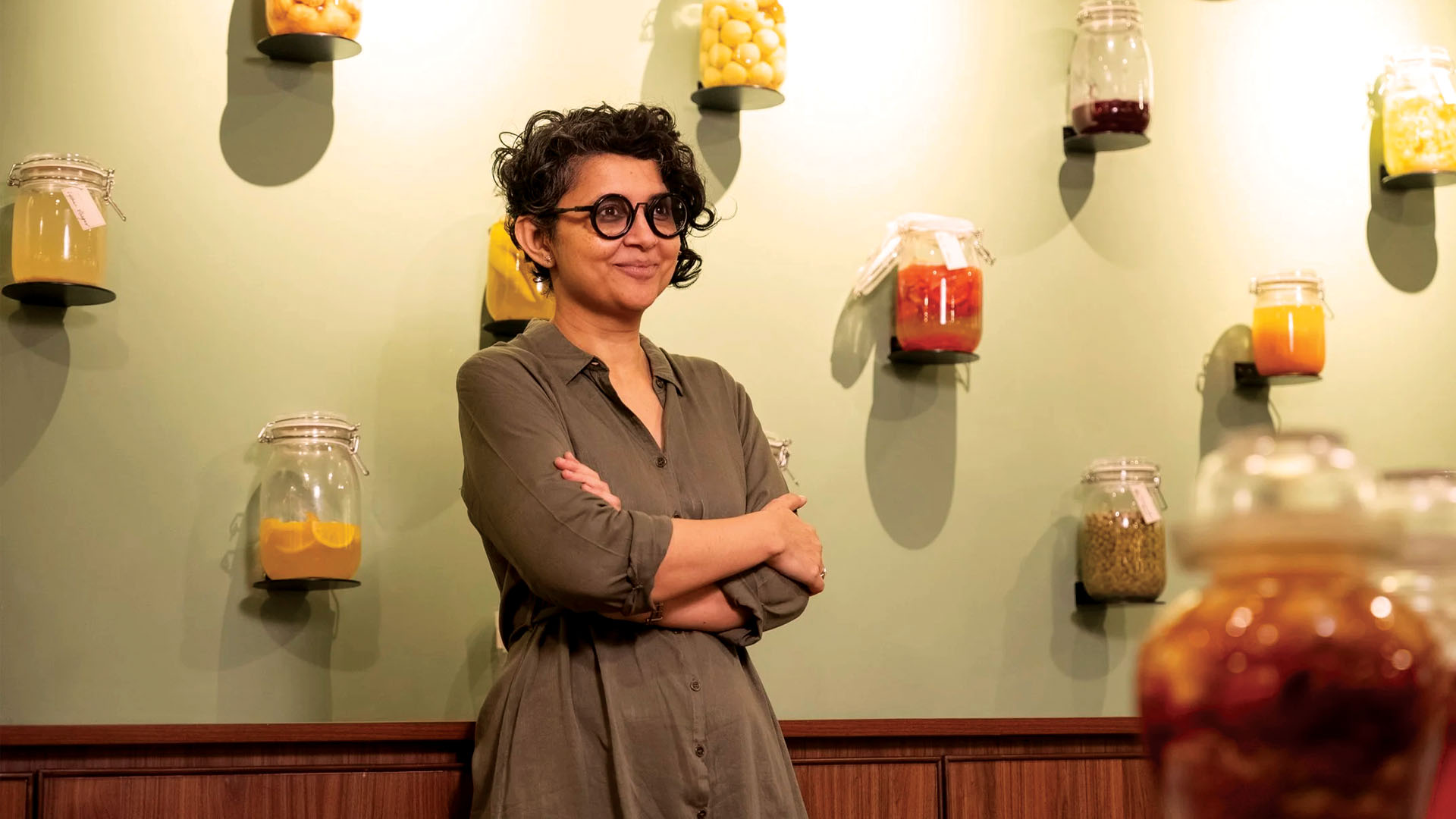
Ferments developed in the Lab find their way into sauces, pickles and select cocktails at the bar.
The bar experience
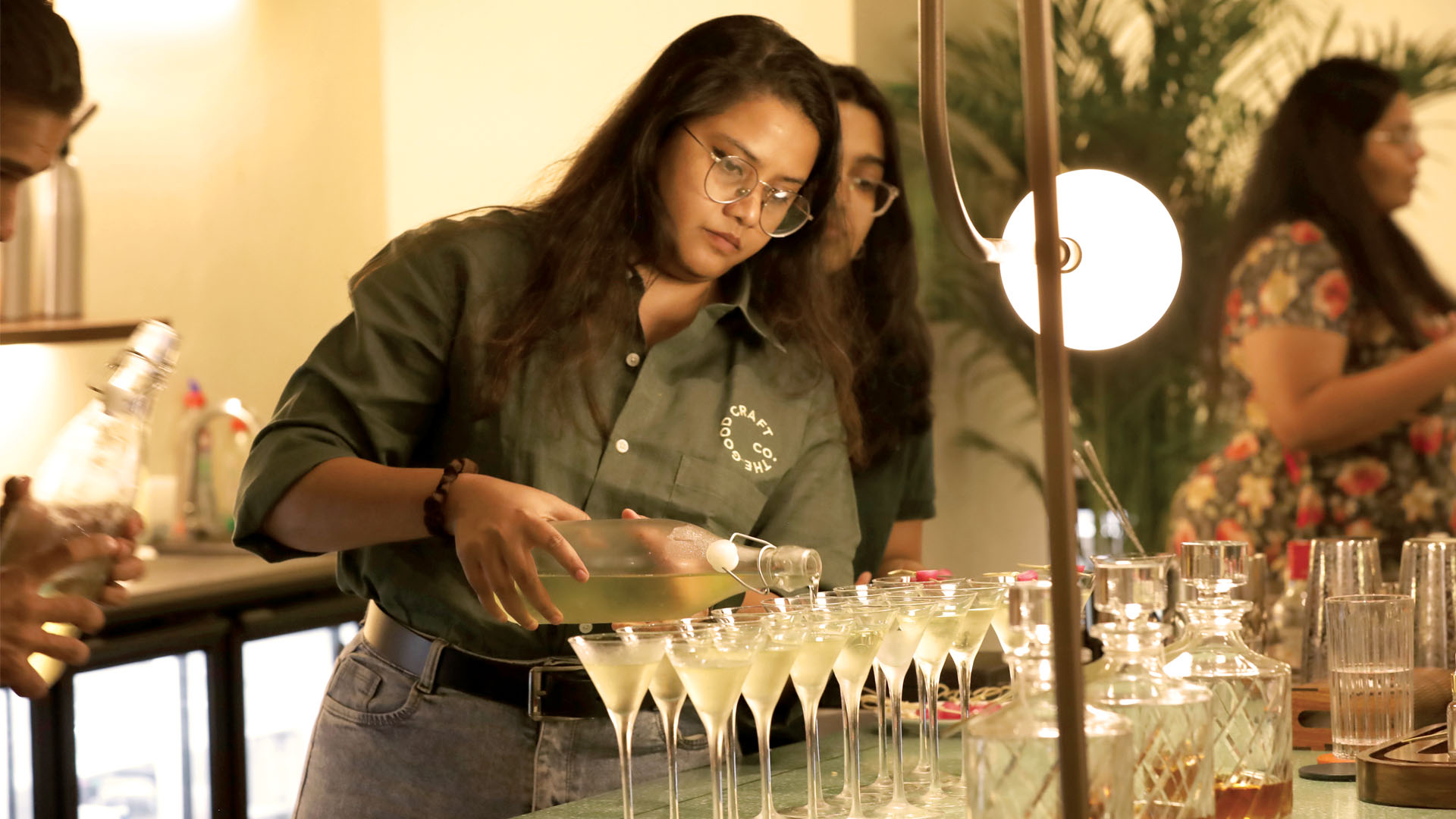
At the end of this flavour-filled journey is the Bar, where mixologist Neil Alexander brings together spirits such as Godawan’s range of whiskies, the results of the fermentary within the centre, and his own skills to create cocktails and tasting experiences that must be booked in advance. Among the whiskies we taste is Godawan Series 02, a rich, rounded single malt crafted in the arid Rajasthan climate and aged in a French cherry cask. “Cherry wood infuses the whisky with a little bit of spice, a little woody note. It’s not overpowering, but it does have impact,” Alexander says.
Also on the tasting list is the award-winning Godawan 173, the first artisanal liqueur cask-finished Indian single malt, along with Godawan 02 Fruit & Spice, Godawan 01, and gins from their vaults.
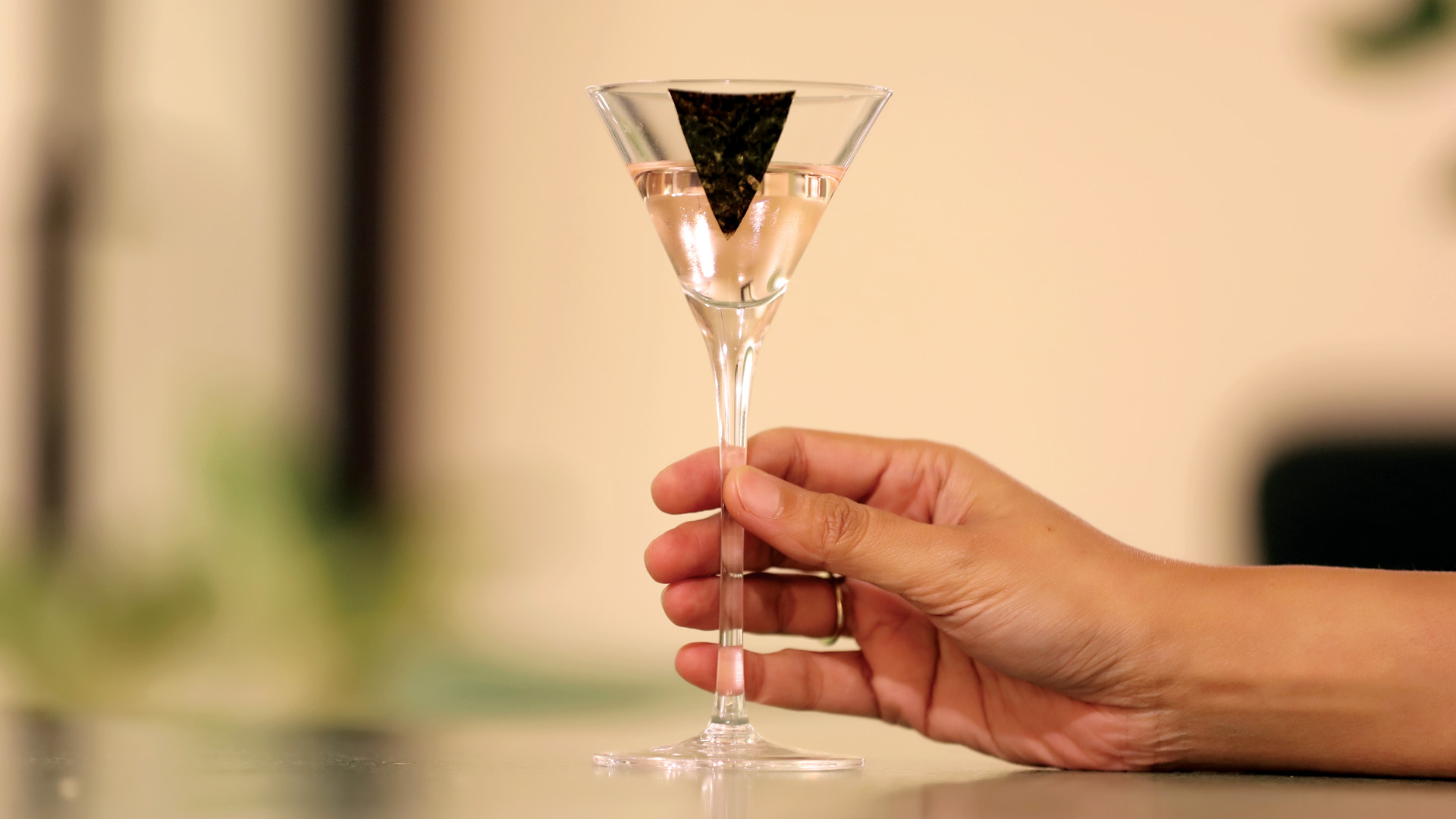
Alexander doesn’t just introduce us to the whiskies; he walks us through peated and non-peated styles, introduces Indian Single Grain Whisky, and explores the use of ingredients such as gondhoraj lemon and raw mango in the drinks. The first cocktail features a fortified spiced wine with bergamot hydrosol, honey and a touch of hickory wood smoke—never too much. “Ultimately, balance is key,” he smiles.
It is the best possible end to a day filled with flavour, discovery and scent.