










BWH is Building Hotels For a New India
As India’s highway network expands and demand shifts beyond major cities, BWH Hotels believes the country’s biggest hospitality opportunity lies in Tier-II and Tier-III destinations.

By Deepali Nandwani
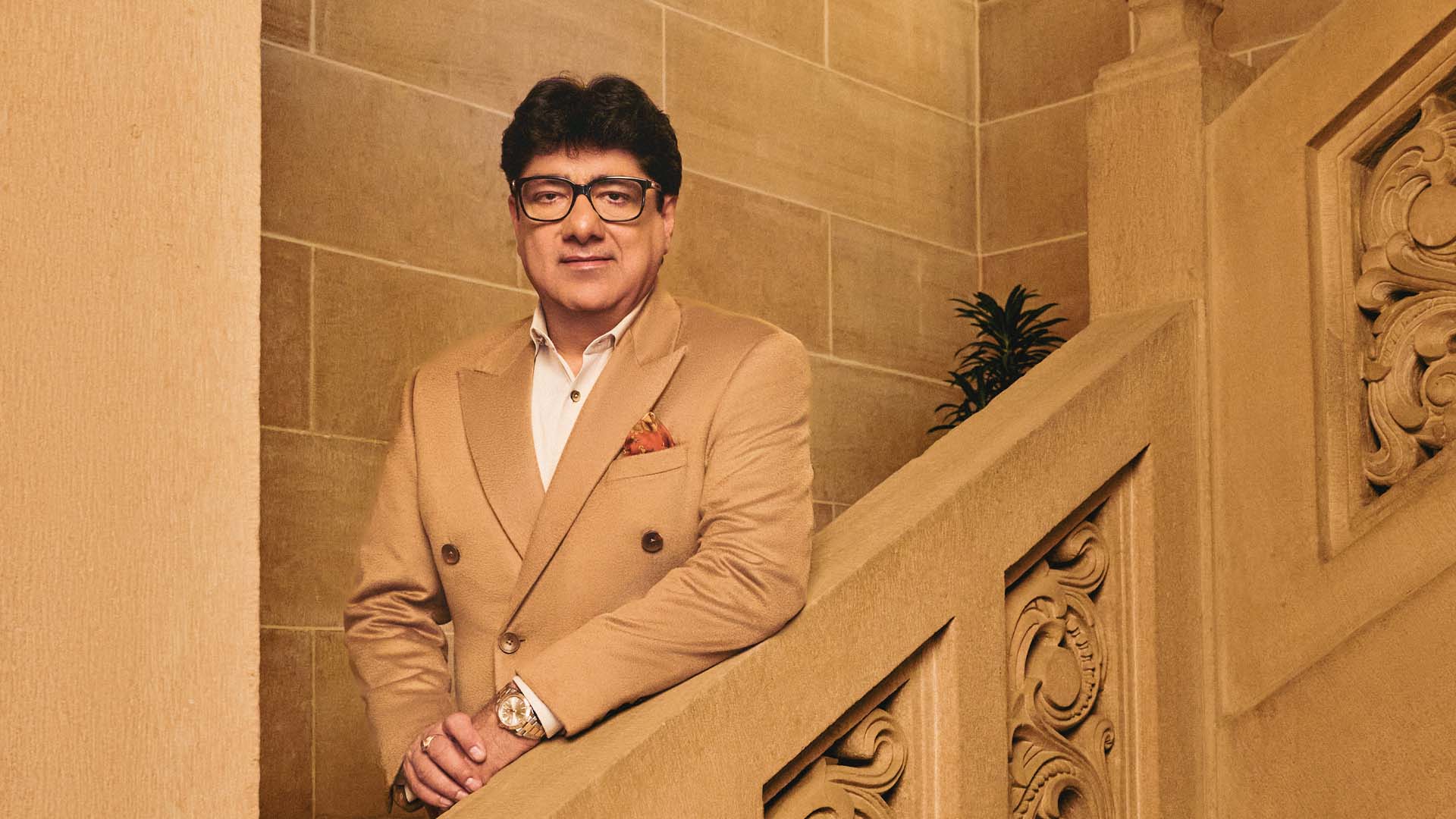
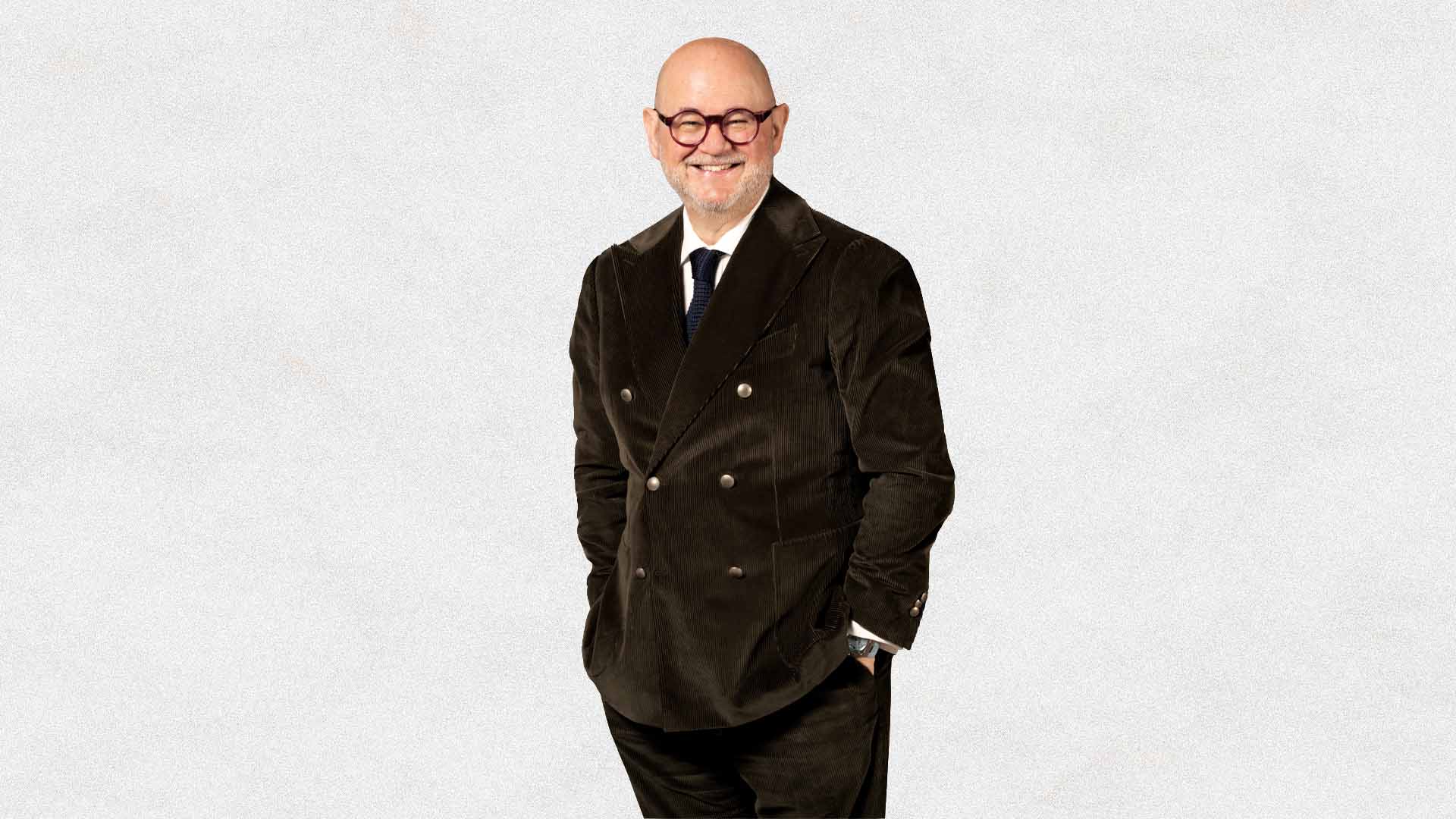
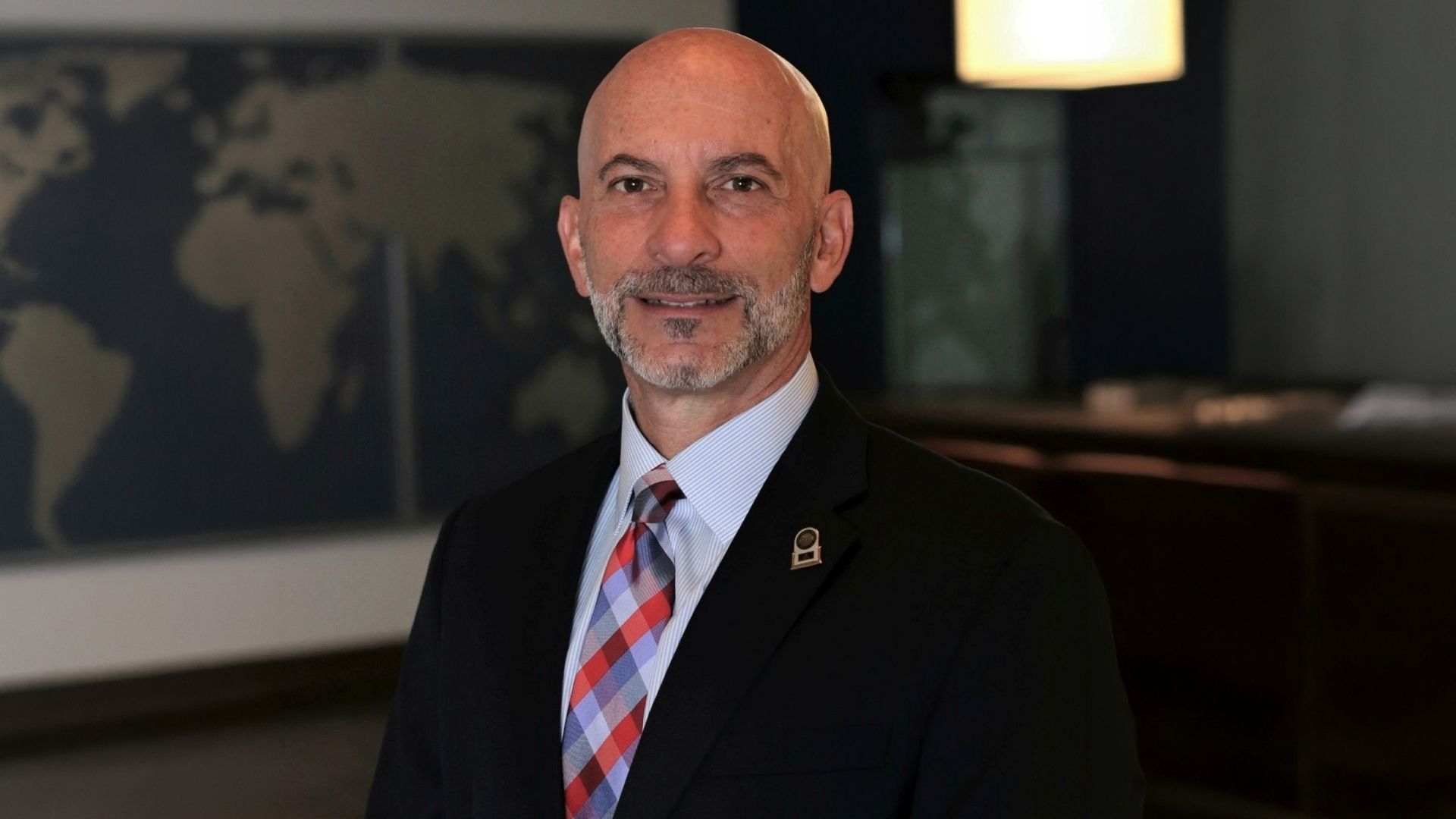
India is BWH Hotels’s most important growth market outside North America, reflecting the country’s booming domestic travel, improving infrastructure and rising demand beyond the metros. Ron Pohl, President, International Operations and President of WorldHotels at BWH Hotels, and Atul Jain, CEO, BWH India spoke to SOH on why the company is prioritising secondary cities, highway corridors and religious destinations over a race for scale.
How do you view the Indian market, and what are your key goals for India?
Ron Pohl: We’ve seen India as an upcoming market for many years, almost 15 years ago. Over 50% of our hotels in North America are owned by Indians, and they were the ones who told us that we, as a brand, have to be in India. We also knew our strengths and weaknesses, and that to be successful we had to partner with someone here who knew the market, had the relationships, and could guide us to grow the brand. That’s when we partnered with Sorrel Hospitality, going on 11 years ago.
Today, India is our number one priority as far as growth outside of North America, and we believe it is going to continue to grow at 15 to 20 hotels a year. I want to be careful, though, to say that growth is not just numbers. We’re unique in our approach: we don’t need a lot of hotels, we need a lot of successful hotels. So, we look at markets very specifically. Will this hotel be successful in this location, and with what brand? And if that slows our growth, we’re perfectly fine with that, because I have two customers: the customers who stay in the hotel and the owners. We don’t have shareholders. We don’t have anybody else that we have to please. If that means slightly slower growth, we’re okay. Also, our brand is known for being successful in secondary and tertiary markets. It’s a repeat of what we’ve seen twice in our history. When Best Western began in North America 80 years ago, we started as a brand with hotels on highways, in secondary markets and at tourist destinations—here, religious destinations. We did that very successfully. Forty years later, we went into Europe, saw the exact same thing, put hotels in secondary markets, at tourist destinations and on highways, and did it successfully. This is really the third time we’ve seen the same equation come together, and with the development of highways and infrastructure here, our brand is a perfect fit for it. Between the religious destinations, the leisure destinations and the sheer demand of travelling up and down the country on the highways, there’s plenty of room for growth for us.
When you talk about a highway hotel, in India who would typically be the customer — those looking to stay overnight, or maybe coming to spend the weekend? And how do you customise your product to match both?
Pohl: Every customer travels for different reasons. Sometimes I may travel with my wife and want an upscale experience. If I’m travelling because I’ve got to get to a meeting or a destination, I have a different need. If I’m spending a week in a place, I might want an extended-stay hotel. So, it’s not necessarily the person, it’s the purpose of the travel. Sometimes it’s a leisure weekend, sometimes it’s a stop on the way somewhere.
In terms of Tier 2 and Tier 3 cities, as well as highways, have you identified where you see bigger growth in this country, and which markets seem exciting to you?
Pohl: I would say most of our growth so far has been in the north. However, with the highway being created between Mumbai and New Delhi, that’s going to create new opportunities. Obviously, the religious attractions—and I’ve visited a few of them—continue to grow. In the States we have maybe the Grand Canyon as a big draw, but here it’s millions of people more. The Sorrel team has been very specific about identifying the closest conversions or new-construction opportunities to where we see these leisure or religious destinations are really growing.
You operate across multiple segments in Europe as well as North America. How are you sharpening the portfolio globally to respond to today’s traveller?
Pohl: It’s a really good question. In the mid-scale and upper mid-scale segment, growth continues to be strong in all new regions. India is very strong; we’ve identified Saudi Arabia as a market for us, and South America, where our core brands and the mid-scale traveller need accommodation. That’s our first effort: where do we need hotels that we don’t have today?
We’ve also in a cycle in many countries right now where it’s not new construction, it’s conversion. So how can we look at an existing asset, identify what capital investment might make it more competitive in its market, and then work with the owner to invest that capital and be more successful? Today—and this certainly starts in the luxury segment— independent hotels need us for sales, marketing, and technology, because it has become too expensive for a hotel to do all of that on its own. They also need us for our loyalty programme. So, as we look at hotels in different countries or regions, we look at where an unfulfilled need currently exists that we can serve by leveraging all of those platforms to drive more business to that hotel.
We’ll have our first WorldHotel here in India, and there are so many opportunities for conversion in that luxury segment. So, let’s start talking with those hoteliers and owners to show them how we can be successful. Because we are not a publicly traded company, our fees are much lower, so we can align very easily with owners and show the value. I’m an operations person at heart. I look at all of these deals and opportunities as if I were sitting in that owner’s shoes. There have been times in North America when I’ve walked away from a deal because I wasn’t convinced I could hold up my end of the bargain.
The world over, everybody is talking about experiential travel. As a group, how are you embedding experiential travel into your core proposition?
Pohl: The first place you build that is in your website. We’re redesigning our entire website because it needs to be more responsive to people using their phones. A lot of hotel companies and airlines have systems that were built for desktop, but that’s not where Gen Y and Gen Z shop. You need something interactive on mobile that can start the experience at the booking process, or you’ll never get it. Then, as guests move through the journey— arrival at the hotel, what’s available in the local market, social media that tells you what to do at the destination once you’ve booked—people can start to get a sense of what they’rte going to experience before they get there. They get excited. They know whether they're going to see a tourist attraction or have a great meal at a local restaurant that was perhaps recommended by staff. In the mid-scale segment, guests really want to engage with the market at a different level, and to me that’s the differentiator between luxury experiential travel and mid-scale.
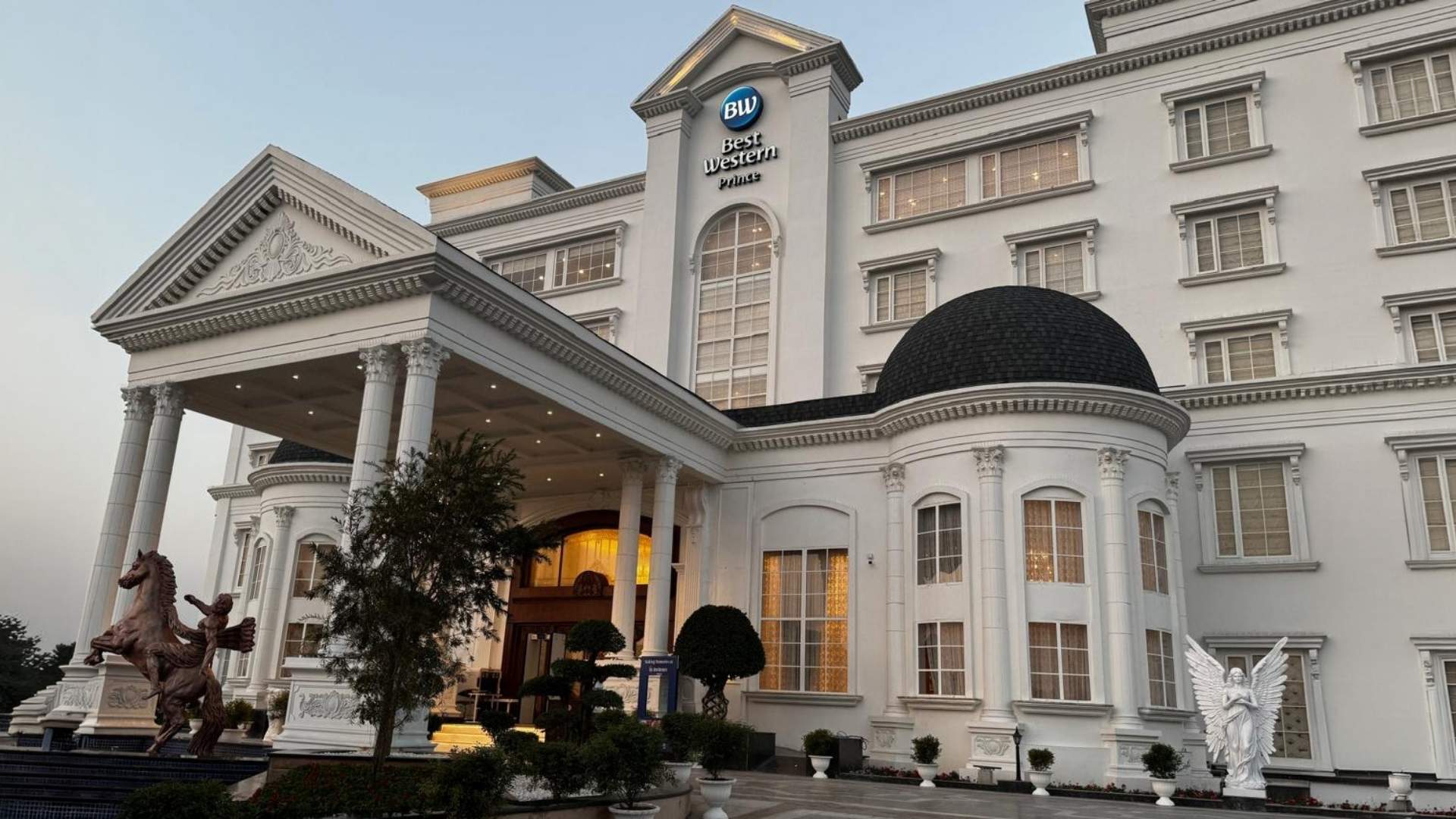
The facade of Best Western Prince Bijnor.
A good hotel can be a great employment opportunity that doesn’t exist today in some of those markets.
Ron Pohl
President, International Operations and President of WorldHotels at BWH Hotels

NCR is a very competitive market. How are you ensuring the discovery of WorldHotels?
Atul Jain: We have very good properties across Europe and America, and particularly Asia Pacific. WorldHotels is a well-known name. We have a well-established loyalty programme with 10 million members across the globe and in India, and those members contribute about 35% of the business in India. Apart from the loyalty programme, we have a very strong distribution system connected with the GDS and with RFP systems in place, along with 68 global sales offices.
Pohl: Even though we have a separate booking website for WorldHotels and Best Western, you can also book WorldHotels on bestwestern.com, so the visibility is there. WorldHotels can now be what we call hard-branded, which means you actually have the WorldHotels name on top of the building, so people have that visibility. We’ve also gone into branded residences. And the other direction we're taking with WorldHotels is glamping. You will start to see WorldHotels glamping sites pop up. We’ve signed five of them so far, all currently in North or South America, but it’s something that is coming to Asia as soon as we can secure it.
What is the challenge of setting up and running hotels in Tier 2 and Tier 3 markets in India?
Jain: We have opened hotels in new, secondary and tertiary markets, and recently soft- launched our hotel in Bijnor. There is a bit of a challenge in getting talent there, but we work with local teams and local talent. Barring the key team members, we always train people locally. We have a very strong training setup covering operations and every aspect of the business. So I don’t see it as a challenge; rather, it’s an opportunity to work in Tier 2 and Tier 3 markets. All our hotels in these markets are very, very successful, and we keep proving to the other players in the industry that we are the market leader.
Pohl: I think the key is that when we go into a community, we want to make it better than it was before we got there. A good hotel can be a great employment opportunity that doesn’t exist today in some of those markets.
What is the challenge of constructing a hotel from scratch in these markets, where infrastructure is not as well developed as in a city?
Jain: We are not seeing any challenge. Government machinery is easy; we get permissions easily. And at the end of the day, we are not involved in the construction of the hotels; it’s the owner who is constructing. We focus on the design aspect, ensuring the design incorporates all the brand standards, and we approve it. All our hotels are on schedule, opening as and when they are scheduled to, with a margin of, say, three to six months, which is normal.
Technology and sustainability are words hoteliers throw around freely.
But as a hotelier, how do you look at technology in terms of guest personalisation?
Pohl: We view technology as the enabler, not a replacement. It enables us to deliver better guest experiences. Our front-desk people can be more educated about a customer if we give them the technology to do that. Our loyalty programme has almost 70 million members; that’s a lot of data on our customers, and technology allows us to use that data more effectively. I know when you visit a hotel what your preferences are; I may know if you’ve had a bad experience at a past hotel. We have to leverage that. Amazon, to me, is the perfect model: when you call them or search online, they know everything about you and serve up everything you may want to look at. How do we do that as an industry? We have to do a better job of it. There are also instances—and I don’t want to put every customer demographic in a bucket— where, more often than not, Gen Z doesn’t necessarily want to interact with the front desk, or wants to choose when to interact with the front desk. There, technology actually is a replacement: a kiosk is just fine for the check-in process, so maybe I don't need two desk clerks, maybe I only need one today, depending on arrivals. So, there are opportunities throughout the operation where technology can reduce costs, and opportunities where it can help us provide better service.
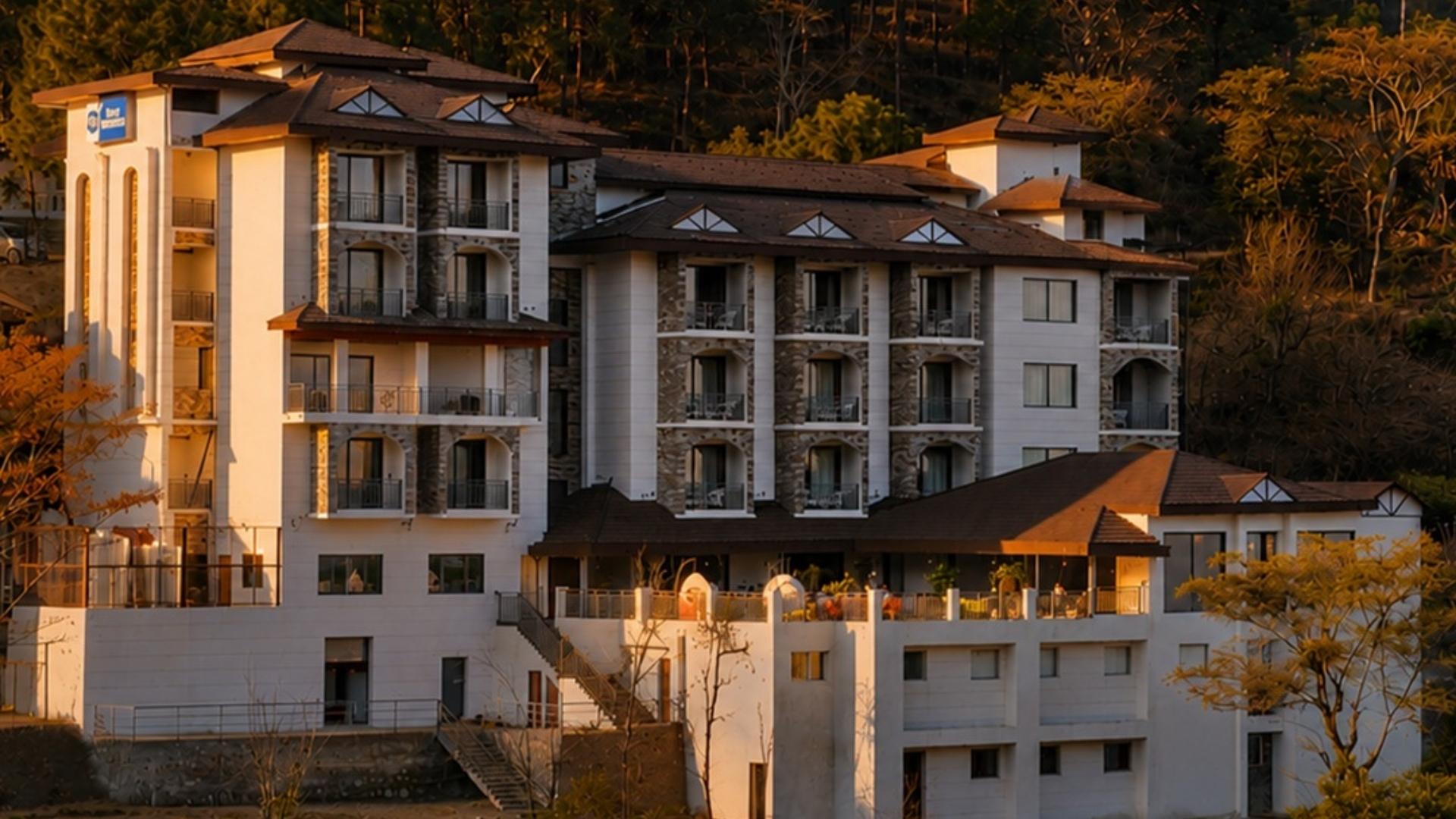
Best Western Matra Kasauli offers a staycation in the mountains.
How does that work in the luxury segment? Isn’t that completely different?
Pohl: It’s not. The luxury customer may want more interaction, but they also expect you to know more about them. The number one complaint about spas in the luxury segment is that when guests arrive at the hotel, all the appointments are booked. So how do you use technology early on to say: while you’re booking, if you’re thinking about a spa experience, book it now? Or offer it up: the last time you stayed at one of our hotels, you booked a spa, would you like to book one again? Technology enables us to do a better job. And India is no different, if anything, the younger generation here expects more of it.
But is Gen Z at the core of your market?
Pohl: It’s at the core of the entire industry. The baby boomers were it for so long; they were 30% of the market. I’m a baby boomer, and we’re down to about 10% of what the industry is today. It has evolved.
Is it true that you’re the world’s largest hotel franchising organisation? Is that still how you function? Is it still franchise-led, or do you now operate your own hotels?
Pohl: That’s an old statistic. We don’t own and operate hotels. Our Asia teams manage hotels for owners who want it.
Jain: In India we do both. About 60% of the portfolio is managed, so a smaller share is franchised, but we are open to franchising as well.
What are the particular challenges of franchising your brand in India?
Jain: For us, the challenge with a franchise hotel is consistency in maintaining brand standards. And how we manage and provide support is by continuously training the team, continuously alerting them to the changes happening in the industry and the changes we are making at the brand level. It’s a continuous process of engagement with the team at the ground level in the hotel, making sure they are updated and follow all the brand standards.
Pohl: And I would say we pride ourselves on being one of the few brands where, even if you haven’t owned and operated a hotel before, you can come to us and we’ll provide the training and support to make you successful if you don’t want the hotel managed. We do that very well throughout the world.
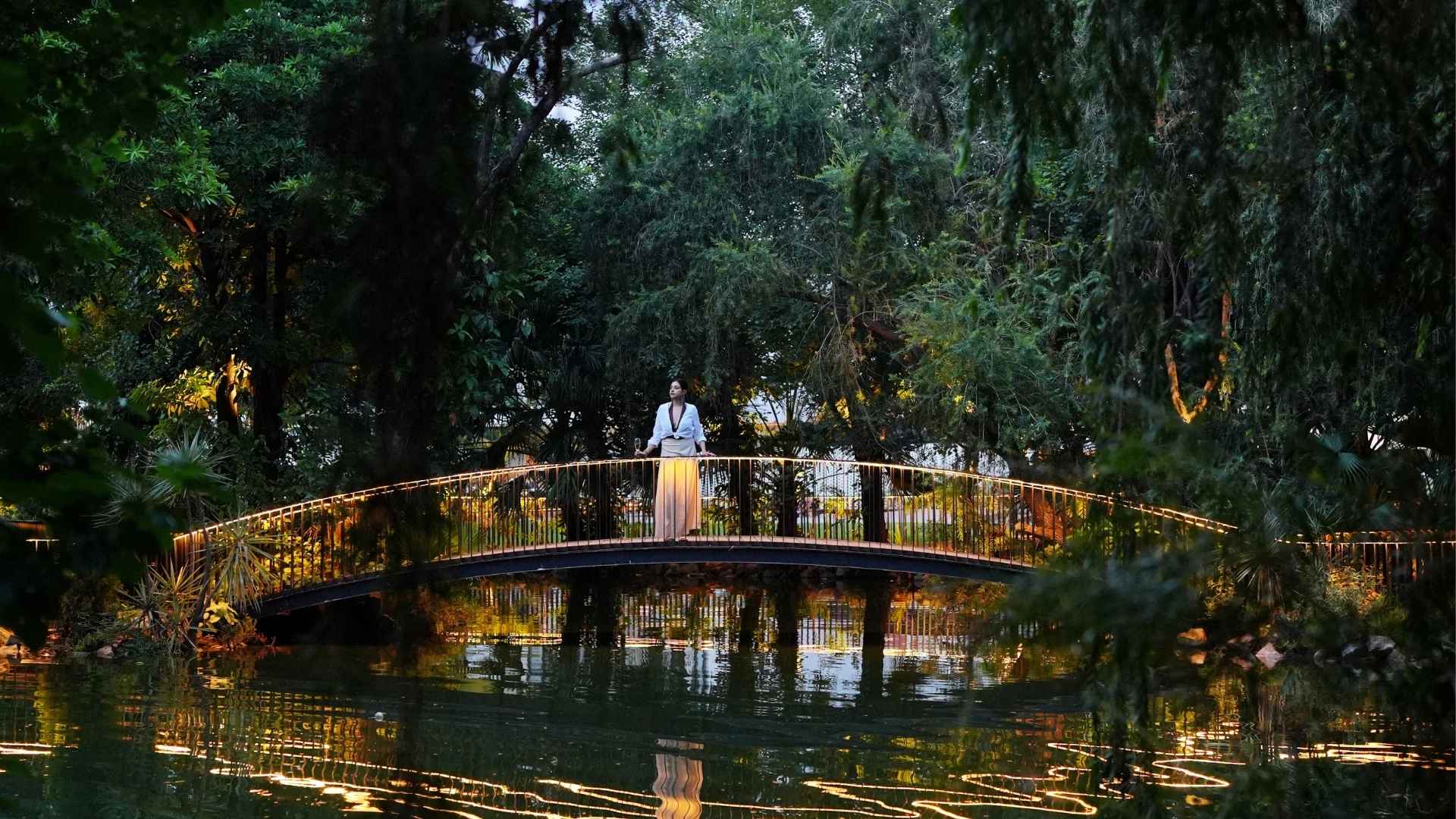
A pristine view of Resort Country Club, Manesar WorldHotels Distinctive.
What do you think India can do better in terms of travel and creating world-class destinations?
Pohl: First and foremost, you need to market India. In America, I’ve never seen a “come visit India” commercial. I have seen “visit Europe” and specific countries within Europe, but I don’t think many travellers know what India has to offer as a destination unless they’re Indian. And we have a lot of Indian owners and a lot of Indian people in the United States. Beyond that, before I came into this role, India wasn’t on my list of countries to visit; there were other places in Asia I would have put ahead of it. There are some amazing things here — play to the strengths of the country. The Taj Mahal is something everybody should see. How do we attract more people there, if you want them? I think marketing the country a little differently would be very beneficial. And know that this industry around the world right now is softening. Outside of the Olympics in Italy and World Cup soccer coming up, we’re seeing occupancies slow a little everywhere, while rates are holding their own. It’s cyclical, but the industry always comes out of it.
Through your brands, what is the one India story you would like to tell?
Pohl: That’s a really good question. I would say the hospitality and the welcoming nature of the Indian people would be the story I would tell.
Jain: I would say it’s a land of opportunity; grab it. The expansion is happening and the world is watching. We are not a third-world country anymore; we are a four-trillion-dollar economy with the youngest population, soon to be among the largest. The GDP may be the third or fourth largest, but per capita GDP is one of the lowest.
Pohl: It’s just a matter of time, between manufacturing and technology and all the things you’ve got coming. And I think you have a lot to celebrate. You look around the world at other first-world countries with debt problems much greater than India’s. To me, That’s a forward-looking sign. While I agree that we are a very diverse country with diverse landscapes, our Asian neighbours, even one as small as Sri Lanka, take the cake when it comes to inbound tourism, and we are nowhere on that global travel landscape. What is it that we lack?
Pohl: Well, travel within India is getting much better. Worldwide, people just don’t know about India’s many offerings. Sri Lanka, Cambodia and Vietnam are also much smaller countries, and it’s ]easier for a smaller country to be successful; you don’t have to develop at the same scale. And take Thailand, I have an office in Bangkok, so I’m there relatively frequently. Beyond leisure, Thailand also has a lot of medical facilities that attract people from around the region.