











The Journey from Startup to Travel Super App: MakeMyTrip
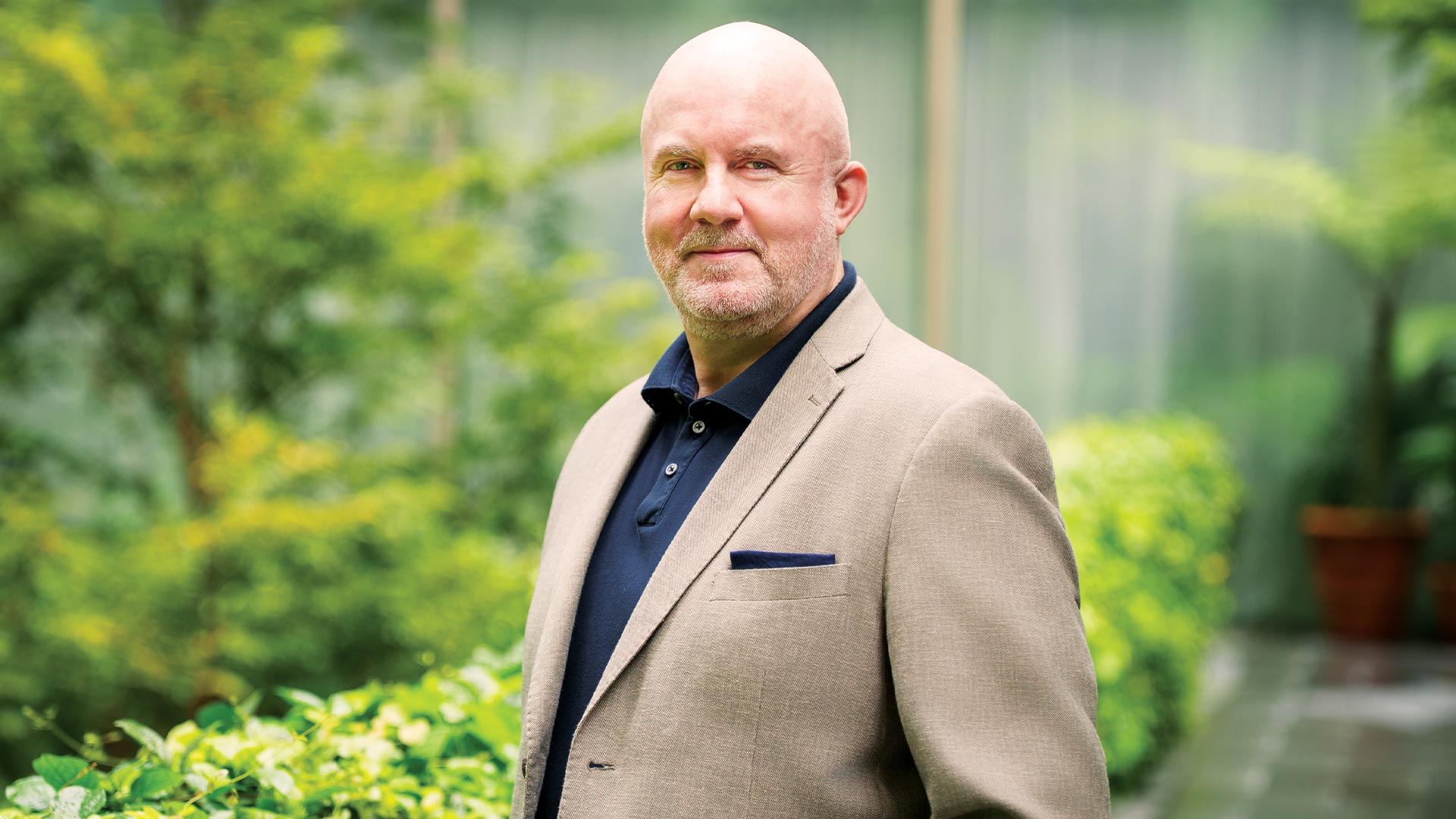
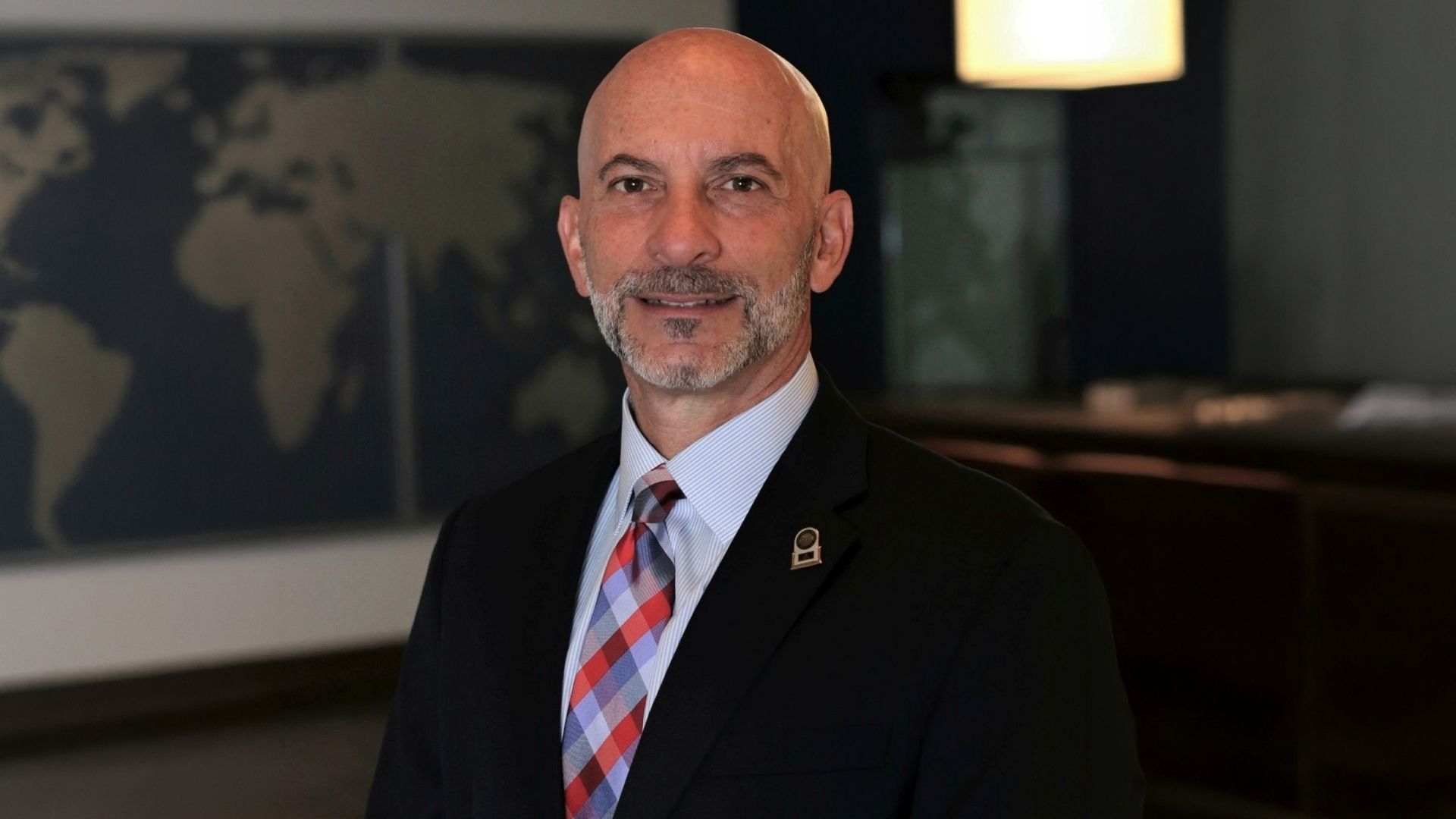
Rajesh Magow, CEO, Makemytrip, on innovation, resilience, and leading India's favourite travel platform.

By Suman Tarafdar
Flight bookings = MakeMyTrip. That’s what most Indian frequent flyers would vouch for. 75 million plus customers, a.k.a. people have transacted on the platform. That effectively makes it amongst the top 20 largest nations by population. Yes, larger than the UK, France, or indeed Canada and Australia combined.
Even the barest look at this pioneering company reveals the enormous strides it has taken as it completes a quarter-century of existence next year.
Here are some stats:
A market cap of over $10 billion.
Highest ever adjusted operating profit - $124.2 million in FY’24.
Over 30% of all flyers in India are booked on the platform.
462+ million app downloads.
31 million room nights sold over the platform in FY’24.
86+ million bus tickets sold in the same period.
However impressive the figures are, it is the intangibles that impress even more. Just as Google has effectively come to be an alternate word for search, almost a verb rather than a noun, travel in India is equated to MakeMyTrip. It is the top-of-the-mind recall for most domestic flyers in India, and arguably the most trusted.
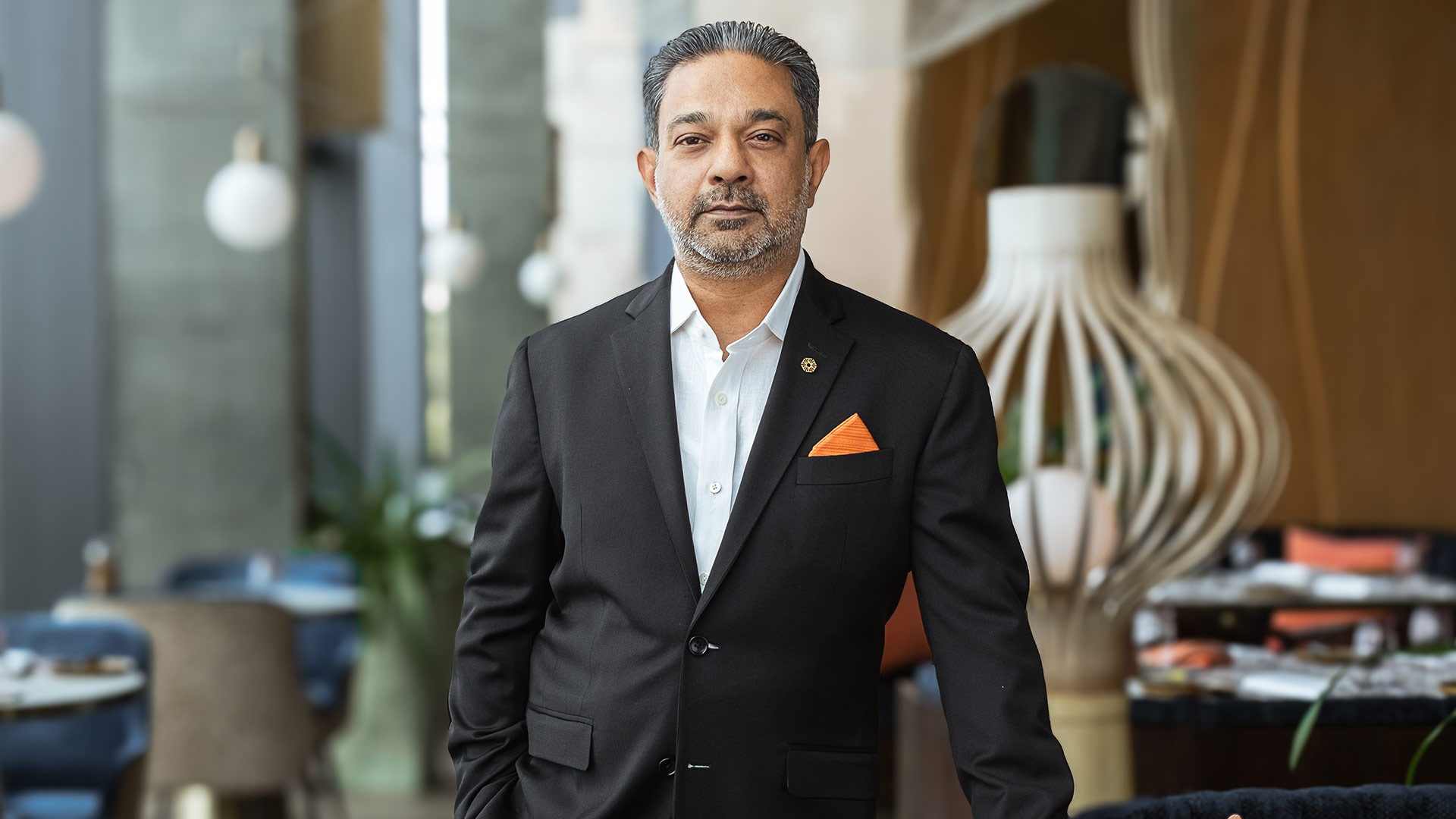
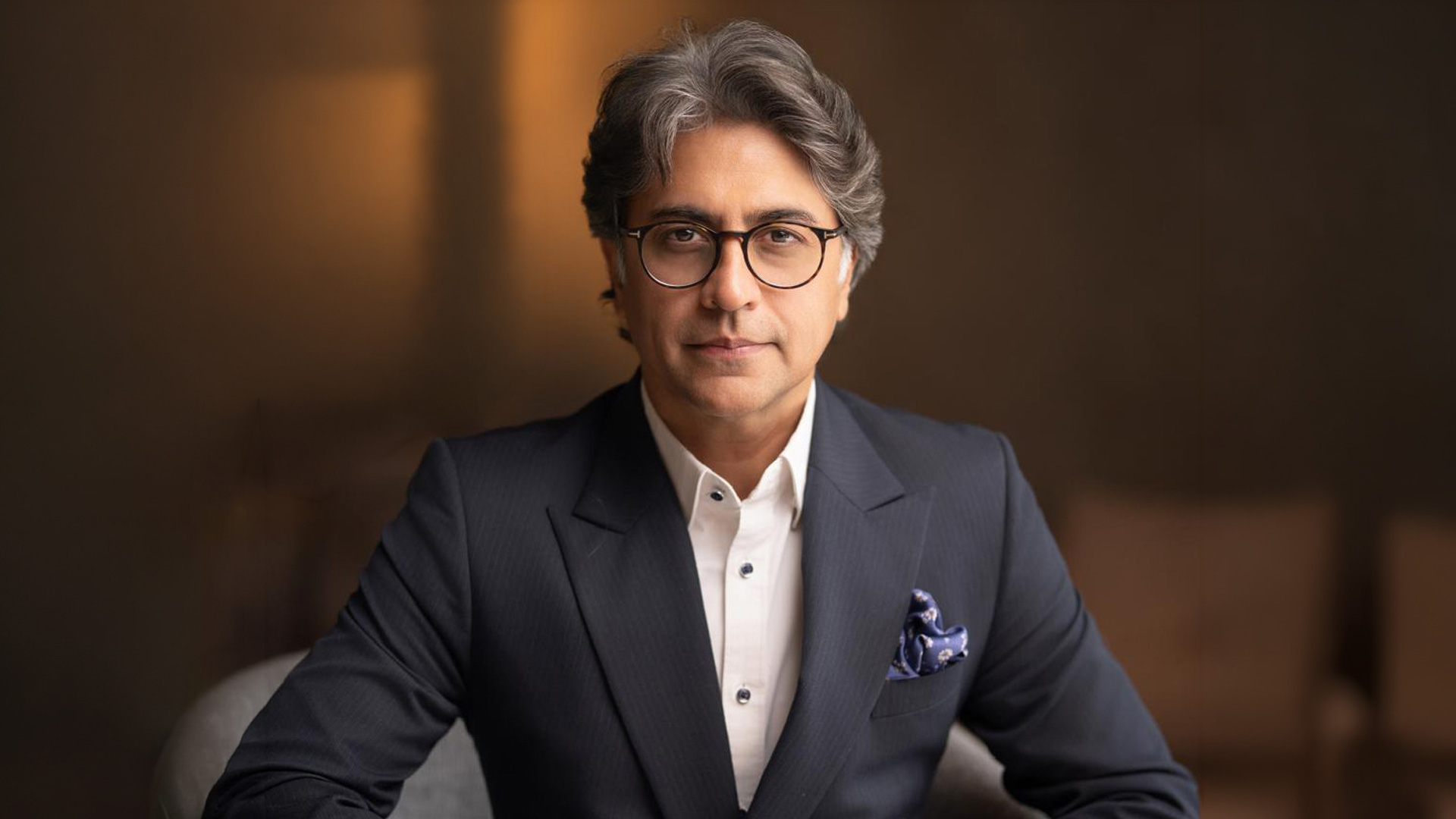
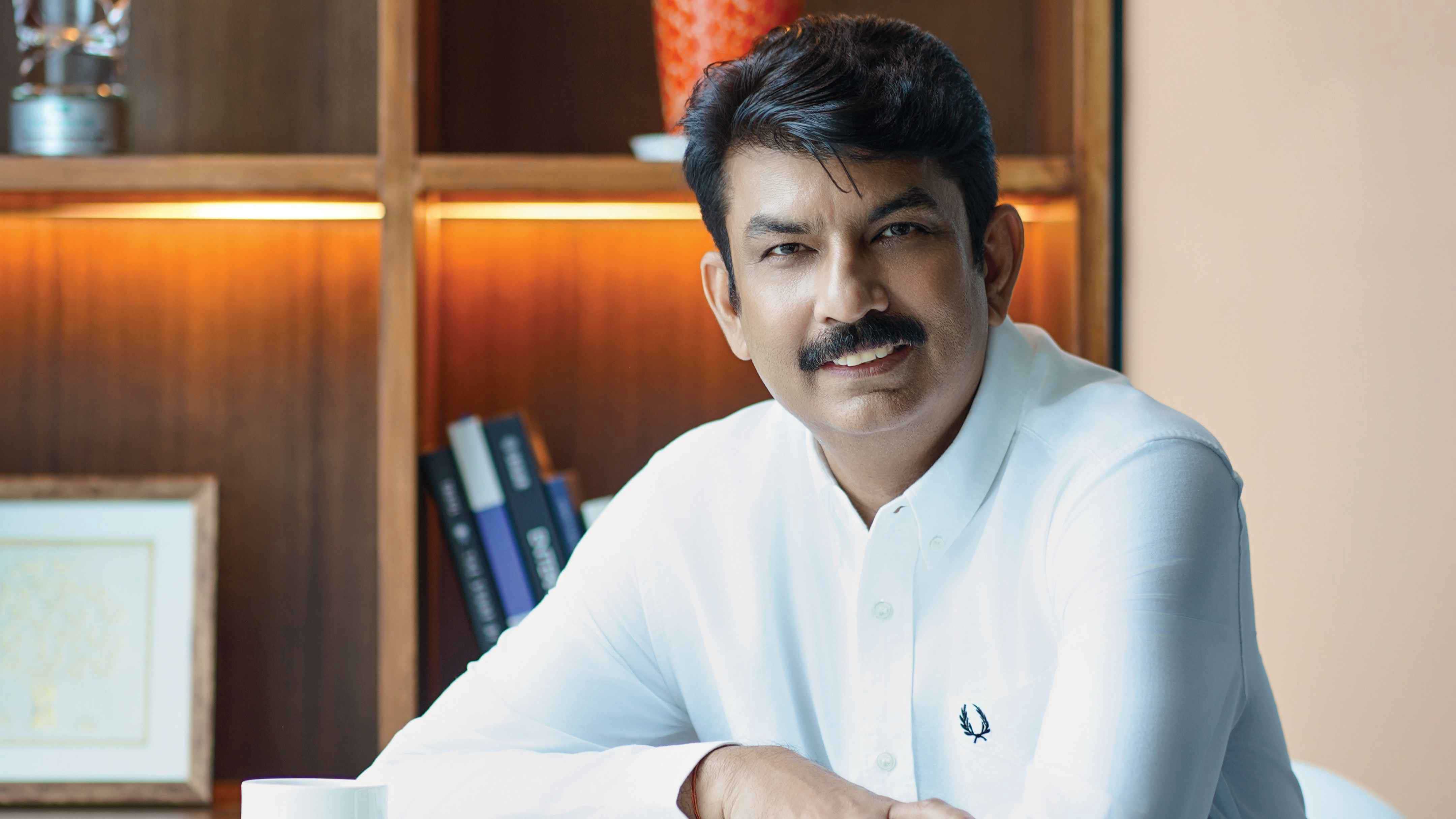
To lead such a huge 24x7 company is no cakewalk, and Rajesh Magow, Co-founder and Group CEO, seems to effortlessly slip into the role that once Deep Kalra, Founder, MakeMyTrip, as the face of the company, occupied. Magow, who, in the past, has played other roles in the company including CFO, has been CEO since 2022. Self-effacing as they come, Magow credits Kalra for the vision, saying “he (Kalra) had the idea and he's the one who set it up.”
The entrepreneurial journey for Magow has been a long one. As he sat down for an exclusive interview with SOH, the thoughtfulness, and measured responses that are yet frank, are especially remarkable. He wears his responsibilities lightly—literally. He oversees thousands of employees, yet his workplace—the massive Makemytrip office—is casual, friendly, and, what could rarely be said of a corporate office, even happy.
Before his 24-year stint with MakeMyTrip, he had worked with a few other corporations, including Aptech. “I guess the game-changing moment for me was meeting Deep. We had a long conversation and I got quite excited about it. I was beginning to sort of warm up to the idea that we have to do something on our own or get into, at least, a very early-stage company and then build the organisation together from there.”
Entrepreneurship challenges
No entrepreneurial journey is without its challenges. “MakeMyTrip started in 2000, and then 9/11 happened,” recollects Magow. “We had a couple of million dollars in funding then, and we got only the first tranche of a million dollars. We did not even get the second tranche because even the VC, who funded us, shut their shop. So that was the start—whether you call it entrepreneurial or adventurous. The journey started from there and we hung on to it, and we figured that we had to just tweak our model a little bit. We started focusing on the US-India corridor because we didn't have to sell online booking to a market as evolved as the US market. We focussed only on non-resident Indians. That's how we sort of survived. And believe it or not, it took about five years.” He admits that it was probably the toughest phase for the company. “In those five years, I guess the biggest learning for us was (the need for) self-belief, and in hindsight, resilience.”
Magow, along with Kalra for a while in those initial years, took a detour to work on an opportunity for ebookers, a UK-based online travel portal which was then trying to set up in India. “A lot of the heavy lifting during that phase was also done by Keyur Joshi and Sachin Bhatia, the other two founders.”
Magow admits that there have been significant ups and downs in this remarkable journey. “I think the down cycles that we have seen just made us a lot more resilient, (a credo) which came in handy in the most recent times, when COVID happened. You needed all the sort of strength to be able to come out of it right. The whole industry was going through it and we were not any different. When you go through a start-up journey, you see all kinds of situations, and often, difficult situations. As you come out of it, you feel better and you learn a few things out of it. It makes you more and more resilient.”
He cites the period before the acquisition of Goibibo and redBus, which was a trying time for the company, especially as their then competitors were indulging in deep discounting. “If you end up selling your product deeply discounted, where the cost of the product is also not covered, how do you counter that? That was a pretty difficult situation, and we were a listed company. We were a fairly disciplined organisation. We have always taken pride in our dream of being the market leader, but that (dream) was coming under pressure. You start to sort of go back to the drawing board and see how we can counter this madness. So, we changed gears, albeit maybe two quarters late. We raised more money and we started sort of investing very aggressively, matching dollar to dollar. Somewhere down the line, we said, ‘Why don't we just think about making a consolidation move'?”
That said, the company retains the three B2C brands. “It's at some level an obvious query. Why do we need two brands? While the models are similar, the interesting news is that both brands have their distinct consumers. So, the overlap is just about 25%. GoIbibo has a lot more value seekers. It makes sense to continue with the brand. It's working out beautifully right now.”
Magow points out that the right culture and environment, where you push people to experiment, are important, even if you fail. “Failure teaches you a hell of a lot. All you have to do is not repeat the same kind of mistakes all over again, right? But you can’t not be pulling the plug just because you're being over-cautious, right?”
He also admits that the customer service area remains a challenge. “We are a services company, so it's very hard to be able to get 10/10 on that. Given that we are a two-sided market, there's a lot more dependency on the actual service providers. But our aim—and we have not shied away from that ambitious goal—is that we will take responsibility for end-to-end service. And you know, if there's anything that has gone wrong with the actual travel, we will work with partners very closely and give them data points to help them improve the service levels as well.”
Risk-taking and continual learning have been crucial to the story of MakeMyTrip and Magow. “In hindsight, when you look back, you realise that we had a risk appetite. You need to be hungry, you need to have some risk-taking ability. Every situation was a learning situation not only back then, but even today. Life is fast-paced, right? So is internet technology. You can't just be in your comfort zone and say, ‘Listen, I've arrived’. I guess our biggest learning was to keep our mind open. And two, we have to stay grounded all the time.”
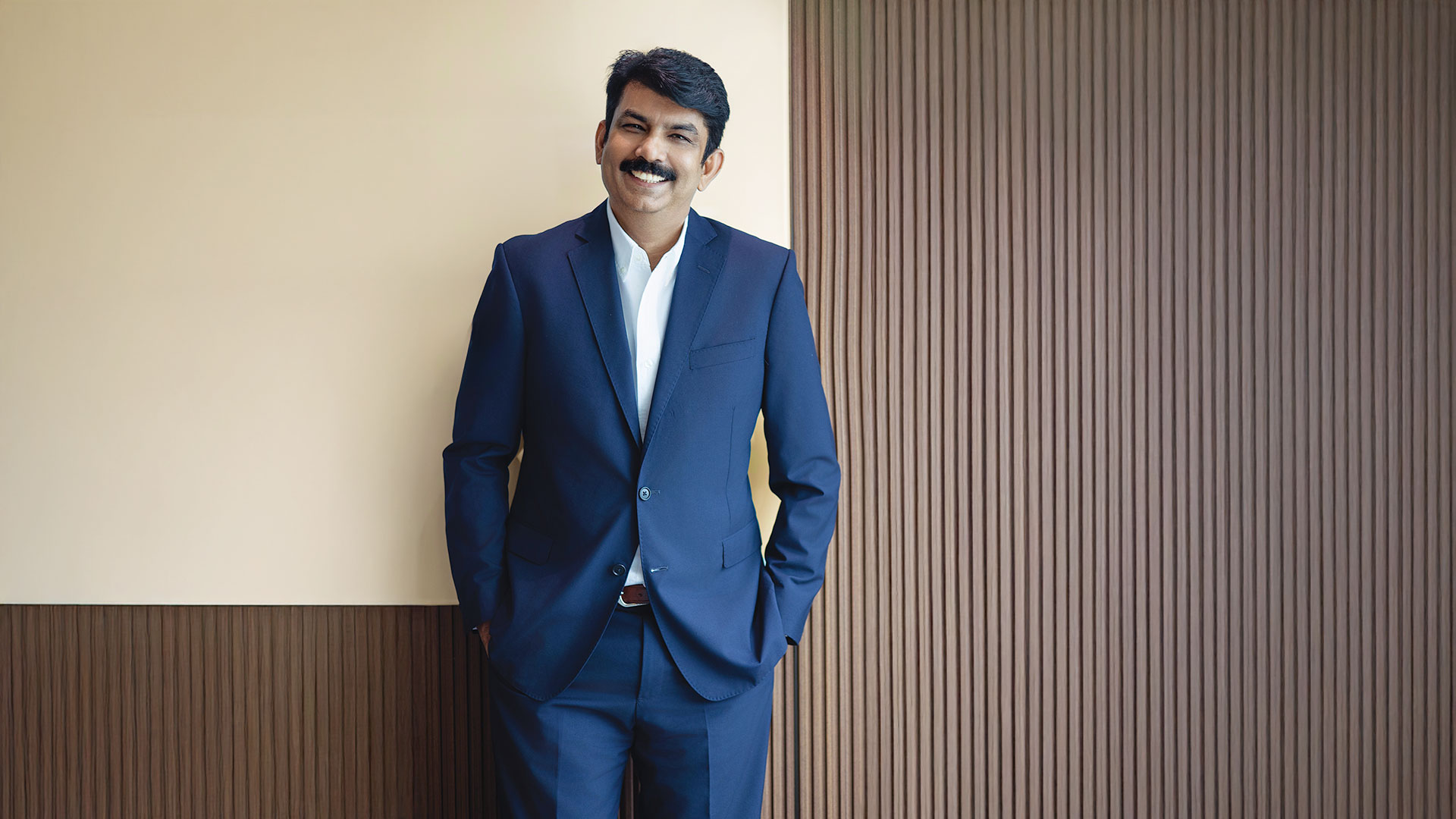
Rajesh Magow, CEO, Makemytrip, is especially intent on achieving a happy workplace.
Failure teaches you a hell of a lot. All you have to do is not repeat the same kind of mistakes. But you can’t not be pulling the plug because you're being over-cautious.
Rajesh Magow
Ceo, Makemytrip

Milestones, values
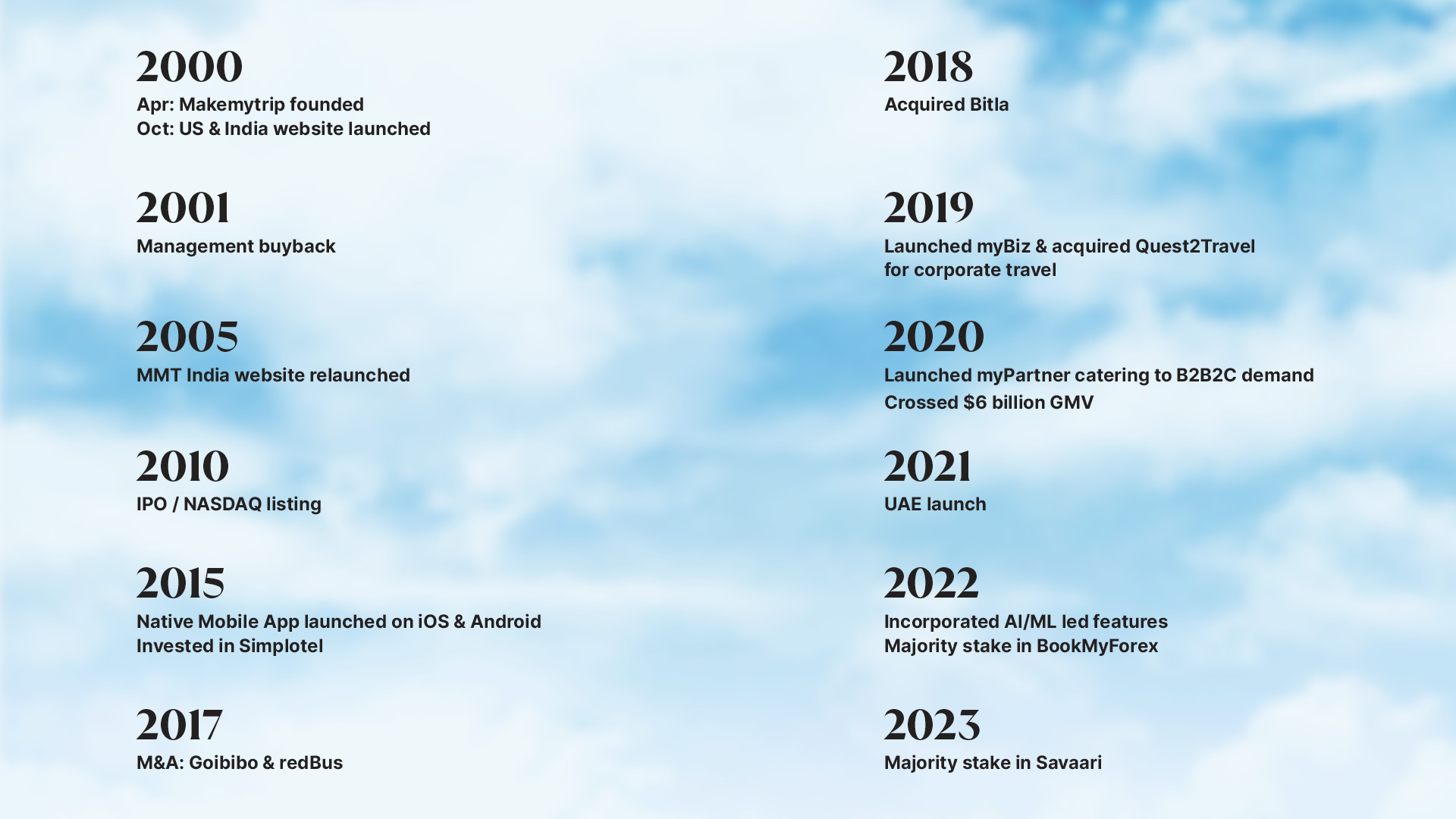
Seated in his cabin on the 19th floor of a blue glass-fronted Gurgaon corporate office, Magow can get a bird’s-eye view of the landscape of a transforming India, and its increasingly aspirational residents, for whom the travel genie has been unleashed, courtesy the multiple milestones that followed. Magow cites the IPO listing on NASDAQ in 2010 as of his most significant one. “Back in 2010, we were among the first Internet companies to actually be listed in the US in the online travel agency space. The more important part, the satisfying part of bringing out an IPO was that a lot of the employees had stock. We believe in sharing and call it good people practice. About 80 to 90% of our people had stock then. Suddenly for them, the paper stock became currency.”
He picks another milestone from the other end of the journey (yet). “I would say very recently, we grossed a 10 billion market cap. When we listed, we had a market cap of 450 million. Even now, when I see the stakeholders, I feel great that they are all happy and satisfied. There’s a feeling of delivering the promise all these years. I don't think there can be anything more satisfying than that.”
MakeMyTrip has grown significantly, but the challenge is to maintain the entrepreneurial spirit the team had at the start. “We reached a particular scale at MakeMyTrip with 3,800 people, and the value we try to instill the entrepreneurial zeal. We have to make sure that the culture that we started with, continues even now,” elaborates Magow. “It's easier said than done, but our intent is always to push it through, not necessarily from only Deep (Kalra, the founder) and me and the other leadership team members, but also beyond that. The entrepreneurial ship is all about taking ownership of what you do. If you feel accountable, you feel responsible about it. So keep pushing the values of the ‘company first’. No matter what, the focus is on achieving that goal time and again. Consistently. Everything else sort of falls in place if this philosophy is followed. Focus on what you have to do and don’t worry about the rest.”
Magow is especially intent on achieving a happy workplace. “The environment (at Makemytrip) is more friendly and far happier. This emphasis on people's practices stems from our belief in leading by example. We foster a friendly and empathetic office environment, recognising that COVID has made us all more humble and grounded.”
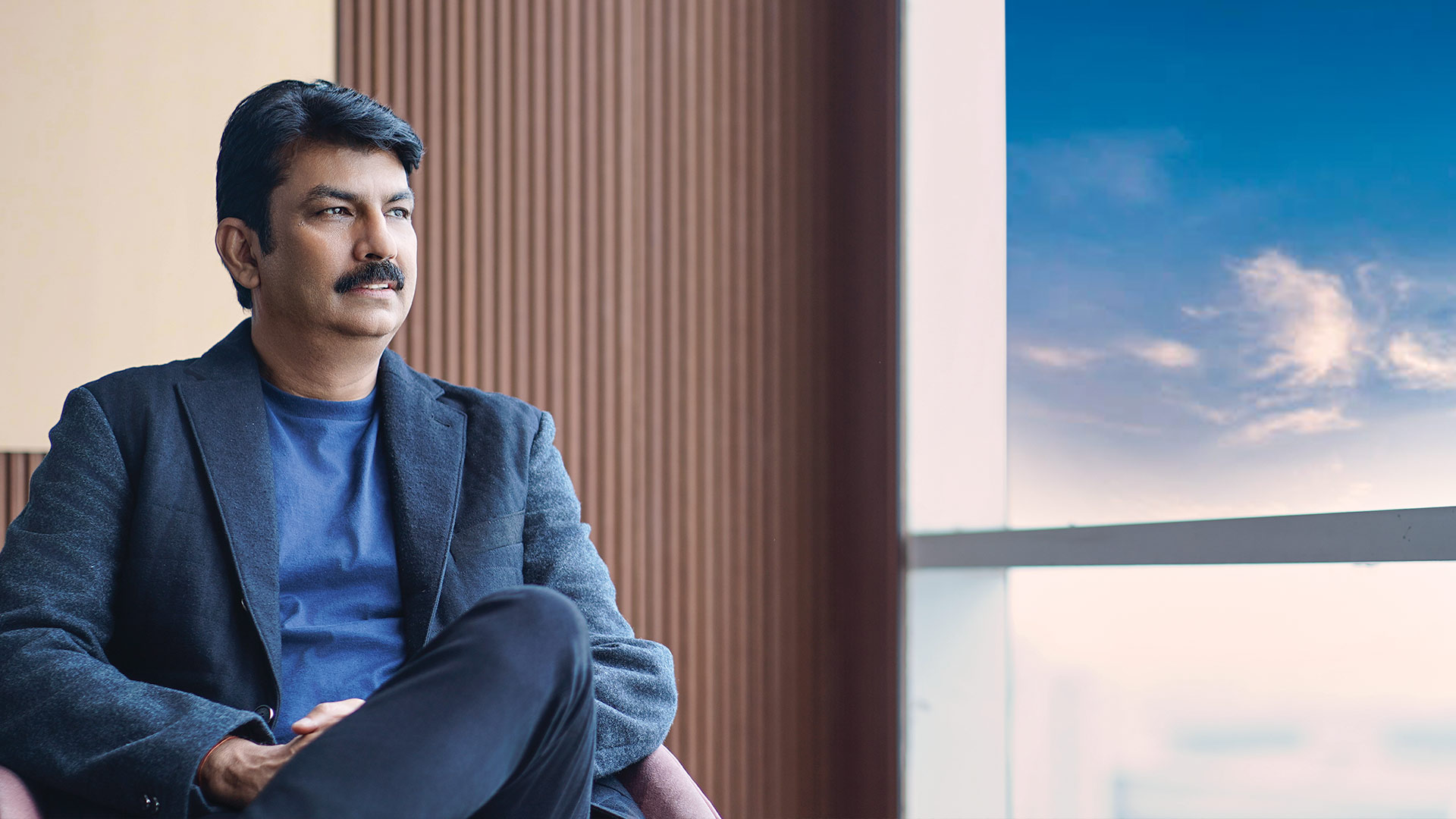
Being first to market was an advantage, but the real success comes from the fact that our business isn't formulaic, says Magow.
You need to be hungry, you need to have some risk-taking ability. Life is fast-paced. So is internet technology. You can't just be in your comfort zone and say, ‘Listen, I've arrived’.
Rajesh Magow
Future horizons
He ascribes the success of the company “to starting early. Being first to market was an advantage, but our real success comes from the fact that our business isn't formulaic. It's built steadily, block by block, through relentless execution. Having a vision and strategy is crucial, but without consistent, day-in-day-out implementation, you'll fall behind in this industry”.
Don’t let the almost relative calmness of the penthouse equivalent of a corporate space fool you. MakeMyTrip is constantly innovating. Frantically. The business has extended well beyond flight tickets and hotel bookings to span holiday packages, train, bus and cab bookings, homestays, experiences, gift cards, travel insurance and forex, amongst others. Perhaps most significantly, AI is enabling the industry to tailor travel experiences to individual preferences, offering unprecedented levels of customisation. "From ‘Trip Guarantee’, which offers a 100% confirmation of rail reservations or offers the customer 3x times the money back, to ‘Loved by Indians’, which caters to specific needs of Indians when they are travelling abroad, a lot is happening. There’s an all-woman channel (about 2,000) working on addressing specific holiday planning queries. There are about 150 franchisee stores, and expanding a rare offline segment! There’s a travel agent affiliate platform called My Partner, which has about 20,000 travel agents. Cruises are in the pipeline, as are destination activities and experiences.
Massive as it is in India, the logical next step for MakeMyTrip is to explore a more global presence. “We are predominantly in India. We are a one-stop shop—we call it a travel super app,” Magow says with a smile. “We have few businesses which have scaled up significantly, but there are many new businesses that we have ventured into. Intercity cab is a recent one, along with homestays and forex business. So, there's a huge amount of headroom for us to be able to grow those businesses.”
Makemytrip has entered into, from a geo expansion standpoint, the Middle East market. “Ironically, in the middle of COVID, we launched our UAE site. So that's going to be our new sort of beginning outside of the Indian market for an OTA business model.”
A record of successive growth in recent quarters seems to have whetted the appetite for growth; Makemytrip is growing at about 20% Y-o-Y. “We have about $8 billion gross booking value and $800 million revenue. The next milestone that we are looking for is a $10 billion gross booking value and a billion-dollar revenue. And then we keep sort of building on it. The good news is that there is a huge amount of headroom, as the travel and tourism market is growing. Digitisation in the country is phenomenally growing, as is e-commerce penetration, and we are at the sweet spot. We think that there's enough headroom for us to continuously keep acquiring new users. We are strong on new user acquisition thanks to the brand becoming far more reliable and powerful on the back of good customer experience; our repeat rate is also very high and stands at about 70%. Every quarter we do have 30% new users coming in as well.”
An even greater silver lining? “Data reveals that a lot of people are now taking more trips than ever before,” Magow points out. “They want to travel. I don't know whether this is, you know, due to the realisation that life is short and let's experience it. And travel is right up there in experiences.”
With Magow at the helm, MakeMyTrip seems set to make the process even more exciting!
Mentors and influences
“I like to learn from every single person. In your early days, you learn from your parents and the people around you. Deep (Kalra) has been a huge influence. We have been working together for the last 25 years, and there is a lot to learn from him.
I learn a lot from all the sports personalities. (A sports enthusiast, and an occasional player of cricket and badminton, the wall in his cabin is full of photographs of his favourite icons). In the early days, it was Kapil Dev, the 1983 World Cup hero. Then there was Sachin (Tendulkar) and more recently, there has been Rahul Dravid. Look at the tenacity that this guy has. He didn't give up on his dream of getting that one thing which had been eluding him for the longest time. Then there is Novak Djokovic, who won an Olympic medal against a younger guy. Recently, in our annual town hall meeting, we invited badminton champion Pullela Gopichand. What a phenomenal personality, and what a phenomenal contribution he has made to badminton in India.”
Formula for balancing work and downtime
“For me, the definition of work-life balance is very different. But, before I tell you about that, I have to admit that when you start on the entrepreneurial journey, you should be prepared to go all in. So, in terms of effort and bandwidth, you have to put in the number of hours that are needed. And, at the end of the day, you have got just 24 hours. So something will take a backseat. Over the years, I have tried to imbibe the formula of ‘quality versus quantity’. If you can't give too much time to the family in terms of quantity, can it be top-quality time? In our always-on industry, there's no true weekend. But if you're inherently responsible, that trait will show up in your work. It's all about intent and finding ways to manage the demands. If there's a will, then you will find a way.”