















The Slow Travel Manifesto
Saif Ali Khan on the luxury of stillness, the elegance of staying put, and the geography of familiar things.
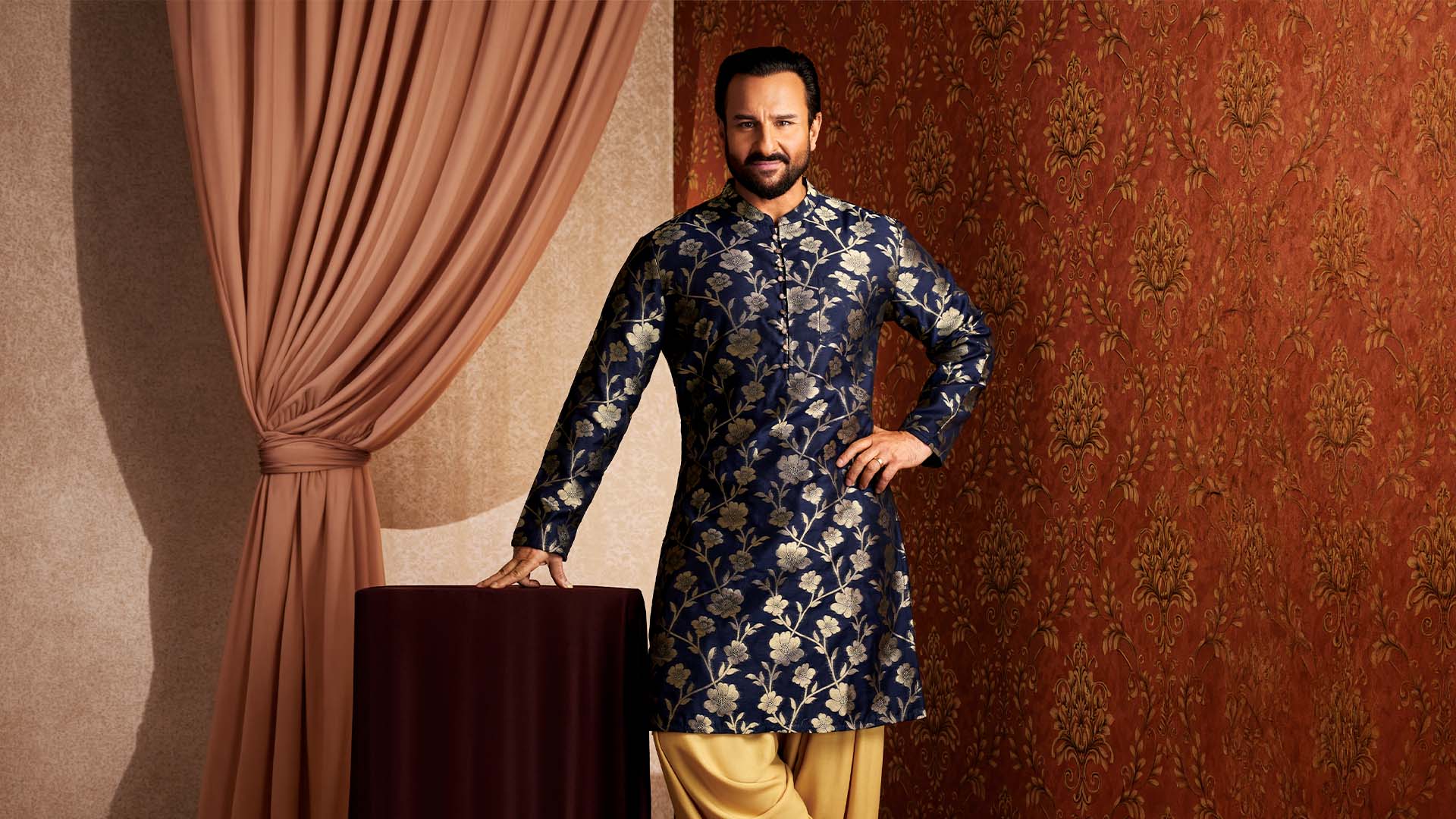

By Radhika Singh
There is a particular kind of traveller one encounters less and less now the sort who arrives somewhere not to discover it, but to recognise it. Picture Saif Ali Khan: settled in a leather armchair by a rain-splattered window, his gaze distant, a book in hand—less a man in transit than one in quiet return.
Khan is not a traveller in the contemporary sense of the word. He does not chase destinations, nor does he curate experiences. Instead, his journeys are built around familiarity: London walks, the hush of Pataudi’s corridors, meals that are simple and well-made. Holidays, for him, are defined by a slower rhythm: reading, eating, and doing very little. In an age of constant movement, his idea of travel feels almost radical in its stillness, as if he is actively resisting the checklist-driven tourism of our times.
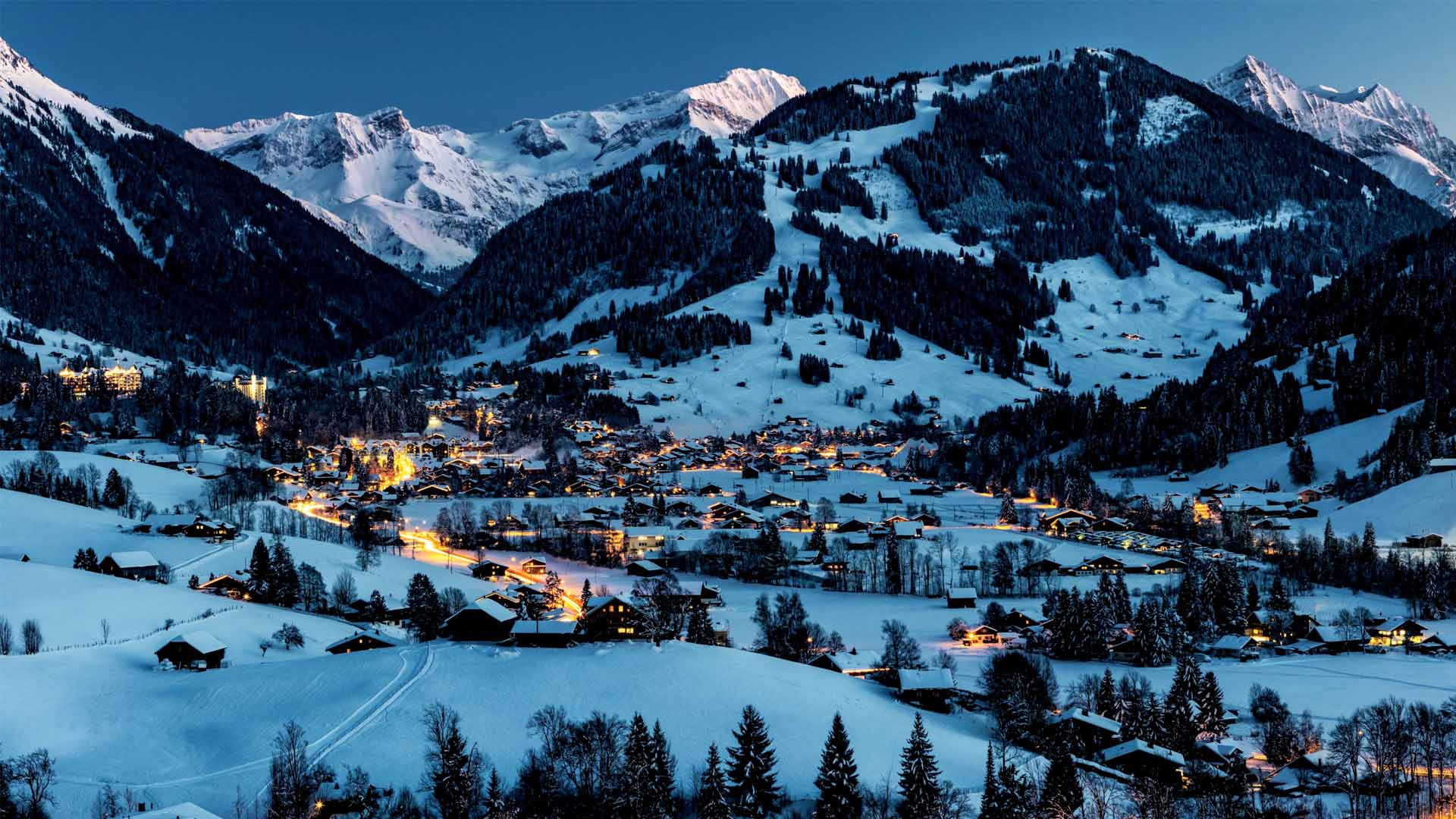
Khan spends many family vacations in the Alpine enclave of Gstaad, Switzerland.
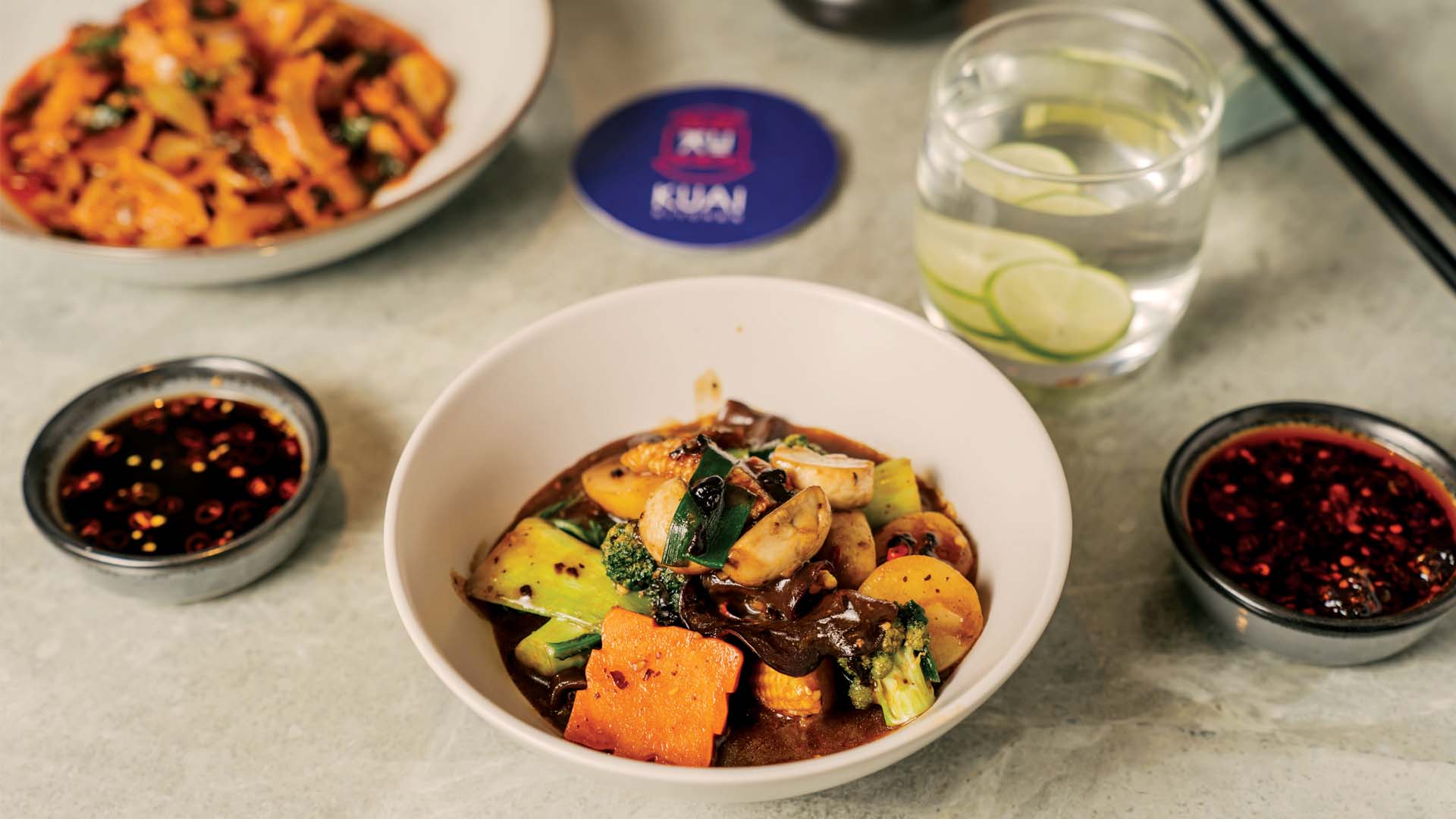
The Kapoor family patronises the desi Chinese cuisine at Kuai Kitchen, Mumbai.
The art of not arriving and doing nothing
He says, “I’m not very interested in running around ticking places off a list. I’d rather spend time in one place and really enjoy it.” The sentence lingers, not because it resists the modern grammar of travel—lists, itineraries, proof—but because it proposes something older, slower, faintly aristocratic in its refusal. Travel, in his telling, is not performance. It is withdrawal. “Holidays should be about doing as little as possible,” Khan adds. “The best trips are the ones where you can slow down: read, think, and just be.” What he proposes is something almost subversive: that the value of travel lies not in how much one does, but in how completely one can inhabit stillness. “I don’t understand stressful holidays,” he adds, almost as an aside. “I don’t like over-the-top holidays. I prefer places that have character and history.”
When Khan travels with his wife, Kareena Kapoor Khan, and their children, the philosophy remains intact, merely softened by the logistics of family. “Holidays now are about being together, keeping it simple, and making sure everyone is comfortable.”

The Maldives, with its sylvan coastline, is a family favourite.
Favourite destinations London, revisited:
London is like a second home: I can walk around, go to bookstores, and watch a play; it’s very comforting. I don’t feel like a tourist there. I feel like I belong.” He consistently returns to London’s bookstores, many of them quiet, wood-panelled, slightly old-fashioned spaces where time slows down. London’s West End holds a particular appeal for him. “London for me is not about landmarks; it’s about mood.” Bookstores instead of shopping streets, theatre instead of nightlife, and walking instead of itineraries.
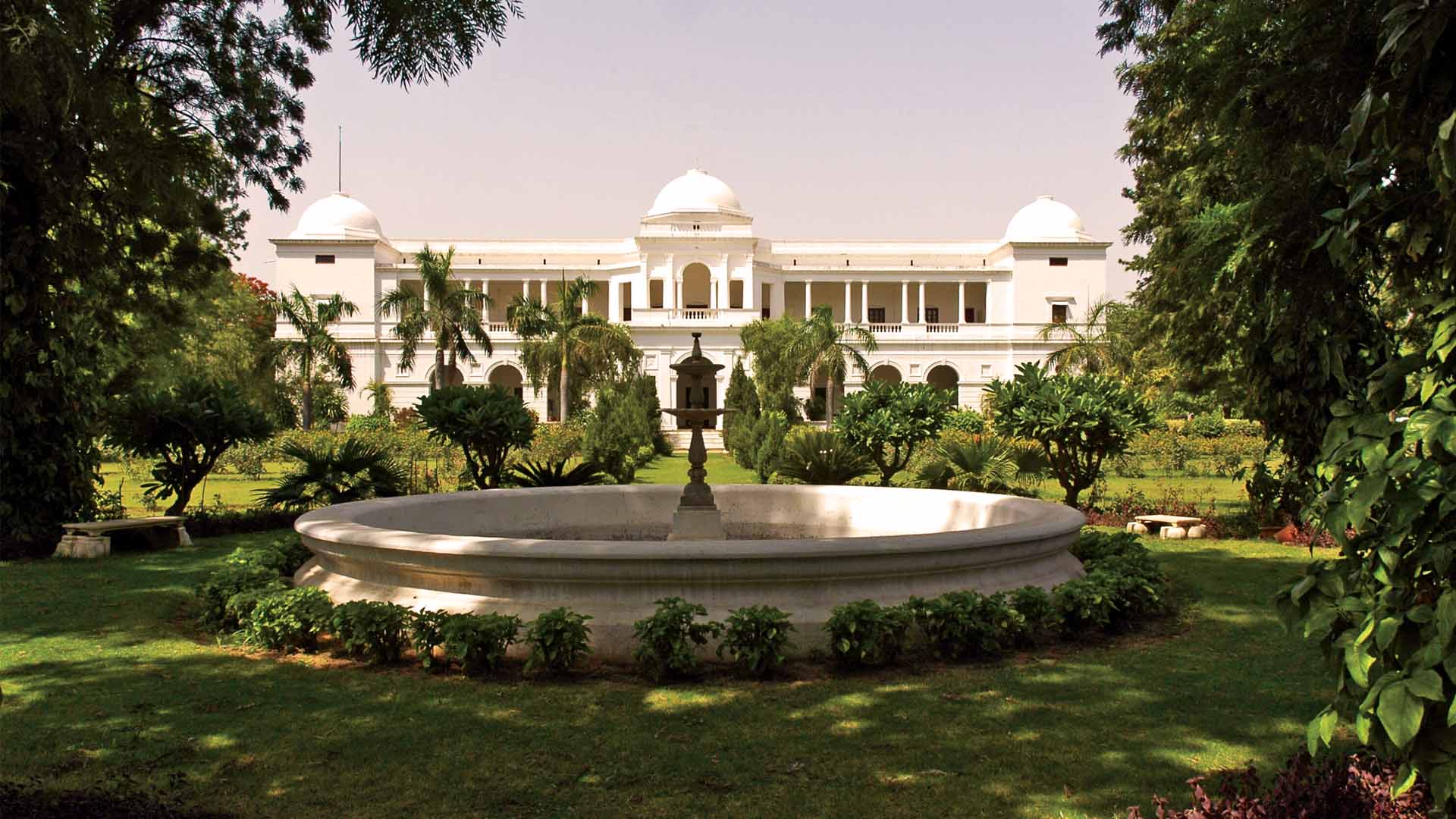
Pautadi, the geography of memory: For Khan, childhood holidays were rarely about discovering new places. They followed a quieter, more cyclical pattern, anchored in family and familiarity. “Growing up, holidays were often about going back to Pataudi… it wasn’t about going somewhere new, it was about going home.” Pataudi Palace appears less as a place than as a condition of being. “Pataudi is not a holiday, it’s a feeling. It’s where everything slows down.”
This is where corridors seem to hold time rather than measure it, where afternoons stretch into something unstructured and faintly golden. “There’s something about being there that connects you to who you are. It offers a sense of space and quiet that I’ve always associated with a good holiday,” he says, talking about how his childhood memories are tied to Pataudi.
Gstaad, luxury without display: “Luxury, for me, is space, silence, and time. I experience that in Gstaad, and the soft horizons of the Maldives. These are not destinations chosen for their spectacle but for their discretion. Places where nothing much is required of you except presence,” he says.
It is tempting to call Khan's idea of travel old-world, though that phrase has been diluted by overuse. Yet there is something distinctly pre-digital in Khan’s rhythms: the absence of urgency, the resistance to novelty, the quiet faith in repetition. He returns to the same cities, the same rooms, the same kinds of meals.
Maldives, for family time: “It is an ideal destination for short, comfortable breaks. It offers seclusion, sea, and simplicity. I like it for spending time with family.
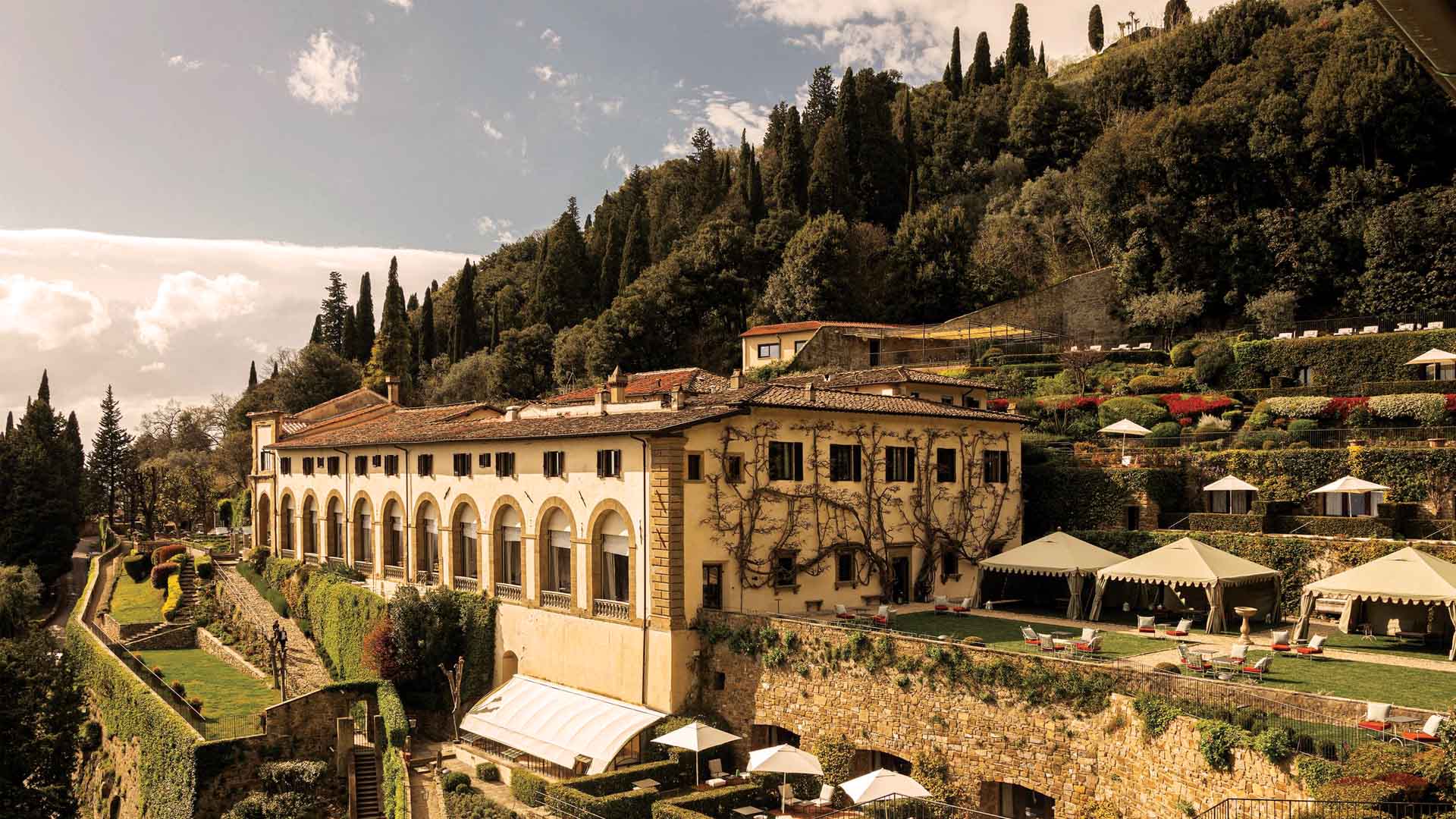
Villa San Michele is housed in a former monastery with a façade attributed to Michelangelo.
Eating as a memory, not an adventure
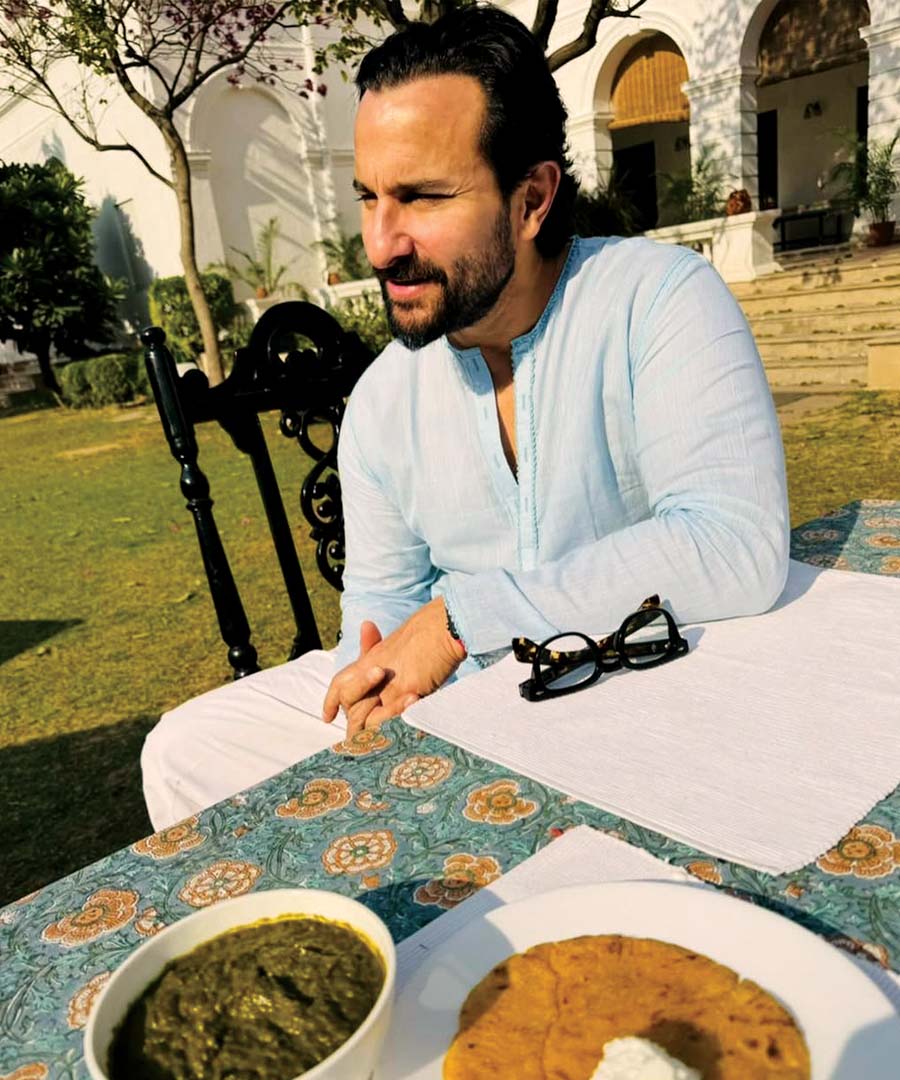
Food, too, follows this logic of familiarity. Khan speaks of it not as discovery but as reassurance. “I enjoy simple food when I travel: good bread, cheese, a well-cooked meal.”
Among his favourite restaurants:
Trishna, Mumbai: The classic restaurant is known to serve the best seafood in the city. “I particularly enjoy their tandoori crab. It is delicious.”
Kuai Kitchen: Khan discovered Kuai Kitchen through Kareena, who often orders in Chinese food from this cosy little restaurant. “We always order Chinese takeout from here. Not just Kareena, but the entire Kapoor family loves Chinese food so much that they can eat it three times a day.” Of course, they are all fans of ‘Desi Chinese’. He says, “You know, real Chinese food nobody will like, I’m sorry. I know a lot of people who have been to China, and they’re like, ‘Dude, what is this? It’s not Chinese food, we want Punjabi Chinese food,’ so it’s different.”
Villa San Michele, Florence: The restaurant, in a luxury hotel, once a monastery, boasts breathtaking views and ambience. Khan fondly recalls dining under a majestic arch, describing it as "the most amazing view and the most romantic table. With Italy's rich culinary heritage and the Renaissance city as a backdrop, this spot remains a cherished memory.”
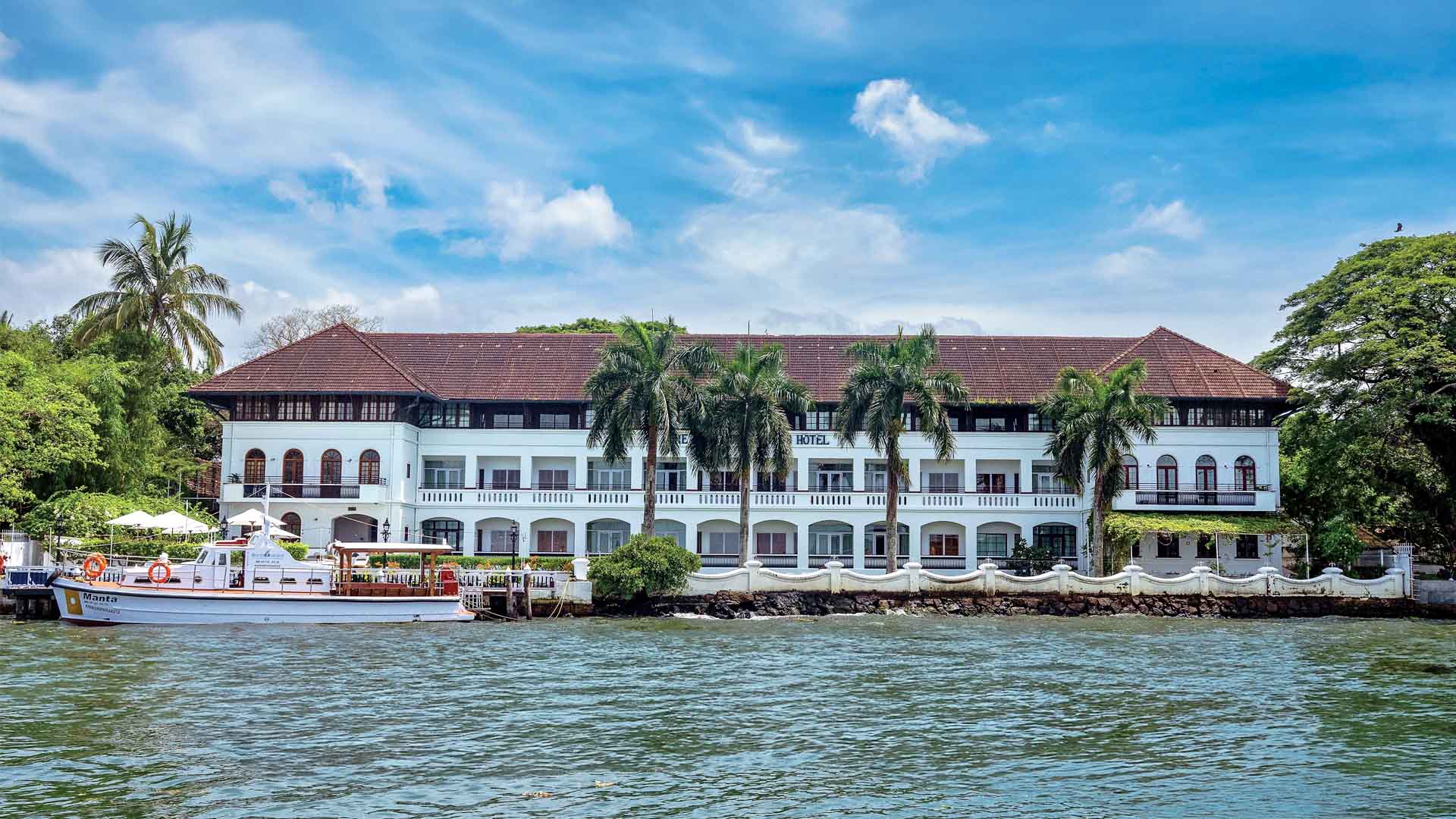
Brunton Boatyard, Kochi: Dining at this heritage property involves views of the Kochi waterfront. “With its high ceilings, antique furniture and gentle sea breeze, the setting exudes nostalgia. Also, it serves the best seafood I have eaten.”
L'Ami Louis, Paris: The classic bistro is known for its rich French cuisine and A-list patrons. “It's very popular with the Kapoors, in fact, the family I married into,” he says, particularly for its signature dishes such as roast chicken and foie gras.
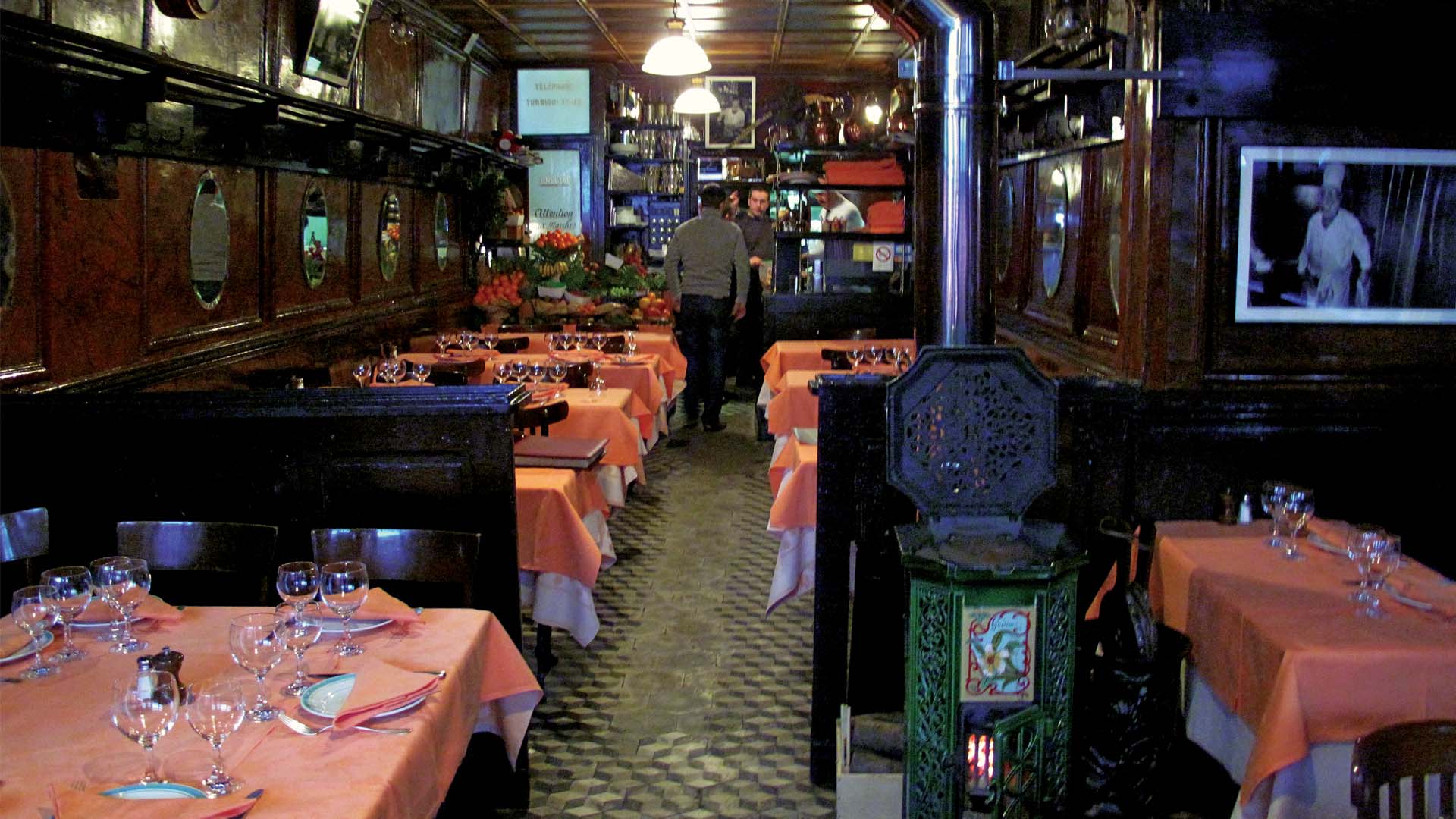
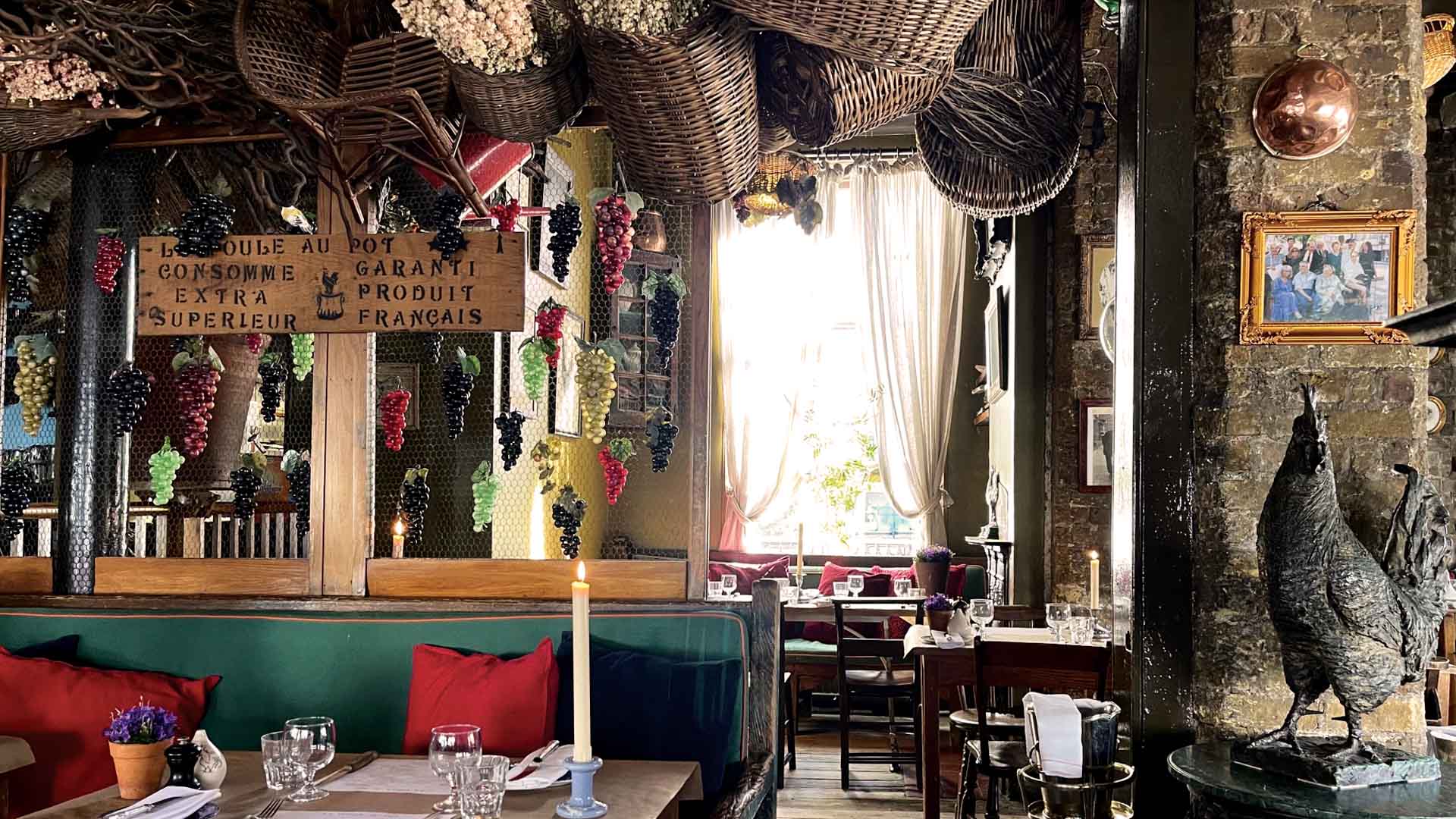
Le Poulet au Pot, London: When in London, Khan loves to dine at Le Poulet au Pot. “It is really beautiful, like a kitchen in the country, done up really well. It evokes images of warm candlelight, satisfying meals and laughter-filled moments.” The menu focuses on traditional French dishes with generous portion sizes.
The reader in transit
Travel, in this sense, becomes indistinguishable from reading, which Khan does a great deal of. “I always carry a book. Travel without reading feels incomplete. Some of my best memories are of being in a beautiful place and just reading for hours.” I have often thought that the best journeys are the ones in which the external landscape and the internal one begin to blur, and his reading—Tolstoy, Fitzgerald, the light wit of Wodehouse—suggests a traveller who is as attentive to interiority as he is to place.
Even airports, those temples of modern haste, are recast in his imagination as spaces of stillness. “I quite like airports; there’s something anonymous about them. You can just sit, read, and watch people. Flying is one of the few times you’re forced to disconnect. That’s quite nice.”
At a time that rewards velocity and equates movement with meaning, here is a man who insists on the opposite: that travel can be a form of stillness, that the most meaningful journeys are often the least eventful.
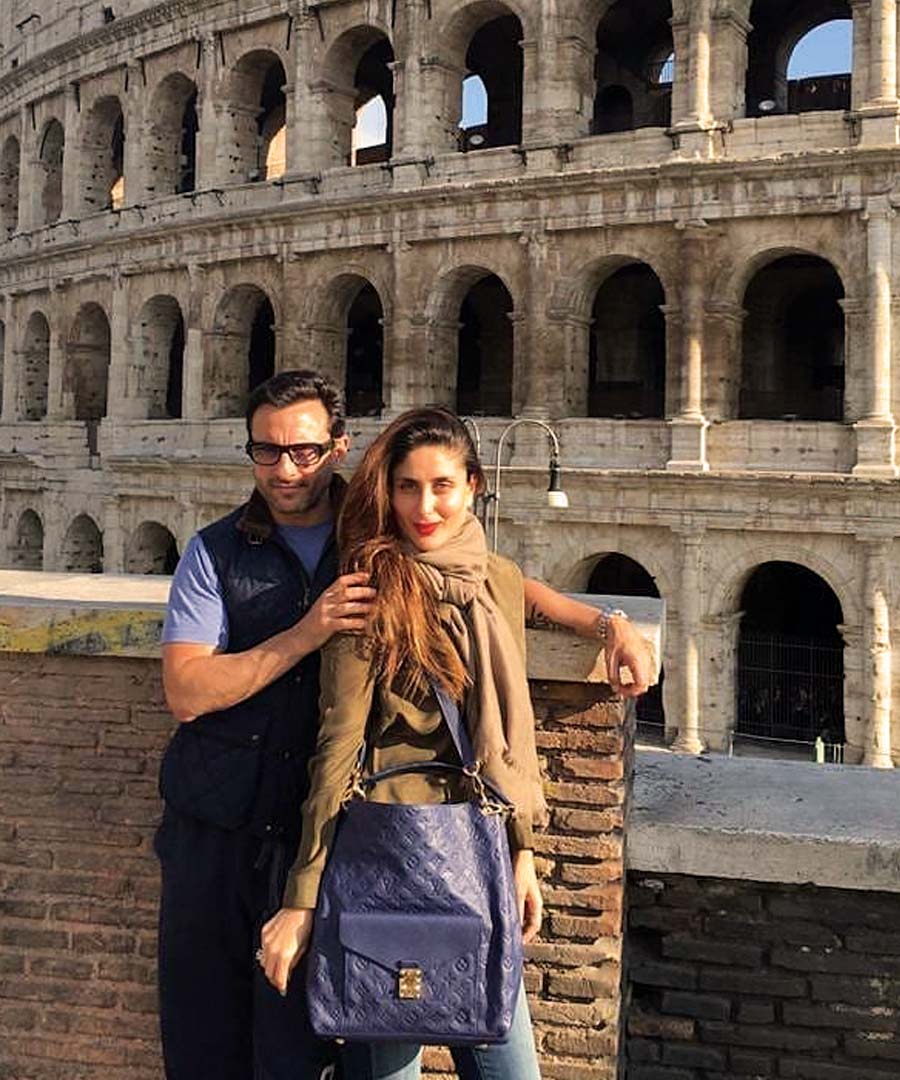
Kareena and Saif in Italy, where exploring heritage is a journey through layered civilisations.