
















The Geography of the Soul
Pico Iyer, the acclaimed essayist and novelist, has long explored the nuances of cultural identity, the meaning of home, and the art of stillness. In his latest book, Aflame: Learning from Silence, Iyer draws on his decades-long experience of retreating to a Benedictine hermitage in Big Sur, California, a deeply personal reflection on the power of silence. He speaks about his many journeys.
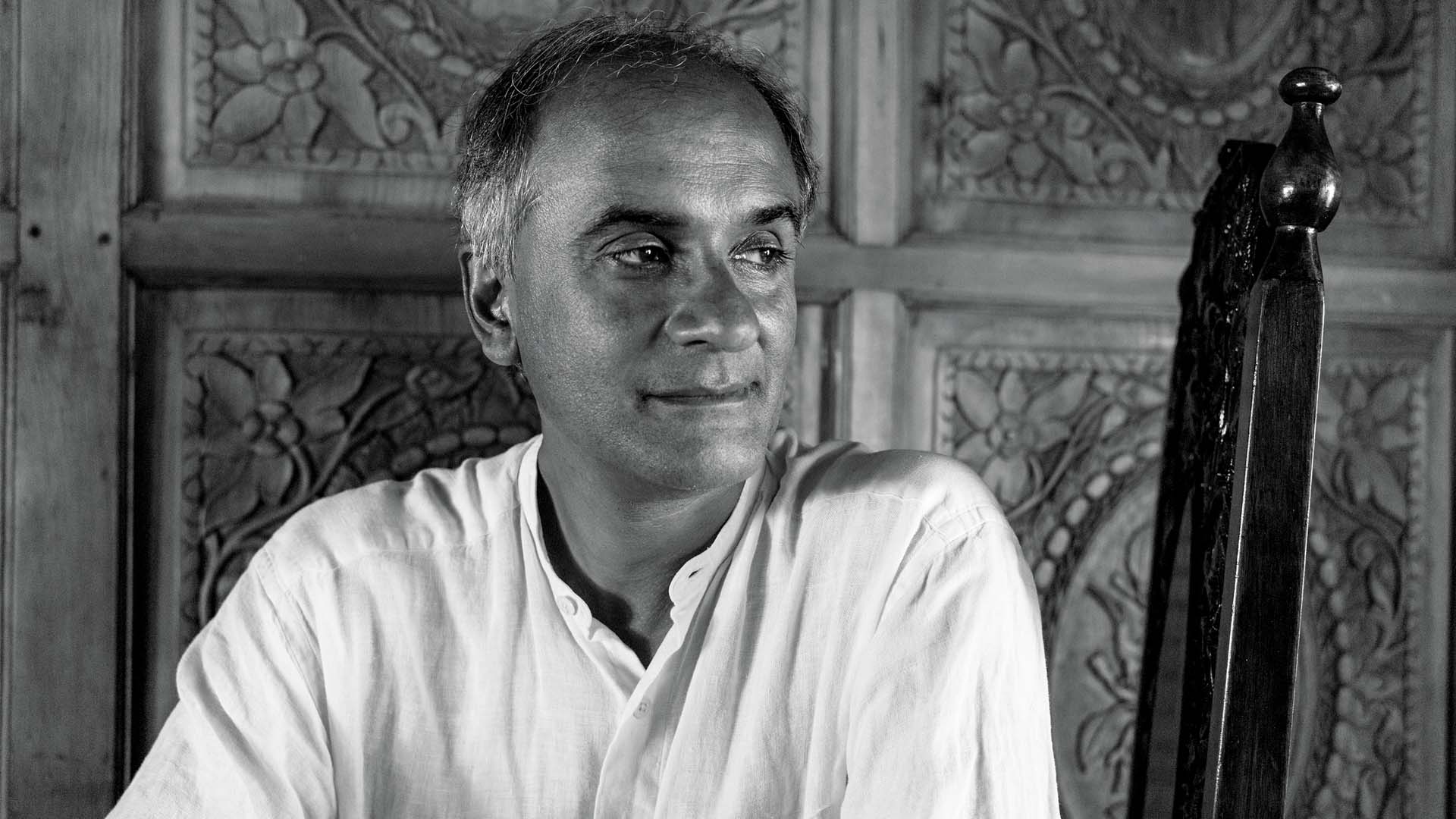

By Pooja Bhulla
I started going to school by plane from the age of nine
We moved to California when I was seven. I tried schooling for two years, but the educational system there was so different from England, where I was born and grew up—I wasn’t learning much. So I decided to go back. Both my parents were professors, but their great respect for education was also an aspect of India. Although it was very difficult for them to part with their only child, they (too) felt it would be good in the long term, knowing I’d get a solid education there. The exchange rate in the 1960s was also such that it was cheaper for me to go to England, get a better education and fly back thrice a year than going to the best local school 10 minutes from home.
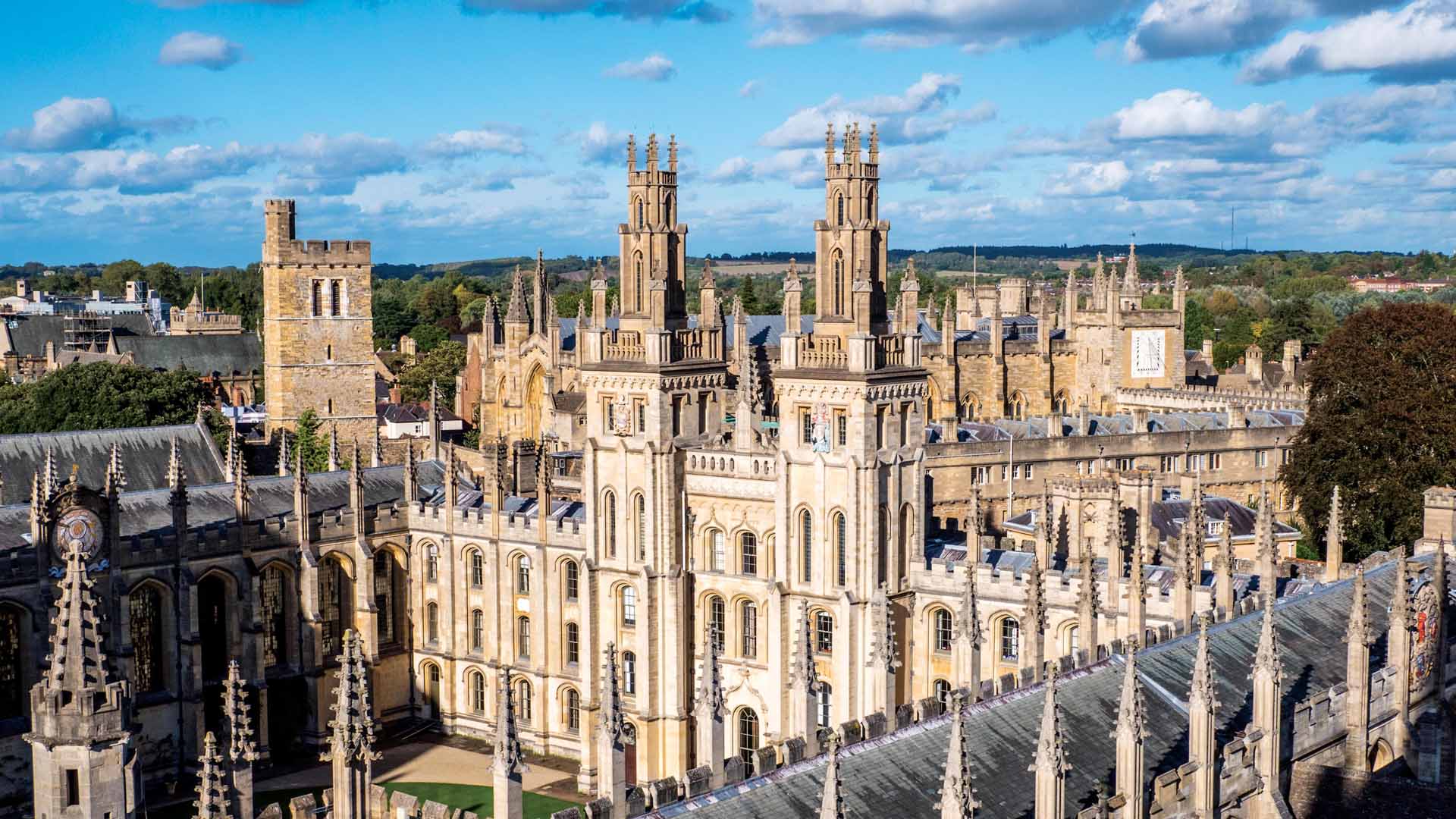
The travel writer and essayist was born in Oxford, England.
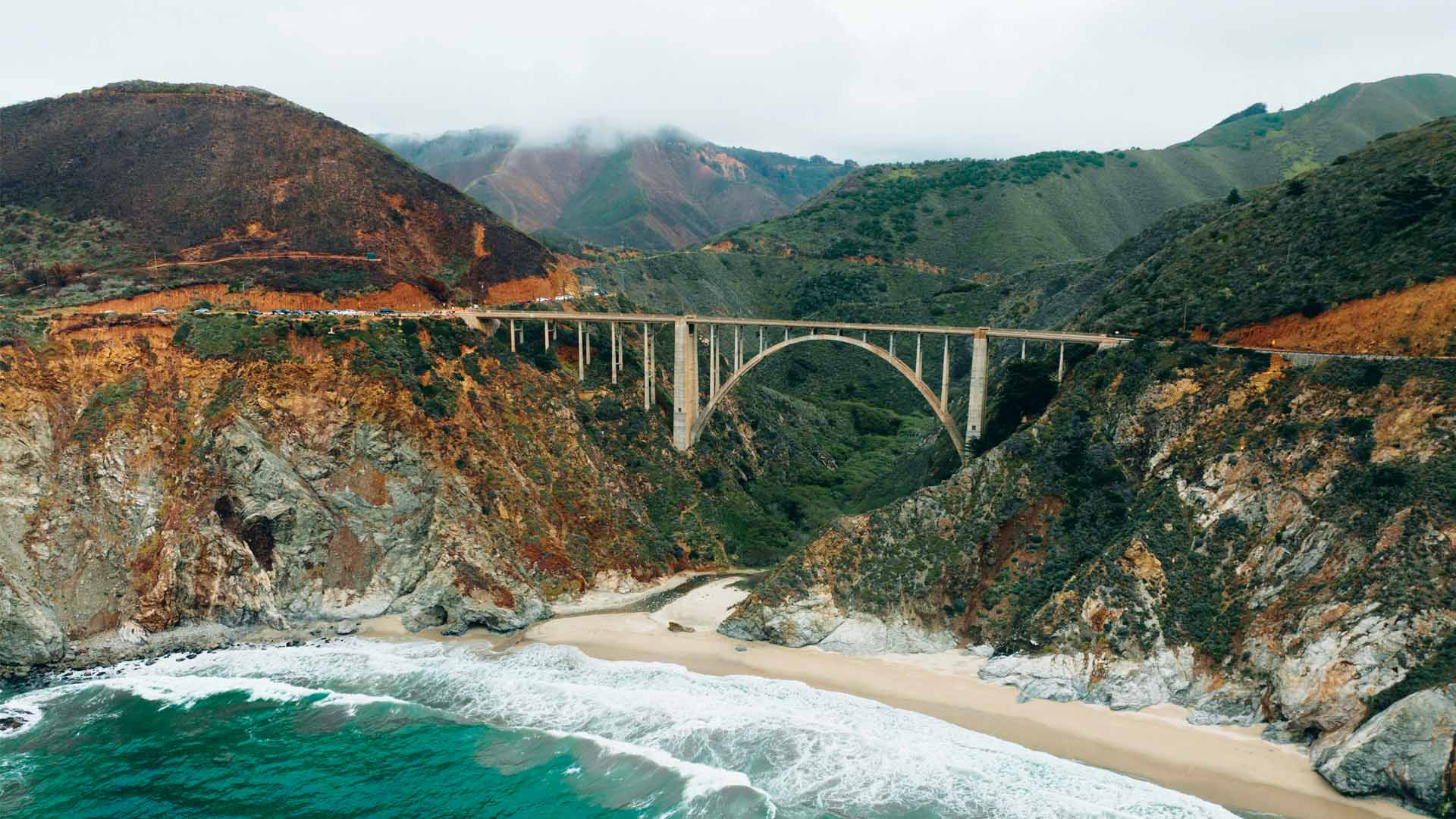
The rugged coastline with its seaside cliffs near Big Sur, California.
I learned a lot from making that commute—
To be more independent, self-sufficient, less spoilt. It was a huge formative influence. It certainly made me a traveller; and got me used to setting two very different worlds against one another—a 15th-century school in England, rooted in the past and tradition, and California rooted in the future. I often felt I was travelling between history and hope, a distant past and the future. By only living in the future, without a solid sense of what's happened before, you wouldn’t know what to do. And if I'd only lived in that 15th-century past, I'd be mired in dust, as it were, and cobwebs, and wouldn't have a sense of where to go.
So growing up, I felt I had three sets of eyes—Indian, British and American.
Whereas my classmates were entirely English, and had only one. I could mix and match mine—see California with English or Indian eyes, or England with Californian or Indian eyes. I thought what a blessing not to be confined to one way of seeing things. This probably helped to make me a writer.
It also trained me for the 21st century.
Where more and more people in India and everywhere, have many homes. And their sense of home is a sort of mosaic—drawing from many places to make a composite home. It was very unusual in the 1960s.
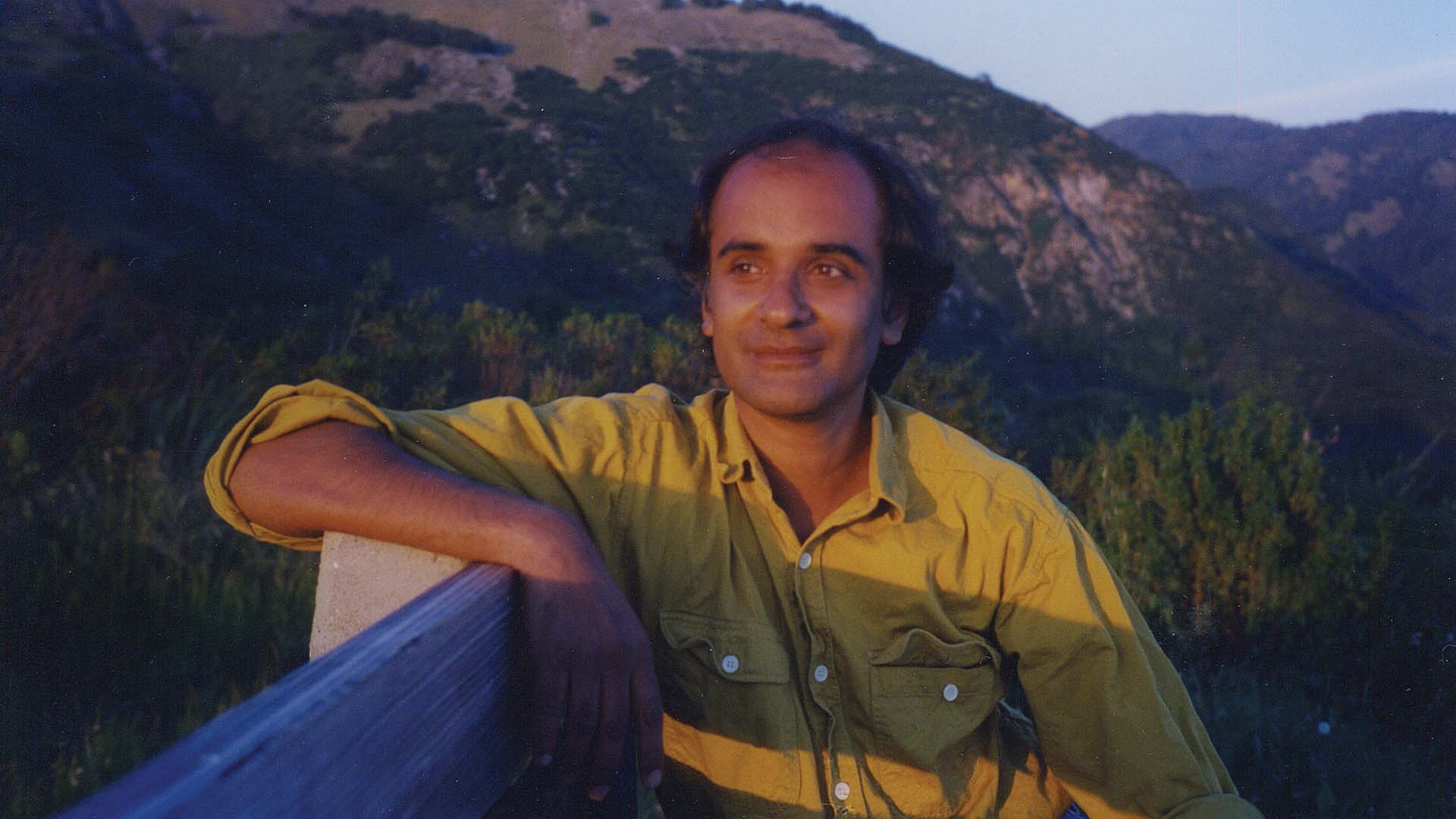
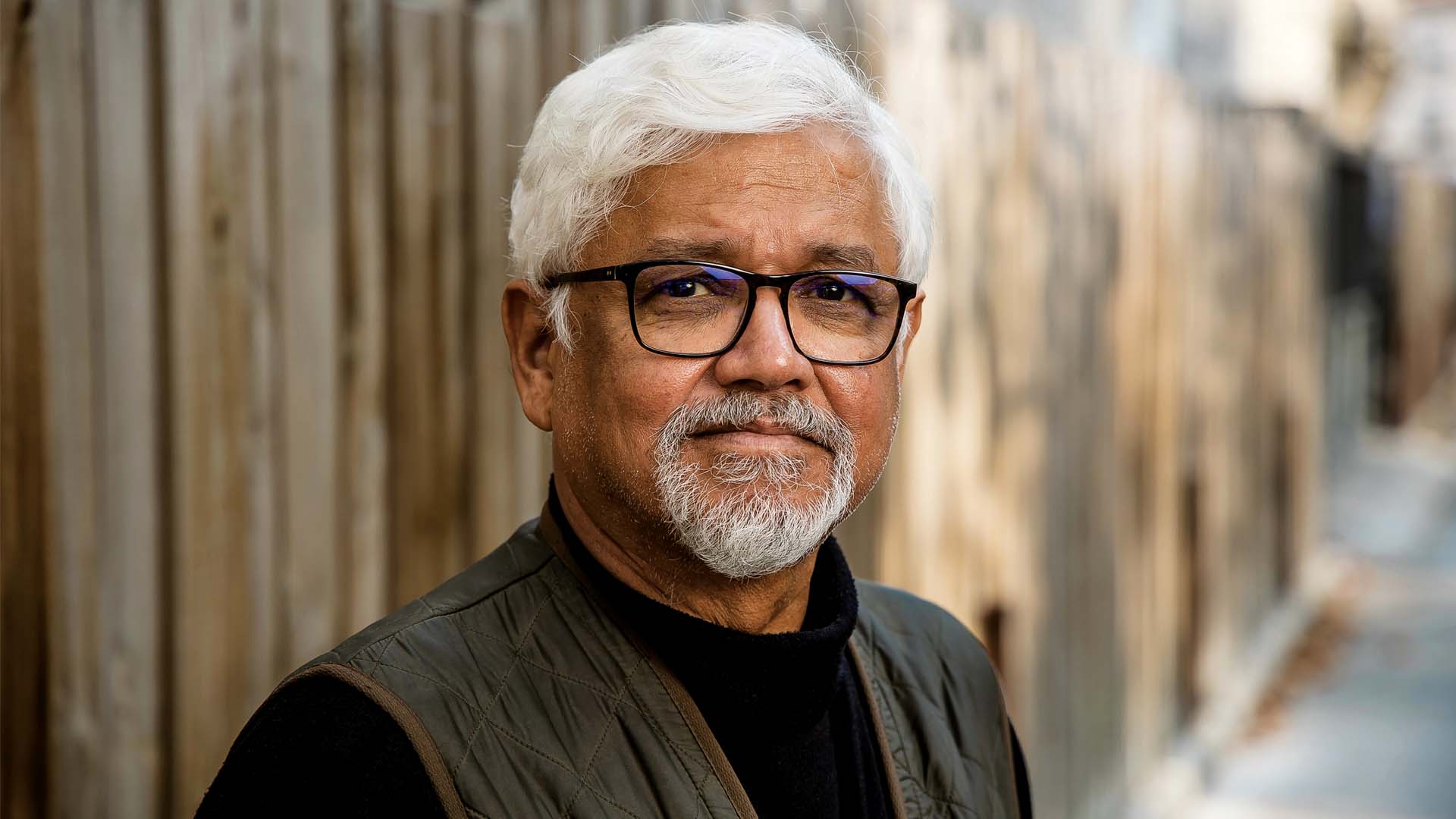
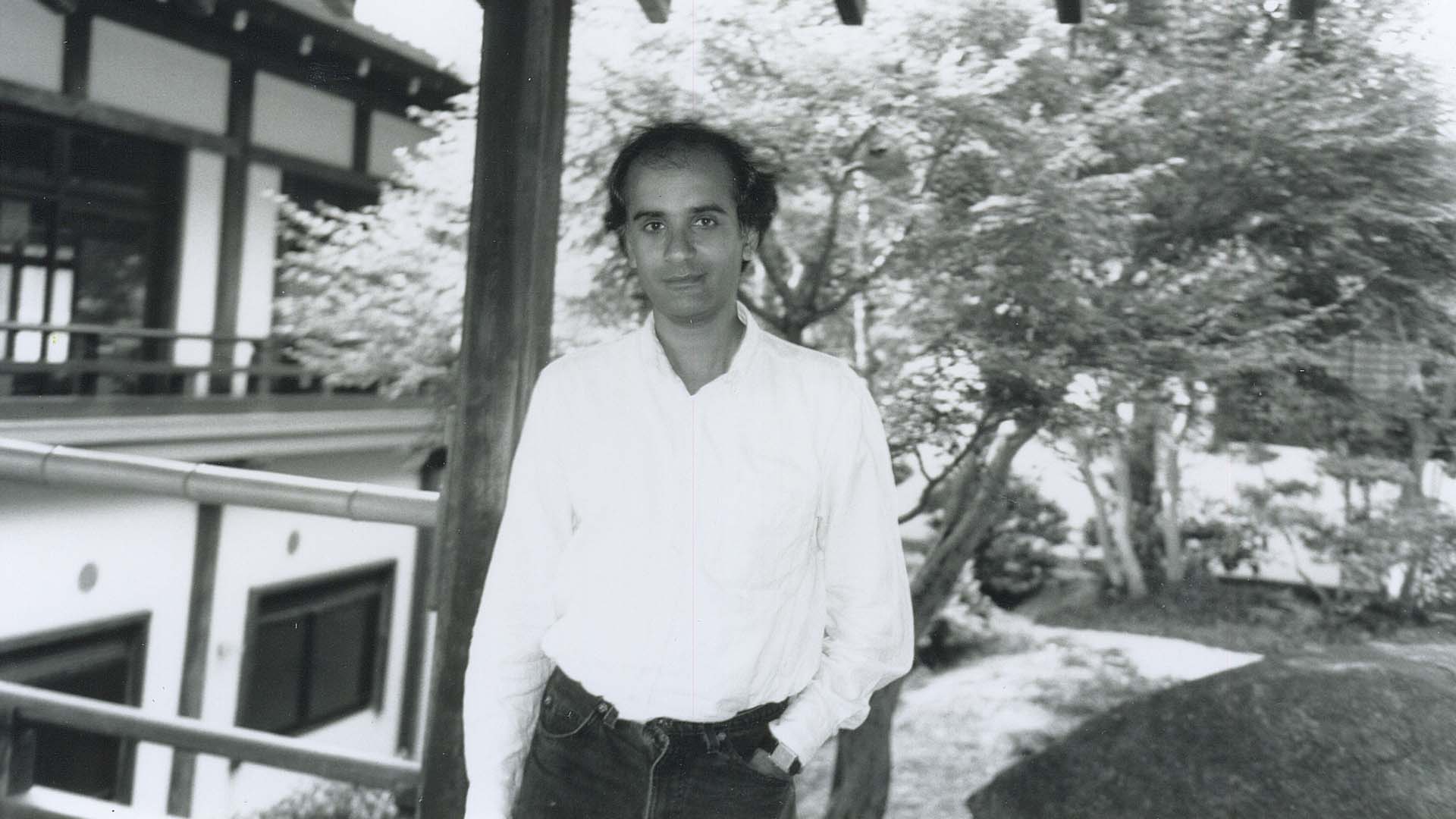
Pico Iyer at the Benedictine monastery in Bir Sur, California.
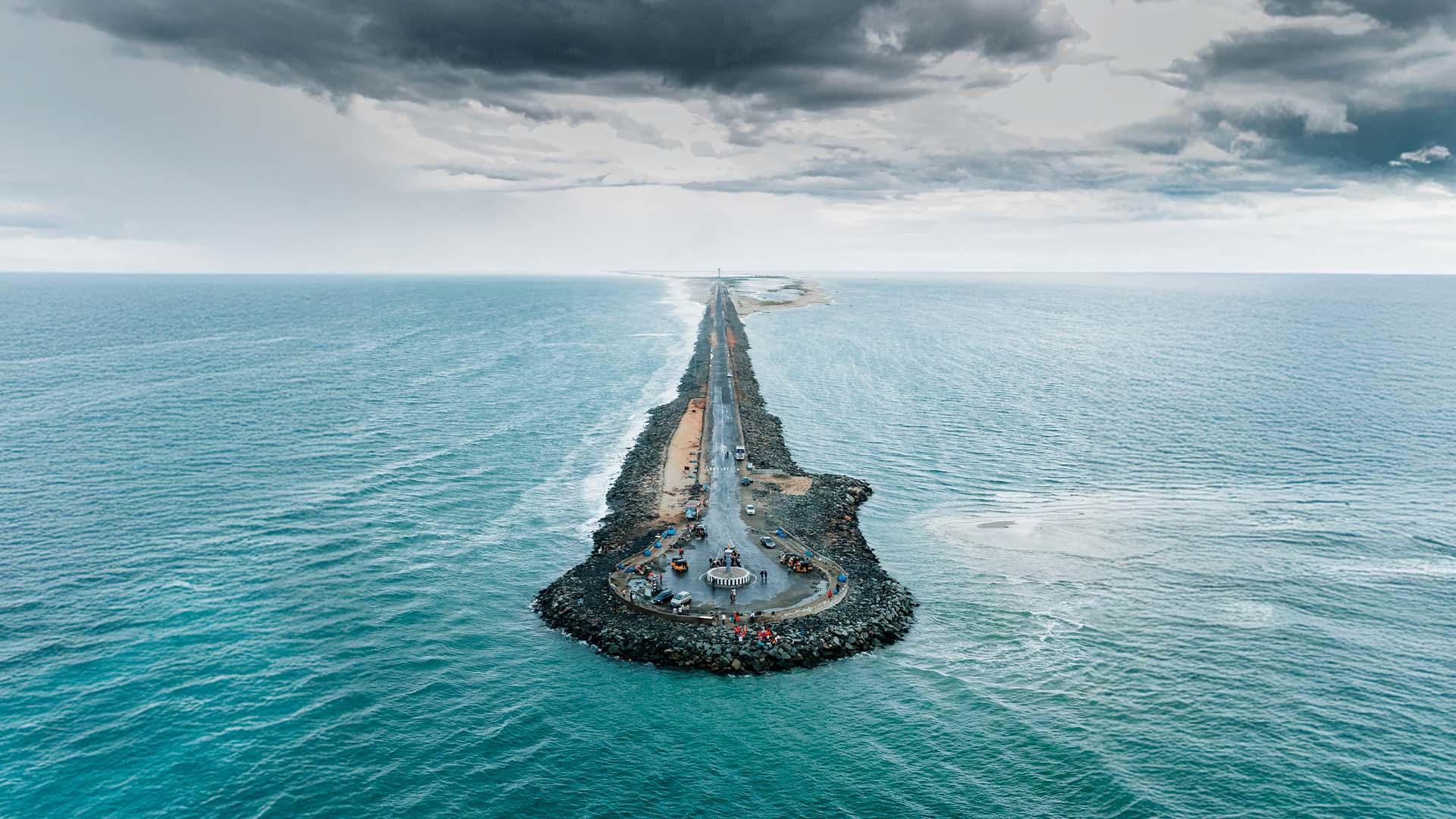
I've spent painfully little time in India.
When I was two, I sailed back from England to spend time with my maternal grandparents at Marine Lines. But at 17 was the first time I really came and spent a couple of weeks in Bombay, visiting uncles, aunts and cousins. Then in 1985, I returned to write part of my first book, Video Night in Kathmandu. Nowadays, occasionally, I make lightning visits. So sadly I haven't spent much time in Bombay, but it’s still better than Tamil Nadu, where the Iyer name’s from and I’ve only spent a day of my life.
Half the chapters of my last book, The Half Known Life,
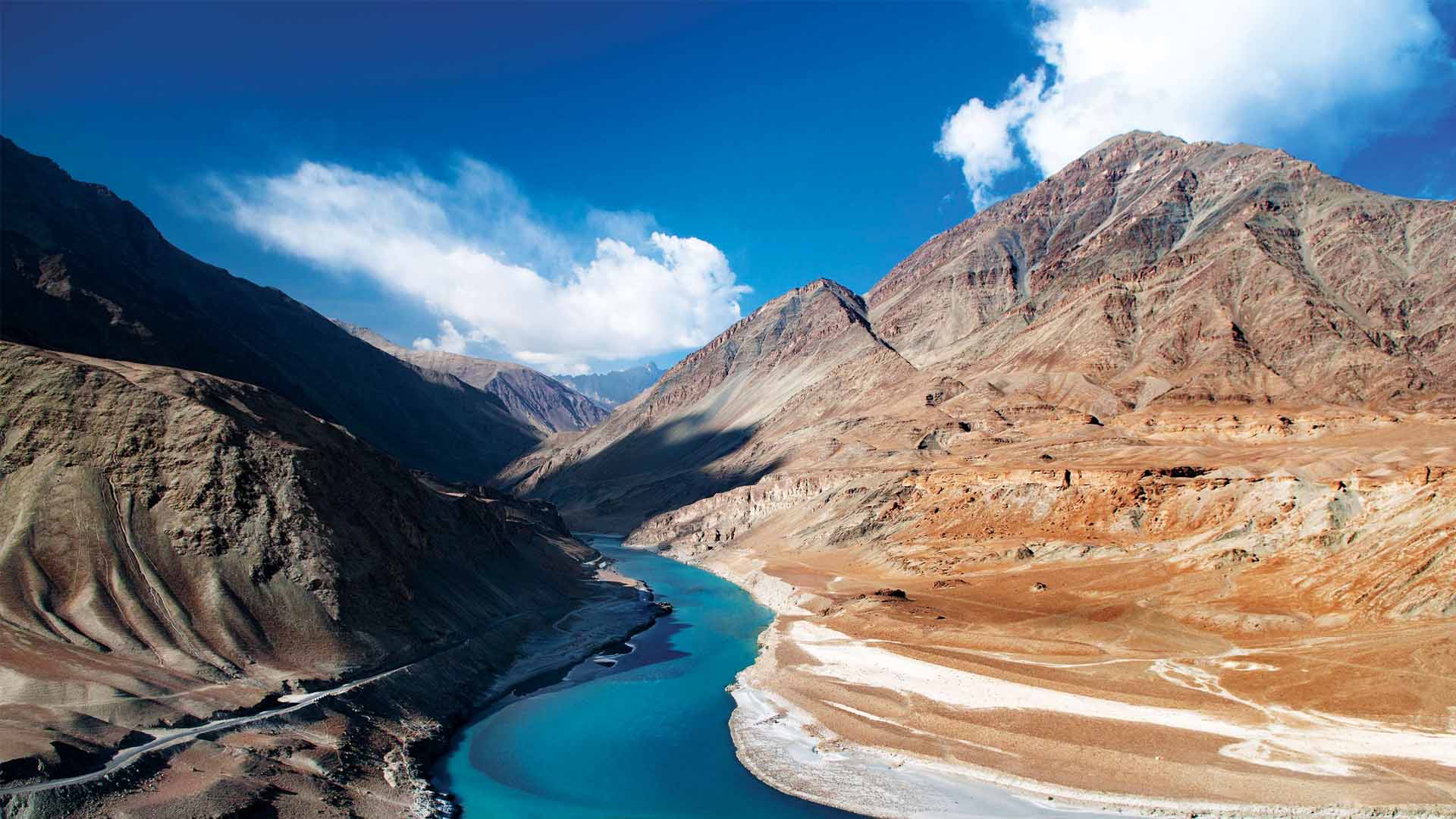
Published two years ago, involved South Asia. One each on Ladakh, Kashmir and Varanasi, the main and concluding chapter, and two on Sri Lanka. I also spent springs in Dharamshala while writing a book on His Holiness, the Dalai Lama. So I've travelled a bit in India, but there are many places I’d like to go to and still haven’t.
I always felt a bit of a fake.
People would always respond to my face and name as Indian, but having spent so little time and not speaking any of the languages—English was our only common one as my mother’s Gujarati and father’s Tamil—I knew less about India than many from Britain or the United States…So I'm not in a position to say much about India. But as the years have gone by, I see how much many things I depend upon now qualities I'm so grateful for, come from my Indian parents and are very much Indian. One is the level of intellectual excitement, energy, caring about words, and interest in books I see every time I come to a literature festival. I don't find it anywhere else in the world. So I ascribe my love of words and ability to live off words to India, and also my ease with numbers. My father had it—people from South India often do—and probably passed it down to me.
I also absorbed so much, in semi-invisible ways…such as growing up implicitly believing in karma and reincarnation. My parents were vegetarian, and although I’m not, I really respect vegetarianism. My parents were teetotalers, I’ve never drunk…So Britain formed me, India gave me my blood, mind, heart and many other things, but America, zero percent. I've officially been a resident since the age of seven, but it hasn’t left any imprint on me. It's a very foreign country.
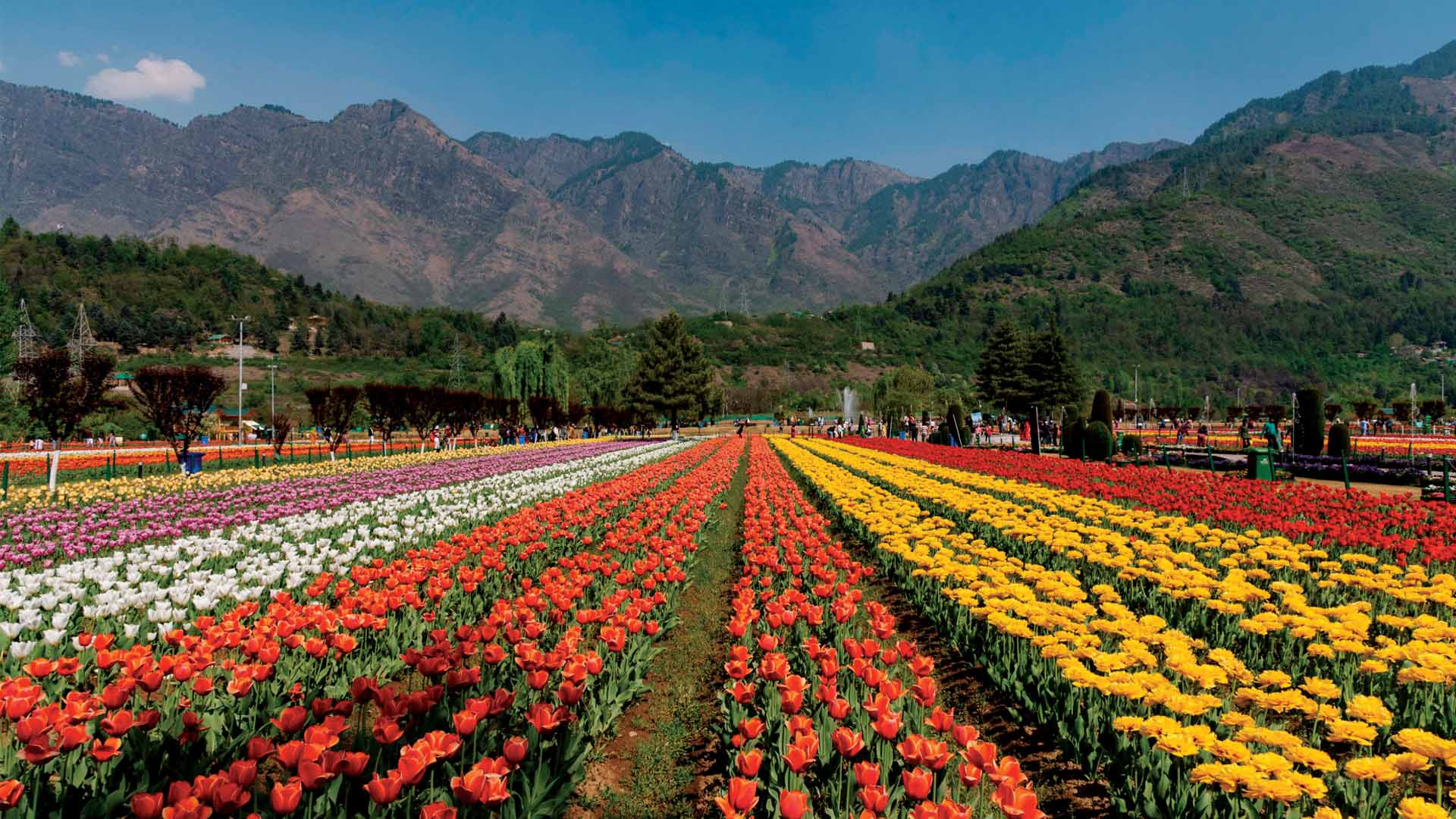
Kashmir, Ladakh, Varanasi and Sri Lanka are featured in Iyer's The Half Known Life.
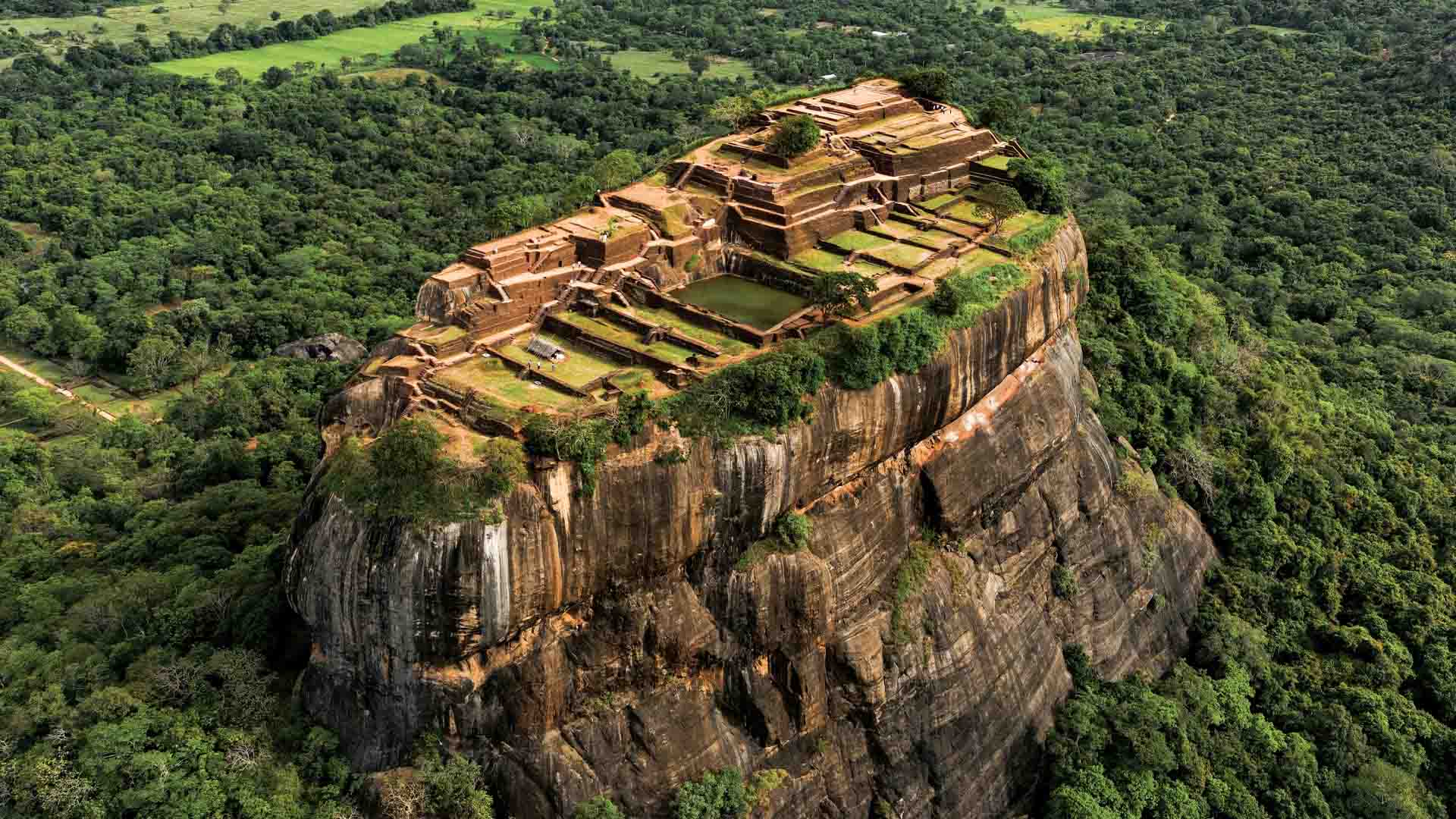
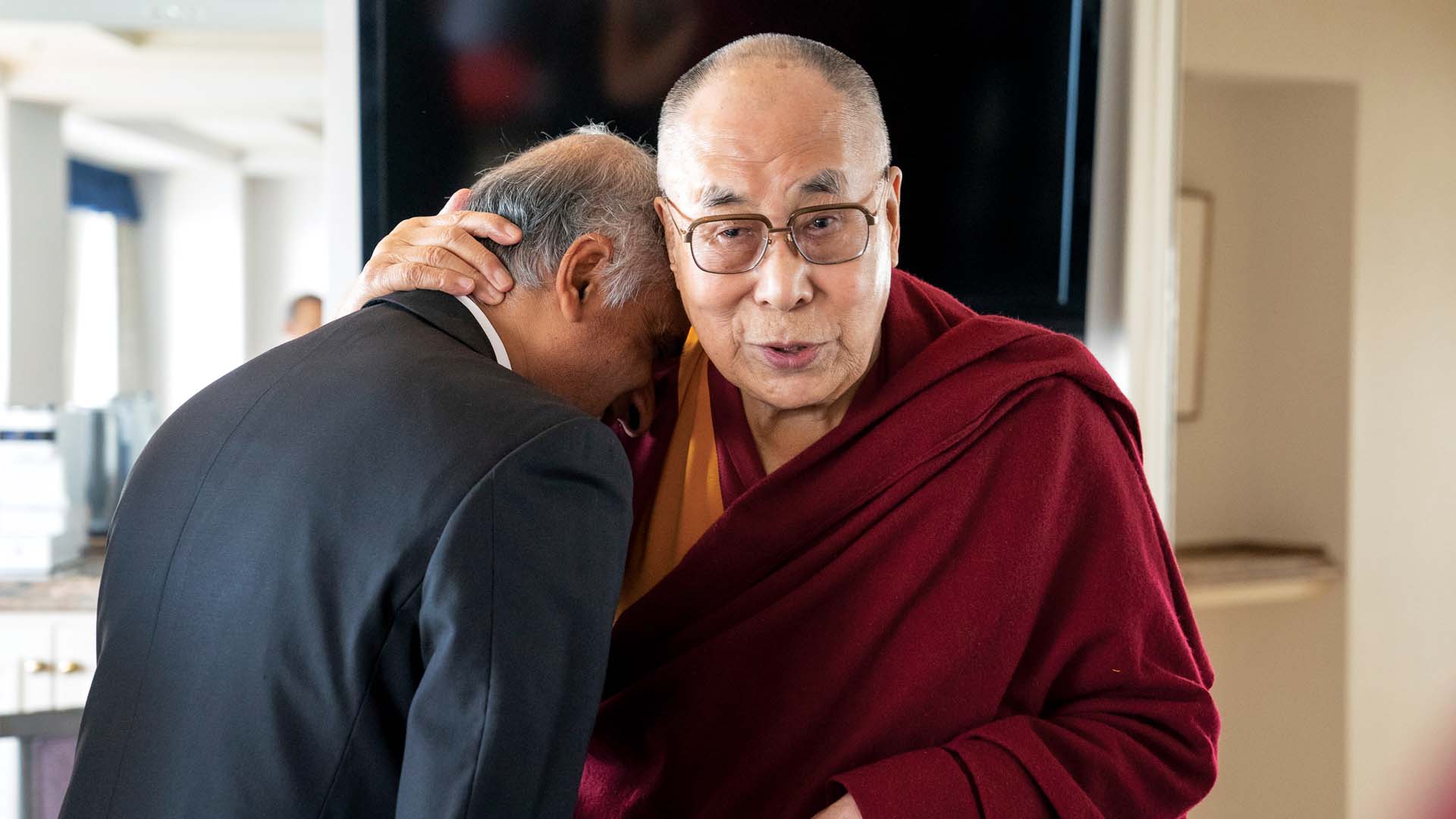
The writer spent time in Dharamshala while penning the book on His Holiness, the Dalai Lama.
Secretly, I also feel very Japanese.
After my first 20 hours—on an unwanted airport layover—I knew that if I didn't spend time here, I’d be an exile for life. Japan has offered me a deep kind of home. I live here because in some mysterious way, I feel an affinity with the culture and its values. I always feel I was meant to be here. My mother would always say, ‘Oh, you must have been Japanese in a past life’, and maybe that's true.
When I found myself in Japan and married Hiroko—whom I met at Tōfuku-ji temple—my mother was probably a little relieved because even though Japan and India are such different cultures in their character and pace, they share a lot at some deeper level in terms of the way family, and relations within family, are regarded. She knew a Japanese daughter-in-law might be more respectful and kind to her than one from countries that don't have that feeling for family. Though the surfaces are modern and global, deep down, Japan is a very ancient place, just as India is. Both share the quality that they can take in lots from the world, but they'll always remain India and Japan…So when I see shopping malls and McDonald's in Varanasi, it's still truly 100% Varanasi. Just as Kyoto, flooded with American surfaces, remains 100% Japanese.
In my 20s, I was glad to be able to visit every corner of the world.
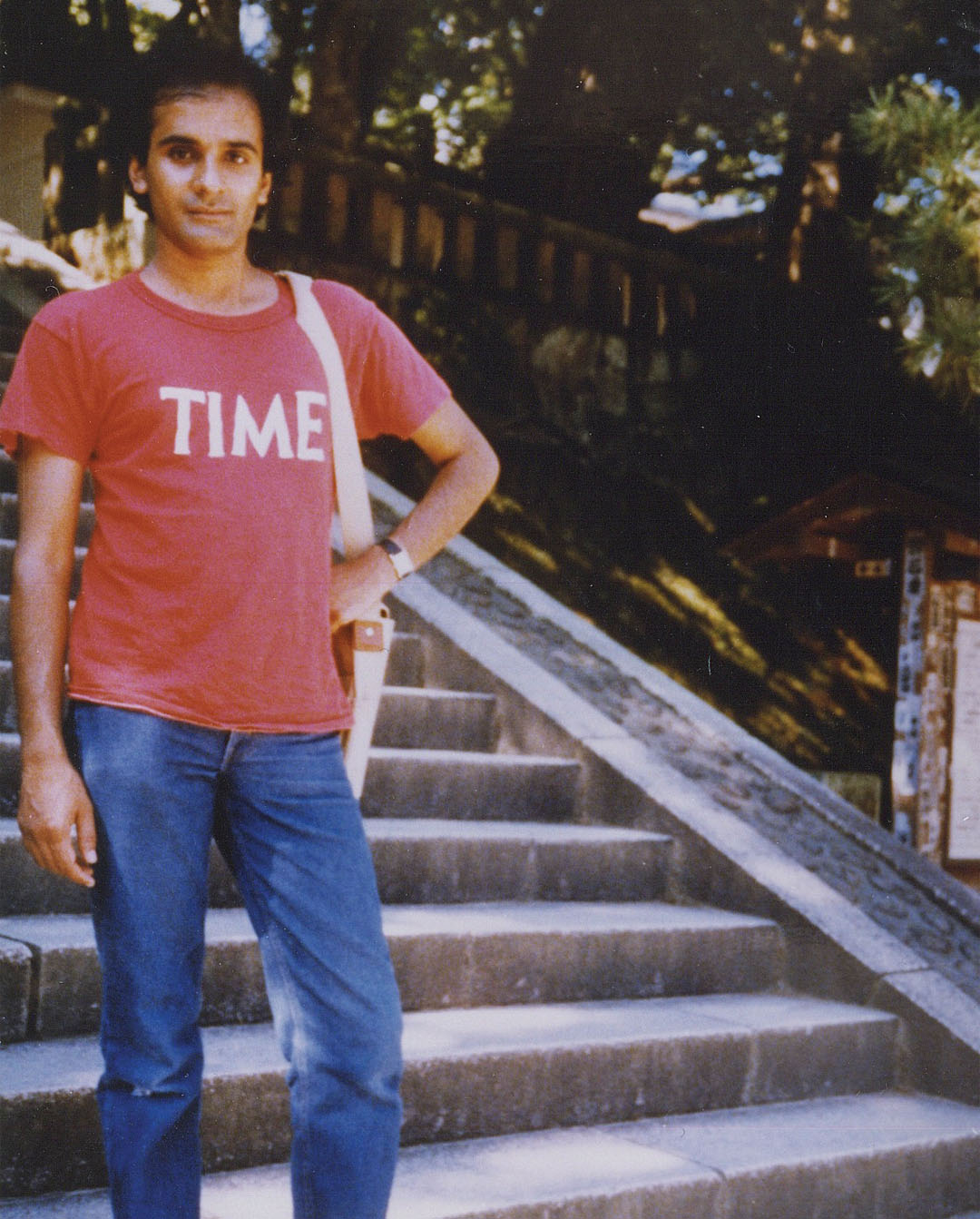
Thanks to travel and Time magazine giving me a big leash. For many years it was an interesting way to be alone, get a lot of reading done, learn about the world and get material for writing. As soon as I’d arrived at the age of 25, Time allowed me to take a four-week vacation, then a two-week and three-week one. Within two years, I'd taken three long holidays in Asia. Hardly back, I asked for another six months off…by the end of it, I’d written my first book. And then returned to my bosses, saying, ‘Now I'm leaving for good…to live in a temple in Japan’. They said ‘All right, but would you mind if we send you a salary? Occasionally, you could write columns from the temple because you'll bring a very different perspective from the one we get from New York and Washington.’
The big change I wanted to be part of.
When I started writing in 1985, the tradition was still very much of colonial countries writing about the colonised. Travel writing was principally British people writing about Kenya, India, West Indies...places they’d ruled. I thought how interesting it would be to have an Indian write about these. My take on anywhere will be very different from a classical American or British person. At the time, Salman Rushdie was revolutionising English literature by writing very literate, witty, intelligent works in English flooded with terms from Urdu, Hindi, everywhere, and describing a world of melting borders and people who belonged everywhere. A part of me was aiming to do something similar in non-fiction just by bringing my voice that’s partly Eastern and partly Western to countries that are partly Eastern and partly Western.
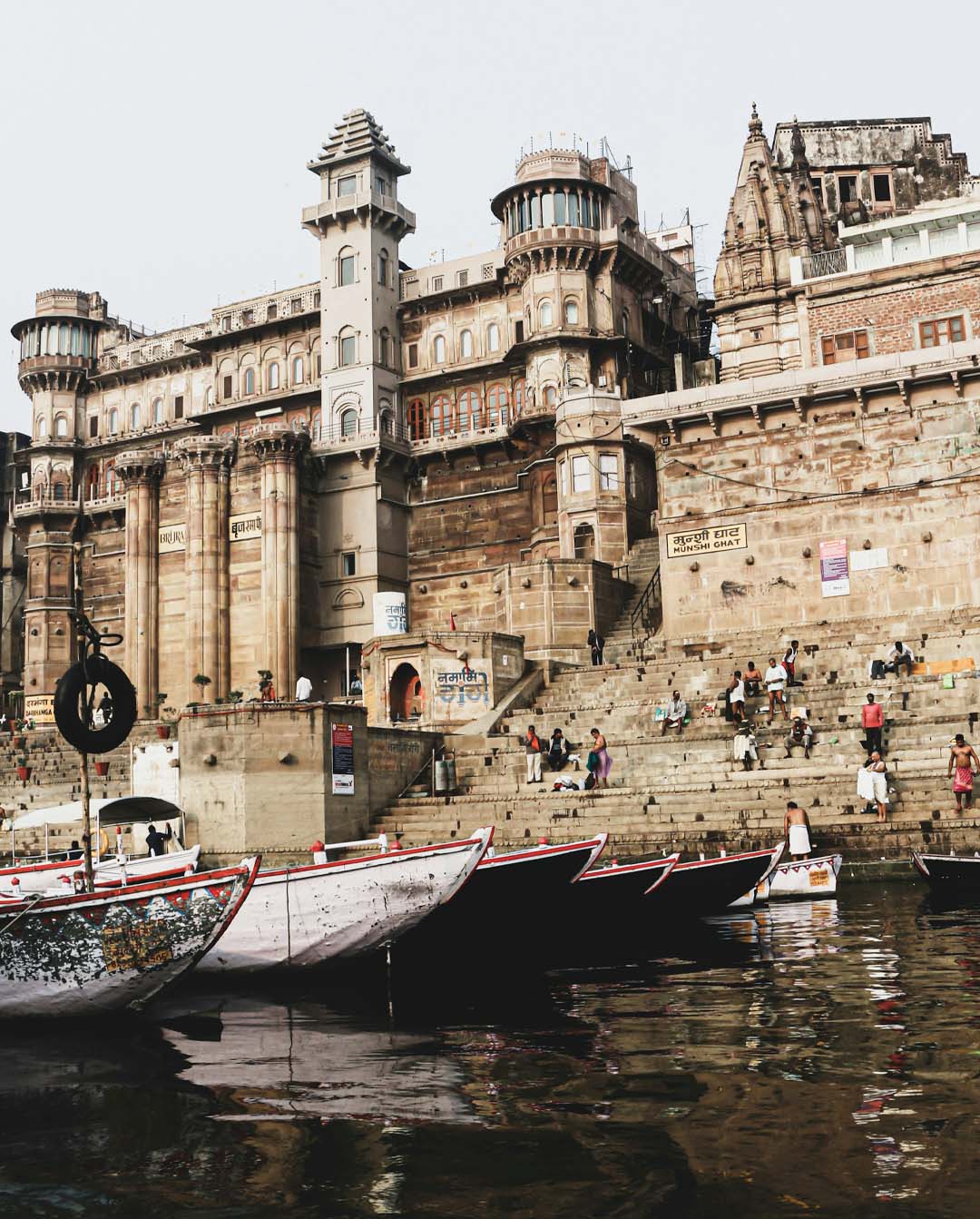
Indians are my most loyal and engaged readers.
There were almost no Indian names in the American media, maybe three maximum, when I joined Time. So seeing an Iyer in the magazine, many from India, who read it devotedly, claimed me heartily as one of their own. To this day, no one in Britain would ever think of me as British, right, or have any interest in claiming me, nor, of course, anybody in Japan. The one country that has really warmly embraced me is India. And I'm so grateful for that.
All the travelling, it's humbled me.
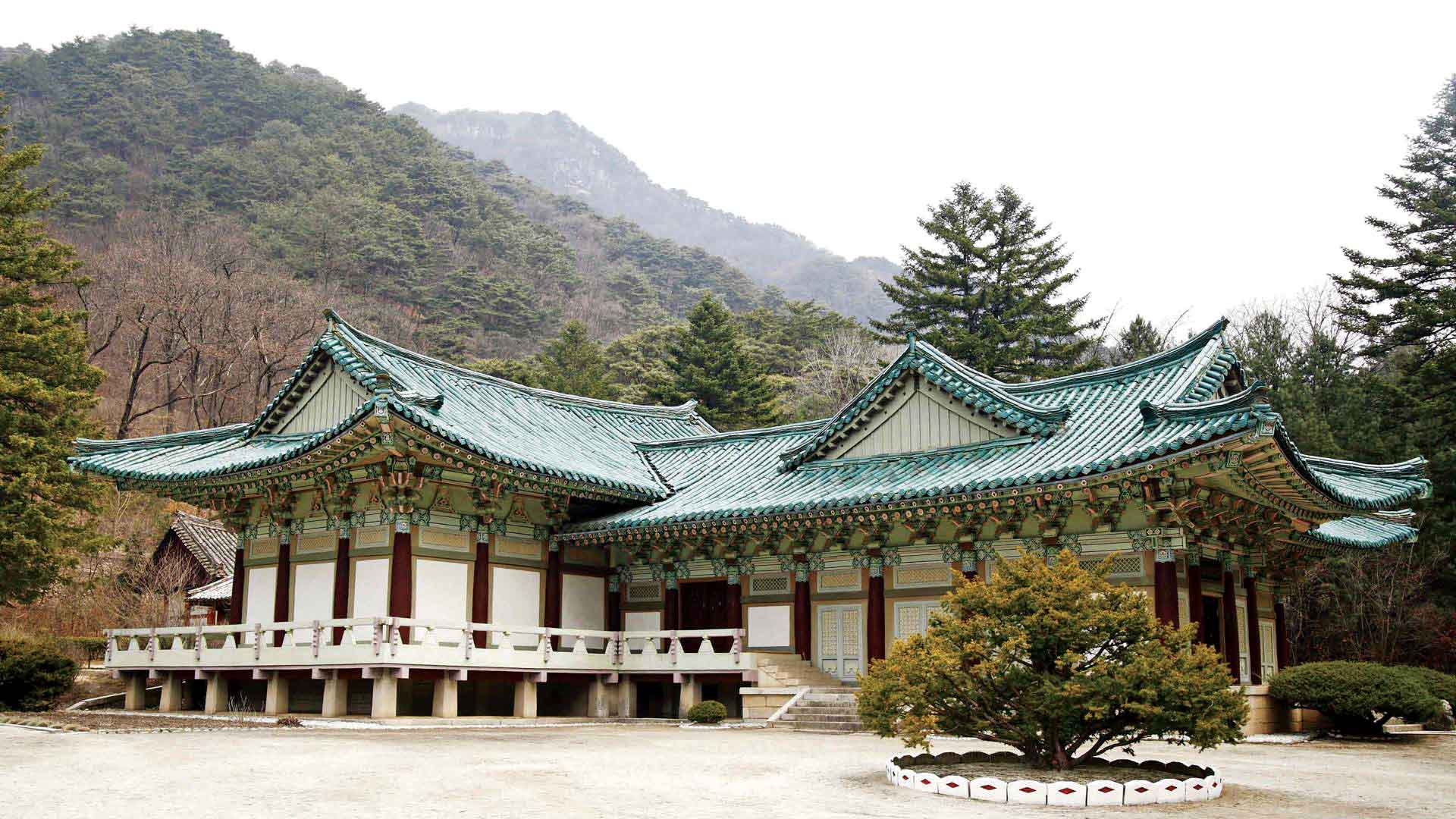
It reminds me how local and provincial I remain, and how little I know. For example, when I go to North Korea, it feels almost like another planet, and I realise that everything I might say about human reality or universal values doesn't begin to apply to the 26 million people there. That's probably true of many places I visit. I assume my way’s the norm, but to most people in the world it would be abnormal or exceptional—and that's a very good lesson to learn.
I've become more committed to sustaining relationships at a distance
Than I might be otherwise, often just through letters. Many of my closest friends are from school even though, for years on end, I'm not on the same continent as they are. It's opened doors to different forms of connection, where I've never felt I need to be exactly in the same room as somebody to maintain a close, intimate connection.
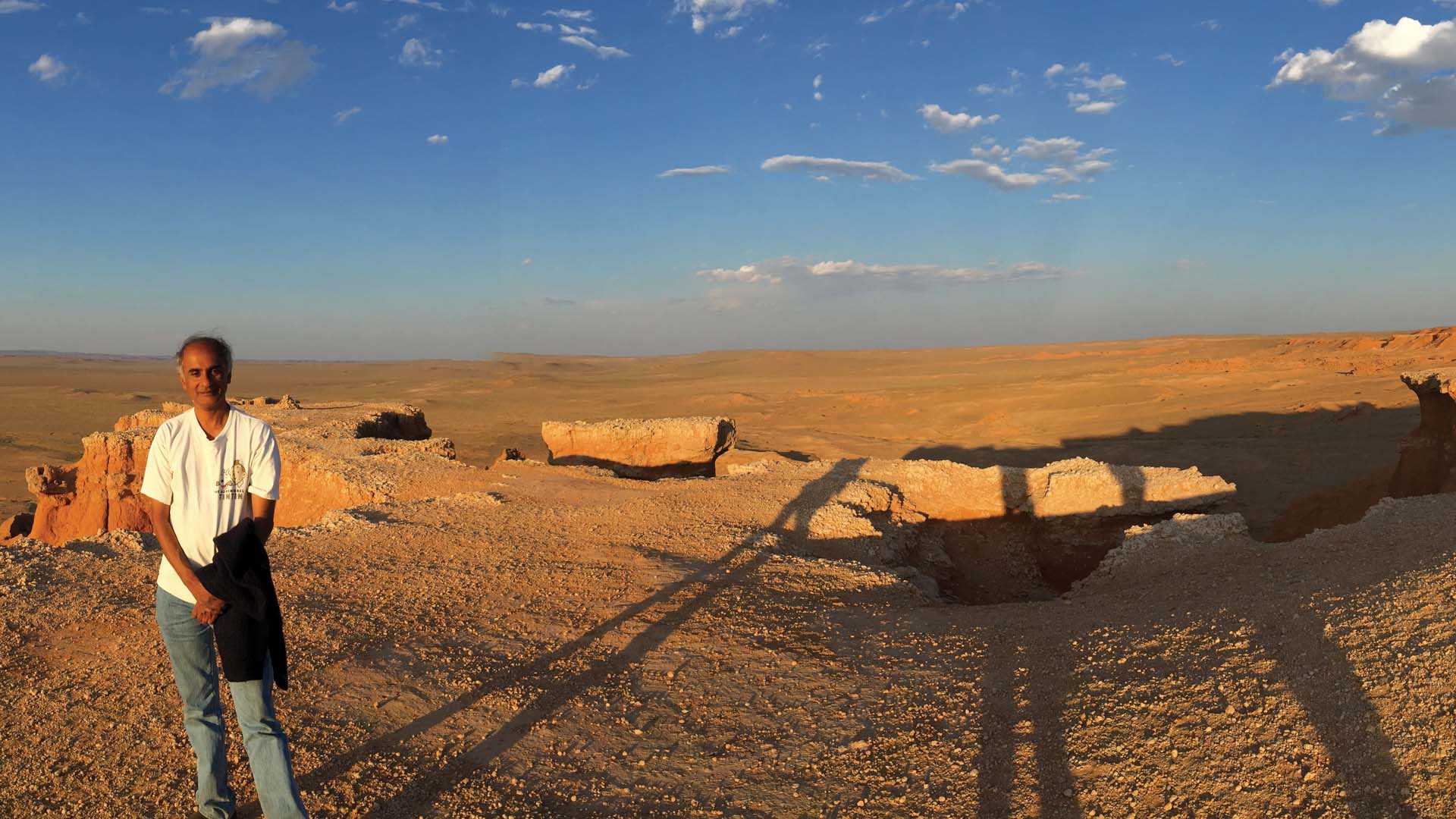
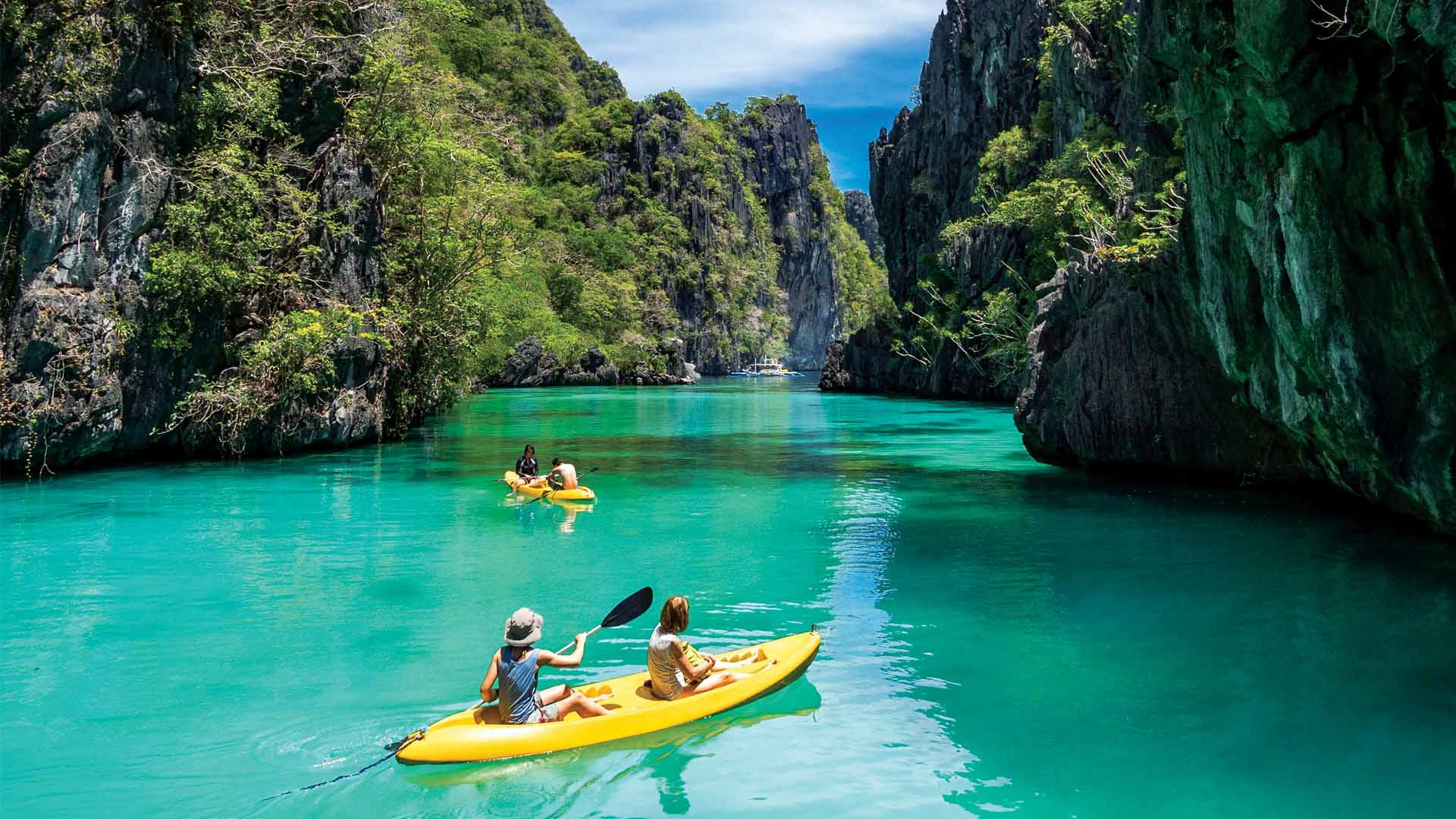
The novelist in Mongolia; Iyer visited the Philippines while writing on Asian countries.
When I wrote about Thailand in my first book, I stayed in a very fancy hotel, a middling one and a rock-bottom hostel to get a range of experience because backpackers only get one glimpse and luxury travellers one. I wanted as many glimpses as possible.

Travel though was never my greatest interest.
I concocted it as a pretext to escape the office and a means to become a writer, a passionate interest of mine. If I’d tried to write a novel, I'd be competing against Dostoevsky and RK Narayan, and there’s a lot I couldn't write. But as I'd grown up travelling a lot, I thought travel writing would come relatively easily… After four years, I was able to leave Time magazine and become a self-employed writer for the rest of my life.
After a certain point, I'd seen a lot of the places that I'd always wanted to, and the real adventure was at the desk, and what to do with the material I've collected became a greater challenge.
When my house burned down in 1990, and obliquely led me to the Benedictine monastery in Big Sur, California,
It underlined the fact that I couldn't hold on to material things… The only thing I can bring to life's challenges is whatever inner resources I've gathered, my inner savings account. That's the great treasure. Meister Eckhart wrote 600 years ago that as long as the inner work is strong, the outer will never be puny. In other words, your relationships, career, understanding of yourself, that'll all take care of itself.
But my full-time commitment to the inner journey began in 1987 when at 29, I chose to leave Time magazine—the sort of job in New York City I dreamed of as a little boy, where I was able to travel freely, live comfortably, and had stimulating colleagues—to live in a temple in Kyoto. After writing my first book about travelling across 10 countries in Asia, I thought I should attend to the inner world. Although I didn't last the full year in the temple, I lived in a single room along the eastern hills near it—no telephone, no toilet of my own, no bed—so that my life could remain as uncluttered and simple as possible.
On returning to the New Camaldoli Hermitage for 34 years.
The main difference resulted from my expectations. I came to Japan full of wide-eyed romantic ideas of what a Zen temple might be like; I was far too immature to reconcile with the reality of that life. When I went to the Benedictine hermitage, it was almost reluctantly, with no hopes or attendant romance, in part because I’d never dreamed of living in one. It was the greatest of blessings.
The other principal difference is that Zen training, like every (aspect of) life in Japan, involves very hard work and constant discipline and ritual; it’s a tough, inflexible regimen. In New Camaldoli, the monks leave visitors free to do anything—or nothing at all—and are confident that in silence alone they can and will find what sustains them.
I’ve been in love with the Big Sur coastline ever since I was a boy, so somehow it seems fitting and maybe inevitable that I found my monastic home there.
Since 1994 my books have been about transformation. I don't think any of my works (except possibly Falling Off the Map) could really be called travel books. The first one was about the illusions and dreams that cultures project upon one another…how the dance of longings between East and West played out.
The second one, The Lady and the Monk, was explicitly about my search for clarity, simplicity and wisdom in Japan…one person's search for a truer life, which he happened to find in a different place.
In The Half Known Life, I wrote of places as parables, ways to see clearly, some universal question, or conundrum. I've seldom been in a position to write about place as place.
The best works of "travel" are written by people whose interest isn't really in travel: Jan Morris was a historian, Paul Theroux is a moonlighting novelist, Peter Matthiessen was concerned with the inner life (as a Zen priest), V.S. Naipaul was investigating the relationship of colonising power and colonised inside himself. And Kapuscinski was sending coded messages back to his native Poland about secrecy and oppression.
My formative influences in tracing the inner landscape were His Holiness, the Dalai Lama, with whom I've been talking and travelling for over 50 years. Since 1991, (the continuing influence has been from) my Benedictine friends in Big Sur. But also Emerson, Thoreau, Dickinson, the Zen poets and the Sufis, to whom I devoted a 350-page novel, Abandon.
Publishers sometimes marketed my books as works of travel because that was more precise than ‘General Non-Fiction’. Now, for the same reason, they feel ‘Religion and Spirituality’ is a more inviting category.
I’ve been writing articles about the hermitage for 33 years, but decided to bring out a book about it, Aflame, now, for three reasons:
I've never seen our world so full of distraction, and the book is an attempt to rescue the poor reader from a world of rush and acceleration, and to bring her back to a deeper, truer self that she sometimes loses when hurrying from place to place. I've never seen our planet, and many of its nations, so torn by division, and I feel that silence is the place beyond all words and beliefs or ideologies that are cutting the world in two. And I've never seen the world in such a state of anxiety and despair, and felt I should pass on news of the medicine I’ve found most helpful.
Technology and changes in the market haven’t affected me.
Travel to me is essentially about the encounter between a person and the unknown, and that emotionally doesn't change…It’s also not been difficult because I haven’t adapted at all. My wife calls me a stuck record because I still do things the same way I did when we met in 1987—I write everything by hand; I don’t know how to type, so I type everything very slowly with two fingers; I’ve never used a cell phone, don’t have GPS, and regularly get lost. I’m glad the internet allows me to email articles, and research and communicate more easily. But suddenly if I’m asked to write a ten-page article, I’d have to do it by hand, I can’t compose it on a keyboard. I’ve changed very little even though the world around me has.
One thing that’s really changed me though is spending so many years in Japan.
The culture essentially speaks silence. There’s a sense that the fewer words you use, the better. So somebody looking at my first book might say, in a stereotypical way—oh, this is India. It’s maximalist, 1,000 words on every page, ‘snap, crackle, pop’, it reads like Salman Rushdie. But if someone reads one of my books now, they’ll say, it’s pure Japan. There’s almost nothing happening, there’s lots of white space, and it’s very very subdued and low-key.
For Aflame, I took 4,000 pages of notes I’d accumulated—based on over 100 visits I’ve made to New Camaldoli—and compressed it into what felt as short as a haiku. I’m lucky in a sense living in Japan brought me in sync with the needs of the publishing market, as I'd want to keep the text as short as possible anyway, because my publishers would’ve certainly been happy that it’s 200 pages long, not 600.
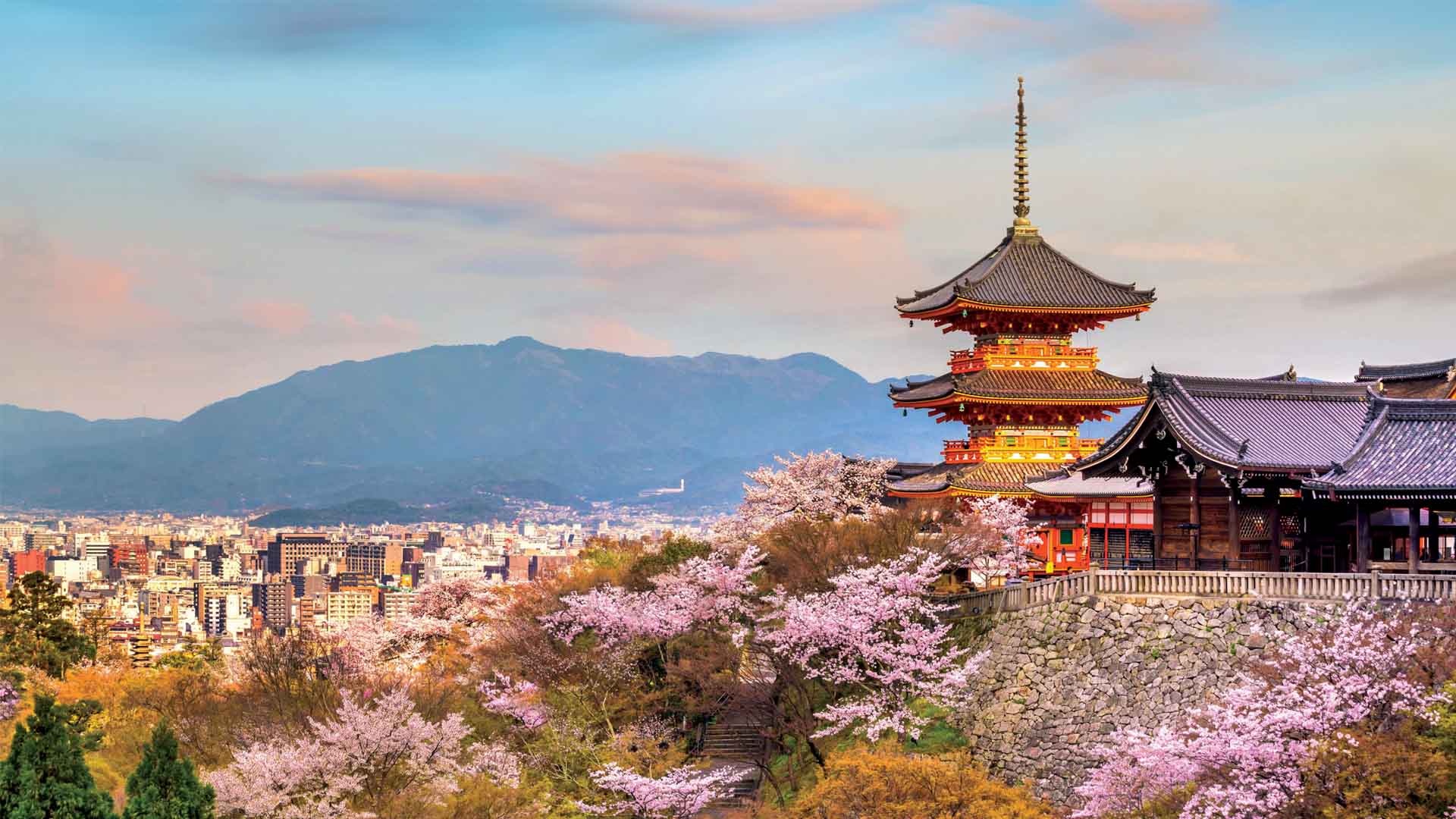
Kyoto, Japan. Spending time in the Land of the Rising Sun transformed the novelist.