











Room to Breathe
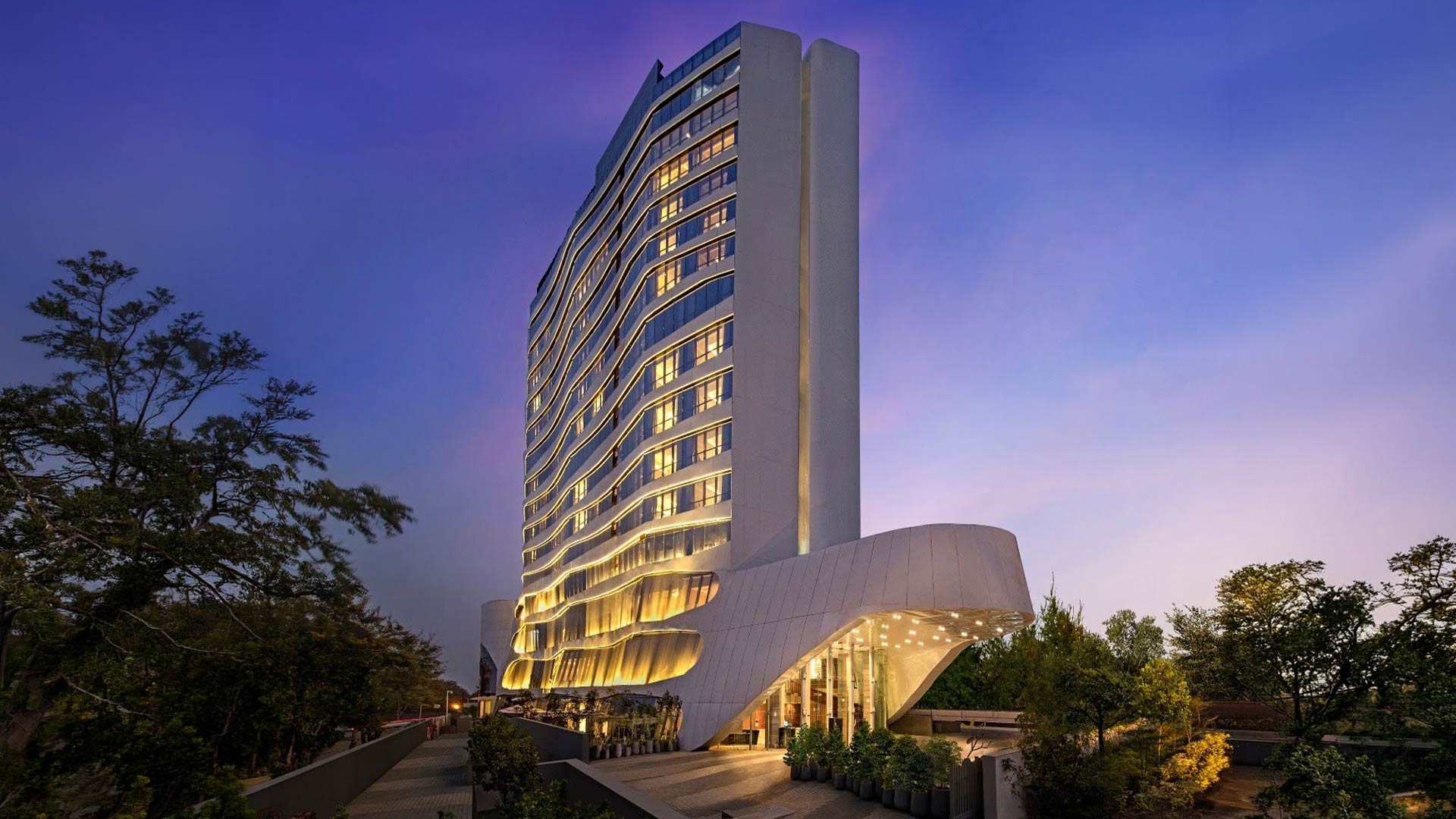
Aurika Mumbai Skycity's façade shapes how a room feels before any interior designer gets to work, and Schuco’s building-envelope systems are part of that first layer of experience.

By SOH Edit Team
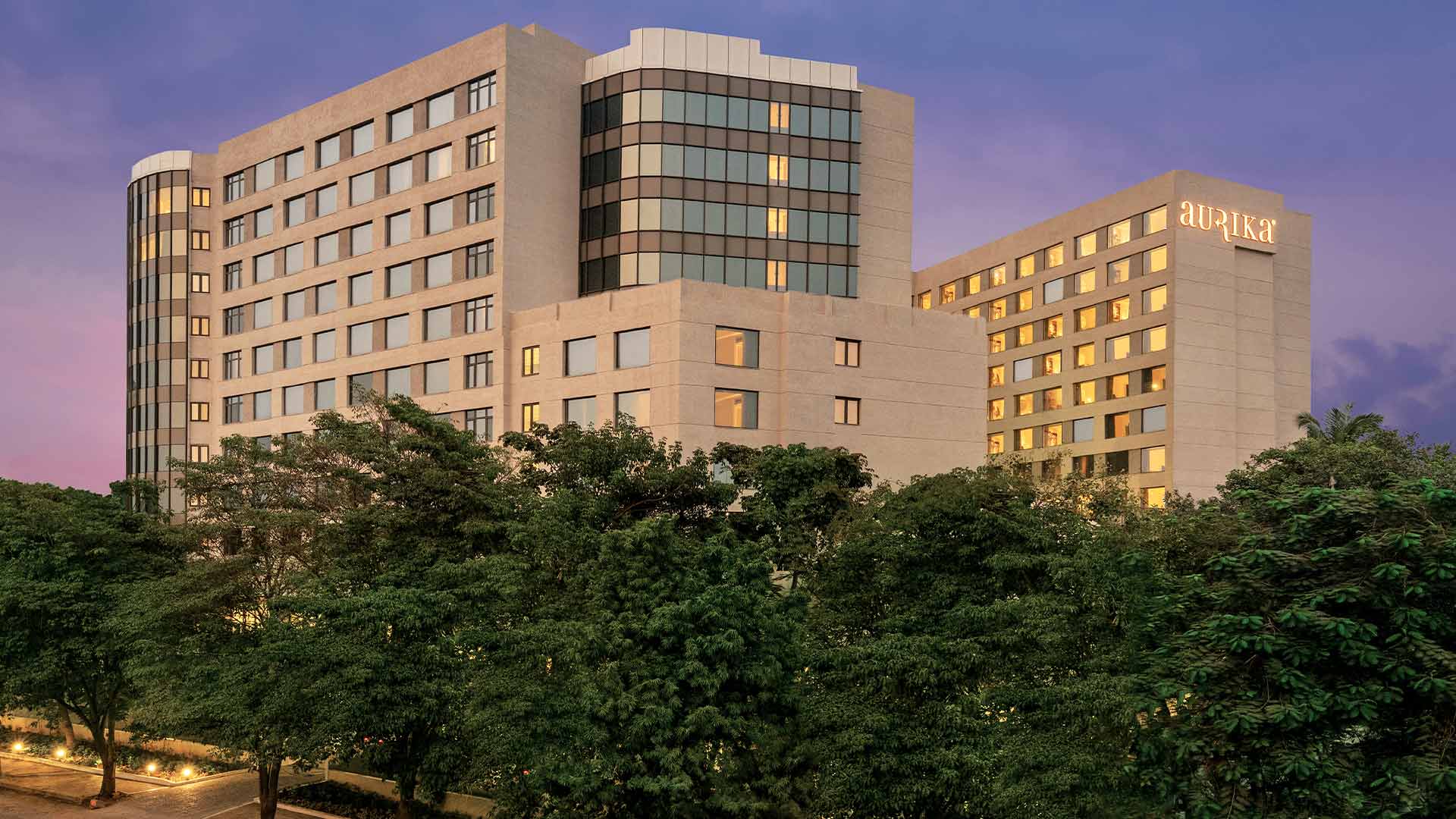
Aurika Mumbai Skycity stands about as close to an airport as a luxury hotel can, and that location wrote much of its brief. Aviation rules capped its height, aircraft take off and land a short distance away, and Mumbai's sun and humidity bear down on its glass for most of the year. Into that envelope, Lemon Tree Hotels fitted 669 keys on a plot of a little under 9,650sq.m., which makes it India's largest hotel by room count.
For a hotel subjected to Mumbai's 40-deg heat and humidity, its façade decides how a room feels before any interior designer gets to work. The glazing has to keep out jet noise and heat while bringing daylight into rooms where ceilings are already lower than a luxury brand would like. Lemon Tree specified soundproof Ecosense glass, which admits light but holds back heat and so reduces air-conditioning load, while solar reflective paint on the roof limits heat gain in top-floor rooms. Almost 60% of the hotel's energy comes from renewable sources. "All these measures contribute to the hotel's green building certification by the Indian Green Building Council (IGBC)," says Aradhana Lal, Senior Vice President - Sustainability Initiatives, Lemon Tree Hotels.
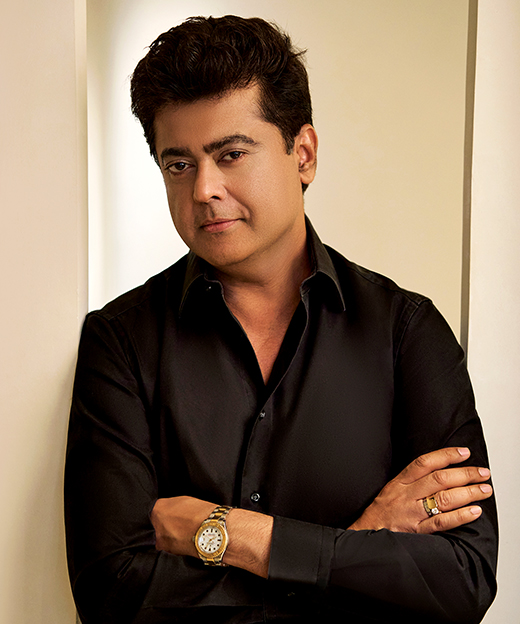
Bobby Mukherji, Principal, Bobby Mukherrji Architects.
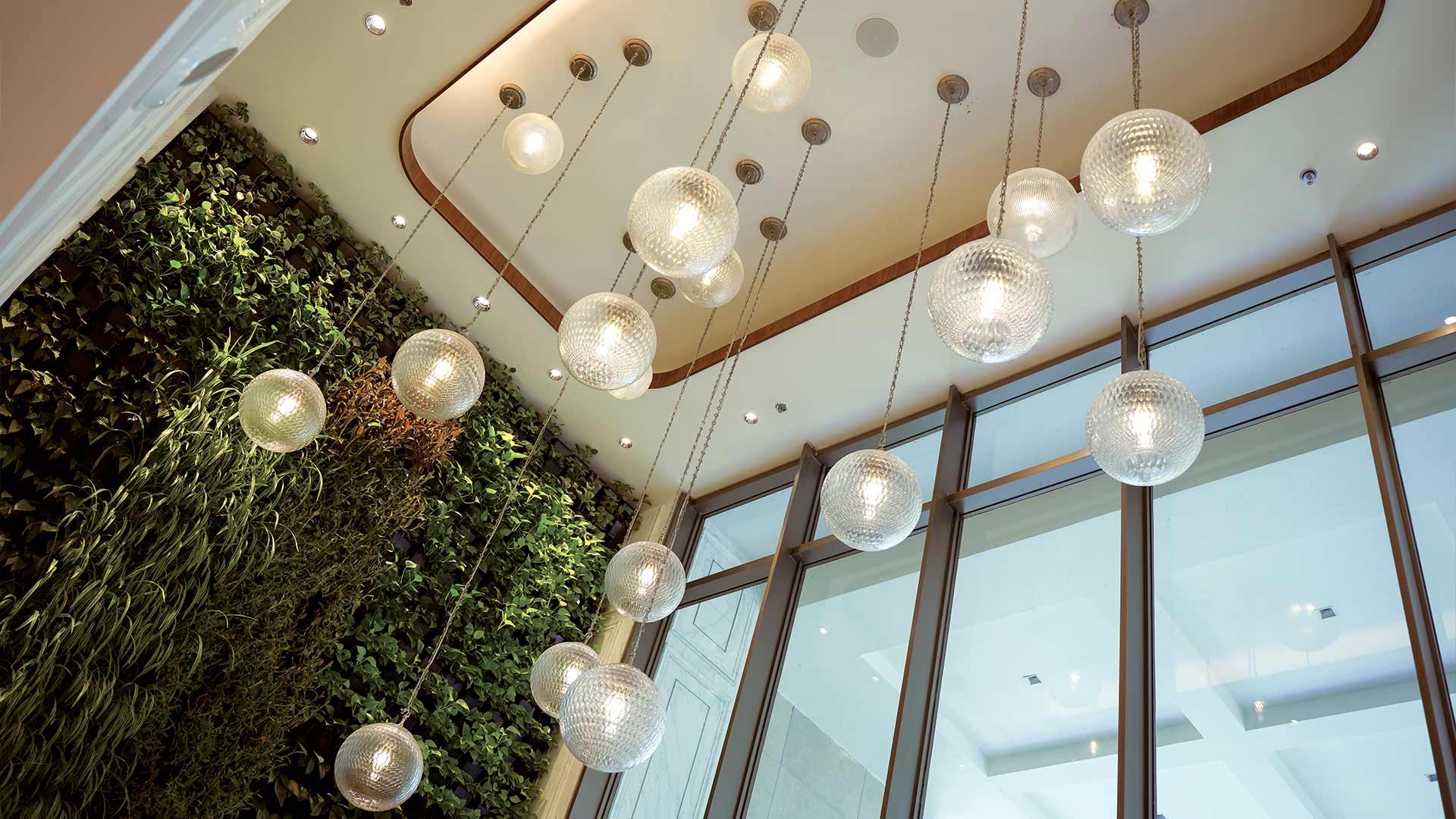
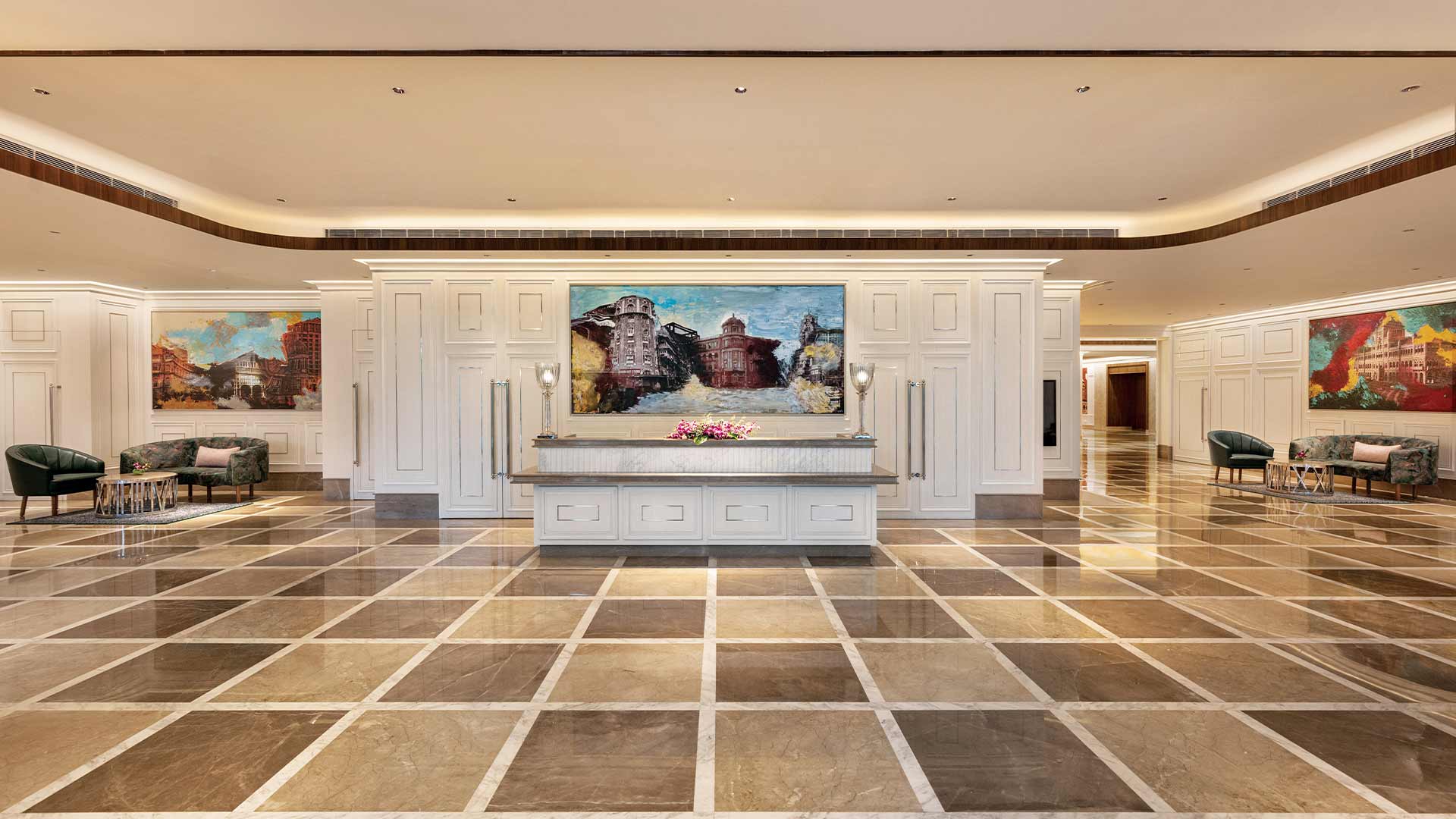
The height cap has shaped every public space. "Subtlety was the mantra we followed," says Bobby Mukherji, Principal, Bobby Mukherrji Architects, whose studio was briefed to deliver a hotel that would be, in the brand's words, "beyond the unusual". Working with Ritu Ranjan, Senior Vice President - Aesthetics and Design, Lemon Tree Hotels, he chose Art Deco, a style that shaped much of Bombay in the 1940s, and used volume where he could not have height. Glazed entrance doors open into a double-height pocket that then steps down into a single-height reception, so arrival feels generous before check-in turns intimate. Mirror-encased columns multiply glass pendants from Moradabad, and Mukherji describes a palette of "an understated colour scheme uplifted in places with gentle veins of natural stone, deep jewel tones of upholstery".
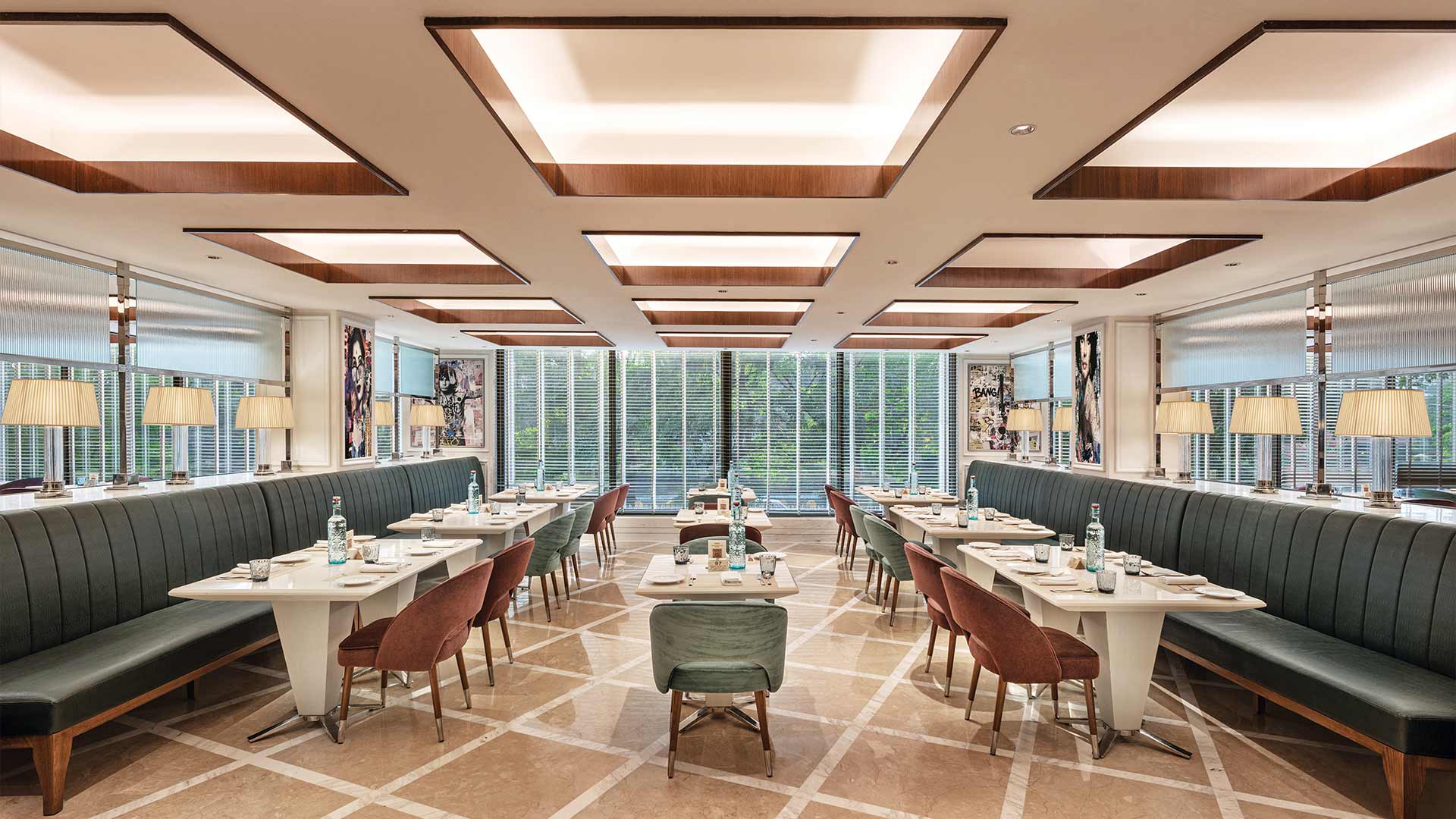
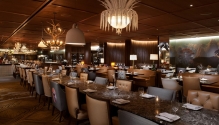
A hotel this size also has to check in large groups without choking its main lobby. A separate porte cochère leads to a second lobby beside the first, joined by a wide doorway. Mirasa, the all-day restaurant, shows how far Mukherji was willing to rework a plan. Its original footprint could not cope with the breakfast crowd a 669-key hotel sends down each morning, so he enlarged it by borrowing space from the hallway, kitchen and bar, then set furniture islands and flooring at angles to one another to disguise the awkward shape. Partitions of marble and chrome-framed fluted glass divide it into sections for small and large groups, and the buffet counter runs 120ft.
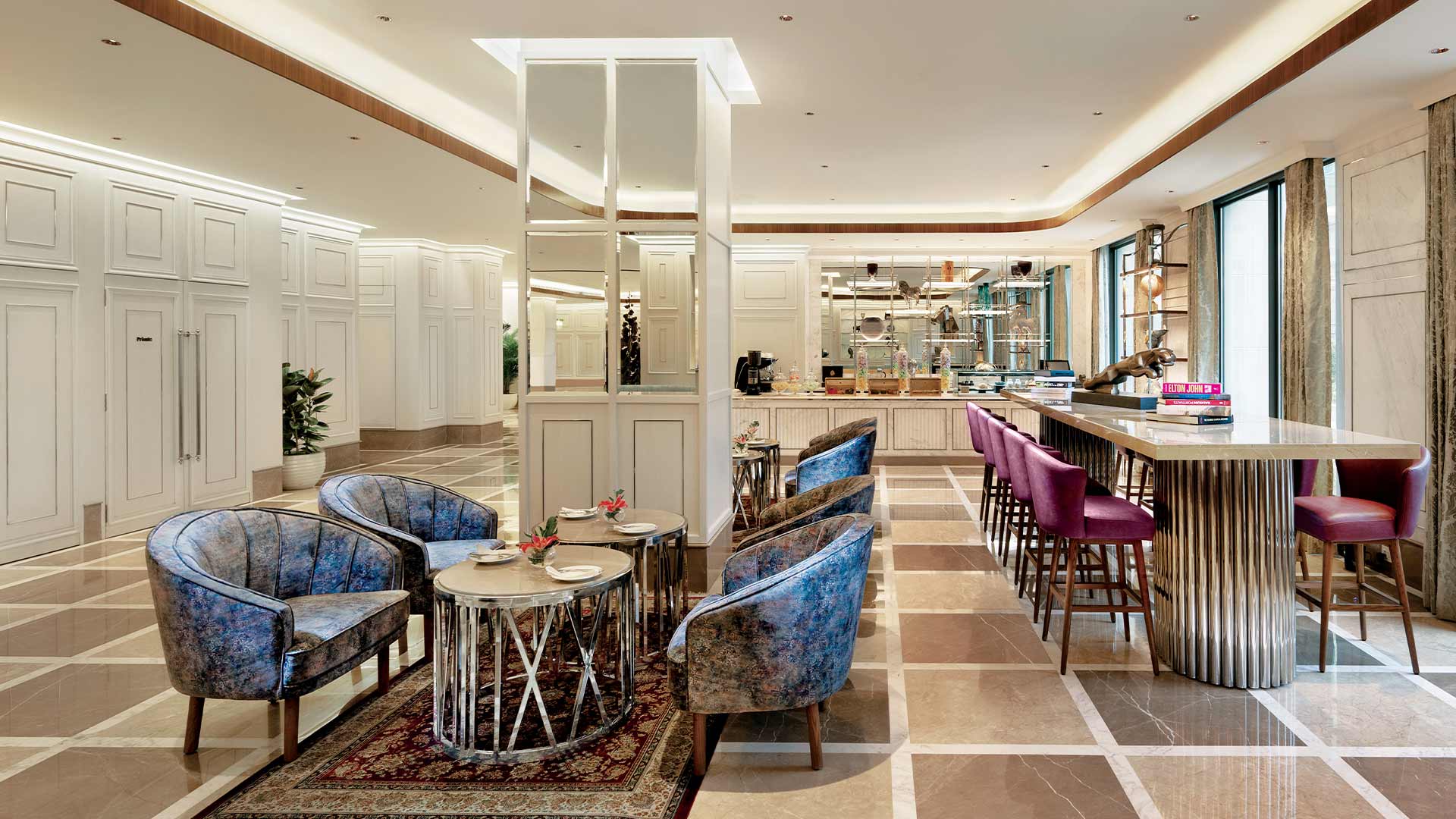
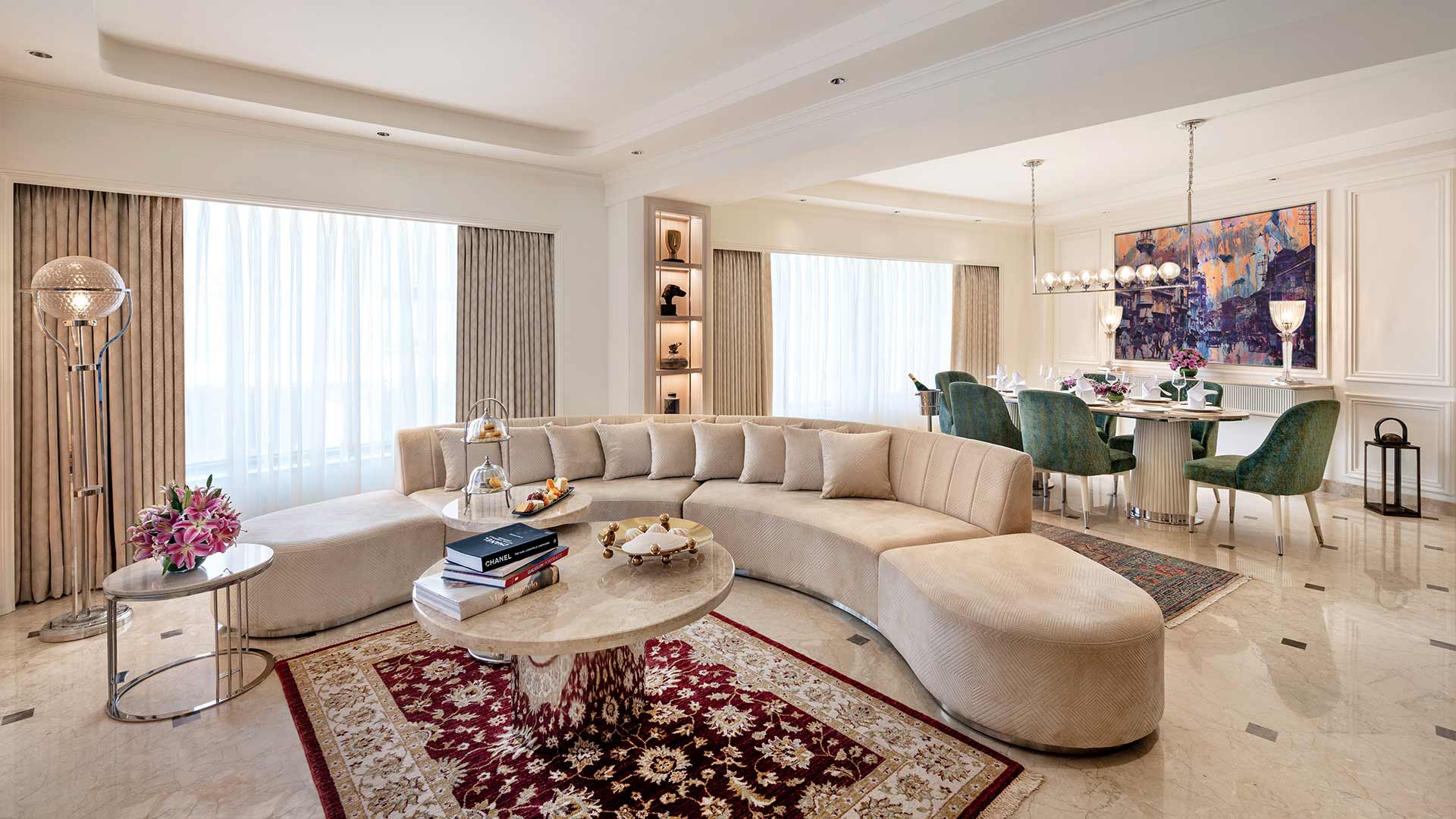
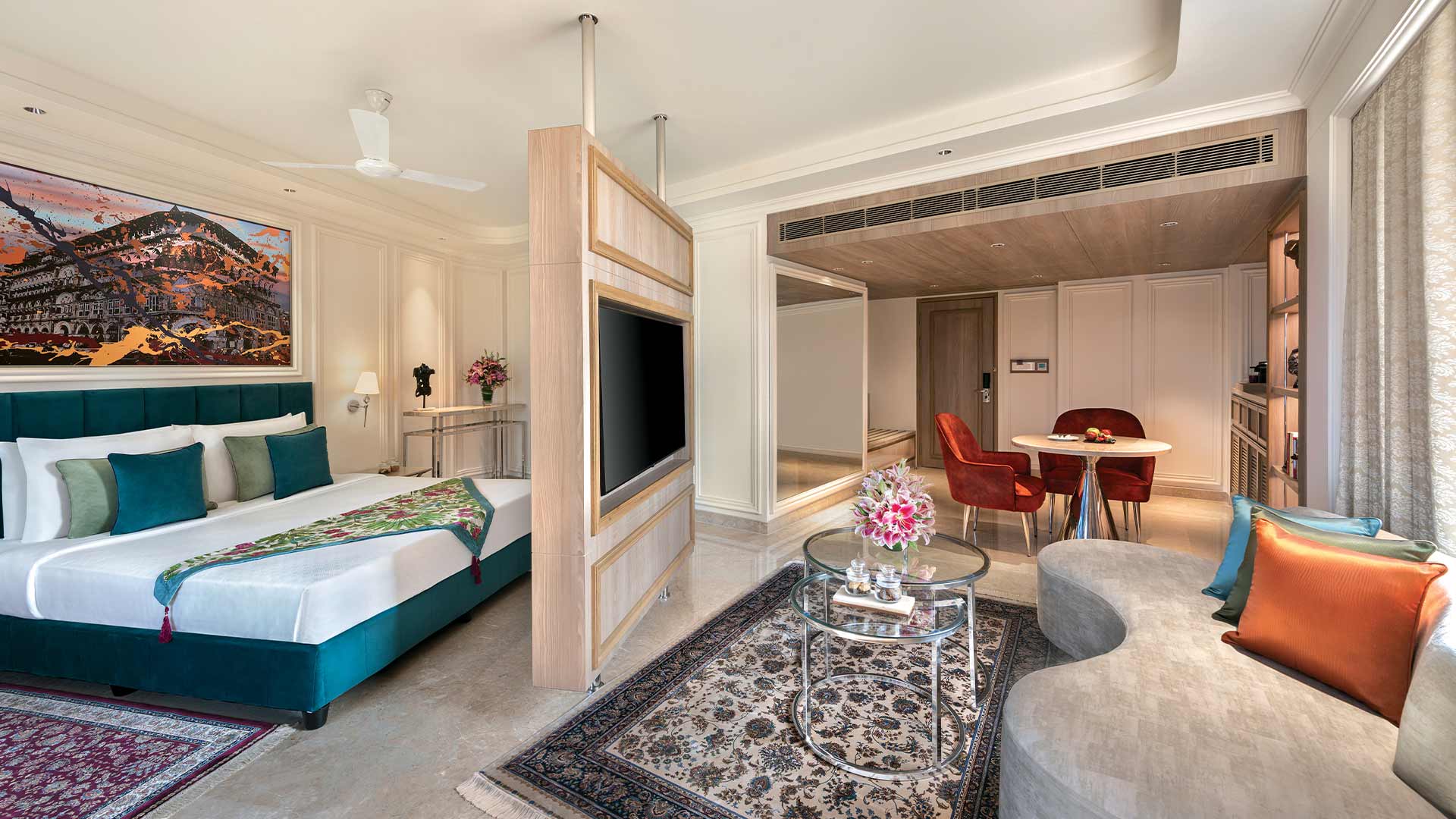
The material choices answered to the site as much as to the brand. Heavy carpeting and dark wood gave way to finely grained marble and light rugs, which suit the site better and are easier to maintain, and most pieces were made in India.
The hotel took five years to build, through the pandemic, with workers housed on site under periodic medical checks so construction could continue. "It was perfect teamwork, where each department supported the other fully, which allowed us to open Aurika, Mumbai Skycity," says JK Chawla, Executive Vice President - Projects & Engineering Services, Lemon Tree Hotels.