














Shaped by the Ghats
Near Kozhikode, tulåh Clinical Wellness cools its rooms without conventional air-conditioning and follows the curve of the Western Ghats. Co-founder Shabana Faizal explains why so many of its design decisions began as problems.

By SOH Edit Team
When work began on tulåh Clinical Wellness in Chelembra, near Kozhikode, the site was barren laterite. Co-founders Faizal Kottikollon and Shabana Faizal wanted a retreat pairing Kerala's Ayurvedic tradition with diagnostics and modern medicine, an idea born of Kottikollon's recovery from spinal degeneration after 21 days of Ayurvedic treatment.
Their brief to the designers was short. "First, it had to be the best standards in the world," says Shabana Faizal. "And finally, it has to feel like home, so each time you come back, you feel you're coming home."
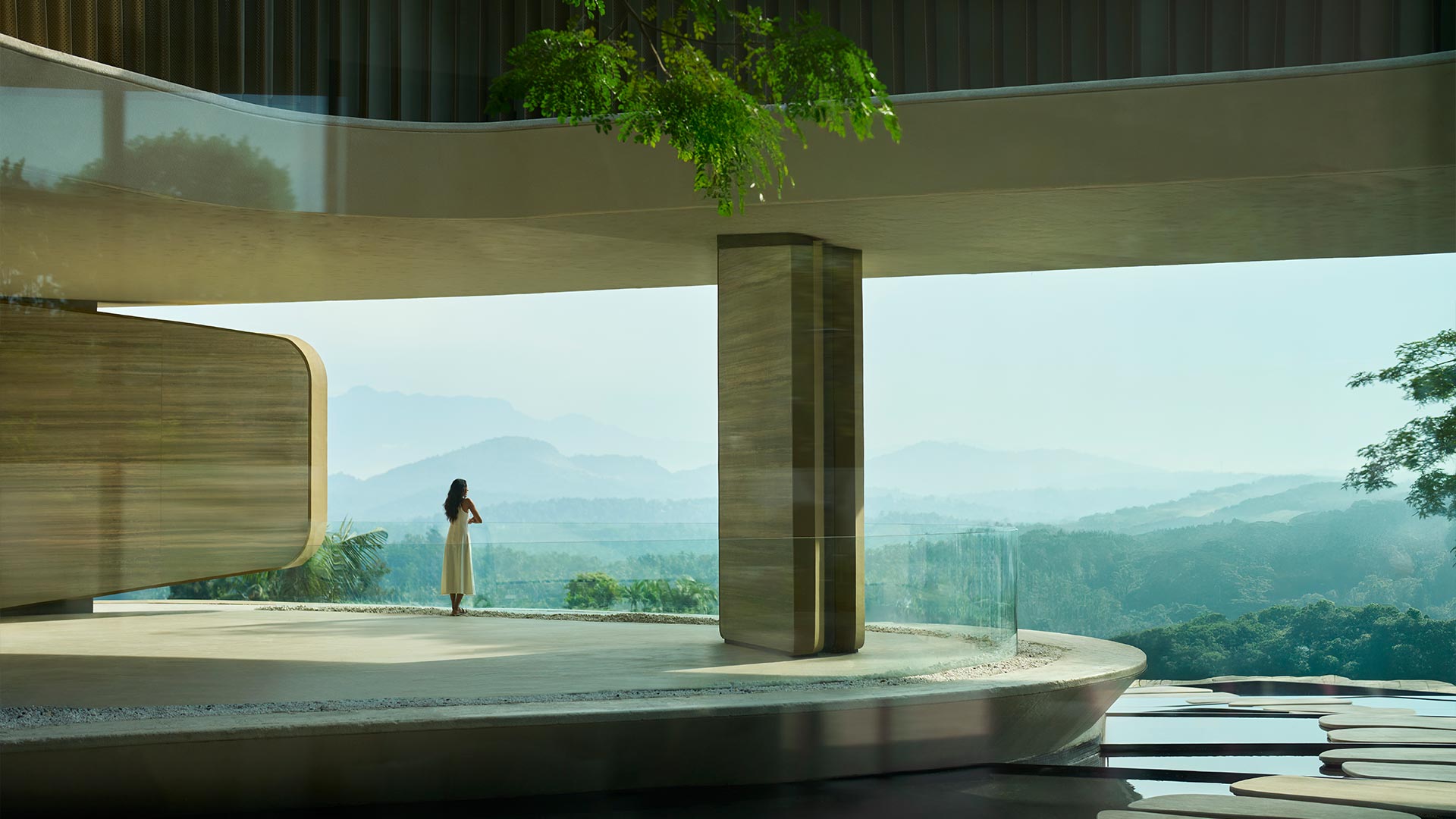
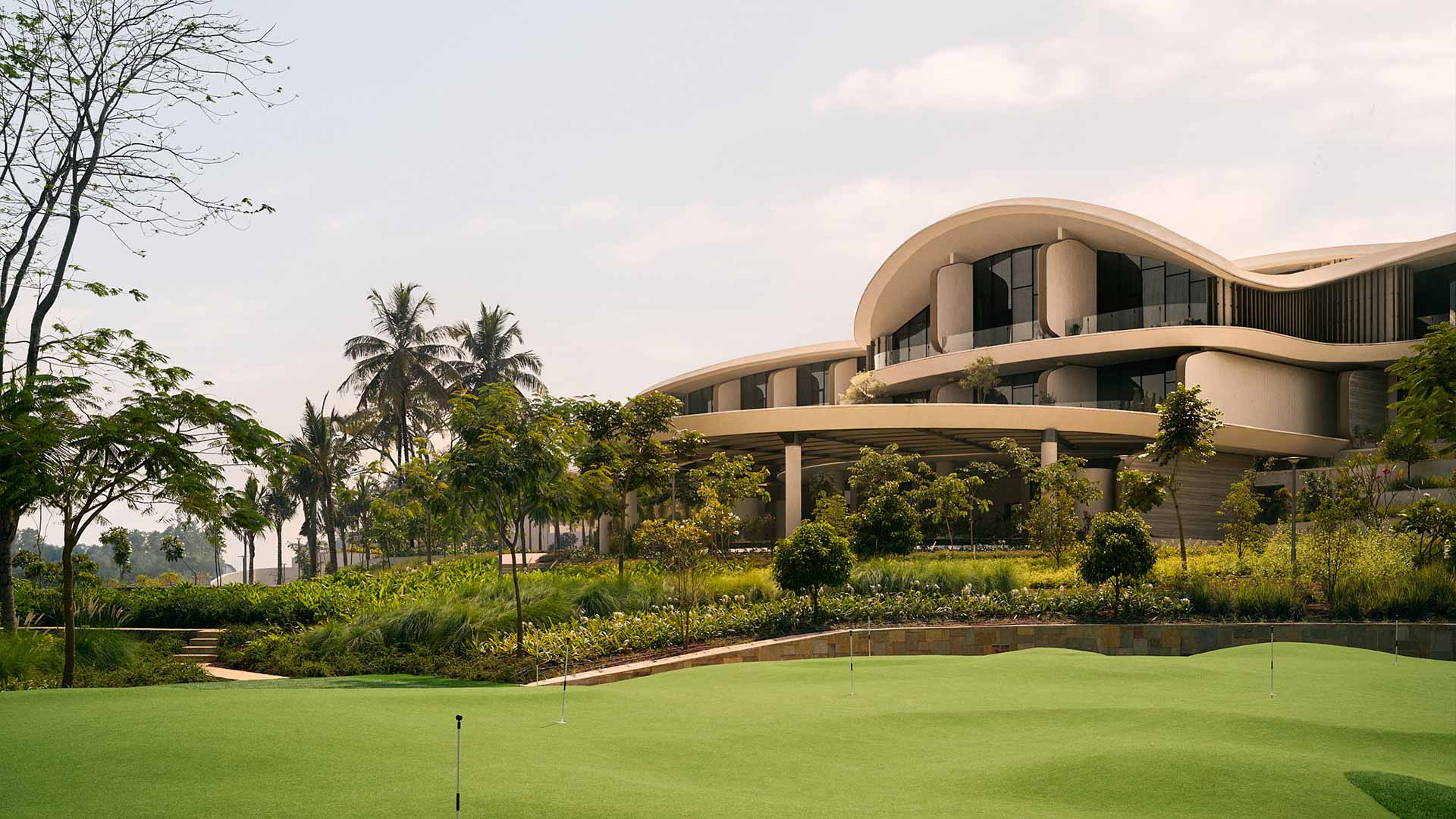
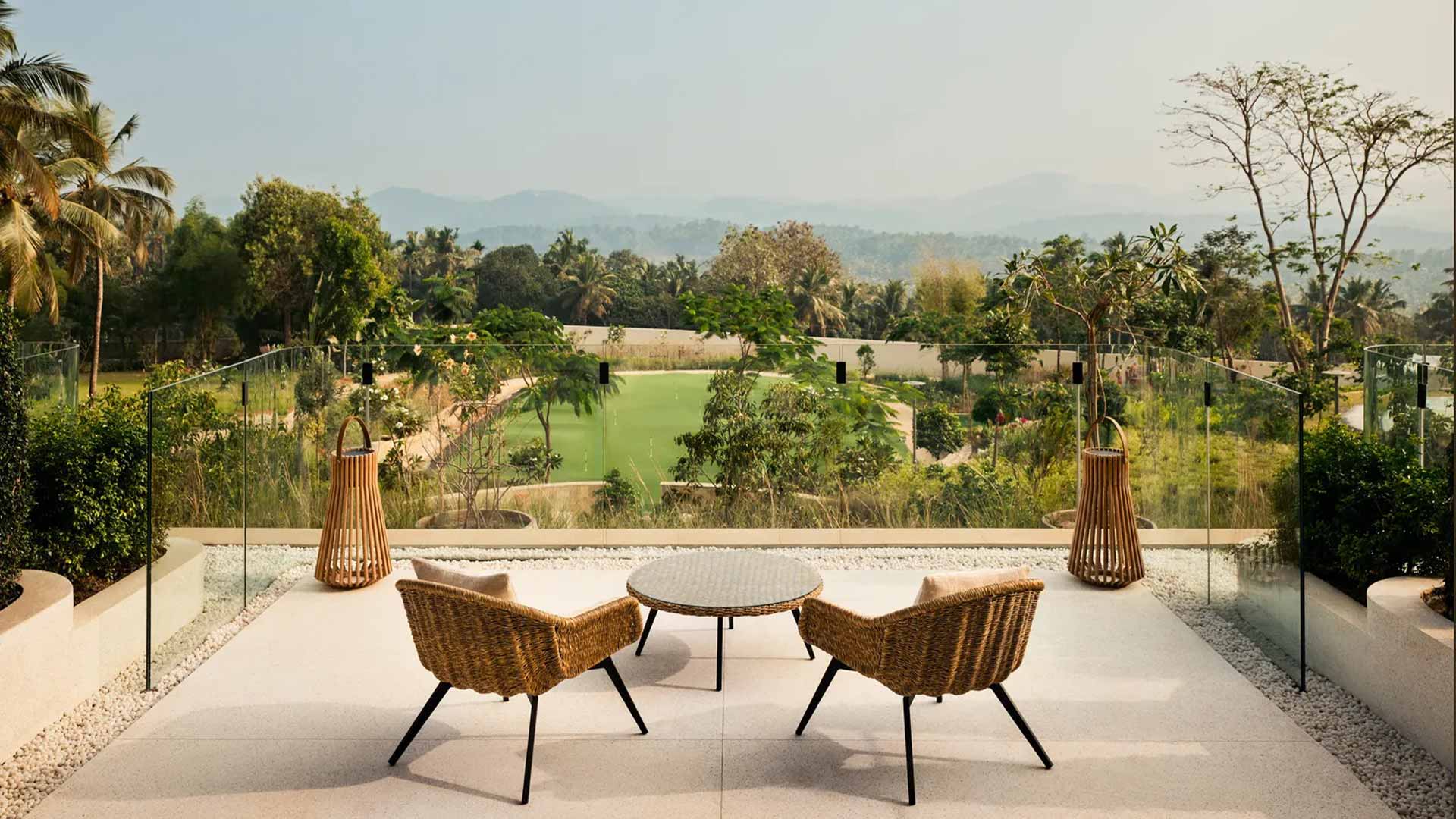
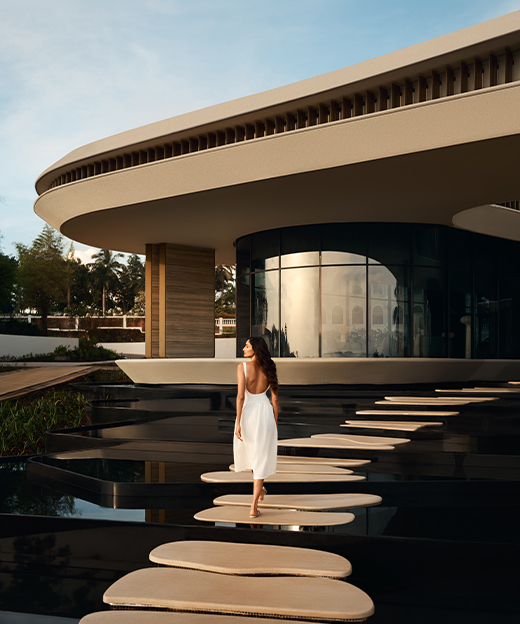
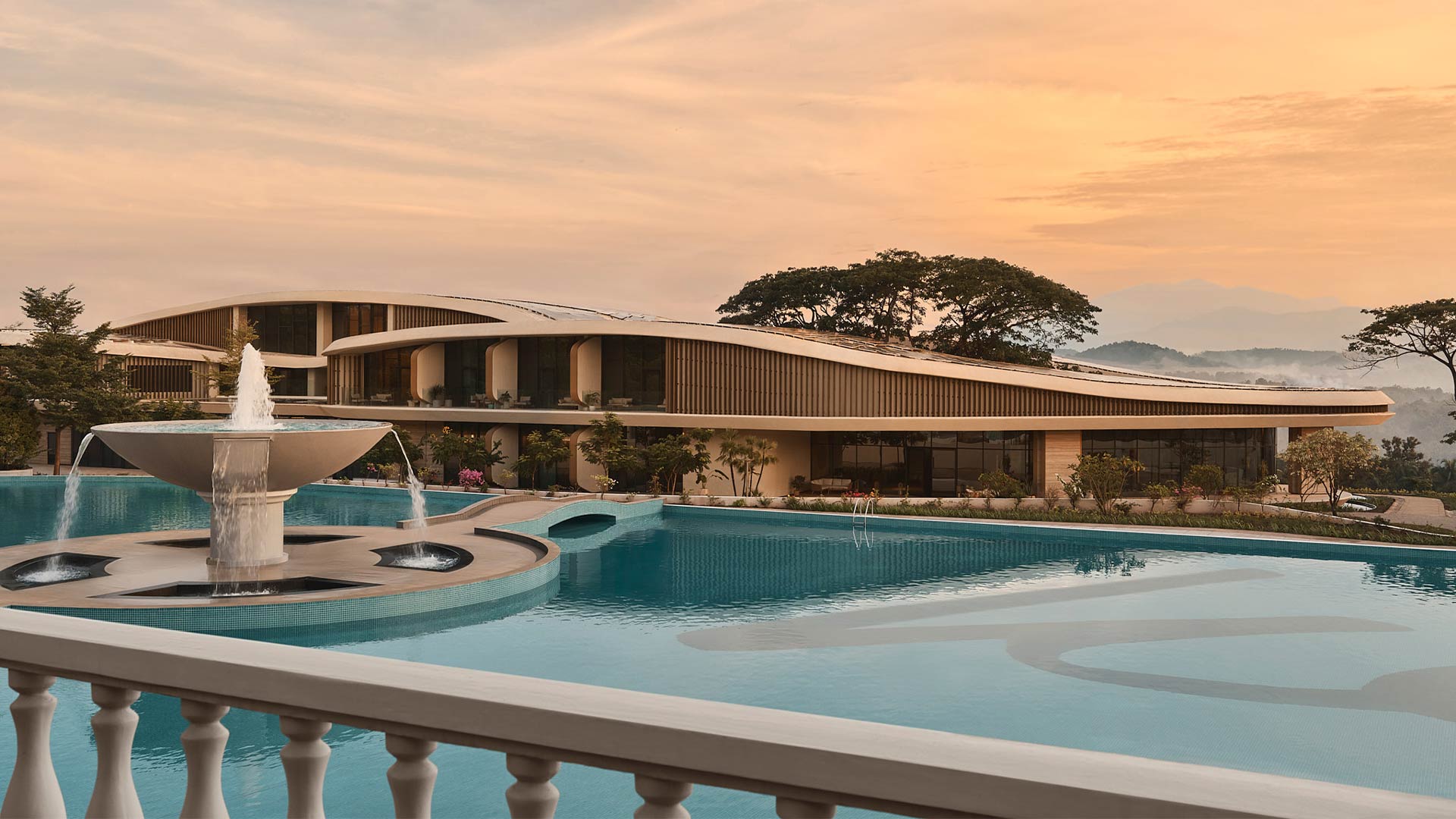
Architecture was led primarily by Dubai-based LAMI Architects. "They took the Western Ghats as inspiration, so the curves and the way the spaces flow reflect the line of the mountains you see from the windows," says Shabana Faizal. The 30-acre campus has no sharp angles. Buildings bend with the slope, courtyards pull daylight inside, and local materials keep the palette close to the land.
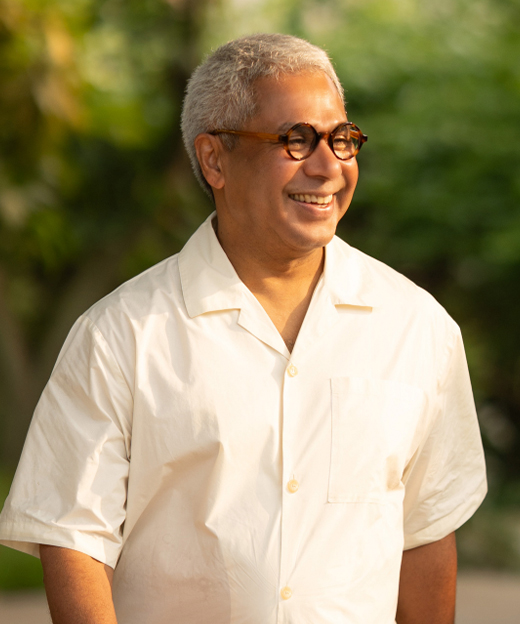
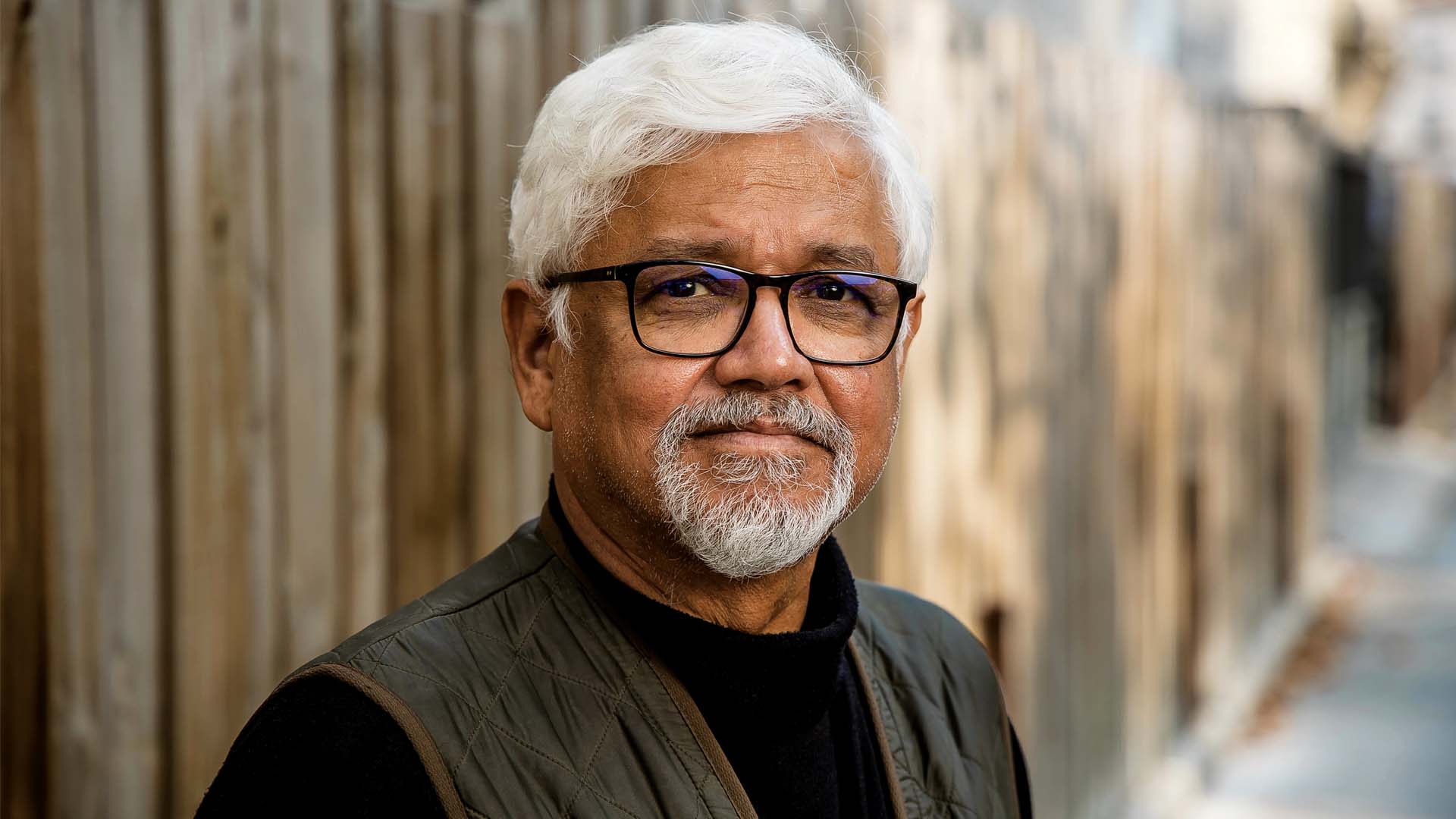
Faizal Kottikollon, Co-founder, tulåh Clinical Wellness.
Cooling was the first real test. Kerala's heat and humidity would normally call for heavy air-conditioning, which Shabana Faizal considered wrong for a place of healing. "So we said, this is the problem, now solve it." The engineers spent 18 months developing radiant cooling in gypsum ceilings, which, she says, had not been done in India before, testing it in a guest house through every season. "Now the room cools the way shade cools you. It's silent, and the air is always fresh."
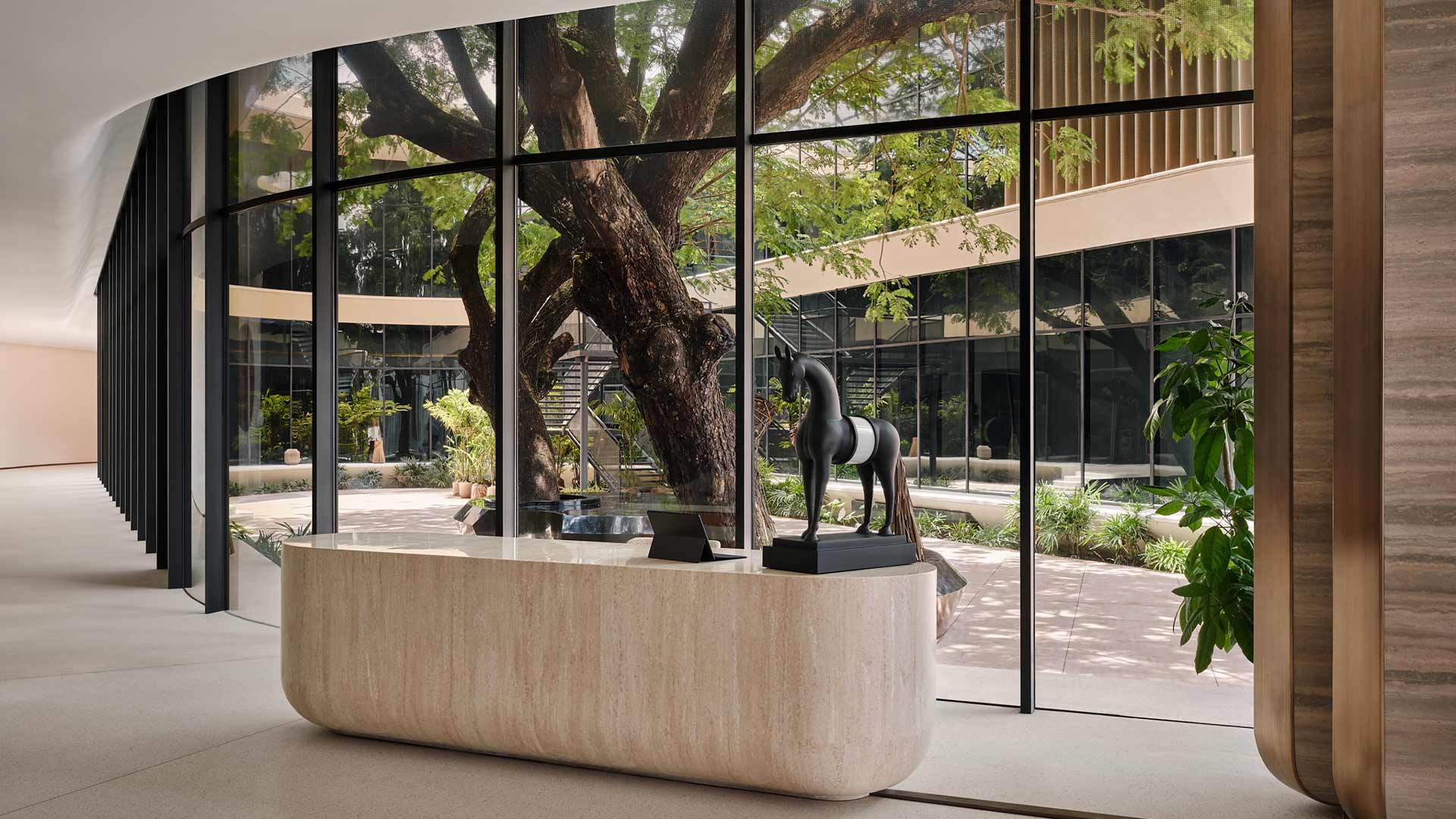
The andscaping changed course on site. "As we spent more time on the land, we felt it should look and feel like Kerala," she says. Planting moved to indigenous species, and around 150 trees were relocated instead of felled. One, a 35-year-old mahogany where the Pulse building had to go, survived the move against expectations and now holds a sunset deck in its branches.
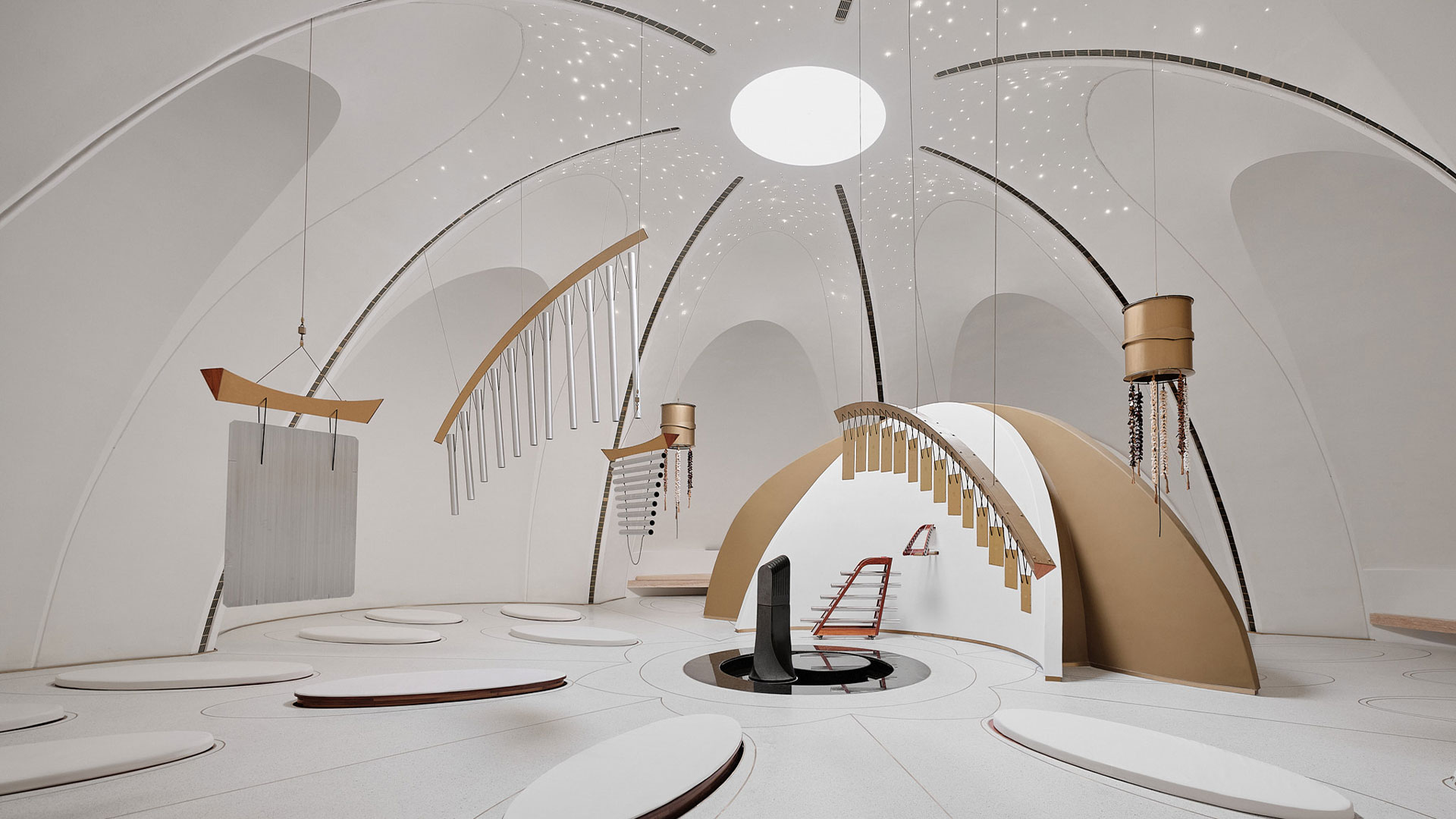
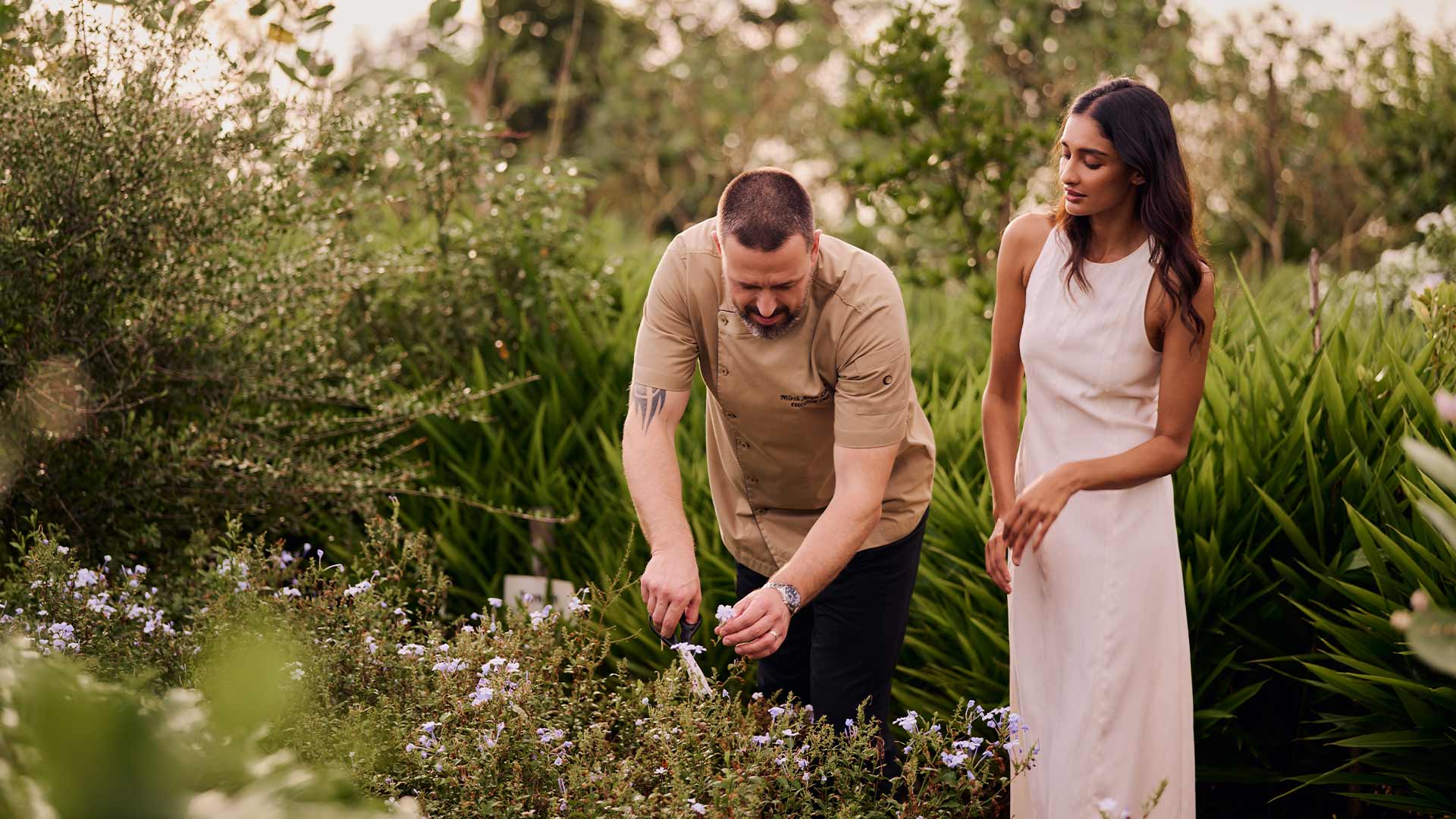
Soil dug out for the Sonorium, a sound-healing dome, became a patch of woodland called the Enchanted Forest, and rainwater that once ran off the laterite feeds a reservoir. Over 500 fruit trees supply the kitchen, and a herbal garden of more than 215 plants from the Hortus Malabaricus, the 17th-century botanical record of the Malabar Coast, supplies the Ayurveda doctors.
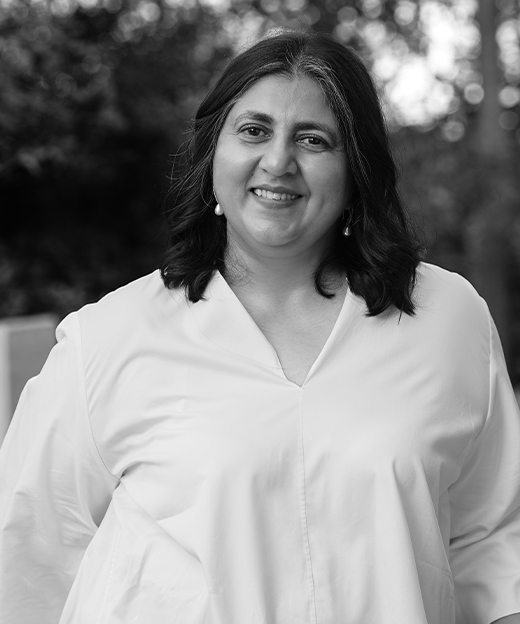
Shabana Faizal, Co-founder, tulåh Clinical Wellness.
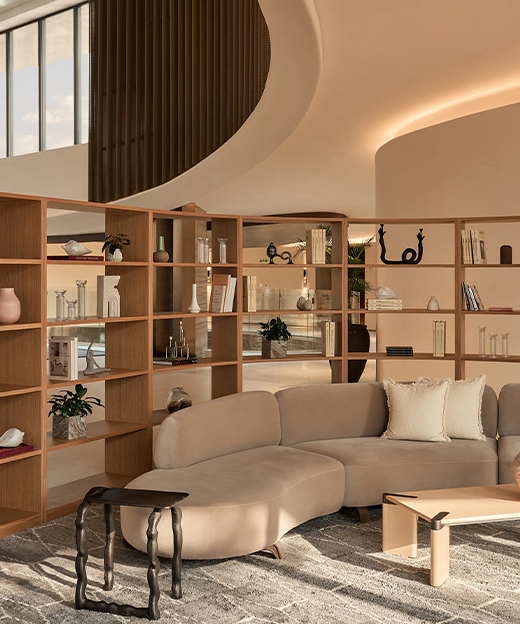
Inside, Shabana Faizal added warmth to the studios' calm, clean foundation through colour, textiles, art and craft. A signature maroon, the brand's colour, runs through the interiors. "People tell me it feels like a blanket," she says. The lights are made from Kerala banana fibre, and local craft extends into the clinical wing. "The clinical side at tulåh is brilliant, but you should never feel you're in a hospital."
Her years of travel shaped some decisions. Double rooms fit two suitcases, and there are no sockets beside the bed, so guests put phones away at night.
Shabana Faizal sees tulåh's way of working, rather than a fixed design language, as the template for future projects, with each specialist solving a problem on a specific piece of land. An artist-in-residence programme with Kizhakke Kotta is planned from January. "We'll listen to the land, understand the people and the place, and let it tell us what it needs."