











A ‘Banng’-ing Good Start
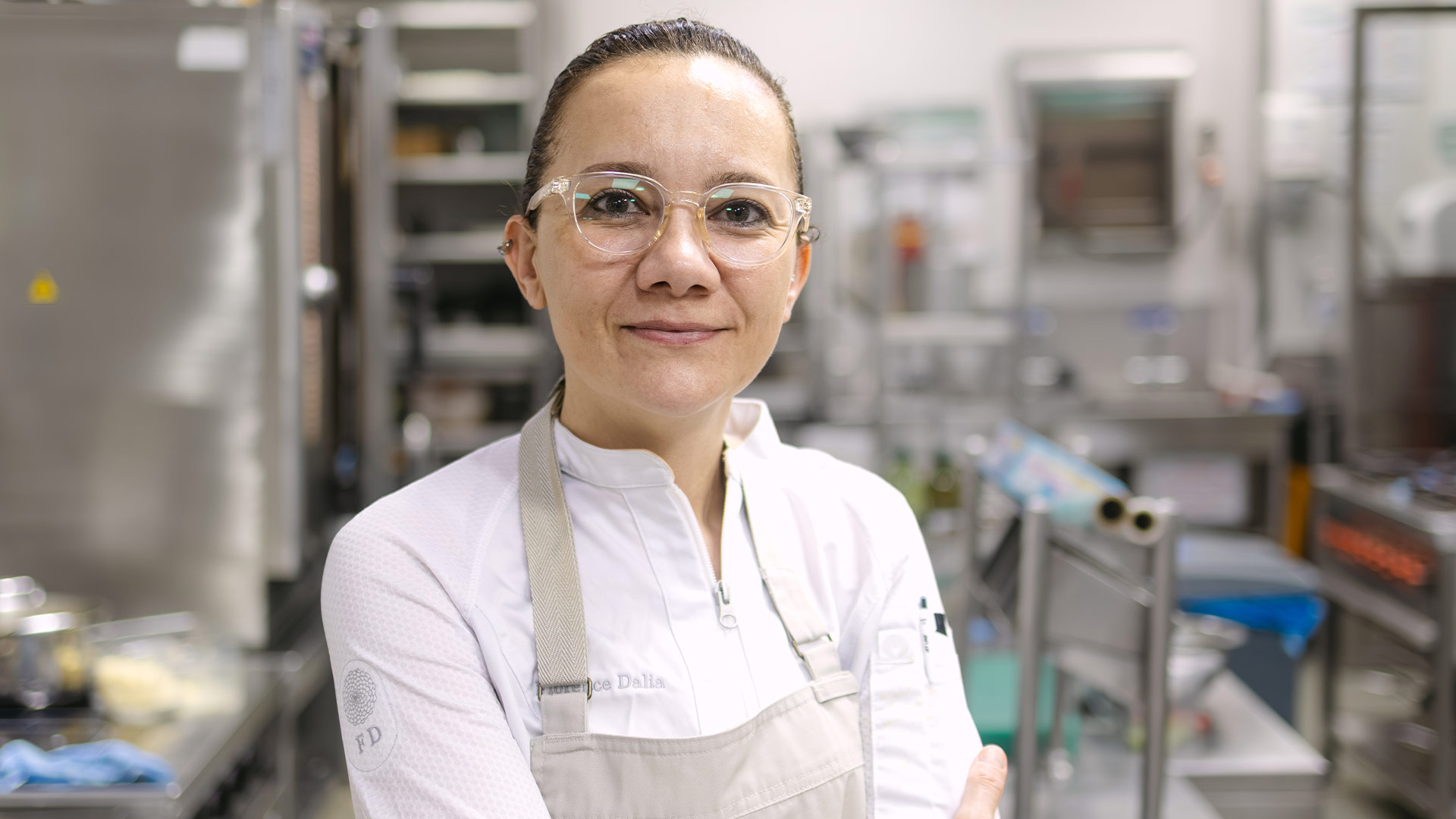
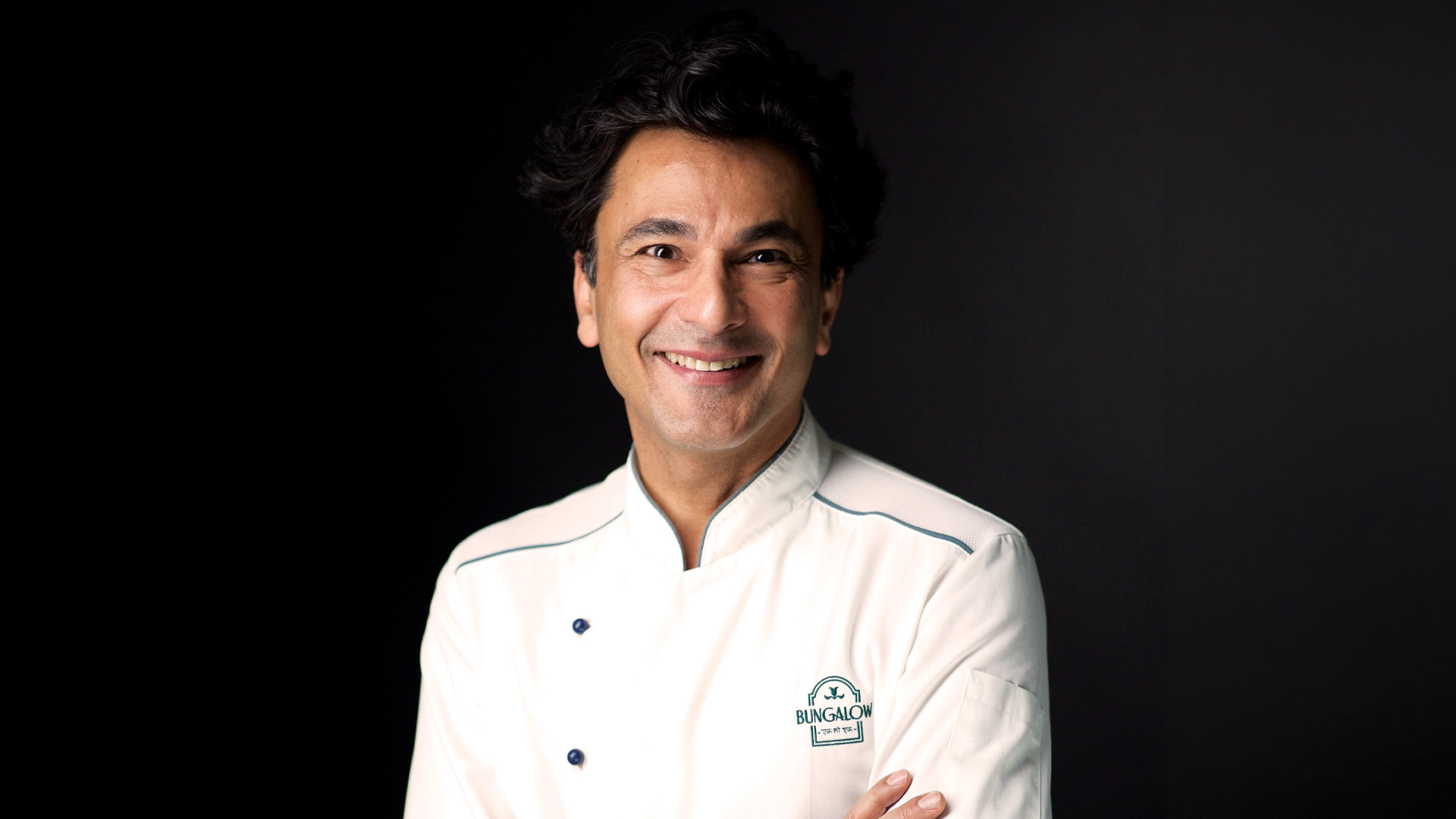
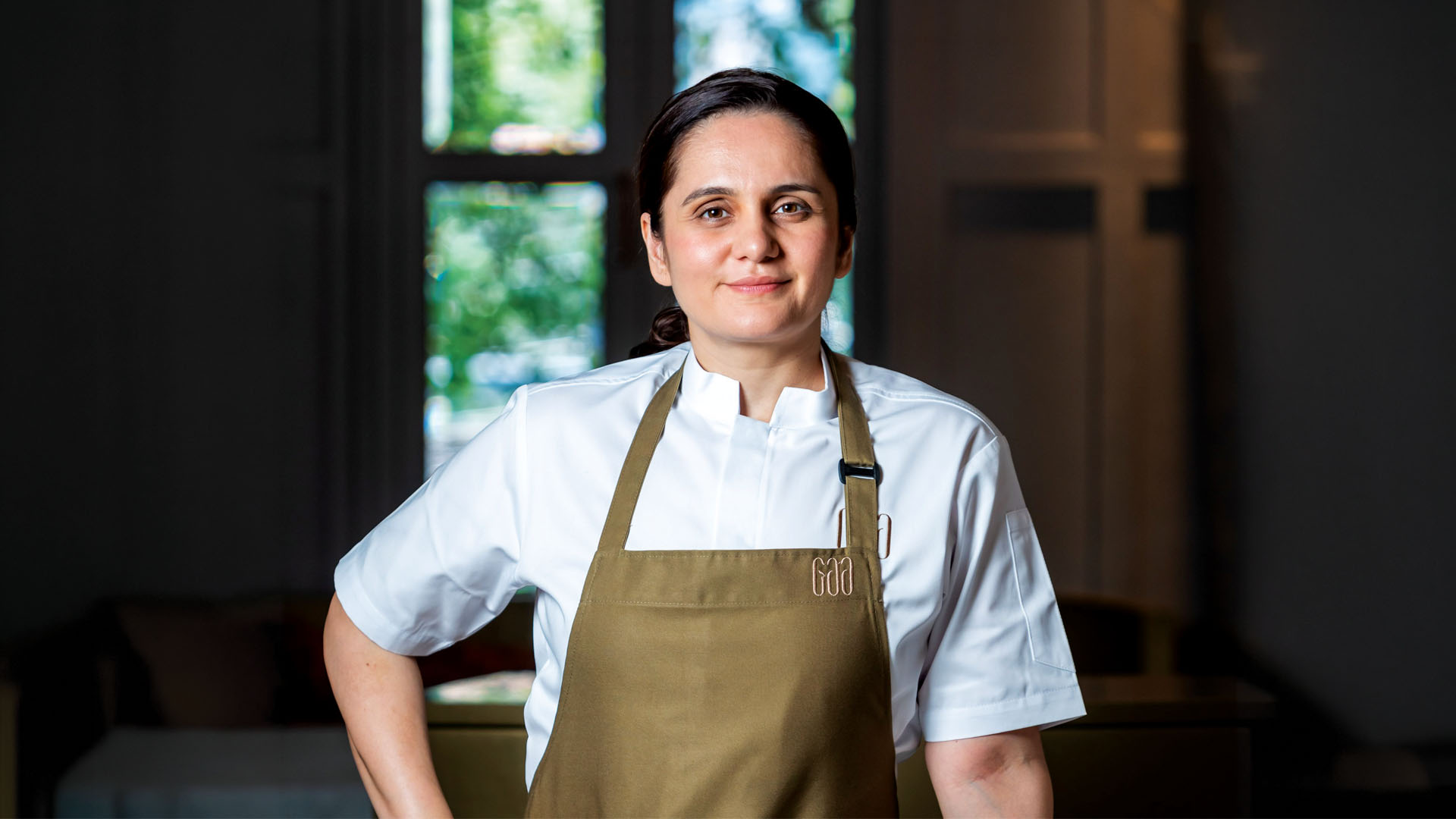
Why would the chef-founder of a two-Michelin-star restaurant known for her modern Indian cuisine, open a Thai restaurant in India? For Garima Arora, the answer is simple: authenticity. She talks about the need for authenticity in restaurant food and what it takes to be an Indian chef in one of the most vibrant Asian cities.

By Deepali Nandwani
Banng is chef Garima Arora’s first India venture
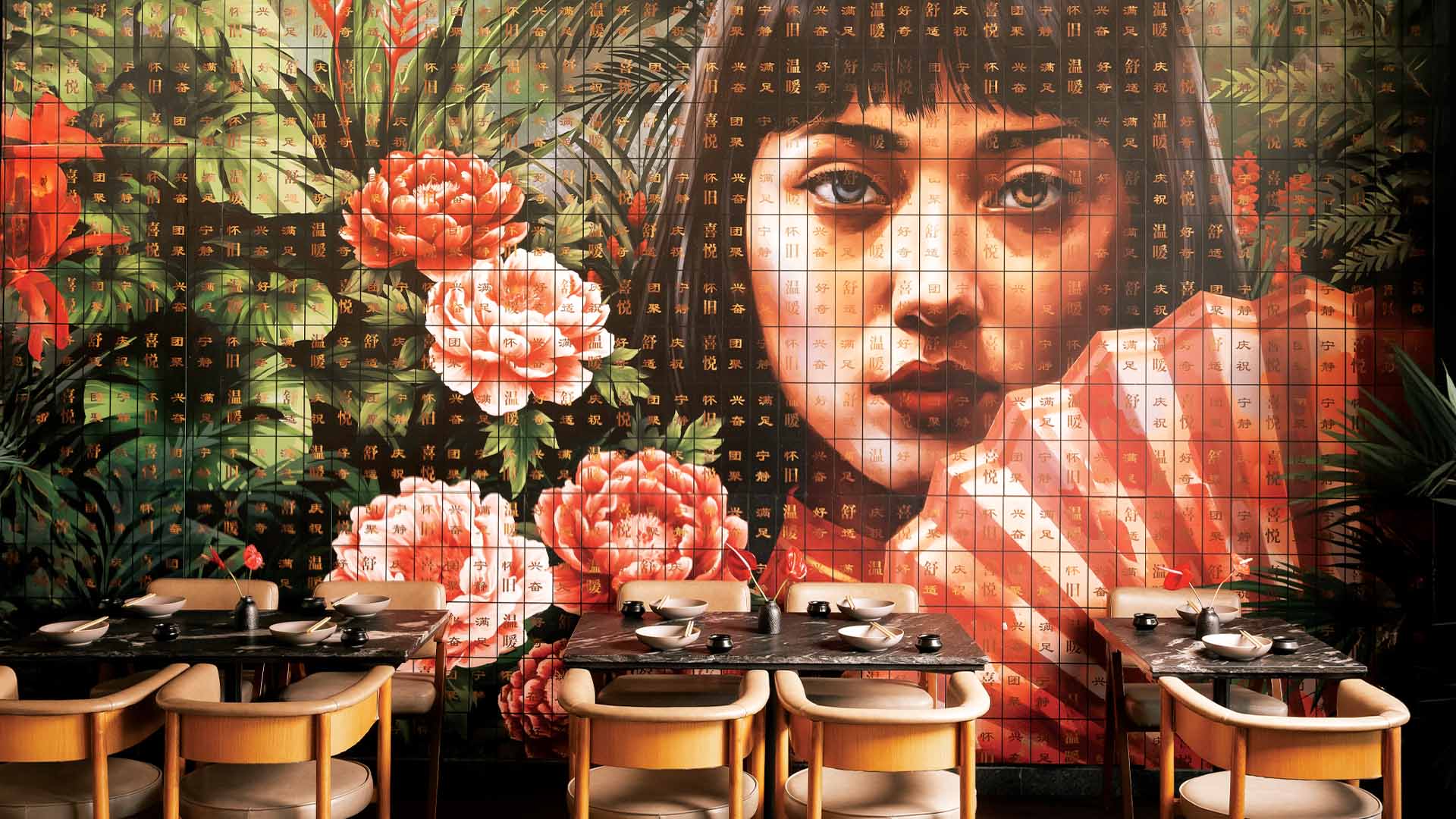
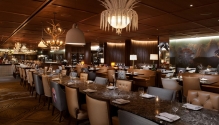
In collab with restaurateur Riyaaz Amlani, CEO and MD of Impresario Handmade Restaurants, it is a dramatic red restaurant that pays tribute to the vibrant city of Bangkok and serves comfort Thai food, with easy references to the delicious street food Thailand, and the city of Bangkok, is famous for.
It has taken a while for chef Arora to bring her peculiar approach to cuisine and dining to her home country. That she chooses to bring Thai food rather than Indian, which is what she serves in her restaurants back in Bangkok, speaks a lot about how she assimilates cross-cultural references, and the ease with which she moves between two distinct cultures.
It is rare to find an Indian chef who has earned a Michelin star for her restaurant; it is rarer to come across an Indian woman chef who has landed not one but two Michelin stars. Not only has her restaurant, Gaa, won two Michelin stars for its modern Indian food, chef Arora has also been honoured as ‘Asia’s Best Female Chef’ in 2019 and received the MICHELIN Michelin Guide Young Chef Award in 2022. In the 2024 Michelin Guide, Gaa was awarded its second Michelin star.
Her other venture is Marigold, which offers freshly crafted Indian mithais, chaats and snacks. She is also creating a new narrative for Indian cuisine that is firmly rooted in traditions and yet, re-evaluates and reintroduces Indian cuisine to the world through her not-for-profit initiative Food Forward India.
In an interview with SOH, chef Garima Arora not only speaks about Banng, but also about what it takes to make it big in Bangkok's culinary world and how modern Indian food can be defined.
How different is the Thai cuisine served in Banng from what we eat in India?
I really can't speak on what's served in other restaurants but at Banng, we try to stay true to the authentic Thai flavours and ingredients as much as possible. The curry pastes are made in in our kitchen in Bangkok twice a week, and flown into Delhi. All ingredients are now being imported from Bangkok as well.
(The good) part of living in Bangkok is that you get to experience the pure versions of cuisines from around the world, whether it is Japanese, Korean or Italian. So, when we opened Banng in India, we thought, why can't we do the same for Thai cuisine here? If you can get your uni from Japan flown in, or your vegetables from Amsterdam, why can't you get curry paste from Bangkok? We want to make sure that we offer our guests Thai food that is as close as possible to the original. So, yeah, you won't find any watered-down curries or, you know, Tom Yum soup with…well, nothing out of a can or a tin. Everything is fresh and made in-house.
How did the collaboration with Riyaaz Amlani happen?
Riyaaz and I met only a year ago. Of course, I knew of him. Who doesn't know him? But we had never had the chance to meet. And he came and ate at Gaa a year-and-a-half ago. And, yeah, one thing led to the other. We realised that not only do we like the same kind of food and drinks, but we have the same sensibilities. We wanted to do a restaurant in India, and he wanted to do a Thai restaurant. We both agreed to do it together.
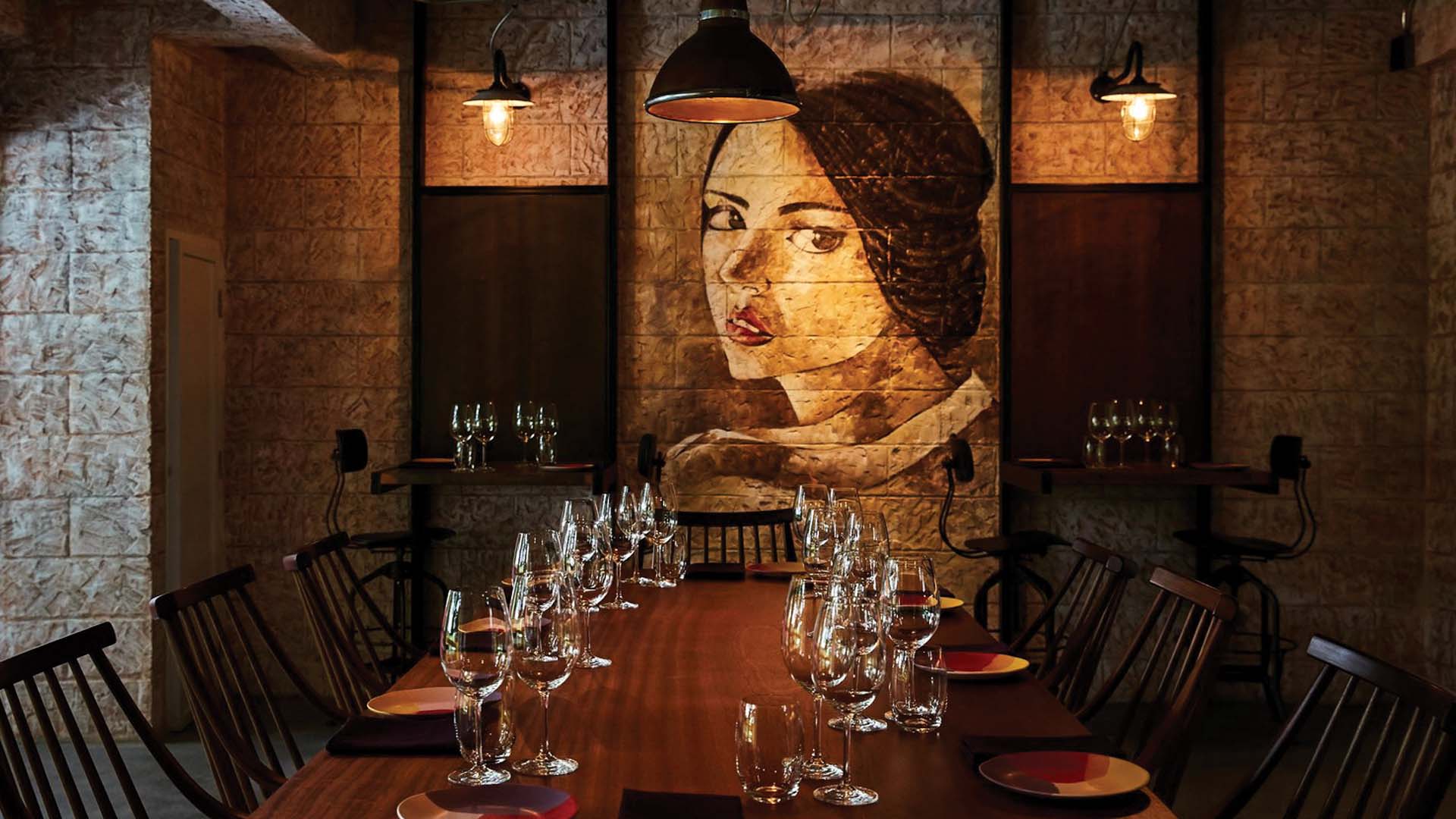
Gaa in Bangkok is chef Arora’s two-Michelin star restaurant.
Fine dining is a lot about the vibe. How have you created that Bangkok vibe in a restaurant in Gurgaon?
I think the vibe is how young Bangkok is eating and drinking out these days. Bangkok can be very sophisticated, but it also has an underbelly to it—it’s dark and fun, with all these speakeasy bars. Banng is a little bit of everything. During the daytime, it’s a well-lit dining room. It’s a fun place to have lunch and dinner. And then as the night progresses, it becomes more like a watering hole, with the interiors turning bright red and kind of taking you back to the bylanes of Bangkok. I think it’s a little slice of Bangkok in Gurgaon.
Any reason why you took the restaurant to Gurgaon rather than any other Indian city?
The idea was always to do it in multiple cities, and it still is. Gurgaon just happened to be first. I’m expecting my second baby, so with the timeline, it was supposed to be Gurgaon or Mumbai. Gurgaon happened earlier, so now I won’t be able to travel for the next three or four months, and we’ll pick it up again after that.
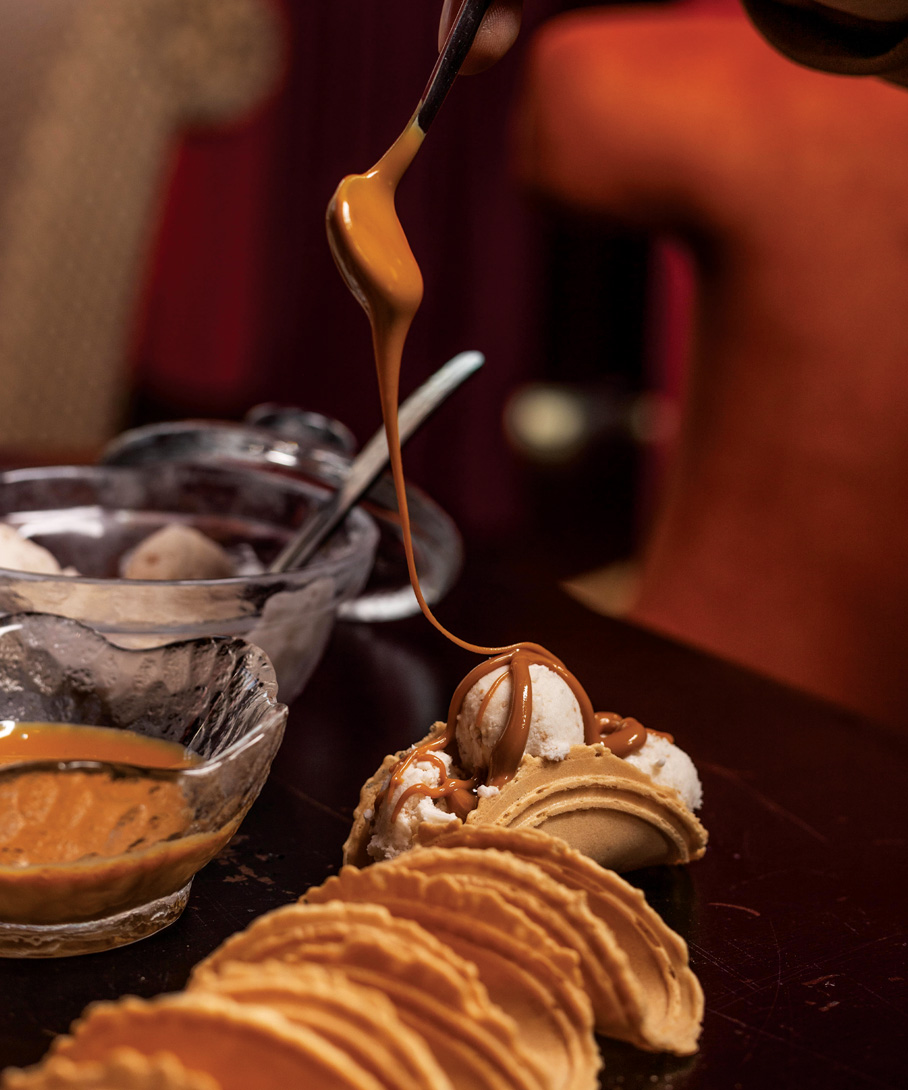
Coconut ice-cream with Khanom Bueang Waffle Shells.
Setting up a restaurant in India has seen you come a full circle. What has the journey been like?
I think going to Thailand and doing an Indian restaurant, and (then) coming back to India and doing a Thai restaurant is one way of coming full circle. Coming back home with all this experience from around the world and applying everything that we have learned, has been a good move. I took whatever I knew of Indian cuisine to Thailand having lived there for 10 years. Now, everything that I've soaked in over the last decade, I think I get to bring back home. It's a great feeling.
How did your cooking and cuisine change after working with chefs like Rene Redzepi and Gordon Ramsay?
When you work with great chefs, you don't learn recipes from them. This is something you need to understand. If you learn and duplicate recipes, you end up as a version of them. Great chefs take away attitude, they take away learnings, and they take away experiences. They learn how to do things, how not to do things, a way of thinking, and how to apply yourself to your profession. Today at Gaa, we are creating new recipes for Indian cuisine. We are not reinterpreting anything. And I think that's what I've learned from working with all these great chefs. That's what makes them great. It's innovating.
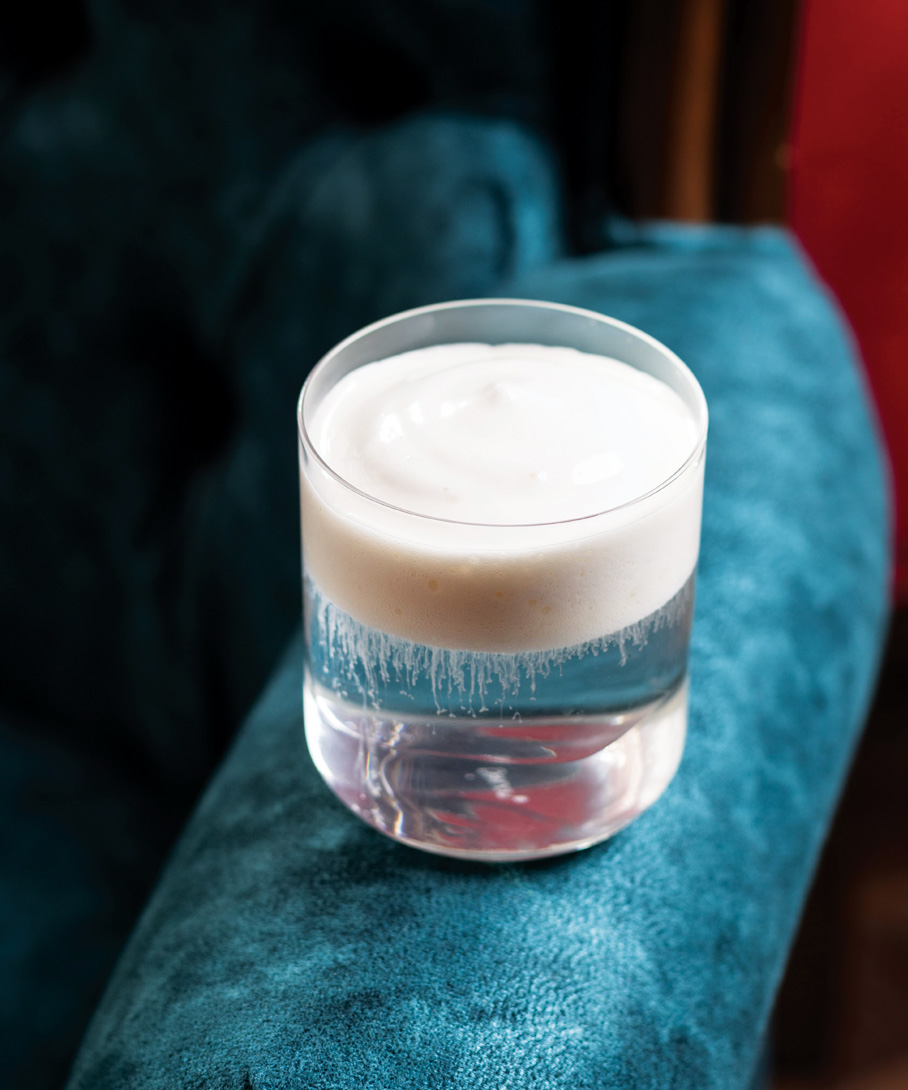
Buakaw Bua Loi is a tequila cocktail infused with coconut, passion fruit, oxidised white wine, and warm white chocolate foam.
What are the challenges of running an Indian restaurant in Bangkok, particularly one that doesn’t follow the laid down script?
When we started, we always had people coming in and asking whether it was a ‘curry and naan’ sort of set-up, but we never had that. People are much more open to new experiences today. They understand the nuances of Indian cuisine and how delicate it can be. Micro Indian cuisines are gaining traction internationally. So, when people now come in, they want a version of Indian cuisine that they haven't had before. The change in perception has taken place not only because of us, but because of all the hard work Indian chefs have put in within the country, and Indian chefs who are moving abroad to open their restaurants.
What aspects of Indian food culture do you believe resonate most with international audiences?
I think it's a play on flavours—sweet, sour, spicy, umami—everything at one time. It's the subtle use of spice, the play on textures, it's grill cooking. It is most amazing to see the reaction to vegetarian Indian cooking. I think guests are always blown away by how much tastier vegetables are than meat and what is possible with them. And this (reaction) is just not from international audiences; it is also from international chefs. You know, every international chef has tried their hand at doing an all-vegetarian menu. But when it comes to Indian cuisine, you know, that's it. It takes the crown.
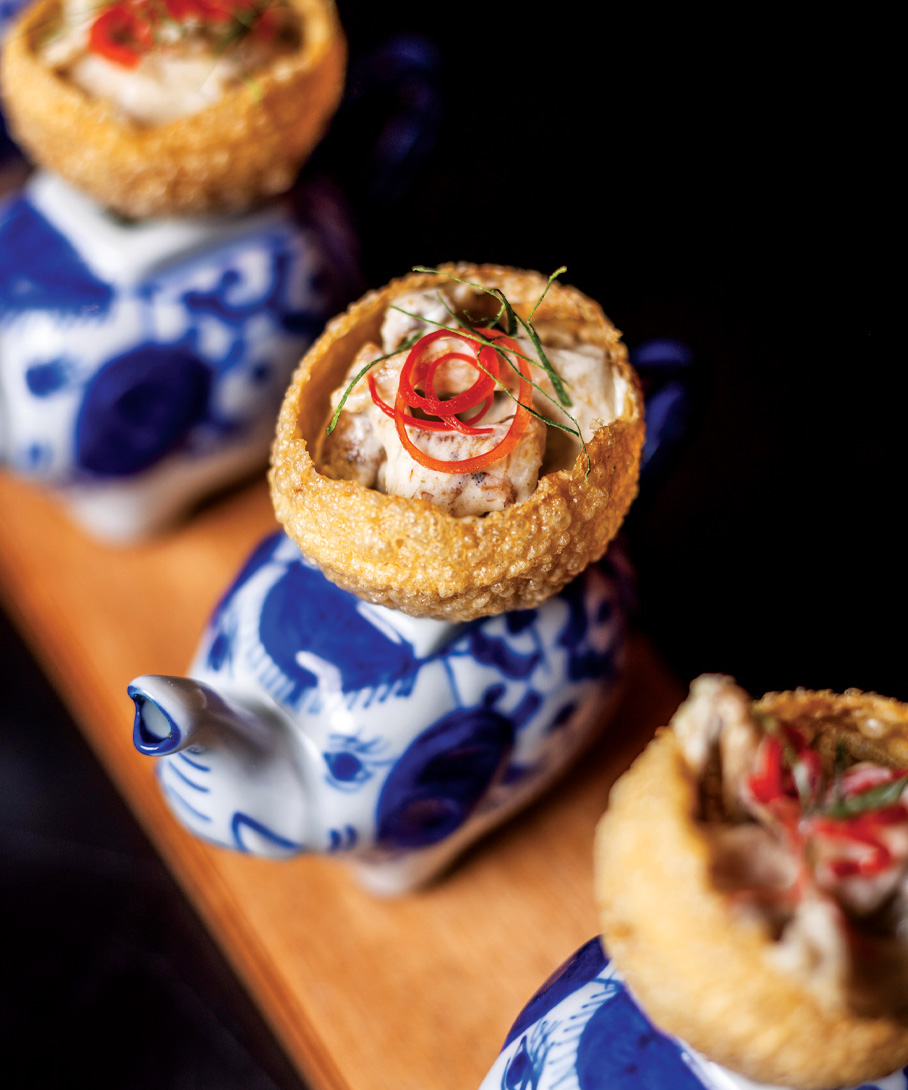
Tom Kha Pani Puri, a blend of Thai and Indian cuisines, served in sweet elephant bowls.
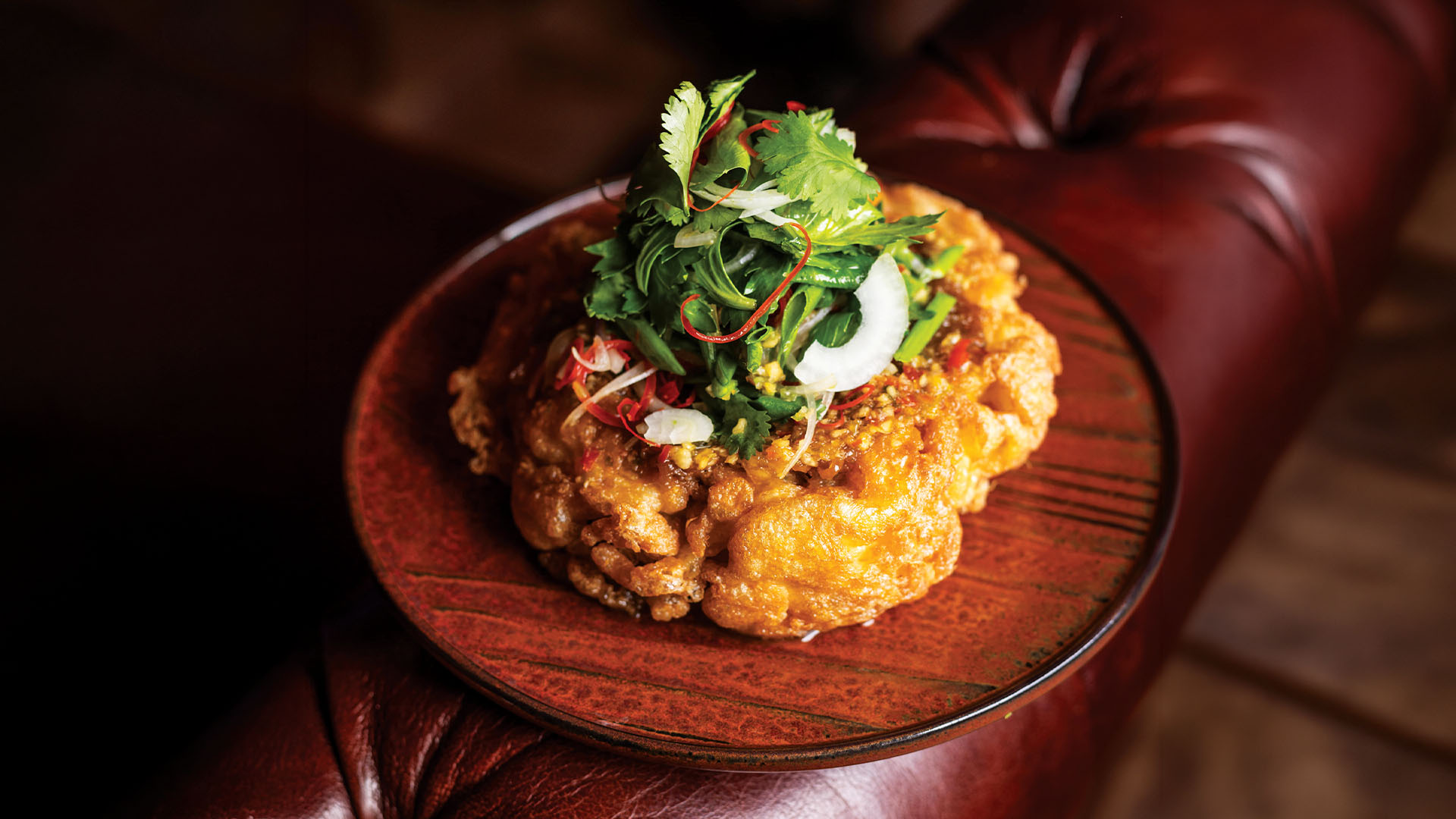
Khai Jeaw or Thai Omelet stuffed with crab or tofu.
How do you balance innovation and traditional authenticity in your dishes?
Understanding the fundamentals of cooking, staying true to the already established and catalogued techniques and building from there, is very important. I look for answers to five questions while creating a dish: when, where, what, why and how. And as long as I have an answer to all of them, I think, we can strike a very delicate balance. I derive this approach from my journalism days when I needed answers to everything, I needed closure on everything. I think that helps us a lot.
How do you see the role of Indian chefs evolving in the global culinary landscape?
Indian chefs are going to be the driving force when it comes to sustainability and vegetarian cooking, innovative cooking and cataloguing such an extremely traditional cuisine. The role of an Indian chef is going to transform. And the more attention we pay to our skill and cataloguing our cuisine, the better we will be to take over the world stage. I think no other cuisine even comes close to the flavours and techniques that we can offer. Indian chefs and cooking are the next big things waiting to happen.
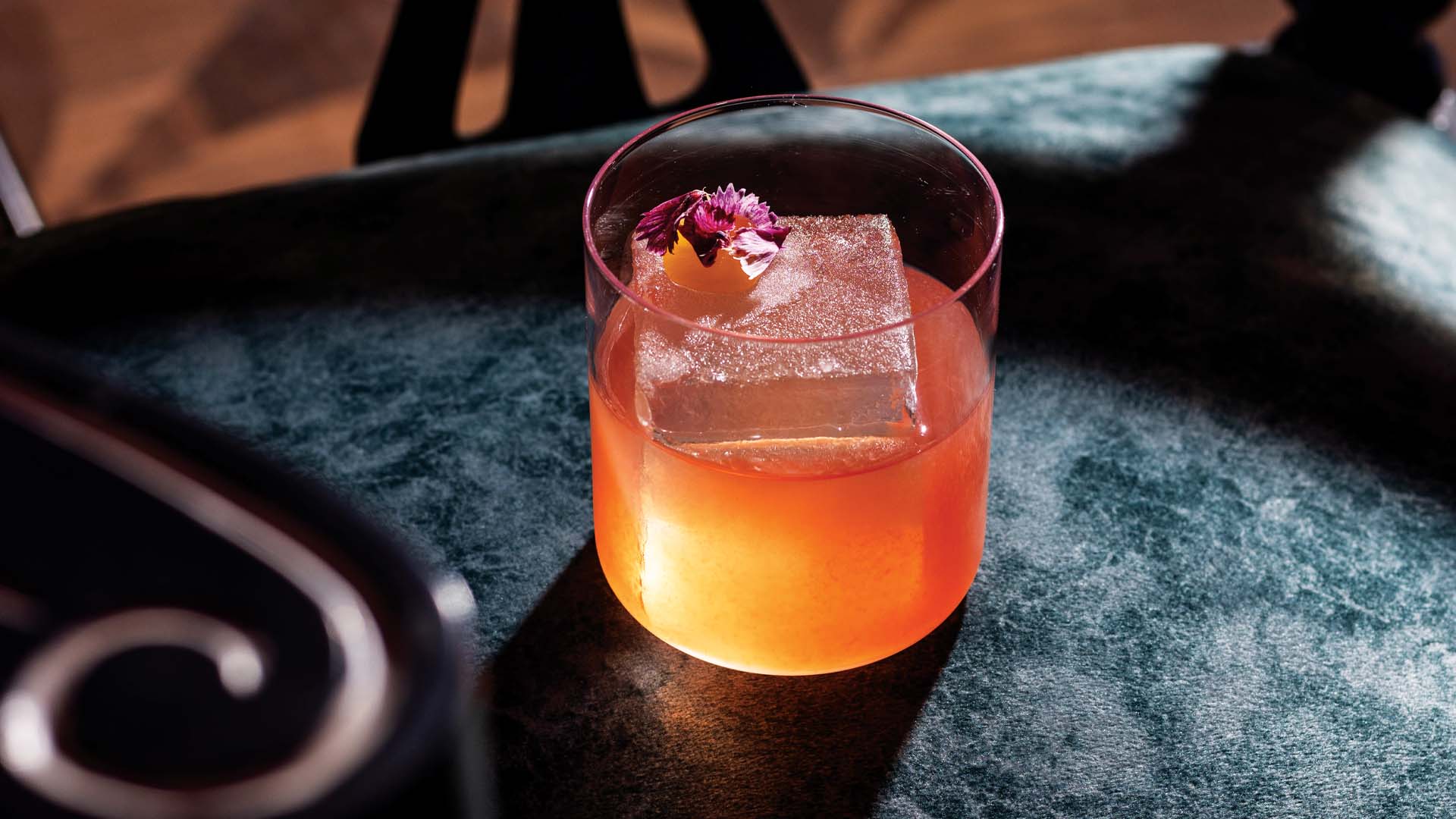
Chatuchak Champa, or champa-infused gin, bitters, lychee honey, lemon, orange gel, dried cham.
- Tom Kha Pani Puri and 'Banng'ing Omelettes
- Banng, chef Garima Arora and Impresario Handmade Restaurant’s big boss, Riyaaz Amlani’s new Thai restaurant is a dramatic red oasis of Thai flavours in the heart of Gurgaon's urban landscape.
- Unlike the flamboyant space, the commercial complex it is sited in is one of the many glass-steel-and-concrete structures that now mark the Gurugram (formerly Gurgaon) landscape, giants rising against a city that has itself risen from once verdant fields.
- I would define the food as comforting and flavourful, a blend of sour, umami, sweet and spicy flavours. At Banng, chef Arora says, “We’re taking influences from everywhere — and that’s what Bangkok is. It’s a melting pot of everything that is Thailand. Northeastern cuisine is very different from Isan cuisine, which is different from central cuisine and southern cuisine. I enjoy the Tofu Pad Cha from the main course. We're proud of our vegetarian offering. If I think of the full menu, 60% is adaptable to vegetarian and vegan dietary requirements.”
- Chef Manav Khanna, who heads the Banng kitchen, says, the team travelled to Chiang Mai, in northern Thailand, where they met a Thai food master who had been teaching about traditional Thai cuisine since before World War II. “He specialises in real Siamese cuisine and has some of the oldest Thai cookbooks, including the first-ever Thai cookbook. His knowledge gave us insights into how Thai cuisine originally incorporated a variety of vegetables, herbs, and seasonings.”
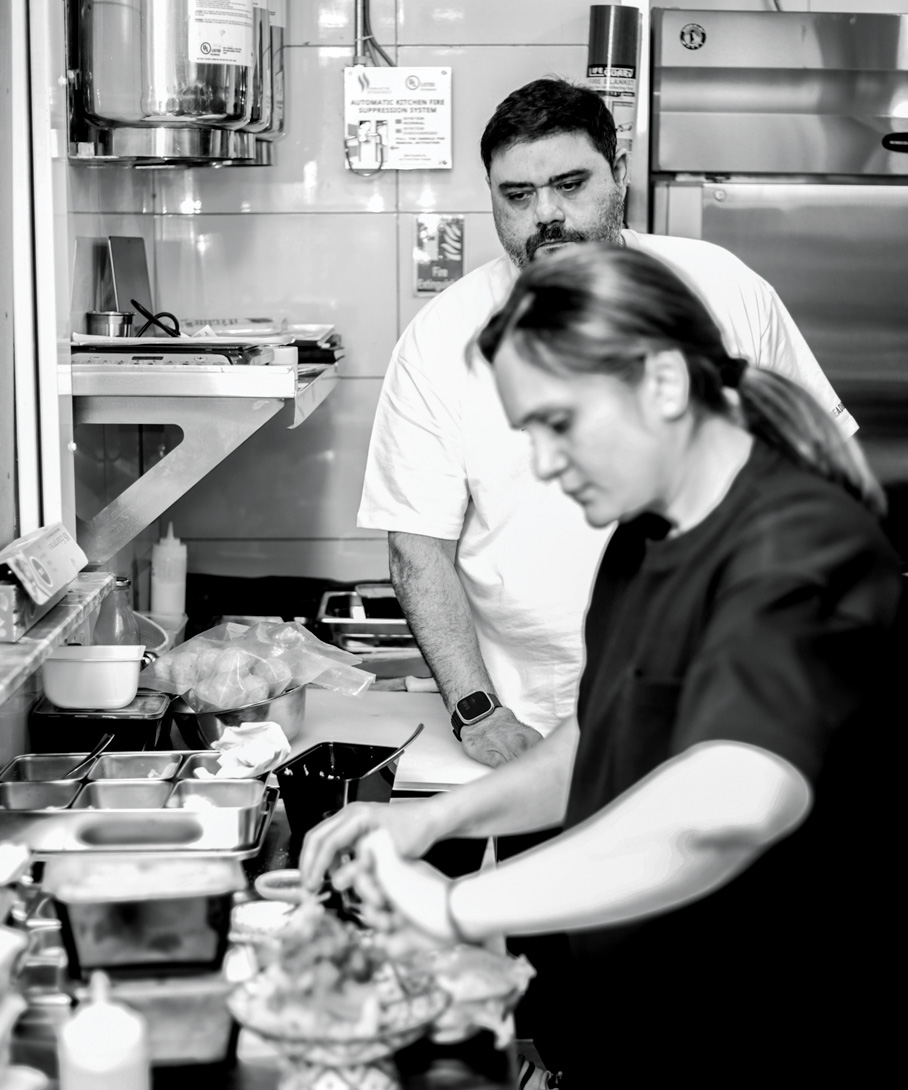
Banng is chef Arora’s collaboration with Impresario Handmade Restaurants’ Riyaaz Amlani.
The food at Banng is also fun. Take a look:
- One of my favourite dishes on the menu is Tom Kha Paani Puri, a cross-pollination of ideas between Indian and Thai cuisines…a dish with chilled coconut broth, mushrooms and herbs in a crisp puri.
- Then there is the savoury and umami ‘Banng’ing omelette’ (pun intended) or Khai Jeow (Thai omelette), bursting with crab meat, or in my case tofu, and topped with a crunchy salad. “In Thailand, they have their version of paan, called miang kham, which includes various toppings."
- The Yum Sea Bass, a Thai-style sea bass salad with a spicy, tangy sauce called nam chim or nam jim is citrusy, spicy, and refreshing.
- Khao yum—a traditional Thai rice salad (khao means rice, and yum means salad) is traditionally made with dried shrimp and a fermented fish sauce called voodoo.
- The cocktail menu has been curated by a famous Thai mixologist and spans coconut-based cocktails, cocktails featuring or infused with lychee, honey, toasted rice and mango, as well as a libation with a rim coated in Thai-style sugar and spice, mimicking the way fresh fruits are served on Thai street carts.