











An Ode to India
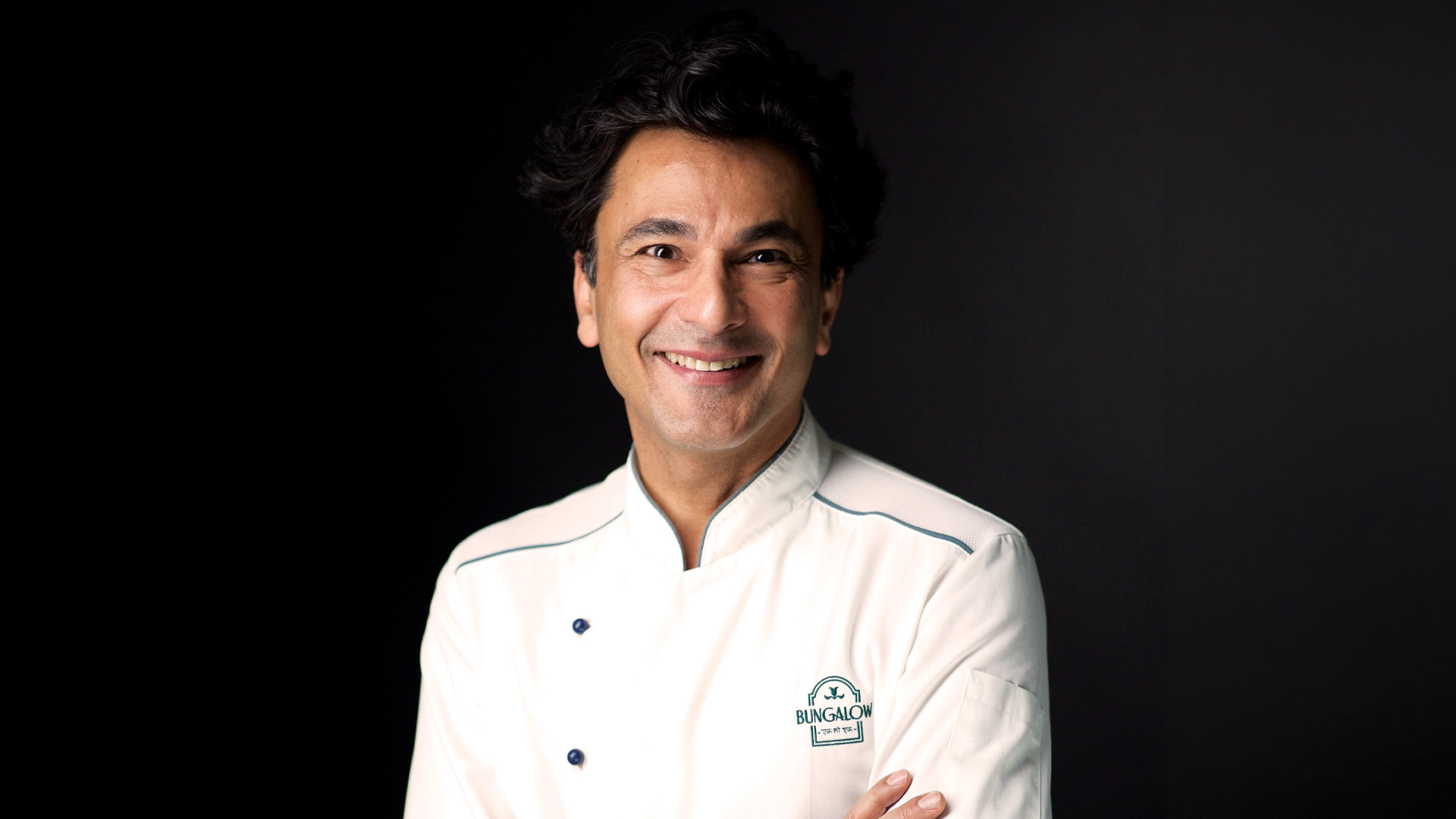
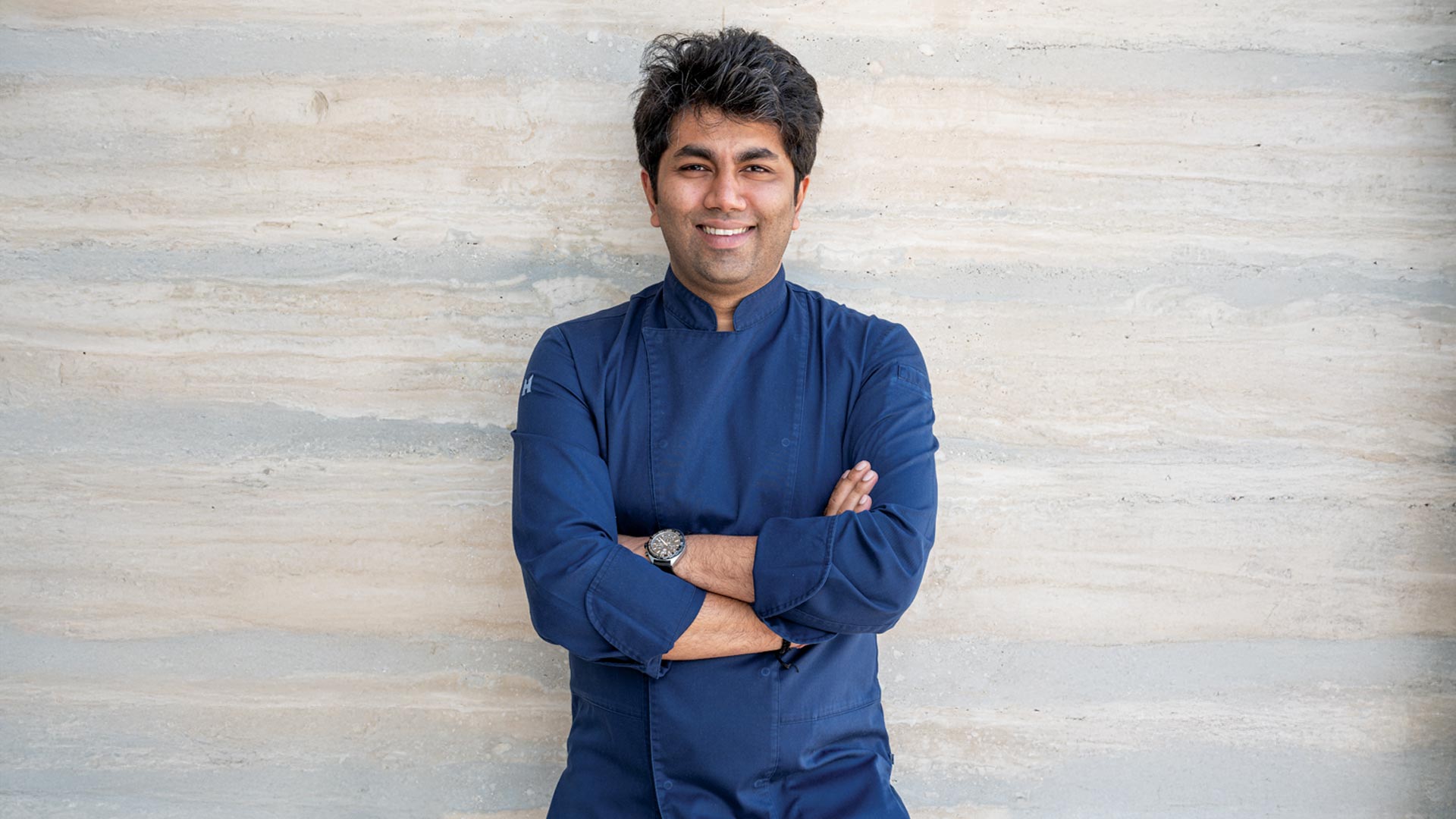
The first three-Michelin star recognition for an Indian restaurant has put Indian cuisine in an unprecedented spotlight–along with its head chef–Himanshu Saini.

By Suman Tarafdar
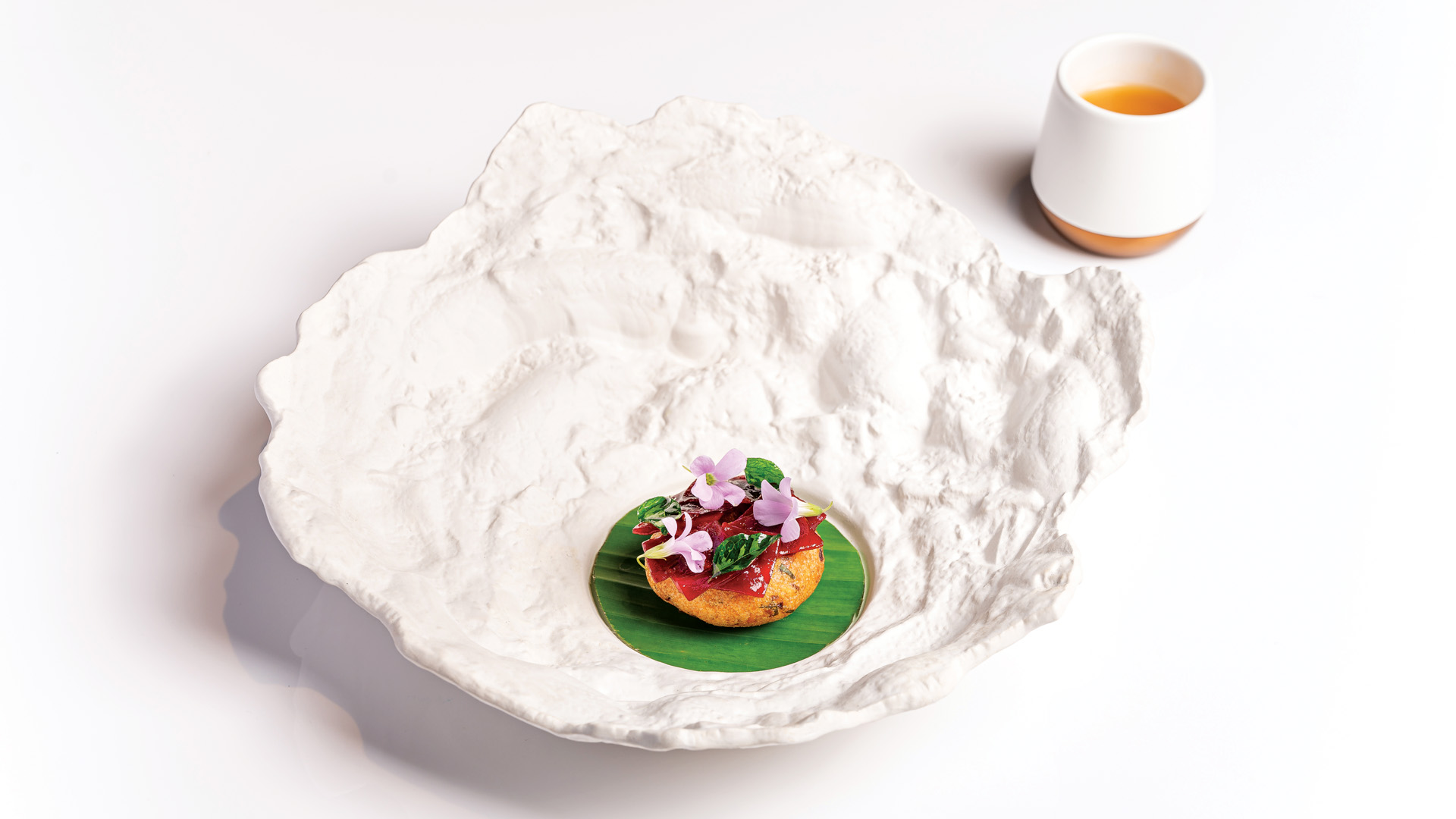
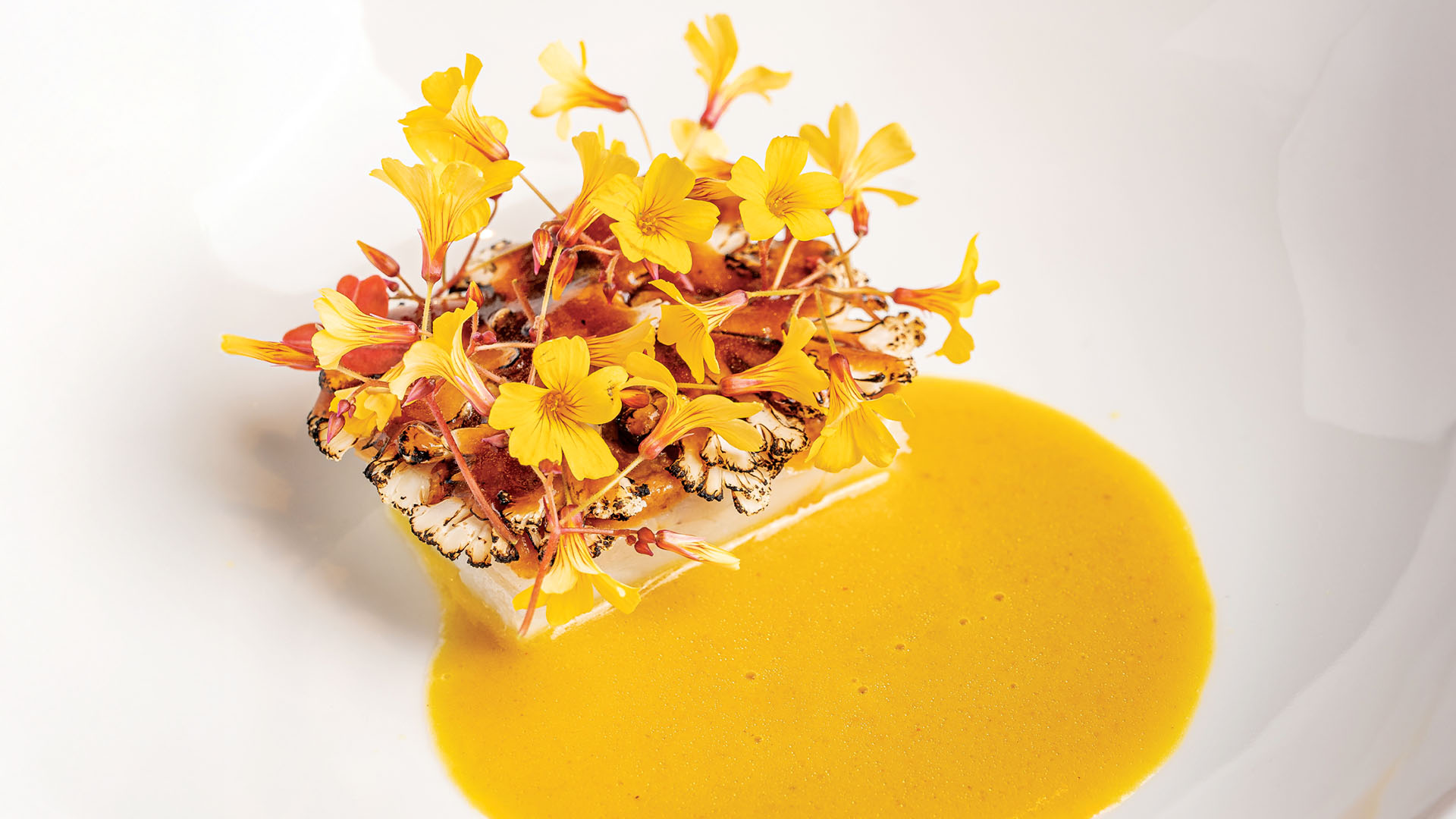
These are just some of the dishes at Trèsind Studio—yes, the very one that the judging gods of Michelin deemed superlative enough to award three stars in their latest rankings. A three-star ranking implies that a restaurant deserves a special journey to the destination just for itself.
Indian cuisine. In the global scheme of (unofficial) cuisine rankings, dishes from India—popular as they may be at the street level— have not really made the cut in the global haute cuisine stakes. Well, with the awarding of three Michelin starts to Trèsind Studio, Dubai, in the just announced list, Indian food—be it ghee roast, or tomato tikka masala, or medu vada— are now part of that rarefied world. And the credit for this goes to Himanshu Saini, not even 40 years old yet, but whose name shall henceforth be heralded as having created a breakthrough moment for Indian cuisine.
For those familiar with Saini’s skill, this comes as no surprise. Since his days at Manish Mehrotra- helmed Indian Accent, followed by stint in Masala Library and Farzi Café before finding his voice in Dubai, Saini has been a star wherever he went. His experience and innovation with food have been widely recognised, and awards and honours have regularly flowed, the latest being named 27th in The World's Best Restaurants 2025.
Delhi-born Saini began his culinary journey early on by accompanying his dad in eating out and watching his mother cook. It helped no doubt that they called Chandni Chowk home—a neighbourhood where life to this day moves at a different pace—lapping up the nuances, flavours and textures as only a local could. He completed his formal training at the Banarsidas Chandiwala Institute of Hotel Management & Catering Technology. Rather surprisingly, he says his journey to becoming a chef was not a deliberate choice, but rather "a path that found me. The idea of becoming a chef, especially in the realm of fine dining, was not my original plan. Yet, the allure of the creative process in the kitchen—the harmony of flavours, the precision, and the technique of transforming simple ingredients into something profound—captivated me."
His association with Indian Accent, a restaurant globally known for its mould-breaking approaches to Indian cuisine, began just as it took off, and post this recent recognition, Mehrotra beams with pride on Saini’s success. Talking about Mehrotra, Saini has said, "Working at Indian Accent taught me that Indian food could be progressive, elegant, and still deeply respectful of its roots. I learned to push boundaries while still honouring the tradition behind every dish. I hold a deep admiration for Chef Manish’s work and appreciate all he did for me."
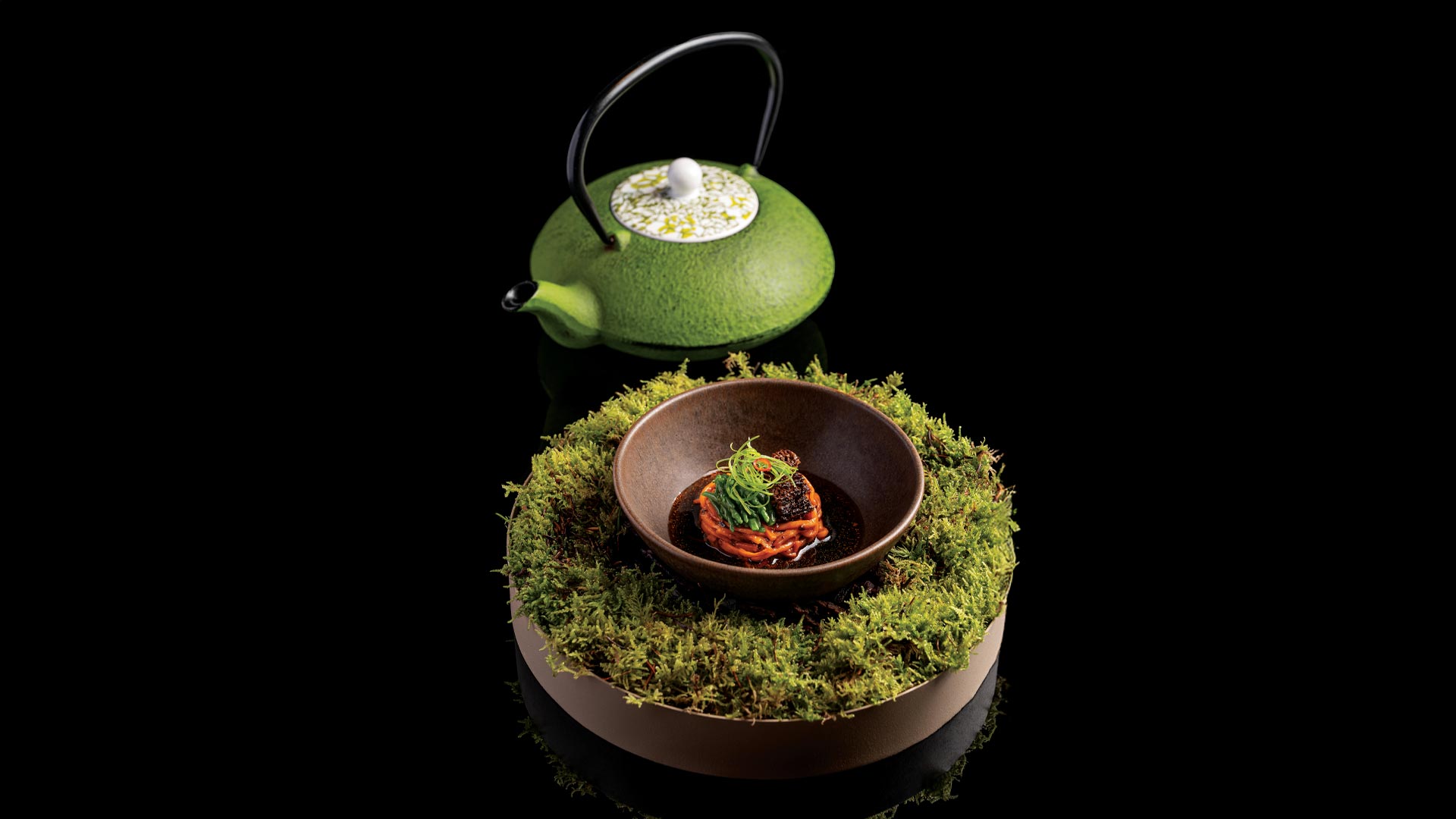
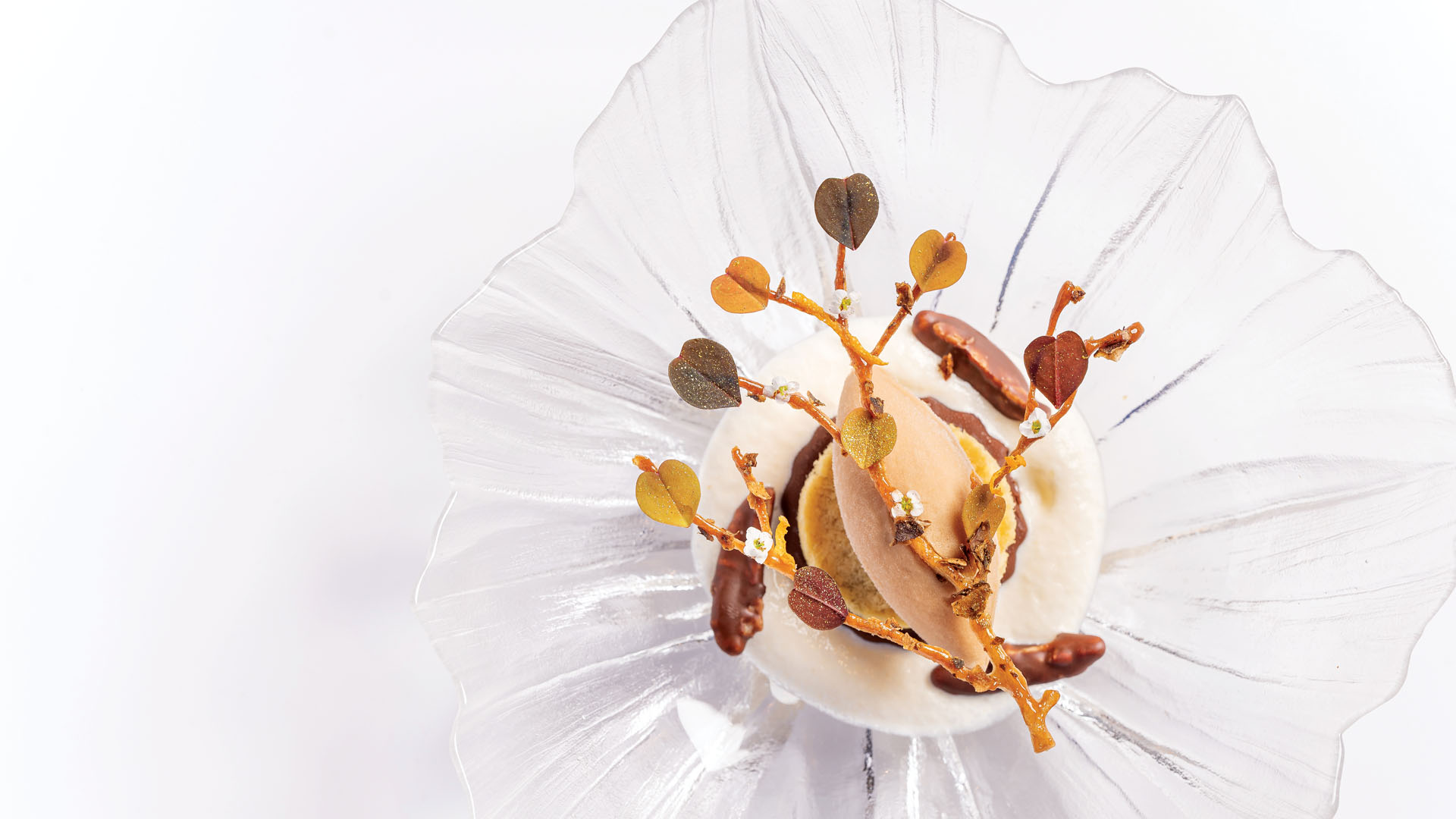
From Delhi to Dubai
A longish stint at Indian Accent later, Saini moved to two other renowned restaurants, Masala Library and Farzi Café, launching them.
What really put him in the spotlight was Trèsind, launched in 2014 in Dubai. "The idea was to create an experience that would showcase Indian cuisine in a way that challenges perception, with storytelling, technique, and emotion on the plate," he says. "It’s been a challenging but rewarding process." The restaurant tore apart the set rules of Indian gastronomy, instead marrying traditional flavours with modern techniques. Hugely acclaimed, he however would catch everyone unawares by raising the stakes in 2018, when he opened Trèsind Studio, an intimate dining experience with only 20 seats.
What makes Trèsind Studio a standout is that it crafts a seasonal tasting menu centred around Indian cuisine, only presented through cutting-edge techniques. Recognition came fast and at quite a furious pace. Trèsind Studio earned its first Michelin star in 2022. A second star followed the next year, a year that also saw the restaurant being named on The World's 50 Best Restaurants list for the first time. In 2024, it was ranked second in the Middle East & North Africa’s 50 Best Restaurants list. For a restaurant centred around Indian cuisine, the Michelin acknowledgement is an unprecedented honour and could potentially be transformative for what it will mean for the cuisine going ahead.
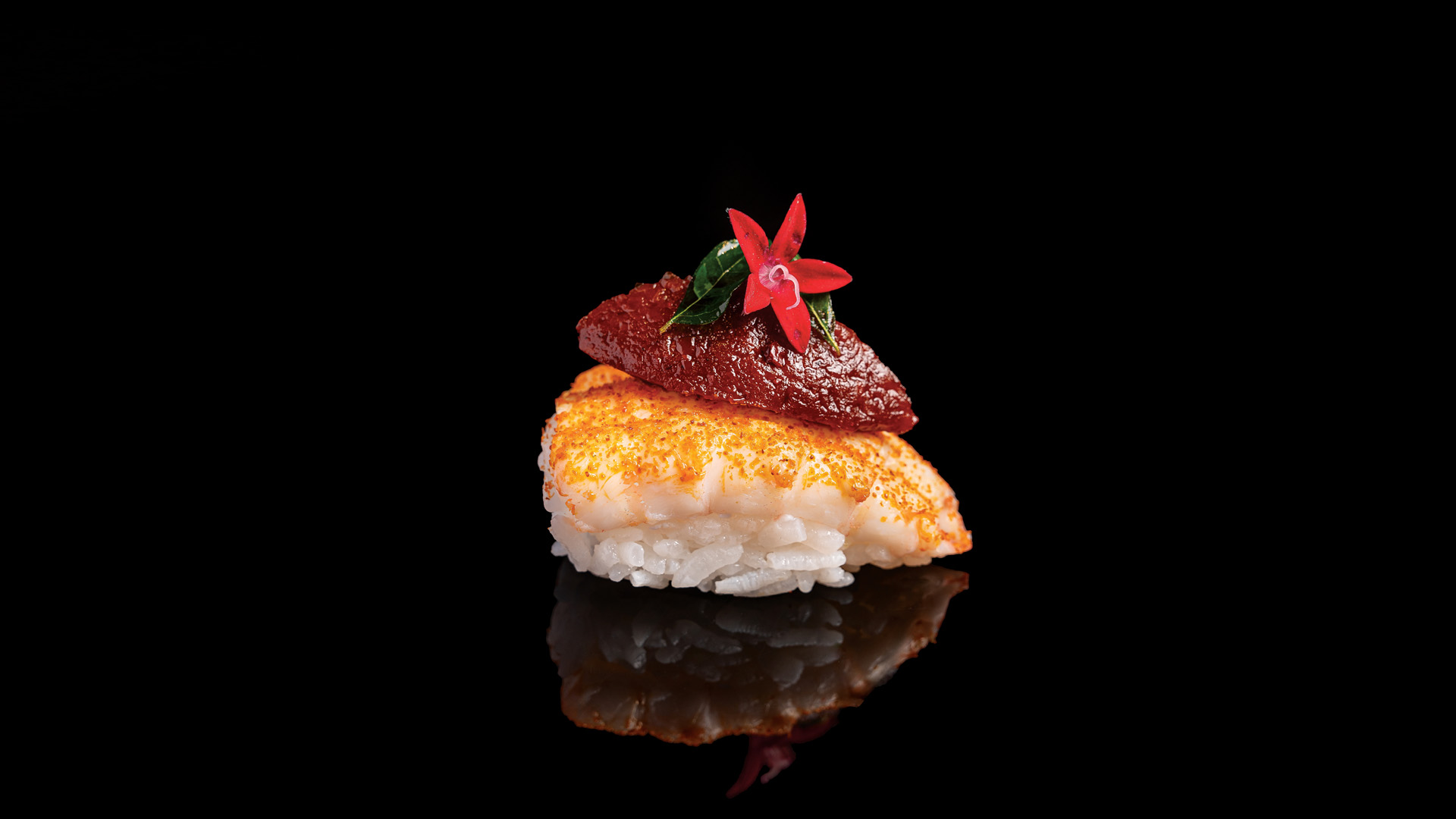
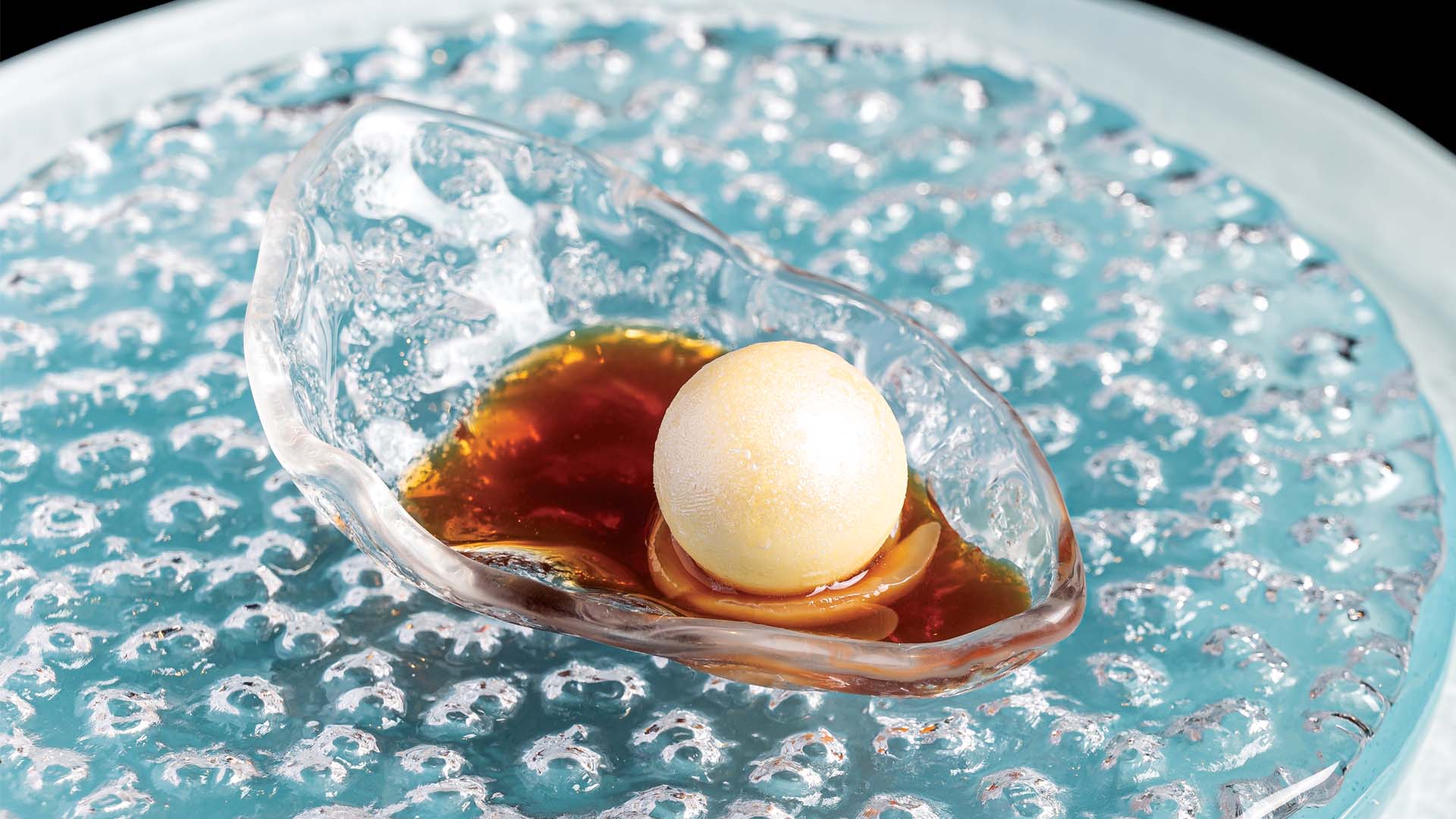
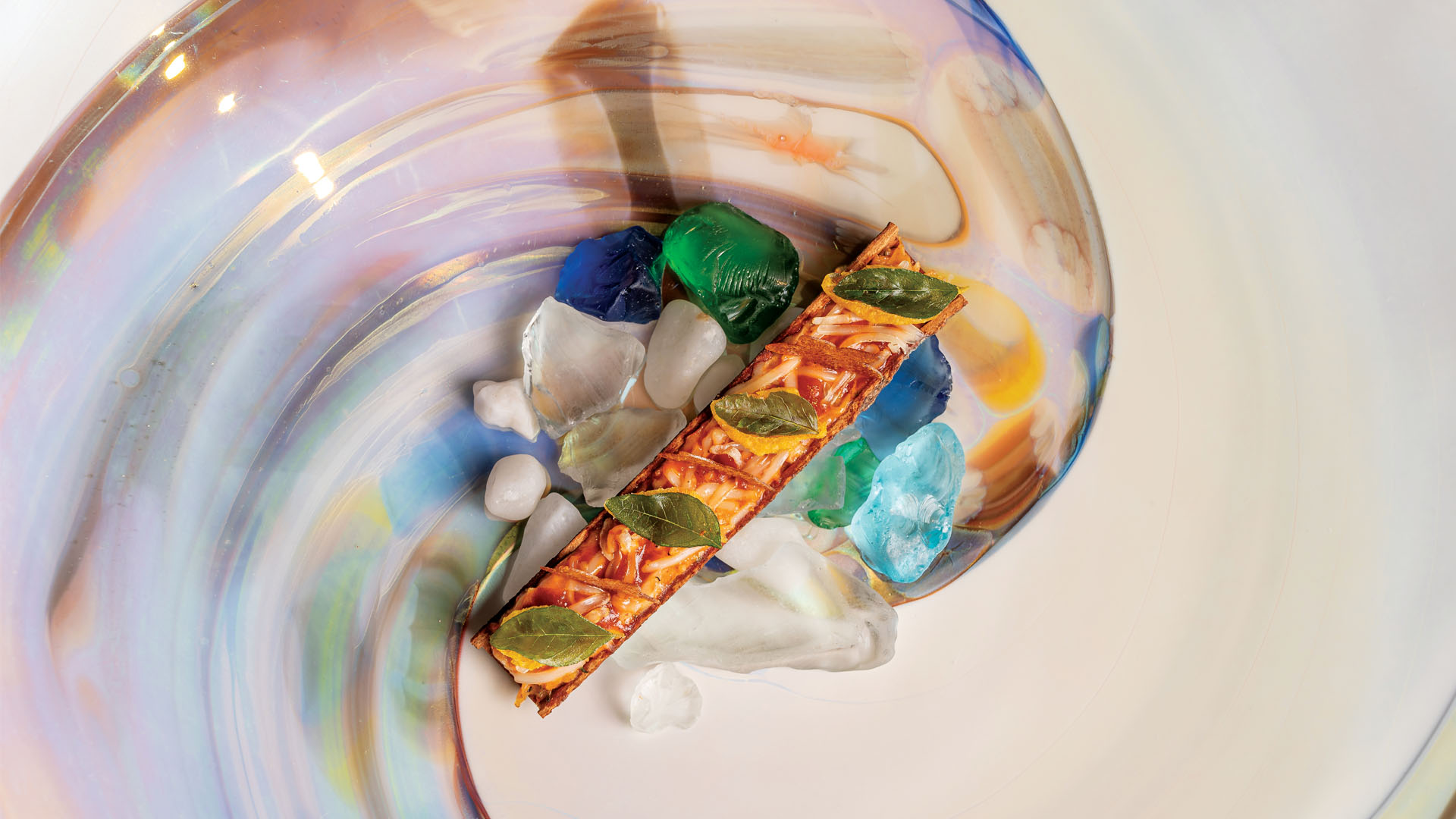
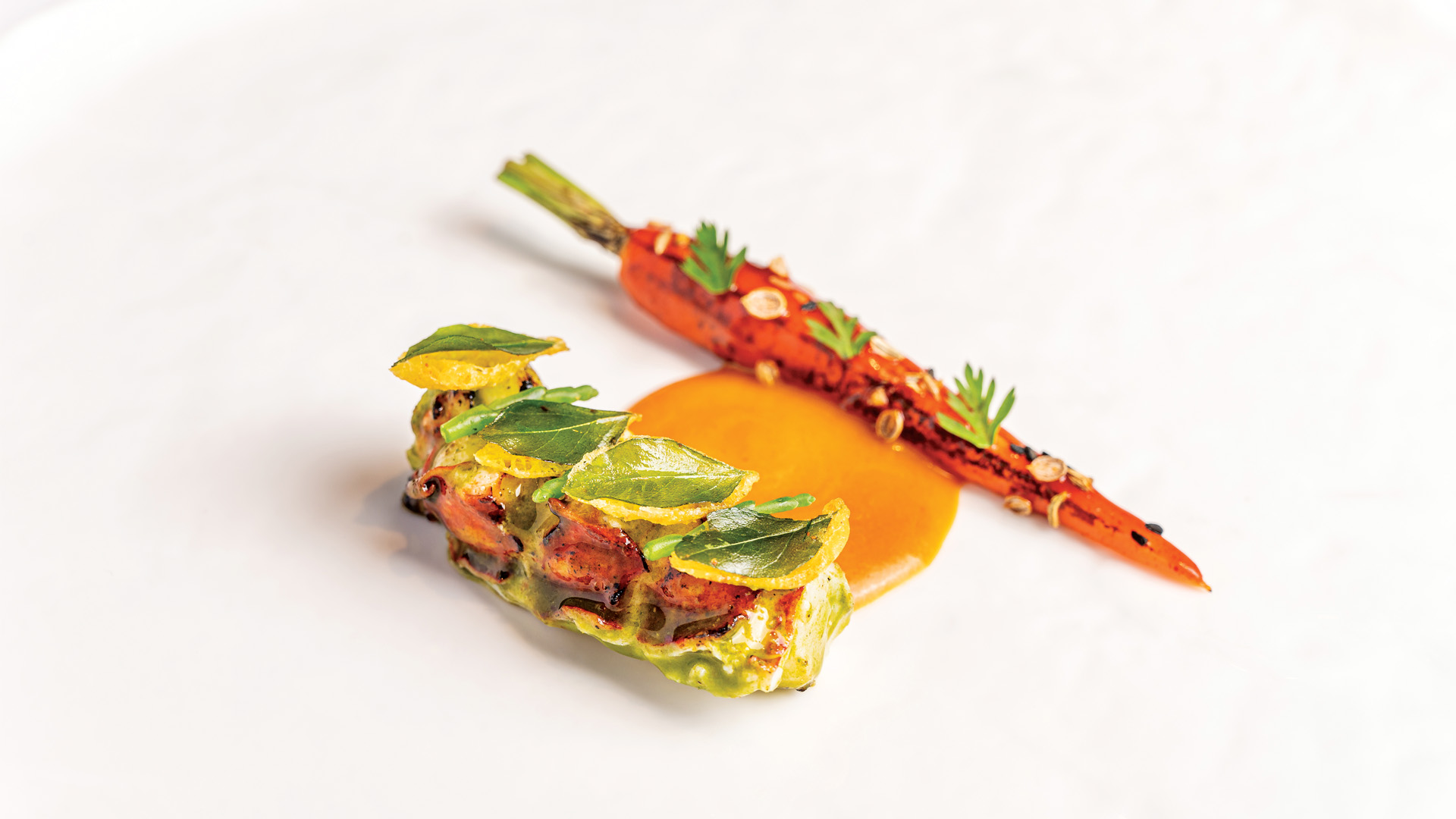
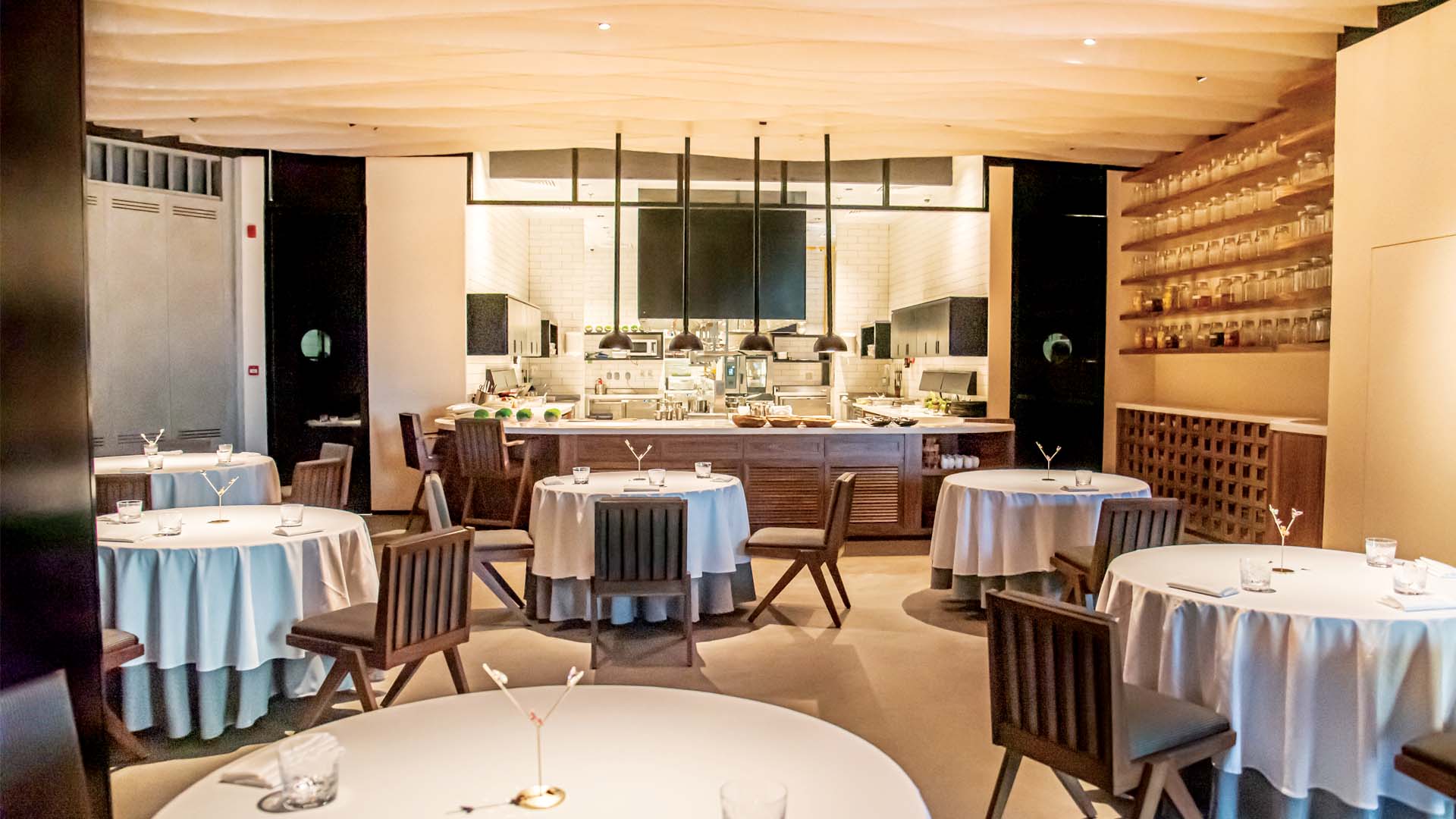
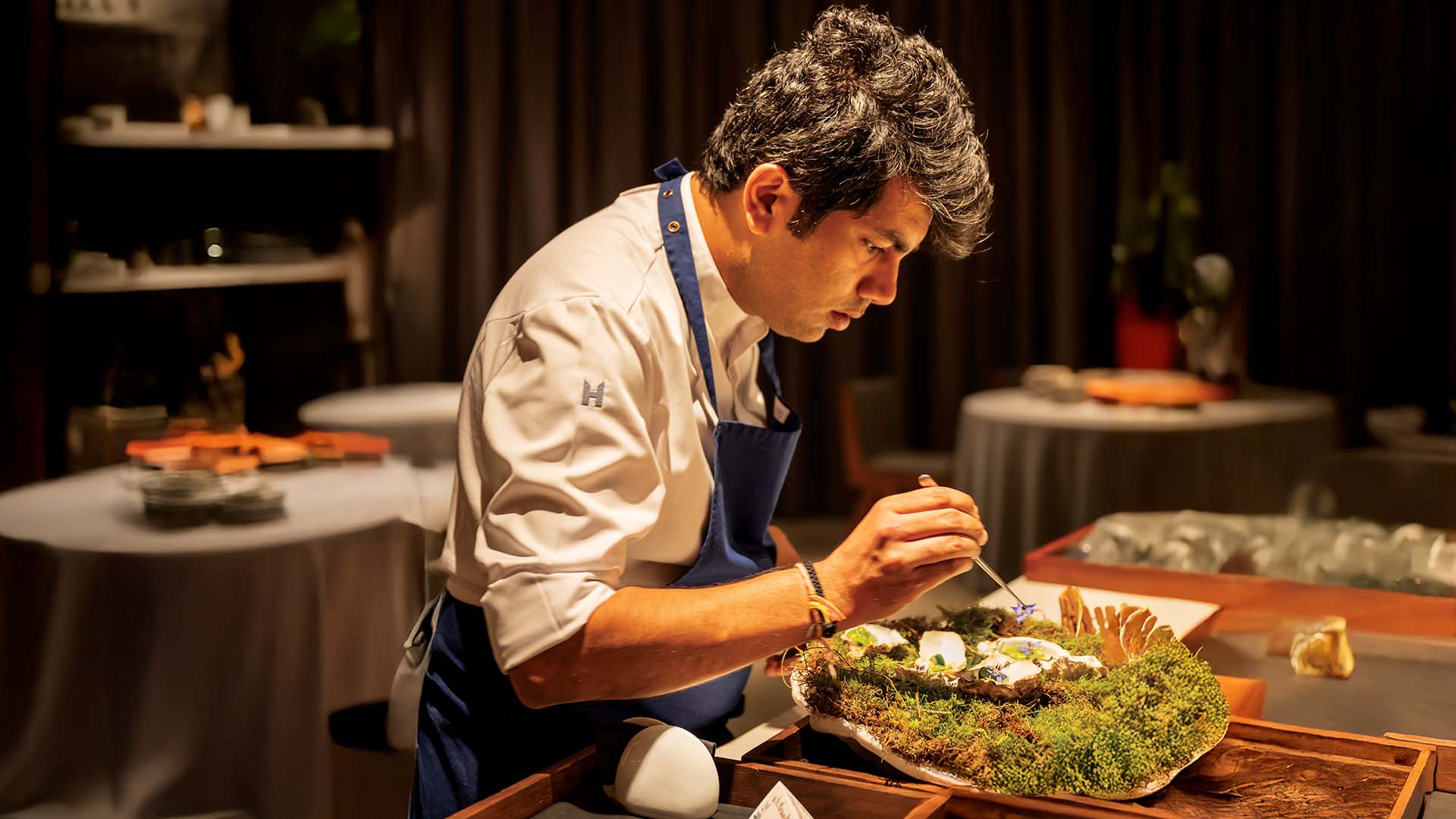
The allure of the creative process in the kitchen—the harmony of flavours, the precision, and the technique of transforming simple ingredients into something profound—captivated Chef Saini.
Indian cuisine is going through an evolution... With this recognition, we aim to inspire a new wave of culinary exploration—one that values authenticity as much as it does innovation.
Chef Himanshu Saini

Team Player
Saini, now corporate chef for the group, has consistently played down his role, always crediting it to his team. About the breakthrough, he says, "It’s difficult to put the feeling into words. For Trèsind Studio to earn three Michelin stars is not just a professional milestone for me and the team; it is a collective victory. This incredible accolade is a celebration of Indian cuisine and a tribute to every person who has believed in our vision. This victory is not just about the recognition, but about the countless hours of hard work, the shared moments of joy and struggle, and the unwavering belief in our mission. For my team and me, it is a moment of immense pride, but also a reminder of the responsibility we carry—to continue telling India's story."
Telling India’s cuisine story is, of course, woven into the fabric of the Bhupender Nath-owned Trèsind, whose very name literary means ‘very Indian’. "No words can express my heartfelt thanks to those who've made this possible," Nath said. "This moment is a small reflection of the love, support, and hard work we have shared." The group also runs the acclaimed Avatara and Carnival restaurants, already beginning to establish legacies of their own.
Winning the award "is a historic moment," admits the rather unassuming Saini. "Indian cuisine has always deserved a place at the global fine-dining table. This recognition is not just for Trèsind Studio—it’s for every Indian chef, every regional recipe passed down through generations. This accolade demonstrates that Indian food, with all its complexity and depth, can evolve while remaining rooted in tradition. This is a victory for Indian culinary heritage on a global stage, a moment of immense pride and honour for everyone."
His creations over the years, such as the Mushroom Soup, which he first created during his stint at Masala Library, continue to be popular. The Kebab Scarpetta is a nod to his childhood memories of Chicken Changezi in the lanes of old Delhi. Guest at the restaurant can’t seem to have enough of Naan Soup-fflé served with Tomato Tikka Masala or the Shiso Khakra with Yogurt Crémeux. Then there is the Papadom Botanic Bar within the restaurant, which is "a liquid tribute to the vibrant and diverse world of Indian cuisine", and includes Shrikhand, Coconut Moilee, Mizo Bai and Whiskey Soda!
"For me, creating a dish is like writing a story; it begins with a memory, a feeling, or sometimes even a single ingredient," he says. "I don’t think of food just in terms of taste. It has to evoke something deeper—nostalgia, curiosity, even surprise. I’m constantly inspired by moments from my childhood, street food, traditional Indian rituals, or even conversations with my team. Once the seed of an idea is sown, it undergoes a series of transformations with attention paid to flavour, texture, temperature, plating, and even the vessel in which it is served. We question every aspect. My team and I engage in a rigorous process of testing, failing, adjusting, and refining our approach. Sometimes, this process can take weeks, while at other times, it may take months. It’s a meticulous process. Getting a dish perfect is never really about perfection. It’s about reaching a place where the dish tells the story you want it to. Where every element has intention, that’s when I know it’s ready. On this topic, I’m fascinated by storytelling in all its forms, and this love for narrative often finds its way into my
culinary creations."
Trèsind Studio is not just his journey—it’s a journey shared with an incredible team, mentors, and guests who believed in them, says Saini, eager to spread the joy. "We are a restaurant built on emotion, culture, and relentless curiosity. We’ve always said that we’re not just serving food—we are offering an experience, a conversation. And we are just getting started."
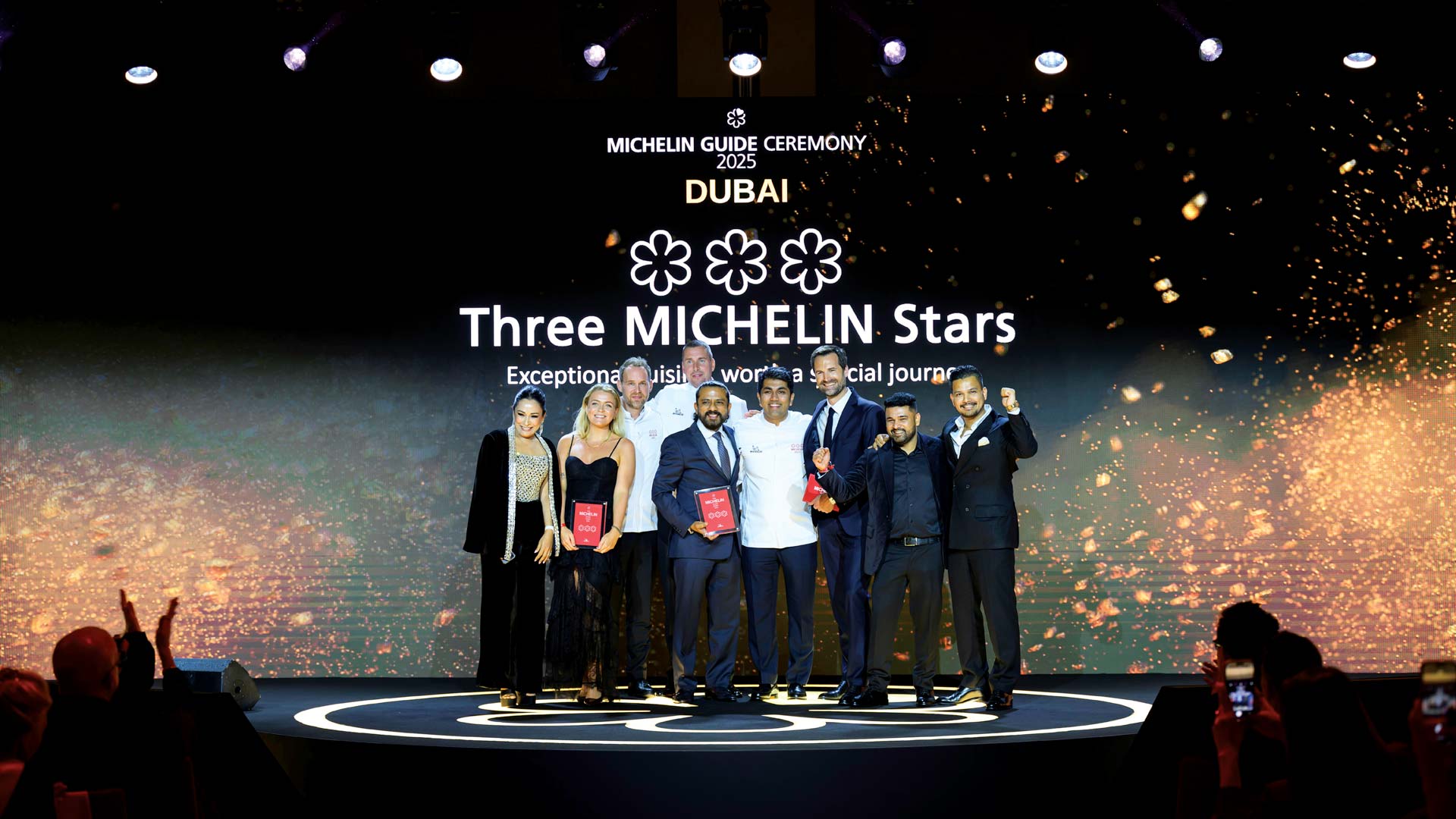
For Trèsind Studio to earn three Michelin stars is not just a professional milestone; it is a collective victory.
Haute Indian
Saini has, over the years, been able to successfully change perceptions of diners toward Indian food through his innovative dishes, elevating global standing of the cuisine. As he says, "over the years at Trèsind Studio, we have delved deep into the geography, culture, and emotions of India. Highlights will always include awards and recognition, but moments where guests connected with our dishes on a deeply personal level have created memories that last a lifetime."
COVID, incidentally, has had an impact on the restaurant. Saini reflects of the challenging time during the global shutdown of the COVID era, when many restaurants closed their doors. "At Trèsind Studio, we used the time to reflect and evolve. While much of the world remained in lockdown, Dubai was among the first to reopen, offering a unique opportunity to welcome international chefs to collaborate on an ambitious Indian fine dining concept. These collaborations not only brought in fresh perspectives but also enriched our understanding of global culinary trends, which we have incorporated into our progressive Indian cuisine."
Saini, who has put numerous seemingly humble classic Indian favourites such as khichdi and vada on his menu (with his twists, of course!) asserts that this is just the beginning for Indian cuisine, which, he says, is going through an evolution. "Indian chefs across the world are showcasing our food with nuance and respect. With this recognition, we aim to inspire a new wave of culinary exploration—one that values authenticity as much as it does innovation. The global journey of Indian cuisine is becoming more layered, more personal, and more fearless.
"The evolution of Indian cuisine, for me, is not about gimmicks or fusion—it’s about understanding," he continues. "It’s about taking our traditions, dissecting them, and rebuilding them with new techniques and perspectives. The soul of this cuisine is deeply rooted, yet constantly evolving. This evolution is not about changing the essence of our cuisine, but about finding new ways to express it, making it relevant to the modern palate, and keeping it alive and vibrant."
He cautions, however, that care must be taken that while innovations happen, chefs should never lose sight of the essence of what a dish represents. "Modern techniques should be a tool, not a distraction. It’s easy to chase trends, but much more difficult to maintain integrity."