
















Aragma Serves Stories, Not Just Courses
In an era of mindful eating and conscious cooking, Aragma—a quiet, ingredient-led restaurant in Pune—is shaping India’s slow dining movement with elegance and emotion.

By Rachna Virdi
The slow dining movement has been reshaping the Indian restaurant landscape for a while now. It has found a new address in Pune that invites diners to slow down and reminds them to sit, savour, and reconnect. Rooted in seasonality and cultural resonance, the food at Aragma is more than nourishment; it’s a story, a pause, a return to the roots.
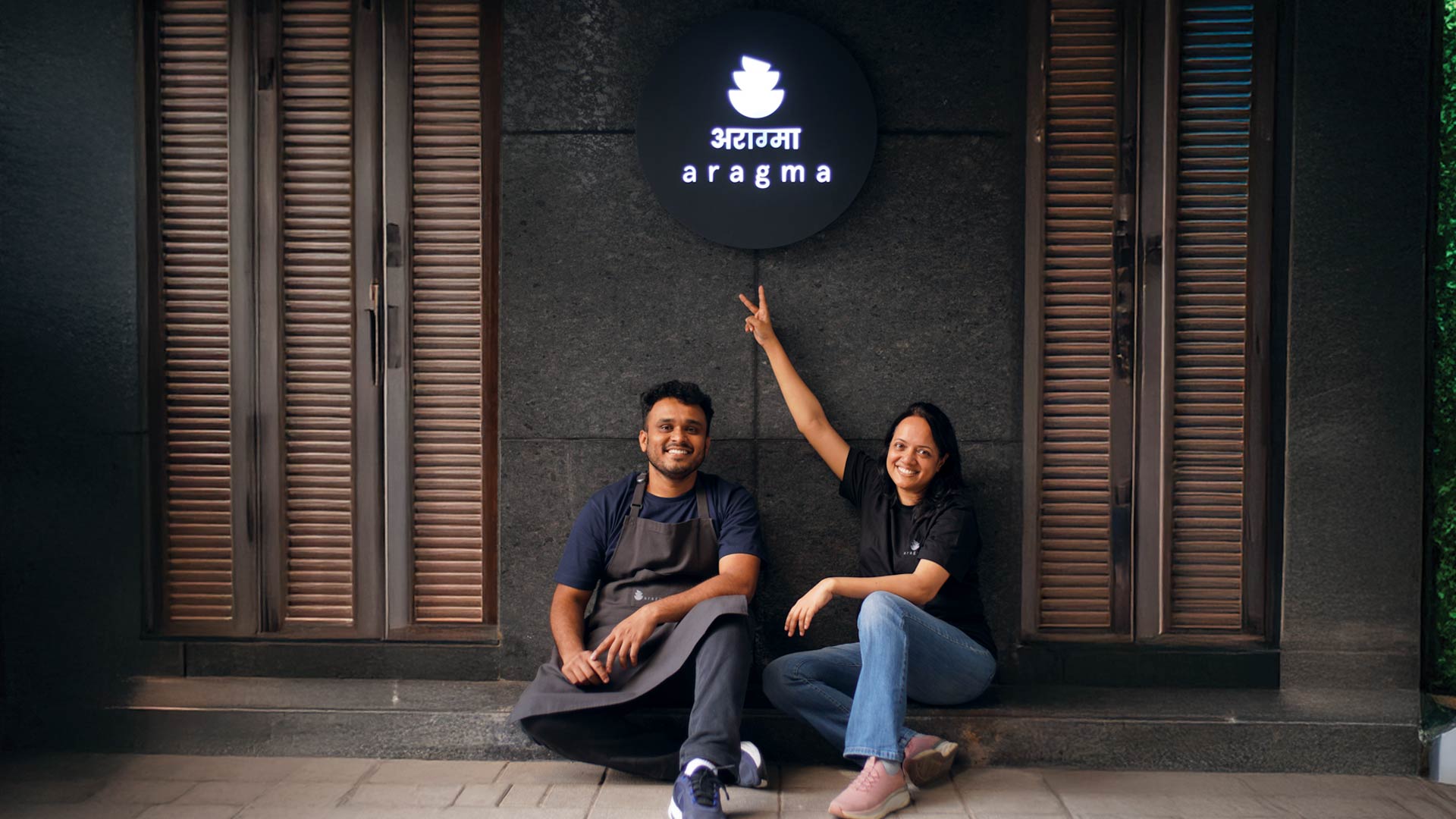
Founded by Poornima Somayaji, a former computer engineer turned restaurateur, Aragma embraces slow dining: a deliberate, soulful approach to food that invites reflection and connection. Derived from the Greek word for ‘enjoying life’s simple pleasures,’ Aragma is a space where Indian ingredients shine—reimagined, refined, and rooted in tradition.
Last weekend, we decided to drive down from Mumbai to Pune to experience an experiential meal at Aragma. Hidden in a quiet lane off one of the busy streets of Sangamvadi, Aragma is a place you’re meant to stumble upon. The ambience mirrors the philosophy—serene, earthy, and evocative. Rice stalks are placed as centrepieces; banana sap chandeliers glow above; and muted tones set the stage for quiet indulgence. Designed for intimacy, the restaurant has just seven tables, ensuring an immersive experience. “No walk-ins, no rush,” says Somayaji. “Every meal is planned, cooked thoughtfully, and served with intention. It’s about coming together, slowing down, and rediscovering food as an emotional connector.”
Somayaji’s journey to Aragma commenced during a difficult personal phase of her life. Cooking proved to be therapeutic, eventually transforming into a mission: to rekindle India’s culinary memory through nostalgia, curiosity, and comfort. She teamed up with chef Amit Ghorpade, who brings over a decade of international culinary experience to the table. The duo craft menus that spotlight seasonal, everyday Indian ingredients, presented in a more contemporary avatar. Each tasting menu, refreshed every three months, follows a central narrative that unfolds like chapters in a well-loved book. Together, they formed a pantry that maps a culinary journey through regions, histories, and reinvention.
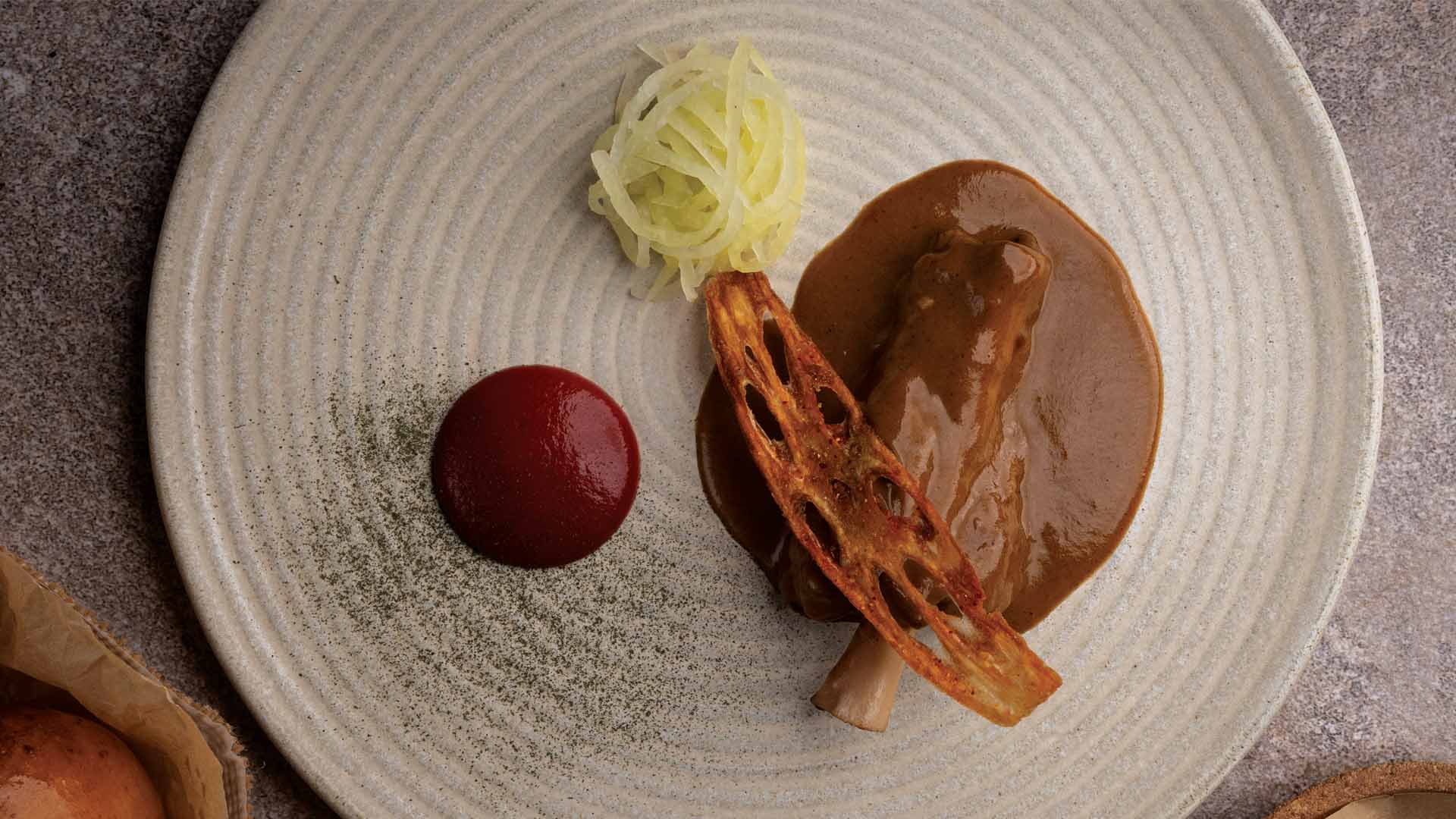

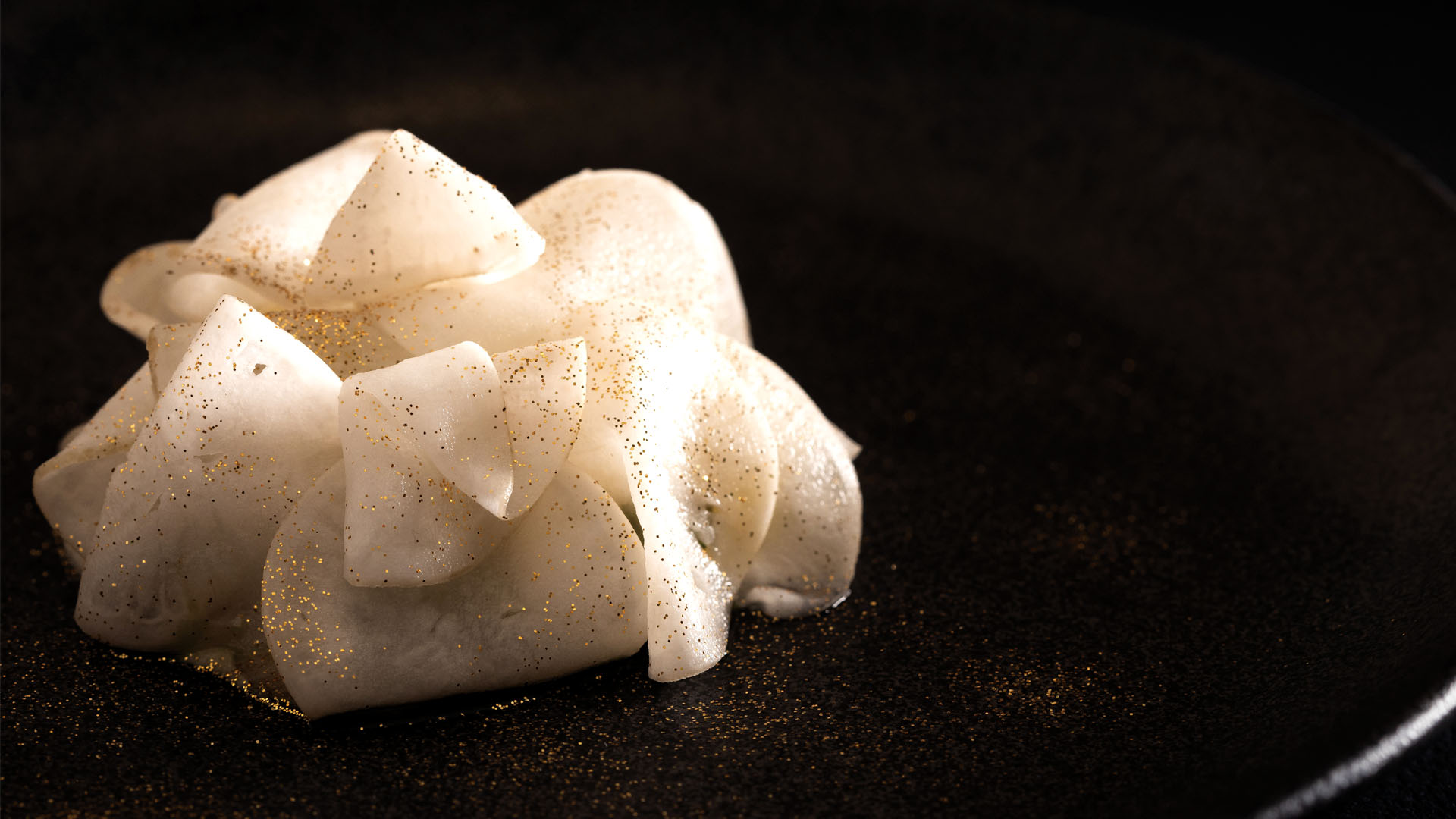
India on a plate
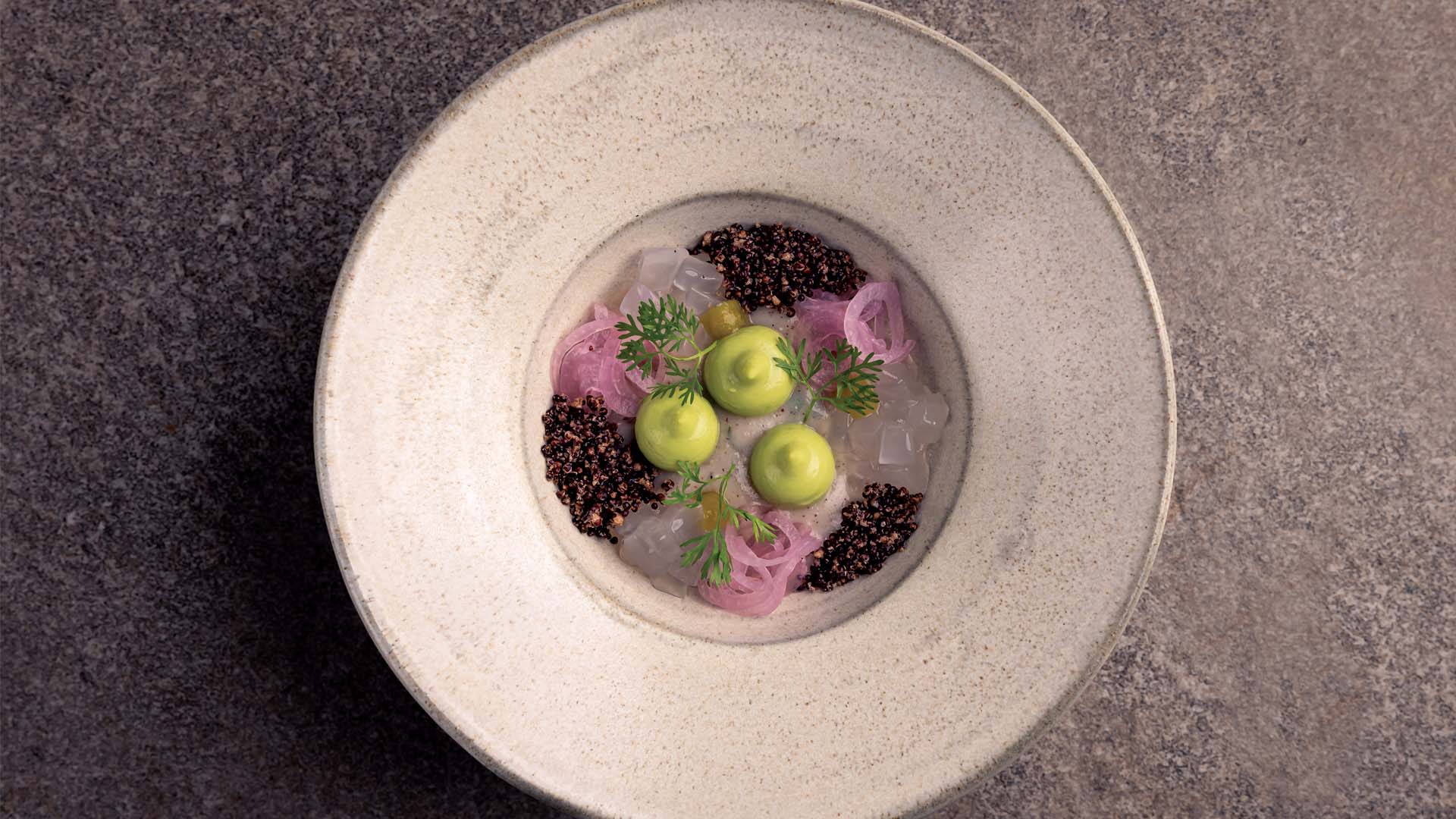
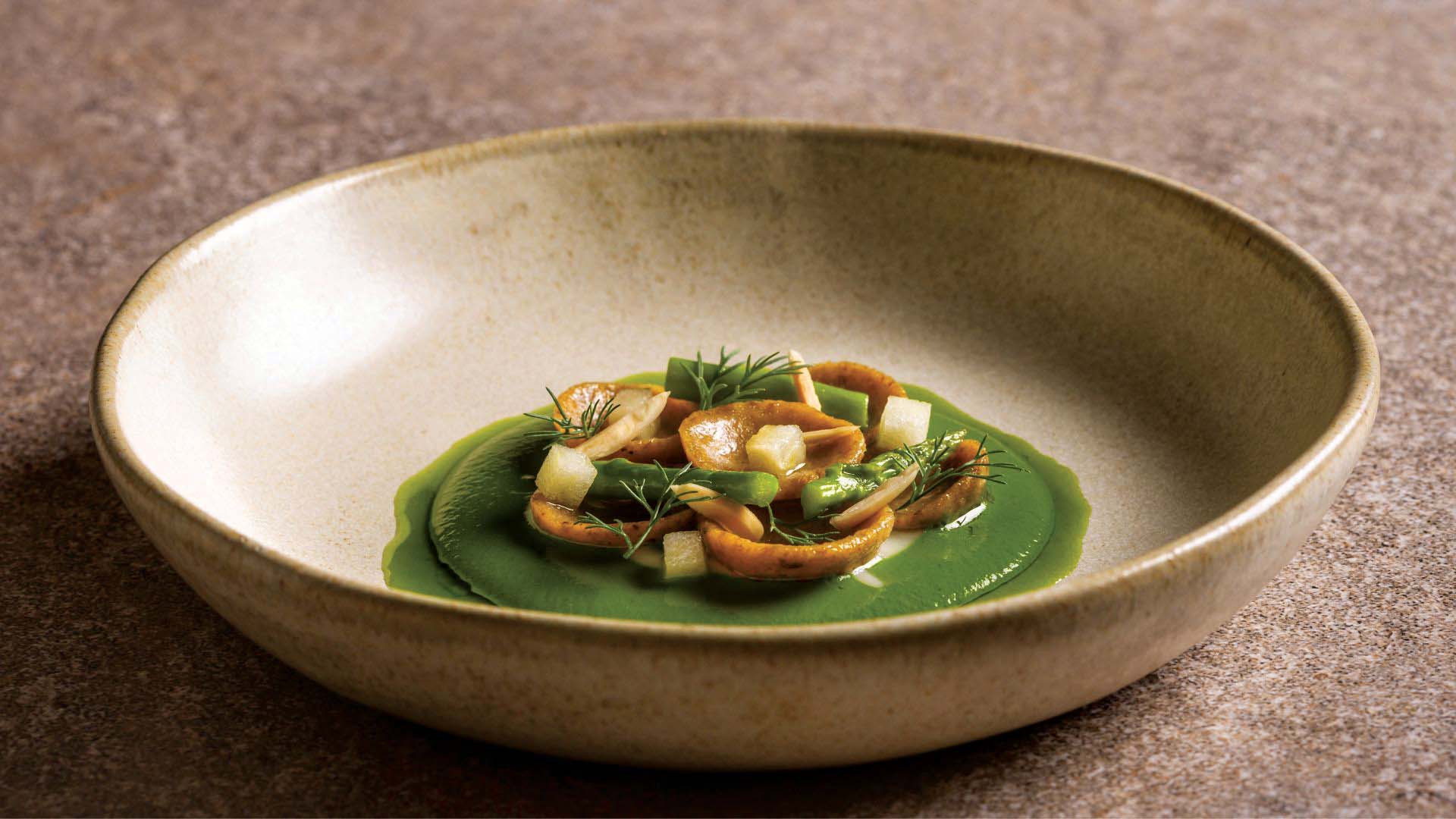
At Aragma, we saw that the soul is Indian while the techniques are global. The tradition is to highlight one millet in every menu. A jowar-urad bread with spiced plum curry might nod to Arabic influences. Pineapple and mosambi create a Portuguese-Indian tango in a dish. Every course honours Indian heritage with sophistication and sensitivity. “The goal is to make India shine,” says chef Ghorpade. “We give indigenous ingredients such as ambadi, wood apple and karvand, which are vanishing, a new life. It’s like painting with Indian flavours on a global canvas.”
Every dish at Aragma is a tribute to provenance. Darima’s Zarai Cheese from Uttarakhand, tropical Makrut Lime harvested by local farmers and native to various parts of Asia, including India; British parsley paired with amla; and Matki beans layered with shitake mushrooms—each ingredient is chosen with care and consciousness. Even dessert tells a tale: figs meet Earl Grey and sherry vinegar, while miso and almond gum evoke distant travels and deep memories.
The four-course summer lunch menu we sampled was thoughtfully curated around four standout ingredients—tomato, mango, ginger, and buckwheat—each featured in a distinct course that celebrates seasonal freshness and regional depth. It began with a refreshing tomato appetiser, featuring sliced heirloom tomatoes sitting on a punchy salsa to balance the natural acidity and sweetness. The second course was chilled Mango Ginger—the subtly spiced beverage had a sharp zing of ginger and the sweetness of ripe mango.
The third course showcased buckwheat, one of the oldest domesticated millets in northern India, cooked into a soft, earthy tortilla stuffed with charcoal-cooked meat, garnished with walnuts and vinaigrette, and served with a pepper-forward sauce infused with a blend of warming spices. The vegetable stock-cooked rice accompaniment was topped with a nutty, umami-rich podi made of sesame, kalonji, and seaweed. Our meal ended with a cardamom-infused, milk-based dessert, layered with shredded tender coconut, fresh mango slices, Gondkatira (derived from the sap of the astragalus plant), and wild honey foraged from the Bhimashankar Hills. The delicate dessert, perfumed with jasmine flower, had a layer of colostrum milk that added depth to the finale.
“Our ingredients are travellers,” Somayaji explains. “They carry stories—of farmers, lands, and traditions. We stay connected to the source, ensuring quality while supporting small growers.” Aragma works with farmers such as Girija Venkatraman, Amol Undre and Priyanka Chordia from Hadapsar, Purander and Chinchwad.
Slow, mindful dining
Mindful dining isn’t just a global trend—it’s about eating with intention. In a city like Pune, known for its slower rhythm, Aragma feels right at home. “Our meals spark conversations—not just about food, but about where it comes from, who grew it, and why it matters,” Somayaji says. “Food, after all, is one of India’s oldest storytelling traditions.”