
















The Heart Behind Just Veg
A key highlight of the journey at Just Veg in Atmosphere Kanifushi has been the 'Just Veg Festival,' where world-class plant-forward cuisine takes centre stage. SOH had the exclusive opportunity to understand Chef Fabrizio Marino's philosophy, and partake his plant-powered pairings at the Just Veg Festival. The festival showcased limited-edition menus, melding Mediterranean and Asian influences, offering guests a week-long adventure in flavour.

By SOH Edit Team
Chef Fabrizio Marino curated an extraordinary plant-based dining experience, each course expertly paired with a fine wine. The appetiser combined coconut foam, pumpkin curry purée, fresh apples, broccoli, and tomatoes, drizzled with a vibrant raspberry, mint, and turmeric sauce, and was complemented by the elegant Guy Charbaut Rosé (France) with its red berry and floral aromas.
For the main course, guests enjoyed Gnocchi, delicate potato dumplings with lemon in beurre blanc, topped with almonds and a hint of liquorice, paired with Martín Códax Lías Albariño (Spain), a wine boasting bright citrus and white peach aromas with a creamy, minerally finish.
The Caramelised eggplant followed, bringing oriental-inspired flavours with glazed aubergine and crunchy chickpeas, elevated by the complex Glenelly Lady May Cabernet Sauvignon (South Africa), which offered notes of blackberries, cherries, and subtle spice.
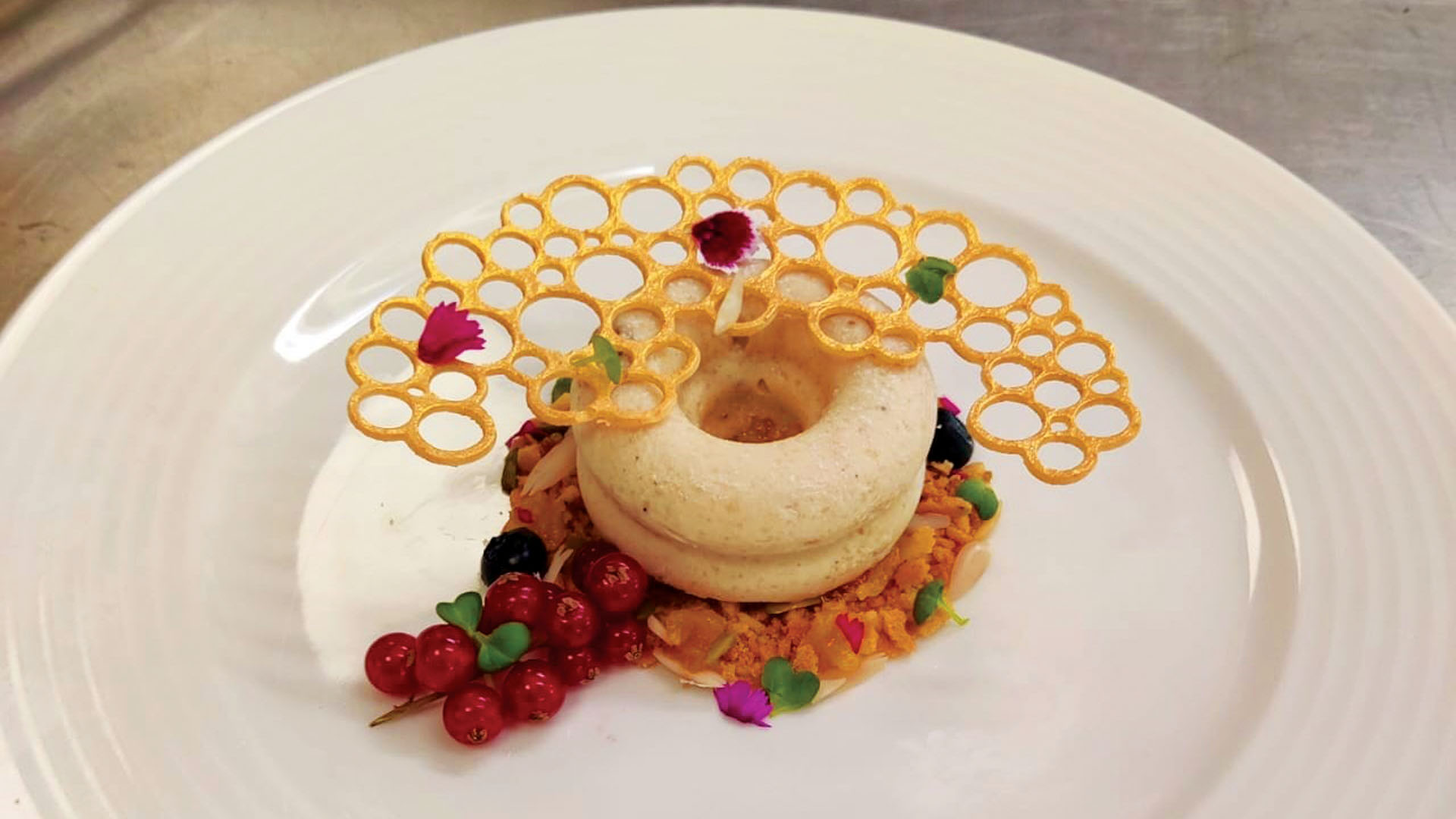
The meal concluded with the dessert—a delicate yogurt and honey ice cream with osmotic strawberries and crunchy crumble—paired with Viñátigo Malvasia Aromatica (Spain), a tropical, floral wine with refreshing acidity, creating a sweet, light finale to an exquisite meal.
We caught up with Chef Fabrizio during the festival as it unfolded to discuss his journey with Just Veg, its evolution over the past decade, and the exciting future of plant-forward dining in the Maldives. Excerpts
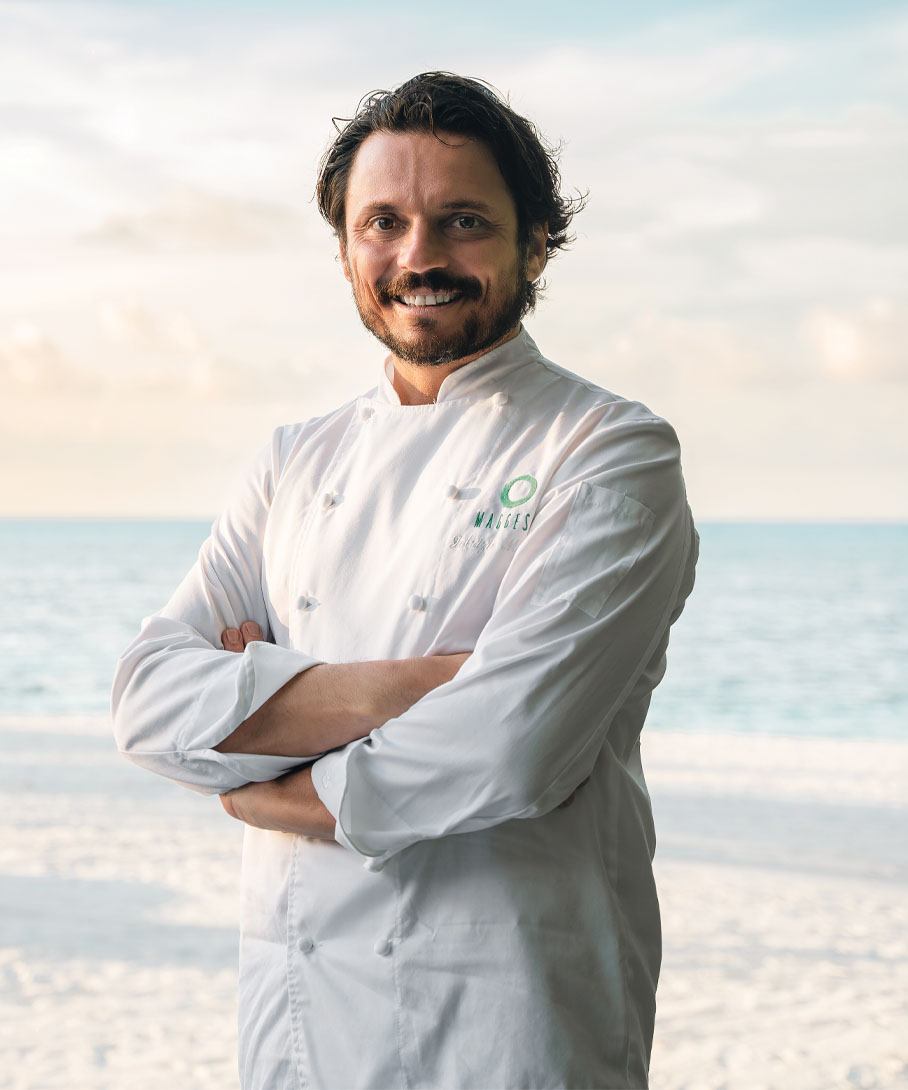
Chef Fabrizio Marino curated an extraordinary plant-based dining experience, each course expertly paired with a fine wine.
Can you share how your relationship with the restaurant and the resort has evolved over the years?
I was working as a sous chef under my mentor Pietro Leemann at Joia, and managing the kitchen, handling emails, and overseeing a pretty big operation, when, one day, I received a really interesting email from the F&B manager at Atmosphere Kanifushi. They had opened an all-inclusive five-star resort in the Maldives, and they had a vegetarian restaurant called Just Veg. He asked if I’d be interested in coming for a couple of weeks to set up the menu. Interested? Of course, I was! (Laughs)
That’s where it all started. The experience was beautiful, but I was alone, and I didn’t know anyone—the staff, the management. It was my first time in the Maldives, and my English wasn't great back then (it’s still not perfect). But cooking has its own language. Even if you don’t understand every word, you understand what needs to be done. People can see what you're doing, and there’s an unspoken connection that happens naturally. So, despite the challenges, I led with heart. The general manager, the F&B manager who had reached out, and the entire team—from the waiters to the chefs and housekeeping—were so welcoming and we became friends almost instantly.
The feedback from the guests was incredible. I remember thinking this was something special. After that, I started coming back regularly—once or twice every year.
After a couple of years, I left Chef Leemann’s restaurant and began freelancing and travelling. I told the Kanifushi management that I was no longer working at a Michelin-starred restaurant, and they could find someone else to take Just Veg forward. But they said, 'No, we want you.' By that time, our relationship had grown beyond titles or labels. And here I am, 10 years later!
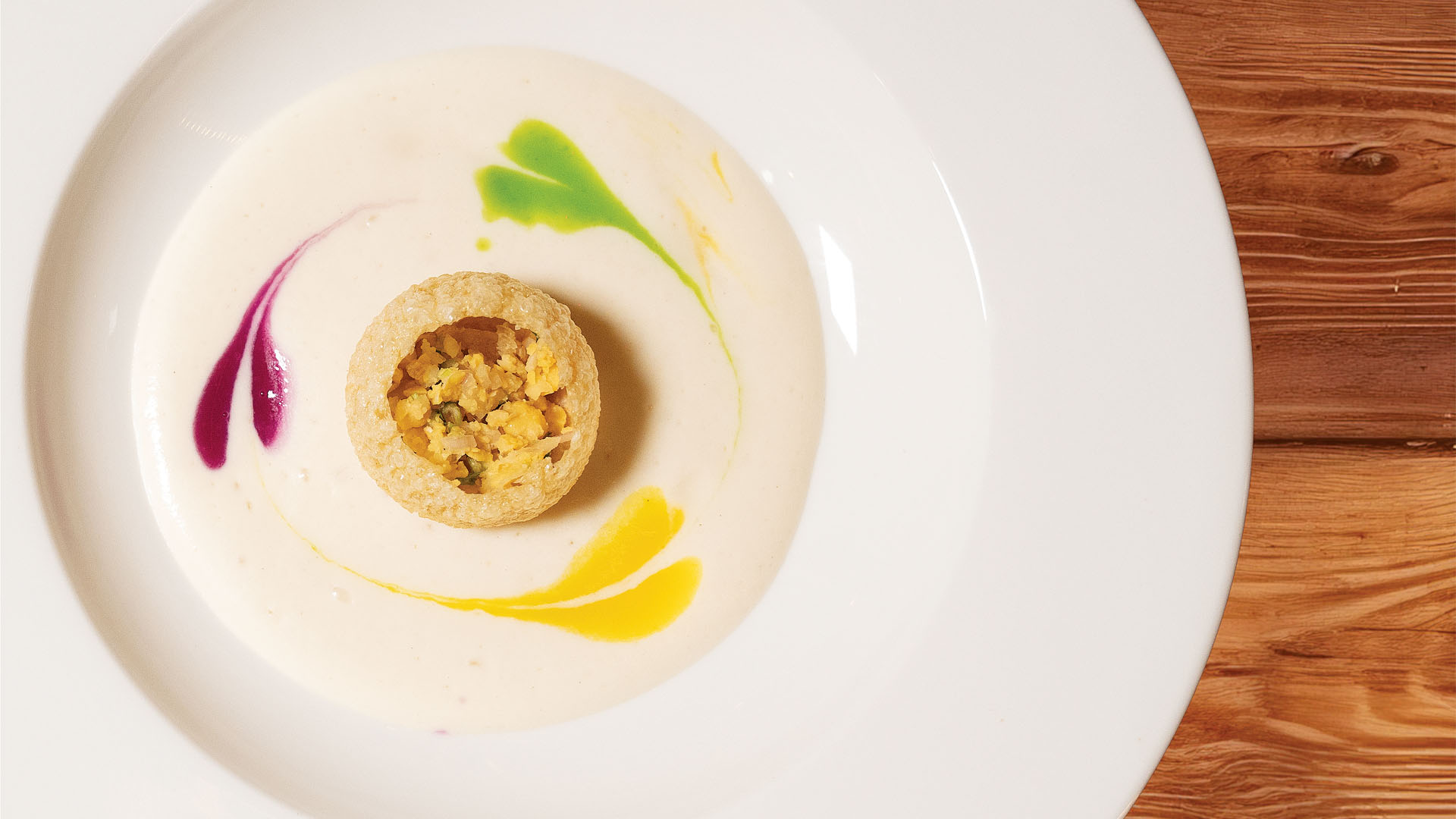
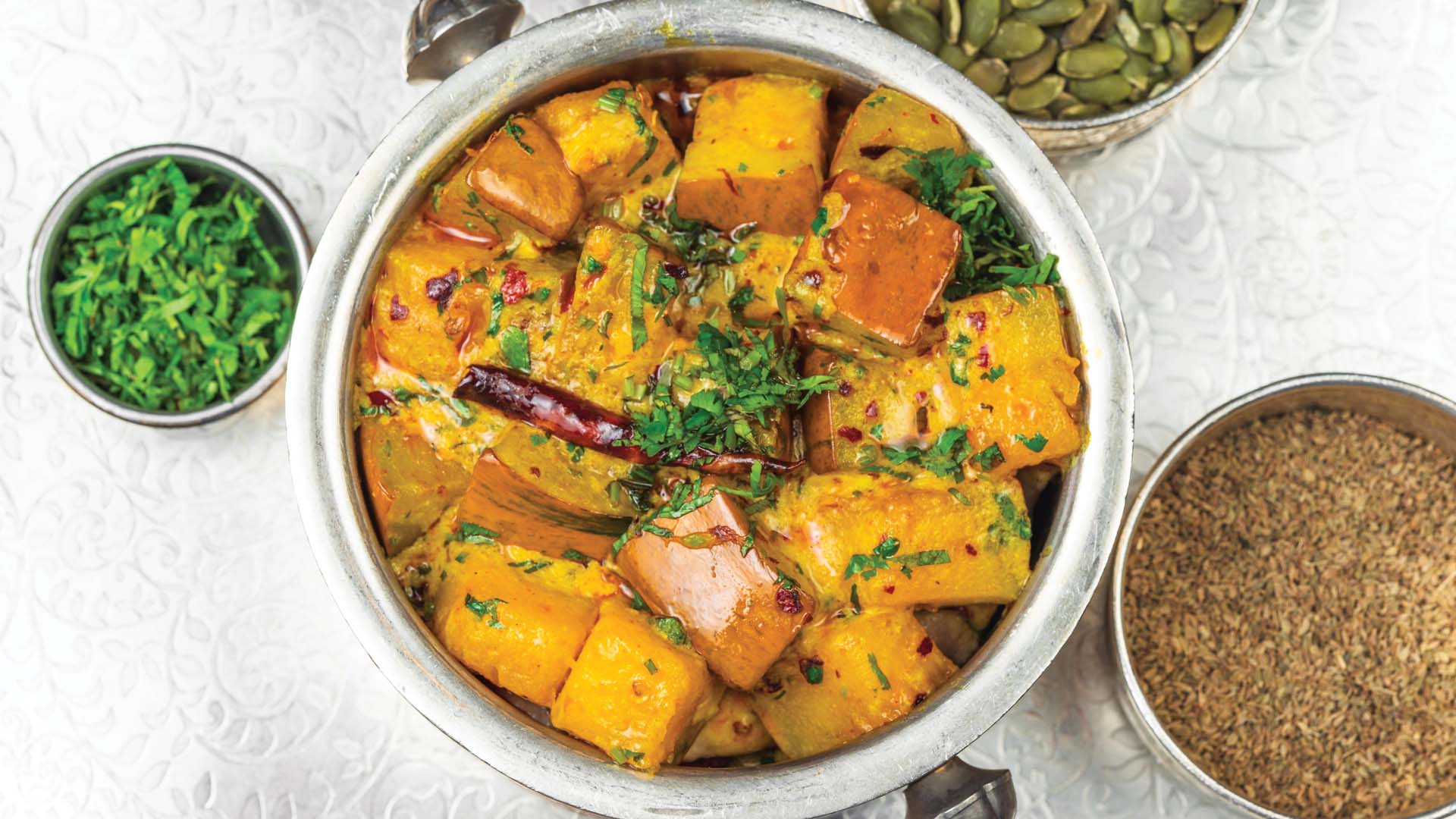
A deep-fried wheat shell (puri, of the Indian paani puri fame) is teamed with coconut foam, pumpkin curry purée, fresh apples, broccoli, and tomatoes, drizzled with a vibrant raspberry, mint, and turmeric sauce.
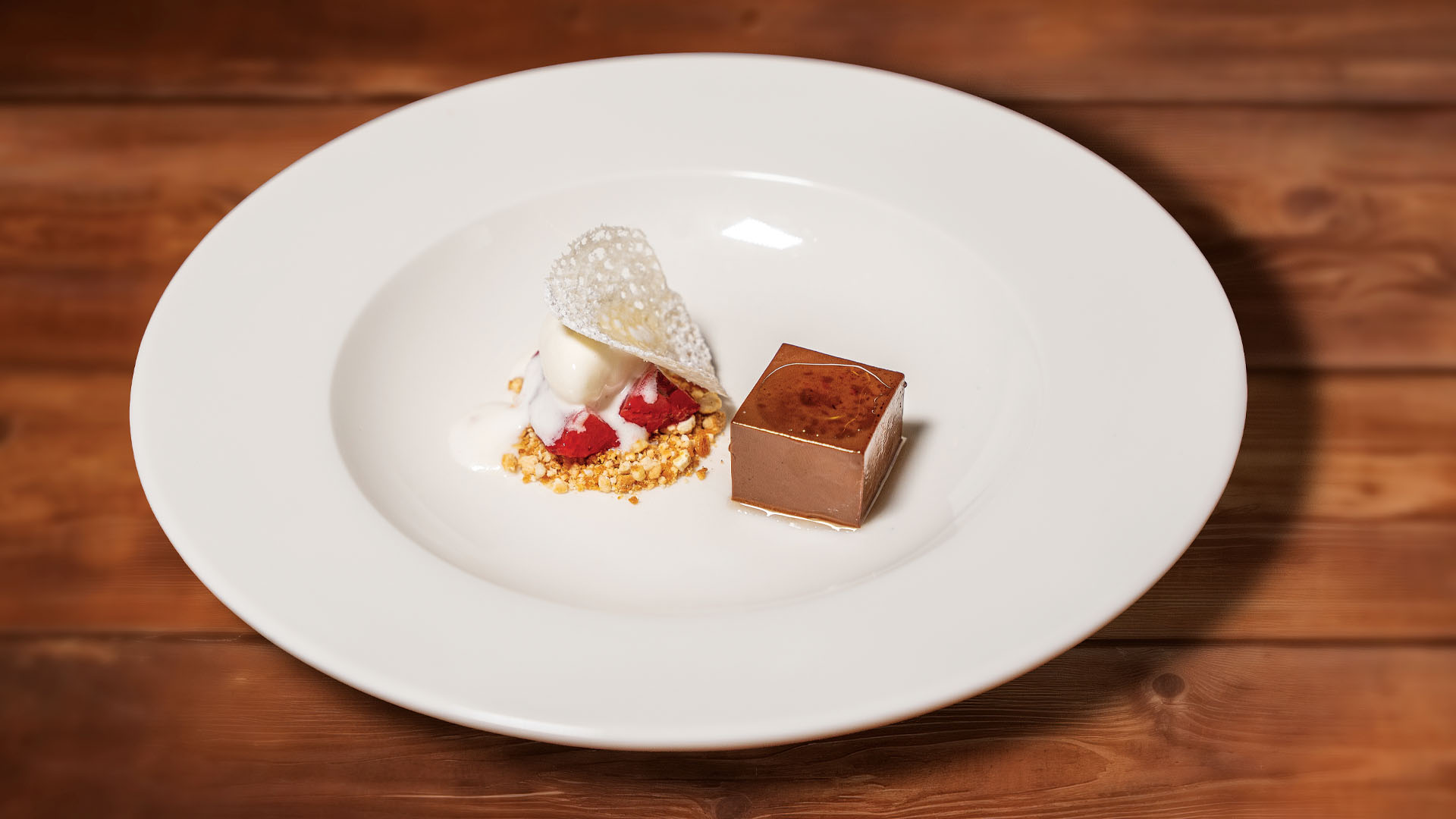
A yogurt and honey ice cream paired with osmotic strawberries and crunchy crumble.
How have your travels and exposure to different cultures, particularly those with rich vegetarian traditions like India and Japan, influenced your approach to creating vegetarian dishes?
I've been fortunate to travel and meet people from Japan, Korea, and other parts of Asia—not for work, but purely for food. My destinations are always chosen with food in mind. Countries like India, Japan, China, and Southeast Asia have deep traditions of vegetarian cuisine, and it's important to learn from cultures that truly understand and perfect vegetarian food.
In Europe, particularly in Italy, we do have a vegetarian tradition, but it’s often linked to times of poverty or scarcity. Vegetables are what we eat when we can’t afford meat—otherwise, it's all about chicken, beef, etc.
My cooking style is rooted in western vegetarian cuisine, but with clear influences from the east or with some Asian influences, particularly in the spices and flavours. It’s not fusion per se, but there’s a hint of that.
In Italy, we have beautiful Tuscan ingredients, and they can be used with Asian techniques to enrich the experience of vegetarian food. I don't mean we cook like Indians or Japanese, but we incorporate certain techniques to create a more complete, peaceful, joyful, and flavourful experience. When guests dine at my restaurant, Maggese in Tuscany, they often say they don't notice a difference between traditional cuisine and what I serve—because the techniques, ingredients, and philosophies I use make the dishes just as rich and satisfying.
It takes a certain level of awareness and understanding to propose this kind of cuisine, and that's why I find myself interested in everything, not just food.
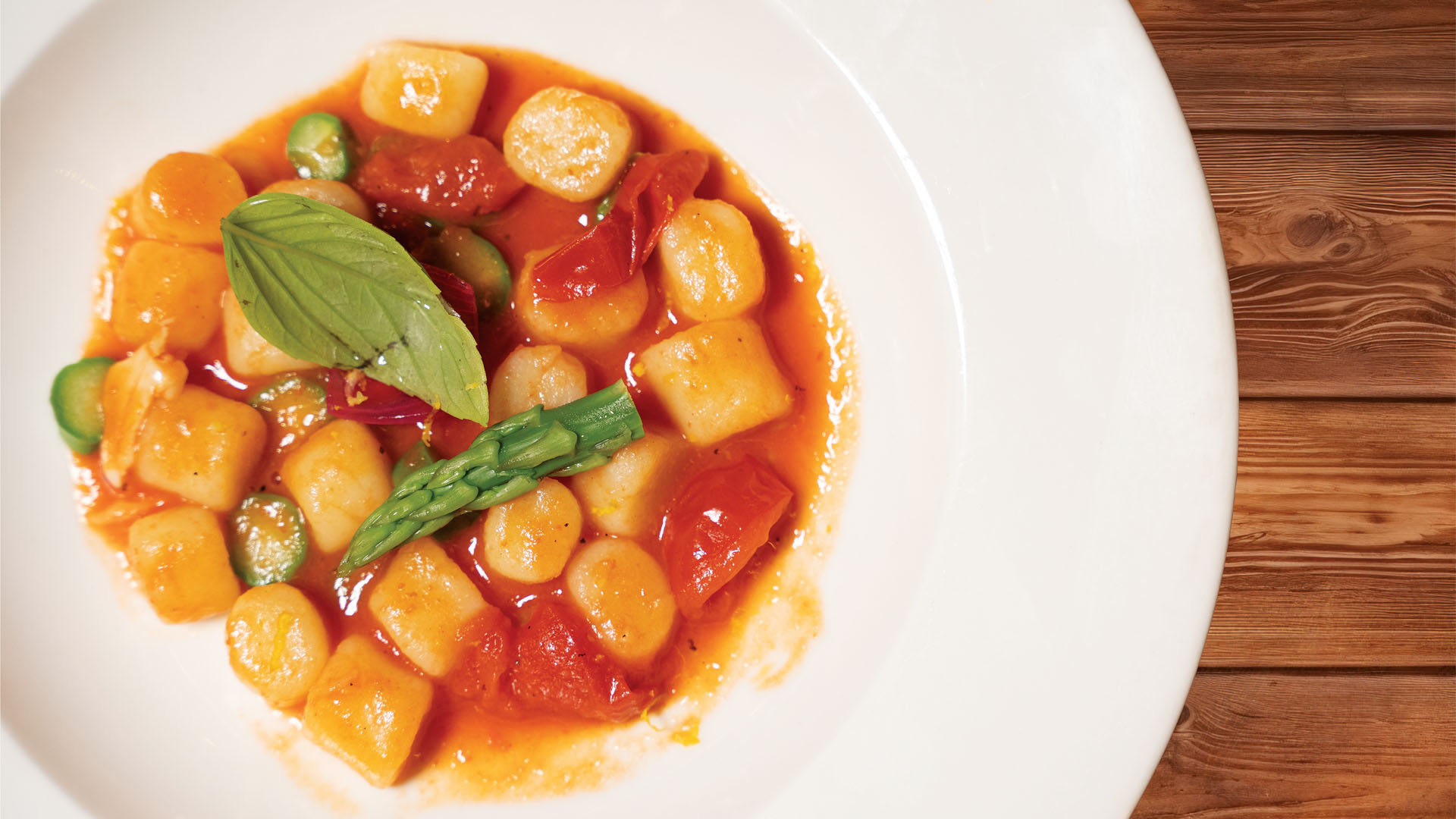
Gnocchi, with lemon in beurre blanc, almonds and a hint of liquorice.
When you tweak the menu at Just Veg, what does the process look like from the initial idea to execution, and how do you ensure it’s suited for the unique setting of Just Veg?
Usually, when I'm in Italy working on my restaurant’s menu, I start to think about what could work for Just Veg. It’s all about adaptation. Cuisine operates on different levels—first there’s intuition, then execution. The techniques stay the same, but the setting and equipment differ.
Over the years, we’ve fine-tuned the process beautifully, as we blend two minds and two experiences. For example, they don’t have a combi-oven here like I do in Italy—they have a tandoor. They don’t use a frying machine, they have a wok. So, I adapt the menu to suit what’s available at Just Veg.
Before I come to the resort, I send a detailed email with everything—from the dishes, techniques, ingredients, to the supply list. It’s a thorough process, usually taking about two months of planning. By the time I arrive, they know exactly what I want, and I know what’s possible with the resources available here.
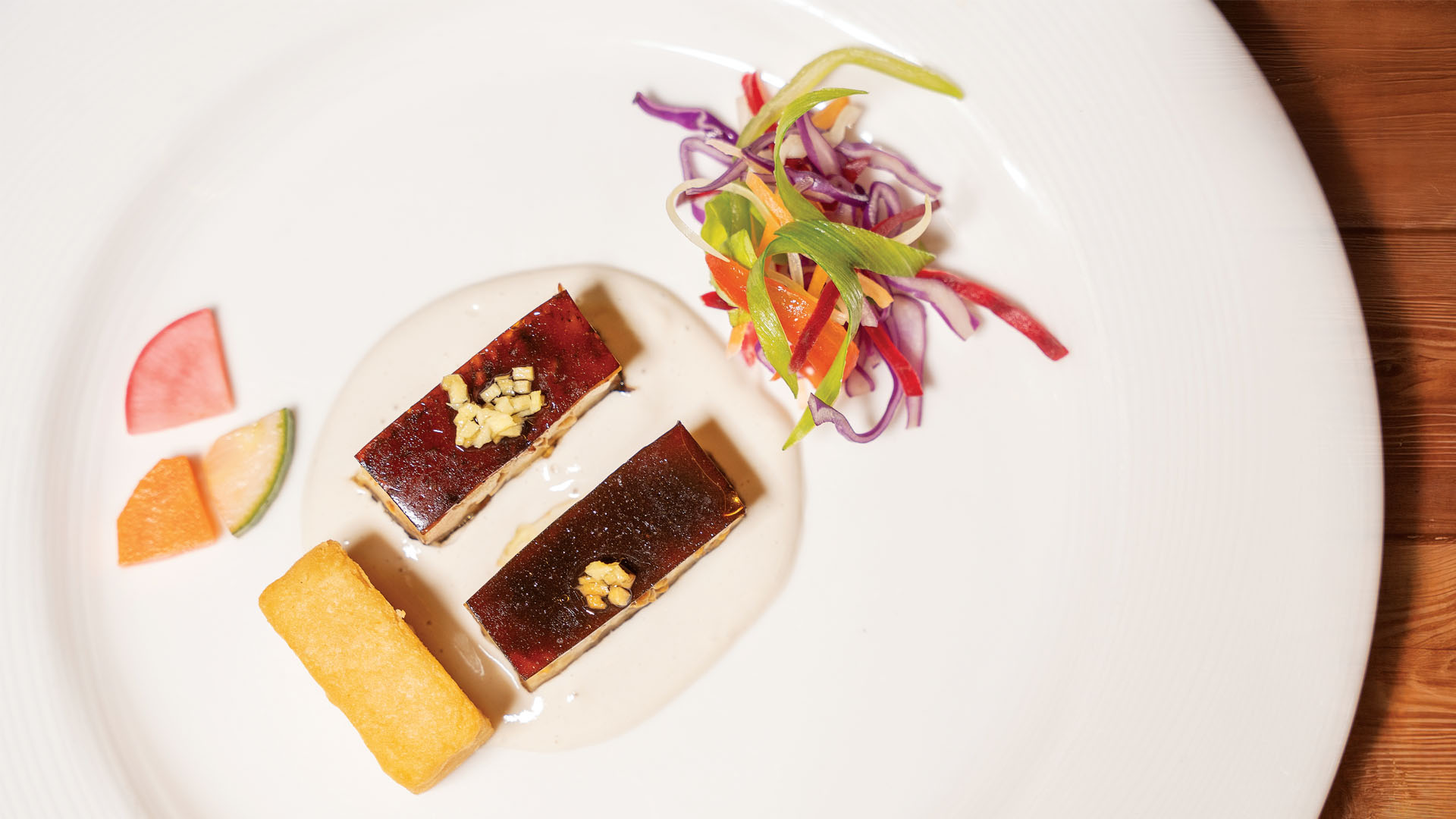
The Caramelised Eggplant has glazed aubergine and crunchy chickpeas in leading roles.
In your experience, are you seeing a greater acceptance of plant-forward or vegetarian cuisine? How has that shift been for you?
Yes, people are awakening—it's a natural process. There's a difference between what's natural and what's normal. Natural is what life wants, spontaneous and instinctive. Normal is shaped by our perspectives—it's considered normal to eat beef, for example, but there's a distinction. If you can sense this difference, you can begin to understand where the future is heading.
When I first decided to open a vegetarian restaurant, I was deeply influenced by my mentor in Milan, Chef Pietro Leemann, though at that time, I wasn't yet a vegetarian myself. Later, I realised that if I was going to dedicate myself to something as important as running a restaurant, I wanted it to align with my values. So, the decision to open a vegetarian restaurant was not just about food—it was about creating the right environment for myself and for others. It was a brave decision, not an easy one, but I wanted to build something ethical, sustainable, and meaningful.
This is the same concept I bring to Just Veg at Atmosphere Kanifushi. It's about doing something good for people and the planet, and letting things unfold naturally. Just Veg was the first fully vegetarian restaurant in the Maldives and still remains a favourite, judging by the reviews we receive.
I understand sustainability is close to your heart, especially with your background—your mother’s vegetable-heavy dishes from the garden and your mentor’s connection to natural cuisine. Given the limited indigenous produce on these islands, how do you approach sustainability when proposing new dishes for Just Veg?
I believe everything is possible; it’s just a matter of time and planning. Here, the key is choosing the right suppliers—those who are closest, with the best quality ingredients, and reducing the distance and packaging. We actually tried growing hydroponic vegetables close to the main kitchen here on the island, but the energy needed to produce just a few salads was too much. The soil here is very different from places like Europe, India, or Sri Lanka. So we source fresh fruits and vegetables from Sri Lanka, the best spices from Kerala, and when we need ingredients from further afield like Japan or Indonesia, we follow the same process we use in Europe—request, and it arrives.
We’re still exploring the idea of having a garden, though. If we change the soil in a small area, we could start growing things like eggplants, tomatoes, lettuce, and cucumbers. On some Maldivian islands, you can find local cucumbers and a few sun-resistant cabbages. But mostly, the local treasure here is coconut. It’s everywhere! We use a lot of coconut in our dishes. In fact, yesterday, I was counting how many dishes we use it in—there are loads! (Laughs)
We do try to get organic produce, but the priority is always quality and reducing waste, especially packaging. When the boats arrive with supplies, separating everything is crucial. We make sure the packaging is recyclable, and we focus on doing what we can to reduce our ecological impact.
Plant-based cuisine is the future; it is the only alternative to the current process of societal health degradation.
Chef Marcin Popielarz
white rabbit, Gdynia

Do you have a favourite Indian dish?
I’m not sure of all the names, but I’ve met so many Indian chefs—north, south, east, west—and they’ve cooked so many dishes for me. I love the different breads—chappati, paratha, roti. They even taught me how to make them. Indian bread is just beautiful. And the way they balance the spices in their cooking? It’s a mystery to me! Slowly, I’m learning. They use garam masala, cumin, chili, turmeric, curry leaves, cinnamon sticks, cloves... I ask them, ‘But aren’t some of these already in garam masala?’ And they say, ‘Yes, but it’s different!’ (Laughs)
Just yesterday, I tried something that really blew my mind—small, crispy balls made of semolina. They break the top and fill it with potatoes, chickpeas, all these flavours. Oh yes, paani puri! What an experience! It’s watery, juicy, sour, spicy, fresh, crispy, tender—all these sensations in one bite. I think it’s the most impressive thing I’ve tried!
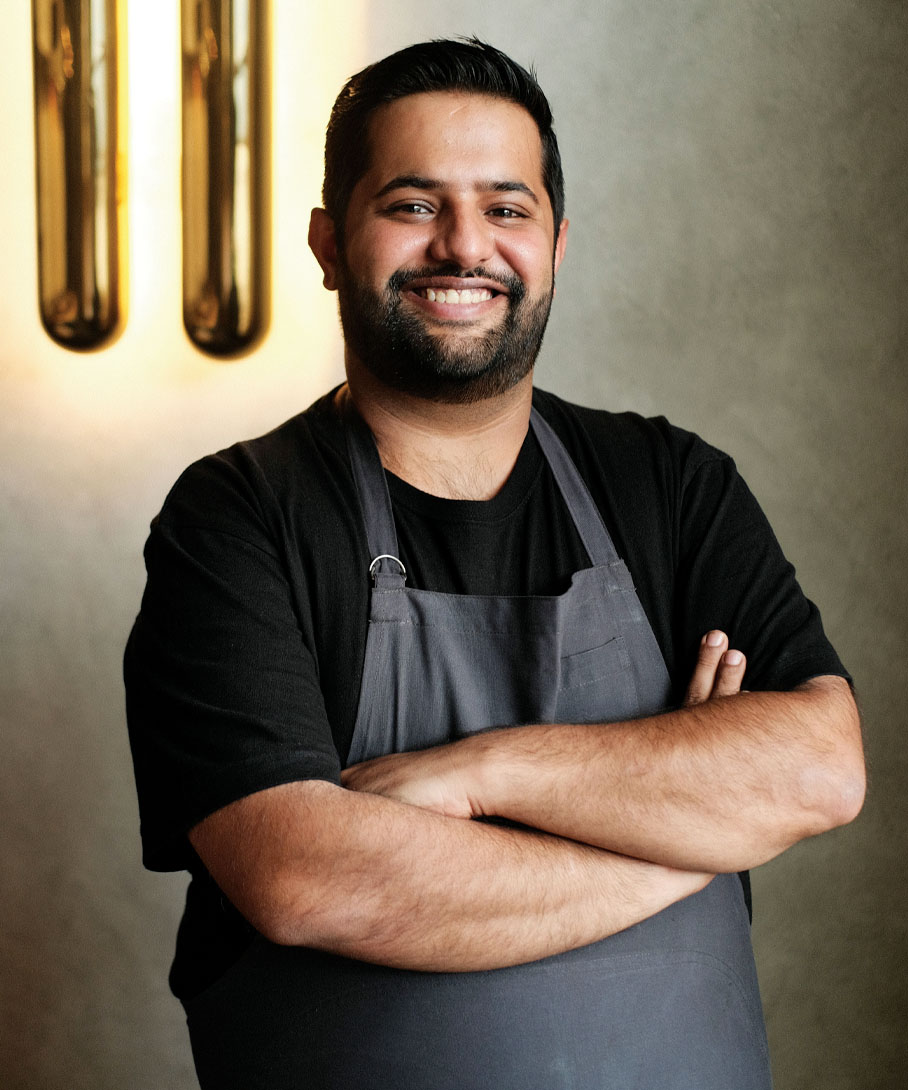
Chef Varun Totlani, Head Chef, Masque, Mumbai.
Regional and traditional ingredients are at the heart of everything we do at Masque. Our menus spotlight micro-cuisines, borrow from home rituals, tribal wisdom and royal kitchens, exploring new food journeys through our research and flavour development.
Chef Varun Totlani
Head Chef, Masque, Mumbai
The future of vegetarian-only dining
A veg-only restaurant has unique financial dynamics shaped by rising consumer interest in health, sustainability, and ethical dining. “Vegetarian restaurants can benefit from lower food costs since plant-based ingredients are often more economical than meats or seafood,” says TG Raman, F&B Director at Atmosphere Kanifushi Maldives, which opened the Maldives’ first vegetarian restaurant Just Veg. By avoiding the expense of premium meats, they maintain leaner food costs, which positively impacts gross margins. "However, the cost of exotic plant-based ingredients, like truffles or morels, can offset these savings, making ingredient sourcing a critical, balanced activity."
Bhupender Nath of F&B Passion Group, which runs Dubai’s only Michelin-starred vegetarian restaurant Avatara, notes, “A plant-forward restaurant can be just as profitable, or even more so, compared to one serving both vegetarian and non-vegetarian options, depending on the market and operational efficiency.” Veg-only restaurants can achieve strong profitability by balancing innovative, high-quality offerings with cost-effective sourcing and targeted marketing.
“While plant-forward concepts require skilled chefs to deliver innovative menus, potentially raising labour costs, they avoid the expense of specialised culinary skills for meat preparation,” explains Chef Manisha Bhasin from ITC Hotels. Marketing is another unique aspect; these restaurants often target specific clientele, creating loyal followings through campaigns appealing to health-conscious diners and sustainable eaters.
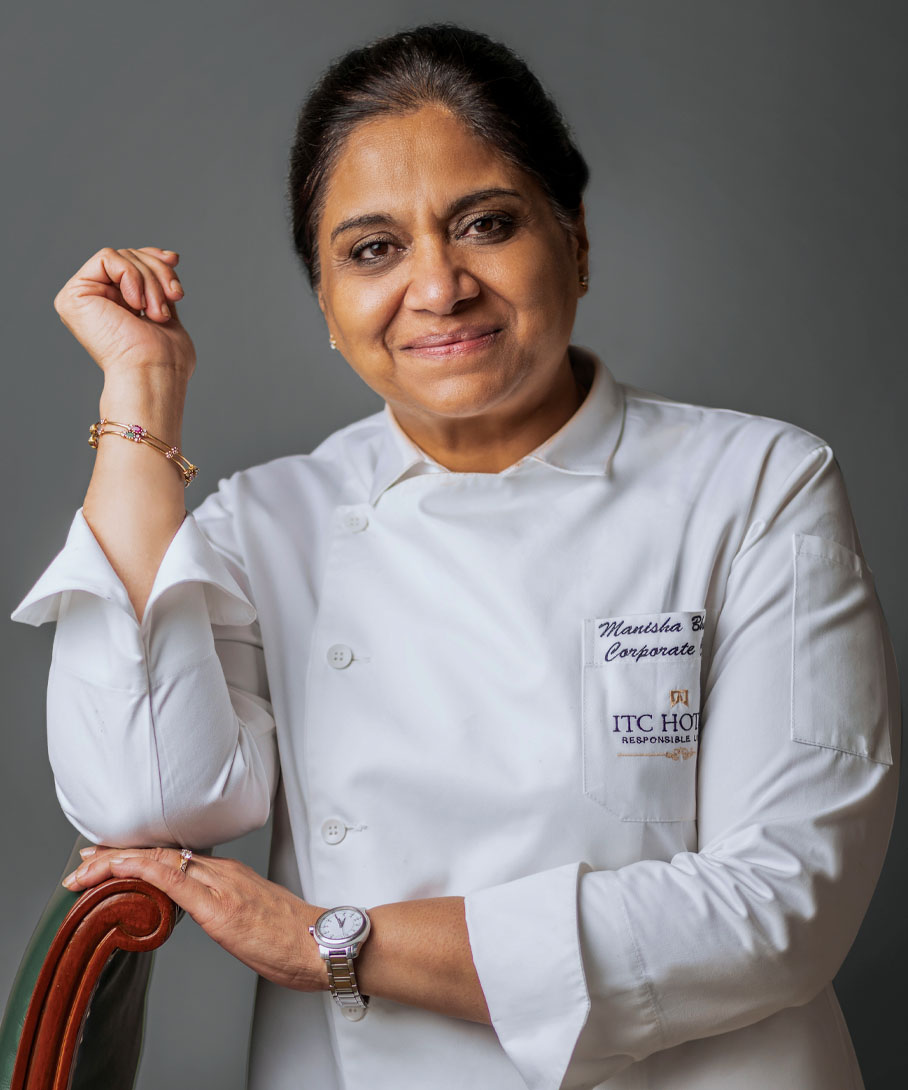
Chef Manisha Bhasin, Corporate Executive Chef, ITC Hotels.
The accessibility of plant-forward cuisine, unlike vegan diets, helps to prioritise a plant-based diet without strict rules. People who do not want to fully eliminate animal products can also switch to plant-based food.
Chef Manisha Bhasin
Corporate Executive Chef, ITC Hotels
She lists out factors that determine the location or city in which Royal Vega is expanded:
Market demand: Understanding the local demographics is crucial, especially given the prevalence of health-conscious, eco-conscious, and vegetarian consumers.
Socio-economic conditions: Premium pricing requires a customer base with disposable income. Local cost of living and operating expenses play a role.
Competitive landscape: Assessing market saturation and identifying niche opportunities through a unique selling proposition are essential.
Location and accessibility: High-visibility locations with proximity to fresh produce markets or local farms support cost-effective sourcing of high-quality ingredients.
Regulatory environment: Compliance with local regulations, from kitchen layout to waste management, is vital. Tax incentives or grants for sustainable businesses may be available.
Local culture: Community values around sustainability and a vibrant food culture can be supportive. Events like wellness festivals can enhance visibility.