













India’s Wine Market Is Growing at 15% And This Is Just the Beginning
With homegrown producers expanding and global labels looking towards India, the wine industry prepares for its next phase of growth.


By Rachna Virdi
For a long time, wine occupied a relatively small space in India’s alcoholic beverage market, often associated with fine dining, special occasions and a limited urban audience. That perception is gradually changing.
Wine is finding a wider place in India’s evolving drinking culture—from wine-pairing menus at leading restaurants to vineyard experiences, tasting events and a growing interest in international labels. The shift is being driven by a combination of factors: rising disposable incomes, greater international exposure, changing lifestyle preferences and a younger generation increasingly interested in what it drinks.
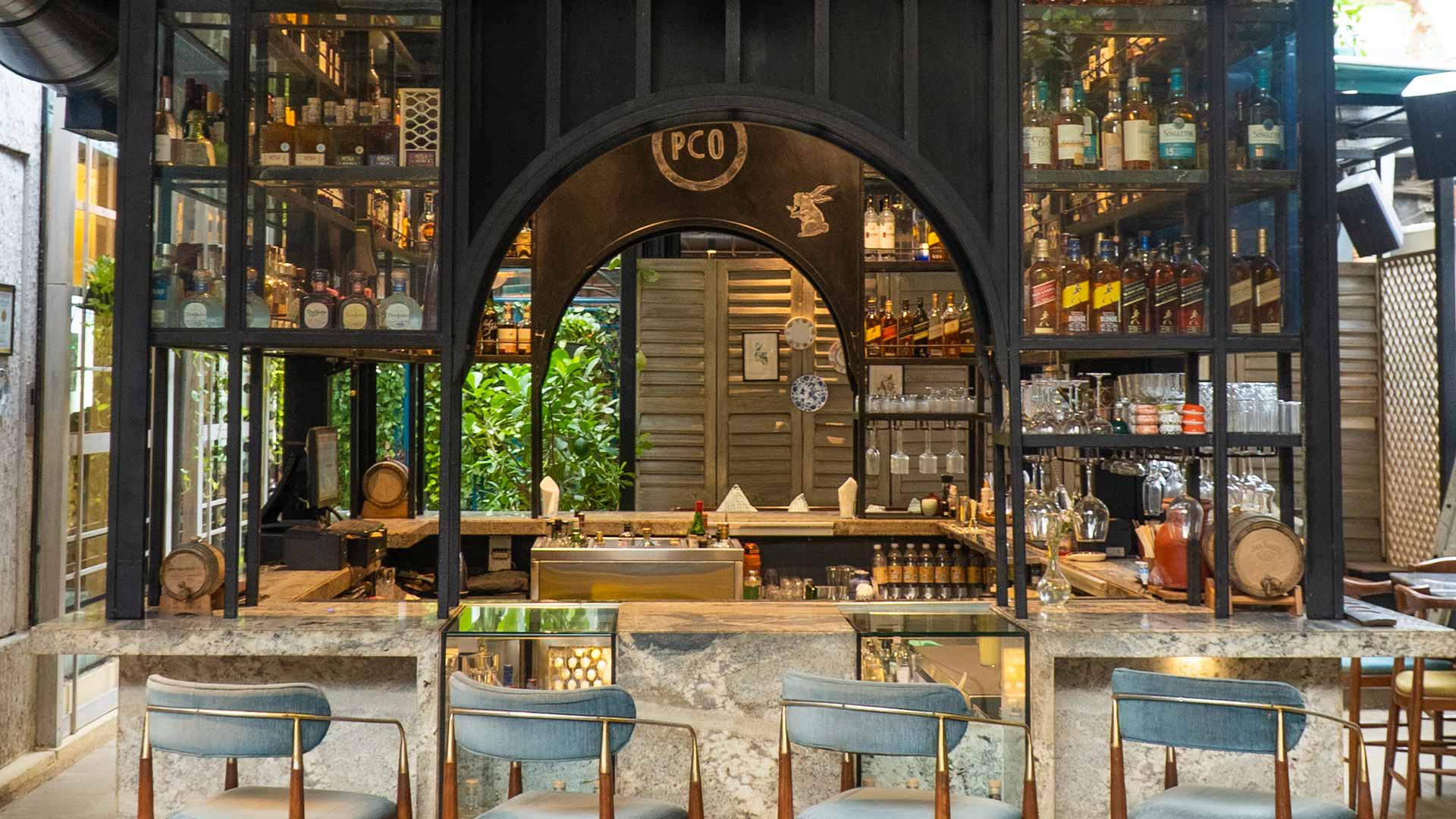
Wine is also becoming part of the larger premiumisation story, with consumers showing a willingness to explore better-quality labels and more distinctive experiences. Food and wine pairings at restaurants like Masque, Indian Accent and RaGa are receiving greater attention, as wine is increasingly finding its way into weddings, celebrations and social gatherings. The growing preference for lower-alcohol beverages and more considered drinking experiences is adding to its appeal.
Nikhil Agarwal, Founder of All Things Nice, believes that exposure is playing a significant role in changing consumer preferences. “There are wine clubs that have chartered planes from Bengaluru, Hyderabad, Delhi and Goa. They get to taste wines and spirits from regions they may never have heard of. You taste wines from Switzerland, Australia and France, get to know them better, and your worldview of wine changes. It’s like building a dictionary for wine. The more choices you experience, the more your preferences evolve.”
Popular culture is contributing to this shift as well. Agrawal points out that wine is increasingly visible in films and contemporary social settings, reflecting changing perceptions around what people choose to drink.
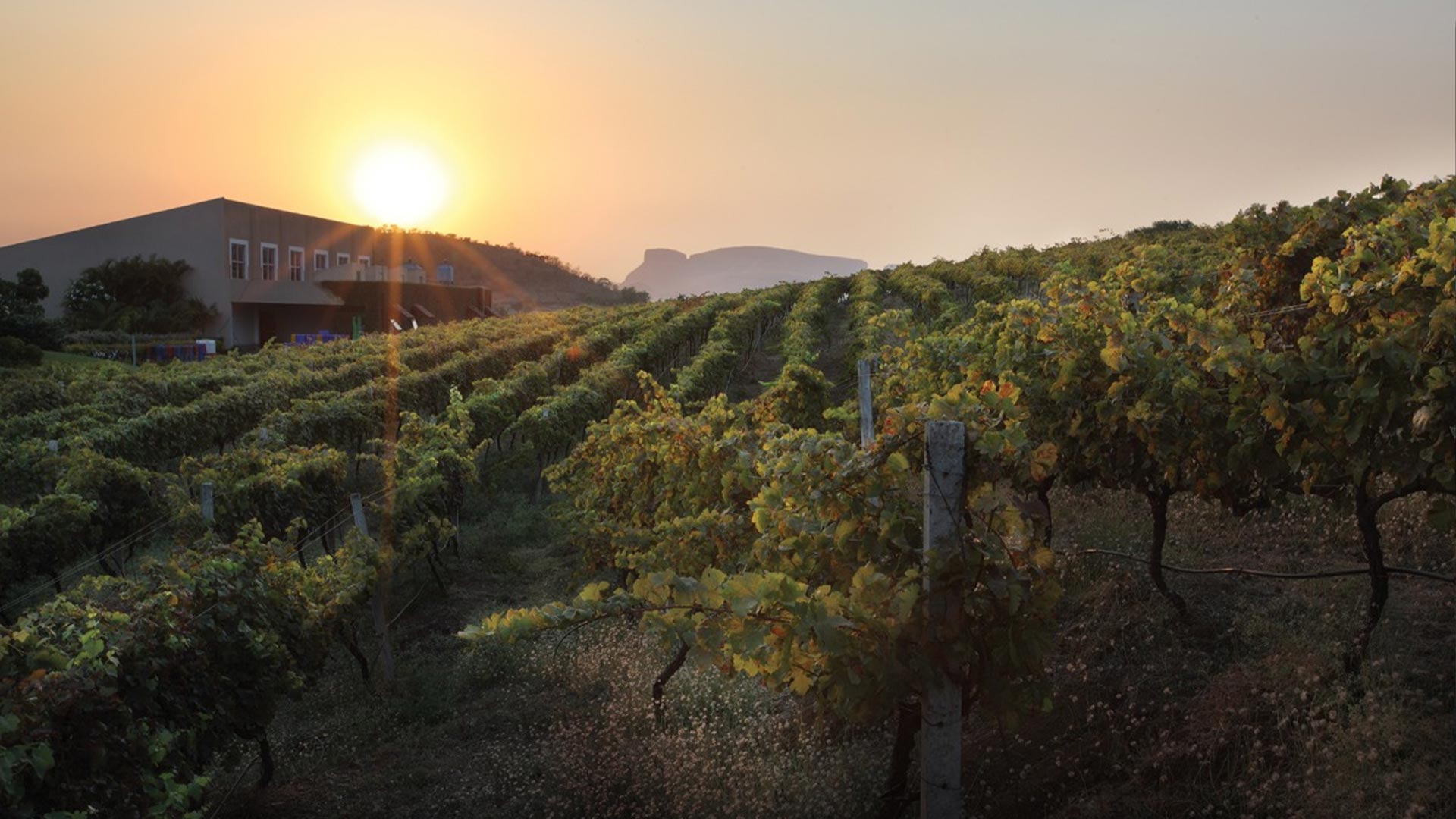
The changing market is attracting international wine producers and importers.
A Market With Room to Grow
India’s wine market may still be small in comparison with the country’s overall alcoholic beverage industry, but its growth trajectory has attracted considerable attention. As per figures cited by IMARC, the domestic wine market is projected to expand from US 266.33 million in 2025 to 985.50 million by 2034, registering a CAGR of 15.65% between 2026 and 2034.
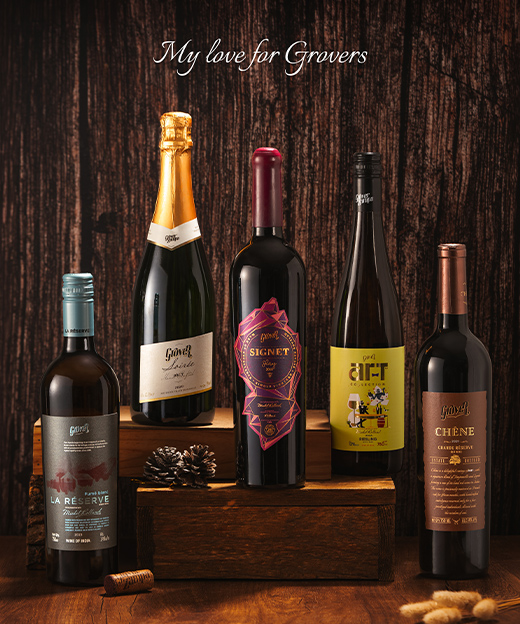
The growth is particularly significant in a market where spirits and beer continue to dominate alcohol consumption. “India is one of the very few countries in the world where the entire alcohol segment is growing. And the growth is not limited to one category. Wine, beer and spirits are all seeing growth. The imported segment is also growing healthily,” says Sumit Jaiswal, COO, Grover Zampa Vineyards.
Agarwal estimates that the Indian wine market has been growing at approximately 13-15% annually, although individual years have seen variations. He points out that wine still accounts for less than 1% of India’s overall alcoholic beverage market, making the category’s growth particularly noteworthy. “The changes are gigantic, but they are happening on a very small base. Wine has only recently started its journey in India, and as the market develops, what we see today could look very different,” he says.
The sixth edition of ProWine Mumbai, organised by Messe Düsseldorf India and All Things Nice, offered a snapshot of this growing interest. Bringing together wines, spirits, beers, craft beverages, meads, ciders, cocktails and premium mixers, the event featured 300 exhibitors from 25 countries and around 1,000 participating labels.
According to Agarwal, the platform has helped transform the way the wine and spirits business operates in India. “Over the years, we have seen greater awareness and demand for wine. There are more importers from across India, along with airlines, duty-free operators, international traders and exporters looking to bring their wines to the Indian market.”
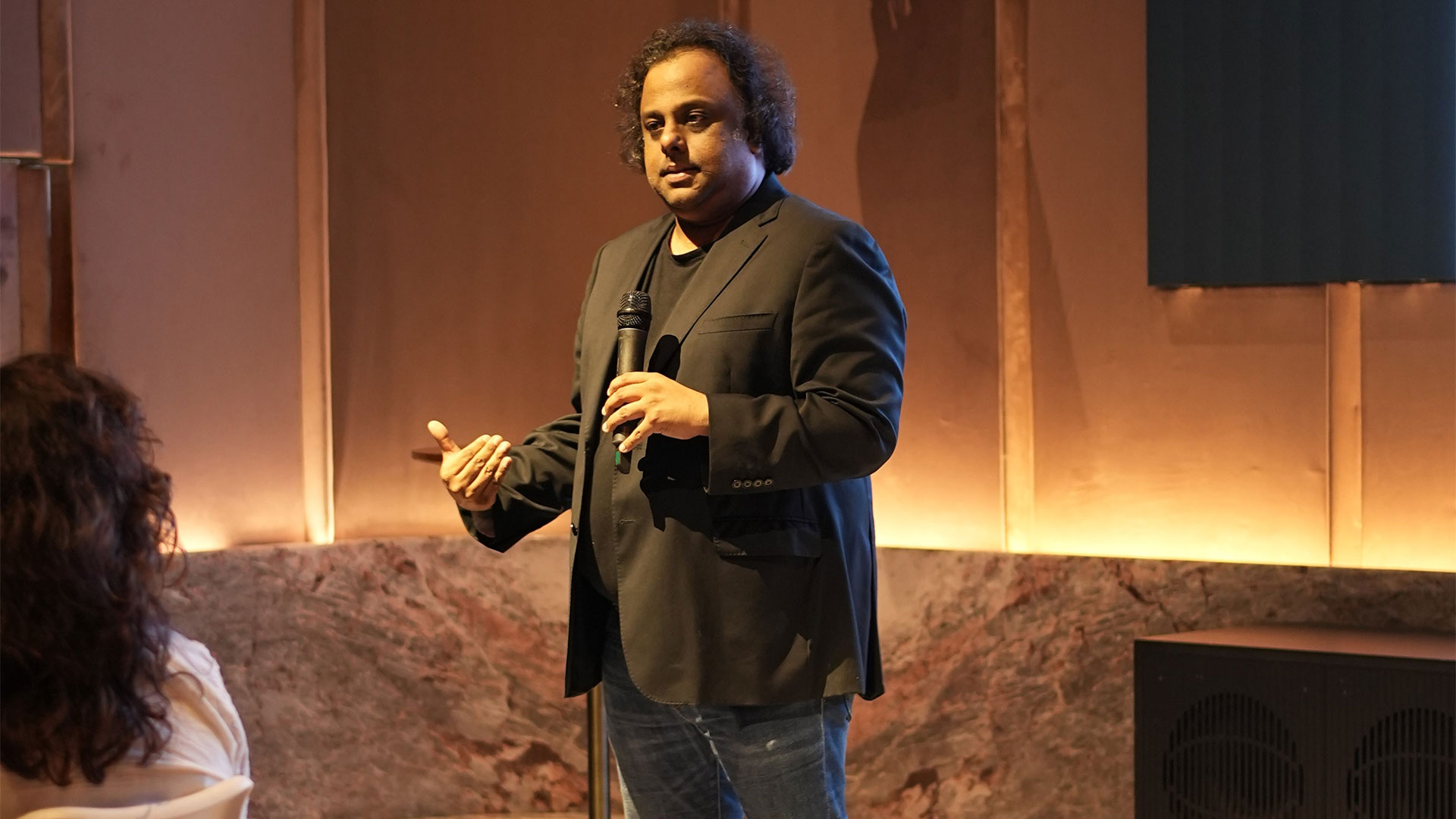
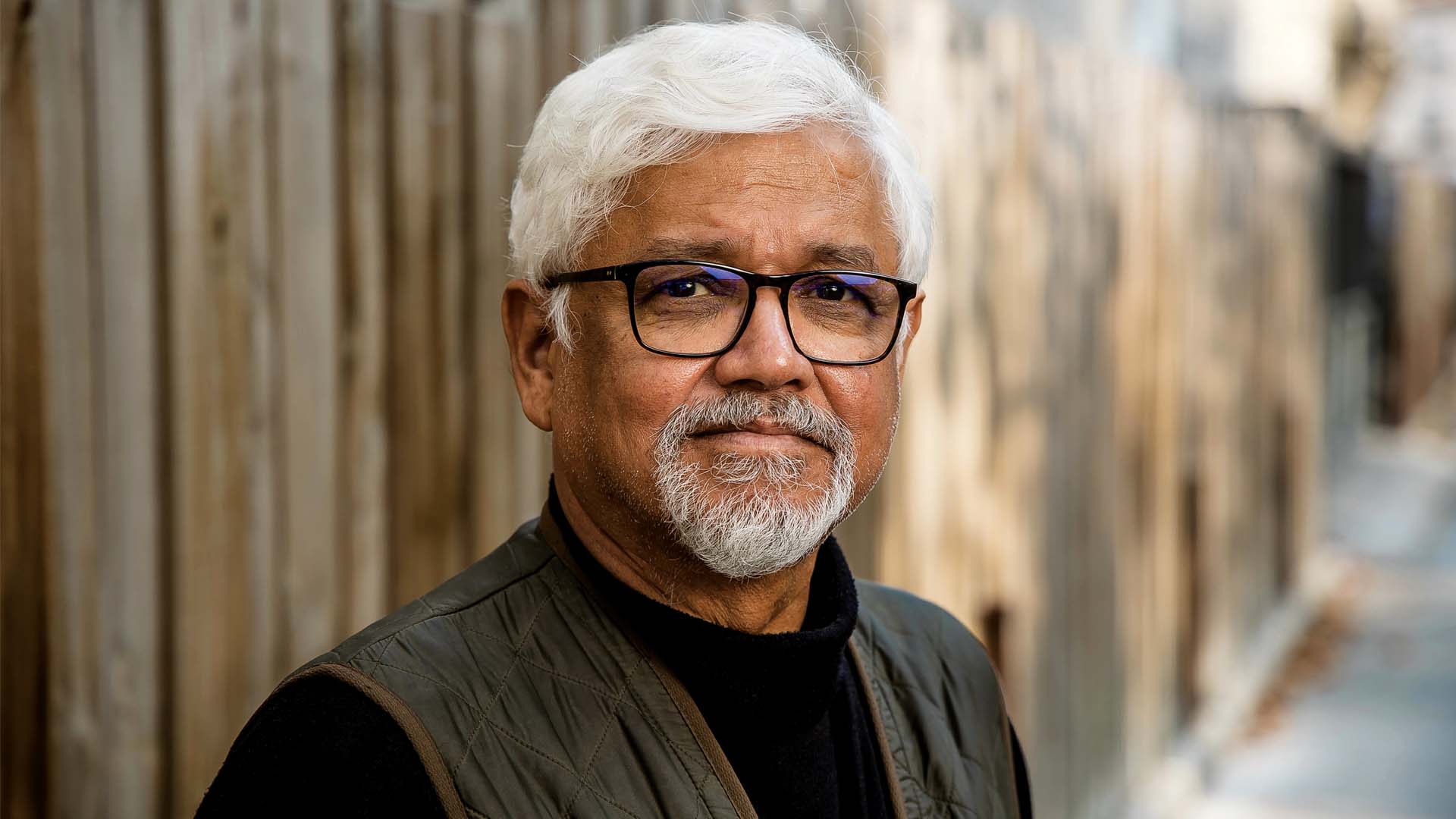
Nikhil Agarwal, Founder of All Things Nice.
India's GDP is growing, and disposable incomes are increasing. People travel to Europe, Australia and New Zealand, visit vineyards and taste wines. When they return, there is an obvious desire for those experiences and products.
Nikhil Agarwal
Founder, All Things Nice

Travel, Fine Dining and the Premiumisation Effect
International travel is emerging as an important influence on India’s wine consumption patterns. As more Indians visit Europe, Australia and New Zealand, they encounter wine as an integral part of local food and drinking cultures. Vineyard visits, wine tastings and gastronomic experiences often translate into a desire to explore similar offerings back home.
Jaiswal believes this exposure, combined with rising incomes, is encouraging consumers to become more selective. “Over the past few years, disposable incomes have increased and people are travelling more. When they visit European countries, where wine is an integral part of the drinking and gastronomic culture, they naturally get exposed to it. As incomes grow, consumers begin looking for more sophisticated experiences. Wine is gradually becoming more discerning and premium,” he says.
The growth of India’s fine-dining ecosystem is reinforcing this trend. Consumers who experience international dining destinations and contemporary restaurants abroad increasingly expect similar standards of food, wine and hospitality at home.
Agarwal sees this as part of a larger lifestyle transition. “India's GDP is growing, and disposable incomes are increasing. People travel to Europe, Australia and New Zealand, visit vineyards and taste wines. When they return, there is an obvious desire for those experiences and products.”
The changing market is also attracting international wine producers and importers. Growing consumer interest, coupled with evolving trade agreements with countries such as Australia, the UK, Switzerland and New Zealand, is encouraging more global labels to explore the Indian market.

Vineyard visits, wine tastings and experiences translate into a desire to explore similar offerings back home.
Global Wine Producers Look to India
For international wine producers, India represents a market with considerable long-term potential, but one that requires a carefully planned entry strategy. However, market entry requires patience and a clear understanding of India’s regulatory landscape.
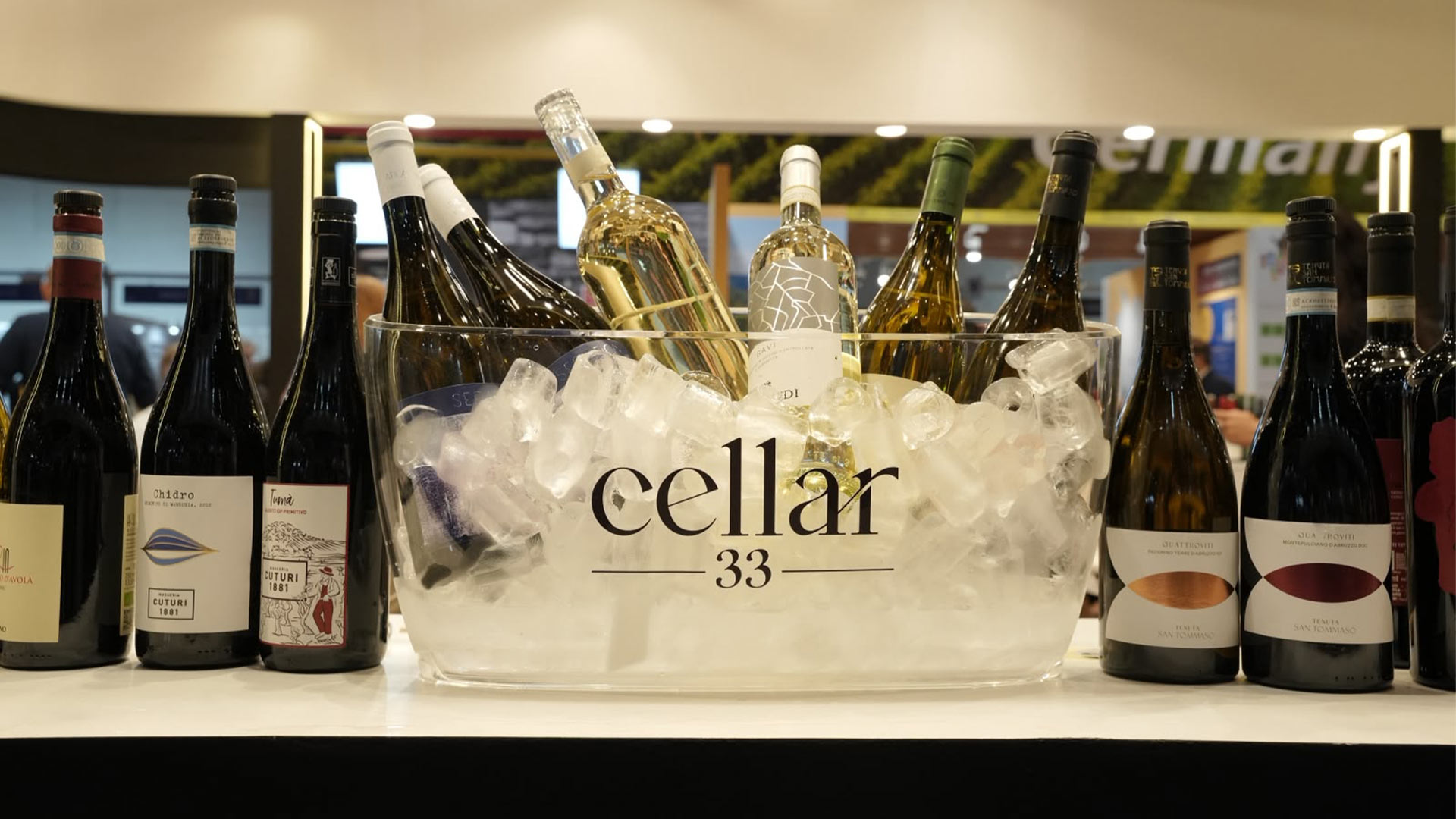
Mattia Antonio Cianca, Co-founder and CEO, Cellar 33, believes the opportunity lies in identifying the right importers, distributors and hospitality partners rather than expecting immediate volumes.
“The wine industry is growing, but at a measured pace. It is not simply about bringing quality wines into India. It is about having the right interactions with the right people and working with high-quality importers. Producers often expect India to be a fast-growing, high-volume market, but that is not necessarily how the premium wine segment works here,” he says.
Cellar 33 works with international producers seeking to enter the Indian market, helping them connect with importers, hospitality groups and consumers. At ProWine Mumbai, the company presented its largest representation yet, with 75 producers from 10 countries.
For his Indian partner Amrita, the objective goes beyond product sampling. “The idea is not just to come and pour wine. We want to present it the way it should be experienced, almost as if someone were tasting it at the vineyard or château.”
Cianca believes India’s growing base of educated, well-travelled and financially confident consumers is creating an appetite for a wider selection of international wines. The challenge is to build the right distribution networks and introduce labels to the right markets and accounts.
Trade agreements could further strengthen this opportunity. However, taxation, customs procedures, logistics and state-specific registration requirements continue to make market entry complicated.

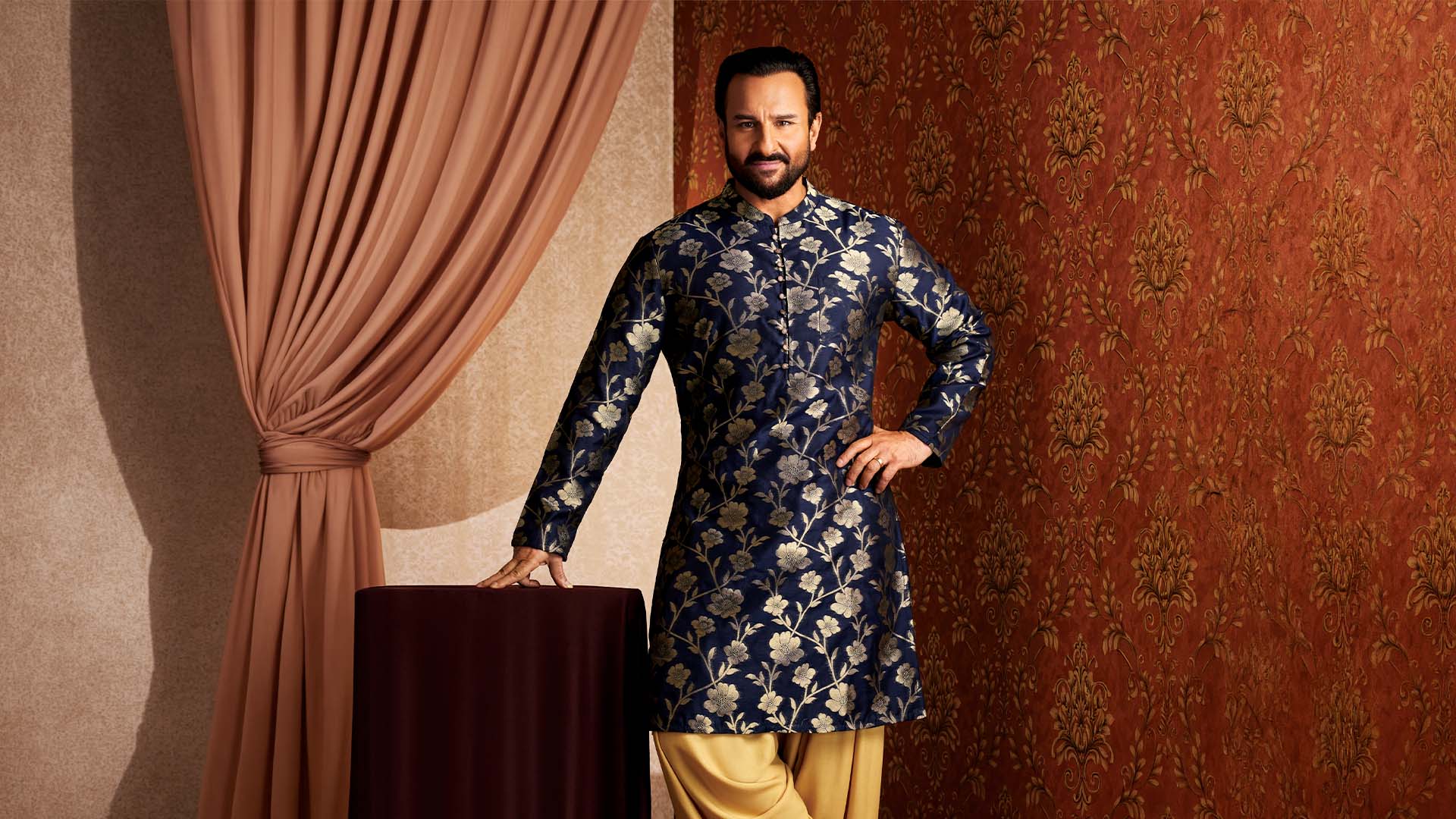
Sumit Jaiswal, COO, Grover Zampa Vineyards.
As incomes grow, consumers begin looking for more sophisticated experiences. Wine is gradually becoming more discerning and premium.
Sumit Jaiswal
COO, Grover Zampa Vineyards
White Wines, Food Pairings and the New Drinking Preferences
As the Indian consumer becomes more familiar with wine, preferences within the category are also evolving. One of the notable shifts is the growing interest in white wines, moving beyond the traditional dominance of red wine in consumer perceptions.
Agarwal also sees a gradual movement towards higher-quality labels. Rather than making an abrupt jump to significantly more expensive wines, consumers are increasingly willing to spend a little more for better quality. “People are drinking more white wine than they used to. We are also seeing an increase in demand for higher-end wines. A consumer who was comfortable spending ₹2,000 may now be willing to spend ₹2,600 or ₹3,300. It is a gradual improvement in the quality of wine they choose,” he says.
Food and wine pairings are gaining momentum. With Indian restaurants experimenting with contemporary techniques, regional ingredients and more sophisticated menus, there is growing scope to explore how wines complement Indian cuisine.
Agarwal believes this is one of the most interesting directions for the market. White wines, lesser-known wine varieties and food-led experiences are likely to find greater acceptance as consumers become more adventurous. The opportunity lies in moving beyond conventional pairing recommendations and exploring the diversity of Indian food, from regional cuisines to contemporary interpretations.
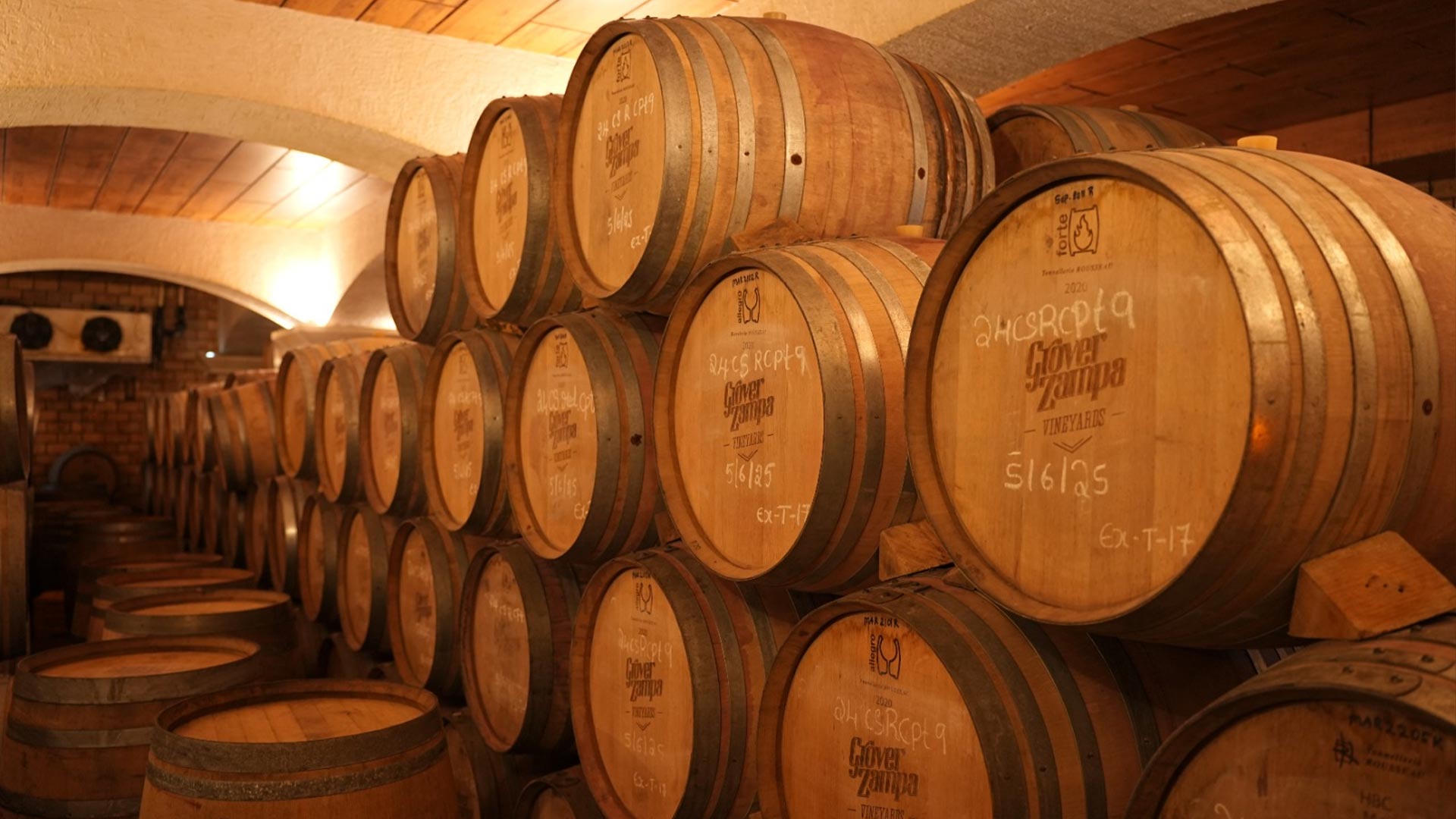
Wine growth is particularly significant in a market where spirits and beer continue to dominate alcohol consumption.
Gen Z Is Drinking Differently
Meanwhile, the younger consumer is adding another dimension to the wine market. While cocktails continue to enjoy considerable popularity among Gen Z, there is also a growing interest in quality-led drinking, experimentation and beverages with lower alcohol content.
For producers, this presents an opportunity to introduce new formats and flavours that make wine more approachable. Jaiswal points to the global movement towards more health-conscious consumption, with younger drinkers increasingly exploring lower-alcohol options.
“Gen Z is becoming more discerning about what it eats and drinks. There is an interest in products that offer both flavour and a more considered drinking experience. Younger consumers are looking at lower-alcohol options that are easy to understand and approachable,” he says.
Grover Zampa has responded to this shift with Misfit, a 7.5% ABV offering, compared with the approximately 13% alcohol content of conventional wines. The range also experiments with Indian flavours such as jamun. The idea, Jaiswal explains, is to create an accessible entry point for consumers who may be new to wine while retaining a focus on quality and flavour.
This also opens up possibilities for Indian producers to experiment with indigenous ingredients and develop offerings that reflect local tastes.

Mattia Antonio Cianca, Co-founder and CEO & Amrita, Co-founder, Cellar 33.
It is not simply about bringing quality wines into India. It is about having the right interactions with the right people and working with high-quality importers.
Mattia Antonio Cianca
Co-founder and CEO, Cellar 33
Building a More Informed Wine Consumer
Despite the growing interest, consumer education remains central to the category’s long-term development. Wine can be an intimidating subject for first-time drinkers, particularly when faced with unfamiliar grape varieties, regions, terminology and price points.
Cianca believes the industry needs to make wine education more accessible and practical. “Educating consumers and professionals will help build genuine interest in wine. The more people understand what goes into producing a wine, the more they appreciate its quality and character. This will eventually encourage importers to bring a wider selection into India,” he says. Masterclasses, tasting sessions, wine courses and vineyard experiences can help bridge this knowledge gap. They also provide an opportunity for Indian producers to introduce their wines to a more informed audience.
The challenge is to make wine education less intimidating and more experiential, allowing consumers to discover what they enjoy rather than feeling compelled to understand every technical detail.

Masterclasses, tasting sessions and wine courses provide an opportunity for Indian producers to introduce their wines to a more informed audience.
What Lies Ahead?
For an industry that is still developing its consumer base, the long-term potential is considerable. Even a relatively small increase in the number of regular wine consumers could translate into meaningful market growth.
Agarwal believes that a consumer base of 20-25 million people with the purchasing power and inclination to drink wine could significantly change the industry’s scale.
However, realising this potential will require more than growing demand. Simplified import procedures, greater regulatory consistency across states, improved distribution networks and easier access to information will all play a role in accelerating the market.
For international producers, the opportunity lies in understanding India’s regional differences and investing in the right partnerships. For domestic wineries, it is about expanding consumer awareness, developing new products and building on the growing interest in Indian wines. The next five to seven years could prove important in shaping this evolution, as policy changes, consumer preferences and the regulatory environment continue to develop.
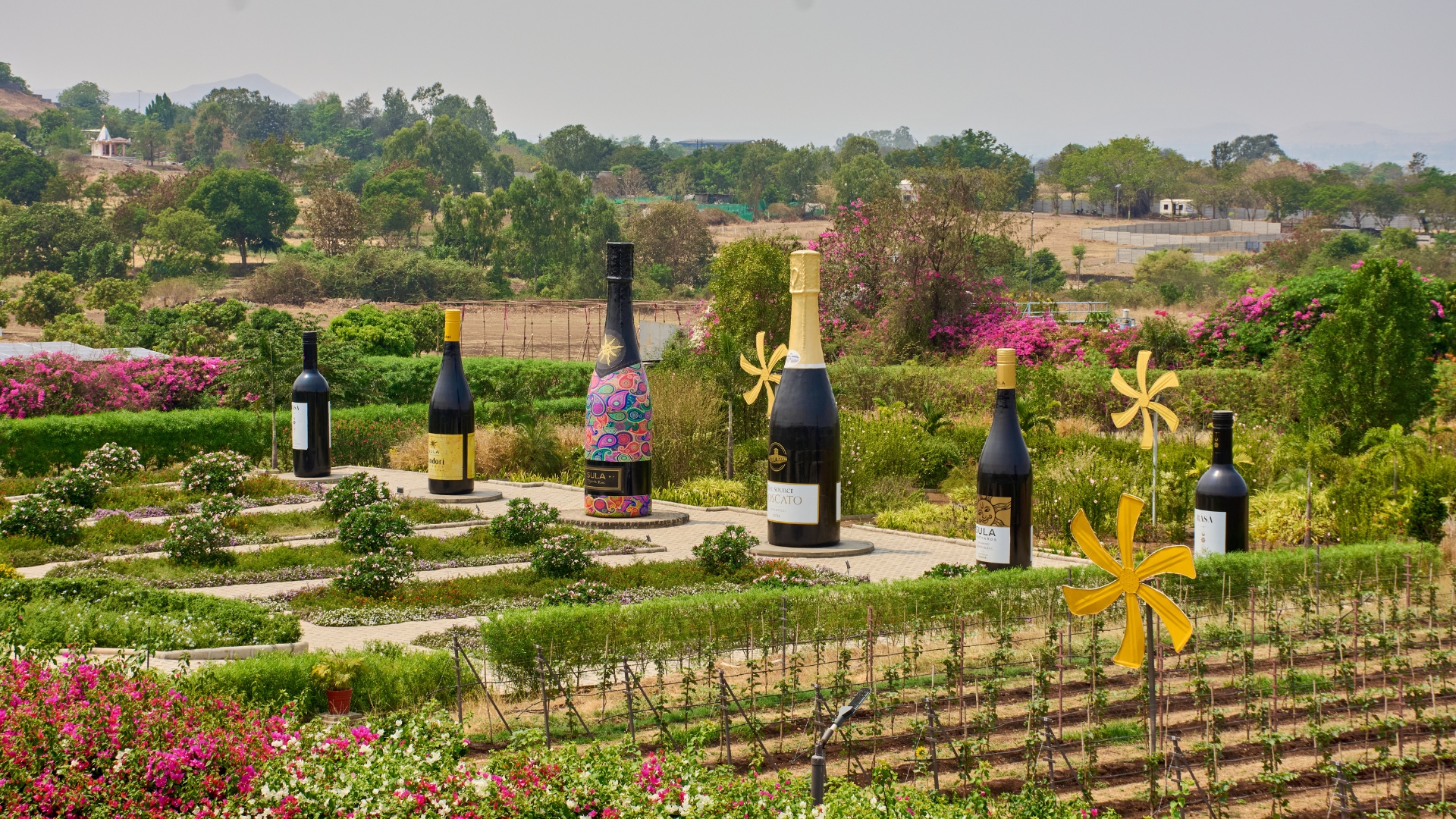
Wine tourism also has steadily expanded its footprint, emerging as an important part of the Indian wine industry’s growth story. As Rajeev Samant, CEO, Sula Vineyards, sums up, “The company welcomes over 4 lakh visitors annually across its campuses in Nashik and Karnataka. Its three vineyard resorts in Nashik together offer 154 keys, with a fourth planned at York Winery. Scheduled to open by Q4 FY28, the new resort will take Sula’s total room capacity to 185 keys, a 20% increase.” For Samant, this expansion reflects the larger trajectory of the industry.
India may not yet be a major wine-consuming nation, but the foundations of a mature market are taking shape. As consumers become more exposed, curious and willing to experiment, the country’s relationship with wine is likely to become more interesting.