


















The Rise and Rise of Dry Gin
From colonial relic to craft renaissance, dry gin is shaking up India’s spirit scene.

By Rachna Virdi
For much of Independent India’s History, gin particularly dry gin—was a relic of the colonial past, tethered to the British Raj and the enduring image of a gin and tonic, once laced with quinine as a malaria deterrent. It was the drink of gymkhanas, officers’ messes, and elite clubs—frozen in a time capsule.
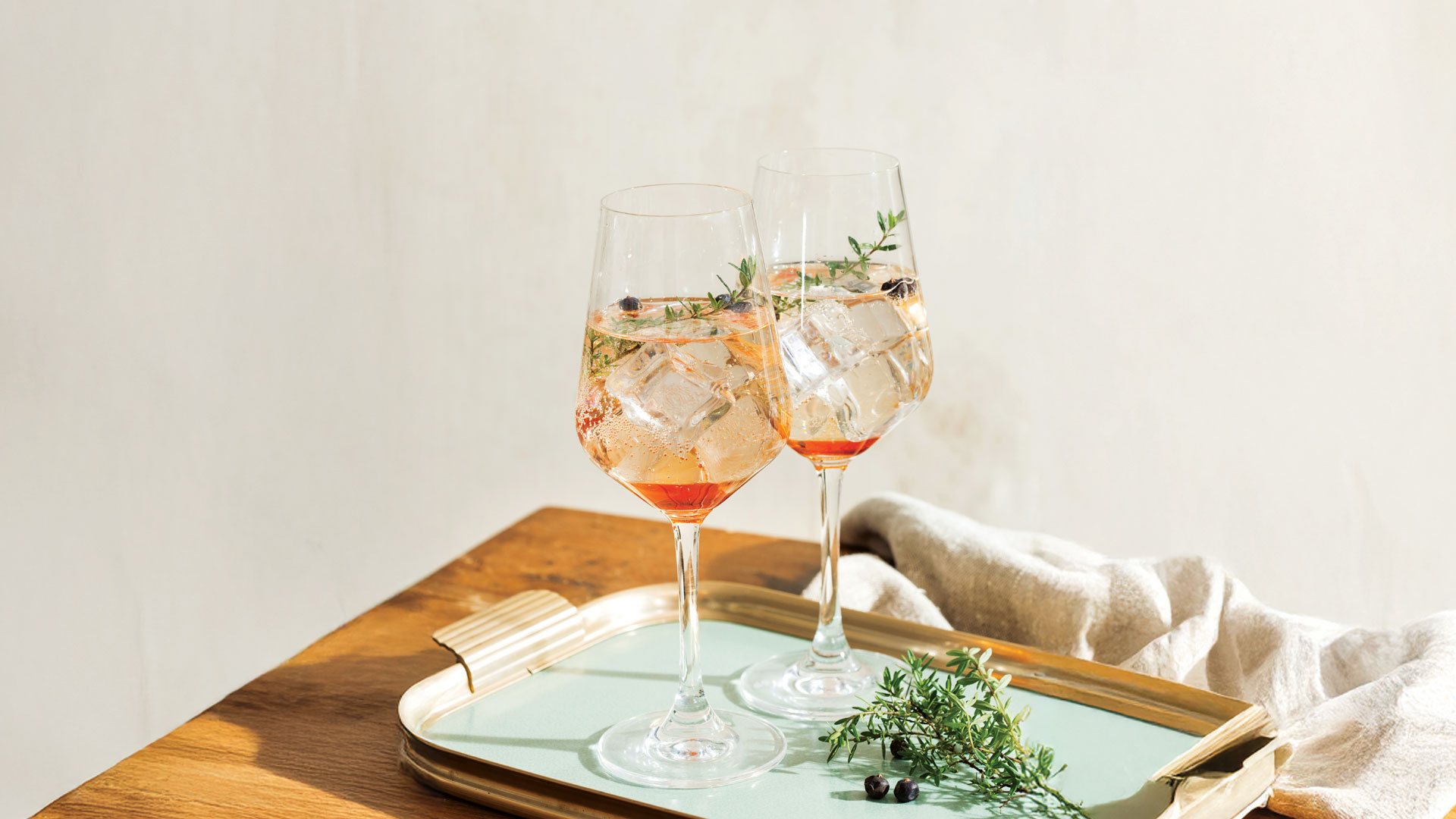
But in recent years, dry gin has emerged as the star of India’s craft spirits revolution. No longer a vestige of the empire, it has been reimagined and redefined for a new generation of drinkers. Homegrown distilleries are at the forefront, producing small-batch dry gins infused with indigenous botanicals—Himalayan juniper, Gondhoraj lime, tulsi, turmeric, mango, and more. These are not just gins; they are liquid expressions of India’s rich botanical and cultural identity.
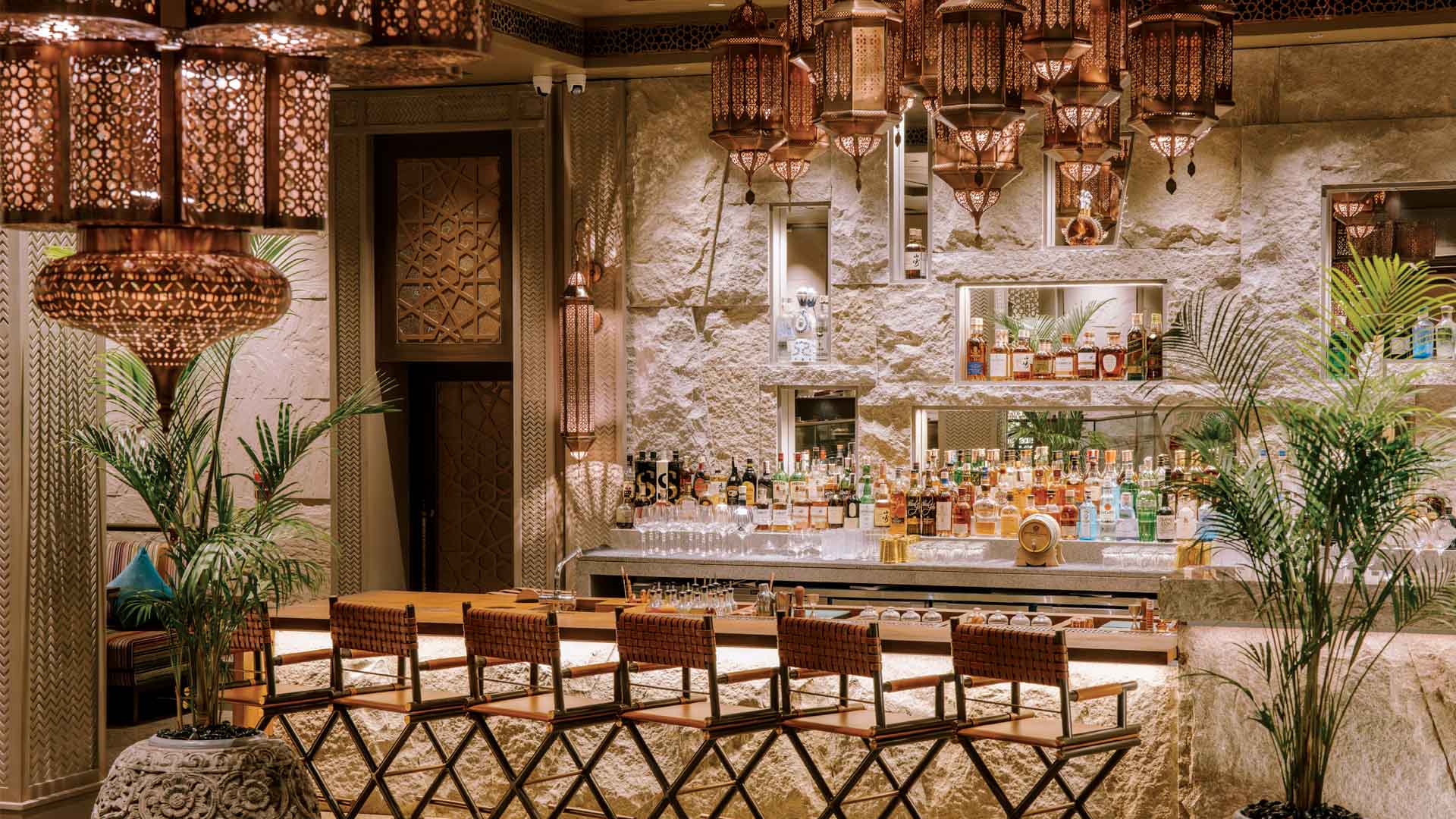
Premium restaurants such as LOYA are leveraging the growing appetite for lighter, craft-led drinks.
A revival rooted in craft and culture
In recent years, dry gin has seen a revival in India, driven by the rise of craft gin brands that celebrate indigenous botanicals and flavours—signalling a fresh chapter in the country’s love affair with clear spirits.
This resurgence is closely tied to the growth of India’s craft spirits movement and an evolving bar culture that champions authenticity, local ingredients, and artisanal production. “The craft cocktail movement has been one of the most powerful engines behind gin’s resurgence in India,” avers Rahul Mehra, CEO & Co-Founder, Stranger & Sons, Third Eye Distillery. “Some of the most exciting bars in the country—whether in Mumbai, Goa, Delhi, or Bangalore—have become creative playgrounds for bartenders who are pushing boundaries with flavour, technique, and storytelling. These bars and bartenders have been instrumental in demystifying gin, moving it beyond the traditional gin and tonic, and crafting thoughtful cocktails that celebrate regional ingredients and seasonal narratives.”
Dry gin is swiftly emerging as India’s new favourite spirit, capturing the imagination of a generation eager to move beyond traditional whisky and rum. With its crisp profile and botanical complexity, it resonates with urban drinkers seeking refined, versatile options for both cocktails and slow sipping.
The rise of dry gin mirrors the evolution of drinking culture in urban India, where consumers increasingly prefer craft-led, experiential, and socially conscious choices. This trend reflects more than just a shift in spirit preferences—it marks a broader cultural movement toward experimentation, premiumisation, and mindful indulgence.
Consumer preferences are clearly shifting toward more creative, quality-driven options. Craft brands in India are redefining the idea of premiumness, with a strong focus on authenticity, innovation, and craftsmanship. Adds Mehra, “This time is defining a new way of how our consumers choose products, and we strive to capture their attention with our high-quality standards. We've seen that many Indian consumers are eager to embrace quality homegrown products without compromise, and our brand is committed to reinforcing this message.
"Additionally, with India's growing cocktail culture, we’re seeing that consumers are open to trying new, atypical cocktails and local, homegrown products. This has undoubtedly contributed to the rise of craft producers in the country. As for our consumers, embracing the wonderful strangeness inherent in the contemporary India we live in today through our gin allows them to connect with the story and the brand in a very organic manner.”
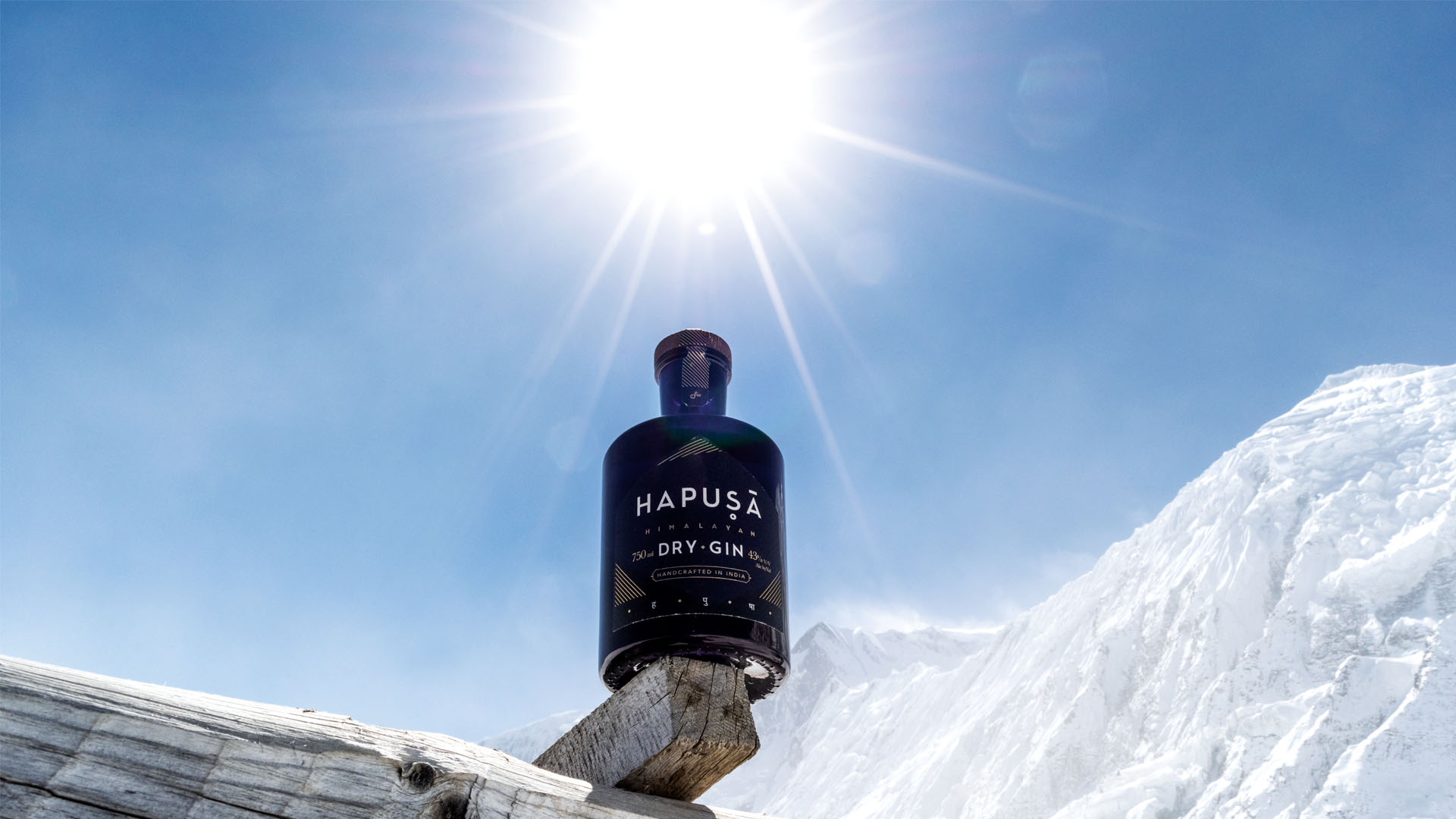
Bold Himalayan botanicals meet modern Indian spirit in Hapusa Dry Gin.
What’s fuelling the rise?
A confluence of factors is driving the rise of dry gin consumption in India. “First, there’s a marked shift in consumer preferences—people are gravitating toward lighter, more refreshing spirits. Gin, with its layered complexity and clean finish, fits that bill. Second, we’re seeing a rise in homegrown brands that are changing the narrative. When we launched Stranger & Sons, we wanted to create a gin that felt inherently Indian, from the spices and citrus in the bottle to the irreverent tone on the label. That authenticity has resonated deeply with consumers, who are increasingly seeking brands that reflect their identity—progressive yet rooted, and globally aware. And finally, the rise of women and younger consumers in the spirits space has also expanded the gin-drinking audience,” says Mehra.
The initial wave of growth in this category was led by metros. Cities like Mumbai, Delhi, Goa, and Bengaluru emerged as early adopters, driven by greater access, awareness, and global exposure. “But what we’re seeing now is a much broader cultural movement," continues Mehra. "Consumers in Tier II cities are just as curious, just as informed, and just as eager to explore. Over the past few years, Tier II and Tier III cities have witnessed a quiet revolution in consumption patterns. Rising disposable incomes and increased digital exposure have coalesced to create a new kind of consumer: confident, conscious, and deeply aspirational.”
In these emerging markets, there’s growing confidence in backing premium, Indian-made spirits—a sense of pride in participating in something culturally forward and globally relevant. This is precisely where brands like Stranger & Sons are finding resonance. As a homegrown craft gin rooted in Indian botanicals and storytelling, it speaks to a generation proud to drink local, but looking for world-class sensibility. Smaller cities are now experiencing a premium boom, driven by a desire to discover, explore, and belong to a more refined drinking culture.

Anand Virmani, Co-Founder, Nao Spirits.
What’s important to us is representing India from within—not through exoticism or clichéd elements. We aim to celebrate the richness of India’s landscapes and cultures in a way that feels real, contemporary, and deeply rooted in the gin itself.
Anand Virmani
Co-Founder, Nao Spirits

Finding its local identity
Indian dry gin brands are increasingly positioning themselves against established international labels by leaning into authenticity and provenance. For Nao Spirits & Beverages, it’s all about staying true to Indian roots. “The foundation of our gins lies in ingredients that are inherently Indian, and in crafting a product that reflects the country’s unique terroir and diversity,” says Anand Virmani, Co-Founder. “Hapusa, for instance, is built on a botanical profile that couldn’t exist anywhere else—juniper berries foraged from the Himalayas, paired with turmeric, raw mango, and Gondhoraj. What’s important to us is representing India from within—not through exoticism or clichéd elements. We aim to celebrate the richness of India’s landscapes and cultures in a way that feels real, contemporary, and deeply rooted in the gin itself. That’s where our strength lies—not in imitation, but in telling our own story with honesty and craft.”
Similarly, Indian gin brands like Paul John are carving a niche through provenance, freshness, and cultural authenticity that international labels often lack. Heemanshu Ashar, Global Brand Ambassador, Paul John, explains, “While global brands bring legacy, Indian gins bring regional botanicals, distinct terroir, and local storytelling. Malhar Gin, for example, showcases indigenous ingredients like Indian key lime, jatamansi, and cardamom—creating a flavour profile that’s not just unique but deeply rooted in Indian memory and landscape. This authenticity, combined with small-batch copper pot distillation and premium packaging, enables Indian gins to compete on both identity and quality.”

Rahul Mehra, CEO & Co-Founder, Stranger & Sons, Third Eye Distillery.
The craft cocktail movement has been a powerful engine behind dry gin’s resurgence in India. Some exciting bars in the country have become creative playgrounds for bartenders.
Rahul Mehra
CEO & Co-Founder, Stranger & Sons, Third Eye Distillery
A maturing market
In 2024, the most active price band in India’s dry gin market was between ₹1,800 and ₹3,000 (ex-Goa), where most premium Indian craft gins are positioned. “Now, there’s growing activity in the ₹3,000–₹5,000 segment, driven by boutique expressions, limited editions, and gift-oriented packaging—a space where Malhar Gin is playing with success," elucidates Ashar. "There’s a clear shift from premium to luxury gins, as consumers move beyond the everyday Gin & Tonic toward sipping gins and more refined, gin-forward cocktails like the Martini and Negroni. At the lower end, mass-market gins under ₹1,200 still dominate in volume, but value- and identity-driven brands are thriving in the ₹2,000–₹3,500 range with the evolution of the luxury gin category.”
Virmani adds that India’s gin market was initially dominated by mass-produced, low-priced options—many of which were cold-compounded, relying on additives and flavouring agents rather than distillation with real botanicals. “While these gins are accessible, they don’t reflect the authenticity or craft that defines the London Dry style. The shift began with premium gins entering the ₹1,000+ space in markets like Gurgaon, often with flavoured expressions to attract new consumers. Craft Indian gins, by contrast, start at ₹1,200 and increasingly fall into the ₹2,500+ bracket. Both our brands, Greater Than and Hapusa, are true London Dry gins—distilled using real botanicals in traditional copper-pot stills, with absolutely no post-distillation additives. It’s a process rooted in authenticity, and for us, that’s the essence of being truly craft and truly Indian—reflected in their price points: Greater Than retails at ₹900 (Goa), and Hapusa at ₹2,120 (Goa).”
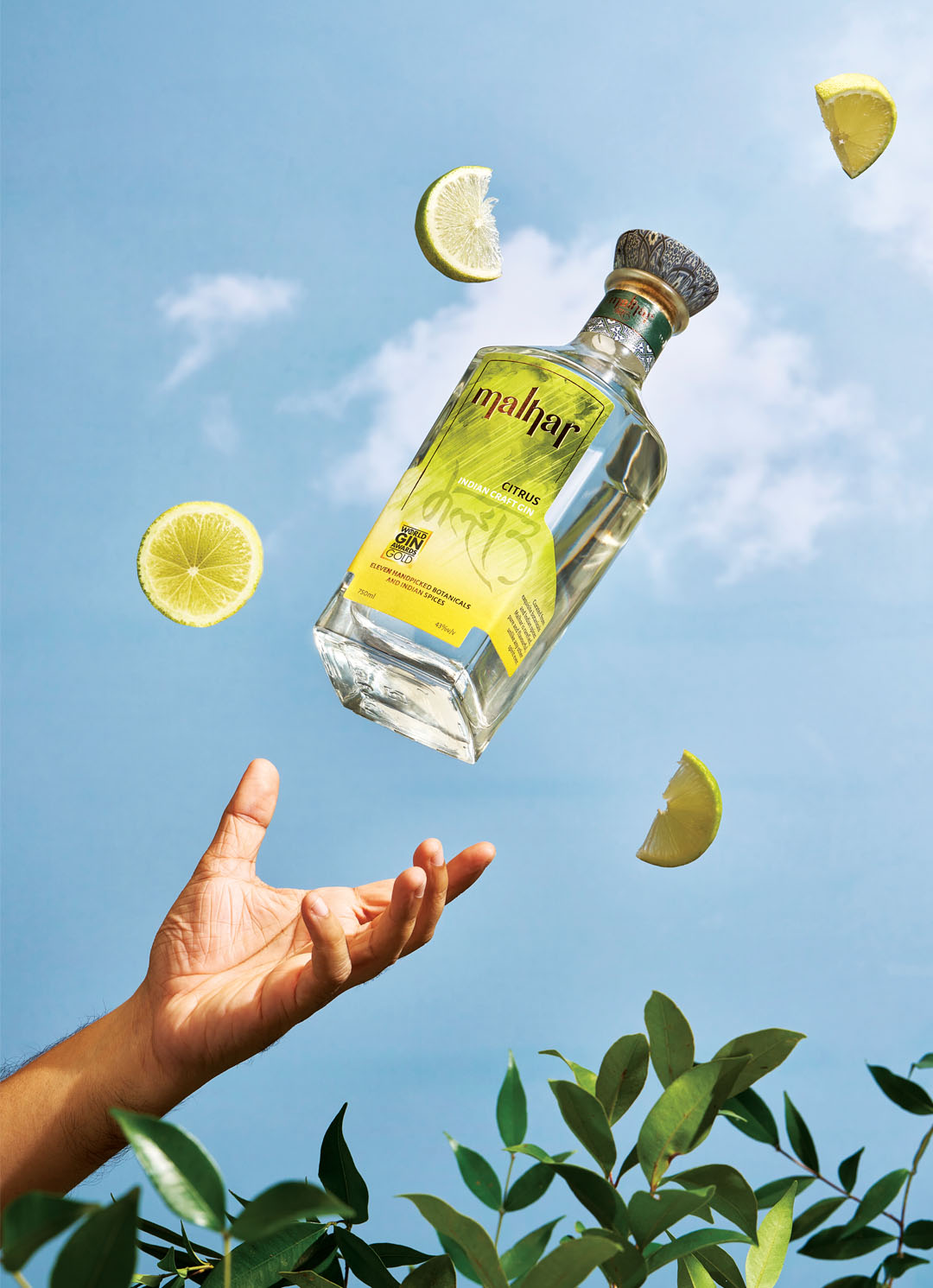
Using indigenous ingredients, Malhar Gin creates a flavour profile that is both unique and deeply rooted in Indian-ness.
The Bartender’s Choice
The rise of dry gin in India signals a clear shift in consumer preferences toward spirits that offer nuance, versatility, and a sense of discovery. Driven by a new generation of drinkers, this movement reflects a growing appetite for lighter, craft-led alternatives that align with contemporary tastes and evolving social drinking trends.
Today’s drinkers are moving beyond the comfort of familiar brown spirits, gravitating toward dry gin for its crisp profile, botanical depth, and versatile mixability.
Diwakar Mehra, Head Mixologist at LOYA, Taj West End, Bengaluru, offers insight into the evolving world of Indian dry gin. “We’re seeing Indian dry gin evolve from a spirit of familiarity to one of exploration and expression. One of the most noticeable trends is the rise of regionally rooted gins that reflect India’s biodiversity—not just in name, but in composition. What sets these gins apart is their restraint and sense of balance, allowing us as bartenders to showcase their subtleties rather than mask them with overpowering mixers or garnishes.”
Mehra notes a growing inclination toward experience over convenience. While the broader market may lean into pre-mixed gin and tonics or ready-to-drink (RTD) formats, his guests tend to appreciate a slower, more mindful pour. “They’re curious about how a particular botanical changes a cocktail’s structure, or how a specific tonic affects bitterness or floral notes. In that sense, artisanal mixers have become nearly as important as the gin itself—especially those that complement spiced or citrus-forward profiles.” He also says there’s also a shift in how guests define value, that it’s no longer about price, but about precision, origin, and intention. “There’s a deeper awareness now that gin isn’t just a base for cocktails—it’s a spirit with incredible range and nuance. Guests are seeking gins that offer clarity in flavour, compositional balance, and a quiet confidence in their identity. This has driven a move toward more refined, expressive gins—many positioned in the premium category—not for the sake of luxury, but for the quality of the experience. A gin made with care, restraint, and purpose naturally stands apart, and that distinction is immediately felt—both on the palate and in the energy of the serve.
“We’re seeing more people drawn to gins that carry a sense of narrative or place. The appeal lies not in novelty, but in authenticity—where the distillation process, the origin of ingredients, and the intent behind the blend truly matter.”
Mehra observes that guests often return to the same gin not because of its label, but because they’ve formed a connection—with its citrus high notes, herbaceous mid-palate, and long, dry finish. That kind of relationship can’t be priced; it’s built on trust, consistent quality, and the space the bartender creates around the experience.
He sums it up perfectly: “At its best, dry gin offers quiet complexity, and today’s guest is ready to explore that. They’re not seeking spectacle—they’re seeking resonance. And that is where the spirit truly shines.”
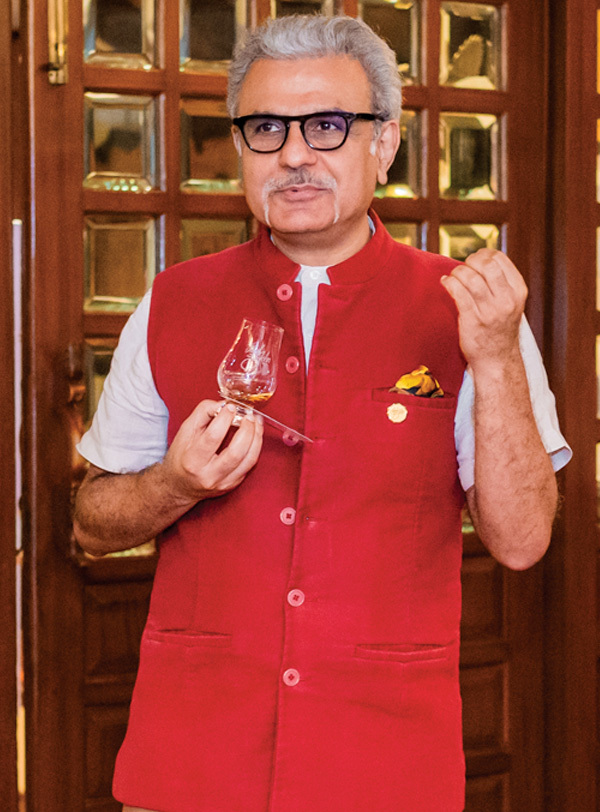
Heemanshu Ashar, Global Brand Ambassador, Paul John.
While global brands bring legacy, Indian gins bring regional botanicals, distinct terroir, and local storytelling. This, combined with small-batch copper pot distillation and premium packaging, enables Indian gins to compete on both identity and quality.
Heemanshu Ashar
Global Brand Ambassador, Paul John
The top 5 Indian dry gin brands
Greater Than (Nao Spirits)
A London Dry Gin with a crisp, citrus-forward taste. It features nine botanicals, including juniper, coriander seeds, angelica root, orris root, ginger, lemongrass, fennel, chamomile, and orange peel. The result is a refreshing, citrusy gin with subtle spice and floral notes, ideal for a classic Gin & Tonic.
Hapusa (Nao Spirits)
A bold, earthy dry gin made with Himalayan juniper, turmeric, mango, coriander seeds, and almonds. It has a robust juniper backbone with floral notes, a spiced finish, and a smoky undertone, making it suitable for sipping neat or with tonic and a mint garnish.
Stranger & Sons (Third Eye Distillery)
A complex, spiced dry gin with nine botanicals, including juniper, black pepper, nutmeg, mace, coriander, liquorice, and three types of citrus peels (notably Gondhoraj lemons from Kolkata). It offers a warm, citrusy profile with a cinnamon-like finish from cassia bark, perfect for G&Ts, Martinis, or Negronis.
Malhar Classic Dry Indian Craft Gin (Paul John)
This premium gin has an aroma profile of rich herbs, soft florals, peppery spice, and light citrus with a juniper backbone. It is fresh and fruity on the palate, with sweet and spicy highlights, balanced by soft floral notes and zesty lemon peel, grapefruit, and spice.
Jaisalmer Indian Craft Gin (Radico Khaitan)
A triple-distilled dry gin with 11 botanicals, seven sourced from India, including coriander, vetiver, sweet orange peel, lemongrass, Darjeeling green tea, cubeb pepper, and saffron. It delivers an earthy, dry taste with citrus, spice, and floral notes, ideal for complex cocktails.