












The 6 Ps of Hotel Leadership
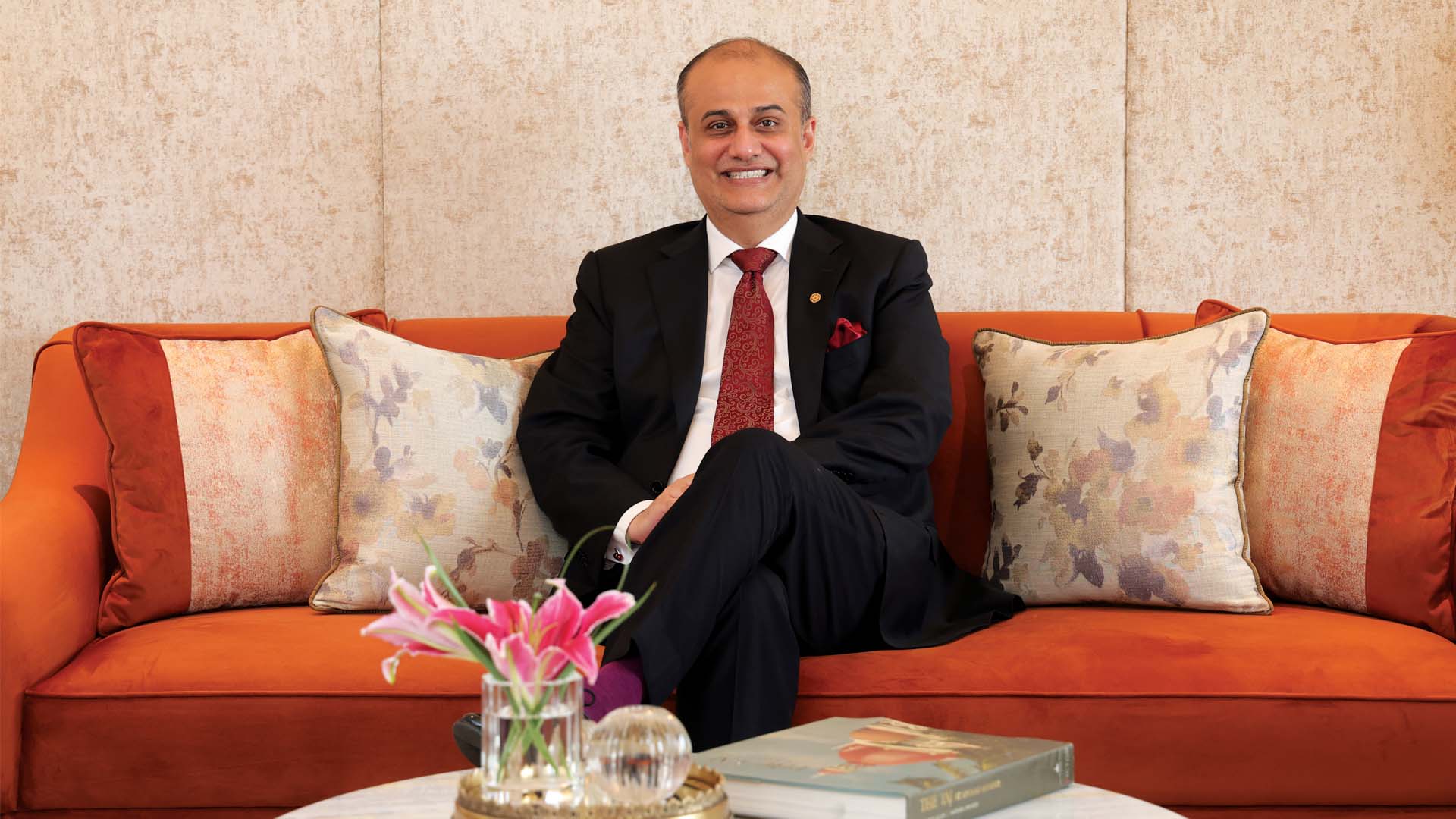
What does it take to lead a flagship hotel in today's dynamic hospitality landscape? Taj veteran Anmol Ahluwalia, Area Director of Operations, Delhi and General Manager of the Taj Mahal, New Delhi, shares his secrets.

By Suman Tarafdar
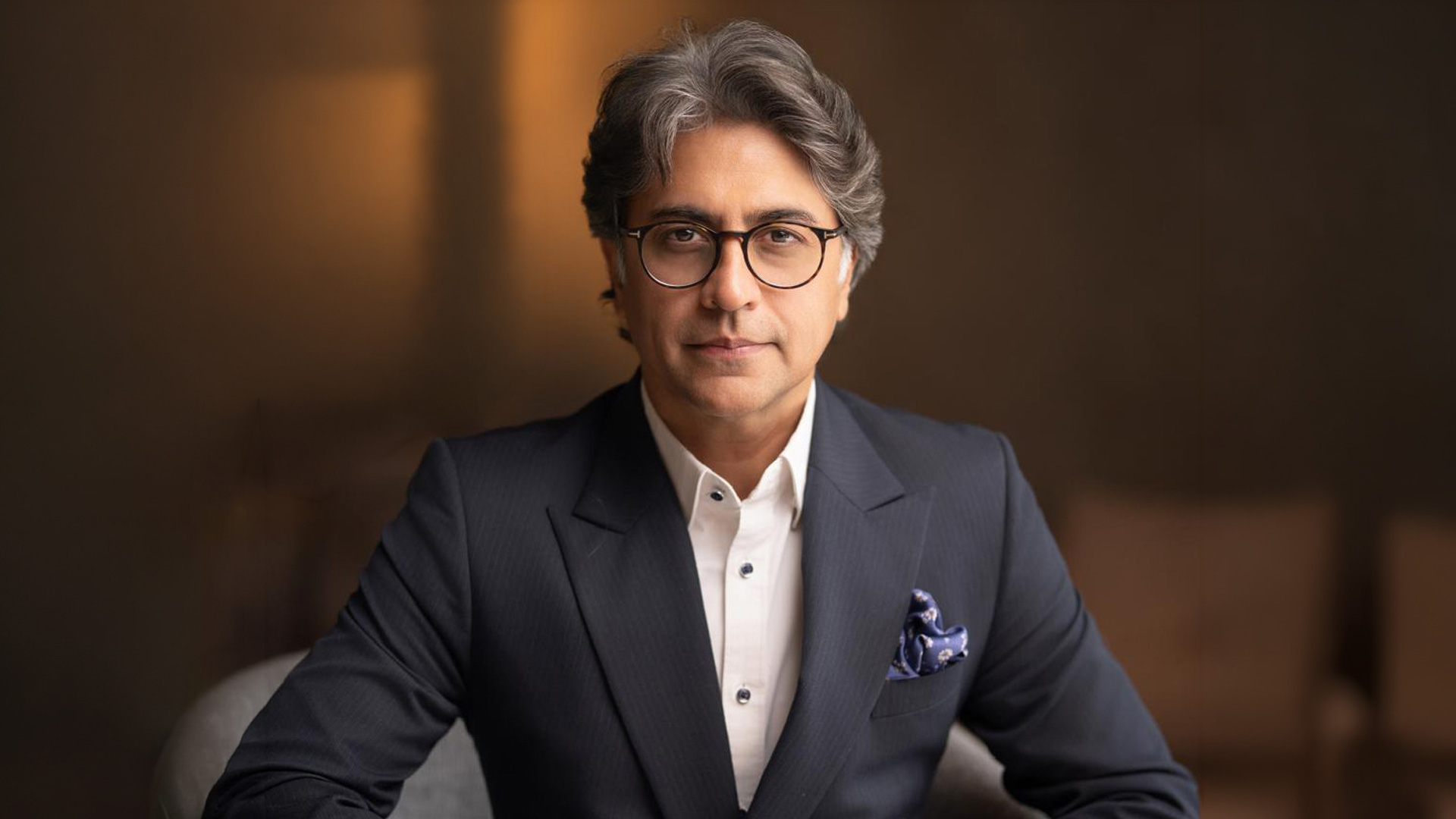
Anmol Ahluwalia, a seasoned Taj veteran with nearly two decades under his belt, steps into a dual role: Area Director Operations, Delhi and General Manager of the iconic Taj Mahal, New Delhi. His journey, including a highly successful tenure as Area Director, Operations, Goa and Cluster General Manager North Goa-—-where he spearheaded IHCL's expansion to over 30 properties across all brands-—speaks volumes about his leadership. Now, with his sights set on the capital, Ahluwalia prioritises elevating guest experience by empowering his 500-strong team.
In a candid conversation with SOH, he shares his insights on the essence of hotel leadership and the exciting path ahead.
What led you to a career in hospitality? When did you enter the sector, and what do you like or appreciate most about it?
In the hospitality sector, there is a feeling of always being on a stage, as if you are always observed. And yet, you can make a difference to people. Every action of yours counts. In the industry I am in, you have to pay it forward. You can impact people's lives, and spread joy and cheer. When you can bring a smile to a guest's face, you feel such a great sense of satisfaction. I appreciate this fact the most.
What is the core of being a hotel general manager in today's transforming hospitality scenario?
It is about balancing all the six Ps. The first P: managing your people and making a positive impact on them. In a world where diversity and inclusiveness are the buzzwords, it is important to lend support to every person who works with you. The second P is about processes. It is about managing your respective hotels or areas with precision and ensuring that they are not people-led, but are process-driven so that the organisation can succeed.
The next P is about profitability. In today's changing world, every organisation is looking at profitable options. And if you're able to balance both the top line and the bottom line, eventually you're able to deliver results, and I think that's a great achievement. The next P is about managing perception. It is extremely important to sprinkle pixie dust on everything that we do—from (the design of) our lobbies to our products, from our people to our processes, from the fragrance and the candles across the hotel, or the flowers in the lobby and the smart uniforms.
The next P is about passion. If you have the passion, you will be able to succeed. It will resonate eventually with the people who work with us and they will make the hotel a better place to be in. And the last P is about the product. Every hotel is unique. If we, as custodians of the hotel and the property, are able to bring about a change, it will be our biggest achievement and responsibility towards the owners and the asset managers.
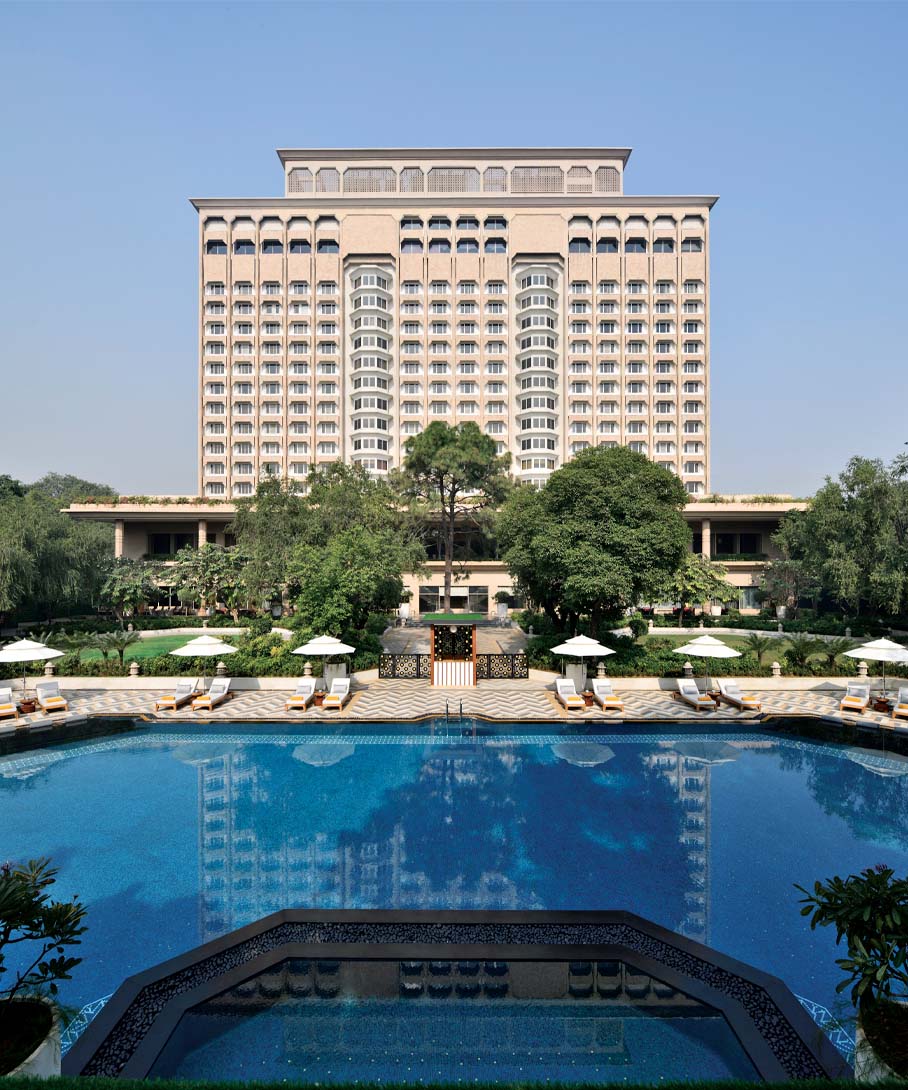
Taj Mahal, New Delhi.
What have been the highlights of your career as a general manager?
I have had the opportunity to work in every realm and sphere of the industry. I remember my first posting as a general manager at Wellington Mews Mumbai, a super luxury residence in the heart of the city. They had the who's who of Mumbai staying with them. It was a great opportunity to be able to build relationships and understand what guests require, not just for the short-term, but in the long term.
That hotel taught me the nuances of true luxury hotel airing and innkeeping. From Wellington Mews, I moved to the beautiful, iconic resorts of Goa. They were the first hotels that the Taj built in Goa, Taj Fort Aguada and Taj Holiday Village.
I remember feeling a great sense of pride walking into these hotels because they were the torchbearers of hospitality in Goa. They brought tourism to Goa and those postings were a highlight of my career. I was able to position these hotels as the best leisure destinations in Southeast Asia and Asia. I stepped up into an area director role to look after the whole of Goa, encompassing various amã Stays & Trails that we opened. These super luxury homestays are all unique. They embraced the local ethos reflective of true Indian hospitality and the values of Tajness.
Now, I have moved to Delhi, to another iconic hotel, the Taj Mahal, New Delhi, which is the gateway to Indian luxury. Each hotel has taught me something unique and brought out the best in me.
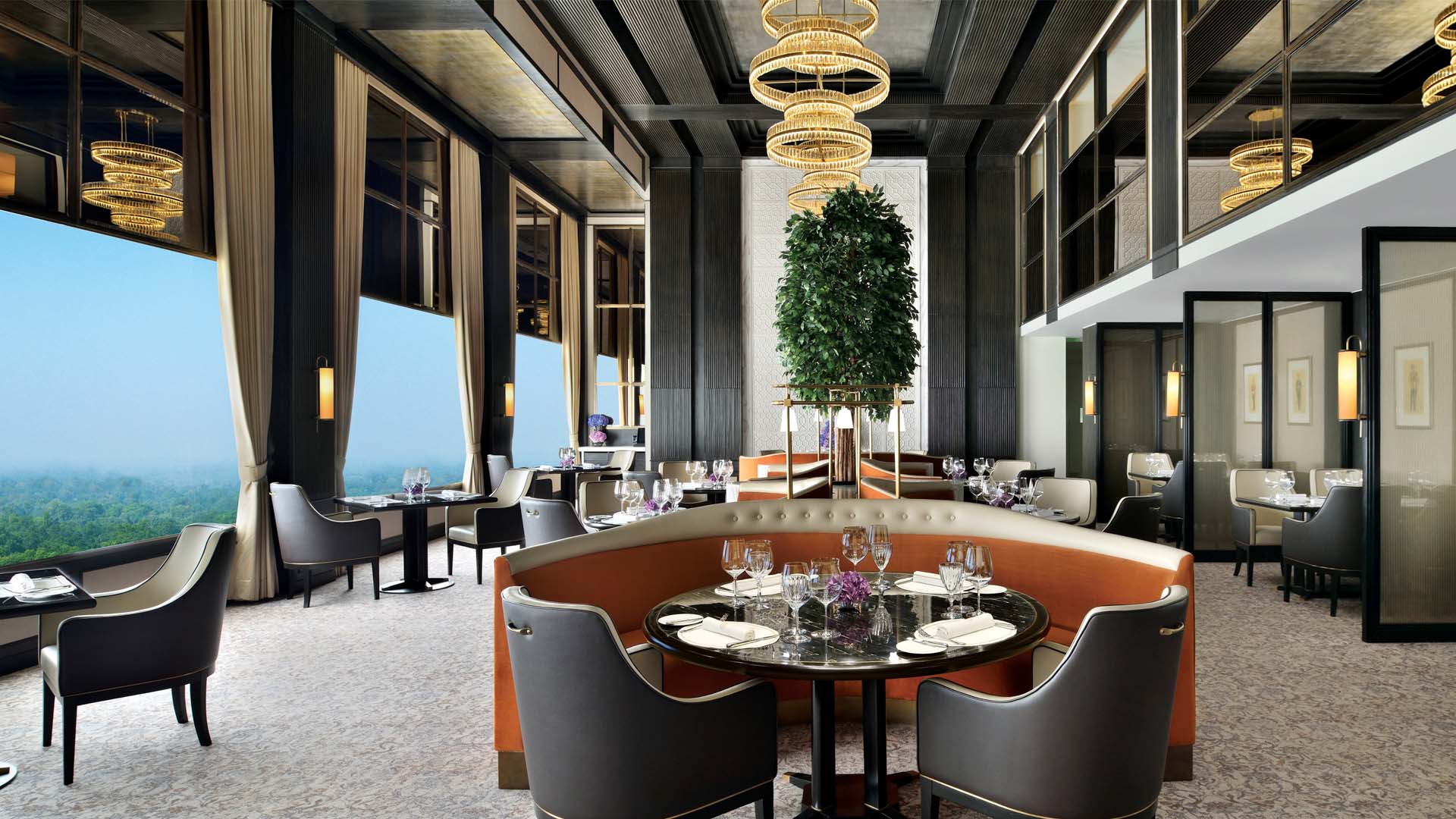
Albero at The Chambers, The Taj Mahal Palace.
Does the role of a general manager demand any special focus areas or tweaks in India as compared to global postings?
There is a very thin balance between managing profits and delivering iconic service. It requires a huge amount of focus. Every customer should be treated uniquely and with respect. India is a melting pot of various cultures, people and backgrounds. We should be able to work with every person and still deliver world-class service and great profitability.
How did the role change from managing a single hotel to being an area director?
Your role multiplies. When you handle one hotel, you're able to do a lot of work singularly in that particular hotel and make a difference. But when you are working as an area director, you bring together the best of the hotel, which is under you, and then you bring the five fingers together to become a fist so that you are able to give a larger punch.
It's about leveraging the collective power of the hotels. Whether I'm optimising pricing strategies across various room categories, negotiating better deals for block bookings, facilitating staff transfers to enhance expertise, or even maximising our scale to secure more favourable terms
with vendors and partners—it's all about seeing the bigger picture and using that perspective to benefit each property.
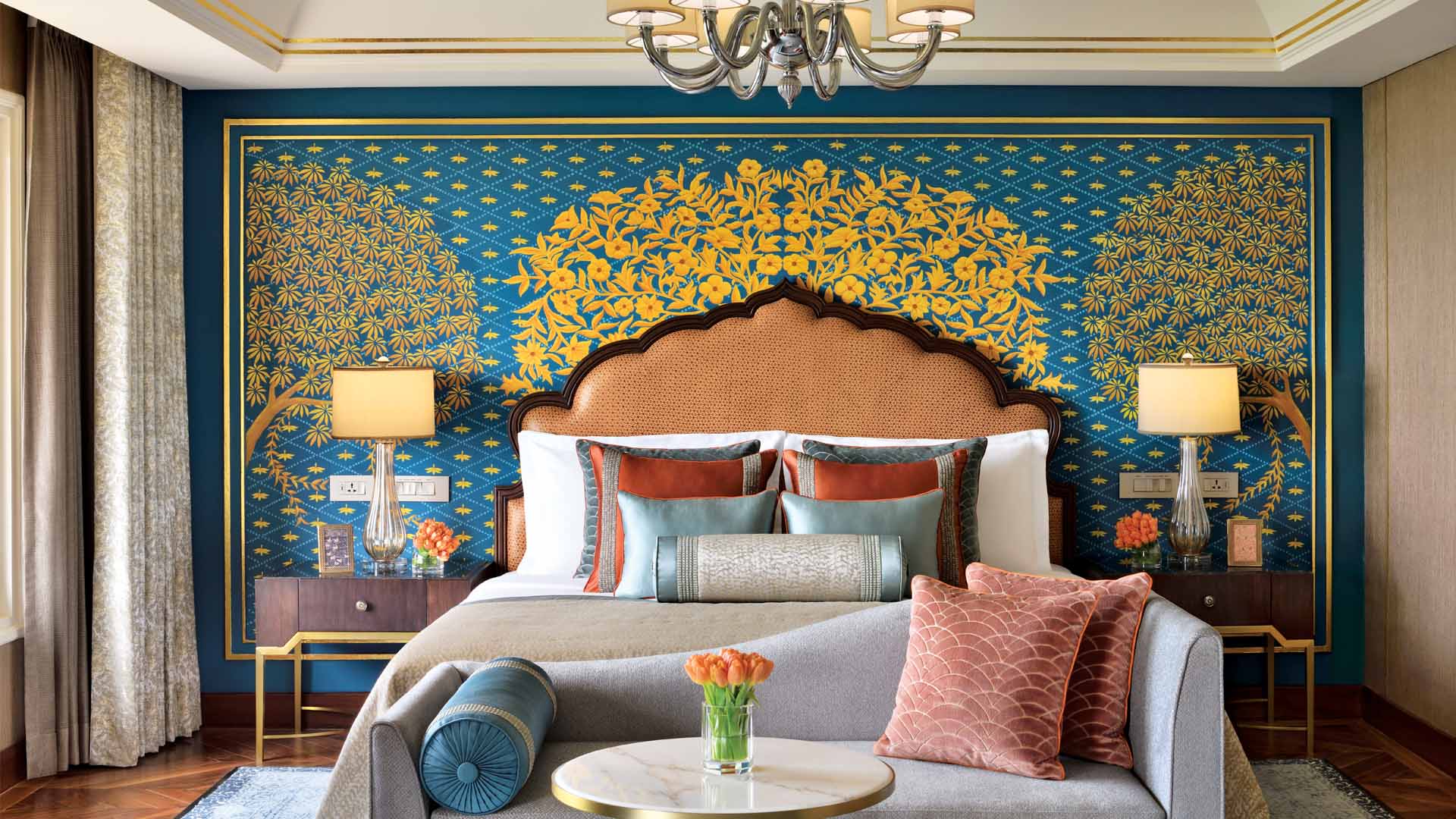
Rambagh Palace, Jaipur's elegant Rambagh Suite.
What is the most challenging aspect of the job?
In this industry, everything hinges on people. It's not just about managing internal and external stakeholders, partners, and guests; it's about understanding their perspectives, navigating different mindsets, and fostering a collaborative environment where everyone feels valued and empowered. That's the true hallmark of a successful leader—the ability to rise above challenges and inspire a team to achieve collective success.
What are the top attributes and qualities necessary to be an effective general manager?
The ability to manage, lead from the front, prioritise, understand crisis management, and be solution-ready. Always plan ahead and offer solutions.
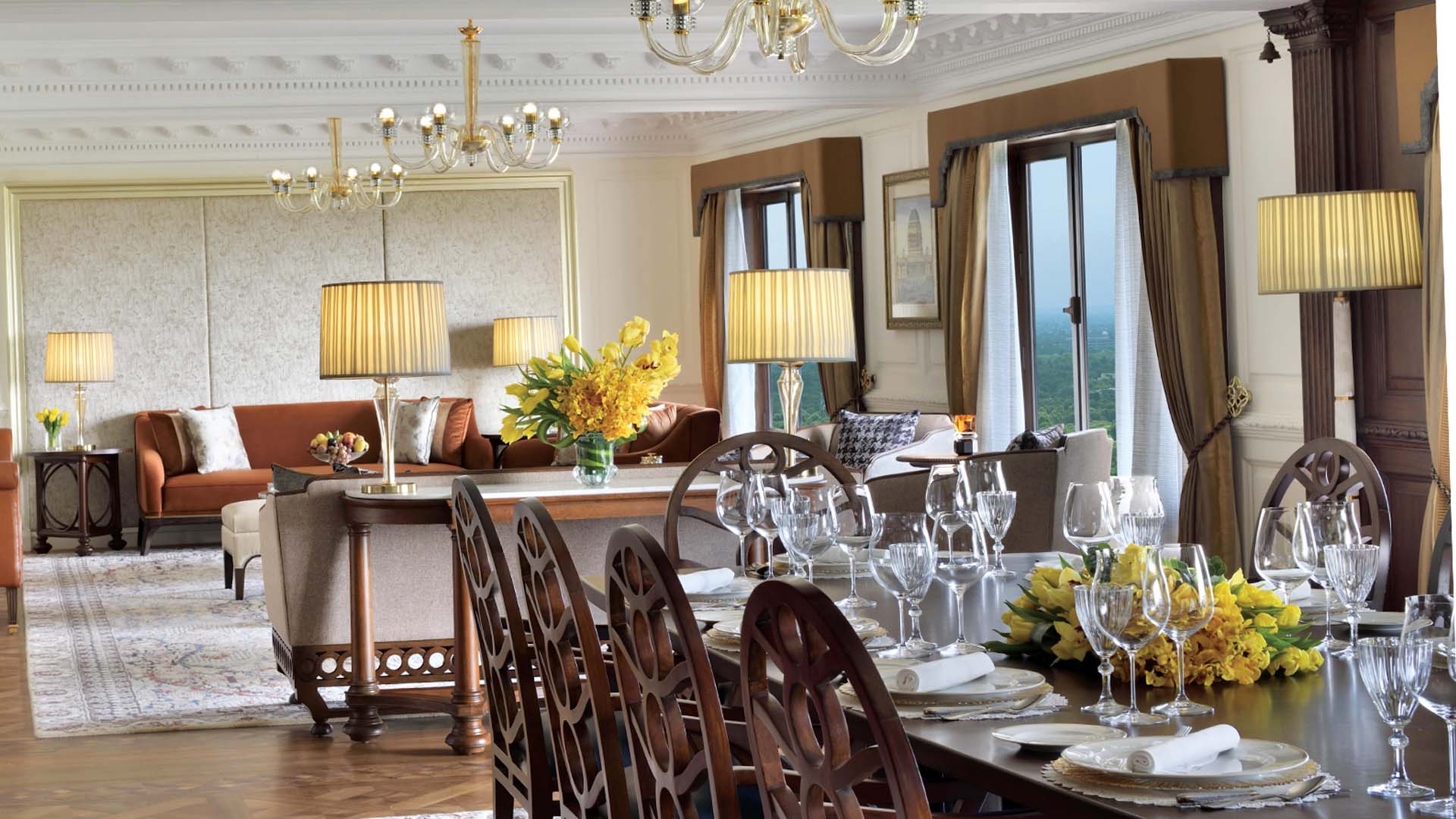
The living and dining areas of the Grand Presidential Suite, Taj Mahal, New Delhi.
How do you look at your current role as head of the Delhi market, given its significance for the group as well?
Within the capital market, there is enough and more business for all the key players. Competitively, all the hotels are doing very well. Speaking not just as an area director but someone who works in the industry, we as a sector are poised to do great business, and there are great opportunities coming up.
We have an edge is in the way we look after people, within the hotel as well as the guests. This includes working towards DEI, ESG, or our CSR initiatives. In the last few months, we have launched 37 activities under CSR and DEI. Our guest satisfaction scores have moved from 69 to 80. When you start cultivating people at every level, it reflects at every step. We want to be able to do positive discrimination for people, to support diversity, equity and inclusion efforts.