













Chalet’s On-Fleek Growth Story
K Raheja Corp’s hospitality gambit, headed by Neel Raheja, has set new grounds by forging strategic partnerships and efficient asset management. While Raheja focuses on company’s strategic expansion, CEO Sanjay Sethi explains the group's recent moves, including acquisitions and expansion.

By Suman Tarafdar
With a hospitality portfolio of over 3,050 hotel keys, over two million square feet of office space, a luxury residential project and a pipeline of new projects in hospitality and real estate, Chalet Hotels Limited is already one of the leading players in the Indian hospitality space.
What is even more noteworthy are some relevant numbers—its consolidated net profit rose 121.6% in the fourth quarter of fiscal 2024, which has considerably outpaced competition in Q4 FY’23 in revenue growth and EBITDA margins (including competition such as IHCL, EIH, Lemon Tree).
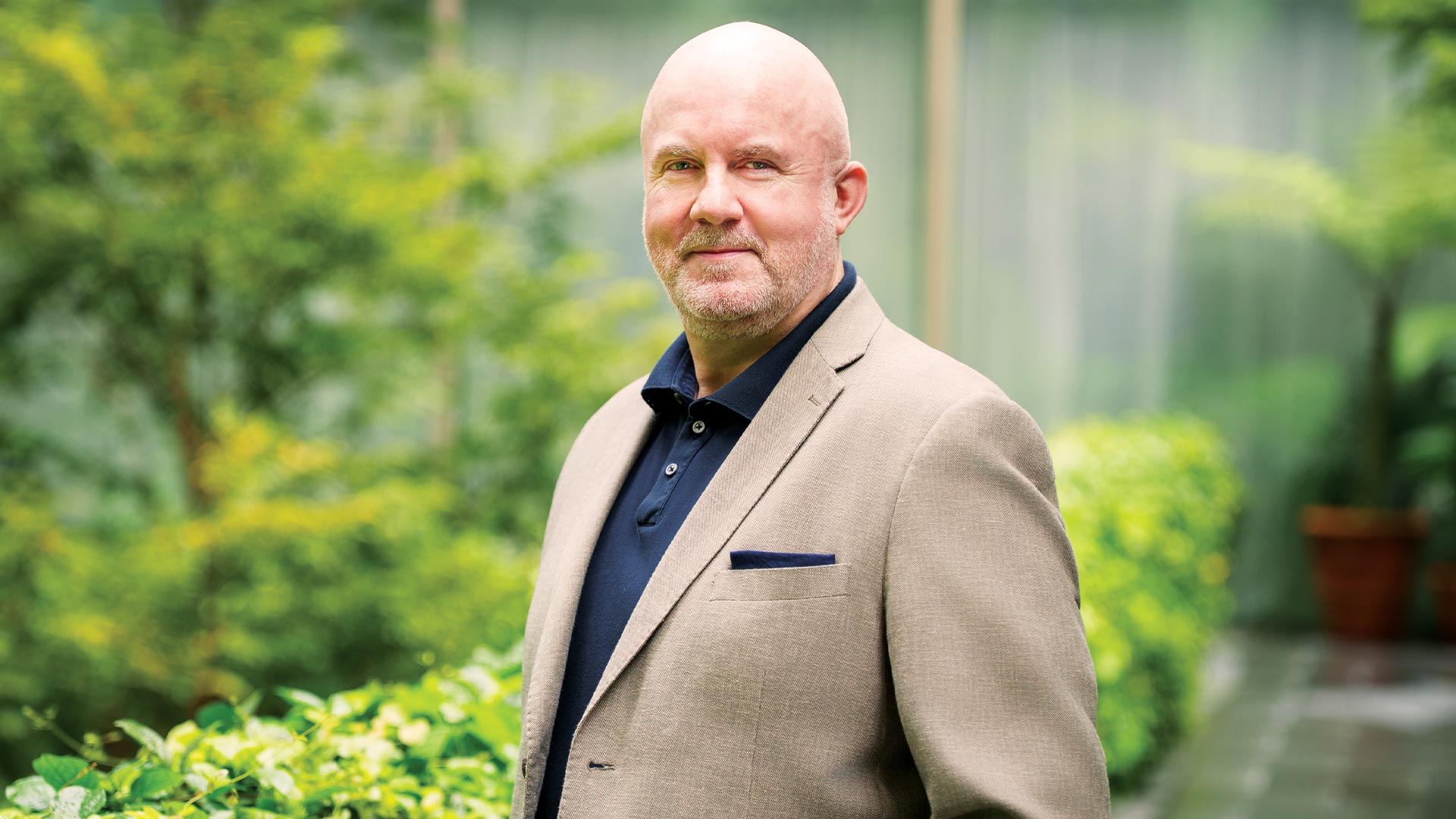
Right at the helm of the group is Neel Raheja, President, K Raheja Corp, who marries real estate and hospitality in a thriving mixed-use model.
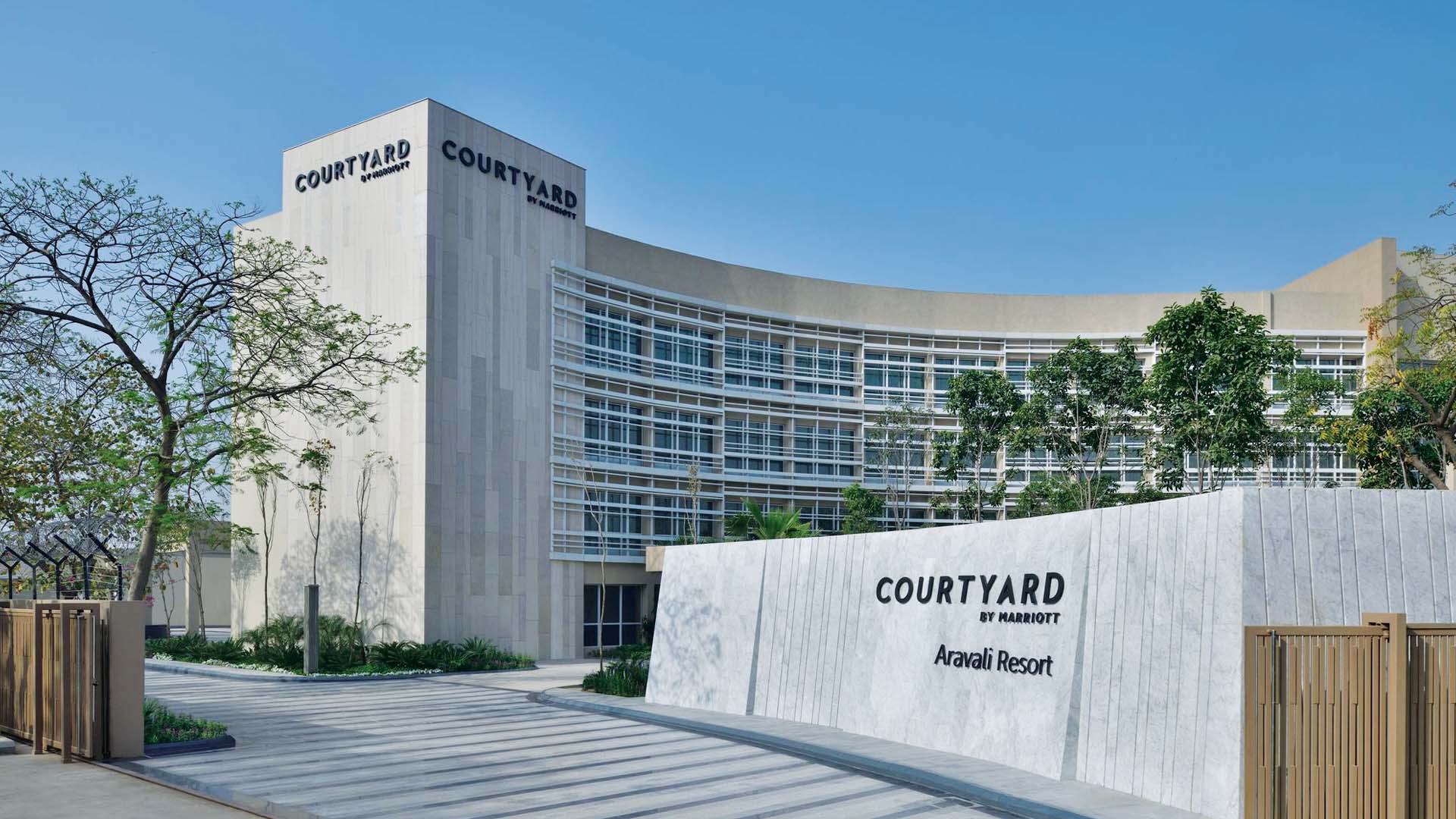
Courtyard by Marriott Aravali Resort, NCR, Chalet's recent acquisition.
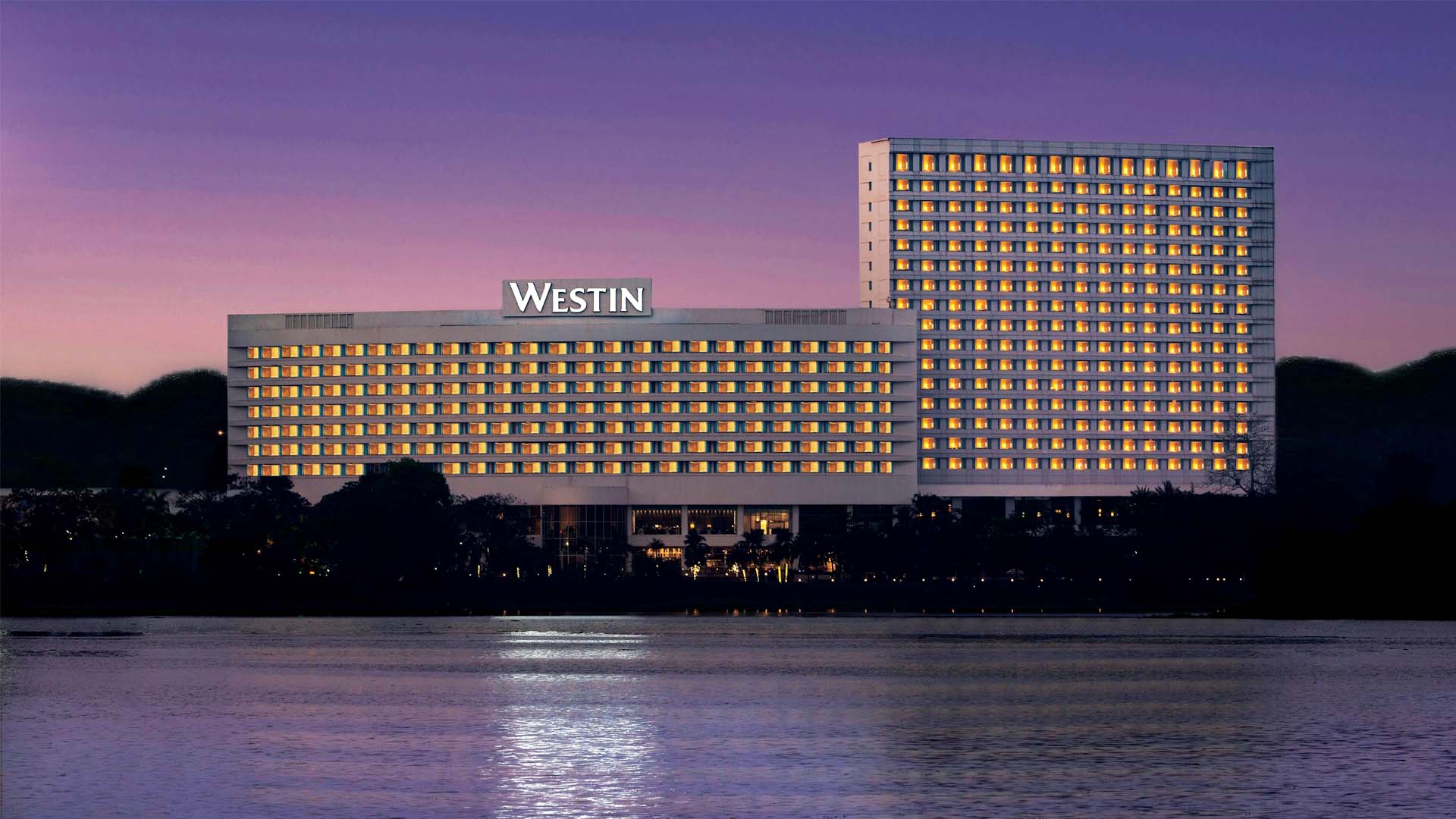
The Westin Mumbai, Powai Lake.
Expanding into hospitality
To understand Chalet’s meteoric rise, we have to understand how a real estate company turbocharged its hospitality business. In 2019, Neel Raheja gained attention for leading the launch of the IPO of Chalet Hotels Ltd., the hospitality arm of K Raheja Corp. This marked the first IPO in the hospitality sector for the group, aiming to raise ₹1,641 crore to expand its operations, which required urgent capital infusion.
Since then, Chalet Hotels has emerged as a powerhouse in the industry, reflecting the strategic foresight and innovative spirit of the K Raheja Corp group, which has been a pioneer in India's real estate and hospitality sectors for over four decades.
K Raheja Corp, one of the earliest real estate companies to enter India's hospitality space, boasts over four decades of expertise and is recognised as a leading developer in the country. Raheja highlights the group's impact: “From adaptive workplaces to exquisite residences, skillfully designed hotels and convention centres to retail destinations, we have significantly influenced the evolution of modern-day living.”
Educated at Harvard Business School, Neel Raheja learned the business from his father, property tycoon Chandru Raheja. Raheja states, “We have pioneered the development of self-contained townships in the country, continually crafting state-of-the-art spaces to meet the ever-changing demands of consumers. Our diverse business portfolio spans multiple sectors, including commercial real estate through Mindspace Business Parks (REIT), hospitality via Chalet Hotels Ltd., retail with Shoppers Stop Ltd., shopping malls through Inorbit Mall, and residential projects under K Raheja Corp Homes.”
K Raheja Corp's strategic expansion into hospitality aligns with its broader vision of creating comprehensive mixed-use developments to meet diverse customer needs. Raheja explains, “We ventured into the hospitality sector in 2000 with the launch of the iconic Renaissance Hotel (now The Westin Mumbai Powai Lake) on the banks of Powai Lake in Mumbai. This move responded to a growing demand for luxury accommodations in a market previously underserved by high-end hotels.”
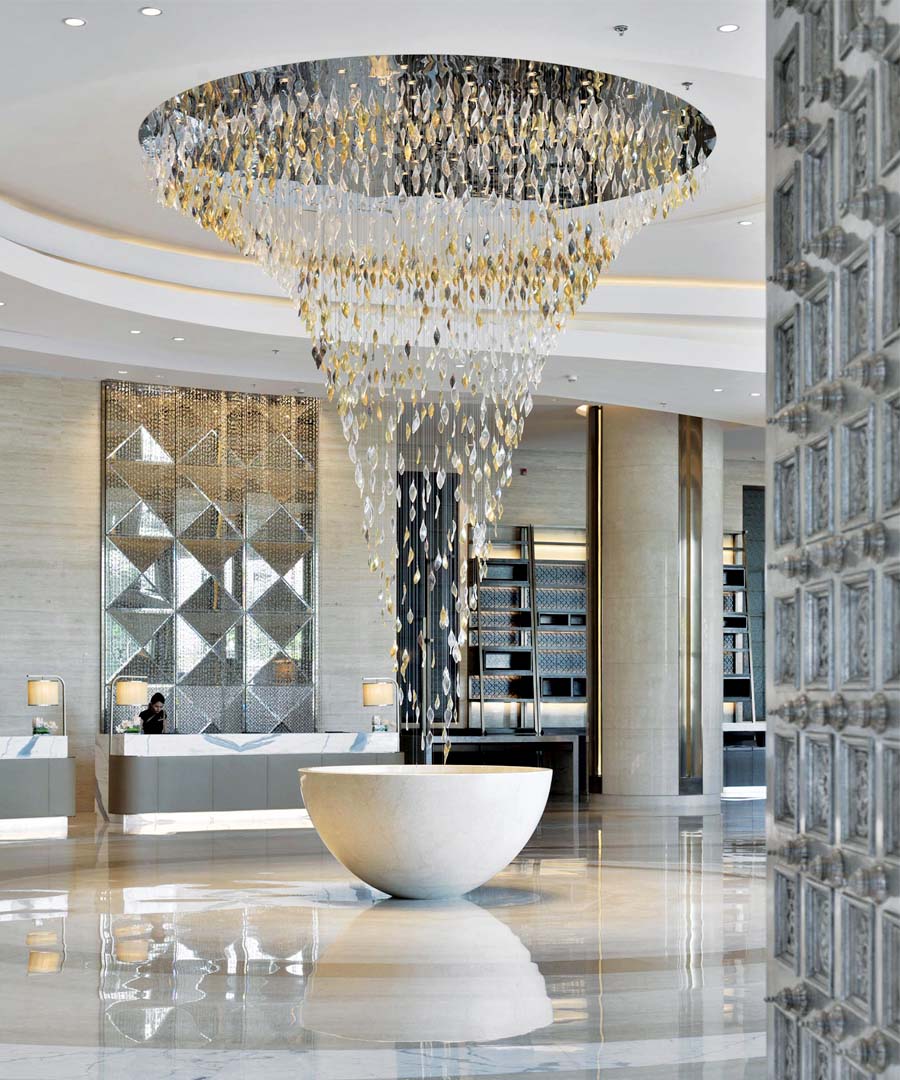
The lobby of JW Marriott Mumbai Sahar.

Diversifying revenue streams and staying adaptable
Since its modest beginnings, Chalet Hotels Ltd. has evolved into a leading industry player. Today, it is a prominent owner, developer, asset manager, and operator of high-end hotels. The company’s portfolio spans key metropolitan cities across India, including Mumbai, the National Capital Region, Hyderabad, Bengaluru, and Pune. Raheja asserts, “Chalet Hotels Ltd. is committed to driving business efficiencies and sustainable growth, managing every asset throughout its lifecycle to maximise returns.”
By integrating hospitality into its mixed-use developments, K Raheja Corp has crafted holistic environments catering to modern business needs. Raheja adds, “A prime example is our development in Telangana, which includes the Mindspace Business Park, two ‘The Westin Hotels,’ residential offerings, and an Inorbit Mall that also houses a Shoppers Stop. This integrated ecosystem not only showcases our ability to create cohesive environments but also strengthens the potential and success of such mixed-use ventures.”
Over the years, Chalet Hotels has strategically streamlined its operations by partnering with renowned hospitality chains such as Marriott, Accor, Hyatt, and IHCL. Additionally, Chalet’s innovative approach to design and development, emphasising optimal gross built-up area and development costs, has resulted in high-quality properties that address diverse market needs. “In line with its commitment to create a greener future, the company has integrated aspects of ESG across the value chain into its business model, some of these initiatives include protecting the environment, uplifting our communities, and demonstrating rightful business conduct. Most importantly, strong, people-centric leadership, focus on governance, and a commitment to fostering a positive organisational culture have driven high performance and sustained growth,” says Raheja.
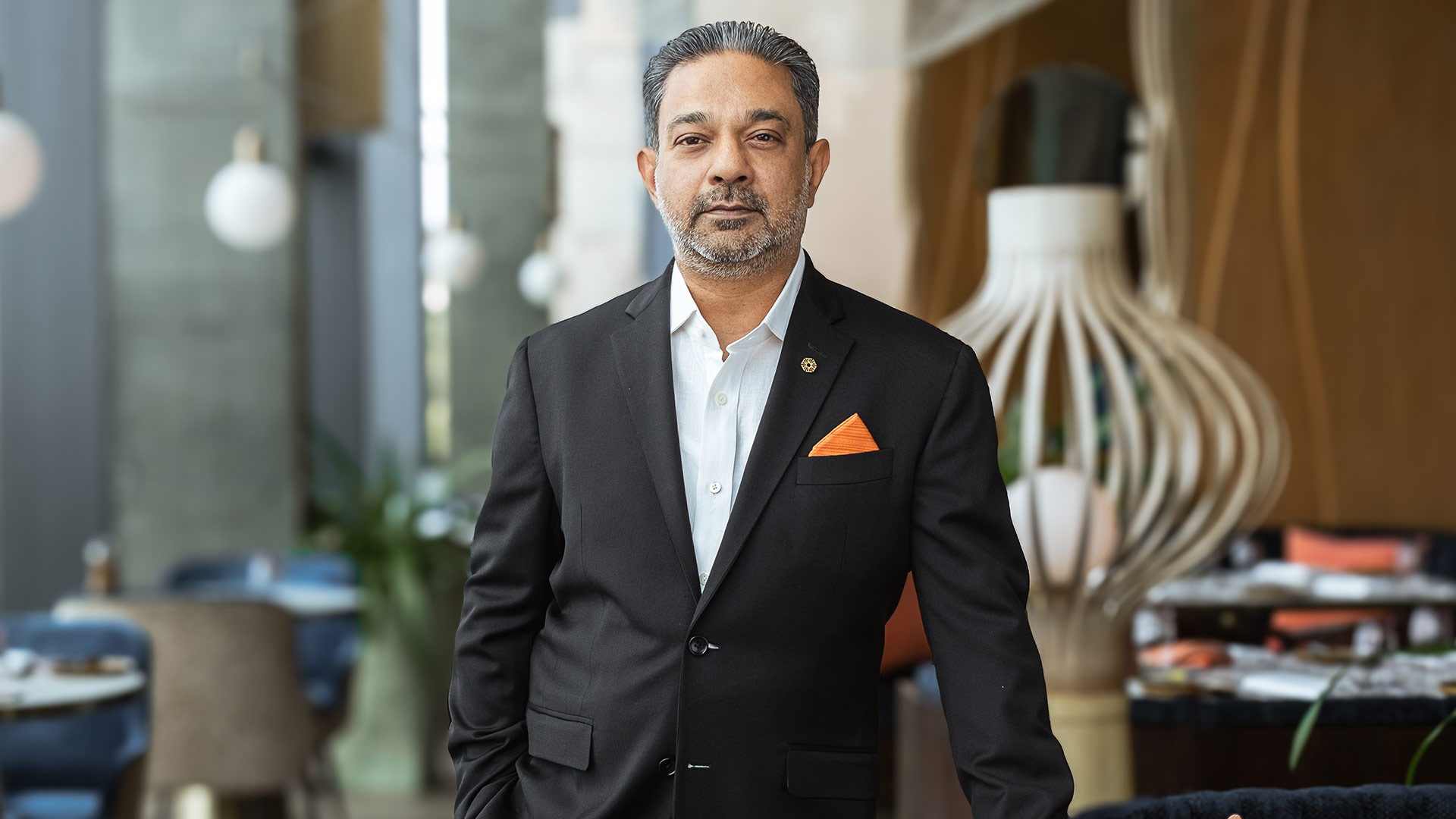
Managing Director & CEO Sanjay Sethi picks up from where Raheja leaves off. He talks about how Chalet Hotels has achieved notable success through strategic initiatives such as selecting prime property locations, right brand partners, optimising operations, diversifying revenue streams, and staying adaptable to market trends. “This has enhanced our profitability and competitive stance in the Indian hospitality market. A key part of our strategy is leveraging the demand from nearby office spaces, which helps maintain a strong customer base.”
Chalet Hotels had a robust quarter and year ending March 2024 with several additions to the portfolio. Revenue and operating profits grew by 22% and 20% respectively while PAT had multifold growth during FY’24, though the results seem to have missed some analysts' estimates.
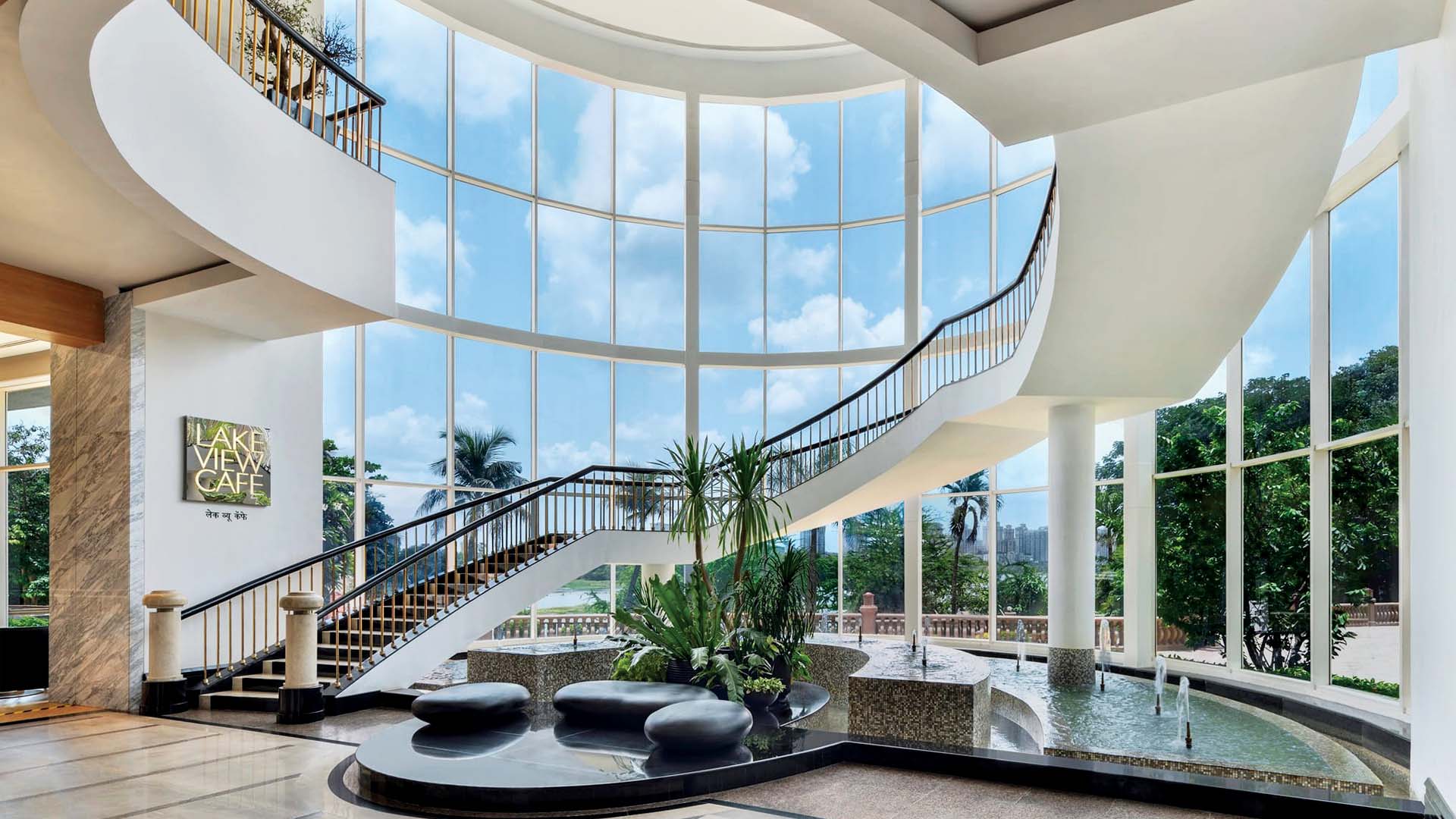
The sweeping staircase at The Westin Mumbai Powai Lake.
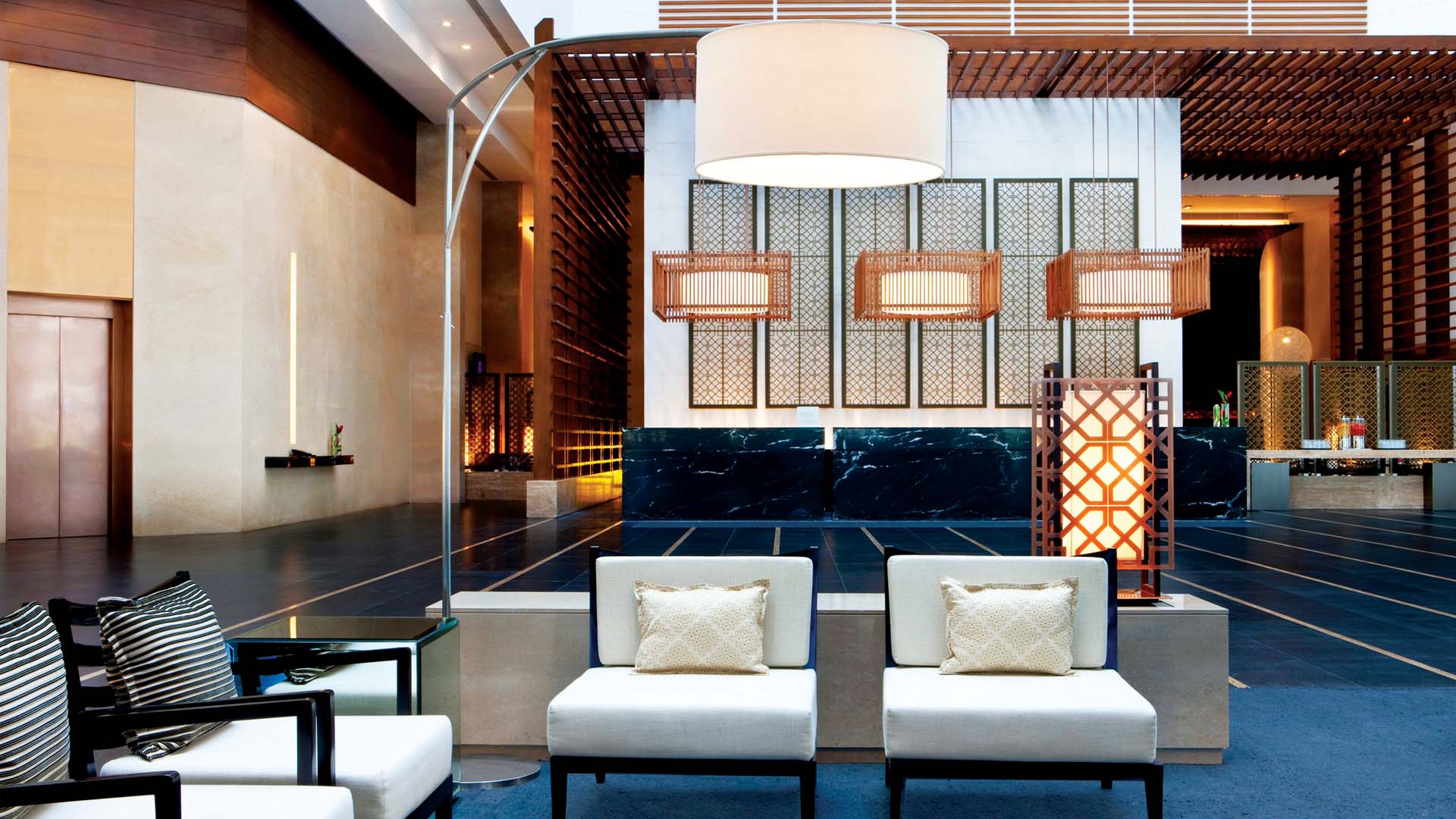
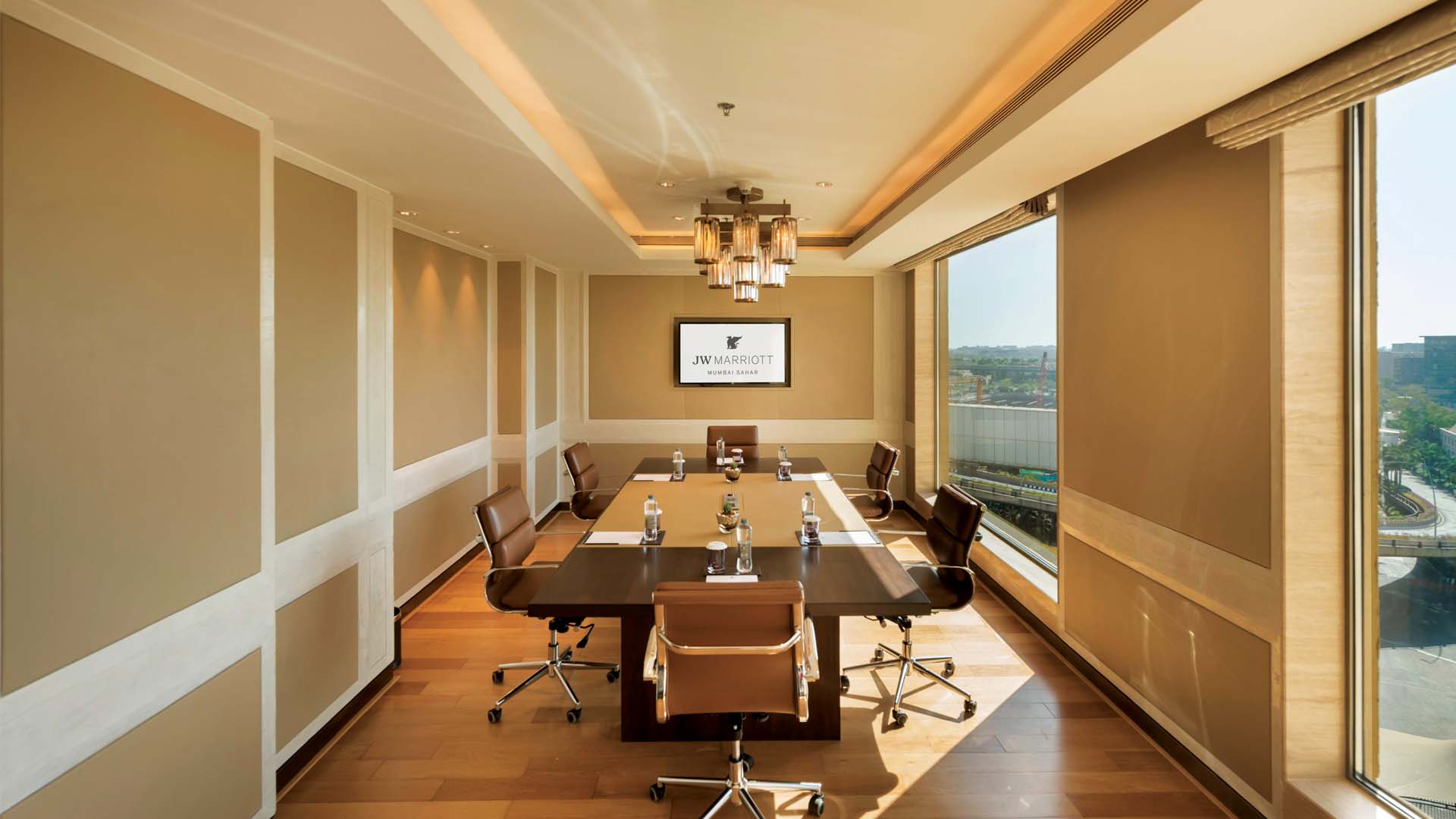
A meeting room at the JW Marriott Mumbai Sahar.
Focus on the bottom line
While many in the industry are moving towards a model of reduced asset ownership and focusing on hotel management, Chalet Hotels distinguishes itself by investing in its assets, efficiently expanding its balance sheet and EBITDA. The company's high EBITDA margins result from its design efficiencies, focused asset management and strategic partnerships with various hotel operators. Additionally, its long-term success is rooted in significant investments in large-scale, asset-heavy hotels situated in prime locations across major and emerging cities.
Chalet Hotels has committed a sizable amount of capital to projects in high-growth markets with strong fundamentals and return projections. “These funds have been instrumental in paring down debt, thus strengthening our financial position and providing us with the flexibility to invest in our expansions,” explains Sethi, a Taj Hotels veteran who joined Chalet in 2018, ahead of the company going public in February 2019.
Chalet is well-positioned for growth and success, having recently raised ₹10 billion through Qualified Institutional Placement (QIP) on April 3, 2024, which has been effectively used to reduce debt, he says. “This financial manoeuvre has strengthened our balance sheet and ensured greater fiscal stability. Additionally, we have expanded our portfolio by acquiring the Courtyard by Marriott Aravali with an enterprise value of ₹3.15 billion, further enhancing our market presence.”
The group has reported an across-the-board rise in occupancies and ARRs in its latest results, which are indicators of a positive response to the group’s strategic initiatives, says Sethi. “To accelerate growth, we plan to enhance our marketing efforts, invest in technology to improve customer experiences and expand our property portfolio in key locations. Additionally, we aim to strengthen our partnerships and explore new revenue streams to drive sustained growth.”
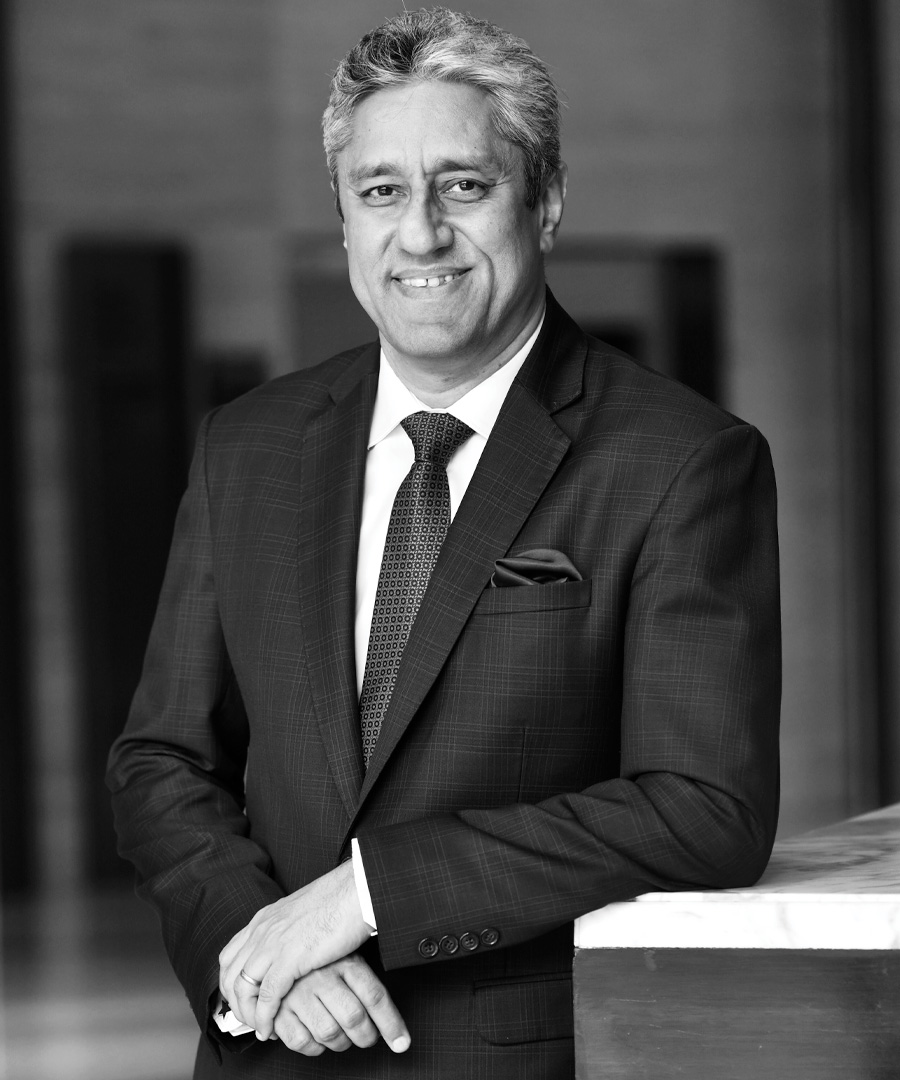
Sanjay Sethi, Managing Director & CEO, Chalet Hotels.
Chalet Hotels has achieved notable success through strategic initiatives such as selecting prime property locations, right brand partners, optimising operations, diversifying revenue streams, and staying adaptable to market trends.
Sanjay Sethi
Managing Director & CEO, Chalet Hotels
Fast-tracking development
In the global hospitality context, India has been seen as a big laggard in the rate of development. Indeed, within the sector, it is almost a truism that there will be a delay in a hotel opening.
Several factors impact development—capital financing, developmental and operational approvals, operating licenses, availability of land, having the right project executing team, etc., points out Sethi. “We have been working with the government to improve the approval cycles and implementation of single window clearances. A track record of developing hotels for the last 25 years and the umbrella of a larger real estate group leads to a greater understanding of the development cycle and cost management. Strong knowledge about infrastructure movement helps in understanding the next growth location. Chalet's design, development and liasoning teams with expertise in hospitality, support the project.
“Efficiency of design and focused asset management has been a distinguishing factor for Chalet. The group has a unique advantage in understanding the development cycle and cost management. This expertise supports the project and ensures efficiency in design and focused asset management, which has been a distinguishing factor for Chalet.”
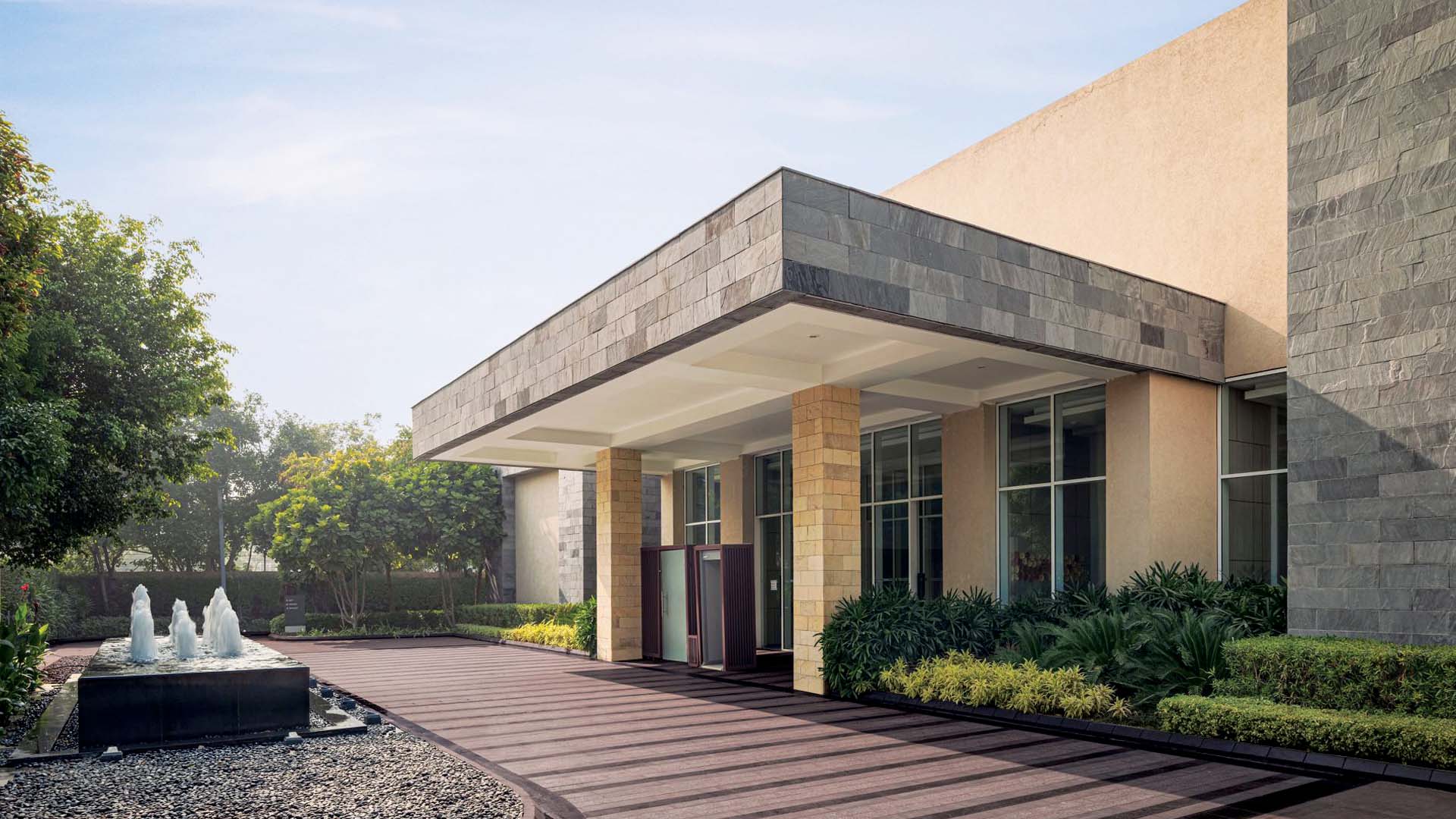
The banquet porch at Courtyard by Marriott Aravali Resort.
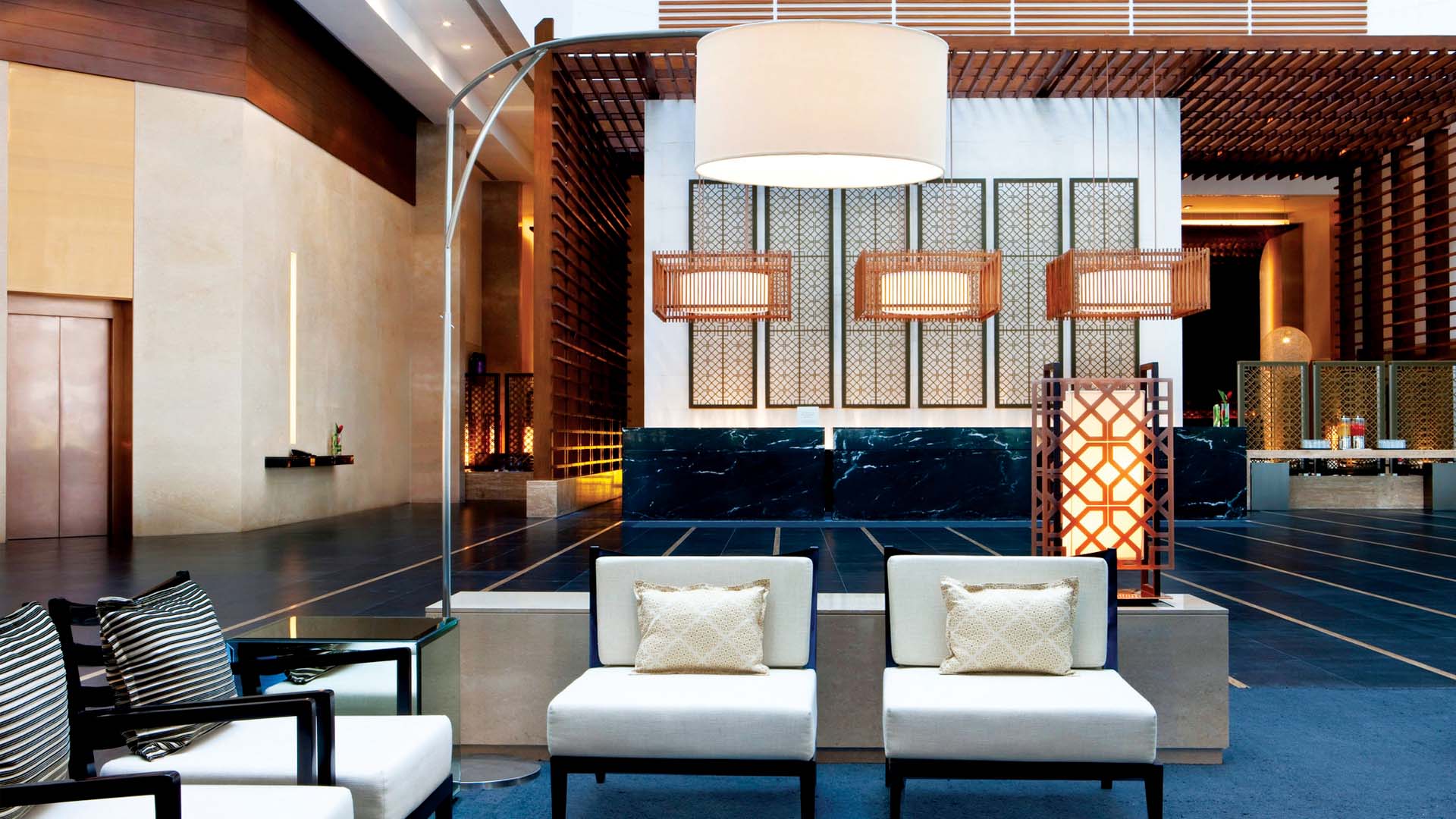
The Westin Hyderabad Mindspace.
Taking the acquisition routes
The recent acquisition of Courtyard by Marriott, Aravali Hills by Chalet made the sector take notice. The strategic acquisition was driven by the company's long-term vision to diversify its portfolio and capitalise on the growing demand for leisure destinations in the National Capital Region (NCR).
“The acquisition is a strategic fit for Chalet Hotels, given the numerous drivers, which contribute to the region's popularity,” elaborates Sethi. “These drivers include social events, business conferences, and family getaways, which ensure a consistent stream of guests. The property’s strong performance potential and accretive nature to the company’s portfolio, make it an attractive addition to their portfolio. This strategic move is expected to contribute significantly to the company's growth prospects over the next four to five years, as it capitalises on the supply-demand arbitrage in the country.”
Two factors played a big role: that it is a leisure property, at a driving distance from the National Capital Region. “Drivable distance from NCR is a great market with many drivers—social, MICE, and family getaways. It is a great asset with strong performance potential and is an accretive asset to our portfolio. An additional 6.5 acres of undeveloped land can be leveraged to enhance the property’s offerings and increase its revenue potential.”
Chalet Hotels' commitment to expanding its portfolio through strategic acquisitions is evident in its recent deals, including the acquisition of Dukes Retreat at Lonavala. These moves demonstrate the company’s focus on diversifying its offerings and increasing its presence in key markets.
Chalet Hotels' entry has spurred competition and innovation within the market, says Sethi. “Our strategic investments in prime locations and high-quality properties have set benchmarks for development and service delivery. By attracting international brands and leveraging economies of scale, companies such as Chalet have contributed to the modernisation and expansion of India’s hospitality sector. In essence, the entrance of institutional players such as Chalet Hotels has not only diversified ownership structures but also elevated the professionalism and competitiveness of the Indian hotel industry, ushering in a new era of growth and development.”
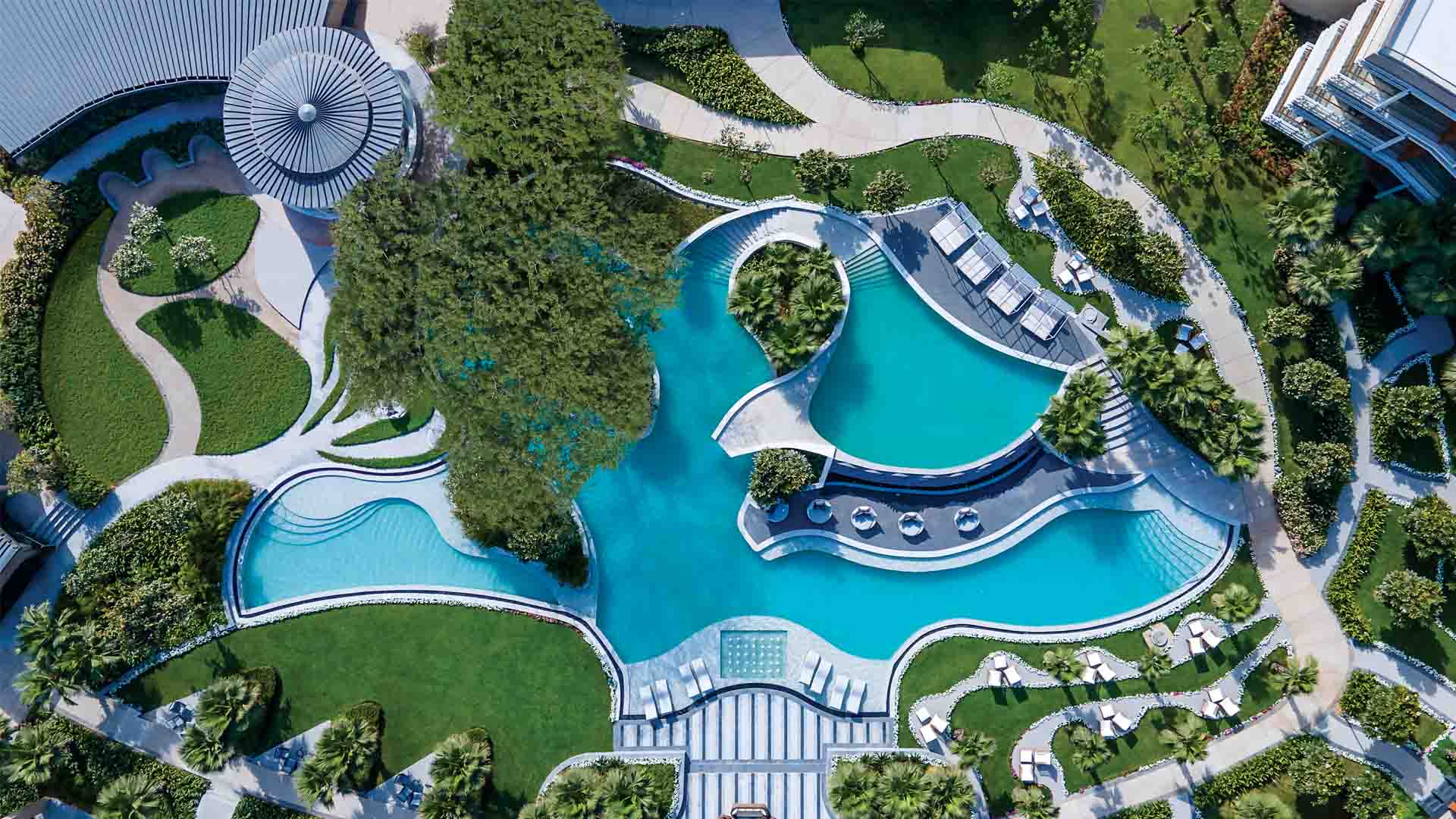
The beautiful pool area of Courtyard by Marriott Aravali Resort.
Bengaluru Marriott Hotel Whitefield is a busy tech hub.
Expansion mode
Chalet Hotels has major expansion plans. “Our new room inventory should be close to 4,000 keys by FY’27 on the announced plans from 3,000 today. We are also proud to have launched The Westin Hyderabad HITEC City at Mindspace, featuring 168 rooms and operated by an all-women team, showcasing our commitment to diversity and innovation in our operations,” stresses Sethi. “The increased capacity at Novotel Pune Nagar Road by adding 88 rooms to the current inventory, so that we have 311 rooms, signifies our ongoing efforts to cater to the growing demand. These strategic initiatives position us strongly, though we remain mindful of the challenges such as market volatility and operational costs, which we are prepared to navigate with our robust plans and proactive actions. By reducing our debt and investing in high-potential projects, we are positioning Chalet Hotels for sustainable long-term growth and enhanced market presence.”
There has also been speculation that Chalet will operate its brand. Sethi deflects. “Chalet is in a sweet spot with a healthy balance of properties managed by operators and assets that are self-managed by us,” he says. “We have been dabbling with the idea of having our brand for some time. We might have an opportunity to test it out with a couple of unflagged properties that we manage. The company has not made any decision on the same yet.”
With 10 operating hotels, Chalet has developed a strong asset management team capable of managing operations. “As a franchisee, Chalet can focus on its assets and the needs of its guests. Globally, franchising is a more prevalent concept as it offers operators faster growth, and the franchisee is in a better position to manage costs and focus on asset returns.”
Chalet has recently also expanded to office/commercial spaces. Currently, less than 10% of revenues come from office assets as the company is in the process of leasing a significant portion of the 2.4 million sq.ft. of office assets it owns. “Offices have been a complementary asset in a hotel-led development for Chalet. To seal the development potential of a larger land parcel we have developed high-end office spaces in the central business districts of Mumbai and Bengaluru, where we already have significant hotel rooms. These assets offer a high return on investments as the land is at historical costs and is not separately purchased for commercial development. The offices benefit from the high-quality hotel assets within the complexes and deliver healthy rentals.”
The company has set ambitious sustainability targets, including sourcing 100% of its electricity from renewable sources by 2031, and has implemented various measures across its portfolio to reduce its environmental impact. It is its financial and physical expansion that the sector is going to be tracking more closely though.
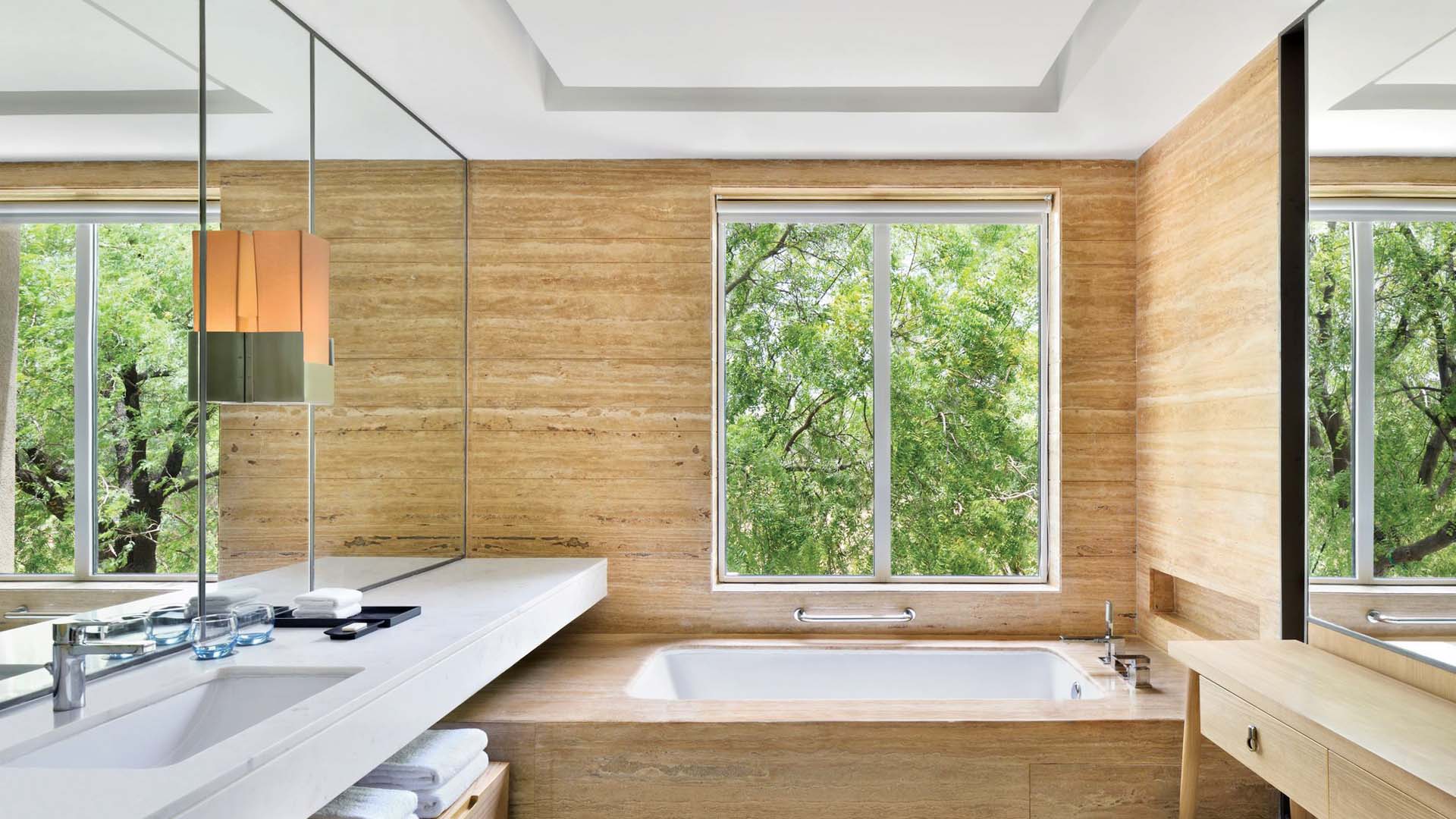
Courtyard by Marriott Aravali Resort features comfortable bathrooms.
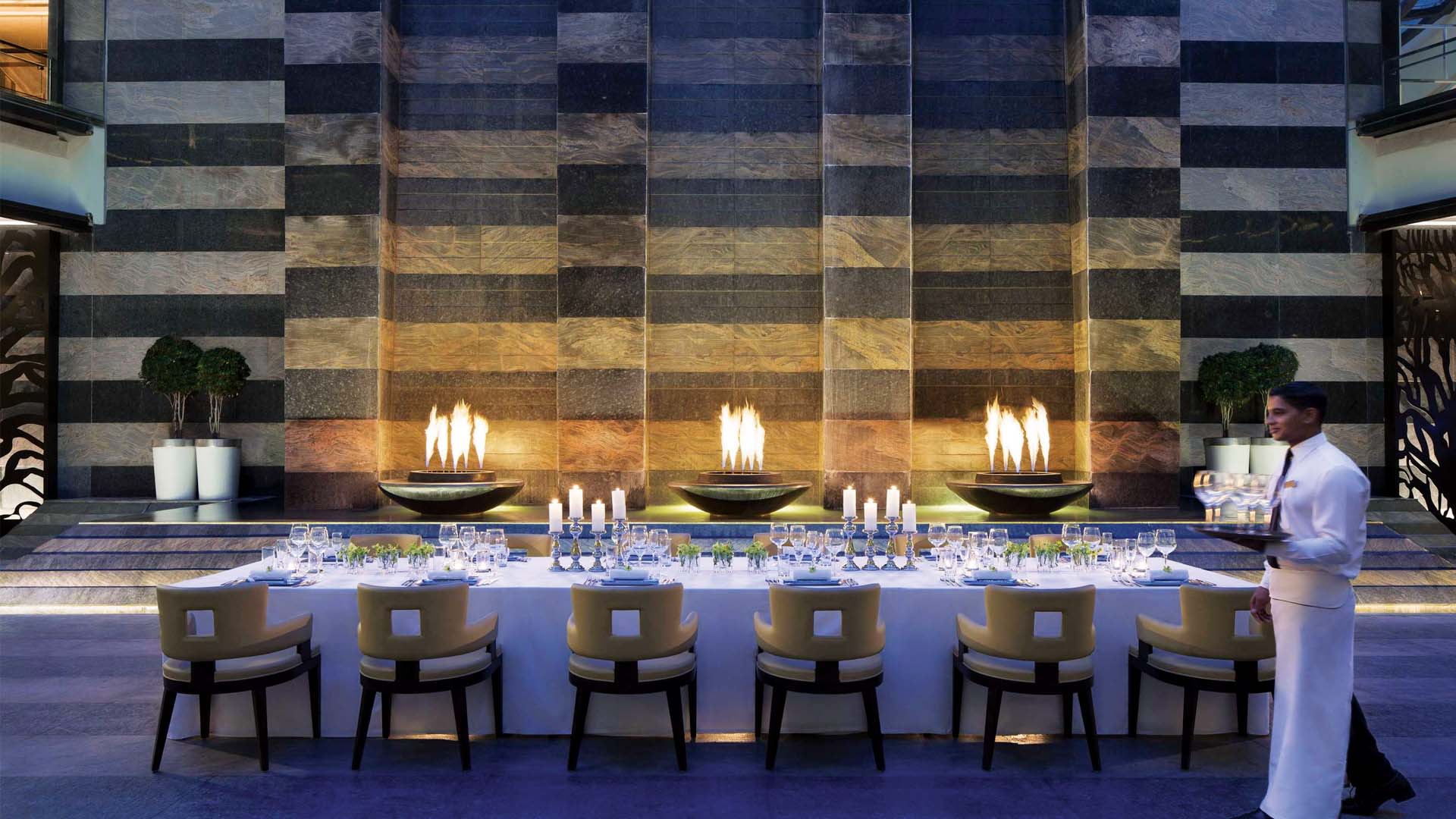
M Cafe at Bengaluru Marriott Hotel Whitefield.